Lahore,Where History Breathes and Culture Never Sleep
If cities had heartbeats, Lahore would pulse like a drum.
It does not whisper its story. It sings it — through the azaan echoing from centuries-old minarets, the clatter of teacups in Anarkali’s cafés, the poetry recited at midnight gatherings, and the aroma of sizzling kebabs rising from Gawalmandi’s food street.
To understand Lahore is not simply to study its monuments. It is to walk its streets at dusk, when the sky turns saffron behind the domes of the Badshahi Mosque, and families gather on rooftops to catch the evening breeze. It is to sit beside an old bookseller near Lahore Fort who will tell you, “Putar, Lahore isn’t just a city. Lahore is a mehfil.”
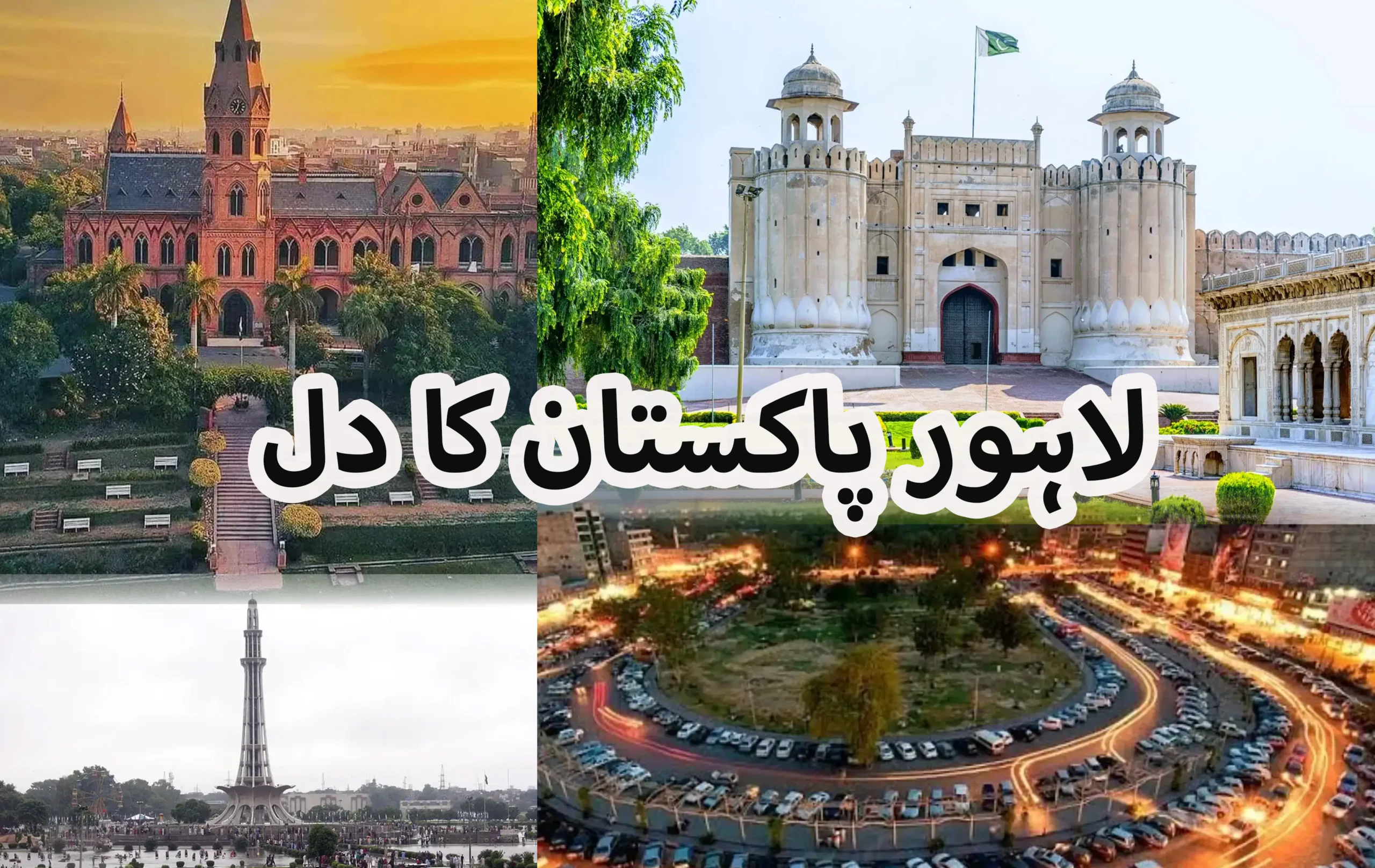
Welcome to Lahore — the cultural capital of Pakistan, the soul of Punjab, and the city locals proudly call Zinda Dilaan da Shehar — the City of the Lively-Hearted.
Where Is Lahore? A Gateway Between Worlds
Lahore lies in northeastern Punjab, just a short drive from the Indian border. For centuries, it has stood at the crossroads of South Asia, Central Asia, and the Middle East. Armies marched through it. Traders prospered in it. Poets immortalized it.
Today, it is Pakistan’s second-largest city — but emotionally, many would argue, it is the first.
The Ravi River flows quietly along its edge, though modern development has pulled the city outward in all directions. From the narrow alleys of the Walled City of Lahore to the glass towers of Gulberg and DHA, Lahore holds multiple centuries in one frame.
A local university student once said:
“Karachi runs the economy. Islamabad runs the government. But Lahore? It runs the culture.”
The Legend of Lahore’s Birth
Every Lahori child grows up hearing the same story.
The city, they say, was founded by Lava (or Loh), the son of Lord Rama from the ancient epic Ramayana. While historians debate the legend, the mythology remains alive in the city’s oral tradition.
The very name “Lahore” is believed to have evolved from “Lohawar” or “Loh Kot” — the Fort of Loh.
Whether myth or memory, the story reflects something important: Lahore has always been layered — spiritual, political, artistic, and human all at once.
The Golden Mughal
If Lahore had a golden age, it came under the Mughal emperors. In the 16th and 17th centuries, Lahore blossomed into one of the grandest cities of the empire. Emperor Akbar made it his capital for a time. Jahangir loved it deeply. Shah Jahan adorned it like a jewel.
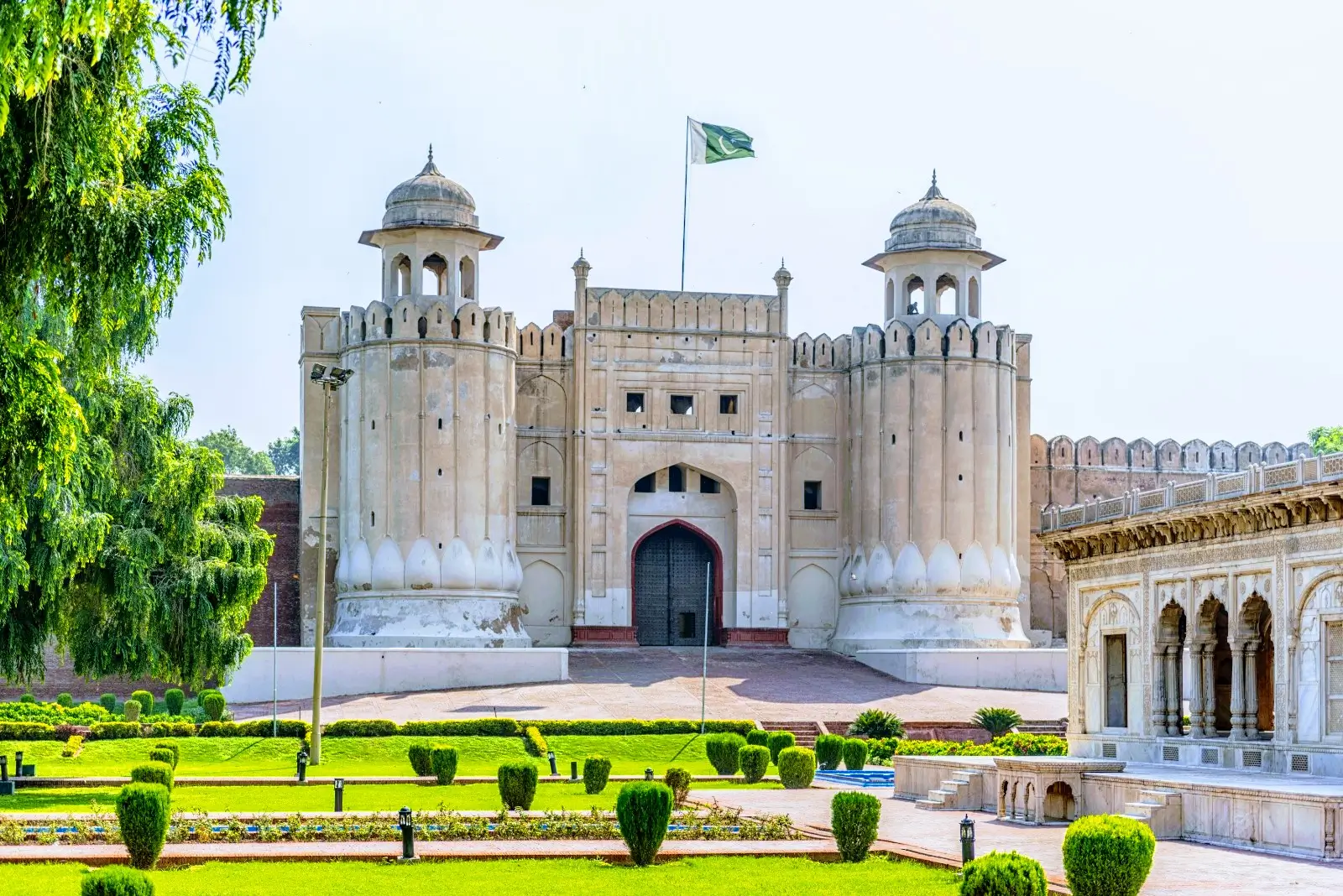
Walking through the Lahore Fort, you still feel that grandeur. The Sheesh Mahal (Palace of Mirrors) glimmers with delicate glasswork. Marble pavilions whisper stories of royal courts and monsoon evenings.
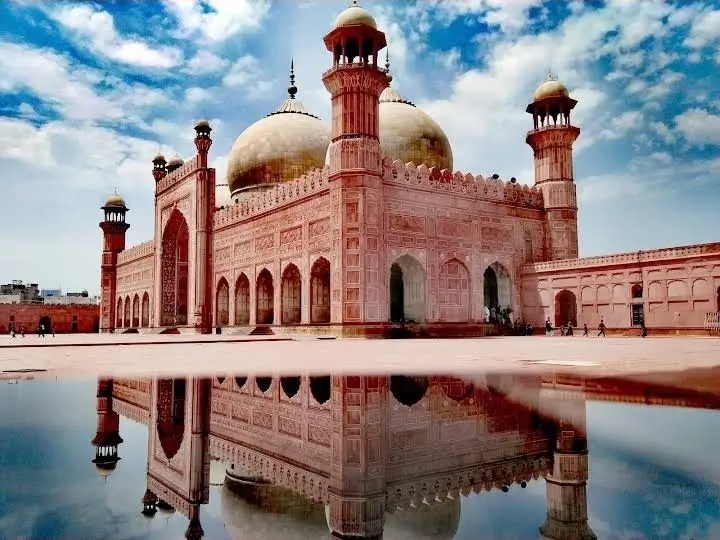
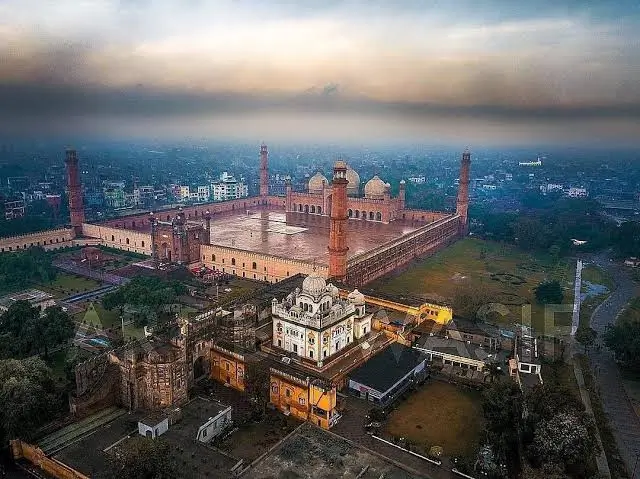
Across from it stands the majestic Badshahi Mosque, built in 1673 — once the largest mosque in the world. At sunset, when pigeons circle its vast courtyard and children chase each other across red sandstone tiles, history feels alive.
Not far away lie the serene Shalimar Gardens, where terraced fountains once cooled emperors in the summer heat. Today, couples stroll there under ancient trees, and elderly men debate politics on park benches.
A Lahori tour guide once laughed and said:
“The Mughals built monuments. Lahoris built memories inside them.”
The Sikh and British
After the Mughal decline, Lahore came under Sikh rule in the early 19th century. Maharaja Ranjit Singh made it his capital. His samadhi still stands near the Badshahi Mosque, a quiet reminder of a multi-religious past.
Then came the British. The colonial era reshaped Lahore’s infrastructure. Railways arrived. Educational institutions flourished. Wide boulevards and red-brick buildings emerged.
The University of the Punjab, established in 1882, became a center of intellectual life. Court buildings, museums, and civic halls reflected Victorian architecture — blending East and West in brick and stone.
Old Mall Road still carries that colonial elegance. Under banyan trees, Lahore began transforming into a modern intellectual hub.
The Walled City — Lahore’s Beating Heart
To truly know this city, you must step inside the Walled City.
Here, time slows. The narrow streets of Androon Lahore are alive with color — spice shops bursting with turmeric and red chilies, calligraphers painting Quranic verses by hand, craftsmen restoring centuries-old wooden balconies.
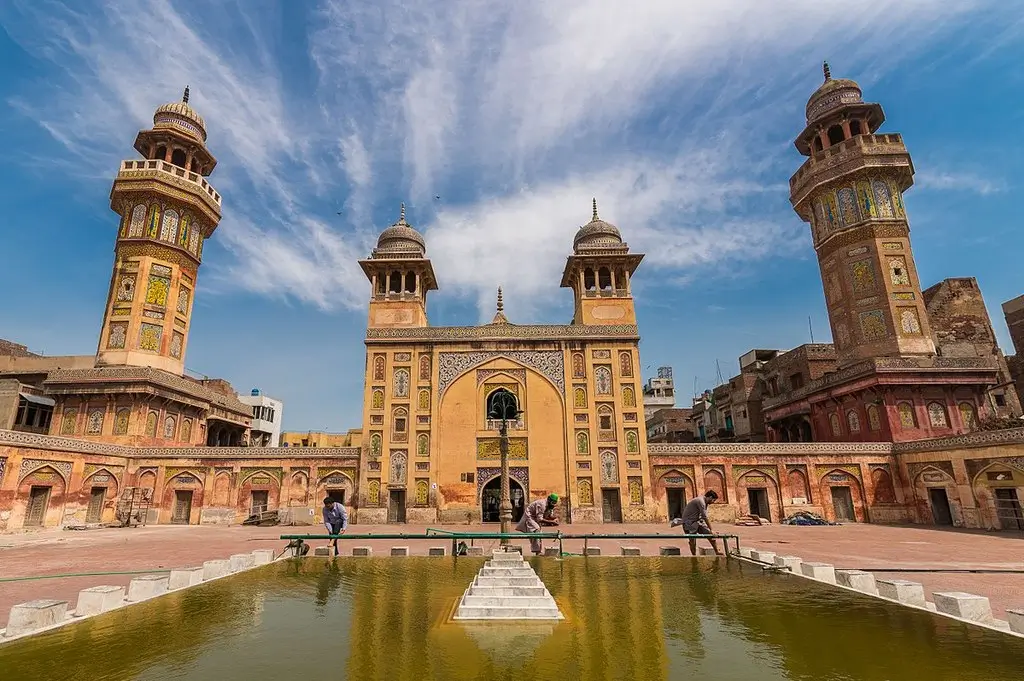
The Wazir Khan Mosque glows with intricate tilework — perhaps the finest example of Mughal artistry in the city. Its courtyard hums with quiet devotion.
And then there is Anarkali Bazaar — one of South Asia’s oldest markets — where wedding dresses shimmer beside street vendors selling samosas for pennies.
A shopkeeper told me once:
“If you get lost in Lahore’s old city, don’t worry. The city will find you.”
Lahore’s Literary Soul
This city is not just built in brick. It is built in words.
Poetry gatherings — called mushairas — still attract passionate audiences. The city has nurtured countless writers and thinkers. It is proudly recognized as a UNESCO Creative City of Literature.
In tea houses and bookshops, discussions stretch late into the night — about politics, philosophy, cricket, and love. Even graffiti here often carries poetry.
The Food Capital of Pakistan
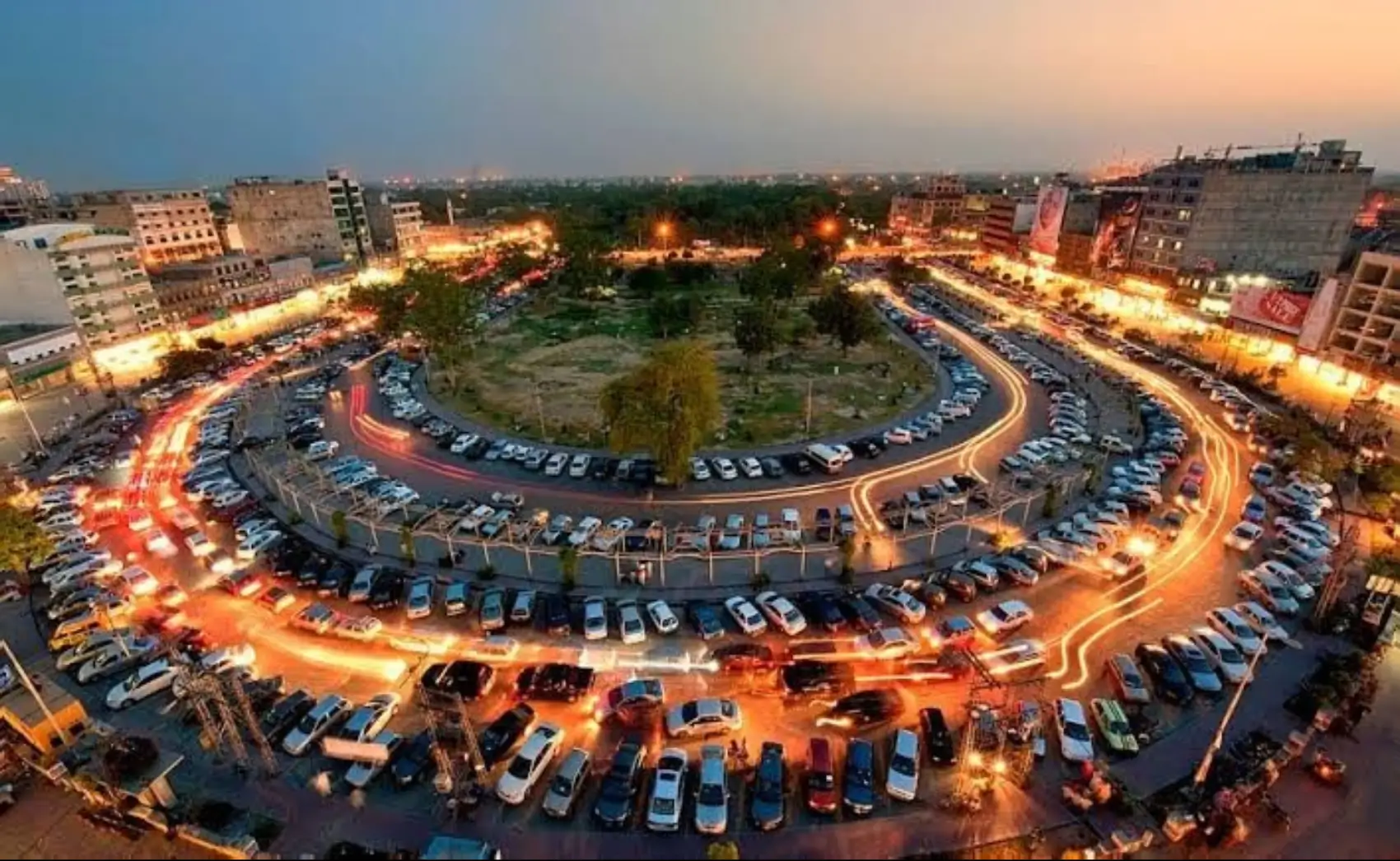
If history built Lahore, food sustains it. You cannot write about this city without tasting it. Morning begins with halwa puri and lassi. Afternoon might mean chana chaat from a roadside cart. Evening demands barbecue — seekh kebabs, chicken tikka, and spicy karahi cooked in iron woks.
Gawalmandi Food Street comes alive after sunset. Smoke rises. Families gather. Tourists photograph platters too large to finish. And then there is the legendary Lahori hospitality. Refuse a second serving and someone will insist:
“O ji, thora hor kha lo!”
(Please, eat a little more.)
Festivals and the Joy of Living
Lahore celebrates everything. Eid transforms the city into a carnival of lights and new clothes. Wedding season means endless dhol drums and dancing.
Historically, Basant — the kite festival — painted the sky yellow each spring. Though regulated today, the memory of rooftops filled with cheering families remains iconic. Even ordinary evenings feel festive. Parks fill with laughter. Streets buzz with tea stalls. The city never truly sleeps.
Modern Lahore — Growth and Contrast
Beyond the old city, it has expanded rapidly. Luxury housing developments, shopping malls, and technology parks now stand alongside Mughal domes. Projects like the Metro Bus and Orange Line have modernized transport. New urban communities promise “smart city” lifestyles.
Yet the city struggles too — especially with air pollution during winter months, when smog blankets the skyline.
A local environmental activist told me:
“We love Lahore deeply. That’s why we fight for cleaner air. This city deserves to breathe.”
Why Lahore Is Called the Heart of Pakistan
Because it feels. It remembers. It celebrates. It argues loudly and laughs louder. It carries centuries without becoming old.
From the solemn beauty of the Badshahi Mosque to the chaotic joy of Liberty Market, Lahore embodies contradiction — tradition and modernity, reverence and rebellion, poetry and politics.
And perhaps that is why people say:
“Jinney Lahore nai vekhya, o jamya hi nai.”
(One who hasn’t seen Lahore hasn’t truly lived.)
Empires, Revolutions, and the Making of a Cultural Capital
In Lahore, history is not archived — it lingers.
It clings to the sandstone walls of the Lahore Fort, echoes through the vast courtyard of the Badshahi Mosque, and drifts quietly through the gardens of Shalimar Gardens. To understand thIS empires that shaped it — and the revolutions that transformed it. This is the story of power, poetry, faith, resistance, and rebirth.
Ancient Lahore: Between Legend and Early Kingdoms
Long before Mughal domes and colonial boulevards, Lahore existed as a fortified settlement near the Ravi River. While archaeology gives us fragments rather than full chapters, historians agree that Lahore was part of a thriving network of ancient trade routes linking Central Asia and the Indian subcontinent.
Local folklore ties the city to Lava (Loh), son of Lord Rama — a story passed down through generations. Whether literal or symbolic, the legend reveals something essential: Lahore has always believed itself ancient.
Early Hindu and Buddhist influences likely shaped the region before waves of Islamic dynasties redefined its skyline.
A retired history professor in Lahore once said:
“We do not have one origin story. We have layers — like the city itself.”
The Ghaznavid Era: Lahore Rises as a Capital
In the 11th century, Lahore gained political prominence under the Ghaznavids. When Mahmud of Ghazni extended his empire into the subcontinent, the city became a strategic and administrative center.
Under this rule, Islamic culture and Persian influence expanded significantly. Scholars, poets, and theologians arrived. Mosques replaced older temples. Trade increased.
Lahore was no longer simply a frontier town — it was becoming a capital.
Turbulence: Mongol Threats and Survival
Between the 13th and 15th centuries, Lahore endured repeated invasions. Mongol forces attacked and damaged the city multiple times. Political instability followed.
Yet Lahore did not disappear.It rebuilt itself again and again — a theme that would define its character across centuries. A shopkeeper in the Walled City once told a tourist:
“We have been destroyed many times. But Lahore refuses to die.”

The Mughal Golden Age: Lahore Becomes a Jewel
Everything changed in the 16th century. When Emperor Akbar chose Lahore as a key imperial city, the transformation began. It became one of the grandest urban centers of the Mughal Empire.
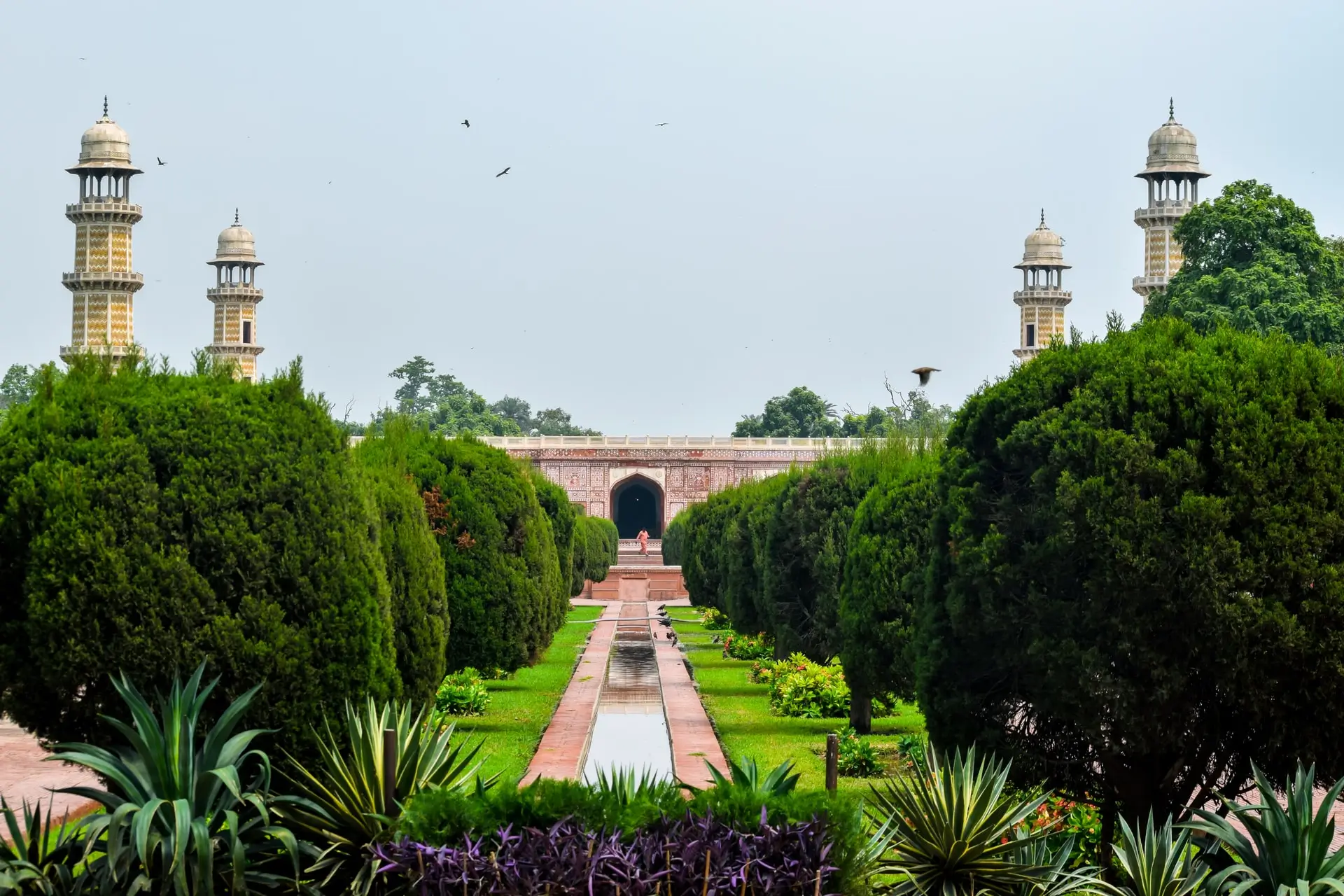
The Lahore Fort was expanded dramatically. Royal courts flourished. Persian gardens were introduced. Trade routes prospered. Under Jahangir, city became a favored residence. His tomb, located in Shahdara Bagh, still draws visitors who stand beneath its symmetrical beauty.
Then came Shah Jahan — the master builder.
He added marble pavilions, ornate carvings, and delicate frescoes. The Sheesh Mahal inside Lahore Fort dazzles even today, reflecting light like a constellation trapped in glass.
Across from the fort, Aurangzeb commissioned the majestic Badshahi Mosque in 1673. With its vast courtyard and towering minarets, it symbolized imperial confidence.
Meanwhile, the terraced fountains of Shalimar Gardens embodied Mughal ideas of paradise — flowing water, symmetry, and serenity.
A young Lahori guide once said:
“When you walk here, you walk inside a painting.”
Decline of the Mughals: A City in Transition
After Aurangzeb’s death, Mughal power weakened. Lahore’s glory dimmed.
Afghan rulers, local governors, and competing factions fought over control. Buildings deteriorated. Stability faltered.
But once again, Lahore survived
The Sikh Era: Ranjit Singh’s Capital
In 1799, Maharaja Ranjit Singh captured Lahore and made it the capital of the Sikh Empire.
This marked a new chapter. Temples, gurdwaras, and forts were renovated or repurposed. The city became a vibrant multi-religious capital. The Samadhi of Ranjit Singh, located near the Badshahi Mosque, stands as a reminder of this era — a moment when Sikh rule reshaped Lahore’s political identity. Under Ranjit Singh, Lahore regained stability and importance.
A Sikh pilgrim visiting from abroad once remarked:
“This city belongs to many histories, not just one.”
British Colonial Rule: Red Brick and Railways
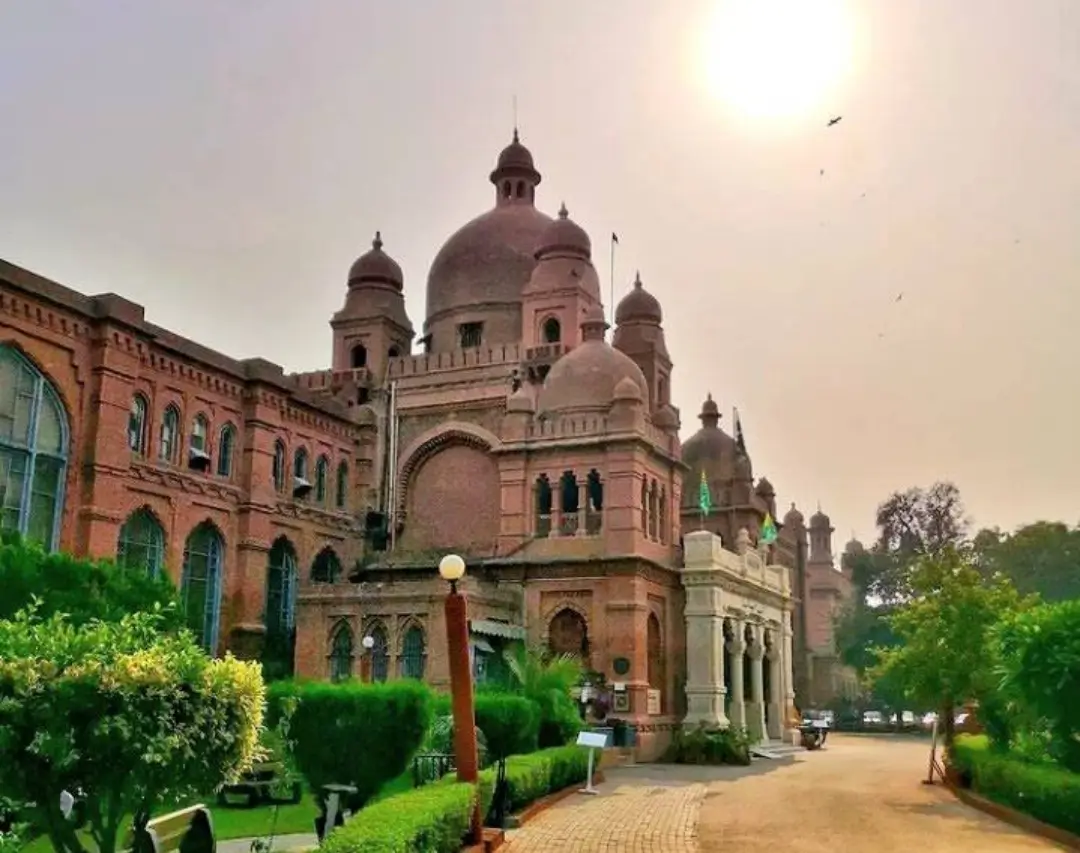
In 1849, the British annexed Punjab. The colonial period introduced railways, modern administration, and new educational institutions. The elegant architecture along Mall Road reflects this transformation. Institutions like the University of the Punjab and Government College became intellectual powerhouses.The Lahore Museum, established during British rule, became a repository of art and archaeology — famously described by Rudyard Kipling as a “wonder house.”
Wide boulevards contrasted sharply with the narrow streets of Androon Lahore.
The British reshaped Lahore physically — but culturally, the city remained defiantly itself.
Lahore and the Freedom Movement
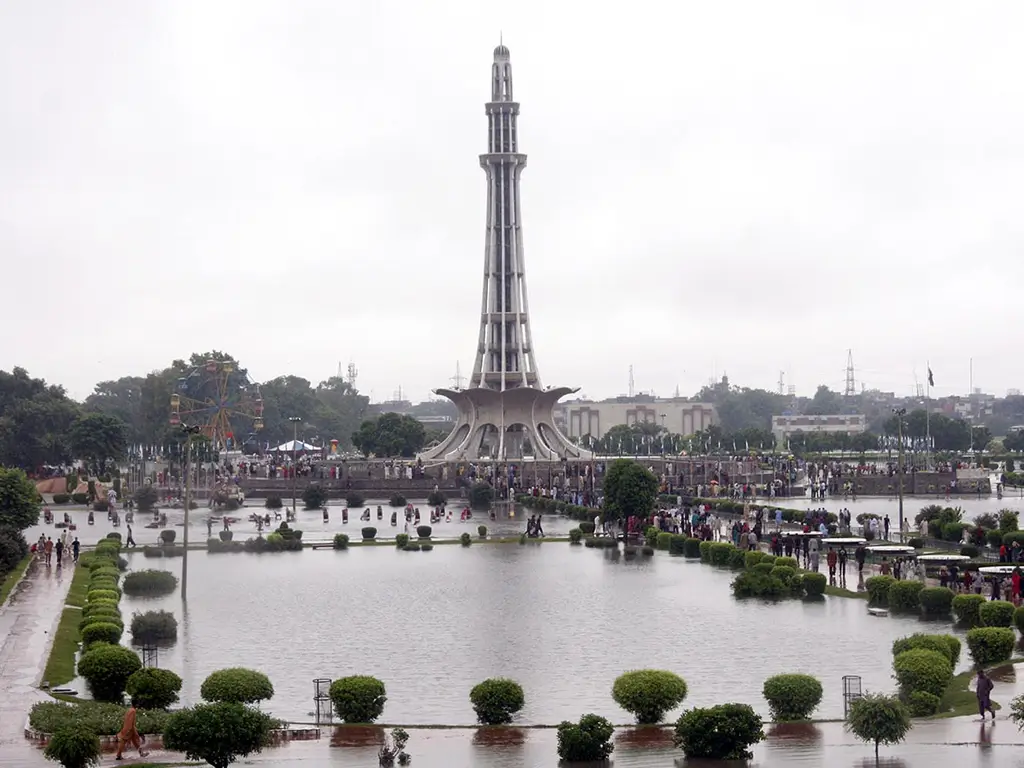
In the early 20th century, Lahore became a center of anti-colonial activism. The All-India Muslim League held its historic 1940 session at what is now Minar-e-Pakistan. Here, the Lahore Resolution was passed — a pivotal step toward the creation of Pakistan. Today, families picnic beneath Minar-e-Pakistan, often unaware they stand at the birthplace of a nation’s political vision.
Meanwhile, revolutionary figures like Bhagat Singh were tried in Lahore. The city was charged with political energy, debate, and unrest.
A law student once reflected:
“Lahore did not just witness history. It shaped it.”
Partition of 1947: Pain and Rebirth
Partition changed Lahore forever.
In 1947, massive migration reshaped the city’s demographics. Hindu and Sikh populations moved eastward; Muslim refugees arrived from across the new border. Homes were abandoned. Families were separated. Violence scarred neighborhoods. Yet from that trauma, Lahore rebuilt itself as the cultural capital of the new Pakistan. Refugees brought new recipes, dialects, traditions, and resilience. The city’s energy intensified.
An elderly Lahori once said quietly:
“We lost much. But we rebuilt with what we carried in our hearts.”
Post-Independence Growth: Expanding Beyond the Walls
In the decades after independence, Lahore expanded rapidly. New neighborhoods emerged — Gulberg, Model Town, DHA. Universities multiplied. Industry grew. The city evolved from a historical capital into a modern metropolis while preserving its architectural treasures.
Cultural institutions, art councils, literary festivals, and now international platforms like the Lahore Biennale reflect its continued creative vitality.
Lahore Today: A City of Continuity
Lahore’s history is not a straight line — it is a mosaic. Hindu legends. Persian courts. Sikh sovereignty. British administration. Pakistani nationhood. Each layer remains visible. Each era left behind architecture, cuisine, language, and memory. And through it all, one thing endured: the Lahori spirit
Inside the Walled City — Where Time Stands Still
If you truly want to meet Lahore, don’t start with malls. Start with a gate.
Step through one of the surviving entrances of the Walled City — perhaps near the illuminated Roshnai Gate — and suddenly, the modern city fades. The air shifts. The streets narrow. The sounds multiply. This is Androon Lahore — the inner Lahore — where centuries overlap and the city’s pulse beats strongest.
A local guide once smiled and said:
“Outside the walls, Lahore is modern. Inside the walls, Lahore is eternal.”
The Walled City: A Living Labyrinth
The Walled City once had thirteen gates. Today, only a few survive, but their names still echo in everyday conversation — Bhati Gate, Delhi Gate, Kashmiri Gate, Mochi Gate.
Each gate was more than an entrance. It was an identity. Within these walls lies a dense urban fabric — homes built above shops, wooden balconies leaning toward each other, wires crisscrossing overhead like urban vines. But this is not a museum.
People live here. Cook here. Celebrate weddings here. Raise children here. The past is not preserved in glass — it is lived
Wazir Khan Mosque: A Masterpiece of Color
Walk a few minutes from Delhi Gate and you’ll find one of Lahore’s greatest treasures: the breathtaking Wazir Khan Mosque. Built in 1634 during Shah Jahan’s reign, it is often called the most beautifully decorated mosque in South Asia. Its walls explode with frescoes — floral patterns, geometric designs, Quranic calligraphy. The tilework glows in blues, yellows, greens.
Unlike the monumental scale of the Badshahi Mosque, Wazir Khan feels intimate — like stepping into a jewel box.
A caretaker once whispered:
“Every wall here tells a story. If you rush, you miss it.”
Tourists often overlook it — but those who linger leave transformer
The Call of the Bazaar
The Walled City breathes through its bazaars.
Anarkali Bazaar, one of the oldest markets in South Asia, remains a chaotic symphony of bridal fabrics, bangles, perfumes, and street snacks.
Nearby, Shah Alami Market bursts with wholesale trade — spices stacked in mountains of color, dry fruits arranged like mosaic. In these lanes, bargaining is art. Conversation is currency. You might enter looking for a scarf and leave with tea, stories, and three new friends
Food Street: Where Lahore Feeds Your Soul
As evening falls, the rooftops near the Badshahi Mosque glow golden. Food Street awakens. Charcoal fires crackle. Skewers of seekh kebab sizzle. Karahi bubbles in iron woks. Families gather on open-air terraces overlooking the illuminated Lahore Fort. Here, history and hunger meet.
Try:
- Lahori chargha (spiced fried chicken)
- Mutton karahi
- Nihari slow-cooked overnight
- Sweet, frothy lassi served in tall steel glasses
A waiter may insist:
“Sir, you cannot leave without tasting our desi ghee halwa.”
And honestly — you shouldn’t.
Rooftops and Hidden Views
The magic of the Walled City is often above you. Climb a narrow staircase in a centuries-old haveli, and suddenly you’re on a rooftop overlooking domes, minarets, and terracotta rooftops stretching endlessly. At sunset, the sky turns amber behind the silhouette of the Badshahi Mosque. Children fly kites from rooftops. Neighbors shout friendly greetings across buildings.
It feels less like a city and more like a living village stacked vertically
Craftsmen of Time
Hidden inside side alleys are workshops where traditional skills survive. Calligraphers hand-paint Quranic verses. Naqqash artists restore frescoes using centuries-old techniques. Woodworkers carve intricate jharokhas (balconies).
Many of these artisans are supported by restoration initiatives aiming to preserve Androon Lahore’s heritage while boosting tourism.
A young artisan once said:
“Tourists come for photos. But if they buy our work, they keep our history alive.”
The Fort and the Royal Past
No exploration of the Walled City is complete without entering the Lahore Fort — a UNESCO World Heritage Site. Inside, you’ll discover:
- Sheesh Mahal (Palace of Mirrors)
- Naulakha Pavilion
- Royal baths (Shahi Hammam)
- Elephant gates
The fort tells stories of emperors, invasions, royal intrigues. But it also tells a simpler story: Lahore was once among the grandest cities in the world. Stand in its courtyard and you can almost hear court musicians tuning their instruments.
Spiritual Lahore: Shrines and Sufism
Beyond mosques and monuments, Lahore’s spiritual heart lies in its Sufi shrines. The shrine of Data Ganj Bakhsh draws thousands daily. Devotees tie threads of prayer. Qawwali fills the air.
Here, religion feels inclusive, emotional, alive. Lahore’s identity has long been shaped by Sufi traditions —poetry, music, and devotion intertwined.
Preservation and Tourism: A Delicate Balance
In recent years, heritage authorities and urban planners have worked to restore sections of the Walled City. Electric wiring has been organized. Streets renovated. Havelis restored. Tourism is increasing — both domestic and international.
But challenges remain: overcrowding, pollution, commercialization. A heritage conservationist once reflected:
“We must protect the soul of this place while welcoming the world.”
A Night Walk Through Time
Visit the Walled City after dark. Lanterns glow. Tea stalls buzz. The silhouette of Badshahi Mosque rises against the night sky. And somewhere in a quiet corner, a poet recites verses to a small crowd. This is Lahore at its purest. Not just a destination. An experience.
Travel Tips for Visitors
If you plan to explore the Walled City:
✔ Go with a knowledgeable local guide
✔ Wear comfortable shoes
✔ Visit early morning or near sunset
✔ Respect religious sites (dress modestly)
✔ Keep cash for small vendors
✔ Stay hydrated
Most importantly — allow yourself to get a little lost. That’s when Lahore reveals its secrets.
The Colonial City and the Rise of Modern Lahore
If the Walled City is Lahore’s memory, then Mall Road is its turning point. Step out of Androon Lahore’s winding alleys and drive toward The Mall, and the city changes rhythm. The streets widen. Red-brick buildings stand tall beneath ancient banyan trees. Horse-drawn carriages once rolled here. British officers once walked these pavements. Students still do. This is where colonial Lahore reshaped itself — and where modern Pakistan’s intellectual heart began to beat louder.
A professor at the University of the Punjab once said:
“Mall Road is not just architecture. It’s where ideas grew.”
The British Arrival: 1849 and After
In 1849, the British annexed Punjab, ending Sikh rule. Lahore became the capital of British Punjab. The colonial administration brought railways, modern courts, municipal planning, and new educational institutions. Infrastructure expanded. Telegraph lines connected the city to the wider empire. The railway station — still active today — symbolized movement and modernity. Unlike the organic chaos of the Walled City, colonial Lahore was deliberate. Gridded streets. Public gardens. Administrative buildings in Indo-Saracenic style. But even under British rule, Lahore retained its personality — defiant, expressive, cultural.
The Mall: Lahore’s Intellectual Spine
The Mall Road remains one of the most iconic boulevards in Pakistan. Walk along it today and you’ll see:
- The stately Lahore Museum
- The majestic building of University of the Punjab
- Government College University
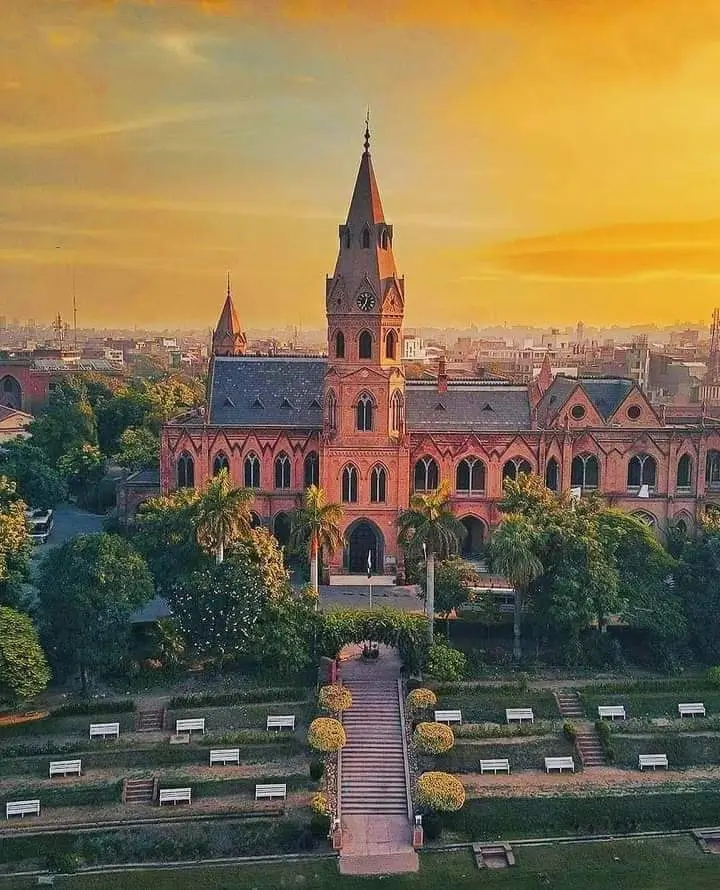
- Historic courts and civic halls
The Lahore Museum, established during British rule, houses Gandharan sculptures, Mughal miniatures, Sikh artifacts, and rare manuscripts. Rudyard Kipling famously called it a “wonder house.” Inside its halls, Lahore’s pre-colonial and colonial histories stand side by side. Meanwhile, Government College produced some of South Asia’s greatest thinkers and poets. Its red-brick Gothic architecture remains an academic landmark. A student sitting under a banyan tree once told me:
“In Lahore, education is not just degrees. It’s debate. It’s poetry. It’s identity.”
Gardens of Empire: Public Spaces and Civic Pride
The British introduced landscaped gardens and public parks — spaces for leisure and civic life.
Lawrence Gardens (now Bagh-e-Jinnah) became a social hub. Even today, joggers circle its paths at sunrise, while families picnic under sprawling trees.
Colonial Lahore emphasized open space — a contrast to the density of the Walled City. But what makes these spaces uniquely Lahori is how people use them:
- Cricket matches at dawn
- Political discussions on benches
- Ice cream vendors weaving through crowds
Lahore absorbs every era into its daily life.
The Birthplace of a Nation
Colonial Lahore was not quiet. In March 1940, the All-India Muslim League gathered at what is now Minar-e-Pakistan. The Lahore Resolution was passed — calling for independent states for Muslims in British India. Today, the Minar-e-Pakistan tower rises above Iqbal Park, symbolizing the political awakening that reshaped South Asia.
Couples take selfies there. Children run across lawns. History and normalcy coexist peacefully. A father once told his son at the monument:
“This is where the dream began.”
Partition: Trauma and Transformation
When independence arrived in 1947, Lahore found itself on the Pakistan side of the new border. Partition brought violence, migration, and heartbreak. Hindu and Sikh families departed. Muslim refugees arrived from India. Entire neighborhoods changed overnight. But with that pain came resilience.
Refugees opened businesses. Introduced new cuisines. Brought fresh dialects and traditions. Lahore absorbed them all. The city’s culture deepened — enriched by movement and memory.
Post-Independence Modernization
In the decades after 1947, Lahore expanded dramatically. New residential areas emerged:
- Gulberg
- Model Town
- Defence Housing Authority (DHA)
Wide roads, modern markets, and planned communities contrasted with the historic core. The city grew economically and educationally, becoming a major hub for publishing, film, and performing arts. Cinema halls flourished in the 1960s and 70s. Stage dramas gained popularity. Lahore cemented its reputation as Pakistan’s cultural capital.
Art, Literature, and Creative Energy
Lahore’s colonial institutions nurtured something deeper than administration — they fostered intellectual rebellion. Writers, journalists, and poets used Lahore as a platform. Tea houses became informal parliaments. Debates about socialism, nationalism, and art filled the air. Today, that legacy continues through literary festivals, art exhibitions, and events like the Lahore Biennale — which transforms public spaces into contemporary art galleries.
Modern Lahore doesn’t reject its past. It reinterprets it.
The Rise of Contemporary Lahore
Drive beyond Mall Road toward Gulberg or DHA and you see another Lahore. Glass-fronted cafés. Fashion boutiques. Tech startups. Co-working spaces. Shopping malls bustle with families. Rooftop restaurants overlook illuminated cityscapes. Projects like the Orange Line Metro Train have reshaped urban mobility. Yet even here, Lahori warmth persists. Strangers still strike up conversations. Waiters still insist you eat more. A young entrepreneur in Gulberg once said:
“We want modern lifestyles — but we don’t want to lose our Lahori soul.”
Tourism in Modern Lahore
Today, Lahore attracts:
- Domestic tourists from across Pakistan
- Overseas Pakistanis reconnecting with heritage
- International travelers exploring South Asia
Popular routes combine colonial landmarks with Mughal monuments and vibrant food streets.
Visitors can:
✔ Explore the Lahore Museum
✔ Walk through the historic university campuses
✔ Picnic at Minar-e-Pakistan
✔ Dine overlooking the Badshahi Mosque
Tourism infrastructure continues to improve, with guided heritage tours, improved roads, and cultural programming.
The Lahore Paradox
Lahore holds contradictions beautifully: Ancient mosques and modern metros. Colonial halls and contemporary art galleries. Street chai and luxury dining.
And somehow, it all feels coherent. Because at its core, Lahore is not about buildings. It’s about people.
People who argue passionately about cricket.
People who memorize poetry.
People who welcome strangers with open arms.
The Flavors of Lahore — A Culinary Journey
If history is Lahore’s backbone, food is its heartbeat. In Lahore, meals are not rushed. They are discussed, debated, perfected, and shared. Recipes travel across generations. Street vendors become legends. Families drive across town at midnight just for one specific dish.
A Lahori friend once told me:
“We don’t ask ‘Have you eaten?’
We ask ‘Where have you eaten?’”
Welcome to the food capital of Pakistan.
Breakfast: Where the Day Begins with Flavor
Morning in Lahore begins loudly — with frying oil, clinking cups, and newspaper vendors shouting headlines. The king of Lahori breakfasts? Halwa Puri. Golden, puffed puris served with semolina halwa, spicy chickpeas, and tangy potato curry. Add a tall glass of sweet lassi, and you have a meal that carries you through half the day.
Popular breakfast hubs include the historic Gawalmandi Food Street, where vendors start before sunrise.
Nearby, the aroma of nihari — slow-cooked beef stew simmered overnight — drifts through narrow lanes. Traditionally eaten at dawn, it reflects Lahore’s Mughal culinary roots.
A shop owner once laughed:
“Diet starts tomorrow. Today is for halwa puri.”
Street Food: The Soul of the City
As the sun climbs higher, the city shifts to street snacks. In Anarkali Bazaar and Liberty Market, carts sell:
- Gol gappa (crispy spheres filled with tangy water)
- Chana chaat
- Dahi bhalla
- Samosas fresh from the fryer
The beauty of Lahori street food lies in balance — spicy, sweet, sour, and savory in one bite. Unlike fine dining, street food is communal. You stand beside strangers. You share paper plates. You compare spice tolerance. It’s democratic and delicious.
Barbecue Culture: Smoke and Spice
When evening falls, charcoal grills come alive. Seekh kebabs hiss over open flames. Chicken tikka turns crimson under marinade. Lamb chops drip with fat onto glowing coals. One of the most iconic dining experiences is eating with a view of the illuminated Badshahi Mosque and Lahore Fort in the background. In these rooftop restaurants, history becomes your dinner companion.
The Lahori chargha — a whole spiced chicken deep-fried to crispy perfection — is another must-try. A waiter might insist:
“Sir, this is our specialty. People come from Karachi just for this.”
Karahi: A Dish That Defines the City
If Lahore had a signature dish, it would be karahi. Cooked in a thick iron wok, this dish combines meat (often chicken or mutton), tomatoes, green chilies, ginger, and fresh coriander — cooked fast and served sizzling. It’s bold. It’s spicy. It’s unapologetic.
Food streets near the Walled City are famous for their karahi, but upscale restaurants in Gulberg and DHA now reinterpret it with modern twists. Yet the essence remains unchanged — shared with naan, eaten with hands, debated passionately.
Mughal Influence on Lahori Cuisine
Lahore’s Mughal past deeply influences its culinary identity. Dishes like:
- Biryani
- Pulao
- Korma
- Haleem
Trace their roots to imperial kitchens. The same emperors who built the Shalimar Gardens and expanded the Lahore Fort also patronized elaborate feasts. Persian spices blended with South Asian ingredients, creating flavors that define Lahore to this day.
Sweet Lahore: Desserts and Delights
No meal in Lahore ends quietly. Try:
- Gulab jamun soaked in syrup
- Kheer infused with cardamom
- Jalebi — hot, sticky spirals dipped in sugar
- Gajar ka halwa in winter
Local sweet shops compete fiercely for reputation. Families remain loyal to their favorite mithai vendor for generations. During Eid, entire neighborhoods exchange trays of sweets. A grandmother once told her granddaughter:
“If the dessert is good, people forgive the rest.”
Tea Culture: Chai and Conversation
Lahore runs on chai.
Small roadside stalls — known as dhabas — serve steaming cups in tiny glasses. Office workers gather after work. Students debate politics. Rickshaw drivers take short breaks.
Chai is more than a beverage — it’s a social ritual. In upscale cafés, espresso machines hum. But even there, you’ll find desi chai on the menu. Because Lahoris never truly abandon tradition.
Fine Dining and the New Culinary Scene
Modern Lahore embraces global cuisine too. In Gulberg and DHA, restaurants serve Italian pasta, Japanese sushi, Turkish kebabs, and Middle Eastern mezze. Food bloggers review new openings weekly. Instagram has become a major culinary influence. Yet even in fusion restaurants, Lahori flavors sneak in — spicy twists, generous portions, bold seasoning.
A young chef once said:
“We want Michelin-level presentation — but Lahori-level taste.”
Food and Tourism
For tourists, Lahore offers culinary experiences unlike anywhere else in Pakistan. Food tours now guide visitors through:
- The Walled City’s hidden eateries
- Historic tea houses
- Traditional breakfast spots
- Modern rooftop dining
Travelers often say the city feels alive because of its food. You don’t just see Lahore. You taste it.
The Lahori Hospitality Factor
Perhaps the greatest ingredient in Lahore’s cuisine is hospitality. Guests are honored. Plates are refilled automatically. Refusing seconds is considered suspicious. The phrase “Mehmaan Allah ki rehmat hota hai” (A guest is a blessing) isn’t just a saying here — it’s practice.
One traveler once wrote:
“I came to see monuments. I stayed because of the people who fed me.”
A Suggested Food Itinerary for Visitors
Morning: Halwa puri in Gawalmandi
Midday: Chaat in Anarkali Bazaar
Evening: Karahi near the Walled City
Night: Dessert and tea overlooking the illuminated skyline
Repeat as needed.
Why Lahore’s Food Matters
Food in Lahore tells stories:
- Of Mughal royalty
- Of refugee resilience after Partition
- Of evolving urban identity
- Of pride in local tradition
It connects generations. It welcomes strangers. It defines the city.
Festivals, Music, and the Joy of Being Lahori
In Lahore, celebration is not scheduled — it erupts.
A wedding procession can block traffic for an hour. A cricket victory can turn entire neighborhoods into dance floors. A religious festival can illuminate streets from the Walled City to DHA.
Lahore does not just observe events.
It performs them.
A Lahori musician once told me:
“Other cities celebrate quietly. Lahore celebrates like the world is watching.”
Basant: When the Sky Turned Yellow
There was a time when spring in Lahore meant one thing: Basant. Rooftops filled with families flying kites. The skyline became a battlefield of color. Drums echoed across neighborhoods. Yellow clothing symbolized renewal.
Though officially restricted in recent years due to safety concerns, Basant remains emotionally powerful. Many Lahoris still recall nights when rooftops stayed alive until dawn. An elderly resident of the Walled City once smiled:
“When the kites flew, Lahore forgot all its problems.”
Even today, restaurants host themed spring events inspired by Basant’s memory.
Eid in Lahore: Joy Amplified
Eid celebrations in Lahore are intense and joyful. Markets like Liberty and Anarkali remain open past midnight before Eid, packed with shoppers buying bangles, embroidered clothes, and sweets.
On Eid morning:
- Families gather for prayers.
- Children receive Eidi (cash gifts).
- Streets fill with laughter.
Food becomes central again — biryani, korma, sheer khurma. Even strangers greet each other warmly: “Eid Mubarak.” For tourists visiting during Eid, Lahore offers an unforgettable cultural immersion.
Wedding Season: A City of Drums and Lights
If you hear dhol beats late at night, don’t worry — it’s probably a wedding. Lahore takes weddings seriously. Multi-day events include:
- Mehndi nights with choreographed dances
- Baraat processions with decorated cars
- Lavish receptions with endless buffets
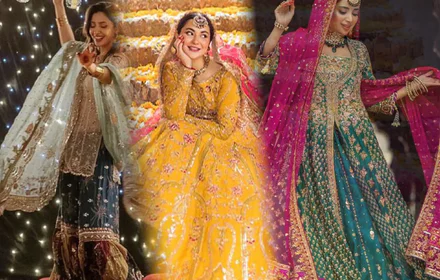
Bridal couture from Lahore is famous across Pakistan. Designers showcase elaborate embroidery that blends Mughal aesthetics with modern flair. Entire streets glow during wedding season. A wedding planner once laughed:
“In Lahore, weddings are not events. They’re productions.”
Sufi Shrines and Spiritual Gatherings
Beyond social celebrations, Lahore pulses with spiritual devotion. The shrine of Data Ganj Bakhsh remains one of the city’s most visited spiritual sites. Qawwali nights draw large crowds — rhythmic clapping, harmoniums, voices rising together. The atmosphere is inclusive — rich and poor, young and old, locals and visitors. These gatherings reflect Lahore’s deep-rooted Sufi heritage — emotional, poetic, expressive.
For many tourists, attending a qawwali performance becomes a highlight of their trip.
Music: The Soundtrack of Lahore
Music flows naturally here. From classical ghazals to Punjabi folk to modern pop, Lahore has shaped Pakistan’s musical identity. Historic neighborhoods once housed classical ustads teaching ragas. Today, music studios produce contemporary hits.
Live performances can be found in:
- Cultural centers
- Universities
- Rooftop cafés
- Private mehfils
Lahore does not separate art from daily life. A street performer might be as captivating as a concert hall singer. A young guitarist in Gulberg once said:
“Lahore doesn’t ask what genre you play. It asks how passionately you play it.”
Theatre and Performing Arts
Lahore’s stage drama scene is legendary. The Alhamra Arts Council hosts plays, exhibitions, and cultural festivals throughout the year. Actors here combine satire, humor, and social commentary. During certain seasons, theatres draw packed audiences — especially for comedy stage shows. Even university campuses host dramatic societies, keeping theatrical traditions alive. Lahore remains Pakistan’s performance capital.
Lahore Biennale: Contemporary Art in Public Spaces
In recent years, the city has embraced global contemporary art through the Lahore Biennale Foundation. The Lahore Biennale transforms historic sites and public spaces into open-air galleries. International and local artists showcase installations, sculptures, and multimedia projects. It’s not confined to one hall — it spreads across the city. Art meets history.
Visitors might see modern installations set against Mughal architecture — a powerful visual dialogue between centuries. A local artist once reflected:
“Lahore doesn’t freeze in the past. It reinvents itself.”
Literary Festivals: Words That Move a Nation
Lahore’s love for literature runs deep. Book fairs, poetry readings, and literary festivals attract massive audiences. Authors discuss politics, philosophy, fiction, and identity. University auditoriums overflow during major literary events. Even casual cafés host open-mic poetry nights. The city’s identity as a UNESCO Creative City of Literature feels earned — not symbolic. A student at a poetry event once said:
“In Lahore, even arguments sound poetic.”
Cricket Fever: A Different Kind of Festival
When cricket matches take place at Gaddafi Stadium, the city shifts. Traffic slows. Shops display team flags. Cafés broadcast matches on large screens. A victory triggers fireworks, car horns, and spontaneous dancing. Cricket here is emotional — sometimes louder than music festivals.
It’s another way Lahoris celebrate being alive.
Everyday Joy: The Lahori Spirit
Beyond organized festivals, Lahore finds reasons to celebrate daily:
- Rooftop chai at sunset
- Late-night drives for ice cream
- Friends debating politics until midnight
- Families picnicking at parks
The city’s nickname — “Zinda Dilan-e-Lahore” (Lahore of the lively hearts) — feels accurate. Even in difficult times — smoggy winters, traffic chaos — Lahore finds joy. A rickshaw driver once told me:
“Problems are everywhere. But laughter? That is Lahori.”
Travel Tips for Festival Visitors
If planning to visit during major celebrations:
✔ Book accommodations early
✔ Expect heavy traffic
✔ Dress modestly for religious events
✔ Try local street food — but choose busy stalls
✔ Ask locals about smaller community events
Lahore reveals its warmth most clearly during celebrations.
Why Celebration Defines Lahore
Because celebration here is identity. It bridges social classes. It connects history to modernity. It invites outsiders in. Lahore does not celebrate because life is perfect. It celebrates because life is precious.
The Intellectual Capital of Pakistan
If Karachi powers the economy and Islamabad runs the government, many say Lahore powers the mind. This is a city where debates spill from classrooms into tea stalls. Where poetry is quoted in political arguments. Where students still gather under banyan trees to discuss revolution, reform, religion, and resistance. Lahore is not just festive. It is fiercely intellectual. A senior professor once told me:
“In Lahore, ideas don’t stay inside books. They walk into the streets.”
The University Tradition Begins
Higher education in Lahore flourished under British rule, but its intellectual roots go deeper — to madrassas, scholarly circles, and Persian literary courts of the Mughal era. The establishment of the University of the Punjab in 1882 marked a turning point. It became one of the oldest and most prestigious universities in South Asia.
Its sprawling campus has produced:
- Politicians
- Judges
- Poets
- Scientists
- Journalists
Walking through its corridors, you sense history not in stone — but in conversation. Nearby, Government College University (GCU) became another powerhouse of scholarship and literary excellence. Its red-brick Gothic building remains iconic on Mall Road.
Students here often joke:
“You don’t just graduate from Lahore. Lahore graduates from you.”
Lahore and the Freedom of Thought
During the late 19th and early 20th centuries, Lahore became a center of reform movements, journalism, and anti-colonial activism. Newspapers published fiery editorials. Writers challenged imperial authority. Political organizations met in lecture halls.
The city played a crucial role in shaping public discourse leading up to independence.
The grounds near Minar-e-Pakistan were not just symbolic — they were intellectual incubators of national vision. Students and activists debated what a new nation should look like. And those debates never truly stopped.
Museums: Preserving Memory
Lahore’s museums reflect its layered identity. The Lahore Museum remains one of Pakistan’s most important cultural institutions. Its collections include:
- Gandhara sculptures
- Mughal miniatures
- Sikh artifacts
- Colonial-era relics
Walking through its galleries feels like walking through centuries. Nearby, smaller museums and archives preserve manuscripts, photographs, and personal histories that tell quieter stories of the city. For visitors, museums in Lahore are not static spaces — they feel connected to the streets outside
Libraries and Literary Culture
Lahore breathes literature. Historic libraries house rare Persian manuscripts, Urdu poetry collections, and colonial records. Bookshops near Mall Road and Urdu Bazaar remain gathering points for writers and students. Tea houses once served as unofficial literary salons. Even today, cafés host poetry readings and book launches.
Lahore’s recognition as a UNESCO Creative City of Literature reflects this ongoing cultural vitality. A young poet at an open-mic night once said:
“In Lahore, even heartbreak becomes literature.”
Thinkers, Reformers, and Revolutionaries
Lahore has shaped some of the most influential intellectual figures in South Asia. Philosophers, poets, reformers, and journalists have walked these streets — shaping discourse across borders. Educational institutions here became breeding grounds for political activism during both colonial and post-independence eras. Student unions historically played major roles in national movements. Even today, campus debates remain intense and passionate.
Contemporary Academia: A Growing Hub
Modern Lahore continues to expand its educational landscape. New universities and private institutions have emerged, offering programs in:
- Engineering
- Medicine
- Business
- Media studies
- Arts and design
Research conferences, public lectures, and academic festivals attract participants from across Pakistan and abroad. International collaborations continue to grow, reinforcing Lahore’s academic relevance. A young researcher once said:
“We want Lahore to be globally connected — but locally rooted.”
Art Schools and Creative Innovation
Lahore is also home to prestigious art institutions that have shaped Pakistan’s visual culture. Graduates from these institutions have gone on to exhibit internationally, participate in biennales, and redefine contemporary South Asian art. Events organized by the Lahore Biennale Foundation further bridge academic study with public engagement.
Art here is not confined to galleries — it enters public discourse.
Media and Journalism
Lahore remains a major hub for Pakistani media. Publishing houses, television studios, and newsrooms operate from the city, influencing national narratives. Historically, Urdu journalism flourished here — shaping literary and political thought. Even today, opinion columns emerging from Lahore often ignite national debates.
Intellectual Life Beyond Campuses
Perhaps what makes Lahore unique is that intellectual life extends beyond formal institutions. Visit a roadside chai dhaba and you might hear:
- A heated discussion on constitutional law
- A philosophical debate about destiny
- An argument about cricket statistics
Lahore democratizes knowledge. It may not always be academic — but it is always passionate. A bookseller in Urdu Bazaar once told me:
“In Lahore, everyone thinks they are a philosopher.”
He wasn’t wrong.
Tourism for the Curious Mind
For travelers interested in intellectual heritage, Lahore offers:
✔ Guided tours of historic campuses
✔ Visits to the Lahore Museum
✔ Literary festivals and public lectures
✔ Archives and heritage walks
✔ Art exhibitions across the city
Combine these with visits to the Lahore Fort and colonial-era institutions, and you experience a city where ideas and architecture coexist.
Why Lahore Is Pakistan’s Intellectual Heart
Because it questions. Because it debates. Because it writes. Because it remembers.
From Mughal scholars to modern researchers, Lahore continues to produce voices that shape national conversation. And it does so loudly/
The Expanding Metropolis — Progress and Challenges
If the old city shows you Lahore’s past, its highways show you its ambition. Drive along Ferozepur Road or Canal Road at sunset and you’ll see it clearly: cranes on the skyline, housing societies expanding outward, metro trains gliding above traffic.
Lahore is no longer just a historic capital. It is a rapidly expanding megacity — modern, ambitious, and complex. A young urban planner once told me:
“Lahore wants to be global. The question is — can it grow without losing itself?”
A City Expanding Beyond Its Walls
For centuries, Lahore lived within its Walled City. Then colonial planning pushed it toward Mall Road and Civil Lines. After independence, expansion accelerated. Neighborhoods like:
- Gulberg
- Model Town
- Johar Town
- Defence Housing Authority (DHA)
transformed farmland into residential and commercial hubs.
Now, new developments promise smart infrastructure and gated communities, reflecting changing lifestyles and rising middle-class aspirations. One of the most talked-about projects is Lahore Smart City, marketed as a tech-enabled residential development designed for the future.
For many residents, these developments symbolize progress. For others, they raise concerns about sustainability.
Transport Revolution: Moving Millions
Traffic in Lahore is legendary — sometimes chaotic, always energetic. To address congestion, major public transport projects were introduced.
The Metro Bus system created dedicated corridors for faster travel across key routes. Later, the Orange Line Metro Train added an elevated rail network connecting distant neighborhoods. For daily commuters, these projects changed routine life dramatically.
A university student commuting from the outskirts once said:
“Before the metro, I spent two hours in traffic. Now I reach campus in half the time.”
Yet traffic congestion still challenges the city, especially during peak hours and wedding season.
Economic Growth and Industry
Lahore plays a central role in Punjab’s economy. Its economy spans:
- Textiles
- Manufacturing
- Construction
- Media and publishing
- Technology startups
- Education and healthcare
Small and medium enterprises thrive in industrial areas, while modern corporate offices line major boulevards. Retail and hospitality sectors have grown significantly, driven by domestic tourism and overseas Pakistanis returning to invest. Shopping malls, co-working spaces, and cafés reflect a city embracing global consumer culture
Tourism and Hospitality Infrastructure
As tourism increases, Lahore has expanded its hospitality offerings. From luxury hotels to boutique guesthouses, visitors now have more options than ever before. Guided heritage walks through the Walled City, rooftop dining experiences overlooking the Badshahi Mosque, and curated museum tours at the Lahore Museum are becoming more organized and accessible.
Domestic tourism, especially from northern Pakistan and Karachi, continues to grow.
A travel operator once said:
“People don’t just come for monuments. They come for the feeling.”
Air Quality: The Smog Challenge
One of Lahore’s most pressing issues is air pollution. During winter months, smog blankets the city, reducing visibility and affecting public health. Air quality reports frequently list Lahore among cities experiencing hazardous pollution levels.
Schools sometimes close temporarily. Residents wear masks outdoors. Environmental activists push for stronger regulations. Industrial emissions, vehicle exhaust, and regional weather patterns all contribute to the issue.
A local environmental advocate explained:
“We love Lahore deeply. That’s why we demand cleaner air. Heritage means nothing if the next generation cannot breathe.”
The challenge remains significant — and solving it requires regional cooperation and policy enforcement.
Water and Urban Planning Concerns
Rapid urban expansion has strained water resources and infrastructure. Groundwater levels have dropped over time due to over-extraction. Urban sprawl reduces green spaces. Waste management struggles to keep pace with population growth. However, tree plantation drives and environmental campaigns have gained momentum in recent years.
Citizens increasingly participate in discussions about sustainability. The city stands at a crossroads between growth and conservation.
Technology and the Youth Factor
Lahore’s youth population is driving innovation. Tech startups, digital marketing agencies, software houses, and freelance hubs are expanding.
Co-working spaces in Gulberg and Johar Town host entrepreneurs building apps, e-commerce platforms, and fintech solutions. The energy is youthful, ambitious, globally connected.
A startup founder once told me:
“We can work for Silicon Valley clients while sitting in Lahore. That’s our advantage.”
The city’s intellectual legacy now blends with digital entrepreneurship.
Preserving Heritage in a Modern Age
With new roads and high-rises rising, preservation becomes crucial. Authorities and heritage organizations continue restoration efforts at sites like:
- The Lahore Fort
- The Walled City
- Colonial-era buildings on Mall Road
Balancing tourism, urban growth, and historical preservation is an ongoing challenge. Visitors often notice how centuries-old monuments stand beside busy traffic corridors — a striking visual contrast.
Social Change and Evolving Lifestyles
Modern Lahore reflects shifting social norms. Cafés serve as social hubs for students and professionals. Women increasingly participate in entrepreneurship and public life. Fashion evolves rapidly.
At the same time, traditional family structures and cultural practices remain strong. The coexistence of tradition and modernity defines the city’s character. A young Lahori put it simply:
“We want Netflix and naan — both.”
The Future of Lahore
So where is Lahore heading? It aims to be:
- Economically competitive
- Culturally influential
- Technologically advanced
- Environmentally resilient
The challenge lies in achieving all four simultaneously.
If Lahore can balance progress with preservation, ambition with sustainability, it may become not just Pakistan’s heart — but one of South Asia’s most compelling urban success stories.
Travel Advice for Modern Lahore
If you’re visiting:
✔ Use metro systems during peak hours
✔ Monitor air quality during winter
✔ Stay near central areas for easier access to attractions
✔ Combine modern neighborhoods with historic sites for a balanced experience
Lahore rewards both curiosity and planning.
Beyond the City — Exploring Greater Lahore
Lahore may be a world of its own, but it is also a gateway. Beyond the Mughal domes and bustling food streets of Lahore, the surrounding region offers border ceremonies, ancient ruins, spiritual shrines, and rural landscapes that deepen your understanding of Punjab’s cultural fabric.
A Lahori tour guide once told me:
“Spend three days in Lahore for the monuments. Spend five days for the memories. Spend seven — and explore beyond.”
Let’s step outside the city.
Wagah Border: Patriotism at Sunset
About 30 kilometers from Lahore lies one of South Asia’s most dramatic daily ceremonies — the Wagah Border.
Every evening before sunset, crowds gather at the Wagah Border to witness the flag-lowering ceremony between Pakistan and India.
The atmosphere is electric.
- Stadium-style seating
- Patriotic music blasting through loudspeakers
- Spectators waving flags
- Rangers performing synchronized marching
It’s theatrical, intense, and unforgettable. Visitors often describe it as a cultural spectacle rather than a political one — a choreographed display of rivalry and respect. Arrive early to secure seats, especially on weekends.
Hiran Minar: A Mughal Retreat
About an hour’s drive from Lahore in Sheikhupura stands the serene Hiran Minar. Built during Emperor Jahangir’s reign, the complex was dedicated to his beloved pet antelope. Yes — a royal monument for a deer.
Surrounded by water and featuring a tall tower with a pavilion in the middle of the lake, Hiran Minar offers a peaceful escape from Lahore’s intensity. Families picnic here. Photographers capture reflections at sunset. It reminds visitors that Mughal architecture wasn’t only about grandeur — it was also about intimacy.
Katas Raj Temples: Ancient Echoes
For those willing to travel further into Punjab, the Katas Raj Temples offer a glimpse into pre-Islamic heritage.
This complex of ancient Hindu temples surrounds a sacred pond believed in mythology to have formed from the tears of Lord Shiva. Though outside Lahore’s immediate vicinity, it’s a meaningful cultural excursion for history enthusiasts. It reinforces an important truth:
Punjab’s heritage predates borders and religions.
Kartarpur Corridor: A Spiritual Bridge
Approximately 120 kilometers from Lahore lies the Kartarpur Corridor — allowing Sikh pilgrims access to Gurdwara Darbar Sahib in India without a visa. The initiative symbolizes cross-border spiritual diplomacy.
Many Sikh visitors begin their Pakistan journey in Lahore, exploring historical gurdwaras before continuing onward. Lahore’s Sikh-era landmarks, including the Samadhi of Maharaja Ranjit Singh near the Badshahi Mosque, offer meaningful stops for pilgrims.
Rural Punjab: Fields and Folk Culture
Step outside urban Lahore and you enter agricultural Punjab — fields of wheat, sugarcane, and rice stretching endlessly. Village life offers a different rhythm:
- Bullock carts on dusty roads
- Traditional Punjabi folk songs
- Seasonal harvest festivals
Some tour operators now offer rural experiences — farm visits, traditional meals cooked on wood stoves, and cultural performances. For travelers seeking authenticity, rural Punjab complements Lahore’s urban dynamism.
River Ravi: A Forgotten Lifeline
The Ravi River once defined Lahore’s geography. Though urban development has shifted focus away from it, efforts are underway to rejuvenate riverfront areas.
Historically, the river supported trade, irrigation, and Mughal garden design — including the placement of Shalimar Gardens. Standing near the Ravi today, one can imagine caravans, royal barges, and ancient settlements along its banks.
Suggested 5-Day Lahore Itinerary (Including Day Trips)
Day 1: Walled City + Lahore Fort + Badshahi Mosque
Day 2: Mall Road + Lahore Museum + Bagh-e-Jinnah
Day 3: Food tour + shopping in Liberty & Anarkali
Day 4: Wagah Border ceremony
Day 5: Hiran Minar or rural Punjab excursion
This blend balances history, culture, food, and regional exploration.
Tourism Safety and Practical Tips
For visitors exploring beyond Lahore:
✔ Travel with a reputable guide for rural areas
✔ Carry identification when visiting border areas
✔ Dress modestly at religious sites
✔ Check weather conditions before long drives
✔ Plan early departures for day trips
Most travelers find Punjab’s hospitality reassuring and welcoming.
Why Exploring Beyond Lahore Matters
Because Lahore is not isolated. It sits within a broader cultural landscape shaped by empires, agriculture, trade, and faith. Understanding the region adds context to the city’s vibrancy. A farmer outside Lahore once said:
“The city shines. But the land feeds it.”
He wasn’t wrong.
Lahore as a Gateway
Lahore introduces you to Pakistan’s cultural depth. From here, travelers often continue north toward Islamabad and the mountains — or south toward Multan and Sindh.
But many return. Because Lahore leaves an imprint
A City That Lives in Your Heart
There are cities you visit. There are cities you admire. And then there is Lahore — a city you feel.
After exploring its history, monuments, food, culture, neighborhoods, festivals, art, and surrounding landscapes in this 10-part series, one truth becomes clear:
Lahore is not just a destination. It is an emotion.
Why Is Lahore Called “The Heart of Pakistan”?
Ask any Pakistani where the country’s cultural pulse beats strongest, and the answer is immediate: Lahore.
It earned this title not through politics or economics alone — but through:
- Its literary tradition
- Its Mughal grandeur
- Its revolutionary movements
- Its unmatched food culture
- Its artistic institutions
- Its spirited people
The iconic Minar-e-Pakistan stands as a reminder that the idea of Pakistan formally crystallized here in 1940. But beyond history books, Lahore’s “heart” reputation comes from something harder to quantify — warmth. A shopkeeper in Anarkali once said:
“In Lahore, even strangers are treated like cousins.”
That sentiment captures the city better than any statistic.
A City of Layers — Empires Beneath Your Feet
Few cities in South Asia carry as many historical layers as Lahore.
Ancient legends connect it to Lava, son of Lord Rama.
Medieval dynasties fortified it.
The Mughal emperors transformed it into a jewel of empire.
The Sikh rulers added distinct architectural marks.
The British redesigned it with boulevards and colleges.
Post-Partition Pakistan made it a cultural capital.
Walk through the Walled City, and you don’t just move through space — you move through centuries. Stand inside Lahore Fort, and you feel imperial ambition. Listen to the call to prayer echoing across the courtyard of Badshahi Mosque, and you feel continuity. History here isn’t locked in museums. It breathes.
The Soul of the City: Its People
Cities are built of brick and stone. Lahore is built of conversation. Lahoris are known across Pakistan for their humor, hospitality, and dramatic storytelling. You’ll hear phrases like:
- “Koi scene nahi!” (No worries!)
- “Chalo, chai peete hain.” (Let’s have tea.)
Tea stalls become debate halls. Food streets become social theaters. Even traffic jams turn into impromptu discussions. This sociability defines the city as much as any monument.
Food — The Ultimate Love Language
If Lahore had an official language, it might be food. From the smoky grills of Gawalmandi to the neon-lit energy of MM Alam Road, the city feeds both appetite and identity. Signature experiences include:
- Nihari at sunrise
- Paaye simmering overnight
- Chargha fried to golden perfection
- Kulfi falooda under summer stars
In the historic lanes near Delhi Gate, the aroma of spices tells its own story. A Lahori saying goes:
“Jeda Lahore nai vekhya, o jamya nai.”
(One who hasn’t seen Lahore hasn’t truly lived.)
For food lovers, that may be literally true
Art, Poetry & Intellectual Fire
The City has long been Pakistan’s intellectual powerhouse. It is home to the legendary University of the Punjab, a center of scholarship since the 19th century. It hosts the contemporary art platform Lahore Biennale Foundation, bringing global artistic dialogue into public spaces.
It reveres poets like Allama Iqbal, whose tomb stands near the Badshahi Mosque — a place of reflection for many visitors. Here, ideas matter. Writers debate at cafés. Students organize festivals. Artists transform walls into canvases.
Creativity is not peripheral in Lahore. It is central.
Modern Lahore — Between Heritage and High-Rise
The City of today is not frozen in Mughal marble. It is expanding — outward and upward. Projects like Lahore Smart City represent aspirations for planned urban growth. Shopping malls, tech startups, and new residential communities coexist with centuries-old mosques. But modernization brings challenges:
- Air pollution
- Traffic congestion
- Urban sprawl
- Heritage preservation pressures
The conversation in Lahore today isn’t just about growth — it’s about balance. Can a 2,000-year-old city reinvent itself without losing its soul?
Tourism’s Future
Tourism in Lahore is evolving. International travelers are rediscovering Pakistan. Digital creators are showcasing hidden gems. Restoration projects in the Walled City are attracting global attention. Visitors who come often leave surprised:
- By the warmth
- By the safety
- By the vibrancy
- By the depth
The city has the infrastructure, heritage, and personality to be one of South Asia’s premier cultural destinations. The key lies in sustainable preservation and global storytelling.
In the Global Imagination
Outside Pakistan, Lahore is often misunderstood — reduced to headlines. But those who visit see something else:
A city of color.
Of calligraphy and cricket.
Of mangoes and monsoon rain.
Of rooftop dinners and midnight laughter.
International writers frequently describe Lahore as “unexpectedly alive.” And perhaps that’s its magic.
A Personal Reflection
After walking its streets, sitting in its gardens, hearing its azan, tasting its spices, and watching the sunset glow on Mughal sandstone, one realization settles in:
Lahore isn’t perfect. But it is passionate.
It doesn’t whisper.
It speaks loudly.
It laughs deeply.
It argues intensely.
It celebrates endlessly.
And somehow, it makes room for everyone.
Final Words: Why You Should Visit Lahore
Visit for the architecture. Stay for the people. Return for the feeling.
Stand at Shalimar Gardens at dusk. Walk the old bazaars at night. Share tea with a stranger. Listen more than you speak.
You will leave with stories. And perhaps, a small piece of your heart will remain behind.
Frequently Asked Questions About Lahore
- Why is Lahore called the “Heart of Pakistan”?
Lahore is known as the cultural, historical, and intellectual heart of Pakistan due to its pivotal role in history, arts, literature, education, and political movements, such as the Lahore Resolution of 1940. - Where is Lahore located in Pakistan?
Lahore is in eastern Punjab province along the River Ravi, near the border with India. - What is Lahore famous for historically?
It has iconic Mughal and colonial architectural sites like Lahore Fort, Badshahi Mosque, Shalimar Gardens, and the Walled City. - How big is Lahore’s population?
As of the latest estimates, Lahore has a population of over 13 million people, making it Pakistan’s second-largest city after Karachi. - What language do people speak in Lahore?
Punjabi is the most widely spoken native language, while Urdu and English are commonly used formally. - What is Lahore’s cultural significance?
Lahore is a hub of literature, arts, music (including Qawwali), and traditional festivals. It’s also recognized as a UNESCO City of Literature. - What are the must-visit historical sites in Lahore?
Highlights include Lahore Fort, Badshahi Mosque, Shalamar Gardens, Minar-e-Pakistan, and the Old City bazaars. - What kind of food is Lahore known for?
Lahore is famous across Pakistan for rich culinary traditions — nihari, biryani, karahi, haleem, falooda, and street food from Gawalmandi or Fort Road Food Street. - Is Lahore a safe city to visit?
Like many major metropolises, safety varies by area and time. Generally, common sense travel precautions are advised, as you would in any large city. - What’s the climate like in Lahore?
Lahore has a semi-arid climate with very hot summers, a monsoon season, and mild winters. - Are there modern attractions in Lahore?
Yes — modern malls, parks, cultural festivals, restaurants, and infrastructure like the Metrobus and Orange Line Train. - What festivals are celebrated in Lahore?
Major celebrations include Basant (kite flying, recently revived), Eid festivals, Independence Day, and cultural events like the Lahore Literary Festival. - What educational institutions are in Lahore?
Lahore hosts top universities such as LUMS, Punjab University, Government College University, and others contributing to its intellectual reputation. - Why do many people love or feel nostalgic about Lahore?
Visitors and residents often talk about Lahore’s vibrant street life, hospitality, historical depth, food culture, and lively personality. (reflecting general public sentiment) - How does Lahore contribute to Pakistan’s economy?
Lahore is an economic powerhouse with thriving industries in services, IT, publishing, manufacturing, and commerce, contributing significantly to the national GDP.