Historical Background of Major Industries in Pakistan
When Pakistan emerged as an independent nation in 1947, it inherited a modest industrial base that was largely concentrated in a few sectors. Out of 921 industrial units in the subcontinent, only 34 industrial establishments fell within the boundaries of the newly formed country. These were primarily engaged in cotton textiles, cigarettes, sugar, rice husking, cotton ginning, and flour milling. At that time, the industrial sector contributed a mere 7% to the national GDP and employed just over 26,000 people, highlighting the immense challenges facing the country’s nascent economy.
Early Industrial Challenges – Major Industries in Pakistan
The post-independence industrial landscape of Pakistan was marked by multiple challenges:
- Limited Industrial Base – Most industries in Pakistan were small-scale, lacking modern machinery and technology.
- Capital Scarcity – Domestic capital was insufficient to fund large-scale industrial projects.
- Skill Shortage – A dearth of trained labor and industrial expertise hindered growth.
- Infrastructure Deficits – Poor transportation networks and limited power supply constrained industrial expansion.
- Market Fragmentation – Domestic markets were small, and international trade links were limited, affecting export potential.
Despite these hurdles, policymakers quickly recognized that industrialization was vital for economic independence and growth. The early focus was on textiles and agro-based industries, which leveraged Pakistan’s abundant raw materials like cotton and sugarcane.
Industrial Policies and Initiatives (1950s–1970s) – Major Industries in Pakistan
To address these challenges, the government undertook several measures:
- Establishment of Pakistan Industrial Development Corporation (PIDC) in 1952 to spearhead large-scale industrial projects, particularly in sectors that required high capital investment and long gestation periods.
- PIDC played a pivotal role in setting up 94 industrial units between 1952 and 1982, spanning key sectors such as fertilizers, cement, automobiles, chemicals, pharmaceuticals, cotton & textiles, sugar, and ginning.
- Industrial units were strategically established in backward and underdeveloped regions, including Balochistan, Khyber Pakhtunkhwa, and Sindh, aiming to promote regional economic balance and create employment opportunities.
- The government encouraged private sector participation by transferring operational units once they were stabilized, fostering a culture of public-private partnership in industrial development.
Major Industries in Pakistan Landscape in the 1980s–2000s
By the 1980s, Pakistan witnessed gradual industrial expansion fueled by:
- Import Substitution Policies (ISPs): The government promoted domestic manufacturing of consumer goods to reduce dependence on imports.
- Diversification of Industries in Pakistan: Beyond textiles and agro-based industries, sectors like cement, steel, chemicals, and automotive began to emerge.
- Export Promotion Efforts: Special attention was given to textiles, which became the backbone of Pakistan’s export economy.
- Institutional Support: Organizations like PRGMEA, Pakistan Bureau of Statistics (PBS), and trade associations helped streamline industrial reporting and export facilitation.
During this period, the industrial sector’s contribution to GDP grew steadily, moving from 7% in 1947 to approximately 15-20% by the late 1990s, indicating a significant structural transformation.
Modern Industrial Evolution (2000s–Present) – Major Industries in Pakistan
In the 21st century, Pakistan’s industrial landscape has transformed into a diverse and dynamic ecosystem:
- Today, the industrial sector contributes around 64% of GDP, with textiles, agriculture, automotive, chemicals, pharmaceuticals, and energy leading the charge.
- Large-scale manufacturing industries in Pakistan (LSM) now dominate, including textile composites, automobile assembly, cement, chemicals, and food processing units.
- Modern industrial policies emphasize technology adoption, export competitiveness, and skill development, with institutions such as TIP, PRGTII, and PIFD providing industry-ready talent.
- The rise of Special Economic Zones (SEZs) under the China-Pakistan Economic Corridor (CPEC) initiative reflects a strategic approach to industrial clustering and foreign investment attraction.
The journey from a handful of industrial units in 1947 to a globally competitive industrial economy today is a testament to Pakistan’s resilience, policy planning, and entrepreneurial spirit.
Growth and Development of Pakistan’s Industries Over the Last 10 Years
Over the past decade, Pakistan’s industrial sector has undergone significant transformation, driven by modernization, policy reforms, and increased investment. While challenges remain, the growth trajectory reflects the resilience and potential of Pakistan’s economy. This section provides a sector-wise analysis of industrial growth and development from 2015 to 2025.
1. Textile Industry Growth – Major Industries in Pakistan
Performance Trends:
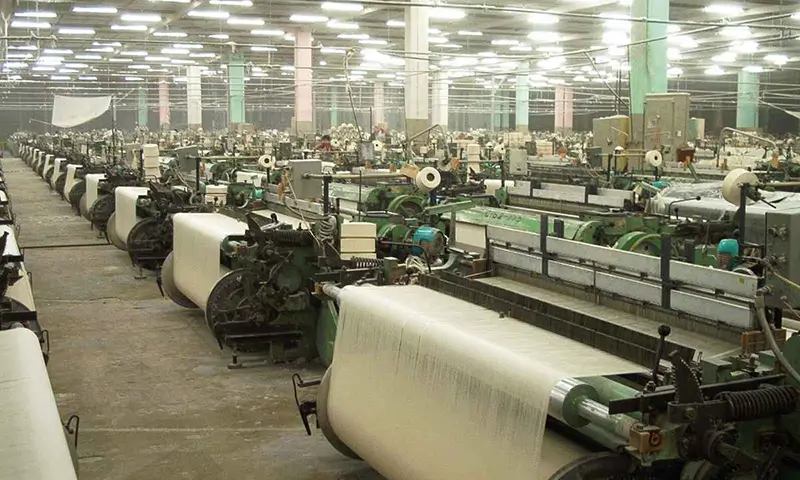
- Pakistan maintained its position as the largest export-oriented industry, contributing over 60% of total merchandise exports.
- Textile exports grew steadily, reaching approximately $6.5 billion by 2024, with products ranging from cotton yarn and fabrics to ready-made garments.
- Spinning capacity increased with technological upgrades in large and medium-scale textile units, enhancing production efficiency.
Technological Adoption:
- Introduction of automated spinning and weaving machinery improved quality and output.
- Investment in digital textile printing and dyeing enabled production of high-value products for international markets.
Export and Market Expansion:
- Pakistan expanded textile exports to Europe, the Middle East, and Asia, leveraging trade agreements and competitive pricing.
- The rise of ready-made garments and branded textile exports has enhanced Pakistan’s global presence.
2. Agriculture and Agro-Based Industries – Major Industries in Pakistan
Performance Trends:
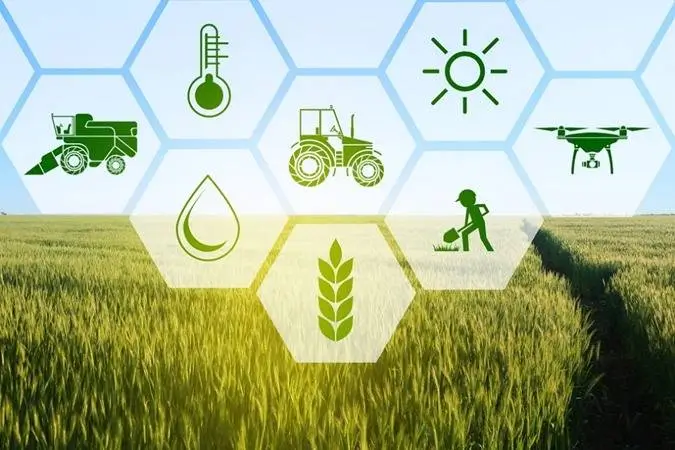
- Agriculture’s contribution to GDP remained stable at around 19%, with increased production of wheat, rice, sugarcane, and maize.
- Agro-based industries in Pakistan such as sugar, dairy, and fruit processing expanded to support domestic consumption and exports.
Export Performance:
- Rice exports reached $2.1 billion in 2020, maintaining Pakistan’s position as a major global exporter.
- Value-added products like packaged dairy and processed fruits began contributing to export revenue.
Technological Upgrades:
- Adoption of modern irrigation systems and high-yield seed varieties improved productivity.
- Expansion of cold storage and supply chain infrastructure enhanced product quality for export markets.
3. Automotive Industry Growth – Major Industries in Pakistan

Performance Trends:
- Annual vehicle production exceeded 200,000 units, with motorcycles surpassing 1.8 million units.
- Automotive component manufacturing saw growth, contributing to domestic supply chains.
Investment Trends:
- Foreign investments increased due to Auto Policy 2016-21, attracting brands like Renault, Kia, MG, and Hyundai.
- Electric vehicle initiatives gained traction, supporting Pakistan’s green energy commitments.
Challenges Overcome:
- Despite aging models and lack of strict safety standards, new automakers introduced modern designs and technologies.
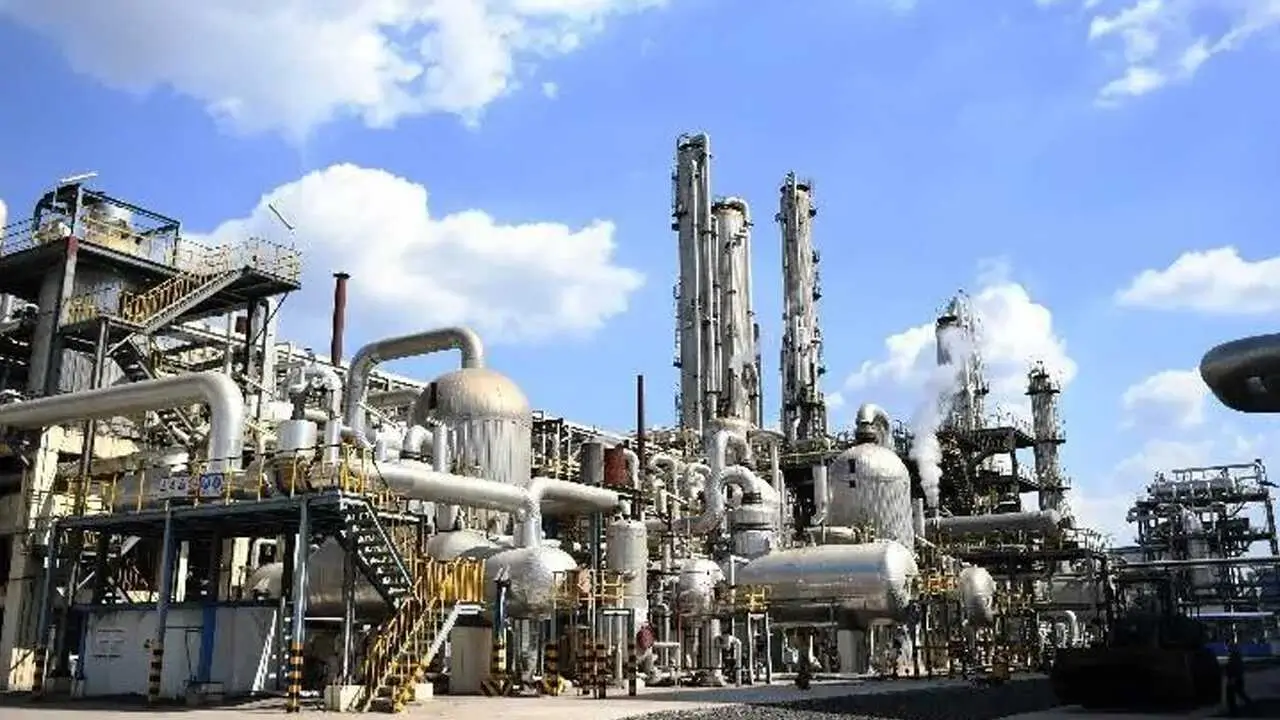
4. Chemical and Pharmaceutical Industries – Major Industries in Pakistan
Performance Trends:
- Pharmaceuticals contributed approximately 1% to GDP, fulfilling over 95% of domestic demand.
- Chemical sector diversified into specialty chemicals, supporting textiles, agriculture, and food processing.
Export Growth:
- Pharmaceutical exports grew 23% year-on-year in early 2020/21, showing the potential for global market expansion.
- Chemical products such as fertilizers, dyes, and industrial chemicals saw increased regional demand.
Technological Adoption:
- Companies invested in modern labs and quality control systems, meeting international standards for exports.
5. Mining and Minerals Industry – Major Industries in Pakistan
Performance Trends:
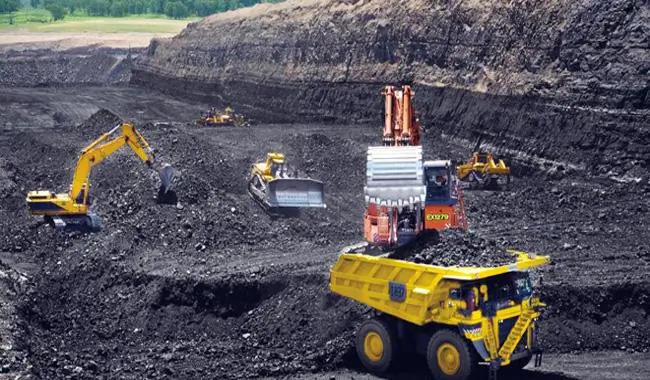
- Mining continued to be a vital contributor to industrial growth, especially in Balochistan (minerals), Sindh (coal), and Khyber Pakhtunkhwa (gemstones).
- Around 52 minerals are actively mined and processed in Pakistan.
Investment and Infrastructure:
- Development of mining infrastructure and exploration initiatives attracted private and foreign investment.
- Growth in gemstone mining and polishing strengthened export revenues.
6. Leather Industry – Major Industries in Pakistan
Performance Trends:
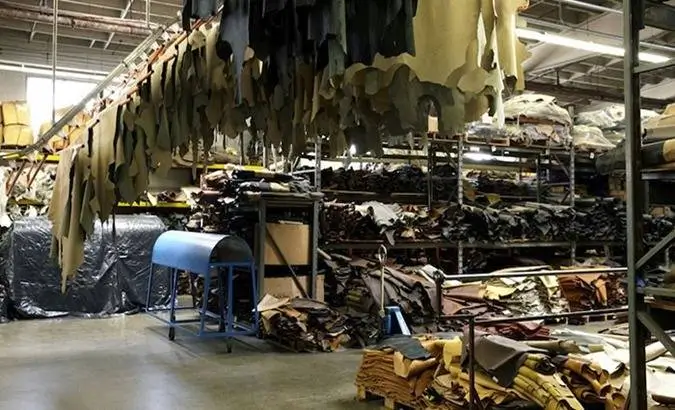
- Leather exports rose by 5.25% in 2020, with increased global demand for quality leather products.
- The number of tanneries and finished leather units expanded to over 800 operational facilities.
Skill Development:
- Investment in training and technology improved production quality and global competitiveness.
7. Services, IT, and Construction Industry – Major Industries in Pakistan
IT and Software:
- Pakistan’s IT sector experienced rapid growth, driven by global outsourcing, startups, and software development.
- IT exports surpassed $2 billion, positioning Pakistan as a rising hub for tech talent.
Construction and Real Estate:
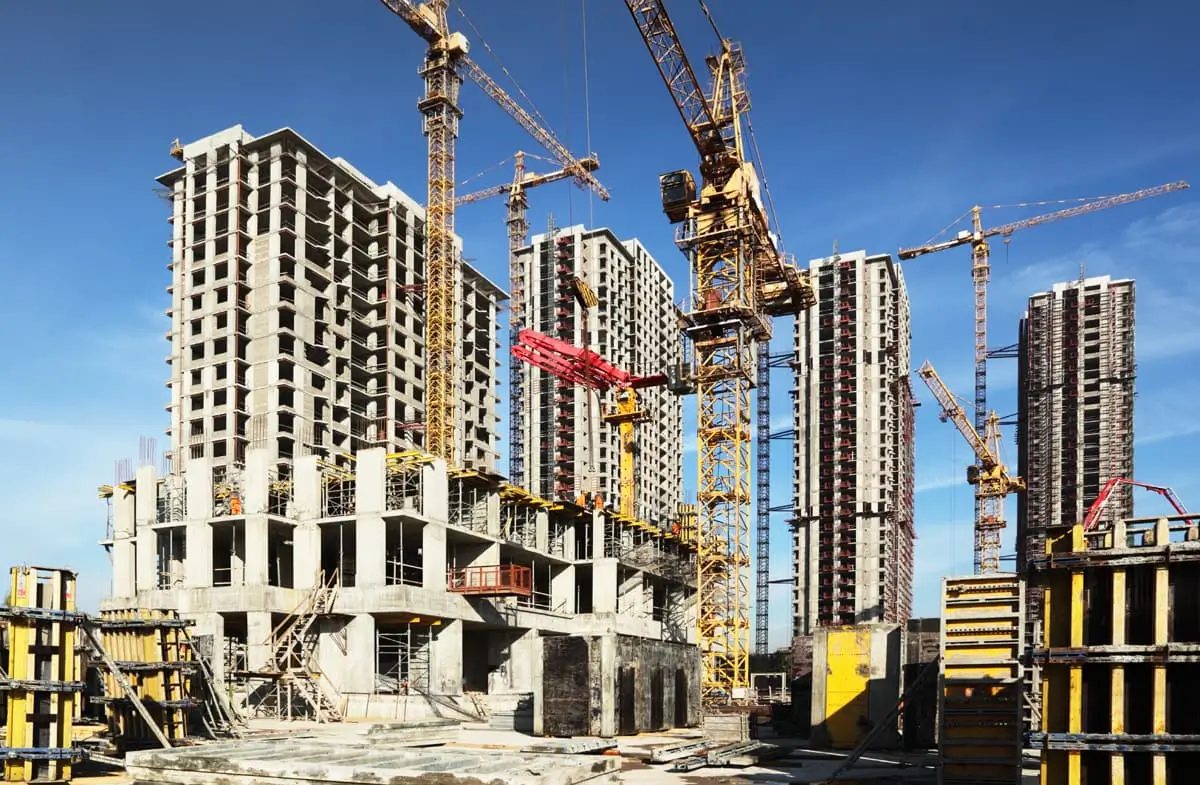
- Urbanization and CPEC infrastructure projects fueled growth in cement, steel, and construction materials.
- Real estate and housing industries in Pakistan grew to meet rising domestic demand.
Banking and Financial Services:
- Modernization of banking and financial services improved industrial financing and trade facilitation.
8. Overall Industrial Growth – Major Industries in Pakistan
Quantitative Performance:
- Large Scale Manufacturing (LSM) output grew by 6% annually during 2025, reflecting resilience despite energy shortages and global market fluctuations.
- Quantum Index of Manufacturing (QIM) shows consistent growth in sectors like food, chemicals, cement, and automotive.
Investment Trends:
- Both domestic and foreign direct investment (FDI) increased across key sectors, particularly in textiles, automotive, IT, and chemicals.
- SEZs under CPEC enhanced industrial clustering and export-oriented manufacturing.
Technological and Skill Development:
- Focus on modern machinery, automation, and vocational training strengthened sectoral productivity.
- Institutes like TIP, PRGMEA, and PIFD provided skilled labor to textiles and allied industries.
Conclusion of Growth Analysis – Major Industries in Pakistan
Over the last decade, industries in Pakistan have shown remarkable resilience and growth, with textiles, agriculture, automotive, chemicals, and IT leading the way. While challenges like energy shortages, policy instability, and global competition remain, technological upgrades, SEZs, and government support have provided the foundation for sustained industrial development.
Achievements and Success Stories of Big Industries in Pakistan
Pakistan’s industrial sector has witnessed remarkable achievements over the decades, with numerous success stories that reflect resilience, innovation, and economic contribution. Despite challenges such as energy shortages, policy hurdles, and global competition, these industriesin Pakistan have consistently demonstrated the potential for growth, employment generation, and export expansion.
1. Record Exports Across Sectors –Major Industries in Pakistan
Textile Industry:
- Pakistan’s textile exports reached $6.5 billion in 2024, with cotton-based fabrics, ready-made garments, and value-added textile products driving growth.
- Ready-made garment exports, facilitated by PRGMEA, positioned Pakistan as a competitive player in global apparel markets.
Agriculture and Agro-Based Industries:
- Rice exports totaled $2.1 billion in 2020, making it the second-largest export commodity.
- Dairy, sugar, and fruit processing industries in Pakistan expanded exports of packaged products to international markets.
Pharmaceutical and Chemical Industries:
- Pharmaceutical exports grew 23% year-on-year in early 2020/21, highlighting Pakistan’s ability to meet international standards.
- Chemical sector exports of fertilizers, dyes, and industrial chemicals saw a significant rise in regional demand.
Leather Industry:
- Leather exports increased by 5.25% in 2020, reflecting high-quality production and global recognition.
2. Industrial Clusters and Special Economic Zones (SEZs) – Major Industries in Pakistan
SEZs under CPEC:
- Development of Special Economic Zones in Sindh and Punjab has provided a modern infrastructure framework for industrial growth.
- SEZs facilitate export-oriented manufacturing, technological adoption, and investment from both domestic and foreign investors.
Textile Clusters:
- Industrial clusters in Faisalabad, Karachi, and Lahore serve as hubs for textile manufacturing, processing, and garment production.
- Clusters promote resource sharing, skill development, and efficiency, reducing production costs and enhancing competitiveness.
Automotive and Engineering Clusters:
- Clusters in Sindh and Punjab have enabled automotive assembly, component manufacturing, and engineering services, attracting international players like Kia, Renault, and MG Motor.
3. Skill Development and Training Institutes – Major Industries in Pakistan
Institutes Driving Industrial Growth:
- Textile Institute of Pakistan (TIP): Provides specialized training in textile manufacturing and engineering.
- Pakistan Readymade Garments Training Institute (PRGTII): Trains skilled labor for the garment export sector.
- Pakistan Institute of Fashion and Design (PIFD): Develops talent for high-value textile and fashion products.
- SMARTI and PHMA Institutes: Offer training in knitwear and industrial skills.
Impact:
- These institutes have created a skilled workforce capable of meeting global quality standards.
- Focus on vocational training and modern technology adoption has enhanced productivity across sectors.
4. Notable Industrial Groups and Corporations
Popular Group of Industries in Pakistan:
- Established in 1947, it has grown into a multi-sector industrial conglomerate, operating in food and beverages, textiles, packaging, cement, energy, petroleum, and home care products.
- Known for industrial innovation, export competitiveness, and quality manufacturing.
Pakistan Industrial Development Corporation (PIDC):
- Founded in 1952 to establish industrial units where private investment was hesitant.
- PIDC successfully set up 94 industrial units, including fertilizer, cement, automobile, textile, sugar, and chemical sectors.
- Currently focuses on industrial facilitation, skill development, and SEZ management, driving private sector industrial growth.
PRGMEA (Pakistan Readymade Garments Manufacturers & Exporters Association):
- Represents Pakistan’s garment industry and promotes export growth, quality compliance, and skill development.
- Supports members in international trade negotiations, quality certifications, and market access.
5. Technological Upgrades and Innovation
Automation and Modern Machinery:
- Adoption of automated spinning, weaving, and packaging machines in textiles and food processing.
- Investment in pharmaceutical labs, chemical processing, and engineering facilities to meet global standards.
Research and Development (R&D):
- Firms are investing in R&D to develop new products, improve quality, and enhance export competitiveness.
- Innovation hubs in IT, textiles, and pharmaceuticals are fostering entrepreneurship and tech-driven industrial growth.
6. Recognition and Awards
- Pakistani textile and leather products have received international awards for quality and design.
- Pharmaceutical companies comply with WHO and international certifications, opening new export markets.
- SEZ-based industries in Pakistan have attracted foreign investment and global partnerships, enhancing Pakistan’s industrial reputation.
Key Takeaways
- Industries in Pakistan have successfully expanded export markets, modernized operations, and created skilled labor forces.
- Industrial clusters, SEZs, and training institutes have amplified productivity, innovation, and competitiveness.
- Notable industrial groups such as Popular Group and PIDC have spearheaded multi-sector growth, driving economic development.
Challenges and Fallbacks in Pakistan’s Industrial Sector
While Pakistan’s industrial sector has achieved remarkable growth and success, it continues to face a variety of challenges that impact productivity, competitiveness, and long-term sustainability. Understanding these challenges is crucial for devising effective policies, investment strategies, and improvement plans.
1. Energy Shortages and High Production Costs
Overview:
- Energy shortages remain one of the most significant challenges for industries in Pakistan, particularly textiles, chemicals, and cement.
- Frequent load shedding, electricity interruptions, and gas shortages have led to production delays and increased costs.
Impact:
- Reduced manufacturing output and delayed order fulfillment.
- Increased dependence on alternative energy sources, raising operational costs.
- Lower competitiveness in international markets due to higher production expenses.
Fallback Measures:
- Industriesin Pakistna often resort to diesel generators or private power solutions.
- Some firms temporarily halt production during peak load-shedding periods.
2. Infrastructure and Logistics Gaps
Overview:
- Industrial growth is hindered by inadequate transportation, storage, and logistics infrastructure.
- Ports, highways, and rail links face congestion and delays, affecting raw material supply and exports.
Impact:
- Export-oriented industries in Pakistan such as textiles, leather, and agro-processing experience shipment delays.
- Increased inventory costs and supply chain inefficiencies.
Fallback Measures:
- Industries in Pakistan establish private warehouses and logistics solutions.
- Some sectors shift operations closer to urban centers, increasing overhead costs.
3. Policy and Regulatory Challenges
Overview:
- Frequent changes in industrial policies, taxes, and regulatory frameworks create uncertainty.
- Compliance with environmental regulations and international standards is often inconsistent.
Impact:
- Discourages foreign and domestic investment in manufacturing and export sectors.
- Creates hurdles in export certifications, approvals, and market access.
Fallback Measures:
- Industries in Pakistan rely on associations like PRGMEA and chambers of commerce to navigate policy shifts.
- Some firms focus on domestic markets to reduce exposure to international compliance requirements.
4. Skill Gaps and Workforce Challenges
Overview:
- While Pakistan has a large labor force, there is a shortage of skilled and technologically adept workers.
- Modern manufacturing processes, IT, and specialized chemical production require technical expertise.
Impact:
- Lower productivity and efficiency in key sectors like textiles, pharmaceuticals, and automotive.
- Difficulty in adopting advanced technologies and modern production methods.
Fallback Measures:
- Reliance on vocational training institutes and foreign experts.
- In some cases, industriesin Pakistan face high employee turnover and training costs.
5. Global Competition
Overview:
- Pakistani industries in Pakistan compete globally with countries such as India, Bangladesh, China, and Vietnam in textiles, leather, and chemicals.
- Competitive markets demand high-quality, cost-effective, and innovative products.
Impact:
- Pressure on industries to upgrade technology and meet international standards.
- Risk of losing market share if local products fail to match global quality.
Fallback Measures:
- Focus on niche products and value-added goods to differentiate from competitors.
- Seek trade agreements and export incentives to enhance competitiveness.
6. Environmental and Compliance Challenges
Overview:
- Industrial processes often produce waste, emissions, and chemical by-products, raising environmental concerns.
- Regulatory enforcement for pollution control is inconsistent, especially in small-scale industries.
Impact:
- Risk of penalties, shutdowns, and international scrutiny for non-compliance.
- Limits opportunities to export to environmentally conscious markets.
Fallback Measures:
- Adoption of eco-friendly production methods by larger companies.
- Small industries may delay compliance due to high investment costs.
7. Access to Finance and Investment Constraints
Overview:
- Small and medium-sized enterprises (SMEs) often face limited access to affordable credit.
- High interest rates and collateral requirements restrict growth potential.
Impact:
- Difficulty in expanding production, modernizing equipment, or exporting products.
- Slower technological adoption and industrial modernization.
Fallback Measures:
- Industries rely on government-backed schemes, development finance, and private investors.
- Collaboration with industrial associations to pool resources and access financing.
Major Industries in Pakistan Key Takeaways
- Pakistan’s industrial growth has been impressive, but challenges persist across energy, infrastructure, policy, skills, global competition, and finance.
- Fallback measures often include private solutions, operational adjustments, and reliance on industry associations, but they cannot fully replace systemic improvements and policy support.
- Addressing these challenges is crucial for sustaining growth, improving exports, and ensuring long-term industrial competitiveness
Improvement Plans and Government Support for Major Industries in Pakistan
To address the challenges facing Pakistan’s industrial sector and sustain long-term growth, the government, private sector, and industrial associations have initiated several programs, reforms, and policies. These efforts aim to improve infrastructure, energy supply, skill development, investment, and technological adoption across key sectors.
1. Policy Reforms and Industrial Incentives
Industrial Policies:
- The government has introduced industrial policies to attract foreign investment, encourage export-oriented growth, and promote innovation.
- Auto Policy 2016-21 incentivized new automakers like Kia, Renault, MG Motor, and Hyundai to set up local manufacturing plants.
- Textile and Apparel Policies provide tax rebates, export incentives, and technology adoption support to enhance competitiveness.
Investment-Friendly Measures:
- Reduction of bureaucratic hurdles for company registration, import/export approvals, and industrial licensing.
- Simplification of tax structures and incentives for SEZ-based industries.
2. Development of Special Economic Zones (SEZs)
CPEC SEZs:
- SEZs in Sindh and Punjab are designed to provide state-of-the-art infrastructure, modern industrial facilities, and investment incentives.
- These zones encourage export-oriented manufacturing, attract foreign direct investment (FDI), and create job opportunities.
Sectoral Benefits:
- Textile clusters in SEZs promote vertical integration from spinning to garment manufacturing.
- Automotive SEZs enable component manufacturing and assembly, reducing reliance on imports.
- Chemical and pharmaceutical SEZs provide compliance-friendly facilities for international standards.
3. Energy Sector Support
Government Initiatives:
- Programs to reduce load-shedding and improve gas and electricity supply for industries.
- Investment in renewable energy projects (solar, wind, hydropower) to reduce production costs and improve sustainability.
Industrial Impact:
- Stable energy supply allows continuous production, higher productivity, and lower operational costs.
- Encourages investment in energy-intensive sectors like cement, steel, and chemicals.
4. Infrastructure and Logistics Improvements
Key Initiatives:
- Upgrades to ports, highways, and railways to improve trade logistics.
- Expansion of industrial parks, cold storage facilities, and supply chain networks for agro-based and perishable products.
Impact on Industries:
- Improved logistics reduce delivery times, inventory costs, and export delays.
- Enhanced connectivity boosts domestic and international market access.
5. Skill Development and Workforce Training
Government and Private Sector Collaboration:
- Initiatives to provide vocational training and technical education in textiles, IT, automotive, and pharmaceuticals.
- Support for institutions like TIP, PRGTII, PIFD, and SMARTI to produce skilled labor for industrial growth.
Outcomes:
- Higher productivity and adoption of modern manufacturing techniques.
- Development of export-quality products to meet international standards.
6. Financial Support and Access to Capital
Government Programs:
- Provision of low-interest loans and credit facilities for SMEs and large-scale manufacturers.
- Establishment of development finance institutions to provide investment capital for industrial expansion.
Private Sector Measures:
- Industrial associations like PRGMEA and chambers of commerce facilitate access to funding, investment partnerships, and export financing.
Impact:
- Expansion of production capacity, modernization of machinery, and technological upgrades.
- Increased competitiveness in global markets.
7. Technological Modernization and Innovation
Initiatives:
- Encouragement of automation, digital manufacturing, and smart factories in textiles, automotive, and chemical sectors.
- Investment in research and development (R&D) to create innovative products for domestic and export markets.
Impact on Industries:
- Enhanced product quality, efficiency, and production capacity.
- Ability to compete with international players and tap into high-value export markets.
8. Export Promotion and Market Diversification
Government Measures:
- Signing of trade agreements and preferential market access programs to expand exports.
- Export facilitation schemes to reduce costs and simplify documentation for manufacturers.
Private Sector Role:
- Industrial associations organize trade fairs, exhibitions, and buyer-seller meetups to connect Pakistani manufacturers with international buyers.
Impact:
- Expansion into new markets in Europe, Asia, and the Middle East.
- Diversification reduces dependency on traditional markets and enhances economic resilience.
9. Environmental and Compliance Support
Sustainable Industrial Development:
- Implementation of environmental regulations to encourage eco-friendly production.
- Support for industries to adopt clean technologies and waste management systems.
Impact:
- Compliance with international environmental standards enables access to green-conscious export markets.
- Reduces environmental impact while maintaining industrial growth.
Major Industries in Pakistan Key Takeaways
- Pakistan’s government, in collaboration with the private sector, has laid out comprehensive improvement plans addressing energy, infrastructure, skills, finance, technology, exports, and compliance.
- Special Economic Zones, industrial policies, and financial incentives enhance investment and productivity.
- Continuous support for skill development, technological adoption, and export diversification positions Pakistan’s industries for sustainable long-term growth.
- These measures aim to overcome challenges, improve global competitiveness, and ensure that Pakistan remains a regional industrial hub.
Future Outlook and Recommendations for Major Industries in Pakistan
As Pakistan continues to evolve as an industrial economy, the next decade presents both significant opportunities and challenges. Strategic planning, policy support, and innovation will determine how Pakistan’s industries capitalize on global trends, strengthen competitiveness, and contribute to sustainable economic growth.
1. Projected Growth Trends – Major Industries in Pakistan
Textile and Apparel Industry:
- Expected to continue as Pakistan’s largest export-oriented sector.
- Growth is projected through value-added textiles, ready-made garments, and home textiles targeting global markets.
- Adoption of automated manufacturing, digital printing, and smart textile technologies will enhance productivity and quality.
Agriculture and Agro-Based Industries:
- Continued investment in modern irrigation, storage, and processing facilities will boost crop yields and exportable products.
- Expansion into processed foods, packaged dairy, and organic products offers new market opportunities.
Automotive and Engineering Sectors:
- Electric vehicles (EVs) and hybrid technologies present a future growth area.
- Expansion of automotive component manufacturing to meet both domestic and international demand.
IT, Software, and Technology Services:
- The IT sector is expected to grow as a major export earner, driven by outsourcing, software exports, and startup innovations.
- Development of tech hubs and innovation centers will support emerging technologies like AI, blockchain, and fintech.
Pharmaceuticals and Chemicals:
- Focus on export-oriented production, specialized chemicals, and generics will strengthen Pakistan’s global market share.
- Compliance with international standards and GMP certifications will expand export potential.
Mining and Minerals:
- Exploration of untapped mineral resources and development of mining infrastructure will boost industrial input supply.
- Gemstone polishing and mineral-based exports will increase revenue generation.
2. Investment Opportunities – Major Industries in Pakistan
Domestic Investment:
- Growth of SMEs in textiles, agro-processing, and leather products.
- Investment in renewable energy, packaging solutions, and advanced manufacturing equipment.
Foreign Direct Investment (FDI):
- SEZs, CPEC projects, and industrial clusters attract international investors.
- Potential for joint ventures in automotive, chemicals, IT, and energy sectors.
Startups and Innovation:
- Encouraging entrepreneurship in tech, green energy, and industrial automation.
- Government-backed incubators and accelerator programs can provide capital, mentorship, and market access.
3. Strategic Recommendations – Major Industries in Pakistan
a. Energy Solutions:
- Expand renewable energy projects and industrial power grids to reduce production costs.
- Encourage energy-efficient machinery and sustainable practices across all sectors.
b. Infrastructure and Logistics:
- Develop modern industrial corridors, ports, and highways to enhance supply chain efficiency.
- Invest in cold storage, warehousing, and logistics solutions for agro-based and perishable goods.
c. Skill Development and Training:
- Expand vocational and technical training institutes aligned with industry needs.
- Promote digital skills, IT proficiency, and advanced manufacturing training.
d. Policy Stability and Incentives:
- Maintain consistent industrial policies, tax incentives, and trade facilitation measures.
- Encourage public-private partnerships to reduce bureaucratic hurdles.
e. Technological Modernization:
- Incentivize automation, digitalization, and smart manufacturing across industries.
- Support R&D initiatives for innovative products and industrial processes.
f. Export Diversification:
- Explore new markets in Africa, Latin America, and ASEAN countries.
- Promote niche and high-value products like organic textiles, eco-friendly chemicals, and specialty foods.
g. Environmental Sustainability:
- Encourage eco-friendly industrial practices and compliance with international environmental standards.
- Invest in clean technologies and waste management systems to enhance global market acceptance.
4. Future Vision – Major Industries in Pakistan
- Pakistan’s industries are poised to become regional leaders in textiles, automotive, chemicals, IT, and agro-based sectors.
- With policy support, infrastructure upgrades, technological adoption, and skill development, Pakistan can achieve sustainable industrial growth, export expansion, and job creation.
- Strategic investments in SEZs, industrial clusters, and innovation hubs will ensure that Pakistan remains competitive in the global industrial landscape.
Major Industries in Pakistan Key Takeaways
- The next decade presents opportunities for industrial modernization, export growth, and technological innovation.
- Government support, private investment, and skill development are critical for sustained growth.
- By focusing on energy, infrastructure, technology, and global market integration, Pakistan can strengthen its position as a dynamic industrial economy.
Frequently Asked Questions (FAQs) – Major Industries in Pakistan
1. What are the major industries in Pakistan?
The major industries in Pakistan include textiles and garments, agriculture and agro-based industries, automotive and engineering, chemicals, pharmaceuticals, leather, food and beverages, cement and construction, mining and minerals, and the IT and software industry. Among these, textiles remain the largest contributor to exports and industrial employment.
2. Why is the textile industry so important to Pakistan’s economy?
The textile industry is the backbone of Pakistan’s economy because it contributes a significant share to GDP, exports, and employment. Pakistan is one of the largest producers of cotton, which provides a strong raw material base for spinning, weaving, and garment manufacturing.
3. How have Pakistan’s industries grown over the last 10 years?
Over the past decade, Pakistan’s industries have experienced moderate but steady growth, especially in value-added textiles, IT services, pharmaceuticals, and automotive manufacturing. Government incentives, SEZ development, and increased exports have supported industrial expansion despite economic and energy challenges.
4. What are the biggest challenges faced by industries in Pakistan?
Key challenges include energy shortages, high production costs, infrastructure and logistics gaps, policy inconsistency, skill shortages, limited access to finance, and strong global competition. Environmental compliance and technological gaps also affect export-oriented industries.
5. What role does the government play in supporting industries?
The government supports industries through industrial policies, tax incentives, export rebates, low-interest financing, energy sector reforms, infrastructure development, and Special Economic Zones (SEZs). Policies like the Textile Policy and Auto Policy aim to boost exports and local manufacturing.
6. What are Special Economic Zones (SEZs), and why are they important?
SEZs are designated industrial areas offering tax incentives, modern infrastructure, and simplified regulations. They are important because they attract foreign direct investment (FDI), promote export-oriented manufacturing, create jobs, and encourage technology transfer.
7. Which industries have the most future growth potential in Pakistan?
Industries with strong future potential include IT and software services, value-added textiles, pharmaceuticals, agro-processing, renewable energy, automotive (especially electric vehicles), and mining and minerals.
8. How does Pakistan compete with other countries in global markets?
Pakistan competes through cost-effective labor, a strong raw material base (especially cotton), export incentives, and growing industrial clusters. However, improving product quality, technology adoption, and compliance with international standards is essential to stay competitive against countries like China, Bangladesh, and Vietnam.
9. What improvements are needed to strengthen Pakistan’s industrial sector?
Key improvements include reliable and affordable energy supply, better infrastructure and logistics, consistent industrial policies, skilled workforce development, technological modernization, and export market diversification.
10. Why are industries important for Pakistan’s economic development?
Industries are crucial because they create employment, increase exports, generate government revenue, promote technological advancement, and reduce reliance on imports. A strong industrial sector supports overall economic stability and long-term growth.