Introduction
Pakistan has always been blessed with unmatched natural beauty — from snow-peaked mountains and lush green valleys to cultural heritage and wildlife diversity. But in recent years, Pakistan has also emerged as a country where natural beauty meets creativity, innovation, and artistic ambition. One of the latest and most striking additions to this creative movement is the world’s largest Markhor sculpture, recently unveiled at the Shah Daoud Palace site in Batakundi, Kaghan Valley.
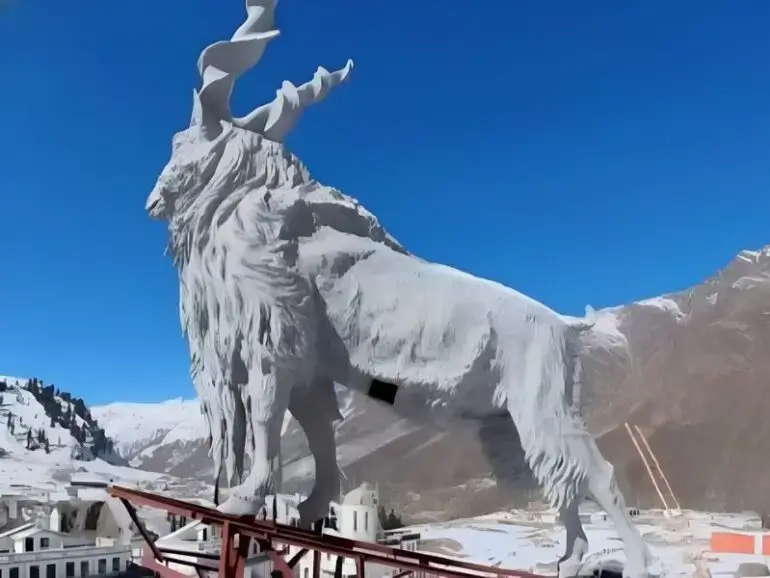
Standing an awe-inspiring 105 feet tall and 38 feet wide, this masterpiece is more than just a sculpture; it is a symbol of national pride, a beacon for tourism, and a powerful reminder of the importance of wildlife conservation.
This blog is structured to help to understand why this sculpture is becoming one of Pakistan’s most iconic landmarks.
What Makes the World’s Largest Markhor Sculpture Special?
The newly unveiled Markhor sculpture is not just “big” — it is record-breaking, meticulously designed, and strategically placed in one of Pakistan’s most breathtaking regions.
1. A Monument of Unmatched Scale
The sculpture measures:
- Height: 105 feet
- Width: 38 feet
- Construction Timeline: 5 years
- Creator: Engineer Muhammad Shehzad
Its sheer scale makes it the largest Markhor sculpture ever created anywhere in the world — a distinction that brings global attention to Pakistan.
2. A Tribute to the National Animal
The Markhor, Pakistan’s national animal, is famous for:
- Spiral horns
- Exceptional agility
- Graceful stance
- Survival in harsh mountainous terrain
The sculpture captures these features with artistic precision, making it a lifelike representation of the majestic animal.
3. Located at One of Pakistan’s Most Scenic Viewpoints
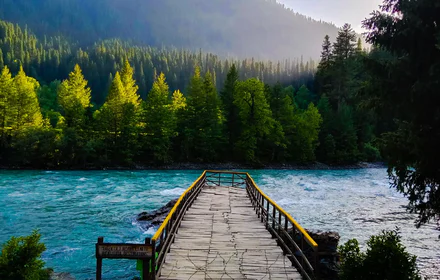
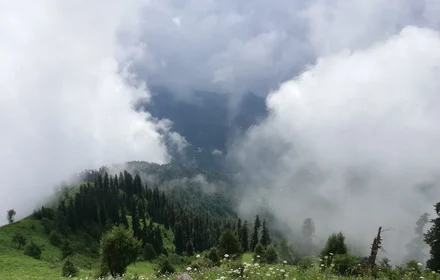
The chosen site — Shah Daoud Palace in Batakundi, Kaghan Valley — overlooks panoramic views of:
- Mist-covered mountains
- Dense pine forests
- Glacial streams
- Alpine meadows
It sits like a throne in the heart of nature.
The Story Behind the Sculpture: Five Years of Dedication
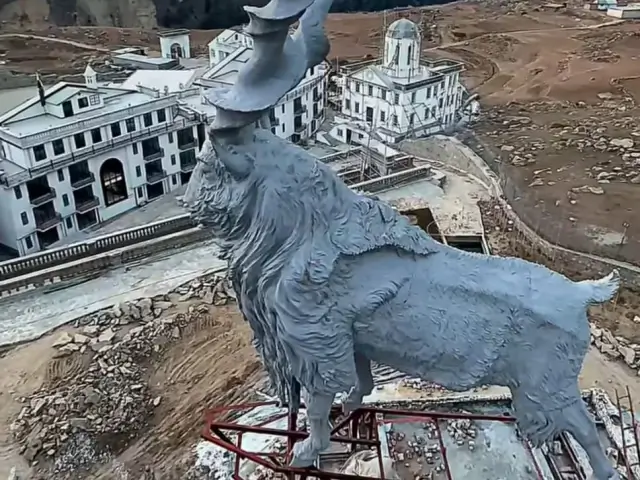
No monumental artwork is created overnight. This sculpture is the result of relentless passion, engineering excellence, and love for Pakistan’s wildlife.
The Vision of Engineer Muhammad Shehzad
Engineer Muhammad Shehzad, the creator of this masterpiece, stated that the project was born from his desire to:
- Celebrate Pakistan’s national heritage
- Promote biodiversity awareness
- Give the valley a unique tourist attraction
- Create something Pakistanis could take pride in
His work involved:
- Designing the structure
- Sourcing materials suitable for rough weather
- Sculpting the Markhor to scale with accurate dimensions
- Overcoming engineering challenges of creating a 105-foot-high structure
- Ensuring the sculpture could withstand snow, storms, and extreme cold
This project required:
- Structural engineers
- Welders
- Artists
- Labor teams
- Safety experts
It is truly a collaborative success that reflects the fusion of art and engineering.
Why the Markhor Matters: Symbolism, History, and Heritage
To understand the significance of this sculpture, one must appreciate the role of the Markhor in Pakistan’s identity.
1. National Prism of Strength and Resilience
Markhors are known for their resilience and ability to survive in rugged, rocky landscapes. In Pakistani culture, they symbolize:
- Bravery
- Strength
- Endurance
- Independence
- Freedom
Their spiral horns represent natural art, while their climbing ability symbolizes rising above challenges.
2. Markhor and Pakistan’s Wildlife Identity
Markhors inhabit the high-altitude regions of:
- Chitral
- Kohistan
- Kalam
- Gilgit-Baltistan
- Balochistan
- Azad Kashmir
They play a crucial role in Pakistan’s biodiversity and are recognized globally.
3. Conservation Success Story
At one point, the Markhor population was at risk due to:
- Illegal hunting
- Habitat loss
- Harsh weather
- Limited breeding space
But thanks to:
- Community-based conservation programs
- Trophy hunting managed by wildlife departments
- Awareness campaigns
The species has made a remarkable comeback.
The sculpture further reinforces the message:
“Protect wildlife, preserve Pakistan’s natural wealth.”
Kaghan Valley — The Perfect Home for the Monument
Known for its cinematic beauty, Kaghan Valley is one of Pakistan’s most visited tourist destinations. The addition of this sculpture enhances its identity further.
Why Kaghan Valley Was the Ideal Choice
- Breathtaking scenery that complements the sculpture’s grandeur
- Proximity to the tourist hotspot of Naran
- Its rising popularity among local and foreign tourists
- A landscape that feels like the natural habitat of the Markhor
Batakundi — the specific area chosen — is a picturesque village surrounded by:
- Towering mountains
- Crystal-clear streams
- Alpine breezes
- Beautiful viewpoints
The sculpture blends naturally into this environment, almost as if the Markhor is standing guard over the valley.
Impact on Tourism: A New Era for Kaghan Valley
The unveiling of this sculpture has already triggered a tourism boost, and experts predict even more growth.
1. A New Photo and Social Media Hotspot
Tourists love:
- Instagrammable spots
- Unique attractions
- Memorable backdrops
This sculpture has instantly become the most photographed new landmark in the valley.
2. Increased Footfall in Batakundi
Local businesses near Batakundi are experiencing:
- Higher visitor flow
- Increased hotel bookings
- More roadside food sales
- Higher demand for local guides
3. Positive Impact on the Regional Economy
Through tourism, the sculpture contributes to:
- Job creation
- Business opportunities
- Increased cultural engagement
- Seasonal employment
This project is not just art — it is an economic catalyst.
Detailed Travel Guide: How to Visit the Markhor Sculpture
Getting There
Route: Islamabad → Mansehra → Balakot → Kaghan → Naran → Batakundi
Distance from Islamabad: 300 km
Driving time: 6–8 hours
Best Time to Visit
- May to October (peak season)
- November to April (roads may be blocked due to snow)
Weather Considerations
Batakundi is cold even in summer. Temperatures range from:
- 15–25°C in summer
- -5 to -15°C in winter
Nearby Attractions
- Naran Bazaar
- Batakundi Meadows
- Lalazar
- Saif ul Malook Lake
- Ansoo Lake
- Babusar Top
- Lulusar Lake
Engineering Excellence: How the Sculpture Was Built
Creating a 105-foot sculpture in a mountainous region is a challenge. This project involved:
1. Weather-Resistant Materials
The sculpture uses materials that withstand:
- snowfall
- intense rain
- windstorms
- freezing temperatures
2. Safe Foundation
Because of the mountainous terrain, engineers reinforced the base to prevent:
- soil erosion
- structural instability
- vibration from winds
3. Precision Modeling
Before construction:
- 3D models were created
- Miniature prototypes were made
- Metal layers were shaped manually
- Artistic detailing was done by hand
4. Long Construction Timeline
The five-year timeline included:
- Permission and planning
- Designing and engineering
- Sculpting and welding
- Mounting and safety testing
It’s one of the most ambitious private engineering projects in Pakistan’s tourism sector.
Key Reasons Tourists Must Visit the Markhor Sculpture
1. It’s the Largest Markhor Sculpture in the World
No other country has built a wildlife monument of this scale dedicated to the Markhor.
2. Picturesque Surroundings Enhance the Experience
Batakundi offers 360-degree views of mountains.
3. Great Spot for Photographers & Content Creators
Ideal for:
- Drone photography
- Reels
- Travel vlogs
- Landscape photography
4. Cultural and Environmental Significance
This attraction spreads awareness about:
- wildlife protection
- conservation
- mountain ecosystems
5. Easy Access from Naran
Most travelers already pass through Batakundi on their way to Babusar Top.
Markhor: The Majestic King of Pakistan’s Mountains
To deepen the blog’s value, here’s more about the species:
Physical Features
- Spiraled horns (male horns exceed 1.5 meters)
- Long legs for high-altitude climbing
- Brownish coat that blends with rocks
- Sharp vision
Behavior
- Lives in rugged cliffs
- Travels in groups
- Very agile climber
- Eats grasses and shrubs
Global Recognition
The Markhor is also admired in:
- Afghanistan
- Tajikistan
- Uzbekistan
But Pakistan hosts the largest population.
How the Sculpture Promotes Conservation
The monument delivers a silent but powerful message:
1. Raising Awareness
Tourists learn about Markhor conservation simply by visiting.
2. Encouraging Wildlife Respect
Seeing the animal at such a massive scale leaves an emotional impact.
3. Inspiring Eco-Tourism
Eco-tourism builds:
- environmental respect
- awareness
- responsibility
4. Supporting Local Conservation Projects
The sculpture’s popularity will indirectly support regional wildlife projects.
Local Response: Pride and Excitement in Kaghan Valley
Residents feel:
- Honored
- Excited
- Proud
Local businesses are benefiting from:
- more customers
- more reviews
- more visibility
Many locals said the sculpture has given the valley a “new identity.”
Comparing the Markhor Sculpture with Other Global Wildlife Monuments
While many countries have large animal sculptures, none compare to this in terms of height or cultural meaning.
Examples:
- Thailand’s massive elephant sculptures
- Mongolia’s Chinggis Khaan horse statue
- USA’s giant buffalo monuments
But Pakistan’s Markhor sculpture is:
- taller
- more meaningful
- located in a more scenic setting
- made with more artistic detail
It stands proudly among global giants.
Photography Tips for Visitors
To capture the sculpture perfectly:
1. Visit during Golden Hour
Early morning or late afternoon gives the best light.
2. Use Wide-Angle Mode
The sculpture is huge — wide-angle helps capture its full height.
3. Try Low-Angle Shots
Stand near the base and shoot upwards for dramatic effect.
4. Drone Photography
If allowed, drone shots look breathtaking.
FAQs About the Markhor Sculpture
Q1: Where exactly is the sculpture located?
At the Shah Daoud Palace site, Batakundi, Kaghan Valley.
Q2: Who built the sculpture?
Engineer Muhammad Shehzad.
Q3: How tall is the sculpture?
105 feet tall.
Q4: How long did it take to build?
Five years.
Q5: What is the purpose of the sculpture?
To:
- promote tourism
- celebrate Pakistan’s wildlife
- raise awareness about conservation
Q6: Is there an entry fee?
Currently, no — it’s accessible from the roadside.
Q7: Is it safe to visit with family?
Absolutely — it’s a family-friendly attraction.
Q8: What is the best season?
May to October.
Conclusion
The world’s largest Markhor sculpture is not just a tourist attraction — it is a symbol of Pakistan’s pride, a masterpiece of human creativity, and a celebration of wildlife conservation. Batakundi, with its crystal streams and towering mountains, provides the perfect home for this magnificent monument.
With its unveiling, Kaghan Valley has entered a new era of tourism — blending natural beauty, cultural heritage, and artistic brilliance into a single unforgettable experience.
The 105-foot Markhor now stands tall as a reminder of Pakistan’s natural legacy — and as an open invitation to travelers, adventurers, families, and wildlife lovers from around the world.