
Silver Afghan Jewellery : A Timeless Statement
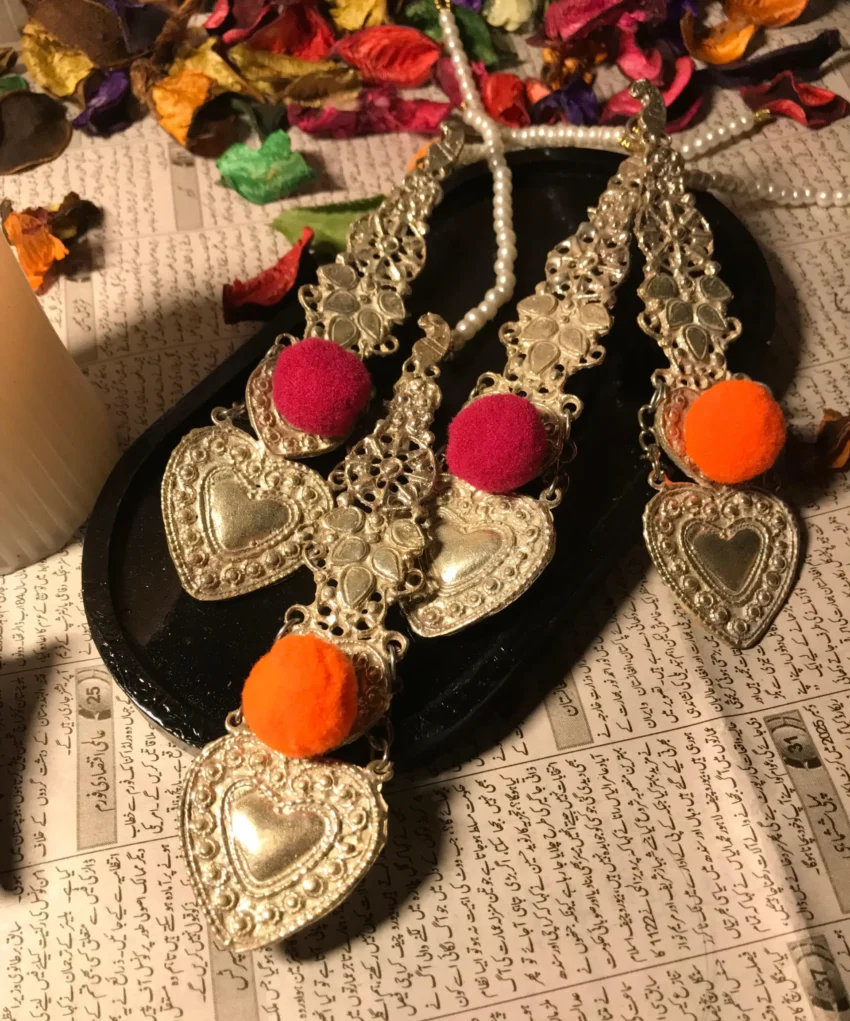
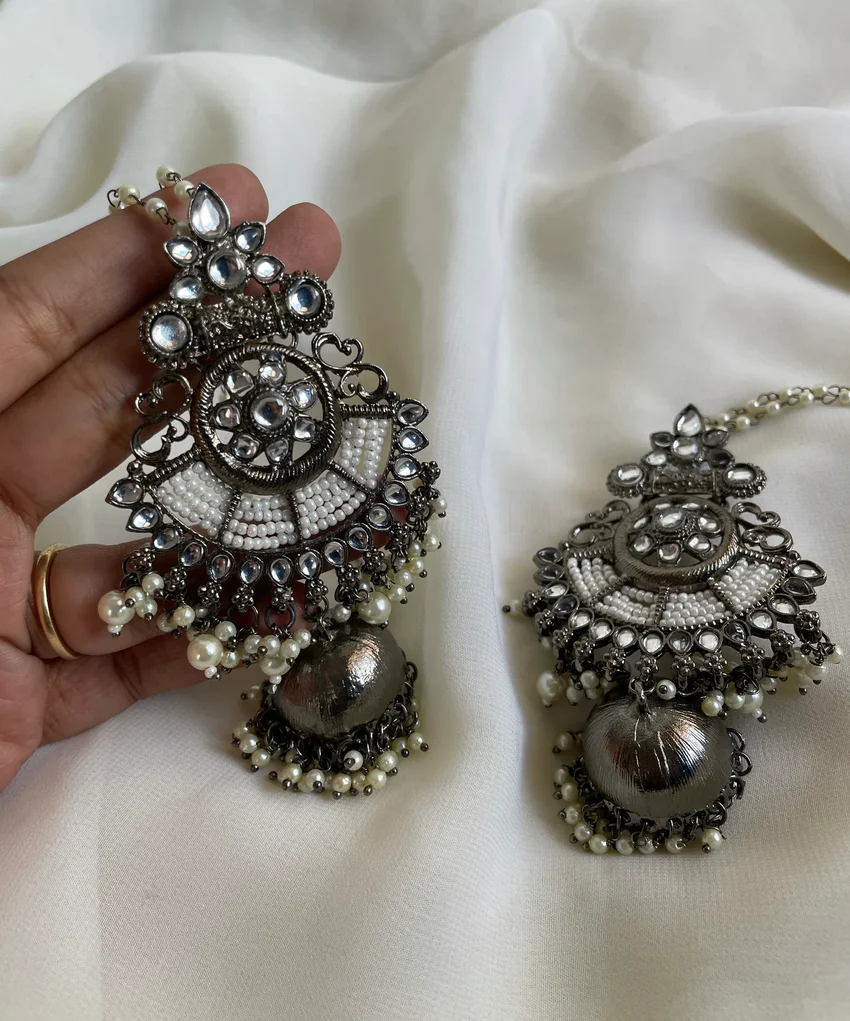
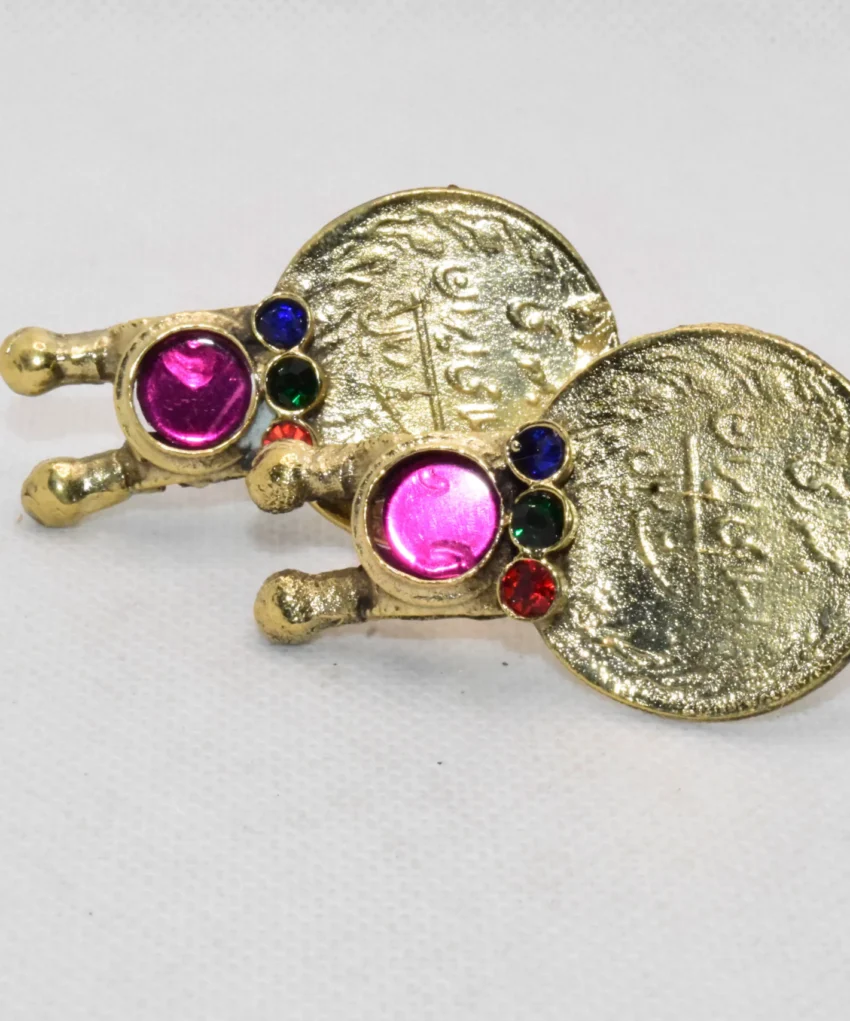
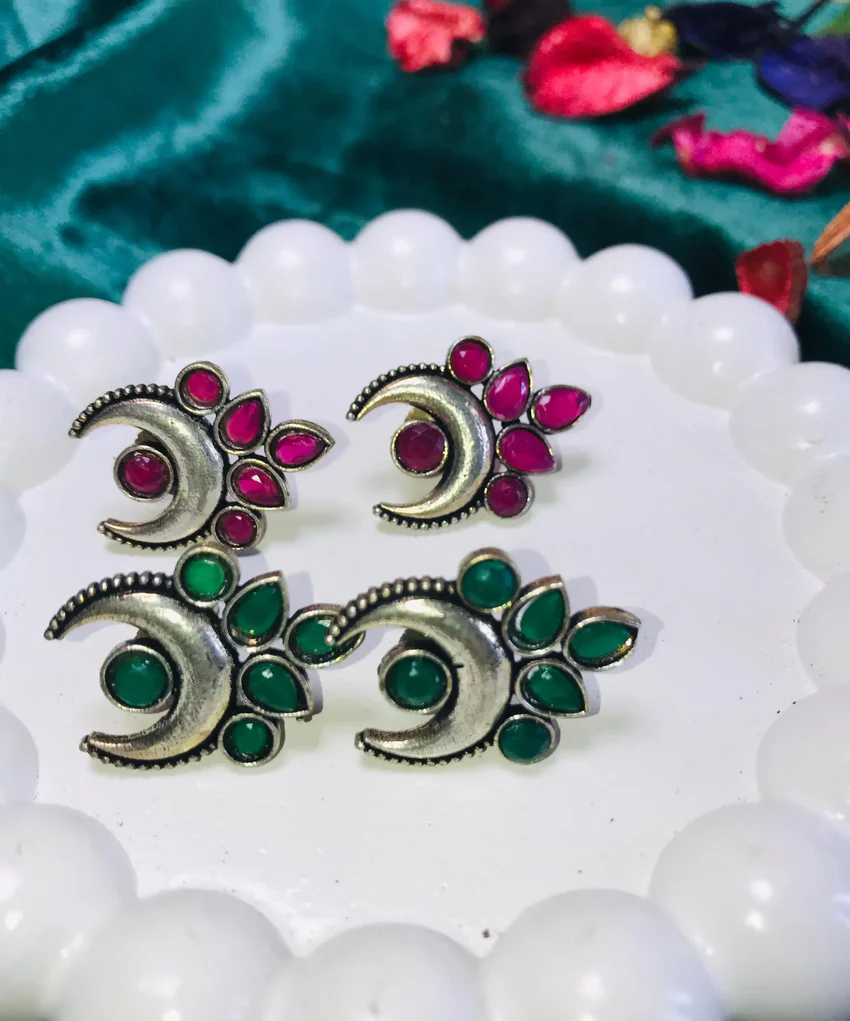
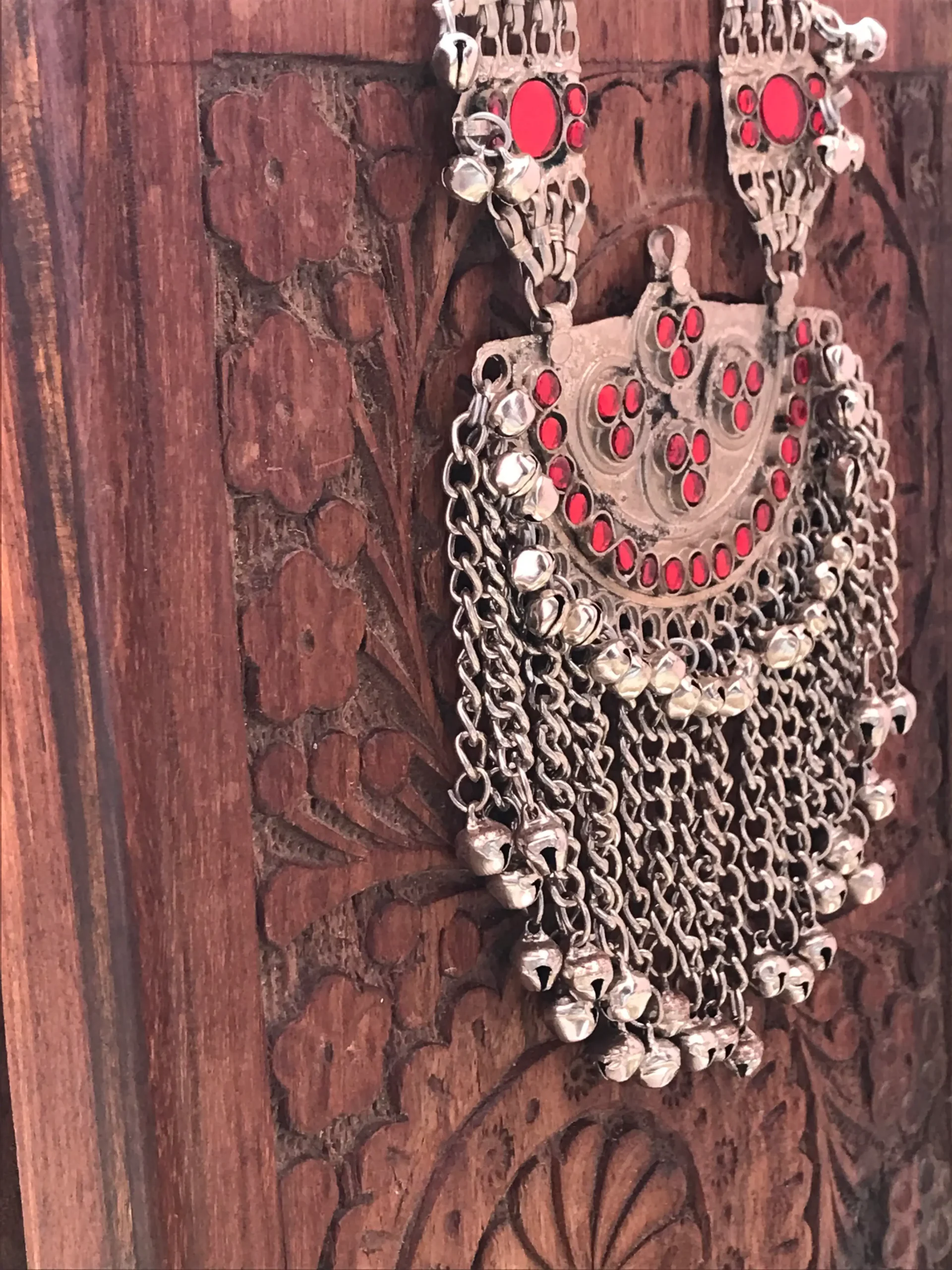
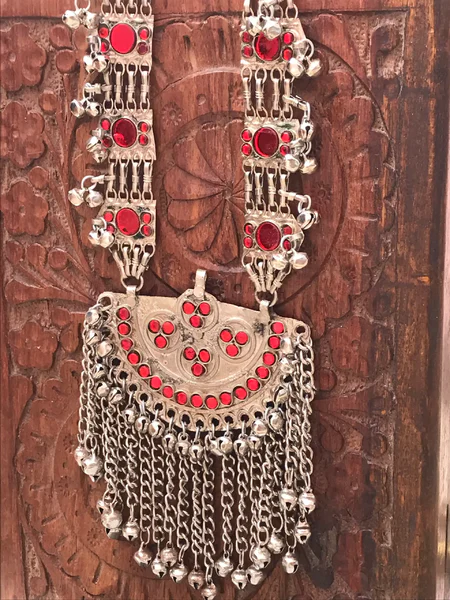
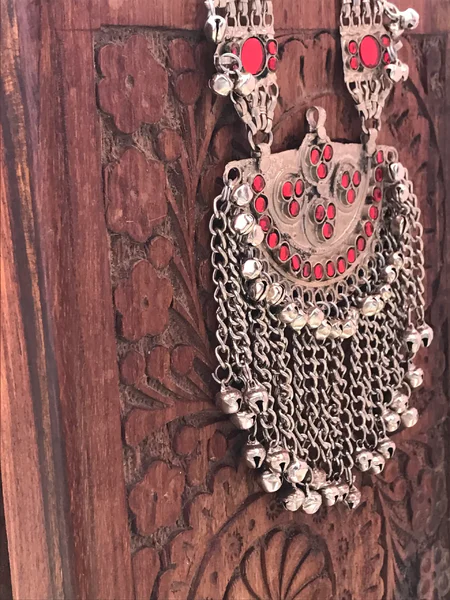
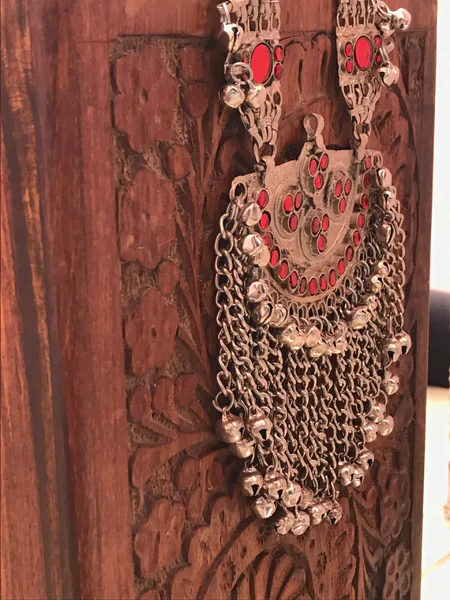
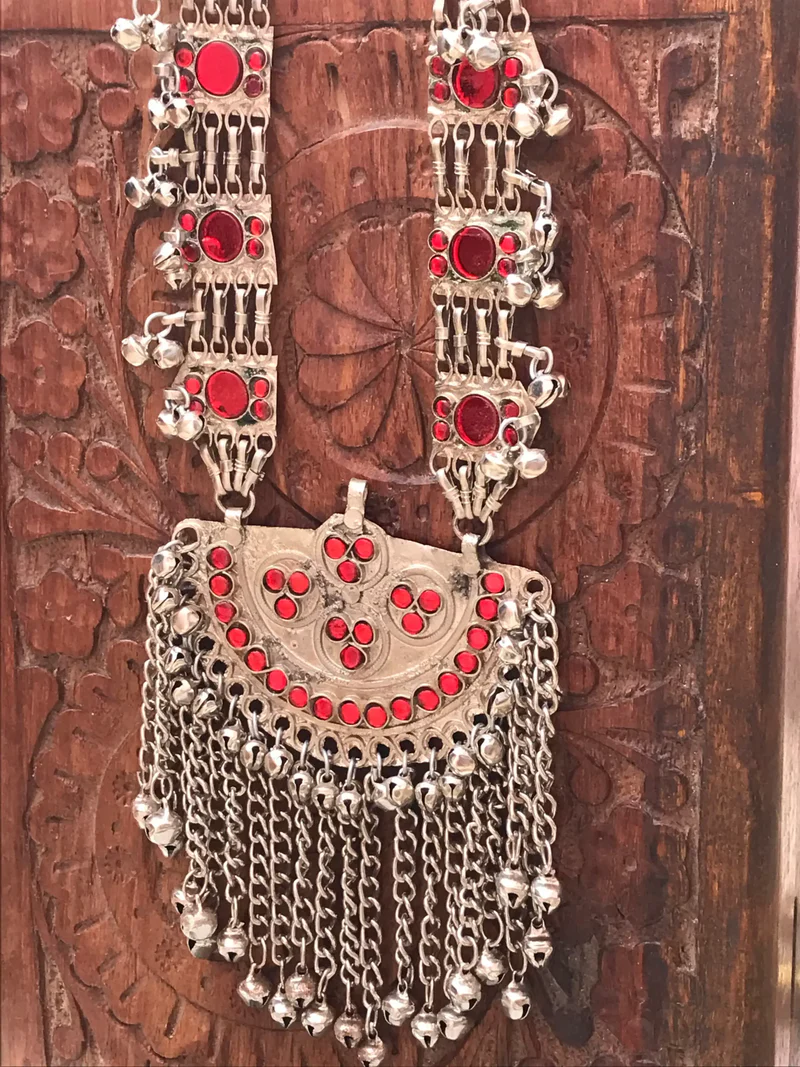
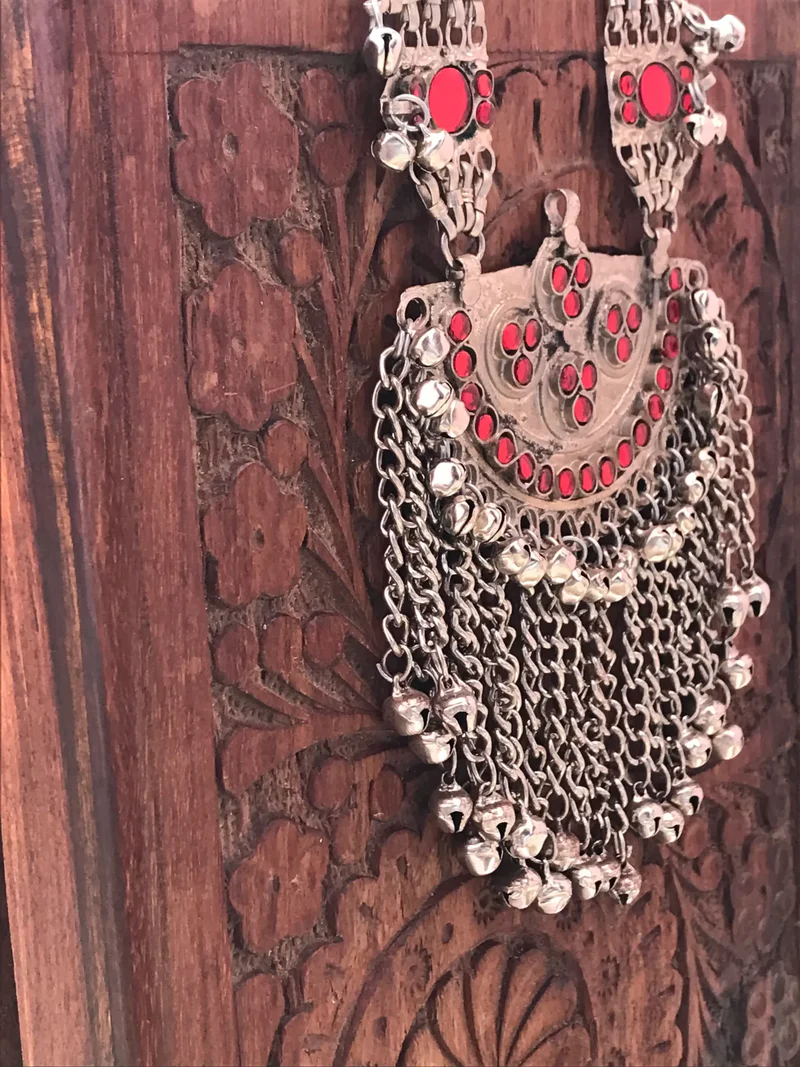
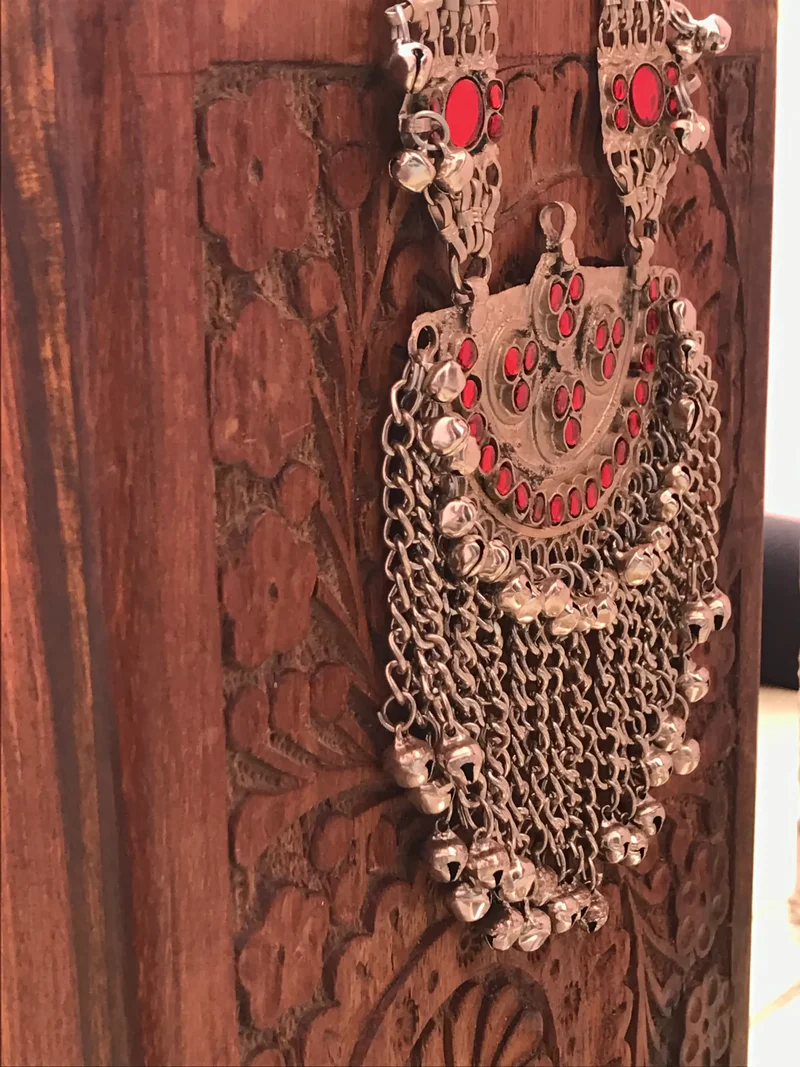
This elaborate piece is a classic example of Silver afghan Jewellery, specifically a traditional choker or statement necklace. Far more than an ornament, it represents centuries of nomadic tradition, identity, and artistry. Such pieces were traditionally worn by the Kuchi nomads of Afghanistan and are closely associated with the Pashtun people, reflecting both cultural pride and spiritual symbolism.
Origins and Tribal Heritage
The Kuchi are nomadic tribes whose lifestyle required possessions to be both meaningful and portable. Silver afghan Jewellery played a vital role in this way of life. Heavy necklaces, chokers, and headdresses were not merely decorative but served as portable wealth, family inheritance, and markers of tribal affiliation. These adornments were often passed down through generations, carrying personal and communal histories.
Distinctive Craftsmanship and Materials
Intricate Metalwork
Silver afghan Jewellery is typically crafted from German Silver, an alloy of copper, nickel, and zinc, or from melted-down coins. The metalwork is characterized by bold stamping, repoussé, and filigree techniques, creating depth and texture. The weight of the piece itself is intentional, symbolizing prosperity and protection.
Vibrant Glass Inlays
The striking red glass cabochons are a defining feature of this style. Red holds deep cultural significance in Afghan traditions, symbolizing life, joy, strength, and protection against negative energies. These stones were chosen not for rarity but for visual power and symbolic meaning.
Ghungroo (Jingle Bells)
The rows of small dangling bells, known as ghungroos, are both decorative and symbolic. Their sound was believed to ward off evil spirits, while also signaling the wearer’s presence within a nomadic camp. Movement and sound were essential aspects of Kuchi adornment, bringing the jewelry to life.
Oxidized and Aged Finish
The darkened, oxidized finish is a deliberate aesthetic choice. It enhances the engraved patterns and gives the piece an antique, time-worn appearance, emphasizing its connection to tradition and history rather than polished perfection.
Symbolism and Cultural Meaning
Every design element carries meaning. Triangular shapes often symbolize protection and are associated with the Evil Eye, believed to guard the wearer from harm. Fringe patterns, coin arrangements, and bell placements can indicate regional styles, marital status, or tribal identity, making each piece a visual narrative of the wearer’s life and community.
Role in Nomadic Life
For Kuchi women,Silver afghan Jewellery functioned as a form of financial security. In a nomadic society without banks or permanent homes, silver jewelry could be traded, sold, or used as dowry. Wearing wealth was both practical and empowering, reinforcing a woman’s status within her family and tribe.
Modern Revival and Global Appeal
In contemporary fashion, Silver afghan Jewellery has experienced a powerful resurgence. It is celebrated in bohemian, festival, and high-fashion circles as a bold statement piece. Designers and collectors alike admire its raw beauty, cultural depth, and unapologetic presence, allowing ancient tribal artistry to find relevance in modern global style.
A Living Tradition
This necklace stands as a bridge between past and present, tradition and innovation. It is not merely an accessory but a living artifact, echoing the journeys, beliefs, and resilience of the Kuchi people while continuing to inspire awe in today’s world.