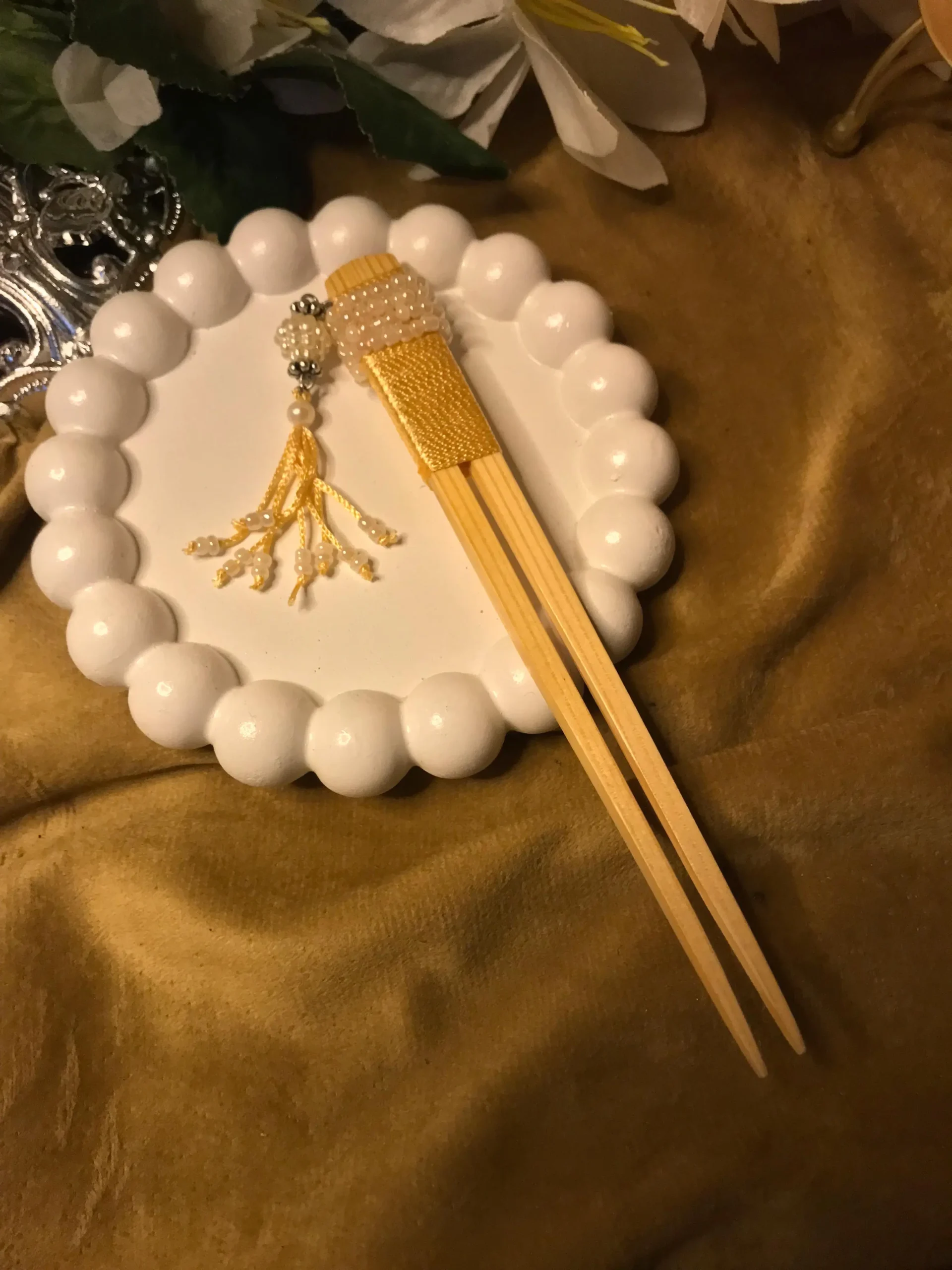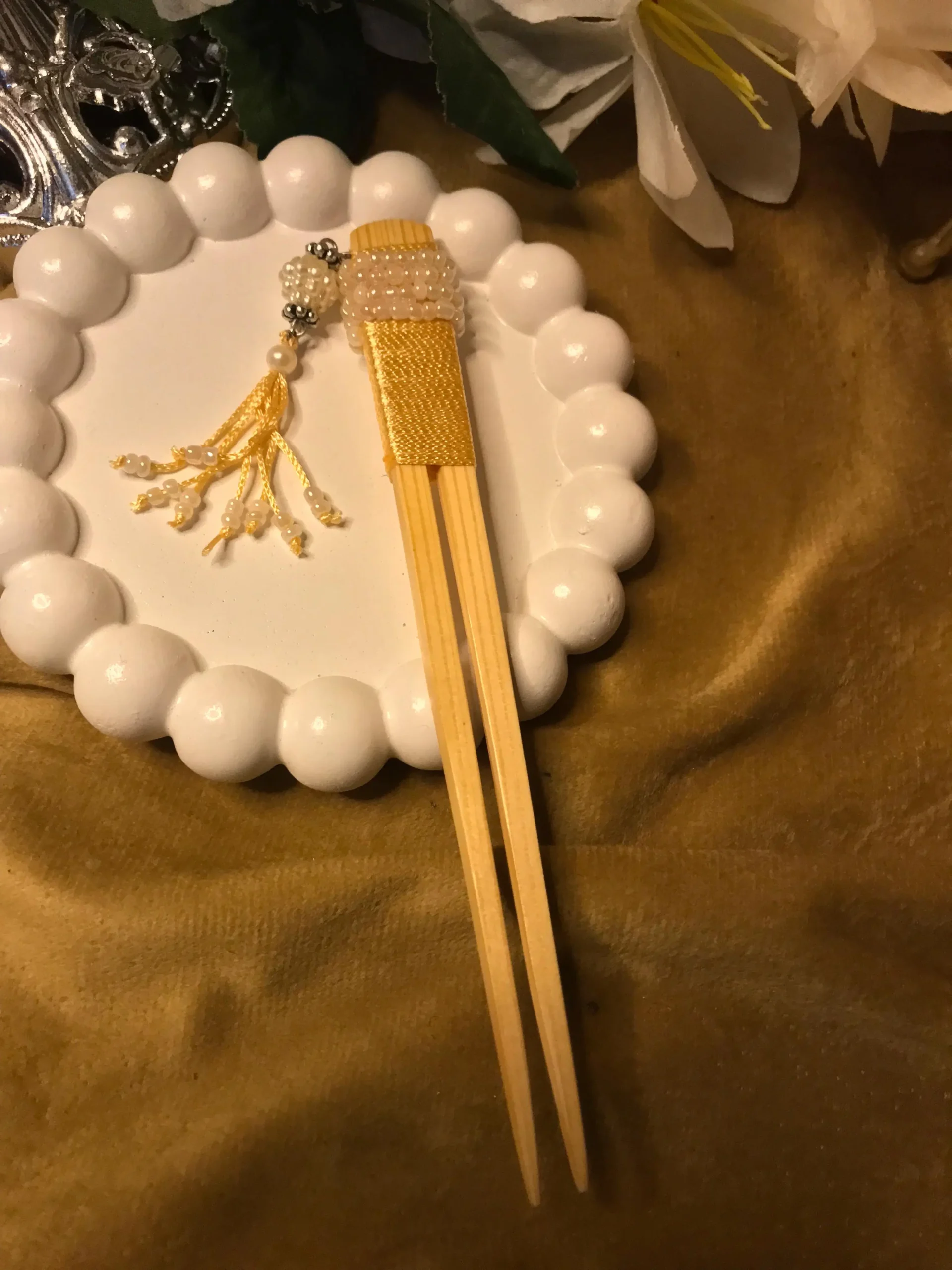
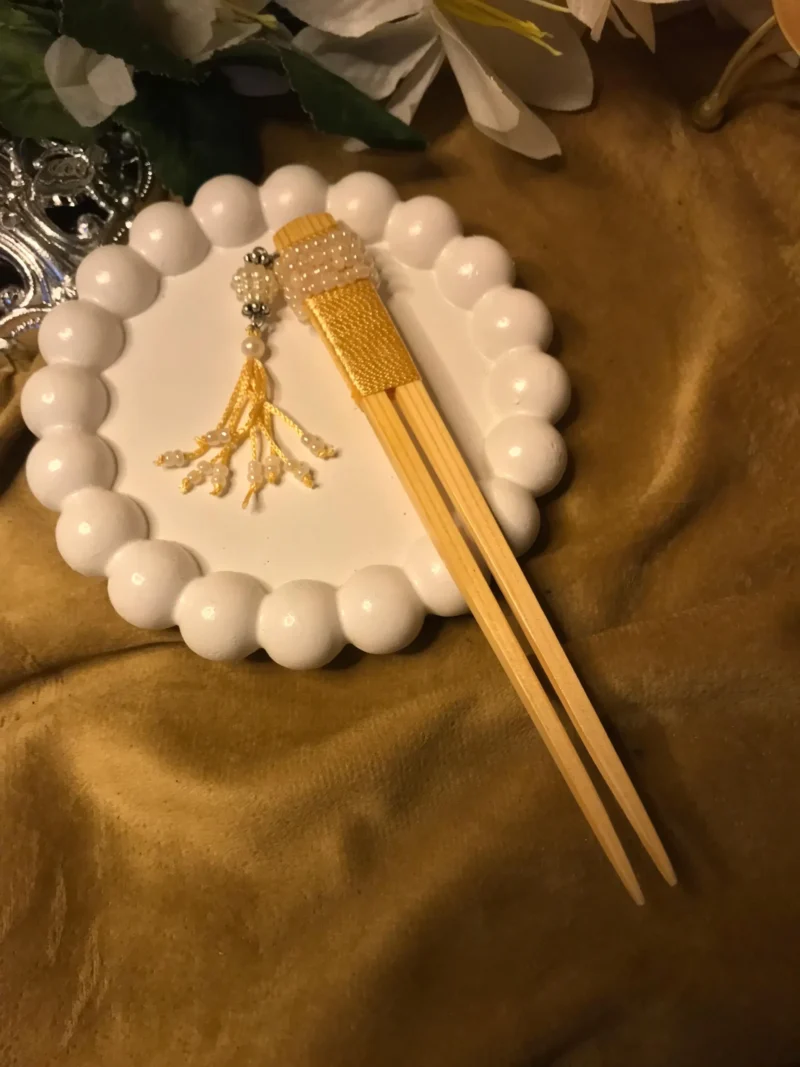
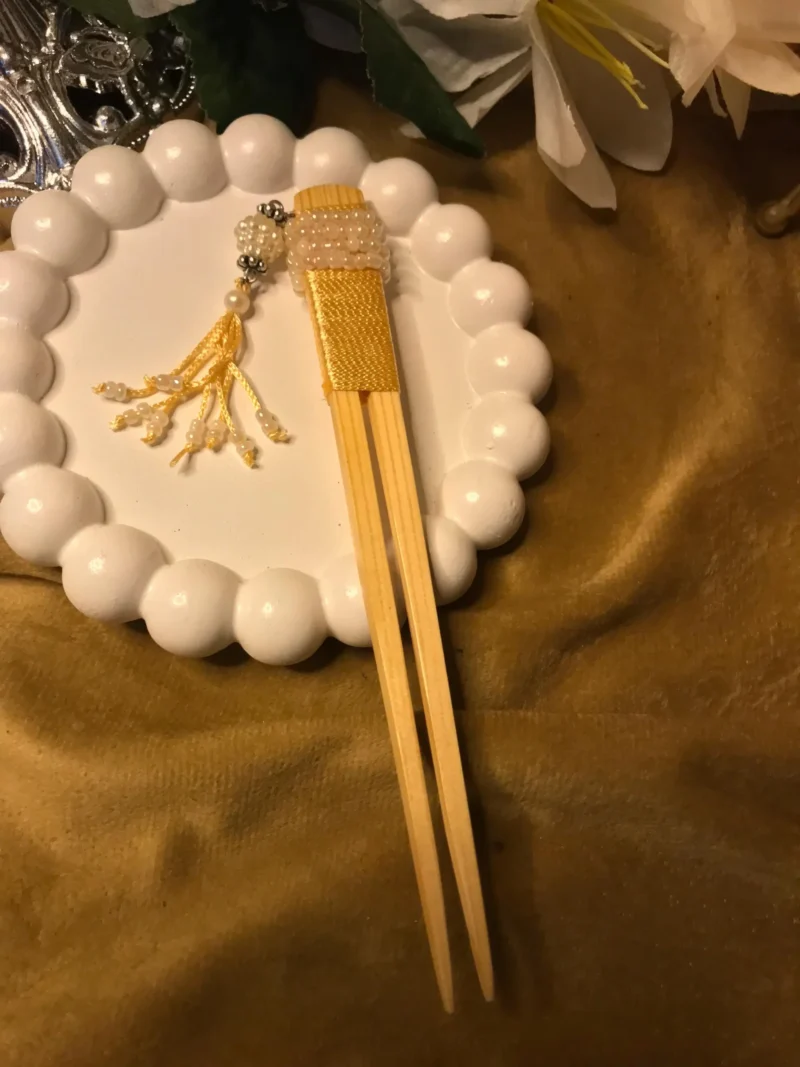

The art of traditional hair styling has seen a global resurgence, with the chinese hair pin stick (often historically referred to as hair fa-zhuan or hair sticks) leading the way as a symbol of grace and cultural sophistication. The image described captures a singular, ornate piece that elevates the humble hair stick into a work of fine art. Set against a backdrop of golden silk and delicate flora, this accessory is not merely a tool for holding hair—it is a centerpiece of luxury craftsmanship.
The Aesthetic Evolution of the Chinese Hair Pin Stick
Historically, the hair stick has been a staple in Asian grooming for millennia, evolving from simple wooden or bone implements into status symbols made of jade, silver, and gold. The piece featured in this arrangement represents a modern, luxurious take on this classic accessory.
The “Lion’s Head” Masterpiece
The most striking feature of this chinese hair pin stick is the ornamental topper. Viewed from above, four pearl beads and various precious stones are meticulously arranged to form the profile of a lion’s head.
Symbolism: In Chinese culture, the lion represents power, wisdom, and protection.
The Golden Mane: The metalwork surrounding the stones mimics a golden mane, giving the piece a majestic presence.
Material Fusion: The blend of lustrous pearls and faceted stones ensures that the hair stick catches the light from every angle, making it a perfect statement piece for high-profile events or formal dining settings.
Textile Wrap and Grip
Unlike standard metal or wooden sticks, this design features a shaft wrapped in light gold-yellow fabric. This serves two purposes:
Aesthetic Unity: It matches the luxuriant golden background, creating a seamless visual flow.
Functional Grace: The fabric wrap provides a softer grip within the hair, reducing the likelihood of the stick slipping out of intricate updos while protecting delicate hair strands from metal friction.
A Visual Sanctuary: The Art of Display
The presentation of the chinese hair pin stick on a white saucer suggests that the item is as much a collectible as it is an accessory. The staging is a masterclass in “Quiet Luxury.”
The Beaded Saucer and Silverware Accents
The stick rests lengthwise on a white saucer, which is ringed by 14 uniform white beads. This beaded border serves to frame the hair stick, drawing the eye directly to the “lion’s head” profile. To the back left, a glimpse of silverware peeks out, grounding the image in a “plush formal dining” atmosphere. This suggests that the hair stick is part of a refined “get ready” ritual for an elite social gathering.
Golden Silk and Floral Harmony
The background is dominated by a fabric resembling golden silk, which provides a warm, reflective surface. This “liquid gold” texture enhances the yellow-gold wrap of the hair stick’s shaft.
Laelia Flowers: Two white Laelia flowers rest directly behind the saucer. These blooms add a touch of “organic elegance.”
Yellow Filament: A single yellow filament protruding from the center of a bloom mirrors the golden tones of the metalwork, creating a “color-coordinated” environment that feels intentional and serene.
The Craftsmanship Behind the Ornate Design
Creating a high-end chinese hair pin stick requires a delicate balance of jewelry-making and structural engineering. Because a hair stick must support the weight of a bun or twist, the “lion’s head” topper must be securely anchored.
Pearl and Stone Integration
The use of four pearls to create a lion’s profile requires immense precision. The luster of the pearls provides a soft, milky contrast to the “sharp” shine of the precious stones and the textured golden mane. This multi-textured approach is a hallmark of high-quality Chinese-inspired jewelry.
Golden Mane Metalwork
The intricate metalwork that forms the mane is likely achieved through filigree or lost-wax casting, allowing for the “plethora of small details” mentioned in the artistic arrangement. This level of detail ensures that even when the stick is viewed from a distance, the “lion” silhouette is unmistakable.
How to Style the Chinese Hair Pin Stick in 2026
While these sticks have ancient roots, they are incredibly versatile in a modern wardrobe. The chinese hair pin stick is no longer reserved solely for traditional Hanfu attire.
The Modern French Twist: Use the stick to secure a classic French twist. The “lion’s head” will sit at the top of the twist, acting as a regal crown.
The Half-Up Knot: For a more casual yet polished look, use the stick to secure just the top half of your hair. The gold-wrapped shaft adds a pop of color to darker hair tones.
Bridal Sophistication: Given the “plush setting” and the use of pearls and white Laelia flowers in the image, this specific stick is a prime candidate for bridal hair styling, offering a unique alternative to standard tiaras or floral clips.
Why This Accessory is a Must-Have Collectible
The global interest in “Old World” craftsmanship has made items like the chinese hair pin stick highly sought after in online boutiques.
Sustainability: Unlike plastic clips, a high-quality fabric-wrapped and metal hair stick is a “forever piece.”
Cultural Pride: Wearing a piece with a lion motif celebrates a rich history of symbolism and artistic achievement.
Versatility: As shown in the image, when not in use, the hair stick serves as a beautiful decorative object for a vanity or dressing table.
Conclusion: A Harmonious Blend of Art and Function
The image of the chinese hair pin stick resting on its beaded saucer is a testament to the enduring power of Asian-inspired aesthetics. Every element—from the 14 white beads on the saucer to the golden silk and the Laelia flowers—works together to highlight the unique beauty of the “lion’s head” design.
This is more than just a hair accessory; it is a captivating visual experience that combines the luxury of precious stones with the soft elegance of gold fabric. Whether you are a collector of fine jewelry or someone looking to add a touch of “Himalayan or Imperial” grace to your style, the ornate chinese hair pin stick remains a timeless investment in beauty.