
The Timeless Allure of Nepal Necklace Jewellery
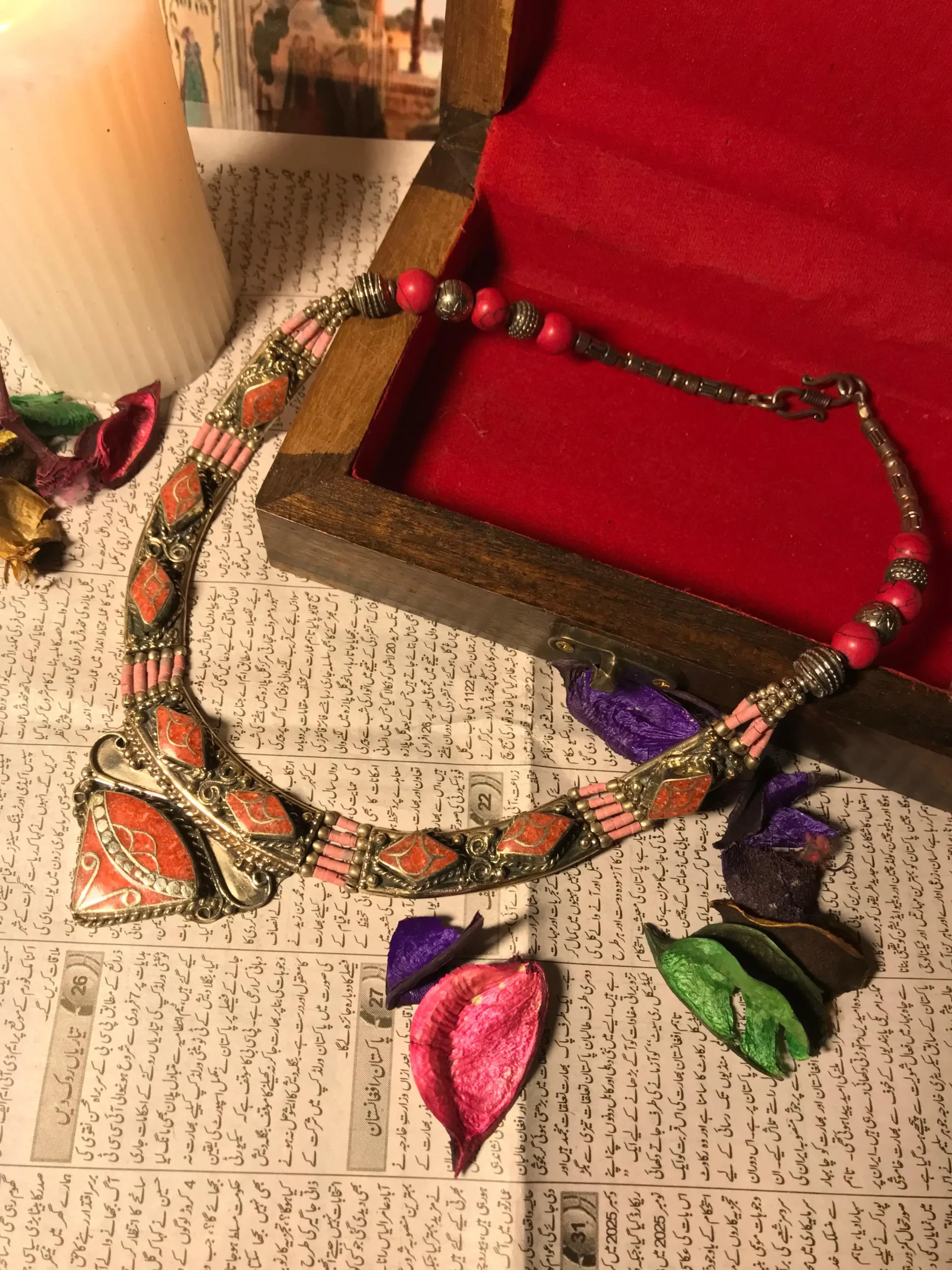
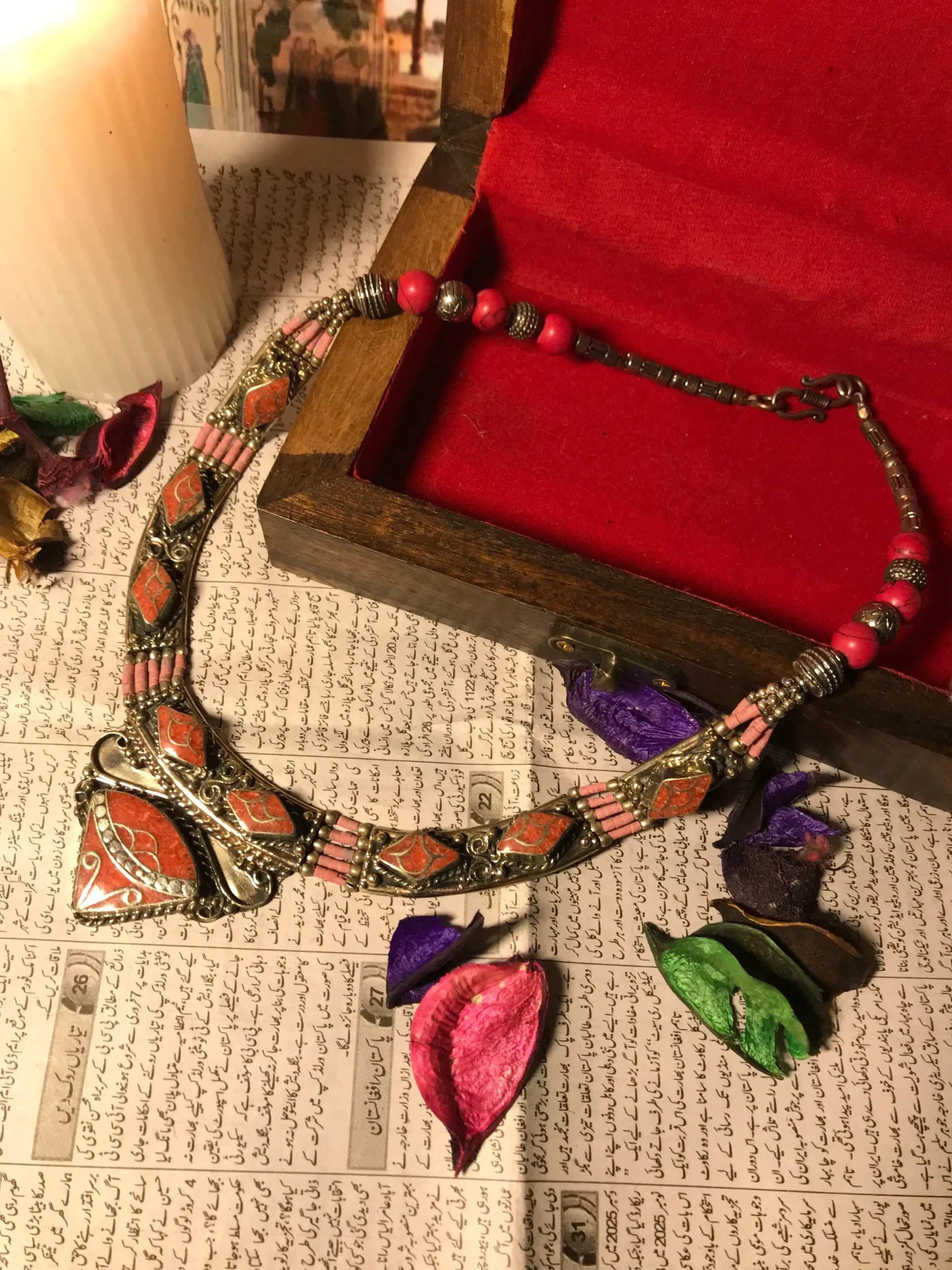
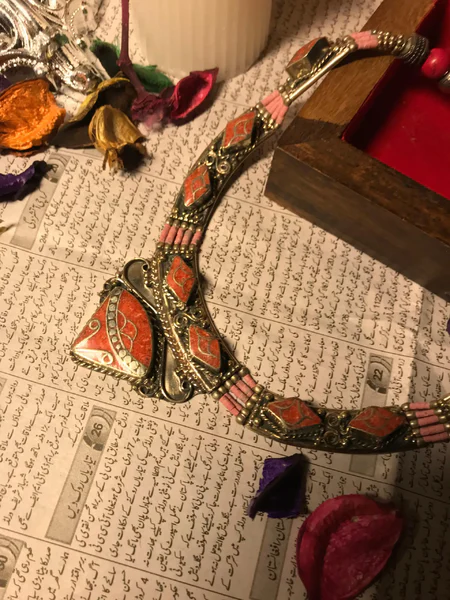
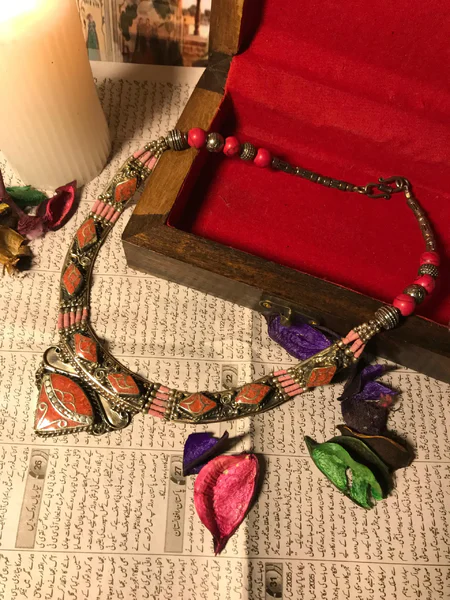
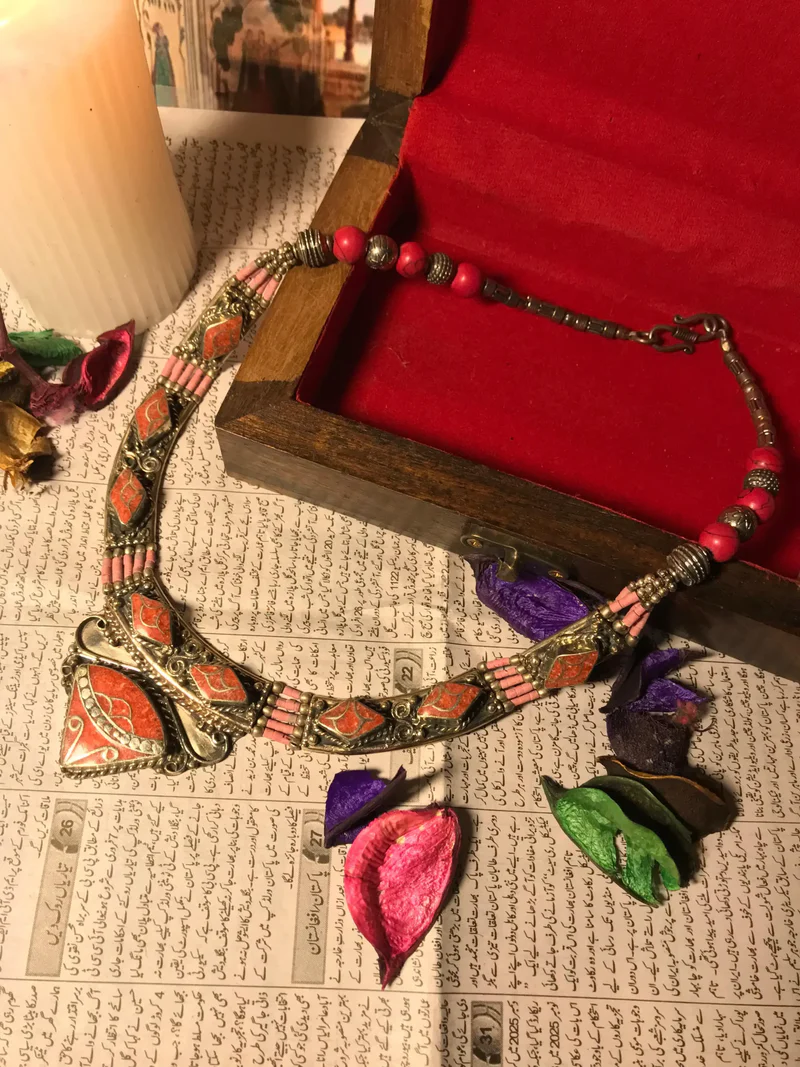
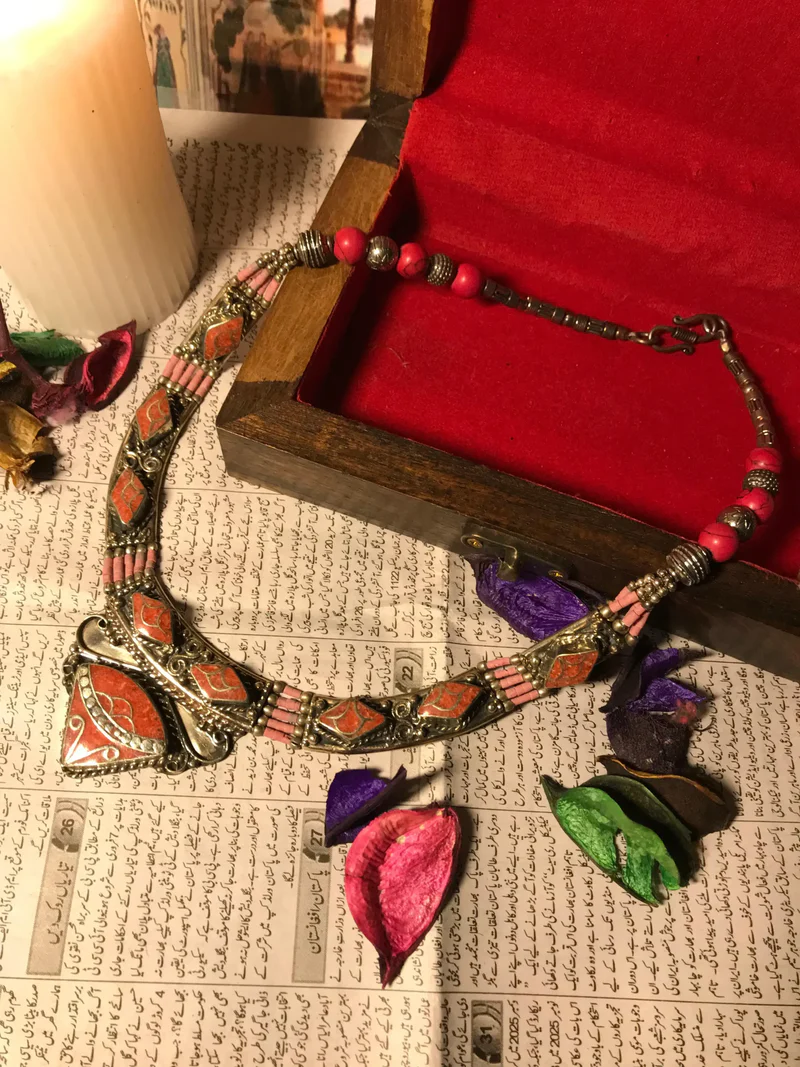
The piece featured in the image is a masterclass in the “Tribal Bib” style, a cornerstone of nepal necklace jewellery that has captivated fashion enthusiasts worldwide. Characterized by its broad, collar-like structure and intricate metalwork, this necklace is more than just an accessory; it is a wearable piece of history. These designs often originate from the Newar and ethnic mountain communities of the Kathmandu Valley, where metalworking has been a sacred craft for centuries.
In a world dominated by mass-produced, minimalist items, the heavy and deliberate construction of this necklace offers a refreshing return to “slow fashion.” Every curve of the silver-toned metal and every placement of the vibrant red inlay tells a story of a craftsman working by hand, likely in a small workshop nestled in the winding streets of Patan.
Visual Breakdown: Material and Composition
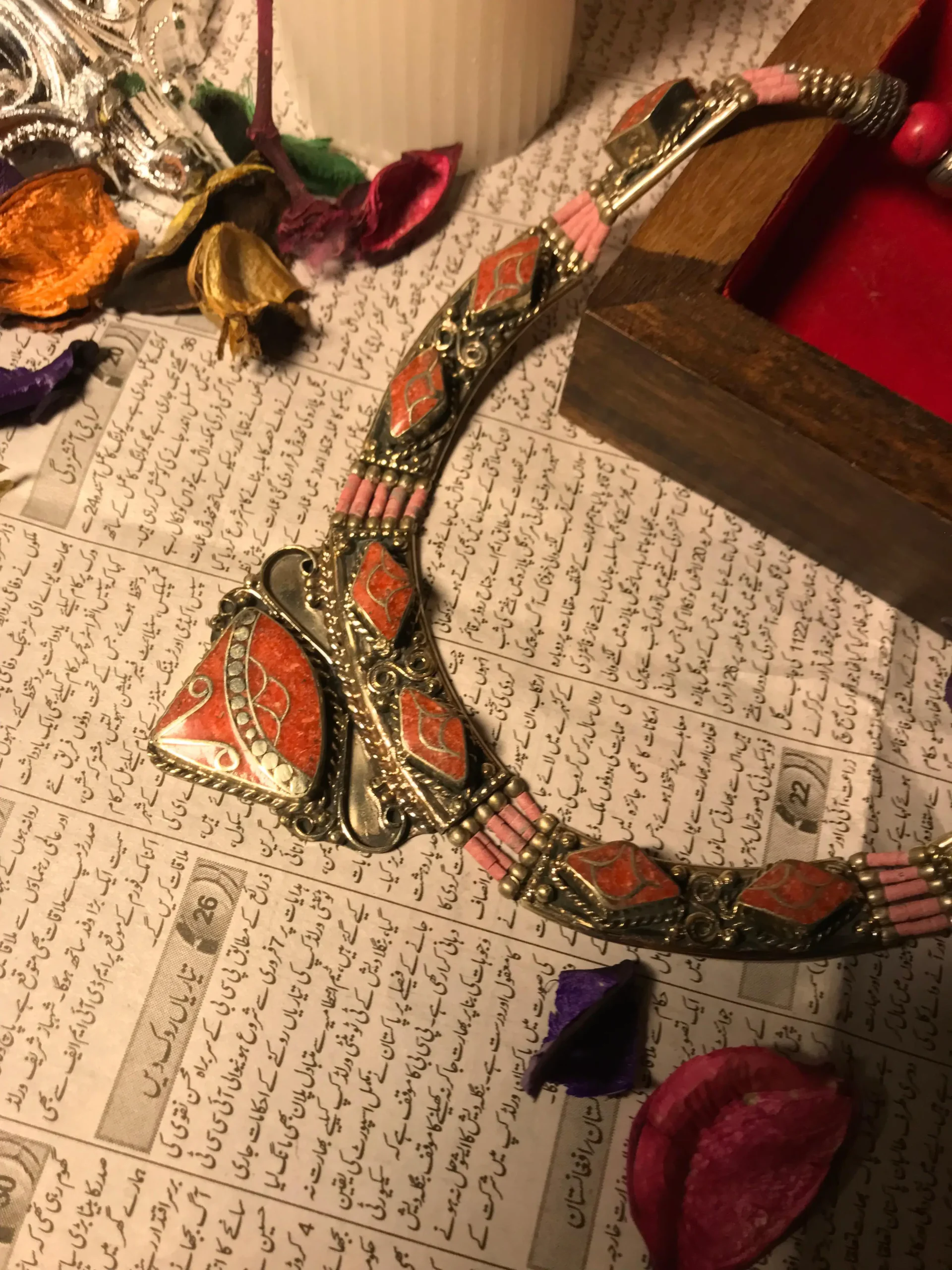
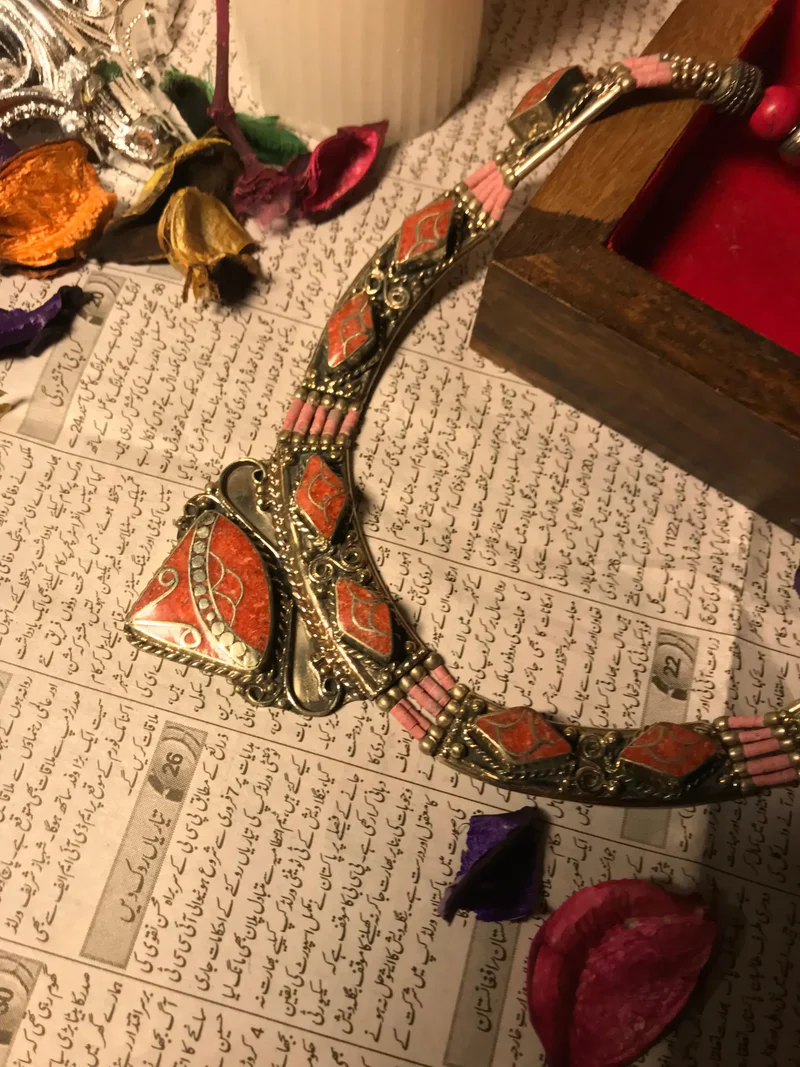
At first glance, the focal point of this nepal necklace jewellery is the sequence of geometric plates. These plates are typically made from “German Silver” or a blend of copper and brass, finished with a vintage patina to give it an antique, lived-in look.
The Inlay: The triangular and diamond-shaped red sections are designed to mimic red coral, a stone highly prized in Himalayan cultures for its perceived protective properties. In many cases, these are created using “reconstituted stone” or high-quality resin mixed with crushed minerals to achieve that deep, earthy crimson.
The Beadwork: Connecting the heavy metal plates are delicate rows of pinkish-red seed beads. This transition from rigid metal to soft, fluid beadwork ensures the necklace sits comfortably against the collarbone, moving with the wearer rather than remaining stiff.
The Chain: The upper portion features robust, spherical red beads and ornate metal spacers, leading to a traditional hook-and-eye clasp. This ensures that even the back of the piece is as visually interesting as the front.
The Cultural Significance of Color and Form
In the context of nepal necklace jewellery, colors are never accidental. Red is the most significant color in Nepalese and Tibetan cultures, symbolizing life force, bravery, and auspiciousness. It is the color of the tika (the mark on the forehead) and the traditional bridal attire. By wearing a piece dominated by red “coral,” the wearer is traditionally thought to invite vitality and ward off negative energy.
The “Bib” shape itself is reminiscent of the protective breastplates worn by ancient warriors or the ceremonial collars worn by deities in Newari Buddhist art. This fusion of the martial and the spiritual gives the necklace an undeniable presence—it is a piece designed for someone who isn’t afraid to stand out.
How to Style a Statement Piece
Owning a piece of nepal necklace jewellery is one thing; styling it for the modern wardrobe is where the fun begins. Because this necklace is so visually “busy,” it works best as the undisputed protagonist of your outfit.
The Canvas Approach: Pair it with a simple black or charcoal grey turtleneck. The dark, solid background will make the silver and red tones pop with incredible intensity.
Bohemian Rhapsody: For a more relaxed, festival-ready look, wear it over a white linen tunic or a flowy maxi dress. The organic textures of the linen complement the “found-object” aesthetic of the jewelry.
Modern Contrast: Don’t be afraid to pair this tribal piece with structured, modern clothing. A crisp white button-down shirt with the top few buttons undone allows the necklace to rest directly on the skin, creating a sophisticated “East-meets-West” vibe.
The Craftsmanship: Repoussé and Filigree
The metal plates on this nepal necklace jewellery showcase two primary techniques: chasing and embossing. You can see the fine floral and scrollwork patterns bordering the red stones. This is often achieved by hammering the metal from the front to create depth and texture.
While the necklace in the image leans toward a “Tribal” or “Kuchi” aesthetic, it retains the refinement of Himalayan metalwork. The way the light catches the raised edges of the silver-toned metal adds a shimmering quality that changes throughout the day, making it as suitable for a candlelit dinner as it is for a sunny outdoor event.
Collecting Authentic Himalayan Art
For collectors, nepal necklace jewellery represents an entry point into the world of ethnic art. Unlike fine jewelry made of gold and diamonds, the value here lies in the “soul” of the piece—the weight, the imperfections of the hand-carved motifs, and the cultural heritage it represents.
When you look closely at the image, you can see the slight variations in the red inlays. These “perfect imperfections” are the hallmarks of handmade goods. In an era of AI and automation, wearing a piece that requires the human touch is a quiet act of rebellion and a celebration of global artistry.
Care and Preservation
To ensure your nepal necklace jewellery lasts for decades, proper care is essential. Since these pieces are often made from alloy metals, they can tarnish if exposed to excessive moisture or perfume.
Storage: Keep the necklace in a soft cloth pouch or a wooden box (like the one shown in the background of your photo!) to prevent the metal from oxidizing.
Cleaning: Use a soft, dry cloth to wipe away oils after wearing. Avoid harsh chemical cleaners, as they can damage the resin or “coral” inlays.
Wearing: Always apply your perfume and hairspray before putting on your jewelry to prevent the chemicals from dulling the finish.
Why This Piece Matters Today
The resurgence of interest in nepal necklace jewellery is part of a larger global movement toward ethnic appreciation and sustainable fashion. People are looking for items that have a “story.” Whether this necklace was a gift, a souvenir from a trek through the Annapurna circuit, or a carefully chosen fashion statement, it carries a weight that plastic accessories simply cannot match.
It bridges the gap between the ancient and the contemporary. It is a reminder of the Silk Road, of mountain passes, and of the enduring human desire to create beauty out of metal and stone.
Summary of the Aesthetic
In conclusion, this nepal necklace jewellery is a stunning example of how traditional motifs can remain relevant in a modern context. It offers:
Vibrant Symbolism: Through the use of protective red tones.
Structural Drama: Via the tiered bib design.
Tactile Beauty: Combining smooth beads with embossed metal.
It is more than a necklace; it is a conversation starter.