
Atif Aslam is one of the most influential and recognizable names in South Asian music. Known for his soulful voice, emotional depth, and powerful vocal belting, Atif Aslam has built a career that spans over two decades and crosses borders, cultures, and languages. From romantic ballads to spiritual renditions, Atif Aslam songs have become an essential part of millions of lives.
Born on 12 March 1983, Atif Aslam is not just a singer but a cultural icon who redefined modern Pakistani pop music while also becoming a dominant force in Bollywood playback singing. His journey is a story of passion, persistence, and raw talent.
Early Life of Atif Aslam
Atif Aslam, whose full name is Muhammad Atif Aslam, was born on 12 March 1983 in Wazirabad, Punjab, Pakistan, into a middle-class Punjabi family. Though many sources associate his birthplace with Lahore due to his long residence there, Atif himself belongs to Wazirabad by origin.
He was raised in a disciplined household that valued education, ethics, and humility qualities that are still evident in his personality today.
- Father: Muhammad Aslam (Late)
- Mother: Rehana Shaheen
Atif Aslam’s father played a significant role in shaping his values and work ethic. His passing was a deeply emotional moment for the singer, after which Atif canceled professional commitments to mourn privately with family.
Childhood Years and Personality
From an early age, Atif Aslam showed signs of being both confident and expressive. He was active in school events and had a natural stage presence. Interestingly, music was not the only dream he carried as a child.
Love for Cricket
Before music took over his life, Atif Aslam dreamed of becoming a cricketer. Inspired by Imran Khan, he once dressed as him for a school fancy dress competition. He played as a fast bowler and was even selected for a junior cricket team.
However, family expectations pushed him toward academics, and his cricketing dream slowly faded making room for something even bigger.
Education of Atif Aslam
Education played a central role in Atif Aslam’s early life. He was known to be a bright student and, due to double promotions, often remained the youngest in his class.
Schooling Journey
Atif Aslam’s educational path included multiple cities:
- Kimberley Hall School, Lahore
- Saint Paul’s Cambridge School, Rawalpindi
- Divisional Public School (DPS), Model Town, Lahore
He completed his matriculation at the age of just 14, a rare achievement that reflects his academic ability.
College & University
- PAF College, Lahore – Completed F.Sc (2001)
- PCBA / PICS (University of Central Punjab) – Bachelor’s in Computer Science
Despite earning a professional degree, Atif Aslam never pursued a career in computer science. Music had already begun calling him more strongly.
Discovering Music: The Turning Point
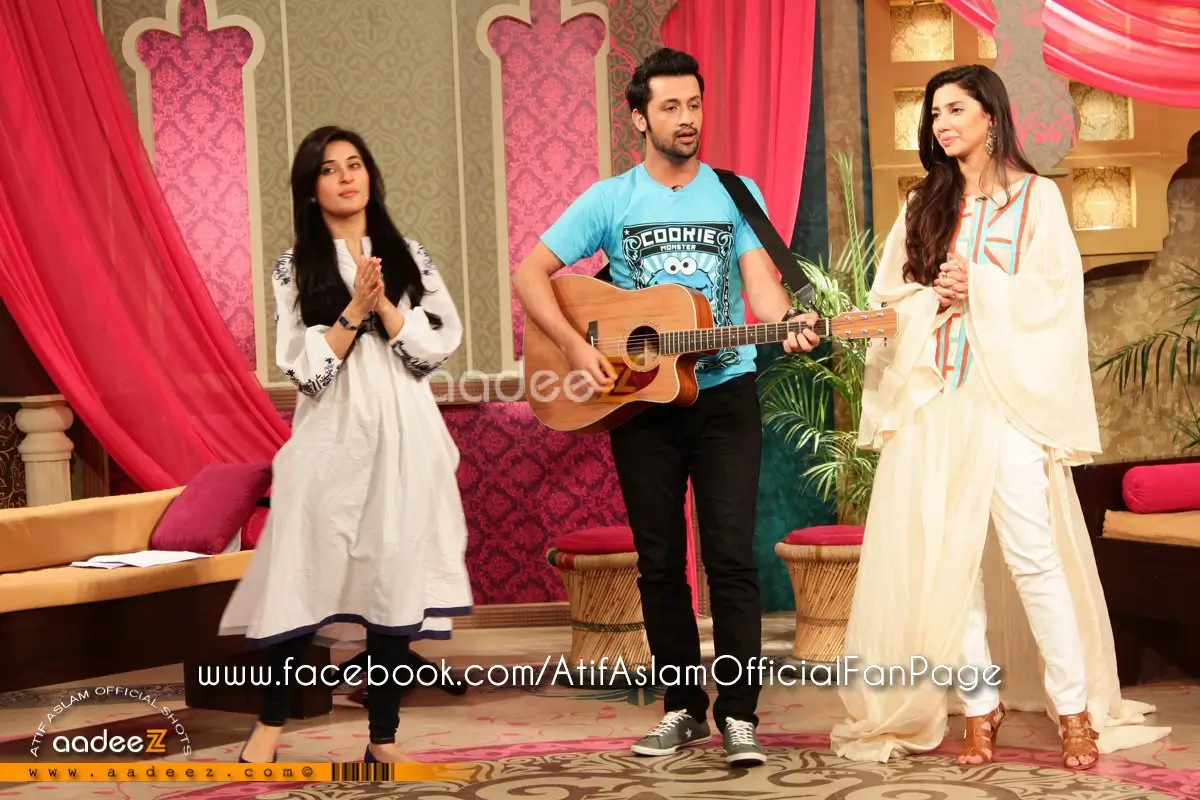
Atif Aslam’s first real connection with music happened during his teenage years. At the age of 15, he participated in a stage competition and won. This victory became a turning point, boosting his confidence and motivating him to perform in multiple talent contests.
Though formally untrained, Atif developed his singing style through instinct, listening, and emotional expression.
Musical Influences & Vocal Identity
A Voice That Stands Apart
What makes Atif Aslam unique is his raw, textured voice and vocal belting technique. Unlike classical singers, he relied on emotion rather than technical perfection a quality that helped audiences connect deeply with his songs.
His music style is often described as a blend of:
- Pakistani pop
- Rock
- Sufi influences
This fusion later became the foundation of many iconic Atif Aslam songs.
Family Support System
Atif Aslam comes from a closely knit family, and several of his siblings have worked with him professionally:
- Shahzad Aslam – Photographer
- Shahbaz Aslam – Designer & Manager
- Shiraz Aslam – Website Coordinator
- Sister: Rohana Aslam
This strong family involvement helped Atif maintain control over his career while staying grounded despite fame.
Marriage & Personal Life
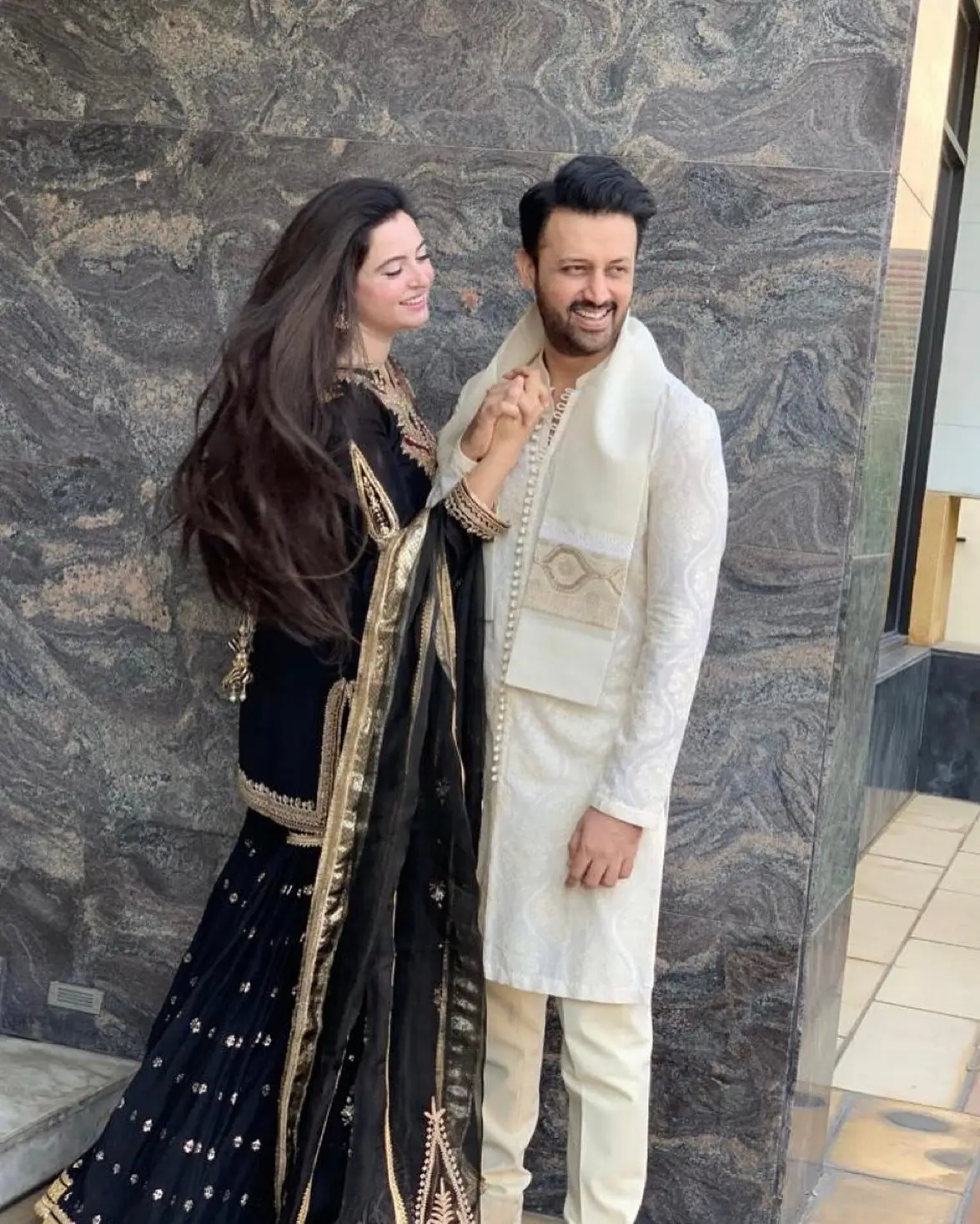
In March 2013, Atif Aslam married Sara Bharwana, an educationist, in Lahore. The couple had known each other for several years before marriage.
They have:
- Two sons: Ahad (born 2014), Aryan (born 2019)
- One daughter: Halima (born 2023)
Atif Aslam is known for keeping his family life private and away from media attention a choice widely respected by fans.
Faith, Values & Personality
Atif Aslam is known for:
- Humility
- Soft-spoken nature
- Strong family values
- Deep spiritual connection
His later work in Hamd, Naat, and spiritual recitations reflects this side of his personality and has earned immense respect.
Why Atif Aslam’s Early Life Matters
Understanding Atif Aslam’s early life explains:
- Why his songs feel emotionally real
- Why he avoids controversies
- Why he connects across cultures
- Why Atif Aslam songs feel personal, not manufactured
His background shaped him into an artist who sings from experience, not imitation.
The Magic of Atif Aslam Songs
Atif Aslam songs are not just melodies — they are emotions captured in sound. From his debut album Jal Pari to Bollywood chartbusters and Coke Studio hits, Atif’s voice has become synonymous with heartfelt music.
Fans, known as AADEEZ, follow him not just for his singing but for the emotions he conveys, which range from love and heartbreak to devotion and spirituality.
Debut Album: Jal Pari (2004) – The Beginning of Stardom
Atif Aslam entered the music industry with his debut album “Jal Pari” in 2004. The album was an instant hit across Pakistan and India. It introduced the world to his distinct vocal style.
Key songs from Jal Pari include:
- Aadat – Became a youth anthem and later featured in Bollywood
- Bheegi Yaadein – Emotional ballad that highlighted his vocal depth
- Ehsaas – Romantic track with intense lyrics
- Mahi Ve – Fusion of pop and Sufi sounds
- Ankhon Se – Soft, melodic love song
Jal Pari not only made Atif famous but also defined the modern Pakistani pop sound of the early 2000s.
Signature Style of Early Atif Aslam Songs
Atif’s early songs were unique for:
- Emotional resonance over technical perfection
- Smooth, high-pitched vocal belting
- Fusion of Western pop and traditional Pakistani melodies
- Themes of love, longing, and heartbreak
Songs like Aadat and Bheegi Yaadein became cultural phenomena, influencing a new generation of singers.
Breakthrough Bollywood Songs – Bollywood Debut
In 2005, Atif Aslam entered Bollywood with the song “Woh Lamhe” from the movie Zeher and “Aadat” from Kalyug. These songs were instant hits.
Other Bollywood hits include:
- Tu Jaane Na (Ajab Prem Ki Ghazab Kahani)
- Tera Hone Laga Hoon (Ajab Prem Ki Ghazab Kahani, duet with Alisha Chinai)
- Pehli Nazar Mein (Race)
- Jeene Laga Hoon (Ramaiya Vastavaiya)
- Dil Diyan Gallan (Tiger Zinda Hai)
- O Saathi (Baaghi 2)
- Tere Sang Yaara (Rustom)
These songs cemented his international fame, making him a favorite in India as well as Pakistan.
Collaborations With Bollywood Artists
Atif Aslam’s collaborations have been highly successful. Key partnerships include:
- Shreya Ghoshal – Tere Liye, Jeene Laga Hoon
- Alka Yagnik – Bakhuda Tumhi Ho
- Chinmayi – Main Rang Sharbaton Ka
- Sunidhi Chauhan & Pritam – Be Intehaan
These duets often topped charts and became soundtracks for major Bollywood films, bridging Pakistani and Indian music industries.
Coke Studio & Soulful Renditions – Defining Moments in Coke Studio
Coke Studio Pakistan became an important platform for Atif Aslam to showcase his musical versatility. He performed in multiple seasons, delivering some of his most memorable renditions:
- Tajdar-e-Haram – Spiritual masterpiece
- Wohi Khuda Hai – A Hamd that topped charts internationally
- Man Aamadeh Am – Blend of Persian and Urdu vocals
- Aaye Kuch Abr – Melancholic, emotional track
These performances highlighted Atif’s vocal control and emotional depth, earning him admiration beyond commercial success.
Spiritual Songs and Hamd/Naat
Apart from Bollywood and pop, Atif has produced spiritual tracks that connect deeply with audiences, reflecting his humble personality:
- Wohi Khuda Hai
- Main Sadqay Ya Rasool Allah
- Allah Hu Allah Hu
These works show his range and devotion, proving that Atif Aslam songs are not just romantic but also spiritually enriching.
Fan-Favorite Atif Aslam Songs
Over 148 recorded songs, some have consistently remained fan favorites:
- Aadat
- Tera Hone Laga Hoon
- Tu Jaane Na
- Pehli Nazar Mein
- Dil Diyan Gallan
- O Saathi
- Jeene Laga Hoon
- Tajdar-e-Haram
These songs illustrate Atif’s ability to deliver emotion and melody in any style, whether romantic, tragic, or devotional.
Why Atif Aslam Songs Stand Out
Atif Aslam songs are recognized for:
- Universal appeal – Loved in Pakistan, India, and internationally
- Emotional intensity – Each note feels personal
- Vocal uniqueness – Instant recognition even in duets
- Versatility – Romantic ballads, upbeat numbers, spiritual songs
His music has not only dominated charts but also shaped a generation of musicians.
Influence on Young Artists
Many modern Pakistani and Indian singers cite Atif Aslam as an inspiration. His style encourages:
- Emotion over perfection
- Experimentation with fusion genres
- Cross-border collaborations
Atif’s success shows that talent combined with sincerity resonates more than marketing alone.

How Atif Aslam Conquered the Indian Music Industry and Beyond
Atif Aslam is one of the rare Pakistani artists who not only achieved legendary status at home but also carved a niche in Bollywood. His transition from Pakistani pop music to Bollywood playback singing was seamless, thanks to his distinctive voice, emotional depth, and ability to connect with audiences across cultures.
The Bollywood Debut
Atif Aslam’s Bollywood journey began in 2005 when director Mahesh Bhatt approached him to include the song “Woh Lamhe” in the soundtrack of Zeher. Atif also contributed “Aadat” from Kalyug around the same time. Both tracks became instant hits.
- “Woh Lamhe” – Known for soulful delivery and raw emotion
- “Aadat” – Youth anthem and chart-topper
This marked the beginning of a long-lasting and successful Bollywood career.
Chart-Topping Bollywood Songs
Atif Aslam went on to record over two dozen songs for Bollywood films. Some of his most iconic tracks include:
- Tu Jaane Na (Ajab Prem Ki Ghazab Kahani)
- Tera Hone Laga Hoon (Ajab Prem Ki Ghazab Kahani, duet with Alisha Chinai)
- Pehli Nazar Mein (Race)
- Jeene Laga Hoon (Ramaiya Vastavaiya)
- Dil Diyan Gallan (Tiger Zinda Hai)
- O Saathi (Baaghi 2)
- Tere Sang Yaara (Rustom)
- Be Intehaan (Race 2)
These songs not only topped Indian charts but were loved globally, making Atif one of the most recognizable voices outside Pakistan.
Collaborations with Leading Artists
Atif Aslam’s ability to collaborate seamlessly with Indian artists contributed to his success. Notable partnerships include:
- Shreya Ghoshal – Tere Liye, Jeene Laga Hoon
- Alka Yagnik – Bakhuda Tumhi Ho
- Sunidhi Chauhan & Pritam – Be Intehaan
- Chinmayi – Main Rang Sharbaton Ka
- Alisha Chinai – Tera Hone Laga Hoon
These collaborations bridged Pakistani and Indian music, creating cross-border musical unity.
Impact on Bollywood Music – Redefining Romantic Ballads
Atif Aslam introduced a unique style of romantic ballad singing. His voice carried:
- Emotional authenticity
- Subtle vibrato and belting
- Soft but expressive tonality
Songs like Tu Jaane Na and Pehli Nazar Mein became benchmarks for emotional Bollywood music.
Fusion of Genres
He combined pop, rock, and Sufi elements, creating songs that were both commercially viable and artistically innovative. Tracks like Tera Hone Laga Hoon and O Saathi showcased this versatility.
International Popularity
Atif Aslam did not just remain a South Asian phenomenon. His global reach includes:
- Concerts in Europe, Middle East, and North America
- Digital streaming success worldwide
- Collaborations with international artists and composers
He became a bridge between Pakistani music and global platforms, showcasing that talent transcends borders.
Fan Following – The AADEEZ
AADEEZ, Atif Aslam’s dedicated fan base, played a crucial role in promoting his music. They actively:
- Share Atif Aslam songs on social media
- Attend international concerts
- Celebrate his musical milestones
This loyal fandom contributed significantly to his sustained popularity in Bollywood and beyond.
Challenges and Controversies
Despite success, Atif Aslam faced challenges:
- Band Conflicts: Internal disagreements in his early band (Jal) led him to pursue a solo career.
- Cross-Border Work: Working in India required navigating political tensions, yet he maintained professionalism.
- Public Scrutiny: Maintaining privacy while being in the limelight was a constant effort.
Through it all, Atif Aslam remained humble and committed to music, which strengthened his reputation.
Legacy in Bollywood
Atif Aslam’s Bollywood songs are more than hits; they are timeless classics:
- His voice is instantly recognizable
- Songs remain popular years after release
- Inspires new singers in Pakistan and India
His contributions have reshaped romantic playback singing, making him one of Bollywood’s most beloved voices.
Atif Aslam’s Legendary Performances on Coke Studio Pakistan
Coke Studio Pakistan has been a game-changer in South Asian music, reviving classical, folk, and Sufi sounds while blending them with modern genres. Atif Aslam, with his soul-stirring voice and emotional depth, became one of the most celebrated performers on the show.
His appearances brought millions of viewers online, and songs like Tajdar-e-Haram and Wohi Khuda Hai became global sensations, redefining Pakistan’s musical identity.
Early Coke Studio Journey
Atif Aslam debuted on Coke Studio Season 2, but it was in later seasons where he truly captured hearts. Key performances include:
- Tajdar-e-Haram (Season 8) – A Sufi qawwali originally by Sabri Brothers
- Wohi Khuda Hai (Season 12) – A spiritual hamd highlighting divine praise
- Man Aamadeh Am (with Gul Panra) – A Persian-Urdu fusion celebrated for its cross-cultural appeal
Each song showcased his versatility and ability to blend classical music with contemporary arrangements.
Iconic Coke Studio Performances
1. Tajdar-e-Haram (2015, Season 8)
- Genre: Sufi Qawwali
- Impact: First Pakistani video to hit over 540 million views on YouTube
- Why it stood out: Emotional resonance, mastery of vocal belting, modern instrumentation while respecting tradition
2. Wohi Khuda Hai (2020, Season 12)
- Genre: Hamd (Spiritual Praise)
- Impact: Gained millions of views worldwide; praised for devotional intensity
- Musical elements: Symphonic backing, traditional instruments, and global choir collaboration
3. Man Aamadeh Am (with Gul Panra)
- Genre: Sufi-Persian fusion
- Why popular: Unique cross-lingual duet, mesmerizing vocal chemistry, viral on social media
Musical Style in Coke Studio
Atif Aslam’s style on Coke Studio is unique because he combines:
- Traditional Sufi elements – harmonium, tabla, dhol
- Modern pop-rock – guitars, keyboards, contemporary rhythms
- Vocal belting – signature technique for emotional impact
- Emotive expression – connecting with listeners spiritually and emotionally
This fusion makes his songs accessible to younger audiences while respecting classical roots.
Contribution to Spiritual Music
Beyond entertainment, Atif Aslam has contributed to religious and spiritual music, including:
- Asma-ul-Husna (2020) – A tribute during COVID-19; combined NASA-recorded universe sounds, Daf percussion, and 33 global vocalists
- Main Sadqay Ya Rasool Allah – Expressive rendition paying homage to Prophet Muhammad (PBUH)
These performances strengthened his image as a versatile, globally conscious artist.
Coke Studio Impact on Career
Coke Studio boosted Atif Aslam’s digital presence and international recognition:
- Millions of views across YouTube and streaming platforms
- Performances shared globally, reaching diaspora communities
- Reinforced reputation as a master of both romantic and spiritual music
Songs like Tajdar-e-Haram became cultural landmarks, not just music hits.
Fan Connection
Coke Studio performances also deepened Atif Aslam’s bond with AADEEZ, his fan community:
- Fans actively share, remix, and create covers
- Live performances of Coke Studio tracks draw international crowds
- Fans appreciate the emotional depth and spirituality of his renditions
Behind the Scenes
Atif Aslam’s Coke Studio journey reflects:
- Meticulous preparation – mastering classical scales and nuances
- Collaboration with composers – Shani Arshad, Rohail Hyatt, and Zulfiqar Jabbar Khan
- Respect for tradition – while innovating modern arrangements
This careful approach ensures that each performance feels authentic and timeless.
Legacy of Coke Studio Performances
Atif Aslam’s Coke Studio tracks are more than performances—they are musical milestones:
- Inspire new generations of Pakistani singers
- Fuse traditional Sufi music with global pop trends
- Create timeless spiritual and romantic music
His work on the show demonstrates how music transcends borders, languages, and religions.
Atif Aslam’s Journey from Playback Singer to Actor
While Atif Aslam is celebrated worldwide for his songs and vocal prowess, he also ventured into acting, showcasing his versatility. Fans and critics alike have recognized his ability to transition from music to the big and small screen, leaving an impact on Pakistan’s entertainment industry.
Film Debut: Bol (2011) – Atif Aslam Movies
Atif Aslam made his acting debut in the critically acclaimed Urdu social drama film Bol, alongside Mahira Khan.
- Role: Mustafa
- Genre: Social Drama
- Impact: The film tackled social issues and showcased Atif’s ability to perform convincingly on screen.
- Songs Contribution: He also sang two tracks for the movie:
- Hona Tha Pyar
- Kaho Aaj Bol Do (duet with Hadiqa Kiani)
This marked the beginning of his dual journey in both acting and music.
Atif Aslam Dramas: Sang-e-Mah (2022) –
After a long focus on music, Atif Aslam made his television debut in Sang-e-Mah, a Hum TV series.
- Role: Hilmand Khan
- Reception: The series was widely appreciated for its storyline and Atif’s natural acting skills.
- Significance: His performance proved that his charisma and screen presence could captivate audiences beyond singing.
Upcoming Dramas and Projects
Atif Aslam continues to explore acting roles, with plans for more TV dramas and potential film projects. His ability to balance music and acting shows his dedication to versatility in entertainment.
Music in Films and Dramas
Even in acting roles, Atif Aslam contributes musically:
- Composed or performed songs for films he acted in, like Bol
- Provides emotional depth to drama soundtracks with his signature vocal belting
- Songs such as Tumhari Chup and Chale To Kat Hi Jayega have become popular drama hits
This seamless integration of acting and music strengthens his position as a complete entertainer.
Acting Style and Public Reception
- Known for natural dialogue delivery
- Maintains a humble and approachable persona
- Fans praise his ability to emote without exaggeration, making his performances relatable and authentic
His acting career, though secondary to music, has earned respect from critics and fans alike.
Personal Touch in Acting
Atif often selects projects that reflect social issues or cultural narratives, similar to his approach in music:
- Prioritizes meaningful content over mere popularity
- Chooses roles that resonate with his values and audience expectations
- Keeps fans engaged by blending singing and acting talent
Influence on the Industry
Atif Aslam’s acting career has inspired:
- Pakistani singers considering acting
- Younger artists seeking multifaceted entertainment careers
- Cross-industry collaborations in film, TV, and music
Atif Aslam Songs: Chartbusters, Hits, & Global Recognition
Atif Aslam is a name synonymous with romantic ballads, soulful tracks, and unforgettable melodies. With a career spanning over two decades, his songs have touched millions of hearts across Pakistan, India, and the globe. His unique vocal belting technique and emotive delivery make him one of the most sought-after playback singers in South Asia.
Early Breakthrough: Jal Pari (2004)
Atif’s first album, Jal Pari, launched in 2004, was an instant hit. Popular tracks included:
- Bheegi Yaadein
- Ehsaas
- Mahi Ve
- Ankhon Sey
The album established him as a rising star in Pakistan and India.
Bollywood Debut: Woh Lamhe and Aadat
In 2005, Atif Aslam debuted in Bollywood with:
- Woh Lamhe (Zeher)
- Aadat (Kalyug)
These songs were instant chartbusters, gaining popularity for:
- Soulful lyrics
- Heartfelt melodies
- Atif’s distinct voice
Following this, he became a go-to singer for Bollywood romantic tracks.
Iconic Bollywood Tracks
Some of Atif Aslam’s biggest hits in Bollywood include:
- Tera Hone Laga Hoon (Ajab Prem Ki Ghazab Kahani)
- Tu Jaane Na (Ajab Prem Ki Ghazab Kahani)
- Pehli Nazar Mein (Race)
- Jeena Jeena (Badlapur)
- Dil Diyan Gallan (Tiger Zinda Hai)
- O Saathi (Baaghi 2)
- Baarish (Half Girlfriend)
- Darasal (Raabta)
These tracks earned him numerous awards and nominations, including Filmfare nominations, and solidified his reputation in India.
Coke Studio Magic
Atif’s Coke Studio performances are legendary. His tracks like:
- Tajdar-e-Haram (Season 8)
- Wohi Khuda Hai (Season 12)
- Man Aamadeh Am (with Gul Panra)
gained millions of views globally. The combination of traditional Sufi tunes with modern arrangements showcased Atif’s versatility.
Fun Fact: Tajdar-e-Haram became the first Pakistani video to hit 540 million views on YouTube, highlighting his international reach.
Solo Albums and Hits
Beyond Bollywood, Atif has released multiple solo albums that were hugely popular:
- Doorie (2006) – Tracks like Kuch Is Tarah and Tera Hone Laga Hoon
- Meri Kahani (2008) – Tracks like Darasal and Main Rang Sharbaton Ka
These albums strengthened his fan base, known as AADEEZ, across the globe.
Collaborations and International Recognition
Atif has collaborated with Indian and international artists, such as:
- Shreya Ghoshal
- Alka Yagnik
- Maher Zain
- Vishal-Shekhar
He also performed globally in cities like London, New Jersey, Dubai, Bangkok, and Kathmandu, earning a star on Dubai’s Walk of Fame.
Genre and Vocal Style
Atif Aslam’s music style blends:
- Pop
- Sufi rock
- Romantic ballads
- Bollywood filmi numbers
He is known for:
- Vocal belting technique
- Emotional delivery
- Ability to hit high notes effortlessly
Popular Tracks Across His Career
Some of his most iconic songs include:
- Aadat, Woh Lamhe, Tere Bin, Tu Jaane Na
- Jeena Jeena, Dil Diyan Gallan, O Saathi, Baarish
- Tajdar-e-Haram, Kinna Sona, Main Rang Sharbaton Ka
These songs have been streamed millions of times and continue to dominate playlists worldwide.
Awards and Accolades
Atif’s achievements in music include:
- Multiple Lux Style Awards
- Tamgha-e-Imtiaz (2008)
- Recognition in Forbes Asia’s 100 Digital Stars
- Several nominations for IIFA and Filmfare awards
His chart-topping hits have made him one of the highest-paid and most influential Pakistani singers.
Legacy and Influence
Atif Aslam’s music legacy continues to inspire:
- Upcoming Pakistani singers
- Bollywood playback artists
- International audiences appreciating South Asian music
He has proven that passion, consistency, and versatility can create a career that spans decades, genres, and borders.
Atif Aslam: Family, Personal Life, and Behind the Music
While Atif Aslam is celebrated for his incredible voice and hit songs, his personal life and family have always been a source of curiosity for fans. Known for his humility, charm, and grounded nature, Atif has managed to maintain a balance between public fame and private life.
Marriage and Children
Wife: Sara Bharwana
- Married 29 March 2013 in Lahore
- Sara is an educationist and has been a pillar of support in Atif’s personal and professional life
- They met at a wedding and stayed in touch for seven years before marrying
Children
- Ahad Atif Aslam – Born 2014
- Aryan Atif Aslam – Born 2019
- Halima Atif Aslam (daughter) – Born 2023
His children are often kept out of the public eye, maintaining privacy, but fans adore glimpses shared on social media.
Personal Traits and Hobbies
- Cricket Lover: Atif’s first stage appearance was in a fancy dress as Imran Khan in first grade; he played cricket at school level
- Humor & Humility: Known for being approachable and humorous in interviews
- Hobbies: Enjoys music composition, reading, and family time
Atif’s personality contributes to his relatability, making him beloved by millions globally.
Social Media Presence
Atif Aslam maintains a carefully curated online presence to connect with fans while keeping his family life private:
- Instagram: @atifaslam
- Twitter: @itsaadee
- Facebook: Official Fan Page
- YouTube: Atif Aslam Channel
His fan base, AADEEZ, actively supports his music, dramas, and social initiatives.
Philanthropy and Social Contribution
Though private about charitable work, Atif Aslam has contributed to:
- COVID-19 relief campaigns
- Education and health initiatives in Pakistan
- Spiritual music projects that inspire hope and faith
His humble approach to fame ensures that his contributions focus on impact rather than recognition.
Family Tragedies
- Father’s Death: Atif’s father, Chaudhry Muhammad Aslam, passed away at 77 due to a heart attack.
- He canceled scheduled concerts following this personal loss, showing deep family values.
Despite challenges, Atif has maintained resilience and focus in both his personal and professional life.
Influence of Family on Career
Atif often credits his wife Sara, children, and siblings for:
- Creative inspiration
- Support during tours and concerts
- Motivation to maintain humility
His grounded upbringing in Wazirabad and Lahore instilled values that resonate in his music, public appearances, and interviews.
Atif Aslam: Net Worth, Awards, Global Influence, and Legacy
Atif Aslam is more than just a singer – he is a cultural phenomenon, bridging Pakistan and India through music, inspiring millions across the world. From Coke Studio performances to Bollywood hits, his career spans over two decades
Atif Aslam Net Worth
Atif Aslam is one of the highest-paid artists in Pakistan.
- Charges approximately PKR 50 lakh per private concert (pre-pandemic rates)
- Income from albums, Bollywood playback, live performances, and endorsements
- Exact net worth is undisclosed, but estimates suggest he is multi-millionaire
His financial success reflects both talent and consistency, with demand across Pakistan, India, and international venues.
Awards and Achievements
National Awards:
- Tamgha-e-Imtiaz (2008) – Pakistan’s 4th highest civilian award
- Lux Style Awards – Multiple wins for Best Singer and Best Album
International Recognition:
- Featured in Forbes Asia’s 100 Digital Stars (2020)
- Star in the Dubai Walk of Fame (2019)
- First Pakistani artist to perform twice at London’s O2 Arena
- Performed at Dashrath Rangasla Stadium, Kathmandu, Nepal, second artist after Bryan Adams
Bollywood Accolades:
- Nominations for Filmfare Awards for songs like Jeena Jeena, Tera Sang Yaara, and Pehli Nazar Mein
Coke Studio Milestones:
- Renditions like Tajdar-e-Haram (540 million+ views)
- Wohi Khuda Hai (Season 12) and Man Aamadeh Am trending globally
Atif Aslam’s Global Influence
- Performed in New Jersey, London, Dubai, Bangkok, Malaysia, Kenya, and Bangladesh
- Collaborated with Indian artists like Alisha Chinai, Shreya Ghoshal, Sunidhi Chauhan, and Vishal-Shekhar
- Bridged cultural gaps between Pakistan and India through music
- Fans (“AADEEZ”) across 186 countries support his songs, concerts, and dramas
Atif’s unique vocal style and vocal belting technique made him recognizable worldwide, while his humility and approachability strengthened fan loyalty.
Atif Aslam’s Legacy in Music
- Debut Album: Jal Pari (2004) – set the stage for his music career
- Playback Hits: Aadat, Woh Lamhe, Pehli Nazar Mein, Tu Jaane Na, Dil Diyan Gallan, Jeena Jeena, Tera Hone Laga Hoon
- Coke Studio Contributions: Revived classics like Tajdar-e-Haram, Wohi Khuda Hai
- Inspired a new generation of singers in Pakistan and India
- Blend of Pop and Sufi Rock influenced music trends in South Asia
Atif Aslam in Dramas and Films
- Acting Debut: Bol (2011) – lead role
- Television: Sang-e-Mah (2022) – critically acclaimed performance
- His acting showcases versatility, adding a new dimension to his career
- Contributed OSTs and theme songs for dramas, increasing their popularity
Social Impact and Fan Following
- Supports humanitarian efforts and charity projects discreetly
- Coke Studio Naats and Hamd trending worldwide
- Fans known as AADEEZ actively promote his songs, dramas, and live events
- Maintains online presence via Instagram, Twitter, Facebook, and YouTube
Challenges and Controversies
- Left the band Jal due to disagreements over management
- Encountered song replacement controversies in Bollywood, e.g., Kinna Sona
- Managed controversies with grace and professionalism, maintaining fan trust
Atif Aslam’s Legacy
- Music Legacy: Hundreds of songs that remain timeless hits
- Cultural Bridge: Brought Pakistani music to India and globally
- Inspiration: Mentored younger artists and promoted global talent through Borderless World
- Acting Contribution: Credible performances in film and TV
- Social Impact: Charitable contributions and spiritually inspiring music
Atif Aslam’s legacy is multi-dimensional, combining music, acting, cultural influence, and philanthropy, making him one of the most iconic South Asian artists of the 21st century.
Closing Thoughts
From his humble beginnings in Wazirabad to global fame, Atif Aslam embodies the power of talent, hard work, and humility. His songs, dramas, and live performances continue to inspire fans and artists alike.
The journey of Atif Aslam is not just about the hits – it’s about the impact he leaves on music, culture, and hearts worldwide