
Sibi Balochistan Postal codes in Pakistan are five-digit numbers used by Pakistan Post to efficiently sort, route, and deliver mail and parcels.
Province: Balochistan, Pakistan
District Headquarters: Sibi City
Main Postal Code: 82000 (Sibi GPO) – General Post Office for Sibi town
Sibi District includes delivery post offices and branch/locality codes operating under Sibi GPO (82000). These postal codes are essential for accurate mail delivery to and from Quetta, Karachi, Lahore, Islamabad, and other cities of Pakistan.
Sibi Balochistan Postal Codes List
| NAME OF DELIVERY POST OFFICE | POST CODE | ACCOUNT OFFICE | PROVINCE | BRANCH OFFICES |
| ABDUL GHAFOOR LEHRI | 80820 | Sibi GPO | Balochistan | 80821 |
| BHAG | 81250 | Sibi GPO | Balochistan | 81251 |
| BUKHTARABAD DOMKI | 81150 | SIBI GPO | Balochistan | 81151 |
| CHATTAR | 80800 | Sibi GPO | Balochistan | 80801 |
| DEAR MURAD JAMALI | 80700 | Sibi GPO | Balochistan | 80701 |
| DERA ALLAYYAR | 80500 | Sibi GPO | Balochistan | 80501 |
| DERA BUGTI | 80100 | Sibi GPO | Balochistan | 80101 |
| DHADAR | 81400 | Sibi GPO | Balochistan | 81401 |
| DR.AZIZULLAH SALAKZAI | 80310 | SIBI GPO | Balochistan | 80311 |
| GANDAKHA | 80400 | Sibi GPO | Balochistan | 80401 |
| GANDAWA | 81050 | Sibi GPO | Balochistan | 81051 |
| HAJI SHAHER | 81300 | Sibi GPO | Balochistan | 81301 |
| HARNAI | 82300 | Sibi GPO | Balochistan | 82301 |
| JHAL MAGSI | 81100 | Sibi GPO | Balochistan | 81101 |
| KHATTAN | 81260 | Sibi GPO | Balochistan | 81261 |
| KHOST | 82310 | SIBI GPO | Balochistan | 82311 |
| KOLPUR | 81550 | Sibi GPO | Balochistan | 81551 |
| LEHRI | 81200 | Sibi GPO | Balochistan | 81201 |
| MANJHI PUR | 80200 | Sibi GPO | Balochistan | 80201 |
| MANJHO SHORI | 81270 | Sibi GPO | Balochistan | 81271 |
| MITHRI VILLAGE | 81350 | Sibi GPO | Balochistan | 81351 |
| RIND ALI | 81410 | SIBI GPO | Balochistan | 81411 |
| SANNI | 81450 | Sibi GPO | Balochistan | 81451 |
| SARDAR CHANGEZ KHAN | 80810 | Sibi GPO | Balochistan | 80811 |
| SHARIGH | 82400 | Sibi GPO | Balochistan | 82401 |
| SIBI GPO | 82000 | Sibi GPO | Balochistan | 82001 |
| SIBI PETROL PUMP | 82200 | Sibi GPO | Balochistan | 82201 |
| SIBI RAILWAY COLONY | 82100 | Sibi GPO | Balochistan | 82101 |
| SOHBAT PUR | 80600 | Sibi GPO | Balochistan | 80601 |
| SUI GAS FIELD SIBI | 80000 | Sibi GPO | Balochistan | 80001 |
| TALLI | 82010 | SIBI GPO | Balochistan | 82011 |
| USTA MUHAMMAD | 80300 | Sibi GPO | Balochistan | 80301 |
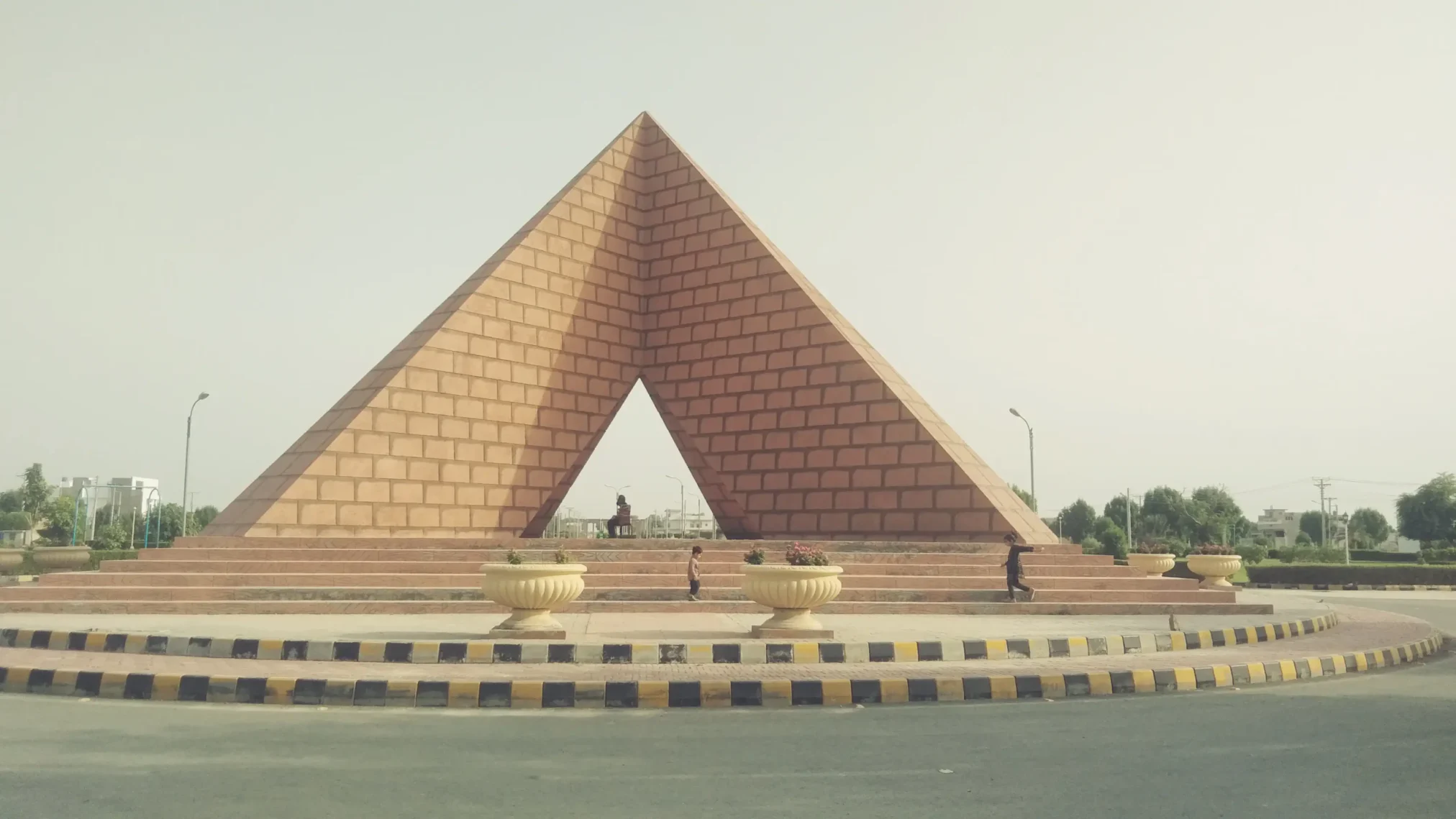
Location & Status – Sibi Balochistan
Sibi is the administrative headquarters of Sibi District in eastern Balochistan.
It is located in a plain area connecting Balochistan with Sindh and Punjab and lies approximately:
- 160 km from Quetta
- 280 km from Sukkur
- 430 km from Karachi
Due to its railway connectivity and highway access, Sibi serves as an important transportation and trade link between Balochistan and other provinces.
Population – Sibi Balochistan
Sibi City (Town)
Population (2017 Census estimate): Approximately 70,000–80,000 residents
Sibi Balochistan District
Total District Population (2017): Approximately 180,000–200,000 people
The district population includes Sibi city, Bhag, Lehri, and surrounding rural settlements.
Administrative Structure – Sibi District
District Status
Sibi is one of the historic districts of Balochistan and functions as an administrative and commercial center in eastern Balochistan.
Tehsils in Sibi District:
- Sibi Tehsil
- Lehri Tehsil
These tehsils oversee local governance, municipal services, union councils, and district administration.
Geography & Background – Sibi Balochistan
Area
Approximately 7,100 square kilometres
Terrain
- Flat plains
- Semi-desert areas
- River plains (near seasonal rivers)
- Agricultural land
Climate
- Extremely hot summers
- Mild winters
- Low rainfall
- Dry climate
Sibi is known for having some of the highest recorded temperatures in Pakistan during summer.
Historical Background – Sibi Balochistan
Sibi has historical significance dating back to ancient times and was an important settlement along trade routes connecting the Indus Valley with Balochistan and Central Asia.
During British rule, Sibi became an administrative center and a railway junction, strengthening its regional importance.
After Pakistan’s independence in 1947, Sibi continued to serve as a key district headquarters and commercial hub in eastern Balochistan.
Languages & Culture – Sibi Balochistan
Widely Spoken Languages:
- Balochi
- Sindhi
- Pashto
- Urdu
Official Language:
Urdu
Sibi reflects a blend of Baloch and Sindhi cultural traditions. Tribal customs, livestock rearing, and agricultural lifestyles are central to community life.
One of the major cultural highlights of the city is the annual Sibi Mela, a traditional festival showcasing livestock exhibitions, cultural performances, and local crafts.
Daily Life & Economy – Sibi Balochistan
Sibi’s economy is supported by:
- Agriculture (wheat, vegetables)
- Livestock farming
- Trade and transport
- Government employment
- Railway and logistics services
Due to its location near Sindh and Punjab borders, Sibi acts as a commercial gateway for goods entering and leaving Balochistan.
Despite its harsh summer climate, Sibi remains an important agricultural and administrative district in eastern Balochistan.
Frequently Asked Questions (FAQs) – Sibi Balochistan
1. Where is Sibi located?
Sibi is located in eastern Balochistan, Pakistan. It lies approximately 160 km from Quetta and connects Balochistan with Sindh and Punjab.
2. What is the population of Sibi?
Sibi City has an estimated population of around 70,000–80,000 residents, while Sibi District has approximately 180,000–200,000 people (2017 estimates).
3. How many tehsils are in Sibi District?
Sibi District has two tehsils:
- Sibi
- Lehri
4. What is Sibi famous for?
Sibi is known for:
- Extremely hot summers
- Sibi Mela festival
- Railway connectivity
- Livestock and agriculture
5. What languages are spoken in Sibi?
Common languages include Balochi, Sindhi, Pashto, and Urdu.
6. What is the climate like in Sibi?
Sibi experiences:
- Extremely hot summers
- Mild winters
- Low rainfall
- Dry weather conditions
7. What are the main sources of income in Sibi?
The primary economic drivers include:
- Agriculture
- Livestock
- Trade and transport
- Government employment
8. Is Sibi an important district in Balochistan?
Yes, Sibi is an important administrative and commercial district in eastern Balochistan due to its transport links, agricultural activity, and cultural significance.

%20–%20General%20Post%20Office%20for%20Sibi%20town%20Sibi%20District%20includes%20delivery%20post%20offices%20and%20branch/locality%20codes%20operating%20under%20Sibi%20GPO%20(82000).%20These%20%5B…%5D&media=https://nigarcraft.com.pk/wp-content/uploads/2026/02/Sibi-Balochistan-Postal-Code.webp)