Traditional, Regional & Seasonal Pakistani Winter Dishes!
The arrival of winter in Pakistan ushers in a rich, soul-warming transformation of the national cuisine. As temperatures drop, especially in the towering peaks of the Northern Areas—Hunza, Kashmir, and Swat—the cooking shifts toward high-calorie, meat-forward, and deeply comforting dishes. From the buttery Dawdo noodles of Gilgit-Baltistan and the intensely flavored Shinwari Karahi of Peshawar, to the rich Nihari and Paya of Lahore and Karachi, Pakistani winter dishes are a celebration of warmth, hospitality, and heritage. This curated list guides you through 100 essential Pakistani winter dishes, traversing the country’s diverse regions to reveal the heartiest, most traditional, and most delicious ways Pakistanis stay cozy through the cold season.
1. Northern Pakistani Winter Dishes: Gilgit-Baltistan, Hunza & Baltistan
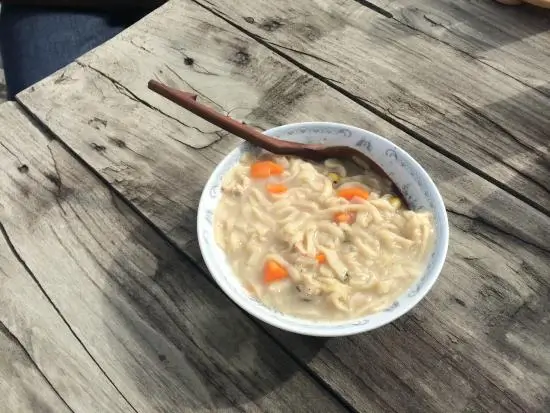
The mountainous regions of Gilgit-Baltistan—encompassing the valleys of Hunza, Skardu, and Nagar—present one of the most distinctive culinary landscapes in Pakistan. Life here, often isolated and challenging in winter, demands energy-dense, calorie-rich, and simple cuisine. The diet relies heavily on ingredients that can be stored and preserved, such as dried apricots, walnuts, and dried yak or goat meat. Grains like buckwheat and millet are favored over wheat in many areas, as they thrive in the region’s high altitude and rocky soil, forming the basis for breads like Go-Lee and noodles used in soups like Dawdo.
Apricot oil, is one of the local specialties of Pakistani Winter Dishes, serving as the primary cooking fat and condiment, drizzled over everything from thick crepes like Gyaling to soups and dumplings. These Pakistani Winter Dishes are fundamentally built for survival and warmth, focusing on slow-cooked stews, hardy dumplings (Mamtu), and dense breads (Chapshuro) that pack maximum fuel for the long, cold season
List of 20 Pakistani Winter Dishes of this region with concise descriptions:
| # | Dish Name | Description |
| 1 | Chapshuro / Chapshurro | “Hunza Pie”—a savory dumpling/flatbread stuffed with spiced minced meat (mutton, beef, or yak). |
| 2 | Dawdo / Dodo / Dawdaw | Warming noodle soup, often enriched with dried apricots or yak meat broth. |
| 3 | Buttering Dawdo | A richer version of the noodle soup, heavily buttered for warmth and energy. |
| 4 | Mamtu / Mantu | Steamed meat dumplings, reflecting Central Asian influence. |
| 5 | Gyal / Gral / Gyaling | Thick buckwheat pancake/crepe, torn and dipped in rich apricot oil. |
| 6 | Ghilmindi | Traditional Hunza bread (chapati) stuffed with a savory local cheese mixture and herbs. |
| 7 | Harissa (GB-style) | A dense, protein-packed porridge of pounded barley/wheat and meat. |
| 8 | Diram Phitti | Bread made from sprouted wheat flour, often sweetened with apricot molasses. |
| 9 | Yak Stew | Hearty, slow-cooked stew using yak meat, found in high-altitude areas like Hunza and Skardu. |
| 10 | Balti Gosht | Mutton or beef curry cooked in the distinct Baltistani style, often simple and rich. |
| 11 | Yak Bone Broth | Highly nutritious broth, essential for surviving extreme cold. |
| 12 | Tumoro Chai | Herbal tea made from local wild thyme (Tumoro), valued for medicinal properties. |
| 13 | Butter Tea (Chaik) | Salty, milky tea made with butter, a staple from Tibetan influence. |
| 14 | Go-Lee | Baltistani millet or buckwheat flatbread. |
| 15 | Mokh | A warming, fermented wheat winter porridge. |
| 16 | Prapu (Balti Noodles) | Buckwheat pasta mixed with walnuts and apricot oil. |
| 17 | Balay | Handmade noodle sheets cooked in a meat-based sauce or broth. |
| 18 | Qurut/Dried Cheese | Used in various winter dishes to add richness and protein. |
| 19 | Chilpek | Fried bread served with apricot jam and butter. |
| 20 | Mulida (Molida) | Shredded flatbread cooked with rehydrated dried cheese and apricot oil. |
2. Pakistani Winter Dishes : Khyber Pakhtunkhwa & Peshawar
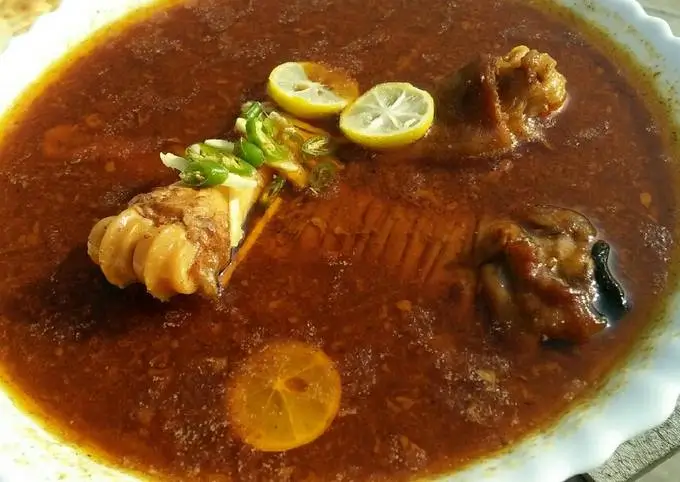
The Pakistani Winter Dishes of the Khyber Pakhtunkhwa province, particularly centered around Peshawar and extending into areas like Swat and Chitral, is defined by its bold, meat-heavy, and minimalist approach to seasoning. Pashtun culinary traditions emphasize the quality and natural flavor of the meat—primarily mutton and beef—which is often cooked in its own fat with only salt, pepper, and sometimes a few green chillies and tomatoes.
This results in dishes like Namkeen Gosht and Mutton Rosh, where the meat is fall-apart tender and subtly spiced. Karahi preparations, like the famous Shinwari Karahi, showcase this technique, while Dum Pukht exemplifies the patience of slow-cooking large, flavorful cuts in a sealed environment. For a quick, fiery bite, the Peshawari Chapli Kabab is a staple street food, dense with spices and often enjoyed hot during the chilly winter months, always accompanied by the refreshing Qahwa (Kehwa) green tea – winter beverage in Pakistan. The sheer volume and simplicity of the meat dishes provide the essential protein and warmth required to combat the cold of the high plains and valleys.
List of 15 Pakistani Winter Dishes of this region with concise descriptions:
| # | Dish Name | Description |
| 21 | Namkeen Gosht / Mutton Rosh | Lamb or mutton slow-cooked with minimal seasoning (salt/fat) for tenderness. |
| 22 | Peshawari Chapli Kabab | Spiced, flattened minced beef/mutton patty, often fried in animal fat in winter. |
| 23 | Shinwari Karahi | Mutton/lamb cooked rapidly in a wok (Karahi) using its own fat, salt, and tomatoes. |
| 24 | Dum Pukht | Meat slow-cooked in a sealed vessel until falling off the bone. |
| 25 | Kabuli Pulao | Aromatic rice cooked in meat stock, topped with carrots and raisins. |
| 26 | Charsi Tikka | Charcoal-grilled cubes of lamb/mutton (often tail-fat included) from Charsi style cooking. |
| 27 | Yakhni (Broth) | Pure, strained meat broth, served piping hot as a restorative. |
| 28 | Tikka Boti | Marinated meat cubes grilled over hot coals. |
| 29 | Seekh Kabab | Minced meat (lamb/beef) molded onto skewers and grilled. |
| 30 | Qahwa (Kehwa) | Traditional Pashtun green tea, served with cardamom. |
| 31 | Peshawari Naan | Thick, fluffy naan bread, perfect for scooping up Karahi. |
| 32 | Afghani Bolani | Stuffed flatbread (often with potato or pumpkin), typically pan-fried. |
| 33 | Pehata Kabab | A highly spiced, fiery version of the Chapli Kabab. |
| 34 | Painda (Pushto) | Pieces of bread mashed and mixed into a hot meat curry/stew. |
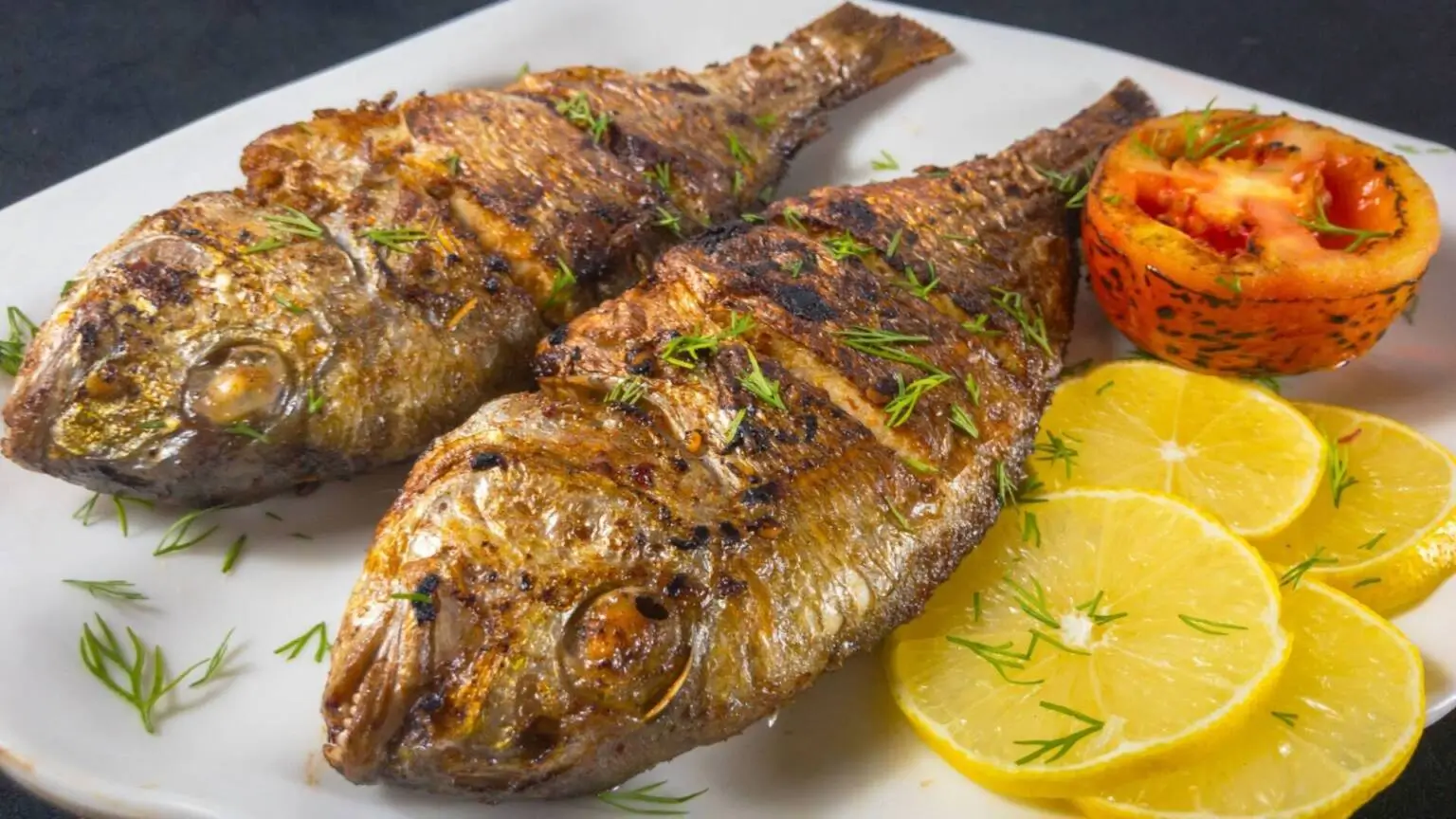
| 35 | Swati Trout | Freshly grilled or fried trout, popular in Swat and Chitral |
3. Pakistani Winter Dishes : Kashmir (AJK) & Hazara (Abbottabad, Swat)
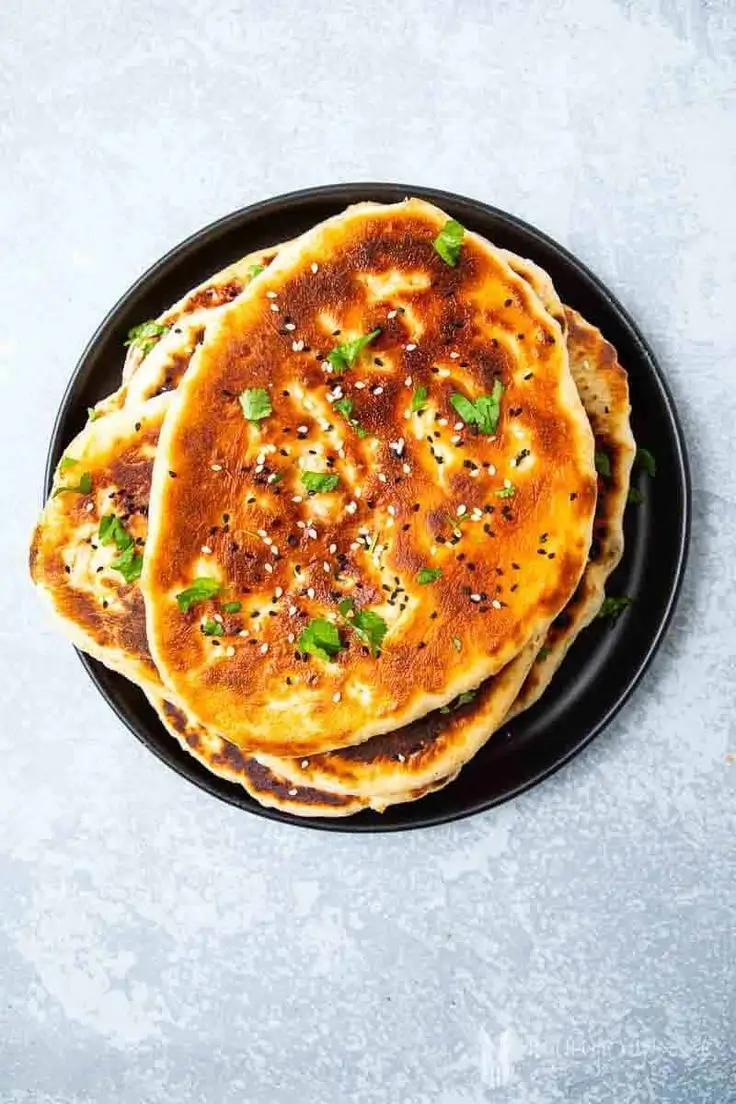
The Pakistani winter cuisine across Azad Jammu and Kashmir (AJK) and the adjacent Hazara Division (including Abbottabad and Swat) is characterized by rich, elaborate meat preparations and deep regional greens. The Kashmiri cooking tradition, heavily influenced by the ceremonial Wazwan, yields labor-intensive, protein-rich stews essential for cold weather, such as Kashmiri Harissa—a hearty, slow-cooked paste of pounded meat and rice—and the creamy, savory meatball dishes like Goshtaba and Rista. These are typically served with aromatic steamed rice.
In the lower Hazara and Swat valleys, the focus remains on locally sourced ingredients, with Swati Trout being a cold-weather delicacy and slow-cooked preparations like Shab Deg (a turnip and meat stew) offering deep, penetrating warmth. Crucially, no Pakistani winter dishes in this belt are complete without the soothing, nutrient-rich winter beverage in Pakistan, Kashmiri Pink Tea (Noon Chai), a salty, milky beverage that is both culturally significant and perfect for warding off the persistent chill.
List of 10 Pakistani Winter Dishes of this region with concise descriptions:
| # | Dish Name | Description |
| 36 | Kashmiri Harissa | Thick, heavy breakfast of pounded meat and rice paste, essential for cold weather. |
| 37 | Goshtaba | Velvety soft, finely pounded mutton meatballs cooked in a creamy, yogurt-based gravy. |
| 38 | Rista | Mutton meatballs cooked in a rich, spicy red gravy. |
| 39 | Kashmiri Rogan Josh | Aromatic lamb curry, known for its deep red color, flavored with ginger and fennel. |
| 40 | Kashmiri Pink Tea (Noon Chai) | Salty, milky, pink tea, a quintessential winter warmer. |
| 41 | Tcha Gosht | Mutton curry where the meat is first cooked in yogurt. |
| 42 | Gogji Aar | Mutton/lamb stew cooked with seasonal turnip (Gogji). |
| 43 | Kashmiri Saag | Local green leafy vegetables, cooked down with garlic and simple spices. |
| 44 | Shab Deg | A slow-cooked delicacy often featuring meat and turnip, prepared over many hours. |
| 45 | Swati Lamb Karahi | Localized Karahi using the tender meat of the mountain-raised lamb. |
4. Pakistani Winter Dishes: Balochistan & Potohar Plateau
Balochistan & Potohar Plateau
The winter cuisine of Balochistan and the Potohar Plateau (encompassing Rawalpindi, Islamabad, and Jhelum) offers a study in contrasts, linking the arid mountain traditions of the west with the fertile, hearty cooking of Punjab’s doorstep. Balochistan is famous for its simple, open-fire cooking, focusing on whole, large cuts of meat, often lamb, prepared with minimal spicing. The essential winter feast here is Sajji (whole lamb or chicken slow-roasted over coals) and Khadda Kabab (meat cooked in a ground pit), methods that deliver maximum flavor and warmth.
In contrast, the Potohar Plateau adopts the rustic, robust traditions of Northern Punjab. Here, deep, slow-cooked curries like Kunna Gosht (mutton in an earthen pot) and the rich, mixed-grain porridge Hareesa are winter staples, providing sustained energy. Across both regions, the cuisine prioritizes simple, effective techniques and generous use of animal fats to ensure warmth and strength throughout the cold, dry season.
List of 10 Pakistani Winter Dishes of this region with concise descriptions:
| # | Dish Name | Description |
| 46 | Sajji | Whole lamb or chicken roasted over an open fire, often stuffed with rice (Balochistan specialty). |
| 47 | Khadda Kabab | Meat slow-cooked in a deep pit (Khadda) or clay oven for extreme tenderness. |
| 48 | Balochi Rosh | A variation of Namkeen Gosht, typically lamb, seasoned simply and slow-cooked. |
| 49 | Kunna Gosht | Mutton slow-cooked in a traditional narrow-mouthed earthen pot (Kunna). (Potohar/Punjab) |
| 50 | Hareesa (Punjabi style) | A thick blend of wheat, lentils, and meat, similar to Haleem but often thicker. (Potohar/Lahore) |
| 51 | Patila Gosht | Meat slow-cooked in a wide metal cooking vessel (Patila). |
| 52 | Makai ki Roti & Sarson ka Saag | Cornbread paired with mustard greens and spinach, a famous Punjabi winter dish. |
| 53 | Chai with Gur | Tea sweetened with jaggery (Gur), a warming winter classic. |
| 54 | Aloo Gosht | Simple, flavorful mutton and potato curry, a national comfort food. |
| 55 | Handi Gosht | Meat curry cooked and served in a small clay pot (Handi). |
5. Pakistani Winter Dishes : Nationwide Comfort & Street Food (Lahore, Islamabad, Karachi)
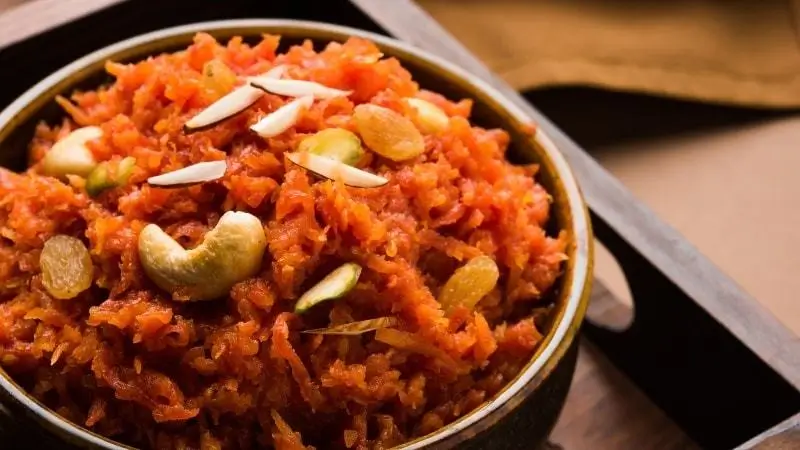
In the bustling metropolitan hubs of Lahore, Islamabad, and Karachi, winter brings a collective craving for rich, unctuous, and highly flavorful comfort food—often enjoyed hot on the street. Lahore, the heart of Punjabi winter cuisine, excels at dawn-time winter delights like the supremely rich and gelatinous Paya (Trotters Stew) and the flavorful, slow-cooked Nihari, both served steaming hot with fresh naan.
Karachi and Islamabad share a love for winter street snacks: piping hot Anday Wala Burgers, crispy Jalebi dunked in warm milk (Doodh Jalebi), and roadside stalls selling marinated Grilled Fish, a seasonal coastal specialty. Desserts become heavier and warmer, exemplified by the universally adored Gajar ka Halwa and the energizing Panjiri. While drawing inspiration from regional specialties like Haleem, these cities perfect and popularize them, turning historically regional dishes into essential nationwide winter experiences that offer maximum satiety and warmth.
List of 20 Pakistani Winter Dishes of this region with concise descriptions:
| # | Dish Name | Description |
| 56 | Paya (Trotters Stew) | Rich, gelatinous stew of goat or cow trotters, often eaten for a hearty winter breakfast. |
| 57 | Nihari | A slow-cooked meat shank stew, famous for its tender meat and thick, spiced gravy. |
| 58 | Haleem | A thick porridge made from pounded wheat, barley, lentils, and shredded meat. |
| 59 | Gajar ka Halwa (Gajrella) | Sweet pudding made from grated carrots, milk, sugar, and ghee, served warm. |
| 60 | Panjiri | A dry, powdered winter superfood made from ghee, nuts, semolina, and herbal gums. |
| 61 | Anday Wala Burger | Street snack where a spiced Shami Kabab patty and a fried egg are served in a bun. |
| 62 | Grilled Fish | Seasonal freshwater fish (like Rahu or Trout) marinated and grilled/fried on roadside stalls. |
| 63 | Daal Makhani | Rich, buttery curry of black lentils and kidney beans, slow-cooked with cream. |
| 64 | Chana Masala / Chhole | Hot, spicy chickpea curry, often eaten with Puri or Bhature. |
| 65 | Doodh Jalebi | Hot, syrupy fried sweets (Jalebi) served soaked in warm milk (Doodh). |
| 66 | Sohan Halwa | A dense, chewy, and brittle confection, a famous sweet from Multan. |
| 67 | Aalo Paratha | Flaky, layered flatbread stuffed with spiced mashed potatoes. |
| 68 | Qeema Paratha | Flatbread stuffed with spiced minced meat (Qeema). |
| 69 | Prawn Karahi / Masala | Seafood, especially prawns, cooked in a thick, spicy tomato and spice Karahi base (popular in Karachi). |
| 70 | Hot & Sour Soup | A spicy, tangy, thick soup, a favorite winter starter in urban centers. |
| 71 | Jaggery & Desi Ghee Sweets | Various sweets and brittles made from clarified butter and unrefined sugar (Gur). |
| 72 | Daal Chawal | Simple lentil curry served with rice, a classic comfort meal. |
| 73 | Karhi Pakora | Yogurt and chickpea flour curry with deep-fried fritters (Pakora). |
| 74 | Methi Chicken | Chicken curry cooked with fenugreek leaves (Methi), known for its distinct flavour. |
| 75 | Palak Gosht | Mutton/beef cooked with spinach (Palak). |
6. Pakistani Winter Dishes: Remaining Winter Staples & Regional Delicacies
To round out the culinary journey of Pakistani Winter Dishes, a host of other staples and regional delicacies contribute to the national winter diet. These include high-energy, traditional sweets like Panjiri and various Dry Fruit Halwas (including those made from walnuts and dried apricots in the North), which are considered medicinal and fortifying. Simple, warming vegetarian options are vital across the country, featuring hearty pulses in dishes like Lobia Salan (black-eyed pea curry) and rich Daal Makhani.
Furthermore, specific regional combinations are favored, such as Gosht Chana (meat cooked with chickpeas) and specialized stuffed breads like the Qeema Naan. Whether it’s the tradition of serving soft Gulab Jamun piping hot in syrup, or the comfort of a thick, savory Karhi Pakora, these remaining dishes ensure that every Pakistani, regardless of region, has access to a wide variety of warming, nutritious foods to celebrate and survive the cold season.
Final List of 15 Pakistani Winter Dishes with concise descriptions:
| # | Dish Name | Description |
| 76 | Chikki | Peanut and jaggery brittle. |
| 77 | Anday ka Halwa | Rich egg pudding, a difficult-to-make winter treat. |
| 78 | Dry Fruit Halwa | Halwa made with heavy amounts of cashews, almonds, and pistachios. |
| 79 | Suji Halwa | Sweet semolina pudding, often served with puri for breakfast. |
| 80 | Shahi Tukray | Rich bread pudding soaked in milk and saffron, served warm. |
| 81 | Gulab Jamun | Deep-fried milky balls, served piping hot in sugar syrup. |
| 82 | Pulao (Simple Mutton/Beef) | A one-pot rice dish cooked in meat stock (less heavy than Biryani). |
| 83 | Biryani (Karachi/Lahore) | Spiced rice and meat dish, a staple year-round but enjoyed hot in winter. |
| 84 | Qeema Naan | Naan stuffed with spiced minced meat, baked in a tandoor. |
| 85 | Roghni Naan | Fluffy naan topped with sesame seeds, often served with rich curries. |
| 86 | Fish Burgers/Sandwiches | Street-style fish patty burgers (Karachi/Lahore street food). |
| 87 | Achar (Pickle) | Various pickles (mango, carrot, lime) that accompany rice and curries. |
| 88 | Mutter Paneer | Cottage cheese and green peas curry (vegetarian comfort food). |
| 89 | Lobia Salan | Curry made with black-eyed peas, a wholesome dish. |
| 90 | Akhrot Halwa | Halwa made from crushed walnuts, popular in the North. |
| 91 | Borum Halwa | Halwa made from ground dried apricots (Hunza). |
| 92 | Kashmiri Fish Curry | Fish prepared in the distinct Kashmiri style. |
| 93 | Gosht Chana | Mutton/beef cooked with chickpeas in a thick gravy. |
| 94 | Khameeri Roti | A slightly leavened, thicker bread, excellent for soaking up stews. |
| 95 | Pathoray | Deep-fried, slightly leavened bread, often served with Chana. |
| 96 | Atta ka Halwa | Simple, quick halwa made from wheat flour, ghee, and sugar. |
| 97 | Balochi Rusk | Sweet, flaky pastries (biscuit-like), good with tea (winter beverage in Pakistan) |
| 98 | Sheer Khurma | Creamy vermicelli pudding, served warm with dates and nuts. |
| 99 | Doodh Patti | Extremely strong tea, boiled only in milk and sugar. |
| 100 | Bukhari Pulao | A variant of Kabuli Pulao, known for its rich meat stock |
From the communal warmth of a roaring tandoor serving fresh naan to the quiet comfort of a steaming bowl of Harissa, Pakistani winter dishes are truly an experience of resilience and flavor. These 100 Pakistani Winter dishes—spanning the alpine traditions of Baltistan and the fiery street food of Peshawar to the sophisticated halwas and slow-cooked stews of the metropolitan centers—do more than just satisfy hunger. These Pakistani winter dishes provide the essential energy and comfort needed to combat the cold. Whether you are planning a trip to the snow-capped mountains or simply seeking culinary inspiration for your own kitchen, exploring these winter delights is the perfect way to connect with the rich, heartwarming heritage of Pakistani Winter Dishes.
FAQs – 100 Pakistani Winter Dishes – A Culinary Journey from Hunza to Karachi
- What are traditional Pakistani winter dishes from Hunza to Karachi?
Traditional Pakistani winter dishes range from hearty mountain specialties in Gilgit-Baltistan to rich, warm comfort foods and street favorites in Karachi and Punjab, celebrating seasonal ingredients and cultural diversity. - Which northern Pakistani winter foods should visitors try in Hunza?
In Hunza and northern areas, classic winter foods include hearty grain porridge, slow-cooked meat dishes, handmade noodle soups, and apricot-based specialties that nourish and warm during cold weather. - What is a must-eat winter beverage in Pakistan?
Kashmiri chai, known for its unique pink color and rich nutty flavor, is a beloved winter drink served hot in homes and cafes across Pakistan. - Why is Nihari considered a classic Pakistani winter dish?
Nihari is a slow-cooked, rich meat stew traditionally served hot with naan or paratha, making it a quintessential comfort food for chilly winter mornings. - What hearty winter snacks are popular across Pakistan?
Popular winter snacks include roasted peanuts, dry fruits, spicy samosas, and street delights like anday wala bun — all perfect for warming up on cold evenings. - Which leafy greens dish is iconic in Pakistani winters?
Sarson ka saag, a mustard greens curry served with makai ki roti (cornbread), is a winter staple particularly in Punjab, rich in nutrients and flavour. - What desserts are typically enjoyed during the winter season in Pakistan?
Classic winter desserts include gajar ka halwa — a warm carrot pudding cooked with milk, ghee, and nuts — bringing sweetness and warmth on cold days. - How do northern dishes like Harissa and Dowdo keep you warm in winter?
Dishes like Harissa (slow-cooked meat and wheat porridge) and Dowdo soup use hearty grains and slow cooking to provide energy and warmth in sub-zero mountain climates. - Are there unique winter breads in Pakistan’s northern regions?
Yes — breads like Hunza bread and Phitti are dense, nourishing breads often served with butter or jam, ideal as breakfast or energy-rich snacks in winter. - What makes Pakistani winter cuisine culturally significant?
Pakistani winter cuisine reflects regional diversity, seasonal agriculture, and centuries-old traditions — from mountain valleys to urban centers — showcasing how food brings warmth, community, and heritage together