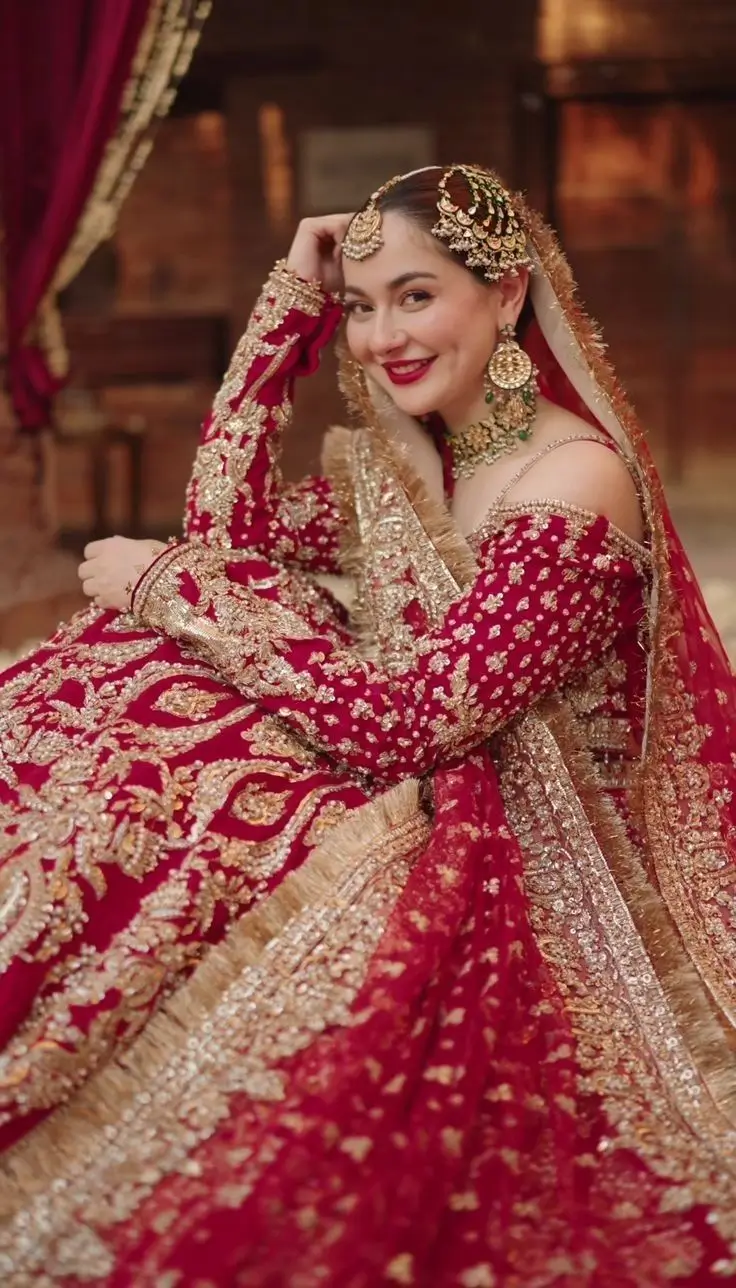
Pakistani bridal couture is not simply a fashion category—it is a cultural institution. It exists at the intersection of history, craftsmanship, emotion, and identity. A Pakistani bridal outfit is never created casually; it is imagined, debated, designed, embroidered, and revered long before it is ever worn. For many families, a bride’s dress carries as much emotional and symbolic value as the marriage itself.
Unlike fast-fashion bridal industries elsewhere in the world, Pakistani bridal couture is built on time. Time spent weaving fabric, time spent hand-embroidering motifs, time spent consulting artisans, and time spent preserving centuries-old techniques. A bridal jora is often in production for months, sometimes nearly a year, before it reaches completion.
What makes Pakistani bridal wear globally admired is its ability to balance opulence with meaning. Every motif, every color choice, and every embellishment tells a story. From deep crimson lehengas symbolizing prosperity to ivory ensembles representing modern sophistication, Pakistani bridal couture has evolved while staying deeply rooted in tradition.
Lets explore that world in its entirety—starting from cultural foundations, historical evolution, and moving toward Pakistani bridal designers, craftsmanship, and modern luxury interpretations.
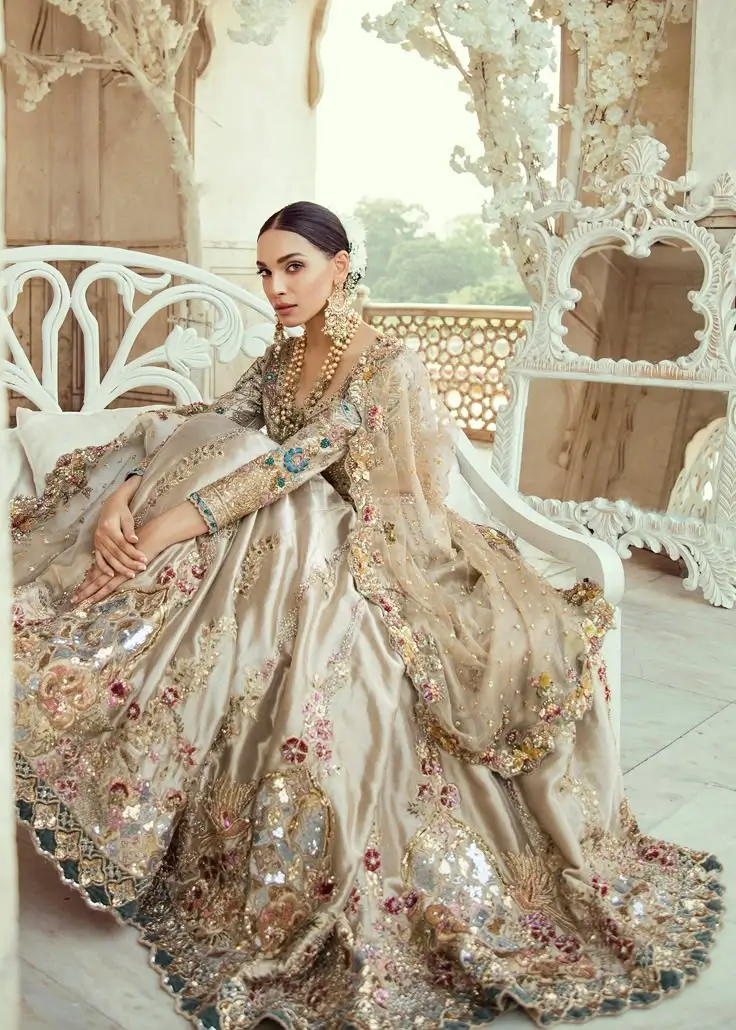
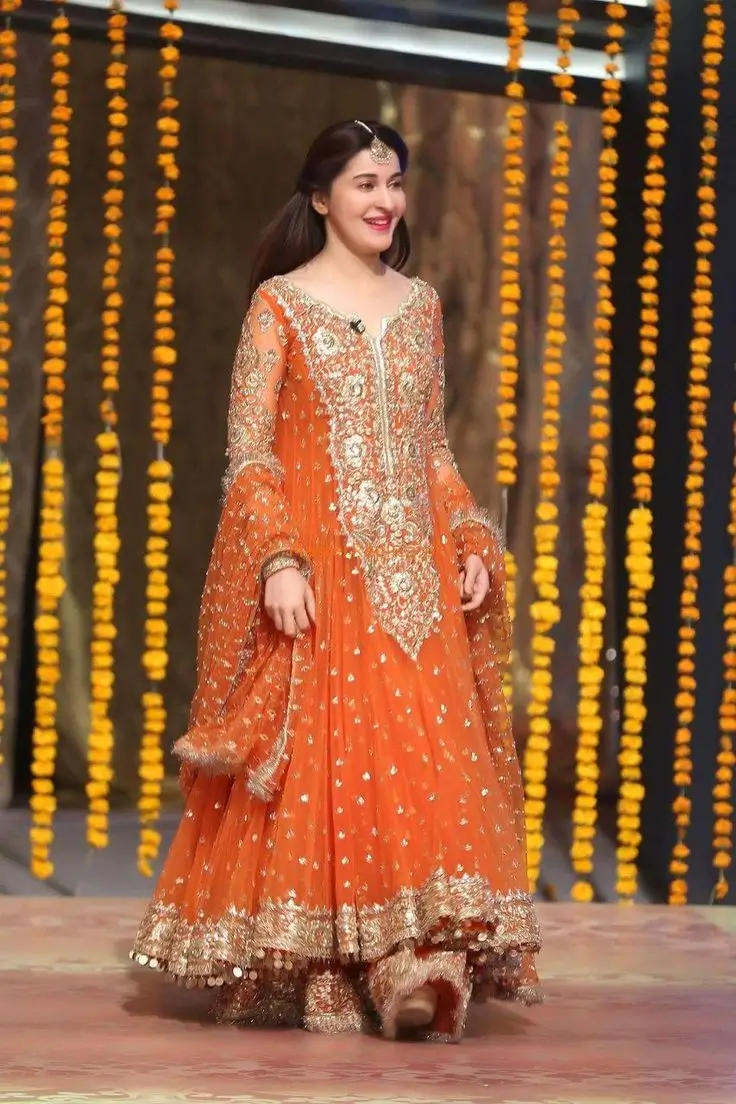
THE CULTURAL SIGNIFICANCE OF A PAKISTANI WEDDING
Weddings as a Social and Cultural Milestone
In Pakistan, weddings are not one-day affairs. They are elaborate, multi-day celebrations that involve extended families, communities, and deeply embedded traditions. The wedding is seen as a rite of passage not only for the bride and groom but also for their families.
Because of this, bridal fashion carries immense weight. The bride’s appearance becomes a reflection of:
- Family heritage
- Cultural values
- Regional identity
- Social standing
- Personal expression
The bridal outfit is discussed months, sometimes years, in advance. Mothers, aunts, and grandmothers often play a role in selecting or influencing the final design, ensuring that tradition is respected even when modern aesthetics are embraced.
Event-Wise Bridal Dressing Culture
Pakistani weddings are structured around multiple events, each with its own visual language:
- Mehndi: Bright colors, playful silhouettes, lighter embroidery
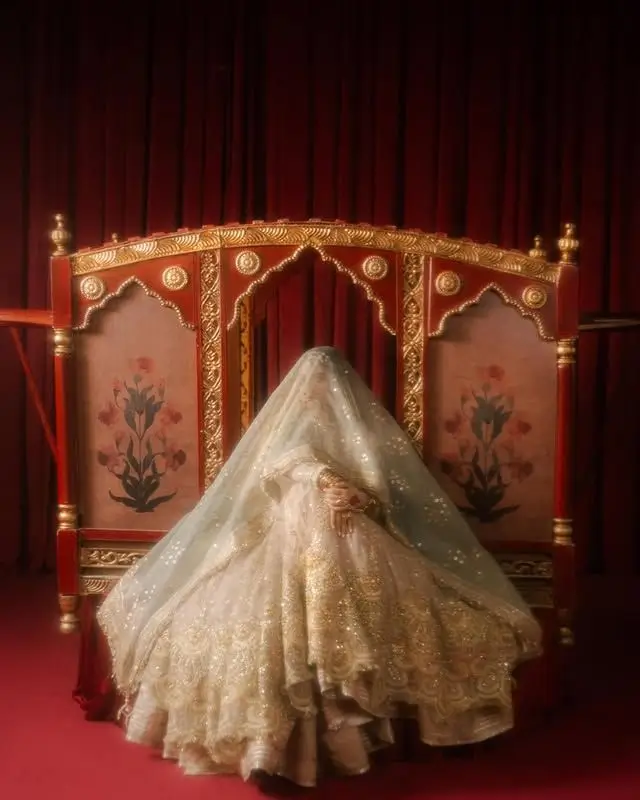
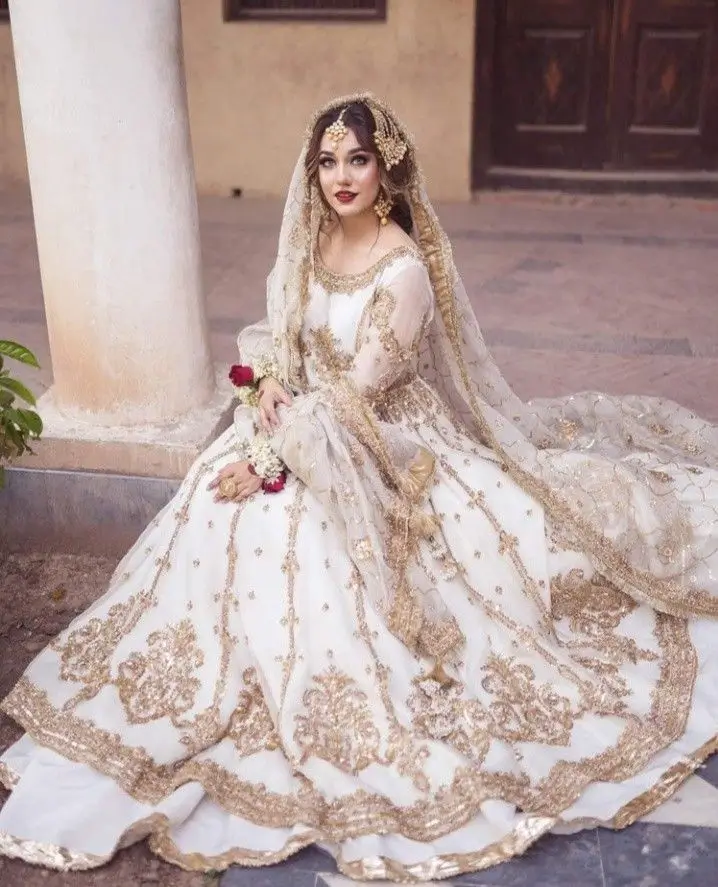
- Nikah: Graceful, modest elegance often in ivory, pastels, or soft gold
- Baraat: The main bridal look—heavy embroidery, rich colors, regal silhouettes
- Walima: Sophisticated, refined outfits emphasizing modern luxury
This multi-event structure has pushed designers to specialize, offering curated bridal wardrobes rather than single outfits. Pakistani bridal couture, therefore, is not one dress—it is an entire fashion narrative.
HISTORICAL FOUNDATIONS — THE MUGHAL LEGACY
Mughal Royalty and the Birth of Bridal Opulence
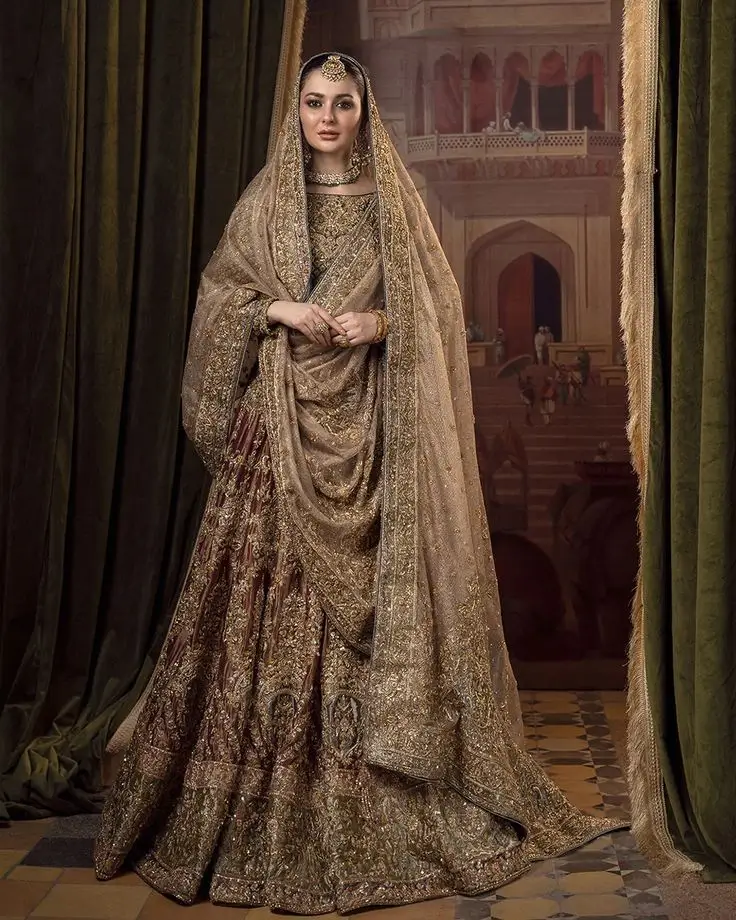
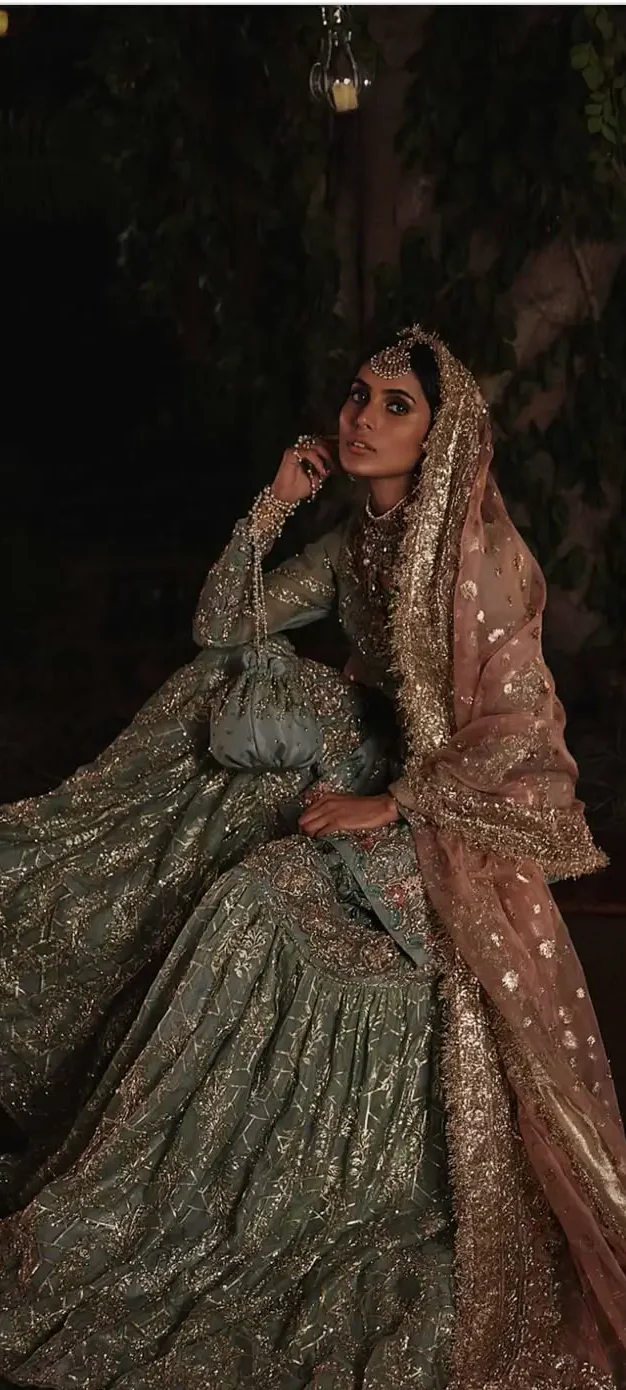
The foundation of Pakistani bridal couture lies in the Mughal Empire. Mughal queens and noblewomen wore garments that symbolized authority, wealth, and divine beauty. Their clothing was heavily embellished with gold and silver threads, pearls, rubies, emeralds, and intricate floral motifs inspired by Persian and Central Asian art.
Classic bridal elements that originated during this era include:
- Zardozi embroidery
- Dabka and naqshi work
- Velvet lehengas
- Jamawar fabrics
- Farshi lehengas and peshwas
These garments were not stitched for mass wear. They were commissioned pieces, designed to last generations. This philosophy remains central to Pakistani bridal couture today.
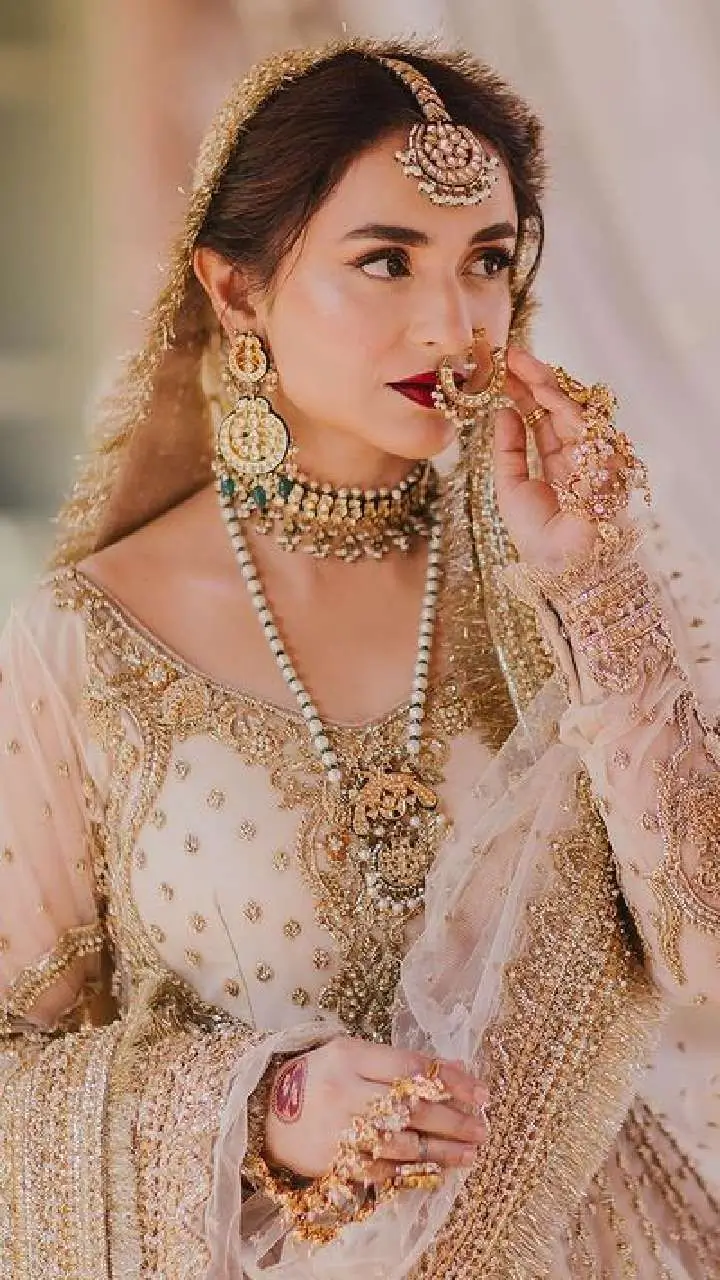
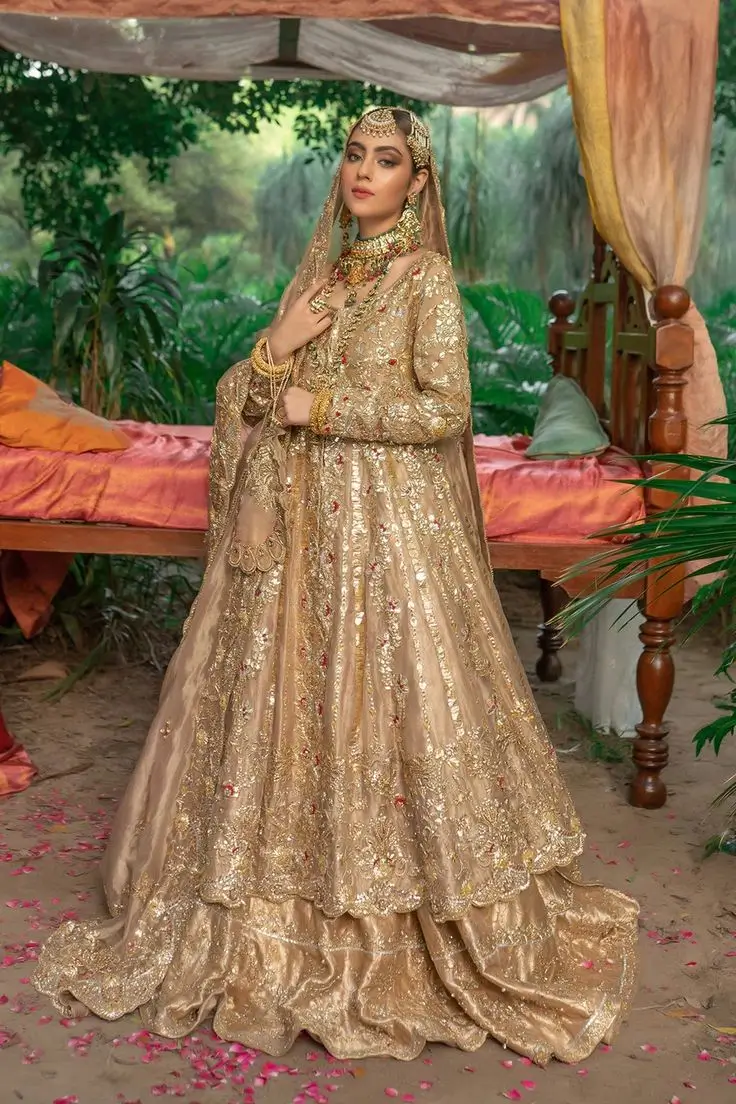
Post-Partition Evolution of Bridal Fashion
After the creation of Pakistan in 1947, bridal fashion began evolving independently. While Mughal aesthetics remained dominant, designers adapted silhouettes for practicality and changing lifestyles. Heavy farshi lehengas gradually evolved into more structured lehengas and ghararas that allowed movement without sacrificing grandeur.
The rise of couture houses in Lahore and Karachi during the late 20th century formalized bridal fashion as an industry. Pakistani Bridal Designers began experimenting with:
- Blended Eastern and Western tailoring
- Modern cuts with traditional embroidery
- Lighter fabrics for destination weddings
This period marked the transition from purely traditional bridal wear to what we now recognize as Pakistani bridal couture.
THE PHILOSOPHY OF BRIDAL COUTURE IN PAKISTAN
Couture vs Ready-to-Wear
In Pakistan, bridal couture is distinctly separate from prêt or luxury pret. Couture bridal wear is:
- Made to order
- Hand-embroidered
- Customized to the bride’s body, height, and personality
- Designed to last decades
A true couture bridal outfit may require hundreds of hours of manual labor by skilled artisans. This is why bridal couture is often priced significantly higher—it reflects craftsmanship, not branding alone.
The Role of Artisans (Karigars)
At the heart of Pakistani bridal couture are karigars—master artisans who have inherited embroidery skills through generations. Many of these craftsmen specialize in one technique only, such as zardozi or dabka, perfecting it over decades.
Designers act as visionaries, but it is the karigars who translate that vision into reality. In many couture houses, the same artisans work with a designer for years, ensuring consistency and excellence.
ICONIC PAKISTANI DESIGNERS — THE GUARDIANS OF HERITAGE
Bunto Kazmi: Heirloom Bridal Couture
Bunto Kazmi is often referred to as the custodian of Mughal bridal heritage. Her designs are deeply rooted in history, featuring:
- Farshi lehengas
- Antique gold embroidery
- Rich velvets
- Architectural Mughal motifs
Her bridal outfits are often considered collectibles, worn by brides who want to preserve tradition in its purest form. Many Bunto Kazmi pieces are passed down as family heirlooms.
HSY (Hassan Sheheryar Yasin): The King of Couture
HSY redefined bridal couture by introducing structure, power, and runway drama. His designs are characterized by:
- Strong silhouettes
- Elaborate hand embroidery
- Regal color palettes
- Confident, modern styling
HSY brides are bold, commanding, and unapologetically regal. His work bridges heritage and modern fashion authority.
Umar Sayeed: Artistic Individuality
Umar Sayeed is known for challenging bridal norms. He experiments with:
- Unconventional color pairings
- Artistic embroidery placement
- Unique silhouettes
His bridal couture appeals to women who want their bridal look to reflect personal individuality rather than tradition alone.
THE MODERN LUXURY BRIDAL MOVEMENT
Élan by Khadijah Shah
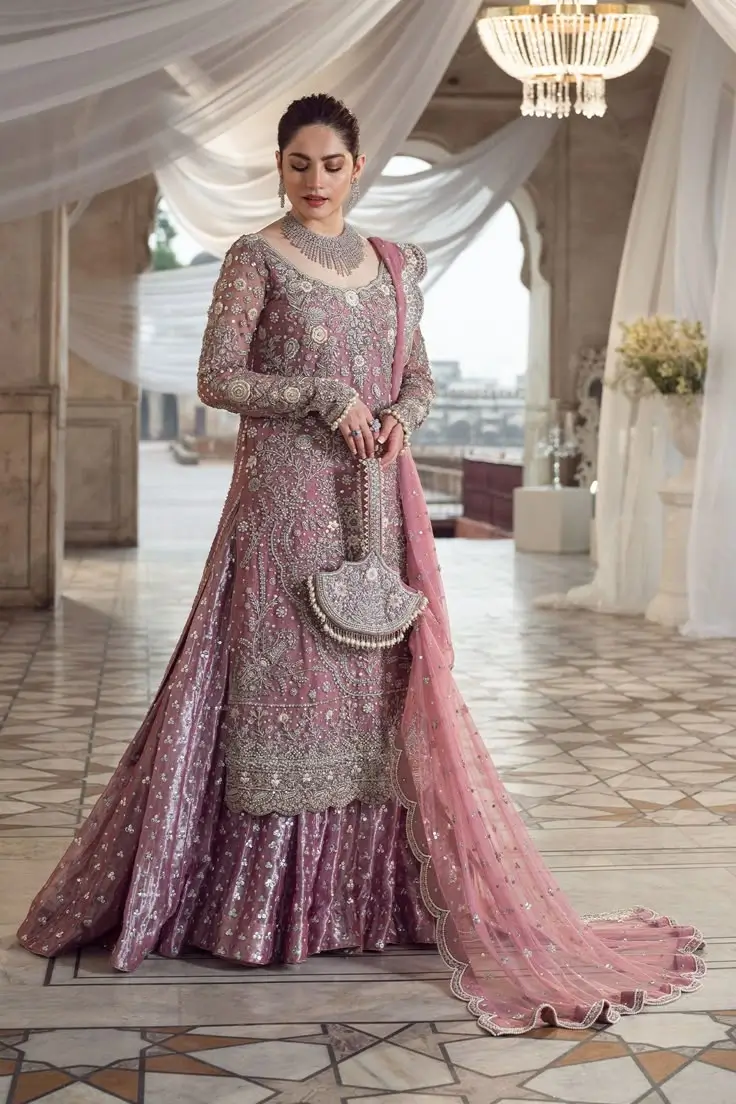
Élan transformed Pakistani bridal couture by popularizing pastel bridal wear. Soft blush tones, mint greens, ivories, and champagne golds became acceptable—and desirable—for brides.
Élan’s bridal identity focuses on:
- Feminine elegance
- Crystal and pearl embellishments
- Structured yet romantic silhouettes
Faraz Manan: Global Bridal Sophistication
Faraz Manan represents Pakistani bridal couture on international platforms. His work is defined by:
- Clean lines
- Subtle luxury
- Architectural tailoring
Faraz Manan bridal outfits are ideal for brides seeking understated elegance and global appeal.
Nomi Ansari: Celebration Through Color
Nomi Ansari is synonymous with vibrancy. His bridal designs feature:
- Bold color combinations
- Playful motifs
- Contemporary silhouettes
Perfect for festive wedding events, his couture radiates joy and celebration.
EMBROIDERY — THE LANGUAGE OF BRIDAL COUTURE
Embroidery is the soul of Pakistani bridal fashion. Each technique serves a different aesthetic purpose.
Zardozi
Heavy gold embroidery associated with royal bridal wear.
Dabka
Metallic coils that add depth and texture.
Tilla
Fine metallic thread for refined shimmer.
Gota
Ribbon appliqué, often used for festive events.
These techniques are often layered together, creating multidimensional surfaces that define bridal luxury.
SILHOUETTES THAT DEFINE THE BRIDE
Pakistani bridal couture offers a range of silhouettes:
- Lehenga (traditional and modern variations)
- Gharara
- Sharara
- Peshwas
- Saree-inspired gowns
Each silhouette complements different body types and wedding events, allowing brides to express individuality within tradition.
COLOR, SYMBOLISM & EVENT-WISE BRIDAL STYLING IN PAKISTAN
THE EVOLUTION OF COLOR IN PAKISTANI BRIDAL COUTURE
Color in Pakistani bridal wear is never accidental. It carries psychological, cultural, and emotional meaning, shaped by centuries of tradition and evolving modern sensibilities.
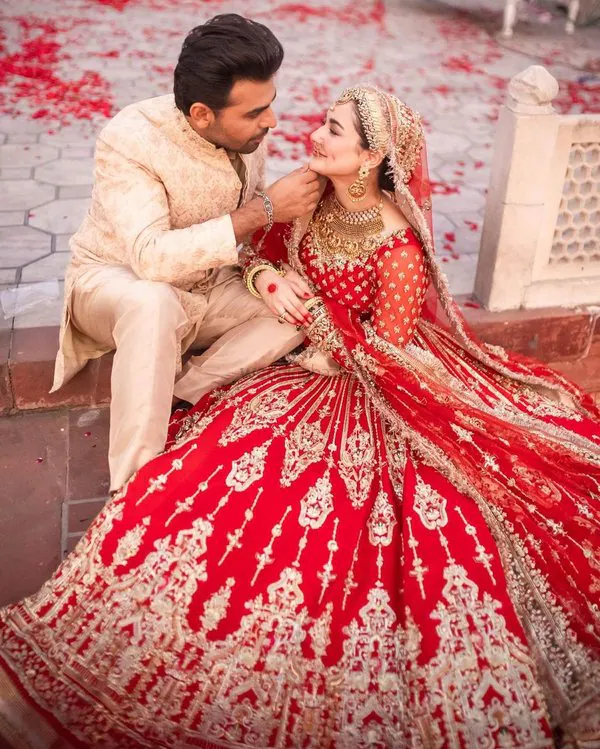
Red: The Eternal Bridal Power Color
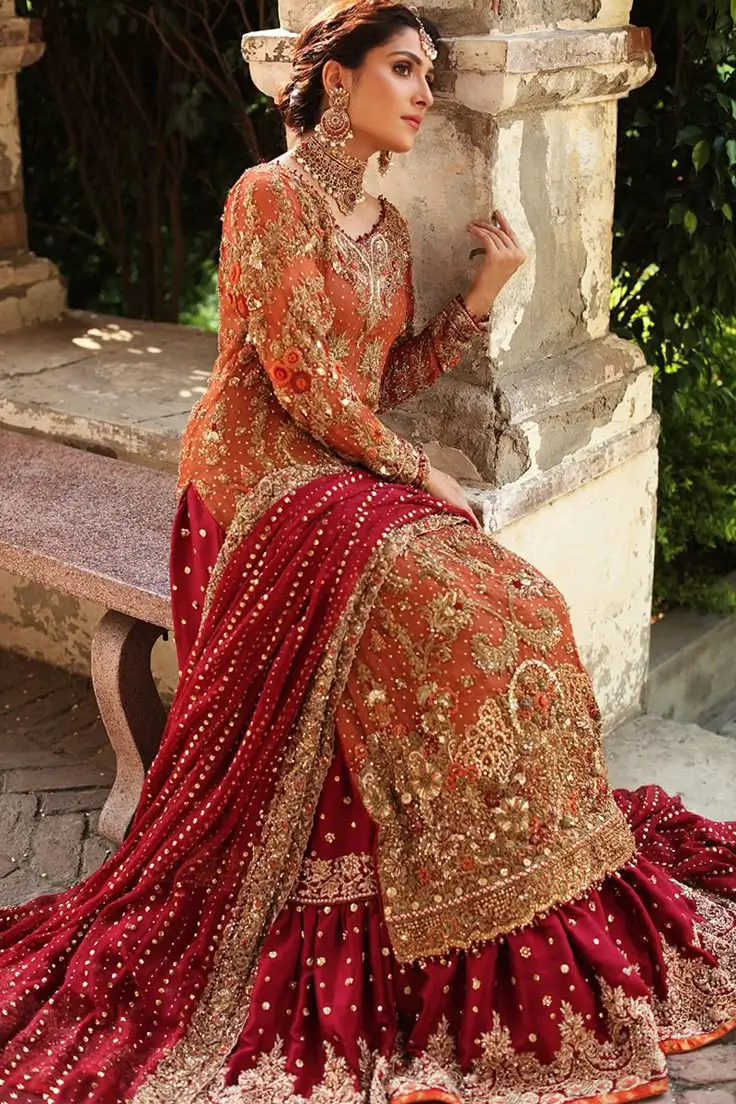
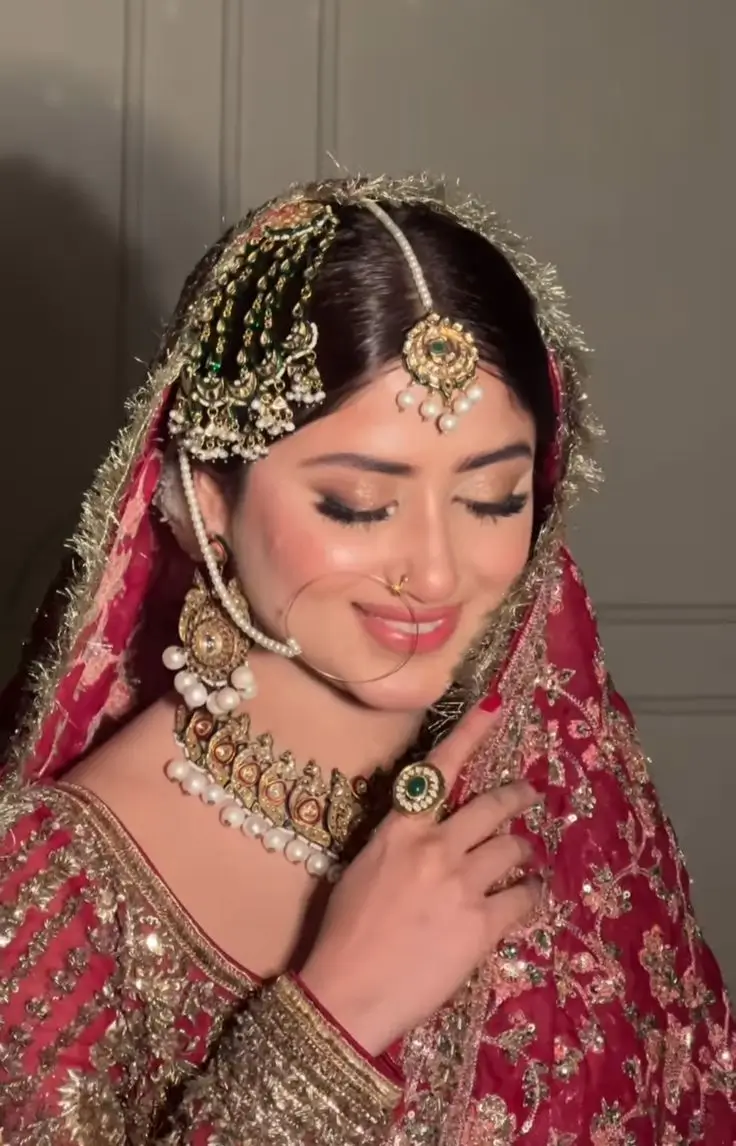
Red remains the most iconic bridal color in Pakistan. Historically associated with fertility, prosperity, and marital bliss, red bridal lehengas have been worn for generations.
In traditional families, red is seen as non-negotiable for the Baraat. Designers continue to reinterpret red through:
- Deep maroons
- Rust reds
- Crimson and wine tones
- Red paired with antique gold or emerald
Rather than abandoning red, modern couture refines it.
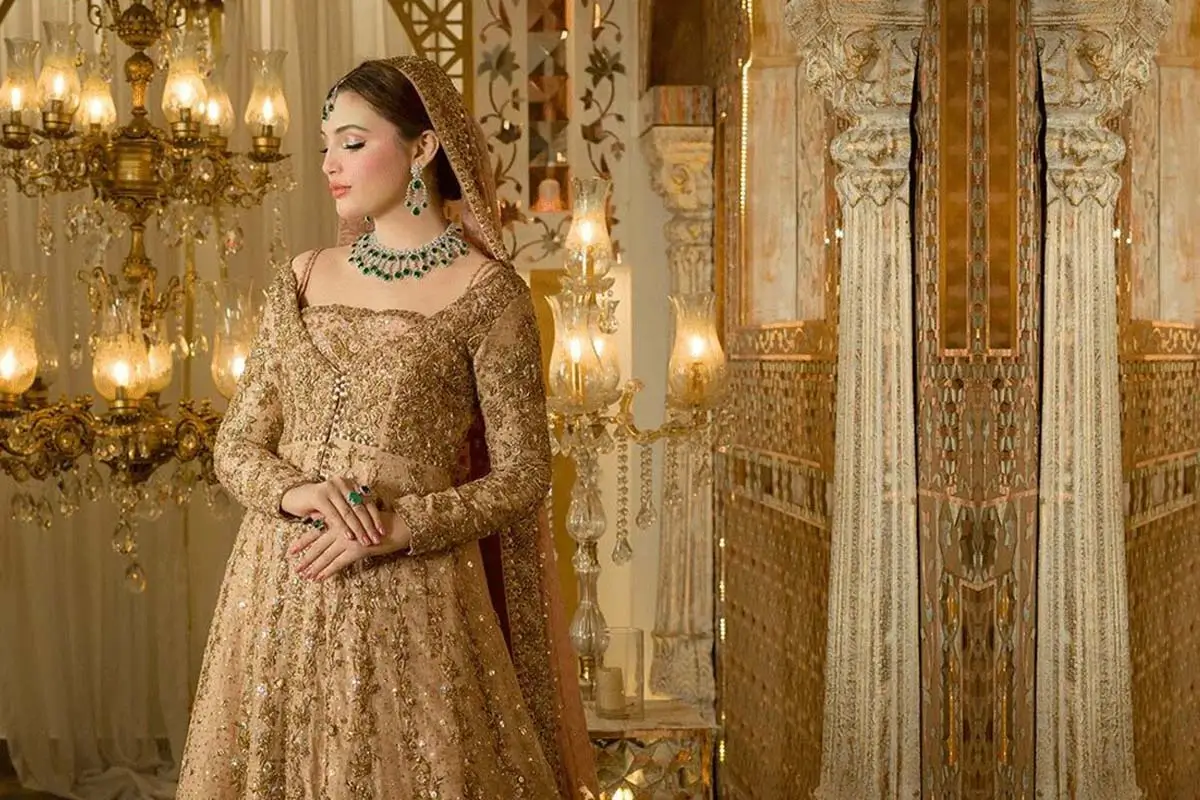
Gold & Champagne: Royal Luxury
Gold symbolizes royalty, wealth, and divine beauty. Brides opting for gold bridal wear often choose:
- Heavily embroidered gold lehengas
- Champagne-toned peshwas
- Antique gold with muted undertones
Gold is particularly popular for Walima looks and destination weddings due to its versatility and luminosity.
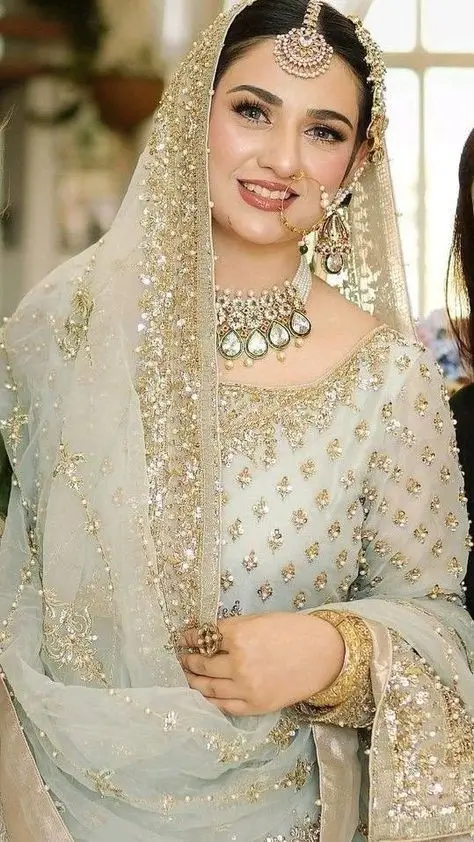
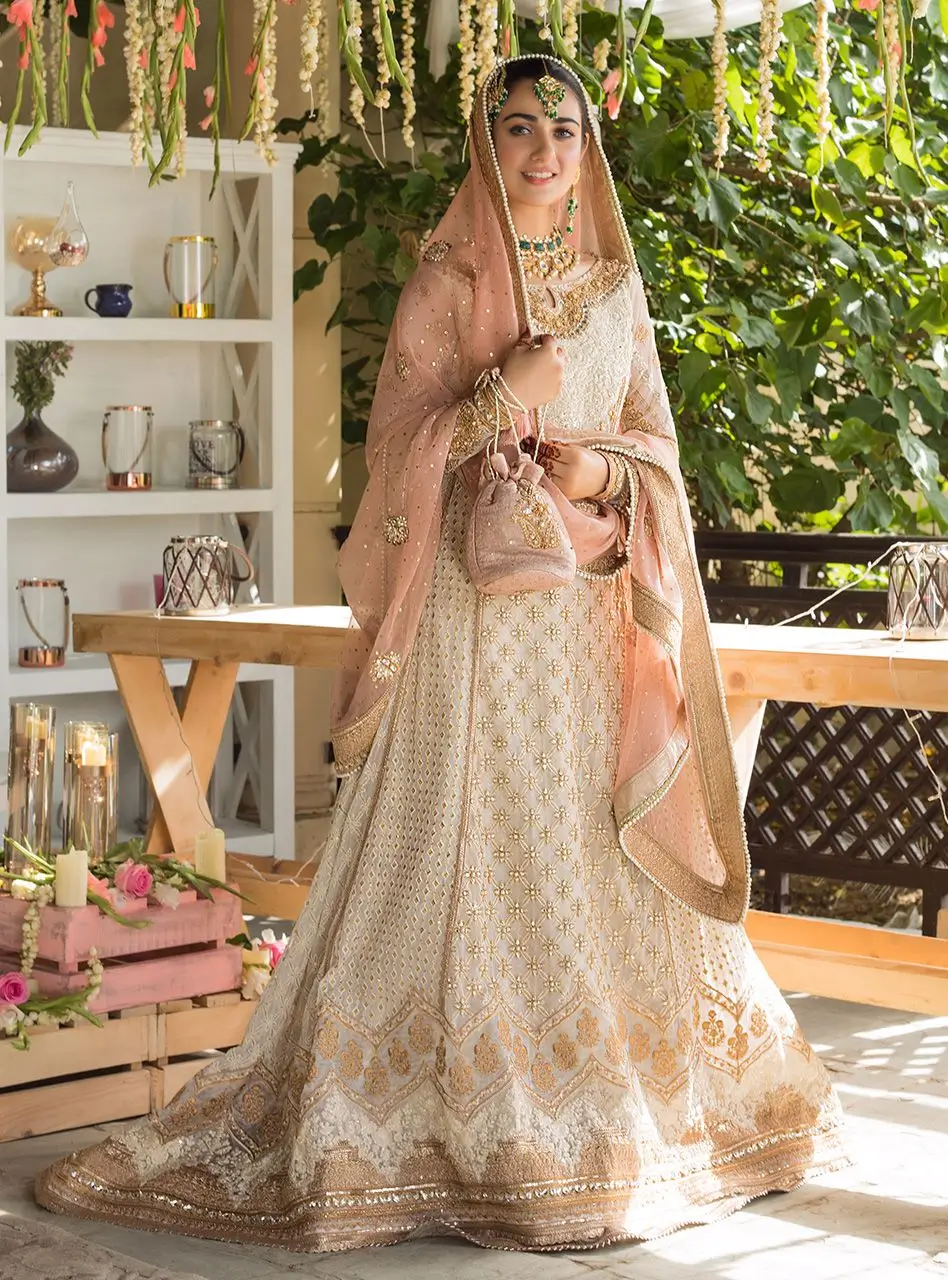
Pastels: Modern Romance
Pastel bridal wear represents a major shift in Pakistani bridal culture. Once considered inappropriate for weddings, colors like blush, mint, powder blue, and ivory are now widely accepted.
Pastels signify:
- Modern femininity
- Soft elegance
- Global bridal aesthetics
Designers such as Élan, Faraz Manan, Suffuse, and Faiza Saqlain have played a major role in normalizing pastel bridal couture.
Ivory & White: Global Sophistication
Ivory bridal wear reflects international influence and minimal luxury. Often chosen for Nikah ceremonies, ivory outfits focus on:
- Texture rather than color
- Fine embroidery
- Structured silhouettes
This color choice appeals to brides seeking timeless elegance over traditional symbolism.
EVENT-WISE BRIDAL STYLING GUIDE
Pakistani bridal couture is best understood through the lens of wedding events. Each event allows the bride to express a different facet of her identity.
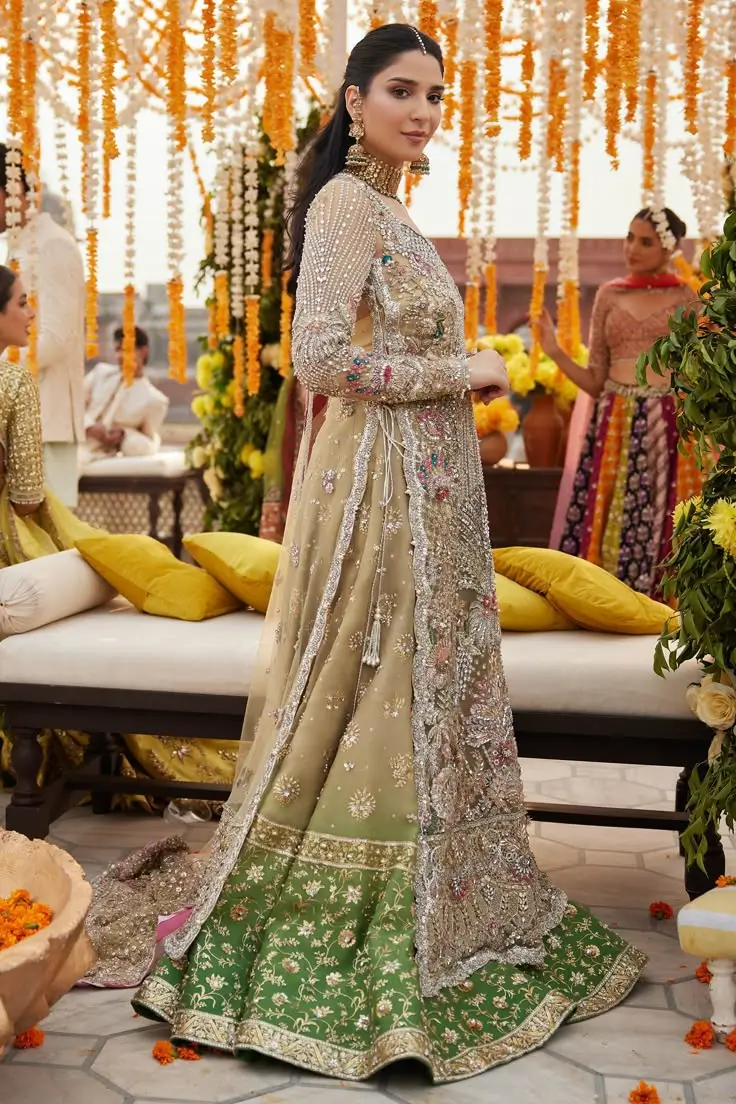
Mehndi: Celebration, Color & Movement
Mehndi outfits are joyful, playful, and energetic. Brides often choose:
- Yellow, orange, green, pink, or multicolor outfits
- Lighter embroidery like gota and mirror work
- Short shirts with shararas or lehengas
Designers like Nomi Ansari and Ali Xeeshan excel in creating vibrant Mehndi couture.
Nikah: Graceful Modesty
Nikah looks prioritize elegance and modesty. Popular choices include:
- Ivory or pastel peshwas
- Long shirts with delicate embroidery
- Dupattas styled gracefully over the head
This is where minimal luxury shines the brightest.
Baraat: The Bridal Statement
The Baraat is the most significant bridal event. This is where:
- Heaviest embroidery is worn
- Reds, maroons, and jewel tones dominate
- Lehengas, ghararas, and farshi silhouettes shine
Designers like HSY, Bunto Kazmi, and Mohsin Naveed Ranjha dominate Baraat couture.
Walima: Refined Glamour
Walima outfits are modern, polished, and sophisticated. Brides opt for:
- Gold, ivory, silver, or pastel gowns
- Minimal embroidery with strong tailoring
- Western-inspired silhouettes
This event reflects modern bridal luxury rather than tradition.
DESIGNER COMPARISONS, BODY TYPES & THE FUTURE OF BRIDAL COUTURE
MATCHING DESIGNERS TO BRIDAL PERSONALITY
Every bridal designer has a philosophy. Choosing the right one depends on the bride’s personality and vision.
Traditional & Heritage-Focused Brides
- Bunto Kazmi
- Zara Shahjahan
- Mohsin Naveed Ranjha
Modern & Minimal Brides
- Faraz Manan
- Sana Safinaz
- Suffuse
Bold & Artistic Brides
- HSY
- Nomi Ansari
- Ali Xeeshan
Understanding a designer’s identity prevents mismatched expectations.
CHOOSING SILHOUETTES BY BODY TYPE
Pakistani bridal couture offers flexibility across body types.
- Petite brides benefit from high-waisted lehengas and vertical embroidery
- Curvy brides shine in structured ghararas and A-line lehengas
- Tall brides carry farshi lehengas and long peshwas effortlessly
A skilled designer customizes proportions to flatter the bride rather than follow trends blindly.
THE BUSINESS & ECONOMICS OF BRIDAL COUTURE
Bridal couture is one of Pakistan’s strongest luxury industries. A single bridal outfit supports:
- Textile workers
- Embroidery artisans
- Tailors
- Designers
- Stylists
This ecosystem sustains traditional craftsmanship while contributing significantly to the economy.
SUSTAINABILITY & THE FUTURE OF PAKISTANI BRIDAL FASHION
The future of bridal couture is increasingly focused on:
- Slow fashion
- Ethical artisan wages
- Heirloom reuse
- Sustainable fabrics
Many designers now encourage brides to restyle or preserve bridal outfits rather than discard them.
Technology is also influencing bridal couture through:
- Digital design previews
- Virtual consultations for overseas brides
- Global bridal showcases
FREQUENTLY ASKED BRIDAL QUESTIONS
How early should a bride book her designer?
Ideally 8–12 months in advance.
Are custom bridal outfits adjustable later?
Yes, couture outfits often include margin allowances.
Can brides mix traditional and modern elements?
Absolutely—fusion couture is now mainstream.
CONCLUSION
A LEGACY STITCHED IN TIME
Pakistani bridal couture is far more than wedding attire—it is a living archive of culture, craftsmanship, and identity. Each bridal outfit represents hundreds of hours of labor, centuries of tradition, and a deeply personal journey.
From Mughal-inspired heirlooms to modern pastel masterpieces, Pakistani designers continue to redefine bridal luxury without losing their roots. As trends evolve and global influences grow, the soul of Pakistani bridal fashion remains unchanged: honor the past, celebrate the present, and create something timeless.
A Pakistani bride does not merely wear a dress—she wears history, artistry, and legacy.
Frequently Asked Questions – Pakistani Bridal Couture History & 2025 Trends
1. What defines Pakistani bridal couture and its historical origins?
Pakistani bridal couture blends South Asian traditions with regional craftsmanship, evolving from Mughal-inspired embroidery, royal silhouettes, and cultural symbolism into a globally admired fashion category. It reflects centuries of cultural heritage and artistry in wedding attire.
2. Who are the top Pakistani bridal designers shaping couture in 2025?
Leading bridal designers in Pakistan for 2025 include names like HSY, Elan, Maria B, Nomi Ansari, Farah Talib Aziz, and Zainab Chottani, each known for their signature luxury and creative bridal ensembles.
3. What are the latest bridal fashion trends in Pakistan for 2025?
In 2025, Pakistani bridal trends emphasize pastel palettes, lightweight couture, fusion gowns, 3D embellishments, structured silhouettes, and heritage motifs reimagined for modern brides.
4. How has bridal fashion in Pakistan evolved over time?
Bridal fashion in Pakistan has transitioned from heavily traditional, ornate ensembles to a blend of timeless cultural elements and global couture influences, incorporating contemporary fabrics, minimalist details, and innovative silhouettes.
5. What fabrics are popular in 2025 Pakistani bridal couture?
Brides in 2025 are choosing luxurious yet comfortable fabrics like silk, organza, tulle, velvet blends, and breathable materials that showcase detailed embroidery and couture craftsmanship.
6. What colours are trending in Pakistani bridal wear for 2025?
2025 bridal collections favour soft pastels like blush pink, mint, lavender, and dove grey, along with classic reds and muted metallic tones that photograph beautifully on camera.
7. Why are bridal fusion gowns becoming popular in Pakistani weddings?
Fusion bridal gowns combine Western tailoring with Eastern embroidery and cultural elements, giving modern brides the flexibility to express personal style while honouring tradition.
8. How do Pakistani designers mix tradition with modern bridal couture?
Designers use traditional embroidery techniques, Mughal motifs, and cultural craftsmanship alongside modern silhouettes, minimalist details, and innovative cuts to balance heritage with contemporary aesthetics.
9. Can Pakistani bridal couture be sustainable or multifunctional?
Yes — 2025 trends include detachable elements, convertible outfits, and sustainable fabrics that allow brides to reuse pieces beyond the wedding ceremony.
10. How can brides choose the right Pakistani bridal couture designer for their wedding?
To choose the perfect designer, brides should consider style preferences, cultural motifs, fabric quality, bespoke options, and their wedding theme, while reviewing each designer’s portfolio and past couture work.