
Introduction: Why Gorakh Hill Station is Sindh’s Best-Kept Secret
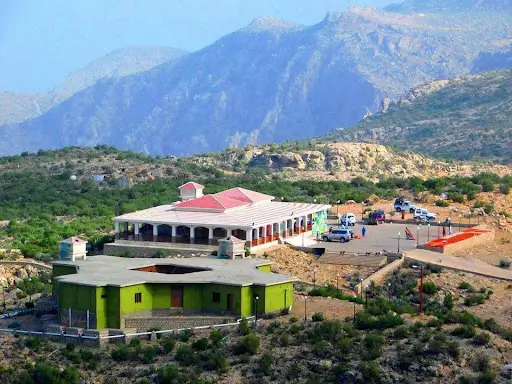
When most people think of hill stations in Pakistan, names like Murree, Swat, Nathiagali, or Skardu immediately come to mind. Rarely does Sindh come up as a destination for mountain adventures. Yet, Gorakh Hill Station, tucked away in the Kirthar Mountains, is one of the province’s best-kept secrets. Rising to 5,688 feet above sea level, it is the highest point in Sindh, offering breathtaking panoramas, cool weather, and landscapes that seem straight out of a painter’s imagination. It is also called Murree of Sindh!
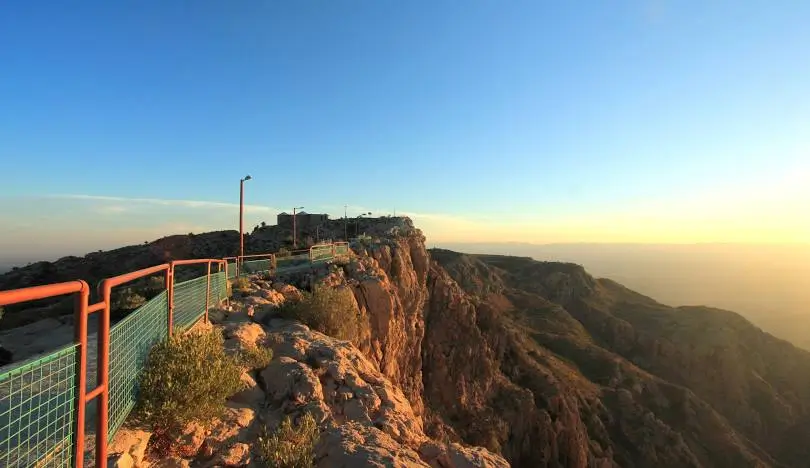
Unlike the commercialized northern hill stations, Gorakh Hill is untouched, raw, and peaceful. Its terrain is a mix of rocky plateaus, steep cliffs, and gently sloping valleys, making it an ideal destination for nature enthusiasts, trekkers, and photographers. Every year, curious travelers, adventure seekers, and photographers venture here to escape the city’s heat and noise, but the plateau still retains its untamed charm.
Geography and Location
Gorakh Hill, Sindh hidden gem, is located in the Kirthar Mountain range, a rugged formation that stretches across southern Sindh and Balochistan. The hills are composed mainly of limestone and sandstone, giving them a reddish-brown hue that glows beautifully at sunrise and sunset.
The plateau itself spans roughly 2,500 acres, dotted with small grazing lands, seasonal streams, and patches of shrubs. It is surrounded by deep valleys and sharp cliffs, which offer panoramic views of the surrounding landscape.
Distance & Accessibility:
- From Karachi: 423 km (approx. 8–9 hours)
- From Hyderabad: 280 km (approx. 6–7 hours)
- Nearest town: Johi, a small village providing basic facilities and local food
The terrain is rugged, and while the roads leading to Gorakh Hill are improving, the final stretch of 13 km from Wahi Pandi village to the plateau requires a 4×4 vehicle. The drive itself is an adventure, taking you through rocky passes, narrow paths, and steep slopes, offering plenty of opportunities for scenic photography.


History and Cultural Significance
The origins of Gorakh Hill are intertwined with both spiritual history and local traditions.
Spiritual Origins
The hill is believed to be named after Sri Gorakhnath, an 11th-century Hindu saint who meditated in the area. According to legends, Gorakhnath traveled extensively across South Asia, and his time spent meditating here brought a spiritual aura to the plateau. Even today, some locals revere the site as a place of meditation and reflection.
Local Traditions
The name “Gorakh” may also refer to shepherding, as the region has historically been used for grazing goats and sheep. Families have lived in nearby villages for generations, following traditional pastoral lifestyles, maintaining their culture, and keeping the plateau largely undeveloped.
Colonial Era
During British rule, the area was recognized for its natural beauty, but due to its remoteness and difficult access, it remained largely untouched. British explorers documented the plateau in their surveys, but no major settlements were established.
Modern Developments
Today, the Gorakh Hill Development Authority oversees basic infrastructure, such as:
- Jeep routes from Wahi Pandi
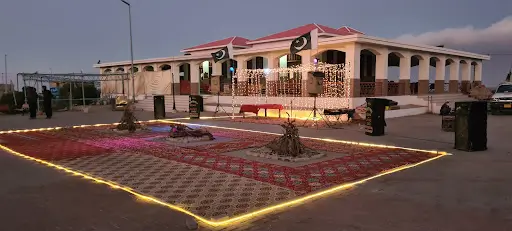
- Campsites and guesthouses
- Safety regulations for travelers
However, the plateau is still far from commercialized, which is part of its appeal.
Climate and Best Time to Visit
Gorakh Hill enjoys a subtropical highland climate, which is rare in Sindh, a province mostly known for its heat. The climate changes dramatically with elevation:
- Summer (May–July): 15–20°C – Ideal for escaping the scorching plains
- Monsoon (July–August): Occasional heavy rains – Roads can be slippery, so caution is advised
- Winter (December–February): Sub-zero temperatures – Snowfall is possible, creating a serene white landscape
Travel Tip: Pack warm clothing, waterproof jackets, gloves, and hiking boots, especially if visiting in winter. Nighttime temperatures can be extreme even during summer.
Flora and Fauna
The plateau may look barren at first glance, but it supports diverse flora and fauna:
Flora
- Shrubs and hardy grasses dominate
- Seasonal wildflowers bloom in spring
- Small medicinal plants used by locals
Fauna
- Goats and sheep are common grazing animals
- Birds of prey, including eagles and falcons
- Occasional sightings of wolves, foxes, and jackals
Travelers should respect the wildlife and avoid disturbing grazing areas, especially during early morning and late afternoon.

How to Reach Gorakh Hill Station
1. From Karachi via Hyderabad and Sehwan
Route: Karachi → Hyderabad → Jamshoro → Sehwan → Johi → Wahi Pandi → Gorakh Hill
Travel Time: Approx. 8–9 hours
- This route passes through beautiful plains and rocky hills before reaching Johi.
- Recommended for travelers starting from southern Sindh.
2. Via Dadu (Alternative Route)
Route: Karachi → Dadu → Wahi Pandi → Gorakh Hill
- Slightly shorter, more scenic route
- Less traffic, ideal for weekend trips
3. Final Stretch (13 km to Plateau)
- Requires a 4×4 jeep
- The path is steep and rocky, with some narrow passages
- Avoid night travel due to limited visibility
Travel Tip: Hire a local driver familiar with the terrain for safety and smoother navigation.
Things to Do on Arrival
- Scenic Drives: Enjoy the Kirthar Mountains from your vehicle; stop frequently for photos
- Explore Wahi Pandi Village: Experience rural Sindhi life, meet locals, and try local snacks
- Photography: Red rock formations, grazing animals, and panoramic viewpoints make perfect photo opportunities
- Relaxation: Enjoy the calm, crisp mountain air, a rare experience in Sindh
Travel Tips For the Initial Journey:
- Carry plenty of water and snacks
- Pack warm clothing and rain protection
- Hire a 4×4 jeep for the final stretch
- Avoid littering; keep the plateau pristine
- Respect local culture and traditions

Adventure Awaits: Exploring Gorakh Hill
For adventure seekers, Gorakh Hill is a playground of nature’s extremes. Its rugged terrain, sweeping valleys, and rocky cliffs provide endless opportunities for trekking, photography, and jeep safaris.
1. Jeep Safari Adventures
One of the most popular ways to explore Gorakh Hill is through jeep safaris, especially if you’re short on time or traveling with family.
Highlights of a Jeep Safari:
- Sunrise & Sunset Points: Capture breathtaking views of valleys painted in golden and red hues.
- Rocky Passes: Navigate steep cliffs and boulder-strewn paths, a thrill for off-road enthusiasts.
- Wildlife Spotting: Keep an eye out for eagles, foxes, and grazing goats.
Travel Tip: Always hire a local driver who knows the terrain; the last stretch to the plateau can be tricky, especially after rains.
2. Trekking Routes
For trekkers, Gorakh Hill offers several moderate to challenging trails.
Popular Trekking Paths
- Plateau Loop (Easy, 2–3 hours)
- Ideal for beginners and casual walkers
- Explore meadows, small streams, and wildflowers
- Perfect for photography
- Cliffside Trail (Moderate, 4–5 hours)
- Traverse rocky cliffs overlooking deep valleys
- Rewarding panoramic views
- Requires sturdy shoes and caution
- Summit Hike (Challenging, 6–8 hours)
- Ascend to the highest peaks of Gorakh Hill
- Steep slopes, loose rocks, and variable weather
- Carry water, warm clothes, and trekking poles
Travel Tip: Start early in the morning, carry sufficient water, and avoid trekking alone.
3. Camping Under the Stars
Camping is the ultimate experience on Gorakh Hill, allowing visitors to immerse themselves in the natural beauty and tranquility.
Popular Camping Sites:
- Near the Summit: Offers panoramic sunrise views
- Plateau Meadows: Surrounded by wildflowers and grazing animals
Camping Essentials:
- Tent, sleeping bag, and mats
- Warm clothing, especially for winter nights
- Portable cooking gear and food supplies
- Flashlights and first-aid kit
Experience: Imagine sitting around a campfire, sipping tea, while the mountain breeze whispers through the rocks, and the night sky is dotted with countless stars—a truly magical experience in Sindh.
Local Cuisine and Food Experiences
Gorakh Hill is not just about landscapes—it’s also an opportunity to experience rustic Sindhi mountain cuisine.
1. Traditional Dishes
- Saag and Bajra Roti: Leafy greens cooked with local spices, paired with millet flatbread
- Grilled Meat & Goat Curry: Freshly sourced from local farms, cooked in open flame or clay ovens
- Chai (Tea): Strong, sweet tea is a staple for warming up after chilly evenings
2. Street & Village Food
- Small stalls near Wahi Pandi and Johi villages offer pakoras, samosas, and roasted corn
- Fresh fruits like apricots and pomegranates during summer
Food Tip: Carry some snacks for trekking or late-night adventures as food options on the plateau are limited.

Cultural Immersion
Visiting Gorakh Hill is also a chance to connect with local Sindhi culture, especially in nearby villages.
1. Village Life
- Locals practice shepherding and small-scale farming
- Families often welcome travelers for tea and conversations, giving insight into their daily lives, crafts, and traditions
2. Festivals & Traditions
- Certain villages celebrate seasonal harvest festivals with music and dance
- Traditional Sindhi handicrafts, including embroidery and pottery, can be purchased as souvenirs
3. Spiritual Connection
- Visit small shrines and temples honoring local saints
- Locals still follow age-old rituals tied to nature and seasons
Cultural Tip: Always ask permission before photographing people and respect local customs.
Activities for Photography Enthusiasts
Gorakh Hill is a paradise for photographers. Here’s what to focus on:
- Golden Hour Landscapes: Sunrise and sunset over rocky cliffs
- Wildlife & Birds: Eagles, falcons, and mountain goats
- Local Life: Shepherds, village scenes, and traditional houses
- Night Sky Photography: Minimal light pollution ensures perfect stargazing and astrophotography
Gear Tip: A DSLR or mirrorless camera with a tripod is ideal for landscapes and night photography.
Travel Tips for Brief Stay
- Accommodation: Choose between basic guesthouses, tents, or mountain lodges
- Water Supply: Carry extra water; natural sources may be scarce
- Safety: Keep a first-aid kit and travel in groups
- Communication: Mobile signals may be weak; offline maps are helpful
- Respect Nature: Avoid littering and disturbing wildlife
Detailed 3-Day Itinerary for Gorakh Hill Station
Here’s a day-by-day plan to make the most of your visit to Gorakh Hill:
Day 1: Journey to Gorakh Hill
- 6:00 AM: Depart from Karachi via Hyderabad
- Breakfast Stop: Enjoy a traditional breakfast at Hyderabad (Anda, Paratha, and Chai)
- Lunch Stop: Sehwan Sharif (Chicken Karahi, Roti, and Cold Drink)
- Arrival at Wahi Pandi: Base of Kirthar Mountains
- 4×4 Jeep Ride: Scenic 13 km journey to Gorakh Hill summit
- Evening Sightseeing: Explore nearby trails and take photos at Benazir Point
- Dinner & Bonfire: Enjoy Mutton Karahi, Roti, Cold Drinks, and tea around the campfire
- Overnight: Tent or resort accommodation
Day 2: Explore the Hill Station
- Morning: Breakfast at G-Resort (Anda, Paratha, Chai)
- Daytime: Hiking, photography, and exploring nearby meadows and cliffs
- Lunch: Biryani, Raita, and Drinks at G-Resort
- Evening: Sunset at Benazir Point, followed by bonfire and night stargazing
- Dinner: Chicken Karahi, Roti, Cold Drinks
- Overnight: Camping under the stars
Day 3: Return Journey
- Morning: Breakfast at G-Resort
- Jeep Ride Down: Scenic descent back to Wahi Pandi
- Lunch Stop: Sehwan Sharif (Biryani, Raita, and Drinks)
- Return to Karachi: Approximately 5 hours of road travel
- End of Tour: Departure and memories to cherish
Nearby Attractions to Explore
While Gorakh Hill is the main destination, the surrounding region also offers unique sights and cultural experiences:
- Sehwan Sharif
- Famous for Lal Shahbaz Qalandar Shrine
- Explore Sindhi Sufi culture and local markets
- Dadu District
- Ancient sites and historical landmarks
- Opportunities for nature photography
- Manchar Lake
- Pakistan’s largest freshwater lake, ideal for birdwatching and boating
- Khuzdar Bazaars
- Explore traditional handicrafts, textiles, and local food
- Red Mountains & Mirages
- Drive along the dusty red mountains before reaching the hill station
- Perfect for sunset photography
Travel Budget Guide
Traveling to Gorakh Hill can be customized for different budgets:
Transportation
- Karachi to Wahi Pandi: PKR 1,500–2,000 per person by bus or van
- 4×4 Jeep Ride: PKR 5,000–7,000 per vehicle (split among passengers)
Accommodation
- Tents: PKR 500–1,000 per night
- Resort/Guesthouse: PKR 3,000–5,000 per night
Food
- Local meals: PKR 300–500 per meal
- Group tour packages (2–3 days): PKR 10,000–15,000 per person
Tips for Saving
- Travel in groups to share jeep and campsite costs
- Carry snacks and water to avoid buying expensive packaged items
- Book tour packages in advance for better deals
Travel Hacks and Tips
- Best Travel Season:
- Summer (May–July): Cool temperatures around 15–20°C
- Winter (December–February): Sub-zero temperatures, occasional snowfall
- What to Pack:
- Warm clothes, jackets, gloves, wool socks
- Hiking boots and trekking poles
- Sunglasses, hats, and sunscreen
- Power bank, flashlight, water bottle, and personal medicines
- Safety Precautions:
- Always use experienced 4×4 drivers
- Avoid trekking alone in remote areas
- Keep a first-aid kit handy
- Inform friends/family about your travel plans
- Photography Tips:
- Sunrise and sunset shots are magical at Benazir Point
- Night sky photography: Minimal light pollution, ideal for astrophotography
- Capture local life, traditional food, and mountain flora & fauna
Final Recommendations for a Perfect Trip
- Plan Ahead: Check jeep availability, accommodation, and weather conditions
- Stay Connected: Mobile signals may be weak; download offline maps
- Respect Nature & Culture: Avoid littering, and seek permission before photographing locals
- Embrace Adventure: Be ready for bumpy jeep rides, chilly nights, and trekking challenges
- Immerse Yourself: Enjoy local cuisine, cultural interactions, and stargazing
Conclusion
Gorakh Hill Station is truly a hidden gem of Sindh, offering an unparalleled blend of natural beauty, adventure, and cultural experiences. From its cool mountain climate and panoramic views to thrilling jeep rides and serene camping under starlit skies, every traveler can find something special here.
The journey to Gorakh Hill is as memorable as the destination itself—winding through rugged landscapes, red mountains, and quaint villages. Coupled with the rich local culture of Sindh, delicious traditional cuisine, and the hospitality of local communities, Gorakh Hill offers an experience that is both refreshing and unforgettable.
Whether you are a nature lover, adventure seeker, photographer, or someone looking to escape city life, planning a trip to Gorakh Hill Station ensures memories that last a lifetime. With careful preparation, the right travel gear, and an adventurous spirit, your visit to this majestic highland will be nothing short of extraordinary.
Frequently Asked Questions – Gorakh Hill Station Sindh
1. Where is Gorakh Hill Station located in Sindh?
Gorakh Hill Station is located in the Kirthar Mountain Range in Dadu District, Sindh, approximately 94 km northwest of Dadu city and about 420–430 km from Karachi. It sits at one of the highest plateaus in the province.
2. Why is Gorakh Hill Station called the “Murree of Sindh”?
Gorakh Hill Station is often called the “Murree of Sindh” because of its cool, refreshing climate, lush scenery, and scenic views, which contrast sharply with Sindh’s typically hot plains.
3. What is the elevation and climate at Gorakh Hill Station?
Gorakh Hill Station ranges around 5,688 ft (1,734 m) to 7,684 ft (2,342 m) above sea level. Summers here are mild (about 18–26 °C), while winter temperatures can drop below freezing, with occasional snow-fall.
4. What is the best time to visit Gorakh Hill Station?
The best time to visit is summer (March–June) for pleasant weather and winter (November–January) if you want to experience chilly conditions and rare snowfall.
5. How do I reach Gorakh Hill Station from Karachi?
Travelers usually drive from Karachi to Sehwan Sharif or Dadu, then continue to Wahi Pandi, where 4×4 jeeps are hired to reach Gorakh Hill due to rugged mountain roads.
6. What activities can visitors enjoy at Gorakh Hill Station?
Popular activities include camping, hiking, trekking, stargazing, sunrise and sunset views, bonfires, and outdoor photography amid breathtaking mountain views.
7. Are there accommodation options at Gorakh Hill Station?
Yes — visitors can choose from camping sites, summer huts, rest houses, or nearby guest houses, though facilities remain basic and rustic.
8. Is Gorakh Hill Station safe for family travel?
Gorakh Hill Station is generally safe for families and groups, but because of its rugged terrain and variable weather, travelers are advised to prepare well and travel during daylight hours.
9. What makes Gorakh Hill Station a unique destination in Sindh?
Gorakh Hill Station stands out as one of the few cool-climate mountain destinations in Sindh, offering a refreshing escape from heat, dramatic landscapes, and star-filled night skies.
10. What should visitors pack for a trip to Gorakh Hill Station?
Visitors should bring warm clothing (especially in winter), sturdy shoes, camping gear (if needed), water, snacks, and power banks, as amenities are limited and weather can be cold