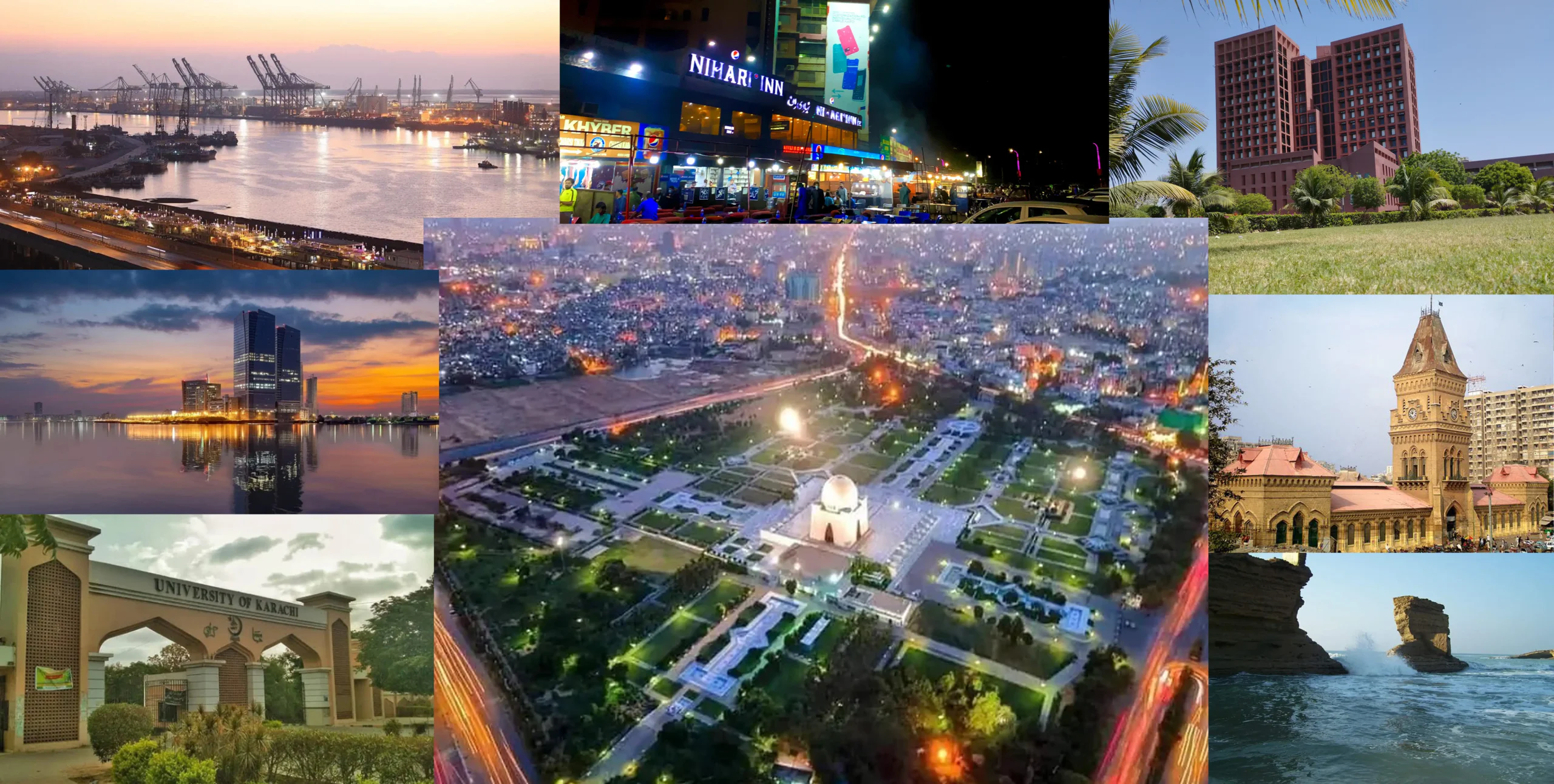
Karachi is more than just Pakistan’s largest city—it is the country’s economic engine, cultural melting pot, historical gateway, and emotional heartbeat. Known widely as the City of Lights, Karachi has long symbolized ambition, resilience, opportunity, and diversity. It is also proudly called the City of Quaid, as it is the birthplace of Muhammad Ali Jinnah, the founder of Pakistan.
But what truly earned Karachi the poetic title “City of Lights”? Was it the neon glow of Saddar in the 1960s? The illuminated harbor guiding ships into port? The vibrant nightlife that once rivaled major metropolitan cities? Or the metaphorical light of hope that drew millions of migrants to its shores?.
The Meaning Behind “City of Lights”
The phrase “City of Lights” carries both literal and symbolic meaning.
Literal Meaning
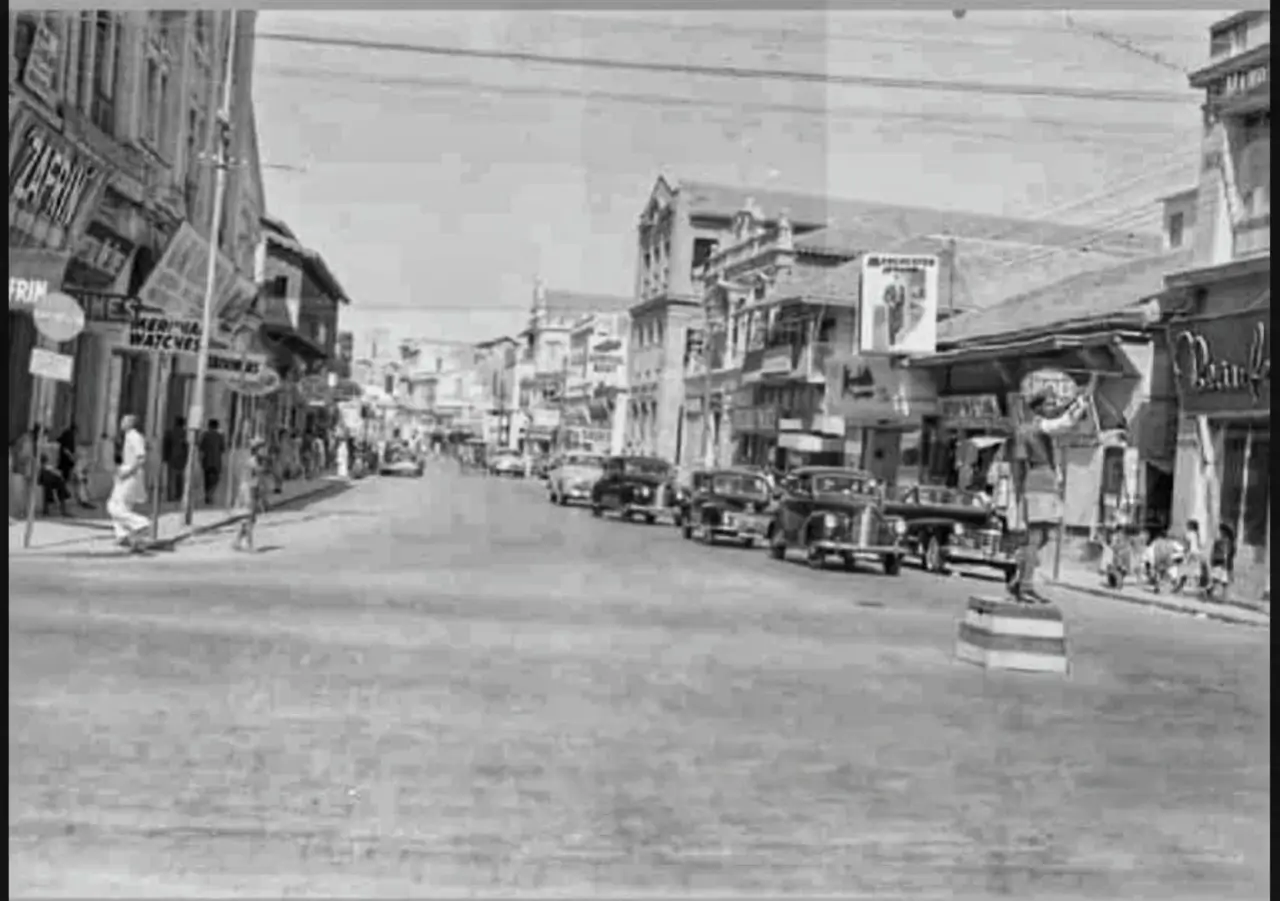
During the 1950s, 60s, and 70s, Karachi was known for:
- Brightly lit streets
- Neon cinema boards
- Bustling Saddar markets open late into the night
- Active port operations around the clock
- A thriving nightlife scene
Electric illumination symbolized progress. As Pakistan’s first capital after independence in 1947, Karachi represented modernization and ambition.
Symbolic Meaning
The “light” also represents:
- Economic opportunity
- Cultural freedom
- Intellectual growth
- Diversity and coexistence
- The hope of a new nation
Karachi became the city where dreams were built.
Karachi Before Independence – A Rising Port City
Originally a small fishing settlement known as Kolachi, Karachi transformed dramatically under British rule in the 19th century. Its natural harbor made it strategically important. By the mid-1800s, it had become one of the most important ports in South Asia. Key colonial landmarks that still reflect this era include:
- Frere Hall
- Merewether Tower
- Empress Market
These buildings weren’t just architectural marvels—they were signs of an emerging commercial hub.
Karachi City of Lights and City of Quaid
After the creation of Pakistan in 1947, Karachi was declared the first capital of the country.
This decision transformed the city overnight:
- Government offices were established
- Foreign embassies opened
- Financial institutions expanded
- Migrants from India (Muhajirs) settled in large numbers
The city became the center of political, administrative, and economic activity. During this period, Karachi began to shine—both metaphorically and physically. The streets were vibrant, businesses flourished, and cinema culture boomed.
The Golden Era (1950s–1970s): When Karachi Truly Glowed
Many historians and journalists refer to the 1960s and 70s as Karachi’s “golden era.”
What Made It Special?
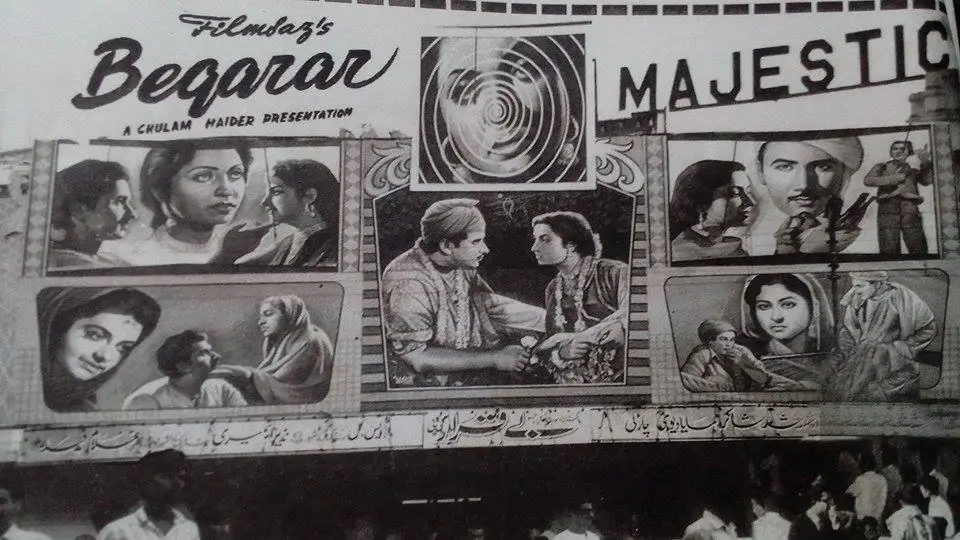
- Modern cinemas in Saddar
- Open-air cafes and restaurants
- Nightlife that extended into the early hours
- Cultural festivals and art exhibitions
- Literary gatherings and intellectual debates
Karachi’s nightlife was unmatched in Pakistan at the time. Saddar district, in particular, remained alive well past midnight.
Cultural Institutions That Lit the City
- Arts Council of Pakistan
- National Academy of Performing Arts
These institutions nurtured theatre, music, literature, and performing arts, adding a creative glow to the city.
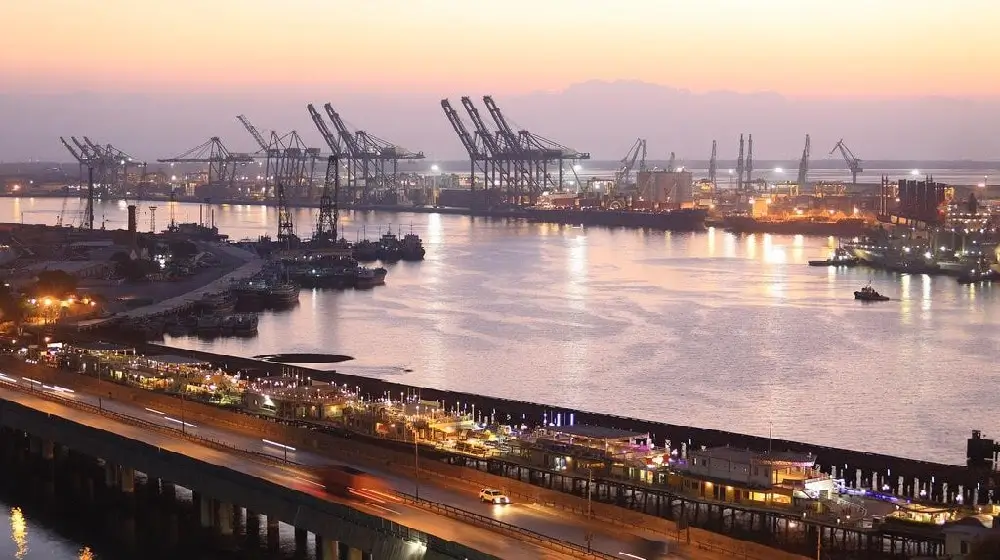
The Port That Never Slept
Karachi’s identity as the City of Lights is deeply connected to its port. The port remained illuminated at night as ships arrived and departed, carrying goods across continents. Major port authorities include:
- Karachi Port Trust
- Port Qasim Authority
The lights at the harbor symbolized continuous economic activity—trade that never stopped, ambition that never rested.
City of Quaid – The Light of Leadership
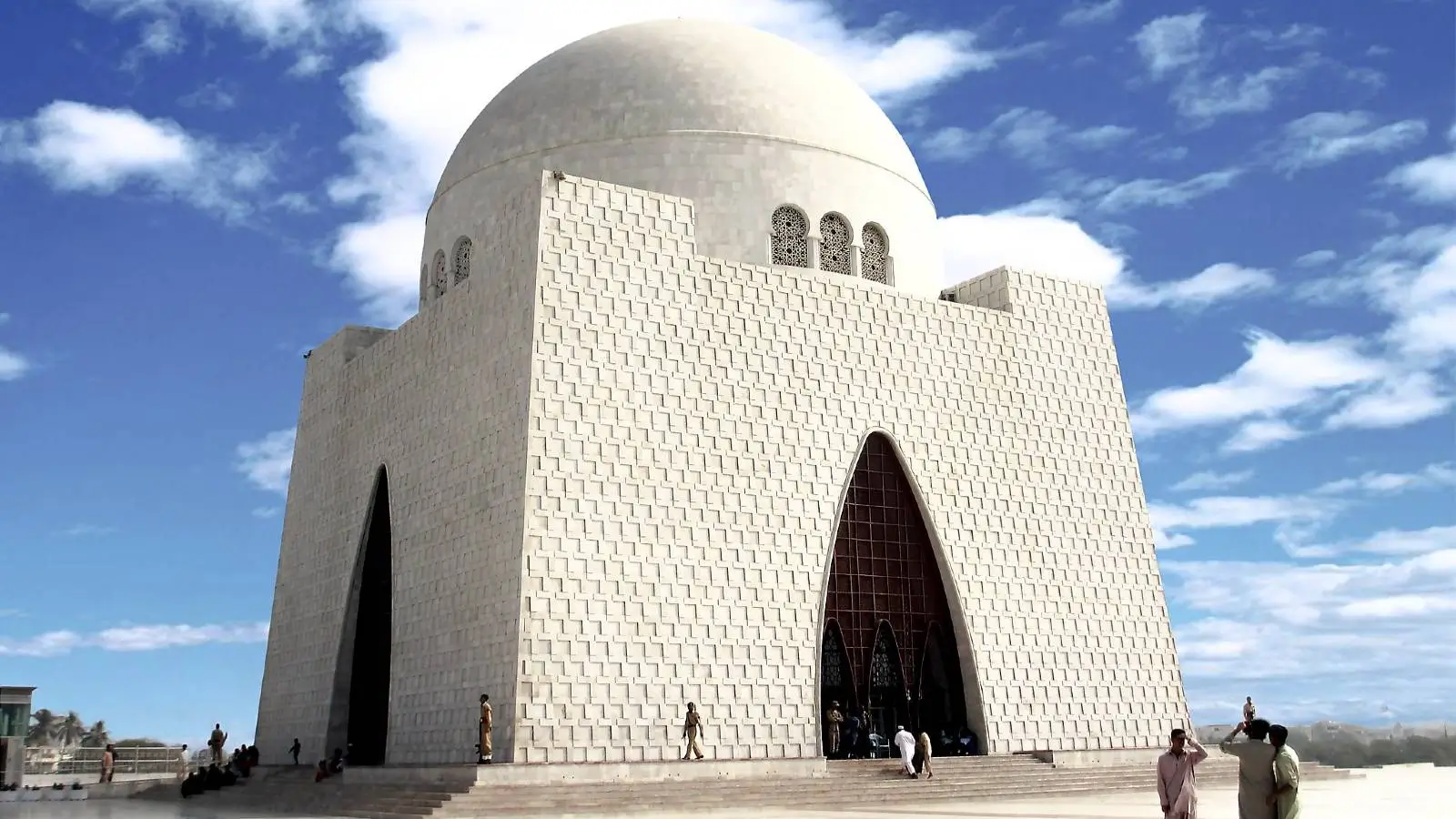
Karachi holds unmatched historical importance because it is the birthplace of Muhammad Ali Jinnah. His mausoleum, Mazar-e-Quaid, stands as a national symbol. Every year:
- Independence Day ceremonies
- State visits
- National celebrations
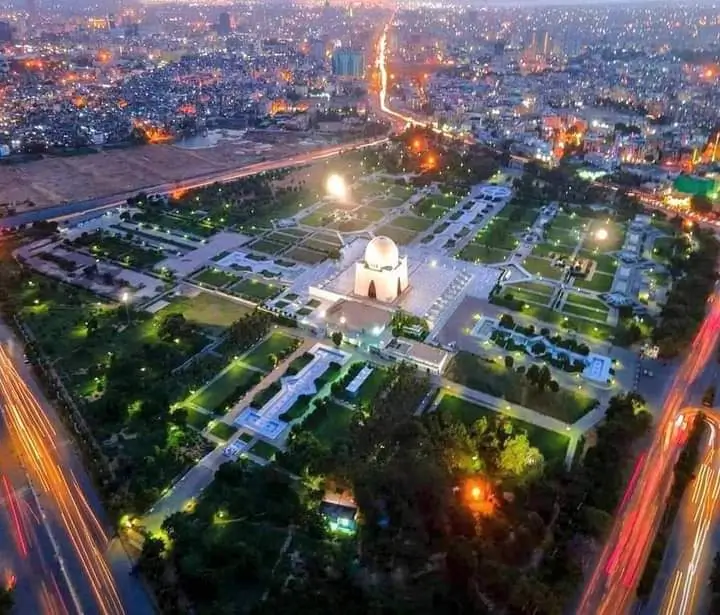
take place at this iconic monument. The white marble structure illuminated at night represents not just remembrance—but guidance, leadership, and unity. Karachi’s identity as the “City of Quaid” reinforces its symbolic light as the birthplace of the nation’s founder.
Diversity – The Human Light of Karachi
Karachi’s greatest light may not be electric—it may be its people. The city is home to:
- Sindhis
- Muhajirs
- Punjabis
- Pashtuns
- Baloch
- Memons
- Parsis
- Christians
- Hindus
Religious landmarks reflect this diversity:
- Tooba Mosque
- St. Patrick’s Cathedral
Different communities have contributed to Karachi’s cultural brightness.
The Difficult Years – When the Lights Dimmed
The 1980s and 1990s brought political unrest and law-and-order challenges. Violence, instability, and infrastructure strain impacted the city’s image. Media narratives shifted from glamour to crisis. However, even during difficult periods, Karachi never lost its economic importance or cultural spirit. The lights dimmed—but they never went out.
The Revival – Karachi Rising Again
In the 2000s and beyond, Karachi began reclaiming its glow:
- Modern shopping malls
- Revived food streets
- Corporate towers
- Beach development
- Cultural festivals
Areas like Clifton and DHA transformed into vibrant urban zones. Beaches such as:
- Clifton Beach
- Hawksbay Beach
continue to attract residents and tourists alike.
Why the Name Still Matters Today
The title “City of Lights” is not just nostalgia. It represents:
- Economic resilience
- Cultural richness
- Diversity
- National history
- Opportunity
Despite challenges—water shortages, traffic congestion, infrastructure stress—Karachi continues to power Pakistan’s economy and embody ambition. It remains the city where:
- Industries grow
- Startups launch
- Art thrives
- Migrants rebuild their lives
Karachi shines not because it is perfect—but because it never stops glowing.
The Complete History of Karachi – From Kolachi to Megacity
Karachi’s history is not just about buildings and rulers. It is a story of migration, trade, empire, ambition, and resilience.
The Origins – Kolachi, the Fishing Settlement
Long before it became a megacity, Karachi was a small coastal settlement known as Kolachi. According to local folklore, the village was founded by a fisherwoman named Mai Kolachi. The settlement thrived because of:
- Proximity to the Arabian Sea
- Access to natural harbor routes
- Fishing and small-scale maritime trade
The coastline allowed interaction with traders from Arabia, Persia, and East Africa. At this stage, Karachi was not yet the City of Lights—but it had already begun shining as a strategic maritime point.
Early Muslim Rule & Regional Influence
Between the 8th and 18th centuries, the region that includes present-day Karachi saw influence from:
- Arab rulers
- Local Sindhi dynasties
- The Mughals
Though Karachi itself remained relatively small, Sindh was a significant trading region. Ports near Karachi connected inland markets with international sea routes. However, the real transformation began during the 18th century.
The Talpur Era – Growing Strategic Importance
In the late 1700s, the Talpur Mirs of Sindh recognized the strategic potential of Karachi’s harbor. A small fort called Manora Fort was constructed near:
- Manora Island
This fort protected maritime trade routes and guarded against naval invasions. Karachi’s port began attracting greater commercial attention. Trade in textiles, grain, and spices expanded.
British Conquest (1839) – The Turning Point
The real historical turning point came in 1839, when the British East India Company captured Karachi. In 1843, Sindh was formally annexed into British India. Under British rule:
- The harbor was modernized
- Railway lines were introduced
- Municipal governance was established
- Urban planning began
Karachi was declared a municipality in 1853.
Architectural Legacy of the British Era
Many colonial buildings still stand as reminders of this period:
- Frere Hall
- Merewether Tower
- Empress Market
These Gothic-style structures symbolized modernization and order.
Karachi – Gateway to the British Empire
By the late 19th century, Karachi had become one of British India’s most important ports. Why?
- It was closer to Europe via the Suez Canal (opened 1869)
- It served as an export hub for Punjab’s agricultural products
- It connected railways to inland cities
The port was managed by what later became the:
- Karachi Port Trust
Grain exports increased dramatically, and Karachi became a commercial powerhouse.
Early 20th Century – Urban Expansion
By 1900, Karachi was a rapidly growing city with:
- Trams
- Wide boulevards
- Educational institutions
- Hospitals
- Banking systems
Communities such as Parsis, Hindus, Muslims, Christians, and Jews coexisted peacefully. Karachi was cosmopolitan even before independence.
1947 – Partition and Massive Migration
The year 1947 transformed Karachi forever. When Pakistan was created, Karachi was chosen as the first capital. It also became the primary destination for Muslim migrants (Muhajirs) from India. Population explosion occurred:
- 400,000 residents before Partition
- Nearly doubled within a few years
Entire neighborhoods were reshaped. The city absorbed refugees, bureaucrats, diplomats, and entrepreneurs simultaneously. This migration laid the foundation for Karachi’s modern identity.
Karachi as Capital (1947–1959)
As Pakistan’s capital:
- Government ministries were established
- Foreign embassies opened
- Economic institutions grew
The city became the administrative nerve center of the new nation. In 1959, the capital was shifted to Islamabad, but Karachi remained the financial heart of Pakistan.
Industrial Boom of the 1960s
The 1960s are often described as Karachi’s economic golden era. Industrial zones were developed, including:
- SITE (Sindh Industrial Trading Estate)
- Korangi Industrial Area
The stock exchange—now known as:
- Pakistan Stock Exchange
became a symbol of financial confidence. Karachi earned its nickname “City of Lights” during this era due to:
- Thriving nightlife
- Neon-lit commercial districts
- Cultural openness
Cultural Flourishing (1960s–70s)
The city became Pakistan’s cultural capital. Institutions that shaped performing arts include:
- Arts Council of Pakistan
- National Academy of Performing Arts
Cinema halls in Saddar were vibrant. Literature, music, theatre, and debate flourished. Karachi was modern, confident, and outward-looking.
Political Tensions & Urban Struggles (1980s–1990s)
Rapid urbanization led to:
- Ethnic tensions
- Political violence
- Infrastructure stress
Law-and-order operations became frequent headlines. Despite instability, Karachi remained Pakistan’s largest revenue generator. The city faced darkness—but did not collapse.
21st Century – Megacity Status
Today, Karachi is among the world’s largest cities. Key developments include:
- Expansion of Port Qasim under
Port Qasim Authority - Growth of private housing societies
- IT startups and digital economy
- Revitalization of beaches such as
Clifton Beach
Karachi contributes the largest share to Pakistan’s GDP and tax revenue.
Demographic Evolution
Karachi’s population is now composed of:
- Sindhis
- Muhajirs
- Punjabis
- Pashtuns
- Baloch
- Memons
- Hazaras
Religious and cultural diversity defines its character. Historic religious sites include:
- Tooba Mosque
- St. Patrick’s Cathedral
Historical Timeline Snapshot
Pre-1700s: Fishing village (Kolachi)
1700s: Talpur rule & fortification
1839: British conquest
1853: Municipality established
1947: Capital of Pakistan
1959: Capital shifted
1960s: Industrial boom
1990s: Urban unrest
2000s–Present: Economic revival & megacity growth
The Birthplace of Quaid-e-Azam & The Making of National Identity
In the previous parts, we explored how Karachi evolved from a fishing village into Pakistan’s largest metropolis. But Karachi’s identity is incomplete without understanding why it is proudly called the City of Quaid. This title is deeply rooted in history, emotion, and national identity—because Karachi is the birthplace of Muhammad Ali Jinnah, the founding father of Pakistan.
Birth of a Leader in Karachi
Muhammad Ali Jinnah was born on 25 December 1876 in Karachi, then part of British India. At the time:
- Karachi was a growing port city
- It had cosmopolitan communities
- Trade and education were expanding
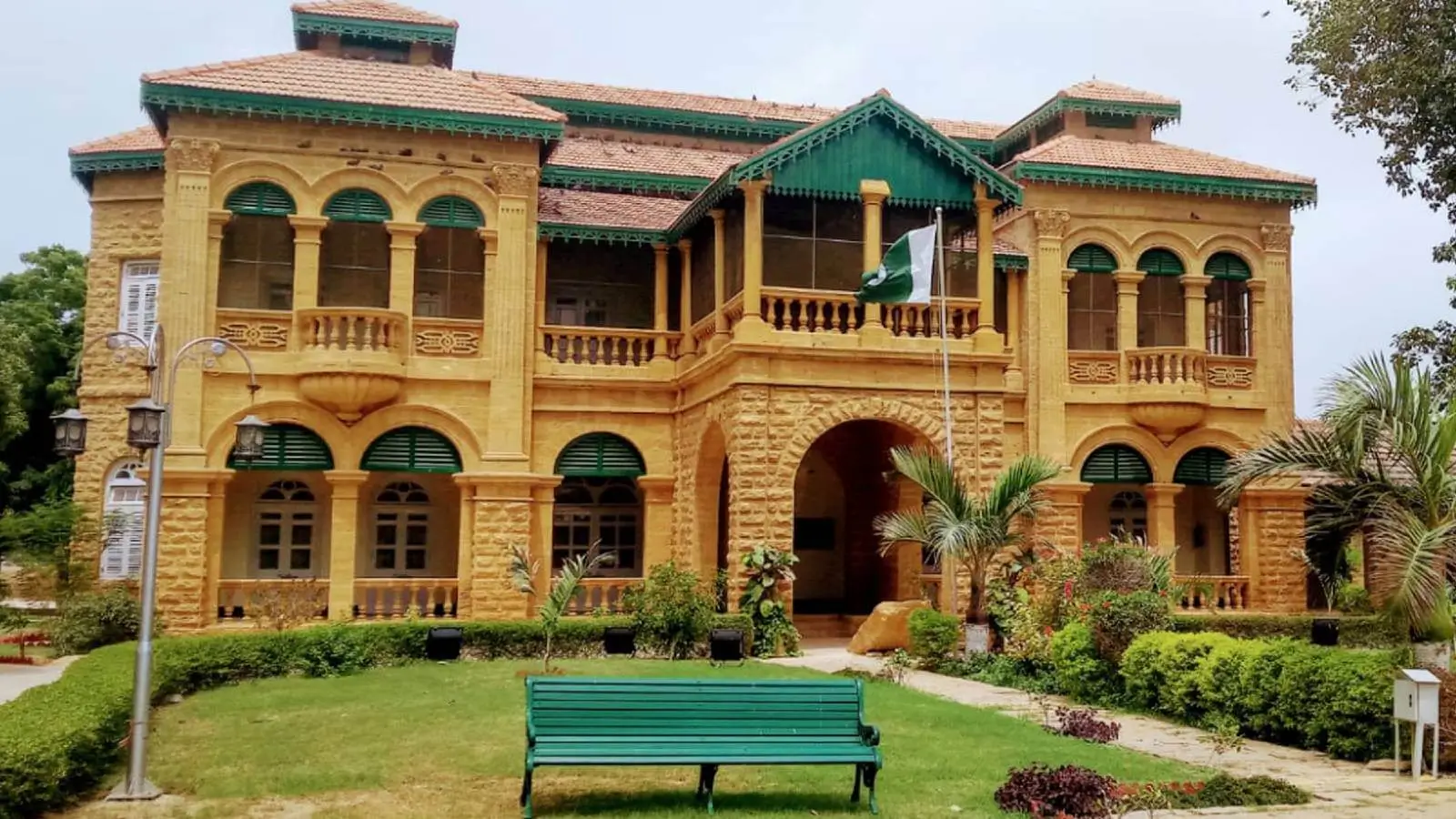
Jinnah’s early exposure to a diverse, commercial city shaped his worldview—discipline, law, negotiation, and constitutionalism. His birthplace, now preserved as:
- Wazir Mansion
stands as a reminder of humble beginnings that led to historic leadership.
Early Life & Education
Jinnah belonged to a merchant family. He received early education in Karachi before traveling to London to study law.
The city in his youth:
- Encouraged entrepreneurship
- Fostered interaction among communities
- Provided exposure to colonial governance systems
Karachi’s multicultural atmosphere likely influenced his strong belief in minority rights and constitutional protection.
Karachi During the Pakistan Movement
Although Jinnah spent much of his political life in Bombay (now Mumbai), Karachi remained emotionally significant. When Pakistan was created in 1947:
- Karachi was chosen as the first capital
- It became administrative headquarters
- Government offices were rapidly established
The city became the physical center of the new state Jinnah had envisioned.
The Final Resting Place – Mazar-e-Quaid
One of the most iconic landmarks in Pakistan is:
- Mazar-e-Quaid
This white marble mausoleum houses:
- Muhammad Ali Jinnah
- Fatima Jinnah
- Liaquat Ali Khan
The mausoleum is not merely a tomb—it is a national monument.
Symbolism of Mazar-e-Quaid:
- White marble represents purity
- Elevated platform symbolizes leadership
- Central dome reflects unity
Illuminated at night, the structure reinforces Karachi’s title as the City of Lights.
Karachi as the First Capital of Pakistan
From 1947 to 1959, Karachi functioned as Pakistan’s capital.
During this period:
- Foreign embassies opened
- Constitutional debates took place
- State institutions were formed
The city became the birthplace of:
- Pakistan’s early economic policies
- Constitutional discussions
- Diplomatic engagements
Even after the capital shifted to Islamabad, Karachi remained the economic capital.
City of Quaid – More Than a Title
Karachi is called the City of Quaid not only because Jinnah was born here, but because:
- His mausoleum defines the skyline
- National ceremonies are held here
- School trips emphasize civic education at the site
- Independence Day events begin here
On 14 August every year, citizens gather at Mazar-e-Quaid to renew national commitment. The emotional connection between Karachi and Jinnah is inseparable.
Wazir Mansion – Preserving History
Located in the Kharadar area,:
- Wazir Mansion
has been converted into a museum. Inside, visitors can see:
- Period furniture
- Photographs
- Personal artifacts
- Historical documents
It connects modern Karachi with its colonial-era roots.
The Role of Karachi in Shaping National Institutions
As the early administrative capital, Karachi hosted foundational institutions, including:
- State Bank of Pakistan
- Pakistan Stock Exchange
These institutions were critical in shaping Pakistan’s financial structure. Karachi thus became both ideological and economic center of the nation.
Jinnah’s Vision & Karachi’s Diversity
Jinnah envisioned a Pakistan where:
- Religious freedom was respected
- Minorities were protected
- Law and order prevailed
Karachi’s demographic diversity reflects that vision.
The city includes religious landmarks such as:
- Tooba Mosque
- St. Patrick’s Cathedral
Different communities continue to coexist, embodying Jinnah’s 11 August speech ideals.
Karachi’s Identity in Modern Pakistan
Today, Karachi represents:
- The birthplace of leadership
- The economic engine of Pakistan
- A symbol of migration and opportunity
- A city that built a nation
Its connection with Jinnah gives it historical prestige unmatched by any other city in Pakistan.
Why the City of Quaid Still Matters
The title “City of Quaid” reinforces:
- Historical legitimacy
- National unity
- Political symbolism
- Civic pride
For millions of Pakistanis, visiting Mazar-e-Quaid is not tourism—it is a national experience. Karachi is not just where Jinnah was born. It is where his memory continues to inspire future generations. Karachi is called the City of Quaid because it gave birth to Muhammad Ali Jinnah and continues to preserve his legacy through:
- Wazir Mansion
- Mazar-e-Quaid
- National institutions
- Civic traditions
Karachi’s lights are not only economic or cultural—they are historical and ideological.
Karachi’s Economy – The Financial Heart of Pakistan
If history gave Karachi its identity, the economy gave it power. Karachi is not just Pakistan’s largest city—it is the financial engine, industrial backbone, and commercial capital of the country. A significant share of Pakistan’s revenue, trade, banking, and manufacturing activity flows through this megacity.
Karachi – Pakistan’s Economic Powerhouse
Karachi contributes the largest portion to:
- National GDP
- Federal tax revenue
- Industrial output
- Port-based trade
- Banking and financial services
It is home to:
- Major banks
- Corporate headquarters
- Multinational companies
- Export industries
Even after the political capital shifted to Islamabad, Karachi remained the undisputed commercial capital.
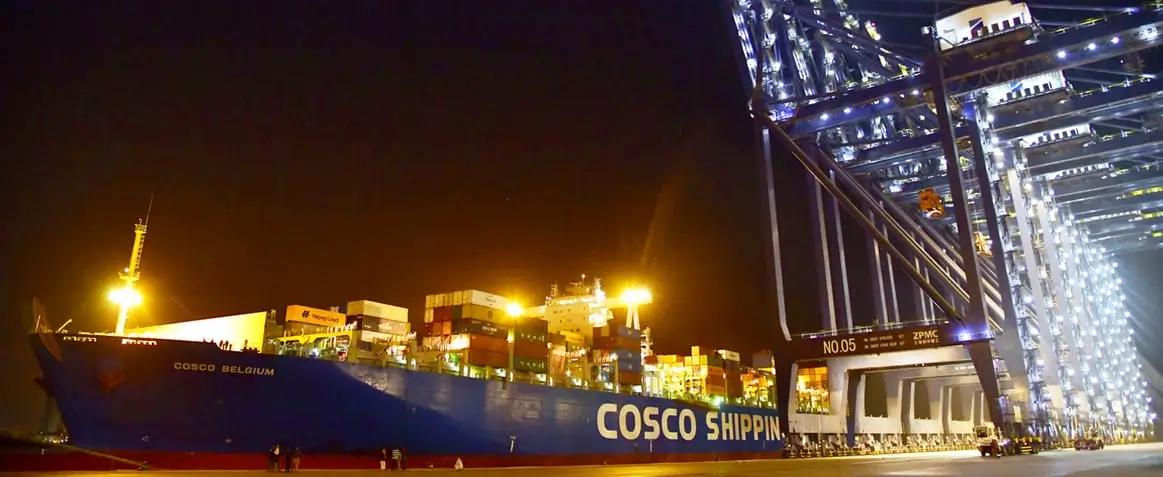
The Ports – Gateway to Global Trade
Karachi’s strategic location on the Arabian Sea makes it Pakistan’s most important maritime hub.
Major Port Authorities:
- Karachi Port Trust
- Port Qasim Authority
These ports handle:
- Container shipments
- Oil imports
- Bulk cargo
- Industrial raw materials
- Export goods
Why Karachi’s Port Matters:
- Handles the majority of Pakistan’s sea trade
- Connects to global shipping lanes
- Supports CPEC-related trade flows
- Operates 24/7, reinforcing the “City of Lights” image
Pakistan Stock Exchange – Financial Nerve Center
Located in Karachi is:
- Pakistan Stock Exchange
The PSX is Pakistan’s premier stock exchange and a symbol of investor confidence. It facilitates:
- Equity trading
- Corporate financing
- Capital market growth
- Foreign investment
Karachi’s financial district houses:
- Major brokerage firms
- Corporate offices
- Commercial banks
The stock exchange reflects the city’s entrepreneurial spirit and risk-taking culture.
Industrial Zones – Manufacturing Backbone
Karachi’s industrial landscape expanded significantly during the 1960s and continues to evolve.
Key industrial zones include:
- SITE (Sindh Industrial Trading Estate)
- Korangi Industrial Area
- Landhi Industrial Area
- Bin Qasim Industrial Zone
These areas produce:
- Textiles
- Pharmaceuticals
- Automobiles
- Chemicals
- Food products
- Steel and cement
Karachi is often referred to as Pakistan’s industrial workshop.
Banking & Financial Institutions
Karachi hosts the headquarters of major financial institutions including:
- State Bank of Pakistan
- National Bank of Pakistan
The presence of the central bank solidifies Karachi’s monetary importance. Financial services include:
- Corporate lending
- Islamic banking
- Insurance
- Microfinance
- Foreign exchange markets
The city drives liquidity and credit flow across the nation.
Corporate & Multinational Presence
Karachi hosts the Pakistani headquarters of:
- International oil companies
- Telecom operators
- FMCG brands
- Shipping corporations
- IT firms
Its business-friendly ecosystem includes:
- Skilled workforce
- Access to ports
- Transportation networks
- Established supply chains
Clifton and I.I. Chundrigar Road are considered financial hubs of the city.
Retail & Consumer Economy
Karachi also leads in retail expansion. Modern shopping malls such as:
- Dolmen Mall Clifton
- LuckyOne Mall
have transformed consumer culture. Retail sectors include:
- Fashion brands
- Electronics
- Jewelry
- Dining chains
- International franchises
The retail boom has created employment opportunities and urban lifestyle transformation.
Informal Economy – The Hidden Strength
Karachi’s economy is not limited to corporations. It includes:
- Street vendors
- Small traders
- Home-based industries
- Transport operators
- Fishing communities
The informal sector contributes significantly to household income and urban resilience.
Markets such as:
- Empress Market
remain vibrant commercial centers.
The Fishing & Maritime Sector
Being a coastal city, Karachi supports:
- Commercial fishing
- Seafood exports
- Boat manufacturing
- Coastal trade
Fishing harbors near:
- Manora Island
play a key role in local livelihoods. Seafood exports contribute to foreign exchange earnings.
Real Estate & Urban Expansion
Karachi’s population growth has fueled real estate development. Housing societies and commercial projects continue to expand in:
- Clifton
- DHA
- Gulshan-e-Iqbal
- Bahria Town Karachi
Real estate remains a major investment sector.
Economic Challenges
Despite its economic strength, Karachi faces:
- Infrastructure strain
- Water shortages
- Traffic congestion
- Urban planning gaps
- Waste management issues
However, economic activity rarely stops. Even during crises, Karachi’s markets reopen quickly.
Why Karachi Remains Pakistan’s Financial Heart
Karachi remains the financial capital because:
- It generates the highest tax revenue
- It hosts the largest industrial base
- It manages the majority of maritime trade
- It houses the stock exchange and central bank
- It attracts internal migration for jobs
Karachi is not just economically important—it is economically indispensable.
Karachi’s title as the City of Lights is reinforced by its economy that never sleeps. From container ships docked at midnight to stock traders watching global markets, from factory shifts running overnight to food streets buzzing till dawn—Karachi operates continuously. Its economic energy is the light that powers Pakistan.
Karachi Culture, Arts & Nightlife – The True City of Lights
If Karachi’s economy powers Pakistan, its culture gives the city its soul. Karachi is not only an industrial and financial giant—it is also the cultural capital of the country. The title “City of Lights” gained popularity not just because of illuminated streets, but because of the intellectual, artistic, and nightlife energy that once defined the city and continues to evolve today
Karachi – A Cultural Melting Pot
Karachi is home to communities from every province of Pakistan, along with historic Parsi, Goan, Gujarati, and Bohra communities. This diversity has produced:
- Multilingual theatre
- Fusion music
- Regional cuisines
- Cross-cultural festivals
- Artistic experimentation
Karachi’s culture is not uniform—it is layered, evolving, and expressive.
The Golden Era of Cinema (1960s–70s)
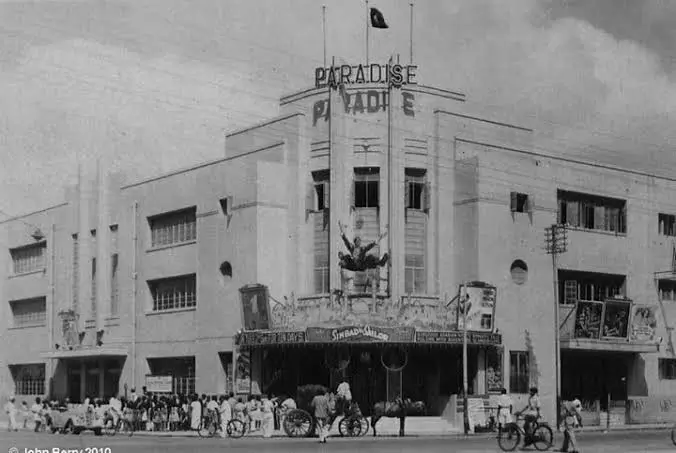
During the 1960s and 70s, Karachi’s Saddar district was famous for:
- Grand cinema halls
- Neon-lit movie posters
- Late-night film screenings
- Packed balconies and ticket queues
The cinema culture was vibrant, modern, and energetic. Movie premieres were major events, and the streets around Saddar remained alive past midnight. This era strongly reinforced Karachi’s identity as the City of Lights.
Theatre & Performing Arts
Karachi has long been the center of performing arts in Pakistan. Major institutions include:
- Arts Council of Pakistan
- National Academy of Performing Arts
These institutions promote:
- Theatre productions
- Classical music
- Contemporary drama
- Literary festivals
- Youth workshops
Live theatre remains a major attraction in Karachi compared to other cities.
Literature & Intellectual Circles
Karachi has been home to:
- Writers
- Journalists
- Poets
- Political thinkers
Literary gatherings, mushairas (poetry symposiums), and book launches are frequent. The annual Karachi Literature Festival attracts scholars, authors, and readers from across the world. Karachi’s intellectual culture has shaped national discourse for decades.
Music Scene – From Classical to Contemporary
Karachi supports diverse musical traditions:
- Classical qawwali
- Ghazal performances
- Rock bands
- Indie artists
- Underground music scenes
The city has produced influential musicians and continues to nurture creative experimentation. Live concerts, private gigs, and cultural evenings contribute to its vibrant nightlife.
Art Galleries & Exhibitions
Karachi’s art scene is one of the most active in Pakistan. Popular exhibition venues include:
- Arts Council of Pakistan
- Private galleries in Clifton and DHA
Modern art, calligraphy, sculpture, photography, and conceptual installations are frequently displayed. Art openings often become social gatherings, reinforcing Karachi’s dynamic urban culture.
Religious & Architectural Diversity
Karachi’s cultural identity is also visible in its religious landmarks. Prominent sites include:
- Tooba Mosque
- St. Patrick’s Cathedral
These landmarks represent the city’s multicultural and multi-faith heritage. Their architecture adds to Karachi’s visual landscape—especially when illuminated at night.
Food Culture – Nightlife on a Plate
Karachi’s nightlife is incomplete without its food streets. Popular food destinations include:
- Burns Road
- Do Darya
Burns Road is famous for:
- Nihari
- Biryani
- Karahi
- BBQ
Do Darya offers:
- Seaside dining
- Fine restaurants
- Late-night ambiance
Karachi’s food scene often stays active well past midnight—another reason for the City of Lights nickname.
Beaches & Evening Culture
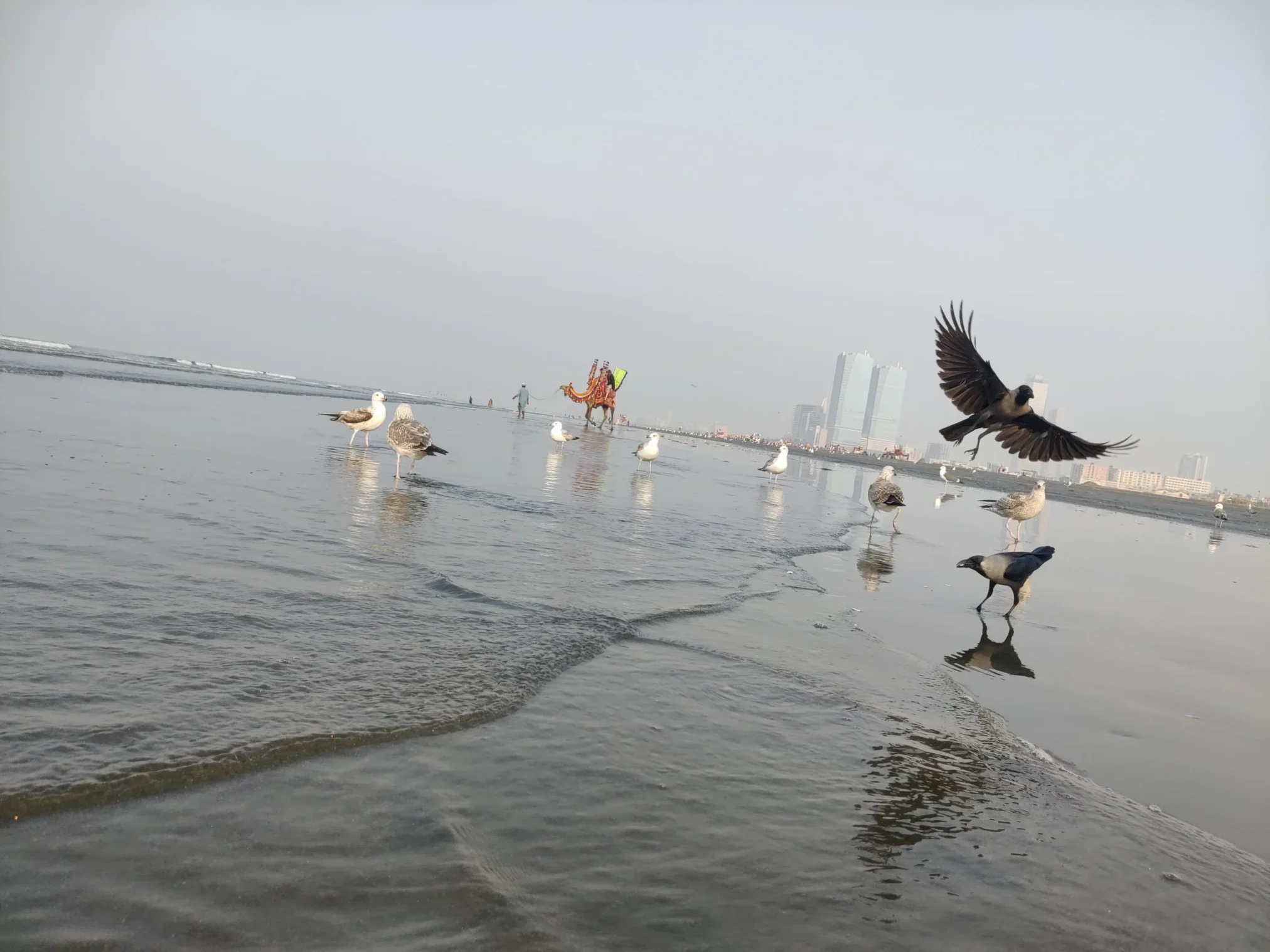
Karachi’s coastline provides recreational nightlife experiences. Popular beaches include:
- Clifton Beach
- Hawksbay Beach
Families, youth, and tourists gather in the evenings for:
- Camel rides
- Street snacks
- Bonfires
- Late-night walks
The illuminated shoreline enhances Karachi’s reputation as a lively coastal city.
Festivals & National Celebrations
Karachi hosts vibrant celebrations for:
- Independence Day (14 August)
- Eid festivals
- Cultural days
- Music festivals
- Literary events
On Independence Day, areas near:
- Mazar-e-Quaid
are beautifully decorated with lights, flags, and fireworks. The entire city glows green and white.
Modern Nightlife & Urban Lifestyle
Today’s Karachi nightlife includes:
- Rooftop cafes
- Live music venues
- Art pop-ups
- Beach gatherings
- Late-night chai dhabas
Clifton and DHA areas have become hubs of modern urban lifestyle.
Shopping malls like:
- Dolmen Mall Clifton
stay busy into the late evening, blending retail with recreation.
Challenges to Cultural Growth
Karachi’s cultural journey has not been uninterrupted.
Periods of:
- Political unrest
- Security concerns
- Economic slowdowns
affected nightlife and public gatherings.However, Karachi’s cultural spirit consistently resurfaces. Theatres reopen. Festivals resume. Restaurants refill.
Why Karachi is Truly the City of Lights
The “light” in Karachi is:
- Economic energy
- Cultural creativity
- Intellectual vibrancy
- Diversity of people
- Resilience after hardship
It is not just streetlights—it is human ambition and artistic expression. Karachi shines because of its culture. From neon cinemas of Saddar to modern art galleries, from late-night chai stalls to seaside dining, from theatre stages to literary debates—Karachi lives loudly and brightly. The City of Lights is not a nickname from the past. It is a living identity.
Karachi Beaches & Natural Attractions – Coastal Beauty of the City of Lights
While Karachi’s energy comes from its streets, markets, and industries, its soul comes from the Arabian Sea. The City of Lights glows not just with neon and electricity but with the sun setting over its coastline.
The Arabian Sea – Karachi’s Lifeline
The Arabian Sea shapes Karachi’s geography, climate, economy, and recreation. Its natural harbor historically attracted trade, settlement, and migration. Today, the coastline supports tourism, fishing, and maritime commerce.
Clifton Beach – The Iconic Seaside Escape
- Clifton Beach
Clifton Beach is Karachi’s most famous urban beach. Families, students, and tourists flock here for:
- Evening walks
- Camel and horse rides
- Street food and snacks
- Kite flying festivals
Sunsets over Clifton Beach create a natural glow, complementing the city’s artificial lights.
Hawksbay Beach – Adventure & Wildlife
Hawksbay is less commercialized than Clifton but popular for:
- Picnic outings
- Swimming
- Turtle nesting observation
- Coastal photography
It is an ideal spot for nature lovers seeking tranquility and adventure.
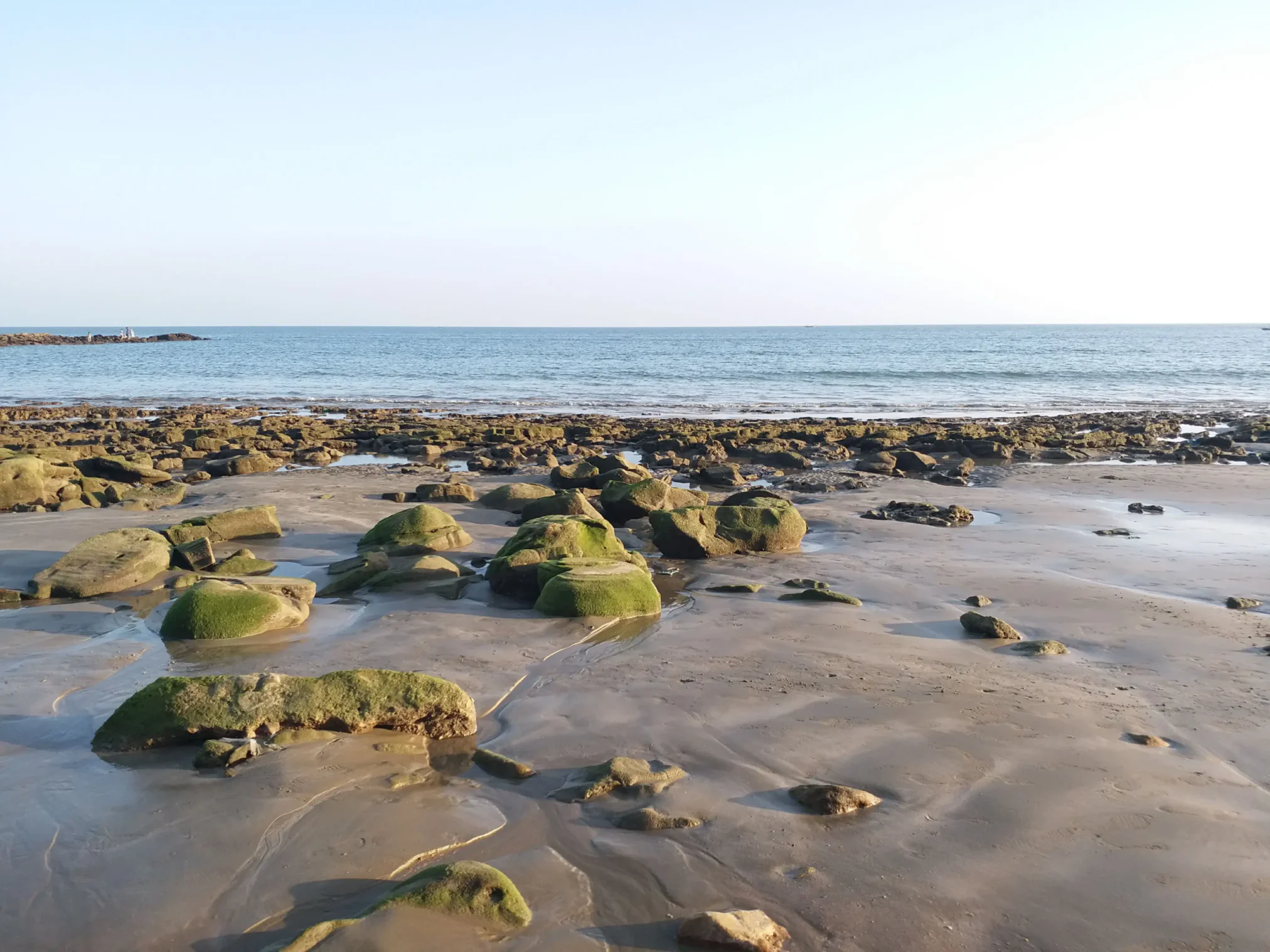
Sandspit Beach – Turtle Conservation & Serenity
Sandspit is known for:
- Olive Ridley turtle nesting season
- Eco-tourism awareness
- Peaceful beach walks
- Educational visits for students
Sandspit emphasizes Karachi’s environmental diversity alongside urban life.
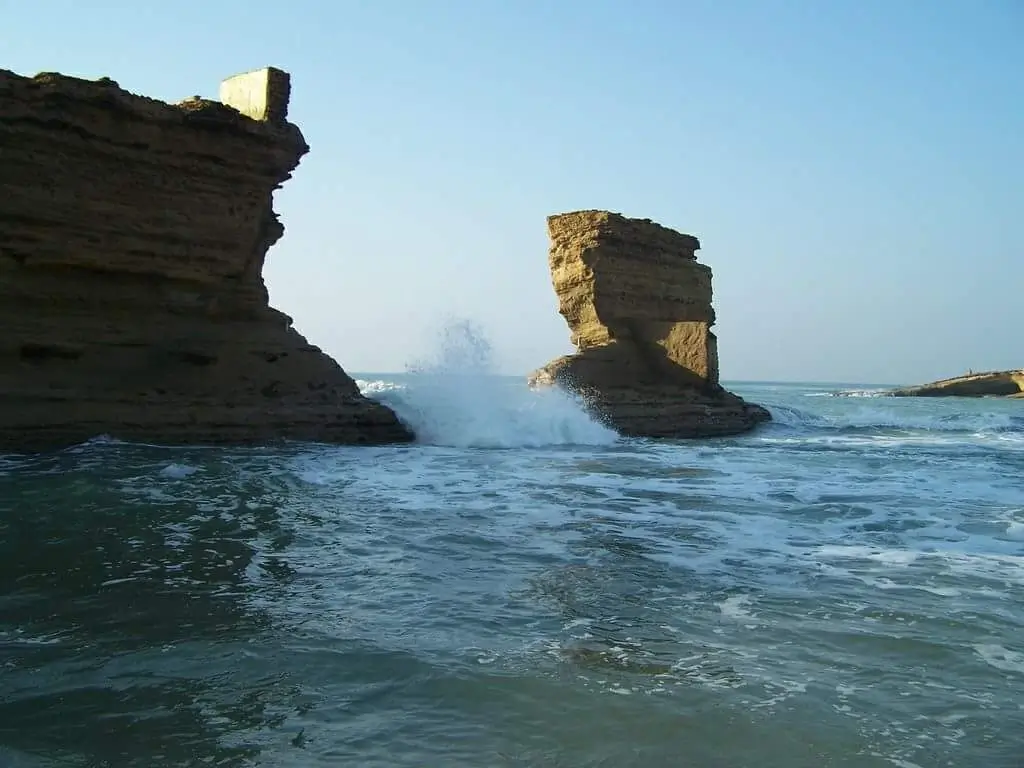
Manora Island – Historical & Recreational Importance
Manora Island lies at the entrance of Karachi Harbor. It offers:
- Historic lighthouse
- Religious sites and shrines
- Coastal retreats
- Maritime heritage tours
Accessible by ferry, Manora is a quiet escape from urban chaos.
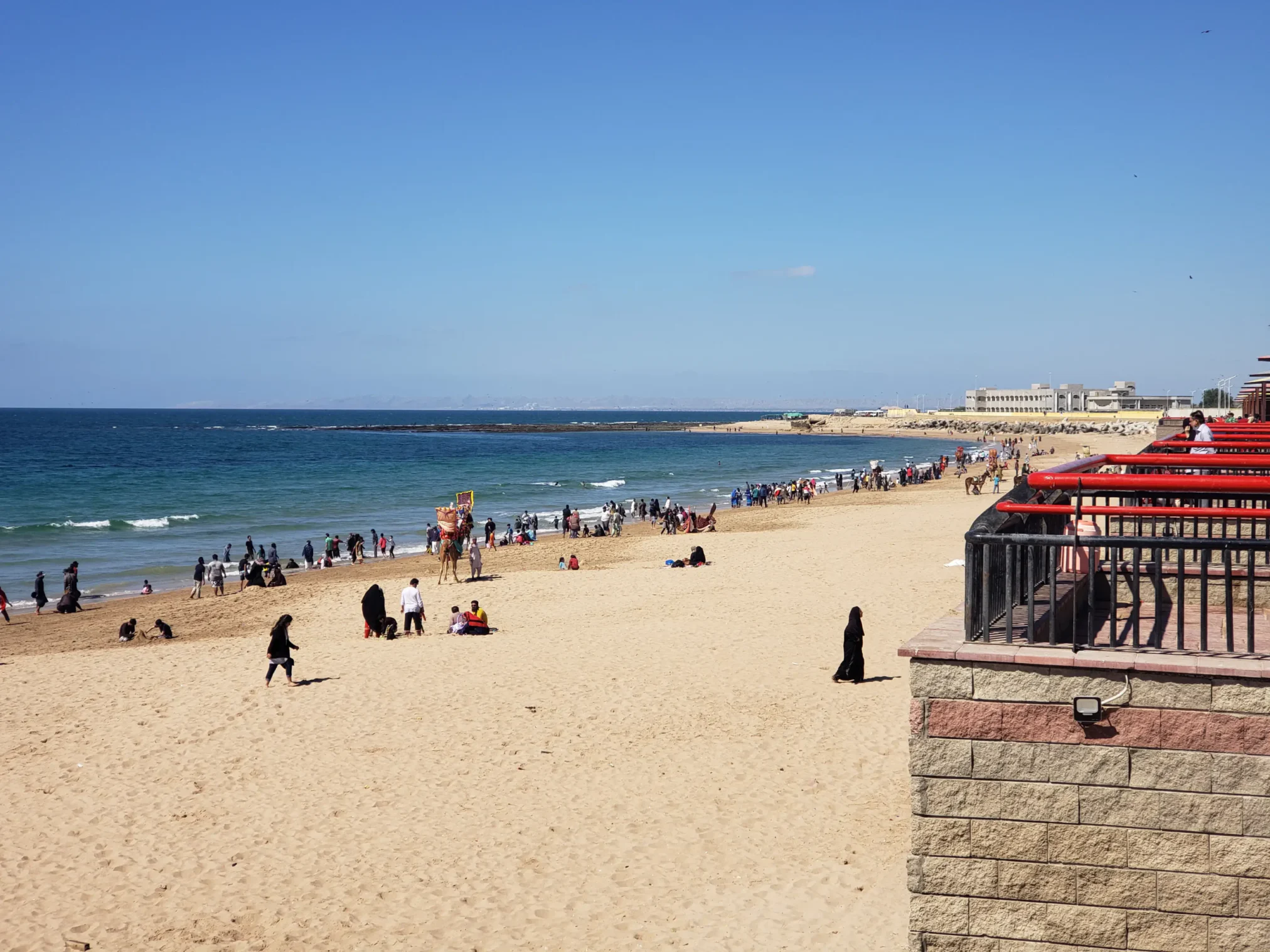
Mubarak Village & Cape Monze – Natural Coastal Beauty
- Cape Monze is a rocky coastal area near Karachi.
- Mubarak Village is a traditional fishing settlement.
Visitors can enjoy:
- Coastal trekking
- Birdwatching
- Photography
- Sunset watching
These sites reflect Karachi’s natural heritage beyond the city lights.
Recreational Activities on Karachi Beaches
Karachi’s coastline offers a wide array of leisure options:
- Camel and horse riding
- Beach volleyball
- Fishing trips
- Kite flying
- Late-night dining and bonfires
Many of these activities complement the city’s vibrant cultural nightlife.
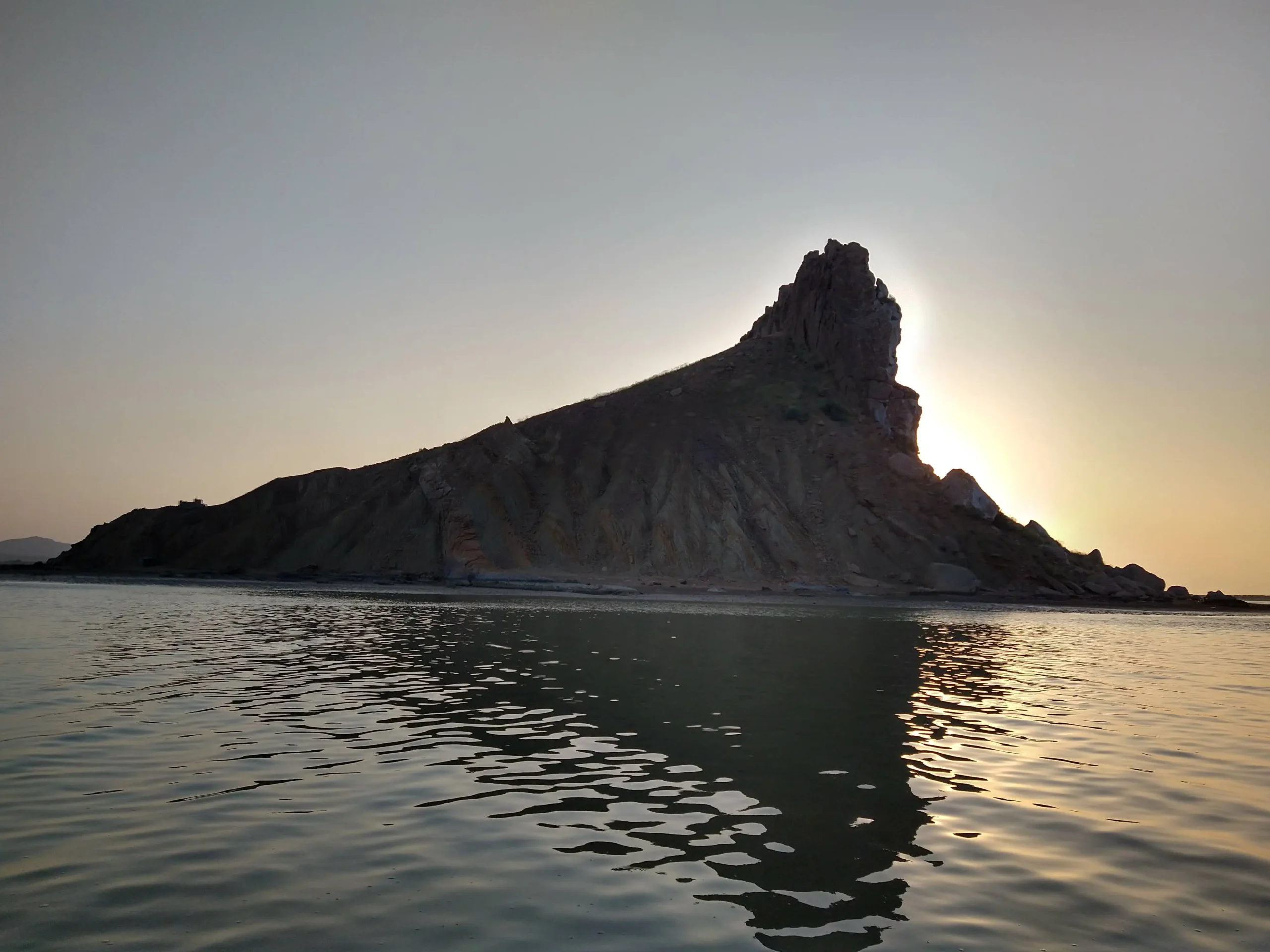
Karachi’s Coastal Festivals
The beaches are venues for festivals and events:
- Independence Day celebrations at Clifton
- Kite festivals at Hawksbay
- Cultural and seafood fairs along the coast
These events draw both locals and tourists, illuminating the city metaphorically and literally.
Environmental Awareness & Conservation
Karachi’s beaches face challenges:
- Plastic pollution
- Coastal erosion
- Turtle habitat threats
Conservation initiatives include:
- NGO beach cleanups
- Eco-tourism awareness
- Educational programs in schools
Conscious efforts ensure the beaches continue to shine for future generations.
Why Karachi Beaches Add to the City of Lights Image
The “lights” of Karachi are not only in its streets and neon signs—they are in the:
- Golden sunsets at Clifton
- Moonlit waves at Hawksbay
- Nighttime reflections on Manora waters
Karachi’s natural glow complements its urban brightness. Karachi’s beaches and coastal attractions provide a perfect blend of:
- Leisure
- Nature
- Recreation
- Cultural expression
The Arabian Sea is Karachi’s living light—highlighting why the city is celebrated as the City of Lights.
Karachi – The Food Capital & Nightlife on a Plate
If Karachi’s nickname City of Lights reflects its energy, then its food scene reflects its soul. Karachi is the culinary heartbeat of Pakistan, offering flavors that are as diverse as its population. From traditional street food to upscale dining, the city comes alive after dark, adding another dimension to its “City of Lights” identity.
Karachi – A Culinary Melting Pot
Karachi’s population represents nearly every region of Pakistan, along with Parsi, Goan, Gujarati, Bohra, and international communities. This diversity gives the city:
- Multicultural cuisine
- Fusion flavors
- Regional specialties from Sindh, Punjab, Balochistan, and Khyber Pakhtunkhwa
- International culinary influence
Karachi’s food scene is a reflection of its identity as a dynamic, cosmopolitan metropolis.
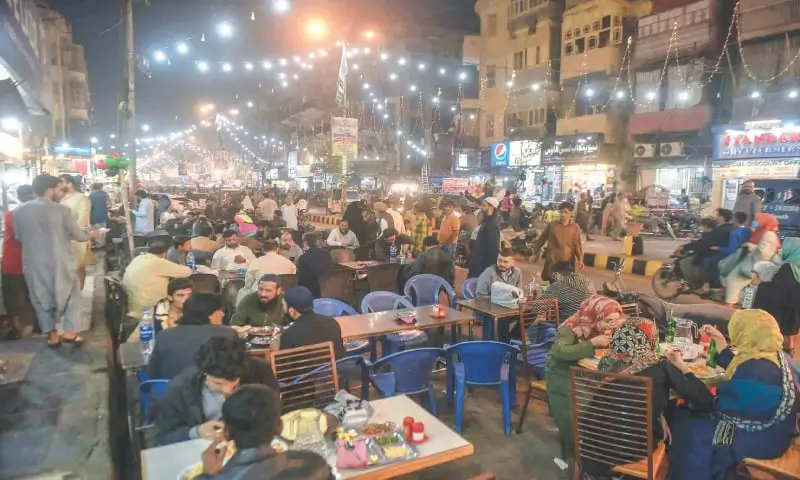
Burns Road – Legendary Street Food
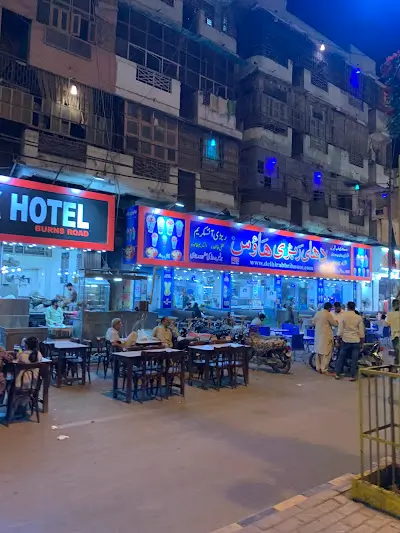
Known as the ultimate street food destination, Burns Road offers:
- Nihari (slow-cooked meat stew)
- Biryani (spiced rice with meat)
- Karahi dishes
- Halwa puri breakfasts
- Sweet treats like Jalebi
Burns Road operates day and night, giving a literal glow to the city streets.
Night view of Burns Road bustling with food stalls and diners.
Do Darya – Seaside Dining
- Do Darya
Do Darya offers a unique experience:
- Beachside restaurants
- Sunset views
- Live music on some weekends
- Late-night dining
This location combines nature, light, and gastronomy in one place.
Boat Basin – Family-Friendly Culinary Hub
Boat Basin is famous for:
- Fast food
- Pakistani snacks
- Cafes and bakeries
- Popular local chains
Evenings see families and youth enjoying vibrant streets filled with aroma and color.
Karachi’s Food Streets Beyond Classics
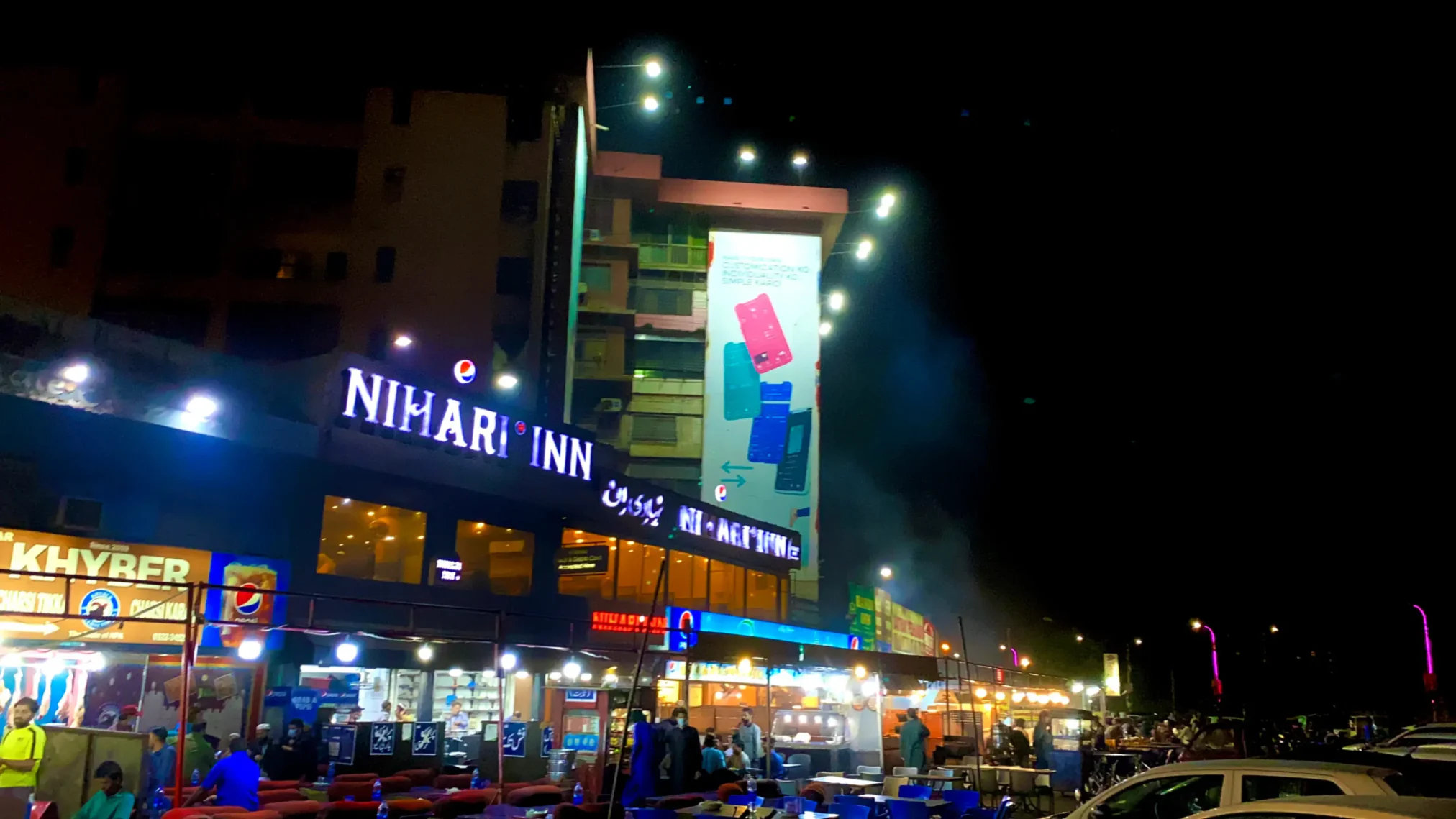
Karachi also has specialized culinary spots:
- Saddar: fusion cafes and casual dining
- Clifton: high-end restaurants and international cuisine
- DHA: cafes, dessert parlors, and lounges
- Tariq Road: traditional sweets and snacks
The variety allows Karachi to cater to all budgets and tastes.
Coffee & Dessert Culture
The city’s café culture has exploded:
- Boutique coffee shops
- Dessert lounges
- Rooftop cafés
Popular for:
- Late-night hangouts
- Study and work spaces
- Social gatherings
Even cafes contribute to the city’s nighttime vibrancy.
Karachi’s Night Markets
Night markets are a hallmark of Karachi’s food culture:
- Ranigunj Market
- Tariq Road Evening Stalls
- Empress Market food stalls
They combine:
- Affordable local food
- Fresh seafood
- Snacks and beverages
- Cultural interactions
Night markets literally illuminate the city with their lights and energy.
Festivals & Food Events
Karachi hosts festivals that celebrate cuisine:
- Karachi Eat Festival
- Seafood Festivals at Do Darya
- Cultural Food Fairs
These events promote local businesses and create nightlife attractions, reinforcing the City of Lights identity.
Seafood & Coastal Cuisine
Being a coastal city, Karachi is famous for:
- Fresh fish and prawns
- Grilled seafood at Do Darya and Clifton
- Coastal spices and traditional recipes
Fishing harbors supply the freshest catch to restaurants and markets.
Culinary Diversity Reflects Urban Diversity
Karachi’s population diversity ensures:
- Sindhi biryani vs. Bombay-style biryani
- Punjabi BBQ vs. Balochi Sajji
- Chinese and continental cuisine
- Persian, Middle Eastern, and fusion cafés
This variety enhances Karachi’s cosmopolitan glow.
Food & Nightlife – A True “City of Lights”
Karachi comes alive after sunset:
- Streets glowing with neon signs
- Food aromas filling the air
- Cafés and restaurants buzzing
- People walking, talking, and socializing
The combination of food, lights, and human energy exemplifies the essence of the City of Lights.
Karachi’s nickname City of Lights is not limited to its streets or skyscrapers. It extends to its food, culture, and nightlife. From the smoky grills of Burns Road to the sunset dining at Do Darya, Karachi serves experiences that glow long after dark.
The city is alive, flavorful, and luminous.
Karachi Architecture – Landmarks, Colonial Heritage & Modern Skyscrapers
Karachi is not only Pakistan’s economic and cultural hub—it is a living museum of architecture. Its skyline tells a story of centuries, blending colonial heritage with modern skyscrapers. In this part, we explore the landmarks, historic buildings, and modern architectural wonders that make Karachi truly a City of Lights.
Colonial Heritage – British-Era Architecture
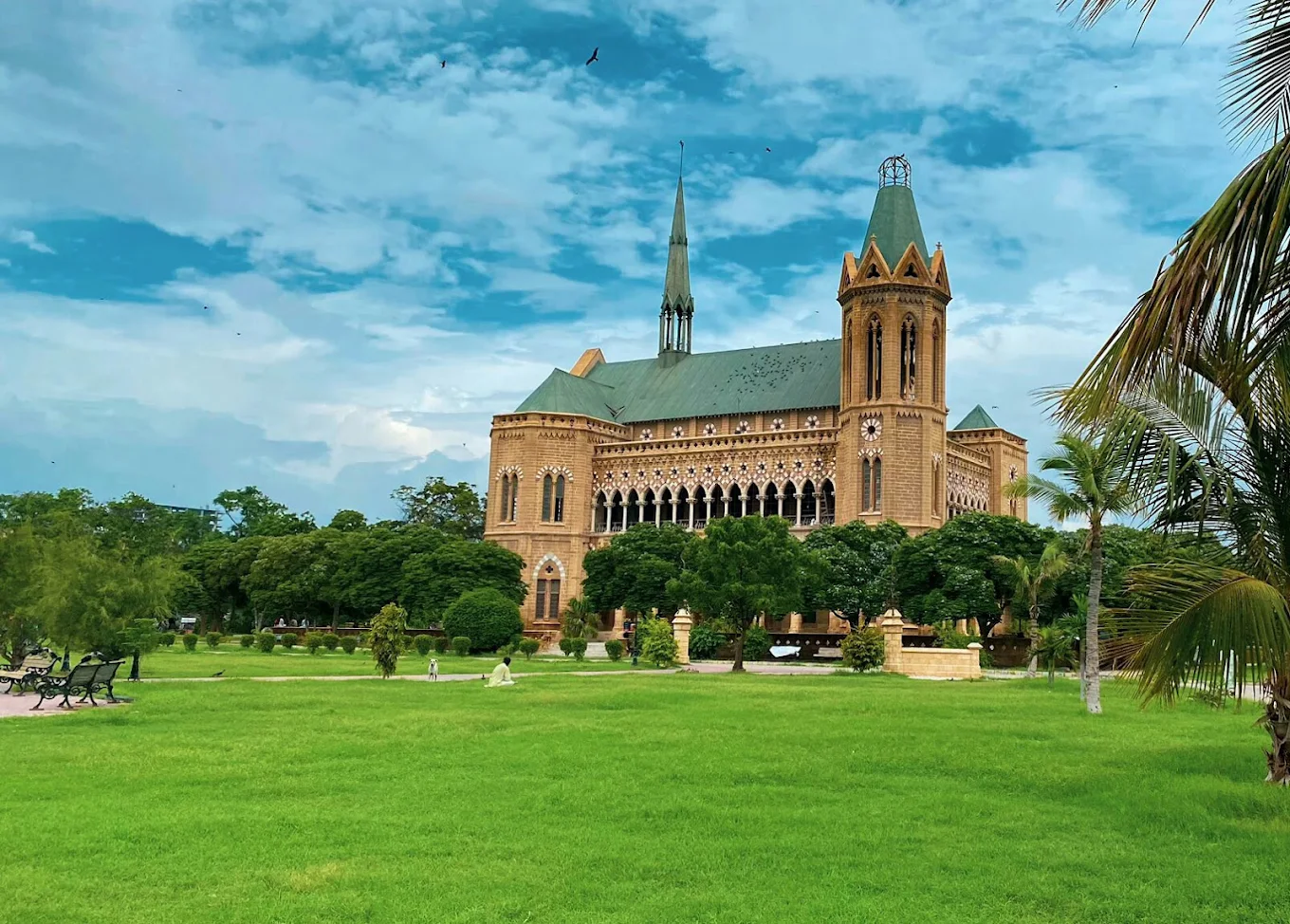
Karachi’s colonial period left a rich architectural legacy. Key buildings include:
- Frere Hall – Gothic-style building originally used as town hall and library.
- Merewether Tower – Clock tower built to honor Sir William L. Merewether.
- Empress Market – Marketplace with British-era façade.
These structures reflect colonial aesthetics with arches, brickwork, and ornamental designs.
Religious Architecture
Karachi is home to impressive religious landmarks that blend traditional and modern styles:
- Tooba Mosque – Famous for its large single-dome design.
- St. Patrick’s Cathedral – Gothic Catholic architecture.
- Mazar-e-Quaid – Iconic white marble mausoleum of Quaid-e-Azam.
These landmarks contribute to the city’s skyline and cultural identity.
Modern Skyscrapers
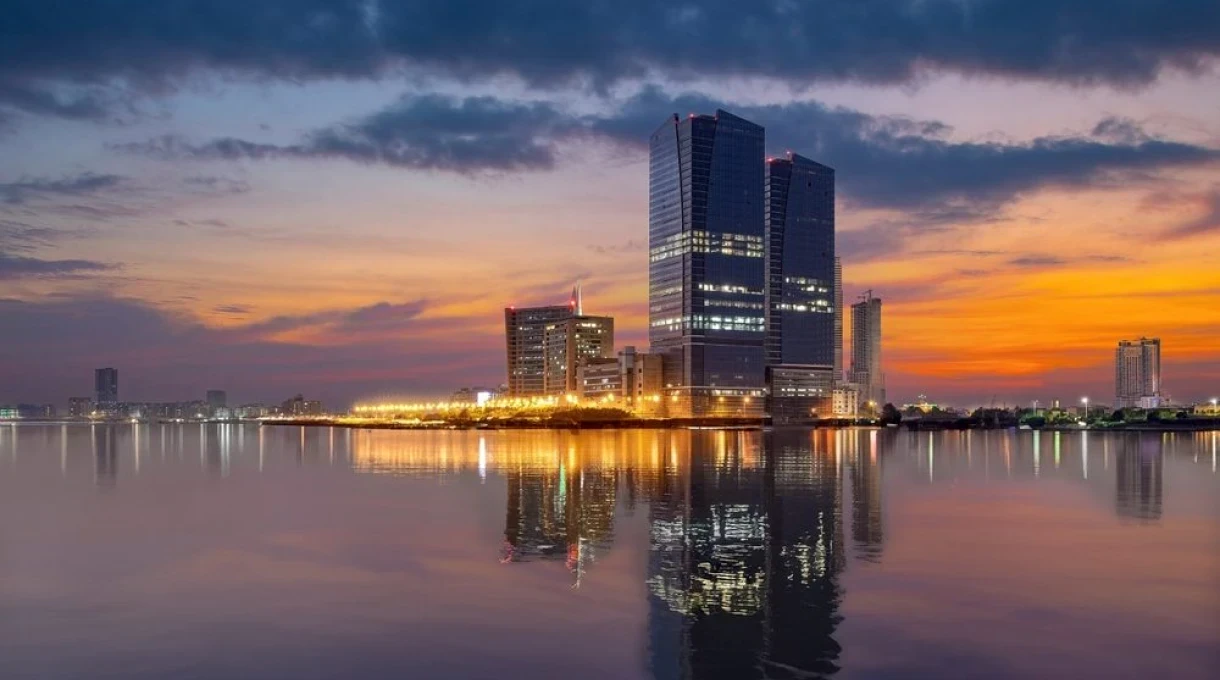
Karachi’s skyline has dramatically transformed since the 1970s:
- High-rise office buildings in I.I. Chundrigar Road
- Residential towers in Clifton and DHA
- Luxury hotels along the seaside
Notable skyscrapers include:
- Habib Bank Plaza (one of the first tall buildings in Pakistan)
- Bahria Icon Tower – the tallest building in Pakistan
- MCB Tower
These modern structures showcase Karachi’s economic ambitions.
Public Spaces & Parks
Karachi integrates green spaces with its urban architecture:
- Karachi Zoo
- Bagh Ibn-e-Qasim
- Frere Hall Gardens
Parks offer recreation, festivals, and illuminated events at night, enhancing Karachi’s “City of Lights” ambiance.
Commercial Architecture
Karachi’s commercial districts reflect a blend of old and new:
- Saddar – colonial-era commercial buildings
- I.I. Chundrigar Road – modern banking and corporate towers
- Clifton – malls, offices, and high-end retail complexes
The mix of styles creates a unique urban aesthetic.
Residential Architecture
Residential architecture reflects Karachi’s diversity:
- Colonial-era homes in Saddar and Kharadar
- Modern villas in Clifton and DHA
- Apartment complexes in Gulshan-e-Iqbal and Korangi
This diversity shows Karachi’s adaptation over time while retaining heritage.
Coastal & Waterfront Architecture
The Arabian Sea inspires unique designs:
- Resorts and restaurants along Do Darya and Clifton Beach
- Sea-facing residential buildings
- Manora Island lighthouse
Illuminated night views along the coast reinforce the City of Lights identity.
Bridges & Infrastructure
Karachi’s bridges and highways also define the urban landscape:
- Lyari Expressway bridges
- Karachi Port Trust flyovers
- Malir River crossings
Modern infrastructure contributes both to functionality and the nighttime city glow.
Heritage Conservation Efforts
While modern development continues, Karachi preserves heritage structures:
- Restoration of Frere Hall
- Conservation of Empress Market
- Archaeological studies at Manora and colonial neighborhoods
This balance between old and new defines the city’s architectural character.
Why Architecture Illuminates Karachi’s Identity
Karachi’s architecture represents:
- Economic growth (skyscrapers)
- Cultural depth (religious & colonial buildings)
- Nighttime vibrancy (lit streets, neon signs, illuminated monuments)
- Historical continuity (heritage conservation)
The city literally and metaphorically shines through its buildings.
Transport & Connectivity – The Lifelines of the City
As Pakistan’s largest metropolis, Karachi runs on movement. From ports and airports to buses and rickshaws, its transport network connects millions daily. This vast system powers trade, business, education, and social life—making connectivity the true lifeline of the City of Lights
Air Connectivity
✈ Jinnah International Airport
- Pakistan’s busiest airport
- Handles domestic and international flights
- Connects Karachi to the Middle East, Europe, Asia, and North America
- Major hub for cargo shipments
The airport plays a critical role in trade, overseas employment, and tourism
Sea & Port System
Karachi is Pakistan’s primary maritime gateway.
Karachi Port Trust
- One of the oldest and busiest ports in South Asia
- Handles bulk cargo, containers, and trade imports/exports
Port Qasim Authority
- Located east of Karachi
- Specializes in industrial and bulk cargo handling
Together, these ports manage the majority of Pakistan’s international trade
Railway Network
Pakistan Railways
Karachi serves as a major railway terminus:
- Karachi Cantt Station
- City Station
- Drigh Road Station
Railways connect Karachi to Lahore, Islamabad, Quetta, Peshawar, and interior Sindh, supporting passenger travel and freight movement
Road Infrastructure
Karachi’s road network includes:
- Shahrah-e-Faisal
- I.I. Chundrigar Road
- M.A. Jinnah Road
- Lyari Expressway
- Malir Expressway
These arteries connect residential zones with commercial hubs and industrial area
Public Bus System
Sindh Mass Transit Authority
Recent improvements include:
- Green Line Bus Rapid Transit (BRT)
- Red Line (under development)
- Modern air-conditioned buses
- Double Decker Buses (recent induction)
The BRT system has significantly improved public commuting comfort and safety
Ride-Hailing & Private Transport
Karachi’s urban mobility also depends on:
- Ride-hailing apps (Careem, Uber, InDrive)
- Taxis
- Auto-rickshaws
- Motorcycles (most common personal transport)
Motorbikes remain the backbone of daily commuting due to affordability
Informal Transport Culture
Karachi’s iconic transport includes:
- Colorfully decorated buses
- Qingqi rickshaws
- Minibuses
- Chingchi loaders
This informal sector provides employment to thousands and keeps the city moving 24/7
Connectivity & Economic Impact
Transport fuels Karachi’s economy by:
- Enabling industrial logistics
- Supporting import/export business
- Connecting labor to workplaces
- Facilitating education access
Without transport, the city’s financial engine would stall
Traffic Challenges
Like any megacity, Karachi faces:
- Traffic congestion
- Road maintenance issues
- Pollution
- Overcrowded public transport
However, ongoing infrastructure projects aim to modernize mobility systems.
Future Transport Vision
Upcoming and ongoing developments include:
- Expansion of BRT corridors
- Railway modernization
- Expressway extensions
- Smart traffic management systems
These projects aim to transform Karachi into a more efficient, connected metropolis
Education in Karachi – Universities, Schools & Academic Excellence
Education has played a central role in shaping Karachi into a national hub of intellect, innovation, and leadership. As Pakistan’s largest city and economic powerhouse, Karachi is home to some of the country’s most prestigious universities, research institutions, and schools.
From colonial-era colleges to modern research universities, the City of Quaid has always valued knowledge as a path to progress
Karachi – Pakistan’s Academic Capital
Karachi hosts:
- Dozens of public and private universities
- Hundreds of colleges
- International-standard schools
- Professional institutes in medicine, engineering, law, and business
Students from across Pakistan move to Karachi for higher education opportunities
Public Universities of Excellence
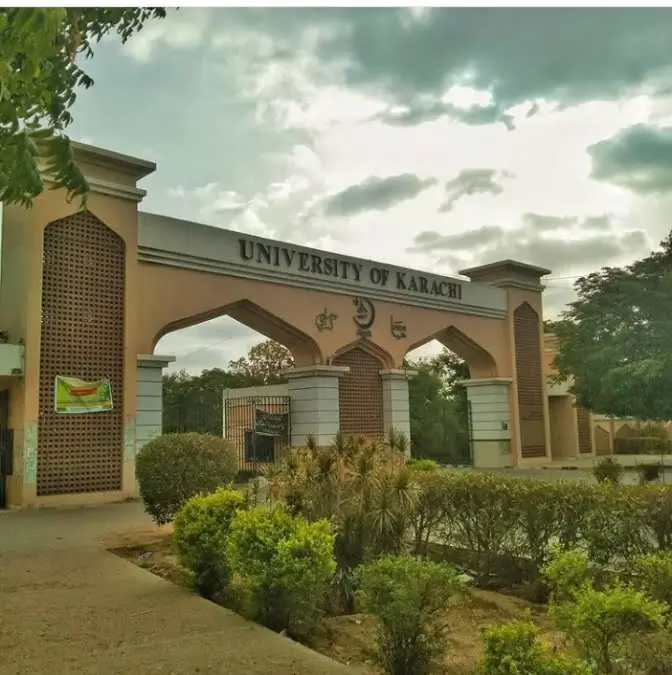
University of Karachi
- Established in 1951
- One of Pakistan’s largest universities
- Offers programs in science, arts, social sciences, pharmacy, Islamic studies, and more
- Known for research in chemistry, biochemistry, and international relations
NED University of Engineering and Technology
- Established in 1921
- Premier engineering institution
- Specializes in civil, mechanical, electrical, and software engineering
NED graduates have contributed to Pakistan’s infrastructure and technology sector
Dow University of Health Sciences
- Leading public medical university
- Affiliated with major teaching hospitals
- Offers MBBS, BDS, nursing, and postgraduate medical programs
Dow is central to healthcare education in Sindh
Prestigious Private Universities
Institute of Business Administration
- Established in 1955
- One of Pakistan’s top business schools
- Known for merit-based admissions and corporate leadership training
IBA alumni lead major corporations in Pakistan and abroad.
Aga Khan University
- Internationally recognized medical and research university
- Operates the renowned Aga Khan University Hospital
- Focuses on healthcare, nursing, and research excellence
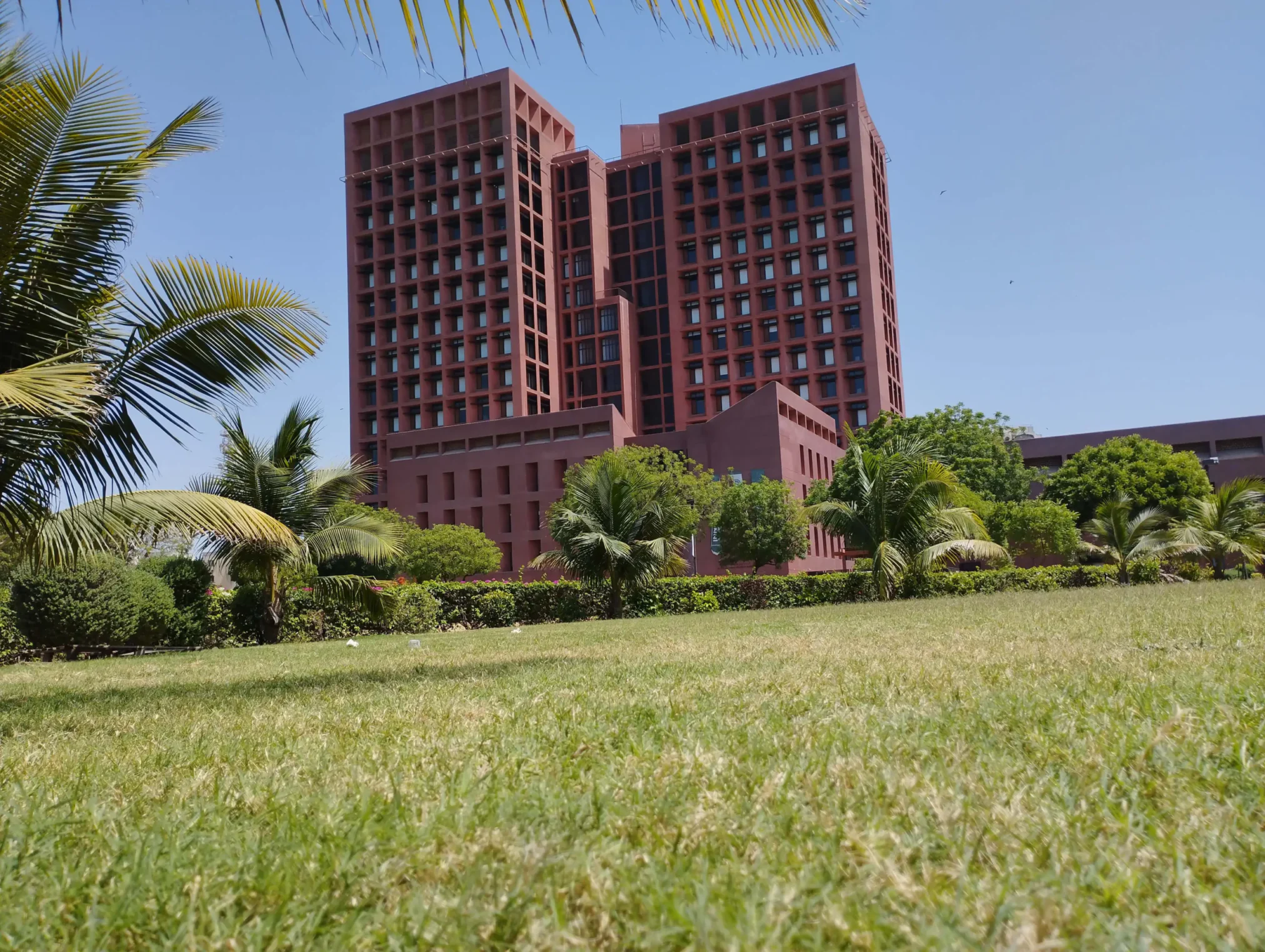
Bahria University
- Offers business, media sciences, and IT programs
- Strong industry integration
Law & Social Sciences Institutions
Karachi is home to:
- Sindh Muslim Law College
- SZABIST (Shaheed Zulfikar Ali Bhutto Institute of Science and Technology)
These institutions have produced lawyers, policymakers, journalists, and civil servants.
School Education System
Karachi has diverse schooling options:
- Government schools
- Private English-medium schools
- International schools
- Religious seminaries (madaris)
Major school systems include:
- The Educators
- Beaconhouse School System
- The City School
Students prepare for:
- Cambridge O/A Levels
- Federal Board
- Sindh Board
- International Baccalaureate
Research & Innovation
Karachi universities contribute to:
- Pharmaceutical research
- Climate studies
- Marine sciences
- Artificial intelligence
- Economic policy research
Institutions collaborate with global universities to advance academic research.
Libraries & Knowledge Centers
Karachi hosts historic libraries and research centers including:
- University libraries
- Public sector archives
- Cultural research institutions
These centers preserve academic and historical knowledge.
Challenges in Education
Despite academic excellence, challenges include:
- Overcrowded public institutions
- Limited funding
- Urban inequality
- Teacher shortages in government schools
However, private sector investment continues expanding quality education access.
Karachi as a Student City
Student life in Karachi includes:
- Debating societies
- Cultural festivals
- Research conferences
- Entrepreneurial competitions
- Tech incubators
The city’s corporate environment allows students to secure internships and jobs easily.
Education & Karachi’s Future
Education fuels Karachi’s:
- Business leadership
- Healthcare system
- Infrastructure development
- Media and journalism
- Political and administrative leadership
As Pakistan’s economic engine, Karachi depends heavily on its educated youth to sustain growth
Final Conclusion – Karachi: The City of Lights & The City of Quaid
Karachi is more than a metropolis. It is:
- The economic capital of Pakistan
- The gateway to international trade
- The cultural melting pot of South Asia
- The birthplace of Muhammad Ali Jinnah
From its beaches to its skyline, from its ports to its universities, Karachi continues to shine—resilient, ambitious, and alive.
The title “City of Lights” reflects its vibrant nightlife, commercial energy, and historic illumination.
The title “City of Quaid” honors its most distinguished son and the spirit of leadership embedded in its history.
Karachi remains the heartbeat of Pakistan
FAQs: Karachi City of Lights and City of Quaid
Q1: What is Karachi and what role does it play in Pakistan? A1: Karachi is Pakistan’s largest city, home to over 20 million people. It is the nation’s economic heart, a vibrant cultural melting pot, and a global city where history meets modern ambition.
Q2: Why is Karachi known as the “City of Lights”? A2: The title “Karachi City of Lights” became popular in the 1960s and 70s due to its vibrant nightlife, cultural shows, and illuminated streets. Even today, its spirit is evident in bustling night markets, festive celebrations, and modern entertainment spots like Port Grand and Do Darya.
Q3: What is the significance of Karachi being called the “City of Quaid”? A3: Karachi is honored as the “City of Quaid” as a tribute to Quaid-e-Azam Muhammad Ali Jinnah, Pakistan’s founder. He was born here in 1876 and is buried at the striking Mazar-e-Quaid, which stands as a symbol of national unity. Historic sites related to him, like his birthplace museum, are also located here.
Q4: What are the historical origins of Karachi City of Lights? A4: Before becoming a major city, Karachi was a small Sindhi fishing village called Kolachi-jo-Goth in the 18th century. Legend attributes its founding to a fisherwoman named Mai Kolachi. Over time, it evolved into a port of strategic importance, known by ancient names such as Krokola, Barbarikon, and Debal.
Q5: How diverse is Karachi’s cultural landscape? A5: Karachi City of Lights is a true cultural melting pot, home to diverse communities including Sindhi, Punjabi, Pashtun, Balochi, Kashmiri, Muhajir, and Afghan. This diversity is reflected in its multiple languages (Urdu, Sindhi, Punjabi, Pashto, Gujarati), celebration of various festivals, and a rich blend of art forms like Sindhi Ajrak printing and Balochi embroidery.
Q6: What is Karachi’s economic importance to Pakistan? A6: As Pakistan’s financial capital, Karachi City of Lights is a major economic powerhouse. It hosts the Pakistan Stock Exchange, the country’s largest industrial zones, and key shipping ports (Port of Karachi and Port Qasim). It is responsible for over 20% of Pakistan’s GDP, with a thriving economy that extends to cottage industries like handloom textiles, jewellery production, and leather goods.
Q7: Where can one find handicrafts and jewellery in Karachi? A7: Karachi City of Lights offers numerous hotspots for handicrafts and jewellery. Popular places include Zainab Market for embroidered shawls and leather goods, Saddar & Tariq Road for jewellery showrooms, Sunday Bazaar for budget finds and vintage items, and the Expo Centre Karachi which hosts annual craft and jewellery expos.
Q8: What are some notable historic landmarks in Karachi? A8: Beyond its markets, Karachi City of Lights boasts impressive historic architecture. Key landmarks include the Indo-Saracenic Mohatta Palace (now an art museum), the Gothic colonial Frere Hall, the bustling Victorian-era Empress Market, and historic sites on Manora Island and Clifton Beach.
Q9: What kind of food is Karachi famous for? A9: Karachi’s food culture is vibrant and diverse. Signature dishes include Biryani, Nihari, and Haleem. Popular street snacks like Bun kebab, gol gappay, and samosas are widely enjoyed. Famous food streets where visitors can explore these flavors include Burns Road, Boat Basin, and Hussainabad.
Q10: What inspires Karachi’s artisans in their craft? A10: Karachi’s artisans draw inspiration from various elements of the city. The Arabian Sea influences designs like lapis lazuli jewellery, historic buildings with their geometric patterns are reflected in Kundan designs, and the city’s iconic truck art inspires bright enamel and painted jewellery.
Q11: Are there any major cultural festivals or exhibitions in Karachi? A11: Yes, Karachi City of Lights has a bustling annual calendar of cultural events. These include The Crafter’s Expo (showcasing crafts and jewellery), Karachi Eat Festival (combining cuisine with artisanal pop-ups), Pakistan Lifestyle Furniture & Décor Exhibition, and the Sindh Festival (celebrating Sindhi culture and heritage).
Q12: Why is Karachi considered a “Craft Lover’s Dream”? A12: Karachi City of Lights is a craft lover’s paradise due to its immense variety of craft traditions from every Pakistani province, accessibility to items ranging from budget-friendly street finds to luxury designer pieces, and a rich cultural immersion where shopping often comes with food, music, and stories.


Comments are closed.