
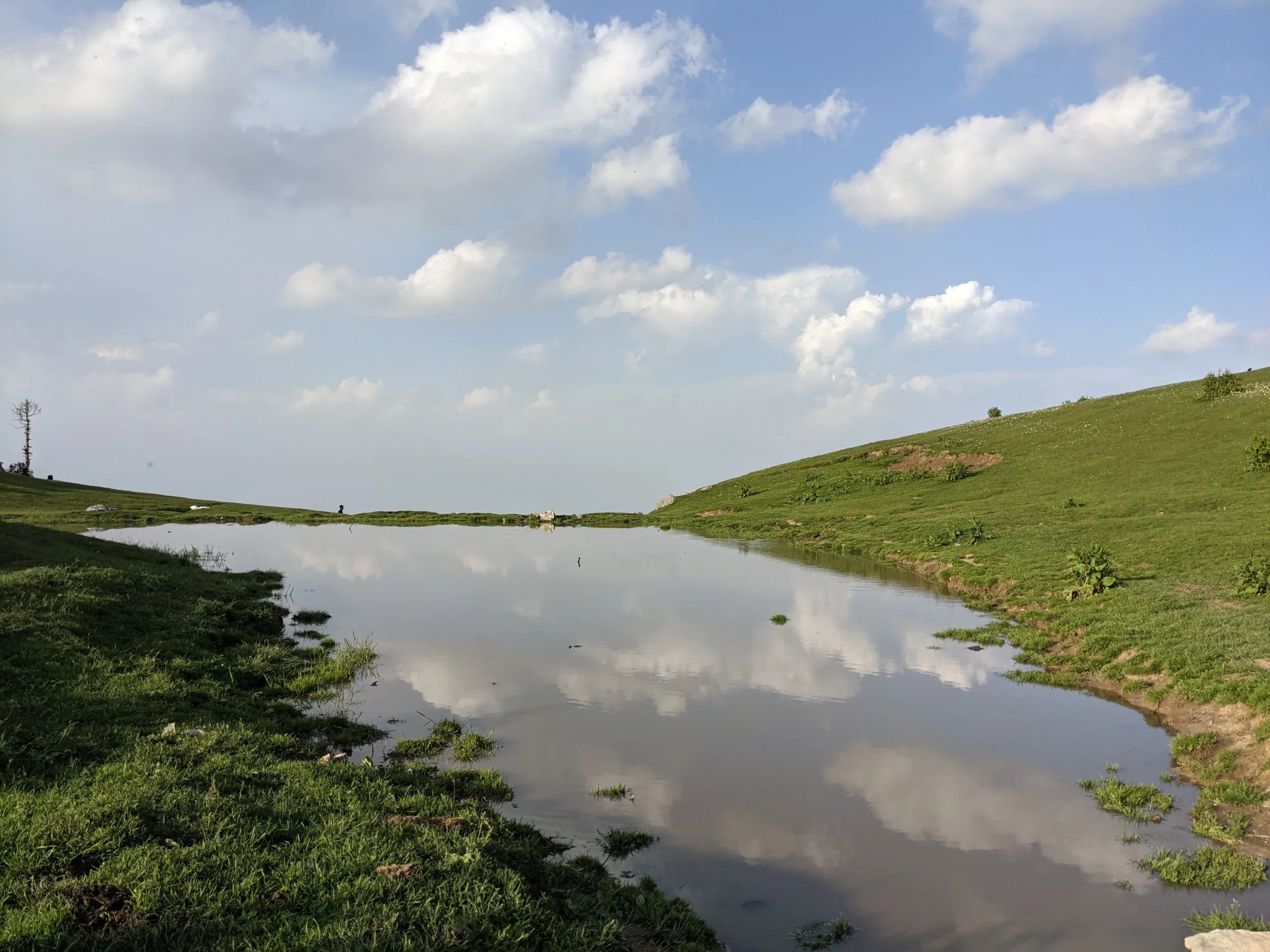
Mushkpuri Top Tour – History, Cultural Significance & Location
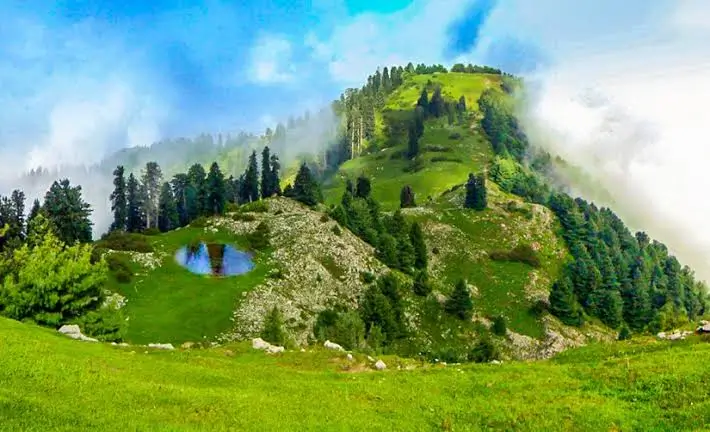
Rising majestically in the Galiyat region of Abbottabad District, Mushkpuri Top stands as the second-highest peak of the area, reaching an elevation of 2,800 meters (9,200 ft). This verdant mountain, blanketed with pine, cedar, oak, and maple forests, is not only a natural marvel but also a repository of centuries-old culture and folklore. For decades, Mushkpuri has been a serene retreat for local communities, nature enthusiasts, and hikers seeking solace from the bustling urban life of Islamabad and Rawalpindi.
Mushkpuri Top location is in the Nathia Gali Hills ,have historically served as a seasonal refuge for indigenous tribes, British colonial officers, and more recently, adventure tourists. Its name, derived from Sanskrit origins, translates roughly to “a place of quietness and peace”, reflecting the tranquil atmosphere that envelopes the summit and surrounding meadows.
The mountain’s appeal is multi-layered: lush greenery, pristine air, misty mornings, panoramic views, and the subtle whispers of folklore that seem to echo through the cascading streams and dense woods. Whether you are a first-time hiker, an avid photographer, or a nature lover, Mushkpuri promises a multi-sensory experience that blends adventure, culture, and serenity.
Historical Background
Indigenous Communities and Early Reverence
Long before modern tourism, Mushkpuri was revered by local tribes of the Abbottabad and Galiyat region. Tribes such as the Tanolis, Karlals, and Syeds of Nathia Gali historically considered the mountain a sacred location. They believed the summit was inhabited by mountain spirits and guardian entities, and the surrounding forests were protected lands where hunting and logging were restricted.
Oral folklore speaks of the mountain as a place where ancestors communed with nature, interpreting wind patterns, bird migrations, and the growth of medicinal plants as omens or guidance for their communities. Even today, elderly residents recount stories of hidden herbal groves, secret water springs, and ancient stone markers along the trail, believed to be remnants of early settlements or spiritual sites.
British Colonial Era Influence
During the 19th and early 20th centuries, the British colonial administration recognized the Galiyat region as an ideal summer retreat due to its mild temperatures and high altitude. They developed infrastructure, including:
- Access roads to Murree, Nathia Gali, and Dunga Gali
- Water pipelines (the famous Pipeline Track), supplying water to colonial settlements
- Observation points and small shelters for military and administrative personnel
The Pipeline Track, still used today by hikers, serves as a living relic of colonial engineering, winding gently through forests and connecting Dunga Gali to Mushkpuri and Ayubia National Park. This route allowed British officers and their families to traverse the hills safely, and it now provides modern tourists with one of the most scenic and moderate treks to the summit.
Geographical Location & Access
Coordinates & Elevation:
- Latitude: 34.0740° N
- Longitude: 73.3980° E
- Elevation: 2,800 meters (9,200 ft)
Proximity to Key Cities & Landmarks:
- Islamabad: 82 km (~2.5–3 hours by car)
- Rawalpindi: 94.9 km (~3 hours)
- Murree: ~45 km (~1 hour)
- Dunga Gali: Base camp for trekking, 2–3 hours from Islamabad
- Nathia Gali: 4.6 km from Dunga Gali, gateway to the western trail
The summit is accessible via three major trekking routes:
- Dunga Gali Trackway: The most popular route, ~4 km, taking 2–3 hours to ascend. Moderate difficulty, lush forest coverage, ideal for families and casual hikers.
- Lalazar Trackway: Longer, more strenuous trek. Excellent for adventurous hikers seeking less crowded trails and wildflower meadows.
- Ayubia Pipeline Track: Historical route following the water pipeline for 4 km; relatively flat, 40–50 minutes of walking; excellent for birdwatching and photography.
Trail Characteristics & Elevation Profile:
- Starting Elevation (Dunga Gali): ~7,400 ft
- Summit Elevation: 9,200 ft
- Total Elevation Gain: ~1,800 ft
- Distance: 4 km one way
- Average Trek Time: 2–3 hours ascent, 1.5–2 hours descent
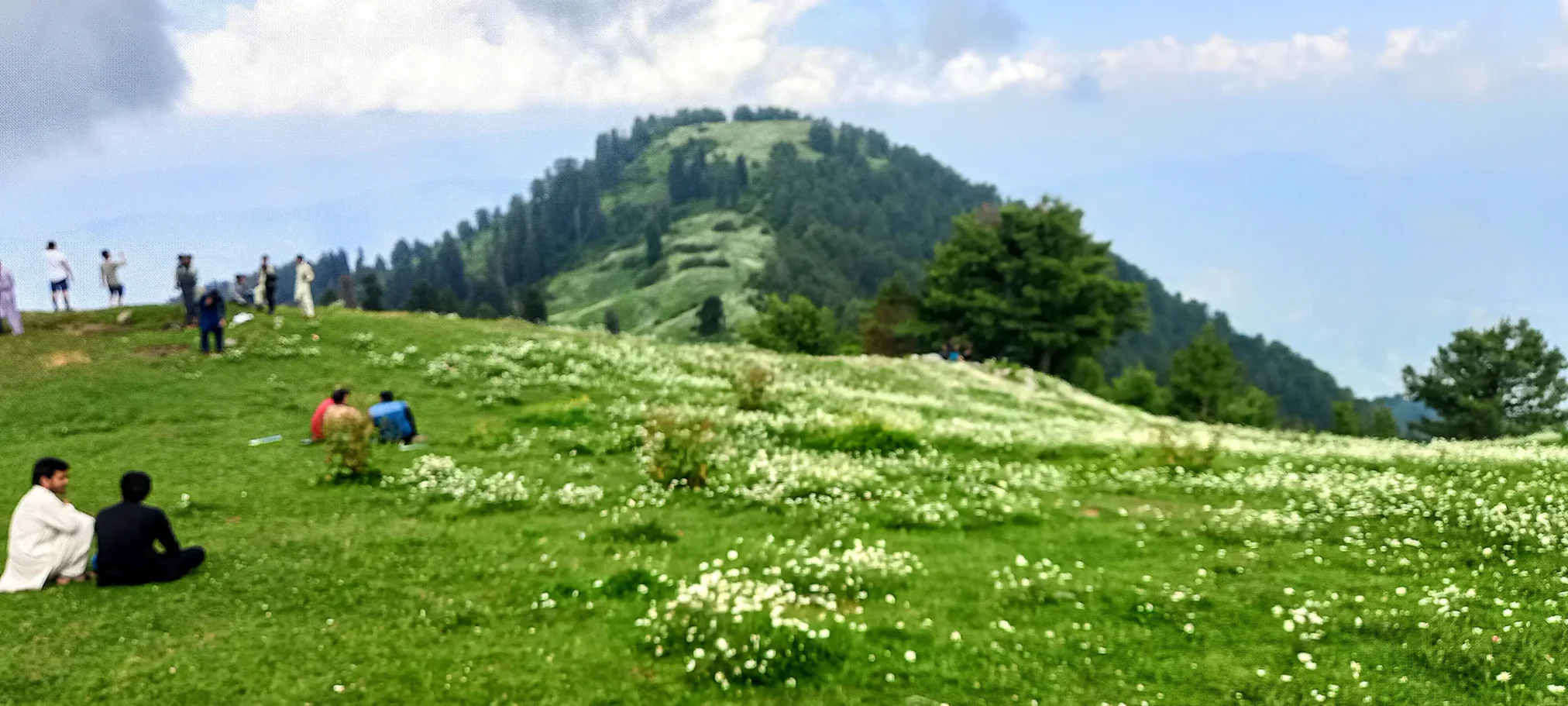
Hikers will encounter: dense forests, clear streams, flowering meadows, and several small viewing points before reaching the summit.
Flora & Fauna Along the Way
Mushkpuri is part of the Western Himalayan temperate forest zone, hosting a rich diversity of flora and fauna.
Flora:
- Trees: Pine, Cedar, Deodar, Oak, Maple, Walnut
- Flowers: Wild roses, marigolds, asters, and primroses (spring bloom)
- Moss & Ferns: Abundant along shaded trail edges and near water springs
Fauna:
- Birds: Yellow-billed Magpie, Red-breasted Finch, Crested Grey Finch, White-cheeked Bulbul
- Mammals: Himalayan Monal (pheasant), foxes, and occasional wild boars
- Insects: Butterflies and honeybees frequent the wildflower meadows, especially in spring
The combination of vibrant plant life and diverse wildlife makes Mushkpuri a hotspot for photographers, nature enthusiasts, and bird watchers.
Nearby Attractions
While Mushkpuri is the main highlight, the surrounding area offers multiple must-visit attractions:
- Umbrella Waterfall (Sajikot): 27 km from Havelian, a hidden waterfall with a refreshing pool and scenic cliffs; ideal for adventure seekers.
- Namli Maira Waterfall: Located in Nathiagali, surrounded by towering pines and oaks; perfect picnic point.
- Harnoi: Small town near Abbottabad, confluence of Harnoi and Barengali rivers; offers picnic spots and recreational activities for families.
- Jannat Waterfall: Within Ayubia National Park, crystal-clear waters cascading from high cliffs; adds to the trekking experience.
- Lalazar Park: Near Mushkpuri, home to wildlife and rare bird species; ideal for photographers.
Traveler Review Highlight:
“I visited Mushkpuri in May. The wildflowers on the pipeline track were unbelievable. Stopped by Namli Maira waterfall and had a picnic; it felt like a secret paradise.” – Google Review
Seasonal Overview & Visitor Data
| Season | Months | Temperature | Visitors | Key Experience |
|---|---|---|---|---|
| Winter | Dec – Feb | 3–4 °C | 10,000 | Snow-covered trails, icy streams, serene solitude |
| Spring | Mar – May | 7–17 °C | 25,000 | Blooming flowers, mild weather, perfect trekking |
| Summer | Jun–Sep | 17–20 °C | 50,000–70,000 | Clear skies, family trips, photography & birdwatching |
| Autumn | Oct – Nov | 8–13 °C | 30,000 | Pleasant days, crisp air, autumn foliage |
Mushkpuri’s visitor numbers peak in summer, while winter attracts smaller, more adventurous groups seeking snow and unique photography opportunities.
Google Reviews
★★★★☆ “Winter trek was challenging due to snow, but the serene beauty of Mushkpuri was worth every step.” – Google Review
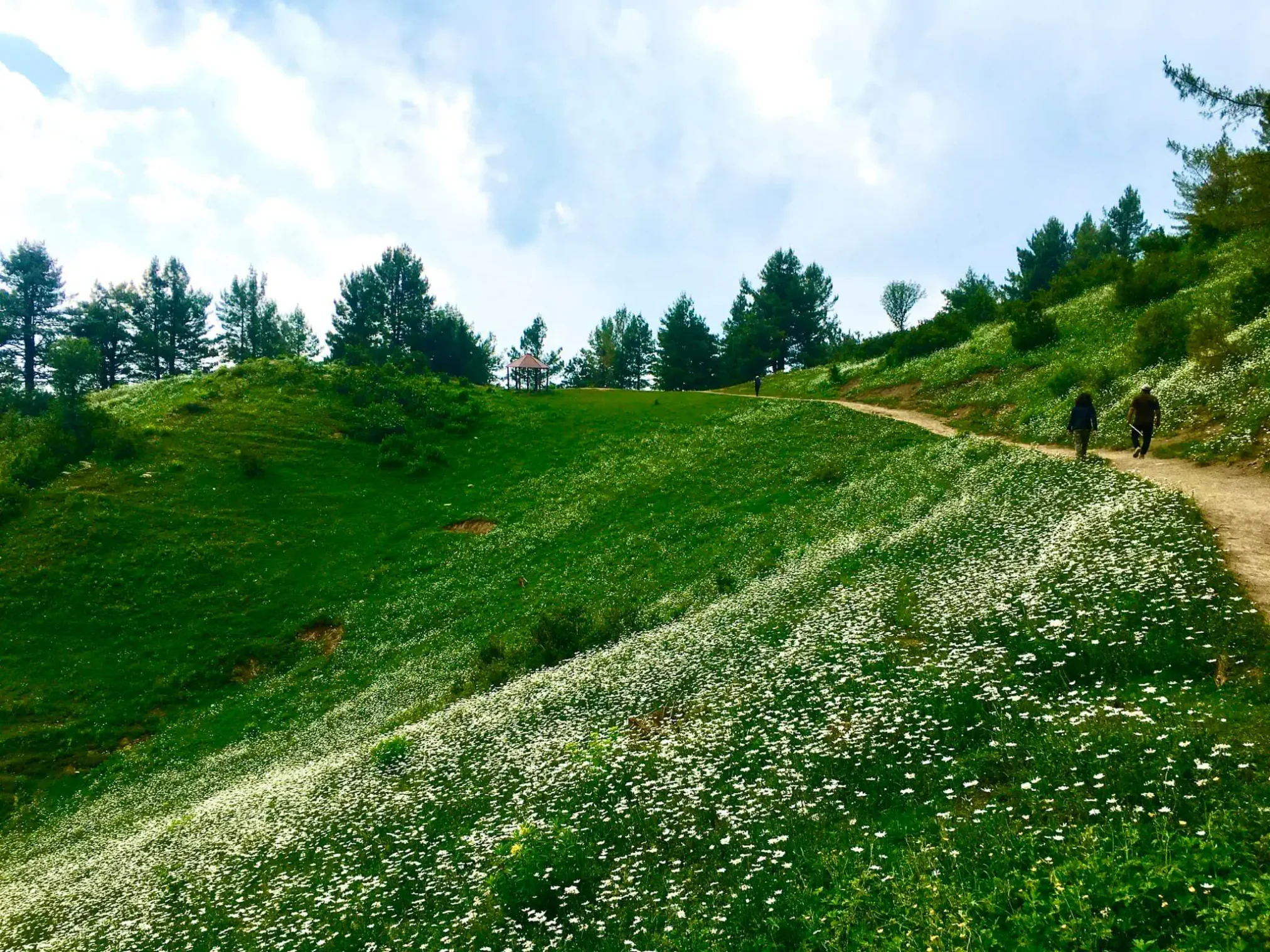
Photography & Sunrise/Sunset Tips
- Sunrise: ~5:45–6:15 AM (summer), perfect for misty forest shots
- Sunset: ~6:30–7:00 PM (summer), great for golden-hour summit photos
- Best vantage points: Summit, pipeline track viewpoints, and Lalazar park
- Wildlife photography: Early morning near streams; spring is ideal for birds and flowers
Pro Tip: Carry a wide-angle lens for panoramas and tripod for sunrise shots.
Mushkpuri Top as a culturally rich, historically significant, and naturally stunning peak. Visitors are drawn not only to its height and trails but also to the folklore, biodiversity, and scenic wonders that make it a crown jewel of the Galiyat region. With nearby attractions like waterfalls and parks, Mushkpuri is more than just a trekking destination — it is a full-day immersive experience combining adventure, history, and tranquility.
Mushkpuri Trekking Routes, Trail Details & Adventure Experience
The trek to Mushkpuri Top is a moderate-level hike, making it accessible for most physically fit individuals, families with teenagers, and amateur hikers. Standing at Mushkpuri Top Height 2,800 meters, Mushkpuri is renowned for lush greenery, wildflower meadows, dense forests, and panoramic summit views of the Galiyat and Kashmir mountains.
While Miranjani is the highest peak in Galiyat, Mushkpuri offers shorter trails, fewer crowds, and diverse landscapes. Its trails are suitable for morning hikes, day trips from Islamabad, and weekend adventures.
The hike duration varies depending on the starting point and pace:
| Route | Distance | Average Ascent Time | Difficulty | Notes |
|---|---|---|---|---|
| Dunga Gali Trackway | 4 km | 2–3 hours | Moderate | Most popular, well-maintained trail |
| Lalazar Trackway | 5–5.5 km | 3–4 hours | Moderate-Strenuous | Scenic, fewer hikers |
| Ayubia Pipeline Track | 4 km | 40–50 minutes | Easy | Historical, follows old water pipeline, flat route |
Route 1: Dunga Gali Trackway
Trail Overview
- Starting Point: Dunga Gali Bazaar
- Distance: 4 km one way
- Elevation Gain: 1,800 ft
- Average Trek Time: 2–3 hours ascent, 1.5–2 hours descent
This route is the most recommended for first-time hikers. The trail begins at the Dunga Gali Bazaar, winding through pine and cedar forests. Hikers will pass small streams, resting benches, and viewpoint markers along the way.
Highlights along Dunga Gali Trackway:
- Forest Canopy: Tall pines and cedars create a serene tunnel-like effect.
- Wildflower Meadows: Blooming during spring, especially between March and May.
- Birdwatching: Species such as Yellow-billed Magpie, White-cheeked Bulbul, and Red-breasted Finch are frequently spotted.
- Summit Views: Panoramic vistas of Nathia Gali, Ayubia National Park, and distant Kashmir peaks.
Traveler Review:
“The Dunga Gali track was perfect for a day hike. Moderate incline, lush forests, and not too crowded. Reached the summit in 2.5 hours. The view was spectacular!” – Google Review
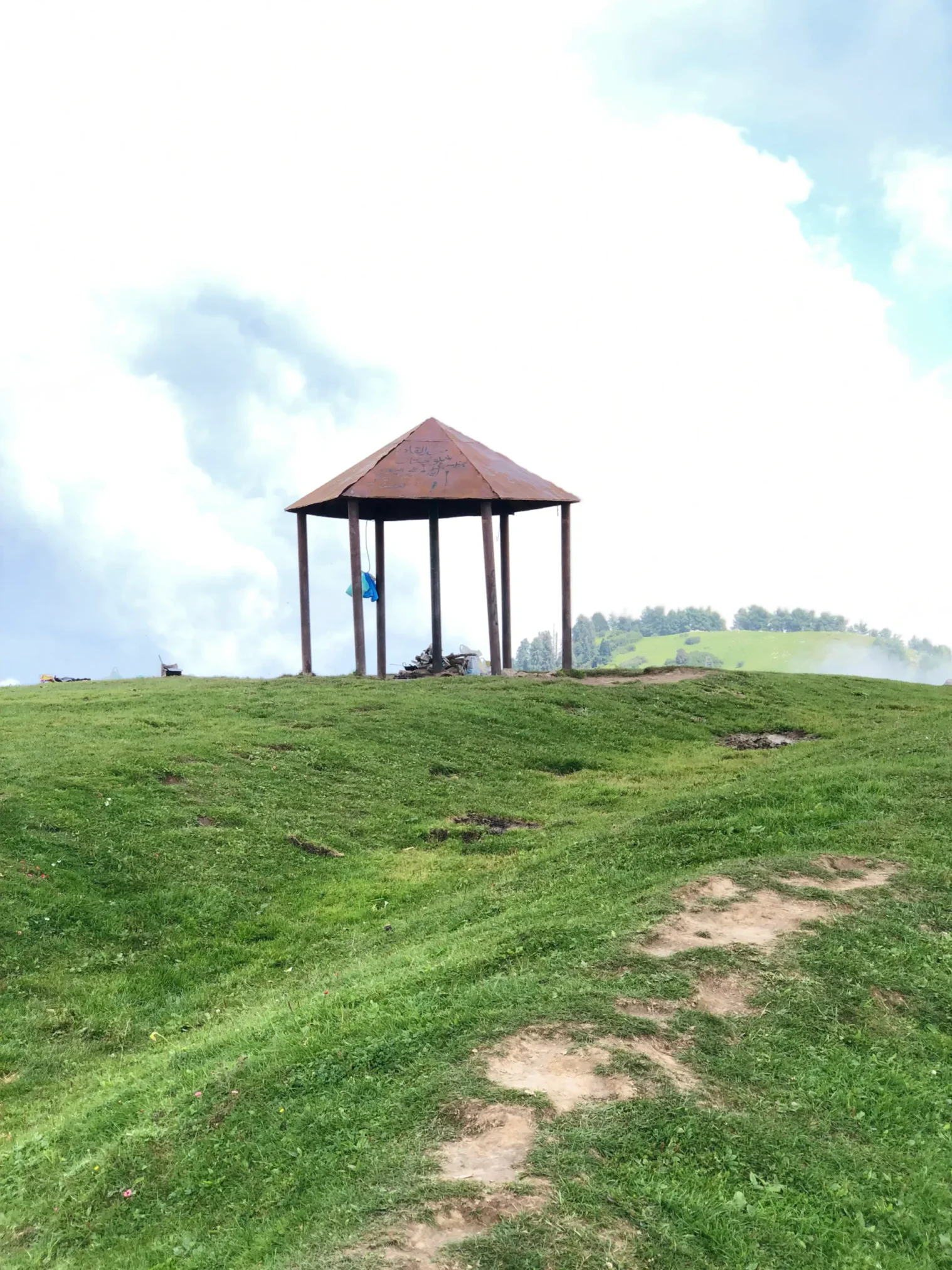
Route 2: Lalazar Trackway
Trail Overview
- Starting Point: Lalazar Park, Nathia Gali
- Distance: ~5.5 km one way
- Elevation Gain: ~1,900 ft
- Average Trek Time: 3–4 hours ascent, 2–3 hours descent
Lalazar offers a more secluded trekking experience with slightly steeper ascents. This route is ideal for adventure travelers and photography enthusiasts seeking to avoid crowds.
Highlights along Lalazar Trackway:
- Meadows and Hillsides: Perfect for photographing blooming wildflowers and mist-covered valleys.
- Diverse Flora: Includes oak, maple, walnut, and exotic Himalayan ferns.
- Wildlife Sightings: Foxes, Himalayan Monal pheasants, and squirrels are common.
- Historical Significance: Some colonial-era markers along the trail indicate water pipeline points.
Traveler Review:
“Lalazar track is a bit tougher than Dunga Gali but extremely rewarding. Solitude, wildlife, and views of the meadows made it worth the extra effort.” – Google Review
Route 3: Ayubia Pipeline Track
Trail Overview
- Starting Point: Dunga Gali Bazaar
- Distance: 4 km one way
- Elevation Gain: ~1,000 ft
- Average Trek Time: 40–50 minutes one way
The Pipeline Track is a historical route, following the water supply line constructed during the British era. The trail is relatively flat and easy, making it suitable for beginners, families with children, and casual tourists.
Highlights along Pipeline Track:
- Historical Significance: Walk along the pipeline constructed in the 19th century.
- Forest Walk: Dense deodar, cedar, and oak trees shade much of the path.
- Birdwatching: Frequent sightings of Crested Grey Finch, Yellow-billed Magpie, and Red-breasted Finch.
- Scenic Overlooks: Several points offer panoramic views of valleys and nearby hills.
Traveler Review:
“Pipeline track is a gentle walk, great for families. We reached the summit without breaking a sweat and enjoyed spotting local birds along the way.” – Google Review
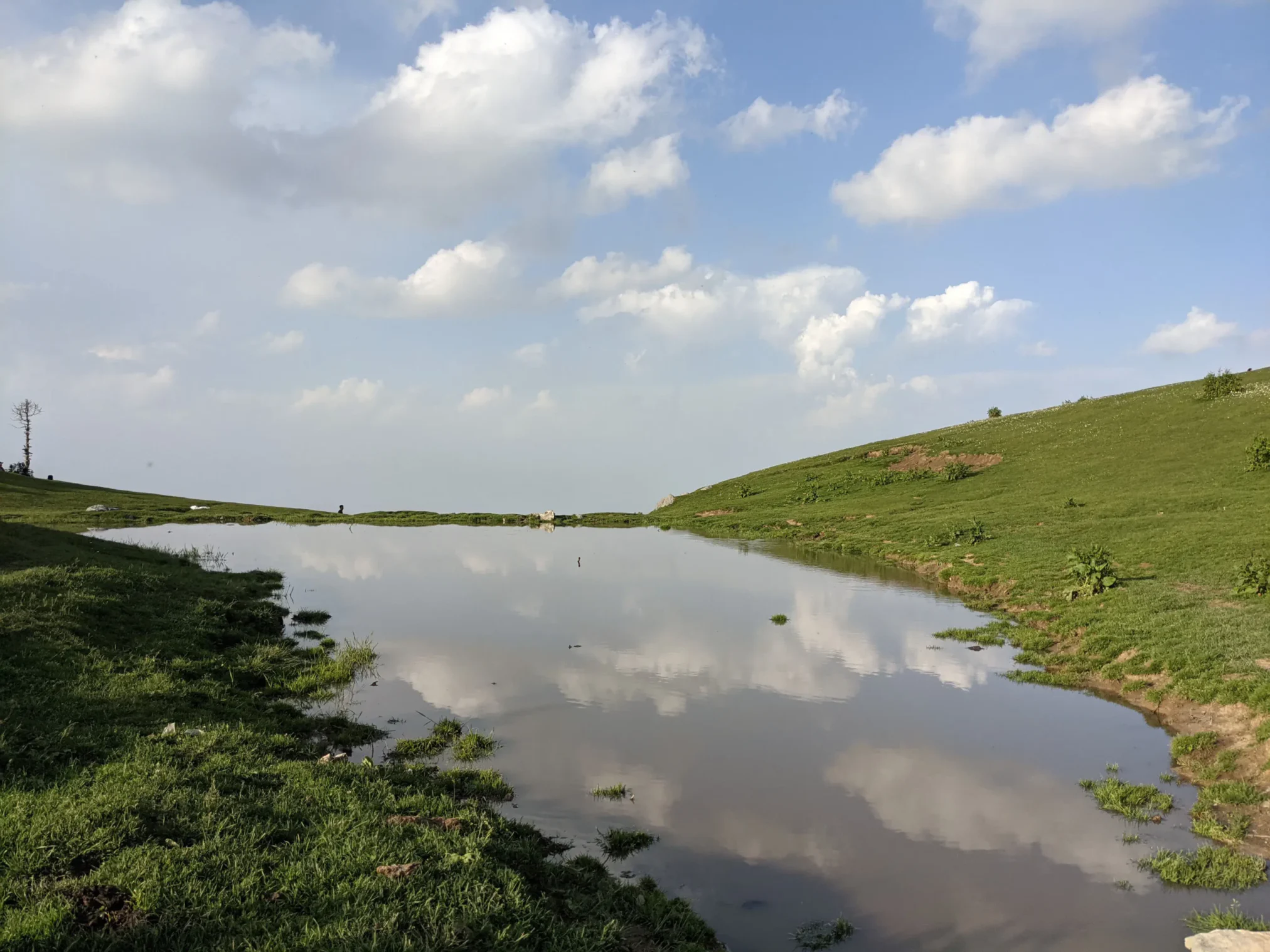
Adventure & Trekking Tips
- Physical Preparation: Even though Mushkpuri is moderate, basic cardio fitness and comfortable footwear are essential.
- Trekking Gear: Hiking boots, trekking poles, layered clothing, and rain gear.
- Water & Snacks: Bring 2 liters of water per person and light snacks for energy.
- Timing: Start early in the morning for sunrise views and to avoid afternoon fog.
- Group Size: Small groups are recommended for safety, especially in winter.
Seasonal Trekking Considerations
| Season | Trek Difficulty | Tips |
|---|---|---|
| Winter | Moderate-Strenuous | Snow and icy trails; use crampons or anti-slip boots; avoid solo trekking. |
| Spring | Moderate | Wildflowers and pleasant weather; best time for photography. |
| Summer | Moderate | Clear skies, optimal for sunrise/sunset photography; start early to avoid crowds. |
| Autumn | Moderate | Crisp air, colorful foliage; perfect for birdwatching and scenic shots. |
Traveler Review:
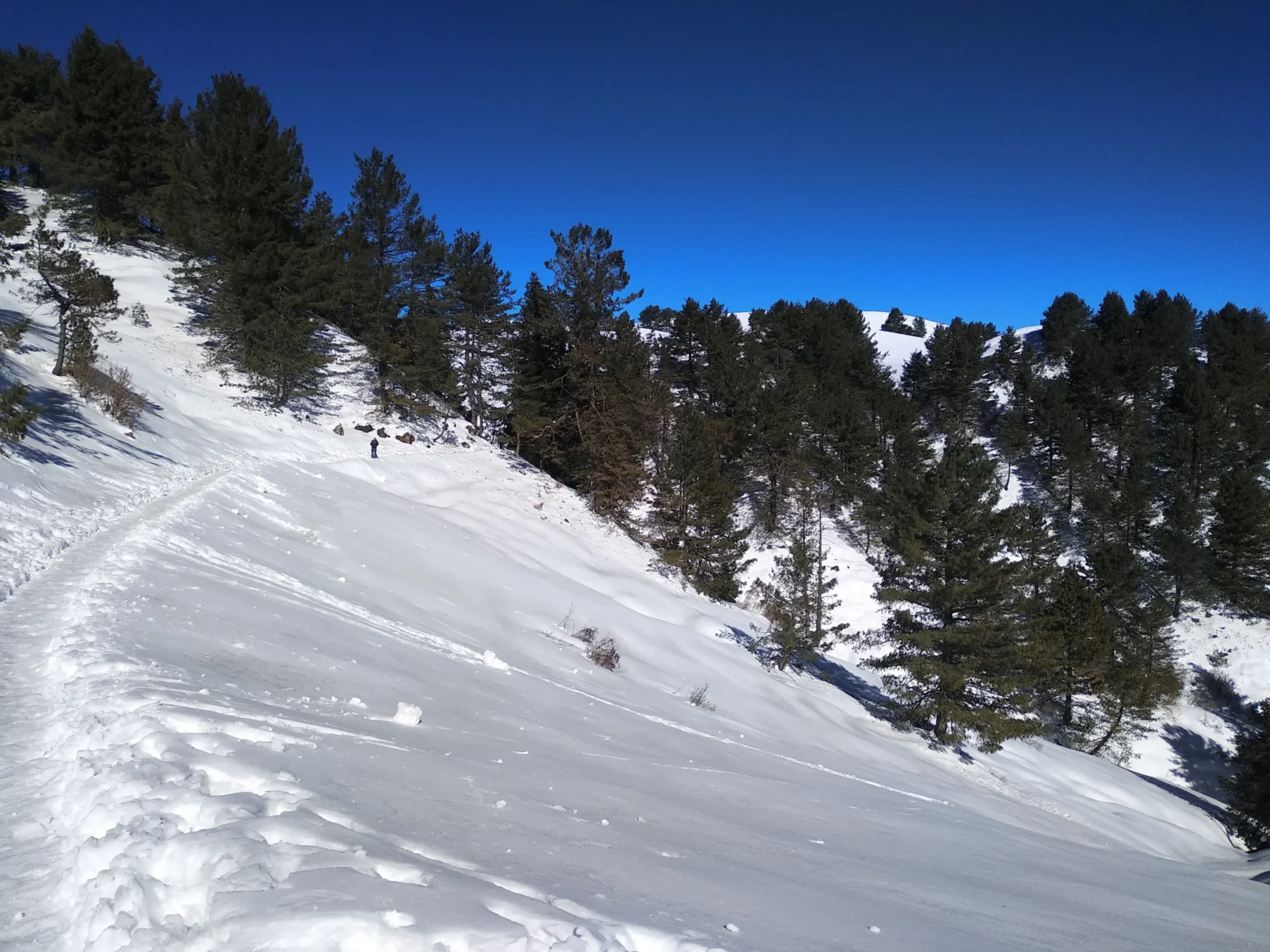
“We went in December. Trails were snowy, slippery, but absolutely magical. Just make sure you have proper footwear and trekking poles.” – Google Review
Summit Experience & Scenic Highlights
The summit of Mushkpuri Top offers:
- 360° panoramic views of Kashmir Mountains, Ayubia National Park, and Nathia Gali Hills
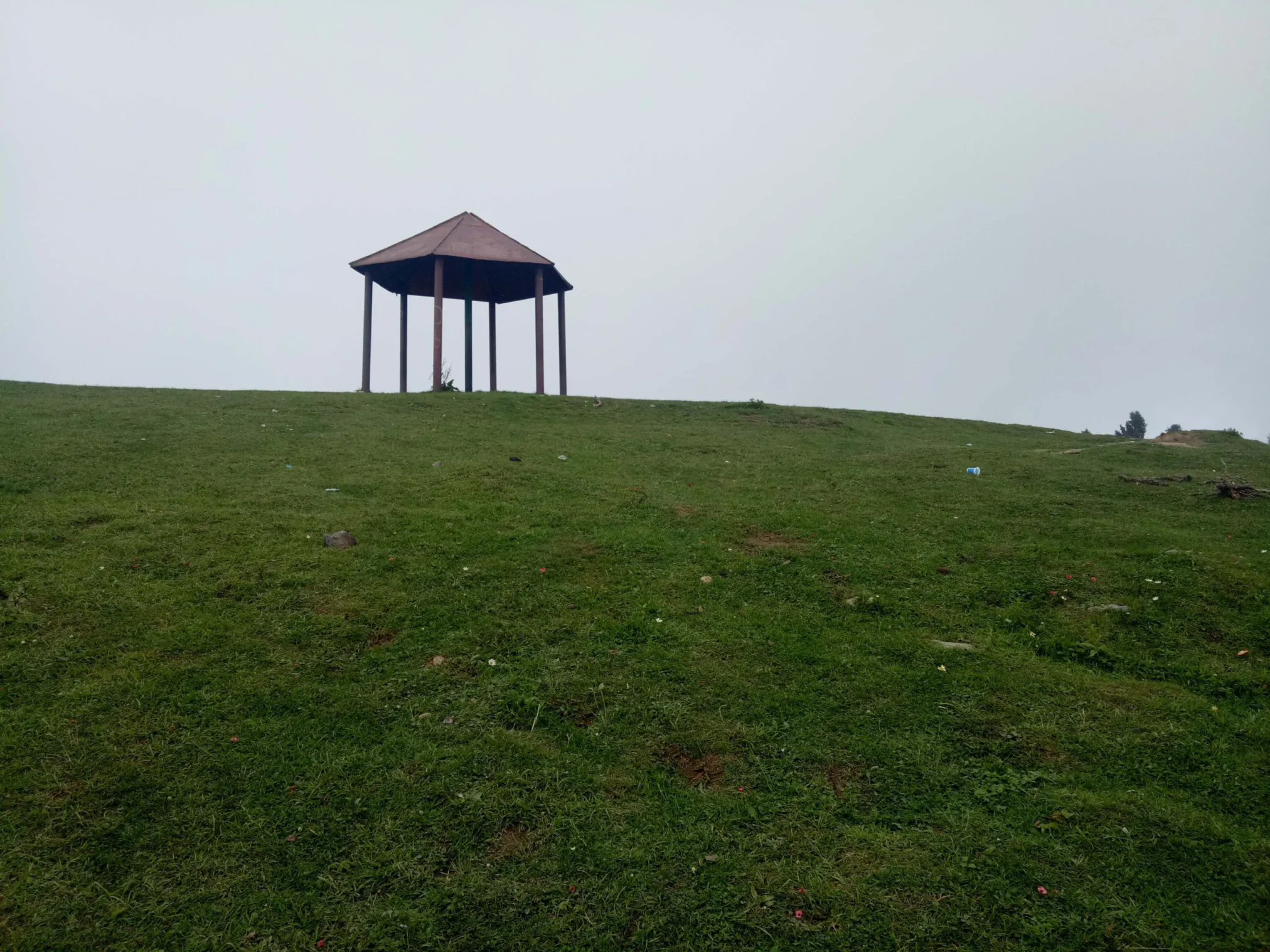
- A quiet meadow with scattered rocks, ideal for photography and picnics
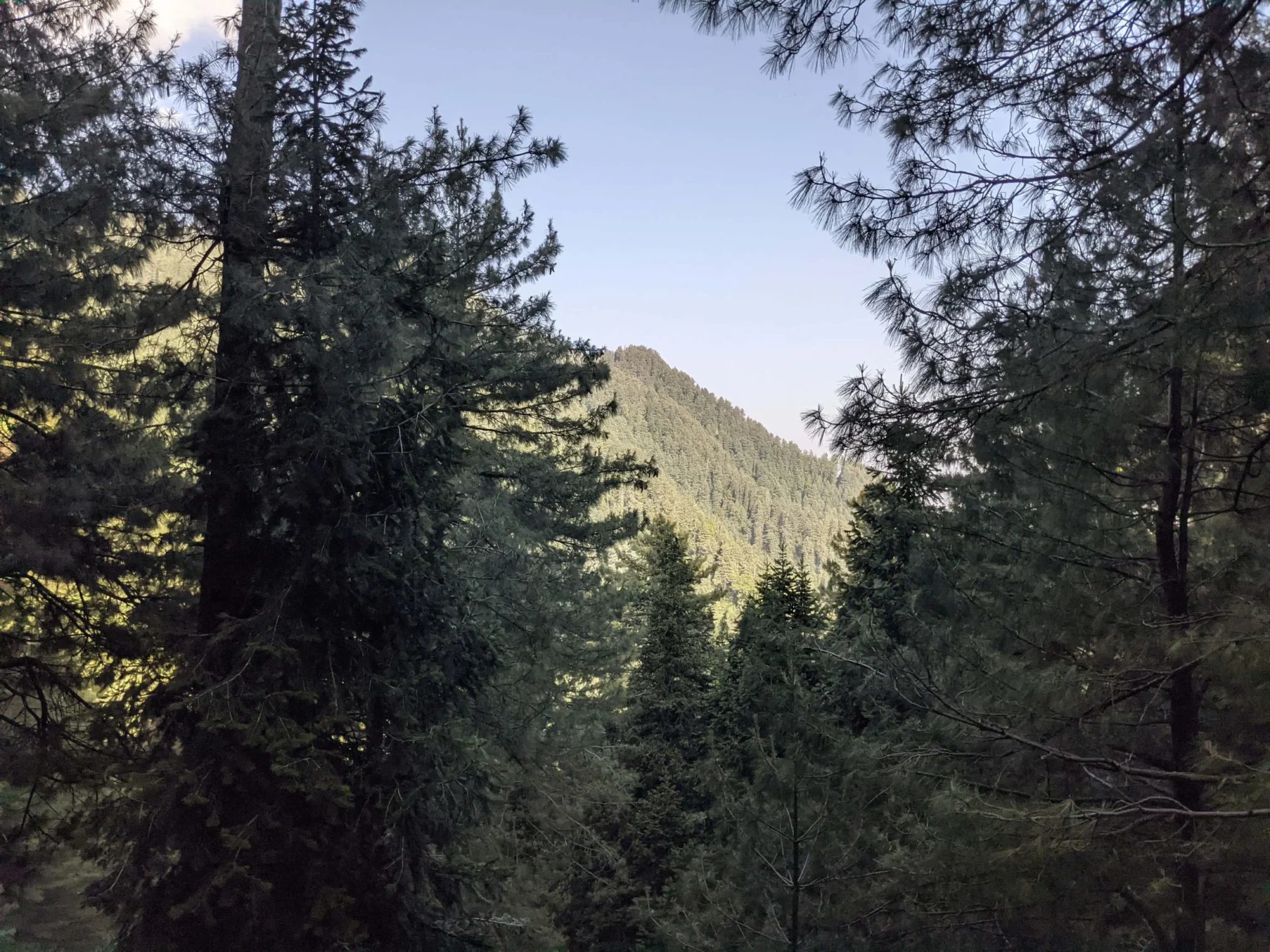
- Fresh mountain air and the subtle scent of pine and cedar
- Opportunities to spot local birds and wildlife
Photography Tips at the Summit:
- Capture the morning mist rolling over valleys
- Use wide-angle lenses for full panoramic shots
- Golden-hour photography during sunrise or sunset yields dramatic skies and shadows
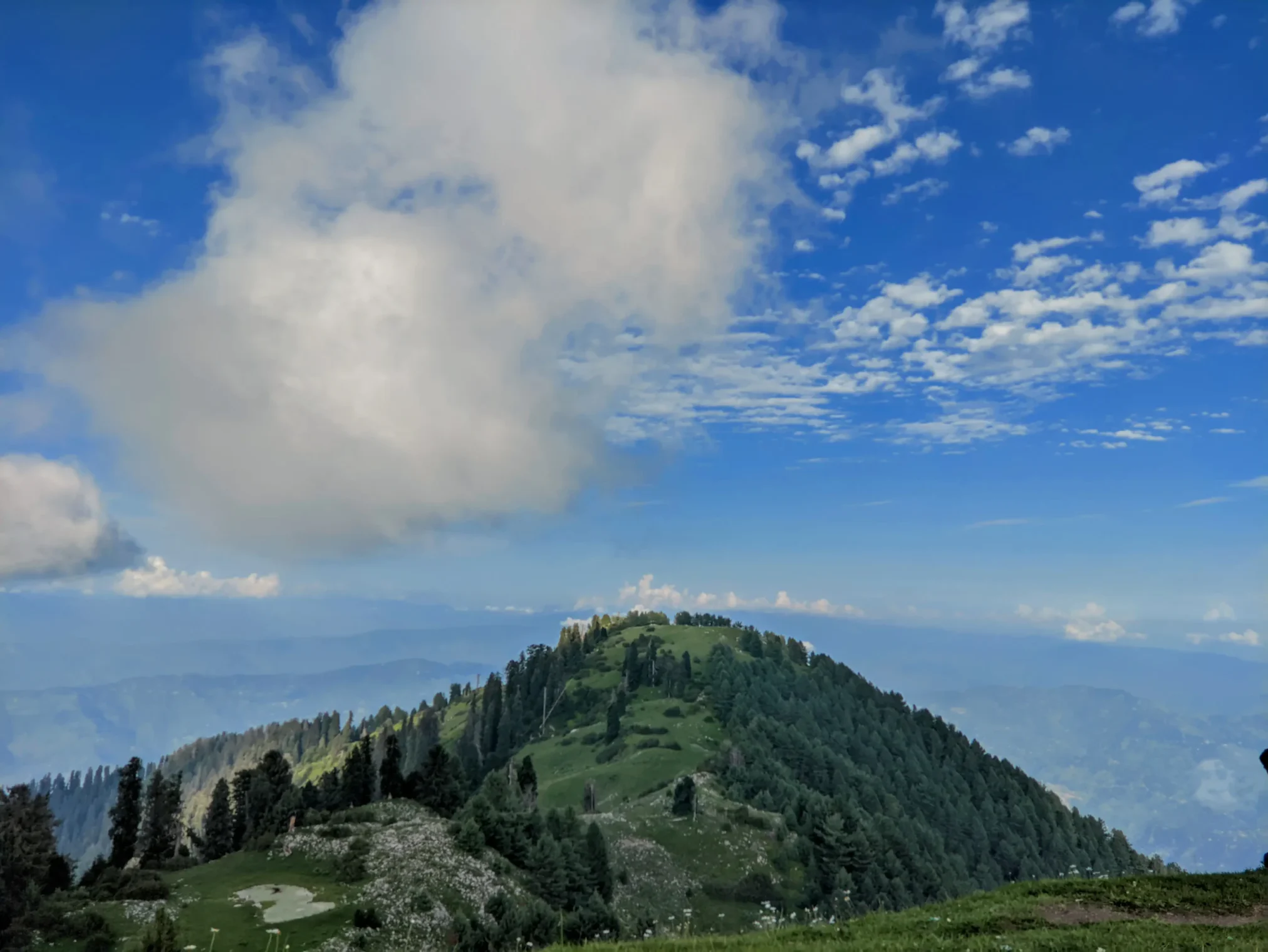
Nearby Waterfalls & Natural Spots on Trek
- Umbrella Waterfall: Refreshing stop near Sajikot; adventurous hikers often include it as a half-day detour.
- Namli Maira Waterfall: Small, serene, perfect for mid-trek rest.
- Jannat Waterfall: Crystal-clear water with surrounding forest; ideal picnic and photography spot.
Traveler Review:
“We stopped at Namli Maira on the way to Mushkpuri. The waterfall was stunning and the cool water rejuvenated us for the hike ahead.” – Google Review
Safety & Emergency Tips
- Avoid trekking after heavy rain; trails become slippery.
- Carry a first-aid kit and mobile phone (note: network coverage may be limited).
- Stay on marked trails; venturing off can be dangerous.
- Travel with a guide if unfamiliar with the routes.
Flora, Fauna, Scenic Views & Photography
Mushkpuri Top, standing at 2,800 meters (9,200 ft) in the Abbottabad District of Khyber Pakhtunkhwa, is not only a trekking destination but also a natural sanctuary. The area’s biodiversity, dense forests, alpine meadows, and wildlife make it a paradise for nature enthusiasts, birdwatchers, and photographers alike. The word Mushkpuri is believed to be derived from Sanskrit, meaning “a place of quietness and peace,” which is evident in the serene ambiance found throughout the trails and summit.
Flora of Mushkpuri Top
Mushkpuri Top is enveloped in Western Himalayan forest cover, home to a wide variety of trees, shrubs, and flowering plants. The seasonal variations create a changing landscape throughout the year, each season offering its own unique charm.
1. Trees & Forest Cover:
- Pine (Pinus roxburghii & Pinus wallichiana): Towering pines form dense canopies that create a magical tunnel effect on trails.
- Cedar (Cedrus deodara): Majestic and aromatic, providing shade and a fresh scent along the trekking path.
- Oak (Quercus spp.): Scattered along higher slopes, their leaves turn golden in autumn, adding to the scenic beauty.
- Walnut & Maple: Less common, but offer picturesque vistas in spring and autumn.
2. Alpine Meadows & Flowers:
The meadows along the trek are dotted with wildflowers, creating a colorful carpet of nature.
- Spring blooms: Primulas, Rhododendrons, and Himalayan Buttercups.
- Summer flowers: Orchids, Primulas, and Dandelions.
- Autumn vegetation: Rich grasses, ferns, and scattered wild shrubs.
Traveler Review:
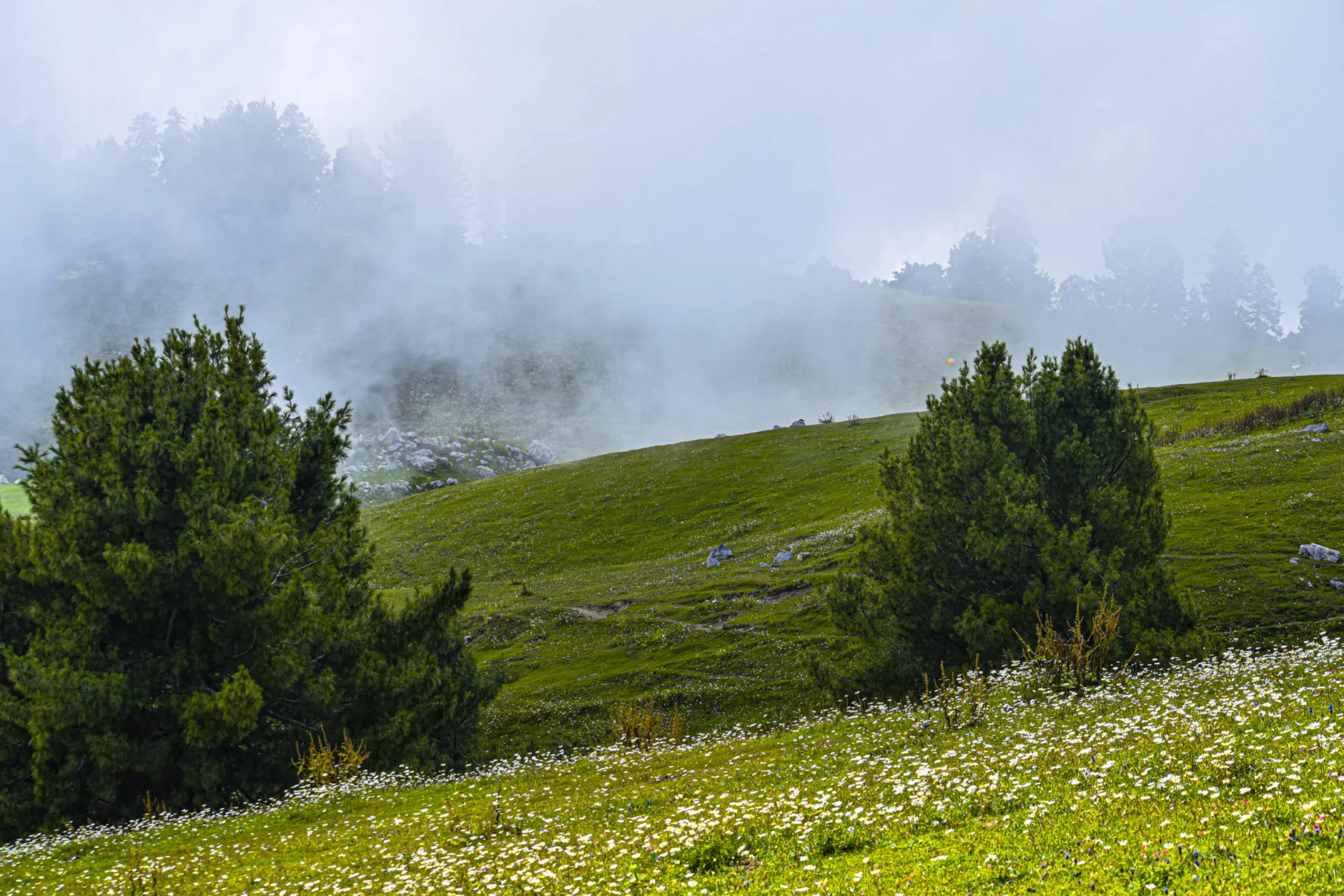
“The meadows in spring were mesmerizing — a sea of yellow, purple, and white flowers with pine trees in the background. Perfect for photography and relaxation.” – Google Review
Fauna & Wildlife
Mushkpuri Top and its surrounding forests are home to diverse wildlife, making it a haven for nature lovers and wildlife photographers. The area provides shelter to small mammals, birds, and insects, with occasional sightings of larger animals in more secluded zones.
1. Birds:
Mushkpuri is a birdwatcher’s paradise, with over 50 species reported in the region. Notable birds include:
- Yellow-billed Magpie: Often seen perched on tall pine branches.
- Red-breasted Finch: Bright plumage that contrasts beautifully with green forests.
- Crested Grey Finch: Common along trails and meadows.
- White-cheeked Bulbul: Vocal and easy to spot.
- Himalayan Monal (rare): Occasionally sighted, especially during early morning hours.
2. Mammals:
While larger mammals are more elusive, hikers might spot:
- Himalayan Foxes: Skulking at dawn or dusk.
- Squirrels: Common along trees, often curious around humans.
- Porcupines: Usually nocturnal, glimpsed rarely.
3. Insects & Butterflies:
- Various colorful butterflies thrive in meadows during spring and summer.
- Bees, dragonflies, and other pollinators add to the ecosystem’s vibrancy.
Scenic Views & Photography
The scenic landscapes of Mushkpuri Top are what make this trek exceptional. From towering peaks to flowing brooks, every viewpoint offers a picture-perfect composition.
1. Summit Panoramas:
- 360° Views: Observe Nathia Gali, Dunga Gali, Ayubia National Park, and distant Kashmir mountains.
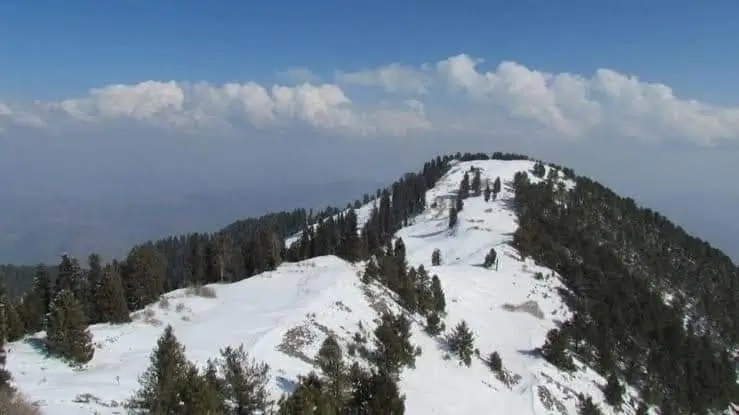
- Snow-capped peaks in winter: December to February transforms the area into a winter wonderland.
- Autumn foliage: Trees turning golden, orange, and red create breathtaking frames.
2. Forest & Trail Photography:
- Capture tunnel-like trails lined with pines and cedars.
- Use depth of field to highlight sunlight filtering through leaves.
- Photograph wildflowers and meadows for vibrant seasonal shots.
3. Waterfalls & Streams:
- Namli Maira Waterfall: Small yet serene, perfect for close-up shots with mossy rocks.
- Umbrella Waterfall: Adventure stop for hikers seeking natural water cascades.
- Jannat Waterfall: Ideal for wider-angle shots and long-exposure photography.
Tips for Nature Photography at Mushkpuri
- Golden Hour: Sunrise and sunset provide warm, soft light, enhancing landscapes.
- Tripod Usage: Essential for low-light and waterfall long-exposure shots.
- Wide-Angle Lens: Capture the vast panoramas and meadows.
- Macro Lens: Ideal for wildflowers, insects, and small birds.
- Seasonal Composition:
- Winter: Snow-capped peaks and icy streams.
- Spring: Wildflowers and fresh greenery.
- Summer: Dense forests and clear blue skies.
- Autumn: Colorful foliage and misty mornings.
Flora & Fauna Conservation Awareness
Visitors are encouraged to preserve Mushkpuri’s natural beauty:
- Avoid littering and carry trash back to Dunga Gali.
- Do not disturb wildlife; observe from a distance.
- Stay on marked trails to protect vegetation and prevent soil erosion.
- Eco-friendly camping: If camping overnight, follow Leave No Trace principles.
Mushkpuri Top is not just a trekking destination; it is a vibrant ecosystem and photographer’s dream. From dense forests and alpine meadows to waterfalls and panoramic vistas, the area offers rich flora, diverse fauna, and unforgettable visual experiences. For birdwatchers, wildlife enthusiasts, and photographers, Mushkpuri provides a year-round natural haven.
Accommodation, Food & Local Experiences
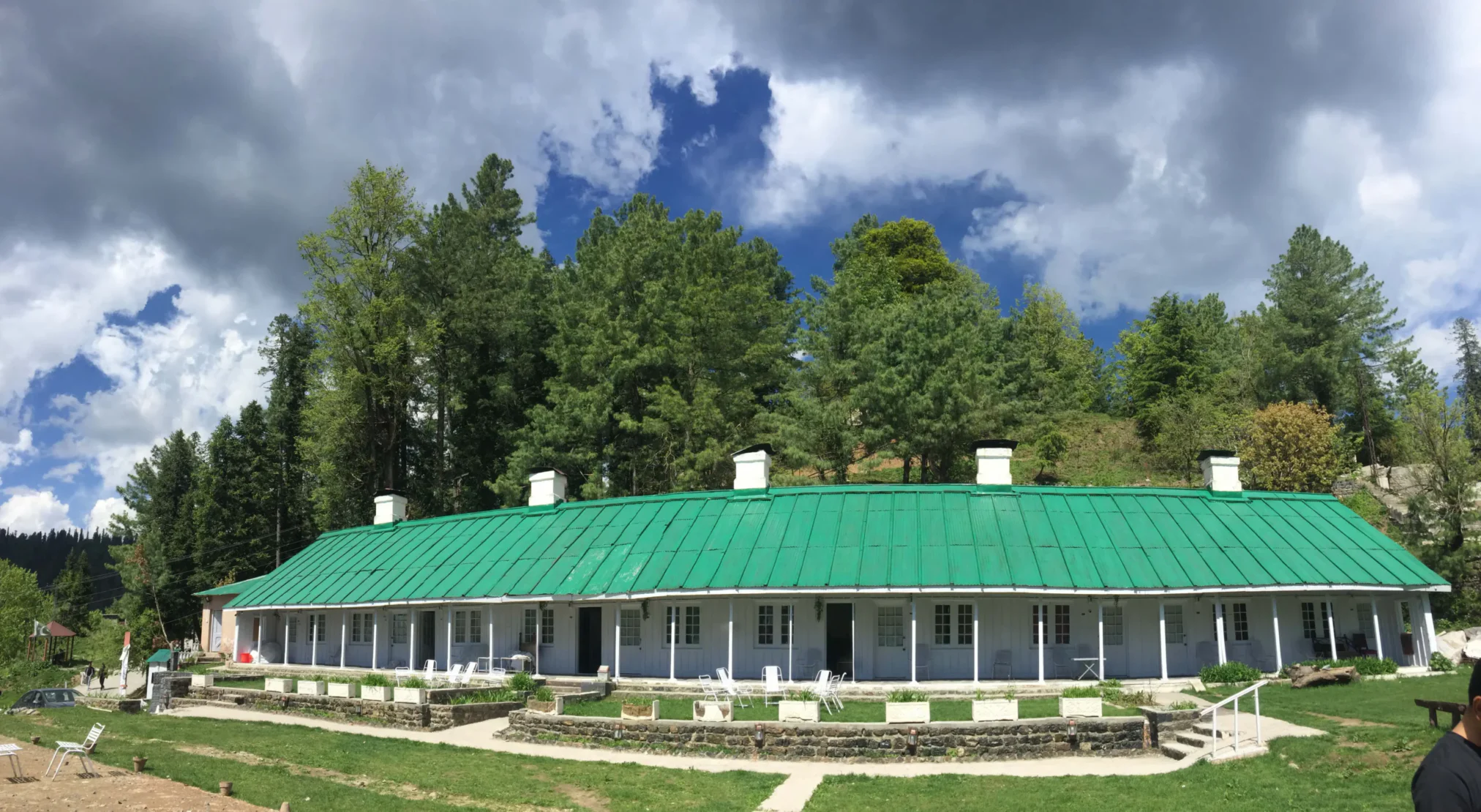
After a long day of trekking and exploring Mushkpuri Top, having comfortable and convenient accommodation options is essential. The areas surrounding Mushkpuri—Dunga Gali, Nathia Gali, Ayubia, and Murree—offer a wide range of hotels, resorts, and guesthouses that cater to adventure travelers, families, and solo tourists. Coupled with local food and cultural experiences, a stay in this region can turn a simple trek into a memorable holiday experience.
Best Hotels & Resorts Near Mushkpuri Top
1. Fiora Hotel
- Location: Nathia Gali
- Highlights: Valley-view balconies, luxurious rooms, in-house dining
- Services: Wi-Fi, gym, multi-cuisine restaurants, laundry, and hot showers
- Traveler Review:
“Fiora Hotel was amazing! The balcony view of the hills in the morning was breathtaking. Rooms were clean and service was excellent.” – Google Review
2. Alpine Hotel & Resort
- Location: Nathia Gali
- Highlights: Cozy cottages amidst pine trees, family-friendly
- Services: Restaurant, trekking guide assistance, outdoor seating
- Traveler Review:
“Alpine Resort made our stay unforgettable. Perfect for families and hikers returning from Mushkpuri Top.” – TripAdvisor
3. Hotel Elites Nathia Gali
- Location: Nathia Gali
- Highlights: Traditional décor, local cuisine, scenic views
- Services: Breakfast and dinner included, Wi-Fi, room service
- Traveler Review:
“The food at Hotel Elites was delicious and the hospitality unmatched. Loved waking up to foggy hills outside the window.” – Google Review
4. Lemon Lodges & Summer Retreat Hotel
- Location: Near Ayubia National Park
- Highlights: Budget-friendly, surrounded by greenery
- Services: Easy access to trails, clean rooms, outdoor seating for scenic views
- Traveler Review:
“Lemon Lodges offered the perfect balance of affordability and comfort. Ideal for trekkers visiting Mushkpuri Top.” – TripAdvisor
5. Other Recommended Stays
- Hummingbird Resort
- Marcopollo Resort
- Sunset Creek Resort
- Royal Orchid Hotel
- Green View Guest House
- D-Cozy Resort
All accommodations are within 30–40 minutes of Dunga Gali, making it easy to start an early trek or enjoy sunset views.
Dining & Local Cuisine
The Galiyat region offers a mix of Pakistani traditional food and international cuisines, catering to tourists’ diverse preferences.
Popular Dishes:
- Nihari & Paya: Slow-cooked meat dishes, perfect for winter mornings
- Chapli Kebab & Seekh Kebabs: Grilled and flavorful, served with naan or roti
- Local Trout Fish: Freshly caught from nearby streams
- Pakistani Breakfast: Eggs, parathas, and local jams
- Continental Options: Pasta, sandwiches, and salads in upscale resorts
Cafés & Restaurants:
- Kashmir Point Café: Famous for coffee and scenic views
- Dunga Gali Bazaar Restaurants: Affordable meals with local flavors
- Ayubia Park Restaurants: Quick bites, barbecue, and tea stalls
Traveler Review:
“We had lunch at a small local eatery in Dunga Gali. The trout fish was fresh and delicious, and the ambiance was very rustic and charming.” – Google Review
Local Experiences & Cultural Highlights
Beyond trekking and dining, the Mushkpuri region offers immersive cultural and leisure experiences:
1. Exploring Local Markets
- Dunga Gali Bazaar & Nathia Gali Shops: Souvenirs, handicrafts, woolen garments, and local delicacies
- Recommended Souvenirs: Handwoven shawls, carved wooden items, local honey
2. Chair Lift & Scenic Rides
- Ayubia National Park Chair Lift: Experience aerial views of forests and hills while relaxing on the chair lift
- Sunset & Sunrise Photography: Best captured from elevated points near hotels or on the trek
3. Picnics & Nature Walks
- Namli Maira & Umbrella Waterfalls: Short stops for a refreshing picnic
- Harnoi River Picnic Spot: Families can enjoy horse rides, merry-go-rounds, and streams
4. Birdwatching & Wildlife Observation
- Hikers can spot Himalayan Monal, finches, and other local birds while walking along trails
- Best during spring and early summer, when wildlife is most active
5. Community & Village Visits
- Some nearby villages offer homestays and cultural interactions, showcasing local traditions, attire, and cuisine
- Visitors can engage in traditional cooking demonstrations and handicraft workshops
Practical Tips for Staying Near Mushkpuri Top
- Book Early: Peak tourist seasons are summer (June–August) and spring (March–May)
- Check Facilities: Some smaller guesthouses may not have Wi-Fi or modern amenities
- Transport: Most hotels offer pick-up services from Islamabad or nearby stations
- Safety & Security: Dunga Gali and Nathia Gali are considered safe, but it’s recommended to avoid trekking alone at night
- Cash & Payment: Carry cash; smaller restaurants and local markets may not accept cards
Seasonal Experiences
| Season | Accommodation & Dining Highlights | Cultural Activities |
|---|---|---|
| Winter | Cozy fireplaces, hot drinks, snow-capped scenery | Snowball fights, winter photography |
| Spring | Blooming meadows, fresh local produce | Birdwatching, floral photography |
| Summer | Clear skies, comfortable weather | Hiking, outdoor picnics, chair lift rides |
| Autumn | Crisp air, colorful foliage | Cultural visits, forest walks, photography |
Mushkpuri Top is more than just a hiking destination; it is a complete travel experience encompassing comfortable lodging, flavorful cuisine, and immersive cultural encounters. Whether you prefer luxury resorts like Fiora Hotel, budget-friendly stays like Lemon Lodges, or local guesthouses, every visitor can find suitable accommodation. Coupled with birdwatching, picnics, waterfalls, and cultural interactions, a stay near Mushkpuri Top ensures memorable experiences beyond trekking alone.
Travel Planning, Tips & Complete Guide for Mushkpuri Top
Mushkpuri Top is a jewel of the Galiyat region, offering a combination of trekking, natural beauty, and serene escapes. Proper planning ensures that visitors maximize enjoyment while staying safe. This chapter covers everything from travel routes and tour packages to trekking essentials, safety tips, and frequently asked questions.
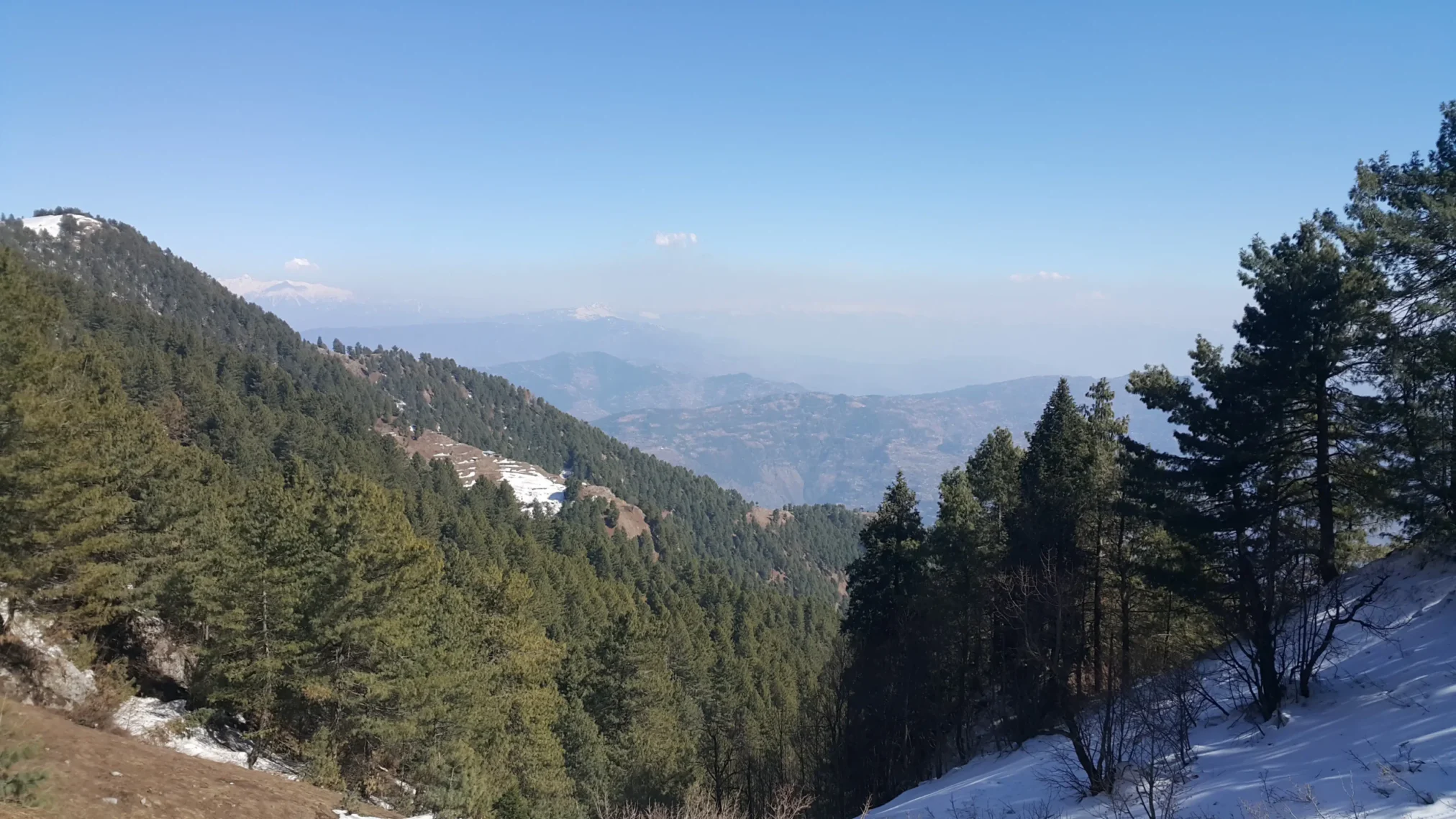
How to Reach Mushkpuri Top
Mushkpuri Top is approximately 90–100 kilometers north of Islamabad. The routes offer scenic drives, making the journey part of the experience.
By Car from Islamabad
- Distance: 82–100 km, depending on the route
- Duration: 2–3 hours
- Recommended Routes:
- Islamabad → Murree Expressway → Nathia Gali → Dunga Gali → Mushkpuri Top
- Islamabad → Ayubia National Park → Dunga Gali → Mushkpuri Top
- Tip: Early morning departure helps avoid traffic and enjoy sunrise at the summit.
By Public Transport
- Daewoo or Faisal Movers buses to Murree or Nathia Gali
- From Dunga Gali, hiring a local jeep or taxi is recommended to reach trailheads.
From Other Cities
- Rawalpindi: ~95 km, 3 hours
- Lahore: ~350 km, 7–8 hours via Islamabad motorway
- Murree: ~35 km, 1 hour by road
Traveler Review:
“We left Islamabad at 8 AM and reached Dunga Gali by 11 AM. The route was scenic, especially the pine forests near Nathia Gali. Definitely recommend starting early for the sunrise.” – Google Review
Best Time to Visit Mushkpuri Top
Mushkpuri can be visited all year round, but different seasons offer different experiences:
| Season | Months | Highlights | Tips |
|---|---|---|---|
| Winter | Dec – Feb | Snow-covered trails, frosty mornings | Warm clothing, trekking poles, waterproof boots |
| Spring | Mar – May | Blooming meadows, mild weather | Best for wildflowers, birdwatching |
| Summer | Jun – Sep | Pleasant weather, clear skies | Good for long treks, photography |
| Autumn | Oct – Nov | Colorful foliage, crisp air | Ideal for hikes and cultural sightseeing |
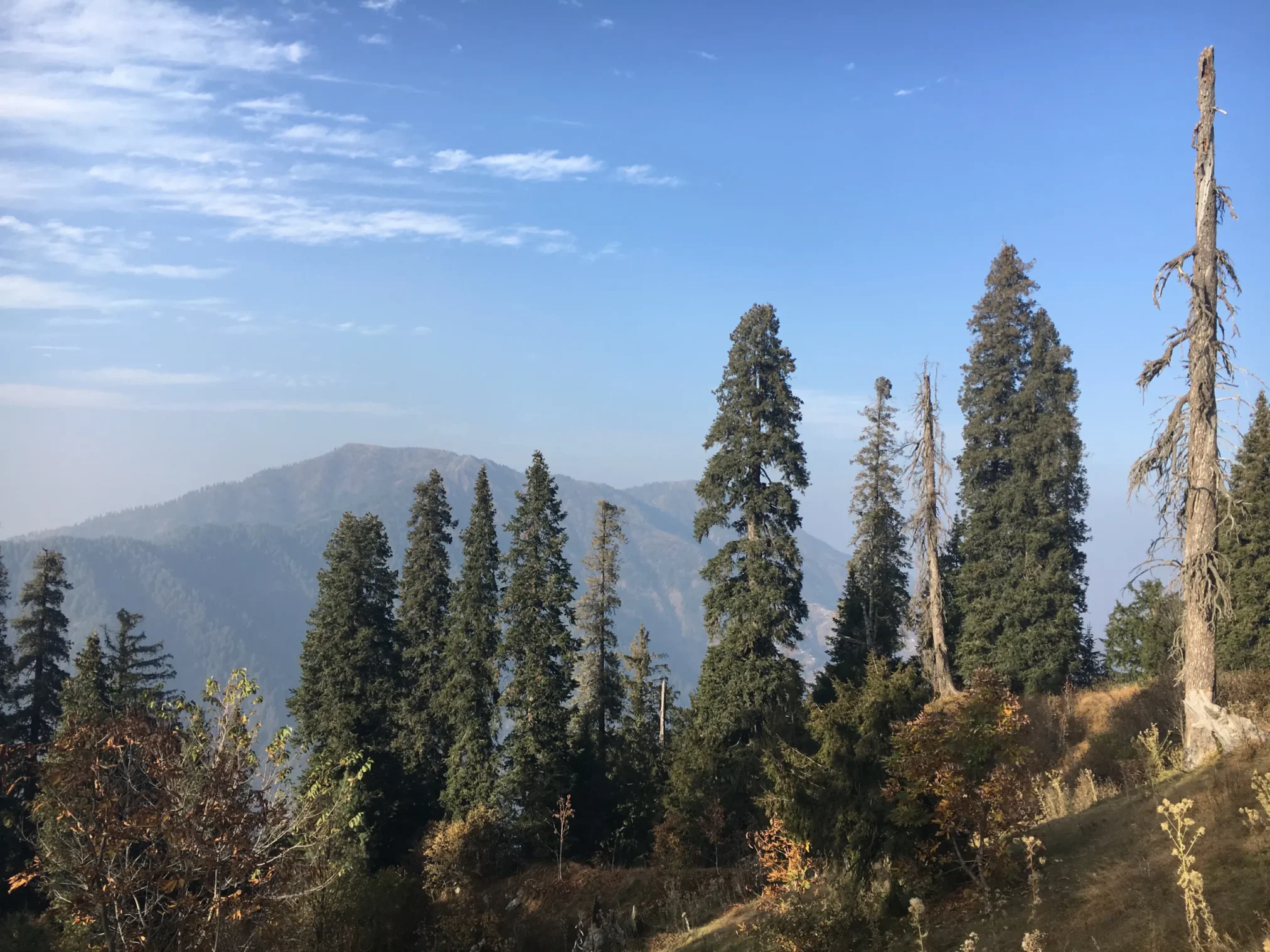
Trekking Details
Major Routes
- Dunga Gali Trackway – Shortest and most popular, 4 km, moderate difficulty
- Lalazar Trackway – Longer trek, scenic but less frequented
- Ayubia Trackway – Connects with Ayubia National Park, slightly longer, moderate difficulty
Duration
- Ascent: 2–3 hours
- Descent: 1.5–2 hours
- Total trek time: 3.5–5 hours
Trek Difficulty
- Considered moderate, suitable for beginners with basic fitness
- Winter treks require extra caution due to icy paths
Trail Highlights
- Dense pine, oak, and cedar forests
- Alpine meadows with seasonal flowers
- Streams, waterfalls, and small wildlife sightings
- Panoramic views of Nathia Gali, Ayubia, and Kashmir peaks
Traveler Review:
“The trek was challenging but manageable. The view from the top was worth every step!” – Google Review
Things to Bring
Clothing & Footwear
- Trekking trousers and T-shirts
- Warm sweaters or jackets (especially for winter)
- Waterproof jacket for sudden rain
- Trekking boots or sturdy shoes
- Hat, gloves, and scarf during winter
Gear & Essentials
- Water bottle and snacks
- Walking stick for balance
- First-aid kit and basic medications
- Camera and binoculars
- Daypack for carrying essentials
Tour Packages & One-Day Trips
Several operators, like Apricot Tours and Nature Adventure Club, provide one-day guided trips from Islamabad. Packages include:
Typical Inclusions
- Pickup & drop-off from Islamabad
- Licensed guide
- Transportation in SUV/mini-van
- Entry tickets to parks
- Bottled water and lunch (depending on package)
Sample Itinerary (1 Day)
- 8:00 AM: Depart Islamabad
- 11:00 AM: Arrive Dunga Gali, start trek
- 2:00 PM: Reach Mushkpuri Top, enjoy panoramic views
- 2:30 PM: Picnic lunch
- 4:30 PM: Trek back to Dunga Gali
- 6:00 PM: Depart for Islamabad
- 8:30 PM: Arrive Islamabad
Safety Tips
- Check Mushkpuri weather forecasts before trekking
- Avoid trekking alone, especially in winter
- Stay on marked trails to prevent accidents
- Carry enough water and snacks
- Wear suitable footwear to prevent slips on steep or icy paths
- Inform hotel or guide about your trekking plan
Emergency Contacts
- Local police & rescue: 1122
- Nearest hospital: Abbottabad Civil Hospital
- Tour operator helpline: +92 310 0200200
Conclusion
With careful planning, proper gear, and awareness of the trails, a visit to Mushkpuri Top can be safe, enjoyable, and unforgettable. Whether trekking, birdwatching, photographing, or simply enjoying nature, Mushkpuri offers a holistic experience of Pakistan’s northern beauty. Combining local cuisine, cozy accommodation, scenic drives, and cultural encounters, a Mushkpuri trip creates memories that last a lifetime.
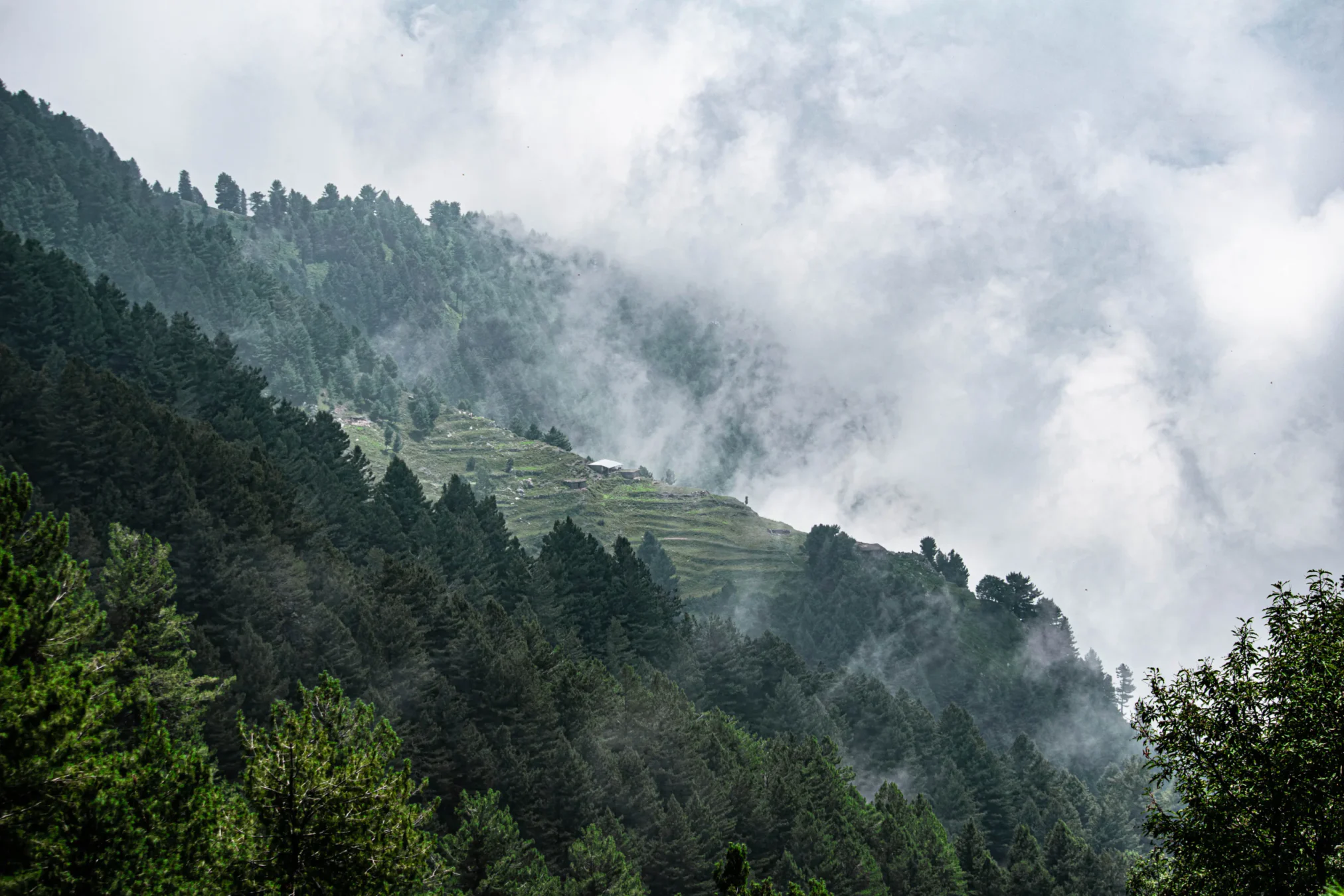
Frequently Asked Questions (FAQ) – Mushkpuri Top
1. Where is Mushkpuri Top located?
Answer: Mushkpuri Top is situated in the Nathia Gali Hills of Abbottabad District, Khyber Pakhtoon Khwa, Pakistan, approximately 90–100 km north of Islamabad. It lies within the Ayubia National Park area and is part of the scenic Galiyat region
2. How can I reach Mushkpuri Top from Islamabad?
Answer: You can reach Mushkpuri Top by car, bus, or tour package:
- By car: ~2–3 hours via Murree Expressway → Nathia Gali → Dunga Gali.
- By bus: Take Daewoo or Faisal Movers to Murree/Nathia Gali, then hire a local jeep/taxi.
- Tour Packages: Companies like Apricot Tours offer one-day guided trips from Islamabad.
3. What is the distance and trek duration to Mushkpuri Top?
Answer:
- Distance: ~4 kilometers from Dunga Gali trailhead.
- Trek Duration: 2–3 hours ascent, 1.5–2 hours descent.
- The trek is considered moderate, suitable for beginners with basic fitness.
4. Which is the best season to visit Mushkpuri Top?
Answer: Mushkpuri Top can be visited all year round, but each season offers unique experiences:
- Winter (Dec–Feb): Snowy trails and snow-capped mountains
- Spring (Mar–May): Blooming meadows and mild weather
- Summer (Jun–Sep): Pleasant trekking weather and clear skies
- Autumn (Oct–Nov): Colorful foliage and crisp air
5. Is Mushkpuri Top suitable for beginners and kids?
Answer: Yes, the trek is moderate, and with proper guidance and frequent rests, children and beginners can enjoy it. For the Dunga Gali route, horse rides are available for those who prefer not to walk.
6. What are the major trekking routes to Mushkpuri Top?
Answer:
- Dunga Gali Trackway – Shortest (4 km), moderate difficulty.
- Lalazar Trackway – Longer, scenic, less crowded.
- Ayubia Trackway – Connects with Ayubia National Park, slightly longer, moderate difficulty.
7. What facilities are available near Mushkpuri Top?
Answer:
- Hotels: Alpine Hotel & Resort, Hotel Elites Nathia Gali, Summer Retreat Hotel, Lemon Lodges.
- Restaurants: Local eateries and picnic areas along the trail.
- Guided Tours: Available via companies like Nature Adventure Club and Apricot Tours.
8. Are there any safety tips for trekking Mushkpuri Top?
Answer:
- Check weather forecast before the trek.
- Stay on marked trails.
- Wear sturdy shoes and carry warm clothing in winter.
- Bring water, snacks, and a first-aid kit.
- Avoid trekking alone, especially during winter or foggy conditions.
9. Can I see snowfall at Mushkpuri Top?
Answer: Yes. Snowfall occurs from December to February, transforming the trail into a winter wonderland. Be prepared for cold temperatures and slippery paths during this time.
10. Are there nearby attractions to combine with a Mushkpuri Top trip?
Answer: Yes, several nearby attractions include:
- Ayubia National Park – Wildlife and chairlift rides
- Dunga Gali Pipeline Track – Scenic trekking route
- Umbrella Waterfall & Namli Maira Waterfall – Refreshing picnic spots
- Lalazar Park & Jannat Waterfall – Ideal for nature photography







.%20This%20verdant%20mountain,%20blanketed%20with%20pine,%20cedar,%20oak,%20and%20maple%20forests,%20is%20not%20only%20a%20natural%20marvel%20but%20also%20%5B…%5D&media=https://nigarcraft.com.pk/wp-content/uploads/2026/03/Mushkpuri-Top-Tour-Trekking-Nature-Travel-Guide-13.webp)