Saba Qamar Dramas – More Than 20 Years in Pakistani Television
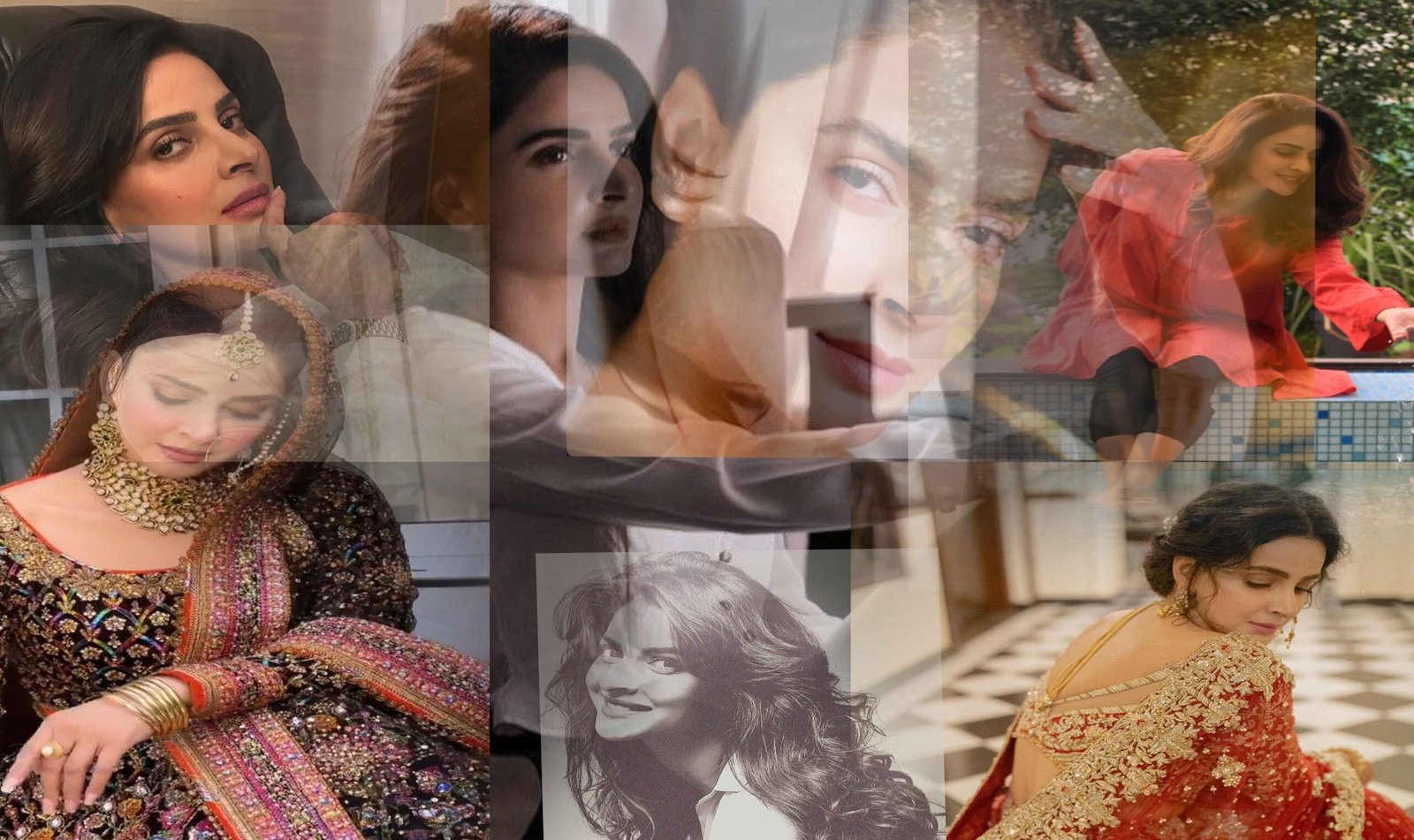
Saba Qamar is one of the Pakistani television performers whose career has developed across more than two decades. Her television journey began in 2004, when she made her acting debut in the PTV television series Main Aurat Hoon, a title also written as Mein Aurat Hoon in some references. Her filmography identifies her role as Rubina and records the production as an acting debut on PTV Home.
From that beginning, Saba Qamar did not immediately become associated with one particular type of character. Instead, the early part of her career involved a remarkable variety of television productions. She worked on PTV, ATV, Geo Entertainment, TV One Pakistan and other Pakistani networks, appearing in family dramas, social stories, anthology productions, comedy projects and character-driven serials.
This early period is important when discussing the Saba Qamar Drama journey because many discussions of her career begin with her later breakthrough projects such as Maat, Ullu Baraye Farokht Nahi, Digest Writer, Besharam, Baaghi and Cheekh. However, those later performances were built on years of television experience.
Her early filmography shows that she was already appearing regularly on television long before becoming a household name through her more internationally visible work. For a complete understanding of Saba Qamar’s career, therefore, it is useful to begin with the first decade of her television work.
Saba Qamar Dramas & Movies List
| Year | Drama / Project | Role | Network |
|---|---|---|---|
| 2004 | Main Aurat Hoon | Rubina | PTV Home |
| 2005 | Chaap | Iram Aftab | ATV |
| 2005 | Sussar In Law | Tania | PTV Home |
| 2006 | Gharoor | Sadia | PTV Home |
| 2006 | Apno Ka Sath | Aiza | PTV Home |
| 2006 | Dhoop Mein Andhera Hai | Zindagi | PTV Home |
| 2006 | Taqdeer | Dua | PTV Home |
| 2006 | Kahin Tum Kahin Hum | Mehru | PTV Home |
| 2006 | Phool | Kiran | PTV Home |
| 2006 | Banjar | Roshni | Geo Entertainment |
| 2006 | Aqal Bari Ya Bhains | Humaira | TV One Pakistan |
| 2007 | Khuda Gawah | Sonia | ATV |
| 2007 | Muhabbat Ab Nahi Hogi | Silah | HUM TV |
| 2007 | No.1 | Annie Zaidi | PTV Home |
| 2007 | Mammo | Salma | PTV Home |
| 2007 | Un Biyan Able | Rania | PTV Home |
| 2007 | Mirch Masala | Saman | Aaj TV |
| 2008 | Woh Subh Kab Ayegi | Hina | ATV |
| 2008 | Not Responding | Shafaq Absar | ATV |
| 2008 | Nawab Manzil | Iffat | ATV |
| 2008 | Daur | Maham | ATV |
| 2008 | Chubhan | Urooj | PTV Home |
| 2008 | Bint e Adam | Zainab | PTV Home |
| 2008 | Phool Aur Kantey | Simi | PTV Home |
| 2008 | Na Janay Kyun | Roohi | PTV Home |
| 2009 | Teri Ik Nazar | Nida | Geo Entertainment |
| 2009 | Nadia Naam Ki Larki | Nadia | Geo Entertainment |
| 2009 | Jinnah Ke Naam | Ruqsana Inayatullah | PTV Home |
| 2009 | Tinkay | Iman Anwar | PTV Home |
| 2009 | Hum Tu Karain Kamal | Nazia | PTV Home |
| 2009 | Mishaal | Fatima Mansoor | PTV Home |
| 2009 | Muhabbat Yun Bhi Hoti Hai | Ghazal Kabir | ATV |
| 2009 | Half Light | Aiza | ARY Digital |
| 2010 | Chand Ki Goud Main | Saboor | Geo Entertainment |
| 2010 | Lahore Junction | Sabahat | PTV Home |
| 2010 | Dastaan | Surraiya Saleem | Hum TV |
| 2010 | Kanpur Se Katas Tak | Pooja Mohan Das | Indus Vision |
| 2010 | Ghao | Mehr-un-Nisa | ATV |
| 2010 | Amar Bel | Bakhshan | ATV |
| 2010 | Rait Kay Dairay | Asma | A-Plus TV |
| 2010 | Uraan | Ayesha Aleem | Geo Entertainment |
| 2010 | Aankh Salamat Andhay Log | Amara | ATV |
| 2011 | Pani Jaisa Piyar | Sana | Hum TV |
| 2011 | Main Chand Si | Irsa | ARY Digital |
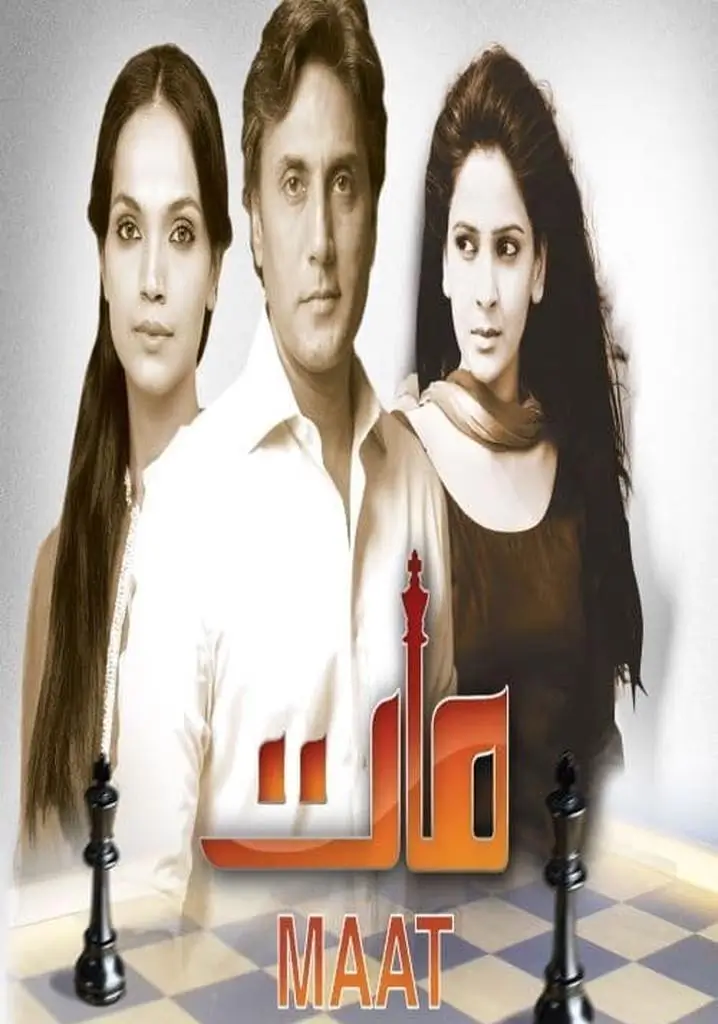
| 2011 | Maat | Saman | Hum TV |
| 2011 | Ghar Ki Baat Hai | Semi Amjad Saleem | A-Plus TV |
| 2011 | Tera Pyar Nahi Bhoole | Zartash | PTV Home |
| 2011 | Khalida Ki Walida | Khalida | PTV Home |
| 2011 | Mein Aisa Kiun Hoon | Nida | PTV Home |
| 2011 | Two In One | Sonia Mansoor | PTV Home |
| 2011 | Nazar | Katrina | PTV Home |
| 2011 | Jo Chale To Jaan Se Guzar Gaye | Zufishan | Geo Entertainment |
| 2012 | Thakan | Sadaf | ARY Digital |
| 2012 | Bhool | Surraiya | PTV Home |
| 2012 | Yahan Pyar Nahin Hai | Haleema | Hum TV |
| 2012 | Shikwa Na Shikayat | Meerub Rehman | Express Entertainment |
| 2012 | Shehryar Shehzadi | Sarwat | Urdu 1 |
| 2012 | Na Kaho Tum Mere Nahi | Mehreen | Hum TV |
| 2013 | Kaash Aisa Ho | Irfa | ARY Digital |
| 2013 | Ullu Baraye Farokht Nahi | Gul-e-Rana | Hum TV |
| 2013 | Miss Fire | Maya | Geo Entertainment |
| 2013 | Sannata | Rukayya | ARY Digital |
| 2013 | Bunty I Love You | Dania | Hum TV |
| 2014 | Jaanam | Falak Taseer | A-Plus TV |
| 2014 | Izteraab | Zara | Hum TV |
| 2014 | Bay Emaan Mohabbat | Dania | ARY Digital |
| 2014 | Na Katro Pankh Mere | Naamia Imad Alam | ARY Zindagi |
| 2014–15 | Digest Writer | Farida / Rashk-e-Hina | Hum TV |
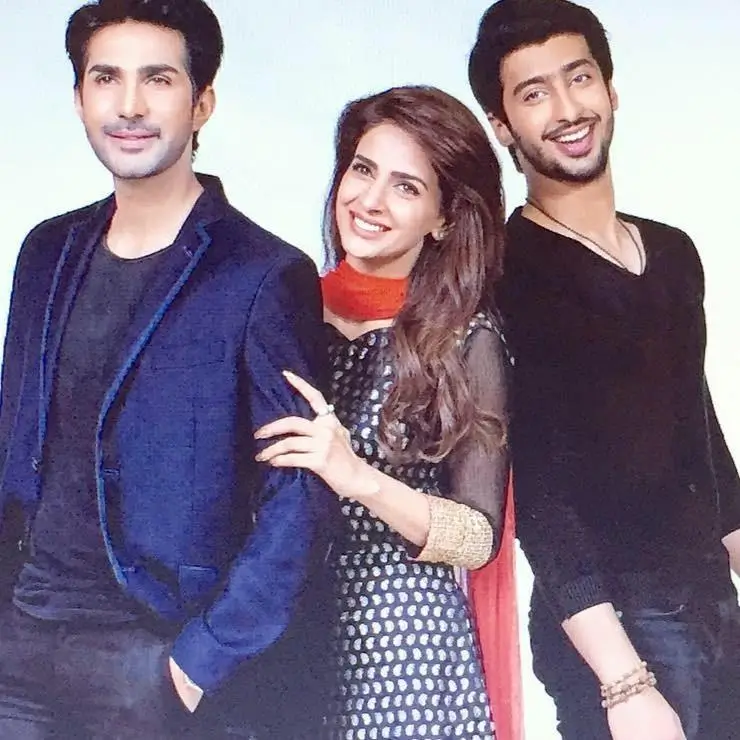
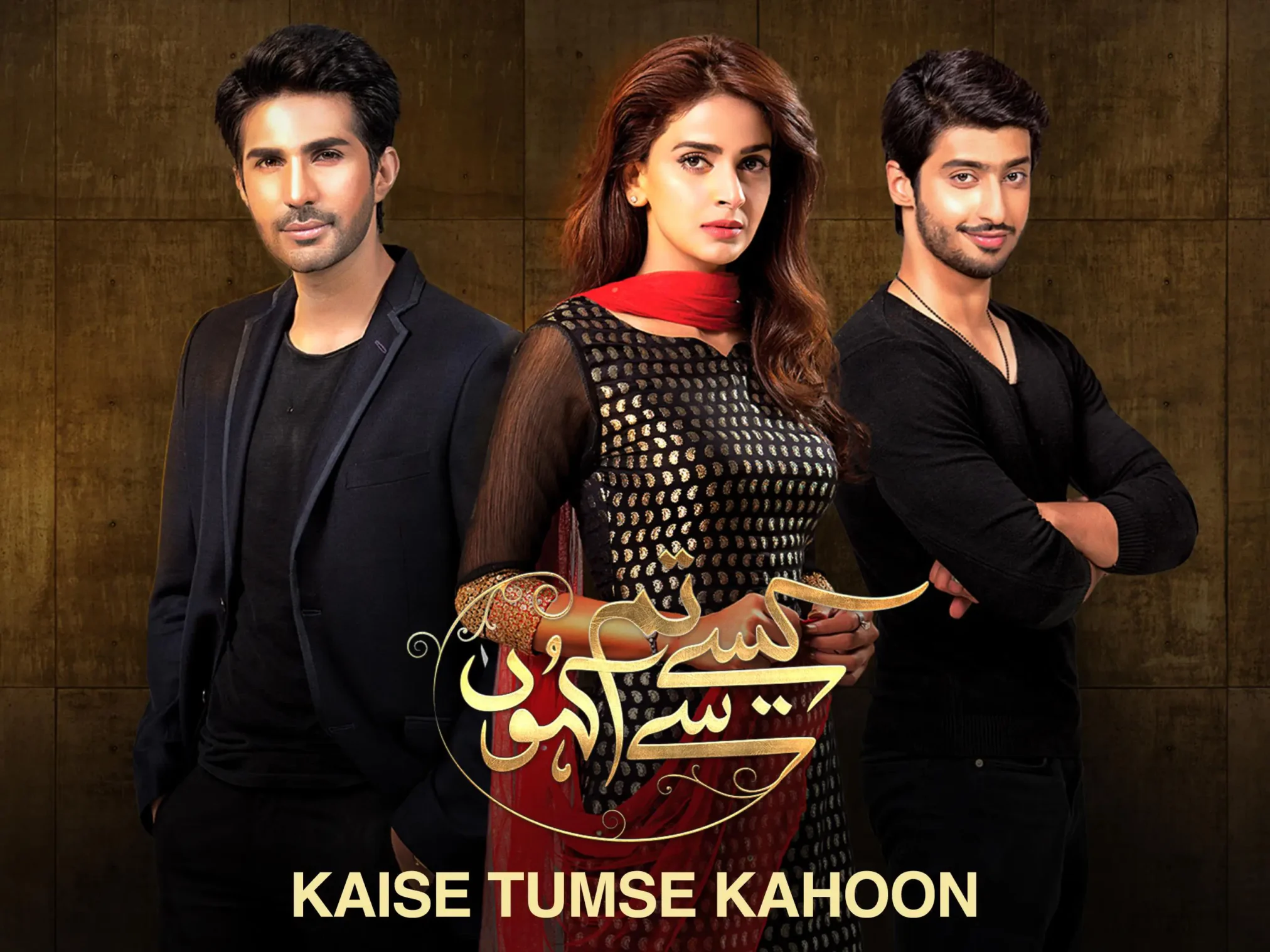
| 2015 | Kaisay Tum Se Kahoon | Anamta | Hum TV |
| 2015 | S.H.E | Bajirao Mastani | Geo Entertainment |
| 2015–16 | Sangat | Ayesha | Hum TV |
| 2016 | Mein Sitara | Surraiya / Sitara | TV One |
| 2016 | Besharam | Mishal Tahir Malik | ARY Digital |
| 2017–18 | Baaghi | Fouzia / Kanwal | Urdu 1 |
| 2017–18 | Manto | Noor Jehan | Geo Entertainment |
| 2018 | — | — | No new regular TV drama listed |
| 2019 | Cheekh | Mannat Shayan Taseer | ARY Digital |
| 2020 | — | — | No new regular TV drama listed |
| 2021 | Hangor S-131 | Naheed Ahmad Tasnim | ARY Digital |
| 2022 | Fraud | Maya Nisar | ARY Digital |
| 2023 | Sar-e-Rah | Rania | ARY Digital |
| 2023 | Gunah | Gul Meher | Express Entertainment |
| 2023 | Tumharey Husn Kay Naam | Salma Qureshi | Green Entertainment |
| 2023 | Serial Killer | Sarah Sikandar | Green Entertainment |
| 2024 | Pagal Khana | Noor-e-Saba | Green Entertainment |
| 2025 | Case No. 9 | Sehar Moazzam | Geo Entertainment |
| 2025 | Pamaal | Malika | Green Entertainment |
| 2025–2026 | Muamma | Jahan Ara | Hum TV |
1. Main Aurat Hoon — Saba Qamar Drama in 2004
Role: Rubina
Network: PTV Home
Year: 2004
Significance: Acting debut
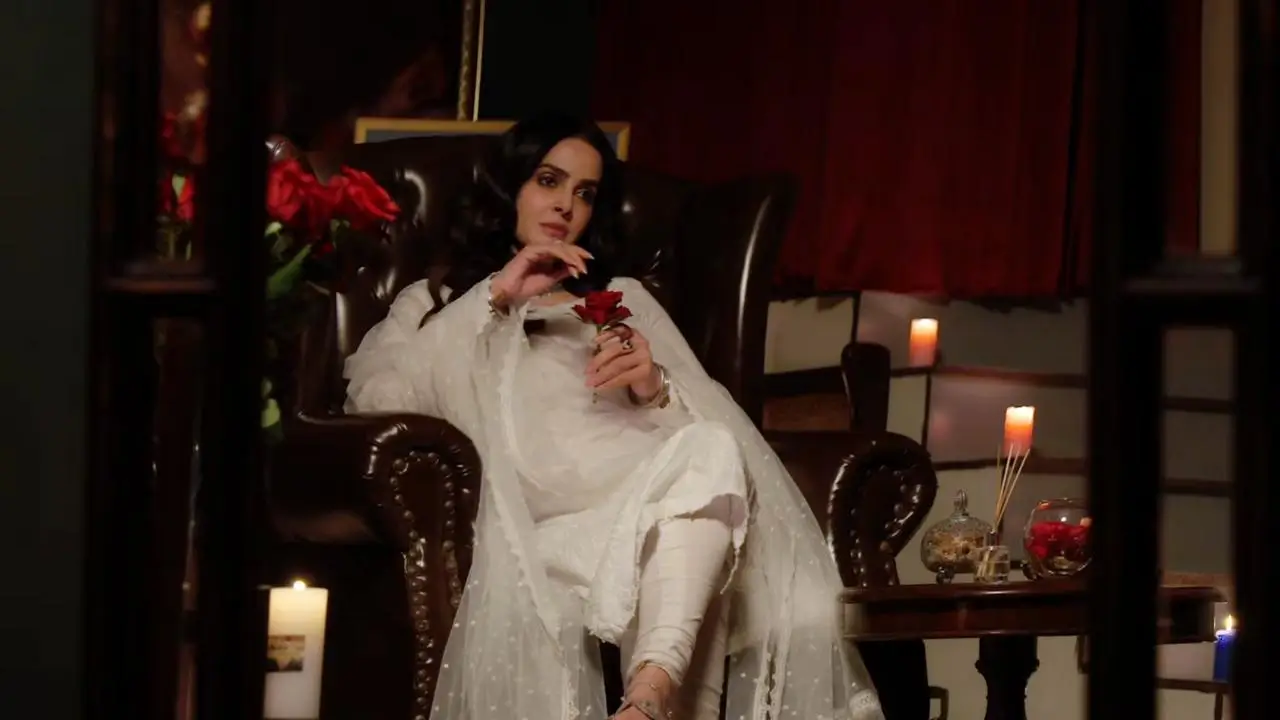
The first title in any chronological Saba Qamar Drama list is Main Aurat Hoon, which aired in 2004 and marked Saba Qamar’s television acting debut. Her filmography lists her character as Rubina.
The importance of Main Aurat Hoon is not necessarily related to later audience ratings or commercial success. Its significance comes from what it represents in Saba Qamar’s career: the beginning of a television journey that would eventually extend across more than twenty years. At this stage, Saba Qamar was a newcomer. She had not yet established the screen identity that audiences would later associate with psychologically complicated, socially conscious and emotionally demanding characters.
The early role gave her an entry point into Pakistan’s television industry at a time when PTV and other television networks remained important platforms for emerging performers.
Saba Qamar’s role in Main Aurat Hoon
True to its title, the show and similar subsequent social-drama projects focus heavily on the societal struggles, resilience, and multi-faceted roles of women. It is also described retrospectively as a PTV classic, and Saba Qamar’s debut in the serial is repeatedly noted in profiles of her career
Reception Classification
Career significance: Very high — it was her debut.
Commercial classification: Hit
Historical importance: The starting point of Saba Qamar’s television acting career.
2. Chaap —Saba Qamar Drama in 2005
Role: Iram Aftab
Network: ATV
Year: 2005
Genre: Television drama
Position in career: Early leading role
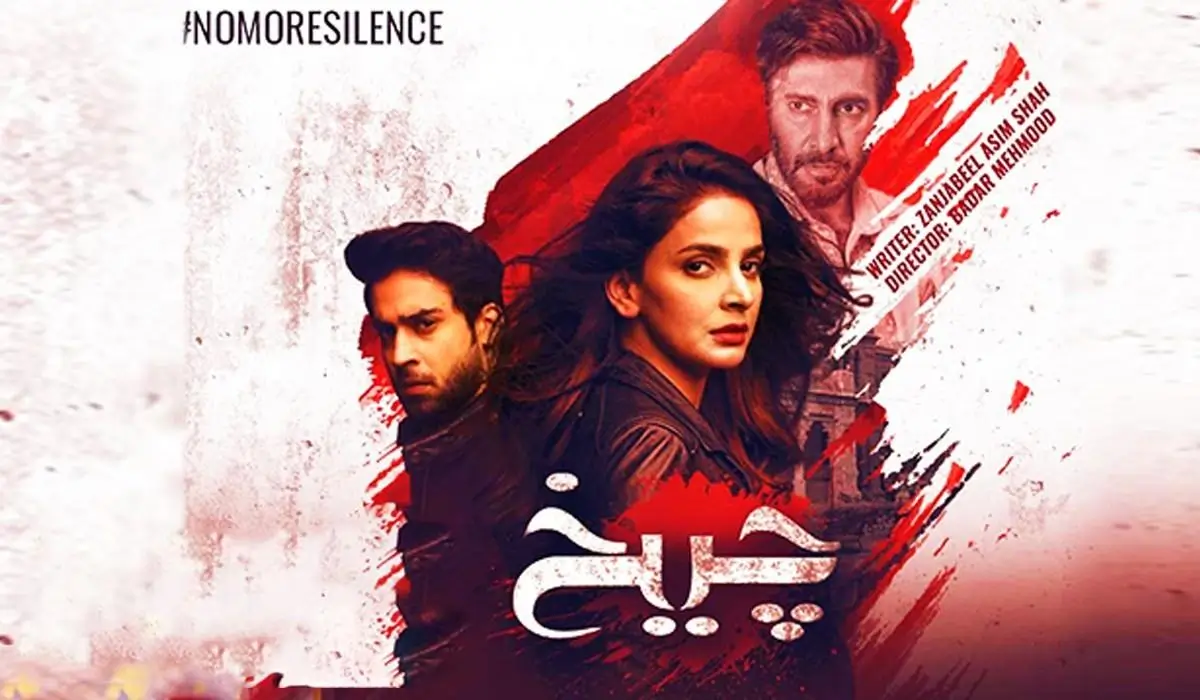
One of Saba Qamar’s important early television projects was Chaap, in which she played Iram Aftab. The project came only about a year after her television debut, demonstrating how quickly she began building a television résumé. According to the available filmography, Saba Qamar played the lead role opposite Sami Khan. At this stage of her career, the significance of Chaap lies in the opportunity it provided her to move beyond a debut appearance and take on a more prominent dramatic role.
Saba Qamar’s role
The 2005 drama Chaap primarily revolves around themes of ego, workplace power dynamics, and the complexities of early professional relationships. The core narrative thematic elements explore:
- The Battle of Egos: The title itself (Chaap, meaning “impression” or “imprint”) reflects the psychological marks people leave on each other. The storyline delves deeply into how personal pride and stubbornness (ana) dictate human interactions, often creating emotional distance even when individuals are in close proximity.
- Workplace Dynamics & Authority: The narrative highlights the struggles of navigating professional hierarchy. It explores the tension between an authoritative figure (played by Nauman Ijaz) and a young professional trying to find her footing while maintaining her self-respect.
- Class and Professional Strife: The show illustrates the challenges faced by young working women in corporate or urban settings during the mid-2000s, managing societal expectations alongside demanding careers.
- Testing of Relationships: Intertwined with corporate struggles, the drama looks closely at the emotional endurance of young love and partnerships (such as the early pairing of Saba Qamar’s character with Sami Khan) when subjected to external pressure and internal misunderstandings.
Reception Classification
Commercial Classification: Hit.
Career Significance & Historical Importance: It remains highly significant as her first major lead role on the ATV network. It established her early pairing with Sami Khan and catalyzed her rapid ascent to becoming a household name in Urdu television.
3. Sussar In Law — 2005
Role: Tania
Network: PTV Home
Year: 2005
Type: Comedy/drama
Career significance: Early television work
Saba Qamar also appeared in Sussar In Law, playing Tania. The 2005 PTV Home satirical sitcom Sussar in Law, written and produced by Dr. Younus Butt and directed by Muhammad Iftikhar Iffi, centers on the comedic clash of political egos versus familial love. The plot follows sworn political rivals Chaudhry Akbar and Malik Khadim, played by Sohail Ahmed and Qavi Khan, who are forced into a reluctant domestic alliance after their children secretly marry in London
The project is particularly useful for understanding the variety of roles she was accepting during the beginning of her career. Rather than restricting herself to serious social dramas, she also participated in lighter television material.
The available biographical record notes that she replaced Sophia Mirza in the role of Tania. This is significant because Saba Qamar’s later career became strongly associated with intense dramatic performances. Her early work, however, was considerably broader.
Reception Classification
Commercial Classification: Written by the prominent satirist Dr. Younus Butt (known for massive hits like Hum Sub Umeed Se Hain) and directed by Muhammad Iftikhar Iffi, meaning it had solid viewership among PTV’s comedy audience.
Career Significance: It remains an essential archival project for understanding the versatility of Saba Qamar’s early career. Accepting a lighter, comic role like Tania (replacing Sophia Mirza) showed her early willingness to experiment with diverse genres before she transitioned into the intense, tragic dramatic performances that eventually defined her stardom.
Other Saba Qamar Appearances in 2005
Saba Qamar’s television career in 2005 was not limited to regular drama roles.
- She also appeared in Hera Pheri & Company as Sonia in episodes 40 and 41.
- She appeared in the Punjabi anthology Jag Beeti in the episode “Faisla,” playing Erum.
These appearances demonstrate that her television career was developing through different formats rather than through a single long-running serial.
4. Gharoor — Saba Qamar Drama in 2006
Role: Sadia
Year: 2006
Written by the sharp intellectual and political columnist Hassan Nisar, Gharoor (which translates to “Arrogance” or “Pride”) is a socially conscious family melodrama. True to the writer’s signature style, the story delves into the destructive nature of human ego, class divide, and moral decay within societal structures.
The narrative revolves around complex family dynamics where interpersonal relationships are tested by pride (gharoor), greed, and social standings. Saba Qamar plays Sadia, a nuanced character caught in the crossfire of familial expectations, ego clashes, and traditional values. Alongside her, actors like Ahsan Khan and Savera Nadeem portray characters dealing with love, sacrifice, and the bitter consequences of letting pride dominate their choices.
Why Gharoor Was Prominent For Saba Qamar’s Career
While Gharoor was a supporting role for Saba Qamar rather than her absolute breakthrough project (which came a bit later with dramas like Jinnah Ke Naam and Dastaan), it remains a crucial stepping stone in her journey to becoming a powerhouse actor for several key reasons:
Stepping Out of the “Glamour” Box: In the early 2000s, it was easy for young actresses to get pigeonholed into superficial, glitzy roles. Gharoor allowed her to showcase raw, realistic performance skills, cementing her preference for complex, issue-based narratives
Working with Heavyweight Intellectuals: The drama was written by Hassan Nisar, known for heavy, thought-provoking dialogue. For a young Saba Qamar (who debuted in 2004), executing such a dialogue-heavy, philosophically grounded script proved her maturity as an actor early on.
Testing Her Mettle with Veterans: Sharing the screen with formidable PTV powerhouses like Saba Hameed and Shakeel gave her immense industry credibility. Holding her own against such legendary actors signaled to directors that she was ready for lead roles.
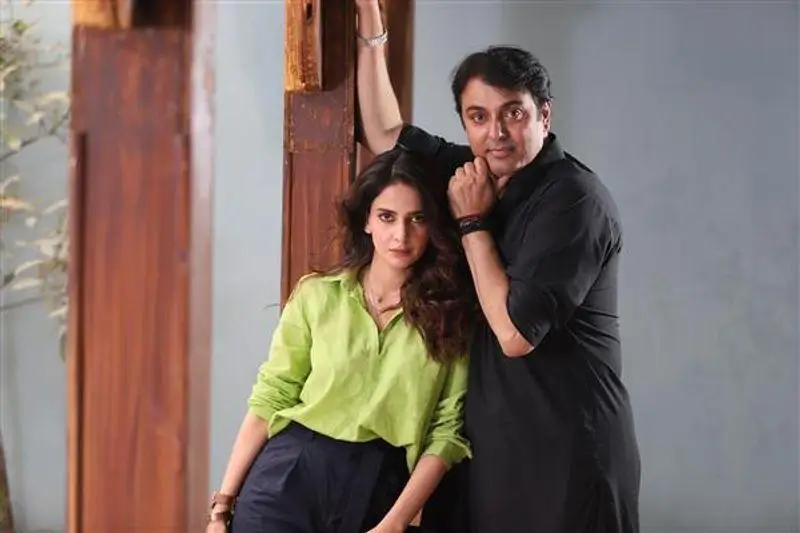
5. Apno Ka Sath — 2006
Role: Aiza
Year: 2006
Saba Qamar played Aiza in Apno Ka Sath.
The drama belongs to the early phase in which she was accumulating experience through different television characters. During 2006, Saba Qamar was primarily taking on supporting, parallel lead, or ensemble roles to gain diverse screen experience. Her role as Aiza was part of this developmental cycle, sandwiched between other early projects like Gharoor, Phool, and Banjar. PTV dramas of the mid-2000s heavily favored family-centric narratives.
The name and casting structure suggest Aiza was likely a traditional family member (such as a daughter or daughter-in-law) navigating domestic or societal expectations. Translated as “The Support of Our Own Lineage/Close Ones,” the title points directly to a traditional family drama centered around kinship, emotional sacrifices, and the moral struggles of keeping a household together.
It was aired on specifically PTV Home block typically focused on generational gaps, domestic relationships, and the eventual triumph of family values over external conflicts.
6. Dhoop Mein Andhera Hai — 2006
Role: Zindagi
Year: 2006
In the 2006 , Dhoop Mein Andhera Hai aired on PTV Home, Saba Qamar portrayed the lead character named Zindagi.
- Character of Zindagi: Saba Qamar plays the titular role of Zindagi, a young woman whose life reflects the metaphorical meaning of the show’s title (“Darkness in the Sunshine”).
- Core Conflict: The narrative revolves around shattered dreams, intense emotional betrayals, and complex family relationships. Zindagi finds herself entangled in a web of false accusations regarding a murder.
- The Crime & Mystery: A central plotline involves her partner or close acquaintance, Zeeshan, who is accused of being a killer. While Zeeshan maintains his innocence—claiming he doesn’t know who the victim is or who committed the crime—Zindagi is forced into a corner by circumstance and law.
- The Ultimatum: As the drama progresses, Zindagi faces a severe test of her morals and love when she is subjected to a painful ultimatum to save herself or her family: she must either divorce Zeeshan or face devastating domestic consequences.
True to the television style of the mid-2000s, Saba Qamar’s role as Zindagi was defined by high emotional stakes, focusing heavily on a woman navigating societal pressures, unfair blame, and legal crises
7. Taqdeer — 2006
Role: Dua
Year: 2006
Saba Qamar appeared as Dua in Taqdeer.
The project is another example of the wide range of television work she undertook during her early years. The drama follows a traditional family dynamic typically found in mid-2000s PTV serials, focusing on societal pressures, relational expectations, and family honor. Saba Qamar played Dua, a supporting character. At this stage in her career, she was taking on a wide variety of secondary roles on PTV to build her portfolio before transitioning into a leading industry icon.
Commercial Status: The drama is considered a stepping-stone project that contributed to her early career development rather than a major standalone commercial hit
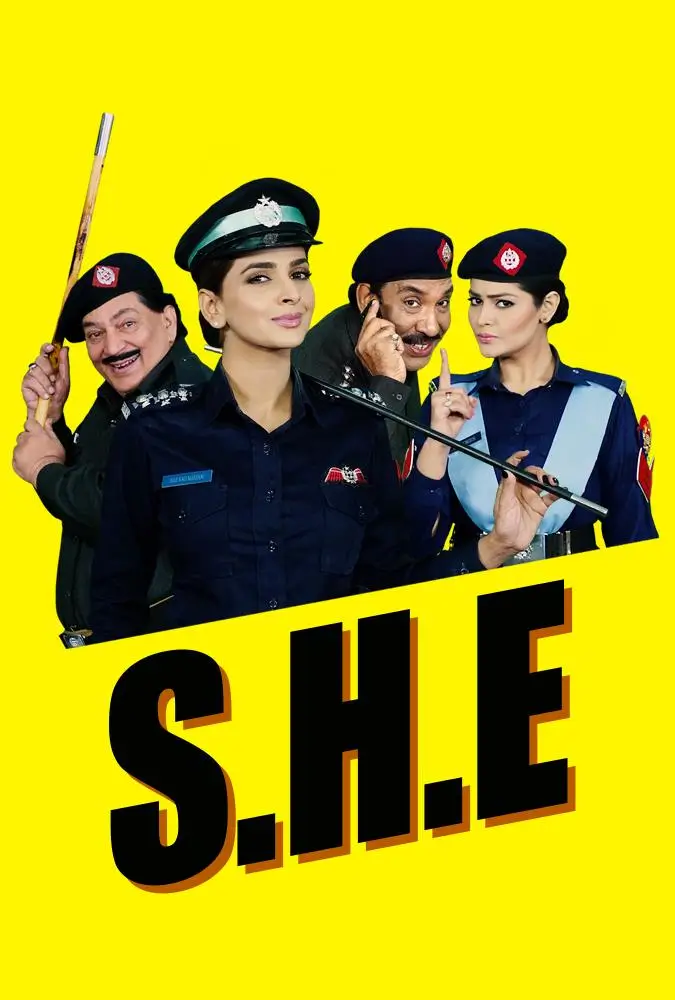
8. Kahin Tum Kahin Hum — 2006
Role: Mehru
Year: 2006
Kahin Tum Kahin Hum was another production in Saba Qamar’s increasingly extensive 2006 television résumé. She played Mehru. The importance of this title within a career chronology is that it shows Saba Qamar’s continued television presence only two years after her debut. Her early work was characterized by quantity as well as variety. This provided the practical experience that later enabled her to handle increasingly demanding dramatic roles.
Kahin Tum Kahin Hum is a classic PTV television series that aired in 2006. Set against the backdrop of traditional mid-2000s PTV storytelling, the drama focused heavily on domestic relationships, family expectations, and societal moral dilemmas. Unlike the fast-paced romantic comedies of today, dramas from this era typically focused on:
- The trials of family honor: The narrative often revolved around misunderstandings between couples or generational conflicts within a joint family system.
- The concept of compromise: It highlighted how individuals, particularly women, navigated emotional trials, societal judgments, and sacrifices to maintain peace in their households.
- Character Archetype: Mehru was depicted as a young woman dealing with personal or domestic adversity. Her character journey required showcasing a blend of vulnerability, resilience, and emotional depth.
- Stepping Stone Structure: It gave Saba Qamar invaluable screen time. It allowed her to experiment with her emotional range, laying the foundation for her transformation into one of Pakistan’s most versatile, powerhouse performers who later took on highly complex, commanding leads (such as Baaghi and Cheekh)
9. Phool — 2006
Role: Kiran
Year: 2006
Saba Qamar portrayed the character of Kiran in the television series Phool, which originally aired on PTV Home.
- The Character (Kiran): Saba Qamar portrays Kiran, a young woman navigating the central conflicts of the narrative. In alignment with her other early 2000s PTV appearances, her performance as Kiran highlighted her foundational growth as a dramatic actress.
- The Narrative Structure: Broadcast on PTV Home, Phool operated as a classic socio-drama typical of mid-2000s Pakistani television. The plot centered around complex family dynamics, social expectations, and personal relationships, framing Kiran’s individual journey within a traditional household structure.
This project strictly by its verified historical markers: Saba Qamar leading the performance as Kiran during PTV’s notable 2006 broadcast season
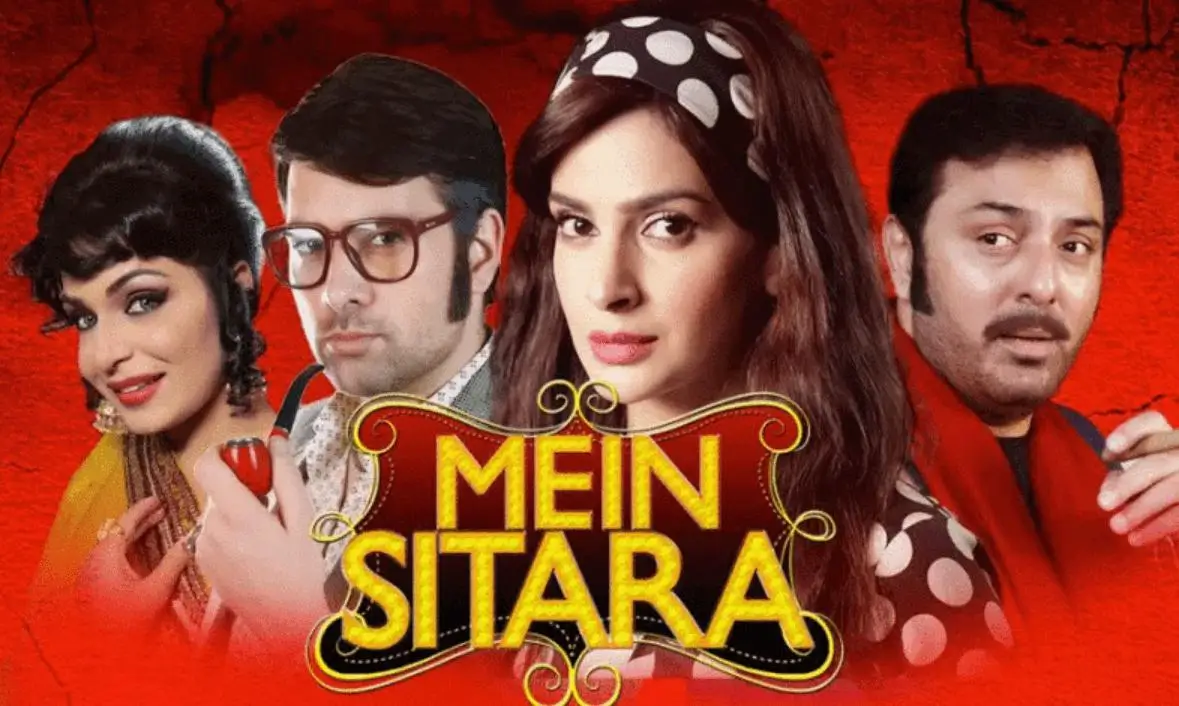
10. Banjar — 2006
Role: Roshni
Network: Geo Entertainment
Year: 2006
Saba Qamar played Roshni in Banjar.
The project is part of the period in which Saba Qamar was transitioning between different television platforms and expanding her professional exposure. Banjar is a classic social drama set against a familial and societal backdrop, partially filmed on location at Kinnaird College in Lahore. The narrative explores themes of emotional sterility, class struggles, and the intricate dynamics of domestic relationships. It focuses heavily on how family expectations, social standing, and individual desires clash in traditional households.
- The Ensemble Impact: Roshni’s character navigates the friction points created by the main cast, which includes heavyweight actors like Savera Nadeem, Moammar Rana, Resham, and Kashif Mahmood. Her character highlights the vulnerabilities of younger family members who are often caught in the crossfire of legacy feuds and traditional demands
- The Character Arc: Roshni (played by Saba Qamar) serves as a vital supporting character in the overarching narrative. Unlike contemporary dramas where her characters are often fiercely independent, Banjar features her in a more classic, foundational setting.
The Romantic Pairing: Roshni is paired opposite the male lead played by Ahsan Khan. Their storyline acts as a primary sub-plot, dealing with the struggles of young love trying to survive amidst parental pressures, societal constraints, and the emotional heavy-handedness of the older generation.
11. Aqal Bari Ya Bhains — 2006
Role: Humaira
Network: TV One Pakistan
Year: 2006
Saba Qamar appeared as Humaira in Aqal Bari Ya Bhains.
The title is notable because it further illustrates the diversity of the material she was doing early in her career. By 2006, only two years after her debut, Saba Qamar had already accumulated numerous television credits.
The drama is a situational comedy whose plot creatively revolves around the famous subcontinental proverb, “Aqal Bari Ya Bhains” (Is wisdom greater, or physical power/the buffalo?).
Instead of dealing with heavy tragedy, the narrative follows Humaira and her interactions within a traditional household setup. The story highlights the classic comedic friction between modern wit and old-school, rigid logic. Humaira relies entirely on her presence of mind, smart decision-making, and quick problem-solving skills to manage daily family conflicts, marital expectations, and domestic hurdles, proving time and again that intelligence and mental sharpness outweigh brute force or stubborn obstinacy.
- Saba Qamar as Humaira: She plays the central character, a sharp-witted and intelligent woman who frequently uses her cleverness (“aqal”) to navigate situations and outsmart the traditional or stubborn mindsets around her.
- Shamil Khan: He stars opposite Saba Qamar as the male lead.
12. Khuda Gawah — Saba Qamar Drama in 2007
Role: Sonia
Network: ATV
Year: 2007
Saba Qamar played Sonia in Khuda Gawah.
The production belongs to the third year of her television career and demonstrates her continued association with ATV as well as other television networks. At this point she was still building the body of work that would eventually support her transition into major leading roles.
In this serial Khuda Gawah Saba Qamar role as Sonia is an adaptation of the character Mehndi (originally played by Manisha Koirala) from the iconic 1992 Bollywood film Because the 24-episode television series serves as an official remake, the plot of her character follows a dramatic, multi-generational story arcs of love, honor, and sacrifice:
The Core Storyline of Sonia (Saba Qamar)
- The Search for Her Father: Sonia is the fierce and courageous daughter of Badshah Khan (played by Arbaaz Khan) and Benazir. She grows up separated from her father, who has been trapped in an Afghan prison due to a blood feud and a vow of honor he made before her birth.
- The Romance: Sonia’s life changes when she falls in love with Kamran (played by Bilal Khan) or Abdullah (played by Shamil Khan). Their love story mirrors the intensity and tribal complexities of her parents’ past.
- Bridging the Past: As the story progresses, Sonia travels across borders to uncover her family’s hidden history. She ultimately becomes the central force trying to reunite her long-lost parents and put an end to the historic cycle of violence and tribal grudges.
13. Muhabbat Ab Nahi Hogi — 2007
Role: Silah
Year: 2007
Saba Qamar appeared as Silah in Muhabbat Ab Nahi Hogi while Yumna Zaidi made an early appearance/cameo as Fauzia in a young/supporting capacity in the same series alongside co-star Affan Waheed. The title became another entry in her growing list of television credit.
- The Conflict: The narrative centers around a young woman named Silah who is tragically separated from her love. The male lead struggles to find his way back to her against all odds, declaring that even if the entire world stands against them, he will find his “Silah” because she belongs to him.
- It heavily focuses on heartbreak, the loss of emotional clarity, family boundaries, and reclaiming a stolen life
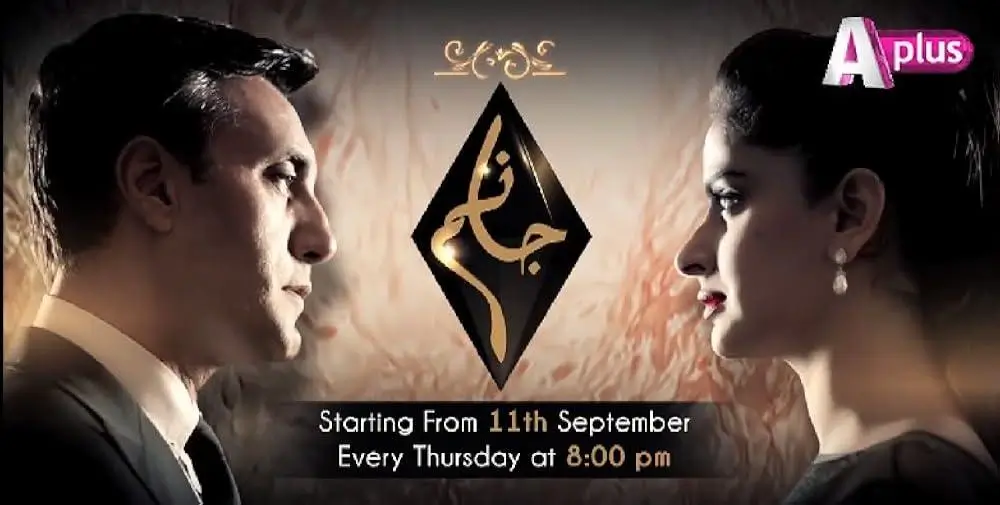
14. No.1 — 2007
Role: Annie Zaidi
Network: PTV Home
Year: 2007
In No.1, Saba Qamar played Annie Zaidi. The production added another PTV credit to her career during a period when she was continuing to work regularly across Pakistani television. Her association with PTV is particularly important because her career began there with Main Aurat Hoon.
A famous drama serial titled No. 1. While Annie Zaidi is a highly prominent, veteran Pakistani television actress, the character named “Annie Zaidi” in this specific 2007 project was actually portrayed by superstar Saba Qamar early in her career.
- The Theme: The drama centers around urban corporate ambition, media culture, and the intense pursuit of success. It critiques the modern rat race where individuals struggle to secure the top spot (“No. 1”) at the cost of personal values, relationships, and peace of mind.
- The Story: The plot unfolds around Annie Zaidi, an ambitious, confident, and career-oriented young woman navigating a competitive urban environment. The narrative balances her professional triumphs and office dynamics with the emotional toll that comes with maintaining a high-profile status. It highlights the stark contrasts between societal expectations of women and their personal aspirations during the mid-2000s media boom in Pakistan
15. Mammo — 2007
Role: Salma
Year: 2007
Saba Qamar played Salma in Mammo. This project is another example of her extensive early television output. Rather than having one defining serial during these first years, she was building experience across numerous productions.
- The Role: The prominent Pakistani actress Saba Qamar starred in the show, playing the role of Salma. This was one of her notable early career projects on television.
- The Story: The show followed standard PTV family drama formats of the era, focusing heavily on familial relationships, societal expectations, and domestic hardships faced by women.
16. Un Biyan Able — 2007
Role: Rania
Year: 2007
Saba Qamar appeared as Rania in Un Biyan Able.
- Character Placement: Saba Qamar’s character, Rania, was framed within the show’s lighthearted narratives, contributing to the relatable, everyday situational humor typical of mid-2000s PTV serials
- Core Genre: The production was structured primarily as a comedy-drama. This format allowed to showcase her early comedic timing and versatile acting range, contrasting with the heavier, classic melodramas she worked on during the same period.
- Early Career Breakthrough Focus: Released on PTV Home in 2007, the show was part of a pivotal wave of lightweight domestic and situational comedies designed for family viewership across state television network slots.
17. Mirch Masala — 2007
Role: Saman
Network: Aaj TV
Year: 2007
Saba Qamar played Saman in Mirch Masala. The production expanded her television work to Aaj TV. Saba Qamar stepped into the brightly lit studio of Mirch Masala, feeling the familiar rush of adrenaline that always accompanied a new character. Playing Saman was a sharp departure from her previous roles. Saman was fiercely independent, witty, and carried an underlying complexity that required a delicate balance of humor and intense emotion.
From the very first week of broadcast, the audience connected with her performance. Saba’s portrayal transformed what could have been a standard situational comedy into a compelling narrative that viewers rushed home to watch. The industry took notice immediately.
The massive success of the production caught the attention of major network executives looking for fresh, powerhouse talent to anchor their upcoming prime-time lineups. Recognizing her incredible range and growing star power, Aaj TV offered her a series of expansive new projects. Mirch Masala didn’t just add another memorable character to her resume; it served as the pivotal launchpad that expanded her television work to Aaj TV, solidifying her status as a premier leading lady in Pakistani television.
18. Woh Subh Kab Ayegi — Saba Qamar Drama in 2008
Role: Hina
Network: ATV
Year: 2008
Saba Qamar played Hina in Woh Subh Kab Ayegi.Saba Qamar starred as Hina in the melodrama “Woh Subha Kab Aayegi”, which aired on the ATV network in 2008.
- The Character (Hina): Saba Qamar portrays a stubborn, headstrong girl from a wealthy background.
- The Core Conflict: Hina falls deeply in love with a young man who comes from a poor and struggling background.
- The Drama: Her powerful, wealthy, and cruel father vehemently opposes the union. Defying her family’s massive structural privilege and traditions, Hina rebels against her father’s wishes to marry the man she loves.
- The Theme: The melodrama heavily explores class divides, family honor, and the heavy emotional cost of choosing love over family societal expectations in Pakistan.
Released in 2008, this series was part of Saba Qamar’s early career definitive years on television. During this same year, she expanded her footprint across national networks, pairing her work on ATV (which included Not Responding and Nawab Manzil) with major breakout roles on PTV Home (such as Na Janay Kyun and Bint-e-Adam), ultimately cementing her path toward becoming one of Pakistan’s premier leading actresses.
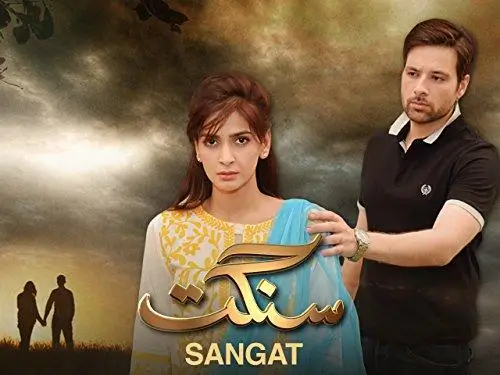
19. Not Responding — 2008
Role: Shafaq Absar
Year: 2008
In the 2008 television series Not Responding, the celebrated Pakistani actress Saba Qamar starred as a character named Shafaq Absar. The plot of Not Responding centers around the complications and cultural shifts introduced by the massive boom of mobile telecom and digital connectivity in Pakistan during the mid-to-late 2000s. Shafaq Absar, a modern young woman, navigates a tangled web of communication breakdowns, missed signals, and relationship drama caused by the very technology designed to bring people together. The narrative tracks her interactions with friends, family, and romantic suitors, emphasizing how mobile phones became tools for both intense emotional connection and deep, frustrating alienation.
- Urban Youth Culture: It highlights the evolving lifestyle, language, and challenges faced by young Pakistanis adapting to new technologies in the late 2000s.
- The Disconnect of “Connection”: The primary theme explores how hyper-connectivity through mobile technology irony-richly creates emotional distance. The title Not Responding directly captures the anxiety and misunderstandings that arise when characters are textually or digitally ignored.
- Modernity vs. Traditional Communication: The show contrasts old-world interpersonal dynamics with the fast-paced, sometimes superficial nature of digital socialization.
This title further demonstrates the range of character names and roles associated with her early television period.
20. Nawab Manzil — 2008
Role: Iffat
Year: 2008
Saba Qamar played Iffat in Nawab Manzil. The project is another entry in the large number of television dramas she completed before her later breakthrough period. In Nawab Manzil, Iffat serves as a vital component of a family melodrama centered around a stately, traditional household (the titular Manzil).
Set against the backdrop of shifting familial values and ancestral pride, Saba Qamar’s character navigates domestic politics, power struggles, and generational expectations within the family hierarchy. Her role highlights the struggles of young women trying to preserve personal dignity while balancing the rigid rules of an old-money, traditional household.
21. Daur — 2008
Role: Maham
Year: 2008
In Daur, Saba Qamar played Maham. The title belongs to her 2008 television work and forms part of the foundation of her long television career. Story Role
In Daur, Maham is a central character caught up in a gripping narrative that explores domestic struggles, greed, and the corruptive nature of social mobility. Maham serves as a thematic anchor for the drama’s exploration of ambitious choices. Her character arc traces the emotional toll of a fractured marriage, navigating family friction, and adjusting to the material demands of high-society life. Her role fundamentally highlights the heavy psychological costs of prioritizing social status over relationships and genuine human connection.
- Ethical Trade-offs: Through Maham’s interactions, the show emphasizes the compromises and difficult decisions individuals make when faced with conflicting family values.
- The Race for Materialism: As the title Daur (meaning “The Race” or “Era”) suggests, Maham’s journey is heavily intertwined with the cutthroat pace of climbing the socio-economic ladder.
- Marital & Domestic Strife: A large portion of her role deals with interpersonal friction within her household, examining the breakdown of mutual trust and respect under financial pressure.
22. Chubhan — 2008
Role: Urooj
Network: PTV Home
Year: 2008
Saba Qamar played Urooj in Chubhan.
In Chubhan (meaning “Prick” or “Stinging Pain”), Urooj represents a central emotional focal point in a narrative deeply steeped in traditional PTV melodrama. Her character arc embodies the complex emotional sacrifices, vulnerabilities, and internal “stings” of fate that young women often endured within conservative family units of that era.
As Urooj, Saba Qamar delivers a nuanced performance navigating domestic upheaval, family expectations, and the personal grief of severed relationships. Her character acts as the emotional anchor of the household, dealing with shifting familial dynamics and personal hardships with resilience, reflecting the classic PTV signature style of highly dramatized, socially conscious storytelling.
- Full-Circle Loyalty: PTV Home gave Saba Qamar her very first acting break four years prior in the 2004 classic drama Main Aurat Hoon. Returning to the network in 2008 as a leading lady for prime serials like Chubhan solidified her status as a mainstream star.
- Foundation for Stardom: Working under the disciplined mantle of PTV during this era helped sharpen her dramatic timing, paving the way for her breakthrough iconic roles in the years that followed.
23. Bint-e-Adam — 2008
Role: Zainab
Year: 2008
Saba Qamar appeared as Zainab in Bint-e-Adam.
In the 2008 PTV social drama Bint-e-Adam (translated as Daughter of Adam), Saba Qamar delivered a breakthrough performance as Zainab. Acting alongside Ahsan Khan, her portrayal of a strong-willed woman navigating rigid social hierarchies became both a critical and commercial success.
The plot centers around Zainab, a wealthy and entitled young woman (often described as a “rich brat” in her initial character arc) who lives under the thumb of a deeply authoritative and cruel father.
- The Rebellion: Her life changes entirely when she falls in love with a young man from a poor, lower-class background (played by Ahsan Khan).
- The Conflict: Defying her father’s intense disapproval and the extreme societal pressure to marry within her elite class, Zainab chooses love over luxury. She leaves her affluent life behind to marry him.
- The Aftermath: The story details her harsh transition from a life of immense privilege to the gritty realities of a lower-class household, dealing with both the financial struggles and the lingering, vengeful wrath of her father.
- The Reality of Class Transition: Unlike standard fairy tales, the narrative explores the real-world friction of a wealthy individual adapting to a resource-scarce lifestyle, testing the limits of love against systemic poverty
- Class Divide and Social Elitism: The drama is a direct commentary on the vast socioeconomic disparity in society. It highlights how elite families use marriage as a transactional tool to maintain power, viewing inter-class relationships as a stain on their family honor.
- Female Agency vs. Patriarchal Control: A central pillar of the theme is Zainab’s choice. In a conservative society, her active defiance against an overbearing patriarchal figure acts as a bold declaration of female autonomy.
24. Phool Aur Kantey — 2008
Role: Simi
Year: 2008
Saba Qamar played Simi in Phool Aur Kantey. The title forms part of the actress’s busy 2008 television period.
At this stage, the most reliable way to assess the drama is through its documented place in her filmography rather than through unsupported commercial terminology. In 2008, the versatile Pakistani actress Saba Qamar starred as Simi in the PTV melodrama serial Phool Aur Kaante (sometimes spelled Phool Aur Kantey). Directed by the acclaimed Sarmad Khoosat and featuring an ensemble cast including Mehmood Aslam and Noor ul Hassan, the drama belongs to the early, foundational phase of Saba Qamar’s career.
The story of Phool Aur Kaante revolves around the complex, often turbulent dynamics of an extended family living under one roof or deeply tied by bloodlines.
- Simi’s Role: Saba Qamar plays Simi, a young woman caught in the crossfire of domestic politics, societal expectations, and generational gaps. Her journey involves navigating structural family politics, marital alignments, and the friction between conservative elders and the younger generation trying to find their own footing.
- Resilience in Adversity: Simi embodies the theme of emotional endurance, demonstrating how young women in traditional setups are often forced to absorb family pressure while fighting quietly for their happiness.
- Domestic Politics and Rivalries: The plot heavily focuses on the internal politics of large households, including the friction between in-laws, sibling rivalries, and how rumors or inheritance disputes can break a home apart.
- The Balance of “Good” vs. “Evil”: True to its title, the show juxtaposes inherently pure, accommodating characters (the flowers) against manipulative, self-serving family members (the thorns) who stir up constant chaos.

25. Na Janay Kyun — 2008
Role: Roohi
Year: 2008
Saba Qamar played Roohi in Na Janay Kyun. This was another credit during the period in which she was establishing herself as a regular television performer.
In the 2008 television production Na Janay Kyun, Saba Qamar delivered a compelling supporting performance as the character Roohi. Broadcasted during the transitional era of Pakistani television on the state network PTV Home, the serial remains a classic representation of early 2000s domestic storytelling.
The narrative of Na Janay Kyun explores the intricate tapestries of an extended middle-class Pakistani family. Roohi (played by Saba Qamar) is a pivotal figure within this family dynamic. The plot tracks her journey through the emotional pressures of an arranged marriage, domestic expectations, and the trials of navigating her own personal aspirations against her family’s strict traditional values.
As familial misunderstandings and miscommunications multiply, Roohi’s relationships with her spouse and extended relatives undergo massive strain. The story catalogs how unexpressed grievances can quietly disintegrate the peace of a household, charting Roohi’s transition from a compliant relative to a woman trying to anchor herself amidst domestic chaos.
The drama heavily relied on realism and human psychology, spotlighting several core themes:
- Domestic Compromise vs. Self-Identity: A major focus is placed on the sacrifices women are expected to make to sustain marital harmony, and how Roohi fights to prevent her individuality from fading into the background.
- The Fragility of Trust: The title itself—Na Janay Kyun (“Don’t Know Why”)—alludes to the unexplainable shifts in human behavior, exploring how easily long-standing family relationships and trust can shatter due to sudden doubts and hidden secrets.
- The Weight of Tradition: The series dissects the heavy societal expectations placed on young women regarding marriage, family honor, and their perceived duties within the home.
26. Teri Ik Nazar — Saba Qamar Drama Career in 2009
Role: Nida
Network: Geo Entertainment
Year: 2009
Saba Qamar played Nida in Teri Ik Nazar. The drama belongs to the phase immediately before some of the most important projects of her career. In the 2009 television series Teri Ik Nazar, broadcast on Geo Entertainment, acclaimed actress Saba Qamar played the lead role of Nida
As Nida, Saba Qamar portrayed a character central to the emotional weight of the drama. In typical classic Pakistani drama fashion from that era, her character was a young woman navigating complex family expectations, personal sacrifice, and testing interpersonal relationship dynamics. Her performance highlighted the emotional depth and resilience of a woman dealing with internal family conflicts and societal pressures.
Written by playwright Jahanzeb Qamar, Teri Ik Nazar is a classic domestic drama that explores themes of unrequited love, class differences, and family honor.
- The Conflict: The narrative heavily revolves around the choices made by the main characters, testing how “a single glance” or single moment (Teri Ik Nazar) can fundamentally shift human relationships and family structures.
- The Progression: The plot traces how misunderstandings ripple through a household, forcing Nida to stand strong against traditional or harsh circumstances to protect her personal self-respect and family bonds.
While Teri Ik Nazar was a relatively early entry in Saba Qamar’s massive television portfolio, it served as a foundational project that showcased her ability to lead a prime-time drama before her massive breakthrough roles in later years
27. Nadia Naam Ki Larki — 2009
Role: Nadia
Year: 2009
Saba Qamar played the title-linked character Nadia in Nadia Naam Ki Larki. A role connected directly to a production’s central character can be especially useful for an emerging performer because it provides greater character responsibility than a supporting appearance. In the 2009 Geo Entertainment drama series Nadia Naam Ki Larki, Saba Qamar delivered a compelling performance as the eponymous title character, Nadia.
- The Protagonist: Nadia is a resilient, strong-willed, and relatable young Pakistani woman navigating the harsh realities of societal expectations, family pressures, and personal trials.
- The Symbolism: Her character represents the struggles of a typical middle-class girl trying to maintain her dignity, voice, and self-respect in a conservative environment.
- Evolution: Throughout the serial, Nadia transitions from a vulnerable girl into an emotionally independent woman who learns to stand up for her rights against adversity.
- Central Conflict: The plot follows Nadia’s emotional journey through domestic challenges, complex family dynamics, and romantic tribulations.
- Societal Themes: The narrative heavily focuses on how young women are perceived and treated within traditional households, tackling themes of forced expectations, emotional resilience, and individual choices.
28. Jinnah Ke Naam — 2009
Role: Ruqsana Inayatullah
Network: PTV Home
Year: 2009
Saba Qamar played Ruqsana Inayatullah in Jinnah Ke Naam. Saba Qamar played Ruqsana Inayatullah in the 2009 PTV Home biographical drama series. Directed by Tariq Mairaj and written by Kashif Nisar, the 13-episode series was conceived as a narrative tribute to Muhammad Ali Jinnah, the founder of Pakistan.
The drama featured Saba Qamar alongside Sami Khan, Agha Ali, Ghazala Butt, and Sherry Shah. Although Jinnah Ke Naam did not achieve significant commercial success, Saba Qamar’s performance as Ruqsana Inayatullah received recognition and earned her a nomination for Best TV Actress (Terrestrial) at the Lux Style Awards.

29. Tinkay — 2009
Role: Iman Anwar
Year: 2009
Saba Qamar appeared as Iman Anwar in Tinkay. his project is part of a substantial list of productions she completed during the late 2000s, a formative period that helped solidify her position as a leading television actress in Pakistan
The story and theme of the 2009 PTV Home drama series Tinkay center on deep-rooted societal issues, familial pressure, and the choices individuals make when backed into a corner.
- The Call for Help: Farhan (played by Syed Jibran), a late-night radio show host, receives an unexpected live phone call from a distressed woman named Iman Anwar (played by Saba Qamar).
- The Crisis: Iman criticizes his superficial on-air optimism and reveals her grim reality: she is being forcefully married off to an old man simply so her family can keep their ancestral land within the clan.
- The Climax: In a state of absolute despair, she announces live on air that she is about to end her life, dragging Farhan and the audience into a race against time.
- Forced Marriage and Greed: The show heavily explores how familial greed and conservative mindsets treat women as commodities to protect wealth or land.
- The Facade of Media vs. Reality: It draws a sharp contrast between the comfortable, engineered world of entertainment (represented by the radio host) and the harsh, unfiltered socioeconomic problems faced by everyday citizens.
- Despair and Redemption: It focuses on the psychological toll of helplessness and how a single cry for help can alter multiple lives.
Saba Qamar’s highly emotional and powerful portrayal of Iman Anwar’s struggles in this narrative earned widespread critical acclaim, ultimately winning her the Best TV Actress award at the 16th Annual PTV Awards.
30. Hum Tu Karain Kamal — 2009
Role: Nazia
Year: 2009
Saba Qamar played Nazia in Hum Tu Karain Kamal. This production belongs to a highly prolific year in Saba Qamar’s career, airing alongside other notable PTV Home serials from her formative television era, including Mishaal and Tinkay
- The Character: Nazia represents a classic reflection of Saba Qamar’s diverse range during her foundational television years.
- The Narrative Lens: Produced during a prolific phase of her early career, the story of Hum Tu Karain Kamal follows familial and societal challenges. Within this framework, Nazia serves as a pivotal character navigating relationships, personal agency, and domestic dynamics alongside the core ensemble cast.
- Significance: Airing during the same competitive block as her award-winning drama Tinkay and the biographical project Jinnah Ke Naam, the role of Nazia showcased her ability to balance multiple ongoing PTV Home projects simultaneously
31. Mishaal — 2009
Role: Fatima Mansoor
Year: 2009
Saba Qamar played Fatima Mansoor in Mishaal. The role added to the variety of characters she had already portrayed by this stage. By the end of the decade, Saba Qamar had moved far beyond her debut and was becoming an experienced television performer.
- The Iron Fist: Mishaal (played by Anum Zahra) lives under the roof of her paternal uncle, a strict disciplinarian whose overbearing and rigid control creates an oppressive environment.
- The Rebellion: Pushed to the brink by this constant restriction, Mishaal’s brother rebels against the family dynamic.
- The Downward Spiral: He runs away from home, quickly falling into the wrong hands and entangling the family in a dangerous, criminal underworld.
- Authoritarian Parenting vs. Rebellion: The show serves as a cautionary tale about how extreme discipline and a lack of emotional support can alienate youth, driving them toward rebellion and dangerous paths.
- Crime and the Vulnerability of Youth: It explores how easily vulnerable runaways can be exploited by criminal networks.
- Family Unity and Redemption: The central tension relies on whether the fragmented family can overcome their toxic dynamics, save their son, and find a happy ending.
- Character Diversity: Portraying Fatima Mansoor added a distinct layer of variety to Saba Qamar’s 2009 filmography. Rather than playing a standard romantic lead, this role immersed her in a darker, suspense-driven crime thriller environment.
- Narrative Weight: Positioned alongside legendary actors like Qavi Khan, Ghulam Mohiyuddin, and Babar Ali, Saba Qamar’s character navigates the fallout of the familial breakdown, anchoring the dramatic stakes of the serial.
Mishaal was a successful milestone for Saba Qamar, though its impact differed from her other major hits that year.Rather than being a solo commercial breakthrough, Mishaal succeeded as a critical and collaborative triumph that elevated her profile within the industry.
Mishaal was highly regarded because it was the final project of the legendary filmmaker, writer, and director Abdul Rauf Khalid before his passing. Working under his direction on a primetime PTV Home project gave Saba Qamar immense professional credibility.
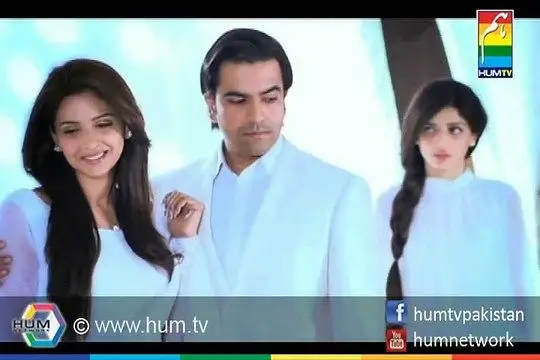
32. Muhabbat Yun Bhi Hoti Hai — 2009
Role: Ghazal Kabir
Network: ATV
Year: 2009
Saba Qamar played Ghazal Kabir in Muhabbat Yun Bhi Hoti Hai. The plot of Muhabbat Yun Bhi Hoti Hai revolves around characters from completely different socioeconomic backgrounds whose lives intertwine through unexpected circumstances:
- The Marital Strife: The narrative heavily tracks the testing relationship of a married couple, Ghazal and Kabir (played by Ahsan Khan).
- The Conflict: After a series of intense domestic arguments rooted in clashing expectations and personal egos, their relationship fractures.
- The Separation: Driven by anger, Ghazal cuts off communication and leaves her home, forcing Kabir into a journey of remorse where he tries to swallow his pride and bring her back before their relationship falls apart permanently.
- The Unpredictable Nature of Love: As symbolized by the title (“Love Happens Thus Too”), the show focuses on how love presents itself in unexpected ways, changing personal priorities.
- Ego vs. Compromise: It highlights how marital misunderstandings can easily widen when personal pride overrides communication.
- Family Expectations: The narrative actively questions how generational expectations and societal norms pressure young couples.
- The On-Screen Chemistry: Saba Qamar’s portrayal of Ghazal was anchored by her pairing with Ahsan Khan. This on-screen duo proved so successful that they became frequent collaborators, later starring in various high-profile projects together.
- An Emotional Anchor: Ghazal is a character who deals with resentment, heartbreak, and eventual forgiveness. Her emotional maturity serves as one of the central drivers of the show’s dramatic weight.
While ATV projects did not always capture the massive mainstream commercial metrics of networks like PTV Home or Geo Entertainment at the time, Muhabbat Yun Bhi Hoti Hai was a steady critical success for Saba Qamar. It successfully highlighted her ability to seamlessly transition from intense, social-issue thrillers (like Tinkay) to soft, character-driven family romance serials.
33. Half Light — 2009
Role: Aiza
Network: ARY Digital
Year: 2009
Saba Qamar played Aiza in Half Light. The Story
The narrative of Half Light follows the complex relationships and psychological struggles of young adults navigating the transition into independent life:
- The Emotional Divide: The plot focuses heavily on the contrast between outward societal expectations and the inner, often hidden, emotional vulnerabilities of its characters.
- The Relationship Gridlock: Aiza (played by Saba Qamar) finds herself caught in an intricate web of unfulfilled expectations, miscommunications, and the emotional heavy lifting that comes with trying to sustain young relationships under social pressure.
- Emotional Limbo: True to its title, the show handles the thematic concept of a “half light”—a metaphor for living in a state of emotional uncertainty, ambiguity, and unseen internal conflict.
- Identity and Independence: It actively explores how young individuals struggle to define their personal identity while battling family traditions and contemporary lifestyles.
- Communication Barriers: The drama highlights how a lack of transparency and an abundance of unvoiced assumptions can cause slow, irreversible damage to personal bonds
While Half Light was a lower-profile, nuanced project compared to the massive commercial blockbusters Saba Qamar would achieve in the 2010s, it was a substantial critical step for her career on private networks.
Airing on ARY Digital alongside her heavy 2009 PTV Home lineup, playing Aiza allowed Saba Qamar to showcase her ability to anchor more contemporary, modern-day urban scripts. This project added critical modern-drama variety to her filmography, bridging the gap between her early classic TV period and her eventual rise as a top-tier industry powerhouse.
This project is notable in the chronology because it added ARY Digital to the group of networks for which she had worked. Her television career was therefore becoming increasingly diversified across Pakistan’s major entertainment broadcasters
34. Chand Ki Goud Main — Saba Qamar Drama in 2010
Role: Saboor
Network: Geo Entertainment
Year: 2010
Saba Qamar played Saboor in Chand Ki Goud Main. Chand Ki Goud Main follows the traditional formatting of an evening television soap, focusing heavily on extended domestic arcs, familial hierarchies, and romantic friction:
- The Domestic Gridlock: The plot moves through continuous misunderstandings within an extended household, mapping out how secrets and internal family politics affect the younger generation.
- Themes of Resilience: The narrative centers around emotional endurance, the friction between traditional family expectations, and the personal compromises required to maintain domestic harmony.
- The Character: Saboor serves as a grounded, emotionally driven character navigating the complexities and shifting dynamics of her household.
- Transition & Format: Taking on a daily soap role like Saboor allowed Saba Qamar to showcase her stamina and adaptability in a high-volume storytelling format.
The year 2010 was a watershed, massive transitional period for Saba Qamar. While Chand Ki Goud Main provided steady, daily evening visibility on a major private network like Geo Entertainment, it ran parallel to her mainstream career breakthrough.
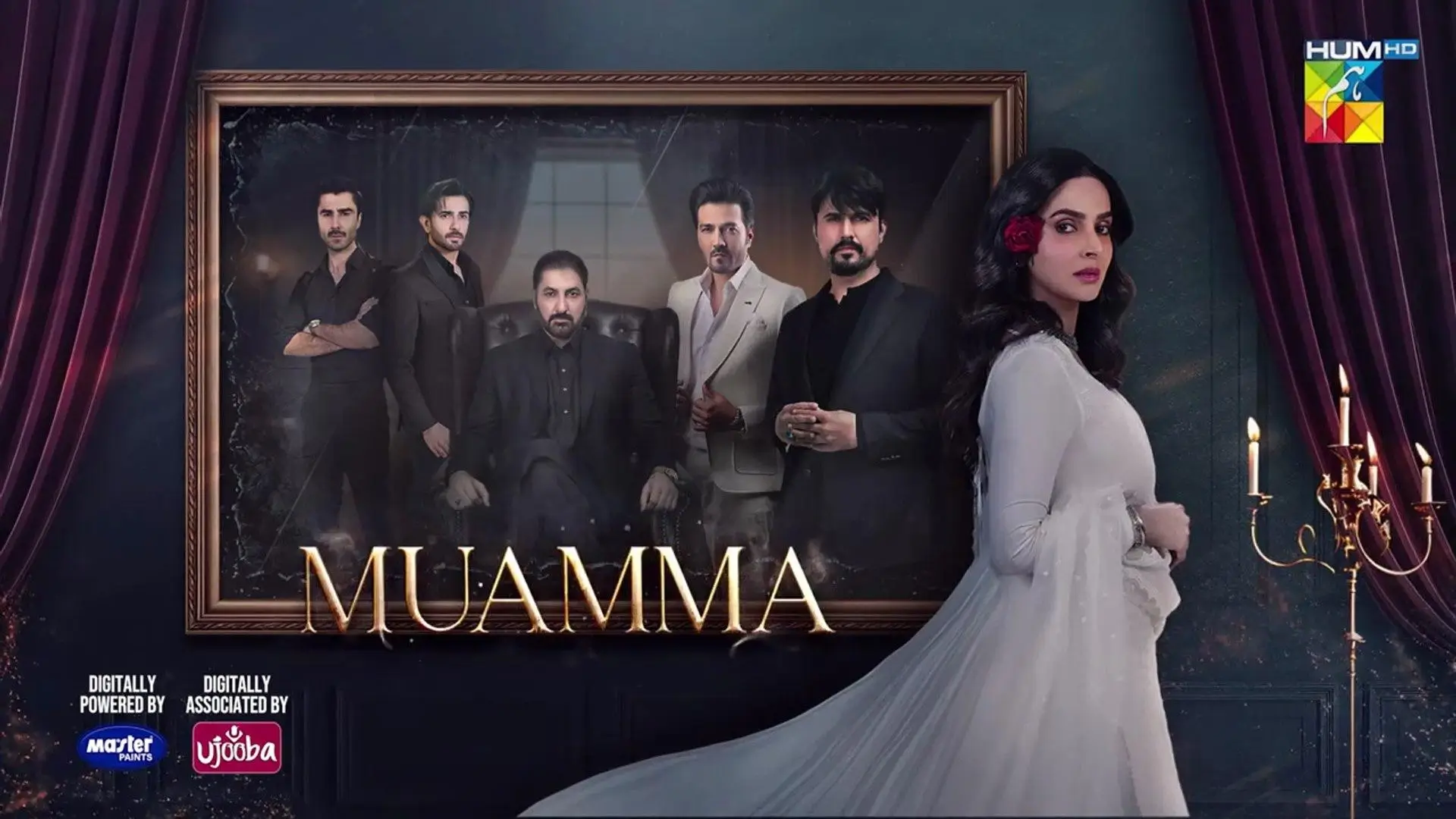
35. Lahore Junction — 2010
Role: Sabahat
Network: PTV Home
Year: 2010
Saba Qamar appeared as Sabahat in Lahore Junction. Drama Story & Setting
- The Backdrop: Set against the historic and culturally rich bustling environment of Lahore’s famous railway hub, the show explores how a transit station serves as a crossroads for human lives, connecting distinct socio-cultural stories.
- The Narrative: The plot tracks the personal struggles, romances, and financial hardships of families tied to the station. Misunderstandings, domestic dilemmas, and the grind of daily labor dictate the characters’ fates.
- The Character: Sabahat stands as a central emotional pillar of the narrative. Saba Qamar portrays her with a blend of grounded resilience and traditional grace, navigating changing domestic realities.
- The Leading Pair: Sabahat’s storyline heavily intertwines with the male lead played by Shamil Khan, forming the romantic and dramatic anchor of the serial.
Ensemble Cast
Saba Qamar was backed by an acclaimed powerhouse of veteran actors and rising stars:
- Shamil Khan
- Sohail Sameer
- Qavi Khan
- Jameel Fakhri
- Azra Aftab
Th Lahore Junction was a major commercial success for her on state television. Taking on the role of Sabahat allowed her to command primetime viewers on PTV Home, reinforcing her loyalty to traditional audiences while she rapidly ascended to superstardom.
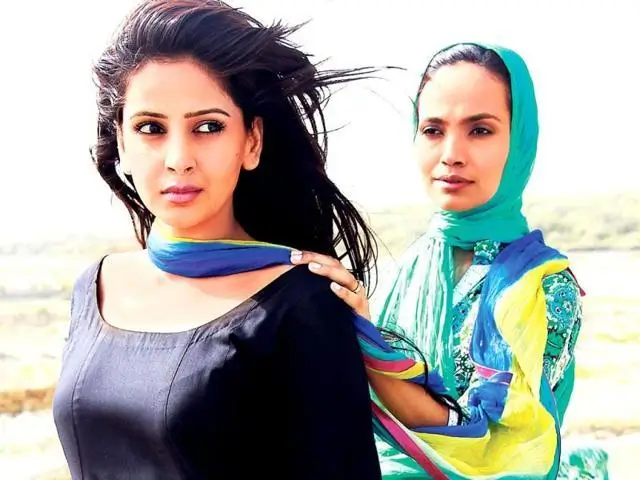
36. Dastaan — 2010
Role: Surraiya Saleem
Network: Hum TV
Year: 2010
Dastaan is one of the most important titles from this stage of Saba Qamar’s career. Saba Qamar played Surraiya Saleem in the drama.
Unlike many of the lesser-documented early productions in this list, Dastaan remains widely discussed in accounts of Pakistani television drama and is remembered as a major historical drama. The serial was based on Razia Butt’s novel and was set around the political and social upheaval surrounding the Partition of British India.
- The Backdrop: The narrative spans from 1947 to 1956, directly confronting the violent political and social upheaval surrounding the Partition of British India.
- Core Themes: The serial follows a sweeping story concerned with passionate romance, family bonds, brutal displacement, communal violence, and the raw, traumatic consequences of Partition.
Saba Qamar’s role as Surraiya placed her within a large ensemble cast and a story concerned with love, family, displacement, violence and the consequences of Partition.
- The Character: Saba Qamar portrayed Surraiya Saleem, a deeply impactful role embedded within the large ensemble cast.
- Narrative Impact: As the sister-in-law of the main protagonist Bano (Sanam Baloch), Surraiya handles severe trauma, societal breakdown, and the painful fracturing of her family during migration. Her performance brought incredible emotional weight to the tragic realities faced by women during that dark era.
The production also featured major performers including Fawad Khan, Sanam Baloch, Ahsan Khan and others.
Why Dastaan matters in Saba Qamar’s career
Dastaan is important because it demonstrated that Saba Qamar could participate in a large-scale period drama with serious historical themes. Dastaan was a commercial and critical blockbuster that fundamentally elevated Saba Qamar’s career to elite status. Her exceptionally raw and realistic portrayal of Surraiya earned her widespread industry acclaim, culminating in her winning the trophy for Best TV Actress at the Pakistan Media Awards. The project cemented her reputation as a powerhouse actor capable of commanding culturally defining, high-stakes period dramas.
37. Kanpur Se Katas Tak — 2010
Role: Pooja Mohan Das
Network: Indus Vision
Year: 2010
Saba Qamar played Pooja Mohan Das in Kanpur Se Katas Tak. Inspired by true events, the narrative follows characters undertaking a profound cross-border journey from Kanpur (in India) to the ancient, sacred Katas Raj Temples (in Pakistan).
- The Reality Check: The travel framework exposes the characters to severe challenges and deep personal growth as they travel through unfamiliar, testing landscapes.
- The Journey: The plot tracks the heavy emotional, physical, and psychological trials of people caught up in the legacy of Partition
- Partition & Displacement: Alongside Dastaan, this project served as another major exploration of how border divisions fractured human families, identities, and friendships.
- Interfaith Dynamics & Cultural Legacy: Through the focal point of the Katas Raj destination, it handles themes of spiritual longing, heritage preservation, and cross-border connectivity.
- Survival and Nightmarish Realities: The narrative contrasts the hope of self-discovery against harrowing, dark challenges encountered along the way.
- Groundbreaking Character: Playing Pooja Mohan Das allowed Saba Qamar to step completely outside the mold of conventional television heroines by portraying a non-Muslim lead character in a complex, multi-layered historical narrative.
- The Nauman Ijaz Dynamic: Her performance was backed by exceptional chemistry with co-star Nauman Ijaz, creating a gripping, intense dynamic that anchored the emotional weight of the journey.
Airing on private network Indus Vision, Kanpur Se Katas Tak was a critical and artistic success. While it operated in a more specialized, niche lane compared to the massive mainstream blockbuster status of Dastaan on Hum TV that same year, it earned deep industry respect. Saba Qamar’s performance solidifies 2010 as her ultimate breakout year—proving she could handle sensitive, cross-border historical epics across multiple television platforms simultaneously.
38. Ghao — 2010
Role: Mehr-un-Nisa
Network: ATV
Year: 2010
Saba Qamar played Mehr-un-Nisa in Ghao. Saba Qamar played Mehr-un-Nisa in the 2010 drama series Ghao, which aired on ATV. True to its title (which translates to “Wound”), Ghao is an intense emotional and social drama that delves into themes of psychological trauma, societal injustice, and deeply buried family grievances:
- The Conflict: The narrative tracks how a single tragic incident or betrayal in the past leaves permanent psychological and emotional wounds on its characters.
- The Narrative: The storyline moves through extended conflicts over household authority, family honor, and the sacrifices individuals are forced to make to shield their loved ones from public scandal.
- The Character: Saba Qamar portrays Mehr-un-Nisa, an emotionally resilient and grounded woman caught at the center of severe household friction and testing societal expectations.
- The Lead Pair: Her performance was backed by a strong dynamic with her lead co-star Sami Khan, which provided the primary dramatic and romantic anchor for the serial.
The year 2010 was the ultimate breakthrough period for Saba Qamar’s career, largely driven by her massive mainstream success in Dastaan and Uraan. Within this packed timeframe, Ghao achieved a steady critical success on satellite television.
Airing on ATV alongside her state-television classic Lahore Junction, playing Mehr-un-Nisa allowed Saba Qamar to maintain high visibility across different private and terrestrial networks simultaneously. It showcased her stamina and ability to deliver deeply empathetic, heavy dramatic performances, solidifying her path toward becoming a top-tier industry powerhouse.
39. Amar Bel — 2010
Role: Bakhshan
Year: 2010
Saba Qamar appeared as Bakhshan in Amar Bel.
- The Narrative: Amar Bel follows the socio-cultural challenges and rigid norms of a traditional environment. The plot traces domestic expectations, societal pressures, and the complex choices forced upon women trying to assert their independence within an unforgiving household structure.
- Core Themes: True to its title (which refers to a parasitic, evergreen vine that clings tightly around plants), the show explores themes of deep emotional codependency, generational constraints, and how overbearing societal or familial ties can slowly stifle an individual’s personal agency.
- The Character: Saba Qamar portrays Bakhshan, a grounded, resilient woman navigating the delicate boundaries of family duty and personal pride.
- The Dynamic: Starring opposite the acclaimed actor Kashif Mehmood, her performance brought an authentic, layered vulnerability to the screen. The tension and chemistry between their characters anchor the dramatic conflict of the serial.
While it targeted a more distinct, narrative-driven audience compared to the mainstream explosion of private network blockbusters, playing Bakhshan allowed Saba Qamar to showcase her incredible versatility. It added a strong, culturally rich, and serious dramatic credit to her 2010 portfolio, cementing her ability to lead traditional narratives on ATV while simultaneously capturing major prime-time milestones across the industry.
40. Rait Kay Dairay — 2010
Role: Asma
Network: A-Plus TV
Year: 2010
Saba Qamar played Asma in Rait Kay Dairay. The drama expanded her television work to A-Plus TV.
- The Narrative: True to its title (which translates to “Circles of Sand”), the plot follows characters who find their lives built on fragile foundations, shifting trusts, and unstable relationships. The story tracks how deceptive appearances and hidden domestic agendas can quickly crumble under reality.
- Core Themes: The serial explores themes of emotional insecurity, the temporary nature of material wealth, and the devastating impact of marital or familial betrayal. It highlights the struggle of an individual trying to find permanence in a chaotic environment.
- The Character: Asma represents a deeply vulnerable yet emotionally resilient woman caught in a web of domestic deceit. Her journey is defined by her evolution from a trusting family member into a stronger woman forced to confront the harsh truths surrounding her relationships.
- Expanding Horizons: Taking on the role of Asma was highly significant as it successfully expanded Saba Qamar’s television work to A-Plus TV, adding a new private network to her rapidly growing portfolio.
Airing in 2010—the absolute watershed breakout year of Saba Qamar’s career—Rait Kay Dairay was a notable stepping stone that provided consistent, multi-network visibility. While it did not reach the massive, historic blockbuster status of her concurrent hit Dastaan on Hum TV, it was a steady critical success for A-Plus TV. It proved that Saba Qamar could seamlessly attract audiences and anchor serious dramatic narratives across state television, established satellite giants, and rising private networks all at once.
41. Uraan — 2010
Role: Ayesha Aleem
Network: Geo Entertainment
Year: 2010
Saba Qamar played Ayesha Aleem in Uraan. The Story Written by the legendary novelist Umera Ahmed and directed by Yasir Nawaz, Uraan follows three independent, educated Pakistani women—Sana (Aamina Sheikh), Sawera (Zhalay Sarhadi), and Ayesha (Saba Qamar).
- The Common Link: Initially complete strangers from different professional backgrounds, they are eventually brought together by a shocking twist of fate.
- The Shared Conflict: All three women find themselves deeply affected, deceived, and mentally traumatized by the exact same charismatic but deeply manipulative man, a Harvard-grad psychologist named Dr. Faraz Saeed (played by Humayun Saeed).
- Domestic Issues & Abuse: The serial directly confronts heavy societal issues including toxic marriages, divorce, domestic violence, and emotional manipulation.
- Women Empowerment: Rather than depicting women as helpless victims, the narrative heavily highlights the collective strength, resilience, and courage of the modern Pakistani woman standing up for justice.
- Exposing Subversive Behavior: It acts as a deep psychological look into how easily professional success and charm can mask severe narcissistic abuse.
- A Grounded Performance: Representing a vital leg of the show’s female trio, Saba Qamar’s portrayal of Ayesha Aleem added massive depth to the ensemble cast. Her character handles severe emotional turmoil, moving from heartbreak to ultimate self-reliance.
- Diversifying Her Portfolio: Released during her monumental 2010 breakthrough era, Uraan served as a brilliant, contemporary contrast to her heavy period-drama work in Dastaan. It highlighted her capability to shift smoothly into modern, socially progressive urban narratives.
Uraan was a critical blockbuster and a massive milestone for Saba Qamar. Widely remembered today as a modern-day television classic, the show was heavily lauded for its progressive writing and gripping storytelling. Backed by her powerful performance alongside powerhouse stars like Humayun Saeed and Aamina Sheikh, this project firmly cemented Saba Qamar’s status as a top-tier prime-time actor who chooses meaningful, narrative-driven content.
42. Aankh Salamat Andhay Log — 2010
Role: Amara
Network: ATV
Year: 2010
Saba Qamar played Amara in Aankh Salamat Andhay Log. he Story & Theme
- Core Themes: The title metaphorically points to a society that possesses eyes but remains “blind” to injustice, greed, and toxic generational traditions. It actively tackles the psychological burden of domestic endurance, the devastating cycle of addiction within households, and the fragile line between personal honor and emotional collapse.
- The Narrative: Aankh Salamat Andhay Log is a heavy domestic drama focusing on familial fractures, marital conflict, and intense societal biases. The storyline loops through the struggles of an educated woman forced to navigate mismatched marital expectations, complex multi-generational family dynamics, and sudden domestic shifts.
- The Character: Saba Qamar portrays Amara, a resilient, bright woman who finds her life Upended by complex family arrangements. Amara transitions rapidly from a hopeful student into a deeply mature woman shielding her sanity and her loved ones from intense domestic friction.
- A Powerhouse Ensemble: Her performance was backed by a massive lineup of industry veterans, sharing high-intensity dramatic sequences with Nauman Ijaz, Moammar Rana, and Sohail Sameer
Aankh Salamat Andhay Log was a highly successful critical venture on satellite and terrestrial television. Assisted by a widely popular title track sung by Rahat Fateh Ali Khan and Fariha Pervez, the serial garnered a dedicated viewership. Playing Amara alongside her landmark role in Hum TV’s Dastaan proved her ability to effortlessly anchor complex, multi-lead ensemble pieces while establishing widespread commercial visibility across private networks.
43. Pani Jaisa Piyar — Saba Qamar Dramas in 2011
Role: Sana
Network: Hum TV
Year: 2011
Genre: Romance / family drama
Career stage: Rising television actress
Saba Qamar played Sana in the 2011 Hum TV drama Pani Jaisa Piyar
Pani Jaisa Piyar belongs to the romantic and family-oriented side of Saba Qamar’s television work. The drama explores relationships, emotional expectations and the complications that arise when personal desires collide with family circumstances. The title itself uses water as a metaphor for love—something that can appear simple and essential but can become difficult to contain when circumstances change.
Saba Qamar’s role as Sana gave her an opportunity to work within a relationship-centered narrative after the more historically and socially weighty material she had undertaken around the same period. As Sana, Saba Qamar brought emotional sensitivity to a character whose experiences are shaped by relationships and family expectations.
Pani Jaisa Piyar was a major success that firmly established Saba Qamar as a leading superstar in Urdu television directed by the acclaimed Sarmad Sultan Khoosat, the drama received widespread recognition and critical acclaim. The production dominated the prestigious Lux Style Awards the following year:
- Sarmad Khoosat won the award for Best TV Director.
- Saba Qamar earned a nomination for Best TV Actress (Satellite) for her intense performance.
- The show itself was nominated for Best TV Serial (Satellite)
44. Main Chand Si — 2011
Role: Irsa
Network: ARY Digital
Year: 2011
Genre: Romantic / family drama
The series was a commercial and critical success. It added significant momentum to her monumental 2011 television peak, which solidified her status as a leading superstar in Urdu television.
- The Character & Concept: True to its title (which translates to “I am Like the Moon”), the narrative centers on Irsa (Saba Qamar), a young woman who is incredibly proud of her striking beauty.
- The Plot: Irsa marries Salar (Sami Khan) hoping for a lifestyle of glamour and riches. However, she is quickly hit with the harsh reality of his highly conservative family. When she rebels against their rigid household rules, she triggers an intense domestic war.
- The Falling Out: After a video surfaces of Irsa dancing freely with her modern cousin Farhan (Fahad Mustafa) at a family wedding, her marriage fractures completely, dragging her into a cycle of bitter marital threats, pride, and eventual separation.
- Core Themes: The serial explores the themes of toxic pride, vanity, deep cultural clashes between traditional and modern mindsets, and the fragility of relationships built on superficial expectations.
Main Chand Si was a ratings success that gained high viewer traction on ARY Digital. Guided by the direction of Babar Javed, the show was heavily lauded for its stellar performances. The exceptional, high-tension screen chemistry between the leading trio—Saba Qamar, Sami Khan, and Fahad Mustafa—gripped audiences every week.
Main Chand Si was praised by critics for adding an entirely different dimension to her resume. Playing the vain, rebellious Irsa further proved that Saba Qamar could confidently steer high-stakes, character-driven commercial hits to major victory
45. Maat — 2011
Role: Saman
Network: Hum TV
Year: 2011
Genre: Family drama / social drama
Writer: Umera Ahmed
Director: Amna Nawaz Khan
Saba Qamar played Saman, while Aamina Sheikh played Aiman. The drama was based on a story by acclaimed Pakistani writer Umera Ahmed. The title Maat refers to defeat, and the story uses relationships between sisters to explore jealousy, ambition, sacrifice, love and emotional manipulation
At the center of Maat are two sisters with very different personalities and aspirations. Aiman is presented as compassionate and emotionally sincere, while Saman is ambitious and intensely conscious of status, beauty and social position.
- The Conflict: Aiman (played by Aamina Sheikh) is selfless, deeply traditional, and content with simple blessings. In stark contrast, Saman (played by Saba Qamar) is fiercely materialistic, vain, and manipulative, using her beauty to climb the social ladder.
- The Betrayal: Saman routinely manipulates situations to steal everything her sister loves—including snatching away Aiman’s fiancé, Faisal (played by Adnan Siddiqui), purely out of spite and greed.
- The Meaning of “Maat”: Meaning “Checkmate” in Urdu, the title represents the psychological game the sisters play. Throughout the story, Saman continuously inflicts “maat” upon Aiman by taking what is hers. However, the ultimate climax explores whether true peace can ever be won through greed and malice.
Saba Qamar’s performance as Saman is particularly important because the character is not written as a simple one-dimensional villain. Saman has ambition, insecurity, jealousy and emotional vulnerability. Her choices cause pain to others, but the character also has a psychological dimension that allows viewers to understand how her personality develops. This complexity gave Saba Qamar considerable acting space. She had to portray:
- ambition,
- jealousy,
- emotional manipulation,
- vulnerability,
- insecurity,
- anger,
- regret,
- and the consequences of selfish decisions.
The contrast between Saman and Aiman provides the emotional engine of the drama. Rather than presenting two sisters who simply disagree, Maat explores what happens when one sister’s ambitions become more important to her than familial loyalty.
Why Maat Was Important for Saba Qamar
Maat helped demonstrate Saba Qamar’s ability to portray morally complicated characters. The performance also showed that she could create audience interest in a character who was not necessarily conventionally “good.” That ability would become increasingly important in later projects.
Maat was an absolute cultural phenomenon and a massive blockbuster success that stands as one of the most defining milestones of Saba Qamar’s career. The show completely dominated major award ceremonies, solidifying Saba Qamar’s elite status:
- 1st Hum Awards: The series swept five nominations, winning Best Writer for Umera Ahmed.
- 12th Lux Style Awards: Saba Qamar won the prestigious Best TV Actress (Satellite) award for her unforgettable performance.
46. Ghar Ki Baat Hai — 2011
Role: Semi Amjad Saleem
Network: A-Plus TV
Year: 2011
Saba Qamar played Semi Amjad Saleem in Ghar Ki Baat Hai. Ghar Ki Baat Hai is a popular 2011 Pakistani television sitcom broadcast on A-Plus TV. It showcases a lighter, comedic side of the award-winning actress Saba Qamar.
The narrative revolves around the everyday life, minor conflicts, and humorous bickerings of a typical desi household.
- Saba Qamar plays Semi Amjad Saleem, the dominant, short-tempered matriarch of the house.
- Apart from managing her household with an iron fist, Semi is also the boss of an FM radio station where she rules with the same high-energy authority.
- She is paired opposite Saleem Sheikh (playing her husband), whose innocent antics juxtapose perfectly with her demanding nature. The legendary Firdous Jamal anchors the house with authoritative yet hilarious dialogues.
The central theme is family dynamics and relatability. It focuses on the idea that “every house has its own unique story” (har ghar ki apni kahani hoti hai). Rather than heavy tragedy, the show highlights the comedy hidden within routine domestic struggles, marital misunderstandings, and extended family interactions.
The show was highly praised for its lighthearted storytelling and comedic timing. In 2011, Saba Qamar was dominating Pakistani television with intense, critical blockbusters like Maat and Pani Jaisa Piyar. Ghar Ki Baat Hai served as a massive commercial success by proving her versatility as an actor who could effortlessly transition from a tragic heroine to a loud, commanding sitcom lea
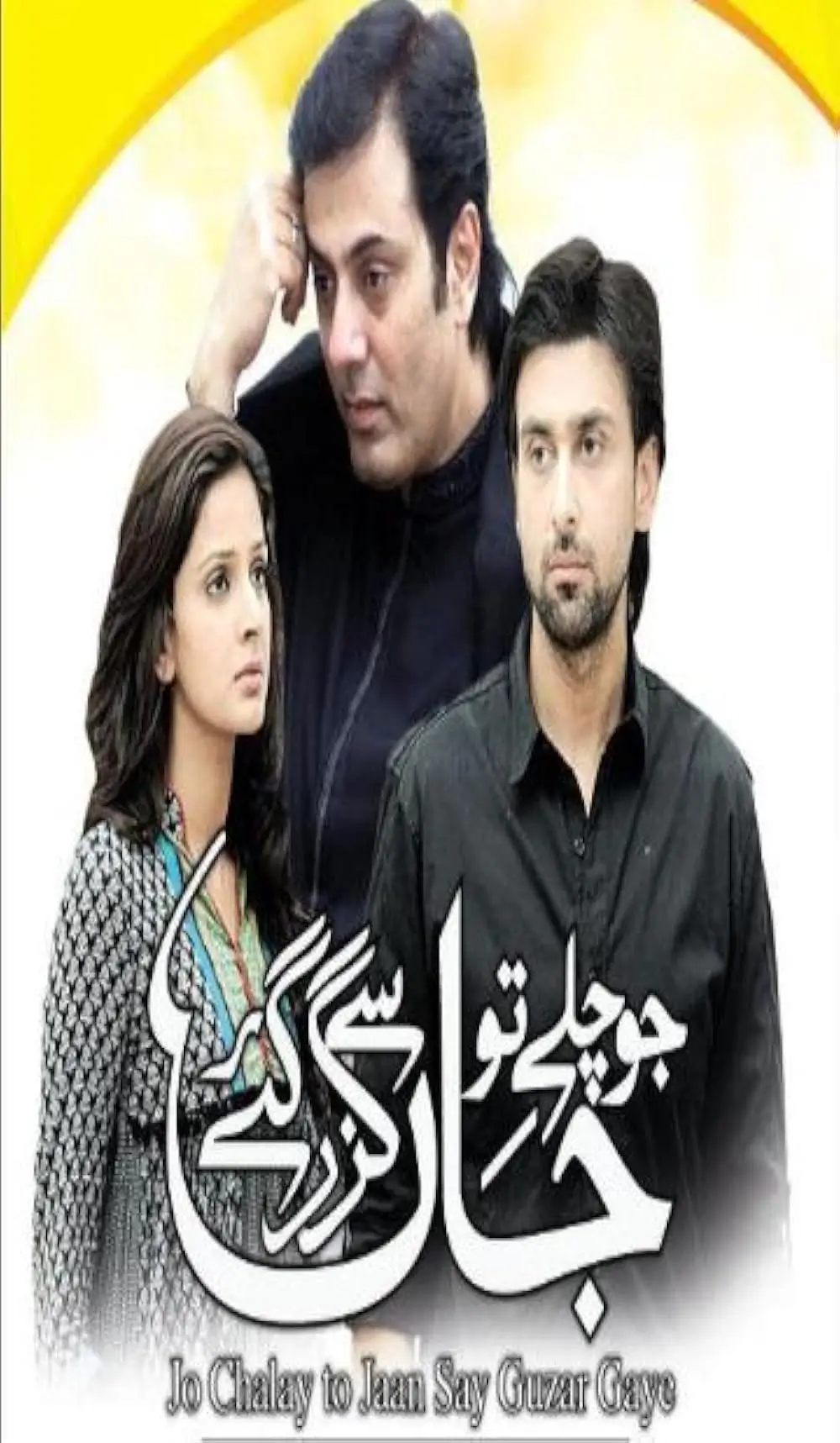
47. Tera Pyar Nahi Bhoole — 2011
Role: Zartash
Network: PTV Home
Year: 2011
The 2011 drama series Tera Pyar Nahi Bhoole featured Saba Qamar in the lead role of Zartash (often affectionately called Zari) alongside Ahsan Khan as Hadi. The serial was broadcast on PTV Home.
Written by Jahanzeb Qamar and directed by Fauzia Siddique, the drama is an emotional romance layered with family politics and misunderstandings.
- The Core Conflict: The plot follows Zartash (Saba Qamar) and Hadi (Ahsan Khan) as they navigate intense familial expectations, traditional tribal or family dynamics (featuring veteran actors like Mustafa Qureshi and Firdous Jamal), and deep personal friction.
- The Drama: The storyline builds on a series of misunderstandings, hidden truths, and emotional upheavals that temporarily drive the main couple apart. It tests their bond, leading to the ultimate question of whether their love can survive external pressures—mirroring the poetic sentiment of its title, “Haven’t Forgotten Your Love”.
Saba Qamar’s nuanced performance as the emotionally resilient Zartash earned her critical acclaim and further established her as a premier leading lady in Pakistani television. The serial was a massive success, winning the prestigious Lux Style Award for Best Television Play It dominated the state network’s honors, receiving seven nominations at the annual PTV Awards. This drama marked the third highly successful collaboration between Saba Qamar and Ahsan Khan. Coming hot on the heels of their massive hits Dastan (2010) and Pani Jaisa Piyar (2011), Tera Pyar Nahi Bhoole solidified them as one of the most beloved on-screen couples of that era.
48. Khalida Ki Walida — 2011
Role: Khalida
Year: 2011
Saba Qamar played Khalida in Khalida Ki Walida. The drama was broadcast on PTV Home and marked one of the projects during her early breakthrough era.
- Run and Reception: The long-running series spanned over 130 episodes and concluded its run in late 2012. It served as a stepping stone for Saba Qamar, contributing to her rise as a leading television actress in Pakistan
- The Character: Saba Qamar played Khalida, a young woman navigating complicated family dynamics and household relationships.
- The Plot: The soap opera focused extensively on the central character’s relationship with her mother (walida), as well as societal and domestic struggles.
Saba Qamar’s Performance
The role gave her another opportunity to explore family relationships and interpersonal tensions. By 2011, Saba Qamar’s filmography already demonstrated that she was comfortable moving between romance, family stories and socially oriented narratives.

49. Mein Aisa Kiun Hoon — 2011
Role: Nida
Year: 2011
Saba Qamar played Nida in Mein Aisa Kiun Hoon. The title translates roughly to “Why am I like this?” and suggests a character-driven story involving personal identity and emotional behavior.
Main Aisa Kyun Hoon is a classic Pakistani television drama serial that aired on PTV Home in 2011. During 2011, this series contributed to a major turning point and string of successes in Saba Qamar’s biography and acting career.
- The PTV Home Run: During this exact period, she was the face of PTV Home’s prominent serials, including Main Aisa Kyun Hoon, Khalida Ki Walida, Nazar, and Two In One.
- Mega-Hits of the Same Year: 2011 was also the year she starred in the critically and commercially acclaimed mega-hit Maat (playing the highly manipulative Saman) and Sarmad Khoosat’s Pani Jaisa Piyar.
These projects collectively elevated her status, leading to major accolades like the Pakistan Media Awards and paving the path for her future international recognition
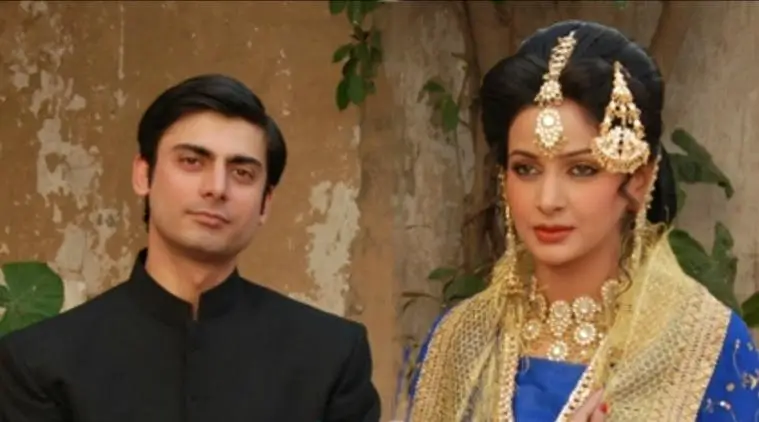
50. Two In One — 2011
Role: Sonia Mansoor
Year: 2011
Saba Qamar played Sonia Mansoor in Two In One.
Two In One aired on PTV Home and was part of a pivotal career breakthrough year for Saba Qamar. The drama follows a unique family-centric and professional narrative centering around the dynamics of working environments and domestic life. 2011 proved to be a massive year for the actress, as her performances during this period—including this role alongside legendary hits like Maat and Pani Jaisa Piyar—solidified her status as a top-tier leading actress in Urdu television
51. Nazar — 2011
Role: Katrina
Year: 2011
The project formed another part of her busy 2011 television schedule. In 2011, acclaimed Pakistani actress Saba Qamar starred in the PTV Home television serial titled Nazar, portraying a character named Katrina.
- The Production: Nazar was broadcast on PTV Home during a highly prolific era for Saba Qamar. In 2011 alone, she led several mainstream projects that cemented her position as a top-tier actress.
- The Plot Focus: Unlike the mega-budget private channel productions of the time, PTV Home’s Nazar focused on traditional family dynamics, societal pressures, and interpersonal relationships. Saba Qamar’s character, Katrina, navigated complex emotional arcs surrounding trust, family expectations, and domestic struggles
While Nazar was appreciated by loyal PTV audiences, 2011 is considered a massive breakout year for Saba Qamar primarily because of her parallel projects. The ultimate success of her career that year was driven by:
Her role as Katrina in Nazar remains a testament to her immense work ethic in 2011, during which she successfully juggled multiple complex characters across different television networks.
52. Jo Chale To Jaan Se Guzar Gaye — 2011
Role: Zufishan
Network: Geo Entertainment
Year: 2011
Saba Qamar played Zufishan in Jo Chale To Jaan Se Guzar Gaye directed by Nadeem Siddiqi based on Maha Malik and procduced by Asif Raza Mir and Babar Javed (A&B Entertainment)
- Main Cast: Saba Qamar as Zufishan, Noman Ijaz as Sayed Alam Shah, Sami Khan as Azar, Qavi Khan as Kashif Mehmood, Jana Malik as Farhana Maqsood
- Story Plot : Zufishan comes from a middle-class family and deeply loves her cousin Azar, to whom she is engaged.
- The Forced Marriage: A powerful feudal landlord named Sayed Alam Shah sees Zufishan and becomes obsessed with her. He kidnaps Azar to blackmail Zufishan into marrying him.
- The Sacrifice: Zufishan agrees to marry Alam Shah to save Azar’s life, keeping the true reason hidden while Azar is out of the country.
- The Twist: Alam Shah loses his legs in an accident. Over time, Zufishan develops genuine feelings and love for her husband.
- The Ending: Azar eventually learns the truth and asks Zufishan for a divorce, but she refuses. Alam Shah later takes his own life by poison, and the story concludes with Azar and Zufishan reuniting.
The drama gained strong public traction and commercial success due to its intense emotional plot, powerful performances by Saba Qamar and Noman Ijaz, and its adaptation from Maha Malik’s popular novel. It remains remembered as a classic tragic romance in Pakistani television history.
53. Thakan — Saba Qamar Dramas in 2012
Role: Sadaf
Network: ARY Digital
Year: 2012
Genre: Social / family drama
Thakan is one of the more socially oriented titles in Saba Qamar’s 2012 portfolio. She played Sadaf. Thakan (2012) stands out as a groundbreaking social drama broadcast on ARY Digital. It powerfully subverted the traditional “self-sacrificing woman” trope. Directed by Amin Iqbal and written by the acclaimed Faiza Iftikhar, the 22-episode series became a critical milestone for its raw depiction of exploitation within families.
The narrative centers on Sadaf (played brilliantly by Saba Qamar), a resilient young woman forced to become the sole breadwinner for her family after her father’s absence. Rather than appreciating her relentless grit, her family—especially her mother, Zubaida (Saba Hameed), her younger brother, Fareed (Jabran Shahid), and her sister, Mehak (Yumna Zaidi)—treats her like an endless cash machine.
Sadaf pushes her personal dreams and feelings to the backburner while working tirelessly. However, her family’s toxic selfishness peaks when Fareed secretly drops out of university while leaching her hard-earned money and steals funds meant for their sister Deeba’s medical emergency, tragically leading to major household losses.
As life pushes her to the brink, Sadaf eventually marries an older man, Kaashan Azmat (Tauqeer Nasir), seeking escape. However, new challenges await her in his home as she navigates his family’s dynamics. The word Thakan (meaning “Exhaustion”) perfectly symbolizes the physical, mental, and emotional drain Sadaf endures from those who were supposed to protect her.
The drama was a major success for several structural and thematic reasons:
- Ending and Reception: While viewers felt the finale wrapped up rather abruptly in its final hour, the show was widely lauded for its unfiltered, realistic portrayal of household dependencies, achieving immense empathy from audiences across the country
- A Reality Check on Financial Exploitation: Unlike generic soaps focusing on mother-in-law rivalries, Thakan spotlighted how blood relations can financially exploit working women.
- The Launchpad for Mega Stars: Thakan served as an incredible portfolio piece for Saba Qamar, cementing her status as a leading dramatic powerhouse. It also featured an early-career performance by Yumna Zaidi, who later became one of the industry’s top actresses.

54. Bhool — 2012
Role: Surraiya
Network: PTV Home
Year: 2012
Saba Qamar played Surraiya in Bhool. The title means “mistake” or “forgetting,” suggesting a narrative built around consequences, relationships and personal decisions.
The television drama series Bhool was broadcast on PTV Home in 2012. The show featured Pakistani superstar Saba Qamar, who played the main role of Surraiya.
- Production Delay: Though the drama was officially released and broadcast in 2012, it was originally filmed a few years prior in 2008.
- Critical Success: Despite facing major broadcast delays, Bhool was a critical success on state television. Saba Qamar received immense praise for her nuanced performance as Surraiya, helping to solidify her status during the early 2010s as one of the country’s most versatile leading television actresses.
The plot of Bhool revolves around the traditional themes of love, family expectations, and the lasting social consequences of a single, monumental mistake.
As Surraiya, Saba Qamar portrayed a resilient but troubled woman caught between her personal desires and deep loyalty to her family values. Her character arc navigates a complex web of emotional trials, illustrating how one wrong decision or misunderstanding can completely alter the trajectory of a person’s life and relationships
55. Yahan Pyar Nahin Hai — 2012
Role: Haleema
Network: Hum TV
Year: 2012
Saba Qamar played Haleema in Yahan Pyar Nahin Hai. Lead Cast was Saba Qamar as Haleema, Junaid Khan as Saim, and Mawra Hocane as Shumaila.
- The Plot: The story follows Saim, an arrogant doctor, and his simple, traditional wife Haleema. Saim constantly belittles and humiliates Haleema because he feels she does not match his modern lifestyle.
- The Conflict: Tensions rise further when Saim’s cousin Shumaila enters their lives, creating deep emotional turmoil and complex relationship dynamics.
- The Reception: The drama was a major success for its emotional depth and realistic portrayal of a troubled marriage, earning widespread praise for Saba Qamar’s powerful performance as a resilient and patient wife.
The title immediately establishes a central theme: the absence or failure of love within relationships. The drama examines emotional distance and interpersonal problems within a social and family setting
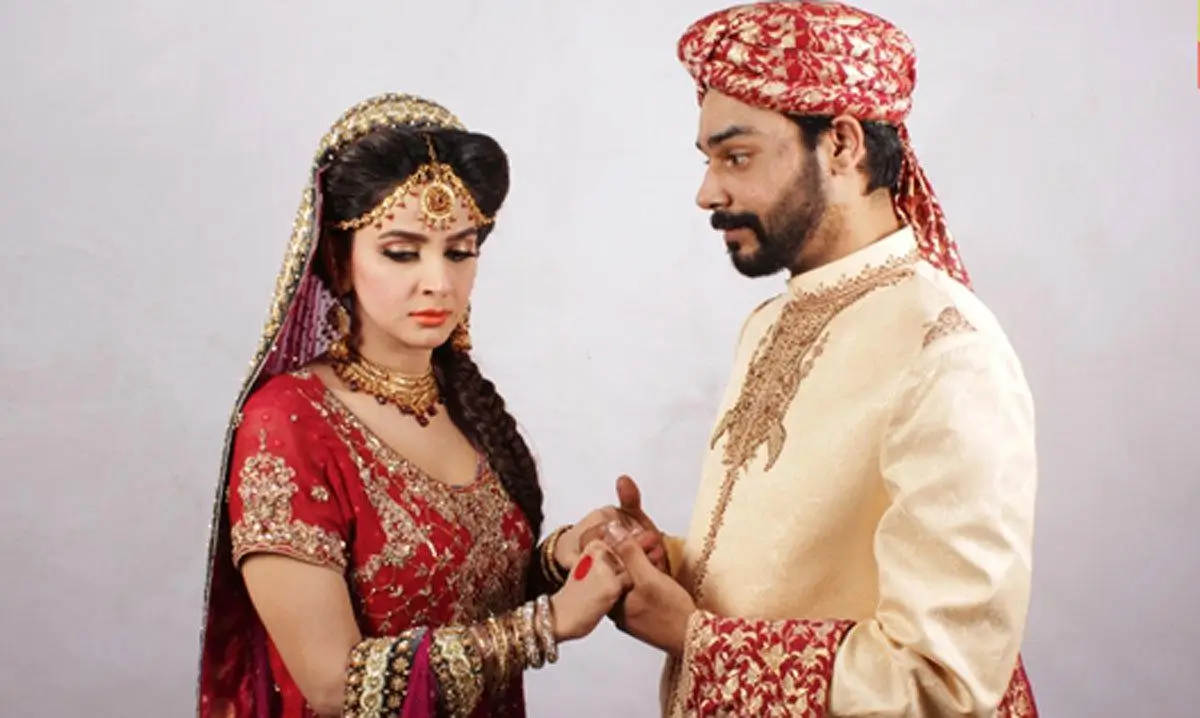
56. Shikwa Na Shikayat — 2012
Role: Meerub Rehman
Network: Express Entertainment
Year: 2012
Saba Qamar played Meerub Rehman in Shikwa Na Shikayat. Saba Qamar starred as Meerub Rehman in the drama serial Shikwa Na Shikayat, which aired on Express Entertainment in 2012. Directed and written by Azeem Sajjad, the series also featured co-stars like Mikaal Zulfiqar.
- Political & Feudal Backdrop: The story is set against a tense, rural political environment. It revolves around a regional minister, Chaudhry Ahmed Nisar, who ruthlessly uses fear and influence to secure his family’s ancestral assembly seat.
- Meerub’s Struggle: Saba Qamar’s character, Meerub Rehman, is caught in a web of social injustice, forced compromises, and deep emotional turmoil.
- Theme of Resilience: As indicated by its official soundtrack (OST), the narrative follows a vulnerable protagonist navigating a harsh world (“a helpless life with no protest, no whine“). Despite facing heavy social oppressions and betrayals, she struggles to survive with dignity.
The drama achieved steady success during its initial run on Express Entertainment. It gained critical praise for its gritty portrayal of systemic corruption and human vulnerability. Saba Qamar’s powerful performance as Meerub Rehman stood out, adding another impactful role to her highly successful career trajectory in the early 2010s
57. Shehryar Shehzadi — 2012
Role: Sarwat
Network: Urdu 1
Year: 2012
Saba Qamar played Sarwat in Shehryar Shehzadi. Saba Qamar starred as the main protagonist, Sarwat, in the 2012 Urdu drama series Shehryar Shehzadi, which originally aired on the Pakistani entertainment network Urdu 1. Zafar Imran wrote and Syed Ahmed Kamran directed in Mastermind Productions by Hassan Zia
The drama featured a highly acclaimed soulful OST titled “Teri Raza”, sung by the iconic Indian playback singer Rekha Bhardwaj, with music composed by Vishal Bhardwaj and lyrics penned by Gulzar.
The narrative of Shehryar Shehzadi follows the intense life journey, struggles, and emotional resilience of Sarwat (played by Saba Qamar)
- The Core Conflict: Sarwat is a pure-hearted, resilient woman caught in a complex web of family politics, forced sacrifices, and societal cruelty.
- The Plot Elements: The plot deals heavily with themes of trust, betrayal, legal ownership, and financial manipulation, particularly involving family businesses and property handed down as an Amanat (trust). Sarwat finds herself bearing the unexpected, heavy burden of becoming the sole legal heir to a massive estate and business, a responsibility she initially finds overwhelmingly difficult to carry.
- Relationships: Throughout the series, she navigates turbulent dynamics alongside a star-studded ensemble cast, including Sonya Hussyn, Gohar Rasheed, Imran Aslam, Faizan Khawaja, and Waseem Abbas. Her journey centers on fighting for justice, holding onto faith (Raza), and surviving the cruel traps set by the antagonists surrounding her.
- Memorable OST: The collaboration with Bollywood legends Gulzar and Vishal Bhardwaj for the OST gave the project massive subcontinental cross-border appeal, and the song remains highly remembered by drama enthusiasts today
- Critical Acclaim for Saba Qamar: The show served as an early milestone that helped cement Saba Qamar’s reputation as one of Urdu television’s most versatile and premier leading actresses. Critics widely praised her nuance in playing a deeply troubled, vulnerable, yet fiercely determined woman.
Shehryar Shehzadi was a notable commercial hit for the then-burgeoning Urdu 1 network, attracting a steady viewership owing to its daily slot, crisp storytelling, and high production value.
58. Na Kaho Tum Mere Nahi — 2012
Role: Mehreen
Network: Hum TV
Year: 2012
Saba Qamar played Mehreen in Na Kaho Tum Mere Nahi. Na Kaho Tum Mere Nahi is a 2012 Pakistani romantic drama serial broadcast by Hum TV that explores themes of marital trust, financial strain, and external interference in a marriage.
- The Couple: Mehreen (Saba Qamar) and Meerab (Ahsan Khan) live a simple, peaceful life. Meerab earns a humble living, and Mehreen works hard to manage the household within his meager salary.
- Family Pressures: Meerab’s sister, Bano Apa (Saba Faisal), depends heavily on Meerab for financial support. Meerab’s constant fulfillment of her demands creates regular friction and rifts between him and Mehreen.
- The Turning Point: An old college friend, Maya, re-enters their lives. Maya once had feelings for Meerab, who instead chose to marry Mehreen. Maya hires Mehreen as her personal assistant. This arrangement further strains Mehreen and Meerab’s marriage as Maya’s own relationship with her multimillionaire husband begins to collapse.
- Broadcasting Run: Written by Maha Malik and directed by Amna Nawaz Khan, the serial aired from October 22, 2012, to March 4, 2013, on Mondays.
- Viewer Engagement: While noted by critics as a familiar tale dealing with domestic issues and marital infidelity, the intense emotional performances by the lead cast kept audiences engaged throughout its run on Hum TV.
- Career Milestone: The role solidified Saba Qamar’s reputation as a leading dramatic actress during a prolific phase of her career that also included acclaimed projects like Maat and Yahan Pyar Nahin Hai.
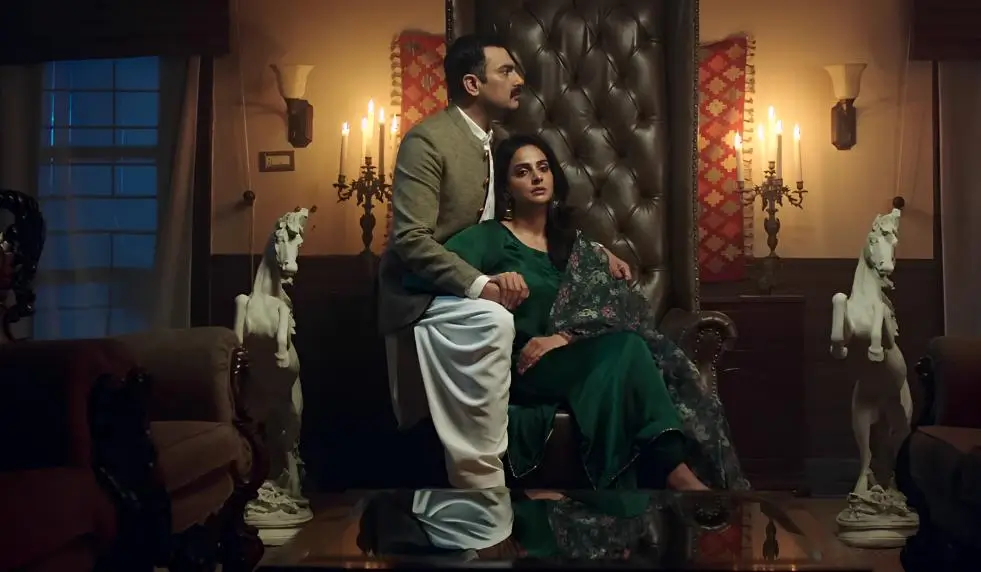
59. Kaash Aisa Ho — Saba Qamar Drama in 2013
Role: Irfa
Network: ARY Digital
Year: 2013
Saba Qamar played Irfa in Kaash Aisa Ho. In the 2013 hit television serial Kaash Aisa Ho, which aired on ARY Digital, Saba Qamar delivered a widely acclaimed performance as the main protagonist, Irfa. Written by Maha Malik and directed by Sohail Javed, the drama charts a compelling journey of love, heartbreak, and ultimate self-reliance.
- Unrequited Childhood Love: Irfa is an orphan girl who has deeply loved her artistic cousin, Shayan (played by Mohib Mirza), since childhood. Shayan initially sees her affection as a simple, friendly bond, as he is an idealist looking for an unmatched “divine goddess”.
- A Rocky Marriage: After several twists, Shayan realizes her worth and they get happily married. They eventually have a child together. However, Shayan’s obsession with his artistic freedom, combined with external romantic distractions (such as his involvement with a woman named Maleeha), creates major friction.
- Abandonment & Resilience: Following severe disputes and Shayan’s careless attitude, he leaves Irfa and their child behind. Thrown into the deep end, Irfa shifts from a vulnerable orphan to a resilient single mother, rebuilding her life entirely on her own terms.
The series stood out during its 22-episode run due to its realistic dialogues, highly charged emotional scenes, and strong commentary on the hardships of single parenthood in a traditional society. Audiences deeply connected with Irfa’s character transition. Qamar was highly praised for depicting the emotional nuance of a heartbroken wife evolving into a fierce, independent protector of her child.
60. Ullu Baraye Farokht Nahi — 2013
Role: Gul-e-Rana
Network: Hum TV
Year: 2013
Episodes: 25
Writer: Amna Mufti
Director: Kashif Nisar
Genre: Social drama
One of Saba Qamar’s Most Significant Social Dramas
Ullu Baraye Farokht Nahi is an important title in the Saba Qamar drama chronology. The serial was written by Amna Mufti and directed by Kashif Nisar. It was built around difficult social questions rather than conventional romantic entertainment.
Ullu Baraye Farokht Nahi is a 2013 critically acclaimed Pakistani drama broadcast on Hum TV that explores feudal conflicts, the plight of women in a patriarchal society, and the exploitation of faith. Main Cast was Saba Qamar (as Gul-e-Rana / Aasiya), Noman Ijaz (as Mian Ghulam Farid), Sohail Ahmed (as Ishaq Malkana), and Yumna Zaidi (as Aasiya)
The plot is set in a rural village and centers on two estranged feudal brothers, Mian Yakoob Malkana and Mian Ishaq Malkana. They attempt to reunite their families through a watta satta (barter) marriage arrangement. However, old hatreds erupt when Ishaq seeks revenge for his son’s murder by killing Nazeer Fatima (Yakoob’s daughter) and burying her under a tree.
The narrative shifts to follow Yakoob’s younger daughter, Aasiya (played by Yumna Zaidi), a university student who falls in love with her English teacher, Sir Chauhan (Omair Rana). Her life turns upside down after her father’s death and forced familial obligations.
- Genre: Tragedy / Social Drama / Psychological Thriller
- Themes: It highlights the heavy burden of male dominance, honor killings, revenge, and how vulnerable women in oppressed environments resort to fake spiritual healers (peers) and mystics for solace.
The drama received immense critical praise for its powerful, nuanced performances—especially by Noman Ijaz and Saba Qamar—as well as Amna Mufti’s bold script and Kashif Nisar’s gritty direction. It remains celebrated as one of Pakistan’s most hard-hitting and realistic television masterpieces. The drama examines the darker side of society, particularly the ways vulnerable people can become victims of exploitation and social structures that offer them little protection.
Its narrative is deliberately uncomfortable. Rather than simplifying social problems into a conventional hero-versus-villain structure, the drama explores how individuals become trapped within systems of power, poverty and exploitation.
Saba Qamar as Gul-e-Rana
Saba Qamar played Gul-e-Rana. The role required her to work within a serious social narrative in which character psychology and social circumstances are closely connected. This was precisely the type of project that increasingly distinguished Saba Qamar from actresses who were primarily associated with conventional romantic serials.
Social Importance
The drama is remembered for addressing difficult issues that Pakistani television often treated cautiously.
Its themes include:
- exploitation,
- poverty,
- social inequality,
- vulnerability,
- abuse of power,
- and the treatment of marginalized individuals.
Why It Matters in Saba Qamar’s Career
Ullu Baraye Farokht Nahi strengthened the perception of Saba Qamar as an actress willing to choose meaningful stories. It also established a pattern that would become increasingly important in later work such as Sannata, Bunty I Love You, Digest Writer, Sangat, Baaghi, Cheekh and Sar-e-Rah. The serial is widely regarded as a significant socially conscious Pakistani drama. It was a “blockbuster” drama
61. Miss Fire — 2013
Role: Maya
Network: Geo Entertainment
Year: 2013
Saba Qamar played Maya in Miss Fire.
In 2013, Saba Qamar starred as Maya in the situational comedy series Miss Fire on Geo Entertainment. Written by the renowned humorist Dr. Muhammad Younis Butt and directed by Fawad Wyne, the sitcom highlighted Saba Qamar’s impeccable comedic timing alongside an ensemble cast including Sami Khan, Kiran Haq, Mehar Bano, and Aqdas Waseem. The plot of Miss Fire revolves around family dynamics, misfired pranks, and domestic chaos:
- The Setup: The story follows two happily married sisters who are living peaceful, satisfactory lives with their respective husbands.
- The Disruption: The tranquility is entirely upended when their eldest sister, Maya (played by Saba Qamar), abruptly drops in to live with them.
- The Conflict: Anticipating that she will completely destroy their domestic peace, the exasperated husbands hatch constant schemes to get rid of Maya and throw her out of the house.
- The Twist: Each episodic story tracks the hilarious blunders and unintended consequences created by Maya. Every elaborate plan the husbands devise to remove her is bound to backfire completely—hence the title Miss Fire.
- Acclaimed Writing: With sharp, witty dialogue written by Dr. Muhammad Younis Butt (famous for political satires and sitcoms like Hum Sab Umeed Se Hain), the show found a loyal audience that appreciated its lighthearted tone.
- Syndication and Reruns: The enduring popularity of the sitcom led to it being re-broadcasted for years on Geo’s sister channel, Geo Kahani, introducing a new wave of viewers to Maya’s chaotic charm.
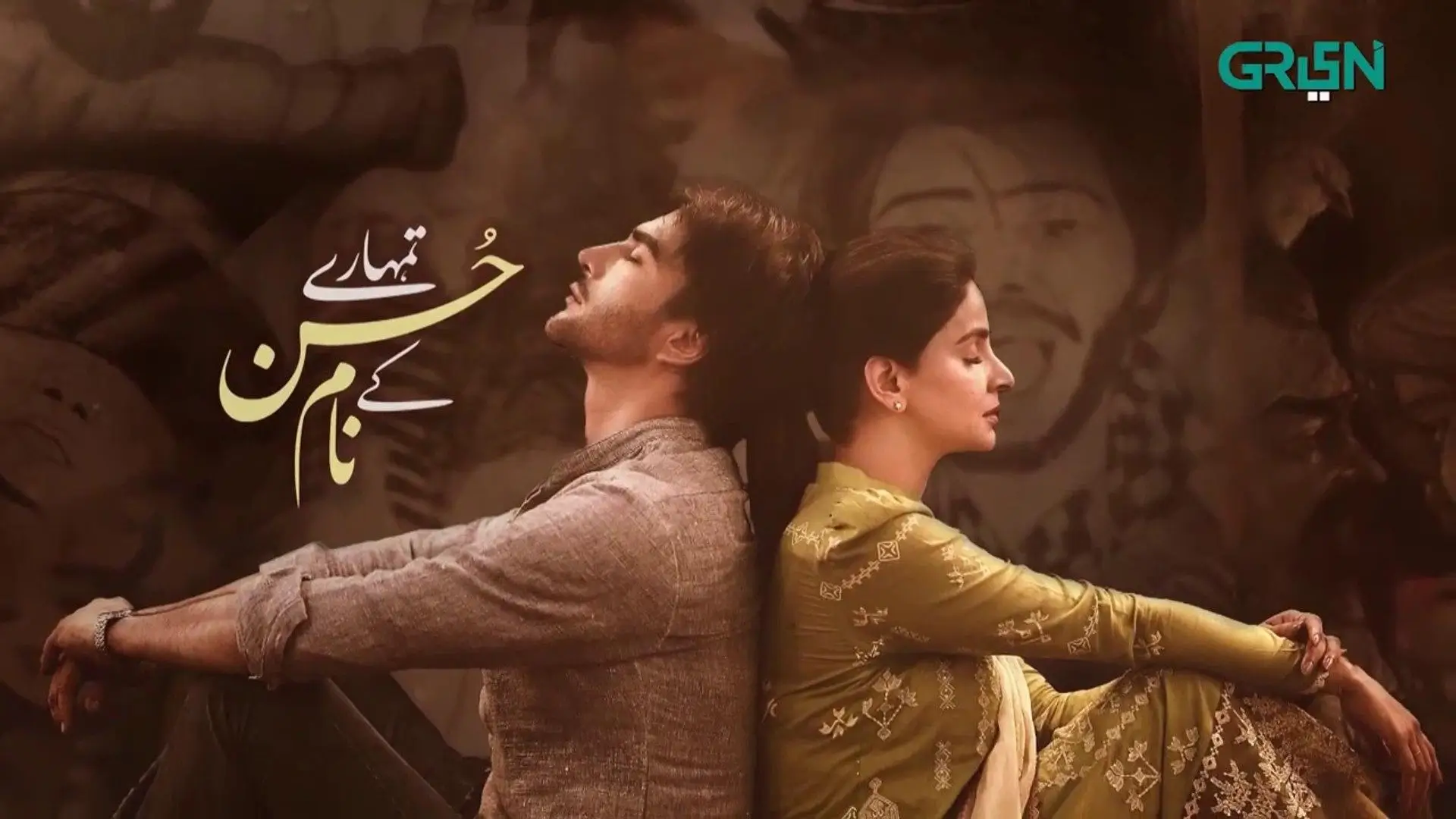
62. Sannata — 2013
Role: Rukayya
Network: ARY Digital
Year: 2013
Genre: Social drama
In the critically acclaimed psychological social drama Sannata (2013), Saba Qamar delivered a powerful performance as Rukayya (Ruqayya). The serial is widely remembered as a masterclass in storytelling, bringing together three of Pakistan’s finest actors: Saba Qamar, Sajal Aly, and Danish Taimoor.
The narrative revolves around the intense, complex, and ultimately tragic relationship between two cousins, Rukayya and Pari (played by Sajal Aly).
- The Maternal Bond: Rukayya effectively raises her younger cousin Pari from infancy after Pari’s mother passes away during childbirth. Because of family rejection and trauma, Rukayya becomes Pari’s sole emotional anchor.
- The Conflict: As they grow up, Pari develops a deeply possessive, unstable psychological attachment to Rukayya. This attachment turns toxic when their cousin Aazam (played by Danish Taimoor) falls in love with Rukayya and wants to marry her.
- The Psychological Spiral: Driven by severe separation anxiety and mental illness, Pari begins to unravel. She goes as far as impersonating Rukayya to stay connected to her and sabotage her relationship with Aazam.
- The Haunting Climax: The dark, emotionally charged thriller explores themes of love, intense possessiveness, and hereditary trauma. The story closes with a profound realization: everyone accused Pari of stealing Rukayya’s childhood, toys, and husband—but in the end, she tragically takes away Rukayya’s death.
- A Masterpiece in Acting: Written by Saji Gul and directed by Kashif Nisar, the drama was a critical milestone for Saba Qamar. It highlighted her immense range as she portrayed a deeply empathetic woman torn between her love for her partner and her maternal responsibility toward a mentally unstable sibling.
- Cult Classic Status: While competing against standard commercial romances on television, Sannata earned a dedicated cult following and high praise from critics for its bold exploration of mental health and complex human psyche.
The title, Sannata, meaning silence or stillness, is central to its thematic identity. The narrative examines the damage caused when people fail to speak about serious problems.
Saba Qamar as Rukayya
The role required emotional restraint as well as dramatic intensity. Instead of relying solely on loud confrontation, Saba Qamar’s performance works through the emotional consequences of circumstances surrounding the character.
Social Themes
The drama is associated with difficult subjects involving:
- family pressure,
- social silence,
- women’s vulnerability,
- emotional trauma,
- and the consequences of unaddressed problems.
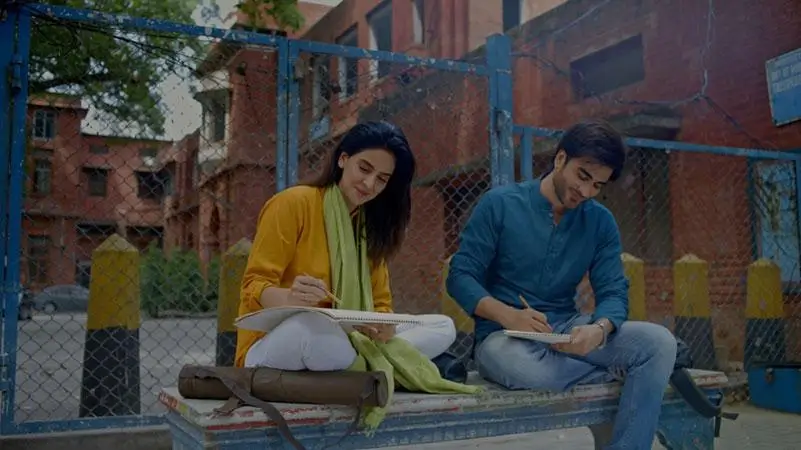
63. Bunty I Love You — 2013
Role: Dania
Network: Hum TV
Year: 2013
Genre: Social / family drama
The Pakistani social and family drama Bunty I Love You premiered on Hum TV in late 2013. Written by the acclaimed Khalil-Ur-Rehman Qamar and directed by Siraj-ul-Haque, it became a major critical breakthrough for Saba Qamar, who won her first Hum Award for Best TV Actress for her unforgettable performance as Dania.
- The Forced Marriage: Dania is a young girl forced to marry a much older, wealthy man named Patel when she is only 17.
- The Sudden Freedom: Twelve years later, Patel passes away and leaves half of his massive property and fortune to Dania. Finally free and incredibly wealthy, she wishes to live out the youth she was robbed of.
- Meeting Bunty: Her life takes a drastic turn when her car accidentally hits a young, carefree mobile-snatcher named Bunty (played by Noman Habib). Feeling responsible, she handles his expensive hospital treatment and takes him under her wing.
- The Obsession: Dania deeply falls for the much younger Bunty. She spends lavishly on him, hoping he will return her love so they can marry. However, Bunty is oblivious to her feelings, treating her as a benefactor while continuing to flirt with younger women and falling for girls his own age (like Mehwish and Beenish).
- A Dark Ending: Dania’s affection eventually twists into a toxic, desperate obsession. In the shocking climax, Dania tests Bunty’s devotion by asking him if he would drink poison for her. When he actually consumes it, a devastated Dania is left rocking his body, repeatedly crying out “Bunty I Love You” as he dies, leaving her completely alone once again.
- Award-Winning Performance: The show was a massive personal milestone for Saba Qamar. Her nuanced portrayal of a lonely, psychologically complex woman trapped by her own obsession earned her the Best Actress award at the Hum Awards.
- Critically Acclaimed: Industry critics and viewers consider it one of Saba Qamar’s finest older performances. It stood out during its run for breaking typical television tropes and offering a bold, tragic narrative driven by a complex female protagonist.
64. Jaanam — Saba Qamar Dramas in 2014
Role: Falak Taseer
Network: A-Plus TV
Year: 2014
Saba Qamar played Falak Taseer in Jaanam.
The Story
Saba Qamar starred as Falak Taseer in the Pakistani drama serial Jaanam (also spelled Jaanum), which aired on A-Plus TV starting in late 2014.
- The Premise: Falak (Saba Qamar), a liberal-minded drama director, and Rizwan Taseer (Adnan Siddiqui), a successful businessman, share an ideal marriage built on immense trust and mutual respect.
- The Conflict: Their peaceful life is disrupted when Rizwan’s childhood friend, Arif (Noman Masood), returns to Pakistan following a severe financial bankruptcy. Rizwan generously invites Arif to live under their roof.
- The Twist: While Falak immediately picks up on Arif’s malicious intentions and feels threatened by his negative energy, Rizwan remains blindly trusting. Arif sets out on a covert mission to completely ruin Rizwan emotionally, financially, and conjugally.
The drama was a notable success for A-Plus TV. Viewers heavily praised the on-screen chemistry between Saba Qamar and Adnan Siddiqui. Saba Qamar’s portrayal of Falak—a strong, modern woman who sees through manipulation but struggles to protect her household—was highly lauded and remains a memorable addition to her extensive Saba Qamar Filmography.
65. Izteraab — 2014
Role: Zara
Network: Hum TV
Year: 2014
Saba Qamar played Zara in Izteraab.
Izteraab is a 2014 Pakistani drama series broadcast on Hum TV, starring Saba Qamar as Zara alongside Mikaal Zulfiqar as Jazib and Saniya Shamshad as Dua. Written by Amna Mufti and directed by Misbah Khalid, the 21-episode show explores the complexities of marital discord, second marriage, and fatal illness. The narrative revolves around the contrasting personalities of Jazib and Zara, who fall in love and marry.
- The Conflict: Jazib is traditionally conservative by nature, while Zara is a modern, liberal, and independent working woman. Over time, their differing worldviews breed friction. Jazib frequently accuses Zara of neglecting her family and being an irresponsible mother.
- The Split & Second Marriage: Misunderstandings escalate until the couple separates. Following their separation, Jazib marries his submissive, home-oriented cousin, Dua.
- The Twist: The storyline shifts dramatically when Jazib learns that Zara has been diagnosed with terminal cancer. Plagued by guilt and lingering feelings, Jazib is drawn back to her.
- The Conclusion: Realizing the depth of Jazib and Zara’s history and their children’s needs, Dua selflessly steps aside to engage in social work. This allows a recovering Zara, Jazib, and their kids to rebuild their fractured family.
66. Bay Emaan Mohabbat — 2014
Role: Dania
Network: ARY Digital
Year: 2014
In the 2014 drama serial Bay Emaan Mohabbat broadcasted on ARY Digital, the incredibly talented Saba Qamar delivered a compelling performance as the ambitious and complex protagonist, Dania. The narrative of the show revolves around the theme of how greed, material desires, and the pursuit of an envious lifestyle can drive people to deceitful lengths.
- The Core Conflict: Dania belongs to a middle-class family but completely loathes her modest reality. She dreams of a glamorous life in the modeling industry. However, she is engaged to Naeem, a low-earning government clerk whom she deeply dislikes.
- The Deception: While Naeem desperately wants to marry her, Dania runs a parallel secret affair with her next-door neighbor, Baber (played by Agha Ali). Making the web of lies more complex, Baber is actually engaged to his cousin Sobia—who happens to be Dania’s closest friend.
- The Twist: Clever and manipulative, Dania uses the personal information Sobia confides in her to manage and prolong her secret dates with Baber, constantly tricking her mother and cheating on both men.
While the drama had a stellar ensemble cast—including Nauman Ijaz, Samiya Mumtaz, and Adnan Shah Tipu—it achieved moderate commercial response rather than monumental critical acclaim.
According to industry retrospectives, Bay Emaan Mohabbat and another 2014 romantic venture Jaanam earned modest praise for Saba Qamar. However, it served as an important stepping stone in her busy 2014 career schedule, paving the immediate path for her massive critical breakthrough later that same year in projects like Bunty I Love You and Digest Writer.
67. Na Katro Pankh Mere — 2014
Saba Qamar played the character Naamia Imad Alam in the Pakistani drama serial Na Katro Pankh Mere. The television series premiered in December 2014 on the entertainment network ARY Zindagi.
The title Na Katro Pankh Mere (“Do Not Clip My Wings”) reflects the core themes of the drama, focusing on a woman’s struggle for independence, personal growth, and emotional resilience against societal and familial pressures. Saba Qamar’s impactful performance as Naamia anchor-weighted the emotional narrative, contributing to the show’s reception during ARY Zindagi’s early programming lineup
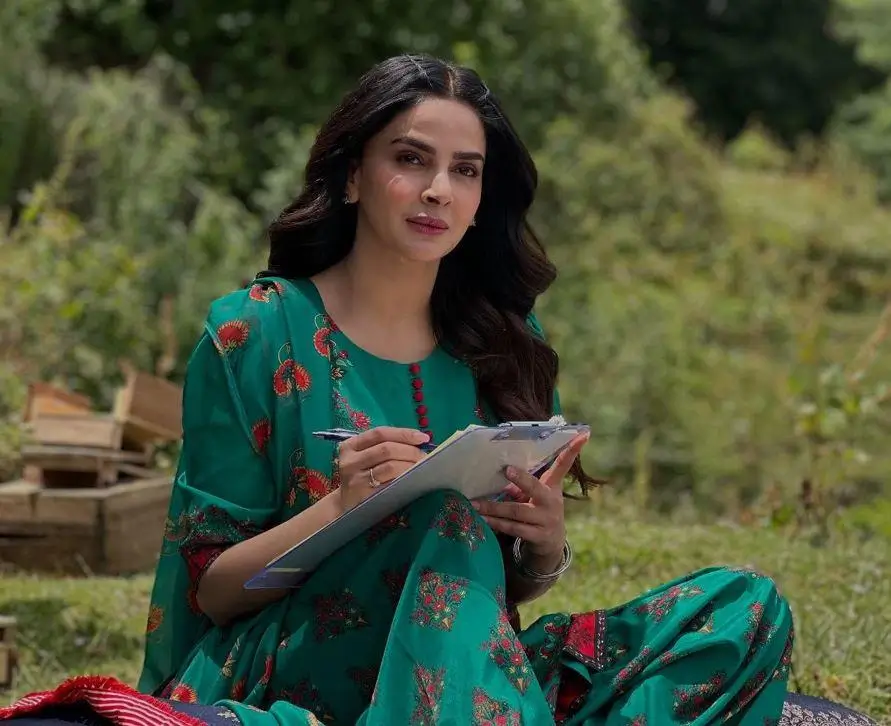
68. Digest Writer — 2014–2015
Role: Farida Anwar / Rashk-e-Hina
Network: Hum TV
Year: 2014–2015
Episodes: 24
Genre: Social / family / literary drama
Writer: Umera Ahmed
Director: Syed Ahmed Kamran
One of the Defining Saba Qamar Dramas
The details you provided describe the critically acclaimed Pakistani drama series Digest Writer. While the project was produced under the supervision of Umera Ahmed’s production banner (and often associated with her structural guidance), it was officially written by Madiha Shahid and directed by Syed Ahmed Kamran.
The narrative centers on Farida Anwar (played brilliantly by Saba Qamar), a talented young girl from a lower-middle-class family.
- The Creative Dream: While her parents focus entirely on funding her brother’s education, Farida stays up all night writing stories under the pen name “Rashk-e-Hina“ (Pride of Henna).
- The Breadwinner Burden: Initially scolded for “wasting electricity,” her family entirely changes their attitude once her stories become highly popular and financially lucrative. She transitions from writing magazine digests to mainstream television scripts.
- Marital Exploitation: Despite her success, she is forced to marry her conservative, abusive cousin, Shaukat (played by Gohar Rasheed). Her in-laws relentlessly mock her profession but aggressively exploit her creative labor to fund their own household.
- The Climax: The drama follows Farida’s emotional journey as she navigates patriarchal exploitation, intellectual property theft by rivals, and her ultimate struggle to assert her identity and financial independence.
Digest Writer was one of the highest-rated dramas on Hum TV during its 2014–2015 run. Her transformative performance as Farida earned massive public appreciation and solidified her reputation as one of Pakistan’s premier leading actresses.The series was widely praised for breaking standard television tropes. Instead of a typical love story, it focused heavily on the monetization of female talent, creative exploitation within households, and the realities of the publishing industry
The Central Themes
Digest Writer explores:
- women’s education,
- female creativity,
- class differences,
- family pressure,
- literary ambition,
- romantic relationships,
- social expectations,
- manipulation,
- and the struggle for personal independence.
Saba Qamar’s Performance
Saba Qamar’s performance as Farida/Rashk-e-Hina is central to the success of the drama. The role requires her to portray a woman across different stages of her life. Farida begins as an ambitious young woman whose creative talent has not yet been recognized.
As Rashk-e-Hina becomes successful, her confidence and public identity develop. However, professional success does not eliminate emotional vulnerability. Saba Qamar therefore has to portray both the ambitious writer and the private woman dealing with relationships and family pressure.
69. Kaisay Tum Se Kahoon — Saba Qamar Drama in 2015
Role: Anamta
Year: 2015
Saba Qamar played Anamta in Kaisay Tum Se Kahoon. Saba Qamar starred as Anamta (affectionately called Annu) in the 2015 romantic drama serial Kaisay Tum Se Kahoon. Aired on Hum TV, the story was based on a popular novel by Maha Malik and directed by Fahim Burney.
The plot centers around Anamta, a devoted housewife and mother of two, who deeply loves her husband, Mansoor (played by Adeel Chaudhry). The conflict begins when Mansoor frequently goes missing from key family milestones, such as their child’s birthday, under the pretext of supporting a sick colleague. As the narrative unfolds, structural misunderstandings, tests of loyalty, and the complex demands of relationships threaten their marriage.
The story explores whether the couple can weather the emotional storm or if external pressures will break them apart. Her chemistry with Adeel Chaudhry and the melodic impact of the official soundtrack (OST) sung by Chaudhry himself remain memorable highlights for fans of Urdu television drama.
While the drama faced heavy competition and achieved moderate commercial success in television ratings, critics highly praised Saba Qamar’s performance for bringing raw depth and emotional nuance to Anamta’s character.
70. S.H.E — 2015
Role: Bajirao Mastani
Network: Geo Entertainment
Year: 2015
In the 2015 Geo Entertainment situational comedy series S.H.E, the highly acclaimed actress Saba Qamar played the lead character of a courageous lady police officer named Lady S.H.O. Bajirao Mastani.
The plot of S.H.E revolves around the hilarious, day-to-day happenings inside a local police station. Lady S.H.O. Bajirao Mastani is a sharp, fiercely independent, and intelligent police officer. Alongside her three quirky subordinates, she tackles every case that falls under her jurisdiction. She is depicted as fearless, absolutely incorruptible, and dedicated to doing what is righteous, completely defying the influence or pressure of her superiors. The show uses a comedic lens to highlight structural and societal issues within the law enforcement setting.
- Audience Reception: The project became a memorable part of her career, lauded by viewers for its witty writing and her strong, entertaining portrayal of a woman in authority.
- Showcasing Versatility: The role marked a critical point in Saba Qamar’s filmography, allowing her to reunite with renowned writer Dr. Younus Butt and director Fawad Wyne. It successfully showcased her talent for sharp, situational comedy right alongside her well-known dramatic roles.
71. Sangat — 2015
Role: Ayesha
Network: Hum TV
Year: 2015
Genre: Social drama
Sangat is one of the most sIn the 2015 social drama Sangat broadcast on Hum TV, Saba Qamar delivered a deeply emotional performance as Ayesha (often called Ashy). The serial remains a highly discussed project due to its intense narrative and the controversial social themes it tackled.
- The Perfect Life: Ayesha is happily married to her college sweetheart, Adnan (Mikaal Zulfiqar). Their lives seem perfect until tragedy strikes.
- The Incident: While visiting her mother’s house, Ayesha becomes the victim of a home invasion and is sexual assaulted by Shavez (Zahid Ahmed), a long-time covert admirer.
- The Secret & The Birth: Traumatized and pressured by her mother, Ayesha keeps the assault a secret. She gives birth to a baby girl whom the family names Sangat.
- The Turmoil: The truth unravels when the baby is diagnosed with Thalassemia. A medical DNA test reveals that Adnan is not the biological father. This triggers intense marital conflict, family breakdown, and psychological battles as Ayesha faces the consequences of the hidden trauma.
While successful, Sangat generated massive social debate. Media critics from platforms like Dawn Images criticized the script for attempting to humanize or redeem the antagonist (the rapist) later in the series. Despite the controversy, it is remembered as a bold milestone that pushed the boundaries of standard Pakistani television tropes by addressing sexual violence openly. The drama was a major commercial success for Hum TV, drawing massive viewership due to the heavy star power and gripping suspense. Saba Qamar and Zahid Ahmed received immense praise for their raw acting capabilities.
72. Mein Sitara — Saba Qamar Drama in 2016
Roles: Surraiya / Sitara
Network: TV One Pakistan
Year: 2016
Genre: Period drama
Writer: Faiza Iftikhar
Director: Seema Tahir Khan
Producer: Seema Tahir Khan / TV One Productions
Episodes: 31 according to current filmography records
Mein Sitara premiered on 17 March 2016 and concluded on 3 November 2016. The principal cast included Saba Qamar, Mikaal Zulfiqar, Meera, Noman Ijaz, Anum Fayyaz and Ayesha Gul. originally developed under the working title Nigar Khana)
Lead Character: Suraiya, a poor maid’s daughter who rises through the ranks of the entertainment industry to become a top film actress named Sitara. The character is portrayed excellently by Saba Qamar.
Set against the backdrop of the mid-1960s to the turn of the century, the serial explores the golden era of Lollywood. It chronicles the glitz, intense power struggles, heartbreaking betrayals, and shifting fortunes of the film industry’s stars and directors across two distinct generational seasons.
The series earned widespread critical success for its unique historical subject matter and deep character arcs, earning major nominations at the Lux Style Awards—including Best Television Play and Best Actress for Saba Qamar
The World of Lollywood
One of the most interesting features of the drama is its depiction of the Pakistani film industry. Behind the songs, costumes, cinema halls and celebrity culture are:
- professional rivalries,
- personal relationships,
- ambition,
- exploitation,
- changing social values,
- heartbreak,
- and the struggle for recognition.
Saba Qamar as Surraiya/Sitara
Saba Qamar played dual roles, portraying Surraiya and Sitara. The dual-role structure gave her a particularly demanding performance opportunity. She had to distinguish the two characters while maintaining the broader continuity of the story.
Sitara’s journey is fundamentally a story about ambition.She starts from a position where she has limited power but dreams of a different life. As she enters the entertainment industry, she discovers that success comes with its own problems. The glamour of celebrity does not eliminate insecurity, exploitation or emotional pain.
Why Mein Sitara Matters
The drama is particularly important in Saba Qamar’s career because it combines:
historical storytelling + women-centered narrative + entertainment-industry commentary.
It also gave her the opportunity to portray a character inspired by the lives of women connected with Pakistan’s film industry.

73. Besharam — 2016
Role: Mishal Tahir Malik
Network: ARY Digital
Year: 2016
Genre: Social / family / romantic drama
Writer: Sarwat Nazir
Director: Farooq Rind
Producers: Humayun Saeed and Shehzad Nasib
Production Company: Six Sigma Plus
Episodes: 24
Besharam premiered on 10 May 2016 on ARY Digital and concluded on 1 November 2016. It was written by Sarwat Nazir, directed by Farooq Rind, and produced by Humayun Saeed and Shehzad Nasib under Six Sigma Plus. It ran for 24 episodes.
The narrative revolves around Mishal (Saba Qamar), a glamorous and highly successful top fashion model who faces constant societal prejudice due to her profession. Her life takes an unexpected turn when she is publicly challenged by a family member, prompting her to cross paths with Haider Bakht (Zahid Ahmed).
Haider is a dedicated, working-class aspiring politician fighting for the rights of everyday citizens while living in a modest neighborhood with his mother and sister. In a sudden twist of fate, Mishal and Haider enter into a marriage of convenience. The drama powerfully follows their contrasting worlds colliding—tackling themes of elite family struggles, structural biases against the entertainment industry, political maneuvering, and how genuine mutual respect slowly blossoms into an enduring romance
The Fashion Industry Theme
Besharam also addresses perceptions of the glamour industry. The serial contrasts the public image of a model with the private person behind that image. This gives Saba Qamar an opportunity to portray a woman who has learned to live with public judgment.
Saba Qamar and Zahid Ahmed
The chemistry between Saba Qamar and Zahid Ahmed became an important part of the serial. Their characters represent conflicting approaches to society and personal freedom. The dramatic tension is therefore not simply romantic. It is ideological at the level of family and lifestyle.
- Massive Viewership: The show was a major commercial success for ARY Digital, securing top ratings during its runtime owing to its fast-paced, progressive storyline.
- Critical Acclaim: It was highly praised for breaking typical television tropes. Instead of showing the upper-class modern woman or the working-class man in cliché ways, it portrayed both characters with immense dignity and maturity.
- Award Nominations: Saba Qamar’s powerhouse performance as Mishal and Zahid Ahmed’s gripping portrayal of Haider earned them multiple nominations at prestigious ceremonies, including the Lux Style Awards.

77. Baaghi — Saba Qamar in 2017–2018
Role: Fouzia Batool / Kanwal Baloch
Network: Urdu 1
Year: 2017
Genre: Biographical drama / romance
Writer: Shazia Khan
Director: Farooq Rind
Producer: Nina Kashif
Production Company: Paragon Productions
Episodes: 28
One of the Defining Saba Qamar Dramas
Baaghi premiered on 27 July 2017 on Urdu 1 and concluded on 1 February 2018. It ran for 28 episodes. Saba Qamar played Fouzia Batool/Kanwal Baloch, with Ali Kazmi, Osman Khalid Butt, Sarmad Khoosat, Saba Faisal and others in prominent roles.
The Real-Life Inspiration
The character was based on the life of Pakistani internet celebrity and model Qandeel Baloch, whose real name was Fauzia Azeem. The drama changed the character’s name to Fouzia Batool/Kanwal Baloch while drawing from elements of Qandeel Baloch’s public life.
This distinction is important. Baaghi is a dramatization inspired by a real person rather than a documentary reconstruction. The story follows a young woman from a difficult background who dreams of a different life. Fouzia wants recognition. She wants financial independence. She wants to escape the limitations of her circumstances.Her ambitions eventually take her into the world of television, modelling and social media.
As she becomes famous, the attention she receives changes her life. But fame also exposes her to judgment, exploitation and threats.
The Rise of Kanwal Baloch
Fouzia adopts the public identity Kanwal Baloch. This transformation represents one of the central ideas of the drama. The woman who once had limited social power discovers that the internet can give her a public voice. But that visibility comes at a cost.
The Dark Side of Fame
Baaghi explores the contradiction at the center of celebrity culture. A person can become extremely visible while having very little control over how society interprets them. Kanwal’s public image becomes larger than her private identity. The more famous she becomes, the more intensely she is judged.
Saba Qamar’s Performance
The role required Saba Qamar to portray two versions of the character:
Fouzia Batool — the private woman.
Kanwal Baloch — the public personality.
The distinction allowed Saba Qamar to explore the psychological consequences of sudden fame.
Transformation
Saba Qamar’s physical and behavioral transformation for the character attracted substantial attention. She had to portray the character’s changing appearance, speech, confidence and public persona over different stages of the story.
Social Themes
Baaghi addresses:
- poverty,
- class mobility,
- women’s independence,
- social media,
- celebrity culture,
- exploitation,
- family pressure,
- honor,
- public judgment,
- and violence against women.
The drama was significant because it brought a controversial contemporary Pakistani public figure into mainstream television storytelling. It also generated substantial public discussion because of the sensitivity of its subject.
Broadcast on Urdu1 from July 2017 to February 2018, the show became one of the highest-rated and most-watched Pakistani dramas of its time. At the 17th Lux Style Awards, Baaghi won Best Television Play, and Saba Qamar won Best TV Actress for her powerhouse performance. The series sparked nationwide debates on women’s rights, repressive societal double standards, and the grim reality of honor killings. Saba Qamar has frequently stated that deeply internalizing Qandeel’s pain for this role was a major turning point that profoundly changed her perspective on life and acting
Baaghi received considerable attention after its launch. Contemporary records describe it as one of the most discussed and highly watched productions around its release, while IMDb currently lists the series at 8.5/10 based on its user ratings. IMDb’s current user score should be treated as an audience metric rather than an official industry rating.Reception Classification
78. Manto — Saba Qamar in 2017–2018
Role: Noor Jehan
Network: Har Pal Geo / Geo Entertainment
Year: 2017
Genre: Biographical / historical drama
Writer: Shahid Nadeem
Director: Sarmad Khoosat
Producer: Asif Raza Mir and Babar Javed
Episodes: 20
Saba Qamar as Noor Jehan
Saba Qamar appeared as Noor Jehan in the television series Manto. The drama premiered on 3 November 2017 and concluded on 16 March 2018, with 20 episodes. It was directed by Sarmad Khoosat, who also played Saadat Hasan Manto, and written by Shahid Nadeem.
Important Distinction: Manto Drama vs Manto Film
There are two connected productions that can easily cause confusion. Saba Qamar also appeared in the 2015 film Manto, where she played Noor Jehan. The 2017 television production expanded the material into a 20-episode series. Both were directed by Sarmad Khoosat and centered on Saadat Hasan Manto.
The television series portrays the life and literary world of Saadat Hasan Manto, one of the most influential Urdu writers of the twentieth century.The story covers his writing, relationships, controversies, struggles and the social environment surrounding his work.
Saba Qamar as Noor Jehan
Saba Qamar played the legendary singer and actress Noor Jehan. This was another real-person-inspired performance.Unlike Baaghi, however, the role placed her within a historical and cultural context associated with South Asian cinema and music. The drama explores the world of artists and writers during a period of enormous social and political transformation. The story encompasses the effects of Partition and the changing cultural environment of the newly created Pakistan.
Saba Qamar’s Performance
The role required her to capture the screen presence of a historical entertainment icon. The performance is particularly notable because Noor Jehan was herself a major performer whose voice and personality became part of South Asian cultural history.
Cast
The series featured:
- Sarmad Khoosat as Saadat Hasan Manto
- Sania Saeed as Safia Manto
- Saba Qamar as Noor Jehan
- Arjumand Rahim as Bulwant Kaur
- Nimra Bucha
- Asad Siddiqui
- Mahira Khan in a special role
- Yasra Rizvi
- Azfar Rehman
The production’s ensemble cast allowed it to portray a broad cultural world around Manto.
Why Manto Matters in Saba Qamar’s Career
The role reinforced an important pattern. Saba Qamar was increasingly being trusted with characters based on real people. The film received widespread critical acclaim for its artistic depth, stellar ensemble cast (including Sarmad Khoosat as Manto and Sania Saeed as Begum Manto), and honest portrayal of post-partition realities and artistic censorsh

79. Cheekh — 2019
Role: Mannat Shayan Taseer
Network: ARY Digital
Year: 2019
Genre: Crime drama / social justice
Writer: Zanjabeel Asim Shah
Director: Badar Mehmood
Producers: Fahad Mustafa and Dr. Ali Kazmi
Production Company: Big Bang Entertainment
Episodes: 30
One of the Biggest Saba Qamar Drama Milestones. Cheekh premiered on 5 January 2019 and concluded on 10 August 2019, running for 30 episodes. It was written by Zanjabeel Asim Shah, directed by Badar Mehmood, and produced by Fahad Mustafa and Dr. Ali Kazmi under Big Bang Entertainment.
Saba Qamar played Mannat. Mannat is a woman whose life changes after the death of her friend Nayyab, played by Ushna Shah. Nayyab’s death is not treated as an ordinary tragedy. Mannat becomes convinced that the truth surrounding the death has not been properly addressed.She decides to pursue justice.
Mannat Versus Wajih
The central conflict develops between Mannat and Wajih Taseer, played by Bilal Abbas Khan.Wajih is a powerful member of the family. His position gives him influence. Mannat’s determination to expose the truth therefore puts her into conflict with a much more powerful social and family structure.
The Central Theme
At its heart, Cheekh is about the struggle for justice when the person demanding accountability faces a stronger opponent. The drama examines:
- sexual violence,
- murder,
- family power,
- corruption,
- victim-blaming,
- intimidation,
- social pressure,
- and women’s determination to seek justice.
Saba Qamar as Mannat
Mannat is one of Saba Qamar’s strongest justice-oriented television characters. She is not simply a victim. She becomes aninvestigator, witness and campaigner for truth. The character’s journey involves fear, grief, anger, frustration and determination.
At the beginning of the story, Mannat is primarily connected to her family and friendships. The death of Nayyab transforms her. She becomes increasingly determined to uncover what happened. As the story progresses, the pressure placed on her increases.She has to confront not only the suspected criminal but also the social structures protecting him.
Saba Qamar’s Acting
The performance required Saba Qamar to balance several emotional states. Mannat has to remain strong while dealing with fear. She has to confront powerful people while also experiencing personal emotional damage.This combination made the role considerably more demanding than a conventional romantic heroine.
Bilal Abbas Khan as Wajih
Bilal Abbas Khan’s portrayal of Wajih became another important component of the serial. The conflict between Mannat and Wajih provides much of the dramatic tension. Their opposing objectives are clear: Mannat: uncover the truth and seek justice. Wajih: protect himself and his position.
Ratings and Popularity
Cheekh has unusually strong publicly documented rating information compared with many older Saba Qamar dramas. Saba Qamar and Bilal Abbas Khan received widespread critical acclaim for their intense, realistic portrayals of a relentless seeker of truth and a complex villain.The early episodes ranked first in the cited weekly rating data, with reported TRPs around 7.1–7.9 during the first nine episodes. The serial also generated millions of YouTube views for individual early episodes. IMDb currently lists Cheekh at 8.3/10 based on user ratings.
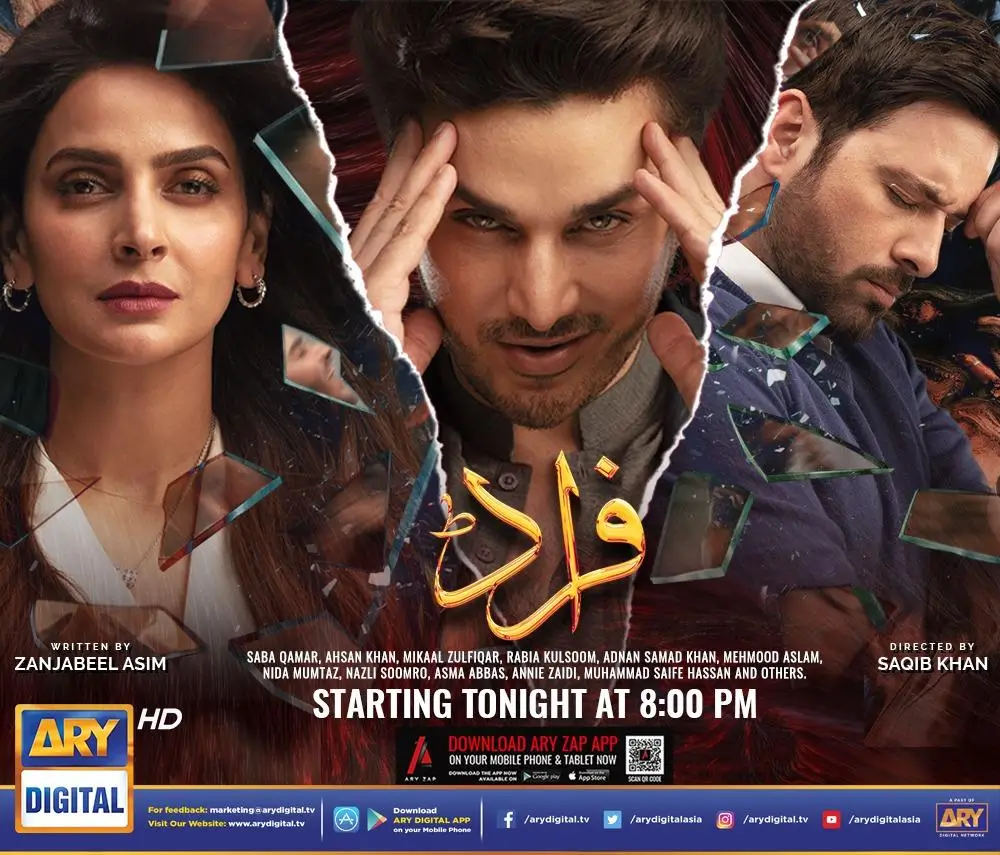
2020: No New Regular Saba Qamar Drama Listed
The filmography does not list a new regular television drama for Saba Qamar in 2020. Instead, the year appears within a period in which her career included other forms of screen work. Her filmography records the music video Qubool in 2020, but not a new regular television serial.
80. Hangor S-131 – Saba Qamar in 2021
Role: Naheed Ahmad Tasnim
Network: ARY Digital
Year: 2021
Format: Telefilm
Genre: Historical / War / Drama / Thriller
Director: Saqib Khan
Writer: Saji Gul
Producer: Abdullah Seja
Production: iDream Entertainment
Co-stars: Zahid Ahmed, Affan Waheed, Dur-e-Fishan Saleem, Hammad Shoaib, Arez Ahmed and Shehzad Sheikh
Although 2021 did not bring a conventional long-running television drama starring Saba Qamar, it included an important television project in the form of the historical telefilm Hangor S-131. The production was released on ARY Digital on 26 December 2021. It was written by Saji Gul and directed by Saqib Khan.
Hangor S-131 is based on events surrounding the Pakistani submarine PNS Hangor during the 1971 Indo-Pak war. The story dramatizes the submarine’s military mission and the personal lives of the people connected with the events. Saba Qamar played Naheed Ahmad Tasnim, the wife of Commander Ahmad Tasnim, played by Zahid Ahmed.
The project therefore gave Saba a role substantially different from many of her contemporary television performances. Instead of playing the central protagonist in a domestic or social drama, she became part of a historical wartime narrative. The production combined military action with the emotional perspective of the families connected to the officers serving during wartime.
Saba’s character Naheed provided the emotional and domestic dimension of the story. Her role was connected to the personal cost of military service and the uncertainty experienced by families when their loved ones are involved in dangerous missions. This type of performance required restraint rather than the highly confrontational style associated with some of Saba’s later roles.
Hangor S-131 is important in Saba Qamar’s filmography because it demonstrated her ability to participate in a historical military production while working alongside an ensemble cast. : The production received widespread praise for exploring a rarely-told naval chapter of 1971 history on television, highlighting the operational challenges and bravery of the submarine crew.
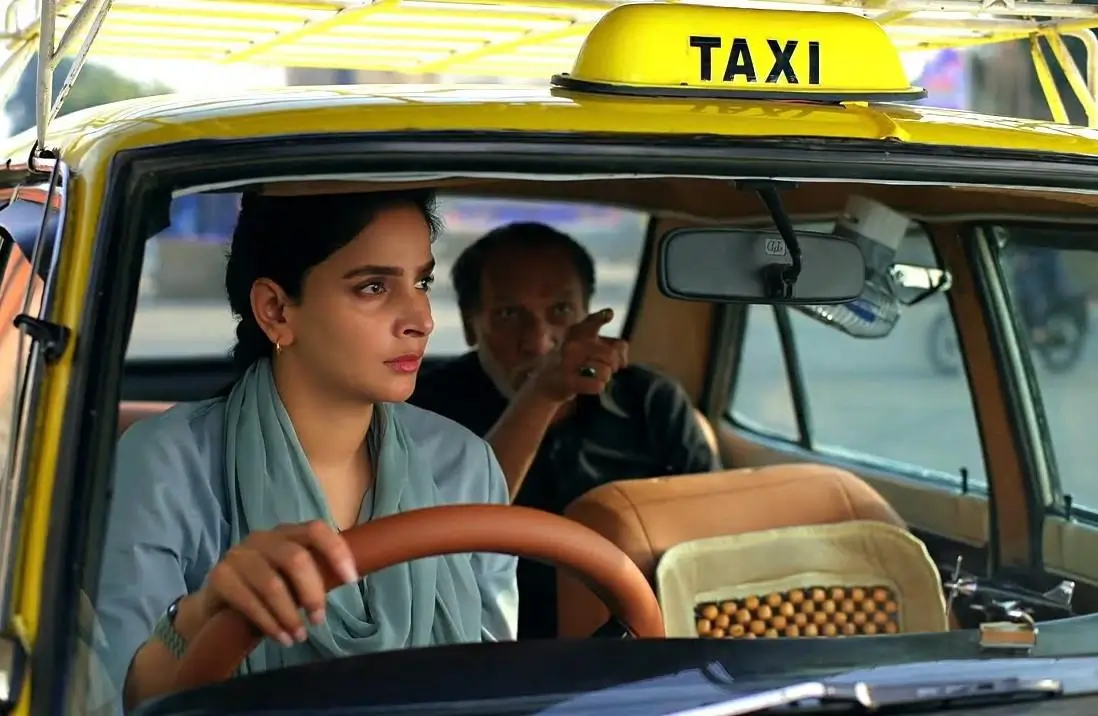
Fraud – Saba Qamar Drama in 2022
Role: Maya Nisar
Network: ARY Digital
Year: 2022
Episodes: 35
First aired: 14 May 2022
Last aired: 31 December 2022
Genre: Drama / Thriller / Crime
Director: Saqib Khan
Writer: Zanjabeel Asim Shah
Screenplay: Nabeel Nadeem
Producer: Abdullah Seja
Production: iDream Entertainment
Co-stars: Ahsan Khan, Mikaal Zulfiqar, Rabia Kulsoom, Adnan Samad Khan, Mehmood Aslam, Nida Mumtaz and Asma Abbas
Fraud became one of Saba Qamar’s major television projects of the early 2020s. The 35-episode ARY Digital drama premiered on 14 May 2022 and concluded on 31 December 2022. It was written by Zanjabeel Asim Shah and directed by Saqib Khan.
The story revolves around Maya, a young woman who enters marriage believing that she has found a sincere and respectable partner. Her husband, Tabraiz, played by Ahsan Khan, presents himself as a respectable and trustworthy man. In reality, however, he is involved in deception and manipulative schemes. The central idea of Fraud is therefore built around the contrast between appearance and reality.
Maya enters the marriage with genuine intentions. Tabraiz, on the other hand, approaches relationships from a completely different perspective. The official ARY Digital synopsis describes the drama as a story of deceit, dishonesty and cheating, with Maya eventually confronting the reality of Tabraiz’s deception.
Maya is one of Saba Qamar’s most important television characters of this period. At the beginning, Maya is presented as someone who believes in marriage, family and trust. Her tragedy is that these very beliefs are exploited by Tabraiz. As the story develops, Saba’s performance moves through several emotional stages:
- innocence
- trust
- confusion
- betrayal
- emotional suffering
- anger
- determination
- independence
This progression gives Saba considerably more material to work with than a straightforward romantic heroine.
Ahsan Khan and Saba Qamar
The drama also brought Saba Qamar and Ahsan Khan together in lead roles. Their characters represent two opposing approaches to relationships. Maya enters marriage sincerely, whereas Tabraiz uses relationships as part of his fraudulent activities. The dramatic tension comes from Maya gradually discovering that the man she trusted is not the person he claimed to be.
Mikaal Zulfiqar as Shan
Mikaal Zulfiqar played Shan, another important character whose relationship with Maya becomes significant as the story develops. This expanded the drama beyond a simple husband-wife conflict and introduced another stage in Maya’s emotional journey.
The major themes of Fraud include:
- deception
- marriage
- trust
- financial manipulation
- emotional betrayal
- second chances
- family relationships
- rebuilding one’s life after betrayal
ARY Digital’s own description emphasizes the central ideas of deceit and the consequences of being manipulated by someone who gains another person’s trust.
Fraud became a prominent mainstream ARY Digital drama and attracted substantial online and television discussion during its run. ARY’s official episode material confirms its continuing focus on Maya, Tabraiz and Shan throughout the serial.
81. Sar-e-Rah – Saba Qamar in 2023
Role: Rania
Network: ARY Digital
Year: 2023
Episodes: 6
Genre: Social Drama / Anthology / Miniseries
First aired: 4 February 2023
Last aired: 11 March 2023
Director: Ahmed Bhatti
Writer: Adeel Razzaq
Executive Producer: Shehla Rizwan
Production: iDream Entertainment
Co-stars: Sunita Marshall, Saboor Aly, Muneeb Butt, Hareem Farooq, Mikaal Zulfiqar and others
Sar-e-Rah is one of the most distinctive projects in Saba Qamar’s later television career. Unlike a conventional 30-episode family drama, it is a six-episode miniseries in which Saba plays Rania, a young woman who becomes a taxi driver after her father suffers a serious health crisis.
Rania’s life changes when her father becomes seriously ill. With the family’s financial circumstances becoming difficult, she takes responsibility for earning money and begins driving her father’s taxi. Her decision challenges the expectations of the people around her. A woman driving a taxi becomes the starting point for a much broader exploration of social problems. During her work, Rania encounters different people whose lives expose different forms of inequality and discrimination. The drama subsequently introduces stories involving:
- child marriage
- gender discrimination
- harassment
- social media exploitation
- pressure on women
- transgender/intersex discrimination
- family expectations
- economic dependence
ARY Digital’s official material specifically describes Rania’s decision to drive her father’s taxi after his heart surgery and presents the series as a story about women dealing with social pressure and injustice.
Rania is a particularly significant character because she is not introduced as an extraordinary woman with wealth or social power. She becomes strong because circumstances force her to take responsibility. Her taxi becomes a symbol of independence. Instead of waiting for somebody else to solve her family’s problems, Rania begins earning herself. This makes the character part of the drama’s broader discussion about women’s economic independence.
One of the strengths of Sar-e-Rah is its structure. Rania’s taxi becomes the connection between different stories. Every passenger or situation introduces another social problem. Sunita Marshall, Saboor Aly, Muneeb Butt and Hareem Farooq each appear in stories exploring different social realities. ARY Digital lists these characters and describes their individual circumstances, including infertility-related social pressure, online harassment, intersex discrimination and child marriage.
Sar-e-Rah generated strong audience discussion around its social themes. IMDb currently lists an 8.5/10 user rating from 174 ratings, although IMDb ratings are user-generated and should not be treated as an official television rating. The six individual episodes also have high user ratings on IMDb, ranging from 8.6 to 9.2 in the currently displayed episode ratings.
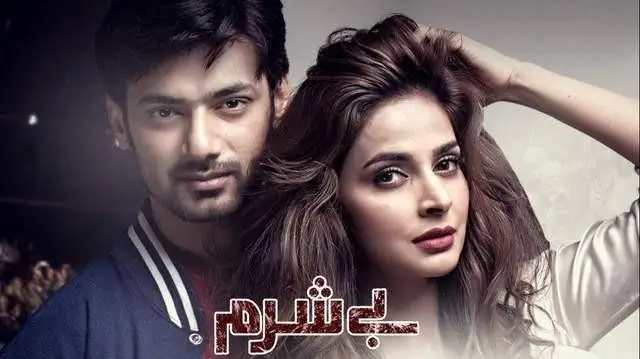
82. Gunah – 2023
Role: Gul Meher
Network: Express Entertainment
Year: 2023
Episodes: 6
Genre: Mystery / Crime / Thriller / Drama
First aired: 15 June 2023
Last aired: 20 July 2023
Director: Adnan Sarwar
Writer: Mohsin Ali
Co-stars: Sarmad Khoosat, Rabia Butt and Juggun Kazim
Gunah was another short-form project in which Saba Qamar moved away from the traditional long-running television format. The six-episode miniseries premiered on Express Entertainment in June 2023. Express Entertainment’s official drama page confirms the project and its cast, including Saba Qamar, Sarmad Khoosat, Rabia Butt and Juggun Kazim.
The drama begins with the disappearance of Malik Hayat Khan’s wife. What initially appears to be a personal disappearance develops into a mystery involving relationships, secrets and suspicion. Sarmad Khoosat plays Malik Hayat Khan, while Saba Qamar plays Gul Meher. Rabia Butt appears as Inspector Sabiha. The short six-episode structure allows the drama to concentrate on the central mystery rather than stretching the story across dozens of episodes.
Gul Meher is another example of Saba’s willingness to move into darker and more complicated narratives. Following socially driven roles such as Rania in Sar-e-Rah, Gunah placed her within a mystery-oriented story. The role also allowed her to work alongside Sarmad Khoosat, continuing a creative association that had already produced important work in her career
Gunah is important because it demonstrates the increasing popularity of short television thrillers and miniseries in Pakistani television. Rather than relying on a prolonged domestic storyline, the production uses a limited episode count and a mystery structure.
83. Tumharey Husn Kay Naam – 2023
Role: Salma Qureshi
Network: Green Entertainment
Year: 2023
Episodes: 26
Genre: Romance / Drama / Literary
Director: Saqib Khan
Writers: Umera Ahmed and Sara Qayyum
Producers: Saqib Khan and Misbah Shafique
Co-stars: Imran Abbas, Sidra Niazi, Haris Waheed, Asad Siddiqui, Salman Shahid and Nayyar Ejaz
Tumharey Husn Kay Naam marked Saba Qamar’s entry into Green Entertainment’s early wave of original dramas. The series premiered in July 2023 and featured Saba Qamar opposite Imran Abbas. The credited director was Saqib Khan, while Umera Ahmed and Sara Qayyum are credited among the writers.)
The story revolves around Salma Qureshi and Sikandar Altaf, played by Saba Qamar and Imran Abbas. Their relationship is connected to youth, education, literature, art and lost possibilities.
The story examines what happens when people who once shared emotional closeness encounter each other again after years have passed. Instead of presenting romance purely as youthful attraction, the drama explores how love changes when people become older and their ambitions, responsibilities and experiences begin influencing their decisions.
Salma is a different kind of female character from the women Saba played in Fraud, Cheekh or Baaghi. She is associated with artistic and literary sensibilities. The performance therefore required a softer and more emotionally restrained approach. Saba’s chemistry with Imran Abbas became one of the central elements of the serial.
The drama was presented as an adaptation inspired by Hakeem Nayyar Wasty’s 1930 novel Akhtar aur Salma. This literary foundation gives the drama a different atmosphere from conventional commercial romances.Poetry, nostalgia and artistic ambition become important components of the story.
Tumharey Husn Kay Naam was particularly notable as part of Green Entertainment’s early attempt to introduce dramas with different visual and thematic identities. The series ran for 26 episodes, according to Green Entertainment’s catalogue data.
85. Mrs. & Mr. Shameem — 2022
Platform: ZEE5
Role: Umaina / Ummi
Co-star: Nauman Ijaz
Mrs. & Mr. Shameem was an OTT web series rather than a conventional Pakistani television drama. The project paired Saba Qamar with veteran actor Nauman Ijaz and explored a relationship between two people who develop an unconventional understanding of one another. The series is important to Saba’s career because it expanded her work beyond the conventional television broadcast model.
86. Naina Ki Sharafat — 2022
Platform: UrduFlix
Role: Naina / Musarat Jahan
Naina Ki Sharafat was another digital project in which Saba Qamar appeared in a central role. The project further demonstrated her willingness to work across emerging Pakistani streaming plat
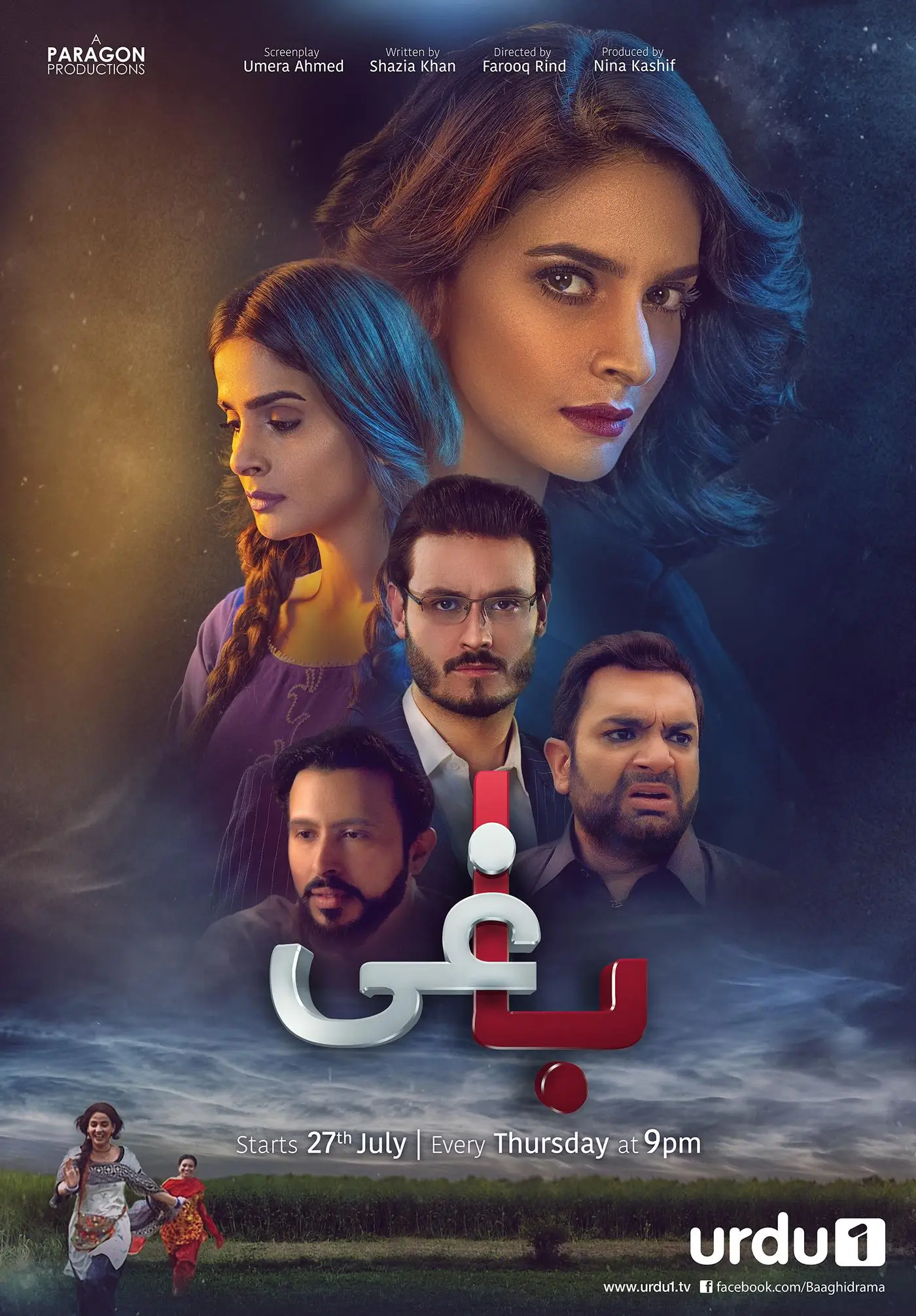
87. Serial Killer – 2023
Role: Sarah Sikandar
Network: Green Entertainment
Year: 2023
Episodes: 11
Genre: Crime / Mystery / Thriller
Writer: Umera Ahmed
Director: Fahad Noor
Producer: Misbah Shafique
Co-stars: Sabeena Farooq, Daniyal Raheel, Faiza Gillani and others
Serial Killer represented another major change in Saba Qamar’s screen image. Instead of playing a conventional romantic heroine or a woman caught inside a family conflict, Saba played SP Sarah Sikandar, a police officer investigating a series of murders. The drama ran for 11 episodes on Green Entertainment.
The drama follows Sarah Sikandar, an elite police officer investigating a disturbing sequence of murders. The investigation begins after the death of a young model and gradually exposes a wider network of personal and professional secrets. Sarah must work through evidence, conflicting information and dangerous circumstances while trying to identify the person responsible. The short episode count gives the drama a considerably faster pace than the average Pakistani television serial.
Sarah Sikandar is one of the most professionally independent characters Saba Qamar played during this phase of her career. She is a police officer rather than a woman whose story revolves primarily around marriage. Her professional authority shapes the narrative. This allowed Saba to play a character who spends much of the drama investigating other people rather than simply reacting to events in her personal life.
The role was significant because Pakistani television has traditionally produced many stories centred on domestic relationships. Serial Killer moved toward:
- police investigation
- crime
- forensic clues
- murder mystery
- professional women
- psychological suspense
- institutional investigation
Saba’s casting therefore helped position the production as a crime-focused drama rather than a conventional family serial.
88. Yehi Waqt Hai — 2023
Platform: YouTube
Role: Herself
Format: Mini-series / Public-awareness project
In 2023, Saba Qamar also appeared in Yehi Waqt Hai, a mini-series associated with the Pakistan Polio Eradication Programme. Unlike her fictional dramas, this project involved Saba appearing as herself in a public-awareness context.
89. Pagal Khana – Saba qamar New Drama – 2024
Role: Noor-e-Saba
Network: Green Entertainment
Year: 2024
Episodes: 64
Genre: Social Drama / Psychological / Mystery
Director: Iqbal Hussain
Writer: Iqbal Hussain
Production: Multiverse Entertainment
Co-stars: Sami Khan, Momal Sheikh, Omair Rana, Syed Jibran, Mashal Khan, Adnan Shah Tipu, Afzal Khan and others
Pagal Khana was one of Saba Qamar’s largest television projects of the 2020s. The drama consisted of 64 episodes and was broadcast by Green Entertainment. Its first episode premiered in January 2024 and its final episode aired on 25 June 2024.
The story takes place around a distinctive mental-health facility known as the Eleven’s Club. The setting brings together doctors, patients and people dealing with complicated emotional and psychological circumstances. Instead of concentrating on a single family, the drama creates an ensemble narrative. Different characters have different forms of emotional pain, personal trauma and psychological difficulty. The central environment allows the drama to explore questions surrounding:
- mental health
- trauma
- loneliness
- emotional attachment
- human compassion
- relationships
- healing
- perception of illness
- society’s treatment of vulnerable people
A contemporary review in Youlin Magazine described the series as an unconventional production built around the Eleven’s Club and its collection of social and psychological themes.
Saba played Noor-e-Saba, one of the principal characters in the drama. Her character belongs to the unusual psychological environment that forms the centre of the story. This allowed Saba to explore a different emotional register from the courtroom confrontation of Cheekh, the social realism of Sar-e-Rah, or the deception storyline of Fraud. One of the distinctive features of Pagal Khana was its large ensemble. Saba Qamar appeared alongside actors including:
- Sami Khan
- Momal Sheikh
- Omair Rana
- Syed Jibran
- Mashal Khan
- Adnan Shah Tipu
- Afzal Khan
The unusual setting made the drama an ensemble piece rather than a conventional single-family serial.
Pagal Khana attracted significant attention because of its unusual subject. Its approach to mental health also generated criticism. A Dawn review argued that the series treated mental illness too much as entertainment and questioned some of its representations of psychological disorders and treatment. At the same time, the drama attracted a substantial online audience. DramaDB’s catalogue records 64 episodes, with the final episode released on 25 June 2024, and reports large YouTube view counts across the episode run. The show maintains a strong community rating, such as an 8.1/10 on IMDb, reflecting its status as one of Green Entertainment’s standout experimental social dramas.
90. Case No. 9 – Saba qamar New Drama – 2025–2026
Role: Sehar Moazzam
Network: Geo Entertainment
Production: 7th Sky Entertainment
Year: 2025–2026
Episodes: 32
First aired: 24 September 2025
Last aired: 8 January 2026
Genre: Social Drama / Legal / Crime / Thriller
Writer: Shahzeb Khanzada
Director: Syed Wajahat Hussain
Producers: Abdullah Kadwani and Asad Qureshi
Co-stars: Faysal Quraishi, Junaid Khan, Aamina Sheikh and Naveen Waqar
Case No. 9 became one of Saba Qamar’s most serious recent television projects. The drama premiered on Geo Entertainment in September 2025 and concluded in January 2026 after 32 episodes.
The drama follows Sehar, a confident and ambitious professional woman. She joins a garments company in a senior sales and marketing position, where she encounters Kamran, a wealthy and powerful businessman. Kamran is accustomed to controlling the people around him. Sehar’s refusal to submit to his authority creates the central conflict.
The story subsequently becomes a struggle involving power, harassment, social pressure, justice and the treatment of women who challenge influential men. Geo’s official synopsis describes Sehar as a courageous woman who challenges social norms and becomes a symbol of resistance for others. It identifies Saba Qamar as part of the main cast alongside Faysal Quraishi and Junaid Khan. Sehar is another example of Saba choosing a female protagonist who refuses to remain passive. Her character moves through:
- professional ambition
- confrontation with authority
- vulnerability
- social pressure
- resistance
- legal struggle
- resilience
The role demanded a performance built around both emotional vulnerability and determination.
Faysal Quraishi as Kamran
Faysal Quraishi played Kamran, the powerful businessman whose conflict with Sehar drives much of the story. The contrast between Kamran’s influence and Sehar’s determination creates the central dramatic structure.
Case No. 9 addresses difficult issues including:
- workplace harassment
- power imbalance
- victim-blaming
- social stigma
- influence of wealth
- legal struggle
- gender inequality
- institutional pressure
The drama therefore belongs to the socially conscious side of Saba’s recent filmography. The project continued a pattern visible in Saba’s earlier work. In Cheekh, she played a woman fighting for justice after a crime against her friend. In Sar-e-Rah, she portrayed a woman confronting social expectations. In Fraud, she portrayed a woman recovering from deception. In Case No. 9, the conflict again places a woman against a powerful social structure. This makes the drama particularly relevant when examining the evolution of Saba’s television roles.
Most viewers agree that the drama is a major success because it tackles tough societal taboos with strong emotional weight. Viewers praised the realistic acting, the fast-paced direction by Syed Wajahat Hussain, and the bold script written by news anchor Shahzeb Khanzada

91. Pamaal – Saba qamar New Drama – 2025–2026
Role: Malika
Network: Green Entertainment
Year: 2025–2026
Episodes: 27
First aired: 6 October 2025
Last aired: 6 January 2026
Genre: Drama / Romance / Social
Writer: Zanjabeel Asim
Director: Khizer Idrees
Producer: Tehreem Chaudhary
Production: Multiverse Entertainment
Co-stars: Usman Mukhtar, Haris Waheed, Salma Asim, Adnan Jaffar, Faiza Gillani and others
Pamaal was another major Saba Qamar project that extended into 2026. The drama premiered on 6 October 2025 on Green Entertainment. Its final episode was episode 27, aired on 6 January 2026. Green TV’s official material identifies Saba Qamar as Malika, Usman Mukhtar as Raza, and Zanjabeel Asim, Khizer Idrees and Tehreem Chaudhary as writer, director and producer respectively.
The story follows Malika, a woman who chooses love despite opposition and leaves behind the security of her previous life. She believes that her marriage to Raza will provide stability and emotional companionship. Instead, her new life gradually becomes restrictive. The relationship begins to reveal controlling behaviour and emotional pressure. Green TV’s official episode material summarizes the central premise as Malika walking away from comfort and tradition for love, only to discover that the stability she expected with Raza gradually becomes restraint.
Malika is a character built around transformation. At first, she believes that love can provide freedom. Later, she discovers that a relationship can become another form of confinement. The role therefore moves through different emotional stages:
love → hope → marriage → disappointment → realization → resistance → self-discovery
This structure gives Saba an opportunity to portray a woman whose understanding of herself changes as the story progresses.
Usman Mukhtar as Raza
Usman Mukhtar plays Raza, Malika’s husband. His character is central to the drama’s exploration of controlling relationships. The contrast between Malika’s expectations and the reality of her marriage creates the primary emotional conflict. The drama explores:
- marriage
- emotional control
- women’s autonomy
- family expectations
- love
- sacrifice
- identity
- emotional abuse
- self-respect
- rebuilding one’s life
The production therefore fits naturally alongside Saba’s other socially oriented dramas Pamaal generated considerable online attention during its run, with Green TV releasing episodes and promotional material throughout late 2025 and early 2026. The drama concluded with 27 episodes, rather than the 18-episode figure that appeared in some earlier promotional lists while the serial was still airing.
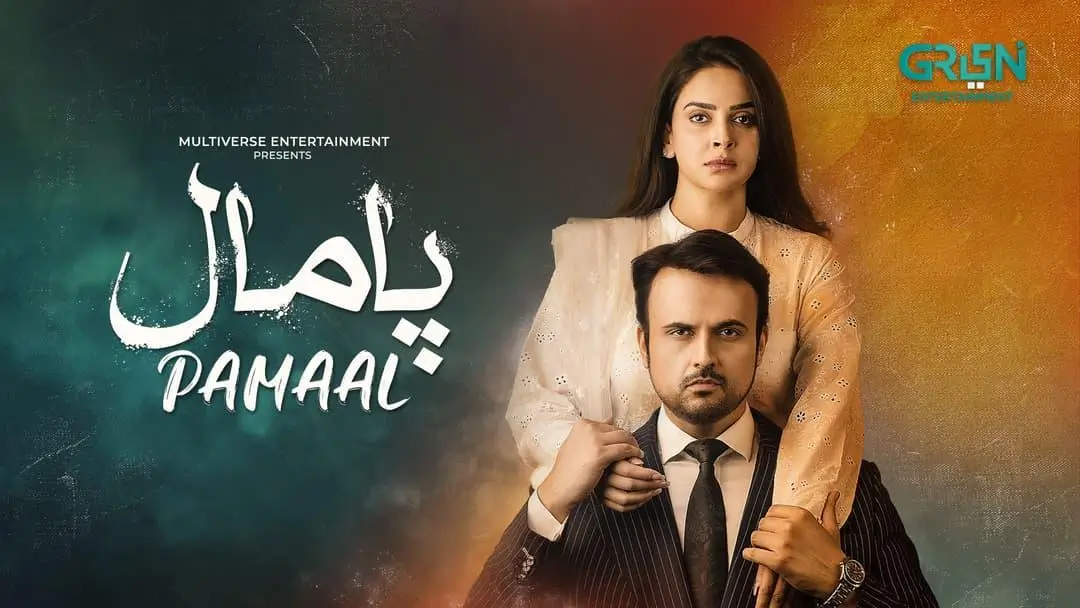
92. Muamma – Saba qamar New Drama – 2025 –2026
Role: Jahan Ara
Network: Hum TV
Year: 2025–2026
Episodes: 30
First aired: December 2025
Final episode: April 2026
Genre: Psychological Suspense / Drama / Thriller
Writer: Imran Nazir
Director: Shaqielle Khan
Producer: Momina Duraid Productions
Co-stars: Usman Mukhtar, Maria Wasti, Ali Ansari, Anoushay Abbasi, Shahzad Sheikh, Nabeel Zuberi and others
Muamma is one of the latest television dramas in Saba Qamar’s career and extends her association with psychological and suspense-oriented storytelling. The drama premiered in December 2025 and concluded with Episode 30 in April 2026. HUM TV’s official Episode 30 material confirms the writer, director, producer and principal cast.
Story of Muamma
Muamma is built around Jahan Ara and an old, imposing house that becomes the centre of a web of relationships, secrets and psychological tension. Different people enter Jahan Ara’s world carrying their own emotional histories, marital conflicts and personal ambitions. What initially appears to be an ordinary domestic environment gradually becomes increasingly complicated.
The story explores the uncertainty of trust. People hide things from one another, relationships become difficult to understand and seemingly ordinary interactions can carry hidden motives. HUM TV’s official description characterizes the drama as a psychological suspense story dealing with trust, emotional manipulation and hidden power relationships.
Saba Qamar as Jahan Ara
Jahan Ara is one of the more psychologically layered characters in Saba’s recent television work. Unlike a straightforward victim character, she occupies a much more complicated position within the story. Her character is closely connected to the house and the people who enter her life. As secrets emerge, the audience is encouraged to question what is true, what is concealed and what motivates each character. The drama differs from Saba’s earlier social dramas because its primary engine is not a courtroom, workplace or conventional family conflict. Instead, the tension comes from:
- secrecy
- suspicion
- emotional manipulation
- relationships
- trauma
- hidden motives
- trust
- psychological pressure
- uncertain identities
This places Muamma closer to the suspense side of Saba’s television filmography. With Muamma, Saba continued a pattern that had become increasingly visible during the 2020s. Her later roles often placed her at the centre of stories involving psychologically complex situations rather than simple romantic plots. From Fraud to Serial Killer, Pagal Khana, Case No. 9, Pamaal and Muamma, her recent characters have frequently been women confronting situations in which the people around them cannot easily be trusted.
Conclusion
Saba Qamar’s television career reflects more than two decades of consistent work, versatility, and evolution as an actress. From her early television appearances beginning with Main Aurat Hoon in 2004, she gradually moved through a wide range of family dramas, romantic stories, social-issue serials, biographical projects, and character-driven productions. Her extensive drama list shows how her career developed from early supporting and leading roles into increasingly complex and memorable performances.
The 2010s marked an especially significant period in Saba Qamar’s television journey. Projects such as Dastaan, Maat, Ullu Baraye Farokht Nahi, Digest Writer, Besharam, Baaghi, Manto, and Cheekh demonstrated her ability to take on very different characters and narratives. Her roles ranged from emotionally vulnerable women and family-oriented characters to strong, complicated and historically inspired personalities. These dramas also established her reputation for choosing projects that allowed her to explore challenging themes and varied forms of storytelling.
Her television work continued to evolve in the 2020s. After Cheekh, she appeared in projects including Hangor S-131, Fraud, Sar-e-Rah, Gunah, Tumharey Husn Kay Naam, Serial Killer, and Pagal Khana. The later phase of her career further expanded her range, with roles such as Maya Nisar in Fraud, Rania in Sar-e-Rah, Sarah Sikandar in Serial Killer, and Noor-e-Saba in Pagal Khana. Her projects in 2025–2026, including Case No. 9, Pamaal, and Muamma, represent another stage in her continuing television career.
Overall, Saba Qamar’s drama portfolio demonstrates remarkable variety across genres, characters, networks, and storytelling styles. Her career cannot be defined by a single type of role: she has worked in romance, family drama, social-issue narratives, crime stories, historical and biographical productions, comedy, and experimental projects. From her early work in the mid-2000s to her recent dramas, her television journey shows a sustained willingness to explore different characters and narratives, making her one of the most recognizable and versatile performers in Pakistani television.