Why Yumna Zaidi Remains One of Pakistan’s Most Admired Actresses
Pakistani television has introduced audiences to many remarkable performers, but only a few have developed a screen identity that feels equally convincing in romantic love stories, family dramas, psychological narratives, and socially conscious productions. Yumna Zaidi belongs to this distinguished group. Through her emotionally layered performances, carefully chosen characters, and willingness to explore difficult subjects, she has established herself as one of the most recognizable actresses in the Urdu entertainment industry.
The Yumna Zaidi drama list represents much more than a collection of television serials. It reflects the journey of an actress who progressed from supporting characters and early television appearances to complex leading roles that attracted audiences across Pakistan and internationally. Her performances have explored heartbreak, injustice, family expectations, women’s independence, emotional vulnerability, and the complicated relationship between individual choices and social pressure.
From the emotional intensity of Rishtay Kuch Adhooray Se to the social significance of Dar Si Jaati Hai Sila, the unconventional romance of Pyar Ke Sadqay, the resilience of Bakhtawar, and the widespread popularity of Tere Bin, Yumna has demonstrated considerable range. Her work also includes ensemble productions such as Sinf-e-Aahan and Parizaad, in which the strength of her performance depends on contributing meaningfully to a larger story rather than dominating every scene.
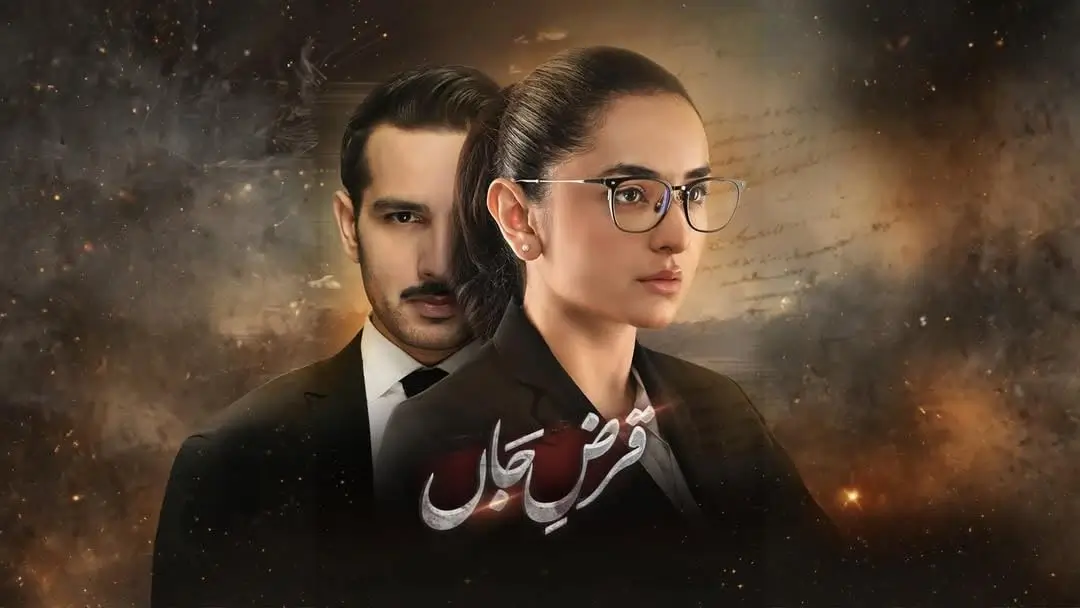
Her transition to cinema with Nayab in 2024 opened another chapter in her career. Meanwhile, her television performances in Gentleman and Qarz-e-Jaan continued to introduce her to audiences through different characters and narrative styles. This comprehensive guide to the Yumna Zaidi drama list explores her biography, early career, television filmography, most celebrated dramas, memorable characters, awards, film work, and continuing contribution to Pakistani entertainment. It also examines why certain performances have remained particularly meaningful to viewers.
Whether you discovered Yumna through Tere Bin, admired her work in Pyar Ke Sadqay, or first noticed her in her earlier television projects, her career offers an opportunity to understand how consistency, versatility, and thoughtful character selection can shape an actor’s professional journey.
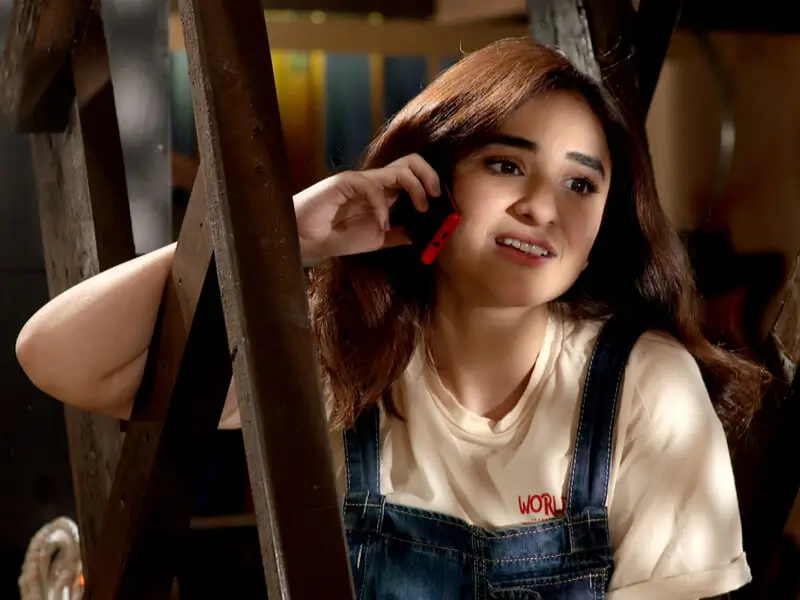
Yumna Zaidi Biography: Early Life and Background
Yumna Zaidi was born on 30 July 1989 in Karachi, Sindh, Pakistan, according to widely used biographical and entertainment-industry records. Although her acting career eventually became closely associated with Pakistani television, her personal background and education preceded her rise to widespread recognition. She grew up in a Pakistani family and developed interests beyond acting. Her professional identity has also included an interest in poetry, particularly the expression of reflective and Sufi-inspired ideas through social media.
Unlike performers whose careers begin with immediate leading roles, Yumna Zaidi journey developed through smaller opportunities, supporting appearances, and progressively more demanding characters. Her early career is important because it shows how an actor can build experience over time before reaching projects that attract widespread public attention.
Public biographies and filmography records sometimes differ in their descriptions of her earliest screen appearance. Some accounts refer to an appearance in Mohabbat Ab Nahi Hogi in 2007, while standard career records identify Thakan in 2012 as the beginning of her established television career. These accounts should be distinguished rather than treated as identical milestones.
Yumna Zaidi Age
Yumna Zaidi was born on 30 July in year 1989. As of October 2026. Yumna Zaidi Age is 37 years old, born in 1989 .
Education and Personal Interests
Yumna Zaidi has maintained interests outside her acting work, including literature and poetry. Her occasional poetry recitations have offered audiences a different way to engage with her personality and artistic expression. Her public appearances have also extended beyond acting. She has participated in fashion events, television interviews, and entertainment programs, including Mazaaq Raat.
Nevertheless, her acting remains the central reason for her professional recognition. The diversity of characters in her filmography has allowed audiences to encounter her in contrasting situations: as a vulnerable young woman, a determined professional, a complicated romantic heroine, or a character struggling against restrictive social circumstances.
A Career Built Through Experience
One of the most useful ways to understand Yumna Zaidi career is to follow it chronologically. Her earlier projects introduced her to television audiences and provided experience in conventional family and romantic dramas. As her career developed, she began appearing in projects with stronger psychological and social dimensions. Later productions expanded her visibility and demonstrated her ability to carry leading roles.
This gradual progression is a recurring theme throughout the Yumna Zaidi drama list. Rather than relying on one successful serial to define her entire career, she has accumulated a varied body of work that includes both popular entertainment and issue-driven storytelling.
Yumna Zaidi Career Journey: From Early Television Roles to Wider Recognition
Early Screen Appearances
Accounts of Yumna Zaidi’s earliest screen work include Mohabbat Ab Nahi Hogi, associated with 2007. The title appears in some filmography listings as an early appearance, although her established television career is generally dated to 2012. Her first widely documented television project was Thakan, broadcast on ARY Digital in 2012. In the drama, she played Mehak in a supporting role.
For an emerging performer, a supporting character can provide valuable opportunities to understand the rhythm of television production, develop screen presence, and learn how to communicate a character’s emotions within an ensemble cast.Thakan was followed by Khushi Ek Roag and Teri Raah Main Rul Gai. These projects helped establish Yumna as an actress who could take on increasingly prominent parts in Urdu television serials.
Her early performances were followed by a particularly productive period in 2013, when she appeared in Meri Dulari, Ullu Baraye Farokht Nahi, Dil Mohallay Ki Haveli, and Rishtay Kuch Adhooray Se.
The Importance of Ullu Baraye Farokht Nahi
Released in 2013, Ullu Baraye Farokht Nahi was among the early productions associated with Yumna Zaidi ‘s growing recognition. She played Aasiya in the drama, which featured an ensemble cast and a socially grounded narrative. The project also brought her a nomination for Best Supporting Actress at the Hum Awards.
An award nomination can be an important professional milestone, particularly for an actor who is still establishing a place within a competitive industry. It does not necessarily transform a career overnight, but it can bring greater attention to a performance and signal that the work has attracted industry recognition.
For Yumna, this early recognition formed part of a longer period of development. Her subsequent roles would increasingly place her at the center of the story and require her to sustain complex emotional narratives.
Rishtay Kuch Adhooray Se: An Early Career Milestone
In 2013, Yumna appeared in Rishtay Kuch Adhooray Se as Kiran. The television serial is frequently mentioned among the early works that helped establish her reputation. The drama’s emotionally charged relationships provided room for performances shaped by disappointment, personal expectations, and difficult family dynamics. These themes would recur in different forms throughout Yumna Zaidi ‘s later career.
Her nomination for Best Actress at the Hum Awards for this project marked an important step in her progression from supporting performances to greater recognition for her leading work. Looking back at the Yumna Zaidi drama list, Rishtay Kuch Adhooray Se occupies an important place because it connects her early television experience with the emotionally demanding characters that later became a defining feature of her career.
Mausam and the Development of Her Screen Identity
In 2014, Yumna appeared in Mausam as Shazia. The drama added another significant title to her developing filmography. Her early roles increasingly demonstrated her willingness to portray characters whose motivations were not always simple. Emotional insecurity, complicated relationships, and conflicting personal desires can make a character difficult to portray convincingly. Such roles require an actor to communicate not only what a character says but also what the character conceals. These early experiences helped prepare Yumna for the wider variety of parts she would undertake in subsequent years.
Building Momentum Through Variety
By 2015, Yumna Zaidi’s filmography included several dramas, among them Guzaarish, Kaanch Ki Guriya, Aap Ki Kaneez, Jugnoo, Paras, and Madawa. The variety of these projects illustrates an important feature of her early career: she did not become associated exclusively with one type of television story.
Instead, her work covered romantic narratives, family conflicts, and emotionally driven characters. Each production offered a different setting in which to develop her screen presence. This period also preceded some of the projects that would bring her broader recognition, including Zara Yaad Kar, Yeh Raha Dil, and Dar Si Jaati Hai Sila.
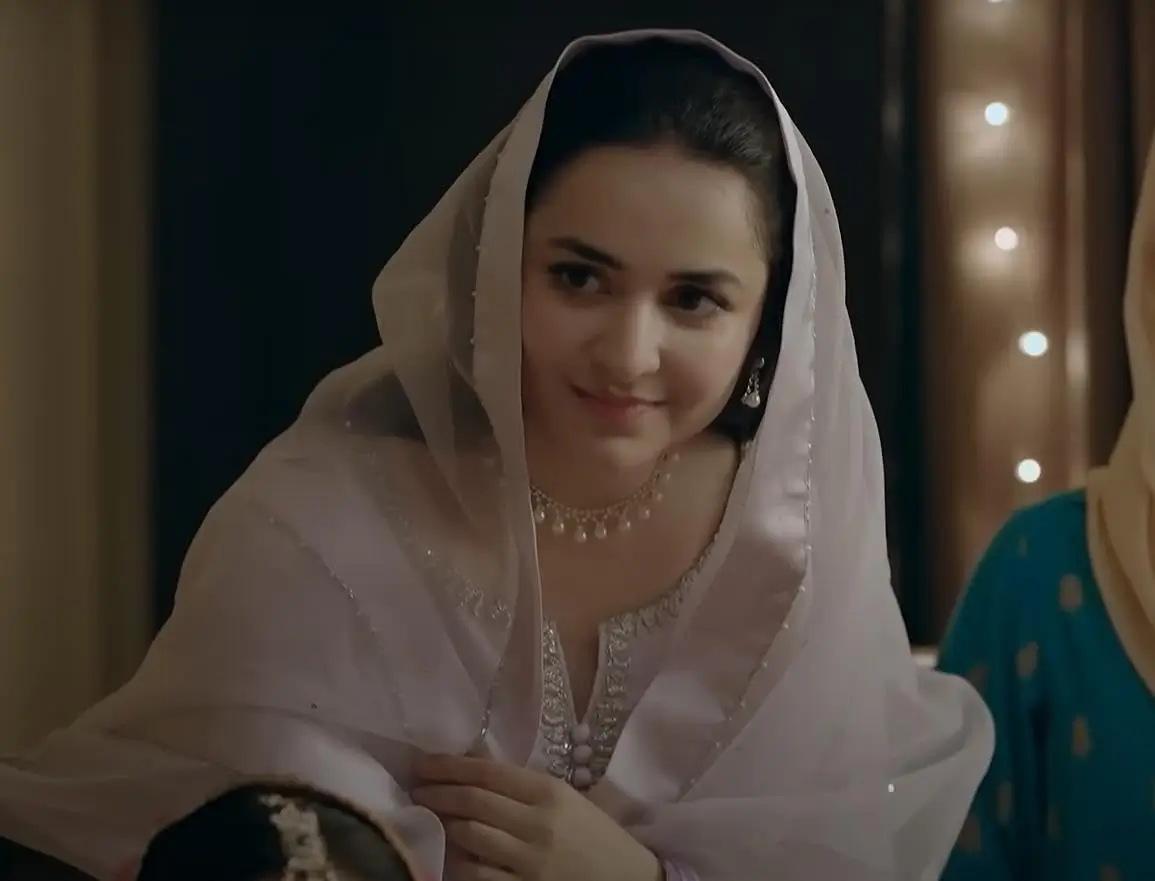
Complete Yumna Zaidi Drama List: Television Career at a Glance
| Year | Drama | Character |
|---|---|---|
| 2007 | Mohabbat Ab Nahi Hogi | Fauzia |
| 2012 | Thakan | Mehak |
| 2012 | Khushi Ek Roag | Aabroo |
| 2012–2013 | Teri Raah Main Rul Gai | Zubaria / Maryam |
| 2013 | Meri Dulari | Aabdaar |
| 2013 | Ullu Baraye Farokht Nahi | Aasiya |
| 2013 | Dil Mohallay Ki Haveli | Mehrunissa |
| 2013 | Rishtay Kuch Adhooray Se | Kiran |
| 2013 | Sannata | Young Naseeban |
| 2013–2014 | Kabhi Kabhi Anjaanay Mein | Zara |
| 2014 | Kis Se Kahoon | Salma |
| 2014 | Mausam | Shazia |
| 2015 | Madawa | Aiman |
| 2015 | Kaanch Ki Guriya | Manaal |
| 2015 | Guzaarish | Zara |
| 2015 | Aap Ki Kaneez | Kaneez |
| 2015 | Jugnoo | Jugnoo |
| 2015 | Paras | Aiman |
| 2016 | Zara Yaad Kar | Uzma Ikhtiar |
| 2017 | Pinjra | Amtul Rafey |
| 2017 | Yeh Raha Dil | Hayat |
| 2017–2018 | Dar Si Jaati Hai Sila | Sila |
| 2018 | Pukaar | Samra |
| 2018–2019 | Dil Kiya Karay | Aiman |
| 2019 | Inkaar | Hajra |
| 2019 | Choti Choti Batain | Bisma |
| 2019 | Ishq Zahe Naseeb | Shakra |
| 2020 | Pyar Ke Sadqay | Mahjabeen |
| 2020 | Raaz-e-Ulfat | Mushk |
| 2021 | Dil Na Umeed To Nahi | Sumbul / Allah Rakhi |
| 2021 | Ishq-e-Laa | Dr. Azka Azlan |
| 2021 | Sinf-e-Aahan | Shaista Khanzada |
| 2021–2022 | Parizaad | Quratulain / RJ Annie |
| 2022 | Bakhtawar | Bakhtawar / Bakhtu |
| 2022–2023 | Tere Bin | Meerab |
| 2024 | Gentleman | Zarnab |
| 2024–2025 | Qarz-e-Jaan | Nashwa |
| 2026 | Dekh Zara Pyar Se | Rumaila / Romaila |
1. Mohabbat Ab Nahi Hogi — Yumna Zaidi’s First Television Appearance
Character: Fauzia
Network: A-Plus TV
Genre: Family and relationship drama
Mohabbat Ab Nahi Hogi is an early television project associated with Yumna Zaidi’s entry into the Pakistani drama industry. The A-Plus TV series features Yumna Zaidi alongside Saba Qamar and Sohail Sameer. In the drama, Yumna plays Fauzia, Saba Qamar portrays Sila, and Sohail Sameer appears as Imran
The story explores the difficulties that arise within domestic life, particularly when marital relationships face emotional pressure and changing expectations. Through its family dynamics, the drama examines how love, loyalty, misunderstandings, and personal decisions influence relationships over time.
Yumna Zaidi’s portrayal of Fauzia belongs to the early stage of her acting journey, before she became widely recognized for leading roles in major Pakistani television dramas. Including this series at the beginning of her filmography provides readers with a starting point for tracing her development as an actress.
Why This Drama Matters in Yumna Zaidi’s Career
For readers exploring Yumna Zaidi’s complete drama list, Mohabbat Ab Nahi Hogi is important because it places her early work alongside the projects that later helped establish her reputation. Her subsequent performances demonstrated a growing ability to portray emotionally complex characters across romance, family drama, social issues, and psychological storytelling.
The series also features Saba Qamar, another prominent Pakistani actress, making the cast noteworthy for viewers interested in the careers of both performers.
2. Thakan (2012): The Beginning of Her Established Television Career
Character: Mehak
Network: ARY Digital
Genre: Social and family drama
Thakan is commonly identified as the starting point of Yumna Zaidi’s established television career. Her role as Mehak placed her within a domestic narrative, providing an early opportunity to appear before a television audience.The significance of this production lies partly in its position within her career. Viewers who became familiar with Yumna through later hits may not immediately recognize how different the circumstances of her early work were from those of a widely celebrated leading actress.
At the beginning of a television career, performers must learn to work within a production schedule, respond to direction, build relationships with fellow actors, and convey emotions in scenes that may be filmed out of chronological order. These demands form the practical foundation of screen acting. Although Thakan is not usually the first title mentioned in discussions of Yumna Zaidi ‘s most iconic performances, it remains essential to a chronological account of her career.
3. Khushi Ek Roag (2012): An Early Leading Role
Character: Aabroo / Khushi, as reported in different listings
Year: 2012
Genre: Melodrama
Following Thakan, Yumna appeared in Khushi Ek Roag, a project associated with an early leading role. Moving from a supporting character to a more prominent part can change the nature of an actor’s responsibilities. A lead performance requires sustained audience engagement and a consistent emotional progression across multiple episodes.
For an emerging actress, this type of role can help establish a more recognizable screen identity. It also offers opportunities to explore the internal motivations of a character whose experiences shape the central narrative. Khushi Ek Roag belongs to the early phase of Yumna Zaidi ‘s career, when she was still building the experience that would support her later performances in larger and more widely discussed productions.
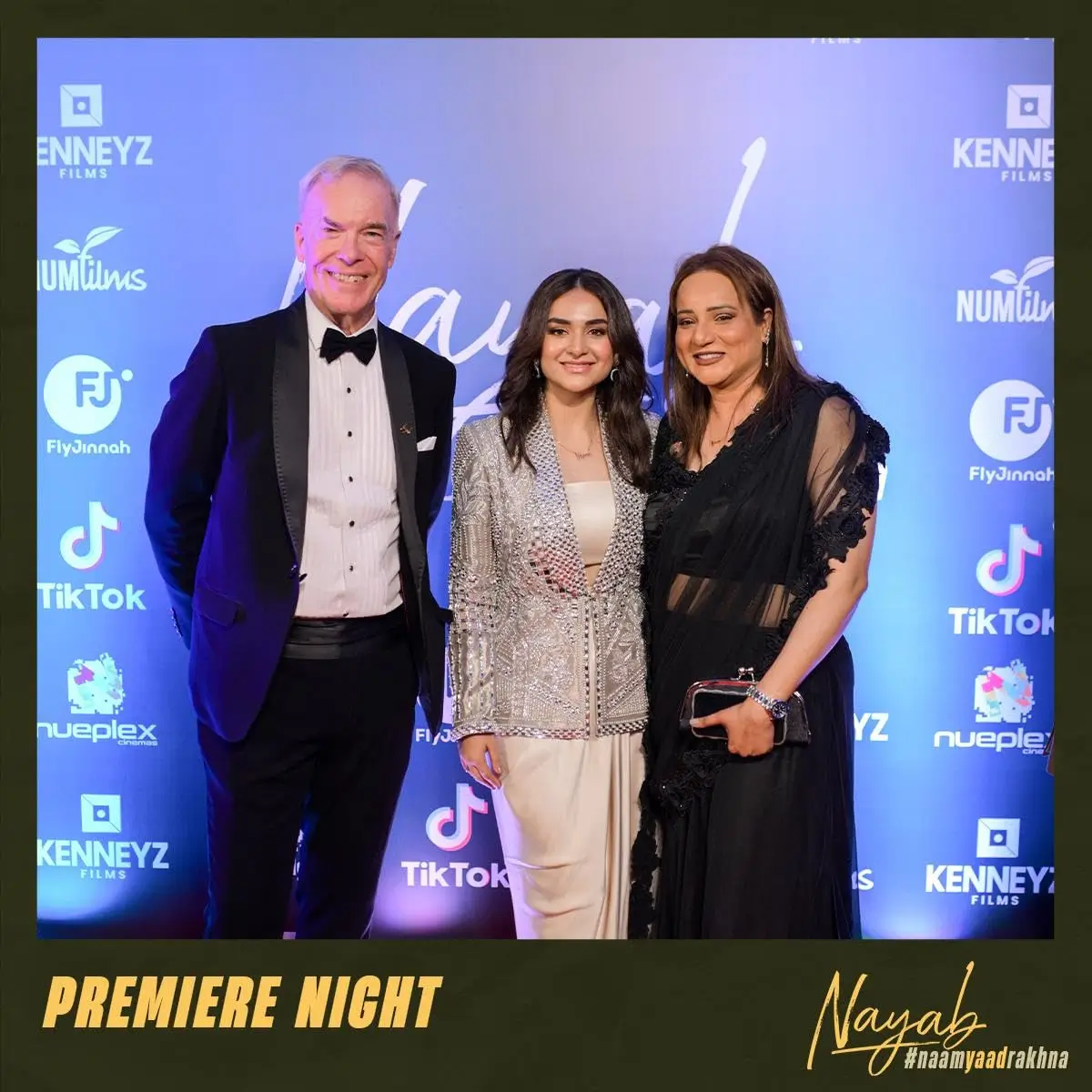
4. Teri Raah Main Rul Gai (2012–2013): Expanding Her Television Experience
Character: Zubaria
Network: Urdu 1
Genre: Romantic and family drama
Teri Raah Main Rul Gai added another title to Yumna Zaidi ‘s early filmography. The production allowed her to work in a different television setting and further develop her experience as an emerging performer.
The drama is especially relevant when tracing the number of projects she undertook during her first professional years. Rather than remaining attached to one production for an extended period, she appeared in several serials that introduced her to different casts, creative teams, and narrative approaches. This growing experience would become valuable as she moved toward characters that demanded greater emotional complexity.
5. Meri Dulari (2013): An Important Early Television Credit
Character: Aabdaar
Network: Geo Entertainment
Year: 2013
Meri Dulari is another notable title in the early Yumna Zaidi drama list. Her role as Aabdaar contributed to a period of sustained activity in which she began accumulating more substantial television credits.
Early family dramas frequently place characters within a web of relationships, obligations, misunderstandings, and competing expectations. The actor’s task is to make these conflicts believable while ensuring that a character remains emotionally recognizable.
For Yumna, the early 2010s represented a period of professional growth. The significance of Meri Dulari becomes clearer when it is considered alongside Ullu Baraye Farokht Nahi and Rishtay Kuch Adhooray Se, which appeared during the same phase of her career. Together, these projects form an important part of the foundation upon which her later recognition developed.
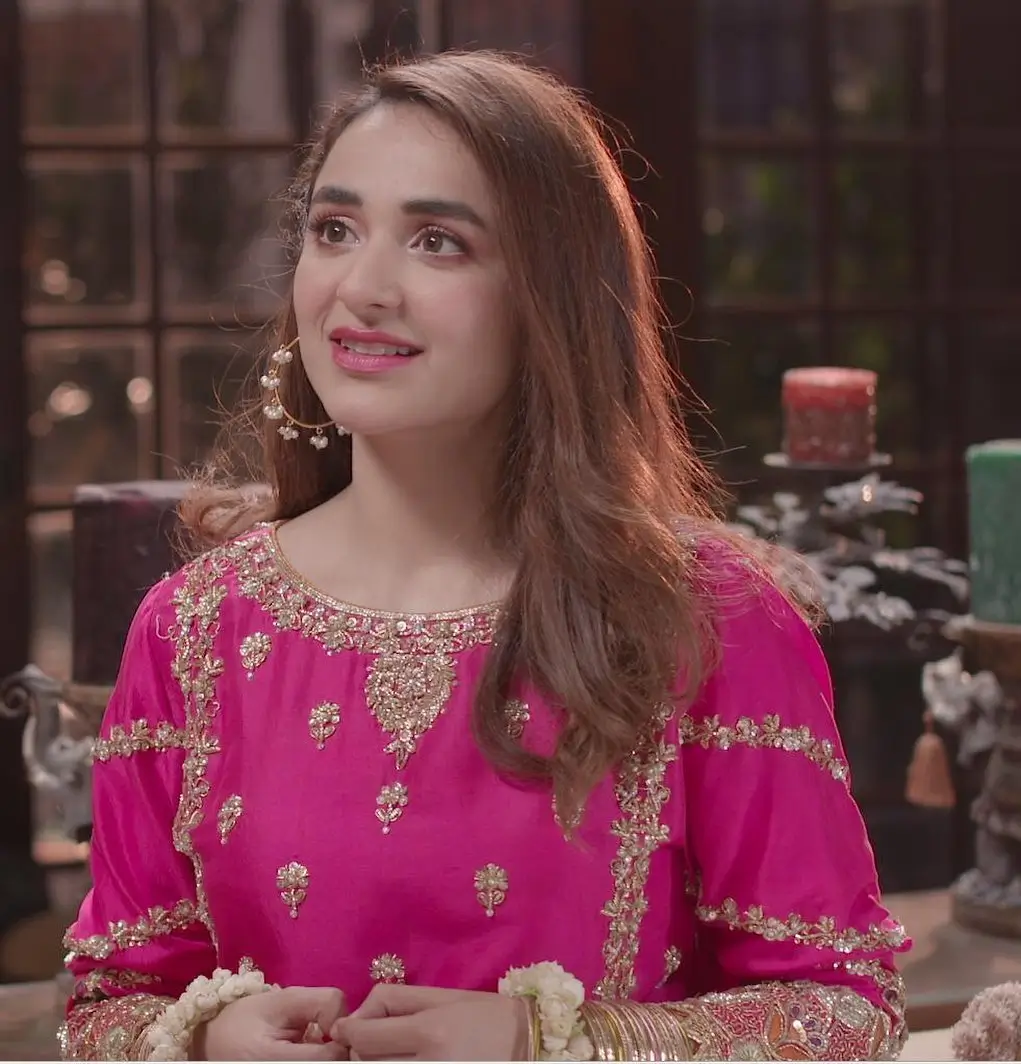
6. Ullu Baraye Farokht Nahi (2013): Recognition Beyond a Single Role
Character: Aasiya
Network: Hum TV
Year: 2013
Ullu Baraye Farokht Nahi occupies an important position in Yumna Zaidi ‘s early career because it was associated with a Hum Award nomination for Best Supporting Actress. The nomination brought formal recognition to work completed while she was still developing her place within the industry. It also demonstrated that supporting characters can have a meaningful impact on a production’s emotional and narrative structure.
The drama’s ensemble format meant that individual performances contributed to a larger story rather than existing independently of the surrounding cast. This is a useful point when evaluating Yumna Zaidi ‘s career: her professional development did not depend solely on leading roles. Her earlier supporting performances also helped establish her versatility and experience.
Dil Mohallay Ki Haveli: Family Relationships and Domestic Drama
Dil Mohallay Ki Haveli is one of the titles associated with Yumna Zaidi’s television career. The drama belongs to the family-oriented tradition of Pakistani television, in which domestic relationships, social expectations, and conflicts between different generations often shape the story.
The setting suggested by the title evokes a shared family environment where personal lives intersect with the experiences of relatives, neighbours, and the wider community. In such narratives, individual decisions rarely affect only one person. A disagreement between family members can influence household relationships, while social expectations may determine how characters respond to personal problems.
The appeal of family-centred storytelling
Family dramas remain a major part of Pakistani television because their themes are familiar to a broad audience. Parents and children may disagree over marriage, education, finances, or personal independence. Siblings may experience rivalry or loyalty, and extended families may struggle to balance tradition with changing expectations.
The dramatic potential comes from the fact that family members can care about one another while still causing emotional harm through their actions. This creates conflicts that are not always resolved through a simple distinction between good and bad characters.
Yumna Zaidi’s wider career includes numerous productions built around such relationships. Her participation in family-centred television contributed to her experience of ensemble acting and long-form storytelling.
Its place in Yumna Zaidi’s career
When documenting Dil Mohallay Ki Haveli, it is useful to include the title as part of her television history while verifying the precise character credit, broadcast year, and production information against dependable records. This helps ensure that the final article remains a reliable filmography rather than relying on incomplete online listings.
7. Rishtay Kuch Adhooray Se (2013): A Step Toward Wider Recognition
Character: Kiran
Year: 2013
Genre: Romantic tragedy and family drama
Rishtay Kuch Adhooray Se is one of the most frequently mentioned early titles in Yumna Zaidi’s career journey. The drama’s emotionally demanding relationships created space for performances shaped by vulnerability, disappointment, and complicated expectations. Such stories depend on the audience’s ability to understand why characters make painful decisions, even when their choices lead to further conflict.
Yumna Zaidi’s portrayal of Kiran earned her Best Actress nominations at the Hum Awards, an important development in her professional journey. The project also provides an early example of the qualities that later became associated with her acting: emotional expressiveness, sensitivity to character relationships, and an ability to participate in narratives where personal pain plays a major role.
8. Sannata: Psychological Tension and Family Conflict
Sannata is another title associated with Yumna Zaidi’s television work. The drama is relevant to a discussion of her filmography because it belongs to the broader category of Pakistani television stories that explore family relationships and emotional conflict.
The word sannata means silence or stillness. In dramatic storytelling, silence can carry considerable emotional meaning. A character may remain quiet because of fear, uncertainty, shame, anger, or a desire to conceal something from other people.
This makes silence a useful narrative device, particularly in stories where family relationships are affected by unspoken concerns or unresolved experiences.
The dramatic power of silence
Television often relies on dialogue to explain conflict, but some of the most revealing moments occur when characters cannot express what they feel. A pause or an unanswered question may indicate a problem that the characters are unwilling to confront.
Psychological and family dramas can use this technique to create tension without requiring constant confrontation. The audience gradually pieces together the relationships and circumstances that shape the characters’ behaviour.
This kind of storytelling can be particularly demanding for actors, who must communicate emotional changes through expressions and physical behaviour as well as spoken words.
Yumna Zaidi and emotionally challenging roles
Yumna later became strongly associated with performances involving vulnerability and psychological distress, especially in Dar Si Jaati Hai Sila. She also appeared in socially conscious productions such as Dil Na Umeed To Nahi, where the characters’ circumstances are central to the narrative.
These later performances help illustrate the kinds of challenges that can arise in serious television drama. They should not, however, be used as a substitute for verified information about her specific character in Sannata.
Why include Sannata?
For a complete Yumna Zaidi drama list, Sannata deserves a place among the titles to document. Before publication, its exact character credit, storyline, original broadcast year, and production details should be checked to ensure that the description accurately reflects the drama itself.
9. Kabhi Kabhi Anjaanay Mein: Relationships and Unforeseen Consequences
Kabhi Kabhi Anjaanay Mein is another title supplied for inclusion in Yumna Zaidi’s television filmography. As with several earlier credits, detailed information about her character and the original production chronology should be confirmed before a final article assigns specific plot events to her role.
The title evokes the idea that people can hurt one another unintentionally. In relationship-based drama, characters may make decisions without understanding their consequences or may act on incomplete information.
Such situations can become the foundation of conflict. A misunderstanding may affect a friendship, an impulsive decision may damage a relationship, or a person may discover that an action intended to help someone has created a different problem.
The role of misunderstandings in Pakistani dramas
Misunderstandings are a familiar element of romantic and family serials because they reveal the weaknesses in relationships. When people fail to communicate openly, their assumptions can become more influential than the facts.
A strong drama develops these conflicts through recognisable motivations. Characters may withhold information because they fear rejection, wish to protect someone, or believe that silence will prevent further problems.
The consequences can become increasingly complicated as other people become involved.
Yumna Zaidi’s wider television experience
Yumna Zaidi’s filmography includes stories about romantic expectations, family interference, and difficult personal choices. Zara Yaad Kar, Raaz-e-Ulfat, and Yeh Raha Dil offer different approaches to relationships, while her socially focused productions examine circumstances that extend beyond romance.
Including lesser-known titles such as Kabhi Kabhi Anjaanay Mein can help readers understand the breadth of her career, provided the production details and character information are accurately documented.
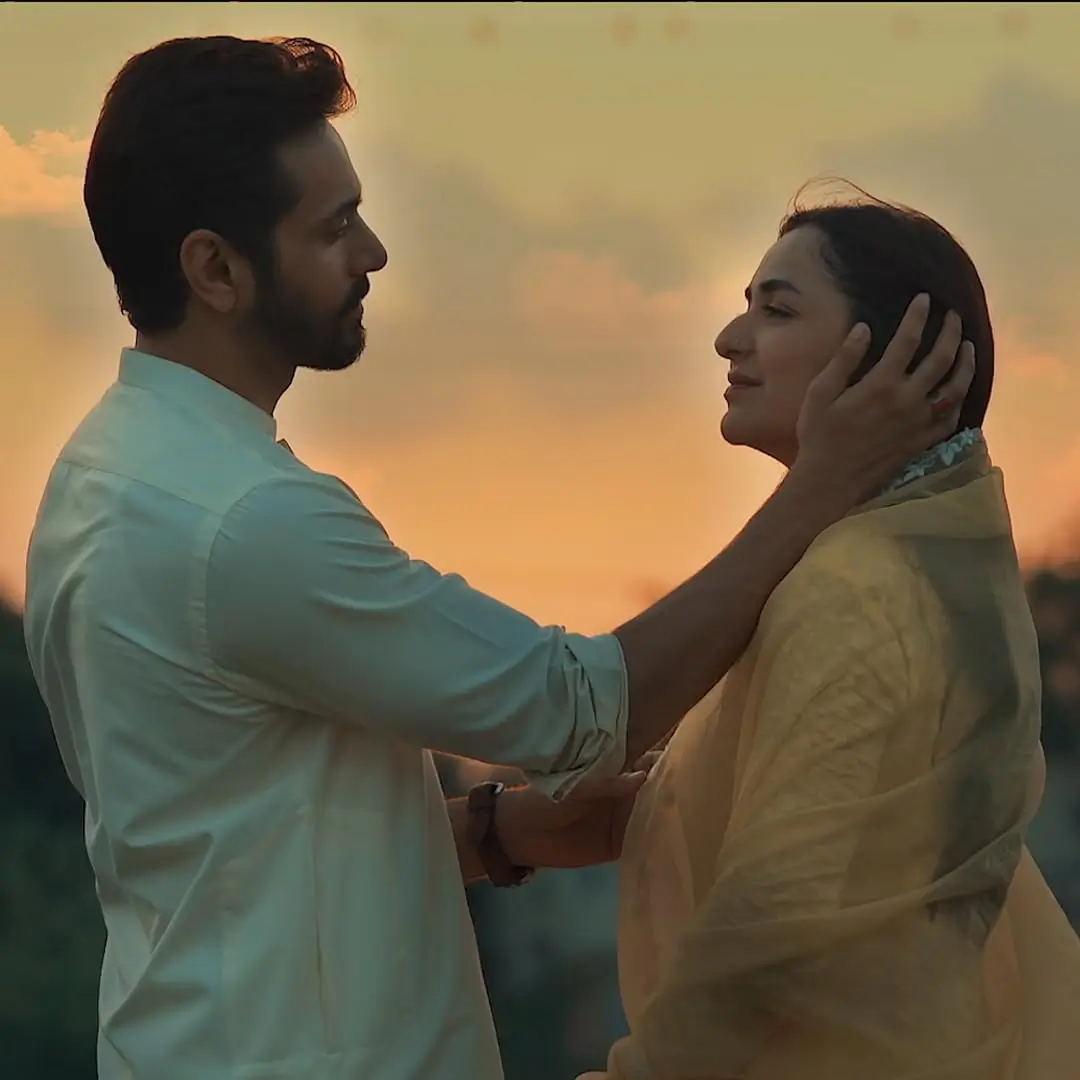
10. Kis Se Kahoon: The Importance of Emotional Expression
Kis Se Kahoon is another drama about Yumna Zaidi’s career. Its precise production details and Yumna Zaidi ‘s character credit should be verified before the final article makes specific claims about the plot.
The title can be translated approximately as “Whom should I tell?” It evokes the experience of someone who feels unable to share a personal difficulty with the people around them.
This idea appears frequently in family and social dramas, where characters struggle to communicate their concerns because of social pressure, fear of judgement, or a lack of trust.
When characters cannot speak openly
In relationship-centred television, silence can arise from several different circumstances. A character may believe that speaking honestly will hurt a loved one, while another may fear that revealing a secret will damage their reputation.
Sometimes the problem is not a lack of words but a lack of someone willing to listen. Characters may feel surrounded by relatives or acquaintances yet remain emotionally isolated because their experiences are dismissed or misunderstood.
Such themes can give a family drama a more serious dimension by examining the gap between living among people and feeling genuinely understood by them.
Its relevance to a comprehensive filmography
Yumna Zaidi’s best-known roles often involve characters whose inner experiences influence their relationships with other people. Mahjabeen in Pyar Ke Sadqay, Sila in Dar Si Jaati Hai Sila, and Bakhtawar in Bakhtawar all occupy very different narrative settings, but each requires the audience to consider the circumstances shaping the character’s actions.
Kis Se Kahoon should be included in a full list if the relevant appearance is confirmed. Its broadcast information, character name, and storyline should be taken from reliable production credits rather than inferred from the title alone.
11. Mausam (2014): Complicated Emotions and Relationship Conflict
Character: Shazia
Network: Hum TV
Year: 2014
Mausam continued Yumna Zaidi ‘s progression through emotionally focused television roles. Relationship dramas often require performers to balance what a character feels with what the character chooses to reveal. Jealousy, insecurity, affection, and resentment can exist simultaneously, making such roles more complicated than a simple distinction between good and bad behavior.
Yumna Zaidi’s work in Mausam contributed to her growing reputation and brought another Hum Award nomination, this time associated with a negative-role category. The drama is a useful bridge between her earlier supporting performances and the more varied roles she would take on in the following years.
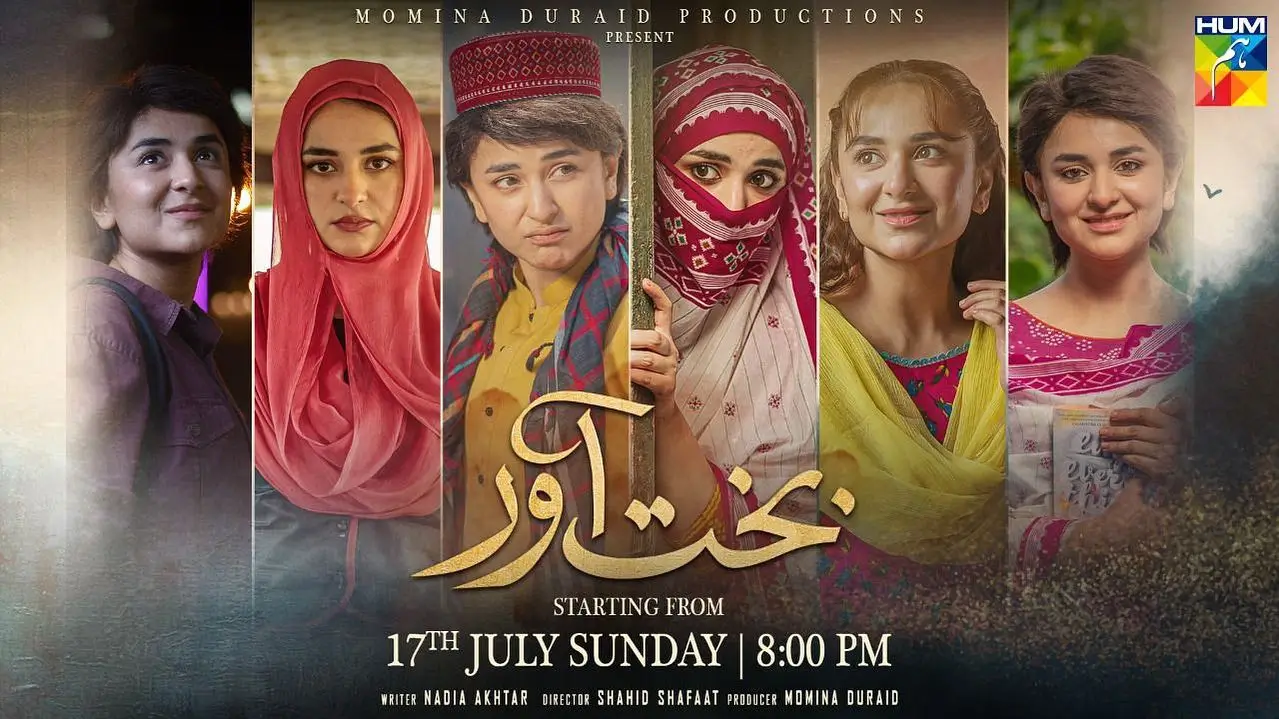
12. Madawa: Another Title in Yumna Zaidi’s Television History
Character: Aiman
Network: Hum TV
Year: 2015
Madawa is a 2015 Pakistani drama serial that aired on Hum TV. It is notable for being one of Yumna Zaidi’s early, well-received television projects
The word Madawa translates to “cure” or “remedy.” The plot centers around Aiman (played by Yumna Zaidi), a resilient young girl who endures severe trauma and emotional grief from an early age and Baari, another lead character played by Shahzad Sheikh. After losing her father, she is abandoned with her grandmother when her ambitious mother decides to remarry a wealthy man. The storyline intricately explores her hardships, her path to healing, and the complexities of finding authentic love and care amidst family betrayal. The series also featured prominent performances from Imran Ashraf, Hina Altaf, and Yusra in 25 episodes
13. Jugnoo (2015): A Different Side of Yumna Zaidi
Character: Jugnoo
Network: Hum TV
Year: 2015
Jugnoo introduced audiences to another chapter in Yumna Zaidi’s career. Rather than focusing only on the intensity associated with some of her social dramas, this project allowed her to participate in a lighter, character-driven narrative. A successful actor must be able to adjust performance style to suit the material. The timing, facial expressions, dialogue delivery, and emotional pacing required for a lighter drama can differ substantially from those needed for tragedy or psychological suspense.
Yumna Zaidi’s work in Jugnoo received Hum Award nominations and contributed to the variety of roles represented in her filmography. It also illustrates why the Yumna Zaidi drama list should not be reduced to a handful of serious or socially conscious productions. Her career includes romantic, comedic, and family-oriented stories alongside more difficult subject matter.
Paras: An Early-Career Drama to Document Carefully
Paras is another title included in the expanded list of Yumna Zaidi’s television work. The exact chronology and character credit should be confirmed before a definitive entry is published.
For an actress with a substantial television career, early credits can be particularly difficult to organise because online filmographies sometimes combine original broadcast dates, repeat telecasts, later digital uploads, and incomplete cast listings.
This is why a chronological drama list should use the original broadcast year whenever it can be verified and should distinguish a confirmed role from a title that appears only in secondary listings.
Why early roles deserve attention
Early roles provide a starting point for tracing an actor’s development. They can reveal the kinds of opportunities available at the beginning of a career and establish the professional experience that precedes more widely recognised performances.
Yumna Zaidi’s later roles demonstrate a broad range of acting challenges. In Yeh Raha Dil, she worked within a romantic narrative; in Dar Si Jaati Hai Sila, she portrayed a character affected by trauma; and in Bakhtawar, she played a woman struggling for independence.
These performances should be understood as part of a longer professional journey rather than as isolated successes.
Including Paras in the complete list
Paras should remain in the expanded filmography pending verification of its exact details. The finished article should identify Yumna Zaidi ‘s role and the original broadcast information only when reliable credits support those facts.
This will help the overall blog remain comprehensive without confusing similarly titled productions or attributing another actor’s role to Yumna.
14. Kaanch Ki Guriya (2015): Family Drama and Character Development
Character: Manaal
Network: Geo Entertainment
Year: 2015
Kaanch Ki Guriya added another family drama to Yumna Zaidi ‘s expanding television portfolio. The title evokes fragility, an image that can be associated with the vulnerability of characters navigating demanding family environments. However, a character’s apparent vulnerability does not necessarily mean that the character lacks agency or strength.
Family dramas frequently explore the gap between how people are perceived by others and how they understand themselves. The most effective performances allow audiences to see the person behind social expectations. As part of Yumna Zaidi’s early filmography, Kaanch Ki Guriya demonstrates the sustained work through which she built experience before becoming internationally recognizable through later productions.
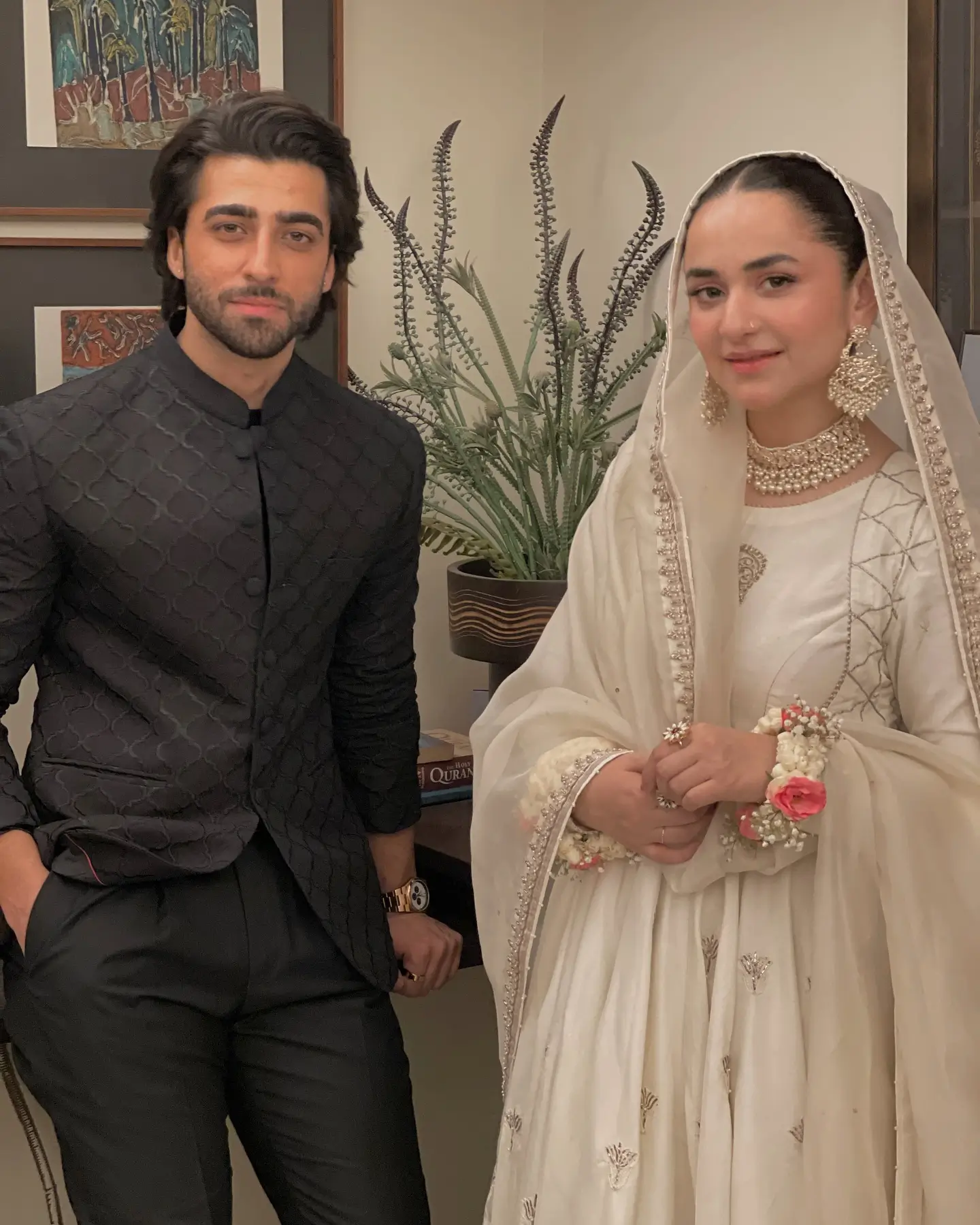
15. Guzaarish (2015–2016): A Continuing Period of Growth
Character: Zara
Network: ARY Digital
Year: 2015–2016
Guzaarish was another significant title from the period in which Yumna appeared in multiple productions. Her role as Zara belongs to a stage of her career characterized by increasing exposure and a broader range of television experiences. The project is often listed among the dramas that preceded her later prominence in Zara Yaad Kar, Yeh Raha Dil, and Dar Si Jaati Hai Sila.
When viewed chronologically, this period shows how a performer’s career can develop through a combination of smaller milestones. Each production becomes part of a larger professional history, even if only a few later titles receive the greatest public attention.
Yumna Zaidi ‘s early filmography is therefore valuable not simply because it records the names of her dramas, but because it illustrates the gradual development of an actress whose later roles would become important reference points in Pakistani television
16. Aap Ki Kaneez: Exploring Family Relationships and Emotional Conflict
Aap Ki Kaneez is one of the dramas associated with Yumna Zaidi’s early television career. During this stage, she was developing the acting skills that would later become central to her reputation: emotional expression, believable dialogue delivery, and the ability to portray characters facing difficult personal circumstances.
Pakistani family dramas frequently explore the relationships between parents and children, marital expectations, sibling rivalries, social responsibilities, and the emotional consequences of family decisions. These themes provide actors with opportunities to portray characters whose lives are shaped by circumstances beyond their control.
For a young actress, projects like Aap Ki Kaneez offered valuable experience in ensemble storytelling. Rather than relying entirely on a single character to carry a narrative, family serials often develop several interconnected storylines. Performers must maintain emotional consistency while responding to changing relationships and conflicts.
Yumna Zaidi’s early television work helped her become familiar with the demands of serial drama, where characters evolve over multiple episodes. This experience became increasingly important as she moved towards projects featuring more complicated psychological and social themes.
17. Paras: Another Step in Her Television Journey
Paras belongs to the early period of Yumna Zaidi’s television career, when she was building a varied portfolio of performances. The projects she accepted during this phase contributed to her gradual development as an actress and gave audiences opportunities to become familiar with her screen presence.
One important aspect of Yumna Zaidi’s career is that her reputation developed through a succession of television performances rather than a single overnight breakthrough. She appeared in different kinds of stories and worked within the conventions of Pakistani television, where family relationships, romance, social expectations, and personal sacrifice frequently form the foundation of a drama.
The value of this early phase lies partly in the experience it provided. Television acting requires performers to sustain a character over an extended production schedule, maintain continuity between emotionally different scenes, and respond naturally to the performances of other actors.
As Yumna continued working, she increasingly became associated with roles that required more than conventional romantic expression. Her later characters would confront difficult moral choices, psychological distress, inequality, and the restrictions imposed by family or society.
18. Zara Yaad Kar: A Relationship Drama That Expanded Her Recognition
One of the significant titles in Yumna Zaidi’s career is Zara Yaad Kar, a Pakistani romantic drama that brought together themes of love, marriage, misunderstandings, and the consequences of personal decisions.
The drama featured Zahid Ahmed and Sana Javed alongside Yumna Zaidi. Its relationship-focused narrative explored how romantic expectations can collide with social pressure and complicated personal circumstances.
Yumna played Uzma, a character within a story shaped by emotional tensions and changing relationships. The role contributed to her growing visibility among television audiences and demonstrated her ability to participate in a drama where the central conflict extended beyond a straightforward romance.
Why Zara Yaad Kar matters in Yumna Zaidi’s career
Romantic dramas can appear familiar because they frequently revisit jealousy, attraction, misunderstandings, and family opposition. Their success, however, often depends on how convincingly the actors communicate the emotional consequences of those experiences.
Yumna Zaidi’s performance belonged to a period in which she was developing a more recognisable screen identity. Her characters increasingly required audiences to understand the emotional motivations behind their actions rather than simply judge them as right or wrong.
This approach would become more prominent in subsequent projects. In dramas such as Yeh Raha Dil, Dar Si Jaati Hai Sila, and Inkaar, she would take on roles shaped by different combinations of romance, vulnerability, trauma, and social conflict.
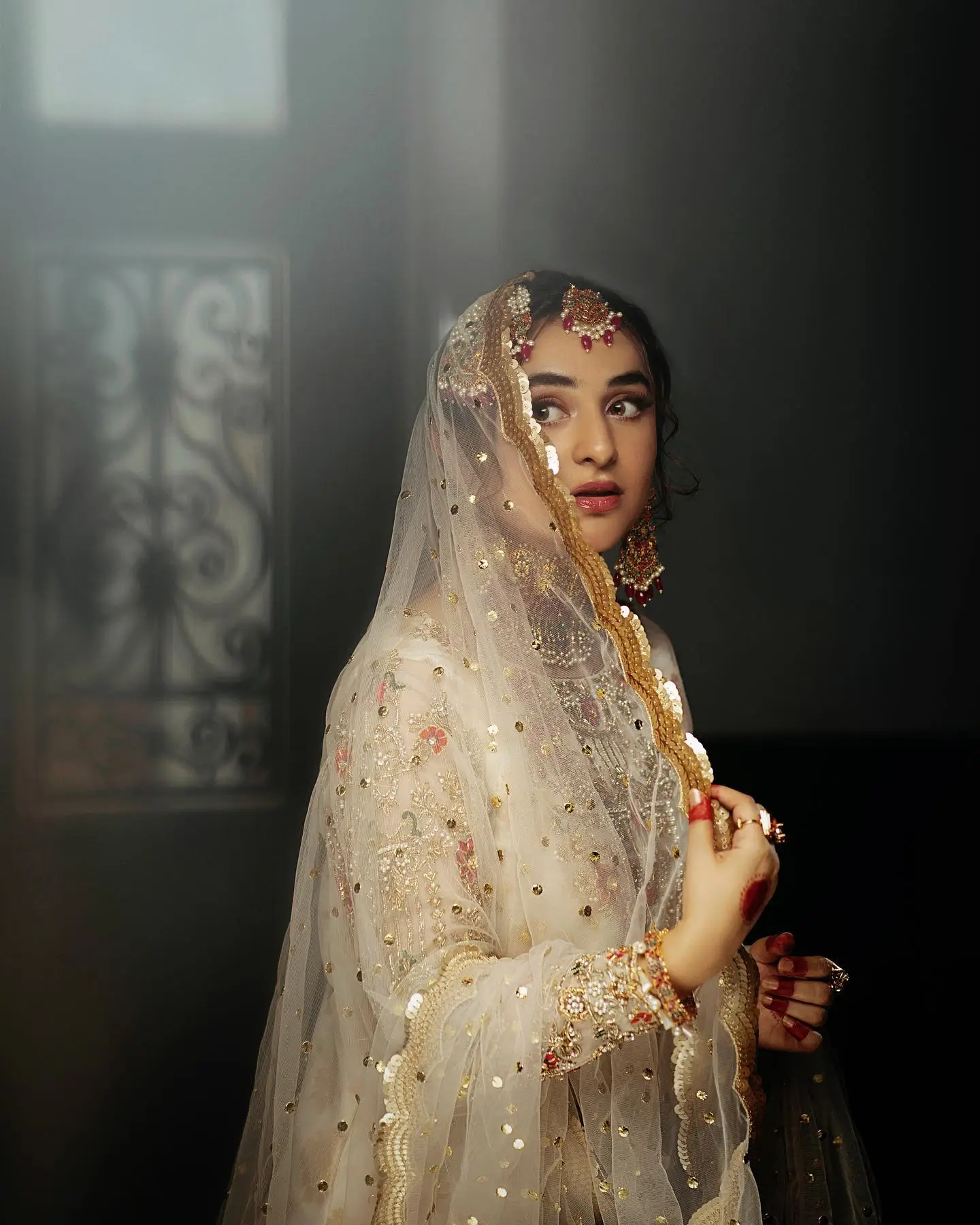
19. Pinjra: The Importance of Socially Relevant Television
Pinjra is another title appearing in listings of Yumna Zaidi’s television work. Its inclusion illustrates the range of projects associated with her career, although detailed production information and character credits should be checked against reliable records before making specific claims about the role.
The title itself suggests the image of confinement, a theme that frequently appears in Pakistani social dramas. Characters may feel trapped by family expectations, economic circumstances, restrictive traditions, or decisions made by people with greater social power.
Socially relevant television can bring these experiences into public discussion by presenting personal struggles within a recognisable domestic environment. Such dramas often ask viewers to consider how family structures and social attitudes influence individual freedom.
Yumna Zaidi’s broader body of work demonstrates her willingness to explore characters living within these kinds of constraints. In later productions, she would portray women confronting abuse, discrimination, emotional manipulation, and unequal access to opportunities.
When reviewing Pinjra as part of her filmography, it is important to distinguish between confirmed information about the production and broader interpretations of the themes associated with the title. Accurate character names, broadcast details, and episode information should be verified before publication.
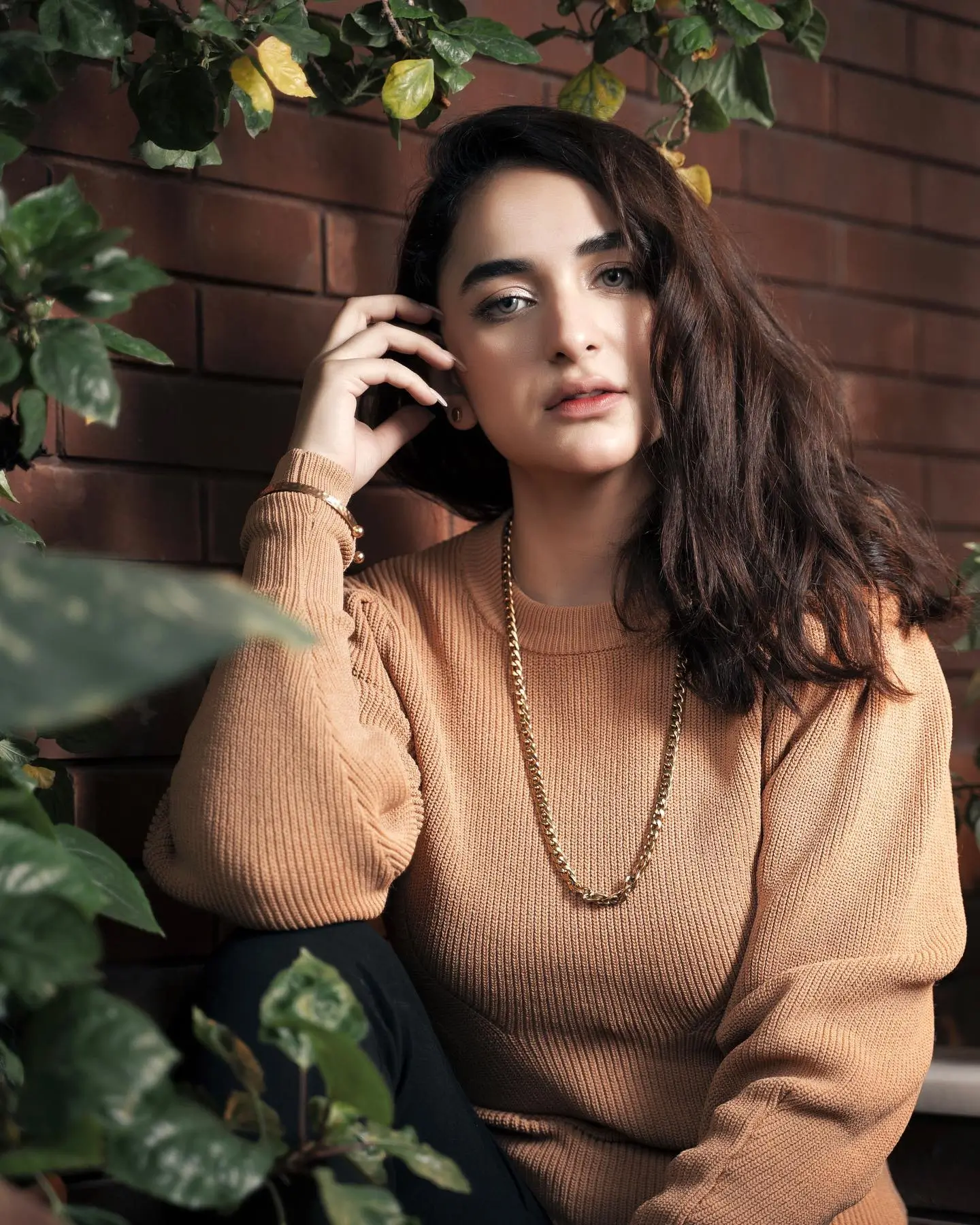
20. Yeh Raha Dil: Romance, Friendship, and Personal Growth
Yeh Raha Dil is one of the memorable dramas from Yumna Zaidi’s developing career. The romantic television series paired her with Ahmed Ali Akbar and presented a story centred on relationships, emotional growth, and the challenges of understanding another person.
Yumna portrayed Hayat, a character whose experiences and relationships helped shape the drama’s emotional direction. Ahmed Ali Akbar played Zaki, and their on-screen pairing became an important element of the serial’s appeal.
Unlike stories built exclusively around family opposition or relentless tragedy, Yeh Raha Dil offered a different atmosphere. Romance, humour, friendship, and personal discovery helped give the story a lighter quality while allowing its characters to experience meaningful emotional changes.
Hayat: A character audiences could connect with
A successful romantic lead must feel like a person rather than an idealised figure. The character needs strengths and weaknesses, moments of confidence and uncertainty, and motivations that audiences can recognise.
Hayat’s place in the narrative gave Yumna an opportunity to portray a character navigating relationships while discovering more about herself and the people around her.
Her performance also highlighted an important part of her acting range: she could work within a romantic storyline without depending entirely on melodramatic confrontations. Subtle reactions, conversational timing, and the chemistry between performers are all important in a series built around changing relationships.
The chemistry between Yumna Zaidi and Ahmed Ali Akbar
The relationship between Hayat and Zaki became one of the main attractions for viewers. Romantic television often depends on the gradual development of trust and affection, with small interactions becoming more meaningful as the story progresses.
The effectiveness of such a pairing depends on both actors. Each must establish an individual personality while making the developing relationship feel believable.
For Yumna, the drama offered a chance to demonstrate warmth and spontaneity alongside the emotional intensity that audiences had already seen in some of her other performances.
Why Yeh Raha Dil remains worth watching
Viewers who know Yumna primarily through intense productions such as Dar Si Jaati Hai Sila, Pyar Ke Sadqay, or Dil Na Umeed To Nahi may find Yeh Raha Dil a useful reminder that her career also includes lighter romantic storytelling.
The drama is especially relevant for audiences interested in her on-screen partnerships and her development as a romantic lead. It also demonstrates how different scripts can reveal different aspects of an actor’s personality and technique.
20. Dar Si Jaati Hai Sila: A Powerful Portrayal of Psychological Trauma
Dar Si Jaati Hai Sila is among the most important titles in discussions of Yumna Zaidi’s strongest television performances. The drama explores psychological trauma, fear, family relationships, and the devastating effects of abuse.
Yumna plays Sila, a young woman whose experiences affect her confidence, relationships, and ability to feel secure. Rather than presenting her character as someone whose difficulties can be resolved through a single confrontation, the drama explores the continuing consequences of traumatic experiences.
The serial also features Noman Ijaz and other experienced performers whose characters contribute to its tense and emotionally complicated atmosphere.
Understanding Sila’s fear and vulnerability
The title, which evokes a state of becoming frightened, reflects the emotional atmosphere surrounding the central character. Sila’s behaviour cannot be understood simply by looking at what she says or does in an individual scene. Her reactions emerge from the circumstances in which she lives and the fear those circumstances create.
This type of role demands careful acting. A performer must communicate distress without making every scene equally intense. Small changes in facial expression, posture, voice, and eye contact can communicate emotions that a character may be unable or unwilling to express openly.
Yumna Zaidi’s performance is frequently discussed because it relies on this kind of emotional detail. Sila is not merely a character who cries in response to difficult events. Her fear influences how she interacts with people, how she responds to questions, and how she navigates her surroundings.
The social importance of Dar Si Jaati Hai Sila
Stories about abuse and trauma are difficult to portray responsibly. If a drama treats such experiences only as sources of suspense, it risks reducing a serious social problem to entertainment. A more thoughtful narrative considers the effects of abuse on the victim, the role of family members, and the ways social silence can allow harmful behaviour to continue.
Dar Si Jaati Hai Sila places these issues within a family setting, making the story particularly uncomfortable for viewers who recognise the power imbalances and social pressures involved.
The drama encourages audiences to consider why victims may struggle to speak openly, why their behaviour can be misunderstood, and why the reactions of people around them matter.
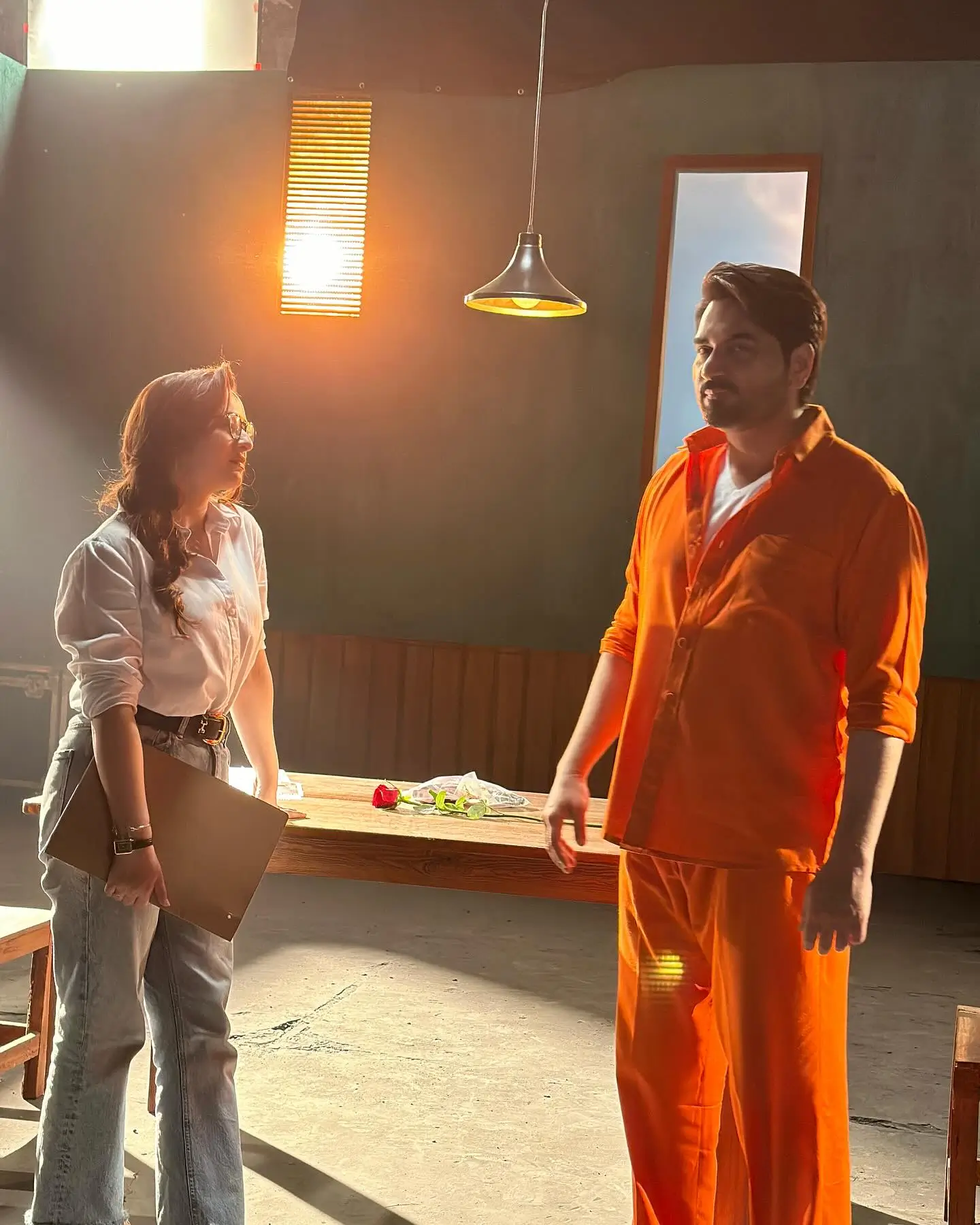
Yumna Zaidi’s acting achievement
One of the challenges of playing a traumatised character is avoiding a one-dimensional performance. The character must remain a complete human being, with memories, habits, desires, and relationships that exist beyond the traumatic events.
Yumna Zaidi’s portrayal gives Sila an emotional presence that extends beyond the immediate plot. The character’s vulnerability becomes central to how viewers understand the story, while the performance creates a sustained sense of unease.
This role helped strengthen Yumna Zaidi’s reputation as an actress capable of handling psychologically demanding material. It also illustrated her preference for characters whose emotional lives are complicated and whose experiences invite audiences to look beyond appearances.
Awards and recognition
Yumna Zaidi’s performance in Dar Si Jaati Hai Sila is associated with award recognition in accounts of her career. However, award years, ceremony dates, nomination categories, and wins should be checked against the relevant award organisations before a final article publishes exact claims.
Regardless of the precise award chronology, the drama remains an important reference point when discussing her movement towards complex, performance-driven television.
Why viewers should watch it
Dar Si Jaati Hai Sila is particularly relevant for viewers who appreciate character-focused drama and performances that communicate emotion through restraint as well as dialogue.
It is not a light romantic serial. Its themes can be distressing, and its value lies in its exploration of fear, vulnerability, and the social environment surrounding a person who has experienced trauma.
For anyone compiling the best Yumna Zaidi dramas, this production deserves consideration because it demonstrates how effectively she can carry an emotionally demanding role.
21. Pukaar: Family Responsibility and Difficult Decisions
Pukaar is a Pakistani television drama associated with Yumna Zaidi’s career. The title means “a call” or “a plea” and suggests an appeal for help, attention, or understanding.
The drama is associated with themes of relationships, family responsibilities, and personal choices. As with other family-centred productions, the emotional direction of the story depends on how characters respond when their responsibilities conflict with their desires.
Understanding the significance of a plea
In a family drama, a plea can represent more than a request for immediate help. It may express a need for recognition, forgiveness, protection, or an opportunity to explain one’s position.
Characters may struggle to make themselves heard when family hierarchies or social expectations prevent open discussion. Their attempts to seek understanding can expose unresolved tensions and reveal how differently family members interpret the same situation. The emotional effect depends on whether the audience can understand what the character wants and why achieving it has become difficult.
Yumna Zaidi’s role in Pukaar
The specific character details should be confirmed against dependable cast records before the article assigns a detailed character analysis to Yumna. This is especially important when multiple online listings provide incomplete or inconsistent descriptions.
Her appearance in Pukaar forms part of the wider body of television work that readers may want to explore while following her career from early projects to her better-known lead performances.
Why Pukaar belongs in the expanded drama list
A comprehensive list of Yumna Zaidi’s dramas should include relevant appearances beyond the titles that dominate popular rankings. Doing so gives readers a broader overview of her television career and helps distinguish a complete filmography from a list of only her most famous roles.
Before publication, the entry should be supplemented with verified details about the character, channel, original broadcast date, and cast.
22. Inkaar: Justice, Power, and the Cost of Speaking Out
Following her work in emotionally challenging dramas, Yumna Zaidi appeared in Inkaar, a social drama featuring Sami Khan and Imran Ashraf. The story explores harassment, abuse of power, justice, and the difficulties faced by a woman who refuses to accept an unjust situation silently.
Yumna portrays Hajra, a character whose experiences place her in conflict with people and institutions that possess greater social influence. The drama uses her story to examine the relationship between personal courage and the wider systems that shape public responses to allegations of wrongdoing.
Hajra as a determined central character
Hajra is important because her story does not depend solely on whether other people believe her. The character must also navigate the emotional and practical consequences of challenging someone who has power, connections, or social standing.
Such stories often involve more than a direct confrontation between two individuals. They also explore reputation, family expectations, public judgement, and the difficulty of seeking accountability in an unequal environment.
Yumna Zaidi’s role required her to portray a woman experiencing pressure while attempting to retain control over her decisions. This is a different kind of emotional challenge from playing Sila in Dar Si Jaati Hai Sila. Where Sila’s story centres heavily on fear and the effects of trauma, Hajra’s journey foregrounds resistance and the struggle to have her position taken seriously.
The wider message of Inkaar
The drama raises questions about how society responds when a woman challenges a powerful person. It examines the assumptions that can shape public opinion and the social costs associated with speaking openly.
These themes make Inkaar relevant beyond its immediate storyline. The serial invites viewers to consider how power can influence perceptions of truth and how difficult it may be for an individual to seek justice when social standing and personal connections become part of the conflict.
A careful review should also acknowledge that television narratives simplify some aspects of legal and social systems for dramatic purposes. The series can prompt discussion, but it should not be treated as a complete account of legal procedure or as a substitute for specialist information.
Yumna Zaidi’s contribution to the drama
The success of a socially focused drama depends on whether viewers understand the central character’s motivations and emotional stakes. Hajra needs to be more than a symbol of resistance; she must remain a believable individual who experiences uncertainty, frustration, and pressure.
Yumna Zaidi’s performance helps maintain that human dimension. Her character’s determination is meaningful because it exists alongside the difficulties she faces.
Inkaar also demonstrates how Yumna Zaidi’s screen identity was expanding. She could portray a woman experiencing intense emotional conflict while remaining at the centre of a narrative concerned with wider social questions.
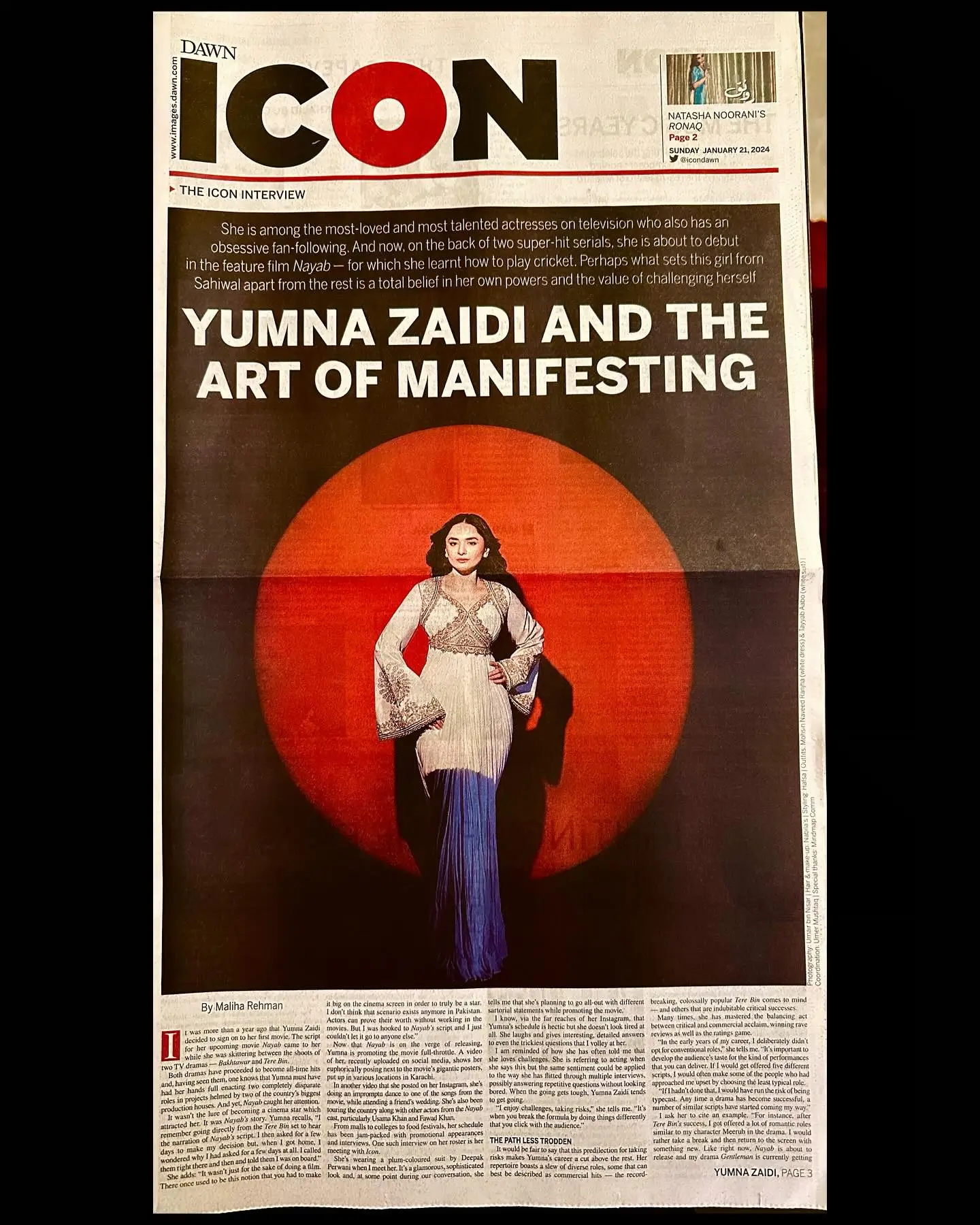
Why Inkaar belongs on a Yumna Zaidi drama list
For viewers interested in Pakistani dramas that address serious social issues, Inkaar offers a combination of personal conflict and public debate. For those following Yumna Zaidi’s career, it represents another step in her development as an actress associated with complex female protagonists.
Together, Dar Si Jaati Hai Sila and Inkaar demonstrate two different approaches to difficult subject matter. One examines the effects of trauma and fear; the other places greater emphasis on resistance, power, and the pursuit of justice.
Both help explain why Yumna Zaidi became increasingly associated with roles that demand emotional commitment and thoughtful character interpretation.
23. Dil Kiya Karay: Love, Family, and Emotional Responsibilities
Dil Kiya Karay is one of the Pakistani television dramas associated with Yumna Zaidi’s career during her rise to wider recognition. The drama features a relationship-centred story in which personal feelings, family expectations, and difficult decisions influence the characters’ lives.
Yumna appeared alongside actors including Feroze Khan and Sana Javed. The production brought together elements of romance and family drama, offering viewers a story shaped by the complicated relationships between its central characters.
Pakistani romantic serials frequently explore the tension between what people want and what their families or social environments expect from them. A character may genuinely care for another person but still struggle to make decisions because of financial pressures, family loyalties, misunderstandings, or conflicting responsibilities.
These themes can create opportunities for nuanced performances. Actors must show not only the immediate emotion of a scene but also the history of a relationship and the consequences that a particular decision may have.
The role of relationships in the story
In a relationship-focused drama, emotional conflict often develops gradually. A disagreement may reveal an unresolved insecurity, while a seemingly ordinary conversation may expose differences in expectations or priorities.
Such storytelling depends on believable character interactions. When actors communicate affection, frustration, disappointment, and uncertainty convincingly, audiences can become invested in the relationships even when they disagree with the characters’ decisions.
Yumna Zaidi’s participation in romantic and family-oriented television helped broaden her experience before she became particularly associated with psychologically demanding characters.
Why it matters in her filmography
For viewers compiling a comprehensive Yumna Zaidi drama list, Dil Kiya Karay belongs among the titles worth documenting. It contributes to the wider picture of her television career, which includes romantic serials, family stories, social dramas, and productions dealing with difficult psychological experiences.
When publishing a detailed episode guide, exact character credits, broadcast dates, and production information should be checked against reliable television records.
24. Choti Choti Batain: Everyday Experiences and Human Relationships
Choti Choti Batain is an anthology-style Pakistani television project associated with stories about everyday relationships and the experiences of ordinary people. Its format differs from a conventional long-running serial because individual stories can focus on different characters and situations.
Yumna Zaidi appeared in the project, which allowed her to work within a storytelling format built around shorter narratives and concentrated emotional situations.
Why anthology dramas are different
In a conventional television serial, an actor may have dozens of episodes to develop a character. An anthology story often provides considerably less time. The audience must quickly understand the character’s circumstances, motivations, and emotional conflicts.
This requires an actor to establish credibility through carefully chosen details. A change in tone, an expression of hesitation, or a brief exchange with another character may communicate information that a longer drama would reveal through multiple scenes. Anthology formats also allow television producers to explore different social themes without requiring every story to follow the same characters.
Everyday situations with wider meaning
The title Choti Choti Batain suggests the significance of small matters. In relationships, seemingly minor disagreements can expose deeper problems involving trust, communication, expectations, or personal boundaries.
A story does not always require a major tragedy to become meaningful. An ordinary domestic situation can reveal how people treat one another, how misunderstandings develop, and how personal choices affect relationships.
Such themes are particularly relevant to Pakistani television, where family life and social expectations frequently provide the foundation for dramatic storytelling.
Yumna Zaidi’s place in the project
Yumna’s involvement in a project like Choti Choti Batain forms part of her broader professional journey. Her career includes different formats and genres, rather than a continuous sequence of leading roles in conventional romantic serials.
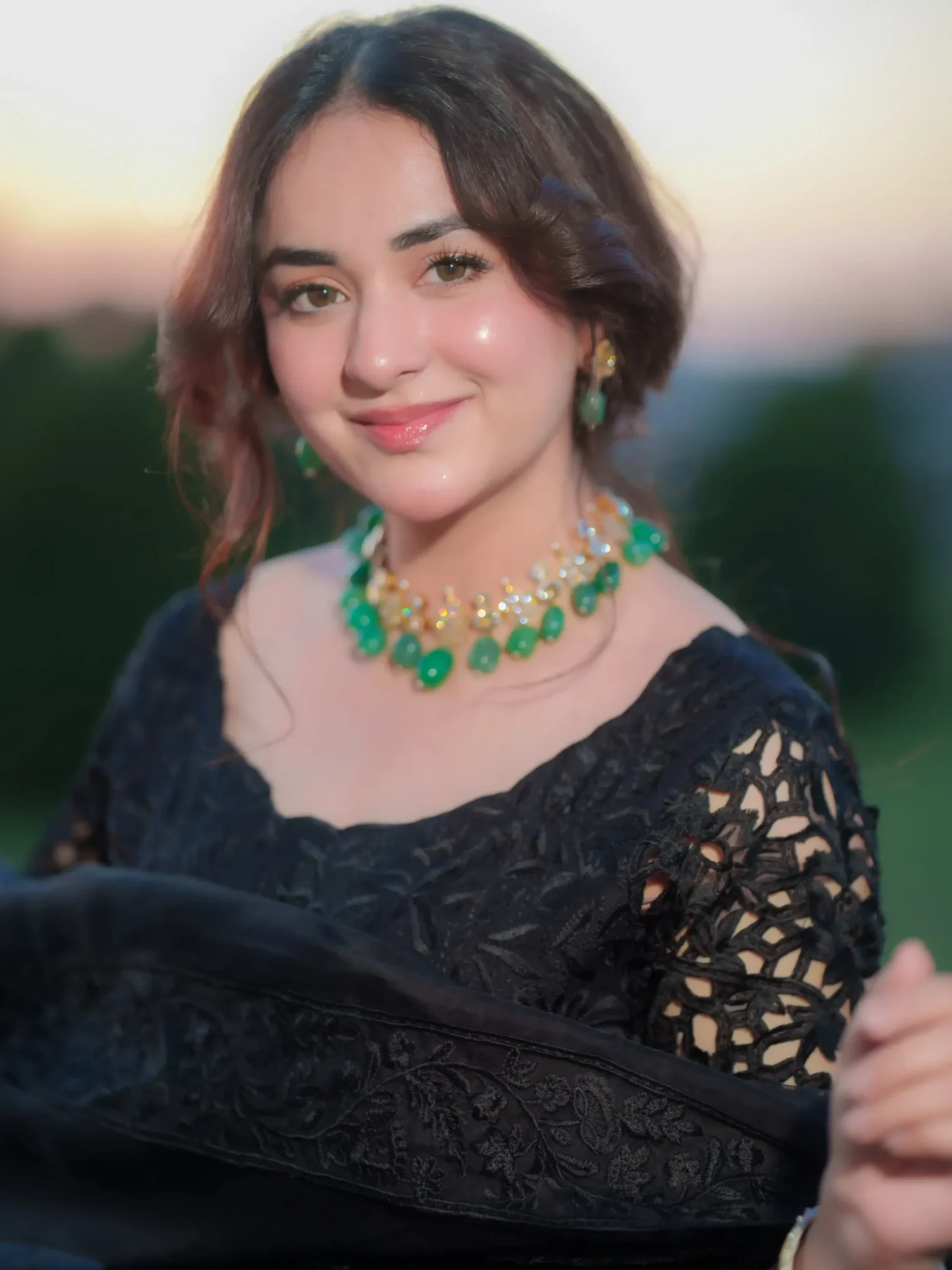
25. Ishq Zahe Naseeb: Psychological Complexity and the Human Mind
Ishq Zahe Naseeb is an important title in discussions of psychologically complex Pakistani dramas. The serial stars Zahid Ahmed and Sonya Hussyn, with Yumna Zaidi also appearing in the production.
The drama explores psychological disturbance, identity, relationships, and the effects of painful experiences on human behaviour. Its story relies on emotional tension and gradually unfolding information rather than treating every conflict as a straightforward romantic misunderstanding.
A drama built around psychological tension
Psychological dramas require viewers to pay attention to character behaviour, changes in relationships, and information that may initially seem incomplete. A character’s actions can have several possible explanations, and the story may gradually reveal the circumstances behind them.
This structure places particular demands on performers. Actors must communicate believable behaviour while maintaining the tension surrounding what the audience knows and does not yet understand.
The subject matter also requires care. Mental health conditions and psychological distress are complex realities, and dramatic representations should not be mistaken for clinical explanations or universal accounts of how people experience them.
The importance of character interpretation
One reason psychologically driven dramas attract attention is that they invite viewers to look beyond a character’s outward behaviour. What appears irrational, contradictory, or disturbing may be connected to personal history, fear, or an internal conflict that the character struggles to express.
Yumna’s wider body of work demonstrates her interest in roles where a character’s emotional life is important to the story. Productions such as Dar Si Jaati Hai Sila, Dil Na Umeed To Nahi, and Pyar Ke Sadqay also explore characters whose behaviour is shaped by difficult circumstances, although each drama approaches its themes differently.
Why Ishq Zahe Naseeb is worth including
For anyone researching the Yumna Zaidi drama list, Ishq Zahe Naseeb belongs in the broader account of her television appearances. It represents the kind of psychologically oriented storytelling that has helped make Pakistani television more varied than a simple division between romantic and family serials.
It is also important to record supporting and ensemble roles accurately. An actress’s contribution to a production should not be overstated by assigning her another character’s storyline or by confusing her role with that of the principal protagonist.
26. Pyar Ke Sadqay: The Drama That Showcased Yumna Zaidi’s Versatility
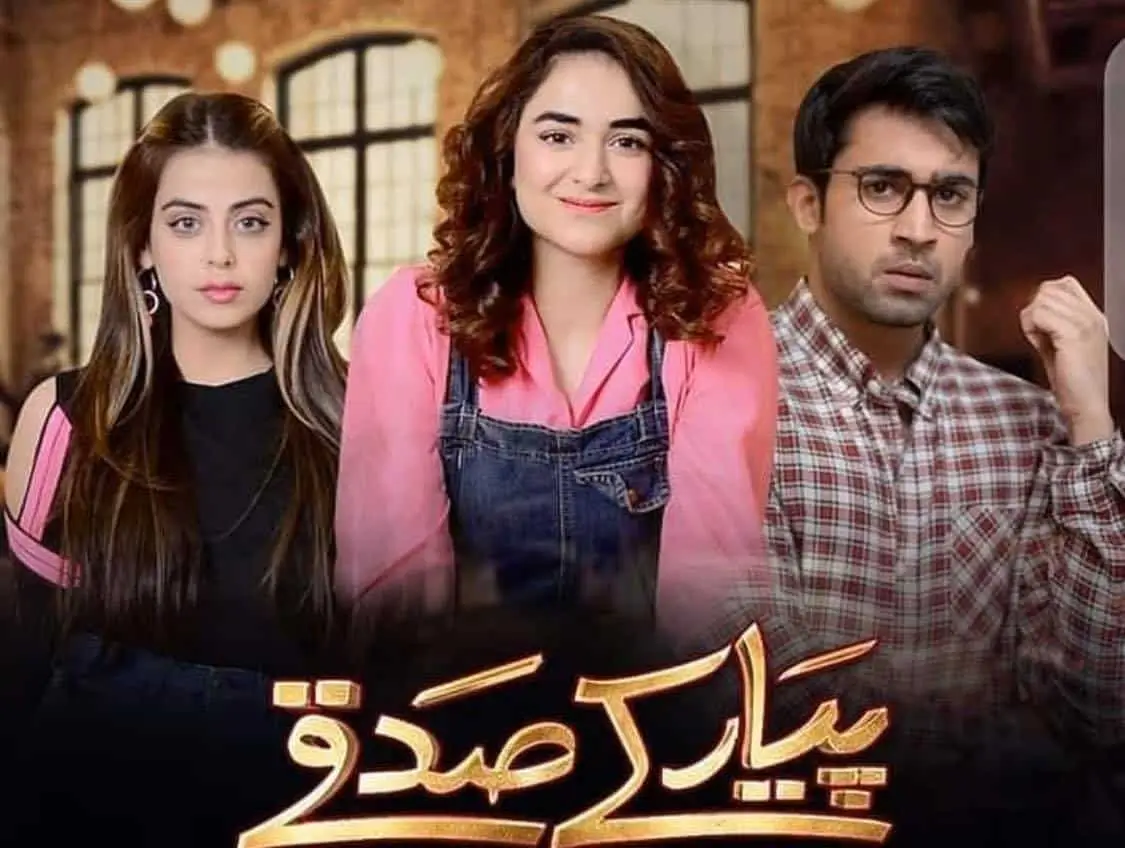
Pyar Ke Sadqay is one of the most widely discussed dramas in Yumna Zaidi’s career. The romantic comedy-drama brought her together with Bilal Abbas Khan and presented a story that combined humour, emotional vulnerability, family conflict, and social expectations.
Yumna played Mahjabeen, an unusual and emotionally expressive young woman whose experiences and behaviour distinguish her from many conventional television heroines. Bilal Abbas Khan portrayed Abdullah, a young man whose personal difficulties and family environment influence the course of the story.
The drama became popular partly because it offered a different approach to romance. Rather than presenting two perfectly confident characters who immediately understand one another, it focused on people with insecurities, limited emotional support, and complicated relationships with their families.
Who is Mahjabeen?
Mahjabeen is one of Yumna Zaidi’s most recognisable characters. She is often presented as innocent, spontaneous, and emotionally transparent, but those qualities should not be confused with an absence of intelligence or personality.
Her behaviour reflects the circumstances in which she has grown up and the ways other people interpret her. She does not always communicate according to conventional social expectations, which can make her vulnerable to judgement or manipulation.
This gives the character an important emotional dimension. Mahjabeen is not simply a source of comic moments; she is also a person who wants affection, security, and the opportunity to be understood.
Abdullah and Mahjabeen: An unconventional pairing
The relationship between Abdullah and Mahjabeen is central to the serial. Both characters have difficulties that influence how they interact with other people, and neither has an uncomplicated understanding of love or family relationships.
Their connection develops within a wider environment of social expectations and family interference. The story uses their relationship to examine how people with different emotional needs can influence one another.
The chemistry between Yumna Zaidi and Bilal Abbas Khan became one of the drama’s most memorable features. Their performances allowed the relationship to move between comedy and serious emotional conflict without losing its central human dimension.
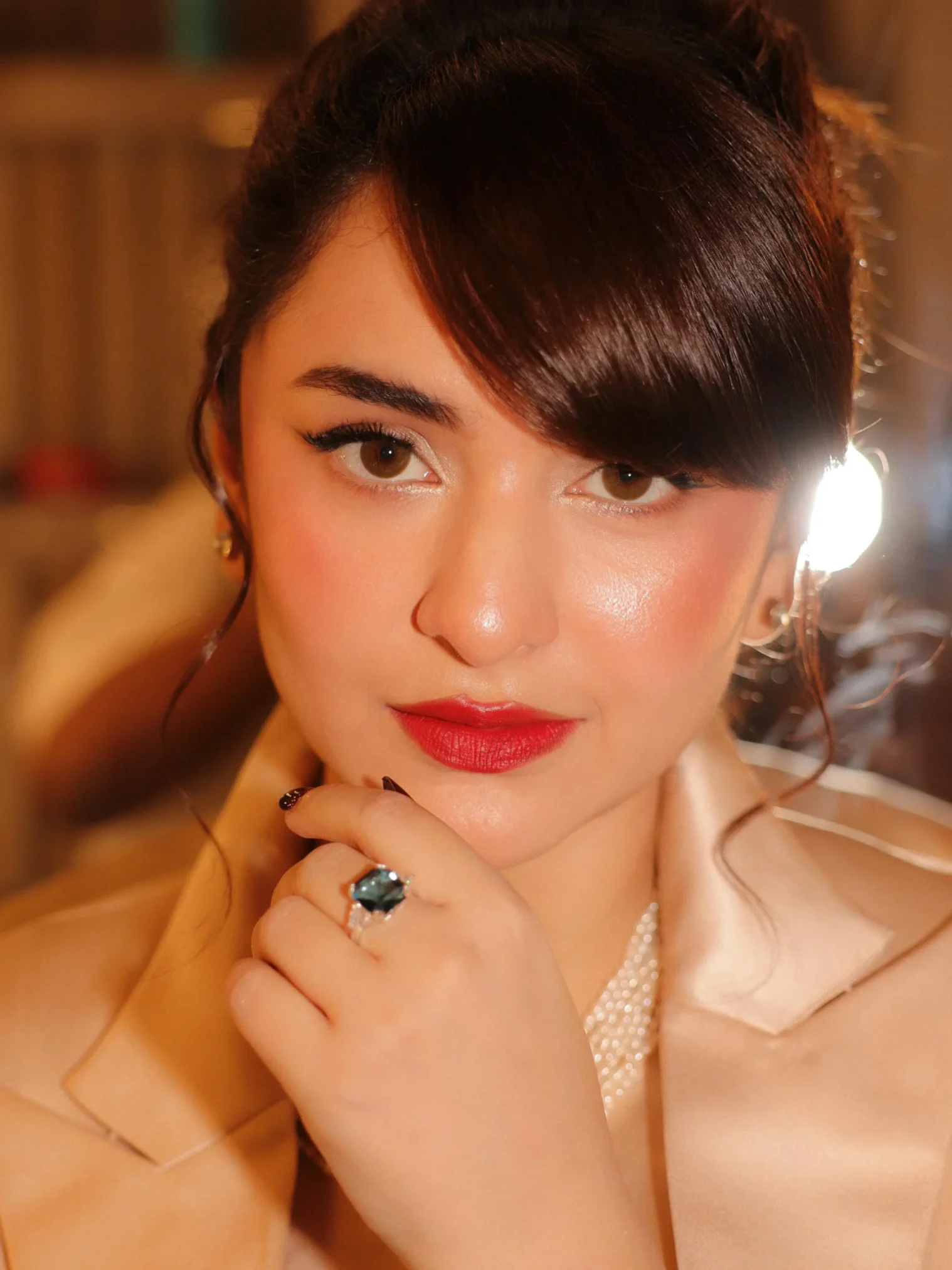
Humour without losing emotional depth
One of the challenges of playing a character like Mahjabeen is balancing comedy with vulnerability. If a performance relies exclusively on exaggerated expressions or unusual dialogue delivery, the character can become a caricature.
Yumna’s portrayal is effective when it allows humour to emerge from Mahjabeen’s personality and circumstances. Her reactions can be amusing, but they also reveal how she interprets the people around her and how strongly she wants to be accepted.
The drama gradually asks audiences to consider the difference between being unconventional and being incapable. Mahjabeen’s personality challenges assumptions about how a young woman should speak, behave, or understand relationships.
Family pressure and emotional manipulation
Although Pyar Ke Sadqay contains comic elements, its story also explores difficult family relationships. Parents and relatives can influence young people through emotional pressure, expectations, and decisions made without adequately considering their needs.
These themes give the romance a more serious foundation. The central relationship develops within a world where family authority does not always provide emotional security.
The drama therefore offers more than a conventional love story. It examines the ways insecurity and family conflict can affect a person’s ability to recognise healthy relationships.
Yumna Zaidi’s performance as Mahjabeen
Mahjabeen requires a combination of timing, expressive acting, emotional openness, and consistency. The character’s distinctive mannerisms must remain believable across comic scenes, arguments, moments of confusion, and emotionally difficult situations.
Yumna’s performance demonstrated that she could move beyond the restrained intensity of roles such as Sila in Dar Si Jaati Hai Sila. She could also lead a story in which humour and unconventional behaviour played major roles.
This versatility is one reason Pyar Ke Sadqay remains central to discussions of her career.
Awards and recognition
Pyar Ke Sadqay received significant attention, and Yumna’s performance is associated with award recognition in entertainment coverage. Exact wins, nominations, ceremony years, and category names should be confirmed through official award records before publication.
The broader significance of the drama is clear: Mahjabeen became one of the roles most frequently associated with Yumna Zaidi, helping introduce her performance style to viewers who may not have followed her earlier work.
Why Pyar Ke Sadqay remains a favourite
The drama appeals to viewers who enjoy romance with humour and emotional substance. Its characters are imperfect, and their relationships develop through mistakes, misunderstandings, family pressure, and gradual changes in understanding.
For audiences exploring the best Yumna Zaidi dramas, Pyar Ke Sadqay is an essential title because it highlights a different aspect of her talent. It demonstrates her ability to play a memorable romantic lead without relying on the conventional characteristics of a glamorous or emotionally invulnerable heroine.
27. Raaz-e-Ulfat: Love, Trust, and the Consequences of Family Expectations
Raaz-e-Ulfat is another major title in Yumna Zaidi’s television career. The romantic family drama stars Yumna alongside Shahzad Sheikh and Gohar Rasheed and explores love, misunderstandings, family influence, and the consequences of decisions made under emotional pressure.
Yumna plays Mushk, a young woman whose experiences are shaped by her relationships and the expectations surrounding her. Her story develops within a setting where affection and trust can become complicated by outside interference and differing ideas about what a person’s future should look like.
Understanding Mushk’s character
Mushk is central to the drama’s exploration of relationships and personal decisions. Like many characters in Pakistani family serials, she must navigate the space between her own feelings and the expectations placed upon her.
Such a conflict can be emotionally complicated. A character may care deeply about family members while also recognising that their decisions are not always in her best interests. The desire to maintain family harmony can make it difficult to question authority or openly express disagreement. Mushk’s journey reflects the tension between emotional attachment and the need to make independent choices.
The role of misunderstandings in Raaz-e-Ulfat
Misunderstandings are common in romantic dramas, but they become more convincing when they emerge from identifiable weaknesses in communication or trust.
In family-oriented stories, a character’s understanding of a situation may be shaped by incomplete information, assumptions, or the influence of another person. Once a misunderstanding becomes part of a relationship, correcting it may be more difficult than simply explaining the truth.
Raaz-e-Ulfat uses relationship conflict to explore these dynamics. The characters must contend with the emotional consequences of choices and the ways family involvement can complicate romantic relationships.
Romance and social expectations
Romantic relationships rarely exist in isolation in Pakistani television. They often intersect with family reputation, economic circumstances, marriage expectations, and social status.
These pressures can influence how characters interpret one another’s actions and whether they feel able to follow their own wishes. A relationship may become a source of conflict when individual choices do not match the expectations of relatives or the wider community.
For viewers, this familiar social environment can make the characters’ dilemmas recognisable, even when the plot uses heightened dramatic situations.
Yumna Zaidi’s portrayal of Mushk
Mushk requires Yumna to work within a relationship-driven narrative where emotional changes influence the direction of the story. The character’s experiences provide opportunities to explore vulnerability, disappointment, attachment, and the effects of uncertainty.
Her performance also forms part of the wider range of roles she played during this period. Pyar Ke Sadqay allowed her to portray a distinctive character in a romantic comedy-drama, while Raaz-e-Ulfat placed her within a more conventional romantic family narrative.
Considering these projects together demonstrates that Yumna was not limited to a single genre or character type.
Why Raaz-e-Ulfat belongs in the Yumna Zaidi drama list
Raaz-e-Ulfat is worth including for viewers interested in romance, family relationships, and the emotional consequences of misunderstandings. It also provides a useful point of comparison with the socially focused dramas that became prominent in Yumna’s career.
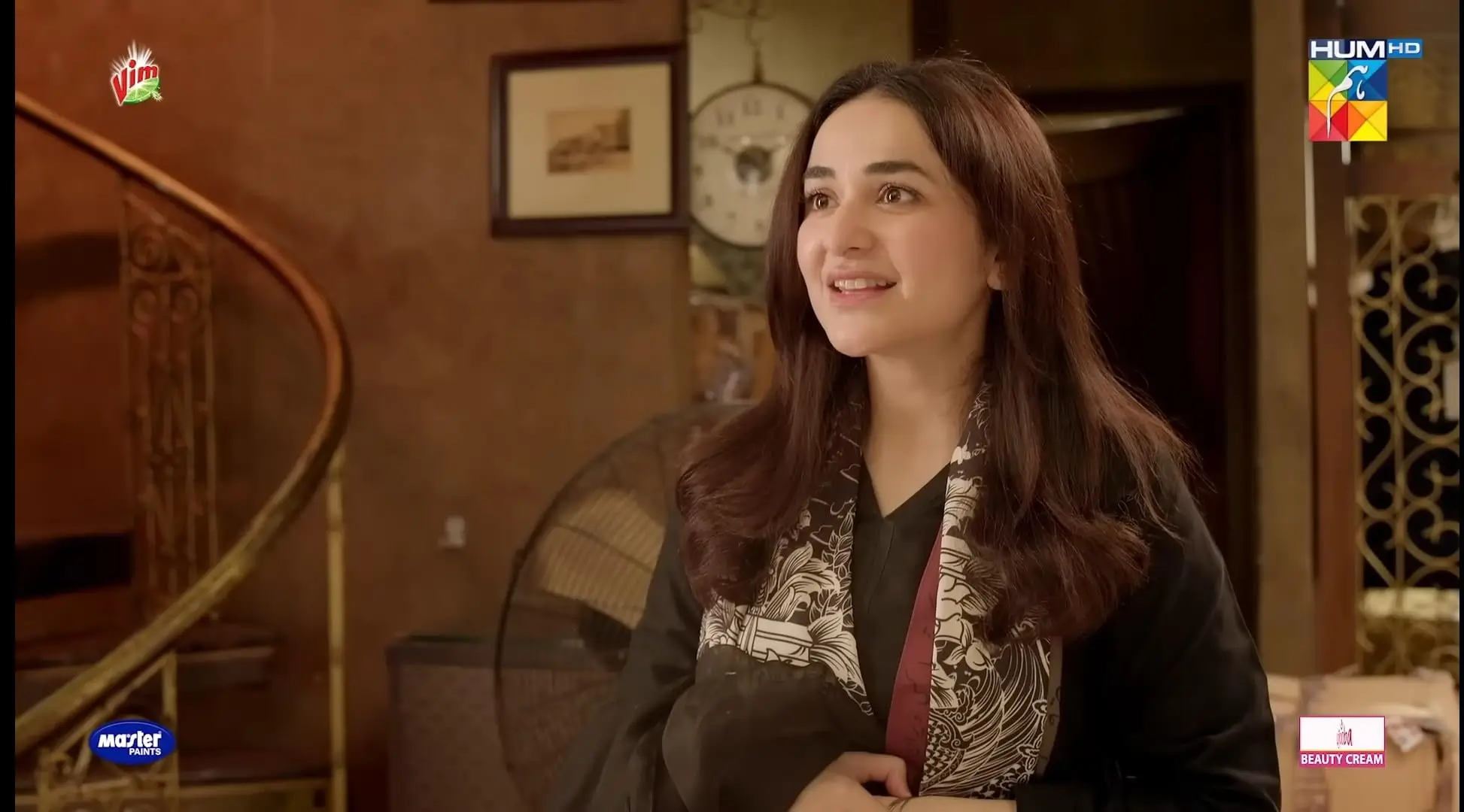
28. Dil Na Umeed To Nahi (2021) — Sumbul / Allah Rakhi
Drama: Dil Na Umeed To Nahi
Year: 2021
Character: Sumbul, also associated with the name Allah Rakhi
Genre: Social drama
Dil Na Umeed To Nahi is one of the more serious projects in Yumna Zaidi’s television career. The drama addresses exploitation, vulnerability, trafficking, and the social conditions that can expose disadvantaged people to abuse. Its subject matter is difficult, and the story examines how poverty, unequal power relationships, and failures of protection can affect people’s lives.
Yumna’s character, Sumbul, is central to the drama’s emotional impact. Her performance contributes to a story about vulnerability and survival, bringing attention to the experiences of people whose circumstances leave them with limited choices. The character’s journey is not simply about personal hardship; it also reflects wider social problems that can remain hidden behind the appearance of ordinary life.
Yumna Zaidi’s Performance
The role required Yumna to work within a serious narrative where emotional restraint and vulnerability were especially important. Instead of depending only on dramatic dialogue, the performance needed to communicate fear, uncertainty, and the consequences of difficult experiences.
This type of role illustrates Yumna’s willingness to participate in stories that go beyond conventional romantic plots. It also demonstrates how television drama can use an individual character’s experience to encourage discussion of broader social issues.
Why Dil Na Umeed To Nahi Is Important
For viewers interested in socially conscious Pakistani dramas, Dil Na Umeed To Nahi offers a different introduction to Yumna Zaidi from her more widely known romantic roles. It emphasizes the serious and sometimes uncomfortable realities that the entertainment industry can bring into public discussion.
The drama is particularly relevant when considering the range of subjects Yumna has explored throughout her career. Her involvement in a socially focused production helped distinguish this period of her work from stories centered primarily on romance or family conflict.
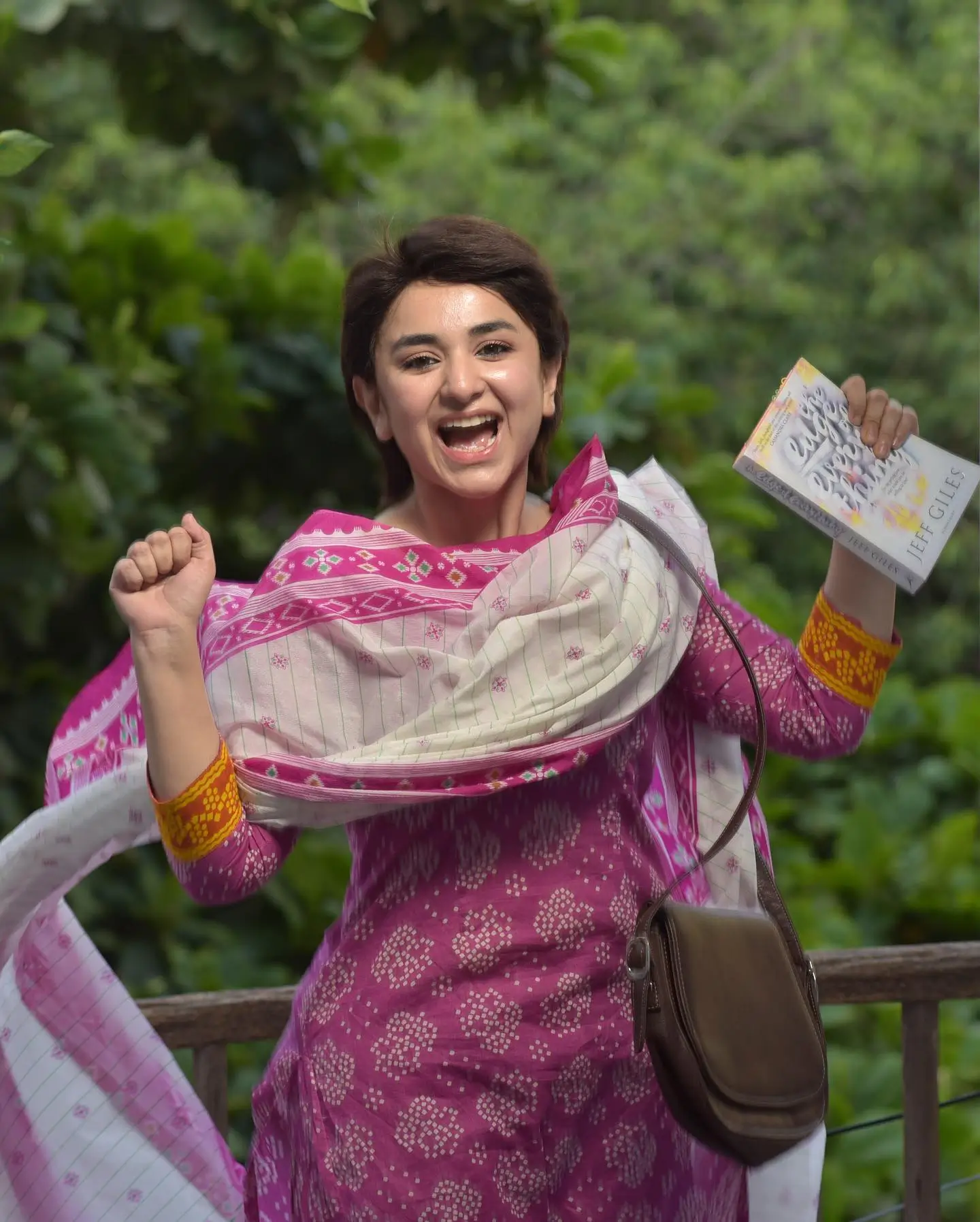
29. Ishq-e-Laa (2021) — Dr. Azka Azlan
Drama: Ishq-e-Laa
Year: 2021
Character: Dr. Azka Azlan
Genre: Romantic and spiritual drama
Ishq-e-Laa combines romance, ambition, personal loss, and questions about spirituality. The story follows characters whose beliefs and relationships evolve as they encounter circumstances that challenge their understanding of love, success, and purpose.
Yumna Zaidi plays Dr. Azka Azlan, an educated and determined woman whose professional identity is an important part of her characterization. Azka’s journey places personal relationships alongside her ambitions and convictions, creating a character who must negotiate the demands of love, responsibility, and individual choice.
Understanding Dr. Azka Azlan
Azka stands apart from characters whose stories are defined entirely by romantic relationships. Her profession and personal outlook give her an identity beyond the expectations of those around her. The character’s decisions help explore the tension between emotional attachment and personal principles.
Yumna’s portrayal benefits from the contrast between Azka’s professional confidence and the emotional difficulties she encounters. The role calls for a balance between firmness and vulnerability, allowing the character to remain emotionally accessible without losing her sense of independence.
Yumna Zaidi’s Chemistry and Emotional Range
Romantic drama often depends on the interaction between its principal characters, but Ishq-e-Laa also asks viewers to consider the ideas underlying their relationships. Love is presented alongside questions of faith, ambition, loss, and the consequences of human choices.
For Yumna, the drama provided another opportunity to portray a thoughtful female lead whose story involves both emotional development and personal conviction. It added a different dimension to her 2021 television work, particularly when compared with the harsher social themes of Dil Na Umeed To Nahi.
Why Ishq-e-Laa Deserves a Place on the List
Viewers who enjoy romantic dramas with philosophical and spiritual themes may find Ishq-e-Laa a useful addition to their Yumna Zaidi watchlist. Dr. Azka Azlan is also a notable example of a character whose professional ambitions remain part of her identity throughout the story.
30. Sinf-e-Aahan (2021) — Shaista Khanzada
Drama: Sinf-e-Aahan
Year: 2021–2022
Character: Shaista Khanzada
Genre: Military, inspirational, and ensemble drama
Sinf-e-Aahan tells the stories of young women who enter military training and confront the physical, emotional, and social challenges associated with their chosen path. The drama focuses on ambition, discipline, friendship, family expectations, and the determination required to pursue goals that challenge established ideas about women’s roles.
Yumna Zaidi plays Shaista Khanzada, one of the young women whose journey forms part of the ensemble. Unlike a drama built around a single central relationship, Sinf-e-Aahan gives attention to several characters, each with a distinct background and motivation.
Shaista Khanzada’s Journey
Shaista’s place in the story contributes to the drama’s wider exploration of women pursuing demanding careers. Military training becomes a setting in which the characters confront their limitations, learn to work together, and discover how much determination their ambitions require.
The ensemble format is important because it allows the audience to compare different personalities and experiences. Each character brings her own expectations and struggles to the training environment, and the collective journey highlights both individual growth and shared responsibility.
Yumna Zaidi in an Ensemble Cast
Yumna’s appearance in Sinf-e-Aahan demonstrates her participation in a production whose appeal rests on several characters rather than one dominant protagonist. The drama required her to contribute to a broader narrative about teamwork, resilience, and women’s ambitions.
Her role also broadened the range of projects associated with this stage of her career. Alongside socially serious stories and romantic dramas, she appeared in a production with a strong motivational focus.
Why Sinf-e-Aahan Matters
Sinf-e-Aahan is a relevant choice for viewers looking for Pakistani dramas about women’s empowerment, professional aspirations, and personal discipline. Its military setting distinguishes it from conventional domestic dramas, while its ensemble structure provides several perspectives on the meaning of courage and achievement.
For Yumna Zaidi’s filmography, the series represents a different kind of storytelling: one in which personal development is connected to a collective goal.
31. Parizaad (2021–2022) — Quratulain / RJ Annie
Drama: Parizaad
Years: 2021–2022
Character: Quratulain, also known as RJ Annie
Genre: Social drama and character-driven storytelling
Parizaad became one of the prominent Pakistani television dramas of its period. Centered on Parizaad, a thoughtful man who faces prejudice because of his appearance and social position, the series explores self-worth, class, ambition, loneliness, and the complicated relationship between wealth and happiness.
Yumna Zaidi appears as Quratulain, known as RJ Annie. Although she is not the sole protagonist, her character forms an important part of the drama’s wider network of relationships and experiences.
The Story Behind Parizaad
At the heart of Parizaad is the journey of a man who repeatedly encounters judgments based on his appearance and circumstances. His intelligence, sensitivity, and inner life often contrast with the assumptions others make about him. As his circumstances change, the story asks whether financial success and social status can overcome emotional isolation and the desire for genuine acceptance.
The series develops these themes through a wide range of characters. Their interactions reveal different attitudes toward love, power, beauty, class, and personal worth.
Yumna Zaidi as Quratulain / RJ Annie
Yumna’s role as Quratulain, or RJ Annie, adds another perspective to the drama’s exploration of identity and relationships. The character is associated with the world of radio and communication, giving her a distinct place within the story’s social environment.
Her appearance in Parizaad is noteworthy because it places her in a widely discussed ensemble production. A supporting role can serve a different purpose from a leading role: rather than carrying the entire narrative, the performer contributes to the atmosphere, relationships, and ideas that make the overall story effective.
Yumna’s participation also shows that an actor’s career should not be measured only by the size of a role. A carefully placed character in a strong ensemble can become part of a drama’s broader cultural impact.
Why Parizaad Became a Memorable Drama
The series attracted attention for its central character, its treatment of social prejudice, and its examination of the difference between outward success and inner fulfilment. Its story encouraged viewers to think about how people are judged and how their circumstances influence the way others treat them.
For audiences exploring Yumna Zaidi’s dramas, Parizaad is a useful recommendation for those who prefer character-driven storytelling over a conventional romance. It also offers a chance to see her work within a larger narrative featuring multiple personalities and intersecting experiences.
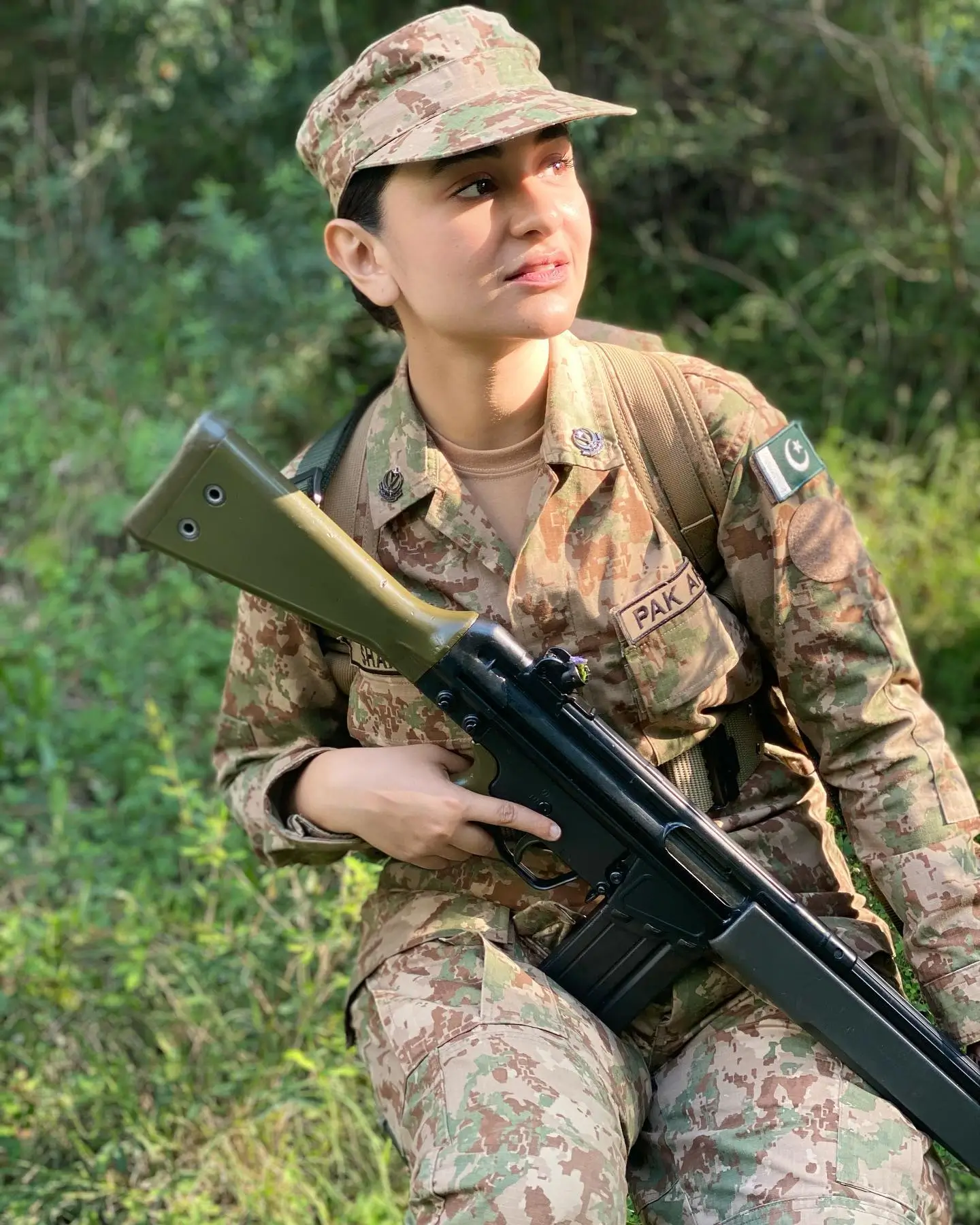
32. Bakhtawar (2022) — Bakhtawar / Bakhtu
Drama: Bakhtawar
Year: 2022
Character: Bakhtawar, also known as Bakhtu
Genre: Social drama and female-led storytelling
Bakhtawar places Yumna Zaidi at the center of a story about survival, identity, and the struggle to build an independent life under difficult circumstances. The drama follows a young woman who faces social and economic obstacles and must find ways to protect herself and pursue a future beyond the limitations imposed on her.
Yumna plays Bakhtawar, who also adopts the identity of Bakhtu. This aspect of the character is central to the story, as it reflects the lengths to which she feels compelled to go in order to navigate an environment shaped by insecurity, social expectations, and unequal opportunities.
The Story of Bakhtawar
Bakhtawar’s circumstances force her to make decisions that would be difficult under any conditions. Her journey concerns more than simply escaping a problem; it involves trying to secure dignity, safety, and a measure of control over her own future.
The use of an alternate identity adds tension to the narrative. It also provides a way to examine how gender influences freedom of movement, employment, personal safety, and the expectations society places on women.
Rather than portraying independence as an easy achievement, the drama presents it as a process involving risk, uncertainty, and persistence.
Yumna Zaidi’s Transformation into Bakhtawar and Bakhtu
The role gave Yumna an opportunity to carry a female-led story across changing circumstances. She had to portray a character who adapts to pressure while retaining a sense of her underlying identity and motivations.
The contrast between Bakhtawar and Bakhtu is especially important. The names represent different aspects of how the character presents herself and navigates her surroundings. This requires the performance to communicate not only changes in outward behavior but also the fear, determination, and emotional strain beneath those changes.
The role also differs from Yumna’s work in romantic dramas. Here, the central question is not simply whether a relationship will succeed. Instead, the story focuses on a woman attempting to shape her own future within restrictive circumstances.
Themes of Independence and Social Expectations
Bakhtawar explores the relationship between personal agency and social conditions. Its protagonist wants the opportunity to make choices about her life, but her circumstances repeatedly place obstacles in her path.
The drama can therefore be read as a story about perseverance, but it also raises questions about why survival sometimes demands extraordinary effort from people with limited resources or social protection.
This combination of personal struggle and wider social commentary makes Bakhtawar an important entry in Yumna Zaidi’s career.
Why Bakhtawar Is Worth Watching
Viewers interested in female-led Pakistani dramas may appreciate Bakhtawar for its focus on a woman’s determination to survive and establish independence. It gives Yumna a sustained central role and places her character’s decisions at the heart of the narrative.
For audiences comparing her performances, Bakhtawar is particularly useful alongside Dil Na Umeed To Nahi. Both dramas engage with social vulnerability, but they approach their subjects through different characters and narrative structures.
33. Tere Bin: The Drama That Reached an International Audience
Tere Bin is one of the most widely recognised dramas in Yumna Zaidi’s career. The romantic television serial paired her with Wahaj Ali and attracted substantial attention from audiences in Pakistan and internationally.
Yumna portrayed Meerab, a young woman whose independent personality, personal ambitions, and complicated relationship with Murtasim form the centre of the story. Wahaj Ali played Murtasim Khan, a powerful and influential man whose expectations and family responsibilities frequently conflict with Meerab’s wishes.
The drama combines romance, family politics, misunderstandings, emotional confrontations, and questions about autonomy within marriage. Its central relationship became a major talking point among viewers, contributing to the serial’s popularity and extensive online discussion.
Who is Meerab in Tere Bin?
Meerab is introduced as a strong-minded young woman who values her independence. She has her own ideas about the future and does not readily accept decisions imposed upon her by other people. Her personality creates immediate tension when she encounters a family environment governed by established expectations and powerful social relationships. She must navigate a world in which her wishes may not always align with what others believe is appropriate for her.
Meerab’s character is particularly important because she is not written as someone who simply accepts every situation without resistance. She questions decisions, challenges authority, and attempts to preserve her sense of identity while dealing with a complicated marriage. These qualities contribute to the drama’s central conflict.
Murtasim and Meerab: The relationship at the heart of the story
The relationship between Meerab and Murtasim is the principal attraction of Tere Bin. Their personalities, expectations, and approaches to conflict differ, creating tension throughout the story.
Murtasim belongs to a powerful family and is accustomed to carrying responsibilities that influence the lives of people around him. Meerab, meanwhile, is determined to make her own decisions and does not automatically accept the authority associated with his position.
Their relationship develops through confrontations, emotional attachment, misunderstandings, and changing expectations. The contrast between their personalities gives the drama much of its romantic tension. Viewers are invited to follow how attraction and affection develop alongside disagreements about independence, family loyalty, and marital responsibility.
Yumna Zaidi’s performance as Meerab
Meerab requires an actress who can communicate confidence while also portraying vulnerability. A character who frequently challenges others must remain emotionally believable, particularly when her decisions have consequences for the people around her.
Yumna’s performance combines determination, frustration, affection, and uncertainty. Meerab’s emotional reactions change according to the situation, allowing the character to remain more complicated than a straightforward romantic heroine. The role also demonstrates Yumna’s ability to sustain audience interest across an extended serial. Her performance needs to remain consistent through dramatic confrontations, intimate conversations, family disputes, and moments of emotional change.
The chemistry between Yumna Zaidi and Wahaj Ali
The pairing of Yumna Zaidi and Wahaj Ali became one of the drama’s defining features. Their contrasting characters created opportunities for dialogue-driven confrontations as well as romantic scenes.
On-screen chemistry depends on more than attraction. It also requires actors to establish believable reactions to one another, maintain the personalities of their characters, and create a sense that the relationship changes over time. The performances of both actors helped make Meerab and Murtasim central to the audience’s experience of the drama.
The popularity of their pairing also generated fan discussions, edits, online reactions, and continued interest in the characters after the serial’s original broadcast.
Why Tere Bin became so popular
Several elements contributed to the drama’s visibility:
- A central romantic pairing: The relationship between Meerab and Murtasim provided a continuing source of emotional tension.
- Strong character personalities: Their disagreements made the central relationship dynamic and unpredictable.
- Family conflict: The story incorporated household politics, social expectations, and questions of authority.
- Memorable performances: Yumna Zaidi and Wahaj Ali attracted attention for their portrayal of the leading characters.
- Online discussion: Clips, fan edits, reviews, and audience debates helped the drama reach viewers beyond its original broadcast audience.
International digital distribution also contributed to the show’s visibility. Pakistani dramas increasingly reach viewers through online platforms, allowing a serial to build an audience beyond the country where it originally aired.
Criticism and discussion
Tere Bin also generated debate about aspects of its storyline and the representation of relationships. Romantic dramas often rely on heightened emotional situations, but some viewers question whether particular conflicts are resolved convincingly or whether a character’s actions are adequately explained.
Is Tere Bin one of Yumna Zaidi’s best dramas?
For many viewers, Tere Bin is an essential entry in Yumna Zaidi’s drama list. It brought her widespread visibility as Meerab and introduced her performance to audiences who may not have followed her earlier work.
However, popularity is only one way to evaluate a drama. Viewers who prefer socially conscious storytelling may place Dil Na Umeed To Nahi or Bakhtawar higher, while those who enjoy psychological performances may prefer Dar Si Jaati Hai Sila. Tere Bin remains important because of its audience reach, central pairing, and role in Yumna Zaidi’s public profile.
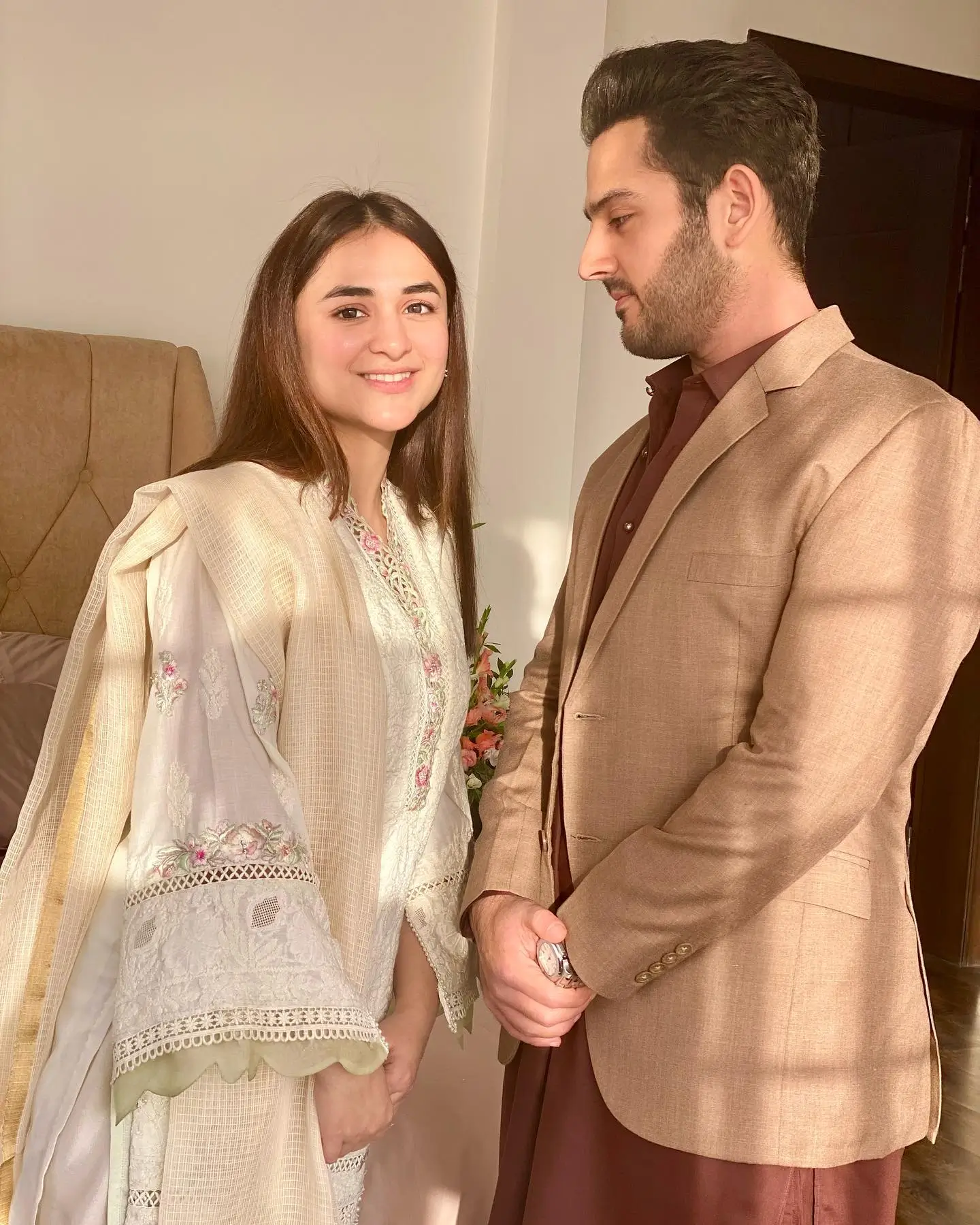
34. Gentleman: Romance, Power, and Karachi’s Underworld
Gentleman is another prominent production in Yumna Zaidi’s career. The drama features Humayun Saeed and Yumna Zaidi in a story that combines romance, crime, power, and the social realities of urban life.
Yumna plays Zarnab, a journalist whose professional outlook and personal experiences place her in the middle of a complicated world of competing interests. Humayun Saeed plays Iqtidar, a character whose position and activities connect him to the drama’s exploration of power and criminal influence.
The serial presents a different environment from Tere Bin. Rather than centring primarily on a marriage and the politics of an influential family, it uses a more urban setting in which public reputation, authority, and criminal networks influence the characters’ decisions.
Zarnab: A journalist with her own perspective
Zarnab is important to the story because journalism provides a framework for examining information, influence, and accountability. Journalists in television dramas often encounter conflicts between what powerful people want to conceal and what the public has a right to understand. They may have to weigh professional responsibility against personal safety, particularly when investigating people with significant influence.
Zarnab’s character introduces this tension into Gentleman. Her work and her personal relationships are connected to the broader conflict surrounding the central characters.
The relationship between Zarnab and Iqtidar
The relationship between Zarnab and Iqtidar develops within a story shaped by different understandings of power and responsibility.Their interactions contribute to the drama’s romantic dimension, but the surrounding narrative is also concerned with how people gain influence, how they use it, and what happens when private relationships become entangled with wider conflicts.
This creates a different acting environment for Yumna from the one she experienced in Tere Bin. Zarnab’s professional identity and the circumstances surrounding her work influence the way she approaches the people around her.
Journalism and accountability
One of the broader themes of Gentleman is the relationship between influence and public scrutiny. A journalist character can help a drama explore the gap between a person’s public image and private behaviour. The narrative may ask whether social standing provides protection, how information becomes controlled, and whether people with power can avoid the consequences of their decisions.
Although fictional television simplifies some aspects of journalism and crime, these themes can encourage discussion about accountability and the role of public information.
Yumna Zaidi’s role in Gentleman
Zarnab demonstrates another side of Yumna’s career: a female character whose professional responsibilities are central to her identity. This distinguishes her from characters whose stories are defined mainly by family conflict or romantic expectations. While relationships remain important, the journalist’s perspective gives her a reason to engage with the world beyond her personal life.
For viewers following Yumna Zaidi’s filmography, Gentleman is an important title because it places her in a contemporary drama combining romance with crime-related themes.
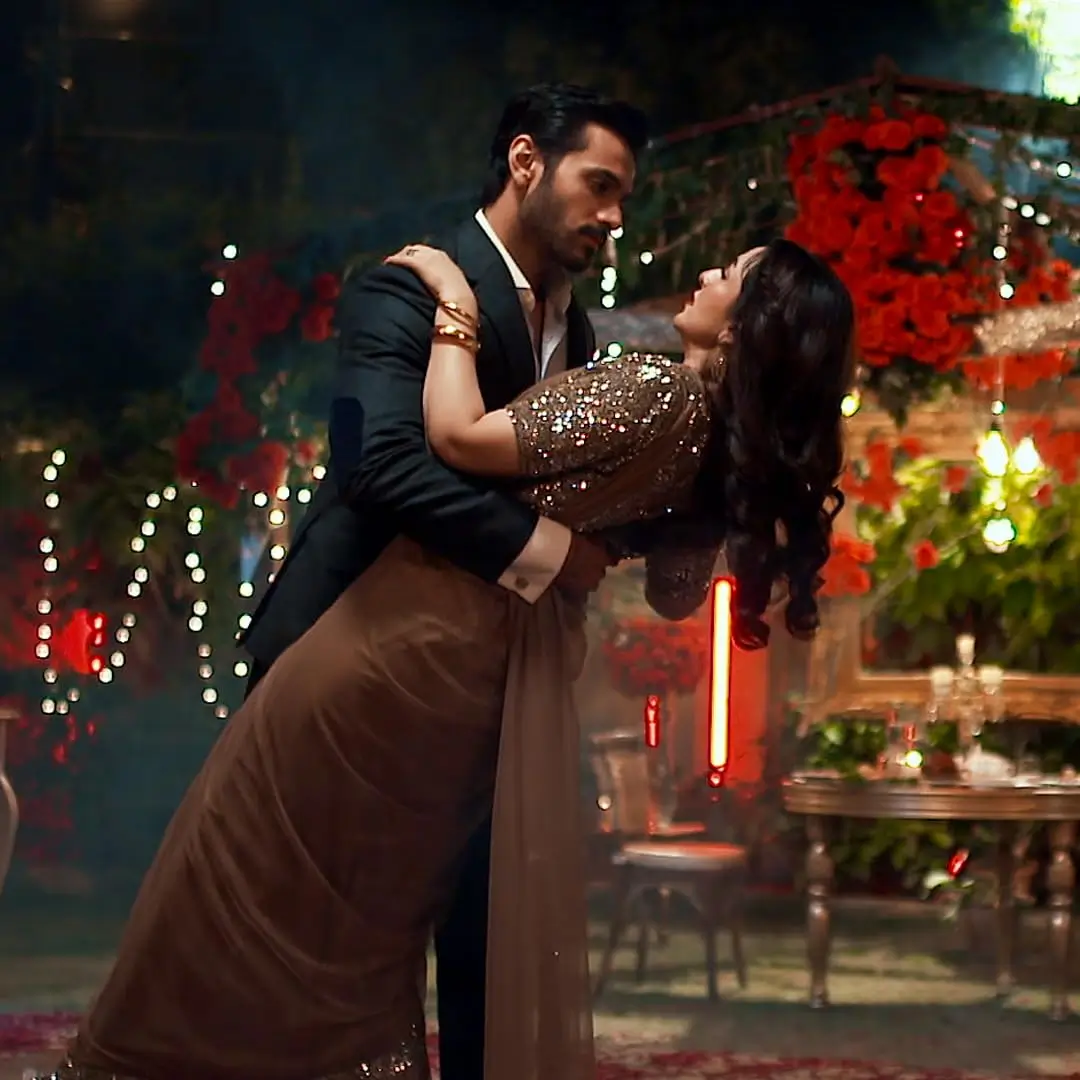
35. Qarz-e-Jaan: Justice, Family Conflict, and Personal Integrity
Qarz-e-Jaan is an important entry in Yumna Zaidi’s more recent television work. The drama explores family relationships, social pressure, injustice, and the challenges faced by people who attempt to stand by their principles.
Yumna plays Nashwa, a character whose experiences place her within a story about difficult decisions and the consequences of confronting established power structures. The title can be interpreted as suggesting a debt of the soul or a profound moral obligation. This idea fits a narrative concerned with responsibility, loyalty, and the emotional costs of doing what a person believes is right.
Nashwa as a central character
Nashwa is part of a story in which personal relationships intersect with questions of fairness and accountability. In family dramas, a character may discover that loyalty to relatives conflicts with a commitment to justice. The choice is rarely simple: speaking openly can damage relationships, while remaining silent may allow harmful behaviour to continue.
These conflicts provide the basis for serious character development because they force people to consider what they value most and what consequences they are prepared to accept.
Family relationships and unequal power
Pakistani social dramas frequently examine the influence of family status, financial resources, and social connections. These factors can affect whether a person feels able to challenge an unfair decision or question someone with authority.
Qarz-e-Jaan places its characters within this kind of environment. The drama uses personal conflict to explore the wider consequences of power and the difficulty of maintaining integrity under pressure. The story also highlights the emotional burden associated with responsibility. A character may feel compelled to protect loved ones while recognising that protecting someone from accountability can create additional harm.
Yumna Zaidi’s performance as Nashwa
The role of Nashwa adds to Yumna’s collection of characters whose stories involve difficult personal choices. Her work in Inkaar and Bakhtawar provides useful comparisons. Inkaar explores the pursuit of justice in an unequal environment, while Bakhtawar focuses on a woman’s struggle for independence. Qarz-e-Jaan brings its own set of family and moral conflicts into the picture.
Across these roles, the central characters must respond to pressures that influence their decisions. Their stories invite viewers to consider how courage, responsibility, and personal integrity can be tested by the circumstances in which people live.
Why Qarz-e-Jaan deserves attention
For viewers interested in socially relevant Pakistani television, Qarz-e-Jaan is worth exploring because it combines family drama with questions of justice and responsibility.
It is also significant in Yumna Zaidi’s more recent filmography. The role of Nashwa continues the pattern of characters who face difficult choices and must navigate relationships shaped by unequal power.When preparing a definitive episode guide, the drama’s exact broadcast dates, cast details, and award information should be checked against reliable records.
36. Dekh Zara Pyar Se: A More Recent Project
Year: 2025
Character: Rumaila (also reported as Romaila)
Genre: Romantic comedy and family drama
Introduction to Dekh Zara Pyar Se
Dekh Zara Pyar Se is among the more recent projects associated with Yumna Zaidi’s television career. The drama adds another title to her growing filmography and offers viewers an opportunity to see her in a story distinct from the intense social dramas and emotionally demanding roles for which she is widely recognized.
Yumna Zaidi has developed a reputation for choosing characters with different personalities, motivations, and emotional challenges. From socially conscious productions such as Dil Na Umeed To Nahi to popular romantic dramas such as Tere Bin, her work spans a variety of storytelling styles. Dekh Zara Pyar Se belongs to the more lighthearted side of this range.
Yumna Zaidi’s Character: Rumaila
Yumna is reported to portray Rumaila, with some references spelling the character’s name as Romaila. Character names and official credits should be checked against the broadcaster’s published material before final publication.
The character is an important point of interest for viewers following Yumna’s recent projects. Her earlier roles have often placed her in emotionally complicated situations, requiring her to portray vulnerability, determination, and inner conflict. A lighter romantic or family-oriented story provides a different context for her screen presence.
For audiences familiar with Yumna’s dramatic performances, this title can serve as an opportunity to explore another part of her acting range.
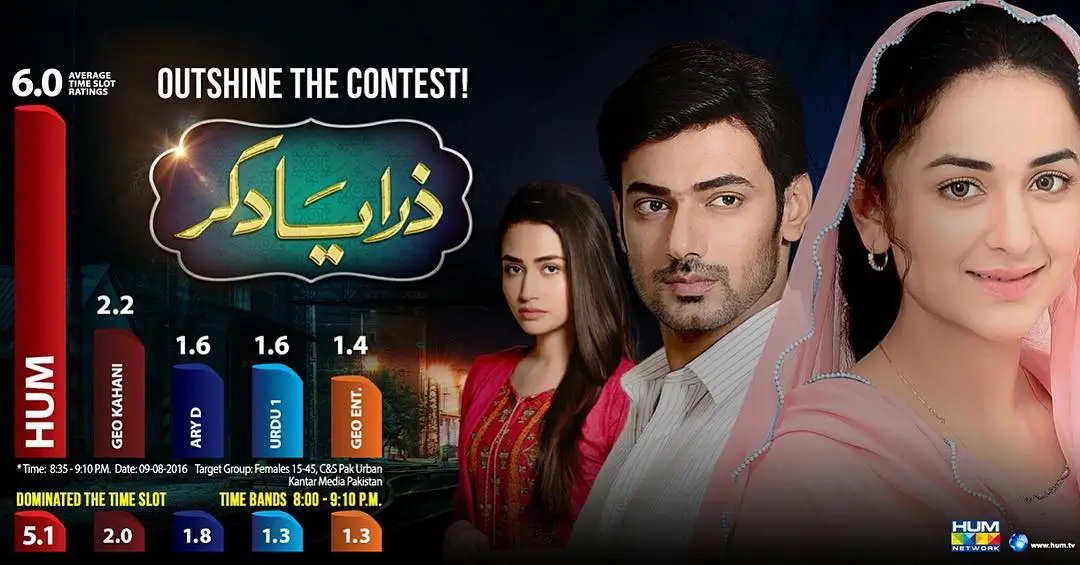
What Makes Dekh Zara Pyar Se Worth Exploring?
Yumna Zaidi’s appeal comes partly from her ability to move between different kinds of characters. Her filmography includes women facing social injustice, professionals balancing personal and career ambitions, and romantic leads navigating complicated relationships.
A production such as Dekh Zara Pyar Se broadens that picture by adding a more contemporary entertainment title to her career. It also reflects the continuing interest in her projects among viewers who follow Pakistani television dramas.
Yumna Zaidi Upcoming Projects – Tere Bin 2 and Other Reported
Tere Bin 2
The continuing interest in Meerab and Murtasim has made discussion of a potential or announced continuation especially prominent among fans of the original drama. However, details such as the final cast, production schedule, official release date, and storyline should be confirmed through authoritative announcements before they are presented as settled facts.
A continuation should also be distinguished from fan-made edits, speculative reports, and informal claims about the future of the characters.
Cafe Firaaq and Pachtawa
These titles appear in the supplied material as reported projects. Before they are described as confirmed releases, their current status and Yumna Zaidi’s involvement should be checked against official production or broadcaster announcements. For an article designed to remain useful beyond its publication date, it is best to label a project according to its verified status at the time of writing.
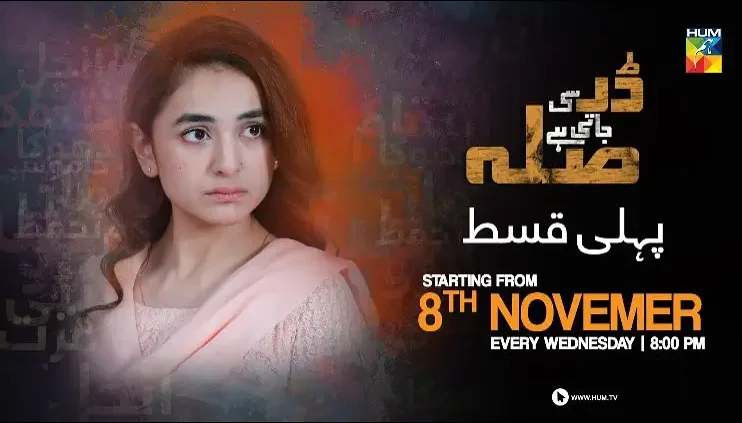
Yumna Zaidi’s Projects Apart from Dramas
Although Yumna Zaidi is best known for her performances in Pakistani television dramas, her career extends beyond serials. She has worked in telefilms, made her feature-film debut, appeared in anthology productions, and participated in television shows as a guest. These projects reveal different aspects of her career beyond her well-known drama roles.
1. Nayab (2024) — Feature-Film Debut
Nayab marks an important transition in Yumna Zaidi’s career because it introduced her to feature-film acting. Released in 2024, the Pakistani sports drama stars Yumna Zaidi in the title role of Nayab, an aspiring cricketer who wants to pursue her ambitions in a setting where social expectations and practical barriers can make that dream difficult.
The film moves beyond the familiar environment of a television serial and places its central character within a sports-centred story about ambition, family, gender expectations, and determination.
Who is Nayab?
Nayab is a young woman who wants to become a cricketer. Her ambition requires her to challenge assumptions about the opportunities available to women and the choices that families and communities may expect them to make.
The character’s journey is built around the tension between aspiration and circumstance. Wanting to pursue a career is only the beginning; the character must also confront the practical obstacles, personal sacrifices, and social attitudes that influence whether the dream can become reality. This makes Nayab a distinctive role within Yumna Zaidi’s career.
Cricket and women’s ambitions
Cricket has an important place in Pakistan’s sporting culture, but access to training, resources, recognition, and professional opportunities is not always equal. A story about a young woman pursuing cricket can therefore explore more than sport itself. It can examine family support, social attitudes, access to facilities, and the determination required to continue when others question the ambition.
Nayab places its central character within these questions. The sport provides a concrete goal around which the wider themes of independence and perseverance can develop.
Family relationships and personal sacrifice
Aspirations often create tension within families when a young person’s goals differ from what relatives expect. The conflict may involve concerns about financial security, reputation, education, or the risks associated with pursuing an uncertain career. These concerns can be sincere, restrictive, or a mixture of both.
Nayab’s journey uses this tension to explore the relationship between individual ambition and family responsibility. Her dream requires persistence, but it also forces her to negotiate the expectations of the people around her.
Yumna Zaidi’s transition from television to film
Feature films and television serials place different demands on actors. A television serial may give a character many episodes to develop, allowing the audience to observe gradual changes in relationships and personality. A film generally has a more concentrated narrative structure, so the actor must establish the character’s motivations and emotional journey within a shorter period.
For Yumna, Nayab offered an opportunity to lead a feature-length story and work within the conventions of sports drama. Her television experience provided a foundation in character development and emotional storytelling, while the film placed those skills within a different format.
Why Nayab is significant
Nayab is significant for two main reasons. First, it marked Yumna Zaidi’s feature-film debut. Second, it placed her in a story about a young woman pursuing an ambition that challenges social expectations.
The film also expands the range of subjects associated with her career. Her television roles have included romance, psychological drama, family conflict, and social issues; Nayab adds sports and professional aspiration to that range. For anyone compiling a complete Yumna Zaidi filmography, the film should be included separately from her television dramas.
2. Yumna Zaidi Telefilms
Telefilms are standalone television films, usually presenting a complete story in a shorter format than a multi-episode drama. Yumna Zaidi’s telefilm credits include the following productions.
Subah Be Daagh Hai (2014)
Yumna Zaidi appeared as Ayesha in Subah Be Daagh Hai, a Hum TV telefilm. This project belongs to the earlier stage of her career, when she was building her experience across different television formats.
Shaadi Impossible (2019)
In Shaadi Impossible, Yumna Zaidi played Raina. The TV One telefilm added a standalone production to her screen credits and allowed her to work in a format different from the longer serials for which she is best known.
Raja Ki Raji (2020)
Yumna Zaidi portrayed Haya in Raja Ki Raji, a telefilm associated with ARY Digital. The project is another example of her work outside conventional television serials.
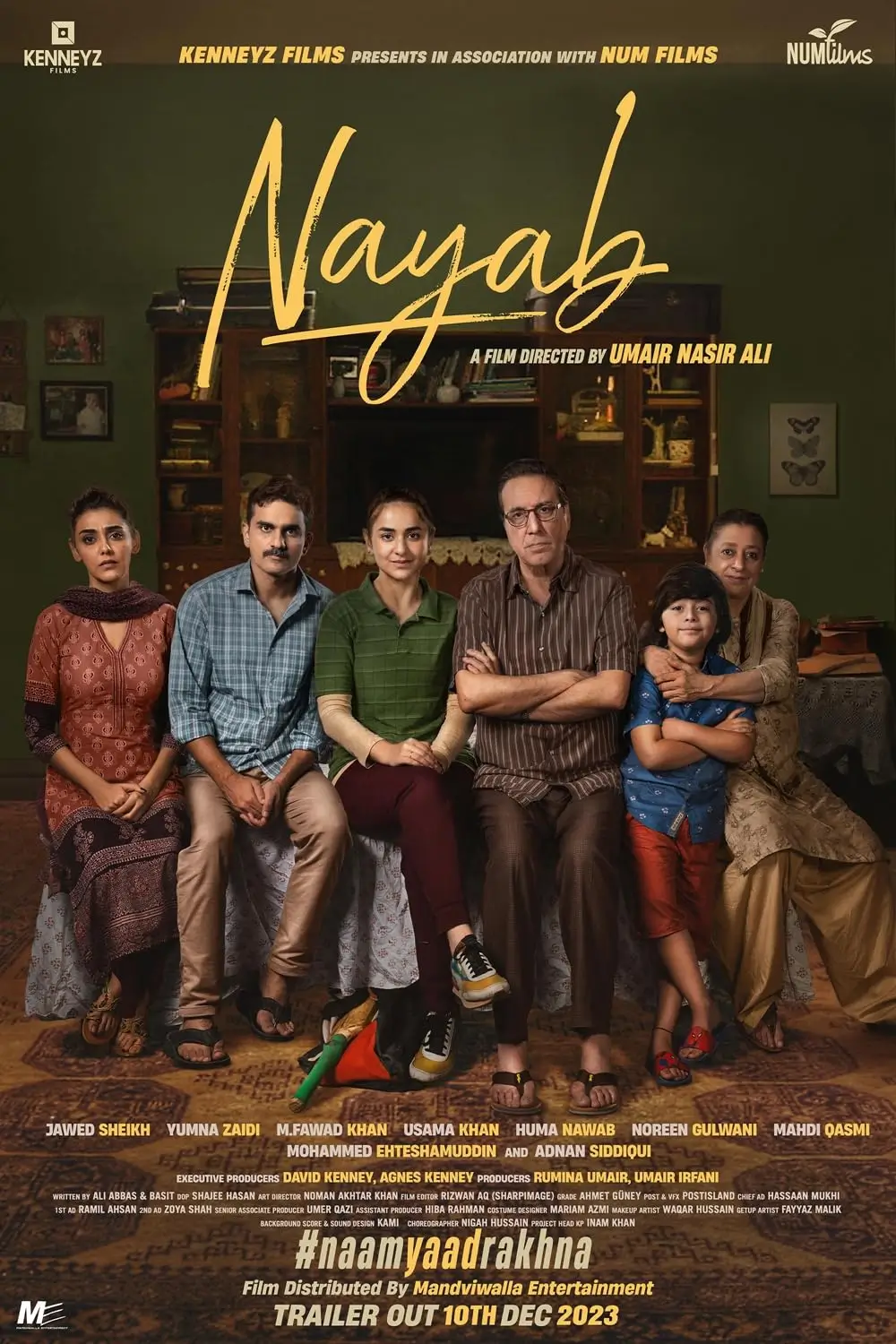
3. Anthology Series and Special Television Projects
Yumna Zaidi has also appeared in anthology productions. Unlike a conventional serial, an anthology can tell separate stories across different episodes, with performers appearing in individual storylines.
Shareek-e-Hayat
Shareek-e-Hayat is listed among Yumna’s early anthology-series appearances. The production gave her experience in episodic storytelling, where a character’s story may need to develop within a more limited amount of screen time.
Kitni Girhain Baaki Hain
Yumna Zaidi is also associated with Kitni Girhain Baaki Hain, an anthology series known for presenting separate stories about social and personal relationships. Such projects offer actors opportunities to portray characters in self-contained narratives rather than follow one role across an entire serial.
4. Television Shows and Guest Appearances
Apart from acting in scripted productions, Yumna Zaidi has appeared on entertainment and talk shows. These appearances allow audiences to see performers outside their fictional roles.
Salam Zindagi
Yumna Zaidi is listed as a guest on Salam Zindagi, a morning television programme hosted by Faysal Qureshi. Morning shows commonly invite actors to discuss their projects, professional experiences, and life in the entertainment industry.
Mehmaan Qadardan
She also made a special appearance on Mehmaan Qadardan, an entertainment programme associated with A-Plus. This appearance forms part of her non-drama television credits.
Jago Pakistan Jago
Yumna Zaidi appeared on Jago Pakistan Jago with members of the Dar Si Jaati Hai Sila team to promote the project. Such promotional appearances give actors an opportunity to introduce their characters and discuss the themes of their productions.
Mazaaq Raat
Yumna Zaidi is also listed among the guests on Mazaaq Raat, a Pakistani comedy and talk show. The programme brings entertainers and other public figures into a conversational setting, often combining interviews with humour.
5. Music Videos and Other Screen Credits
Yumna’s screen credits also include a music-video appearance. IMDb’s filmography lists Hun Ishq Main, featuring Atif Aslam and Yumna Zaidi, in 2026. This adds another format to her body of work beyond films and television serials.
For a complete article, it is useful to distinguish confirmed releases from announced or reported projects. A title appearing in a database does not necessarily establish every detail about its release, role, or production status, so those details should be checked against official credits.
For your Yumna Zaidi blog, it is important to distinguish designers whose outfits she has worn, brands she has modeled for, and brands with which she has had a confirmed campaign or collaboration. These are not necessarily the same thing.
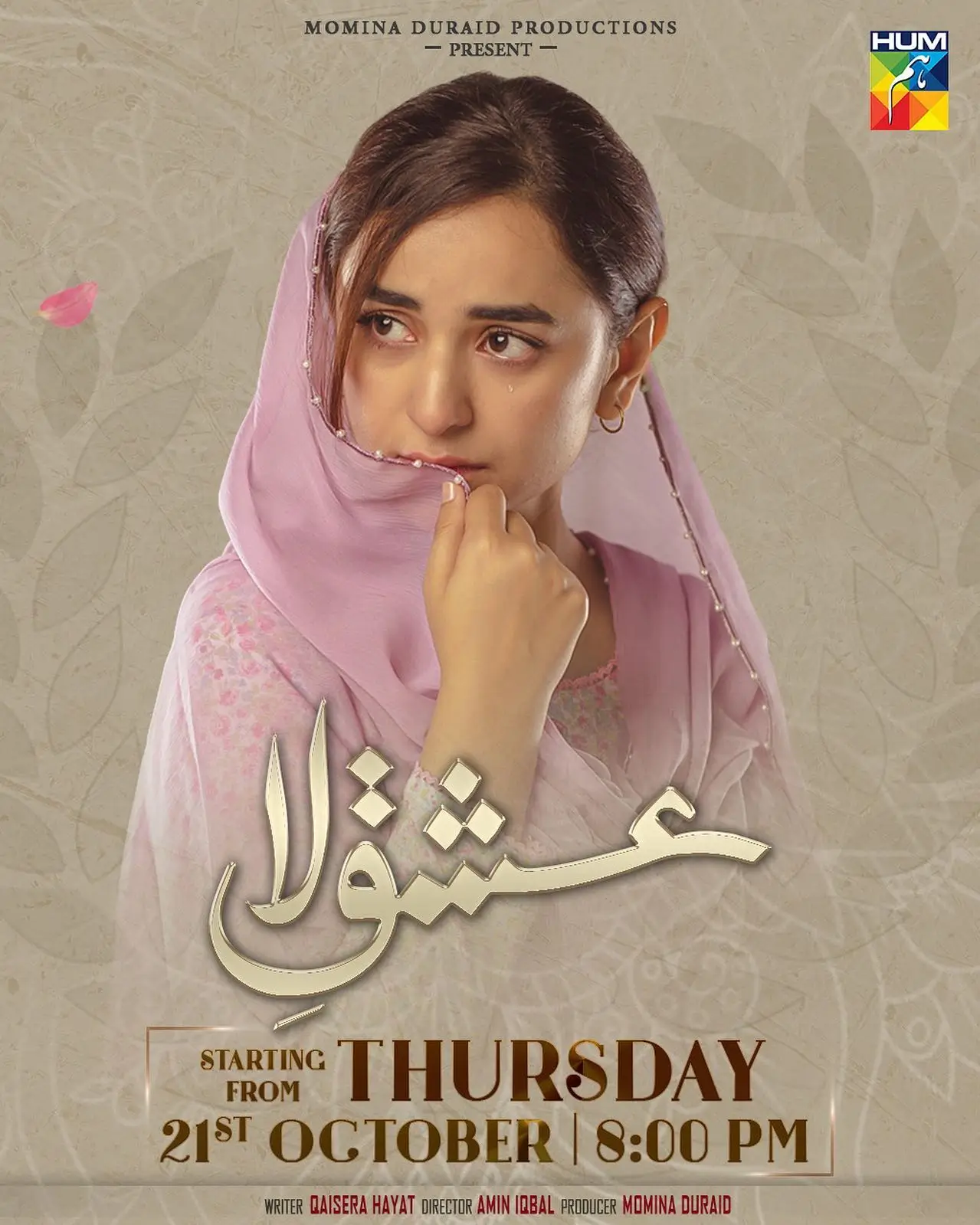
6. Yumna Zaidi’s Fashion and Designer Associations
| Designer / brand | Documented association |
|---|---|
| Sapphire | Official Styled by Yumna Zaidi – The Character Edit fashion collaboration for its Unstitched Fall/Winter 2025 collection. |
| Aisha Farid | Yumna Zaidi walked the runway wearing the designer’s Crystalline collection at Hum TV’s Bridal Couture Week. |
| Lama Retail | Wore the brand’s pink velvet blazer during Nayab promotions in 2024. |
| Tayyab Abbo | A bespoke blazer was reported as part of her Nayab promotional wardrobe. |
| Mohsin Naveed Ranjha | Wore the designer’s traditional outfit during Nayab promotions. |
| Zaheer Abbas | Wore a white-and-gold anarkali outfit by the designer during promotions. |
| Sania Maskatiya | Wore a blazer-and-trouser ensemble by the designer during Nayab promotions. |
| Zara Shahjahan | Wore the designer’s outfits at film promotional appearances. |
| Farah Talib Aziz | Wore a teal printed velvet kaftan by the designer. |
| Deepak Perwani | Wore the designer’s outfits during Nayab promotions. |
| Hussain Rehar | Wore a red ensemble from the designer’s Luxury Pret collection during promotions. |
| Faiza Saqlain | Featured in fashion coverage for an outfit Yumna Zaidi wore for Eid in 2024. |
7. Yumna Zaidi television commercials (TVCs)
Fashion & Lifestyle Collections
- Sapphire (2024–2025):
- The Character Edit” (Fall/Winter 2025): A landmark campaign where Sapphire styled winter collections around her iconic on-screen personas (Meerab, Zarnab, Mahjabeen).
- Lawn (Summer 2024): Primary face of the unstitched collection, featured alongside the “Unscripted with Yumna Zaidi” interview series.
- SHOPY by Asim Jofa (2025): Served as the ambassador for the platform launch aimed at empowering young digital fashion entrepreneurs.
- Nishat Linen (2024): Headlined the nationwide Eid Edit ’24 unstitched luxury campaign alongside co-star Wahaj Ali.
- Elaf Premium (2023–2024): Modeled as the central face for multiple seasonal festive and luxury lawn lookbooks.
Tech & Financial Services
- JazzCash (2025–2026): Leads the highly prominent, multi-part “Baaji” digital and TV campaign focusing on commercial financial accessibility.
- itel Mobile (2024): Acted as the main celebrity face for the launch and commercial rollouts of the itel S25 and S25 Ultra smartphone series.
Beauty & Personal Care
- Pond’s Pakistan (2022–2023): Featured in TVCs and digital media assets as a “Solution Seeker” for Pond’s Light Moisturiser.
- Sunsilk (2021): Headlined the motivational #ShaanSeShine commercial campaign highlighting personal resilience.
Food & Household Products
- Olivola (2025): Starred in the “Apne Hi Rakhte Hain Khaas Khayal” premium cooking oil TV commercial.
- Tapal Danedar (2021): Co-starred with Sheheryar Munawar in a widely popular, romantic tea commercial sequence.
- Lemon Max Bar (2016): An early career-defining TV commercial for the dishwashing brand alongside Ushna Shah.
Yumna Zaidi Awards and Recognition
| Year | Award / Platform | Drama or Film | Recognition |
|---|---|---|---|
| 2018–2019 | Hum Awards | Dar Si Jaati Hai Sila | Best Actress recognition |
| 2019 | Hum Awards | Jugnoo | Best Actress nomination |
| 2020 | Lux Style Awards | Inkaar | Best Actress — Viewers’ Choice |
| 2021 | Lux Style Awards | Pyar Ke Sadqay | Critics’ Choice and Viewers’ Choice acting wins |
| 2021 | Lux Style Awards | Dil Na Umeed To Nahi | Acting nomination |
| 2023 | Lux Style Awards | Bakhtawar | Critics’ Choice and Viewers’ Choice acting wins |
| 2023 | Hum Awards | Bakhtawar | Best Actress recognition; Most Impactful Character nomination |
| 2024 | Lux Style Awards | Tere Bin | Best TV Actress — Viewers’ Choice |
| 2024 | Lux Style Awards | Tere Bin | Critics’ Choice nomination |
| 2025 | Lux Style Awards | Nayab | Film Actor of the Year — Female |
| 2025 | Minsk International Film Festival | Nayab | Film-level festival recognition |
| 2025 | Jaipur International Film Festival | Nayab | Certificate of Merit for the film |
| 2026 | Pakistan International Screen Awards (PISA) | Gentleman (Best TV Actress) & Nayab (Best Actress – Film) | Nominated at the 3rd Pakistan International Screen Awards (PISA) |
Key Milestones & Global Recognition
- Lux Style Awards Record-Breaker: With her monumental streak for Bakhtawar and Tere Bin, she made television history by securing six consecutive LSA wins for Best TV Actress, solidifying her status as the top leading lady in the country.
- International Cinematic Debut Acclaim: Transitioning to the big screen with her sports feature drama Nayab, she collected global critical acclaim, winning the prestigious Best Actress trophy at the South Asian International Film Festival in Florida and global festival certificates in Minsk and Cannes
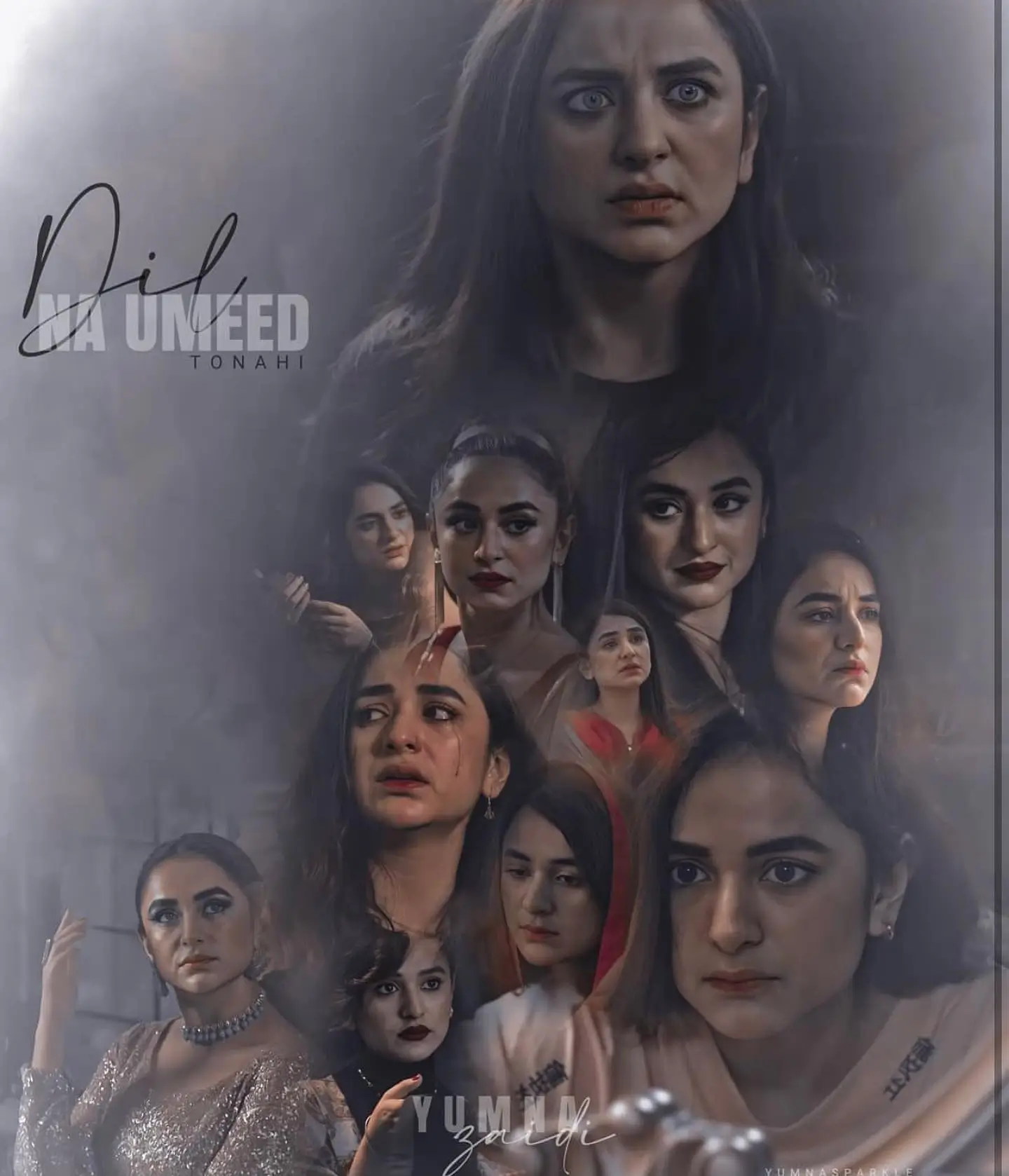
Final Words About Yumna Zaidi: An Inspiring Journey in Pakistani Entertainment
Yumna Zaidi’s journey in the Pakistani entertainment industry is a story of dedication, patience, versatility, and artistic growth. From her early television appearances to becoming one of the most recognizable actresses in Pakistani dramas, she has built a career through performances that connect with audiences emotionally and explore a wide range of human experiences.
Over the years, Yumna Zaidi has portrayed characters with very different personalities and circumstances. Her performances in Dar Si Jaati Hai Sila, Inkaar, Pyar Ke Sadqay, Dil Na Umeed To Nahi, Ishq-e-Laa, Sinf-e-Aahan, Parizaad, Bakhtawar, and Tere Bin demonstrate her willingness to explore stories involving love, injustice, ambition, vulnerability, and personal independence. Each role has contributed something different to her professional journey.
Her portrayal of Mahjabeen in Pyar Ke Sadqay highlighted her ability to balance humour with emotional depth, while Dar Si Jaati Hai Sila demonstrated her sensitivity in handling difficult subject matter. Through Bakhtawar, she explored a woman’s struggle for identity and independence, while Tere Bin introduced her to an even wider audience through the character of Meerab. Her performance in Nayab subsequently marked an important step into feature films, expanding her career beyond television serials.
Yumna Zaidi achievements also extend beyond acting. Her appearances in fashion campaigns, television programmes, and public events have strengthened her presence in the entertainment world. Recognition through industry awards and nominations has further acknowledged her contributions, although her lasting professional reputation rests on the characters she brings to life and the connection audiences form with them.
What makes Yumna Zaidi’s career particularly interesting is the variety of stories she has explored. Rather than remaining confined to a single genre, she has worked in romantic dramas, socially conscious productions, ensemble series, and films. Her career demonstrates how an actor can continue developing by taking on different challenges and allowing each performance to reveal another aspect of their abilities.
As Pakistani television and cinema continue to evolve, Yumna Zaidi remains an important name for viewers following contemporary entertainment. Her journey offers an example of how consistency, thoughtful role selection, and dedication to one’s craft can contribute to a lasting career.
Ultimately, Yumna Zaidi’s success is reflected not only in her popularity and awards but also in the memorable characters she has portrayed. From emotionally complex television roles to her transition into cinema, her story continues to interest audiences who appreciate performances that combine vulnerability, strength, and authenticity. Her future projects will offer further opportunities to see how her acting career develops and what new stories she chooses to bring to the screen.