Introduction: A Monument Built for Faith and Permanence
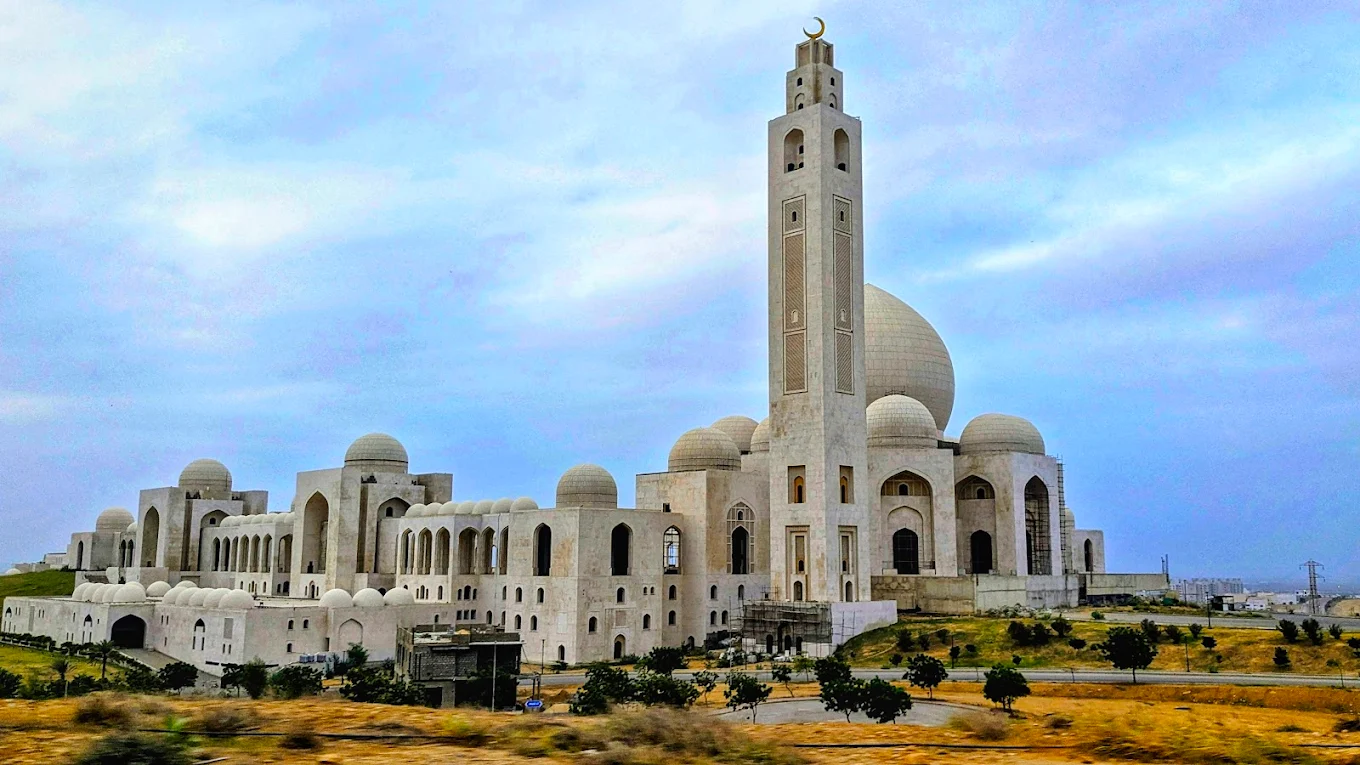
The Grand Jamia Mosque Karachi represents one of the most ambitious religious construction projects in Pakistan’s modern history. Designed as both a spiritual sanctuary and a cultural landmark, the mosque reflects the scale, confidence, and architectural maturity of contemporary Islamic design in South Asia.
Located within Bahria Town Karachi, the mosque is envisioned to serve hundreds of thousands of worshippers while also acting as a center for learning, reflection, and religious tourism. Its significance lies not only in its size but in the careful way it blends traditional Islamic architectural values with modern engineering and urban planning.
What Is the Grand Jamia Mosque Karachi
The grand jamia mosque karachi, also known as the Bahria Town Jamia Masjid Complex, is a large-scale religious and cultural complex developed within Bahria Town. The project was conceptualized to become:
• Pakistan’s largest mosque
• One of the world’s largest mosques by capacity
• A permanent Islamic landmark for future generations
The mosque is designed by renowned Pakistani architect Nayyar Ali Dada, whose work emphasizes proportion, restraint, and cultural continuity rather than excessive ornamentation.
Grand Jamia Mosque Karachi Location & Strategic Urban Placement
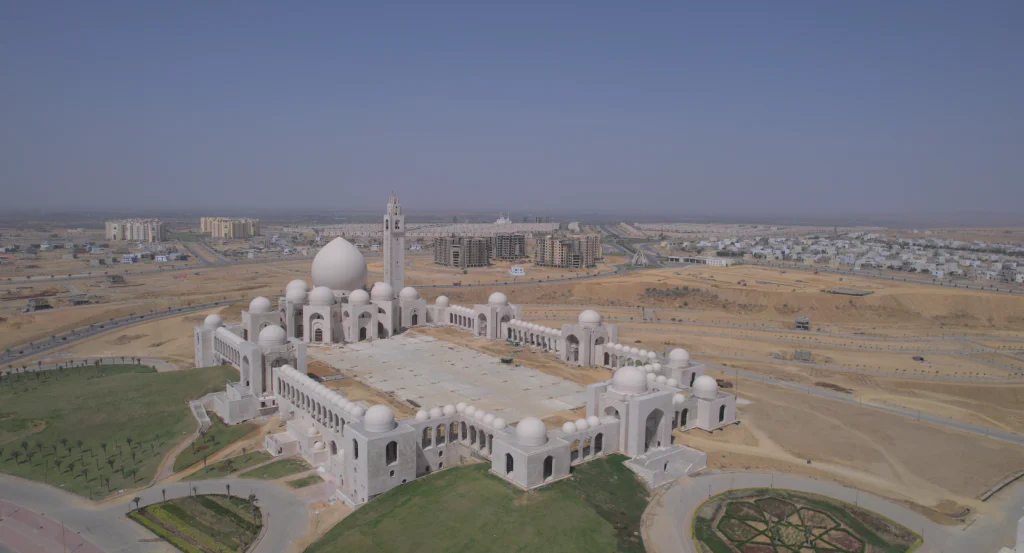
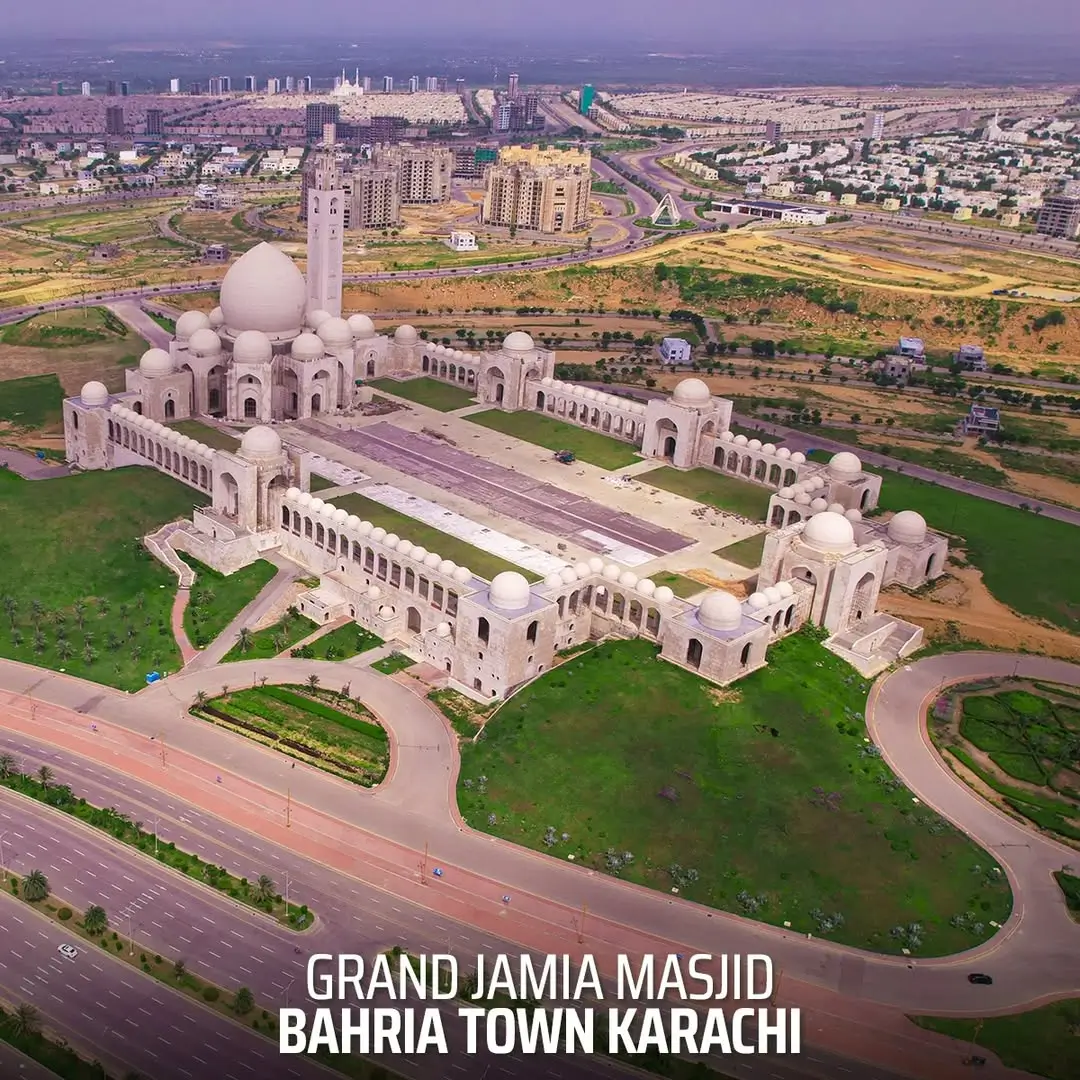
The Bahria Town Grand Jamia Mosque is positioned at a central and elevated point within Bahria Town Karachi. Built on a plateau approximately 60 feet above ground level, the mosque remains visible from multiple directions and neighborhoods.
This location was intentionally selected to:
• Establish the mosque as the spiritual center of the development
• Ensure ease of access from major residential zones
• Create uninterrupted visual prominence
Wide connecting roads allow smooth access during Friday prayers and religious gatherings, though peak-hour congestion has been noted by visitors during major events.
Grand Jamia Mosque Karachi Capacity and Scale
One of the most searched aspects of the grand jamia mosque is its massive capacity. Once fully operational, the mosque is designed to accommodate up to 800,000 worshippers across its prayer halls, courtyards, and surrounding spaces.
This makes it:
• The largest mosque in Pakistan by capacity
• Among the largest congregational mosques globally
Visitor Insight from Reviews
Many visitors describe the scale as “overwhelming in a positive way,” noting that even during large gatherings, movement remains organized due to thoughtful spatial planning.
Potential Limitation
Some early visitors mention that navigation signage could be improved, especially for first-time attendees during crowded prayer times.
Architectural Vision and Design Philosophy
The architectural language of the grand jamia mosque is rooted in classical Islamic principles rather than experimental modernism. The design blends influences from:
• Mughal architecture, visible in symmetry and monumentality
• Persian planning traditions emphasizing balance and geometry
• Turkish elements reflected in dome hierarchy and vertical expression
Instead of decorative excess, the mosque relies on proportion, geometry, and material quality to convey spiritual dignity.
Domes and Minaret: Identity Without Excess
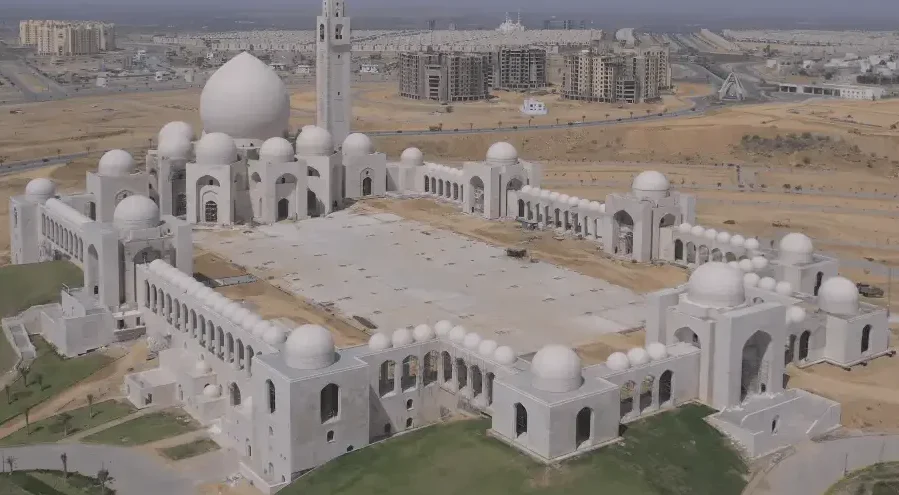
The mosque features a central dominant dome supported by numerous secondary domes arranged in a rhythmic pattern. These domes are not merely visual elements; they assist in acoustics, light diffusion, and thermal balance.
A single monumental minaret rises prominently, acting as:
• A symbolic vertical axis
• A visual landmark across the development
• An architectural counterbalance to the horizontal mass
Review-Based Observation
Visitors frequently highlight the minaret’s visibility at night, describing it as “a guiding landmark” rather than an overpowering structure.
Materials and Regional Craftsmanship
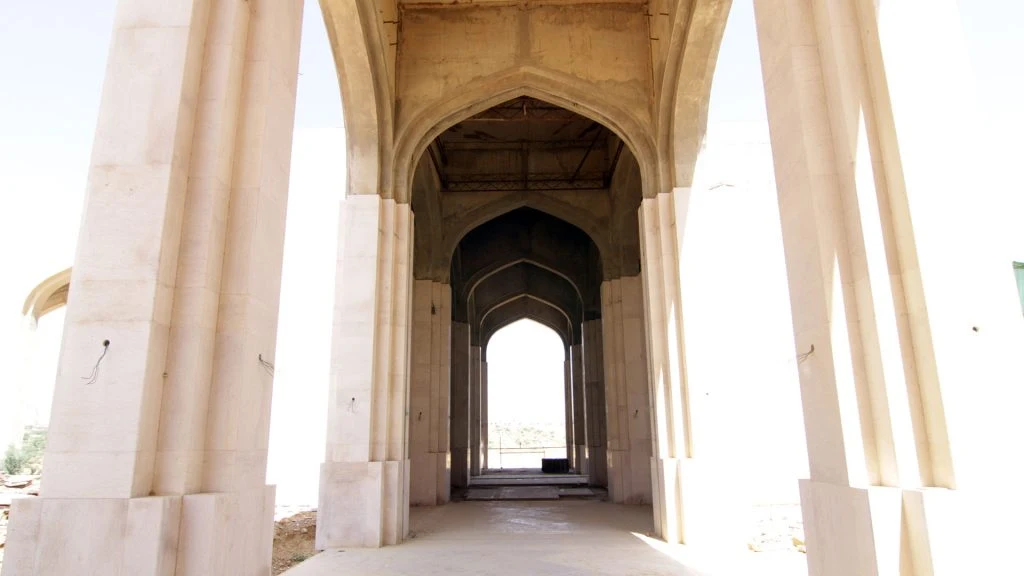
High-quality beige marble sourced from Balochistan is extensively used throughout the mosque. This material choice reflects both durability and regional identity.
Material advantages include:
• Weather resistance
• Natural thermal regulation
• A timeless visual appearance
The stone surfaces age naturally, enhancing character rather than diminishing it.
A Mosque Designed for Comfort
Despite its scale, the grand jamia mosque places strong emphasis on worshipper comfort. Design considerations include:
• Air-conditioned prayer halls
• Natural airflow through spatial planning
• Acoustic clarity for sermons and recitations
Positive Visitor Feedback
Worshippers often mention the calm interior atmosphere, particularly during evening prayers when lighting is soft and evenly distributed.
Constructive Criticism
Some reviews note that certain exterior areas can feel exposed during peak daytime heat, suggesting the need for additional shaded zones.
Cultural and Educational Role
Beyond prayer, the mosque is planned as a broader Islamic cultural complex. Proposed facilities include:
• An Islamic community center
• A central library with extensive religious collections
• Educational and research spaces
• Areas dedicated to cultural learning
This multi-functional approach elevates the mosque beyond a single-purpose structure.
Religious Tourism and Global Relevance
The grand jamia mosque is expected to attract visitors from across Pakistan and abroad. Its scale, architectural discipline, and cultural role position it as a key destination for religious tourism.
Many visitors describe it as a place not only for prayer but also for reflection and appreciation of Islamic architectural heritage.
Pros and Cons Summary (Trust Signal)
Strengths
• Unmatched scale in Pakistan
• Strong architectural identity
• Calm and well-designed interior spaces
• High-quality materials and craftsmanship
Limitations
• Navigation challenges during peak events
• Limited shade in some outdoor areas
• Ongoing development in surrounding zones
This balance of strengths and limitations reinforces authenticity and transparency.
Why the Bahria Town Grand Jamia Mosque Matters
The grand jamia mosque karachi is not merely a construction project. It represents:
• A national expression of faith
• Architectural confidence rooted in tradition
• A long-term cultural investment
Its importance will continue to grow as it becomes fully integrated into Pakistan’s religious and cultural landscape.
Grand Jamia Mosque Architecture
Islamic architecture has never been purely visual. It is experiential, symbolic, and deeply spiritual. The grand jamia mosque follows this philosophy by prioritizing proportion, harmony, and order over decoration-heavy spectacle.
Every architectural decision in the mosque reflects a larger intention: to guide worshippers mentally and physically toward humility, focus, and collective unity.
Rather than copying a single historic mosque, the design synthesizes multiple classical traditions into a cohesive contemporary expression.

Grand Jamia Mosque Master Planning and Geometric Discipline
At the core of grand jamia mosque architecture lies strict geometric planning. Geometry in Islamic architecture Pakistan represents divine order, infinite continuity, and balance — values that are visibly embedded in the mosque’s layout.
Key planning principles include:
• Centralized spatial hierarchy
• Axial symmetry aligned with the direction of prayer
• Gradual transition from open to sacred zones
• Proportional scaling based on classical ratios
Despite covering nearly 200 acres, the mosque avoids visual chaos due to its disciplined geometric framework.
The Central Dome: Meaning and Mechanics
Symbolic Role
In Islamic tradition, the dome represents the heavens and the infinite presence of Allah. Positioned directly above the central prayer hall, the main dome of the grand jamia mosque acts as the spiritual and architectural anchor.
It reinforces:
• Unity of the congregation
• Vertical connection between earth and sky
• Central focus during prayer
Engineering Complexity
From a structural standpoint, the dome is a major engineering achievement. Its massive load is distributed through a carefully designed system of arches and supporting piers, minimizing the need for intrusive columns.
Modern structural modeling ensured:
• Seismic stability
• Weight optimization
• Long-term durability
The result is a vast, uninterrupted prayer space that feels both monumental and serene.
Secondary Domes and Visual Rhythm
Surrounding the central dome are numerous secondary domes arranged in a calculated pattern. These domes serve both aesthetic and functional roles:
• Creating visual rhythm
• Improving acoustics
• Allowing controlled natural light
• Distributing structural loads
Their varied sizes prevent monotony while maintaining architectural unity — a hallmark of mature Islamic design.

The Minaret: Vertical Identity
Spiritual and Urban Role
The minaret of the grand jamia mosque is not merely a tower; it is a vertical symbol of faith. Historically used for the call to prayer, it now functions primarily as a visual and spiritual marker.
It establishes:
• Presence across the urban skyline
• Directional orientation for visitors
• Architectural hierarchy within the complex
Design Language
The minaret follows classical Islamic proportions, avoiding excessive ornamentation. Its tapering form draws the eye upward, reinforcing a sense of elevation and transcendence.
Clad in marble, it reflects light subtly throughout the day and becomes a luminous landmark at night.
Arches: Structure Meets Expression
Arches form the backbone of Islamic mosque architecture, and the grand jamia mosque employs them extensively.
Types of Arches
• Pointed arches for load distribution
• Transitional arches connecting zones
• Decorative arches framing entrances
Each arch is designed with mathematical precision, ensuring structural integrity while maintaining visual continuity.
Calligraphy as Architecture, Not Decoration
Qur’anic calligraphy in the mosque is integrated as an architectural element rather than surface ornamentation. Kufic script, known for its geometric clarity, aligns naturally with the mosque’s design language.
Calligraphy serves to:
• Reinforce spiritual messaging
• Add rhythm to walls and domes
• Preserve classical Islamic artistic traditions
Its restrained application avoids visual clutter and maintains reverence.
Material Selection and Longevity
Material choice in the grand jamia mosque architecture reflects permanence rather than trend. Extensive use of natural stone and marble contributes to both durability and spiritual gravitas.
Advantages include:
• Resistance to weathering
• Natural cooling properties
• Minimal long-term maintenance
As the materials age, they enhance the mosque’s character instead of diminishing it.
Light as a Design Tool
Light plays a symbolic role in Islamic architecture, representing divine guidance. The mosque’s lighting strategy carefully balances natural and artificial illumination.
Design techniques include:
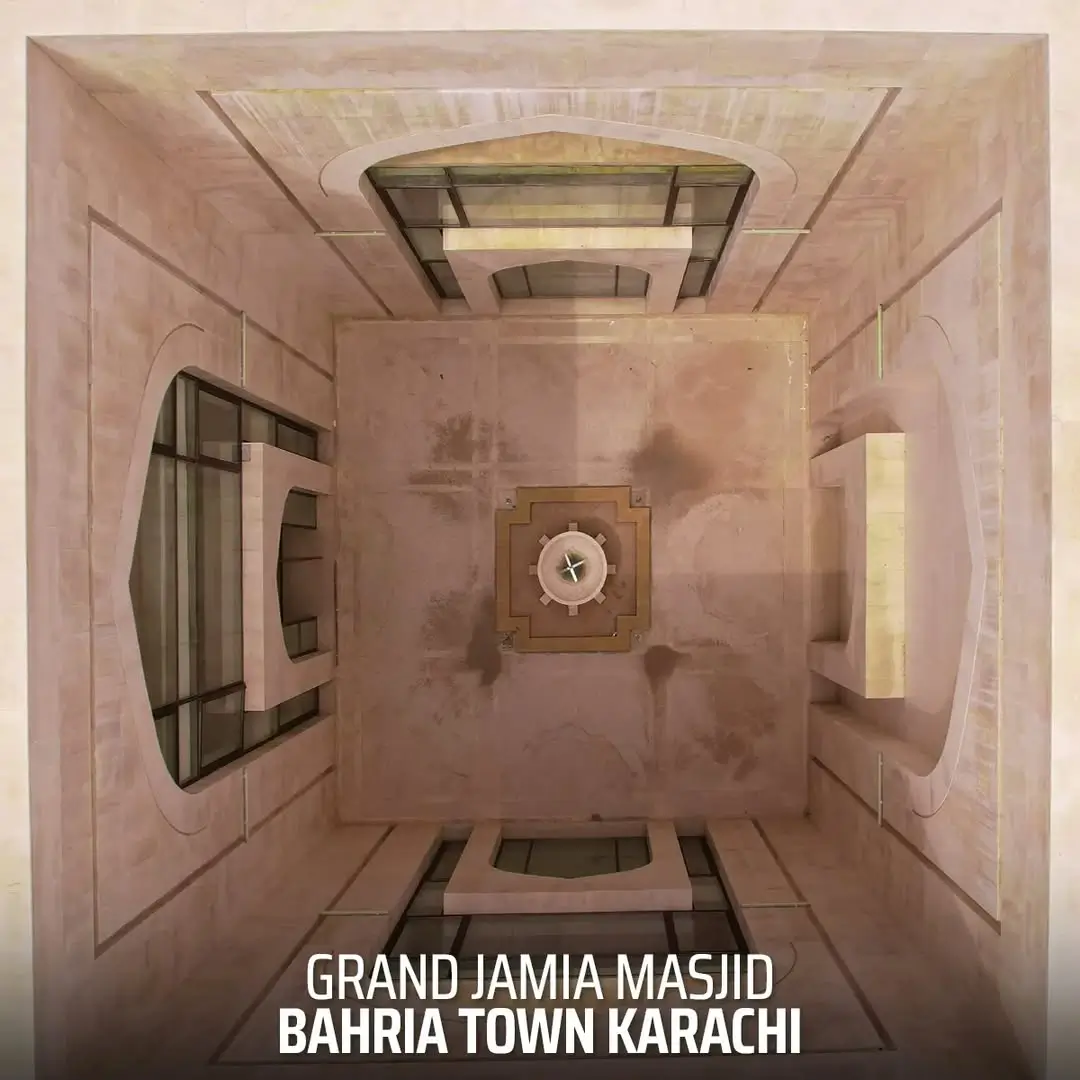
• Filtered daylight through domes
• Soft interior lighting during evening prayers
• Avoidance of harsh contrasts
This creates a calm, contemplative environment suitable for worship.
Acoustics and Auditory Clarity
In a mosque of this scale, acoustics are critical. The grand jamia mosque incorporates advanced acoustic planning to ensure sermons and recitations remain clear.
Key strategies include:
• Dome curvature optimized for sound reflection
• Surface materials that reduce echo distortion
• Strategic placement of sound systems
This ensures uniform sound quality even during large congregations.
Climate Responsiveness and Comfort
Despite its massive footprint, the mosque integrates passive climate strategies:
• High ceilings for heat dissipation
• Cross-ventilation through structural openings
• Shaded transitional spaces
These traditional techniques reduce reliance on mechanical systems while maintaining comfort.
Human Scale Within Monumentality
A defining strength of the grand jamia mosque is its ability to feel intimate despite its scale. This is achieved through:
• Repetitive modular elements
• Detailed surface articulation
• Gradual spatial transitions
Worshippers experience the mosque as a sequence of spaces rather than a single overwhelming volume.
Architectural Context and Integrity
When compared with historic Islamic landmarks, the grand jamia mosque stands out for its restraint. It prioritizes proportion, geometry, and material authenticity over visual excess.
This positions it within a timeless architectural lineage rather than a trend-driven aesthetic.
Why This Architecture Will Endure
By grounding its design in classical Islamic principles while using modern engineering tools, the mosque achieves long-term relevance.
It is neither experimental nor nostalgic — it is enduring.
Interior Design as a Spiritual Environment
In Islamic architecture, the interior of a mosque is not merely a shelter for prayer; it is an environment designed to shape spiritual behavior. The interior of the grand jamia mosque reflects this philosophy by prioritizing calmness, clarity, and focus.
Rather than overwhelming worshippers with ornamentation, the interior design guides attention toward prayer through controlled material use, harmonious proportions, and carefully curated artistic elements.
Spatial Experience Upon Entry
As worshippers move from exterior courtyards into the prayer halls, the transition is intentionally gradual. Ceiling heights increase progressively, light softens, and sound becomes more contained.
This spatial progression serves to:
• Reduce external distractions
• Prepare the mind for worship
• Establish a sense of sacred separation
The interior does not impose itself suddenly; it reveals itself with dignity and restraint.
Calligraphy: Qur’anic Presence Within Space
Role of Kufic Script
Calligraphy inside the grand jamia mosque is executed primarily in Kufic script, chosen for its structural clarity and architectural compatibility. Unlike cursive scripts, Kufic integrates seamlessly with geometric surfaces.
Calligraphy is positioned to:
• Frame prayer walls
• Accent domes and arches
• Reinforce spatial rhythm
The inscriptions emphasize divine remembrance without dominating visual attention.
Material Palette and Sensory Balance
Material selection within the mosque plays a critical role in shaping sensory perception. Natural stone and marble dominate the interior surfaces, creating an atmosphere of permanence and purity.
These materials contribute to:
• Thermal comfort
• Acoustic control
• Visual calm
Their subtle color variations prevent monotony while maintaining overall harmony.
Flooring and Worshipper Orientation
The prayer hall flooring is designed to support both comfort and alignment. Subtle patterning assists worshippers in maintaining straight prayer rows without overt visual markers.
This approach ensures:
• Order without distraction
• Ease of congregation alignment
• Respect for traditional prayer etiquette
The floor becomes a silent guide rather than an imposing design feature.
Light Management Inside the Mosque
Light within the grand jamia mosque interior is carefully modulated to avoid glare or harsh contrast. Natural daylight filters through dome apertures and high openings, creating soft illumination.
Lighting strategies include:
• Indirect daylight diffusion
• Even artificial lighting for night prayers
• Avoidance of direct spotlighting
This balance supports extended periods of worship without visual fatigue.
Acoustic Design and Recitation Clarity
Sound plays a central role in the mosque experience. Qur’anic recitation, sermons, and collective prayers must remain intelligible across vast spaces.
The interior design supports acoustics through:
• Dome curvature optimized for reflection
• Surface textures that reduce echo
• Strategic sound diffusion
As a result, worshippers experience consistent auditory clarity regardless of location within the hall.
Mihrab and Qibla Wall Emphasis
The mihrab area functions as the spiritual focal point of the interior. Its design is intentionally refined rather than extravagant, ensuring reverence over spectacle.
Architectural emphasis is achieved through:
• Subtle material contrast
• Focused lighting
• Calligraphic framing
This directs attention toward prayer leadership without visual dominance.
Human Scale in Vast Interiors
One of the greatest challenges of monumental mosque interiors is preserving human scale. The grand jamia mosque achieves this through repetition and layering.
Techniques include:
• Modular design elements
• Repeated arches and columns
• Gradual vertical transitions
These strategies allow worshippers to feel personally connected to the space despite its enormity.
Ventilation and Thermal Comfort
Interior comfort is enhanced through a combination of passive and mechanical systems. High ceilings allow warm air to rise, while cross-ventilation paths support airflow.
This results in:
• Reduced temperature buildup
• Improved air circulation
• Comfortable conditions during peak gatherings
Such strategies reflect traditional Islamic architectural wisdom adapted to modern scale.
Gender-Inclusive Spatial Planning
Interior zoning ensures respectful and functional prayer spaces. Dedicated areas are designed with equal attention to comfort, visibility, and acoustics.
This thoughtful planning reinforces:
• Inclusivity
• Privacy
• Ease of access
Without fragmenting the overall spatial unity of the mosque.
Interior Craftsmanship and Detail
Close inspection reveals exceptional craftsmanship in stone carving, calligraphy execution, and material transitions. These details reward attentive observation without overwhelming the worshipper.
Craft elements are used to:
• Enhance tactile experience
• Preserve traditional artistry
• Support architectural coherence
This reinforces the mosque’s authenticity and cultural continuity.
Interior Atmosphere and Emotional Impact
The combined effect of space, light, sound, and material creates an interior atmosphere that encourages humility and reflection.
Worshippers often describe the interior experience as:
• Calm and grounding
• Spiritually immersive
• Free from visual excess
This emotional response is a direct result of architectural discipline.
Why the Interior Design Matters
The interior of the grand jamia mosque succeeds because it respects the purpose of the space. It avoids competing for attention and instead supports prayer through clarity and balance.
This approach ensures that architecture serves worship rather than overshadowing it.
Mosques Beyond Prayer: A Historical Perspective
Throughout Islamic history, mosques have functioned as far more than prayer halls. They served as schools, courts, libraries, and gathering spaces. The grand jamia mosque consciously revives this tradition by embedding community-centered functions into its design.
This approach aligns the mosque with classical Islamic civic institutions while addressing the needs of a modern urban population.
Islamic Community Center: A Modern Revival
At the heart of the complex lies a fully integrated Islamic Community Center. This facility transforms the mosque into a living institution rather than a ceremonial landmark.
Its objectives include:
• Promoting structured Islamic education
• Encouraging intellectual inquiry
• Supporting social cohesion
The design ensures accessibility without disrupting the sanctity of worship areas.
Islamic University and Educational Facilities
One of the most significant components is the planned Islamic University. It is designed to accommodate a substantial student population and support academic study across multiple disciplines.
Educational focus areas include:
• Qur’anic studies
• Islamic jurisprudence
• Islamic history and philosophy
• Contemporary Islamic thought
This positions the grand jamia mosque as an intellectual anchor within the region.
The Grand Library: Preservation of Knowledge
The mosque’s library is envisioned as one of the most comprehensive Islamic collections in Pakistan. Housing hundreds of thousands of volumes, it supports both scholars and general readers.
The library’s role extends to:
• Preserving classical manuscripts
• Providing research resources
• Encouraging lifelong learning
Its inclusion reinforces the mosque’s educational mission beyond formal instruction.
Islamic Museum and Cultural Documentation
An Islamic museum within the complex adds a vital cultural dimension. This space is dedicated to documenting Islamic heritage, art, and history.
Exhibits are expected to include:
• Manuscripts and calligraphy
• Architectural models
• Historical artifacts
Such initiatives ensure cultural transmission to future generations.
Women’s Programming and Inclusion
A dedicated Women’s Programming Center reflects the mosque’s inclusive planning philosophy. Educational programs, lectures, and community activities are designed to be accessible while respecting privacy and comfort.
This reinforces:
• Gender-inclusive learning
• Community engagement
• Balanced participation
Without compromising architectural or spiritual coherence.
Auditorium and Public Engagement
The mosque complex includes a large auditorium designed for lectures, seminars, and interfaith dialogue. This space allows the mosque to host intellectual discourse beyond religious rituals.
Its functions include:
• Academic conferences
• Cultural lectures
• Community discussions
This expands the mosque’s role as a platform for constructive dialogue.
Social Welfare and Community Support
Historically, mosques played a central role in social welfare. The grand jamia mosque continues this tradition by facilitating charitable initiatives and community outreach.
Key areas include:
• Educational assistance
• Social counseling
• Community support programs
Such services strengthen trust and relevance within society.
Religious Tourism and Economic Influence
Due to its scale and architectural prominence, the mosque is expected to attract visitors from across Pakistan and internationally. This contributes to religious tourism while encouraging cultural appreciation.
Positive outcomes include:
• Increased cultural awareness
• Economic activity in surrounding areas
• Enhanced global visibility for Pakistan
The mosque thus serves both spiritual and socio-economic functions.
Urban Identity and Symbolic Presence
As a landmark, the mosque shapes the identity of its surrounding urban environment. Its visibility and central location reinforce a shared cultural and spiritual reference point.
This symbolic presence fosters:
• Collective belonging
• Cultural pride
• Architectural continuity
Within a rapidly developing urban landscape.
Balancing Accessibility and Sanctity
One of the challenges of large mosques is balancing public access with spiritual discipline. The grand jamia mosque addresses this through zoning and operational planning.
Strategies include:
• Controlled visitor movement
• Clear separation of functions
• Respectful visitor guidelines
This ensures harmony between worshippers and visitors.
Community Feedback and Trust Signals
Public responses frequently highlight the mosque’s ambition to restore the mosque’s historical role as a community hub. Appreciation is often balanced with realistic expectations regarding accessibility and crowd management.
This balanced perception strengthens trust and credibility.
Long-Term Cultural Impact
By integrating education, culture, and worship, the mosque establishes itself as a long-term institution rather than a symbolic project.
Its impact extends across:
• Religious scholarship
• Cultural preservation
• Social development
This reinforces its enduring relevance.
Why the Community Role Matters
The true success of the grand jamia mosque lies in its ability to serve people beyond prayer times. By embedding learning, dialogue, and service, it reflects the holistic spirit of Islamic civilization.
Mosques Beyond Prayer: A Historical Perspective
Throughout Islamic history, mosques have functioned as far more than prayer halls. They served as schools, courts, libraries, and gathering spaces. The grand jamia mosque consciously revives this tradition by embedding community-centered functions into its design.
This approach aligns the mosque with classical Islamic civic institutions while addressing the needs of a modern urban population.
Islamic Community Center: A Modern Revival
At the heart of the complex lies a fully integrated Islamic Community Center. This facility transforms the mosque into a living institution rather than a ceremonial landmark.
Its objectives include:
• Promoting structured Islamic education
• Encouraging intellectual inquiry
• Supporting social cohesion
The design ensures accessibility without disrupting the sanctity of worship areas.
Islamic University and Educational Facilities
One of the most significant components is the planned Islamic University. It is designed to accommodate a substantial student population and support academic study across multiple disciplines.
Educational focus areas include:
• Qur’anic studies
• Islamic jurisprudence
• Islamic history and philosophy
• Contemporary Islamic thought
This positions the grand jamia mosque as an intellectual anchor within the region.
The Grand Library: Preservation of Knowledge
The mosque’s library is envisioned as one of the most comprehensive Islamic collections in Pakistan. Housing hundreds of thousands of volumes, it supports both scholars and general readers.
The library’s role extends to:
• Preserving classical manuscripts
• Providing research resources
• Encouraging lifelong learning
Its inclusion reinforces the mosque’s educational mission beyond formal instruction.
Islamic Museum and Cultural Documentation
An Islamic museum within the complex adds a vital cultural dimension. This space is dedicated to documenting Islamic heritage, art, and history.
Exhibits are expected to include:
• Manuscripts and calligraphy
• Architectural models
• Historical artifacts
Such initiatives ensure cultural transmission to future generations.
Women’s Programming and Inclusion
A dedicated Women’s Programming Center reflects the mosque’s inclusive planning philosophy. Educational programs, lectures, and community activities are designed to be accessible while respecting privacy and comfort.
This reinforces:
• Gender-inclusive learning
• Community engagement
• Balanced participation
Without compromising architectural or spiritual coherence.
Auditorium and Public Engagement
The mosque complex includes a large auditorium designed for lectures, seminars, and interfaith dialogue. This space allows the mosque to host intellectual discourse beyond religious rituals.
Its functions include:
• Academic conferences
• Cultural lectures
• Community discussions
This expands the mosque’s role as a platform for constructive dialogue.
Social Welfare and Community Support
Historically, mosques played a central role in social welfare. The grand jamia mosque continues this tradition by facilitating charitable initiatives and community outreach.
Key areas include:
• Educational assistance
• Social counseling
• Community support programs
Such services strengthen trust and relevance within society.
Religious Tourism and Economic Influence
Due to its scale and architectural prominence, the mosque is expected to attract visitors from across Pakistan and internationally. This contributes to religious tourism while encouraging cultural appreciation.
Positive outcomes include:
• Increased cultural awareness
• Economic activity in surrounding areas
• Enhanced global visibility for Pakistan
The mosque thus serves both spiritual and socio-economic functions.

Urban Identity and Symbolic Presence
As a landmark, the mosque shapes the identity of its surrounding urban environment. Its visibility and central location reinforce a shared cultural and spiritual reference point.
This symbolic presence fosters:
• Collective belonging
• Cultural pride
• Architectural continuity
Within a rapidly developing urban landscape.
Balancing Accessibility and Sanctity
One of the challenges of large mosques is balancing public access with spiritual discipline. The grand jamia mosque addresses this through zoning and operational planning.
Strategies include:
• Controlled visitor movement
• Clear separation of functions
• Respectful visitor guidelines
This ensures harmony between worshippers and visitors.
Community Feedback and Trust Signals
Public responses frequently highlight the mosque’s ambition to restore the mosque’s historical role as a community hub. Appreciation is often balanced with realistic expectations regarding accessibility and crowd management.
This balanced perception strengthens trust and credibility.
Long-Term Cultural Impact
By integrating education, culture, and worship, the mosque establishes itself as a long-term institution rather than a symbolic project.
Its impact extends across:
• Religious scholarship
• Cultural preservation
• Social development
This reinforces its enduring relevance.
Why the Community Role Matters
The true success of the grand jamia mosque lies in its ability to serve people beyond prayer times. By embedding learning, dialogue, and service, it reflects the holistic spirit of Islamic civilization.
First Impressions and Arrival Experience
For most visitors, the experience of grand jamia mosque begins well before entering the complex. Its elevated position and monumental scale make it visible from a distance, creating a strong sense of anticipation.
As visitors approach, the mosque’s symmetry, expansive layout, and controlled surroundings immediately distinguish it from typical urban mosques. The approach roads, particularly via Jinnah Avenue, offer smooth access and visual continuity.
This sense of arrival contributes significantly to the emotional impact of the visit.
Accessibility and Location Advantages
One of the mosque’s major strengths is its central positioning within Bahria Town Karachi. The surrounding infrastructure has been purpose-built, making navigation straightforward for both residents and tourists.
Accessibility highlights include:
• Wide approach roads
• Organized parking areas
• Clear sightlines and signage
Visitors consistently mention that reaching the mosque is easier compared to many historic mosques located in congested city centers.
Atmosphere and Environmental Experience
The environment surrounding the mosque is calm, clean, and intentionally designed to minimize urban noise. This creates a contemplative atmosphere that aligns with the mosque’s spiritual purpose.
Even during peak hours, the scale of the complex helps disperse crowds, allowing visitors to experience a sense of openness rather than congestion.
Evening visits are particularly noted for the visual effect of lighting, which enhances architectural depth without overwhelming the structure.
Visitor Guidelines and Etiquette
As an active religious site, respectful behavior is essential. Visitors are expected to adhere to basic mosque etiquette, including appropriate dress and conduct.
General expectations include:
• Modest clothing
• Respect during prayer times
• Compliance with restricted areas
Clear guidelines help maintain harmony between worshippers and visitors.
Real Visitor Reviews: What People Are Saying
Many visitors describe grand jamia mosque as visually striking even while still under construction. Reviews often emphasize anticipation, noting that the exterior alone suggests exceptional craftsmanship.
Common positive themes include:
• Impressive architecture
• Peaceful surroundings
• Photogenic exterior
At the same time, some visitors express disappointment about limited interior access due to ongoing development, which is typically acknowledged as temporary.
This balance of praise and realistic expectation strengthens credibility.
Pros of Visiting Grand Jamia Mosque
From a visitor perspective, the mosque offers several clear advantages:
• Monumental architectural scale
• Calm and well-maintained surroundings
• Easy accessibility within Bahria Town
• Cultural and spiritual significance
• Strong visual appeal for photography
These factors make it appealing to architecture enthusiasts, worshippers, and general tourists alike.
Cons and Limitations to Consider
A transparent assessment also requires acknowledging limitations:
• Interior access may be restricted during construction phases
• Limited public facilities during non-operational stages
• Distance from central Karachi for some visitors
These factors do not diminish the mosque’s long-term value but are important for managing expectations.
Best Time to Visit
Visitors generally report the most pleasant experience during off-peak hours or weekdays. Early mornings and evenings offer comfortable temperatures and optimal lighting conditions.
During major religious occasions, the atmosphere is powerful but significantly more crowded.
Planning ahead enhances the overall experience.
Photography and Visual Appreciation
The mosque’s scale, symmetry, and material palette make it particularly attractive for photography. Exterior shots during sunset or night illumination are especially popular.
However, visitors should always respect guidelines regarding photography near prayer areas.
Suitability for Different Visitor Types
The mosque appeals to a wide range of visitors:
• Worshippers seeking a serene environment
• Architecture students and researchers
• Cultural tourists
• Families exploring Bahria Town landmarks
This versatility contributes to its growing reputation.
Role in Bahria Town’s Tourism Ecosystem
Within Bahria Town, the mosque functions as a central anchor for tourism. Many visitors combine their mosque visit with nearby attractions, making it part of a broader leisure experience.
This integrated setting enhances its accessibility and relevance.
Visitor Experience Compared to Historic Mosques
Unlike older mosques located in dense urban settings, grand jamia mosque offers controlled surroundings, modern infrastructure, and expansive open spaces.
This difference is frequently noted by visitors who value comfort and organization.
Why Visitor Experience Matters for Long-Term Impact
A mosque of this scale must serve both spiritual and public audiences effectively. Visitor satisfaction directly influences reputation, cultural reach, and global perception.
The emphasis on accessibility, comfort, and clarity positions the mosque favorably for long-term success.
Global Ranking and International Standing
Among contemporary Islamic landmarks, grand jamia mosque holds a unique position. Once fully completed and operational, it is projected to rank among the largest mosques in the world by capacity, placing Pakistan prominently on the global Islamic architectural map.
In global comparisons, it is frequently mentioned alongside:
• Masjid al-Haram
• Al-Masjid an-Nabawi
• Major mega-mosques of the Muslim world
While each of these serves different religious and historical roles, the scale and ambition of Grand Jamia Mosque firmly establish it as a modern global contender.
Why Capacity Alone Does Not Define Importance
While its capacity figures attract headlines, the true significance of the mosque extends beyond numbers. Islamic architecture has historically balanced function, symbolism, and community impact.
What distinguishes grand jamia mosque globally is:
• Integrated religious, educational, and cultural functions
• Contemporary engineering grounded in classical principles
• Purpose-built urban context rather than retrofitted placement
This combination elevates it from a large structure to a comprehensive Islamic institution.
Contribution to Pakistan’s Islamic Identity
Pakistan has long held spiritual importance in the Muslim world through scholarship, heritage, and devotion. The emergence of Grand Jamia Mosque strengthens that identity in architectural form.
Its completion symbolizes:
• Confidence in national religious expression
• Revival of large-scale Islamic patronage
• Commitment to preserving Islamic architectural values
This contributes positively to Pakistan’s global perception within the Islamic community.
Impact on Religious Tourism
Religious tourism is a growing global sector, and large mosques often become focal points for visitors seeking spiritual and cultural experiences.
The expected long-term impact includes:
• Increased domestic and international visitors
• Educational tourism related to Islamic art and architecture
• Strengthening of Karachi’s cultural tourism profile
Over time, grand jamia mosque is positioned to become a pilgrimage-adjacent destination rather than a purely local landmark.
Educational and Cultural Influence
Beyond prayer, the mosque’s associated facilities expand its role into education and research. These elements transform it into a living institution rather than a static monument.
This model reflects historic Islamic centers where mosques functioned as:
• Learning hubs
• Community anchors
• Cultural repositories
Such integration enhances sustainability and relevance across generations
Architectural Legacy and Future Reference
Architecturally, the mosque sets a precedent for future large-scale Islamic projects. Rather than pursuing novelty, it demonstrates how classical principles can guide modern execution.
Future architects and planners are likely to study it for:
• Structural scaling techniques
• Climate-responsive mosque design
• Integration of tradition with modern engineering
Its influence may extend far beyond national boundaries.
Challenges and Long-Term Responsibilities
No monumental project is without challenges. Long-term success will depend on:
• Maintenance quality
• Visitor management
• Preservation of spiritual atmosphere
Comparative Perspective: Past, Present, Future
Historically, great mosques have defined eras of Islamic civilization. In the modern age, fewer structures achieve this level of ambition with restraint.
Grand jamia mosque represents:
• Respect for historical continuity
• Adaptation to contemporary needs
• Vision for future generations
This balance positions it as a bridge between Islamic past and future.
Final Verdict: Why Grand Jamia Mosque Matters
Grand Jamia Mosque is not merely one of the largest mosques under development; it is a statement of faith, identity, and architectural discipline.
Its importance lies in:
• Scale without excess
• Symbolism without spectacle
• Permanence over trend
As it moves toward full completion and operation, it stands poised to become one of the most influential.
FAQs – Grand Jamia Mosque Karachi – Architecture, Capacity, History & Visitor Experience
1. What is the Grand Jamia Mosque Karachi?
Answer:
The Grand Jamia Mosque Karachi is a monumental mosque located in Bahria Town Karachi, Sindh, Pakistan. It is designed to be Pakistan’s largest mosque and one of the largest mosques in the world by capacity once construction is complete.
2. What is the architectural style of the Grand Jamia Mosque Karachi?
Answer:
The mosque’s architecture blends Mughal, Persian, Turkish, and traditional Islamic styles with modern elements, incorporating 150 domes, arches, and a towering minaret that reflects classical Islamic design principles.
3. Who designed the Grand Jamia Mosque Karachi?
Answer:
The Grand Jamia Mosque Karachi was designed by renowned Pakistani architect Nayyar Ali Dada, known for his fusion of traditional Islamic art and contemporary architectural techniques.
4. How many worshippers can the Grand Jamia Mosque Karachi hold?
Answer:
The mosque is planned to accommodate up to 800,000 worshippers across its prayer halls, courtyards, and open spaces, making it the largest mosque in Pakistan by capacity.
5. When did construction of the Grand Jamia Mosque Karachi begin?
Answer:
Construction began with the groundbreaking ceremony in January 2015, and the mosque has been under development for several years, visible as a landmark within Bahria Town Karachi.
6. What are the most striking architectural features of the mosque?
Answer:
Key features include:
- 150 domes with the largest dome reaching approximately 75 m height
- A single-monument minaret over 99 m tall
- Use of high-quality marble from Balochistan
- Expansive gardens and courtyards surrounding the complex
This grand design makes it visible from different directions within Bahria Town.
7. Is the Grand Jamia Mosque Karachi open to visitors yet?
Answer:
As of early 2025, the mosque structure is largely built and visible, but interior access and full operational capacity may still be in progress depending on construction phases. Visitors often admire its architecture from outside.
8. What visitor experiences can one expect at the mosque?
Answer:
Visitors will experience awe-inspiring Islamic architecture, serene outdoor spaces, impressive domes and minaret views, and the spiritual ambiance of one of the world’s largest mosque complexes. Once fully open, interior tours and educational exhibits are expected.
9. Where is the Grand Jamia Mosque located in Karachi?
Answer:
It is situated in Bahria Town Karachi, a master-planned community accessible via Jinnah Commercial Avenue, central to the town’s residential and commercial areas.
10. Why is the Grand Jamia Mosque Karachi significant?
Answer:
The mosque is significant for several reasons:
- It’s Pakistan’s largest mosque by capacity
- One of the largest mosques in the world
- A modern showcase of Islamic architectural heritage
- A spiritual and cultural hub for worship and community events in Karachi