
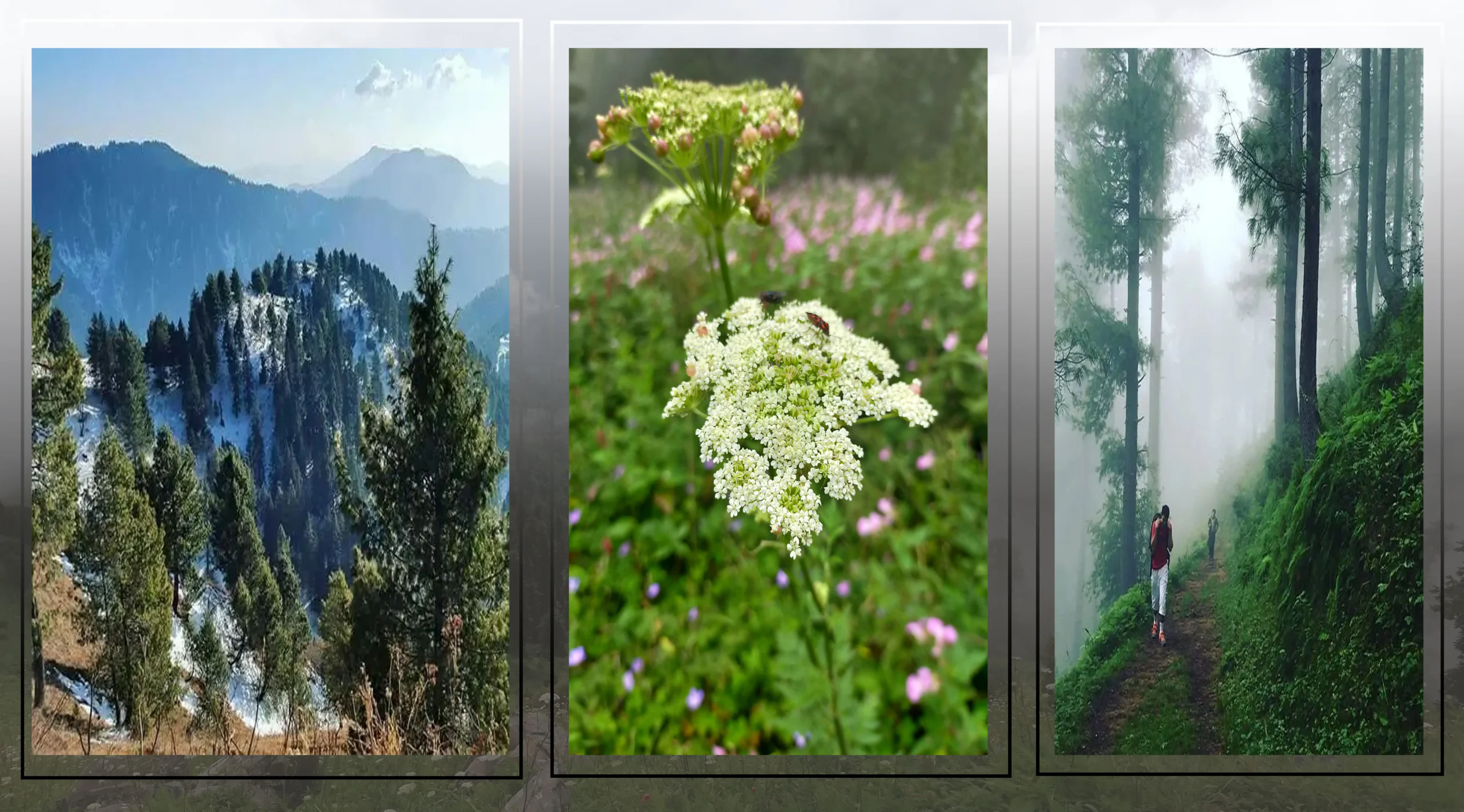
Introduction – The Call of the Mountains
There are places you visit, and then there are places that call to you long before you set foot on them. The mountains belong to the second kind. Their call is quiet at first, almost imperceptible, manifesting as a photograph, a story, or a fleeting thought. Yet, over time, it grows stronger, persistent, and undeniable. You find yourself longing for open skies instead of concrete ceilings, for the cool breeze of pine forests instead of city smog, and for a silence so complete it feels like a balm to your restless mind. In northern Pakistan, this quiet call leads many adventurers, wanderers, and nature lovers to a singular destination: Miranjani Peak.
Standing at approximately 2,992 meters (9,816 feet), Miranjani Top is the crown jewel of the Galyat region. Unlike the more imposing peaks of the northern Himalayas, it does not demand extreme technical skill or weeks of preparation. Instead, it welcomes travelers with a sense of accessibility while retaining a natural, untamed beauty. It is a peak that calls to beginners, seasoned trekkers, and curious wanderers alike. It promises a journey that is as much inward as it is upward.
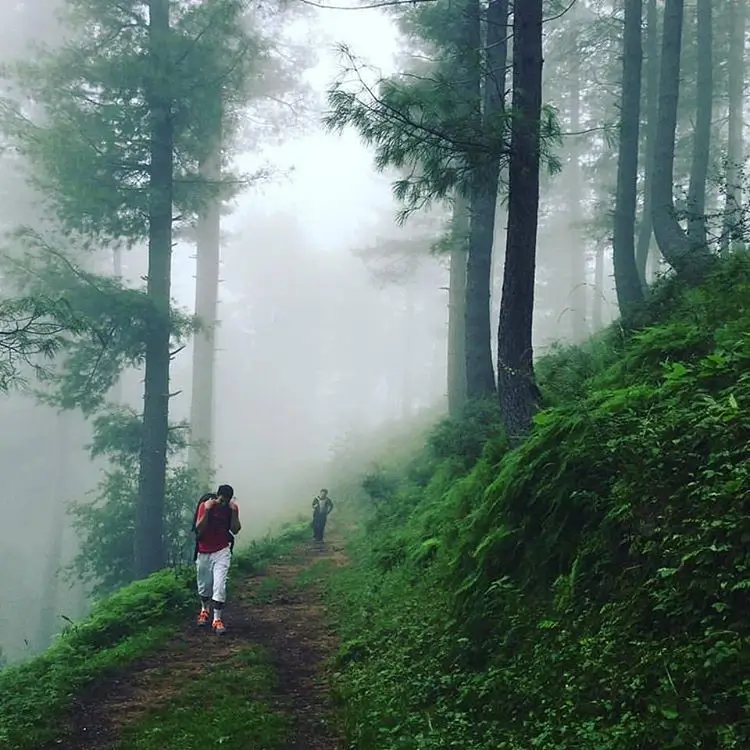
A Gateway to the Western Himalayas
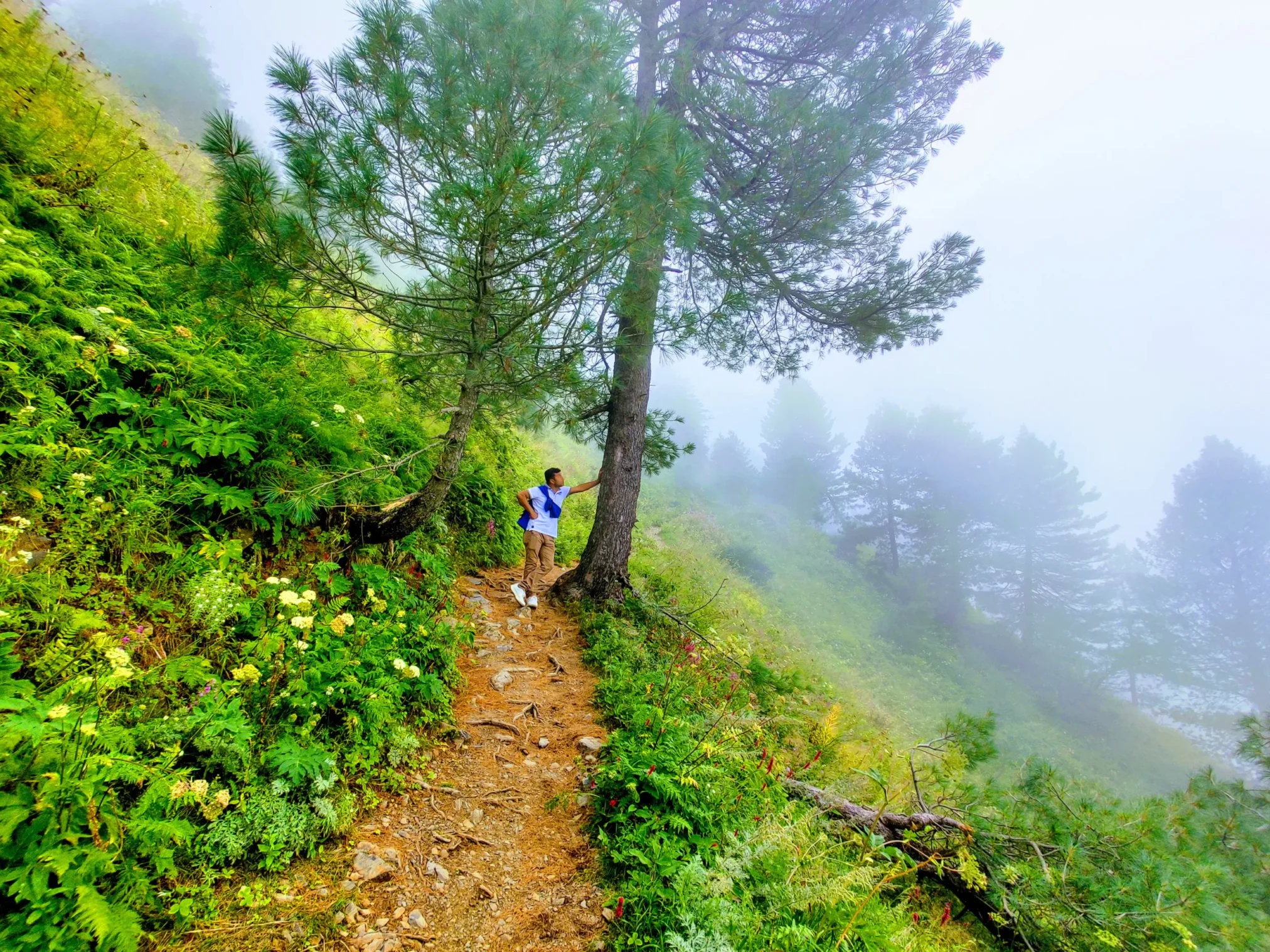
Miranjani Top is part of the lush Ayubia National Park and is located near the serene hill station of Nathia Gali. This region is renowned for its dense forests, rolling hills, and breathtaking landscapes. The mountain trails meander through cedar, pine, and oak forests that create a natural canopy, filtering sunlight into a golden mosaic across the forest floor. Moss, wildflowers, and ferns carpet the ground, making every step feel like a journey through a living painting.
The park’s protected status ensures that the flora and fauna remain largely undisturbed. Birdsong, rustling leaves, and distant streams form a symphony of nature, uninterrupted by the noise of modern life. Every twist and turn of the trail feels like stepping deeper into a world untouched by time, inviting hikers to slow down, breathe deeply, and absorb the serenity of the mountains.
The Journey Begins: From City to Summit
One of the most remarkable aspects of Miranjani is its accessibility. Located just about 80 kilometers from Islamabad, it provides one of the most convenient high-altitude treks in Pakistan. Within a few hours, the hustle and bustle of the city gives way to winding roads, cool breezes, and verdant scenery. The transformation is immediate and profound; it is not merely a change in surroundings but a shift in the mind.
As travelers leave the concrete sprawl of Islamabad or Rawalpindi, the roads to Nathia Gali take them through small towns, terraced fields, and forested hills. The temperature drops gradually, and the air becomes noticeably fresher. There is a rhythm to the journey—a prelude to the adventure that awaits—where anticipation grows with every bend in the road. By the time hikers reach Nathia Gali, the city’s chaos seems like a distant memory, replaced by a quiet sense of possibility.
The Emotional Pull of Nature
Mountains have a way of evoking emotions that few other places can. There is a reason why people return to them again and again. Standing at the base of Miranjani, one feels a combination of excitement, respect, and humility. The mountain is not only a physical challenge but also an emotional experience. Each step upward becomes a meditation, each breath deeper, and every sound—a birdcall, the rustle of leaves—more vivid.
This is the transformative power of trekking. It allows travelers to disconnect from their routines and reconnect with themselves. In the mountains, there is space to reflect, to pause, and to simply be. The climb becomes a metaphor for life: a journey with challenges, moments of beauty, and a sense of accomplishment that comes only from effort.
The Magic of Ayubia National Park
Ayubia National Park, established in 1984, encompasses a wide variety of ecosystems, from dense forests to grassy meadows. The park is home to diverse species of flora and fauna, including pine, cedar, oak, and deodar trees. Wildflowers bloom in spring and summer, creating a kaleidoscope of colors along the trails. Monkeys, parakeets, and other wildlife add life to the forest, offering hikers glimpses of nature at its most playful and unspoiled.
For photographers and nature enthusiasts, Miranjani is a paradise. Light filtering through the tall trees creates endless opportunities for stunning compositions. Morning mist drifts through the forest like a veil, transforming familiar paths into mystical realms. The late afternoon sun casts long shadows, highlighting textures and contrasts that are invisible during the harsh midday light. Every step becomes a new frame, a fresh perspective, and a story waiting to be captured.
The Science and Wonder of the Himalayas
Miranjani is part of the lower western Himalayan range, which forms the foothills leading up to some of the world’s tallest mountains. The geology of the region is fascinating: the rocks, soil, and slopes tell a story of tectonic collisions, glacial movements, and centuries of erosion. Each layer of soil, each forested ridge, holds secrets of the Earth’s history.
But beyond its scientific significance, the mountain serves a more immediate purpose: it reminds humans of their connection to nature. In a world dominated by technology and urban expansion, the mountains provide a grounding perspective. They are a reminder of scale, of resilience, and of the delicate balance between human life and the natural world. Miranjani, though approachable, embodies these lessons, offering both a physical challenge and a philosophical reflection.
The Summit as Reward and Reflection
Reaching the top of Miranjani is not simply a physical achievement; it is an emotional and spiritual milestone. The panoramic views from the summit stretch across valleys, forests, and distant peaks. On exceptionally clear days, hikers can glimpse the majestic Nanga Parbat far beyond the surrounding hills. Clouds often float below the peak, creating the surreal sensation of standing above the world, suspended between sky and earth.
It is here, at the summit, that the mountain’s true gift becomes apparent. The sense of accomplishment, peace, and clarity is unparalleled. The climb teaches patience, endurance, and respect—not only for the mountain but for oneself. For many, this is the moment when the call of the mountains becomes more than a metaphor; it becomes a memory, a feeling, and an integral part of who they are.
A Place That Welcomes All
One of Miranjani’s most striking qualities is its balance. It is accessible enough for beginners, yet rich and challenging enough to satisfy seasoned trekkers. The trail winds through varied terrain—gentle inclines give way to steeper sections, shaded paths open into scenic viewpoints, and quiet stretches of forest are punctuated by flowing streams. This balance makes it a destination that appeals to a wide audience, from casual nature lovers to serious adventurers.
Moreover, the experience is deeply personal. Unlike crowded tourist spots, Miranjani retains an air of solitude. Hikers often encounter only a handful of people along the trail, allowing for reflection, connection with nature, and a sense of discovery. It feels less like visiting a landmark and more like uncovering a hidden world that has been waiting for them.
The Call That Lasts Beyond the Trek
Perhaps the most powerful aspect of Miranjani is not what you see, but what you feel. The memories of the trek linger long after descending. The smell of pine, the gentle sway of leaves in the wind, and the sight of clouds rolling across the valleys stay etched in the mind. For many, the call of the mountains returns, growing stronger with each passing day. It becomes a pull toward nature, adventure, and self-discovery that cannot be ignored.
Visiting Miranjani is not simply a trip; it is an entry into a world that encourages mindfulness, presence, and appreciation. The mountain does not demand attention—it earns it. The experience changes perspectives, deepens connections to the natural world, and leaves an imprint that remains long after the journey is over.
In a country blessed with breathtaking landscapes, Miranjani Peak stands out not because of extreme altitude, but because of the experience it offers. It is where accessibility meets wilderness, where effort meets reward, and where adventure meets reflection.
This is more than the start of a trek; it is the beginning of a journey—one that leads not only to the summit of a mountain but to a deeper connection with the world and with oneself. The call of the mountains is clear, persistent, and irresistible, and Miranjani Peak is a destination that answers it in the most profound way possible. Those who heed its call find that the mountain does not merely remain behind them; it becomes a part of them, forever calling them back to where the air is fresh, the silence is profound, and the horizon stretches without end.
Geography, Landscape & Regional Significance
The Strategic Location of Miranjani Peak
Miranjani Peak is not just a solitary mountain rising into the sky; it is part of the intricate tapestry of the Galyat region in northern Pakistan. Nestled in the Abbottabad District of Khyber Pakhtunkhwa, it lies approximately 80 kilometers north of Islamabad. This location makes it both geographically significant and easily accessible, allowing travelers to experience the tranquility of high-altitude wilderness within a short journey from urban centers.
The peak is situated within the Ayubia National Park, a protected area known for its dense forests, rolling hills, and rich biodiversity. The park serves as a sanctuary for wildlife and a hub for outdoor enthusiasts seeking trekking, birdwatching, and nature photography. Its forests are a mix of pine, cedar, and oak trees, creating a lush green canopy that dominates the landscape throughout most of the year.
Miranjani’s location also places it at the crossroads of several ecological zones. From here, the western Himalayan foothills gradually rise toward some of the world’s highest peaks. This strategic positioning offers a panoramic view of surrounding valleys, rivers, and mountains, including a distant glimpse of the majestic Nanga Parbat on exceptionally clear days. The geography alone establishes Miranjani as a landmark not only for hikers but also for geographers, ecologists, and travelers seeking natural splendor.
Topography and Trail Insights : Miranjani Track
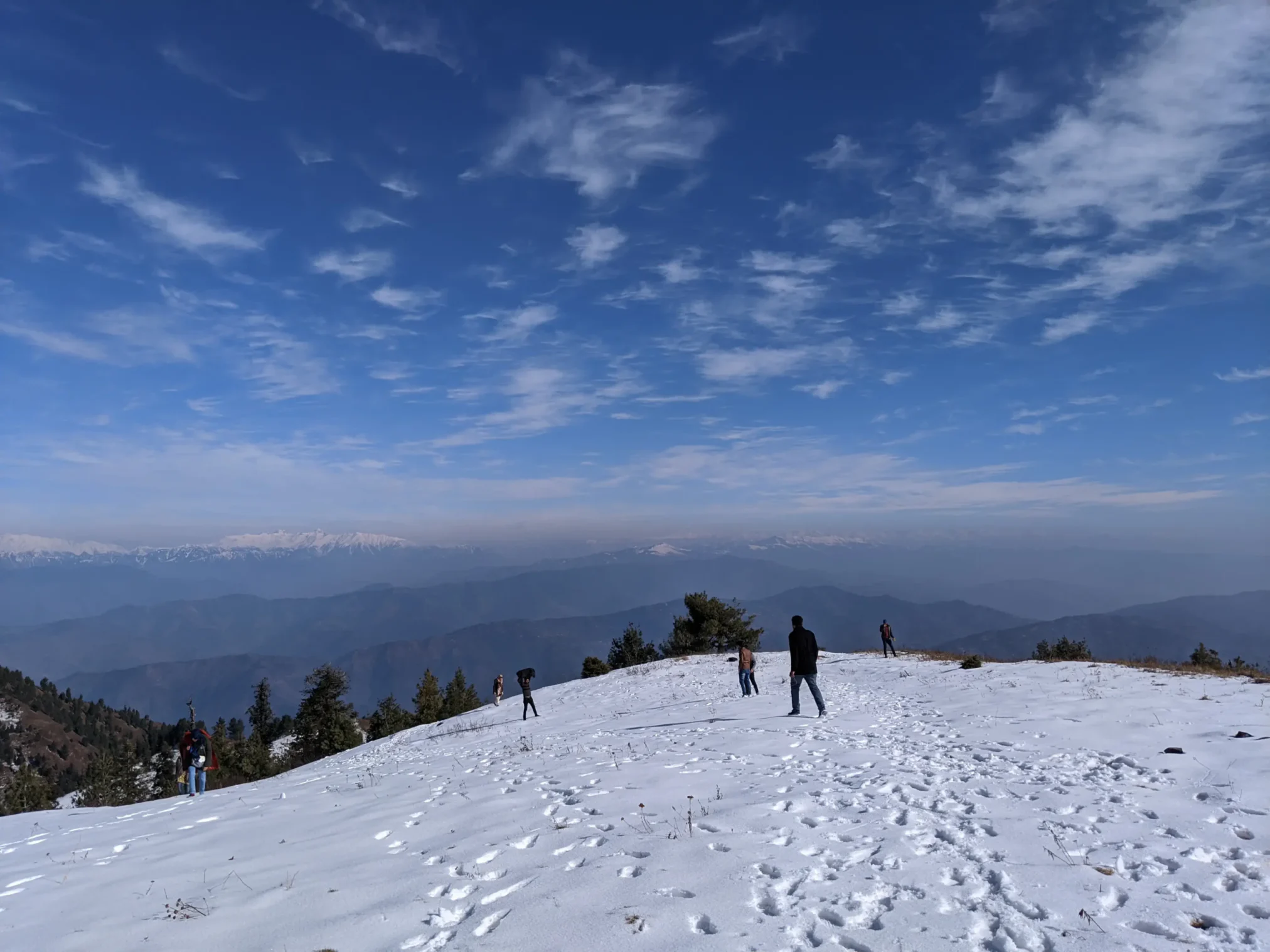
The topography of Miranjani is characterized by gentle slopes that gradually transition into steep inclines as one approaches the summit. The trek begins at an altitude of approximately 2,357 meters (7,733 feet) near the Namli Maira trailhead and ascends to the peak at around 2,992 meters (9,816 feet). This elevation gain of about 600 meters over a 4.69–5 km trail provides a manageable challenge for both beginners and experienced trekkers.
The trail itself is composed mostly of soft dirt with occasional patches of rock, making it accessible in a variety of weather conditions. Early sections wind through dense forests where sunlight barely touches the forest floor. The middle section opens briefly to viewpoints overlooking surrounding valleys, allowing hikers to pause and absorb the scenery. The final stretch of the trail steepens, requiring careful footing but rewarding climbers with unparalleled vistas upon reaching the summit.
This varied topography contributes not only to the physical appeal of the trek but also to its ecological richness. Each change in elevation introduces subtle shifts in flora, fauna, and microclimate, making the journey as educational as it is adventurous.
Ecological Significance of the Galyat Region
The Galyat region, encompassing Miranjani and nearby peaks like Mushkpuri, is renowned for its ecological diversity. Its forests are home to several species of conifers and hardwoods, including blue pine, deodar cedar, and oak, many of which are centuries old. Wildflowers bloom along the trail during spring and summer, creating a vibrant mosaic of colors against the deep green of the forest.
Ayubia National Park’s protected status ensures minimal human interference, allowing wildlife to thrive. Monkeys, parrots, and small mammals are commonly sighted, while birdwatchers can identify dozens of native species. The park also supports larger mammals such as leopards and foxes, which play crucial roles in maintaining ecological balance. The presence of these animals underscores the importance of conservation and responsible trekking, as human activity directly affects the fragile ecosystem.
The region’s ecological significance extends beyond flora and fauna. The forests play a critical role in maintaining local climate conditions, preventing soil erosion, and regulating water flow to nearby rivers and streams. The health of Miranjani’s ecosystem is therefore tied to the well-being of surrounding communities and the broader environmental stability of northern Pakistan.
Climatic Patterns and Weather Influence
Miranjani’s climate is heavily influenced by its elevation and geographic position in the western Himalayas. Summers are relatively cool, offering ideal conditions for trekking and exploration. Spring brings a profusion of wildflowers and a refreshing renewal of greenery, while autumn transforms the forests with golden hues that attract photographers and nature enthusiasts alike.
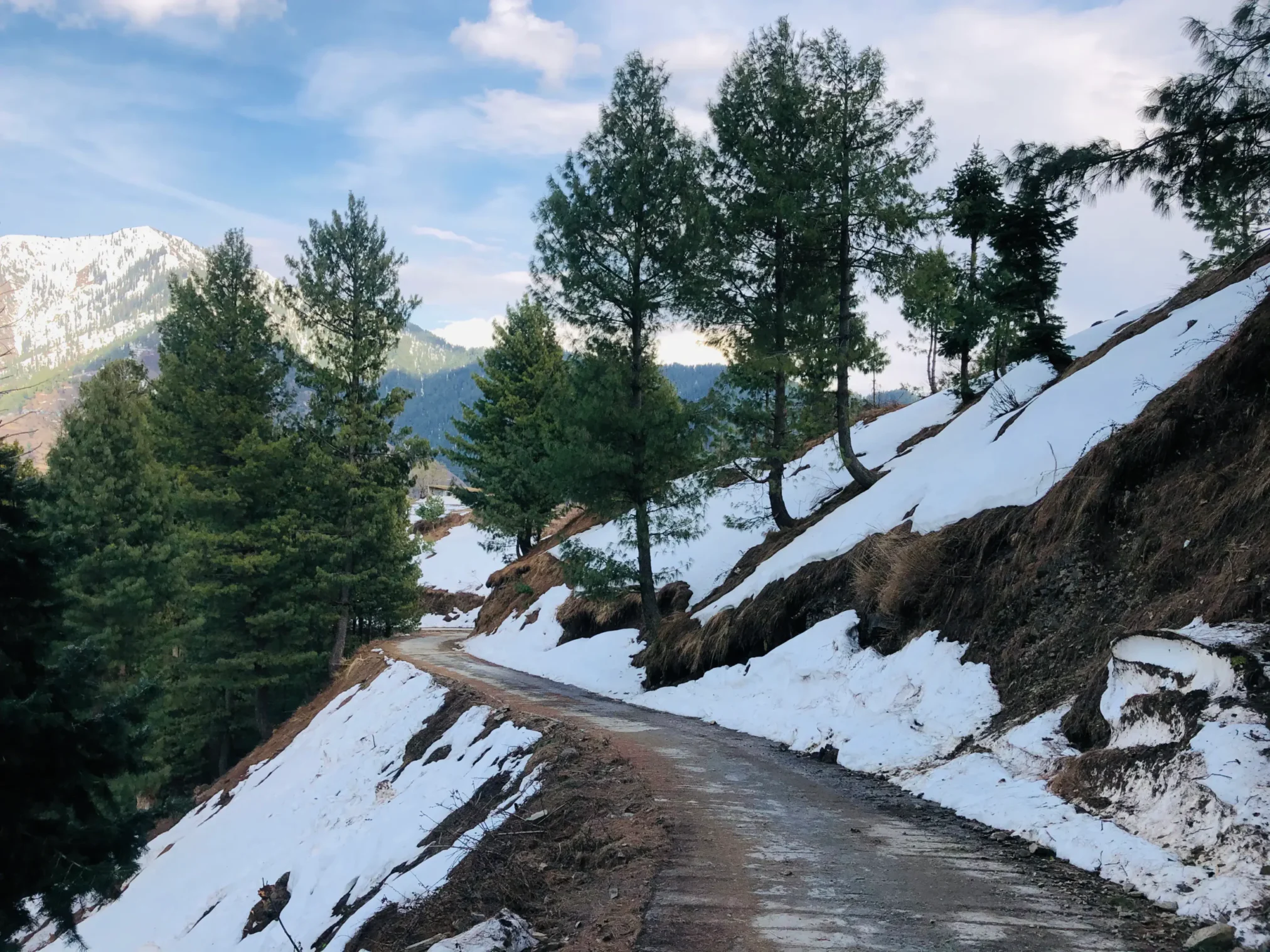
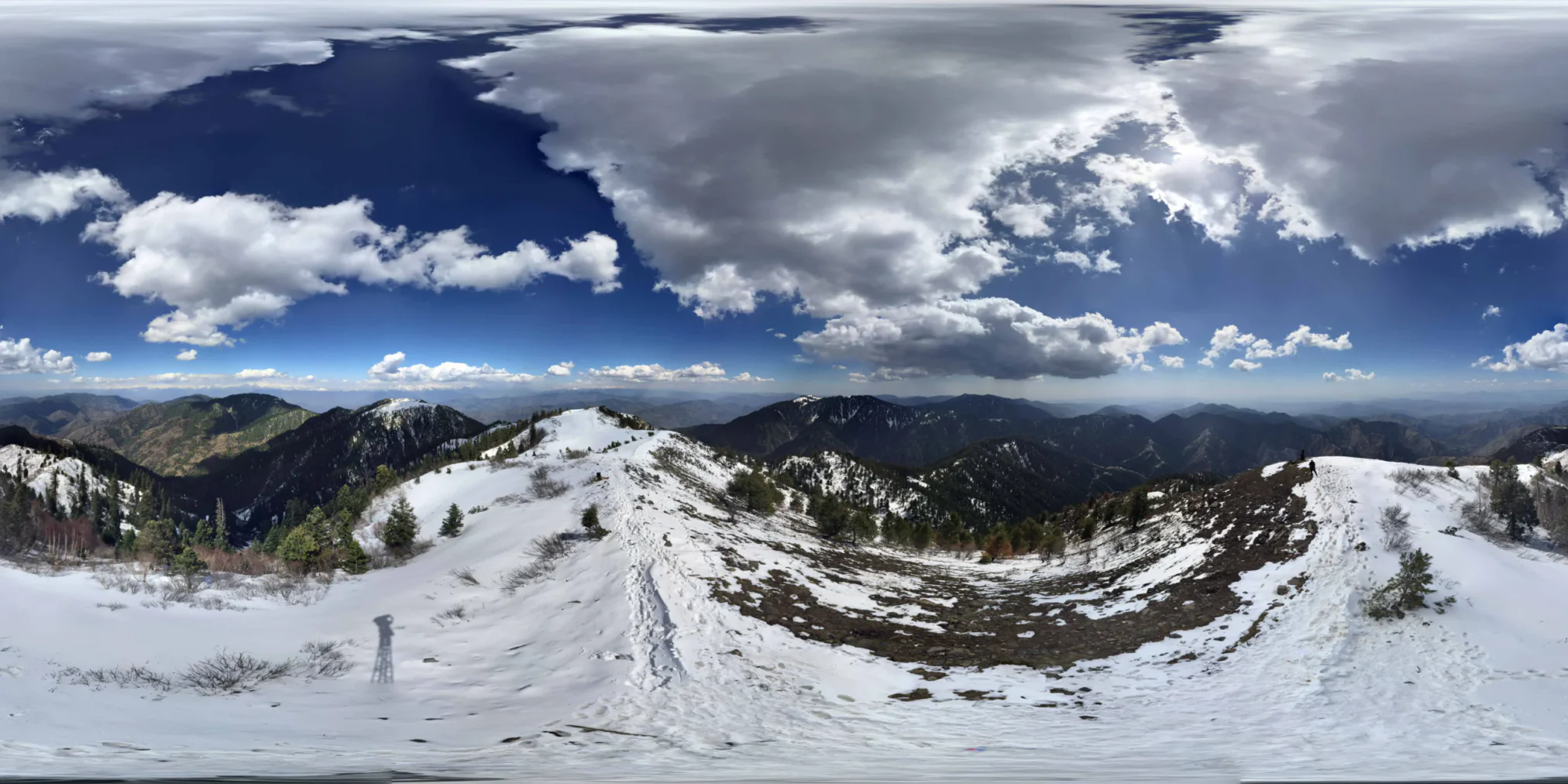
Winter introduces snow and frost, turning the trail into a challenging adventure suitable only for experienced trekkers. During this season, the landscape becomes a winter wonderland, with knee-deep snow in some areas. Monsoon months bring frequent fog and rainfall, which enhance the greenery but can make trails slippery and navigation more difficult. Understanding these climatic patterns is essential for planning a safe and enjoyable trek, as weather conditions can change rapidly at higher elevations.
The Role of Rivers and Valleys
Miranjani is strategically positioned above a network of rivers and valleys that define the region’s geography. The Jehlum River, visible from certain vantage points, snakes through the valleys below, providing vital water resources to nearby communities and contributing to the region’s agricultural fertility. Valleys around Miranjani are home to small settlements like Namli Maira and Bakot, where traditional farming practices coexist with the natural environment.
These valleys also serve as natural corridors for wildlife, linking Miranjani’s forested slopes to larger ecosystems within Ayubia National Park. Trekking through these landscapes offers hikers a unique perspective on how human habitation and natural environments coexist in the Galyat region. Observing the rivers, terraced fields, and forested hills underscores the interconnectedness of geography, ecology, and culture in shaping this remarkable region.
Cultural and Historical Significance
While Miranjani is primarily celebrated for its natural beauty, its location in the Galyat region also imbues it with cultural and historical importance. Nathia Gali, the nearby hill station, was established during the British colonial era as a retreat for officers seeking respite from the heat of the plains. The area retains a blend of colonial architecture and local traditions, creating a unique cultural landscape that complements the natural environment.
Local communities in surrounding villages maintain a strong connection to the land, practicing agriculture, forestry, and animal husbandry in ways that reflect centuries of adaptation to the mountainous terrain. Traditions, folklore, and seasonal festivals enrich the cultural experience of visiting Miranjani, offering travelers a deeper understanding of the human element woven into this landscape.
Miranjani as a Regional Landmark
In terms of regional significance, Miranjani serves as both a physical and symbolic landmark. Its height and prominence make it a navigational reference point for local residents, hikers, and even aviators in the region. Beyond its practical uses, the peak symbolizes the balance between accessibility and wilderness, demonstrating that high-altitude experiences are not limited to the remote or extreme.
The peak is also integral to the Galyat tourism circuit. It connects with other trekking destinations such as Mushkpuri, providing a network of trails that showcase the diversity of landscapes and ecosystems in northern Pakistan. For researchers, ecologists, and adventure tourism developers, Miranjani offers a microcosm of the challenges and rewards of balancing human activity with environmental preservation.
The Visual and Experiential Landscape
The beauty of Miranjani lies not just in its height or location, but in the richness of the visual and experiential landscape. The forested trails create a journey that engages all senses: the scent of pine and cedar, the cool touch of misty air, the rustle of leaves underfoot, and the distant call of wildlife all combine to create a multi-dimensional experience.
Every turn in the trail offers a new perspective: sudden clearings provide sweeping views of valleys, hidden streams reflect the sunlight, and mountain ridges fade into layers of mist and sky. For photographers, painters, and writers, these changing landscapes provide endless inspiration. For trekkers, they offer motivation and a deep sense of connection to the environment.
Geography That Shapes the Experience
Miranjani Peak’s geography, landscape, and regional context define the experience of visiting it. The interplay of elevation, forest density, climate, rivers, and nearby settlements creates a unique environment where adventure, reflection, and learning coexist. The mountain is not only a destination for trekking but also a living classroom in ecology, geography, and culture.
Understanding the peak’s location, topography, and regional significance enriches the journey, offering hikers more than just a physical challenge. It provides a holistic experience, connecting the natural world to human history, ecological balance, and the timeless allure of the mountains. As visitors ascend Miranjani, they are not merely climbing a peak—they are stepping into a story written in rocks, rivers, forests, and the quiet rhythms of northern Pakistan.
Flora & Fauna – Nature’s Secret Treasures
A Living, Breathing Ecosystem
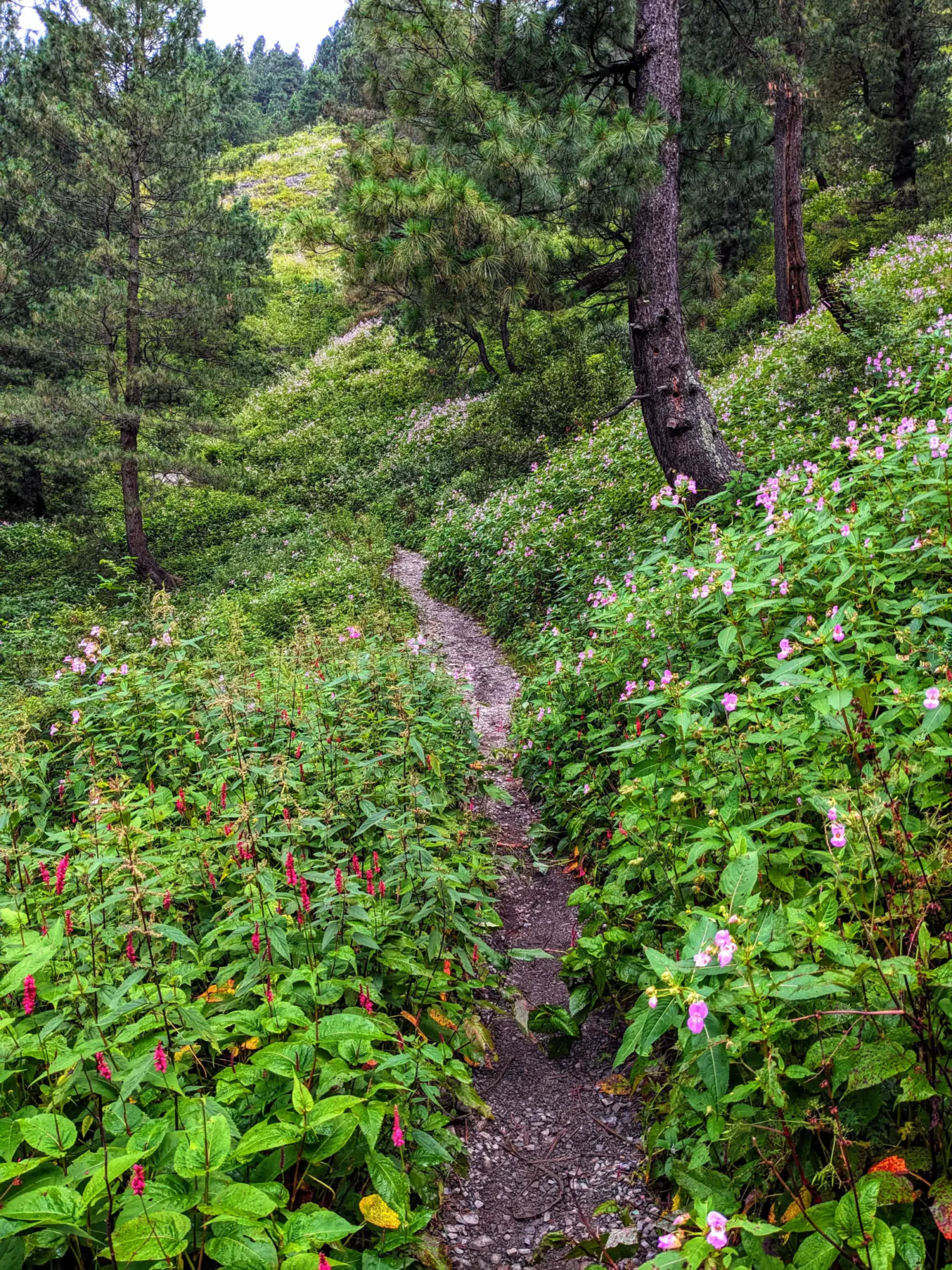
As you step onto the Miranjani trail, the forest seems alive in every sense. The vibrant green canopy overhead filters the sunlight into delicate patterns across the forest floor, creating an ever-changing dance of light and shadow. The trees themselves are towering monuments of time, with cedar and pine stretching high into the sky, their trunks cloaked in moss and lichen. Beneath them, ferns, wildflowers, and shrubs form a dense understory, adding color and texture to the path.
Unlike urban parks or managed gardens, this ecosystem thrives with minimal human interference. Each organism, from the smallest moss to the largest tree, contributes to a delicate web of life. The result is a sense of immersion, as though the trail itself is a living organism, breathing and responding to your presence.
Trees That Tell Stories
The forests of Miranjani are dominated by a mix of conifers and hardwoods that change with elevation and season. Blue pine forms dense stands along the lower slopes, providing shelter for birds and small mammals. Deodar cedar, known for its aromatic wood and graceful form, rises majestically on mid-elevation trails, creating shaded corridors that feel almost cathedral-like. Oaks and other deciduous trees dot the upper reaches, their leaves adding bursts of color in spring and autumn.
Each tree has its own story. Some are centuries old, their trunks scarred by storms and wind, yet standing resilient. Their roots penetrate deep into the soil, stabilizing slopes and nurturing the forest floor with fallen leaves. Walking among them, hikers gain a sense of history—a reminder that the mountain has witnessed generations of natural cycles long before human footsteps arrived.
Wildflowers: Nature’s Palette
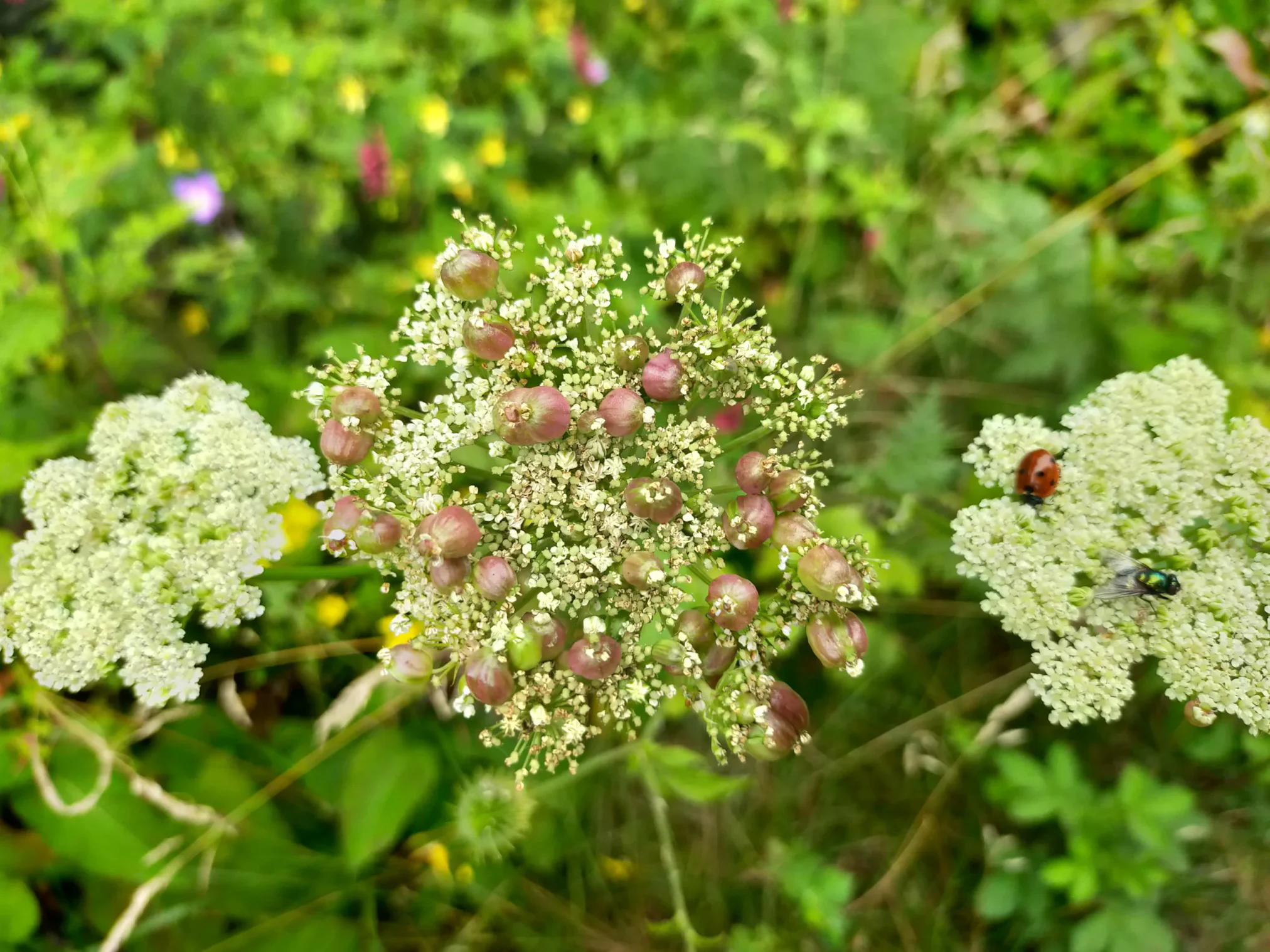
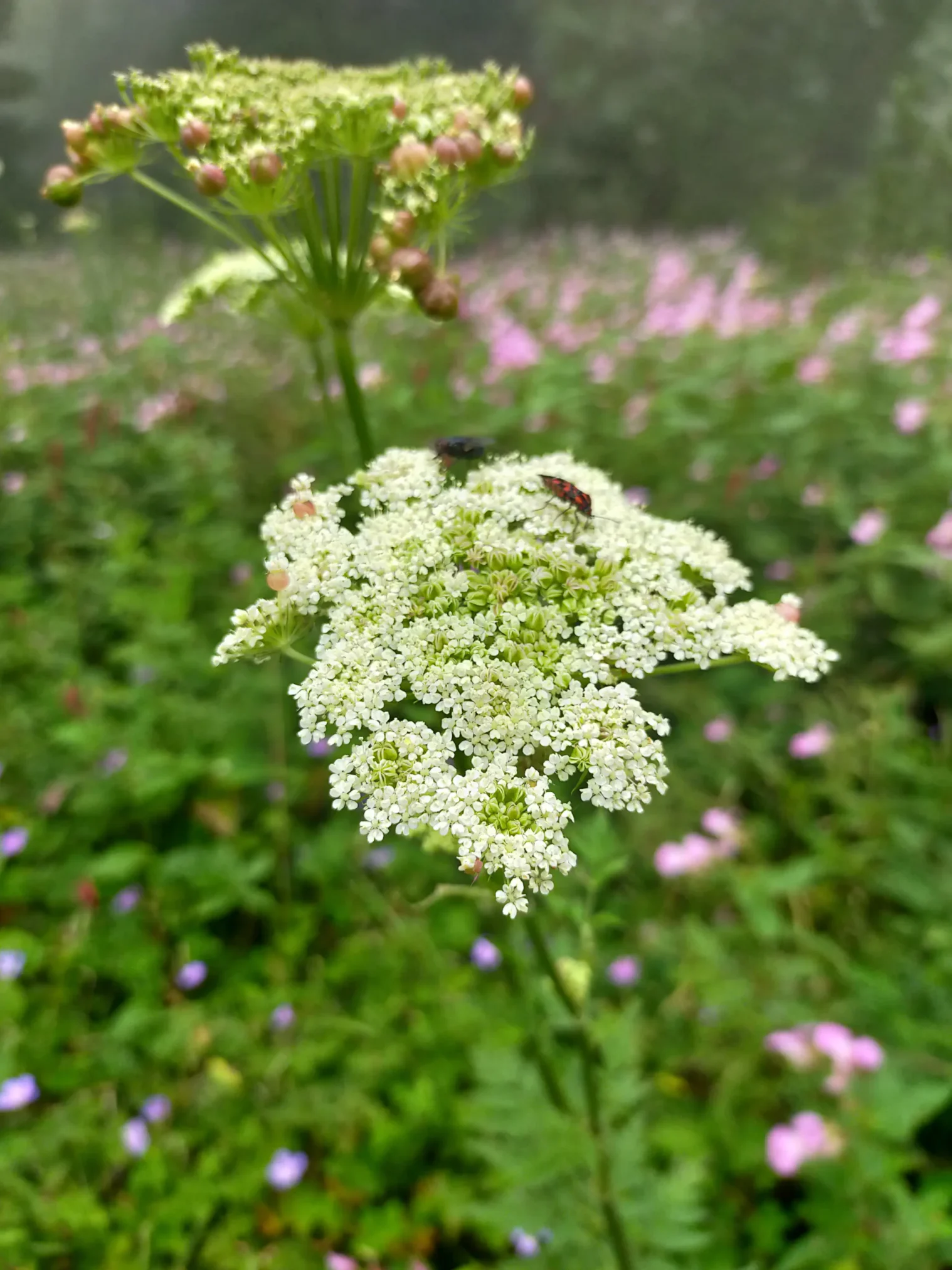
The Miranjani trail is adorned with an astonishing variety of wildflowers. Spring brings delicate blooms in shades of pink, white, yellow, and violet. By summer, daisies, buttercups, and endemic herbs carpet the trail edges, creating a vibrant mosaic against the earthy soil. August and September often reveal rare alpine species clinging to rocky outcrops, rewarding observant trekkers with glimpses of blooms that may exist nowhere else in the region.
These flowers are not merely decorative; they play a vital ecological role. Bees, butterflies, and other pollinators thrive here, ensuring the continuation of the forest’s life cycles. For photographers and naturalists, the flora provides endless fascination, each bloom an invitation to study, capture, and marvel.
Birds of the Forest
Miranjani is a haven for birdwatchers. The diverse forest provides habitats for a wide range of species, from bright green parakeets to warblers, bulbuls, and Himalayan monals in higher elevations. Birdsong is a constant companion along the trek, marking territory, courting mates, or simply celebrating the forest’s vibrancy.
Seasonal migrations add another layer of intrigue. In spring and autumn, visitors may spot flocks moving through the canopy, offering rare opportunities to observe interspecies interactions. For photographers, the combination of dense foliage and active avian life creates challenging yet rewarding scenarios to capture birds in their natural environment.
Mammals: Hidden Residents
Though smaller animals are frequently observed, Miranjani also shelters larger mammals that are rarely seen but are integral to the ecosystem. Monkeys are common along the trail, often gathering at clearings where hikers pause. Their playful antics provide both entertainment and insight into the forest’s social dynamics.
More elusive mammals, such as leopards and foxes, remain largely hidden, their presence felt only through tracks, droppings, or distant calls. These predators play a crucial role in maintaining ecological balance, regulating herbivore populations, and ensuring forest health. Even occasional sightings of wild boars or civets are a reminder that this ecosystem remains largely untamed and wild.
Streams, Waterfalls, and Microhabitats
Miranjani’s flora and fauna are intricately linked to the water sources that crisscross its slopes. Small streams, trickling creeks, and seasonal waterfalls provide hydration for plants and animals alike. Along the trail, these water sources create microhabitats, where mosses, ferns, and moisture-loving insects flourish.
The sound of flowing water is more than a soothing background—it signals life. Birds gather to drink and bathe, amphibians and insects thrive, and even passing trekkers benefit from the cooling effects of these natural streams. These water features transform ordinary forest paths into dynamic, ever-changing ecosystems.
Seasonal Shifts in Flora and Fauna
Miranjani’s ecosystem is highly dynamic, responding to seasonal changes in remarkable ways. Spring introduces new life, with fresh buds, migratory birds, and emerging insects. Summer sustains growth, and animals are most active, taking advantage of abundant food and water. Autumn brings a riot of colors as leaves turn yellow, orange, and red, while cooler temperatures encourage different animal behaviors, including preparations for winter.
Winter, though harsh, is no less spectacular. Snow blankets the trail, transforming it into a pristine white landscape. Only the hardiest plants survive in this period, and animals alter their behavior to adapt to colder conditions. Trekking in winter offers a completely different perspective on Miranjani, highlighting its resilience and seasonal rhythms.
Ecological Lessons from the Trail
Walking the Miranjani trail is a lesson in interdependence. Every plant, animal, and water source is connected in a network that sustains life. Human presence, even in small numbers, can disrupt these delicate balances, underscoring the importance of responsible trekking. Practices like carrying out trash, avoiding disturbance of wildlife, and sticking to marked trails are critical for preserving this natural treasure.
For environmentalists and educators, the trail is a living laboratory. Observing plant-pollinator interactions, tracking animal movement, and noting seasonal shifts provides valuable insights into how Himalayan ecosystems function. This knowledge reinforces the importance of conservation, ensuring that future generations can experience the same richness in flora and fauna.
Nature’s Rewards
The Miranjani trek is not only a physical journey but also an intimate encounter with one of Pakistan’s most vibrant ecosystems. From the towering trees to the smallest wildflowers, from the playful monkeys to the secretive leopards, every element contributes to a sense of wonder and discovery.
By appreciating the flora and fauna, hikers gain more than memories—they gain understanding, respect, and connection. Miranjani is a reminder that adventure is not only about reaching the summit but also about noticing the intricate beauty along the way. It is in these living treasures that the mountain’s true richness is revealed, offering rewards that extend far beyond the physical climb.
The Trek Experience – Trail Insights & Challenges
The Journey Begins: First Steps into the Forest
Every trek to Miranjani Peak begins with anticipation and excitement, often at the trailhead near Namli Maira or the famous church in Nathia Gali. As hikers take their first steps, the forest immediately envelopes them in a cool, shaded canopy of pine, cedar, and oak trees. The earthy scent of moss and damp soil fills the air, hinting at the untouched wilderness that lies ahead.
The initial part of the trail is relatively gentle, allowing trekkers to find their rhythm while taking in the scenery. Small birds flit from branch to branch, and the occasional monkey can be seen swinging effortlessly through the treetops. This early section sets the tone for the trek, blending a sense of calm with subtle hints of the challenges to come.
Navigating the Trail: Paths and Terrain
The Miranjani trail stretches roughly 4.5 to 5 kilometers one-way, with a net elevation gain of around 600 meters. The trail is a combination of soft dirt paths, rocky patches, and occasional steep inclines. The lower sections are wide and forgiving, often lined with vibrant wildflowers, while mid-elevation areas gradually narrow, requiring careful footing.
Hikers encounter natural obstacles such as exposed tree roots, slippery moss-covered stones, and occasional muddy sections after rainfall. These elements keep trekkers alert, turning every step into a mindful interaction with nature. Despite these challenges, the trail is manageable for most fitness levels, offering both accessibility for beginners and rewarding difficulty for seasoned trekkers.
The Mid-Trail Experience: Immersion in Nature
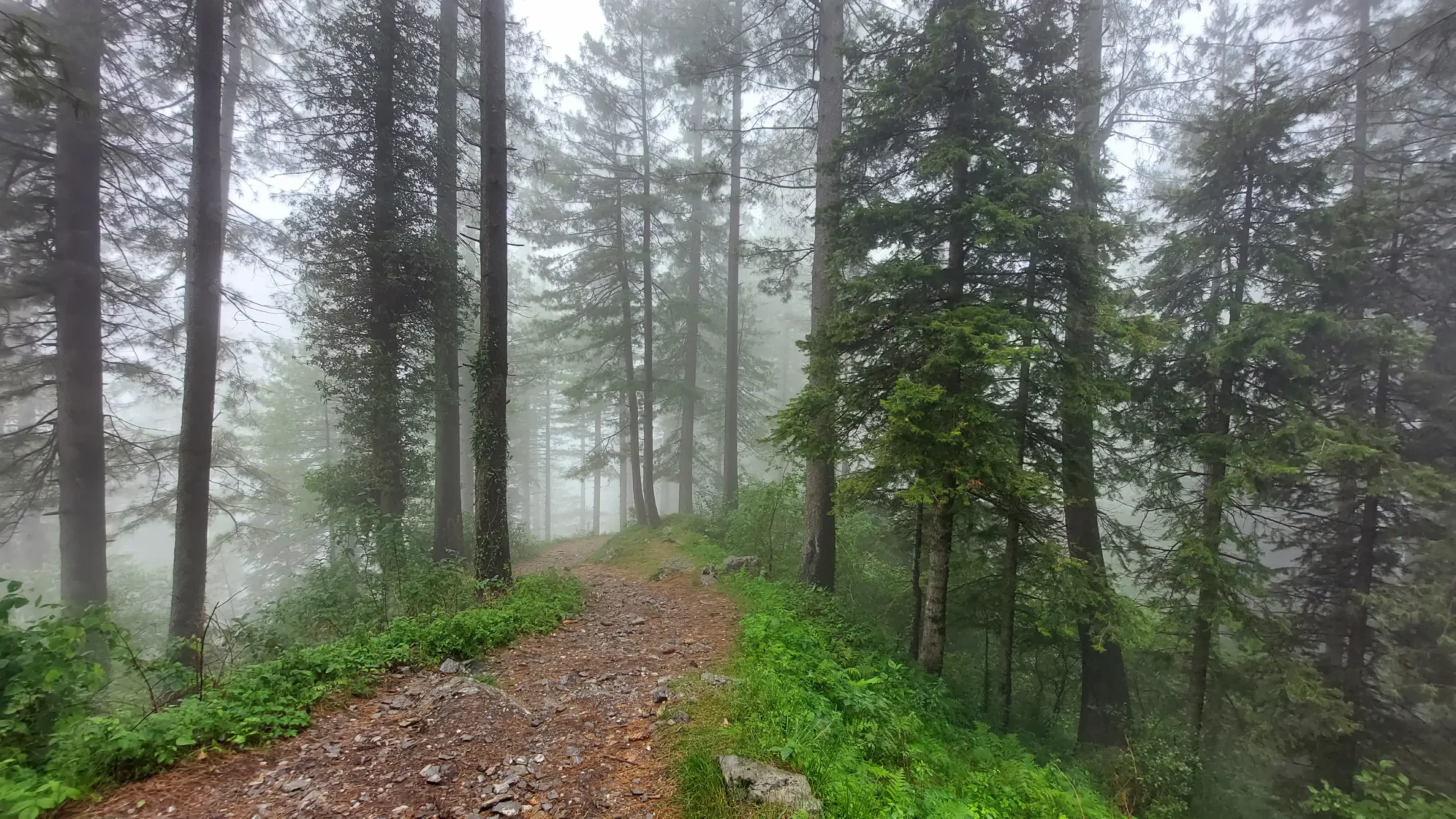
By the time hikers reach the middle portions of the trek, the forest thickens, and the scenery becomes more enchanting. Sunlight filters through dense branches, casting intricate shadows on the trail. Occasional clearings provide breathtaking views of valleys, distant peaks, and terraced fields far below.
This section is also where trekkers begin to notice the rhythm of the forest—birds calling, wind rustling through the trees, and the distant trickle of streams. Wooden benches along the way offer resting points, perfect for observing the ecosystem and rehydrating. The trail becomes a sensory experience, with every sound, scent, and sight enhancing the feeling of stepping into another world.
Challenging Sections: Testing Endurance
The final stretch to the summit is where the trek becomes physically demanding. The incline steepens significantly, requiring careful navigation and consistent effort. For some, this section tests endurance and balance, particularly when the trail is damp or covered in loose stones. Trekking poles can be invaluable here, providing stability and reducing strain on knees and ankles.
Although challenging, the steeper sections are also the most rewarding visually. As hikers ascend, they begin to rise above portions of the tree line, catching glimpses of sweeping vistas, distant peaks, and, on exceptionally clear days, even Nanga Parbat. This combination of physical challenge and visual reward defines the essence of the Miranjani trek.
Immersive Encounters: Flora and Fauna Along the Path
The trek is not solely about the physical challenge—it is also an intimate interaction with the region’s flora and fauna. Monkeys are frequently observed near clearings, sometimes approaching hikers in playful curiosity. Birdwatchers can spot parakeets, warblers, and Himalayan species darting among the trees. Wildflowers in shades of yellow, pink, and violet line the trail, adding bursts of color and offering opportunities for photography.
Even small encounters, such as spotting a squirrel or a butterfly resting on a leaf, contribute to the sense of connection with the environment. The trek becomes a continuous lesson in observation, patience, and appreciation for the subtleties of nature.
Trail Safety and Preparation
Despite its moderate difficulty, the Miranjani trek requires preparation and mindfulness. Trekking in a group is highly recommended, particularly for beginners or those unfamiliar with the trail. Adequate footwear, such as hiking boots with good grip, is essential to navigate muddy or rocky patches. Carrying sufficient water and light snacks ensures energy is maintained throughout the hike, as there are no shops along the trail.
Weather can change quickly in the mountains, so waterproof jackets and layered clothing are advisable. Trekking poles can aid stability on steep sections, while a small first-aid kit can provide security in case of minor injuries. By preparing adequately, trekkers can focus on the experience without distraction, making safety an integral part of the adventure.
Psychological Journey: More Than Just a Hike
The Miranjani trek is as much a mental challenge as it is a physical one. Hikers often describe a meditative quality to the journey, where each step encourages mindfulness and introspection. The combination of exertion, natural beauty, and isolation from urban noise allows for reflection and a heightened awareness of surroundings.
Many trekkers report a sense of accomplishment before even reaching the summit, simply by navigating the trail’s twists, turns, and varying gradients. The trek becomes a personal journey, offering a sense of achievement and mental clarity alongside the physical reward of conquering the mountain.
Summit Approaches: The Final Push
As hikers near the top, the trail narrows and the incline steepens again, signaling that the summit is within reach. The air becomes cooler and crisper, and the faint scent of alpine flora becomes more pronounced. Here, the trail may split, providing options to explore nearby ridges or approach the summit directly.
The final push is often the most memorable. Every step forward brings new angles of the surrounding valleys, rivers, and distant peaks into view. Hikers report a surge of energy and anticipation at this stage, driven by the promise of panoramic vistas and the satisfaction of reaching the pinnacle.
Rewarding Views: The Summit Experience
Reaching the summit is a moment of triumph. From this vantage point, trekkers can see expansive stretches of forested hills, winding rivers, and terraced villages below. On exceptionally clear days, distant peaks of the western Himalayas, including Nanga Parbat, can be glimpsed, creating a sense of awe and perspective.
A Trek to Remember
The Miranjani trek is a masterful blend of challenge, beauty, and immersion. It offers something for everyone—beginners seeking a manageable adventure, seasoned trekkers wanting a scenic climb, and nature lovers longing for intimate encounters with flora and fauna.
By navigating the trail’s diverse terrain, overcoming its physical demands, and engaging fully with the surrounding environment, hikers gain more than just a high-altitude experience—they acquire memories, insights, and a renewed appreciation for the raw beauty of northern Pakistan. The journey itself becomes as rewarding as the summit, making the Miranjani trek a quintessential adventure for all who dare to take it.
Summit Experience & Panoramic Views – Nature’s Majestic Reward
The Summit: A Triumph of Effort and Perseverance
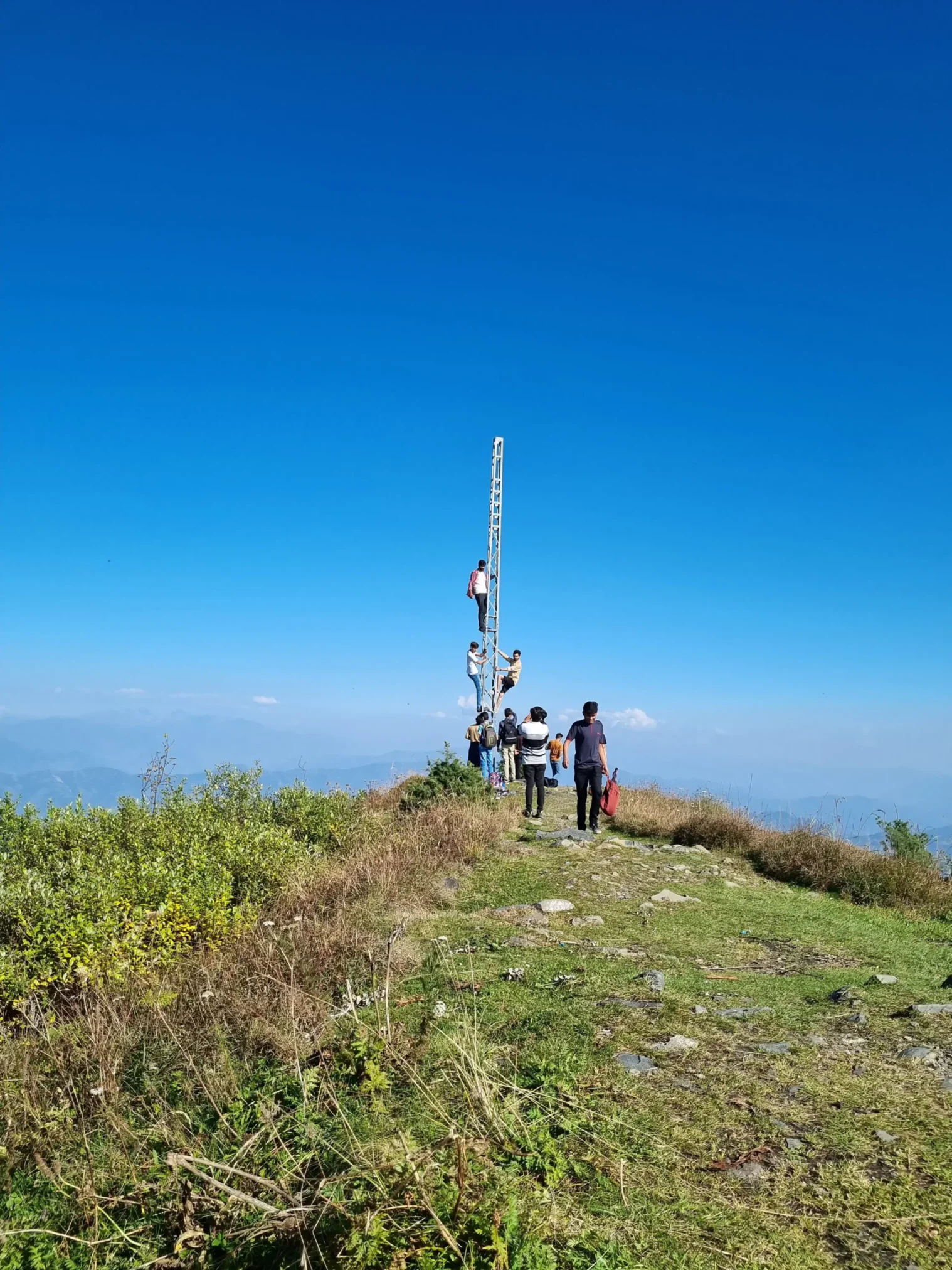
Reaching the summit of Miranjani Peak is the culmination of effort, determination, and an intimate journey through nature’s wonders. At approximately 2,992 meters (9,816 feet), the peak offers an unparalleled vantage point over the Galyat region, revealing an expansive panorama that few other locations can match. The sense of accomplishment that accompanies this moment is profound. Every steep incline, every careful step over rocks and roots, and every pause to catch one’s breath contributes to a deep appreciation of the summit’s grandeur.
Standing at the top, hikers feel both exhilarated and humbled. The mountain presents itself in all its raw beauty—untamed, powerful, and eternal. For many, it is a spiritual experience, a moment when the mind quiets, and all that remains is the natural spectacle surrounding them.
Panoramic Vistas: Mountains, Valleys, and Rivers
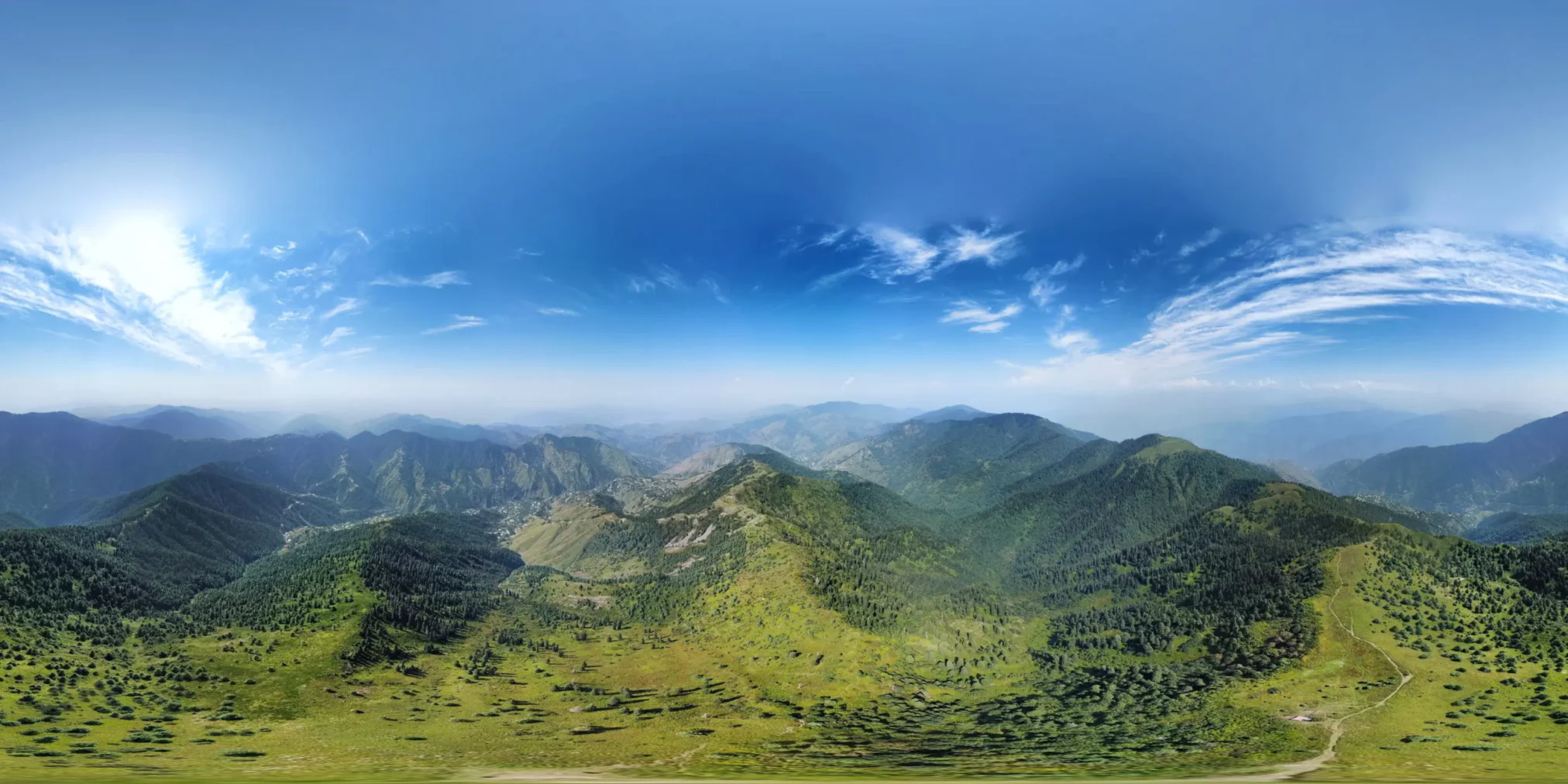
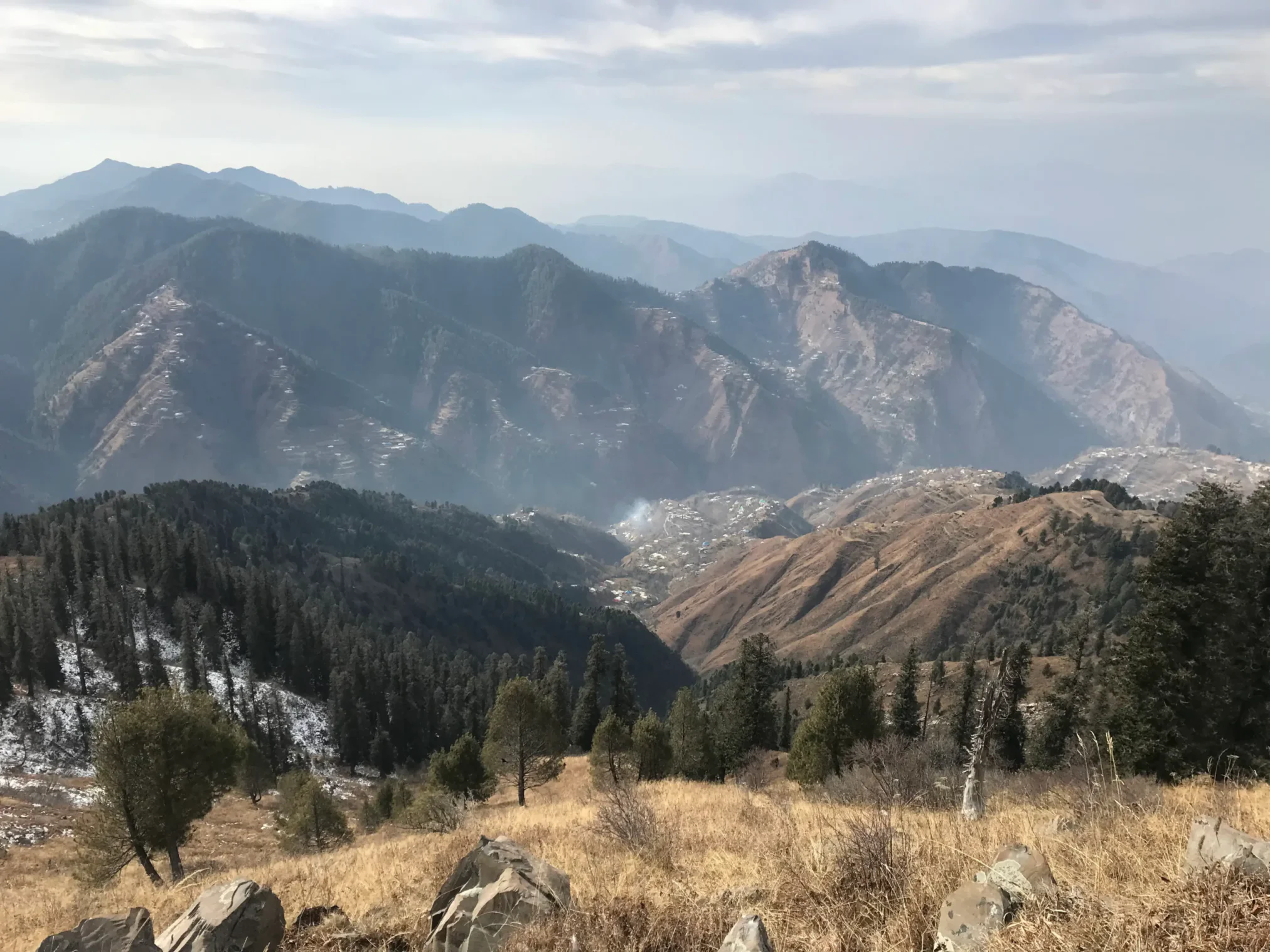
From the summit, the landscape stretches endlessly in all directions. Dense pine and cedar forests blanket the lower slopes, creating a rich green mosaic that transitions into distant valleys dotted with terraced villages. On exceptionally clear days, the towering peaks of the western Himalayas rise in the horizon, including the distant Nanga Parbat, Pakistan’s ninth-highest mountain. This glimpse of the mighty Himalayan giants reinforces the scale and majesty of Miranjani itself.
The Jehlum River meanders through the valleys below, glinting like a silver ribbon under the sunlight. Clouds often float just below the peak, creating an ethereal “above the clouds” experience. This mixture of natural elements—a blend of forest, river, mountains, and sky—provides a visual feast that is both calming and invigorating. Photographers, nature enthusiasts, and even casual trekkers find themselves lingering at the summit, drawn into the panoramic spectacle.
Observing Nearby Peaks and Landmarks
The summit also allows for the observation of neighboring peaks, each with its own unique character. Mushkpuri, another famous peak in the Galyat region, lies to the southwest, offering a point of reference for trekkers and a potential extension for future hikes. Smaller ridges and foothills stretch like gentle waves across the landscape, while distant urban areas—Abbottabad, Murree, and even Islamabad on clear days—peek through the valleys below.
The juxtaposition of untouched wilderness and distant human settlements reminds hikers of the delicate balance between natural preservation and development. From this height, the interconnectedness of the region becomes evident, offering both perspective and inspiration.
The Summit Environment: Flora, Fauna, and Atmosphere
While the summit is less densely forested than the lower trail, its environment is still vibrant. Alpine grasses and hardy shrubs cling to rocky outcrops, adding texture and subtle color. Birds occasionally glide overhead or perch on the few trees and rocks near the peak. The crisp, cool air, coupled with sweeping winds, provides a refreshing contrast to the exertion of the trek.
The open space at the summit invites reflection and social interaction. Groups often pause here for rest, photography, or simply to admire the view in silence. The tranquility is profound, punctuated only by the occasional chirp of a bird or the whisper of the wind. It is a place where the mind can wander freely, and where the physical act of climbing meets the mental reward of awe and serenity.
Sunrise and Sunset at Miranjani Peak
Timing a summit visit to coincide with sunrise or sunset transforms the experience into a spectacle of light and color. At sunrise, the first golden rays illuminate the valleys, casting long shadows across the hills and making the forests shimmer in soft hues. The cool morning air enhances the freshness of the surroundings, and the rising mist over the lower hills adds a mystical quality to the view.
Sunset, on the other hand, paints the sky in fiery oranges, pinks, and purples, reflecting off the distant peaks and river surfaces. The gradual dimming of light emphasizes the contours of the valleys, and the cooling temperatures encourage hikers to linger a little longer, soaking in the final moments of daylight. Both experiences are deeply immersive, leaving lasting impressions on the mind and camera alike.
Capturing Memories: Photography and Observation
The summit’s panoramic views provide endless opportunities for photography and observation. Wide-angle shots capture the sprawling forested slopes, rivers, and distant peaks. Close-up photography highlights alpine flowers, mossy rocks, and small wildlife that inhabit the summit area. For birdwatchers, even the occasional parakeet or hawk flying overhead becomes a cherished sighting.
Beyond photography, the summit allows for contemplative observation. Watching clouds roll over distant ridges, observing seasonal changes in vegetation, or simply noting the interplay of light and shadow can be a deeply fulfilling activity. The summit encourages slow, deliberate engagement with nature, contrasting sharply with the rapid pace of urban life.
Personal Reflection and Emotional Rewards
The summit is not only a visual reward but also an emotional one. For many trekkers, reaching the peak signifies a personal achievement—overcoming physical challenges, navigating uncertain terrain, and committing to the journey. The act of standing at the top, looking out over the vast landscape, often evokes feelings of humility, gratitude, and inspiration.
This emotional connection extends beyond the individual. Hikers often share their triumph with companions, celebrating the journey together and forging memories that endure long after descending. Miranjani’s summit fosters a sense of connection—to the mountain, to nature, and to oneself—that is difficult to replicate elsewhere
Preparing for the Summit Experience
To fully enjoy the summit, preparation is essential. Adequate hydration and nutrition throughout the trek ensure energy levels remain high for the final ascent. Layered clothing helps adapt to changing temperatures, especially at higher altitudes where the wind can be brisk. Trekking poles, if used, provide support on the last steep sections, while a camera or binoculars enhances the ability to capture distant peaks and wildlife.
Mindful pacing is critical. The summit may be within reach, but rushing risks fatigue or minor injuries. Taking time to pause, breathe deeply, and appreciate each stage of the ascent ensures that the summit experience is both safe and memorable.
The Peak as a Reward
The summit of Miranjani Peak is more than a physical destination; it is the reward for dedication, perseverance, and a willingness to engage with nature fully. The panoramic vistas, the cool mountain air, the delicate flora, and the distant Himalayan giants combine to create an unforgettable experience.
For hikers, photographers, and nature enthusiasts alike, the summit embodies the essence of adventure: challenge met with beauty, effort rewarded with perspective, and the opportunity to connect with the natural world on a profound level. Standing atop Miranjani, one truly understands why this peak has captured the hearts of countless visitors and continues to be a symbol of the Galyat region’s majestic allure
Seasonal Trekking – Best Times, Conditions & Gear
Understanding the Seasons: A Year-Round Destination
Miranjani Peak, nestled within the Galyat region, offers a trekking experience in almost every season, but each period brings its own unique charm and challenges. Spring transforms the hills into a vibrant palette of wildflowers, while summer presents cool, forested trails perfect for extended hikes. Monsoon season brings lush greenery and mist-laden forests, creating a mystical atmosphere, whereas winter can turn the peak into a snow-covered paradise that tests both stamina and preparation. Understanding the seasonal dynamics is key to planning a successful trek.
Hikers visiting in spring (March to May) are greeted with blooming rhododendrons, daisies, and alpine flowers. The trails are softer, and the temperature is mild, offering an ideal combination of comfort and scenic beauty. Birds and small wildlife are also more active during this period, enhancing the immersive experience of nature along the path.
Summer Treks: Cool Forests and Extended Trails
The summer months, from June to August, are among the most popular times to trek Miranjani. During this season, the lower valleys can be warm, but the trail itself remains refreshingly cool under dense tree cover. The forest’s shade and gentle mountain breeze make long treks more enjoyable, allowing for exploration without overheating.
Summer also provides extended daylight, giving trekkers ample time to reach the summit and return safely. The trail remains accessible for both beginners and experienced hikers, though occasional rain showers can create slippery conditions on rocky patches. A lightweight raincoat or waterproof jacket is recommended to stay comfortable during unexpected showers.
Monsoon Magic: Misty Trails and Lush Greenery
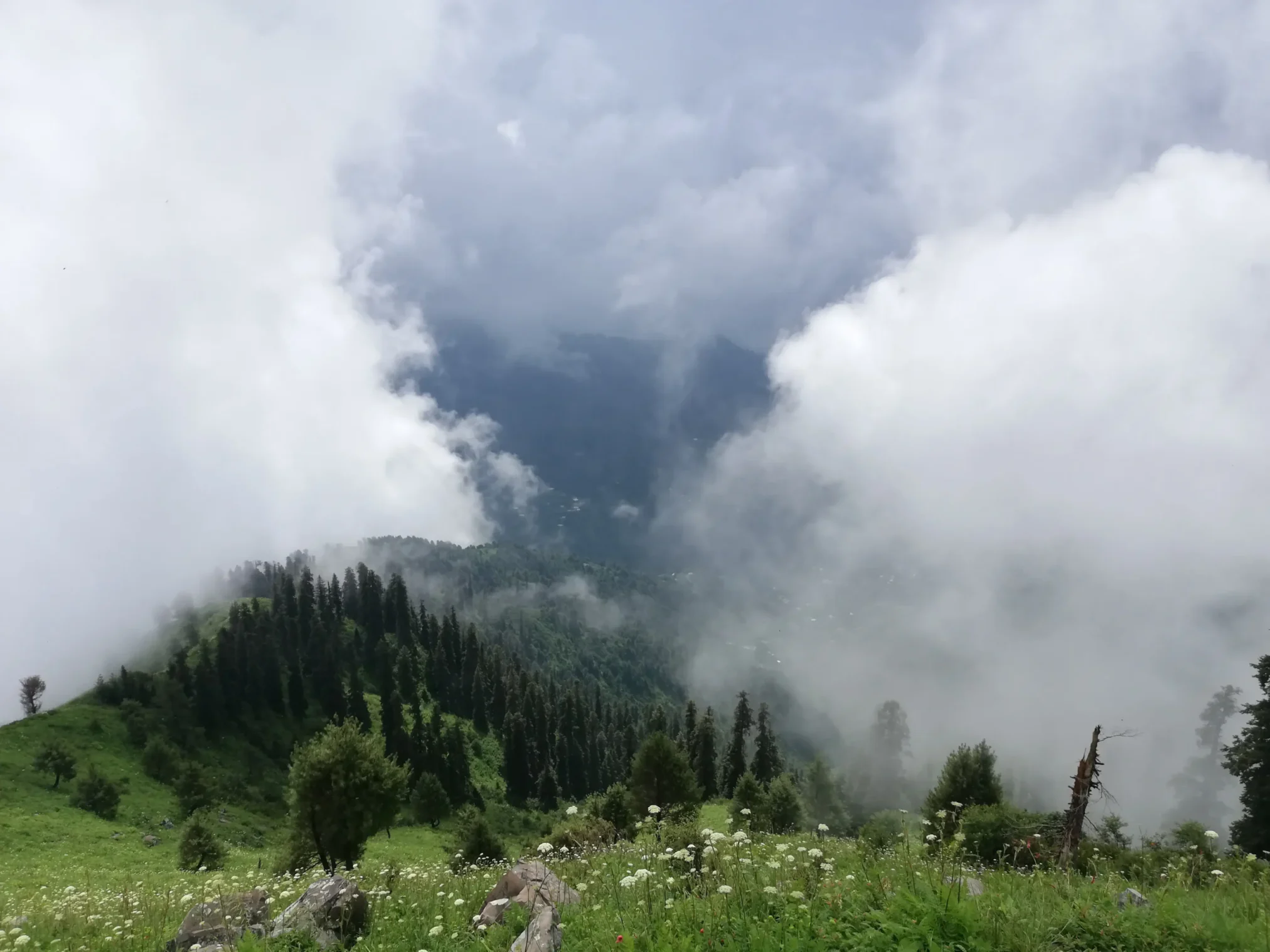
Monsoon season, usually from July to September, brings a dramatic transformation to Miranjani’s landscape. The forests become vividly green, streams swell with rainwater, and mist often drapes the hills in an ethereal veil. The atmosphere during monsoon treks is enchanting, with clouds weaving through the treetops and the sound of raindrops adding a rhythmic background to the hike.
However, trekking during monsoon requires caution. Trails can become slippery, and sudden fog may reduce visibility. Hikers are advised to use trekking poles for stability, wear waterproof footwear, and keep their belongings protected from rain. Despite these challenges, the monsoon trek offers a magical, immersive experience that few other seasons can replicate.
Autumn: Clear Skies and Vibrant Foliage
Autumn, spanning from October to November, is a season of clarity and color. The trees shed their leaves in a fiery display of red, orange, and gold, creating a visually stunning contrast against the evergreen pines and cedars. The skies are generally clearer during this season, making it ideal for panoramic photography and long-distance views of surrounding peaks.
The cooler temperatures and low humidity make trekking more comfortable, reducing the physical strain on hikers. Autumn treks are particularly recommended for those who wish to enjoy both the summit experience and the detailed beauty of the forest trail without the interference of summer heat or monsoon moisture.
Winter Treks: Snow, Silence, and Solitude
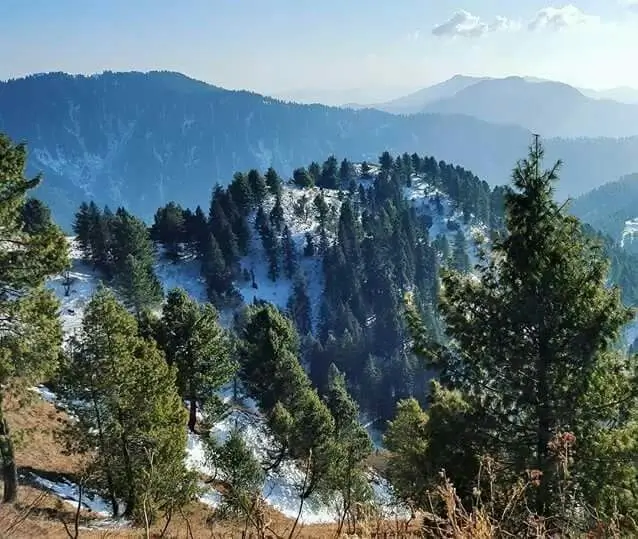
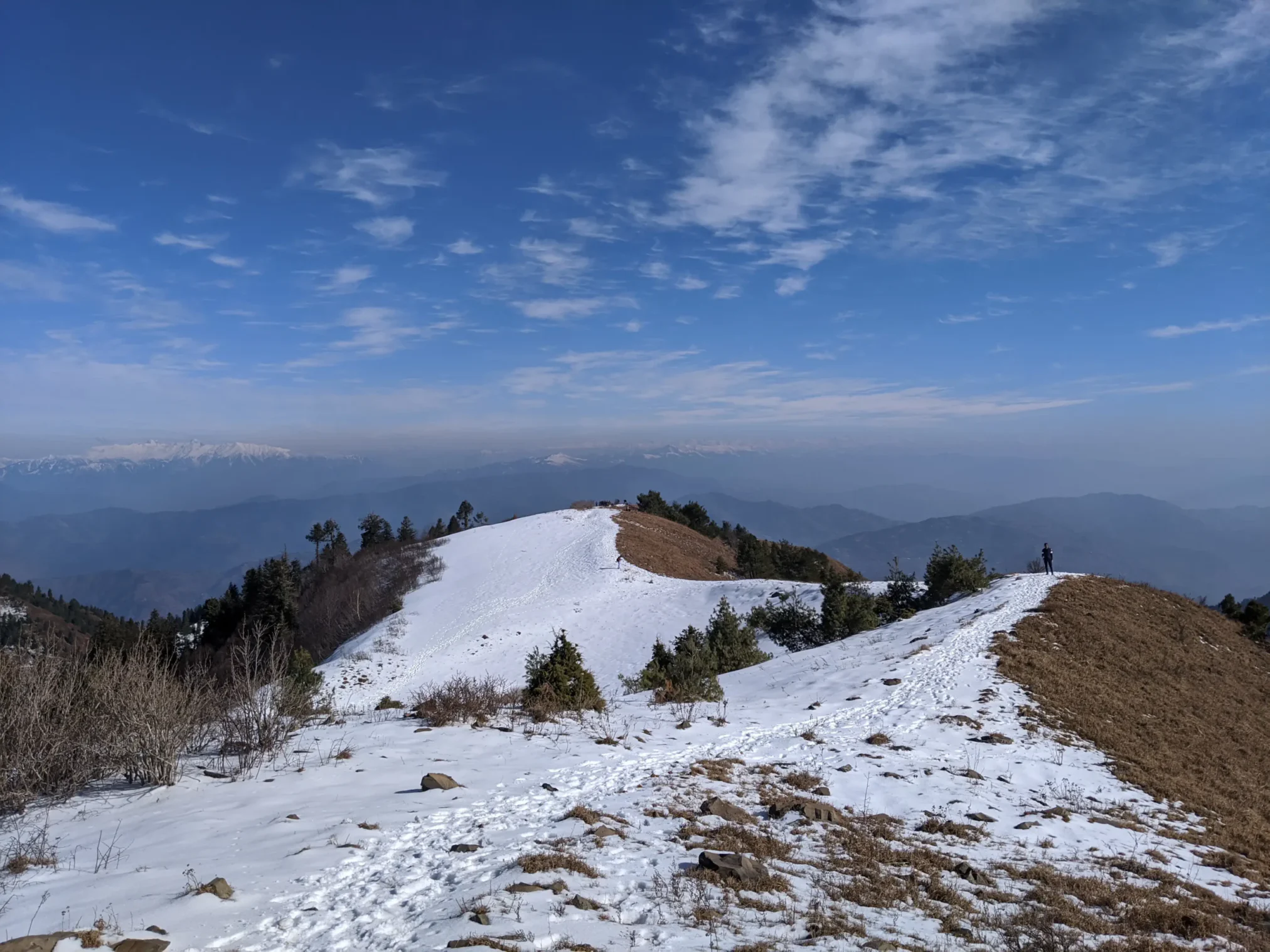
Winter transforms Miranjani Peak into a serene, snow-covered landscape, attracting trekkers seeking solitude and adventure. The trail can become challenging due to knee-deep snow in certain areas, requiring proper gear, experience, and caution. Winter temperatures are significantly lower, often dropping below freezing at the summit, making thermal clothing, gloves, and insulated boots essential for safety and comfort.
While winter treks demand higher preparation, the reward is a peaceful, almost otherworldly environment. The forest becomes quieter, wildlife sightings are fewer but more meaningful, and the snow-laden slopes create perfect opportunities for photography and reflection. Winter trekking is recommended for experienced adventurers or those accompanied by local guides.
Essential Gear for All Seasons
Regardless of the season, proper gear is a key component of a successful Miranjani trek. Trekking boots with sturdy soles provide traction on diverse terrains, while layered clothing allows hikers to adapt to fluctuating temperatures. Raincoats and waterproof backpacks protect against sudden weather changes, particularly during monsoon and winter months.
Additional essentials include trekking poles for stability, water bottles and energy-rich snacks, a first-aid kit for emergencies, and a camera or binoculars to capture the scenic splendor. Sunglasses and sunscreen are useful even in cooler months, as high-altitude sunlight can be intense. By preparing adequately, trekkers can navigate challenges safely while fully enjoying the immersive experience.
Timing Your Trek for Maximum Experience
Choosing the right season depends on the type of experience desired. For flowering landscapes and active wildlife, spring is ideal. For cool forested trails with minimal crowding, summer and autumn are preferable. Monsoon offers mystical scenery for those willing to face slippery trails, while winter provides solitude, snow, and a unique sense of accomplishment for prepared hikers.
Planning a trek according to seasonal conditions not only enhances enjoyment but also ensures safety. Weather updates, trail conditions, and guidance from local experts are invaluable for timing a successful and rewarding ascent.
Seasonal Diversity Enhances the Adventure
Miranjani Peak’s year-round accessibility makes it a versatile destination for trekkers, nature lovers, and adventure enthusiasts. Each season offers a distinct experience—blooming flowers in spring, refreshing forests in summer, misty trails in monsoon, vibrant foliage in autumn, and snow-covered solitude in winter.
By understanding the seasonal dynamics, preparing the right gear, and timing the trek carefully, visitors can maximize both enjoyment and safety. The seasonal diversity of Miranjani ensures that every visit is unique, leaving trekkers with a lasting connection to the natural beauty, challenges, and rewards of this majestic peak
Staying and Camping – Safety, Comfort, and Local Hospitality
Accommodation Options Near Miranjani Peak
While Miranjani Peak itself remains largely undeveloped, the surrounding Nathia Gali area continues to offer a wide range of accommodations for trekkers and nature enthusiasts. From luxury resorts to cozy guesthouses, visitors can find lodging that fits their needs. Notable high-end options include the DoubleTree by Hilton Nathiagali, located just 4 km from the trailhead, featuring modern rooms, an indoor pool, sauna, and scenic forest views. For mid-range travelers, Fogland Hotel offers a quiet retreat away from the bazaar with attentive service, while Alpine Hotel & Resort provides family-friendly cottages, 24-hour hot water, and a mini-zoo. Budget-conscious visitors can opt for Snow Line Residence, offering comfortable rooms, valley views, and complimentary breakfast at a more accessible price point. Staying in Nathia Gali not only ensures comfort but also allows easy access to local amenities, guided tours, and dining options, making it an ideal base for the trek.
Camping and Glamping Options
Although Miranjani Peak is a pristine natural site, camping directly on the trail or at the summit is generally discouraged due to the presence of leopards and other wildlife, as well as sudden high-altitude weather changes. However, for adventurers wishing to spend a night closer to nature, Dagri Bangla—a historic rest house reachable via a side trek from Miranjani—offers designated areas for tents and a small water stream nearby, making it a safer option for experienced campers.
For a more comfortable or family-oriented stay, glamping and camping pods in nearby areas provide scenic alternatives. Thandiani Camping Pods, approximately 15 km from Miranjani, feature basic hut-style accommodations, while Sharan Forest Glamping, about 60 km from the trailhead, offers luxury wooden pods equipped with hot water and solar power. These options allow visitors to enjoy nature with added convenience and safety.
Safety Guidelines for Staying and Camping
Safety is a key consideration when planning stays or overnight excursions near Miranjani Peak. Trekking parties are strongly advised to hike in groups and inform a local contact of their itinerary. Essential gear includes sturdy hiking boots, layered clothing to adapt to changing temperatures, waterproof jackets, and headlamps for low-light conditions. Trekking poles help maintain balance on uneven or slippery terrain.
Camping at the summit is not recommended due to leopard activity and exposure to sudden weather shifts. Visitors should avoid nighttime family camping, securely store food, and manage waste responsibly to minimize environmental impact and reduce encounters with wildlife. Following these guidelines ensures a secure and enjoyable experience without compromising the natural environment.
Meal Planning and Essentials
Food and water are unavailable on the Miranjani trail, so hikers must carry sufficient supplies. A minimum of 1.5–2 liters of water per person is recommended, along with light, energy-rich snacks such as nuts, dried fruits, and energy bars to sustain stamina during the hike. For overnight stays at Dagri Bangla or glamping pods, trekkers should plan meals in advance and pack cooking essentials if needed. Proper food storage and waste disposal are essential to maintain the pristine environment and ensure the safety of both visitors and wildlife.
Local Hospitality and Community Engagement
The communities surrounding Miranjani Peak, including Namli Maira and Khan Kalaan, are known for their warm hospitality. Engaging with local residents offers a deeper cultural experience and insights into village life in the Galyat region. Hiring local guides not only supports the community economically but also enriches the trek, as guides provide knowledge about trail conditions, local flora and fauna, and nearby attractions. Travelers can also enjoy regional cuisine, learn about traditional crafts, and witness local customs firsthand, creating a meaningful connection beyond the natural beauty of the peak.
Nearby Attractions and Activities
While the summit is largely undeveloped, several nearby attractions enhance the overall experience. St. Matthews Church, near the trailhead, has been renovated with lush green carpeting and serves as a scenic starting point. Adventure enthusiasts can combine the Miranjani trek with nearby trails like Mushkpuri or the Pipeline Track through curated tours such as Dum Dum Tours. Families can explore spots like Lalazar Wildlife Park, Harnoi River Picnic Area, and Samundar Katha Lake, offering activities like guided treks, riverside dining, ziplining, canoeing, and archery. These options provide a balance of adventure and leisure for visitors of all ages.
Comfort, Safety, and Adventure in Harmony
With updated accommodations, glamping options, and curated tours, staying near Miranjani Peak in 2026 offers a blend of comfort, safety, and adventure. While the peak itself remains undeveloped, careful planning, adherence to safety guidelines, and responsible camping practices allow trekkers to enjoy its breathtaking views without compromising environmental integrity. Engaging with local communities, exploring nearby attractions, and choosing the right accommodation or camping option transforms the journey to Miranjani into a holistic adventure that combines natural beauty, cultural richness, and personal accomplishment.
Tips, Reviews, and Final Thoughts – Planning Your Ultimate Miranjani Adventure
Essential Planning Tips for the Miranjani Trek
Preparing for the Miranjani Trek requires careful planning to ensure safety, comfort, and a fulfilling experience. The trek is best undertaken between April and October, when weather conditions are favorable, and the trails are mostly clear. Early morning starts are strongly recommended, as they help hikers avoid afternoon cloud cover that can obscure the summit views. Trekking in groups is advisable for safety, especially in areas known for wildlife activity.
Proper gear is essential. Hikers should wear sturdy shoes with good grip, layer clothing to manage fluctuating temperatures, and carry rain protection, such as waterproof jackets or ponchos. Trekking poles can help maintain balance on the trail’s steeper sections, particularly near the final ascent. Additionally, carrying 1.5 to 2 liters of water per person, along with high-energy snacks like nuts, dried fruits, or energy bars, ensures sustained energy throughout the hike.
Navigation is usually straightforward, thanks to well-marked trails, but it’s still recommended to use maps or GPS and inform a local contact of your trekking plans. Avoid littering, respect wildlife, and stay on the designated path to preserve the natural beauty of Miranjani Peak for future trekkers.
Traveler Experiences and Reviews (2026)
Visitors in early 2026 continue to praise Miranjani for its breathtaking scenery, fresh mountain air, and panoramic views of Abbottabad, Haripur, and even Nanga Parbat on clear days. Recent reports, however, highlight some challenges, such as trail deterioration, with protruding stones and loose gravel making certain sections slippery, and a lack of trash bins along the route. Despite these hurdles, the trail remains a favorite for both seasoned hikers and families seeking a peaceful escape.
Miranjani also remains a site of remarkable milestones. In late 2025, a 9-month-old “baby explorer” reportedly reached the summit with parental assistance, continuing the trend of very young children completing the trek. Travelers note that wildlife encounters, including rhesus monkeys and occasional leopard activity, add excitement but require caution. Most visitors recommend staying alert, especially near the summit, and avoiding nighttime camping due to safety concerns.
Guided Tours and Curated Experiences
For those seeking a structured adventure, guided tours have become increasingly popular. Companies like Dum Dum Tours now offer multi-hike itineraries that combine Miranjani with nearby trails such as Mushkpuri and the Pipeline Track. Guided tours provide benefits such as route navigation, wildlife awareness, and access to insider knowledge about scenic viewpoints and hidden spots. These tours are ideal for newcomers, families, or anyone wishing to enhance their trekking experience with added safety and local expertise.
Nearby Attractions and Activities
While the summit itself offers unparalleled natural beauty, the surrounding region presents additional attractions for hikers and families. St. Matthews Church, renovated in 2026, provides a scenic trailhead with lush greenery. Adventure seekers can explore Lalazar Wildlife Park, Harnoi River Picnic Area, and Samundar Katha Lake, where activities range from ziplining and canoeing to guided nature walks. These sites allow for a balanced itinerary, combining strenuous trekking with leisurely outdoor recreation.
Accommodation and Comfort Options
Staying near Nathia Gali remains the most practical option for travelers. Luxury hotels like DoubleTree by Hilton Nathiagali provide modern amenities and comfort, while mid-range and budget options such as Fogland Hotel, Alpine Hotel & Resort, and Snow Line Residence cater to families and solo travelers seeking convenience and affordability. For those seeking immersion in nature, camping at Dagri Bangla or glamping at Sharan Forest or Thandiani Camping Pods allows a more intimate connection with the region’s pristine landscapes while maintaining safety and comfort.
Why Miranjani Peak Should Be on Your Bucket List
Miranjani Peak is more than just a trekking destination; it is a journey into the heart of the western Himalayan foothills, offering a blend of adventure, serenity, and cultural richness. The summit’s panoramic views, combined with the lush forested trails, diverse wildlife, and nearby attractions, create a multi-layered experience that appeals to both seasoned hikers and casual nature lovers.
Despite some challenges such as trail conditions and wildlife considerations, proper preparation, safety awareness, and engagement with local communities ensure a rewarding and memorable adventure. From witnessing the sunrise above the clouds to exploring nearby attractions and enjoying the hospitality of Nathia Gali, every step of the Miranjani Trek leaves a lasting impression.
For travelers seeking a unique mix of natural beauty, adventure, and tranquility, Miranjani Peak remains a must-visit destination. The combination of breathtaking landscapes, accessible trekking routes, and cultural immersion makes it a truly unforgettable experience—one that inspires hikers to return again and again.
Frequently Asked Questions (FAQs) With Answers
Q1: How high is Miranjani Peak?
A1: Miranjani Peak stands at approximately 2,992 meters (9,816 feet), making it the highest peak in the Galyat region of Khyber Pakhtunkhwa, Pakistan.
Q2: Where is Miranjani Peak located?
A2: The peak is located near Nathia Gali, within Ayubia National Park, roughly 80 km north of Islamabad.
Q3: How long is the Miranjani Trek?
A3: The trekking route is about 4.5–5 km one way, with a net elevation gain of around 600 meters. Most hikers reach the summit in 2–3 hours, depending on experience and pace.
Q4: What is the best time to visit Miranjani Peak?
A4: The ideal trekking season is from April to October. Early morning hikes are recommended to avoid afternoon fog and to enjoy clear summit views.
Q5: Are there camping facilities at Miranjani Peak?
A5: Camping directly on the trail or at the summit is not recommended due to leopard activity. Safer options include Dagri Bangla and nearby glamping pods at Thandiani or Sharan Forest.
Q6: What wildlife can I expect to see?
A6: Trekkers may encounter Rhesus monkeys, various bird species, and occasional sightings of leopards in the surrounding forests. Visitors should exercise caution and avoid leaving food unattended.
Q7: Are there hotels near Miranjani Peak?
A7: Yes, Nathia Gali offers a range of accommodations, from luxury options like DoubleTree by Hilton Nathiagali to mid-range and budget hotels such as Fogland Hotel and Snow Line Residence.
Q8: Is Miranjani suitable for beginner hikers?
A8: Yes, the trail is moderately difficult with gradual inclines, making it accessible for beginners, though proper footwear, water, and trekking gear are recommended.
Q9: Can Nanga Parbat be seen from Miranjani Peak?
A9: On a clear day, distant views of Nanga Parbat are visible from the summit, offering a spectacular backdrop for hikers and photographers.
Q10: Are there guided tours available for Miranjani?
A10: Yes, companies like Dum Dum Tours offer curated multi-hike packages, including Miranjani, Mushkpuri, and the Pipeline Track, which provide guides, safety tips, and insights into local flora and fauna.