Introduction: The Palace of Light in South Punjab
Pakistan is home to some of South Asia’s most underrated architectural marvels. While places like Lahore Fort and Badshahi Mosque dominate tourist itineraries, the southern region of Punjab quietly preserves a royal treasure that rivals many European palaces in elegance — Noor Mahal Bahawalpur.
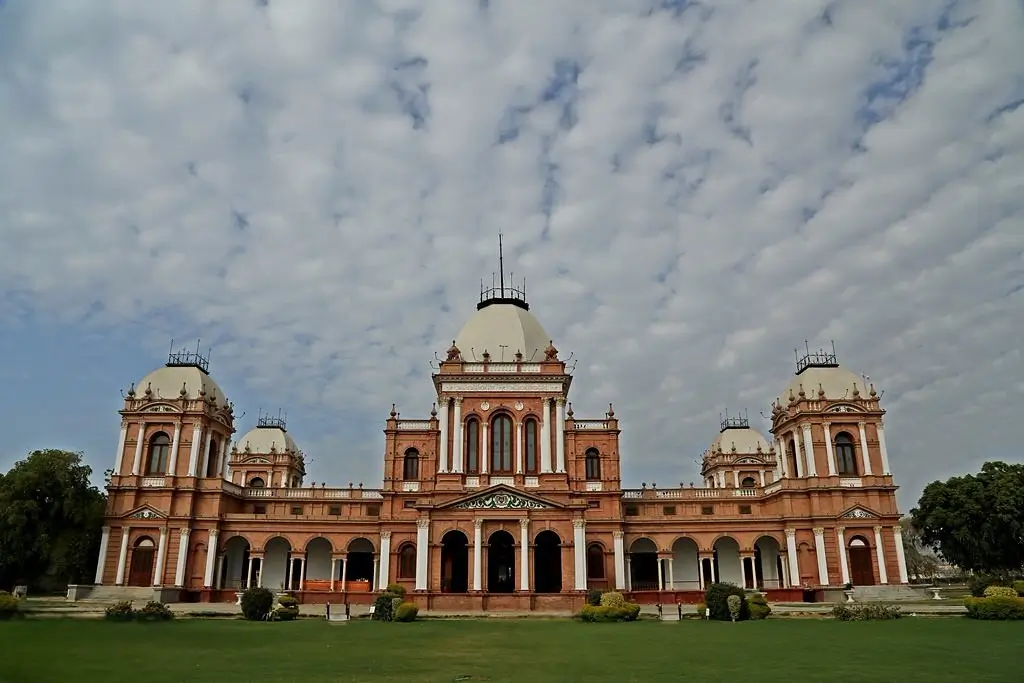
Nestled within the historic city of Bahawalpur, Noor Mahal stands as a symbol of princely grandeur, cultural fusion, and colonial-era ambition. Built in the late 19th century, this palace reflects a fascinating blend of Italian neoclassical design, Islamic architectural elements, and subcontinental craftsmanship. Despite its breathtaking beauty, Noor Mahal remained largely unused as a royal residence, giving rise to legends, superstitions, and myths that continue to intrigue visitors today.
Often referred to as the “Palace of Light”, Noor Mahal is not just a building — it is a story carved in stone, brick, and marble, representing the rise, glory, and eventual transformation of the Bahawalpur Princely State.
Explores everything you need to know about Noor Mahal:
- Its historical roots
- The Nawabs who built it
- Architectural brilliance
- Interior treasures
- Restoration, tourism, and modern significance
Bahawalpur: The Royal City of the Abbasi Nawabs
To understand Noor Mahal, one must first understand Bahawalpur itself.
Before becoming part of Pakistan in 1956, Bahawalpur was a semi-autonomous princely state under British rule. Governed by the Abbasi dynasty, the state enjoyed considerable wealth, political stability, and cultural sophistication. The Nawabs of Bahawalpur maintained their own:
- Currency
- Armed forces
- Administrative system
- Diplomatic relations
This prosperity allowed them to commission some of the most magnificent palaces in the region, including:
- Noor Mahal
- Darbar Mahal
- Sadiq Garh Palace
Among these, Noor Mahal remains the most architecturally unique due to its strong European influence.
Noor Mahal History
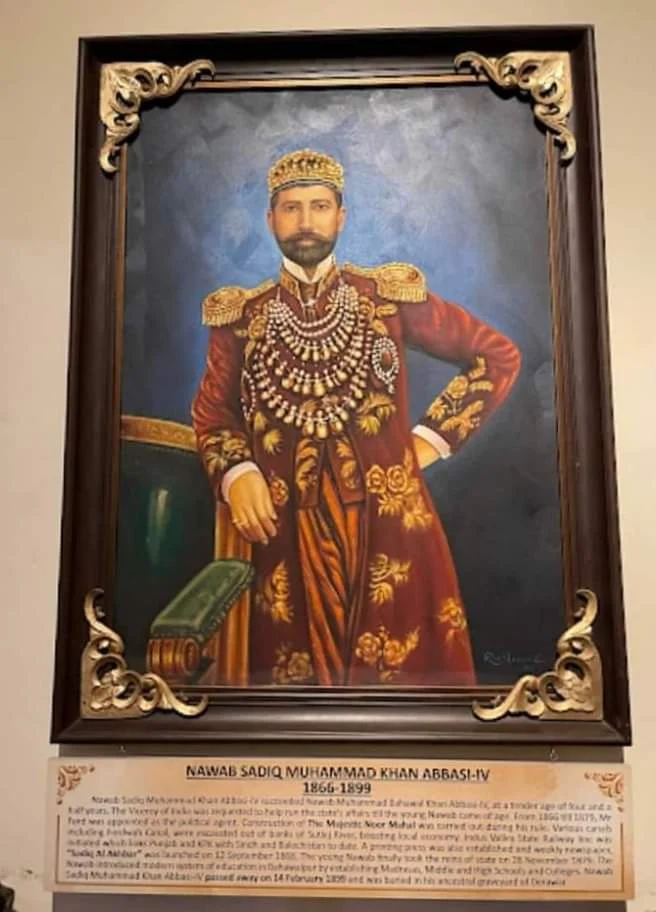
The construction of Noor Mahal began in 1872 and was completed in 1875, during the reign of Nawab Sir Sadiq Muhammad Khan IV.
At the time, architectural modernism was gaining popularity in Europe, and the Nawab — inspired by Western design — envisioned a palace that would reflect royal sophistication on an international level.
Construction Highlights:
- Construction Period: 1872–1875
- Cost: Rs. 1.2 million (a massive sum in the 19th century)
- Covered Area: 44,600 square feet
- Location: Bahawalpur Cantonment
To bless the structure, a map of the Bahawalpur State and coins were buried in the foundation — a tradition believed to bring prosperity and protection.
Who Built Noor Palace?
The palace was commissioned by Nawab Sir Sadiq Muhammad Khan IV, widely remembered as the “Shah Jahan of Bahawalpur” due to his obsession with monumental architecture.
He ruled during a period when Bahawalpur enjoyed:
- Strong British alliances
- Economic stability
- Cultural flourishing
Like the Mughal emperors before him, the Nawab used architecture as a symbol of power, refinement, and legacy.
The Legend Behind Bahawalpur Noor Mahal’s Name
One of the most famous stories associated with Noor Mahal gives the palace its aura of mystery.
According to popular legend:
- The palace was built for the Nawab’s wife, Noor Bakht Begum
- She stayed in the palace for only one night
- From her balcony, she saw the nearby Basti Maluk Shah graveyard
- Disturbed by the sight, she refused to ever return
Whether superstition or personal discomfort, this single incident changed the destiny of Noor Mahal forever.
Instead of becoming a royal residence, the palace was:
- Converted into a state guest house
- Used for official meetings
- Reserved for ceremonial events
The Nawab himself reportedly never lived there, adding to the palace’s reputation as an “unused royal marvel.”
Palace Under the British Raj
Despite not being used as a residence, Noor Mahal quickly became an important political and ceremonial venue during the British colonial period.
Notable Historical Events:
- 1890: Visit of Prince Albert Victor
- 1892: Stay of Sir McOrth Beck, Punjab’s Finance Commissioner
- 1897: Celebration of Queen Victoria’s Diamond Jubilee
- 1933: Ceremony marking the union of Bahawalpur State with British Government
- 1934: 10-year jubilee celebrations of Bahawalpur State
These events cemented Noor Mahal’s role as a diplomatic and ceremonial landmark, even though it remained uninhabited by the royal family.
The Architect Behind the Palace
The design of Noor Mahal was entrusted to Mr. Heennan, an English engineer serving as the state architect of Bahawalpur.
Unlike later palaces in the region that blended Mughal motifs, Noor Mahal was deliberately designed with a strong European identity, resembling an Italian chateau more than a South Asian palace.
This bold architectural choice made Noor Mahal:
- Unique among Pakistani heritage sites
- A rare example of pure neoclassical design in South Punjab
Why Noor Mahal Is Considered a Hidden Gem
Despite its scale and beauty, Noor Mahal remained largely unknown outside academic and regional circles for decades. Several factors contributed to this:
- Limited promotion
- Military ownership
- Focus on northern tourist destinations
Yet, those who visit often describe it as:
- One of Pakistan’s best-preserved palaces
- A peaceful alternative to crowded tourist sites
- A photographer’s dream
Its quiet grandeur, symmetrical design, and historical depth make Noor Mahal one of Pakistan’s most underrated monuments.
Architectural Brilliance, Design Philosophy & Structural Layout
Introduction to Noor Mahal’s Architecture
If Noor Mahal’s history tells the story of royal ambition, its architecture tells the story of vision, power, and cultural fusion. Unlike most palaces in Pakistan that draw heavily from Mughal or Islamic traditions, Noor Mahal stands apart as a European-inspired masterpiece rising unexpectedly from the plains of South Punjab.
Built in the late 19th century, this Mahal reflects a period when the rulers of princely states sought to align themselves with modern European aesthetics while still preserving their own cultural identity. The result is a palace that feels Italian at first glance, Islamic upon closer inspection, and unmistakably South Asian in spirit.
Italian Chateau Influence: A European Palace in Pakistan
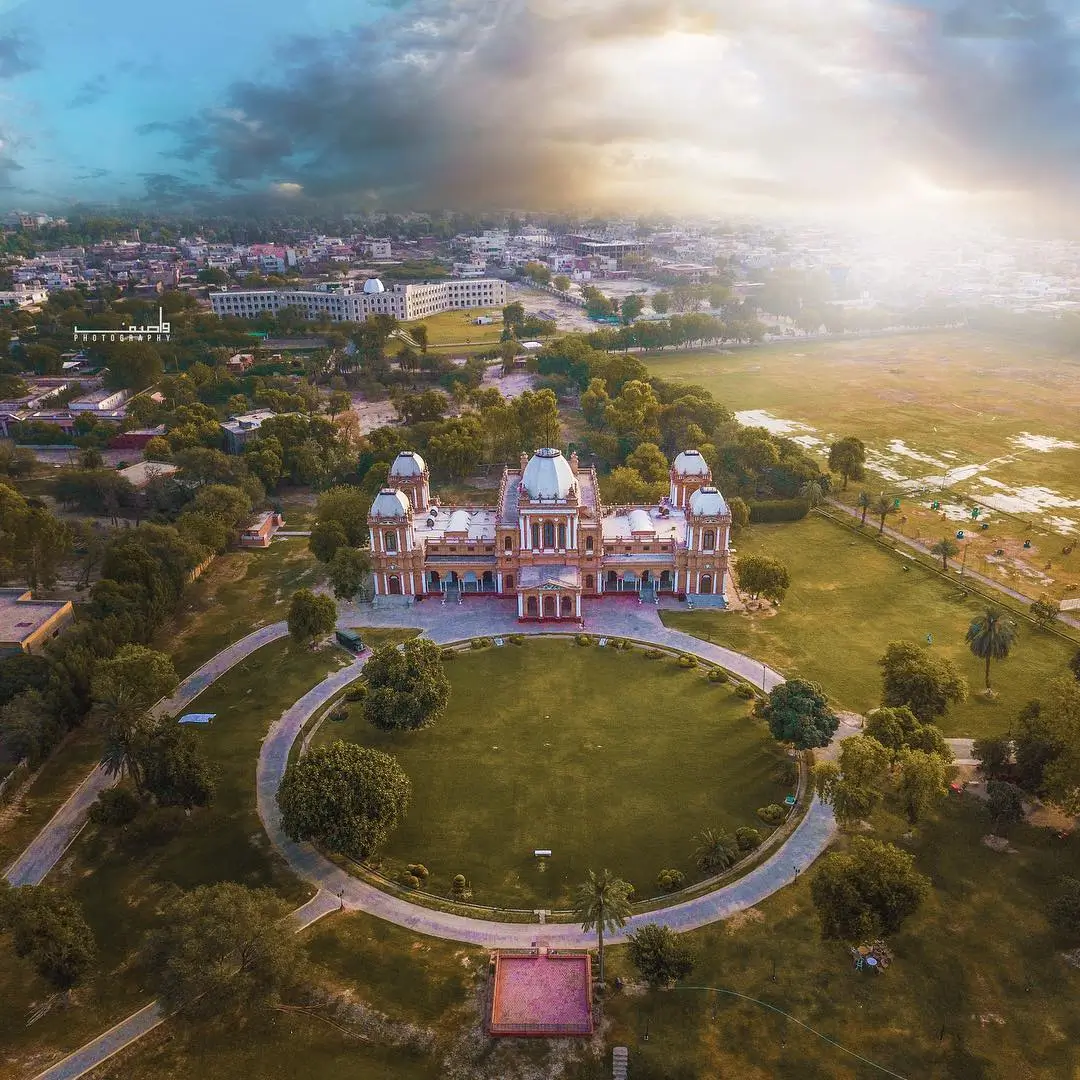
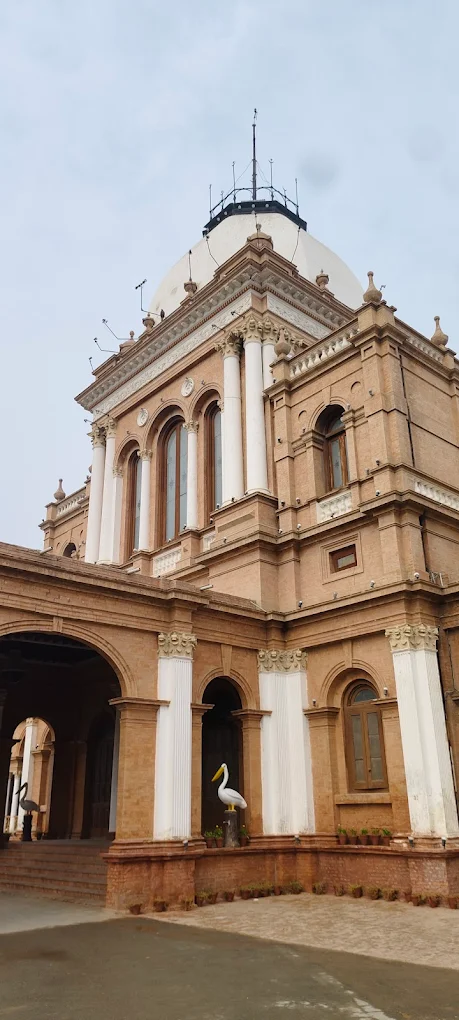
Noor Mahal is widely described as an Italian chateau built on neoclassical lines, a design choice that was extremely rare in the subcontinent during the 1870s.
What Is an Italian Chateau Style?
An Italian chateau typically features:
- Symmetrical facades
- Tall Corinthian columns
- Ornamental pediments
- Balustraded terraces
- Wide verandas
- Dome-like roof elements
All these features are present in this Mahal, making it one of the purest examples of European palace architecture in Pakistan.
The palace’s clean geometry, balanced proportions, and classical detailing strongly resemble 19th-century European country estates, rather than traditional South Asian forts or havelis.
Neoclassical Design Philosophy
Neoclassical architecture draws inspiration from ancient Greek and Roman design, emphasizing:
- Order
- Symmetry
- Proportion
- Grandeur
This Mahal’s neoclassical features can be clearly seen in:
- The front elevation, which follows strict symmetry
- The columned portico at the entrance
- The triangular pediments above doors and windows
- The balustrades lining the terraces
This style was popular in Europe during the 18th and 19th centuries and symbolized power, intellect, and civilization — qualities the Nawab of Bahawalpur wanted his state to project.
Structural Layout and Dimensions of Noor Mahal
Noor Mahal is not just beautiful; it is also architecturally massive.
Key Structural Statistics:
- Covered area: 44,600 square feet (4,140 square meters)
- Total rooms: 32
- Basement rooms: 14
- Verandas: 6
- Domes: 5
The palace is spread across multiple levels, with:
- A basement for storage and service areas
- A ground floor for ceremonial and guest functions
- Upper levels designed for formal gatherings
The building was carefully oriented to ensure:
- Natural ventilation
- Maximum daylight
- Structural balance
The Five Domes: Islamic Influence in European Design
While Noor Mahal appears European at first glance, the five domes crowning the structure immediately introduce an Islamic architectural identity.
Significance of the Domes:
- Domes are a key element of Islamic architecture
- Symbolize the heavens and divine authority
- Provide structural strength and thermal insulation
At Noor Mahal:
- One central dome dominates the skyline
- Four smaller domes balance the structure symmetrically
This clever integration of domes allowed the palace to:
- Maintain its European character
- Respect Islamic architectural traditions
- Adapt to the local climate
Corinthian Columns: The Language of Power
One of the most striking features of this Mahal is its use of Corinthian columns, the most ornate of classical column styles.
Where You’ll See Them:
- Main entrance portico
- Verandas
- Durbar Hall interiors
Characteristics:
- Slender proportions
- Decorative capitals adorned with acanthus leaves
- Symbol of luxury and refinement
In classical architecture, Corinthian columns were often used in temples and palaces, making them a perfect choice for a royal building like Noor Mahal.
The Durbar Hall: Heart of the Palace
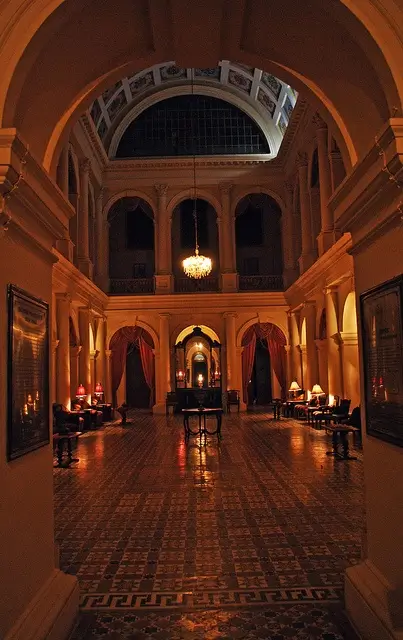
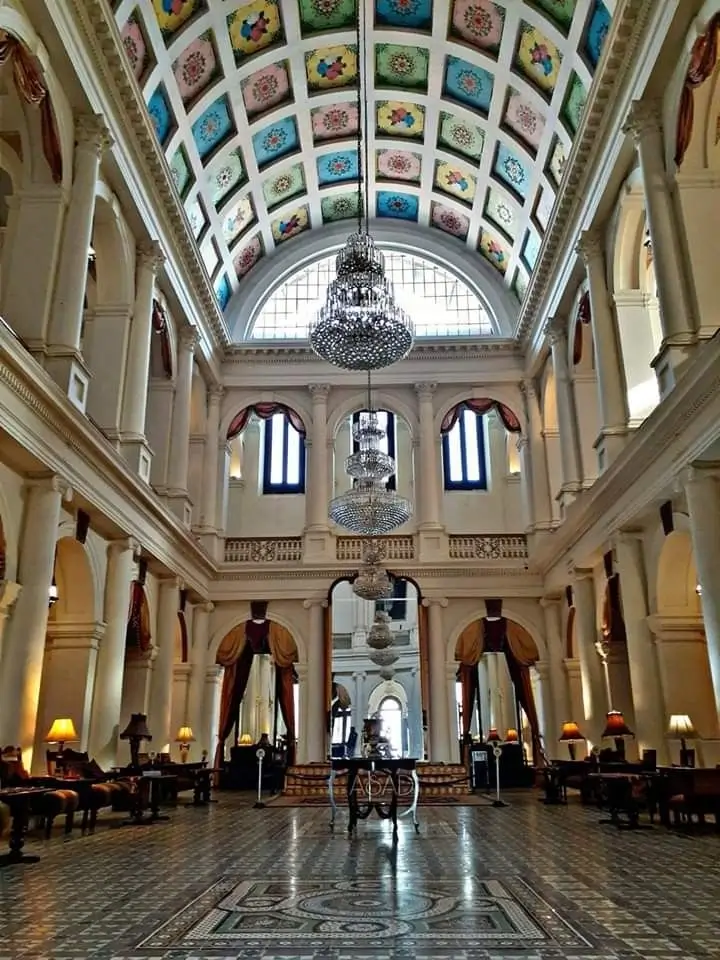
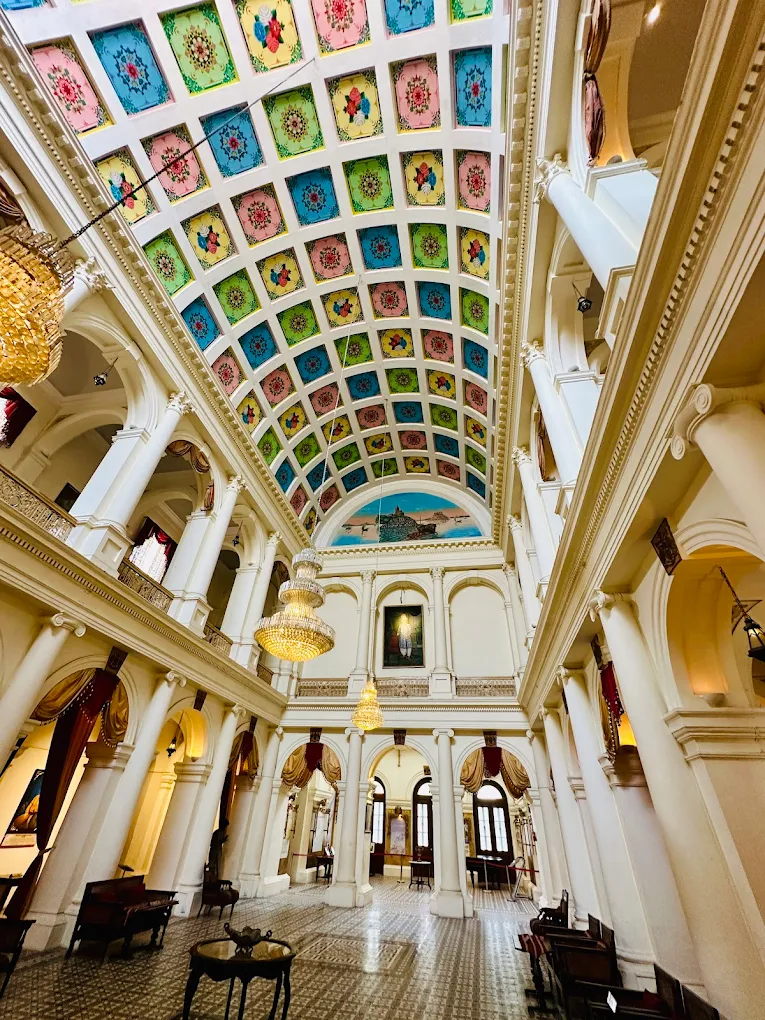
At the center of Mahal lies the Durbar Hall, the most magnificent interior space in the palace.
Architectural Highlights:
- Vaulted ceiling
- Ornate plasterwork
- Symmetrical layout
- Imported chandeliers
The Durbar Hall was designed to host:
- Royal receptions
- Diplomatic meetings
- Ceremonial events
The acoustics, proportions, and decorative elements reflect careful European engineering combined with royal grandeur.
Verandas and Balconies: Climate-Smart Design
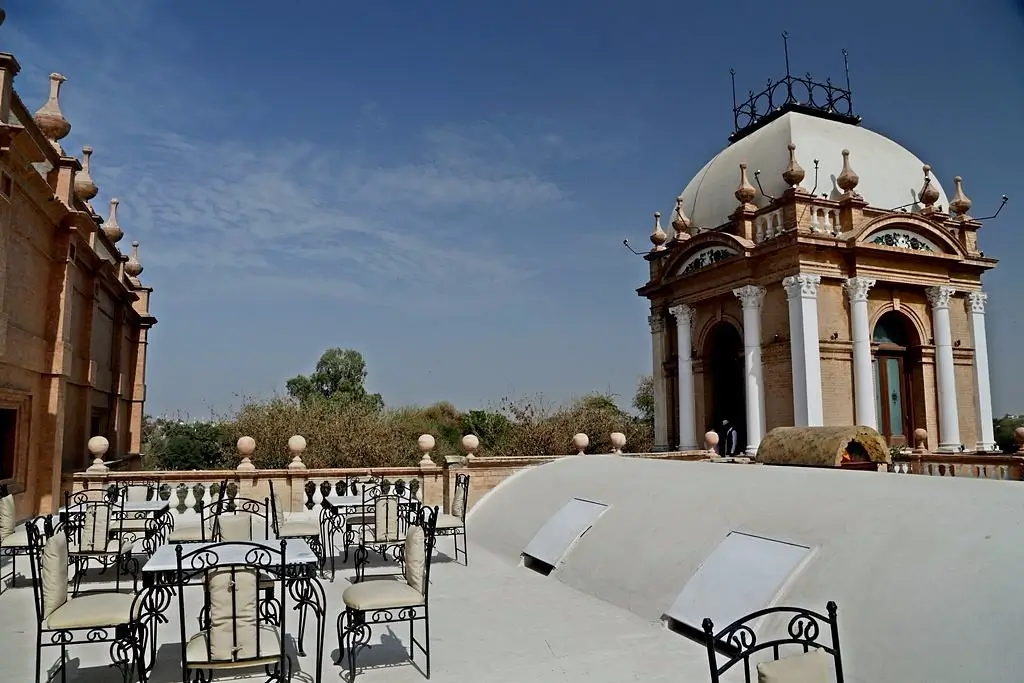
Noor Mahal features six wide verandas, a design choice deeply rooted in South Asian architectural wisdom.
Purpose of Verandas:
- Shield interior rooms from direct sunlight
- Improve air circulation
- Provide shaded outdoor spaces
Despite the palace’s European design, the inclusion of verandas shows a clear understanding of Punjab’s hot climate. These spaces also serve as scenic viewpoints, offering panoramic views of the surrounding gardens and city.
Subcontinental Touches: Local Identity Preserved
Beyond domes and verandas, Noor Mahal includes subtle subcontinental architectural elements, especially in:
- Angular and elliptical shapes
- Decorative motifs
- Spatial planning
These features soften the rigid symmetry of neoclassical design and give the palace a unique identity that feels both foreign and familiar.
Imported Materials and Craftsmanship
One of the most remarkable aspects of Noor Mahal’s construction is the extensive use of imported materials.
Imported From England and Italy:
- Marble
- Tiles
- Furniture
- Chandeliers
- Decorative fittings
However, the execution was carried out by local craftsmen, who blended foreign materials with regional techniques. This collaboration resulted in:
- Exceptional durability
- Fine detailing
- A timeless aesthetic
Basement Design: Functionality Meets Engineering
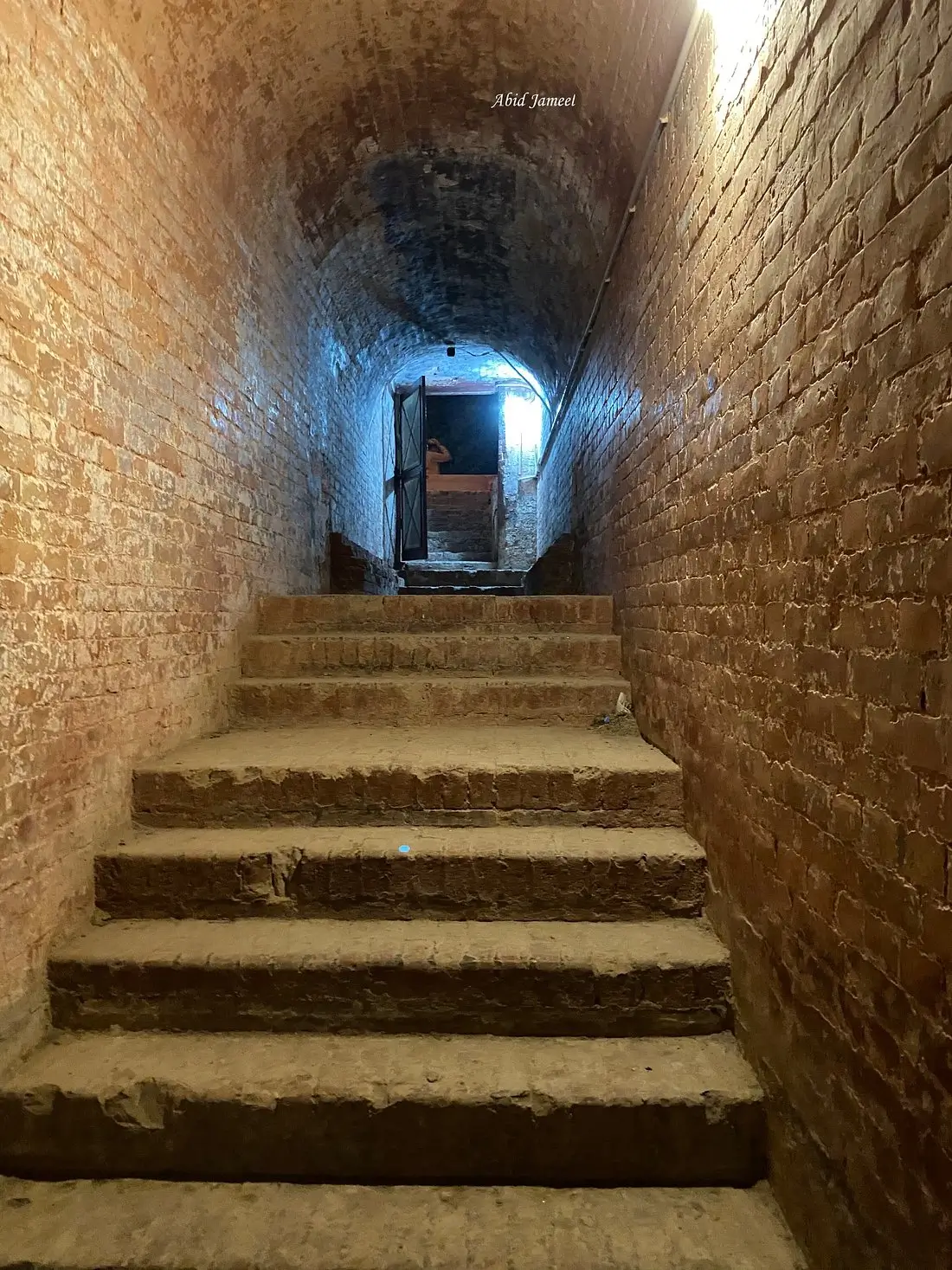
The basement of this Mahal includes 14 rooms, an unusually large number for a palace of this era.
Uses of Basement Rooms:
- Storage
- Servant quarters
- Utility spaces
The basement was designed with:
- Thick walls for temperature control
- Ventilation shafts
- Moisture-resistant construction
This reflects the advanced engineering knowledge employed in the palace’s design.
Mosque Addition: Completing the Royal Complex
In 1906, Nawab Muhammad Bahawal Khan V added a mosque within the this Mahal complex.
Key Details:
- Cost: Rs. 20,000
- Inspired by the mosque at Aitchison College, Lahore
- Designed to blend seamlessly with the palace
The mosque reinforced the palace’s role as a complete royal and ceremonial complex, not just a residence.
Why Noor Mahal’s Architecture Matters Today
This Mahal is not just a beautiful building — it is a case study in cross-cultural architecture.
It represents:
- European modernism
- Islamic symbolism
- South Asian climate adaptation
Few buildings in Pakistan achieve this balance as successfully as Noor Mahal
Interior Grandeur, Museum Collections & Royal Lifestyle
Entering Noor Mahal: A Journey into Royal Elegance
While the exterior of the Mahal commands attention with its neoclassical symmetry and domes, it is the interior of the palace that truly immerses visitors in the refined lifestyle of the Nawabs of Bahawalpur. Every hall, corridor, and chamber reflects a carefully curated blend of European luxury and royal South Asian taste.
Walking inside the Mahal feels less like entering a museum and more like stepping into a preserved moment from the 19th century — a time when princely states balanced tradition with colonial modernity.
Interior Design Philosophy of Noor Mahal
The interior design of Noor Mahal was conceived to:
- Impress visiting dignitaries
- Reflect royal authority and sophistication
- Demonstrate the Nawab’s appreciation for Western aesthetics
Unlike Mughal palaces filled with heavy ornamentation, this Mahal’s interiors lean toward European elegance, characterized by:
- Spacious rooms
- High ceilings
- Symmetrical layouts
- Subtle yet luxurious detailing
This restrained elegance aligns with the palace’s neoclassical exterior and reinforces its identity as a European-style royal residence.
The Grand Entrance Hall
Upon entering this Mahal, visitors are greeted by a grand entrance hall designed to establish immediate visual impact.
Key Features:
- Imported marble flooring
- Decorative wall moldings
- Tall doors with classical frames
- High ceilings that enhance natural light
This space functioned as a transition area, preparing guests for the grandeur of the Durbar Hall and reception rooms beyond.
Durbar Hall Interiors: Symbol of Power and Prestige
The Durbar Hall is undoubtedly the most magnificent interior space within Noor Mahal.
Architectural Highlights:
- Vaulted ceiling with ornate plasterwork
- Massive chandeliers imported from Europe
- Corinthian columns supporting the structure
- Symmetrical seating arrangement
The hall was used for:
- Royal receptions
- Diplomatic meetings
- Official ceremonies
Every design element within the Durbar Hall was intended to convey authority, discipline, and refinement, reinforcing the Nawab’s status among British officials and neighboring states.
Chandeliers: Imported Symbols of Luxury
One of the most visually striking elements inside Noor Mahal is its collection of European chandeliers.
Details:
- Imported from England and Italy
- Made of crystal and brass
- Designed to illuminate vast spaces
These chandeliers were not merely lighting fixtures; they were symbols of wealth and global connectivity, demonstrating the Nawab’s access to European markets and luxury goods.
Decorative Tile Floors and Flooring Art
The floors of Mahal deserve special attention for their artistic and technical excellence.
Flooring Materials:
- Imported decorative tiles
- Marble in select areas
- Intricate geometric patterns
The tile floors feature:
- Floral motifs
- Classical European designs
- Durable craftsmanship that has survived more than a century
These floors not only enhance aesthetic appeal but also reflect the palace’s commitment to long-lasting quality.
Royal Furniture: European Taste, Royal Comfort
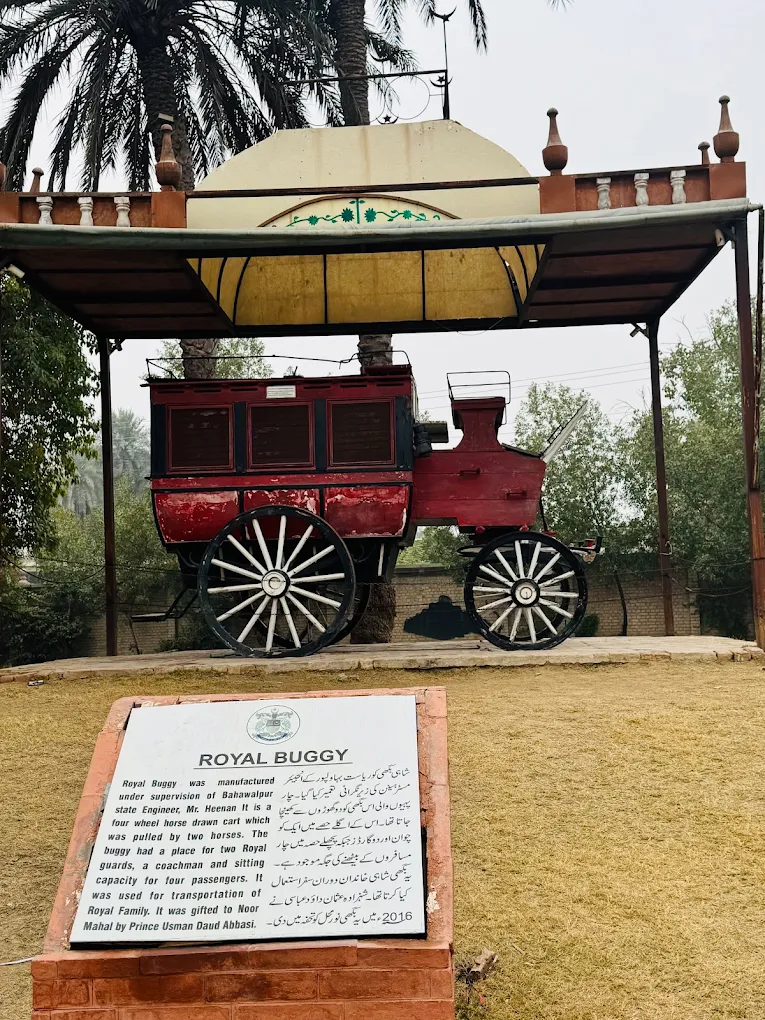
Much of the furniture inside Noor Mahal was imported from England and Italy, reflecting the Nawab’s admiration for Western interior styles.
Types of Furniture on Display:
- Wooden dining tables
- Upholstered chairs and sofas
- Ornate cabinets and sideboards
- Writing desks and display units
The furniture design emphasizes:
- Comfort
- Symmetry
- Minimal ornamentation
Unlike heavily carved Mughal furniture, Noor Mahal’s furnishings feel lighter, more refined, and functional, aligning with European tastes of the era.
Dining Room: Where Diplomacy Met Hospitality
The royal dining room offers a fascinating glimpse into how diplomacy was conducted over lavish meals.
Features:
- Long dining table
- Imported crockery and cutlery
- Decorative wall panels
- Soft lighting
This space was used to host:
- British officers
- State officials
- Visiting dignitaries
The dining setup reflects the Nawab’s desire to meet European guests on equal cultural footing, adopting Western dining customs without sacrificing royal grandeur.
Noor Mahal Museum: Preserving Royal History
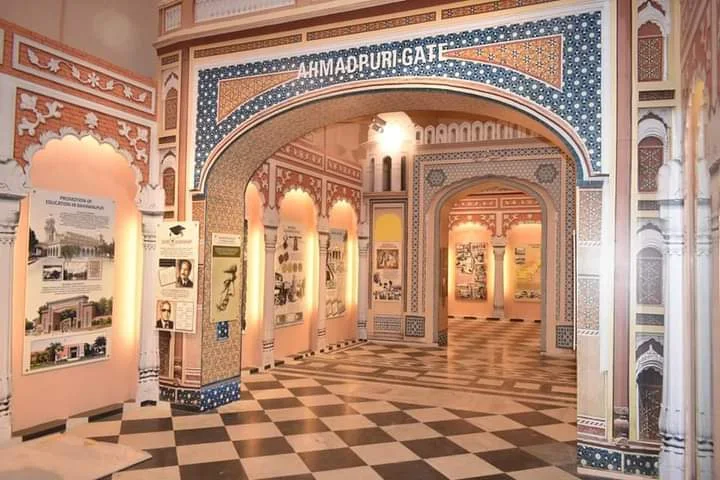
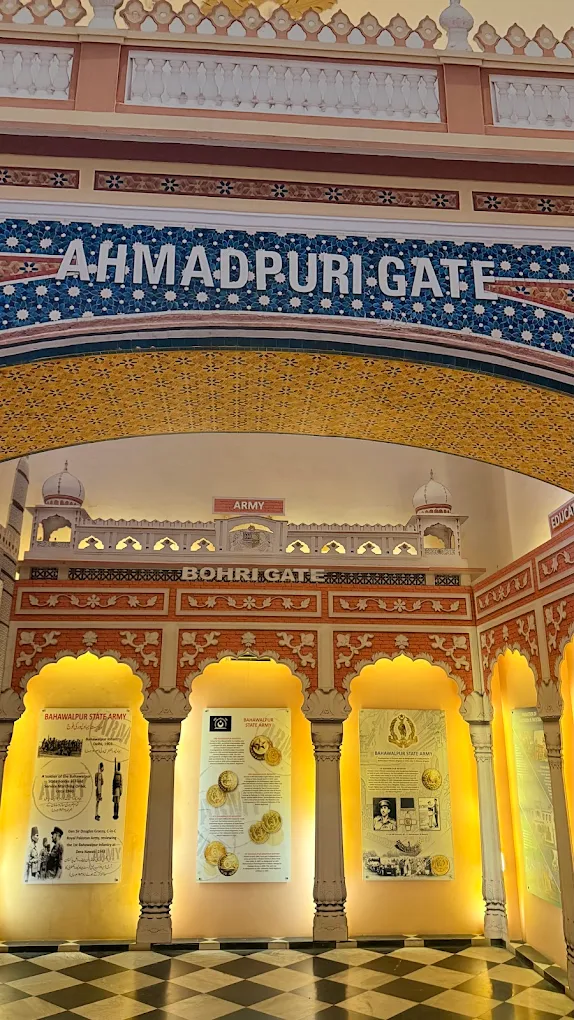
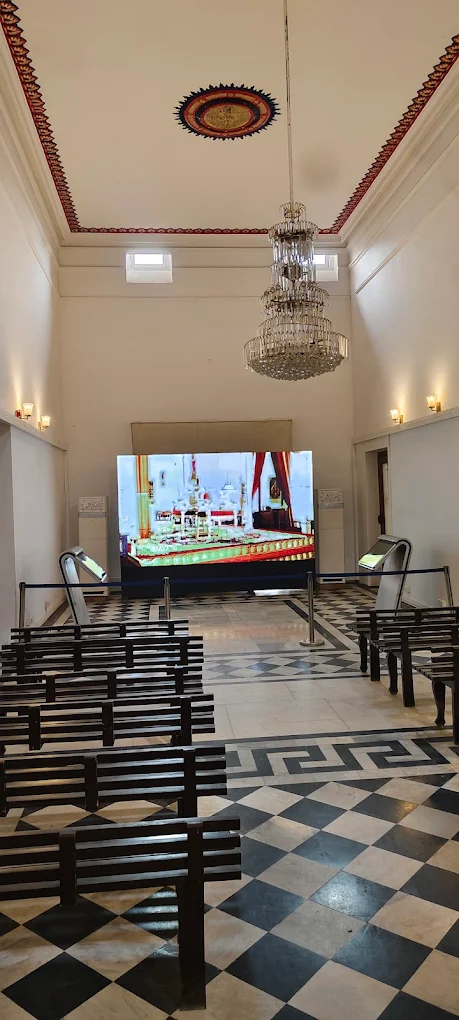
Today, several rooms within this Mahal function as a museum, showcasing artifacts from the Bahawalpur princely era.
Museum Collections Include:
- Antique swords, daggers, and knives
- Firearms from the colonial period
- Royal crockery and utensils
- Personal belongings of the Nawabs
- Historical photographs and documents
Each artifact is carefully displayed to provide visitors with a narrative of royal life, military tradition, and administrative authority.
Display of Arms: Symbols of Authority
One of the most fascinating museum sections features a display of historical weapons.
Weapons on Display:
- Ornamental swords
- Daggers with jeweled hilts
- Knives used for ceremonial purposes
These weapons symbolize:
- Royal authority
- Military strength
- The Nawab’s role as a ruler and protector
Rather than being purely functional, many of these weapons are art pieces, crafted with exceptional attention to detail.
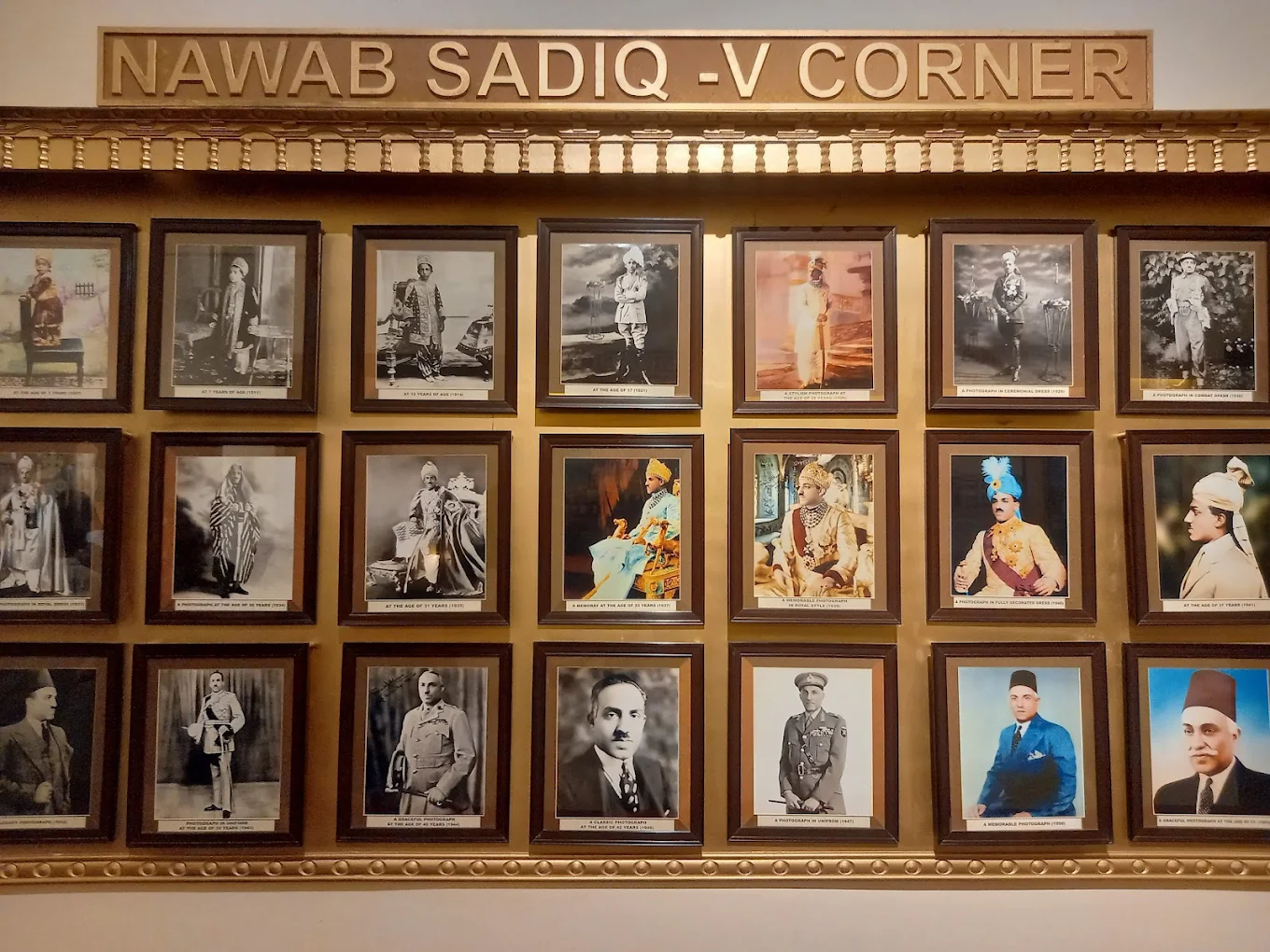
Portrait Gallery: Faces of the Abbasi Dynasty
The palace includes portraits of the Nawabs of Bahawalpur, offering a visual timeline of the Abbasi dynasty.
What These Portraits Reveal:
- Evolution of royal fashion
- Influence of British attire
- Changing political identities
From traditional robes to European military uniforms, these portraits capture the transformation of princely identity under colonial rule.
The Library: A Forgotten Intellectual Space
Hidden within Noor Mahal is a library, often overlooked by casual visitors.
Significance:
- Contained books on history, governance, and literature
- Reflected the Nawab’s intellectual interests
- Served as a private study area
Although not all books have survived, the presence of a library highlights the palace’s role as a center of learning, not just luxury.
Bedrooms and Private Chambers
The private rooms of the Mahal were designed for comfort rather than excess.
Design Elements:
- Soft color palettes
- Functional furniture
- Ample ventilation
Ironically, despite their elegance, these rooms were rarely used due to the palace’s limited residential role, adding to its mystique.
Basement Rooms: Hidden Functionality
The basement contains 14 rooms, primarily used for:
- Storage
- Servant quarters
- Utility functions
These spaces were built with:
- Thick walls
- Temperature control
- Practical layouts
The basement demonstrates that Noor Mahal was not just ornamental — it was engineered for long-term use.
Artistic Balance: Luxury Without Excess
What makes Noor Mahal’s interior truly remarkable is its balance.
Unlike palaces overloaded with gold and ornamentation, Noor Mahal achieves:
- Elegance through proportion
- Luxury through materials
- Grandeur through space
This restrained approach reflects European design principles while accommodating royal expectations.
Visitor Experience Today
Modern visitors experience Noor Mahal as:
- A museum
- A heritage site
- A cultural landmark
Well-maintained interiors allow visitors to appreciate:
- Authentic artifacts
- Original architectural details
- A realistic sense of royal life
Photography is allowed in many areas, making the palace especially popular among architecture lovers and historians
Noor Mahal in the Colonial Political Landscape
By the late 19th century, the Mahal had evolved beyond an architectural marvel into a symbol of political diplomacy. Although it was never fully used as a royal residence, the palace became a strategic venue where the Nawabs of Bahawalpur showcased their loyalty, wealth, and administrative competence to the British Empire.
During the British Raj, princely states like Bahawalpur were not directly governed by Britain but were instead allied through treaties. Architecture played a critical role in projecting modern governance, and this Mahal served as the perfect stage for this political theater.
Relationship Between Bahawalpur State and the British Crown
The Abbasi Nawabs maintained one of the most stable and loyal alliances with the British Government in the subcontinent.
Key Aspects of the Relationship:
- Bahawalpur retained internal autonomy
- The British controlled foreign affairs and defense oversight
- The Nawabs received honors, titles, and ceremonial privileges
Noor Mahal was frequently used to:
- Host British officers
- Conduct diplomatic meetings
- Celebrate imperial milestones
The palace visually communicated that Bahawalpur was:
- Progressive
- Loyal
- Culturally aligned with British ideals
Historic Visits and Ceremonial Events at Noor Mahal
Several historically significant events took place within Noor Mahal, reinforcing its importance during colonial rule.
Visit of Prince Albert Victor (1890)
On January 11, 1890, Prince Albert Victor, grandson of Queen Victoria, visited Noor Mahal. His visit symbolized:
- Royal recognition of Bahawalpur State
- Strengthening of diplomatic ties
- Prestige for the Abbasi dynasty
The palace was lavishly prepared for the occasion, showcasing its finest interiors and hospitality.
British Officials and High-Level Guests
From December 22 to 24, 1892, Sir McOrth Beck, the Finance Commissioner of Punjab, stayed at Noor Mahal with his family.
Such visits were common and served multiple purposes:
- Strengthening administrative relationships
- Evaluating state governance
- Reinforcing loyalty to the Crown
Noor Mahal’s European design made British officials feel culturally at ease, further enhancing its diplomatic value.
Queen Victoria’s Diamond Jubilee Celebration (1897)
One of the most notable events hosted at Noor Mahal was the celebration of Queen Victoria’s 60th birthday on May 11, 1897.
This event was:
- Symbolic rather than residential
- Carefully orchestrated to display allegiance
- Attended by state officials and colonial representatives
The palace was illuminated and decorated, reinforcing its nickname as the “Palace of Light.”
Early 20th Century Additions and Developments
In 1906, Nawab Muhammad Bahawal Khan V commissioned the construction of a mosque within the Noor Mahal complex.
Significance of the Mosque:
- Reinforced Islamic identity
- Balanced European architectural influence
- Served religious needs of guests and staff
Built at a cost of Rs. 20,000, the mosque’s design was inspired by the mosque at Aitchison College, Lahore, reflecting continuity in elite architectural choices.
Declining Role of Noor Mahal
As the 20th century progressed, Noor Mahal gradually lost its central role in state affairs.
Reasons for Decline:
- Changing political priorities
- Construction of newer palaces such as Sadiq Garh
- Shifts in administrative centers
Despite its grandeur, Noor Mahal increasingly became:
- A ceremonial venue
- An occasional guest house
- A symbolic structure rather than a functional palace
The End of the Princely State Era
The most significant turning point in Noor Mahal’s history came in 1956, when the Bahawalpur State was merged into Pakistan.
Immediate Consequences:
- End of royal governance
- Transfer of state properties
- Redefinition of palace functions
After the merger:
- Noor Mahal was handed over to the Auqaf Department
- Public access was limited
- Maintenance declined
This period marked the beginning of institutional neglect, a fate shared by many former princely properties.
Leasing and Sale to the Pakistan Army
In 1971, Noor Mahal was leased to the Pakistan Army, a decision that would ultimately ensure its survival.
Key Developments:
- The army undertook basic maintenance
- Security was strengthened
- Structural integrity was preserved
In 1997, the Pakistan Army officially purchased Noor Mahal for Rs. 119 million, placing it under the Ministry of Defense and the Army Secretariat Bahawalpur.
Declaration as a Protected Monument (2001)
Recognizing its immense historical and architectural value, the Department of Archaeology, Government of Pakistan, declared Noor Mahal a protected monument in September 2001.
Importance of This Status:
- Legal protection against demolition
- Restoration funding eligibility
- Recognition as a national heritage site
This declaration marked a turning point in Noor Mahal’s preservation journey.
Restoration and Conservation Efforts
Under military management, Noor Mahal underwent systematic restoration.
Restoration Highlights:
- Structural repairs
- Interior conservation
- Preservation of original furniture
- Landscaping of surrounding grounds
Unlike many heritage sites that suffer from poor upkeep, Noor Mahal is widely praised for:
- Cleanliness
- Controlled visitor access
- Preservation authenticity
The restoration strikes a balance between:
- Public tourism
- Official use
- Heritage protection
Military Ownership: Controversy and Benefits
Military ownership of a heritage site often generates debate, but in the case of Noor Mahal, it has had notable advantages.
Benefits:
- Consistent maintenance
- Strong security
- Protection from encroachment
Concerns:
- Restricted access during official events
- Security protocols for visitors
Overall, Noor Mahal stands as an example of successful institutional preservation, especially when compared to neglected monuments elsewhere in Pakistan.
Noor Mahal as a Symbol of Transition
Noor Mahal’s history reflects Pakistan’s broader journey:
- From princely states
- Through colonial influence
- To post-independence transformation
The palace has transitioned from:
- Royal residence (in theory)
- Ceremonial guest house
- Government property
- Protected heritage site
Each phase has added layers to its historical narrative.
Cultural and Educational Importance
Today, Noor Mahal serves as:
- An educational resource
- A tourism destination
- A cultural landmark
Students, researchers, and tourists alike benefit from:
- Museum exhibits
- Guided tours
- Historical documentation
The palace plays a vital role in preserving South Punjab’s heritage, which often receives less attention than northern regions.
Noor Mahal Today: A Living Heritage Landmark
In the present day, Noor Mahal Bahawalpur stands not only as a preserved monument but as a living symbol of Pakistan’s royal heritage. Unlike many historic sites that exist purely as ruins or museums, Noor Mahal continues to serve multiple roles — a heritage attraction, a cultural venue, and an official state guest house under military management.
This dual identity gives Noor Mahal a unique place among Pakistan’s historical landmarks.
Tourism Importance
Noor Mahal has emerged as one of the top tourist attractions in Bahawalpur, drawing visitors from across Pakistan and abroad.
Why Tourists Visit Noor Mahal:
- Architectural uniqueness
- Rich colonial and royal history
- Well-preserved interiors
- Museum exhibitions
- Scenic photography opportunities
Its peaceful environment makes it especially appealing to:
- Families
- Students
- Architecture enthusiasts
- Historians
- Travel bloggers
Visitor Information: Practical Travel Guide
Location
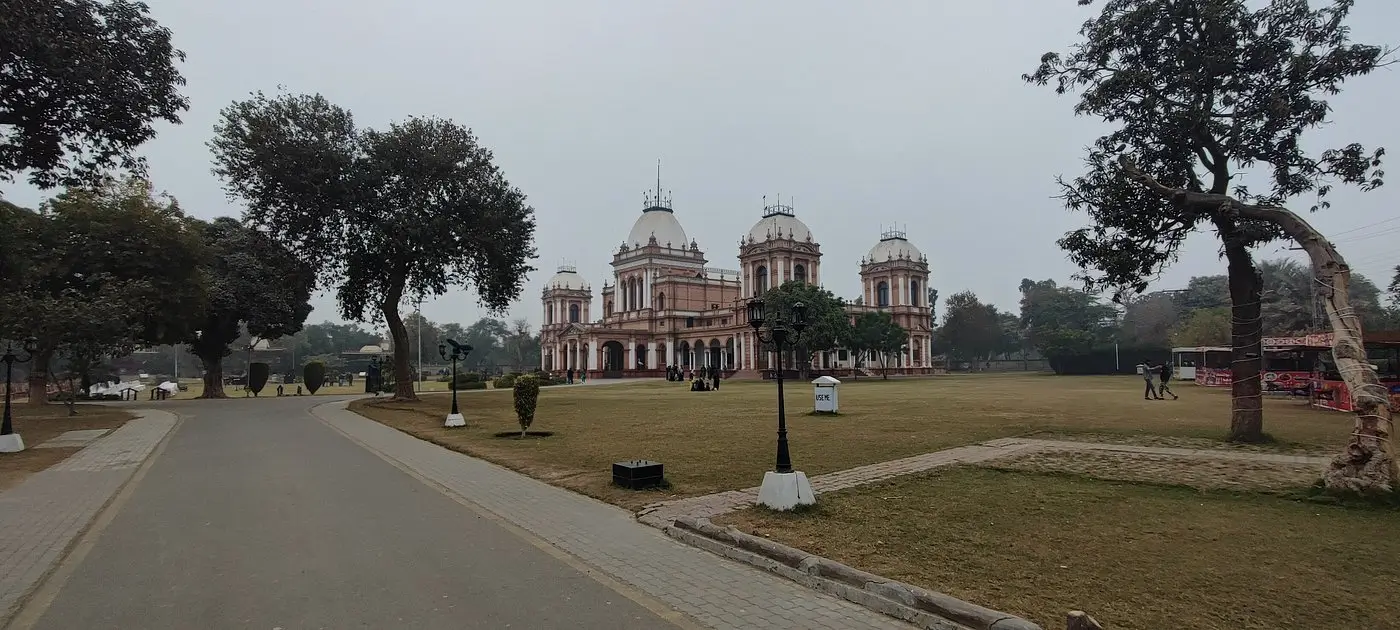
Noor Mahal is located within Bahawalpur Cantonment, Punjab, Pakistan, making it easily accessible from all parts of the city.
How to Reach Noor Mahal
- By Air: Bahawalpur Airport (domestic flights)
- By Rail: Bahawalpur Railway Station
- By Road: Buses, private cars, and taxis from major Punjab cities
Entry Requirements
- CNIC or passport required for entry
- Security check at the gate
Timings
- Open daily (generally 9:00 AM to 10:00 PM)
- Timings may vary during official events
Entry Fee
- Nominal ticket fee
- Discounted rates for students
Best Time to Visit Noor Mahal
Seasonal Recommendations:
- October to March: Ideal weather for sightseeing
- Evening Hours: Best for photography and ambiance
Summers in Bahawalpur can be extremely hot, so winter visits are highly recommended.
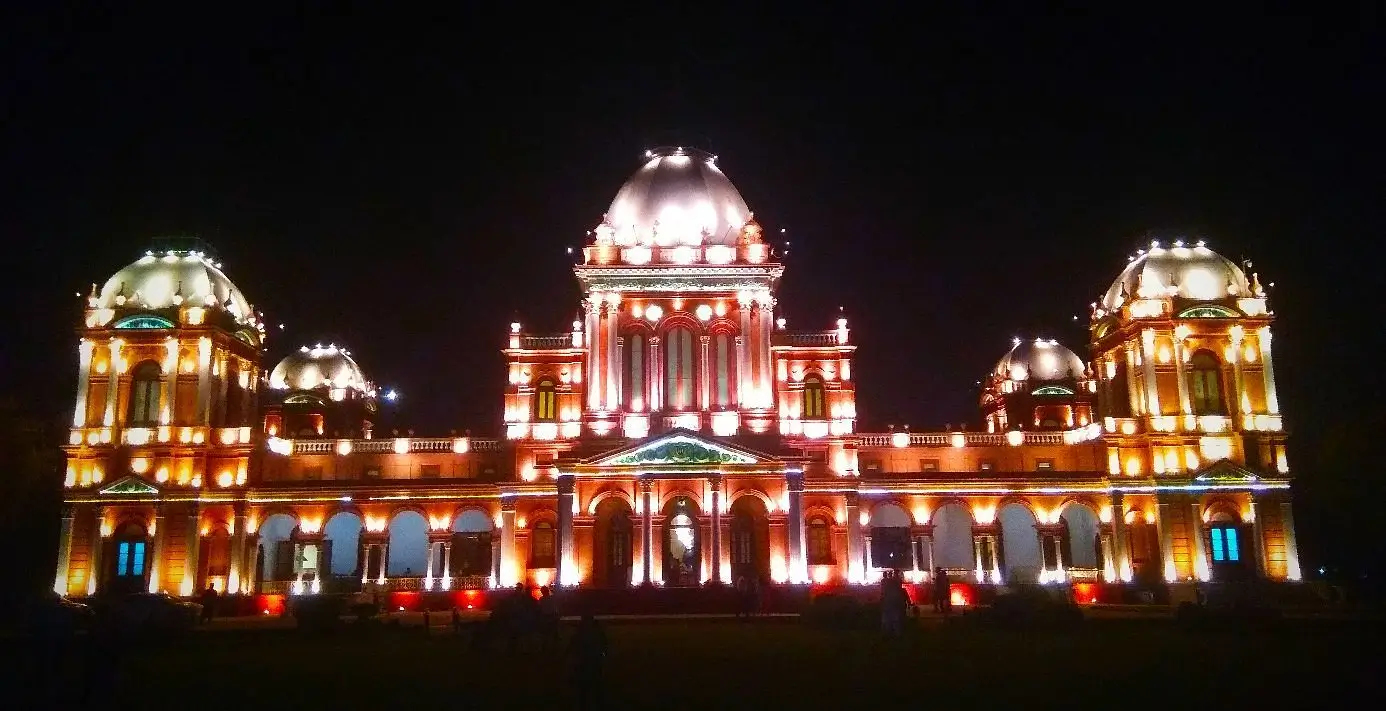
Noor Mahal at Night: The Palace of Light
One of the most enchanting aspects of Noor Mahal is its night-time illumination.
Night View Highlights:
- Soft golden lights accentuating architectural details
- Domes glowing against the dark sky
- Reflections on wet surfaces after rain
At night, Noor Mahal truly earns its nickname — “The Palace of Light”.
Many visitors consider the evening visit to be more magical than daytime, especially for photography and romantic walks.
Light and Sound Show
In recent years, Noor Mahal has hosted light and sound presentations that narrate:
- The history of Bahawalpur State
- The Abbasi dynasty
- The palace’s architectural evolution
These shows add an immersive dimension to the visitor experience and help younger audiences connect with history.
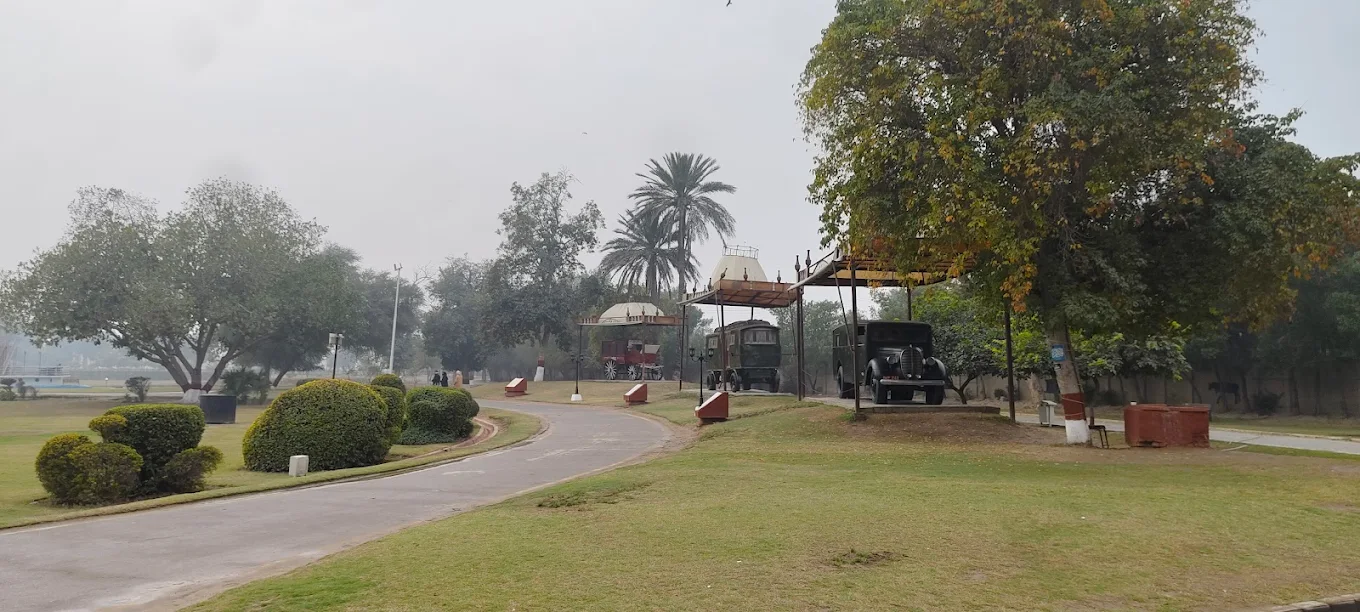
Gardens and Surroundings
The palace is surrounded by:
- Well-maintained lawns
- Walkways
- Sitting areas
These landscaped grounds provide:
- Relaxation space
- Photo opportunities
- A family-friendly environment
The greenery also contrasts beautifully with the palace’s white façade.
Photography and Social Media Appeal
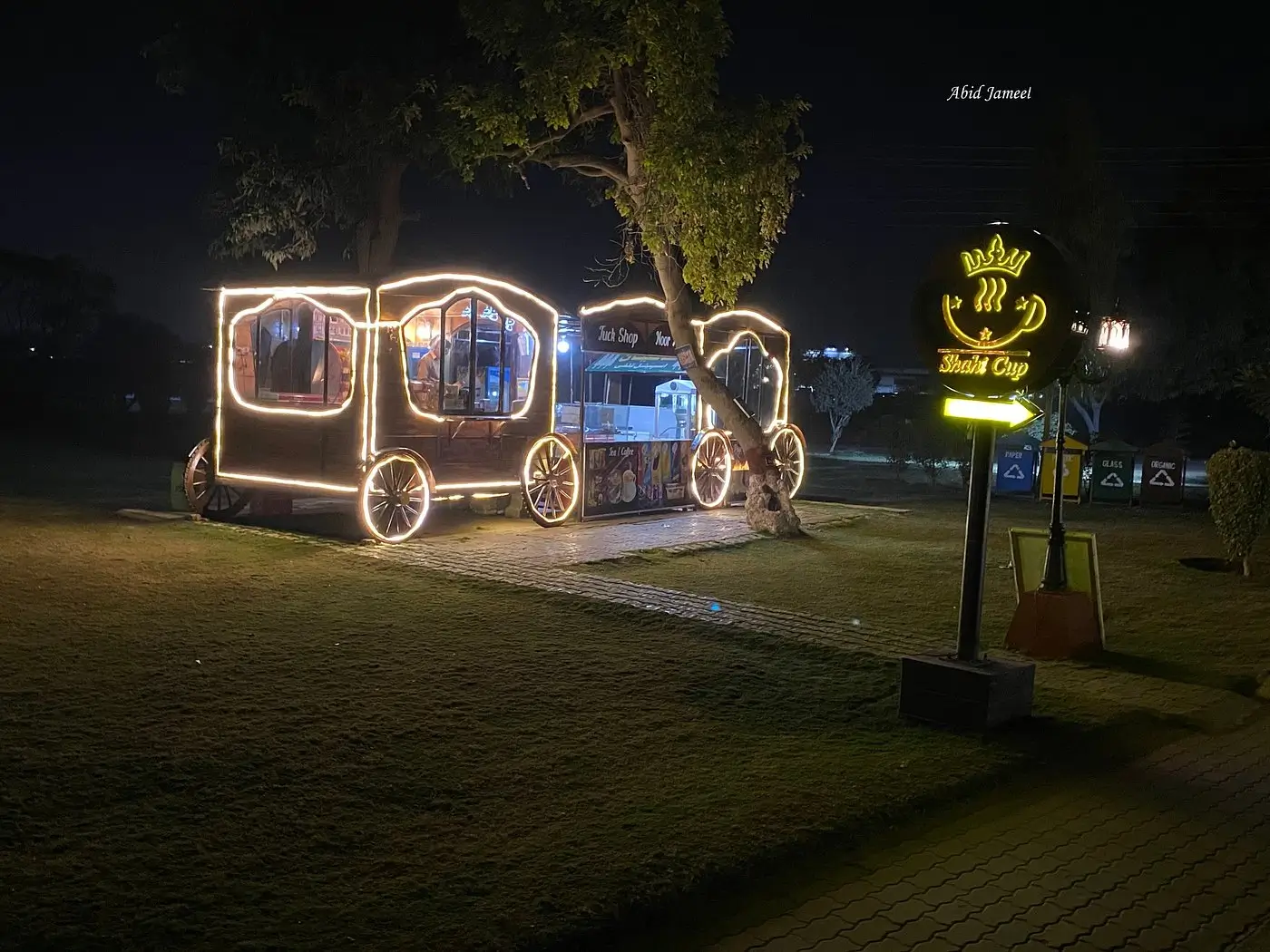
Noor Mahal is one of the most Instagram-worthy heritage sites in Pakistan.
Popular Photo Spots:
- Front elevation
- Side verandas
- Balcony views
- Night-lit domes
Photography is generally allowed, making the palace popular for:
- Travel photography
- Student projects
- Content creators
Educational and Cultural Role
Beyond tourism, Noor Mahal plays an important educational role.
Who Benefits:
- School trips
- University students
- Researchers
- Historians
The palace museum offers:
- Firsthand exposure to royal artifacts
- Insights into colonial governance
- Understanding of architectural evolution
Noor Mahal vs Other Bahawalpur Palaces
Bahawalpur is home to several royal palaces, but Noor Mahal stands out.
| Palace | Architectural Style | Current Use |
|---|---|---|
| Noor Mahal | Italian Neoclassical | Museum & Guest House |
| Darbar Mahal | Traditional Islamic | Restricted |
| Sadiq Garh Palace | Modern Royal | Restricted |
Noor Mahal remains the most accessible and best-preserved among them.
Cultural Impact of Noor Mahal
Noor Mahal represents:
- Royal ambition
- Cultural synthesis
- Colonial-era identity
It also symbolizes how architecture was used as:
- Political expression
- Diplomatic tool
- Cultural bridge
For South Punjab, Noor Mahal is a source of regional pride and historical recognition.
Conclusion: Why It Matters
Noor Mahal Bahawalpur is more than an architectural wonder — it is a historical narrative in stone. From its Italian chateau design to its Islamic domes, from royal legends to colonial diplomacy, the palace encapsulates a unique chapter of Pakistan’s heritage.
For travelers, it offers beauty and tranquility.
For historians, it provides insight into princely politics.
For Pakistan, it stands as a reminder of cultural richness often overlooked.
If you are exploring historical places in Pakistan, Noor Mahal deserves a top spot on your list.
Frequently Asked Questions (FAQ)
1. What is Noor Mahal Bahawalpur and why is it famous?
Noor Mahal is a historic palace in Bahawalpur, famous for its grand architecture, royal history, and association with the Nawabs of Bahawalpur.
2. Who built Noor Mahal and in which year?
Noor Mahal was built in 1872 by Nawab Sadiq Muhammad Khan IV as a royal residence for his wife.
3. What is the historical importance of Noor Mahal Bahawalpur?
Noor Mahal reflects the royal lifestyle of the Bahawalpur State and showcases the influence of European and Islamic architectural styles during the British era.
4. What architectural style is used in Noor Mahal?
Noor Mahal features a blend of Italian neoclassical, Islamic, and Victorian architectural styles, making it one of the most unique palaces in Pakistan.
5. Can tourists visit Noor Mahal today?
Yes, Noor Mahal is open to tourists and functions as a museum, allowing visitors to explore its halls, rooms, and preserved artifacts.
6. What are the opening hours of Noor Mahal Bahawalpur?
Noor Mahal is generally open daily, including evenings, though visiting hours may vary depending on season and local regulations.
7. What is the entry fee for Noor Mahal Bahawalpur?
The entry fee for Noor Mahal is affordable, with different rates for locals and foreign tourists, making it accessible for all visitors.
8. What can visitors see inside Noor Mahal?
Inside Noor Mahal, visitors can see royal furniture, antique décor, historical photographs, chandeliers, and beautifully designed rooms.
9. Is Noor Mahal a good place for photography and sightseeing?
Yes, Noor Mahal is a popular spot for photography due to its elegant architecture, well-lit exterior, and scenic surroundings.
10. Why should Noor Mahal be included in a Bahawalpur travel itinerary?
Noor Mahal is a must-visit destination in Bahawalpur because of its historical significance, architectural beauty, and cultural value.