A Comprehensive Deep Dive into the History, Art, and Future of Pakistani Bridal Jewellery.
If you’ve ever been lucky enough to attend a Pakistani wedding, you know it’s an experience that overwhelms the senses—in the best way possible. It’s a riot of colour, music, and food, where families become one and emotions run high. But amidst the dazzling spectacle, there is one element that holds the entire bridal look, and often the entire cultural narrative, together: the Bridal Jewellery.
It’s so much more than just ornamentation. For a Pakistani bride, her wedding jewellery set—or trousseau—is not merely an accessory; it is the physical embodiment of her past, her present dreams, and the prosperity of her future. It’s ancestral poetry cast in gold.
And that is exactly what we’re here to talk about today. Settle in, grab a cup of chai, because we are embarking on a magnificent journey into the glittering, culturally rich world of Pakistani bridal jewellery. We’re not just looking at pretty pieces; we’re peeling back the layers of history, dissecting the craftsmanship, and discussing how the modern bride is completely redefining tradition.
Introduction: Why Bridal Jewellery is the Heart of a Pakistani Wedding
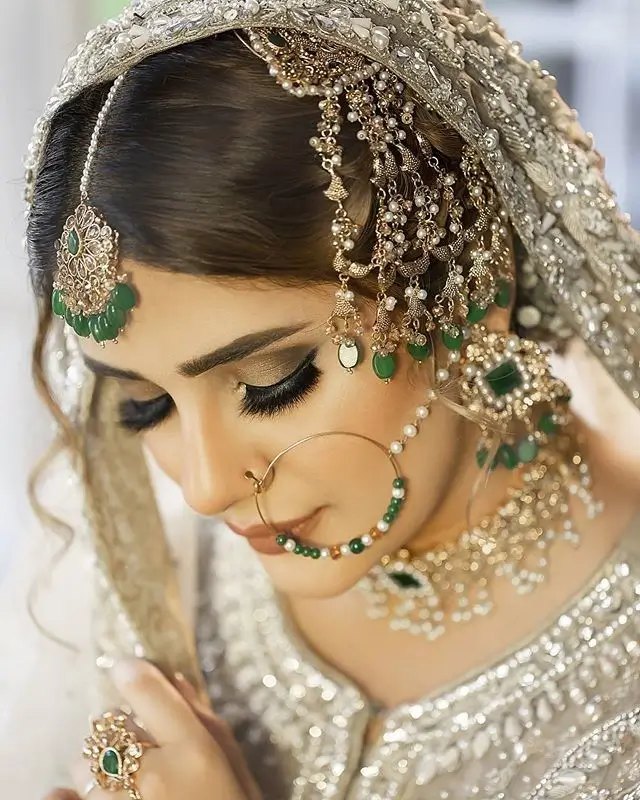
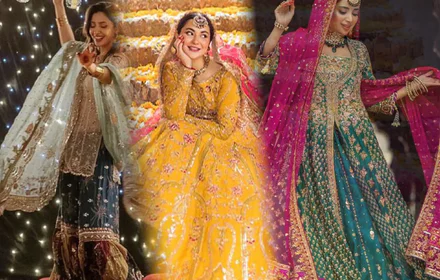
Let’s be honest: when you see a Pakistani bride making her grand entrance, what catches your eye first? Yes, the dress is spectacular, the dupatta is meticulously draped, but it’s the sparkle—the regal, heavy, undeniable shimmer—that stops you in your tracks. That shimmer is the language of tradition.
The Emotional Weight of Gold in Bridal Jewellery
In Pakistani culture, the transfer of gold and jewels has always been significant. Historically, it represented financial security for the woman, a tangible asset she carried into her new home. It wasn’t just a gift; it was a form of protection and empowerment.
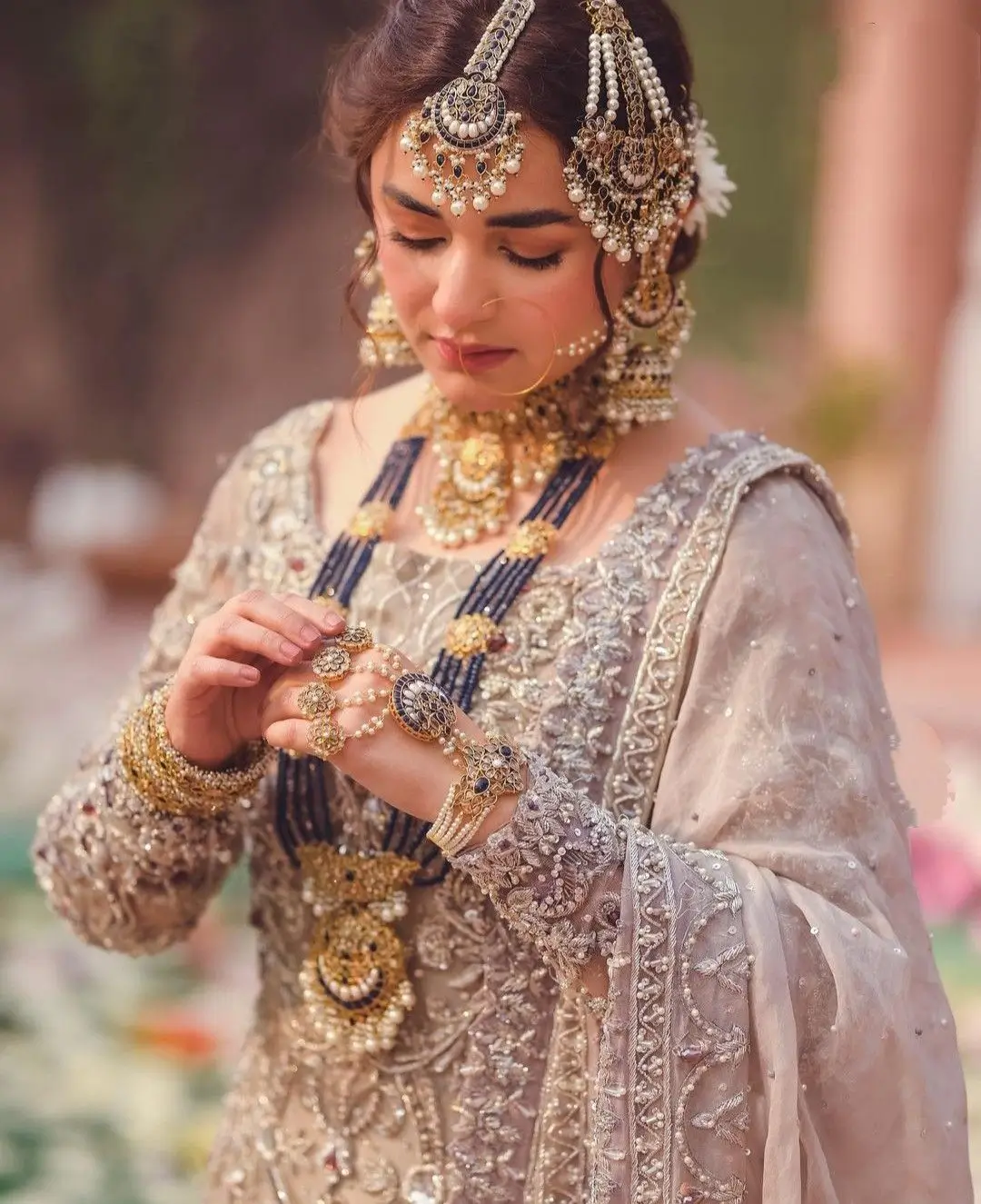
But beyond finance, there is the intense emotional value. Every single piece is often hand-picked or, even more meaningfully, handed down. When a bride wears her grandmother’s Rani Haar or her mother’s Jhoomar, she is literally wearing the love, the stories, and the blessings of the women who came before her. It is an unbroken chain of heritage. It’s quiet feminism, dressed up in diamonds and gold bridal Jewellery.
The Trousseau: A Collection of Intentions
The complete bridal jewellery set, or trousseau, is not assembled by accident. It’s a carefully curated collection of items, each with a specific name, location, and purpose:
- The Choker: Symbolizing the intimate bond and closeness to the heart.
- The Maang Tikka: Placed on the forehead, symbolizing the union of two souls and the power of intuition.
- The Bangles (Chooriyan): Symbolizing marital bliss, good fortune, and prosperity. The sound of the bangles is often described as bringing joy to the home.
You see? Even before we dive into the history, the cultural significance is massive. Choosing the Bridal jewellery is arguably one of the most personal and emotional decisions a bride and her family will make. It’s a moment of immense pride.
Looking Ahead: A Journey Through Time of Bridal Jewellery
Over the next few thousand words, we are going to explore this journey in detail. We’ll start by taking a deep historical dive, exploring the Mughal courts where this opulence was born. Then, we’ll break down the traditional pieces, travel across Pakistan to look at unique regional artistry, and finally, land squarely in 2025, where the Modern Minimalist Bride is happily marrying gold with rose gold, Kundan with diamonds, and tradition with total personal flair.
Ready to uncover the golden tapestry? Let’s begin where it all started: in the majestic, glittering history of the subcontinent.
The Historical Roots: From Mughal Opulence to Partition Heirlooms
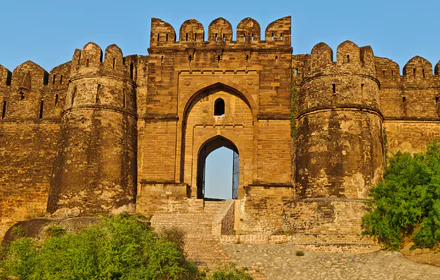
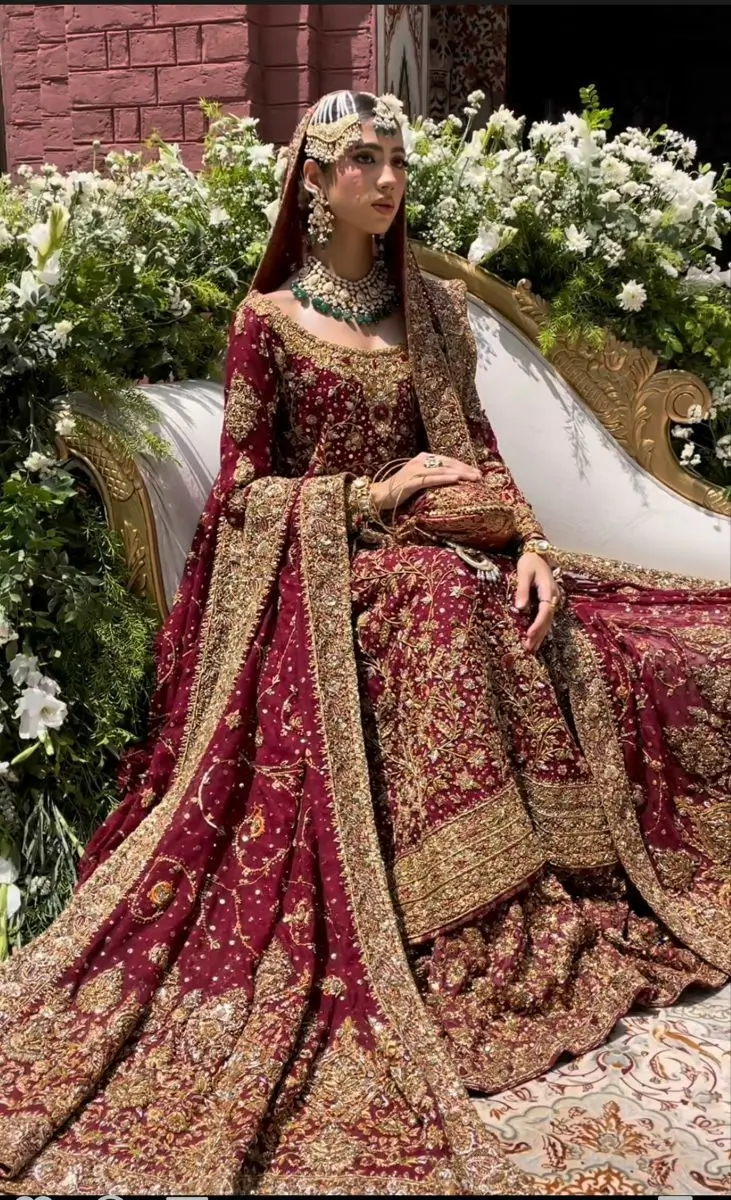
You can’t talk about South Asian bridal wear—especially in Pakistan—without bowing down to the Mughal Empire. These pieces didn’t just appear out of nowhere; they are direct, glittering descendants of the jewelry that adorned empresses like Nur Jahan and Mumtaz Mahal.
The Mughal Era: Gold as a Statement
The Mughals, with their Persian and Central Asian roots, brought an unparalleled level of artistry and material richness to the subcontinent. Jewellery during this era was not just decoration; it was a visible declaration of wealth, power, and social status.
The Emperors and their families were patrons of the most skilled artisans, particularly those specializing in fine gold work, gem setting, and intricate enameling. This is where many of our iconic pieces were formalized:
- The Rise of Kundan and Polki: These techniques—involving setting uncut or carefully refined gemstones into a frame of gold foil—became the signature of the court. The heavy, light-reflecting Polki sets we see today? Straight out of the Mughal treasury.
- The Jhoomar or Passa: This beautiful fan-shaped hair ornament, traditionally worn on the left side of the head, has distinctly Mughal and Persian roots. It added a layer of asymmetrical elegance that defined the era’s royal style.
- The Preference for Jadau: This umbrella term for setting stones into gold (including Kundan and Polki) defined opulence. The pieces were often reversible, featuring glittering stones on one side and intricate, colourful enamel work (Meenakari) on the reverse. Talk about two looks for the price of one!
The Mughal courts set the standard for what a noble, beautiful bride should look like: layered, luminous, and draped in the highest forms of artistry.
The British Raj and the Nizam’s Influence
As the Mughal empire waned and the British Raj took hold, the craft didn’t die; it simply migrated to the powerful princely states and courts, particularly those of Hyderabad, Jaipur, and Lahore.
The Nizams of Hyderabad, for instance, maintained courts known for their staggering wealth and their specific aesthetic. They popularized the famous Hyderabadi pearl sets and certain designs of the choker, combining North Indian Mughal style with the regional preference for lighter-hued stones and pearls.
During this period, access to Western-cut stones (like diamonds) also increased. While tradition favored uncut stones, new cuts were cautiously integrated, setting the stage for the Fusion Bride centuries later.
The Post-Partition Legacy: Heirlooms of Resilience
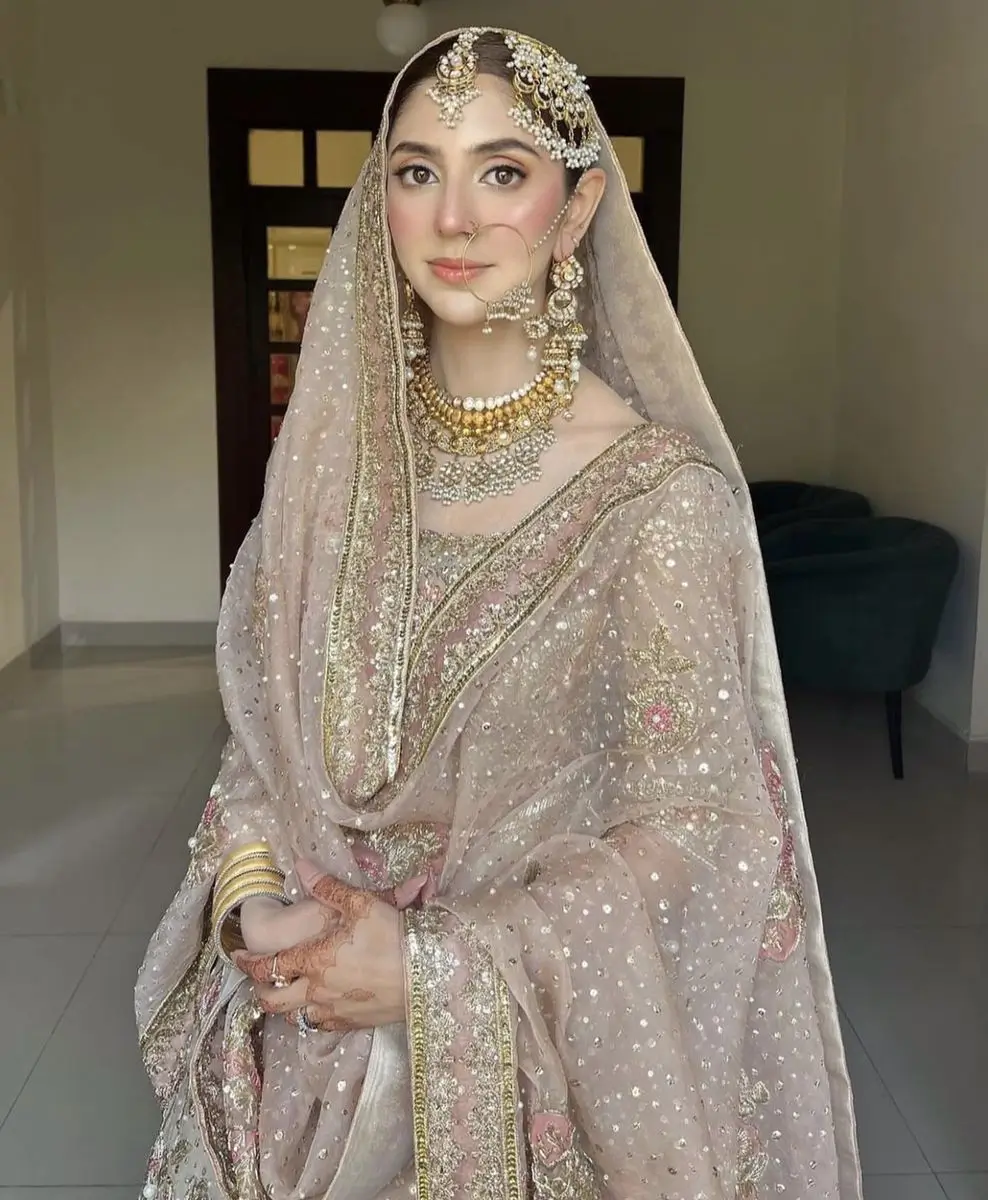
Perhaps the most poignant chapter in the history of Pakistani bridal jewellery is the story of Partition in 1947.
When families migrated across borders, often fleeing violence and instability, what did they take with them? Not furniture, not land deeds, but the one thing they could carry: their jewellery. It was portable wealth, a safety net, and the only remaining tangible link to their past homes and ancestors.
Today, when a bride wears an ancient, slightly worn gold haar passed down through three or four generations, she is wearing not just wealth, but a story of survival and resilience. These pieces are often referred to simply as “Ammi’s gold” or “Dadi’s necklace,” and they are considered priceless—not because of the market value of the gold, but because they survived the journey and the trauma. They represent the roots the family replanted.
The Takeaway
From the emperors who used gold to define their rule to the grandmothers who carried their future in a small cloth bag of jewels, Pakistani bridal jewellery is fundamentally about legacy. It’s about taking the opulence of the past and wearing it as a protective, beautiful charm into the future.
Now that we understand where it all came from, let’s talk in detail about the pieces themselves—the building blocks of that magnificent bridal trousseau.
That’s excellent. I’ll continue building out the blog post, focusing now on the intricate details and conversational discussion of the essential traditional pieces.
The Traditional Trousseau: Decoding the Core Pieces
Now we move from the history books to the dressing table. When you look at a truly traditional Pakistani bridal set, it’s not just a big pile of jewelry; it’s a carefully structured ensemble where every piece has a designated spot and a specific job. Think of it as a beautifully coordinated, royal uniform.
Let’s unpack the core pieces that make up the classic Pakistani bridal look, especially Bridal Jewellery.
1. The Neckwear: The Choker and the Rani Haar
The neck area is often the focal point of the entire ensemble, requiring a strategic layering effort. Traditionally, a bride wears at least two major necklaces: one close to the neck and one long, flowing piece.
A. The Choker (The Intimate Bond)
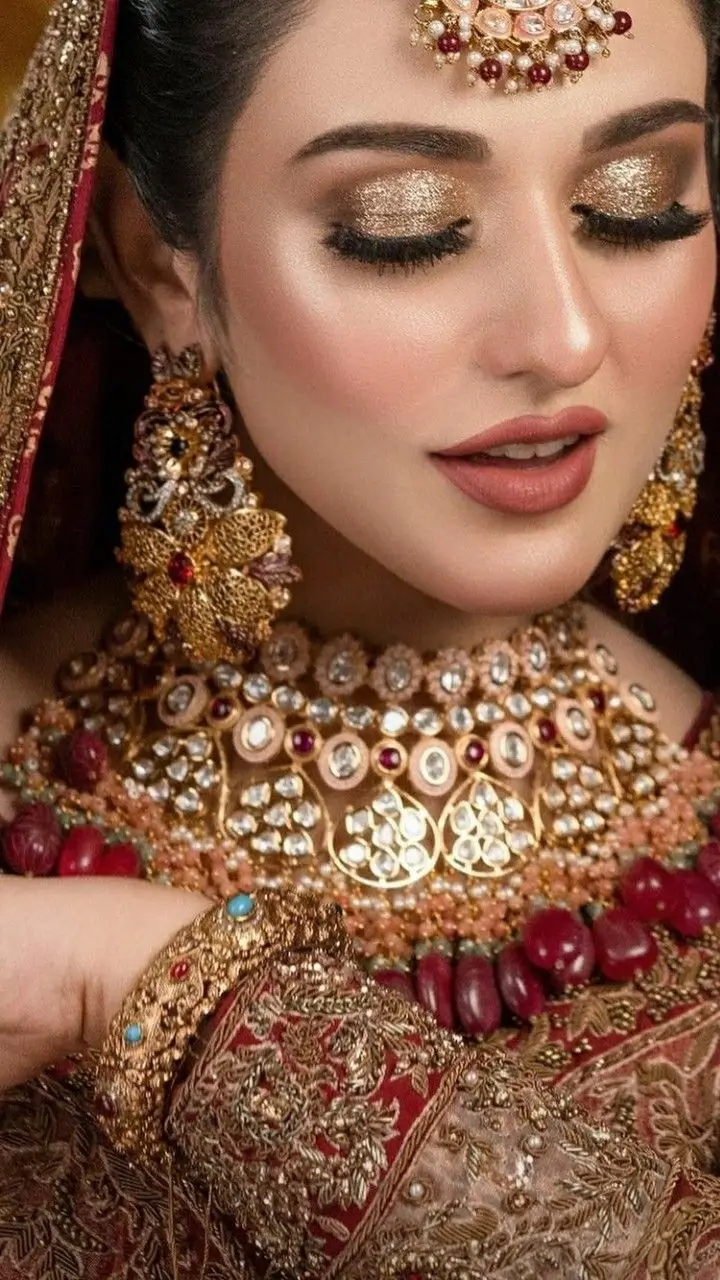
The choker sits snugly around the base of the neck. It is the necklace of immediate visibility and is usually the heaviest and most intricate piece in terms of craftsmanship.
- Design & Purpose: Chokers are where Kundan, Polki, and Meenakari really shine. Their design is wide and often slightly flared to cover the collarbone area. Symbolically, wearing it close to the throat is often associated with protecting the Agya Chakra (intuition/third eye) and enhancing the bride’s grace. In a more modern context, it frames the face perfectly, especially when paired with a wide neckline.
- The Weight Factor: If a bride is going traditional, this piece will have serious gravitas. It’s a statement of status and artistry. For comfort, modern brides sometimes choose high-quality artificial chokers, but the traditional preference is always heavy, pure gold and uncut diamonds or stones.
B. The Rani Haar (The Queen’s Necklace) in Bridal Jewellery
Literally translating to “Queen’s Necklace,” the Rani Haar is the long, majestic counterpart to the choker. It dramatically cascades down the front of the body, sometimes reaching the navel.
- Design & Purpose: It often consists of multiple strands (mala) of pearls, gemstones (like deep rubies or emeralds), or intricate gold work. It provides balance to the heavy choker and visually elongates the bride’s frame. In royal history, only women of the highest status wore such long necklaces; hence, its name.
- The Heirloom Element: The Rani Haar is often the piece that is passed down through generations. Due to its length and size, it easily incorporates older gold coins, significant family gemstones, or unique artisanal motifs that tell a family’s story.
2. The Headwear: The Trinity of Tradition
The bridal head is adorned with pieces that hold significant spiritual and symbolic meaning, often relating to the union of the couple and protection.
A. The Maang Tikka (The Centerpiece)
Worn precisely at the center parting of the hair, leading down to the middle of the forehead, the Maang Tikka is essential.
- Symbolism: It sits directly on the Ajna Chakra, or the third eye. It symbolizes the union of the male and female elements, and the spiritual focus of the newlywed couple.
- Design: It consists of a single pendant (tikka) suspended by a chain (saharay). It’s typically the first piece a photographer focuses on!
B. The Matha Patti (The Regal Frame)
The Matha Patti is the extended, regal version of the Maang Tikka. Instead of just one chain, it features two or more elaborate side chains that frame the face, tracing the hairline down to the temples.
- Why it’s Popular: It provides maximum coverage and a truly queenly aesthetic. Modern brides often prefer a Matha Patti over just a simple tikka because it looks phenomenal with high-volume hair and provides a beautiful contrast to the smooth forehead. It creates a structured, crown-like effect.
C. The Jhoomar or Passa (The Asymmetrical Charm)
The Jhoomar is the asymmetrical showstopper, typically worn pinned to the hair on the left side of the head (though placement can vary).
- The Heritage: As we mentioned, this piece has Persian and Mughal courtly roots. Its fan-like, flowing structure—often made of pearl strings, delicate metalwork, or tiered Kundan—catches the light beautifully.
- The Balance: It balances the weight of the Maang Tikka in the center and adds a wonderful sense of movement and drama to the bride’s profile. A bridal look is considered incomplete without the graceful sway of a Jhoomar.
3. Face & Ear: Nath and Jhumkas in Bridal Jewellery
These pieces draw attention to the bride’s features, specifically her eyes and smile.
A. The Nath (The Nose Ring)
Perhaps the most culturally evocative piece is the Nath, the large, ornate nose ring.
- The Drama: Traditional Naths are massive circular pieces, often gold, studded with pearls or gems, and held in place by a beaded chain that hooks into the hair. The size and opulence are intentional; it symbolizes the bride’s status as a married woman and is believed to ward off evil.
- Modern Twist: While some brides still rock the massive, classic Nath, many contemporary brides opt for a much smaller, delicate nose stud or a simple, lighter ring that is more comfortable for the long event.
B. Jhumkas and Chandbalis (The Movement)
The earrings are the most kinetic part of the set, moving with every smile and nod.
- Jhumkas: These are bell-shaped or dome-shaped dangling earrings. Their intricate design and loose elements create the most delightful shimmer and sound, a signature element of South Asian jewellery.
- Chandbalis: These are moon-shaped earrings, popularized for their crescent silhouette. They provide a wider, more dramatic frame for the face than the classic Jhumka.
4. Hands and Arms: Bangles and Hath Phool
Finally, we turn to the hands, where the application of Mehndi is beautifully complemented by the final jewellery pieces.
A. Bangles (Chooriyan) and Kada
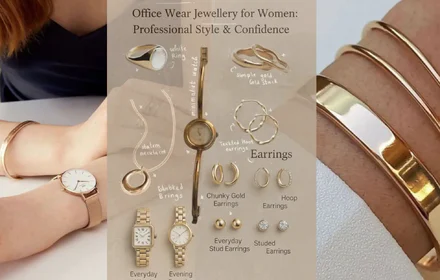
Bangles are non-negotiable. The bride’s arms are stacked with them, usually a mix of gold Kada (thick, heavy bracelets) and delicate, traditional glass bangles in red, green, or gold.
- The Meaning: The bangles symbolize the completion of the bride’s look and the beginning of her new life, bringing prosperity and marital happiness. The traditional ceremony of placing the Chooriyan on the bride’s wrist is a deeply emotional ritual.
B. Hath Phool (The Hand Flower)
The Hath Phool (Hand Flower) is the elegant piece that connects a wrist bracelet to multiple finger rings via delicate chains.
- The Aesthetics: It highlights the detailed Mehndi work on the back of the hands, lending an incredibly graceful and delicate look. It truly makes the bride’s hands look like they are blooming with jewelry.
So, when you see a Pakistani bride in wedding jewellery, remember this: she isn’t just wearing bridal jewellery gold; she’s wearing a map of tradition, with every piece placed intentionally to bless, protect, and enhance her on her most important day.
Conclusion: A Legacy That Shines Forever
We’ve travelled through centuries, from the gilded halls of the Mughal Empire to the vibrant, modern-day bridal boutiques of Karachi and Lahore. We’ve dissected the Rani Haar and the Jhoomar, and appreciated the quiet power of the heirloom pieces carried across borders in 1947.
So, what is the ultimate takeaway from this deep dive into Pakistani bridal jewellery?
It’s this: The art of adornment in a Pakistani wedding is not about fashion; it’s a living, breathing cultural statement.
The Unbreakable Chain of Heritage of Bridal Jewellery
Every time a bride slips on that heavy Kundan choker or places the delicate Matha Patti on her forehead, she is performing a ritual that links her directly to the grand empresses and resilient ancestors who came before her. The gold, the uncut stones, the intricate Meenakari—these are not just elements of design; they are visual anchors to a deep, rich history.
The traditional pieces we discussed—the neckwear layering, the Hath Phool celebrating the Mehndi-adorned hands, and the symbolic placement of the Maang Tikka—each carries a blessing for prosperity, protection, and a happy future. They symbolize a transfer of wisdom and strength from one generation of women to the next.The Beautiful Rise of Fusion
But the modern Pakistani bride isn’t trapped by history; she is celebrating it on her own terms. The shift we see is not a rejection of the past, but a beautiful fusion with the present:
- The Comfort Revolution: The growing popularity of lightweight, high-quality artificial jewellery and zircon/diamond-focused pieces reflects a modern preference for comfort, versatility, and budget consciousness.
- The Personal Touch: Contemporary trends like stacked rings and customized jewellery (incorporating names or specific symbols) allow the bride to express her unique personality, blending the inherited glamour with her individual flair.
- Mixing and Matching: Today’s aesthetic often involves pairing a single, heavy traditional piece (like a Kundan choker or a family Rani Haar) with minimal, sleek contemporary earrings or bracelets. This allows for both honoring tradition and looking undeniably current.
Ultimately, whether a bride chooses the breathtaking opulence of a full, heavy gold set, or the elegant simplicity of a modern diamond choker, her Bridal jewellery is the single most important element that completes her narrative. It is the final, glittering layer that transforms her into the queen of her day.
It is a treasure. It is a story. It is a legacy. And in the world of Pakistani weddings, that sparkle will truly shine forever.
Cultural Depth and Significance of Bridal Jewellery
Bridal jewellery often carries spiritual, financial, and generational weight.
| Culture/Region | Key Symbolism & Bridal Jewellery Pieces | Details |
| South Asia | Solah Shringar (16 adornments); Gold (prosperity, purity); Maang Tikka/Nath (forehead/nose ring, marks marital status); Bangles (protection, good fortune). | Pakistani Brides are traditionally covered head-to-toe in elaborate sets, often featuring Kundan, Polki (uncut diamonds), Meenakari, or Temple Jewellery ( with divine motifs). Bridal Jewellery is frequently a significant part of the family wealth/dowry. |
| East Asia (China) | Gold & Red (good luck, prosperity); Dragon and Phoenix Bangles (harmony, balance of energies); Jade (protection, longevity, familial love). | Gold is a staple, often gifted during the Tea Ceremony. The number and quality of pieces reflect family honour and blessings. |
| Middle East | Heavy Gold Sets (21K to 24K, symbolizing wealth and status); Shabka (bridal dowry, a collection of gold given by the groom’s family, offering the bride financial security). | Designs are intricate, often featuring filigree, bold chains, and coin motifs, with gold being prized for its deep colour and investment value. |
| Western Traditions | Wedding Band (unbroken circle of eternal love); Diamond Engagement Ring (eternal love, purity, and strength); “Something Old, New, Borrowed, Blue” (often fulfilled with bridal jewellery pieces for luck). | Focus is often on classic elegance—solitaires, diamonds, and pearls. Heirloom pieces are frequently incorporated for sentimental value. |
Conclusive Bridal Jewellery Insights: Modern Trends
Contemporary bridal jewellery is marked by a blend of tradition and personalization, prioritizing comfort, sustainability, and personal style.
- The Rise of Personalization: Brides seek custom-made pieces or unique expressions over mass-produced designs. This includes layered necklaces, stacked rings, and pieces incorporating birthstones or meaningful engravings.
- Sustainability and Ethics: There is a growing preference for Lab-Grown Diamonds and ethically sourced gemstones, appealing to modern couples who value conflict-free and environmentally conscious choices.
- The Colourful Statement: While classic diamonds endure, Coloured Gemstones (Emeralds, Rubies, Sapphires) are trending, adding a vibrant contrast and personality to traditional gold or white outfits.
- Vintage Revival: Designs with an old-world charm, such as Rose-Cut Diamonds, filigree work, and Art Deco motifs, are popular, giving pieces an heirloom feel.
- The Statement Focus: The trend leans toward one focal point.
- Statement Earrings (oversized drops, chandeliers, bold jhumkas) are taking centre stage, especially with simpler necklines or updos.
- Statement Chokers are making a regal comeback, often layered with longer, delicate chains.
- Pearls Reimagined: Pearls are no longer just for the classic bride. Baroque pearls (organic, irregular shapes) and layered pearl strands offer a modern, romantic texture.
Bridal Choice: Practical Guide
Choosing the perfect Bridal jewellery is a process of harmonious coordination.
| Area of Consideration | Key Action Point |
| Dress Neckline | V-Neck: Delicate pendant or layered necklaces. Strapless/Sweetheart: Choker or statement necklace. High Neckline: Skip the necklace; focus on statement earrings and hair accessories. |
| Dress Embellishment | Intricate/Heavy Lace: Opt for simpler, less cluttered jewellery (e.g., elegant studs, dainty bracelet). Simple/Minimalist: You can choose bolder, more sculptural statement pieces. |
| Metal Coordination | Match the metal to your dress tone: White/Silver Dress: Silver or Platinum. Ivory/Champagne Dress: Yellow Gold or Rose Gold. Dress Beading: Match the jewellery metal to the colour of the beadwork on the gown. |
| Face Shape | Round Face: Long, angular drops (earrings) and long pendants (necklace) to elongate. Square Face: Oval hoops or rounded designs to soften angles. |
| Comfort & Longevity | Choose pieces you can comfortably wear for the full duration of the event. Select designs you will wear again after the wedding to maximize value and sentimental connection. |
Bridal jewellery is ultimately a personal narrative, blending tradition with individual style to create an enduring symbol of the Pakistani wedding day.
FAQs – “Pakistani Bridal Jewellery – The Golden Tapestry and Art”
1. What makes Pakistani bridal jewellery unique?
Pakistani bridal jewellery combines rich cultural heritage with intricate craftsmanship, blending traditional motifs like kundan, polki, pearls, and gemstones to create ornate pieces worn on weddings.
2. What are the essential pieces of a traditional Pakistani bridal jewellery set?
Key bridal jewellery items include necklaces, maang tikka, nose rings (nath), bangles, earrings, and haath phool, each contributing to the bride’s elegant and ceremonial look.
3. Why is gold significant in Pakistani bridal jewellery?
Gold symbolizes prosperity, blessings, and familial wealth in South Asian weddings, and gold bridal sets are treasured heirlooms passed down through generations.
4. How has Pakistani bridal jewellery evolved over time?
Bridal jewellery has evolved from purely traditional styles influenced by Mughal and Persian art to include modern takes with artificial elements and contemporary designs while preserving cultural motifs.
5. What is a maang tikka and why is it important for brides?
A maang tikka is a traditional forehead ornament that adds a regal finish to the bridal look and symbolizes the bride’s grace and cultural heritage.
6. Can bridal jewellery be both traditional and contemporary?
Yes — modern bridal trends often blend classic designs with contemporary aesthetics, like mixing heritage motifs with minimalist or statement pieces for different wedding events.
7. Are artificial bridal jewellery sets popular in Pakistan?
Artificial jewellery sets featuring high-quality imitation stones and metals are increasingly popular, offering an affordable yet stylish alternative to traditional gold sets.
8. How do regional styles influence Pakistani bridal jewellery design?
Regional influences shape jewellery aesthetics — for example, Punjabi designs favor heavy gold and polki work, while other regions may incorporate local motifs or metalwork techniques.
9. What role does bridal jewellery play in Pakistani wedding culture?
Bridal jewellery isn’t just decoration; it represents cultural identity, social status, and blessings for the bride as she embarks on married life.
10. How should a bride choose her bridal jewellery set?
Brides typically consider outfit style, personal taste, wedding theme, and comfort when selecting jewellery — ensuring pieces complement the wedding attire while reflecting tradition