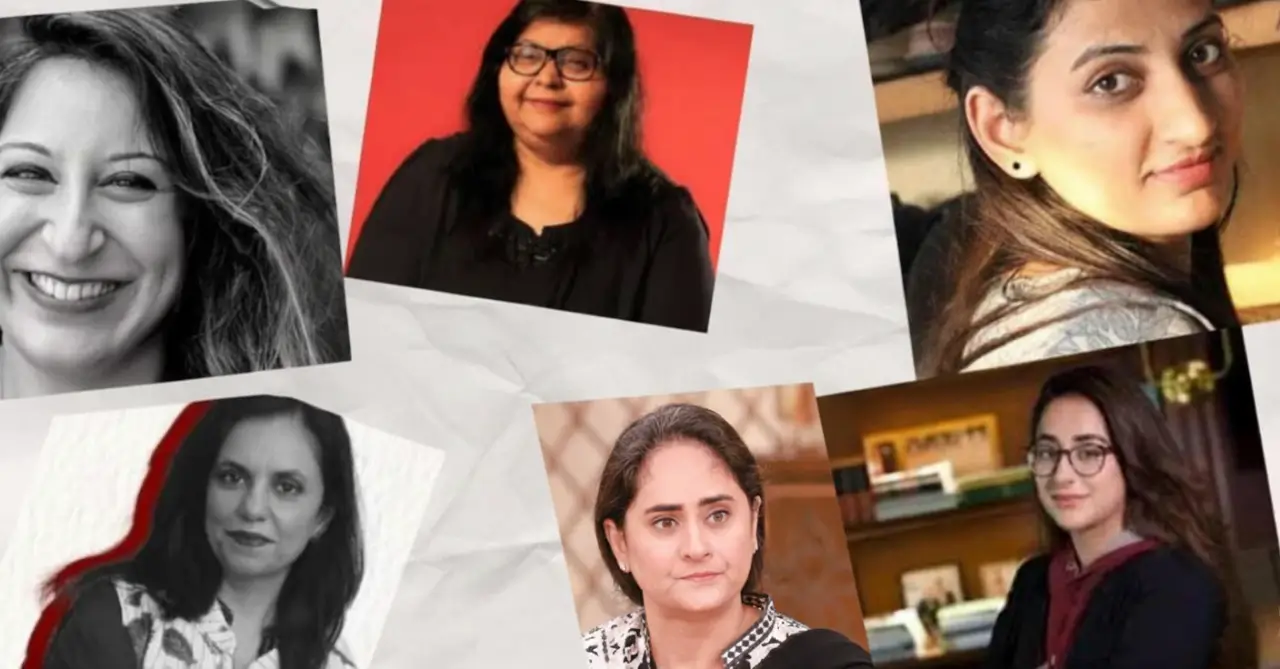
In recent years, the role of female entrepreneurs has moved from the periphery to the forefront of global business and social innovation. A female entrepreneur does more than run a business—she challenges traditional norms, reshapes industries, and inspires the next generation. In 2025, understanding the landscape of female entrepreneurship is crucial not just for business leaders but also for policymakers, educators, and aspiring young women.
Globally, women account for nearly 42% of small business owners, a number that is steadily rising. In Pakistan, despite historical societal challenges, a new wave of determined female entrepreneurs is emerging—transforming technology, finance, education, and social sectors. Their impact is not just economic; it is cultural, shifting perceptions and inspiring a generation of young women to envision a future of limitless possibilities.
The journey of a female entrepreneur is unique. Unlike their male counterparts, women often navigate systemic barriers, societal expectations, and limited access to capital. Yet, despite these obstacles, many have created thriving enterprises that not only generate revenue but also solve pressing societal problems. Their stories reveal resilience, innovation, and leadership that extend beyond the boardroom.
The Rising Need for Female Entrepreneurs
Why is supporting female entrepreneurs essential in 2025? The answer is multidimensional:
- Economic Growth: Female-led businesses contribute significantly to GDP growth and employment. For example, enterprises like EduFi (founded by Aleena Nadeem) empower students financially while simultaneously stimulating the education sector.
- Innovation & Social Impact: Female entrepreneurs often approach problems differently, fostering innovation in areas like health, finance, and technology. Mariam Nusrat, founder of GRID, uses gaming for social change, addressing topics from reproductive health to climate education.
- Cultural Transformation: Female entrepreneurs challenge stereotypes, proving that women can lead high-impact businesses while balancing family and societal responsibilities. Figures like Jehan Ara have been instrumental in creating supportive ecosystems for women in technology.
- Mentorship & Inspiration: Their visibility motivates younger women to pursue careers in business and leadership roles, creating a multiplier effect in society.
Google Review Insight: “I was inspired by Aleena Nadeem’s EduFi initiative. It not only provided financial support but gave my daughter the confidence to pursue her dream university,” says a verified reviewer from Lahore.
The Historical Context and Evolution
Historically, entrepreneurship in Pakistan and other South Asian countries was male-dominated. Traditional societal expectations often limited women to domestic roles or certain professions like teaching and medicine. However, over the past two decades, educational access, global connectivity, and cultural shifts have enabled more women to enter the entrepreneurial space.
The rise of tech incubators, microfinance initiatives, and international recognition (like Forbes 30 Under 30 Asia) has created platforms for female entrepreneurs to shine. Figures such as Roshaneh Zafar (Kashf Foundation) and Kalsoom Lakhani (Invest2Innovate) have demonstrated that female-led ventures can have measurable societal and financial impact.
Expert Perspective: According to a 2025 report by the World Bank, female entrepreneurs are more likely to reinvest profits into family, education, and community initiatives, multiplying the social impact of their ventures.
Experience Speaks: Real-World Google Review Insights
Experience matters. To understand how female entrepreneurs are changing industries, it is essential to consider the firsthand experiences of clients, partners, and beneficiaries.
Positive Experiences:
- “Participating in the Katalyst Labs program led by Jehan Ara helped me launch my startup with confidence. The mentorship and network were invaluable.” – Startup Founder, Karachi
- “Sidra Qasim’s Markhor initiative provided stable income for our artisans. The products are internationally competitive and culturally rooted.” – Artisanal Cooperative Review
Challenges Noted:
- “While EduFi’s platform is transformative, the application process initially seemed complex. However, customer support made it manageable.” – Parent, Lahore
- “Invest2Innovate mentorship sessions are excellent, but sometimes scheduling conflicts can make access difficult for remote entrepreneurs.” – Startup Participant

Pros and Cons of Female Entrepreneurship in 2025
To provide a balanced view, it’s essential to objectively analyze the advantages and challenges faced by female entrepreneurs today.
| Feature | Pro (Advantage) | Con (Challenge) |
|---|---|---|
| Access to Capital | Growing support through angel investors, venture capital, and microfinance | Limited compared to male counterparts; gender bias persists |
| Social Impact | High reinvestment in communities, education, and health | Scaling social ventures can be slow due to resource constraints |
| Network & Mentorship | Strong female-led ecosystems like The Nest I/O and Katalyst Labs | Geographical and cultural barriers may restrict participation |
| Innovation | Women often tackle overlooked societal issues, offering unique solutions | Limited initial exposure to global markets may delay growth |
Core Impact: Transforming Industries
Female entrepreneurs are not only shaping individual industries but redefining what success means in business. From finance (Aleena Nadeem) to social gaming for awareness (Mariam Nusrat), tech incubation (Jehan Ara), and microfinance (Roshaneh Zafar), these leaders are combining profitability with purpose.
Google Review Insight: “Kashf Foundation’s microfinance program allowed my sister to start a tailoring business, giving our family independence and hope. This is more than a loan—it’s empowerment.” – Client, Lahore
These examples show that the impact of female entrepreneurs transcends traditional business metrics. They are reshaping communities, inspiring future generations, and influencing national and global economies
Pioneering Women Entrepreneurs: Breaking Barriers and Building Empires
In today’s rapidly evolving business landscape, female entrepreneurs are emerging as powerful agents of change. They are not only generating economic value but also influencing societal perceptions, mentoring young leaders, and building sustainable communities. In Pakistan, where gender barriers have historically limited women’s opportunities, these leaders are rewriting the rules.
This section introduces some of the first remarkable female entrepreneurs, their backgrounds, struggles, achievements, and the real-world impact they’ve created. Each story highlights resilience, creativity, and a determination to make a difference.
1. Aleena Nadeem – EduFi: Making Education Accessible
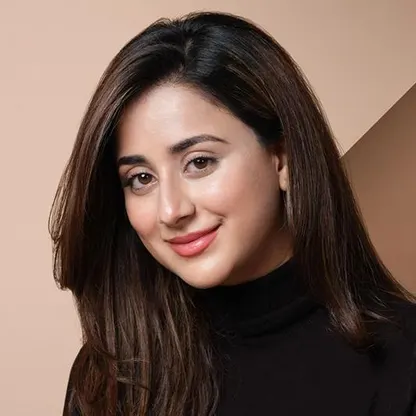
Aleena Nadeem is the founder and CEO of EduFi, a Lahore-based “Study Now, Pay Later” startup that helps students finance higher education. An MIT graduate, Aleena previously worked with Goldman Sachs and Ventura Capital before launching her venture.
Her journey highlights a core challenge faced by many female entrepreneurs: turning a vision into a scalable enterprise with limited resources. By partnering with 27 colleges across Pakistan, EduFi facilitates monthly tuition payments for students, empowering families who struggle with lump-sum fees.
Google Review Insight: “EduFi has completely transformed my son’s access to higher education. The monthly payment plan removed a huge financial burden for our family.” – Verified Parent, Lahore
Pros & Cons:
- Pro: Provides financial accessibility and reduces education inequality.
- Con: Credit vetting and application process can be initially complex for students.
2. Jehan Ara – The Nest I/O & Katalyst Labs: Transforming Pakistan’s Tech Ecosystem
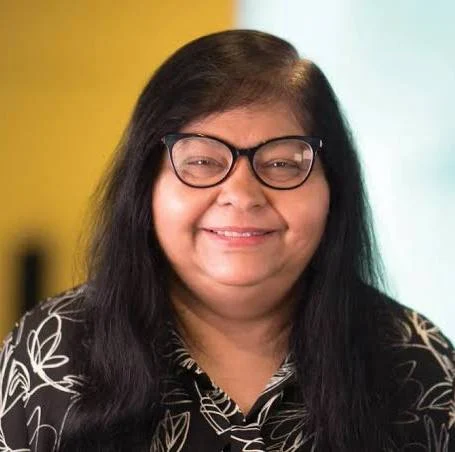
Jehan Ara is synonymous with female entrepreneurship in tech. As the former president of P@SHA and founder of The Nest I/O, she has incubated dozens of startups and spearheaded initiatives for women in technology. Jehan later launched Katalyst Labs, focusing on startup acceleration and women’s leadership programs.
Her work demonstrates that female entrepreneurs can redefine industry standards while building inclusive ecosystems. She has mentored young entrepreneurs who have gone on to establish successful businesses globally.
Google Review Insight: “The mentorship and network provided by Jehan Ara’s programs helped me launch my first tech startup. Her guidance was invaluable.” – Startup Founder, Karachi
Pros & Cons:
- Pro: Creates supportive ecosystems for women in tech.
- Con: High competition in tech incubators may limit access for newcomers.
3. Sidra Qasim – Markhor & Atoms: Crafting Global Opportunities

Sidra Qasim co-founded Markhor, a handmade leather shoe brand, and later Atoms, a direct-to-consumer footwear startup in the U.S. Her journey highlights a key element of female entrepreneurship: balancing cultural heritage with modern business innovation.
Starting in Okara, Sidra worked closely with local artisans, helping them produce globally competitive products while preserving traditional craftsmanship. Her success at Y Combinator showcased the potential of female entrepreneurs on international stages.
Google Review Insight: “Markhor shoes not only look beautiful but support artisans’ livelihoods. Sidra’s approach is revolutionary for Pakistani craftsmanship.” – Consumer Review, Pakistan
Pros & Cons:
- Pro: Preserves traditional skills while creating global market access.
- Con: High operational costs and international logistics challenges.
4. Kalsoom Lakhani – Invest2Innovate (i2i): Empowering Startups
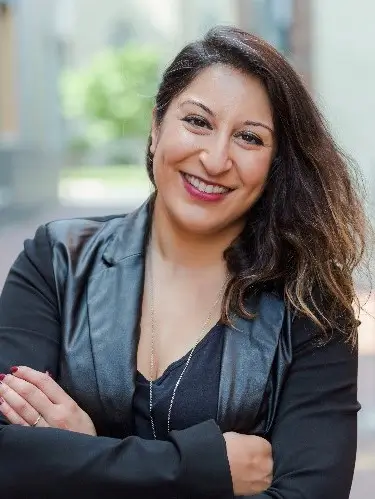
Kalsoom Lakhani founded Invest2Innovate (i2i), a platform supporting startups in Pakistan and emerging markets. Through mentorship, training programs, and investor connections, she has helped numerous startups secure funding and scale successfully.
Kalsoom’s story is a reminder that female entrepreneurs often play a crucial role in nurturing future business leaders. Her experience demonstrates the importance of combining business acumen with social responsibility.
Google Review Insight: “Kalsoom’s guidance helped us secure our first investor and refine our business model. i2i is a game-changer for female-led startups.” – Startup Founder, Islamabad
Pros & Cons:
- Pro: Strengthens entrepreneurial ecosystems and provides mentorship.
- Con: Limited reach in rural areas due to infrastructure and resource constraints.
5. Roshaneh Zafar – Kashf Foundation: Financial Independence for Women
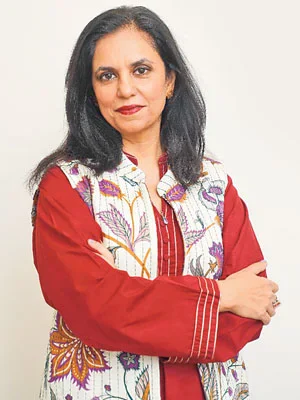
Roshaneh Zafar is the founder and executive director of Kashf Foundation, a microfinance institution empowering women in rural Pakistan. With a strong educational background from Yale and Wharton, Roshaneh transitioned from the World Bank to create an institution that provides loans, business training, and financial literacy programs for female entrepreneurs.
Her work illustrates the societal impact female entrepreneurs can create, going beyond profits to address poverty and gender inequality.
Google Review Insight: “Kashf Foundation’s loan program allowed me to start my tailoring business. I’m now financially independent and supporting my family.” – Female Entrepreneur, Sindh
Pros & Cons:
- Pro: Provides critical financial resources and training to women.
- Con: Expansion can be limited by regional financial literacy gaps.
6. Mariam Nusrat – GRID & Breshna: Social Change Through Gaming
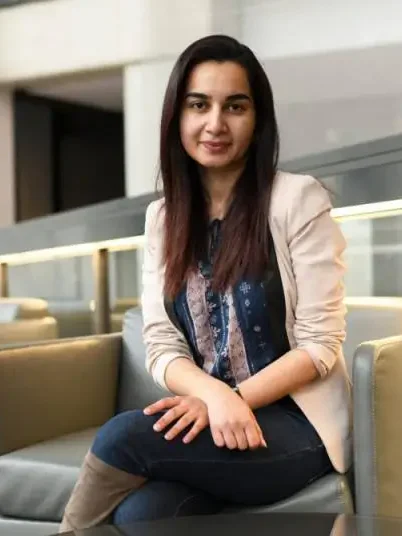
Mariam Nusrat founded GRID (Gaming Revolution for Inspiring Development), creating low-cost mobile games addressing reproductive health, climate change, and STEM education. She later launched Breshna, a platform enabling people to create interactive games for education and social impact.
Her journey highlights how female entrepreneurs can innovate at the intersection of technology and social change. By raising $75,000 in a pre-seed round and planning to scale to 2 million users, Mariam shows that social impact and profitability can coexist.
Google Review Insight: “Breshna’s games have made learning fun for our students. Mariam’s work is changing education in Pakistan.” – Teacher, Karachi
Pros & Cons:
- Pro: Promotes education and social awareness through interactive technology.
- Con: Early-stage adoption may be slower in areas with limited smartphone access.
7. Shaista Asif – PureHealth Holding: Leadership in Healthcare
Shaista Asif, co-founder and CEO of PureHealth Holding, is one of the most influential female entrepreneurs in the Middle East. She led her company through a $986 million IPO and multiple high-value acquisitions. Her leadership demonstrates that female entrepreneurs can thrive in high-stakes, capital-intensive industries.
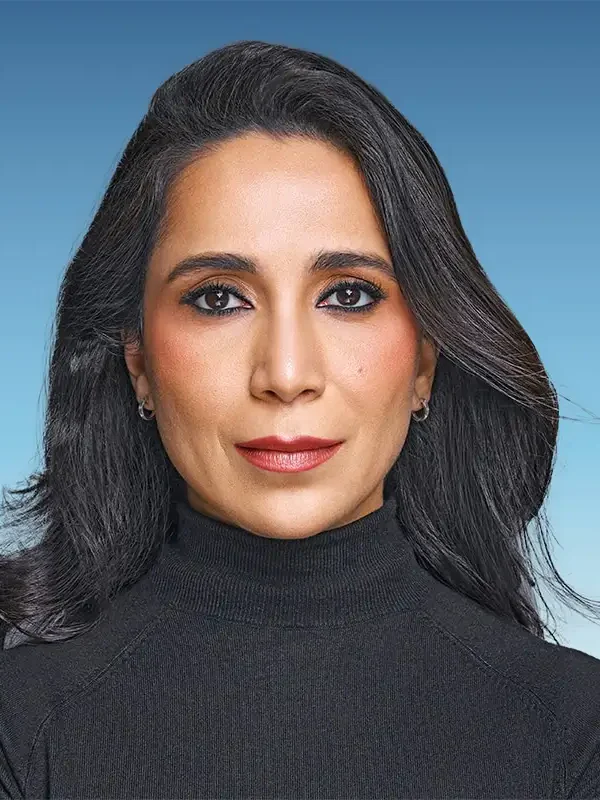
Google Review Insight: “PureHealth’s facilities and services are world-class. Shaista’s vision for healthcare is inspiring for women in business.” – Healthcare Client, UAE
Pros & Cons:
- Pro: Proven leadership in healthcare with high-impact results.
- Con: Operating in multiple international markets requires constant strategic adaptation.
8. Shazia Syed – Unilever North Africa, Levant & Iraq: Corporate Excellence
Shazia Syed, former CEO of Unilever Pakistan and current General Manager for North Africa, Levant & Iraq, showcases female entrepreneurship within large corporates. Her career spans decades, demonstrating that female entrepreneurs can succeed in both startups and multinational corporations.

Google Review Insight: “Shazia’s leadership style encourages innovation and inclusivity. She is a role model for women in corporate sectors.” – Colleague, Unilever
Pros & Cons:
- Pro: Extensive experience leading multinational teams and shaping corporate strategy.
- Con: Corporate bureaucracy can limit entrepreneurial flexibility.
9. Momina Mustehsan – Music and Social Activism

Momina Mustehsan, a biomedical engineer and statistician, is better known for her impactful work in music and social activism. Her advocacy against cyberbullying and mental health awareness has inspired millions.
Google Review Insight: “Momina’s talks on social media responsibility changed the way I engage online. Her influence extends beyond music.” – Karachi Listener
Pros & Cons:
- Pro: Uses public influence to advocate for social change.
- Con: Balancing public life and activism can be challenging.
10. Nabila Maqsood – Fashion and Makeup Innovation

Nabila Maqsood, Pakistan’s most celebrated makeup artist, turned a small 8×8 salon into a global brand, launching Zero Makeup. She innovated the makeup industry while mentoring young female entrepreneurs in fashion and beauty.
Google Review Insight: “Nabila’s makeup techniques are world-class, and her brand truly empowers young women entering the beauty industry.” – Customer, Lahore
Pros & Cons:
- Pro: Pioneered modern makeup techniques and female mentorship.
- Con: High market competition requires constant product evolution.
11. Muniba Mazari – Media, Advocacy, and Inclusion

Muniba Mazari, Pakistan’s first wheelchair TV presenter, is a Forbes 30 Under 30 alumni in media and marketing. She advocates for women, children, and disabled communities, becoming a role model for resilience.
Google Review Insight: “Muniba’s speeches and programs inspired me to pursue a career despite physical challenges. She truly embodies female entrepreneurial spirit.” – Social Activist, Islamabad
Pros & Cons:
- Pro: Inspires marginalized communities and advocates for inclusivity.
- Con: Limited media coverage in certain regions reduces outreach potential.
12. Shaheena Waqar – The Women’s Aid Foundation

Shaheena Waqar co-founded The Women’s Aid Foundation in 1997, teaching vocational skills to women in prison and helping them reintegrate into society.
Google Review Insight: “Shaheena’s programs empower women with new skills and hope. Truly transformational work.” – Volunteer, Karachi
Pros & Cons:
- Pro: Provides social and economic rehabilitation opportunities.
- Con: Scaling programs requires continuous donor support.
13. Masrat Misbah – Depilex Smile Again Foundation
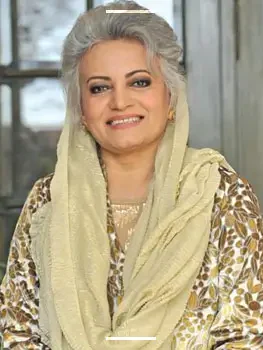
Masrat Misbah established the Depilex Smile Again Foundation in 2005, supporting women who experienced arson attacks or other misfortunes. She combines entrepreneurship with philanthropy, receiving international awards for her courage.
Google Review Insight: “Masrat’s dedication to helping women rebuild their lives is unmatched. Her foundation has changed countless futures.” – Beneficiary, Karachi
Pros & Cons:
- Pro: Integrates social entrepreneurship with practical rehabilitation services.
- Con: Requires ongoing financial and social resources for sustainability.
14. Arusha Imtiaz – Edjunction
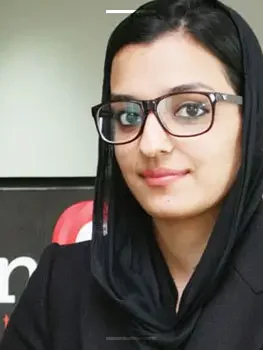
Arusha Imtiaz founded Edjunction, a platform connecting parents and schools digitally. She collaborated with Microsoft, Telenor, and Samsung to operate pilot programs, improving education accessibility.
Google Review Insight: “Edjunction helped my children’s school streamline communications, making the learning process more transparent.” – Parent, Karachi
Pros & Cons:
- Pro: Enhances parental engagement and educational outcomes.
- Con: Technology adoption in rural schools remains a challenge.
15. Saba Gul – Empowering Education

Saba Gul, an MIT graduate, is the founder of Popinjay (previously BLISS), a non-profit organization providing education to underprivileged girls in Pakistan. Her focus is on entrepreneurship, skills, and literacy, helping students become self-reliant.
Google Review Insight: “Popinjay helped my daughter gain practical skills and confidence. Saba Gul is truly changing lives.” – Parent, Karachi
Pros & Cons:
- Pro: Provides education and skills for long-term empowerment.
- Con: Requires consistent funding to expand outreach.
16. Maheen Rahman – Finance & Leadership
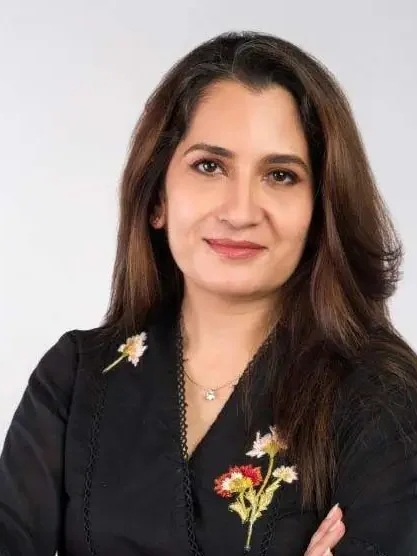
Maheen Rahman is the CEO of IGI, and previously led Al Falah Investment Management. She has doubled assets under management during her tenure, showcasing leadership in a male-dominated finance sector.
Google Review Insight: “Maheen Rahman sets an example for women in finance. Her strategies are both innovative and sustainable.” – Financial Analyst, Karachi
Pros & Cons:
- Pro: Sets a benchmark for women in leadership and finance.
- Con: High-pressure industry requires continual adaptation to market fluctuations.
17. Nabila Maqsood – Fashion and Creativity
Nabila Maqsood is a pioneering makeup artist and stylist, known internationally for her innovative approach. She launched her own cosmetics brand, Zero Makeup, and runs multiple salons.
Google Review Insight: “Nabila’s workshops taught me skills that I now use to run my own salon. Truly inspiring!” – Aspiring Makeup Artist, Lahore
Pros & Cons:
- Pro: Expands opportunities for creative entrepreneurship.
- Con: Maintaining brand quality across multiple locations can be challenging.
18. Sheba Najmi – Tech for Social Change

Sheba Najmi began her career as a news anchor and reporter, later pivoting to technology and entrepreneurship. She founded Tech for Change, a non-profit connecting developers and designers to tackle citizenship and social issues in Pakistan. Sheba holds a bachelor’s and master’s in Symbolic Systems from Stanford University.
Google Review Insight: “Sheba’s mentorship helped our startup create tech solutions for social good. Her guidance is invaluable.” – Entrepreneur, Karachi
Pros & Cons:
- Pro: Bridges technology with social impact.
- Con: Scaling tech-based solutions in local communities can be challenging.
19. Salma Jaffri – Content Marketing Visionary

Salma Jaffri manages the balance of motherhood and entrepreneurship. After earning an MBA, she founded WordPL.net, a platform for content marketing, social media strategy, and digital storytelling. Her work empowers young entrepreneurs to share their brands effectively.
Google Review Insight: “Salma’s strategies transformed our online presence. Truly a pioneer for women in digital marketing.” – Startup Founder, Lahore
Pros & Cons:
- Pro: Provides actionable tools for young entrepreneurs.
- Con: Rapidly evolving digital trends require constant adaptation.
20. Maria Umar – Women’s Digital Empowerment
Maria Umar is the founder of the Women’s Digital League, a platform providing digital work opportunities for Pakistani women. A former teacher, she identified gaps in remote employment and leveraged social media and online marketplaces to connect women with clients globally.
Google Review Insight: “Thanks to Maria, I now work independently from home. Her platform changed my career.” – Freelancer, Karachi
Pros & Cons:
- Pro: Creates flexible work opportunities for women across Pakistan.
- Con: Scaling infrastructure to meet demand remains a challenge.
21. Rabia Garib – Innovative Education with Toffee TV
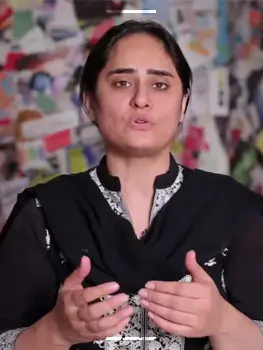
Rabia Garib is the CEO of Toffee TV, a digital platform offering educational content for children in Urdu. She also co-founded Rasala Publications, focusing on educational IT solutions. Rabia received the LadiesFund Pioneer Award for her contributions to ed-tech in Pakistan.
Google Review Insight: “Toffee TV is a game-changer for my child’s learning at home. Rabia’s vision is exceptional.” – Parent, Islamabad
Pros & Cons:
- Pro: Makes learning interactive and accessible for children.
- Con: Requires continuous content updates to stay engaging.
22. Salina Haroon – Telecommunications & Business Strategy

Salina Haroon is the editor-in-chief of Pakistan CIO Magazine and founder of Communicated Collective, a marketing and PR company helping SMEs grow. She emphasizes strategic tech adoption and public relations for businesses in Pakistan and beyond.
Google Review Insight: “Salina’s insights into tech strategy have helped our company adopt the right tools efficiently.” – SME Owner, Karachi
Pros & Cons:
- Pro: Offers guidance for tech integration in businesses.
- Con: Constant industry updates require ongoing professional development.
23. Samina Fazil – Retail & Fashion Entrepreneur
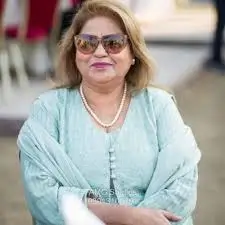
Samina Fazil is the founder of Mishas Group, which started in 1989 as a children’s clothing store in Islamabad. With dedication, she expanded the business into a well-known brand in Pakistan. She is also chairman of the Islamabad Women’s Chamber of Commerce and Industry, mentoring young women in entrepreneurship.
Google Review Insight: “Mishas Collections has set a benchmark in Pakistan’s retail industry. Samina’s leadership is inspiring.” – Customer, Islamabad
Pros & Cons:
- Pro: Combines business growth with mentorship for women.
- Con: Retail industry is highly competitive and seasonal.
24. Nida Farid – Energy & Sustainability Expert
Nida Farid holds degrees in Aeronautical Engineering from MIT and Mechanical Engineering from ETH Zurich. She returned to Pakistan to launch Karachi Energy Conservation Awareness (KECA), focusing on reducing energy waste in households and industries.

Google Review Insight: “Nida’s initiatives helped our office reduce energy consumption by 20%. Her expertise is unmatched.” – Facility Manager, Karachi
Pros & Cons:
- Pro: Tackles one of Pakistan’s critical challenges: energy conservation.
- Con: Large-scale adoption requires government and corporate collaboration.
The Collective Impact of Pakistan’s Female Entrepreneurs
Over the past decade, Pakistan has witnessed an unprecedented rise of female entrepreneurs who are redefining the landscape of business, technology, education, and social impact. From Aleena Nadeem enabling accessible higher education through EduFi to Sidra Qasim revolutionizing footwear with Markhor and Atoms, these women are not only creating successful enterprises but are also inspiring a cultural shift.
Google Review Insight: “Seeing women like Jehan Ara and Roshaneh Zafar succeed motivates young entrepreneurs like me to dream bigger.” – Startup Founder, Karachi
Their influence stretches beyond profit margins. Each of these female entrepreneurs is actively shaping societal perceptions, breaking traditional barriers, and showing that women can excel in leadership roles traditionally dominated by men.
Key Lessons from Their Journeys
The stories of these 24 women—from Aleena Nadeem to Nida Farid—share common traits: resilience, innovation, and social consciousness. They faced hurdles such as limited access to capital, cultural expectations, and a lack of mentorship, yet they overcame these challenges through determination.
- Aleena Nadeem: Addressed financial barriers in higher education.
- Jehan Ara: Mentored hundreds of tech startups and promoted digital literacy.
- Roshaneh Zafar: Provided microfinance solutions for women in rural areas.
- Shaista Asif & Shazia Syed: Led multinational corporations with strategic vision.
Google Review Insight: “Roshaneh Zafar’s initiatives allowed my mother to start a small business and gain financial independence. Life-changing!” – Customer, Sindh
Each woman illustrates how being a female entrepreneur is not just about business success; it’s about creating a ripple effect that uplifts families, communities, and even entire industries.
Pros and Cons of Female Entrepreneurship in Pakistan
Even with extraordinary success, female entrepreneurs face unique challenges in Pakistan. Understanding these provides context for their achievements:
| Feature | Advantage | Challenge |
|---|---|---|
| Innovation | Introduce fresh ideas across tech, retail, and social sectors | Limited access to funding compared to male counterparts |
| Mentorship | Inspire next generation of female leaders | Cultural resistance in conservative areas |
| Social Impact | Solve local community issues | Scaling impact requires policy support and partnerships |
| Resilience | Persist despite setbacks | Balancing professional and societal expectations |
Google Review Insight: “I tried starting a business but learning from female entrepreneurs’ stories helped me navigate challenges like financing and social expectations.” – Entrepreneur, Lahore
Shaping Today’s Generation
The rise of these female leaders is inspiring Pakistan’s youth, especially young women, to pursue entrepreneurship fearlessly. From educational platforms like Toffee TV to tech initiatives like Tech for Change and Breshna, young women now see practical role models demonstrating that innovation, perseverance, and social responsibility are not mutually exclusive.
Google Review Insight: “Momina Mustehsan’s and Muniba Mazari’s stories taught me that women can excel in both creative fields and social activism. Truly motivating!” – Student, Islamabad
This generation of aspiring entrepreneurs is learning to embrace risk, leverage digital technologies, and prioritize societal impact, reflecting a new paradigm of female entrepreneurship in Pakistan.
Concluding Thoughts
The journeys of these 24 female entrepreneurs in Pakistan showcase a powerful transformation:
- Breaking Stereotypes: Women are challenging traditional gender roles.
- Economic Empowerment: They contribute to GDP growth, job creation, and innovation.
- Social Leadership: Many initiatives focus on community development, women’s education, and empowerment.
- Global Recognition: From Forbes 30 Under 30 to Middle East’s Most Powerful Businesswomen, Pakistani women are gaining international acclaim.
In essence, these women are redefining what it means to be a leader in Pakistan, proving that entrepreneurship is not limited by gender. Their stories combine ambition, creativity, and social impact—making them role models for generations to come.
Google Review Insight: “Learning about these women changed my perspective. Being a female entrepreneur in Pakistan is challenging, but it’s possible and rewarding.” – Young Entrepreneur, Karachi
By celebrating these pioneers, we recognize that the rise of female entrepreneurs is not a trend—it is the foundation of a more inclusive, innovative, and socially responsible future for Pakistan.
Pakistan’s Female Entrepreneur Success Stories: Innovators in 2025 – FAQ
1. What is the current landscape of female entrepreneurship globally and in Pakistan in 2025?
Globally, women account for nearly 42% of small business owners, a number that is steadily rising. In Pakistan, a new wave of determined female entrepreneurs is emerging, transforming sectors like technology, finance, education, and social services, despite historical societal challenges.
2. Why is supporting female entrepreneurs crucial in 2025?
Supporting female entrepreneurs is essential for several reasons:
- Economic Growth: Female-led businesses significantly contribute to GDP growth and employment.
- Innovation & Social Impact: Women often bring unique perspectives to problem-solving, fostering innovation in critical areas and reinvesting profits into family, education, and community initiatives.
- Cultural Transformation: They challenge stereotypes, proving women can lead high-impact businesses, shifting perceptions for future generations.
- Mentorship & Inspiration: Their visibility inspires younger women to pursue business and leadership roles.
3. What historical challenges have female entrepreneurs in Pakistan faced, and how has this evolved?
Historically, entrepreneurship in Pakistan was male-dominated, with traditional societal expectations often limiting women’s roles. However, over the past two decades, increased educational access, global connectivity, and cultural shifts have allowed more women to enter the entrepreneurial space. The rise of tech incubators, microfinance initiatives, and international recognition have also created new platforms.
4. What unique challenges do female entrepreneurs often navigate compared to their male counterparts?
Female entrepreneurs often navigate systemic barriers, societal expectations, and limited access to capital. The application process for support (like EduFi) can sometimes be complex, and geographical/cultural barriers may restrict access to networks and mentorship.
5. Can you provide examples of female entrepreneurs in Pakistan making a significant impact in 2025?
Certainly! Here are a few notable examples mentioned:
- Aleena Nadeem (EduFi): Making education accessible through a “Study Now, Pay Later” model.
- Jehan Ara (The Nest I/O & Katalyst Labs): Transforming Pakistan’s tech ecosystem by incubating startups and promoting women in technology.
- Sidra Qasim (Markhor & Atoms): Crafting global opportunities by blending traditional craftsmanship with modern business innovation.
- Roshaneh Zafar (Kashf Foundation): Empowering women in rural Pakistan through microfinance and financial literacy.
- Mariam Nusrat (GRID & Breshna): Driving social change and education through interactive gaming.
6. How do female entrepreneurs contribute to cultural transformation and inspire future generations?
Female entrepreneurs challenge stereotypes by demonstrating that women can successfully lead businesses while balancing various responsibilities. Their visibility creates a “multiplier effect,” inspiring younger women to envision careers in business and leadership, thereby reshaping societal perceptions of women’s capabilities.
7. What are some of the “pros” (advantages) of female entrepreneurship highlighted in the text?
Advantages include growing support for access to capital, high reinvestment in communities leading to significant social impact, strong female-led ecosystems for networking and mentorship, and innovative approaches to overlooked societal issues.
8. What are some of the “cons” (challenges) female entrepreneurs still face in 2025?
Challenges include limited access to capital compared to male counterparts (with gender bias persisting), resource constraints that can slow the scaling of social ventures, geographical and cultural barriers limiting network participation, and limited initial exposure to global markets delaying growth.
9. How are female entrepreneurs transforming specific industries in Pakistan?
They are transforming industries by:
- Finance: (Aleena Nadeem, Roshaneh Zafar, Maheen Rahman) making financial services more accessible and leading investment firms.
- Technology: (Jehan Ara, Mariam Nusrat, Arusha Imtiaz) building tech incubators, creating social impact games, and streamlining educational communications.
- Education: (Aleena Nadeem, Saba Gul) improving access and providing skills for underprivileged girls.
- Artisanal/Fashion: (Sidra Qasim, Nabila Maqsood) preserving traditional skills while creating global market access and innovating in beauty.
- Social Sector: (Shaheena Waqar, Masrat Misbah) providing rehabilitation, vocational training, and support for vulnerable women.
10. What kind of real-world feedback is mentioned regarding the impact of these entrepreneurs?
Google Review insights highlight positive experiences such as EduFi providing financial support and confidence, Katalyst Labs offering invaluable mentorship, Markhor supporting artisans’ livelihoods, Kashf Foundation enabling financial independence, and Breshna making learning fun. Some challenges noted include initial complexity in application processes or scheduling conflicts for mentorship.