A Living Heritage of Culture, Craftsmanship, and Identity
Introduction: Jewellery as a Cultural Language
In Pakistan, Artificial jewellery holds a meaning far greater than adornment. It is a visual expression of identity, a reflection of social values, and a deeply personal form of storytelling. For centuries, jewellery has served as a bridge between generations, preserving memories, emotions, and heritage in the form of wearable art.
Unlike modern fashion accessories that come and go with trends, traditional Pakistani jewellery plays an enduring role in everyday life as well as in life’s most significant moments. It is worn during celebrations, religious festivals, milestones such as marriage, and even daily rituals. Every ornament represents a piece of history shaped by ancient civilizations, royal patronage, tribal traditions, and skilled artisanship.
From the beads of the Indus Valley Civilization to the splendour of Mughal courts and the powerful tribal expressions found across Pakistan’s regions, traditional jewellery remains a living cultural archive. To understand Pakistani jewellery is to understand Pakistan itself—its diversity, resilience, and timeless beauty.
Ancient Origins: Jewellery of the Indus Valley Civilization
The foundations of Traditional Pakistani jewellery date back over 5,000 years, to one of the world’s earliest urban societies: the Indus Valley Civilization. Archaeological excavations at ancient cities such as Mohenjo-Daro and Harappa have revealed remarkable evidence of early jewellery-making.
Among the discoveries were:
- Bead necklaces and bracelets
- Bangles made of terracotta and shell
- Gold earrings and amulets
- Head ornaments and waist accessories
Materials used reflected both local resources and long-distance trade. Carnelian beads likely came from Gujarat, while lapis lazuli was sourced from regions stretching into present-day Afghanistan. These findings confirm that jewellery was not only worn for beauty, but also used as a marker of trade, status, and craftsmanship.
What makes these early ornaments exceptional is the level of refinement. Beads were drilled with remarkable precision, shaped symmetrically, and polished to perfection. These early artisans understood aesthetics and symbolism, concepts that continue to define South Asian jewellery design today.
In the Indus Valley, jewellery also held spiritual meaning. Amulets and charms were believed to protect the wearer from harm and negative forces. This belief in jewellery as both adornment and protection remains deeply woven into Pakistani culture.
Jewellery as Wealth, Protection, and Social Currency – Heritage of Culture
In early South Asian societies, jewellery functioned as portable wealth. Long before modern banking systems, precious metals and gemstones provided financial security and social stability. This was particularly significant for women, for whom jewellery often represented independence, inheritance, and safety.
This concept continues today in Pakistan through:
- Bridal dowries composed primarily of gold jewellery
- Inherited family ornaments passed down generations
- Jewellery gifted at life milestones
Traditional Pakistani jewellery thus acts as an economic asset, emotional heirloom, and cultural symbol all at once. Its importance lies not only in its beauty, but also in the security and dignity it represents.
The Mughal Era: Jewellery as Imperial Art
The Mughal period marked a transformative chapter in the evolution of jewellery in the region. With influences from Persian, Turkish, and Central Asian aesthetics, Mughal jewellery elevated ornamentation into an art form associated with royalty and refinement.
Key Features of Mughal Jewellery
- Intricate goldsmithing
- Use of uncut diamonds (polki)
- Emeralds, rubies, pearls, and sapphires
- Rich enamel detailing (meenakari)
Jewellery during this era was designed not merely to adorn, but to communicate power, lineage, and sophistication. Royal courts patronized master jewellers who perfected techniques still used today.
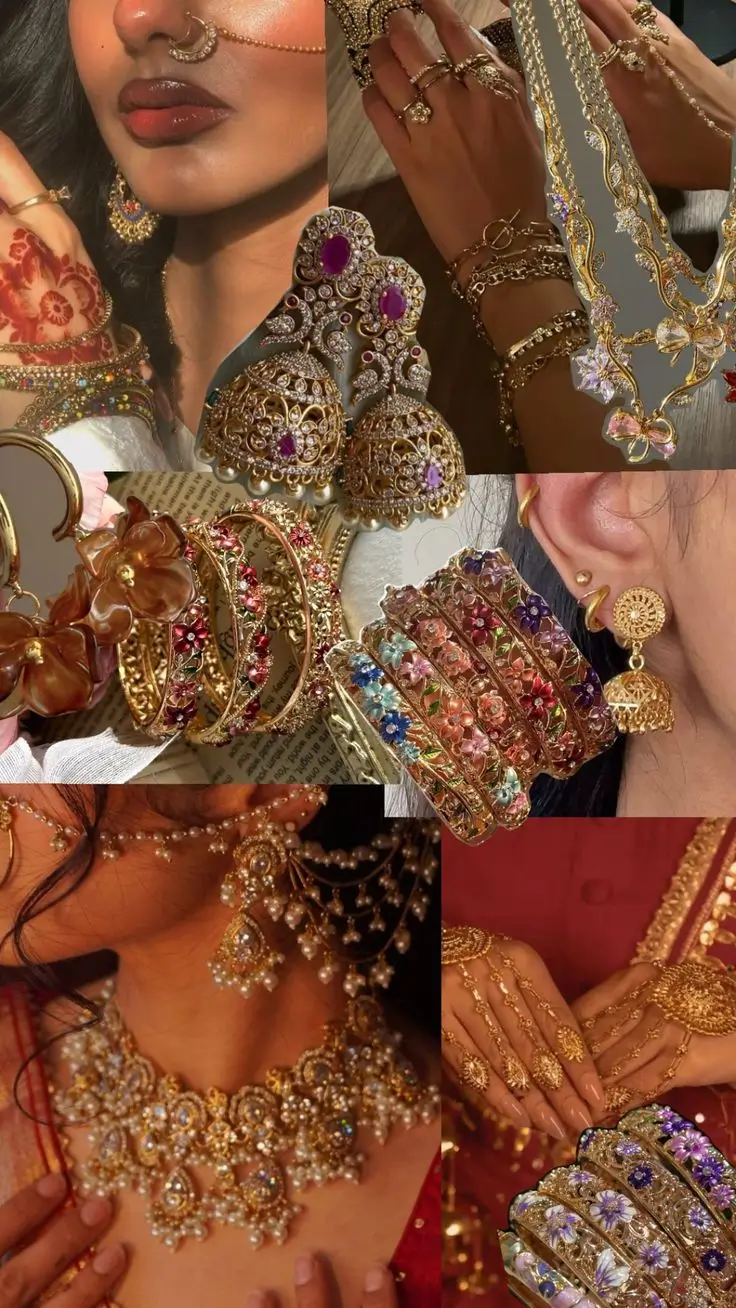
Iconic designs such as jhumkas, chandbalis, matha pattis, layered haars, armlets, and anklets owe much of their popularity to Mughal influence. These designs blended symmetry with extravagance, creating styles that have remained timeless.
Regional Jewellery Traditions: A Cultural Mosaic
Pakistan’s diverse landscape has given rise to distinct regional jewellery styles shaped by geography, materials, and cultural traditions.
1. Sindhi Jewellery
Sindhi jewellery is vibrant, expressive, and bold. Often crafted in silver, it features detailed engravings, enamel work, and sometimes mirror inlay. Popular Sindhi ornaments include borla (forehead ornament), chokers, hathphool, and large bangles.
Motifs often reflect natural elements, folklore, and traditional patterns such as ajrak designs. Jewellery is an essential part of Sindhi weddings and festivals, symbolizing joy and heritage.
2. Punjabi Jewellery
Punjabi jewellery is known for its elegance and grandeur. Gold is the primary metal, representing prosperity and familial pride. Traditional pieces include:
- Rani haar
- Choora (bridal bangles)
- Karay and kangans
- Nath (nose ring)
- Matha patti
Punjabi jewellery is strongly associated with weddings and celebratory events, where elaborate sets are worn as a sign of happiness, wealth, and blessings.
3. Balochi Jewellery
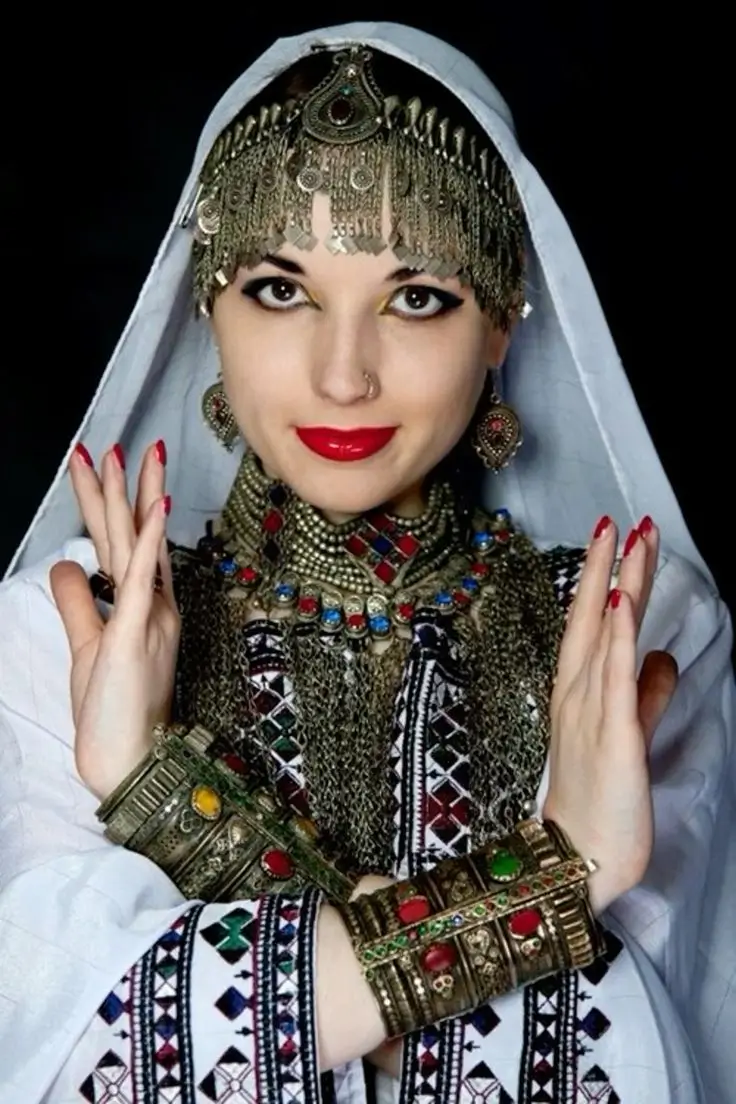
Balochi jewellery stands out for its tribal strength and commanding presence. Made predominantly of silver and often adorned with turquoise stones, these pieces are heavy and symbolic.
Common designs include oversized necklaces, thick bracelets, and forehead ornaments. Jewellery in Balochistan functions as a cultural identifier, reflecting tribal affiliation and social status while also serving as portable wealth.
4. Pashtun Jewellery (Khyber Pakhtunkhwa)
Pashtun jewellery emphasizes bold forms and layered designs. Influenced by Central Asian and Afghan aesthetics, it often incorporates:
- Coins and chains
- Geometric patterns
- Filigree silver work
These pieces symbolize strength, honor, and resilience, values deeply rooted in Pashtun culture.
Symbolism in Traditional Pakistani Jewellery
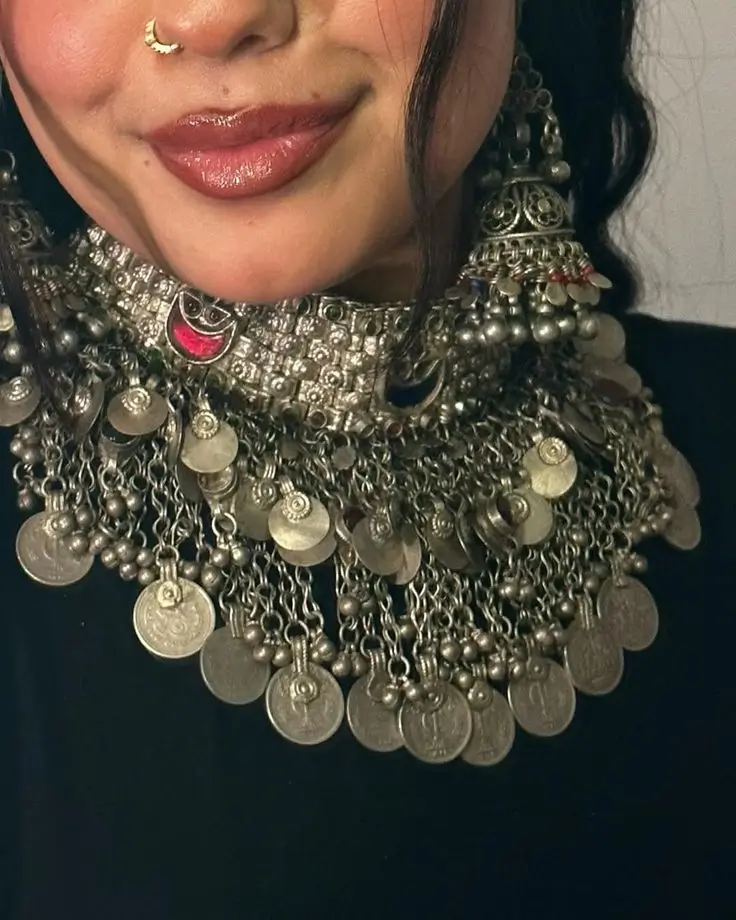
Traditional Pakistani jewellery carries meanings that extend far beyond design.
1. Family Heritage
Many jewellery pieces serve as living records of family history. A grandmother’s bangle or a mother’s bridal necklace holds memories, emotions, and ancestral identity.
2. Social Status
Heavier and more intricate jewellery, often made of gold, historically indicated wealth and prestige. Weddings, in particular, showcase jewellery as a visible marker of status.
3. Spiritual and Protective Beliefs
Jewellery is often associated with protection against negativity, bringing good fortune, and promoting harmony in married life. This belief contributes to the emotional value attached to these ornaments.
Bridal Jewellery: The Heart of Pakistani Weddings
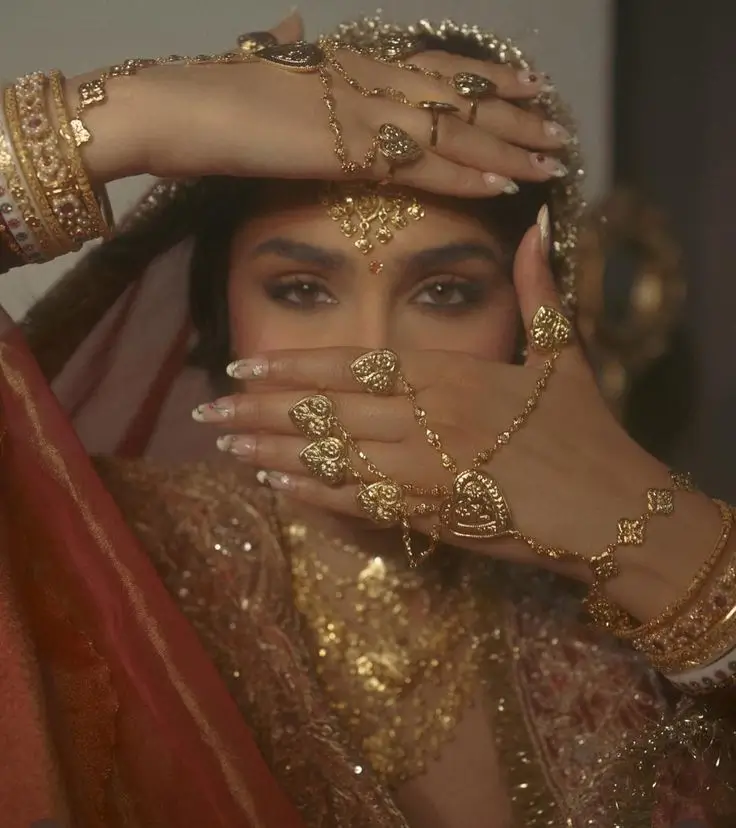
In Pakistani culture, bridal jewellery is essential—it completes the bride’s identity. Each piece carries symbolic meaning.
A complete bridal set typically includes:
- Maang tikka or matha patti – wisdom and blessings
- Jhumkas or chandbalis – grace and femininity
- Haar or rani haar – prosperity and protection
- Chooriyan – joy and marital happiness
- Payal – elegance and celebration
These ornaments are often chosen with care, ensuring cultural continuity and emotional connection.
Jewellery-Making Techniques and Craftsmanship
Traditional Pakistani jewellery is the outcome of extraordinary skill developed over centuries.
Key Techniques
- Kundan and Polki: Uncut stones set in gold
- Meenakari: Enamel detailing in rich colours
- Filigree: Lace-like metal wire patterns
- Hand Engraving: Intricate carved detailing
- Gemstone Inlay: Use of emeralds, peridot, topaz
These methods are often passed down from generation to generation, preserving heritage craftsmanship.
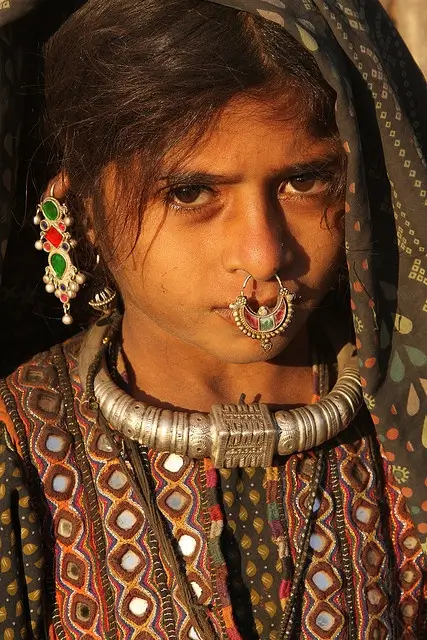
Tribal and Nomadic Jewellery: Portable Identity
For tribal and nomadic communities in Pakistan, jewellery served practical and symbolic roles. It functioned as:
- Wealth and trade currency
- Cultural identity marker
- Protective talisman
- Spiritual object
Heavy silver jewellery with coins and symbolic motifs allowed nomadic people to carry their heritage wherever they traveled.
Jewellery in Religious and Cultural Festivals
Traditional jewellery plays a major role in festivals and celebrations.
Eid
Gold and gemstone jewellery symbolizes happiness and gratitude. Jewellery gifting strengthens family bonds.
Basant
Bright bangles and earrings celebrate renewal, colour, and joy. Jewellery reflects seasonal change and optimism.
Traditional Jewellery in Modern Pakistani Fashion
Despite evolving trends, traditional jewellery remains relevant in contemporary fashion.
Modern adaptations include:
- Fusion jewellery combining classic motifs with minimalist design
- Lightweight bridal sets
- Heritage jewellery styled with modern clothing
This revival reflects a renewed appreciation for culture among younger generations.
Conclusion: Jewellery as a Living Cultural Archive
Traditional Pakistani jewellery is more than art—it is history worn on the body. Each piece captures centuries of culture, craftsmanship, belief systems, and social values.
As styles evolve and modern fashion advances, these ornaments remain deeply rooted in Pakistani identity. They remind us that culture is not something we only remember—it is something we wear, share, and pass on.