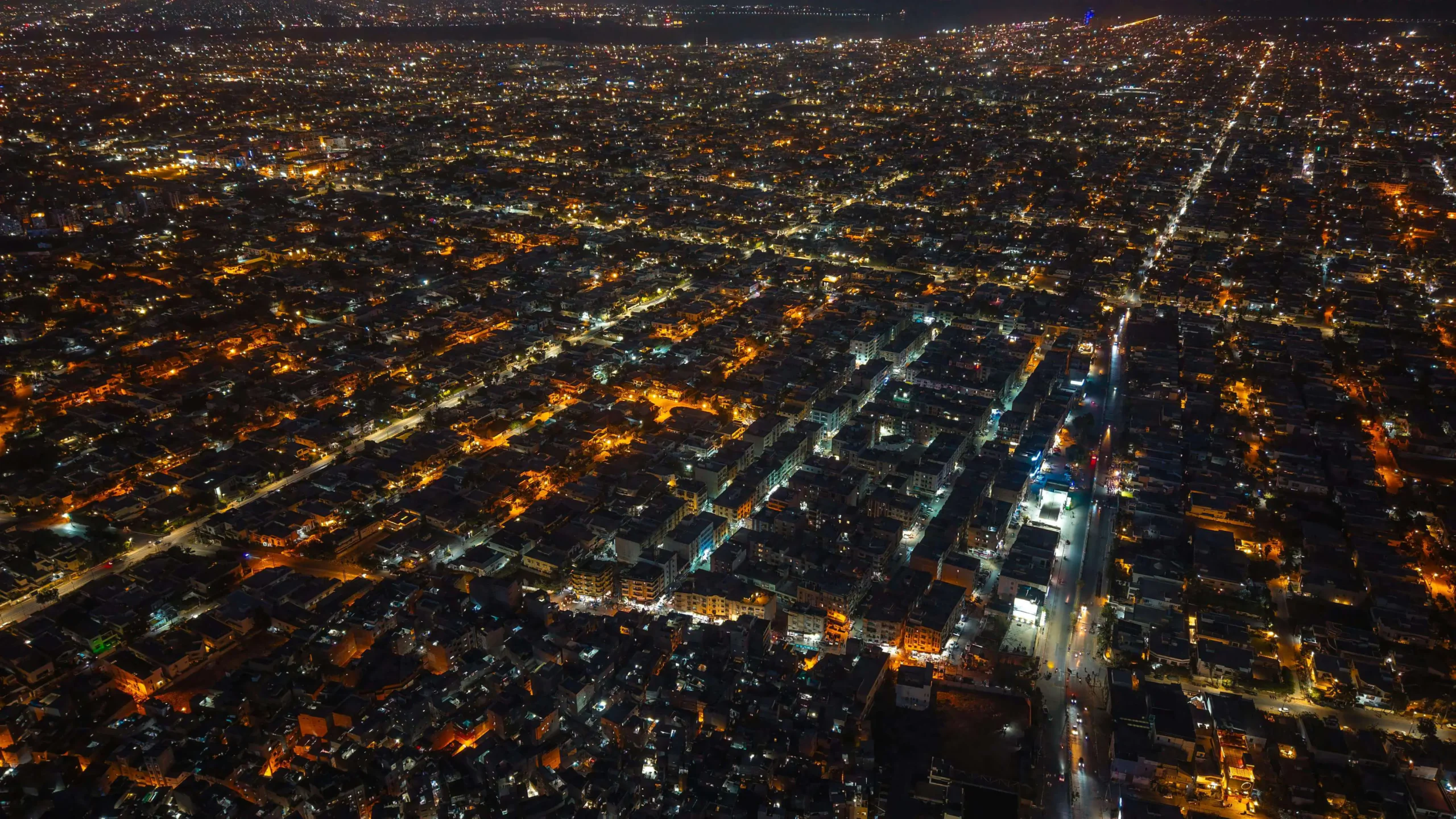
Karachi is often described in statistics — population, ports, pollution, politics.
But Karachi is not a statistic. It’s a layered epic — a city that reinvents itself every decade. Beneath the traffic horns and sea breeze lies a treasure chest of forgotten stories, secret geography, and urban myths that rarely make it into mainstream “fun facts” lists. This is not another generic overview.
1) Facts about Karachi: Before It Was Karachi , It Was Kolachi’s Tidal Secret


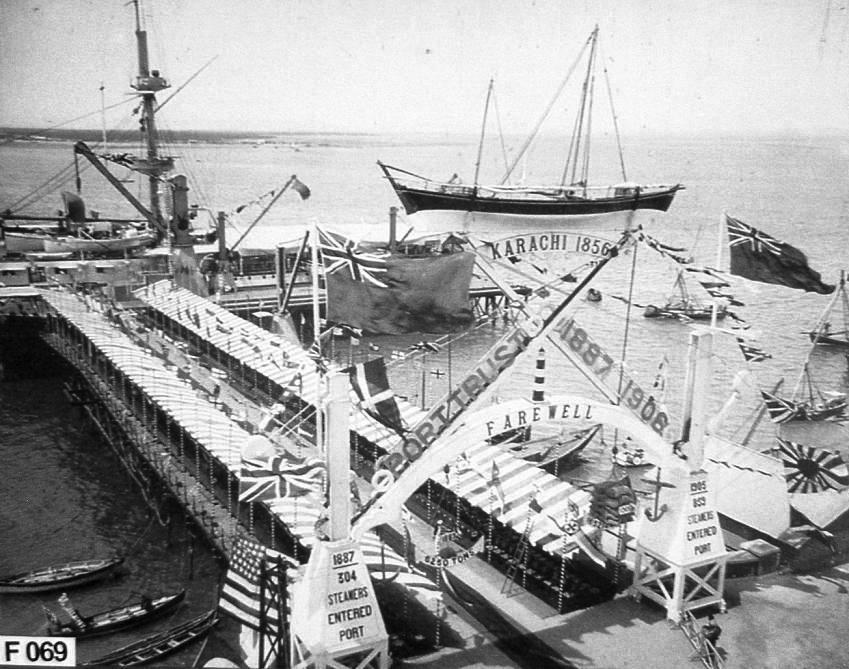
Long before it became a megacity, Karachi was a cluster of fishing settlements shaped by shifting tides of the Arabian Sea. The name “Kolachi” likely came from Mai Kolachi, a legendary fisherwoman whose bravery supposedly defended the village from raiders. While this story is folkloric, what’s fascinating is this:
Karachi’s coastline has shifted dramatically over 300 years. Old nautical records suggest parts of today’s urban land were once tidal creeks. Some neighborhoods stand on reclaimed sediment layered over centuries. Karachi is technically built on multiple sedimentary fans, making parts of it geologically young compared to ancient inland cities of Sindh.
2) Facts about Karachi : The Lost Island Became a Neighborhood

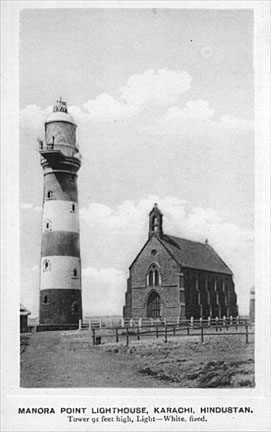
Most people know about Manora Island.
What many don’t realize: In the 19th century, it was far more isolated than today. Natural sand formations and land reclamation slowly connected parts of it to the mainland.
Here’s the fascinating part:
- British engineers studied tidal currents here extensively.
- Some early maritime experiments in navigation were conducted off Manora’s coast.
- Its lighthouse alignment was once considered among the most strategically important in the Arabian Sea.
Intersecting facts about Karachi –
Manora was once considered as a potential separate colonial enclave due to its defensible geography.
3) Facts about Karachi : Karachi’s Underground Colonial Escape Routes

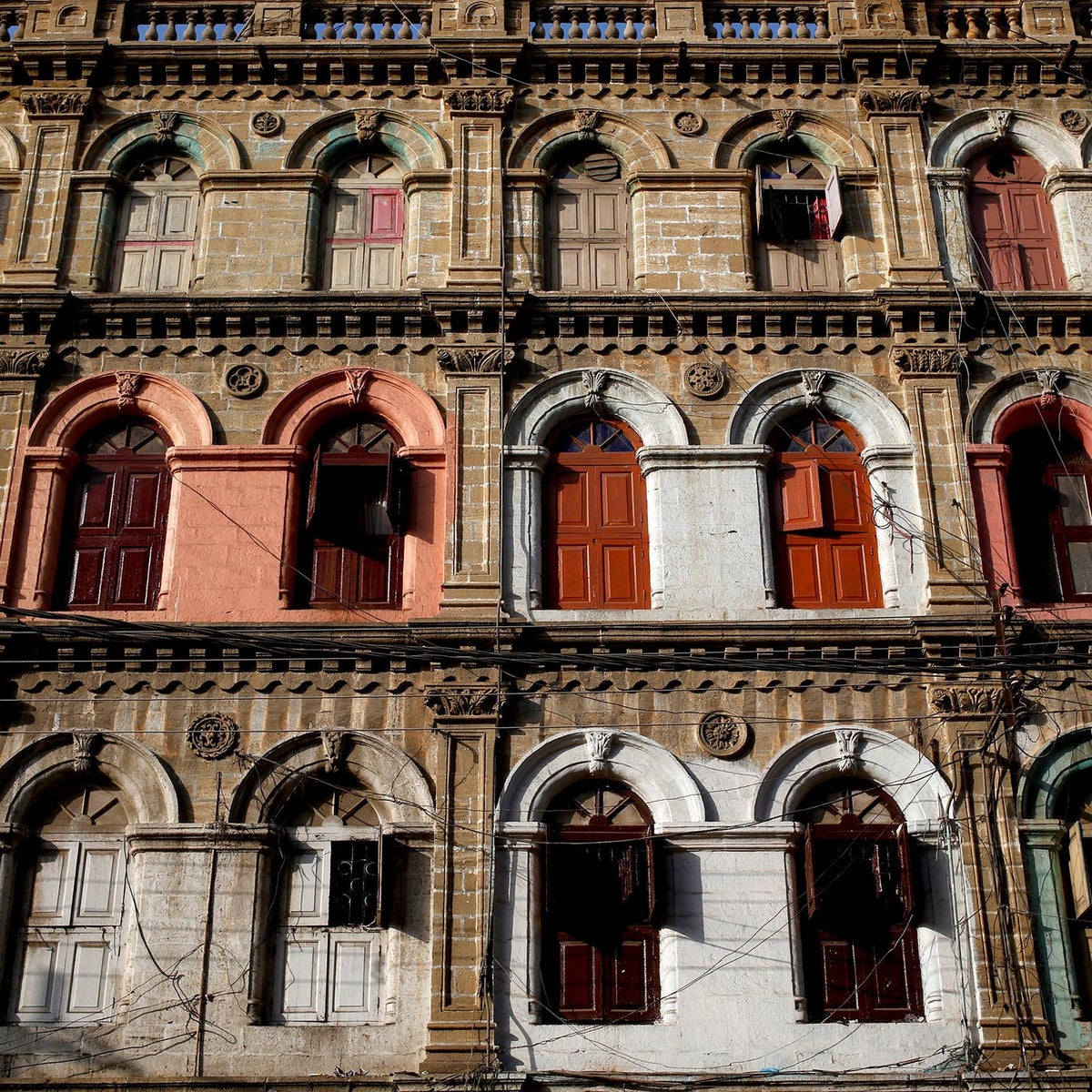
Several historians speculate that some colonial buildings had subterranean service corridors.
Not tourist tunnels. Not cinematic catacombs. But functional passageways for:
- Storage
- Climate control
- Security
- Movement of sensitive documents
Buildings like:
- Frere Hall
- Empress Market
were engineered with ventilation designs that were ahead of their time — using high ceilings, cross-ventilation corridors, and thermal flow architecture. Some urban researchers believe sealed basements still exist beneath parts of Saddar.
4) Facts about Karachi : The Secret Astronomy Legacy of Karachi
Most people associate astronomy in Pakistan with northern observatories. But here’s something lesser-known: Karachi’s coastal skies were once used for celestial navigation training during the early 20th century.
The flat sea horizon made it ideal for:
- Star position calibration
- Maritime navigation
- Early observational tracking
Even today, certain coastal points offer surprisingly low light interference compared to inner city zones. Karachi’s winter skies sometimes reveal clearer southern constellations than many inland Pakistani cities.
5) Facts about Karachi : The Economic Engine Few Talk About

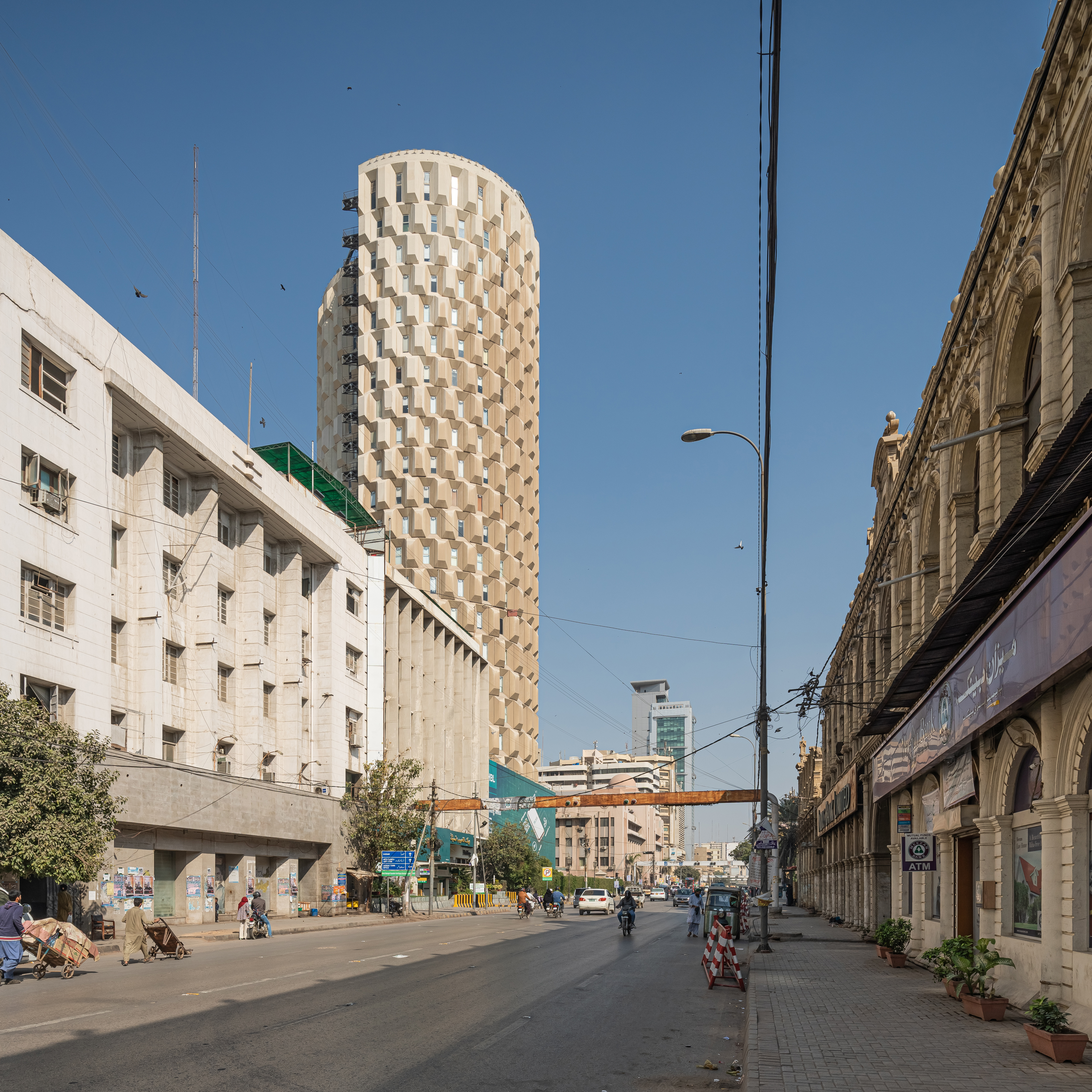

Everyone knows about the Port of Karachi. But few discuss how Karachi quietly pioneered:
- Early corporate governance structures
- Stock trading modernization in South Asia
- Informal micro-economy networks that operate 24/7
I.I. Chundrigar Road has been compared (locally) to Wall Street — not because of skyscrapers, but because of economic density per square kilometer. Karachi’s informal economy may rival formal sectors in employment scale — a phenomenon urban economists are still studying.
6) Facts about Karachi – The Graveyard That Maps the City’s Soul
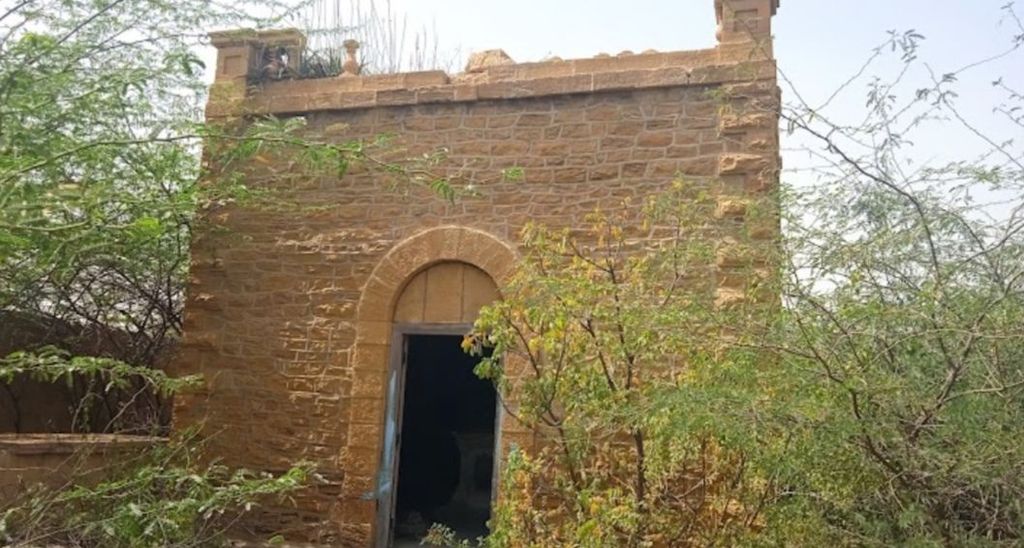


One of Karachi’s most overlooked treasures is Mewa Shah Graveyard. It is one of the largest cemeteries in the region and contains graves of:
- Poets
- Freedom fighters
- Soldiers
- Sufi figures
Grave architecture here reveals migration waves — styles change as communities arrived from different regions. Nearby, the historic Chaukhandi tomb tradition shows geometric stone artistry unique to Sindh. Some gravestones encode poetry fragments no longer recorded in books.
7) Facts about Karachi. Karachi’s Micro-Climates — Yes, Plural
Karachi isn’t just “hot.” It has subtle micro-climate zones:
- Coastal humidity belts
- Inland dry pockets
- Industrial heat islands
- Mangrove-buffered cool areas
Sea breeze dynamics can drop temperatures dramatically in Clifton while inland areas remain warmer. Urban planners rarely emphasize this, but climate mapping shows noticeable variation across short distances.
8) Facts about Karachi – The Mangrove Shield You Never Hear About
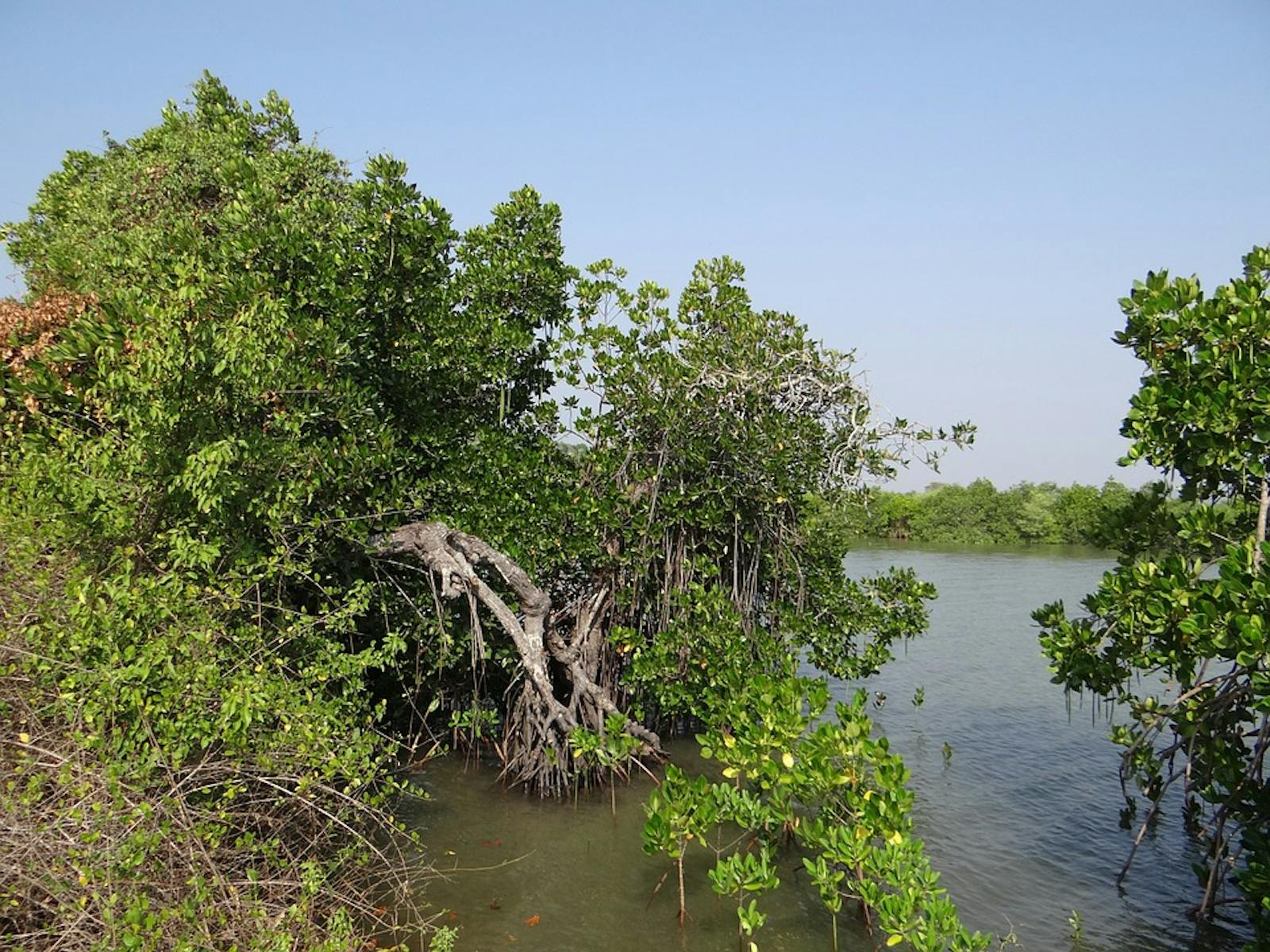

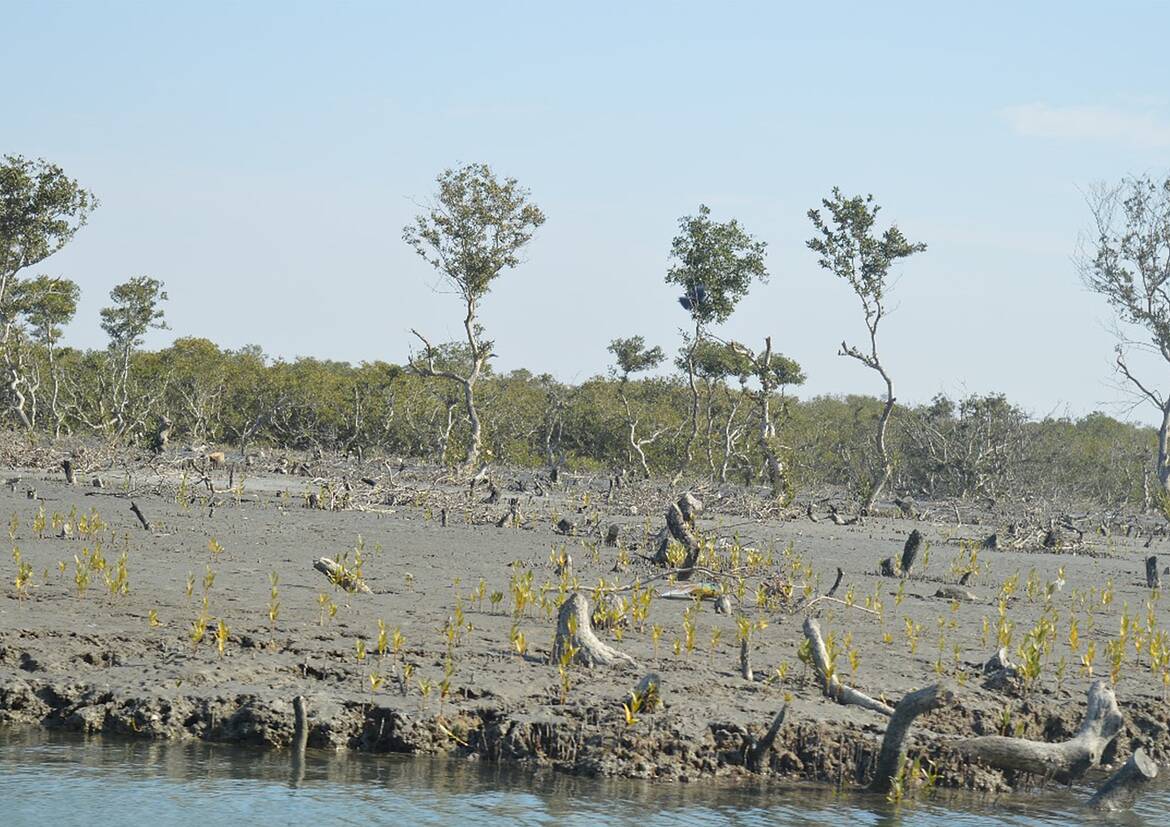
Karachi sits near one of the largest arid-region mangrove ecosystems in the world. These mangroves:
- Absorb storm energy
- Prevent coastal erosion
- Trap carbon
- Support fisheries
Without mangroves, storm surges could impact urban Karachi far more severely. They are the city’s quiet ecological bodyguards.
9) Facts about Karachi The Silent Artistic Revolution
Long before social media, Karachi had underground art circles:
- Experimental theatre in private spaces
- Political satire poetry sessions
- Independent publishing houses operating quietly
Cultural historians argue that Karachi’s art movements evolved in waves — often during politically restrictive periods. The city produces art under pressure — and that pressure creates originality.
10) Facts about Karachi — A City That Rewrites Itself
Karachi has:
- Rebuilt after cyclones
- Absorbed migration waves
- Transformed marshland into neighborhoods
- Shifted political identities repeatedly
Few cities reinvent themselves as often. Karachi doesn’t grow — it mutates.
11) Facts about Karachi : The Railway That Almost Changed South Asia

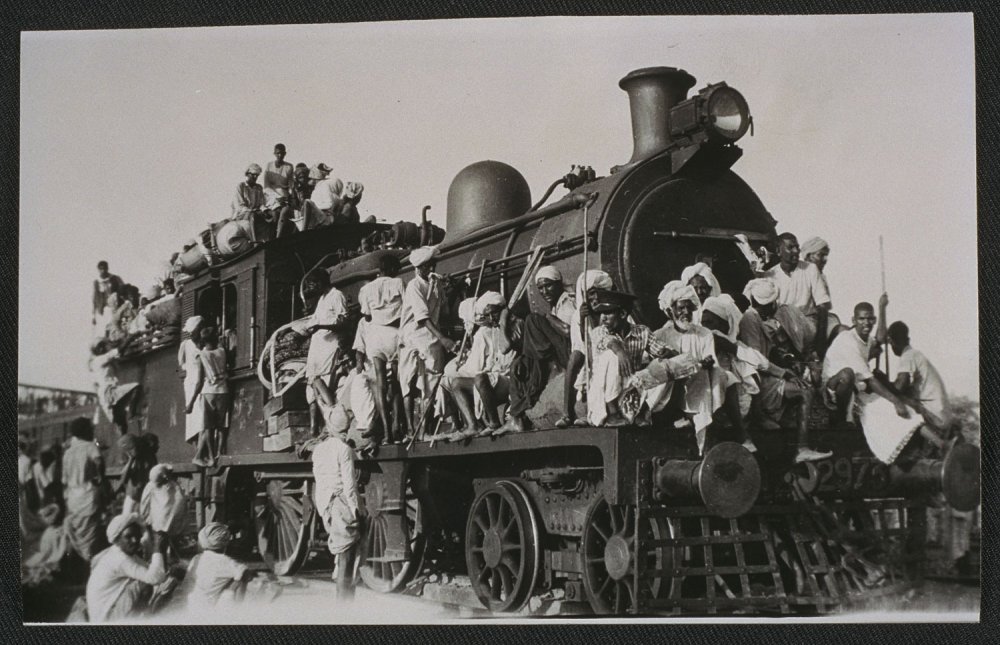

When the British expanded rail networks in the 19th century, Karachi wasn’t just a port — it was meant to become a continental connector.
The line linking Karachi Cantonment Railway Station to interior Sindh was part of a much larger imperial vision:
A trade artery connecting:
- The Arabian Sea
- Punjab’s agricultural heartland
- And potentially Afghanistan
There were early strategic studies exploring rail extensions toward Central Asia to counter Russian influence during the “Great Game.” Karachi wasn’t just a commercial port — it was a geopolitical chess piece.
12) Facts about Karachi The Cinema District That Disappeared
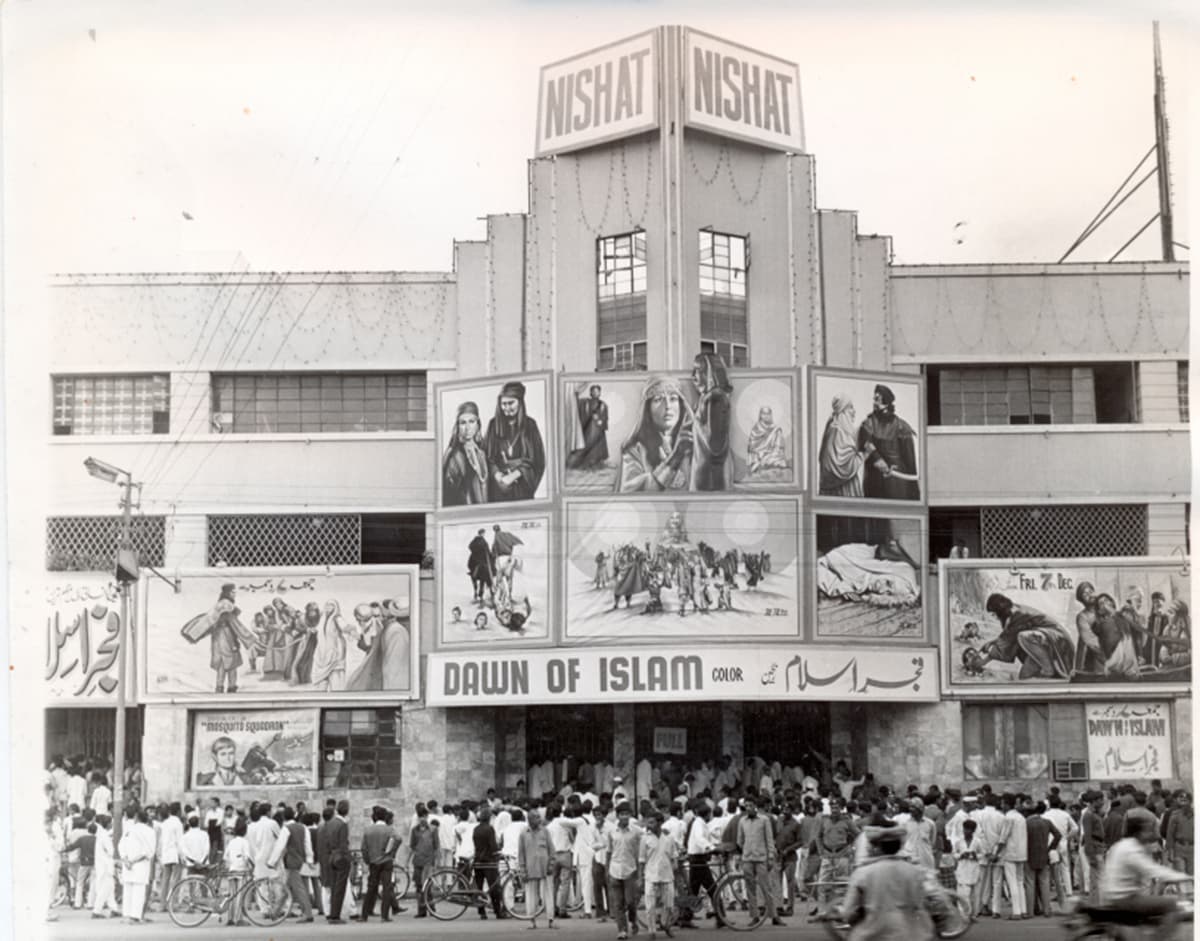


Before multiplexes, before streaming — Saddar glowed at night. Cinemas like Nishat Cinema and Prince Cinema were cultural landmarks. But here’s what isn’t widely discussed: Karachi once had one of the highest cinema densities per capita in the region. Entire streets were entertainment ecosystems:
- Cafés
- Record stores
- Poster painters
- Street photographers
During politically tense decades, cinema halls became subtle platforms for resistance — foreign films carried ideas that sparked quiet conversations. Many of those grand halls are now commercial plazas. But if you look up at certain Saddar buildings, you can still see faded marquee frames.
13) Facts about Karachi : The Temple That Survived the Storms of History

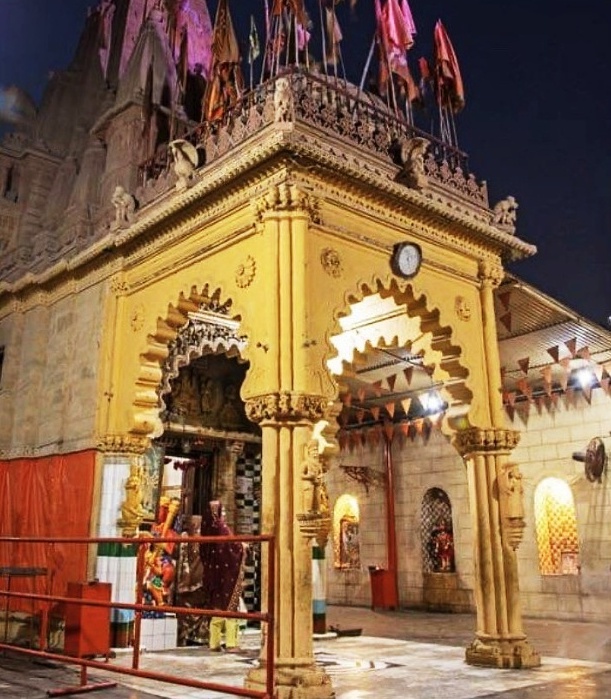


Tucked within Saddar stands the historic Shri Swaminarayan Temple Karachi.
What many don’t realize: This temple complex once functioned as more than a religious site — it was a social, educational, and dispute-resolution center for the Hindu community before Partition. During the migration period of 1947, parts of the temple complex reportedly sheltered displaced individuals regardless of faith. Its survival represents Karachi’s layered plural identity — something rarely emphasized in simplified narratives.
14) Facts about Karachi : Cold War Shadow Role
During the Cold War, Karachi’s strategic coastal location gave it quiet importance. Though Islamabad became the political capital, Karachi remained the economic engine and maritime nerve center. Foreign diplomats, naval observers, and intelligence interests quietly monitored:
- Arabian Sea shipping lanes
- Soviet naval movement
- Gulf maritime dynamics
Some historians argue that certain industrial expansions in Karachi during the 1960s were partially influenced by global strategic alignments. Karachi wasn’t loud about it. But it was watching.
15) Facts about Karachi : Architectural Optical Illusions of Saddar


Walk slowly through Saddar and look up. Buildings like Merewether Tower and Frere Hall were designed with proportional tricks:
- Narrow windows to exaggerate height
- Shadow-casting arches for depth
- Balconies angled for ventilation and aesthetics
Some colonial architects studied local wind patterns before finalizing façade orientation — blending European design with Sindh’s climate logic. These weren’t just buildings. They were climate machines disguised as monuments.
16) Facts about Karachi : The Disappearing Tram Network
Few Karachiites today know this: Karachi once had a functioning tram system. Introduced in the late 19th century, trams ran through key commercial arteries. Eventually phased out mid-20th century, they were replaced by buses. Urban planners have repeatedly studied reviving rail-based urban transport — but the city’s explosive growth has complicated retrofitting infrastructure. Some old tram alignments quietly shaped today’s traffic corridors.
17) Facts about Karachi : The Secret Water Story Beneath the City
Karachi’s water crisis is well known. What’s less discussed is that: Early Karachi relied heavily on underground wells and small reservoirs, some built during colonial administration.
As the city expanded, reliance shifted to distant sources. Parts of old Karachi still sit above historical aquifer pockets that were once community-managed. Water has always shaped Karachi’s expansion patterns — more than politics ever did.
18) Facts about Karachi : The Forgotten Air Routes of the 1930s

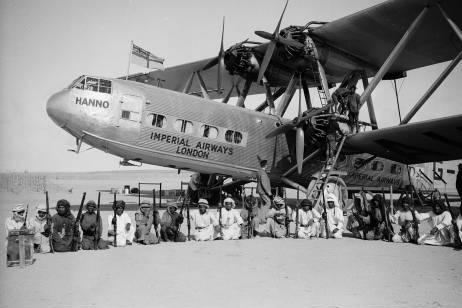


Before Dubai rose as an aviation giant, Karachi was a crucial air stop. The old Drigh Road Aerodrome (now part of Jinnah International Airport) was once among the busiest transit stops in the region.
Karachi connected:
- London
- Cairo
- Delhi
- Singapore
- In early global aviation maps, Karachi appeared prominently — long before many Gulf cities did.
19) Facts about Karachi : Karachi’s Hidden Literary Map
Karachi has quietly inspired:
- Urdu modernist poetry
- English-language fiction
- Political memoirs
- Underground zines
Yet unlike Lahore, Karachi is less frequently romanticized in literature.
Why? Because Karachi’s narrative is fragmented — constantly rewritten by migration waves. Its literature mirrors its skyline: layered, restless, unfinished.
20) Facts about Karachi : The City That Refuses a Single Identity
Is Karachi:
- Sindhi?
- Muhajir?
- Pashtun?
- Cosmopolitan?
- Industrial?
- Coastal?
It is all of them — and none exclusively. Karachi’s true identity is adaptability. It absorbs. It reshapes.
It survives
21) Facts about Karachi : The Forgotten Sufi Corners of the Megacity


Most people know Abdullah Shah Ghazi Shrine. But fewer explore the older spiritual geography surrounding the city. Take Manghopir Shrine, where sulfur springs bubble beside a centuries-old saint’s resting place. The site blends:
- Spiritual devotion
- Geothermal activity
- Folklore involving sacred crocodiles
Manghopir sits on a geological fault line, which explains its warm springs — but spiritually, locals believe the waters carry healing properties. Karachi’s spiritual map predates its urban grid.
22) Facts about Karachi : The Cyclone That Rewrote the Coastline


Karachi’s vulnerability to cyclones isn’t new. In 1944, a devastating cyclone struck the region, causing widespread destruction along the coast.
Hidden insight:
Historical meteorological records suggest that parts of Karachi’s shoreline subtly shifted after major storms in the early 20th century. The mangroves acted as shock absorbers — without them, damage would have been worse. Even today, urban planners quietly factor cyclone patterns into long-term coastal projections.
23) Facts about Karachi : The Science Behind Karachi’s Sea Breeze
If you’ve ever felt Karachi’s dramatic temperature drop at sunset, you’ve experienced one of South Asia’s most fascinating microclimate effects. Here’s what happens:
- During the day, land heats faster than the Arabian Sea.
- Hot air rises above the city.
- Cooler, denser air from the sea rushes inland.
This creates the iconic evening sea breeze — especially noticeable in areas like Clifton Beach. Urban high-rise clusters can alter wind flow, creating localized wind tunnels or blocked airflow zones. Karachi’s skyline is slowly reshaping its own weather patterns.
24) Facts about Karachi : The Crocodiles of Manghopir — Myth Meets Ecology
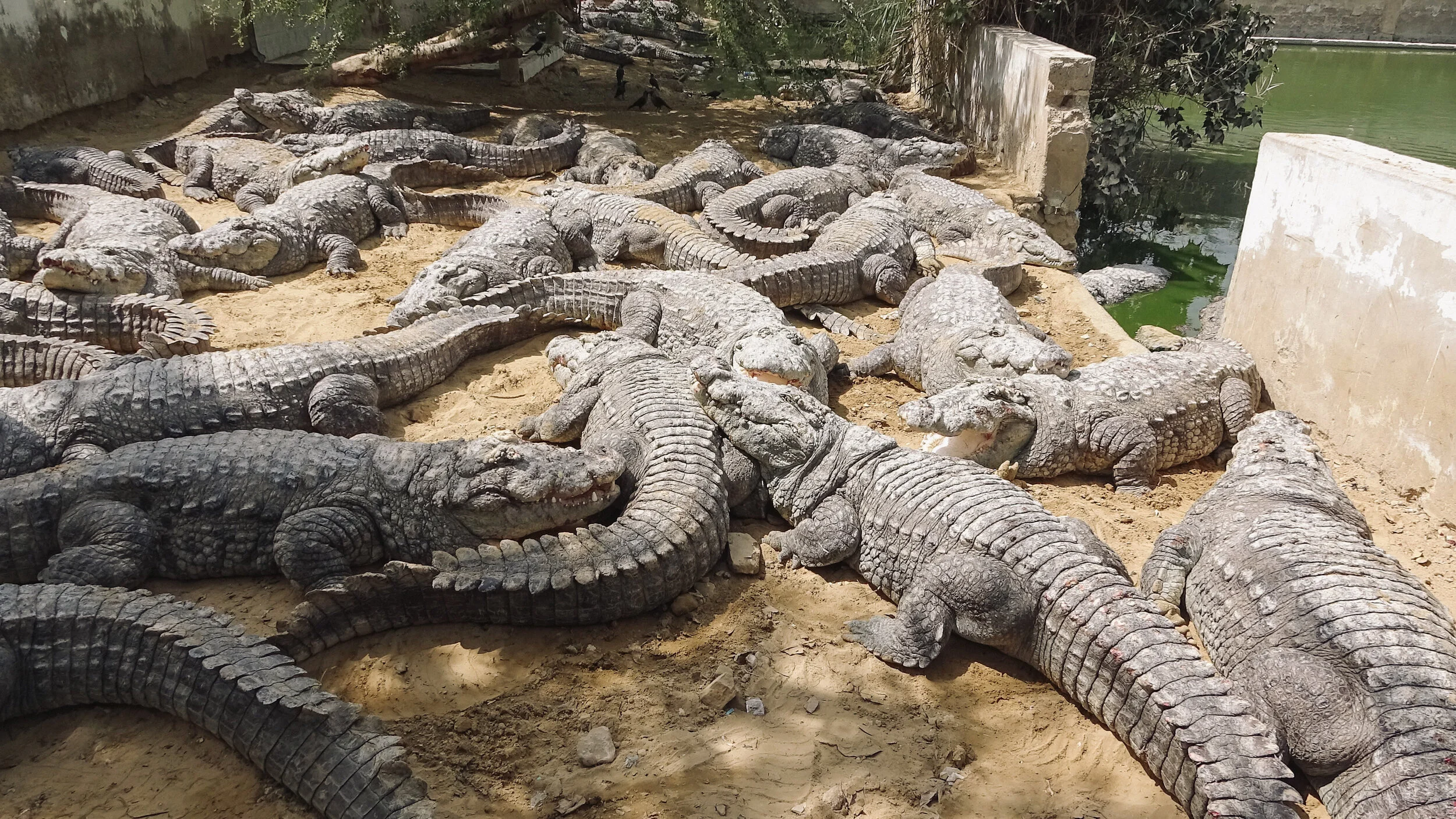


Yes — Karachi has sacred crocodiles. At Manghopir, dozens of crocodiles inhabit a pond adjacent to the shrine. Folklore claims they are spiritually protected. Biologists note that they survive due to controlled feeding and the unique water conditions of the springs. The crocodile population here represents one of the most unusual urban wildlife-spiritual overlaps in South Asia. Where else do reptiles live beside prayer offerings in a megacity?
25) Facts about Karachi The Urban Legend of the “Haunted” Colonial House
Every major city has ghost stories Karachi’s Saddar district whispers of colonial-era buildings where:
- Lights flicker at night
- Footsteps echo in empty corridors
- Watchmen refuse certain shifts
While there’s no verified paranormal evidence, abandoned colonial structures with high ceilings and hollow ventilation shafts create eerie acoustics. Acoustic reverberation in large empty halls can amplify minor sounds, making buildings feel “occupied.” Sometimes science explains what folklore dramatizes.
26)Facts about Karachi : Karachi’s Forgotten Volcano
Few Karachiites realize that not far from the city lie mud volcanoes — geological formations that slowly ooze mud instead of lava. These formations, found in coastal Sindh and nearby regions, are connected to tectonic activity beneath the Arabian Sea. The same tectonic dynamics that create mud volcanoes also influence seismic activity risks for Karachi. The city rests closer to shifting earth than most people imagine.
27) Facts about Karachi : The Disappearing Mangrove Forests
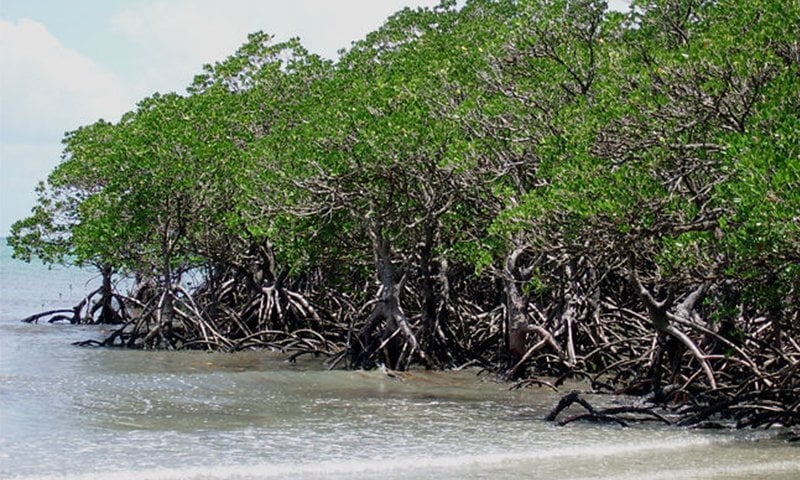

Mangroves once stretched wider along Karachi’s coast. Urban expansion, pollution, and industrial pressure reduced their footprint. However, recent reforestation efforts have revived certain areas. Mangroves store carbon at rates significantly higher than many terrestrial forests. Karachi’s climate resilience may depend more on coastal restoration than on concrete sea walls.
28) Facts about Karachi : The Hidden Bunkers Along the Coast
During World War II, parts of Karachi’s coast were fortified due to fears of naval attacks. Small bunkers and defensive structures were built in strategic points. Some remnants still exist — partially buried, weathered by salt and wind. Karachi once prepared for a war that never reached its shores.
29) Facts about Karachi : The Mystery of the Shifting Sandbars
Fishermen along the coast speak of sandbars that appear and vanish seasonally. These shifting formations affect:
- Boat navigation
- Fish migration
- Coastal erosion
Satellite mapping confirms that Karachi’s coastal geomorphology is dynamic — not fixed. The shoreline you see today may look slightly different in a decade.
30) Facts about Karachi : A City Balanced Between Faith & Fault Lines
Karachi sits at a crossroads of:
- Tectonic pressure
- Spiritual heritage
- Industrial ambition
- Coastal vulnerability
Its shrines sit near geological fractures. Its skyscrapers rise beside tidal creeks. Its myths grow beside meteorological science. Karachi is not just built on land. It’s built on layers of belief, movement, and survival.
31) Facts about Karachi : The Untold Origins of Karachi’s Street Biryani Rivalries
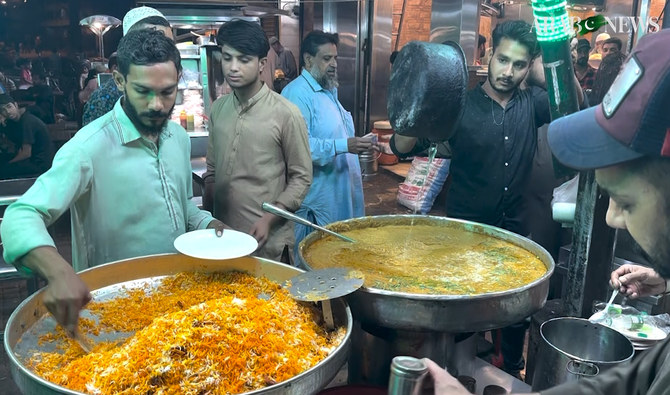
Everyone debates who makes the best biryani. But here’s something rarely discussed: Karachi-style biryani evolved as a migration dish. After 1947, families arriving from different regions brought:
- Lucknowi spice techniques
- Hyderabadi layering styles
- Memoni heat levels
- Sindhi tanginess
The result wasn’t imitation.It was fusion. Burns Road became the laboratory. Karachi’s biryani intensity reflects urban density — bold flavors that survive in a competitive food ecosystem. In a city this loud, subtle food doesn’t survive.
32) Facts about Karachi : Burns Road: More Than a Food Street


Burns Road wasn’t always about neon and crowds.
In the early 20th century, it hosted cafés where intellectuals debated politics and poetry.Places like Waheed Kabab House became institutions — not just eateries.
Many political discussions that shaped Karachi’s early civic identity happened over plates of nihari and chai.
Food was diplomacy.
33) Facts about Karachi : Karachi’s Underground Music Before It Was Cool
In the 1980s and 1990s, before streaming platforms, Karachi’s music scene thrived in:
- Private homes
- College auditoriums
- Makeshift studio apartments
Rock bands experimented quietly Producers built DIY recording setups long before digital tools were accessible. Karachi’s underground scene often fused Western rock structures with South Asian poetic lyrics — a blend that later influenced mainstream Pakistani music The city doesn’t just import sound. It mutates it.
34) Facts about Karachi : The Forgotten Cremation Ghats
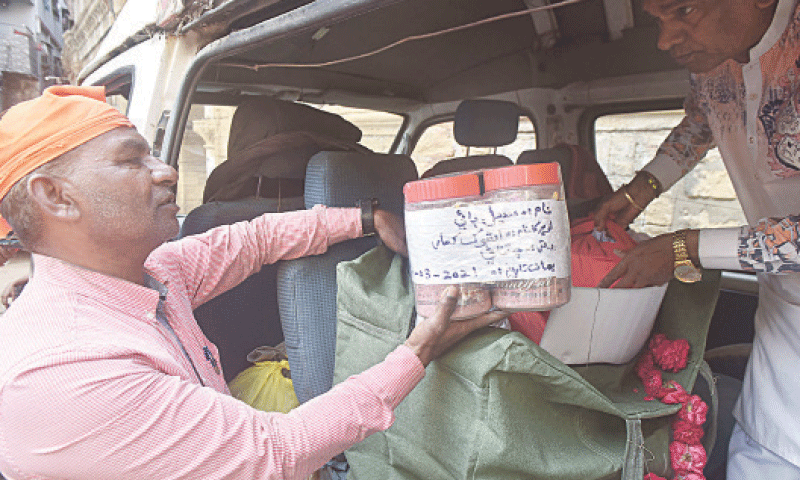


Before Partition, Karachi had active Hindu cremation sites along riverbanks and near coastal stretches. Some locations have vanished beneath development. Others remain but are rarely discussed. Urban expansion often erases ritual geography — but traces survive in old municipal layouts and community memory. Karachi carries spiritual footprints under its asphalt.
35) Facts about Karachi : Why Karachi Traffic Feels Different (Psychology Edition)
Karachi traffic is not just congestion. It’s behavioral choreography. Here’s why it feels intense:
- Multiple vehicle types (bikes, buses, rickshaws, carts) share limited space
- Informal driving rules evolve in real time
- Drivers anticipate unpredictability
Psychologists call this adaptive chaos — a survival-based system where constant alertness becomes normal. In hyper-dense cities, drivers develop micro-negotiation skills — eye contact, subtle gestures, calculated risk-taking. Karachi’s roads are unscripted conversations.
36) Facts about Karachi The City That Truly Never Sleeps


Karachi’s 24/7 rhythm isn’t accidental. It’s economic necessity.
- Port operations run overnight
- Food vendors serve late-shift workers
- Textile units operate extended hours
- Tea dhabas fill after midnight
The Port of Karachi never truly pauses — and neither does the city orbiting it Megacities near major ports often evolve into nocturnal economies. Karachi’s insomnia is industrial.
37) Facts about Karachi : The Secret Language of Wall Chalkings
Across Karachi’s walls, coded chalk markings appear and disappear. Some advertise:
- Electricians
- Tutors
- Cable operators
Others carry political slogans. These markings function as micro-billboards in neighborhoods where digital marketing doesn’t reach It’s a parallel advertising ecosystem — low cost, high visibility. Karachi markets itself in chalk.
38) Facts about Karachi : The Rise of Rooftop Culture
Because public parks are limited in dense zones, many Karachi families transformed rooftops into:
- Social spaces
- Prayer corners
- Mini gardens
- Evening gathering spots
In some older neighborhoods, rooftop-to-rooftop communication once allowed neighbors to socialize without descending to street level. Karachi has vertical community networks.
39) Facts about Karachi : The Soundtrack of the City
Stand still in Karachi and listen You’ll hear:
- Distant azaan
- Bus horns in layered tones
- Waves crashing faintly in coastal zones
- Vendors shouting rhythmic sales calls
Urban anthropologists call this a “soundscape identity. Karachi’s audio fingerprint is as unique as its skyline.
40) Facts about Karachi : The Restlessness That Defines It
Why does Karachi feel restless? Because it is always in transition.
- Migrants arriving
- Businesses opening
- Neighborhoods reshaping
- Cultures blending
Karachi doesn’t settle. It adjusts. It adapts. It survives by movement.
41) Facts about Karachi : The Rare Book Rooms Few Karachiites Know About

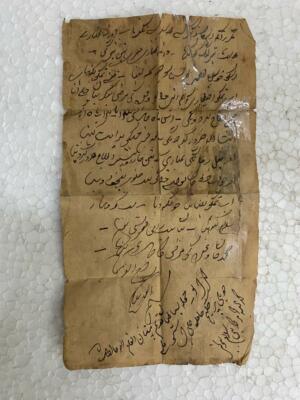

Most people walk past Frere Hall without realizing it houses a historic library space. Then there is Liaquat Memorial Library, which contains archival materials dating back decades. Private collectors in Karachi hold rare first-edition Urdu books, pre-Partition newspapers, and early city maps — often preserved in personal home libraries rather than institutions. Karachi’s intellectual memory isn’t centralized. It’s scattered.
42) Facts about Karachi : The Warehouse Art Movement
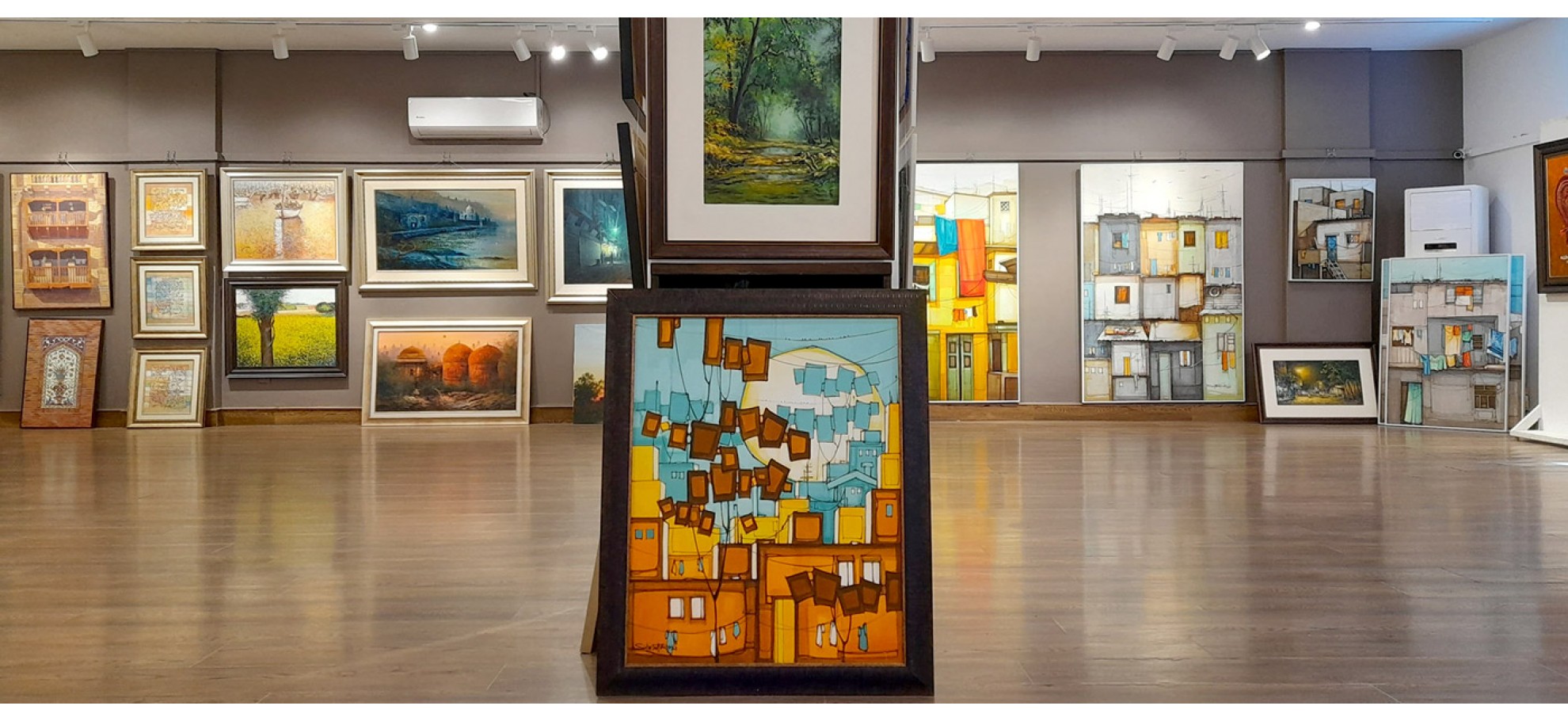
As industrial zones expanded, some old warehouses in areas near SITE and Lyari slowly transformed.
Artists began renting low-cost spaces.Installations appeared.
Experimental exhibitions took place away from mainstream attention. Industrial architecture — high ceilings, exposed brick, large floor space — became ideal for large-scale art experimentation.Karachi’s art scene thrives where manufacturing once dominated.

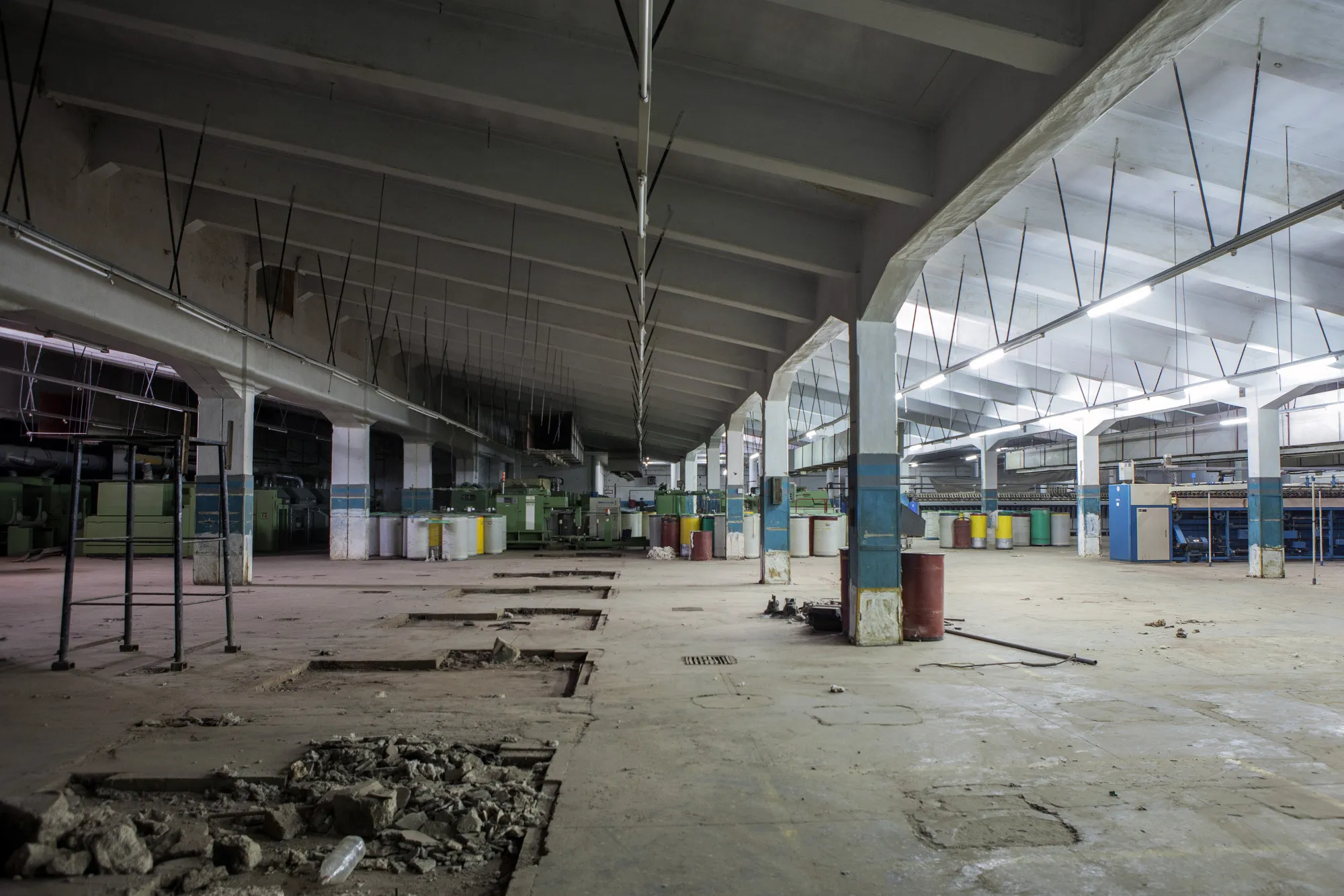
The Sindh Industrial and Trading Estate (SITE) isn’t just factories. It’s a symbol of Karachi’s transformation from port town to industrial powerhouse. Some early factories were built with worker housing integrated nearby — early attempts at planned industrial communities. But as expansion accelerated, infrastructure struggled to keep pace. Today, certain factory compounds stand partially abandoned — concrete skeletons of economic cycles.
44. Facts about Karachi : The Forgotten Sports Arenas
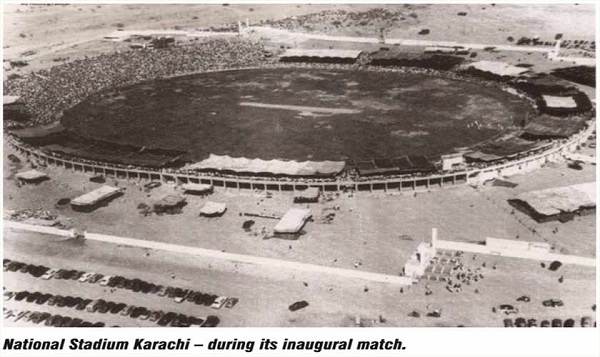


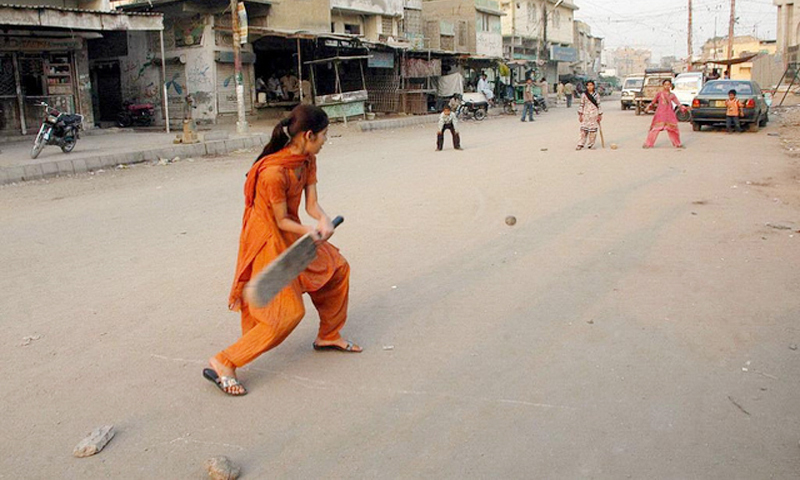
Karachi is often associated with cricket, especially National Stadium Karachi. But the city once had thriving communities in:
- Boxing gyms tucked into inner neighborhoods
- Hockey grounds that trained national athletes
- Informal football clubs along dusty fields
Street cricket in narrow lanes sharpened reflexes — some coaches argue this shaped a generation of aggressive, adaptive players. Karachi’s sporting DNA was forged in tight spaces.
45. Facts about Karachi : The Science of Karachi’s Urban Heat Island
Why does Karachi sometimes feel hotter than surrounding coastal zones? Because of something called the Urban Heat Island Effect. Concrete absorbs and retains heat. Glass reflects and traps it. Reduced green cover intensifies it. Satellite imaging shows temperature variations within Karachi — some industrial pockets record significantly higher surface temperatures than coastal residential zones.
High-rise clusters can also reduce airflow — weakening the natural sea breeze cooling effect. Karachi’s future climate comfort depends on smarter urban design.
46. Facts about Karachi : The Abandoned Cinema-Factory Overlap
In certain districts, old cinemas that declined in the 1990s were converted into:
- Warehouses
- Storage facilities
- Commercial plazas
Architecture repurposed. Entertainment became inventory space Urban economists describe this as functional reallocation — when cultural spaces yield to higher economic returns Karachi reinvents buildings without nostalgia.
47. Facts about Karachi : The Secret Rooftop Gardens
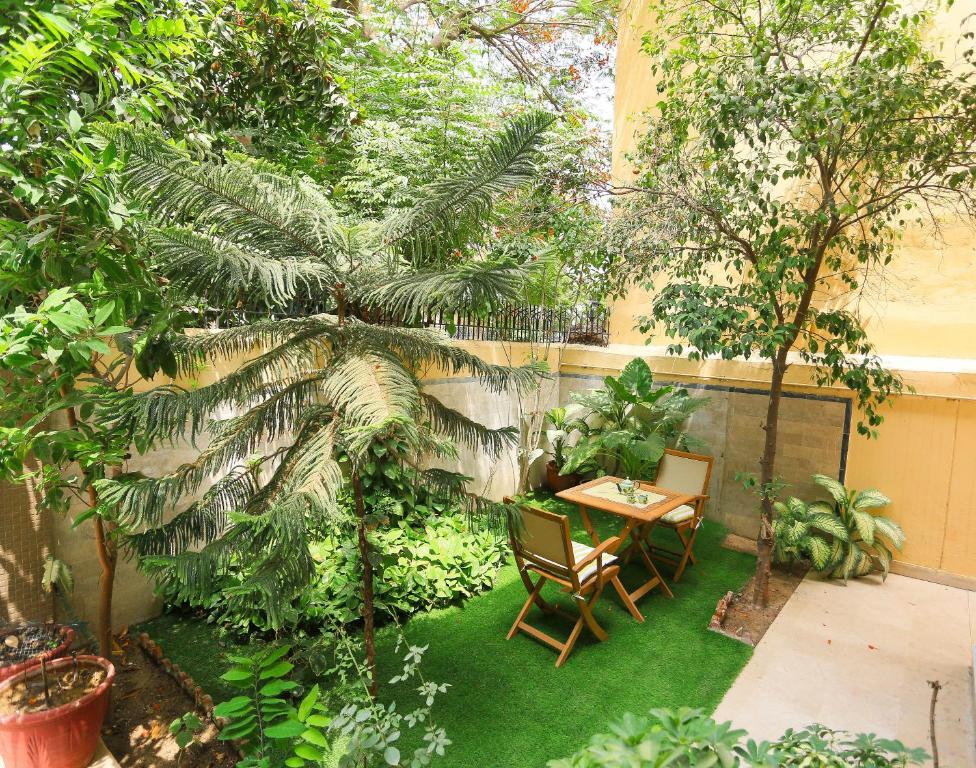
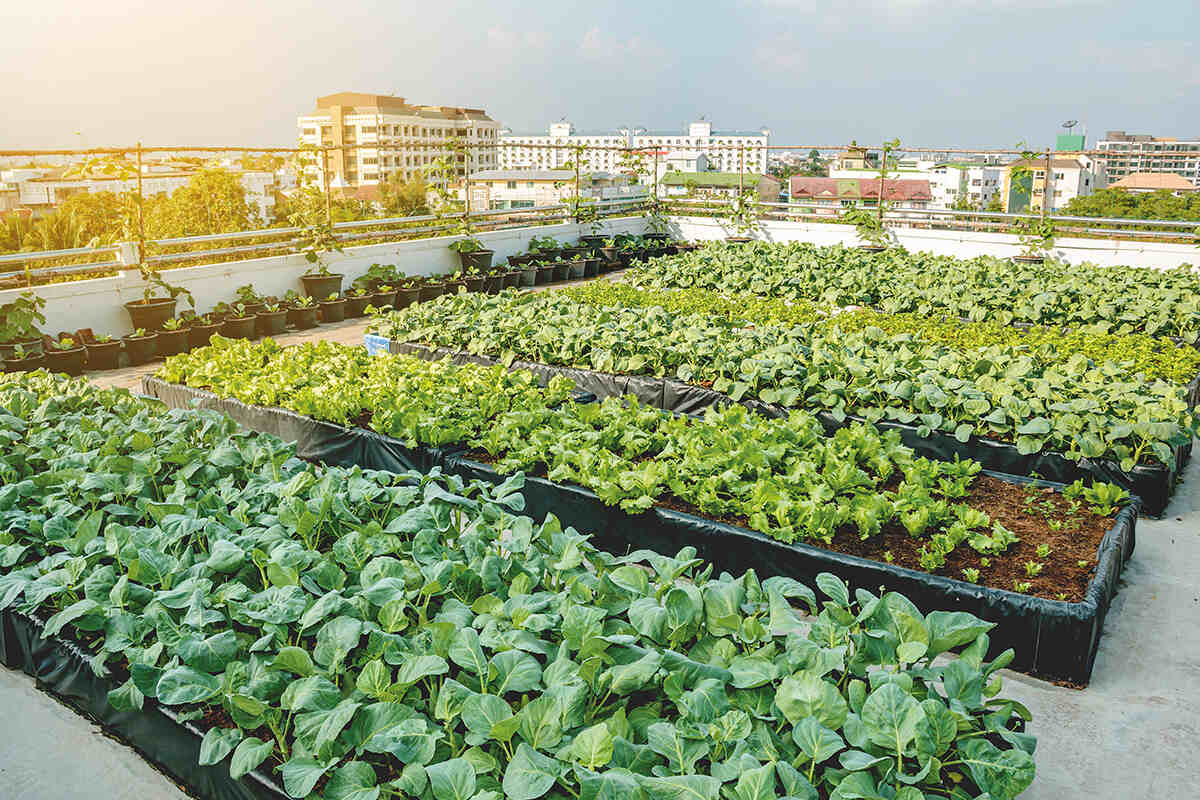

In response to heat and limited park access, some Karachi residents created rooftop micro-gardens.
- Potted vegetables
- Lemon trees
- Small herb patches
Urban agriculture on rooftops reduces localized heat absorption and improves insulation. These gardens are quiet climate resistance acts.
48) Facts about Karachi : The Informal Recycling Empire
Karachi runs one of the largest informal recycling systems in the region. Plastic, metal, paper — almost everything finds a secondary life. Entire micro-economies operate in recycling clusters — often undocumented yet vital to sustainability. Karachi’s environmental resilience often comes from informal innovation, not formal policy.
49) Facts about Karachi : The Bookshops That Refuse to Die
Despite digital reading, Saddar and Urdu Bazaar still host small bookshops Owners memorize authors, genres, exam syllabi. Karachi’s exam culture sustains physical book demand — competitive test prep, civil service exams, and university admissions keep print aliveIn a digital age, Karachi still turns paper pages.
50) Facts about Karachi : Beneath the Concrete — A Living System
Karachi is often portrayed as chaotic concrete. But beneath it lies:
- Knowledge networks
- Art movements
- Informal economies
- Climate battles
- Sporting ambition
It’s not just a megacity.It’s an organism. And it’s still evolving
51) Facts about Karachi : Churna Island: The Unspoken Marine World
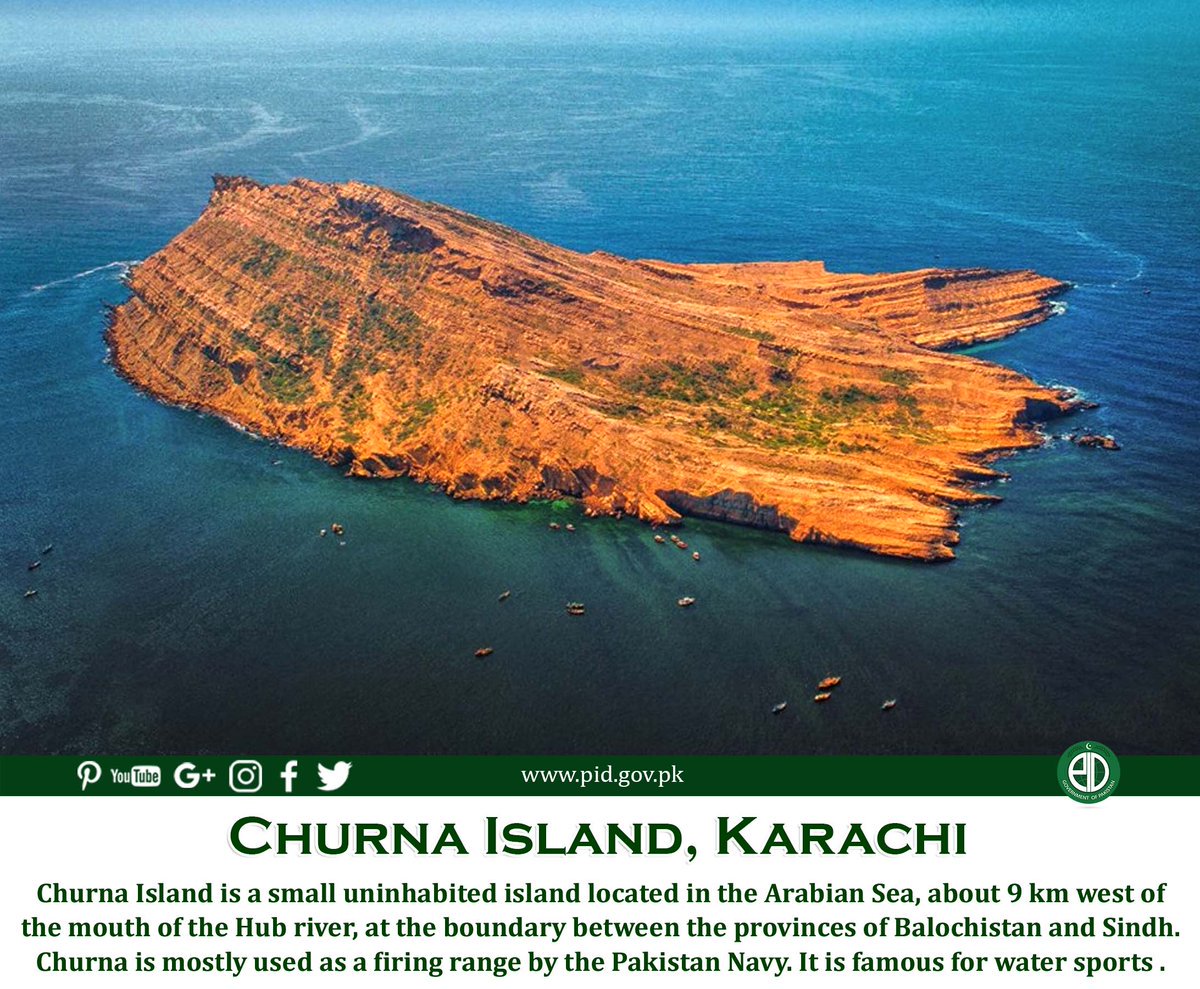


About two hours from Karachi lies Churna Island. Most locals know it as a weekend snorkeling spot. But beneath the surface:
- Coral patches survive in unexpected clusters
- Reef fish create micro-ecosystems
- Rocky underwater shelves shape marine biodiversity
Marine researchers consider this region ecologically significant — yet it remains under-documented compared to global diving hubs. Karachi’s coastline hides a quiet underwater universe.
52) Facts about Karachi : The Shipwrecks of the Arabian Sea
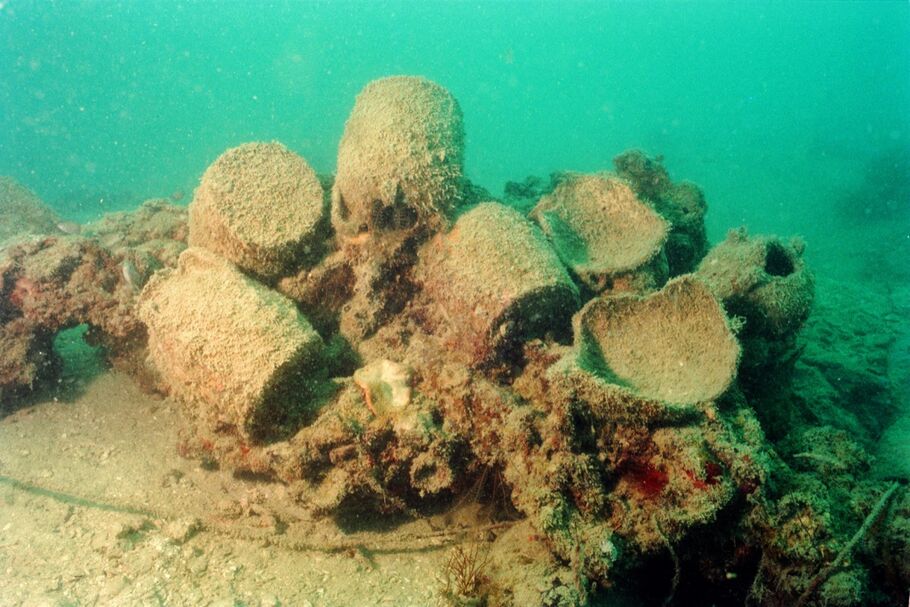

The waters near Manora Island and surrounding coastal belts have witnessed multiple ship groundings over decades. Some were due to storms. Some mechanical failures. Some navigational miscalculations. Rusted ship hulls often become artificial reefs, attracting marine life. A maritime accident slowly transforms into an ecological habitat. The sea recycles.
53) Facts about Karachi : Baba and Bhit Islands: Communities on Water’s Edge
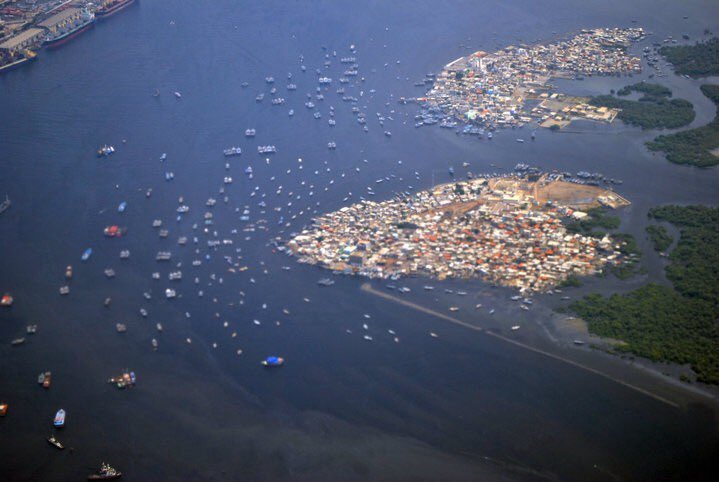


Within Karachi’s harbor lie Baba Island and Bhit Island. Fishing communities here predate modern Karachi’s expansion. Despite being minutes from the metropolis, these islands operate with distinct rhythms — slower, tide-governed, tradition-bound. Urban expansion has brought the city closer. But culturally, these islands preserve older coastal lifeways.
54) Facts about Karachi : The Migration Psychology of Karachi
Karachi is built by migrants. Post-Partition migrants. Rural-to-urban workers. Regional traders. International labor flows. Sociologists note that migrant cities develop stronger entrepreneurial cultures because residents lack generational land ownership — survival depends on innovation. Karachi’s hustle culture stems from this migration DNA. It’s a city where nearly everyone arrived from somewhere else.
55) Facts about Karachi : The Colonial Cemetery Few Visit


Hidden in Saddar is Gora Qabaristan. Gravestones date back to the 19th century. Names reflect:
- Soldiers
- Traders
- Civil administrators
- Children lost to early epidemics
Epitaph styles reveal colonial attitudes — inscriptions often describe origin towns in Britain or Europe, mapping migration in reverse. Karachi wasn’t just receiving migrants. It was sending stories back overseas.
56) Facts about Karachi : The Skyline Science: Why Karachi Grows Vertically Now


Land scarcity near commercial zones has triggered vertical growth. Projects like Bahria Icon Tower symbolize this shift. High-rise clusters influence wind corridors, shade patterns, and even localized humidity retention. Urban planners now study:
- Shadow mapping
- Wind tunnel simulations
- Structural resistance to seismic activity
Karachi’s skyline is becoming a laboratory.
57) Facts about Karachi : The Tidal Energy Potential
Few realize Karachi’s coastline experiences tidal fluctuations strong enough to spark small-scale renewable energy discussions. While not yet fully developed, engineers have studied whether tidal flows near harbor channels could one day support experimental energy projects. The sea that powers trade might one day power electricity.
58) Facts about Karachi : The Forgotten Salt Pans


On the outskirts of Karachi lie salt extraction zones — geometric patterns visible from above. Salt harvesting here connects Karachi to centuries-old trade traditions. Long before container shipping, salt was wealth. The white plains shimmer under the sun — quiet, industrial poetry.
59) Facts about Karachi : Karachi’s Evolving Port Technology
The Port of Karachi is no longer just cranes and containers. Automation, digitized tracking systems, and logistics software increasingly shape operations. Modern ports rely heavily on invisible data networks — the physical containers are only half the story. Karachi’s economic pulse now moves through fiber-optic cables as much as through ships.
60) Facts about Karachi : A City Suspended Between Land & Sea
Karachi belongs to neither fully. Not fully desert. Not fully tropical. Not fully traditional. Not fully modern. It stands suspended between tectonic plates, tides, and time. And it keeps rising
61) Facts about Karachi : The Quiet Academic Powerhouses
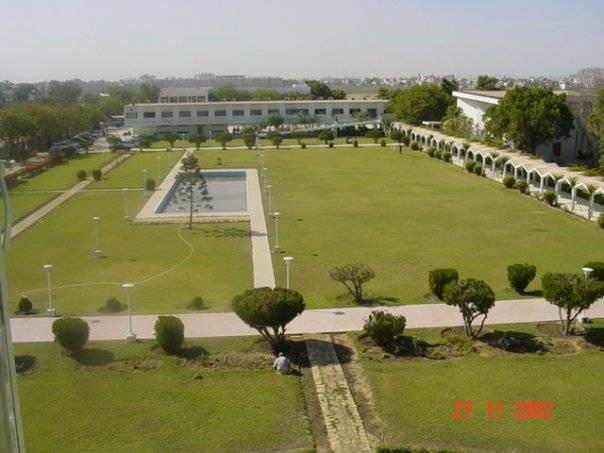

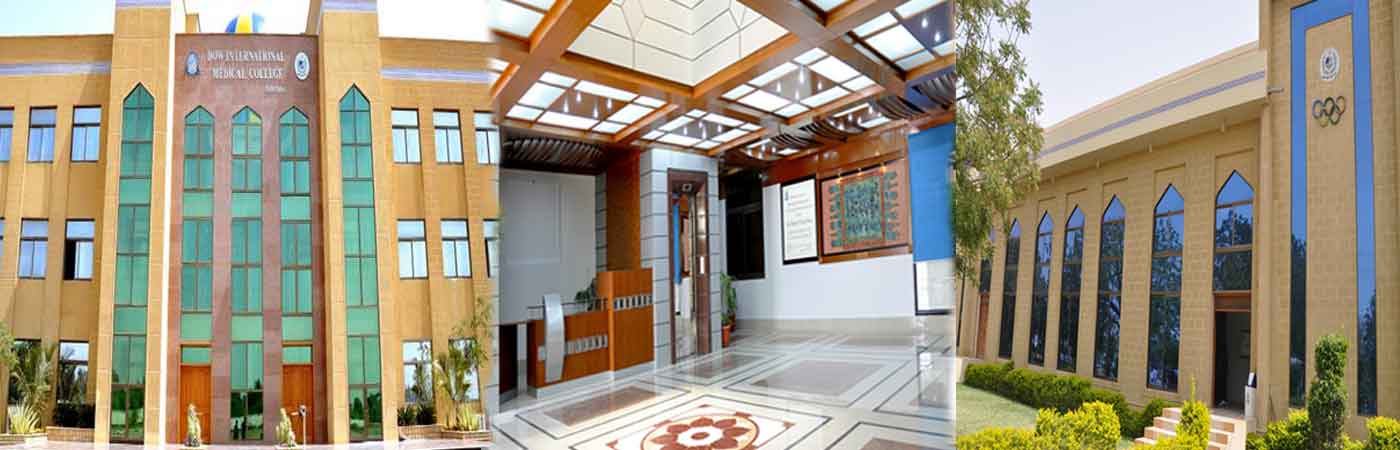
While outsiders often focus on politics or population, Karachi’s academic footprint is enormous. Institutions like University of Karachi and NED University of Engineering and Technology have produced generations of scientists, engineers, and civil servants. Karachi’s universities became upward-mobility engines for migrant families — education serving as economic stabilization in a city without inherited land wealth. Entire neighborhoods grew around exam preparation academies. Knowledge became currency.
62) Facts about Karachi : The Birthplace of Financial Nerve Centers


I.I. Chundrigar Road — often compared locally to Wall Street — concentrates banks, insurance firms, and trading offices. The historic State Bank of Pakistan building stands as a symbol of post-independence financial structuring. Nearby, the Pakistan Stock Exchange evolved from earlier regional trading systems. Karachi’s financial culture developed partly from merchant communities that valued risk-taking and cross-border trade. Unlike planned capitals, Karachi’s financial identity grew organically from port commerce.
63. Facts about Karachi : Karachi’s Hidden Caves & Rocky Hills

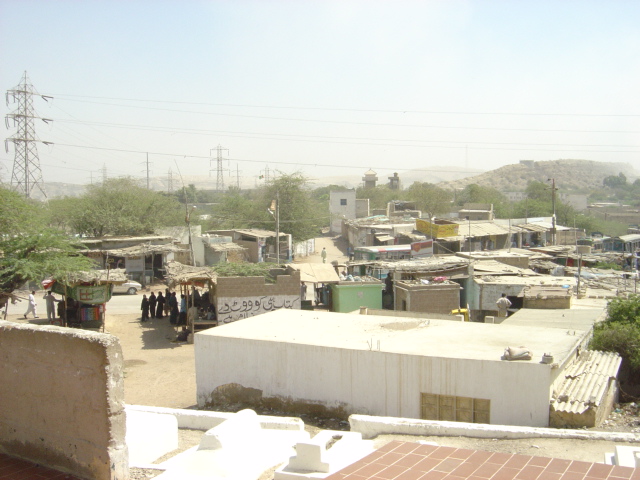

Beyond the skyline lie limestone ridges and rocky outcrops — especially near Manghopir and northern edges of the city. These formations reveal:
- Sedimentary history
- Fossil traces
- Ancient marine layers
Karachi’s land was once seabed. Fossilized shells embedded in rock confirm prehistoric marine coverage. The city literally rose from the ocean.
64) Facts about Karachi : The Forgotten Student Movements
Karachi’s campuses have historically been political incubators. Student unions once shaped citywide debates. Protests spilled into streets. Ideas traveled from lecture halls to legislative chambers. Karachi’s intellectual energy often transforms into activism — sometimes constructive, sometimes turbulent. Education here is rarely passive.
65) Facts about Karachi The Hustle Psychology of Karachi
Why does Karachi feel more commercially intense than many cities? Because survival required entrepreneurship. Migrants arriving with limited resources had to:
- Start small businesses
- Enter trade networks
- Innovate in informal sectors
Psychologists describe this as scarcity-driven innovation. When stability isn’t guaranteed, adaptability becomes a cultural trait. Karachi doesn’t wait for opportunity. It creates it.
66)Facts about Karachi : The Rise of Coaching Center Culture


Entire districts are now known for coaching centers. Medical, engineering, civil services — preparation academies form micro-economies. Some teachers become local celebrities, attracting students from across the city. In Karachi, academic mentorship can reshape entire family trajectories.
67) Facts about Karachi : Informal Investment Networks
Beyond formal banks and exchanges, Karachi runs on trust-based systems:
- Rotating savings committees
- Family-backed trade partnerships
- Community credit lines
These informal systems reduce reliance on traditional banking — especially in small-scale retail zones.Karachi’s economy flows through relationships as much as regulations.
68) Facts about Karachi : Karachi’s economy flows through relationships as much as regulations.
The Bridge Between Tradition & Tech. Karachi’s startup culture has quietly expanded. Young developers build:
- E-commerce platforms
- Delivery services
- Fintech tools
Many startups are founded by first-generation graduates — blending old merchant instincts with digital tools. Karachi’s traditional bazaar mentality now meets mobile apps.
69) Facts about Karachi : The City’s Silent Mentorship Culture
Unlike cities that rely heavily on corporate internships, Karachi often operates through:
- Family apprenticeships
- Trade learning inside shops
- Skill transfer within workshops
Knowledge is passed informally. A shopkeeper teaches a nephew. A mechanic trains an assistant.
A trader grooms a successor. Entrepreneurship becomes inherited culture — even without inheritance of property.
70) Facts about Karachi : A City Powered by Ambition
Karachi’s skyline tells one story. Its classrooms and small shops tell another. It is not wealth alone that defines the city. It is aspiration. Karachi may appear chaotic. But beneath it lies a structured hunger for progress.
71) Facts about Karachi : The Architectural Collision: Colonial, Concrete & Glass
Walk from Saddar toward Clifton and you travel across centuries.
- Gothic arches of Frere Hall
- The clockface authority of Merewether Tower
- Then suddenly, mirrored-glass skyscrapers in Clifton
Karachi never demolished its past entirely — it built over, around, and beside it. Unlike master-planned cities, Karachi’s architecture reflects negotiation rather than uniformity. The result? A skyline that looks like layered time.
72) Facts about Karachi : The Rise & Fall of Amusement Parks

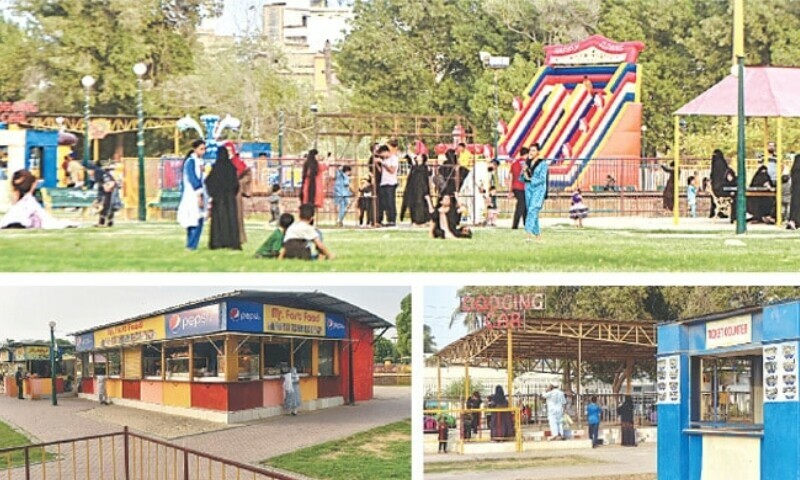

Karachi once had thriving family amusement spaces like Sindbad Amusement Park. For many millennials, it was childhood magic. But shifting economics, safety standards, and land values changed the landscape. Urban land appreciation often pushes out recreational spaces in favor of commercial development.Karachi’s entertainment geography reflects economic pressure.
73) Facts about Karachi : The Secret Night Markets
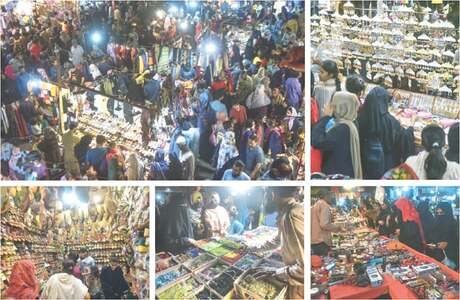
After 10 PM, certain streets come alive. Saddar transforms. Tariq Road pulses. Food carts multiply. Night markets serve more than shoppers — they support shift workers, students, and small vendors who rely on after-hours trade. Karachi’s economy stretches beyond daylight. The city doesn’t close — it rotates.
74) Facts about Karachi : Transport Experiments: The City Keeps Trying
Karachi’s transport history is a story of trial and adaptation.
- Trams (now gone)
- Minibus culture
- Ride-hailing apps
- Bus Rapid Transit corridors
Projects like the Karachi Green Line Bus Rapid Transit reflect attempts to modernize mobility. Megacities often experiment repeatedly before finding sustainable transit balance. Karachi’s scale complicates every solution — but experimentation continues.
75) Facts about Karachi : The Emotional Geography of Neighborhoods
Karachi neighborhoods aren’t just geographic zones.
They carry emotional identities.
- Saddar feels historic and restless.
- Clifton feels coastal and aspirational.
- Lyari feels rhythmic and community-driven.
Urban sociologists describe this as “place identity” — how residents emotionally bond with neighborhoods beyond infrastructure. Karachi residents often introduce themselves by area before profession. Location becomes personality.
76) Facts about Karachi : The Rise of Gated Communities

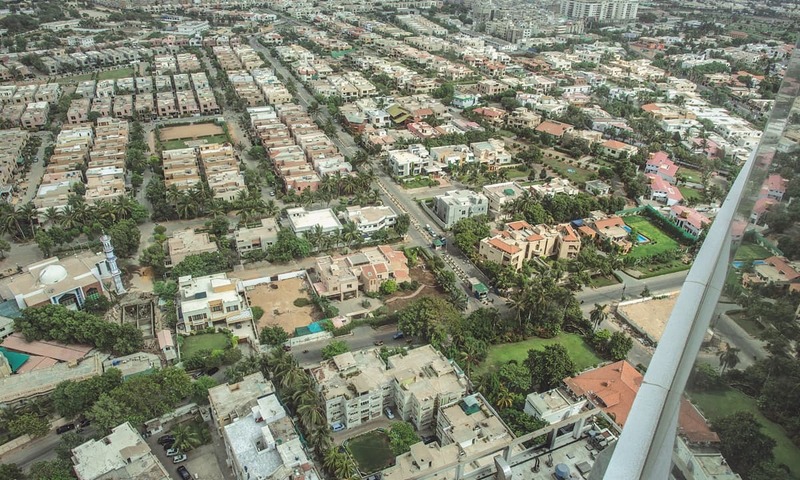
As the city expanded, planned developments like Bahria Town Karachi emerged. These spaces promise:
- Controlled infrastructure
- Security
- Uniform planning
Gated communities reflect demand for predictability within an unpredictable megacity. They represent a psychological shift — from organic growth to controlled environments.
77) Facts about Karachi : The Rooftop Billboards & Visual Noise
Karachi’s skyline is crowded with:
- Billboards
- Political banners
- Wedding announcements
- Coaching center ads
Visual saturation becomes part of urban identity — competing messages layered across buildings. The city advertises itself constantly. Silence is rare.
78) Facts about Karachi : Forgotten Playgrounds
In older districts, small playgrounds once served as community anchors. Some remain. Some are reduced.
Some replaced by commercial units. Urban density often compresses open space — altering childhood experiences over generations. Karachi’s children increasingly grow up vertically rather than horizontally.
79) Facts about Karachi : The Psychology of Coastal Escape


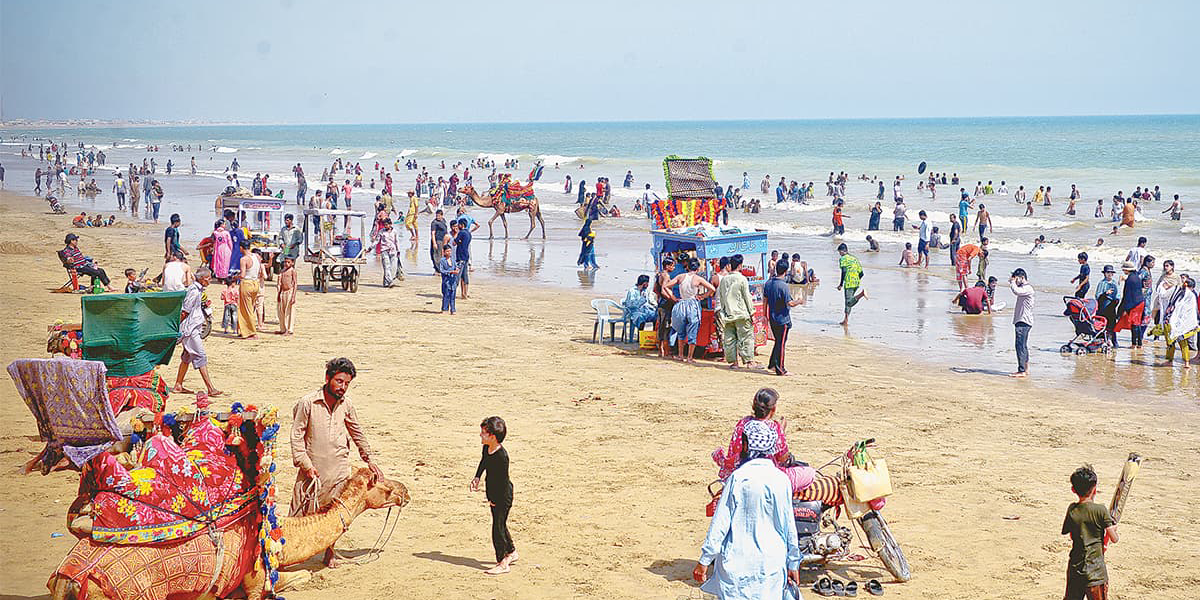
When overwhelmed, Karachi heads to the sea. Beaches like Clifton Beach and Hawke’s Bay Beach offer psychological release. Coastal cities often develop strong emotional ties to shorelines — water becomes therapy. Karachi’s sea is both economic engine and emotional reset button.
80. Facts about Karachi : A City of Contrasts
Karachi is:
- Structured and chaotic
- Historic and futuristic
- Exhausting and energizing
- Divided and unified
It resists singular definition. And that may be its greatest strength.
81) Facts about Karachi : Hidden Culinary Districts Beyond Burns Road


While Burns Road gets fame, other districts like Lyari, Liaquatabad, and Korangi harbor culinary gems:
- Secret tandoori spots serving dishes unchanged for decades
- Small shops blending Sindhi, Punjabi, and Muhajir flavors
- Late-night seafood tucked into narrow alleys
Food in Karachi often spreads via word-of-mouth — many legendary dishes survive because of oral reputation, not mainstream advertising.
82) Facts about Karachi : Karachi’s Secret Maritime Trade Routes
Historically, Karachi was connected to:
- The Arabian Peninsula
- Persian Gulf ports
- Indian Ocean trading networks
Before containerization, small cargo boats and dhows used lesser-known coastal paths to avoid customs fees or piracy risks. Some routes survive today in subtle fishing corridors — the city’s maritime geography is a palimpsest of legal and informal trade.
83) Facts about Karachi : The Cinema Revival Movement


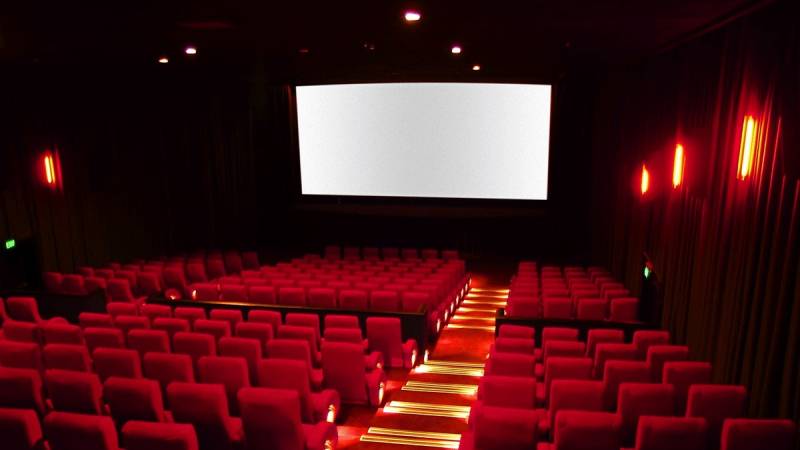
Once, Karachi was littered with single-screen cinemas. Many disappeared.
Now:
- Multiplexes like Cinepax bring modern viewing
- Indie filmmakers screen at small auditoriums and cafés
- Revivalist communities preserve old posters and memorabilia
Cinema is undergoing a cultural resurrection in Karachi, blending nostalgia with modern technology.
84) Facts about Karachi : Karachi’s Evolving Fashion Industry

Karachi dominates Pakistan’s fashion:
- Designers incubate in small studios before global showcases
- Streetwear blends traditional embroidery with Western silhouettes
- Textile hubs in SITE provide rapid prototyping
The city’s migration diversity fuels fashion creativity — styles from Sindhi, Punjabi, Balochi, and Muhajir communities converge in urban ateliers.
75) Facts about Karachi : Karachi’s Coffee Culture Underground
Before mainstream café chains, Karachi had clandestine tea and coffee gatherings in:
- Rooftops
- Converted apartments
- Alleyway cafés
These spaces incubated writers, musicians, and activists. They were cultural nodes that shaped modern city identity.
76) Facts about Karachi : Forgotten Coastal Fortifications


Manora Fort and nearby lighthouses were part of forgotten colonial defense networks. These coastal installations influenced shipping patterns — some trade routes were designed to stay within visual range of defensive structures.
87) Facts about Karachi : The Psychology of Resilience
Karachiites survive floods, heat, traffic, political tension, and rapid urban change. Psychologists suggest that constant environmental and social challenges cultivate adaptive, problem-solving communities Karachi’s resilience is learned behavior — reinforced by citywide survival dynamics.
88) Facts about Karachi : The Secret Markets of Textiles
In neighborhoods like SITE and Tariq Road, markets hide treasures:
- Hand-dyed fabrics
- Textile remnants
- Small-scale designer outlets
Many major fashion designers source raw material from these micro-markets, keeping the supply chain rooted in local networks.
89) Facts about Karachi : The Music Fusion Hubs
Karachi’s music scene thrives underground:
- Rooftop jam sessions
- Boutique cafés hosting experimental music
- Cross-cultural collaborations between South Asian and Western styles
These hubs produce innovation without mainstream pressure — creativity thrives in anonymity.
90) Facts about Karachi : The City That Reinvents Daily
Karachi survives and thrives through constant reinvention:
- Food recipes
- Trade networks
- Fashion
- Music
- Cinema
Every layer — culinary, industrial, artistic — interconnects to form a living organism that adapts, evolves, and endures.
91) Facts about Karachi : Karachi’s Hidden Biodiversity Pockets
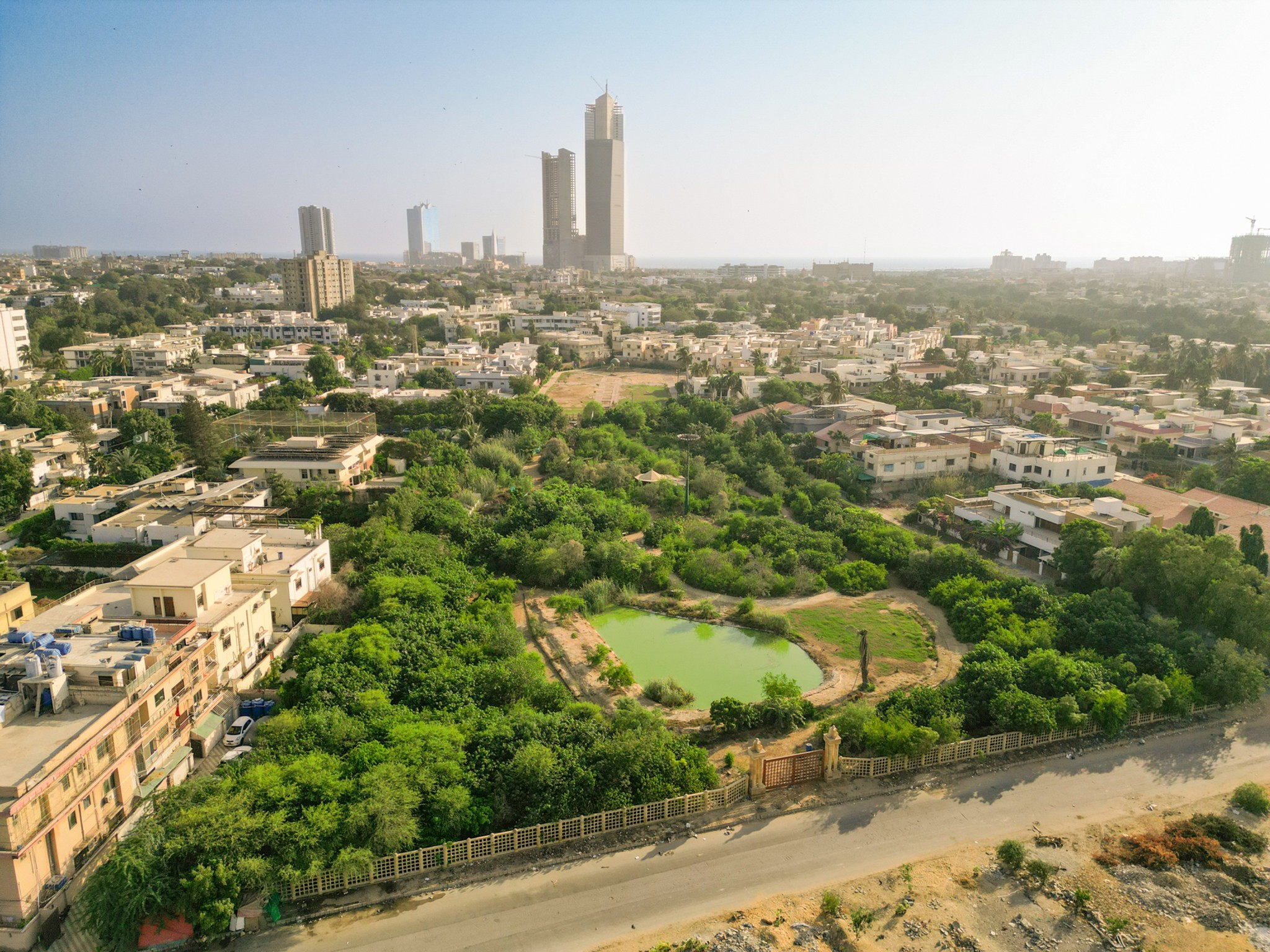


Beyond the urban sprawl, Karachi hosts pockets of life:
- Mangroves along the Indus delta fringes
- Sea bird colonies near Churna and Manora Islands
- Urban foxes, mongooses, and nocturnal rodents
These ecosystems survive despite pollution and urban expansion, forming critical environmental buffers against storms and erosion.
92) Facts about Karachi : The Secret Wetlands & Tidal Flats

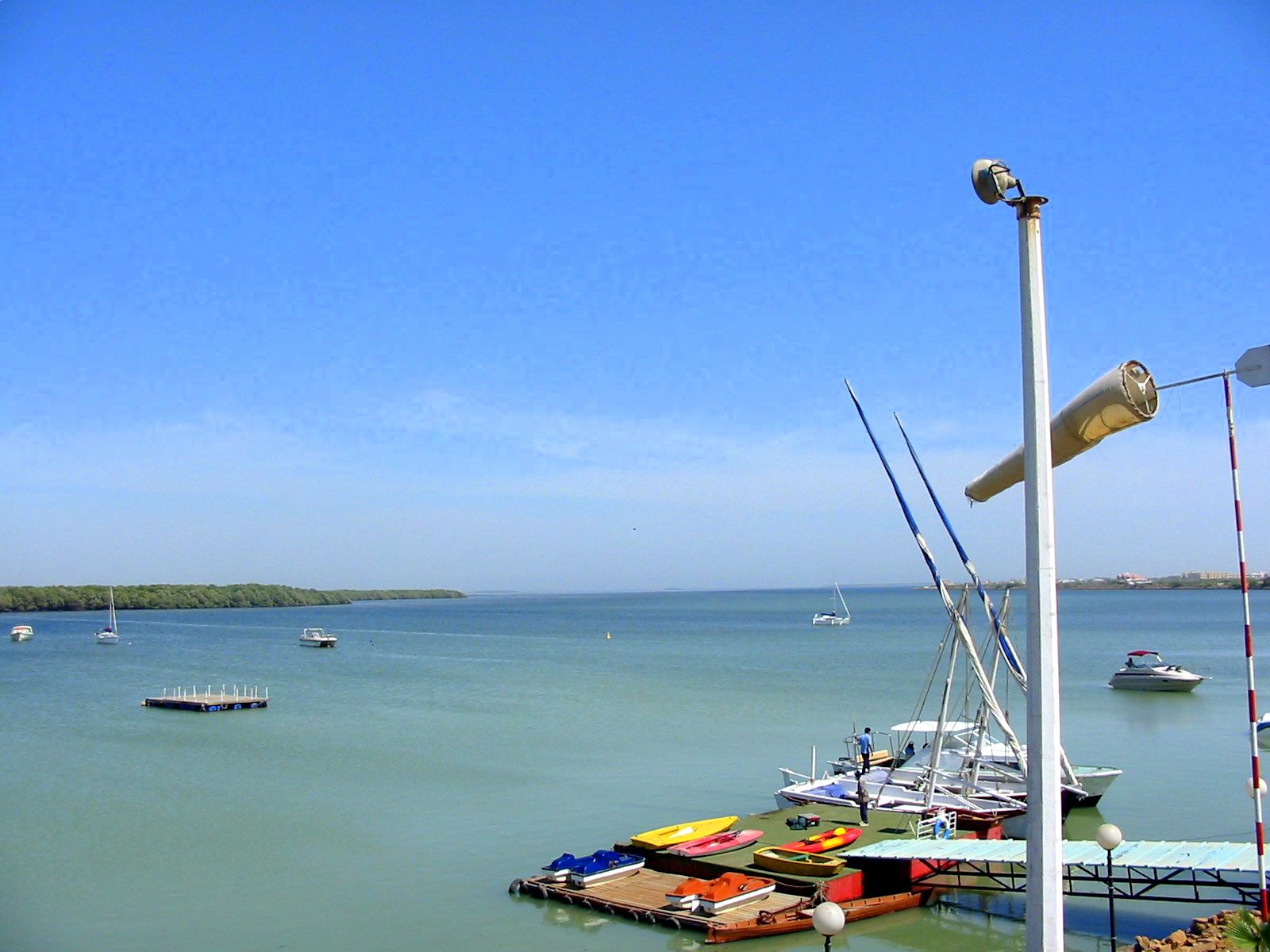
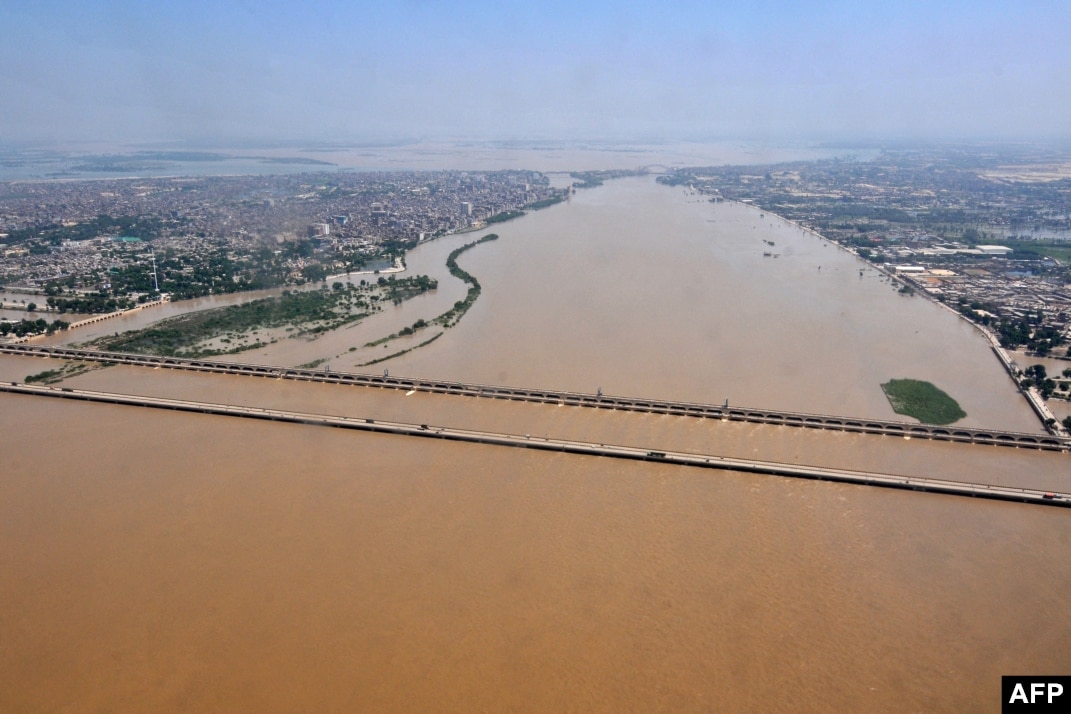
Places like Korangi and Phitti Creek remain largely unknown to the public.
- Migratory birds use these tidal flats as resting grounds
- Small fisheries thrive in these sheltered waters
- Seasonal floods nourish surrounding agricultural land
- Wetlands act as Karachi’s natural water management system — an unsung hero for urban flood mitigation.
93)Facts about Karachi : Urban Legends Still Alive
- The Haunted Saddar Clock Tower: Footsteps echo at night when no one is around
- Manghopir Crocodile Stories: Local belief preserves ancient spiritual narratives
- Abandoned Colonial Houses: Flickering lights, rumored ghosts, and secret passageways
Folklore persists because architecture and urban density amplify human perception — psychological echoes become legends.
94) Facts about Karachi : Migration Stories in Every Lane
Karachi is stitched together by countless migration tales:
- Post-Partition families from India
- Rural Sindh, Punjab, and Balochistan migrants
- Overseas returnees and labor flows
These waves of movement not only built the city physically but also culturally — giving Karachi its adaptive, entrepreneurial identity.
95) Facts about Karachi : The Coastal Ecology & Resilience
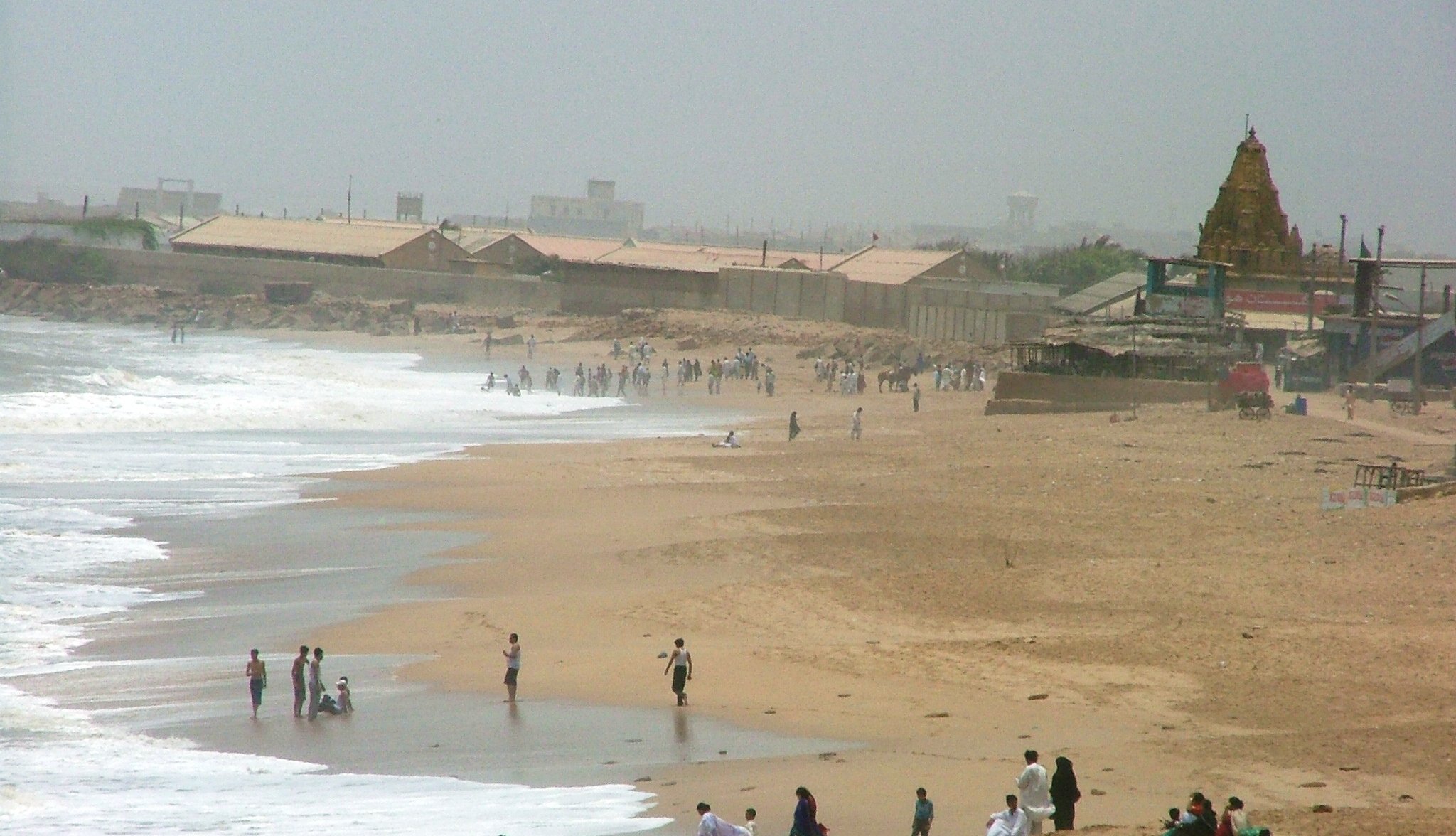
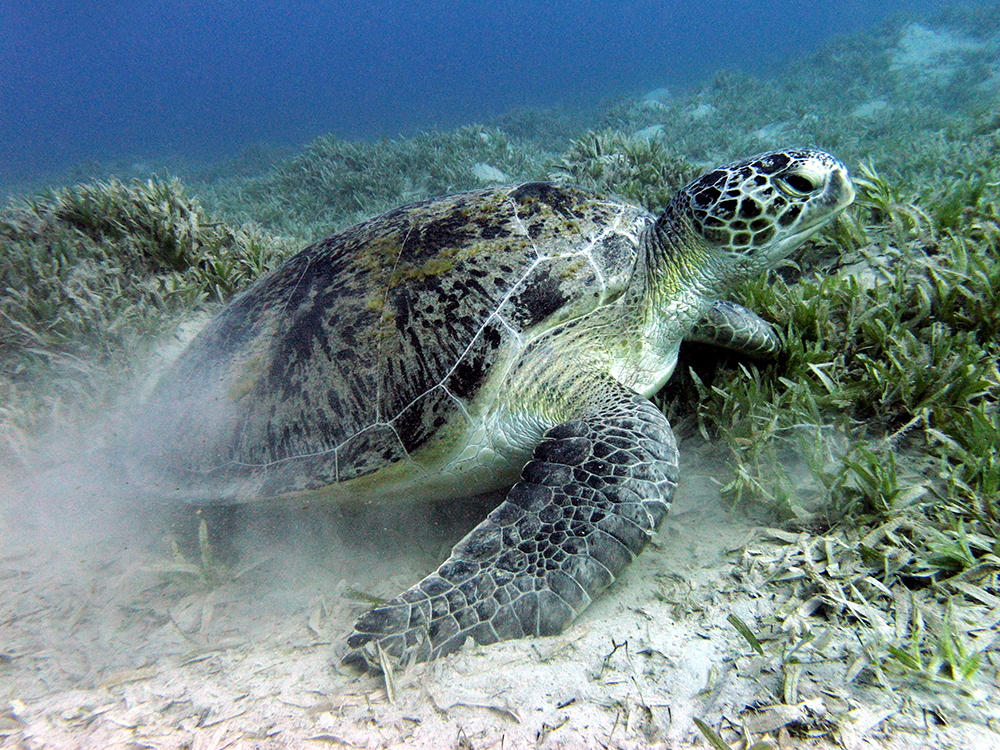
The Arabian Sea shapes the city constantly:
- Mangrove roots protect against tidal surges
- Sandy beaches buffer storm waves
- Small islands host nesting sites
Nature and urban life in Karachi are inseparably entwined. Protecting one protects the other.
96) Facts about Karachi : The Unseen Labor Networks
From ports to street vendors:
- Dockworkers form the backbone of Karachi’s import-export economy
- Informal street vendors feed millions daily
- Home-based workers and artisans sustain neighborhoods
The city’s vitality relies as much on informal labor networks as on formal industries.
97) Facts about Karachi : Karachi’s Microclimates
- Clifton and coastal areas benefit from sea breeze
- Industrial zones heat up, creating urban heat islands
- Northern rocky hills moderate temperature locally
Hidden layer:
Microclimates affect where people live, work, and socialize — shaping daily rhythms, energy use, and even street life.
98) Facts about Karachi : The Cultural Melting Pot
Karachi’s true identity lies in its human diversity:
- Languages: Urdu, Sindhi, Punjabi, Pashto, Balochi, English, Gujarati
- Religions: Islam, Hinduism, Christianity, Zoroastrianism
- Traditions: Music, food, festivals, rituals
This cultural layering creates a city resilient to shocks — socially, economically, and psychologically.
99) Facts about Karachi : The Living City as Story
Karachi isn’t static.
Every day:
- Streets evolve
- Buildings grow taller
- Traditions adapt
- Nature negotiates space
The city itself is alive — a living, breathing entity shaped by humans, tides, storms, and time.
100) Facts about Karachi : Karachi’s Final Narrative
From hidden shrines to underground music, from secret islands to rooftop gardens:
- Karachi is a city of contrasts
- Karachi is a city of resilience
- Karachi is a city of stories
It is not just a megacity.
It is an organism — ever-changing, ever-adapting, and endlessly fascinating.
If you look closely, the city will whisper its secrets — in the breeze, in the food, in its legends, in its people.
Karachi is alive. And it will always surprise you.