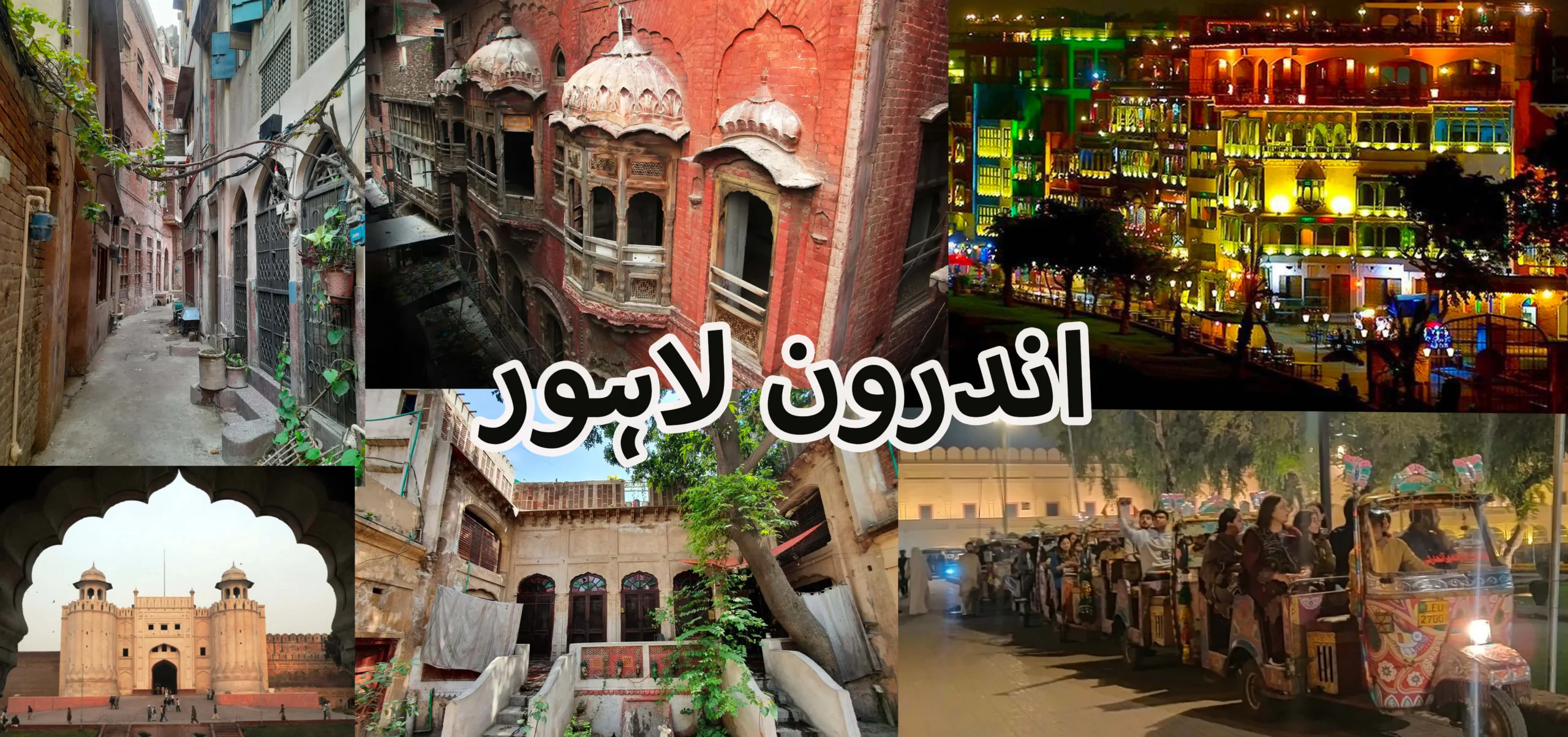
Walled City of Lahore — locally known as Androon Shehr — is not merely an old neighborhood. It is the soul of Lahore. A place where history does not sit behind museum glass — it breathes through wooden balconies, echoes in the call to prayer, and perfumes the air with spices and charcoal smoke.
For over a thousand years, this fortified urban core has witnessed invasions, empires, poetry, bloodshed, celebration, partition, and survival. But why is Androon Lahore so famous?
To understand that, we must go back — far before Mughal domes, before British railways, before Partition — to the birth of the city itself.
The Legend of Lahore: Myth Before History
Every ancient city begins with a story.
One popular legend traces Lahore’s origins to Lava, the son of Lord Rama from the Hindu epic Ramayana. Some traditions claim the ancient name “Lavapuri” eventually evolved into Lahore. Though historians debate this claim, the legend remains deeply embedded in the cultural memory of the region.
Archaeological evidence suggests that settlements existed in this area for centuries before the Common Era. The city’s strategic location near the Ravi River made it ideal for trade, defense, and agriculture.
Even in antiquity, Lahore was a crossroads.
The Early Fortified Settlement
The first major historical references to Lahore appear in Persian chronicles around the 10th–11th centuries during the Ghaznavid period.
Under the rule of Mahmud of Ghazni, Lahore grew as an administrative and military center. It was during this era that early fortifications likely began forming around the core settlement.
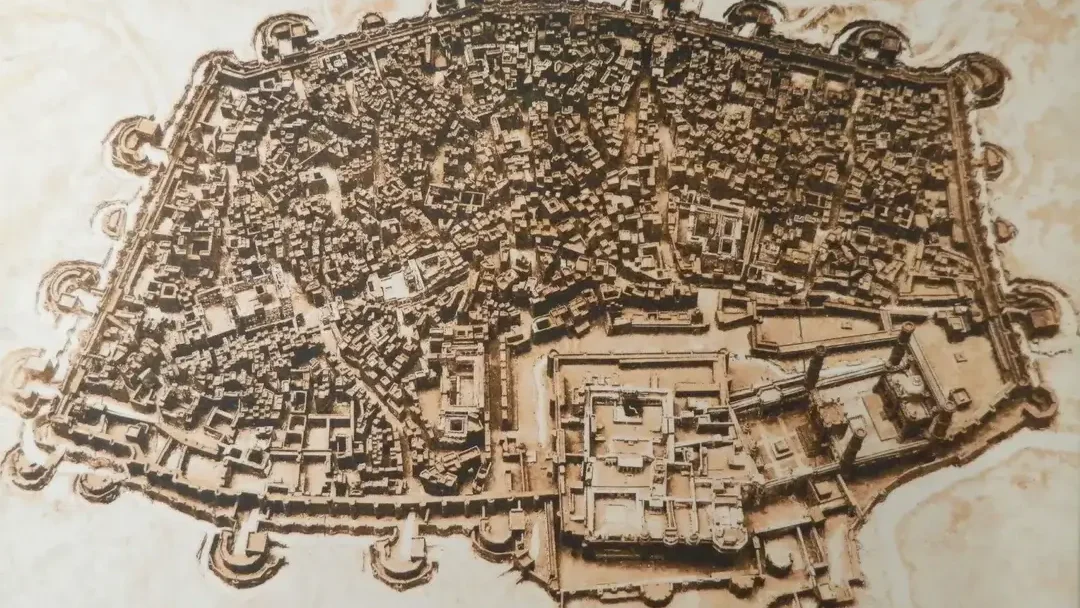
These mud walls would evolve over centuries into what later became the famous 13 gated city. The early city was compact — built for defense. Narrow streets. Dense housing. Community-based clusters.
The DNA of today’s Androon Lahore was already forming
The Mughal Arrival: When Lahore Became an Imperial Jewel
Everything changed in 1524.
The Mughals entered Lahore — and transformed it forever.
Under Emperor Akbar, the city walls were rebuilt in brick and fortified with grand gates. Lahore became a key imperial capital. For a period, it was effectively the Mughal Empire’s heart. Inside what is today the Walled City, monumental structures began to rise:
- Lahore Fort
- Badshahi Mosque
- Shahi Hammam
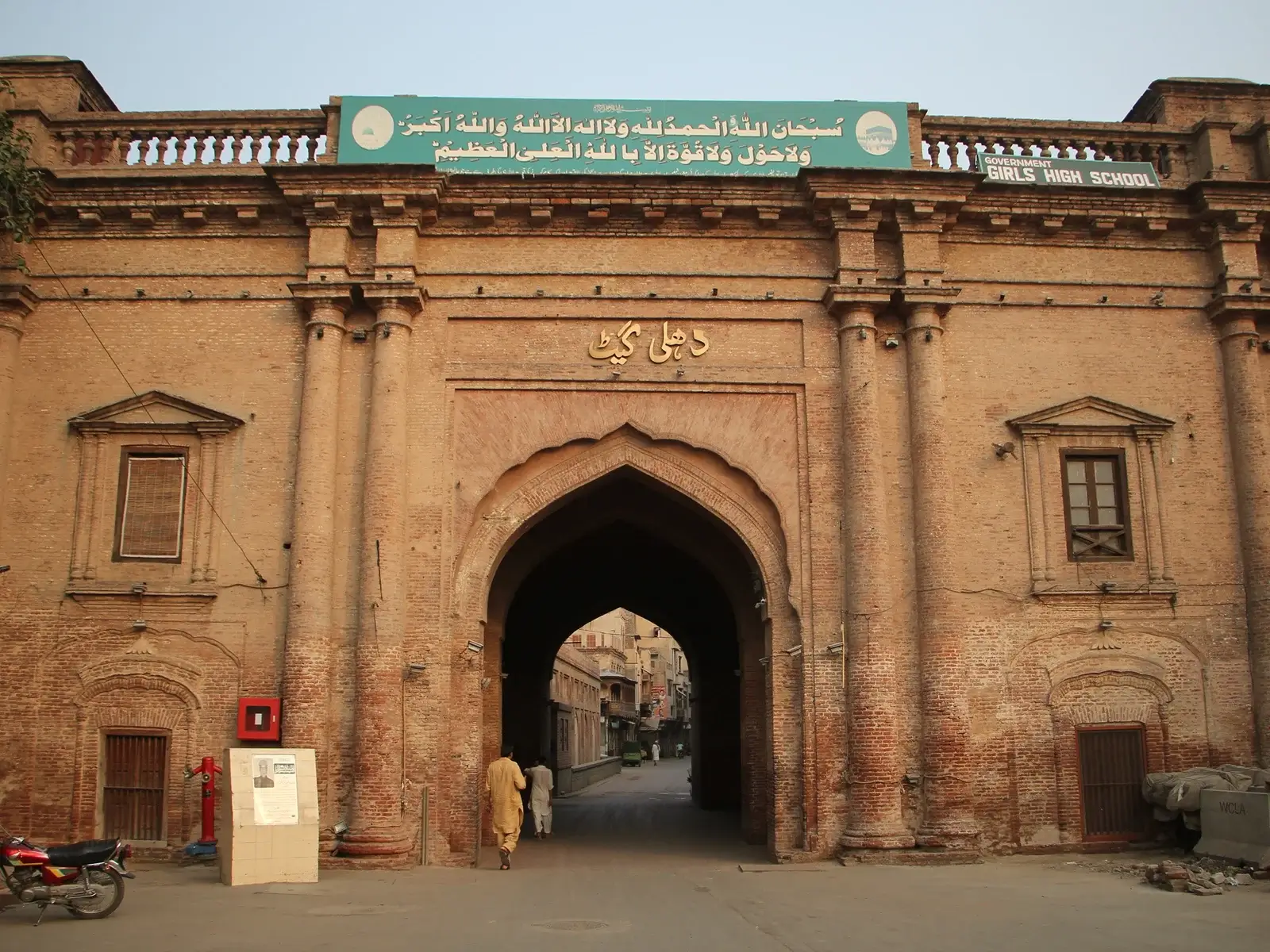
These were not random buildings. They were part of a carefully planned urban system. The route known today as Shahi Guzargah (Royal Trail) connected the Delhi Gate to the Lahore Fort — forming a ceremonial spine through the city.
Emperors, ambassadors, traders, and travelers once walked this path. Today, tourists retrace it.
The Thirteen Gates – Guardians of Androon Shehr
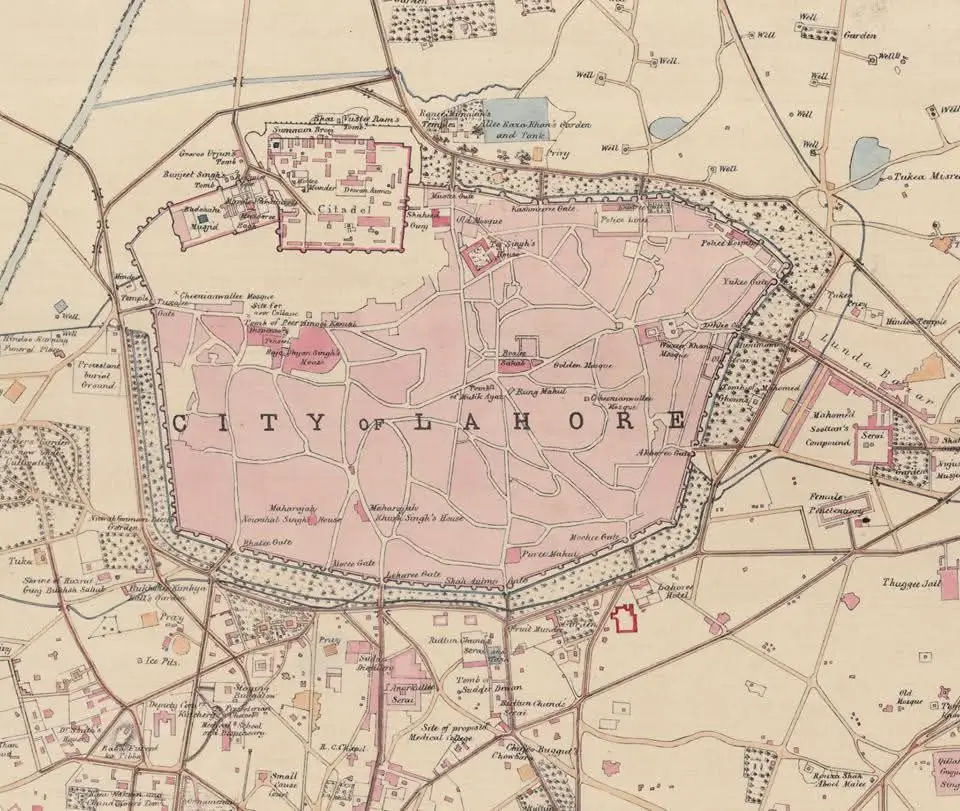
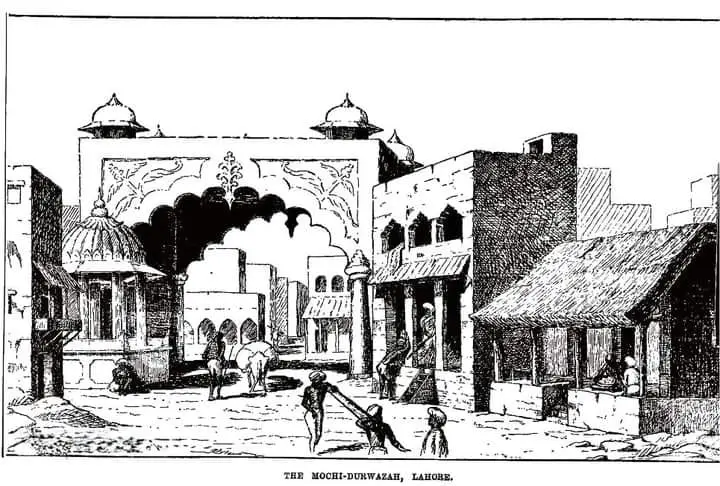
The Mughal-era Walled City had 13 gates, each opening toward trade routes and neighboring settlements.
Among them:
- Delhi Gate
- Bhati Gate
- Kashmiri Gate
- Lohari Gate
- Shah Alami Gate
- Mochi Gate
Each gate had a purpose. Some connected to trade caravans. Others were strategic military exits. Some were associated with specific communities.
Though many gates were destroyed or rebuilt during colonial and post-colonial periods, several still stand — restored by heritage authorities. These gates are one reason Androon Lahore is famous: they symbolize survival.
Architecture That Breathes
Walk into Androon Lahore today and you’ll notice something unique. The buildings lean toward each other. Balconies almost touch. Wooden jharokas (overhanging windows) cast shadows across brick lanes.
Unlike modern Lahore, the Walled City was designed for pedestrians, animals, and handcarts — not cars. Key architectural features include:
- Brick masonry (Lakhauri bricks)
- Intricately carved wooden balconies
- Internal courtyards for ventilation
- Rooftop connectivity between homes
These design elements weren’t aesthetic alone — they were climate-adaptive. In summer, inner courtyards remain cool. In winter, rooftops capture sunlight. This is sustainable urban design — centuries before the term existed.
A Living Cultural Organism
Androon Lahore is not an archaeological site. It is alive. Families have lived here for generations. Stories pass from rooftop to rooftop. Weddings spill into alleyways. Children still play cricket where Mughal soldiers once marched.
Traditional crafts still survive:
- Calligraphy
- Metal engraving
- Kite making
- Traditional footwear (khussa)
Food culture thrives here too — but that deserves its own full chapter in Part 5 of this series.
Sikh Rule & Transformation
In 1799, power shifted dramatically. Maharaja Ranjit Singh captured Lahore and made it the capital of the Sikh Empire. The Walled City remained central to administration and royal residence. Temples and gurdwaras were constructed or restored. Some Mughal buildings were repurposed. Military fortifications were reinforced. This period added another architectural and cultural layer to Androon Lahore. The city did not erase its past — it absorbed it.
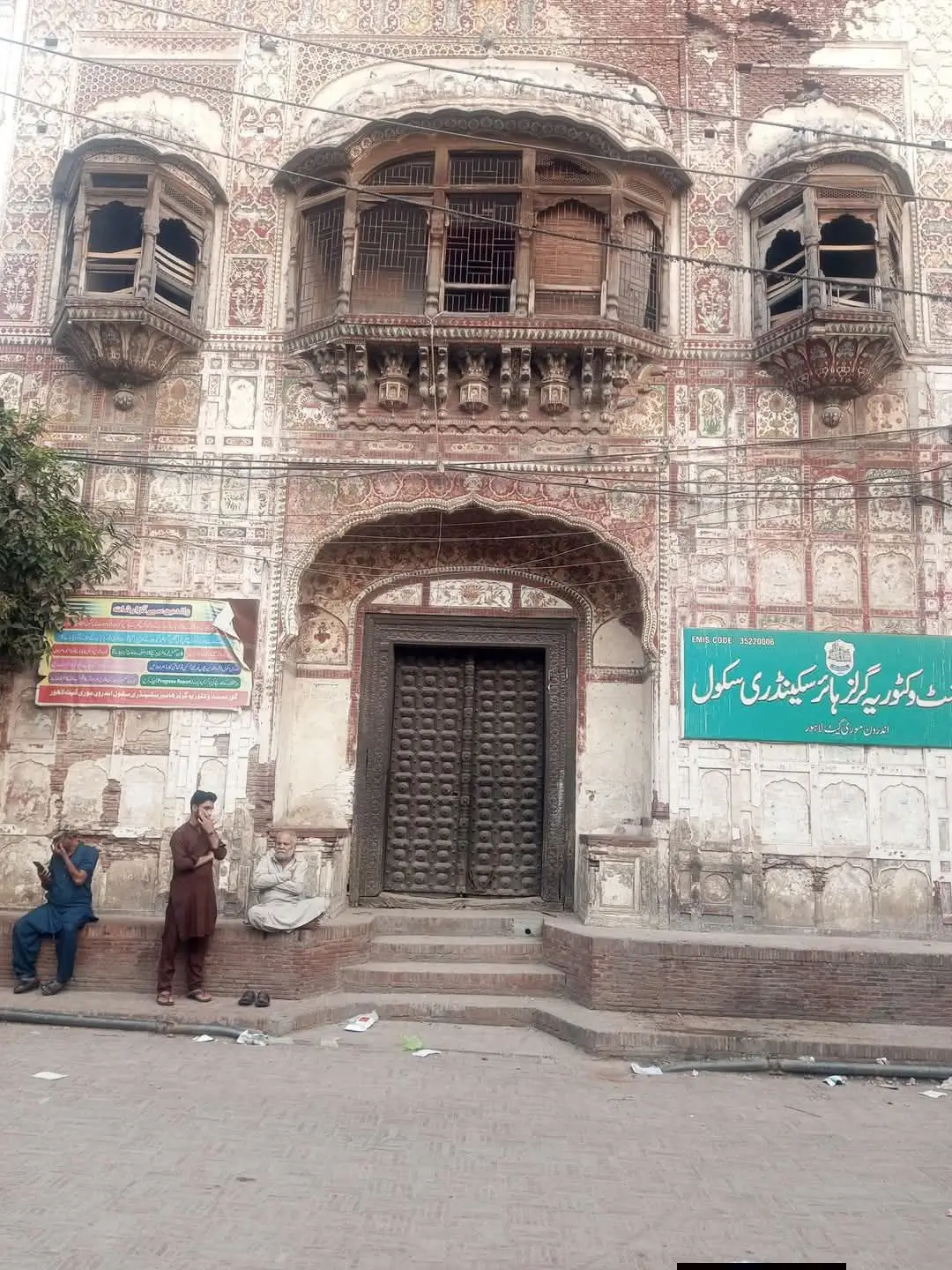
British Annexation & Urban Shift
In 1849, the British annexed Punjab. Unlike the Mughals and Sikhs, the British expanded outside the Walled City. Civil Lines, Cantonment areas, and railway infrastructure developed beyond the old walls. Gradually, the Walled City became overcrowded and economically strained. Yet it survived. It endured industrialization, modernization, and eventually the trauma of 1947.
Partition: The Deepest Scar
In 1947, Lahore became part of Pakistan. The Walled City experienced one of the most intense waves of migration and violence during Partition. Hindu and Sikh families left; Muslim refugees arrived. Homes changed hands.
Shops changed names. But the streets remained. Androon Lahore absorbed the pain and rebuilt. This is one of its hidden truths: survival through transformation.
Why Androon Lahore Is Famous
It is famous because:
- It is over 1000 years old.
- It was once a Mughal capital.
- It houses globally recognized monuments.
- It represents layered civilizations (Hindu, Muslim, Sikh, British).
- It remains a living urban heritage site — not a dead relic.
Few places in South Asia preserve such density of history in such a compact space.
Hidden Truth: The City Above the City
One of the most fascinating aspects of Androon Lahore is its rooftops. Locals often navigate from one home to another across rooftops — forming a second city above the first. During festivals like Basant (kite flying), the sky becomes a battlefield of colors. This vertical urban culture is rarely discussed in mainstream travel guides — but it defines local life.
Restoration & Revival
In recent years, the Walled City of Lahore Authority has led conservation projects:
- Restoration of Shahi Hammam
- Revitalization of Delhi Gate
- Preservation of Royal Trail
Tourism is growing. Guided tours now walk through streets once ignored. And the world is rediscovering Androon Lahore.
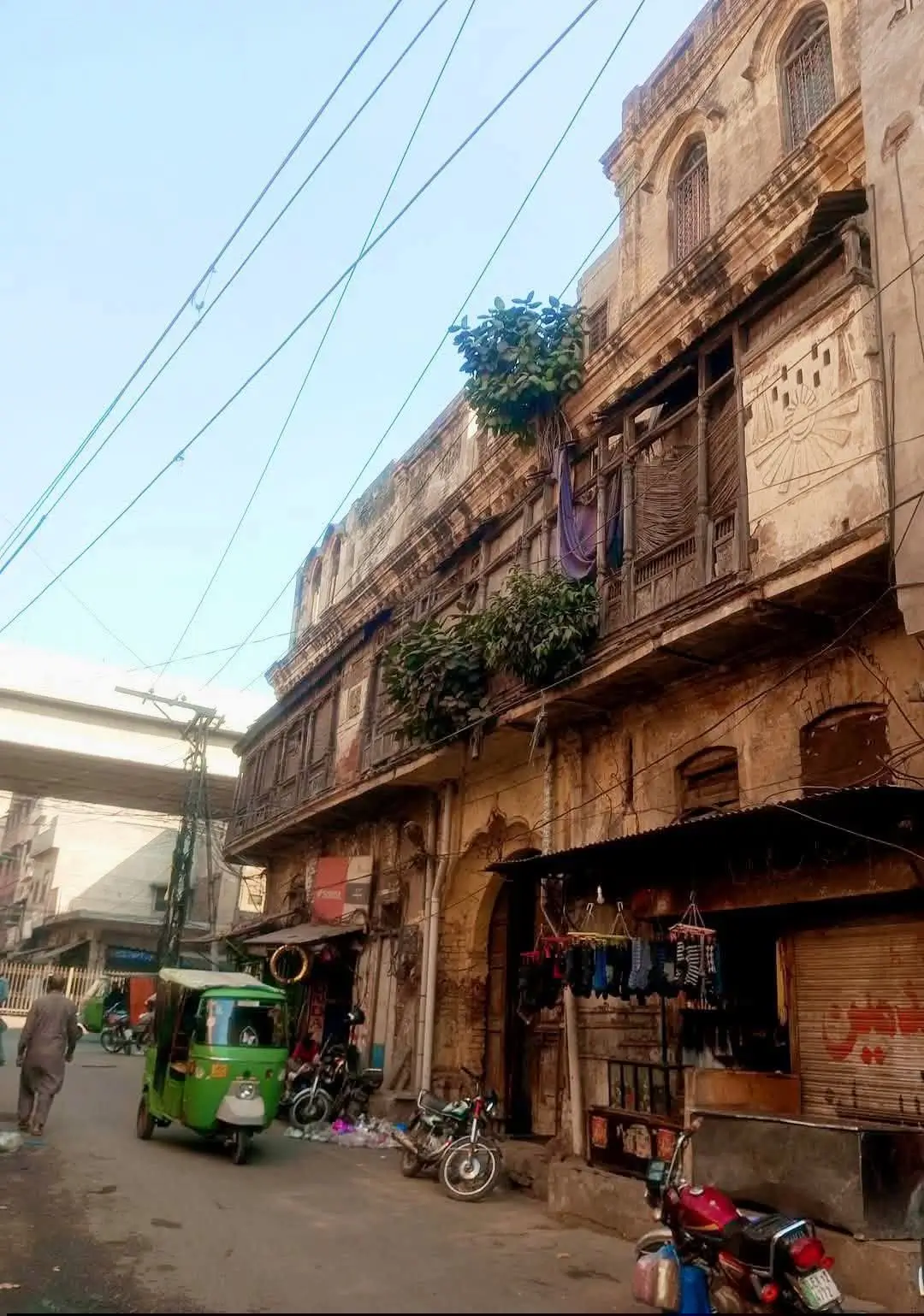
Mughal Splendor: When Lahore Became the Crown Jewel of the East
Because there was a time when Androon Lahore was not just a city core — it was the center of an empire.
When emperors ruled from here.
When caravans from Central Asia entered through its gates.
When poets wrote verses under lantern light.
When marble, fresco, and gold transformed brick into imperial art.
Welcome to the Mughal Lahore.
When the Mughals Chose Lahore
In 1524, Babur entered Lahore. But it was under Akbar that the city truly rose.
Akbar recognized Lahore’s strategic importance:
- Close to Kabul and Central Asia
- Positioned along major trade routes
- Fertile lands near the Ravi River
- Militarily defensible
For nearly 14 years (1584–1598), Akbar made Lahore his imperial capital.
Imagine that the political nerve center of one of the largest empires in the world was inside today’s Androon Shehr
The Reinvention of the City Walls
Akbar rebuilt Lahore’s fortifications using solid brick instead of mud. Massive walls, watchtowers, and controlled gates made the city secure. The Mughal urban model was not accidental. It followed Persian planning principles:
- Central citadel
- Royal mosque
- Bazaar arteries
- Residential clusters
This created a powerful triangle: Fort – Mosque – Market. Inside the walls, life revolved around this structure.
The Royal Citadel: Lahore Fort
No monument defines Mughal Lahore more than the magnificent Lahore Fort (Shahi Qila). Though earlier versions existed, Mughal emperors expanded it into an architectural masterpiece.
Under Akbar:
- Massive defensive walls
- Administrative halls
- Military quarters
Under Jahangir:
Jahangir had a deep emotional connection to Lahore. His mother was buried here. He enhanced gardens and royal chambers.
Under Shah Jahan:
Shah Jahan turned the fort into marble poetry.
He added:
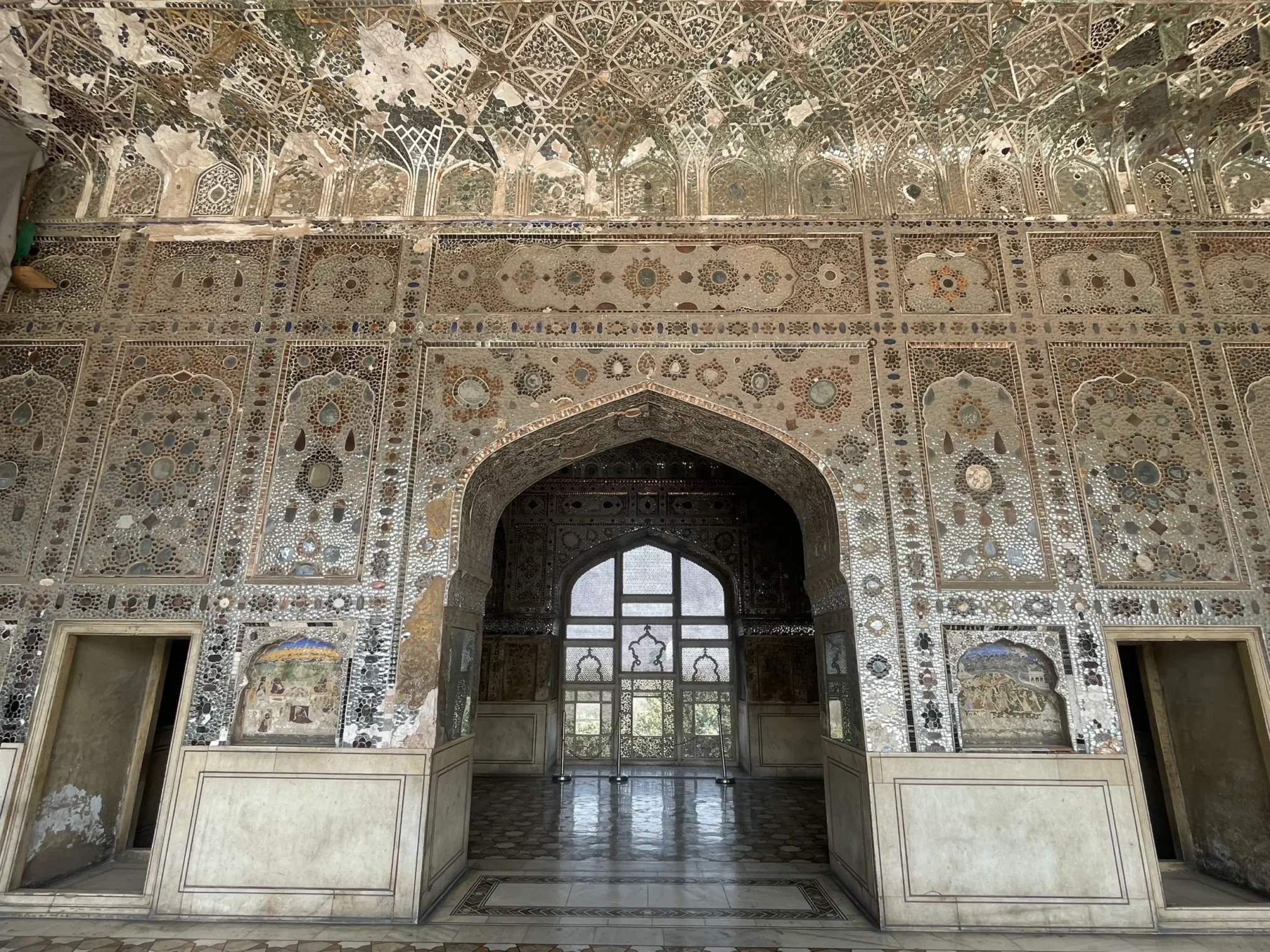
- Sheesh Mahal (Palace of Mirrors)
- Naulakha Pavilion
- Diwan-e-Khas
The Sheesh Mahal alone contains thousands of mirror tiles that once reflected candlelight into shimmering galaxies. This was not just architecture. It was imperial propaganda. A statement of wealth, taste, and divine right.
Badshahi Mosque – A Statement in Stone
Across from the fort stands the majestic Badshahi Mosque. Commissioned by Emperor Aurangzeb in 1673, it remains one of the largest mosques in the world. Why was it built here? Because Lahore symbolized Mughal power in the north.
The mosque’s red sandstone and white marble domes create a dramatic contrast against the sky. Its courtyard can hold over 50,000 worshippers. But here’s a lesser-known truth: The mosque was also political. It projected Islamic authority during a time of expanding empire and internal dissent.
The Shahi Guzargah – The Royal Trail
One of Androon Lahore’s greatest hidden treasures is the Shahi Guzargah (Royal Trail). Stretching from Delhi Gate to Lahore Fort, it was the ceremonial route used by emperors. Along this route stand:
- Wazir Khan Mosque
- Shahi Hammam
- Historic havelis
- Caravanserais
This path tells the story of power. Foreign envoys entered through Delhi Gate, walked past markets, admired architectural brilliance, and finally reached the fort.
The message was clear: Lahore is magnificent. The empire is eternal.
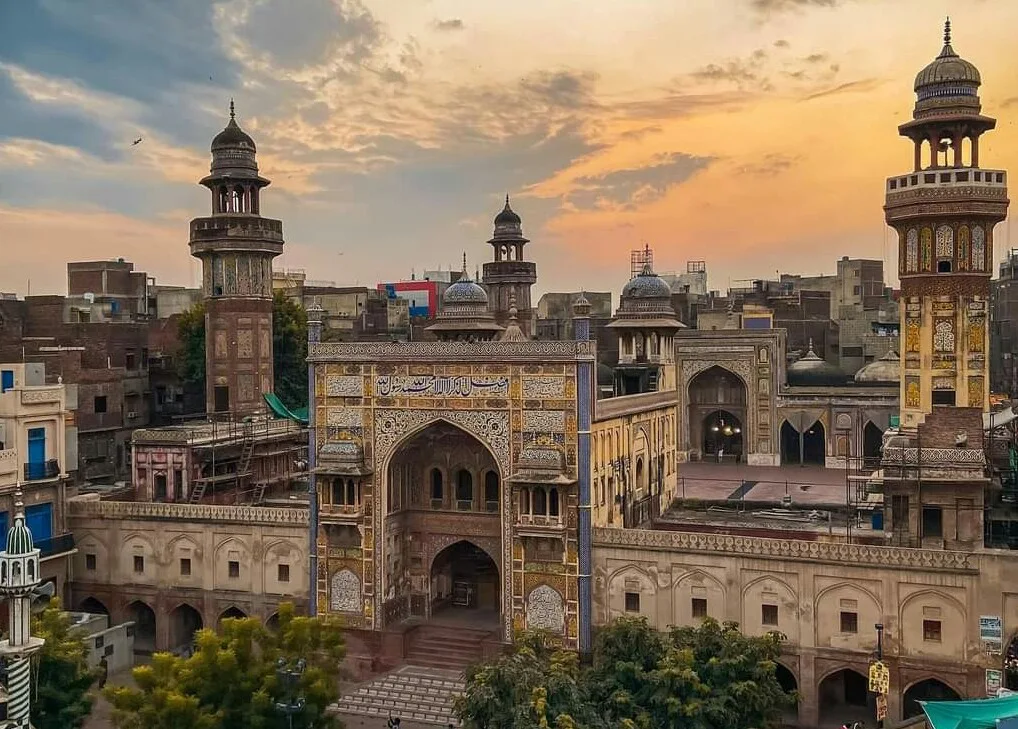
Wazir Khan Mosque – Art in Every Inch
Built in 1634 by Hakim Ilm-ud-din (Wazir Khan), this mosque is arguably the most artistically detailed in Pakistan. Unlike the grand scale of Badshahi Mosque, Wazir Khan Mosque impresses through ornamentation:
- Persian frescoes
- Kashi kari tilework
- Quranic calligraphy
- Floral patterns
Every surface speaks. It represents Mughal Lahore’s cultural peak — when art, faith, and state patronage merged.
Gardens, Pleasure & Paradise
Mughal emperors were obsessed with gardens — reflections of Quranic paradise. Although located slightly outside the core walls, Shalimar Gardens were part of Lahore’s Mughal identity. Built by Shah Jahan in 1641, the gardens featured:
- Terraced landscaping
- Flowing water channels
- 400+ fountains
- Marble pavilions
The engineering behind these waterworks still amazes historians. Gravity-fed hydraulic systems transported water from miles away — centuries before electric pumps.
Cultural Renaissance Inside the Walls
Mughal Lahore was not only political — it was cultural. Inside Androon Shehr:
- Persian was the language of administration
- Poets gathered in literary salons
- Sufi saints drew followers
- Calligraphers decorated manuscripts
Music flourished. Kathak dance evolved. Miniature painting reached refinement The Walled City was a creative laboratory.
Economic Powerhouse
Trade routes connected Lahore to:
- Kabul
- Delhi
- Isfahan
- Central Asia
Caravans brought:
- Silk
- Spices
- Horses
- Precious stones
And exported:
- Textiles
- Art
- Agricultural goods
The bazaars inside the Walled City were global marketplaces. Even today, markets like those near Delhi Gate trace their commercial roots to Mughal times.
Hidden Truth: Political Fragility
While Mughal Lahore glittered, it was not invincible. After Aurangzeb’s death, imperial authority weakened. Internal rebellions, economic strain, and invasions destabilized the region. The same grand walls that symbolized strength would soon struggle to defend against new powers. The Mughal golden age in Lahore lasted roughly 150 years.
Then the decline began.
Why Mughal Lahore Made Androon Lahore Famous
Today, tourists visit the Walled City largely because of Mughal heritage. It is the Mughal layer that gives Androon Lahore international recognition. Without:
- Lahore Fort
- Badshahi Mosque
- Wazir Khan Mosque
- Royal Trail
The Walled City would still be historic — but not globally iconic. The Mughal era transformed Lahore from a regional stronghold into a world-class imperial capital.
Walking It Today
When you walk through Delhi Gate today: You are retracing footsteps of emperors. When you stand in Wazir Khan Mosque courtyard: You are standing where Mughal nobles once prayed. When you look at mirror mosaics in Sheesh Mahal: You are seeing reflections once meant for royalty.
And that is why Androon Lahore remains unforgettable. It is not frozen history. It is layered memory.
From Empire to Empire: Sikh Rule, Power Shifts & the Reinvention of Lahore
Empires do not disappear quietly. They fade. They fracture. They are replaced. By the early 18th century, Mughal authority in Lahore had weakened. The once-glorious imperial capital was vulnerable — politically unstable and militarily exposed. And then, a new power rose. A new flag. A new court. A new vision. Androon Lahore was about to change again
The Fall of Mughal Control
After the death of Aurangzeb in 1707, the Mughal Empire entered steady decline. Provincial governors asserted autonomy. Afghan invasions destabilized Punjab. Trade routes became insecure. By the mid-1700s, Lahore had become a contested city. Afghan ruler Ahmad Shah Durrani invaded multiple times. Governance shifted frequently. The once-imperial Walled City suffered neglect and damage. The marble still shone — but the treasury was empty. And in political vacuums, new forces rise.
Enter Maharaja Ranjit Singh
In 1799, a young leader entered Lahore and changed its destiny. Maharaja Ranjit Singh — leader of the Sukerchakia misl — captured Lahore and declared it the capital of the Sikh Empire. This was not merely conquest. It was consolidation. For the first time in centuries, Punjab had a powerful indigenous ruler based in Lahore. And the Walled City once again became the center of power.
Lahore as the Sikh Capital
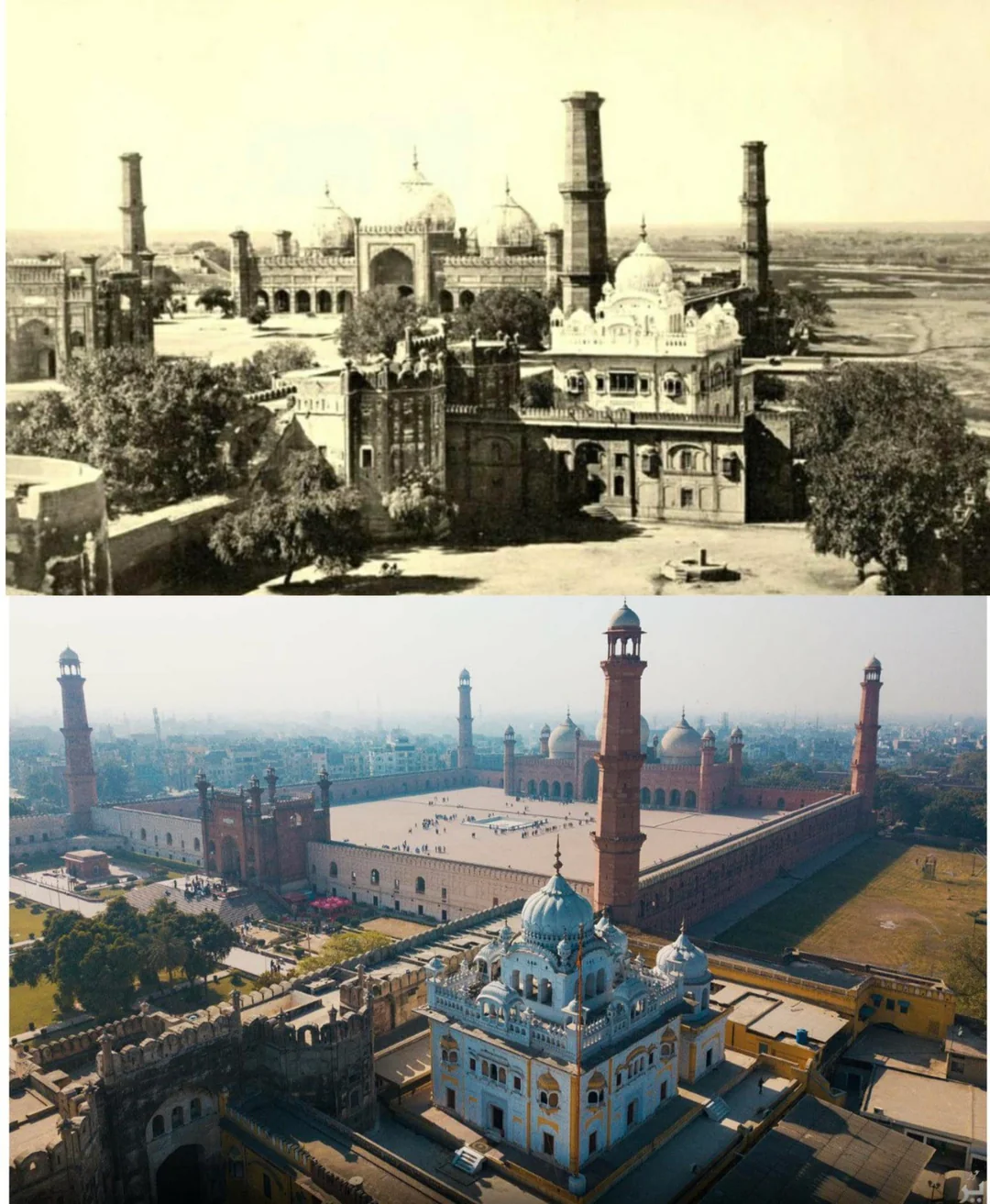
Ranjit Singh did something remarkable: He kept Lahore as his administrative and symbolic capital. Rather than abandoning Mughal structures, he adapted them. The Lahore Fort became the royal residence of the Sikh court. The Badshahi Mosque, once a symbol of Mughal dominance, was repurposed for military use for a period. This was practical politics — not erasure. The Sikh state used existing infrastructure to consolidate control.
Religious & Cultural Pluralism
Contrary to simplistic narratives, Sikh-era Lahore was not religiously exclusionary. Ranjit Singh employed:
- Muslim administrators
- Hindu financiers
- European generals
The city remained multi-religious. Near the Lahore Fort today stands the Samadhi of Ranjit Singh — adjacent to the Badshahi Mosque. This physical proximity symbolizes Lahore’s layered coexistence. Inside Androon Lahore, temples, mosques, and shrines continued functioning — though political power had shifted.
Military Modernization
Under Ranjit Singh, Lahore transformed into a fortified military capital. European officers such as Jean-François Allard and Paolo Avitabile helped modernize the Sikh army. The Walled City’s gates were reinforced. Cannon placements were adjusted. The fort became more than symbolic — it was strategic. The city’s narrow lanes, once designed for Mughal defense, now served a new regime.
Urban Changes Inside the Walls
While grand Mughal construction slowed, urban life inside Androon Shehr continued. Key changes during Sikh rule:
- Conversion of some Mughal buildings into state offices
- Construction of Sikh religious structures
- Increased mercantile activity
- Expansion of certain residential clusters
Markets inside the Walled City thrived again. Trade routes stabilized. Lahore regained economic relevance.
Hidden Truth: Decline Behind the Glory
Though Ranjit Singh is celebrated as a strong ruler, the city itself faced infrastructural strain. Mughal maintenance systems were no longer fully funded. Some monuments deteriorated. The Shalimar Gardens suffered damage during various conflicts.
Urban crowding increased inside the walls. The Sikh Empire was powerful — but not architecturally transformative on the Mughal scale. It preserved more than it created.
The Court of Lahore
Inside the Walled City, the Lahore Darbar became legendary. The court was vibrant:
- Jewel-encrusted thrones
- Military strategists
- Diplomats from Britain and Afghanistan
- Intrigue and succession struggles
Ranjit Singh ruled from within the Fort, overlooking the Walled City’s rooftops.
Imagine the symbolism: A Sikh emperor residing in a Mughal palace, governing a Muslim-majority city, employing Hindu bankers, negotiating with the British. That is Lahore’s complexity.
After Ranjit Singh: Instability Returns
Ranjit Singh died in 1839. What followed was chaos. Court intrigues. Assassinations. Succession disputes. Within a decade, the Sikh Empire weakened dramatically. The British East India Company, already expanding influence in India, watched closely. Lahore’s fate was about to shift again.
The British Siege & Annexation
In 1849, after the Second Anglo-Sikh War, the British annexed Punjab. Lahore fell. The Union Jack rose over the Lahore Fort. And Androon Lahore entered a new chapter.
The British Perspective on the Walled City
Unlike the Mughals and Sikhs, the British did not center their urban planning inside the Walled City. Instead, they developed:
- Civil Lines
- Cantonment areas
- Railway stations outside the walls
The colonial mindset preferred open layouts, wide roads, and segregation from dense native quarters. Gradually, Lahore expanded outward. The Walled City, once the nucleus, became the “old city.” This shift would have long-term consequences.
Structural Neglect Begins
As administrative focus moved outside the walls:
- Drainage systems inside Androon deteriorated
- Overcrowding increased
- Maintenance of monuments declined
The British preserved certain heritage structures — but often selectively, emphasizing those aligning with imperial narratives. Meanwhile, everyday residential zones inside the Walled City struggled. The transformation from imperial capital to congested quarter had begun.
Why the Sikh & Early British Period Matters
This period explains why Androon Lahore today looks layered rather than uniform.
You will see:
- Mughal domes
- Sikh-era samadhis
- Colonial-era alterations
The city is an architectural palimpsest — each regime writing over the previous one, but never fully erasing it. And that layered identity is a key reason the Walled City is globally significant.
Walking Through Power Shifts Today
If you stand today between:
- Lahore Fort
- The Samadhi of Ranjit Singh
- Badshahi Mosque
You are literally standing between three political eras: Mughal. Sikh. British. Few cities in the world offer such dense historical overlap within walking distance.
The Psychological Shift
Perhaps the most important transformation during this era was psychological. For centuries, Lahore’s identity was imperial. After annexation, it became provincial. From capital to colony. From ruler to ruled.The Walled City felt that shift deeply. Yet — it endured
From Colony to Catastrophe: British Rule, Urban Shift & the Tragedy of Partition
By 1849, Lahore had fallen silent under a new flag. The cannons had stopped. The Sikh court had dissolved. The British East India Company now ruled Punjab. And for the first time in centuries, Androon Lahore was no longer the center of power. It was about to become something else.
The British Annexation of Lahore
After the Second Anglo-Sikh War, Punjab was annexed into British India. The legendary Lahore Fort was occupied by British troops. The British did not destroy the Walled City. They simply shifted attention away from it. Instead of ruling from inside the old walls, they built outside them. This decision would permanently change Lahore’s geography
The Birth of “New Lahore”
The British developed:
- Civil Lines
- Mall Road
- Cantonment areas
- Railway infrastructure
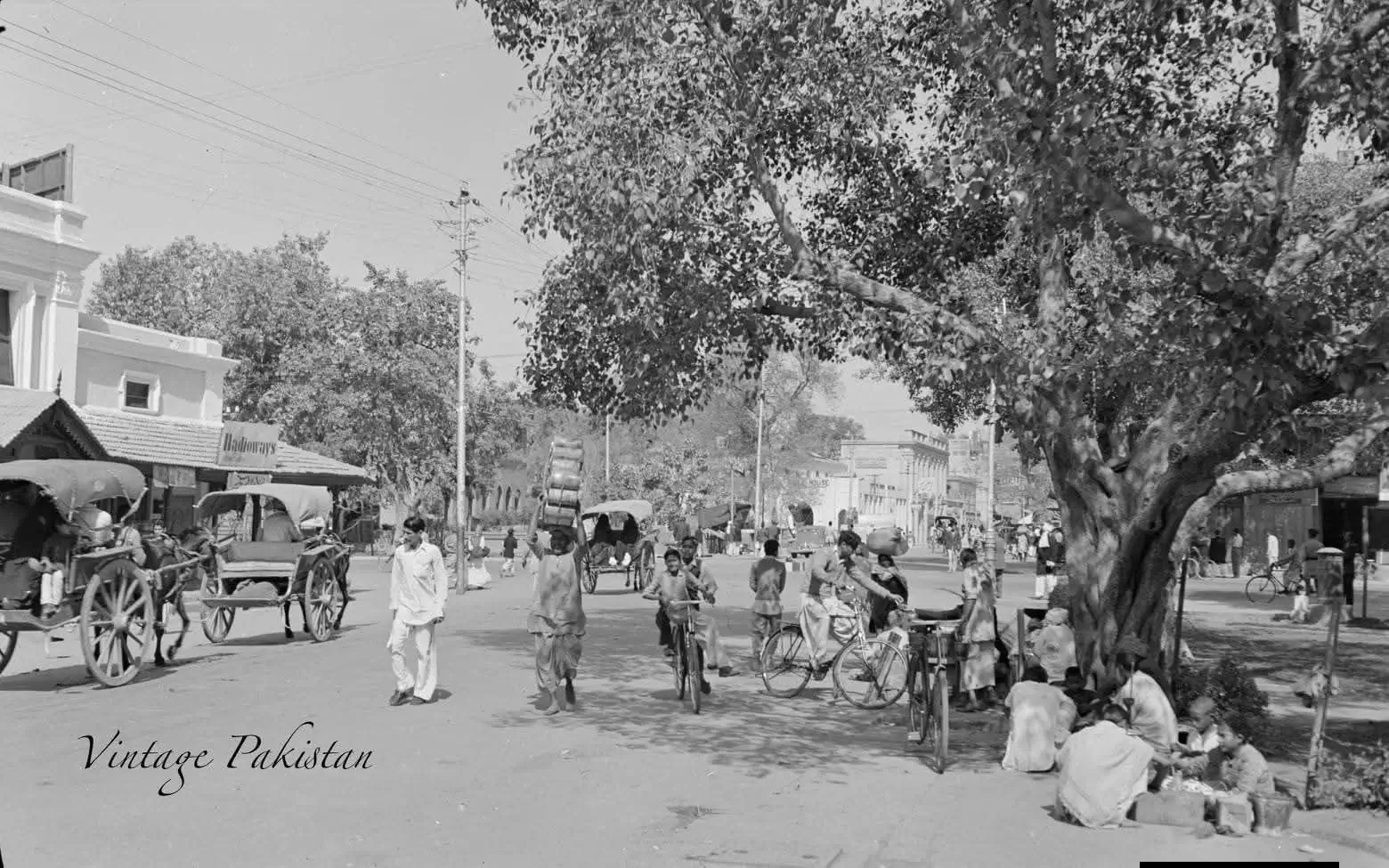
Wide boulevards replaced narrow lanes. Colonial architecture rose in contrast to Mughal brickwork. While Androon Shehr remained crowded and organic, British Lahore became planned and spacious. The city now had two identities:
- The “Old City” (Walled City)
- The “Modern Colonial City”
This urban duality still defines Lahore today.
Economic Transformation
Trade patterns shifted dramatically. The arrival of the railway reduced the strategic importance of caravan routes entering through Delhi Gate or Bhati Gate. Markets inside the Walled City remained active — but no longer global powerhouses. Textile trade and small-scale craftsmanship continued. But administrative wealth flowed elsewhere. Androon Lahore slowly transitioned from imperial center to commercial-residential hub.
Architectural Consequences
Under British administration:
- Some Mughal buildings were preserved (often selectively)
- Others were repurposed as barracks or offices
- Maintenance of residential infrastructure declined
The great Badshahi Mosque was at one point used as a military garrison before later restoration. This repurposing symbolized the loss of symbolic power inside the Walled City.
Overcrowding Begins
As Lahore expanded outward, wealthier families increasingly moved outside the Walled City. Inside the walls:
- Population density increased
- Sanitation systems strained
- Homes were subdivided
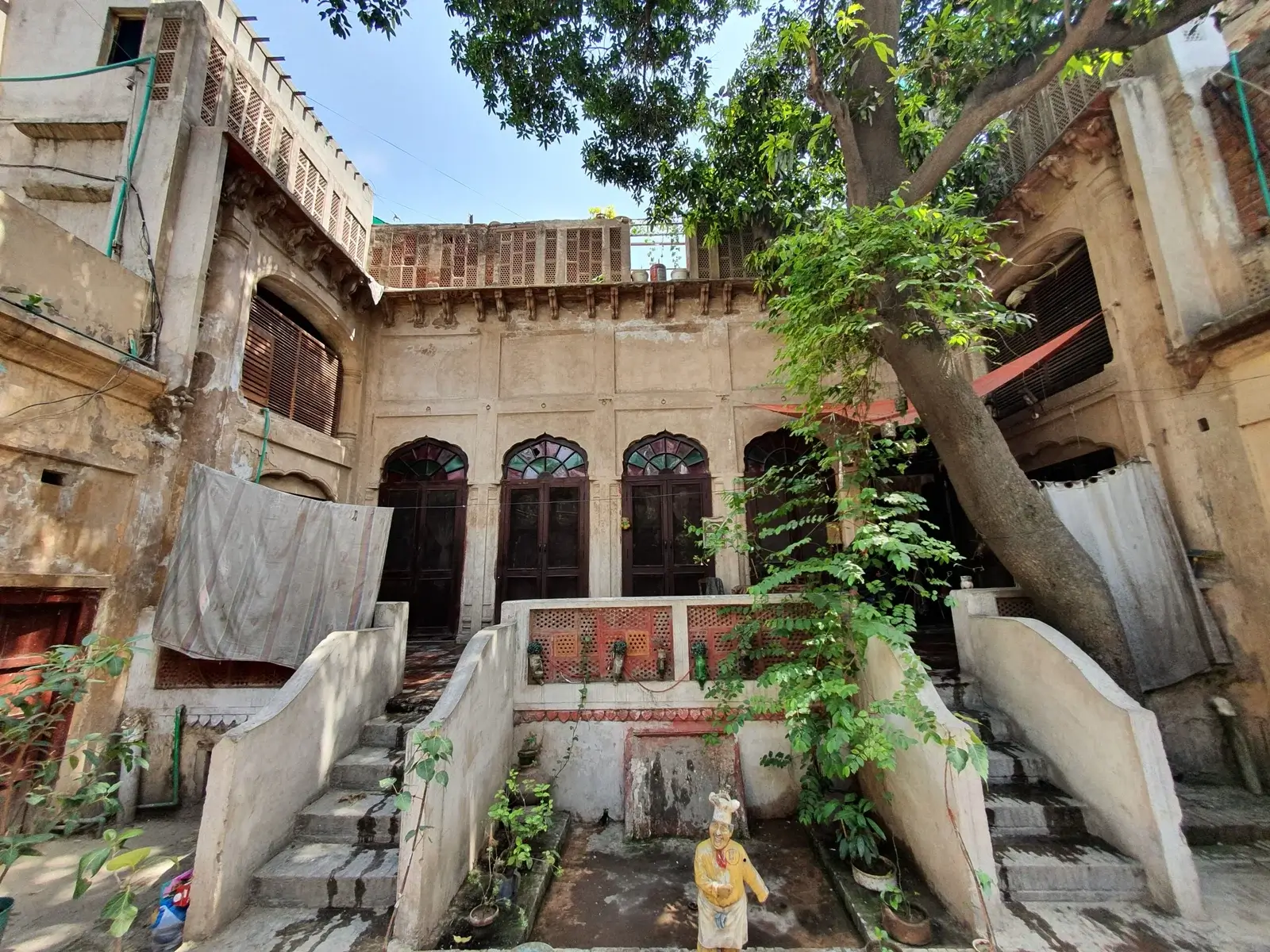
Grand havelis were split into multiple family residences. Courtyards that once hosted royal guests now held washing lines and shared kitchens. The shift was gradual — but irreversible
Political Awakening in Lahore
Despite administrative decline, Lahore became a center of political thought. Educational institutions outside the walls, including Government College and Punjab University, fostered intellectual movements. But inside Androon Lahore:
- Political pamphlets circulated
- Anti-colonial sentiment grew
- Secret meetings were held in old havelis
Lahore played a central role in the independence movement. And the Walled City absorbed its tension
The Lahore Resolution
In 1940, the historic Lahore Resolution was passed in what is now Minar-e-Pakistan park. While outside the Walled City proper, its emotional impact deeply affected Androon Shehr. The idea of Pakistan was no longer abstract. It was becoming inevitable. Inside the narrow streets, conversations shifted from commerce to politics. Uncertainty filled the air.
1947 – The Breaking Point
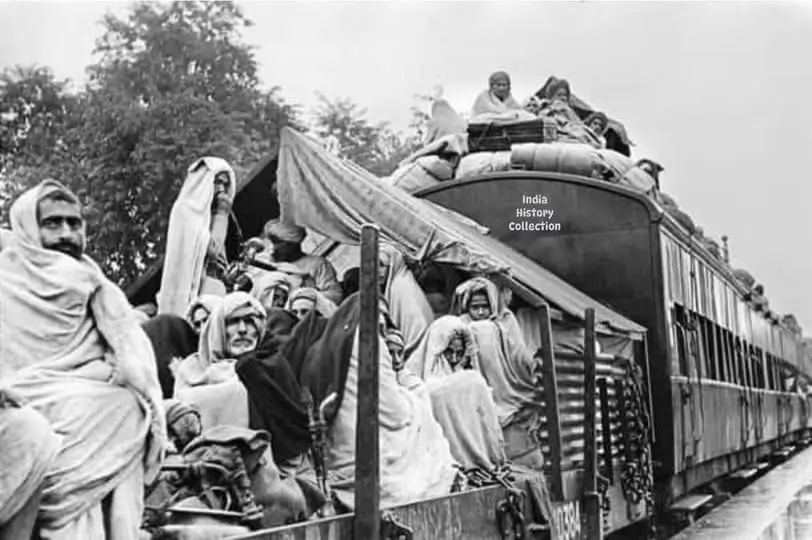
Then came Partition. In August 1947, British India was divided into India and Pakistan. Lahore was awarded to Pakistan. What followed was one of the most traumatic migrations in human history. Inside the Walled City:
- Hindu and Sikh families fled
- Muslim refugees arrived from across the new border
- Violence erupted
- Entire neighborhoods changed overnight
Shah Alami Bazaar was burned. Homes were abandoned. Temples fell silent. Mosques filled with displaced families seeking shelter. The trauma of Partition is one of Androon Lahore’s deepest hidden truths.
A City Reassigned
After Partition:
- Property ownership changed
- Entire communities disappeared
- Cultural memory fractured
Refugee families rebuilt life inside existing homes. Grand wooden balconies still stood — but the families behind them were different. And yet, life continued. Markets reopened. Children returned to play. The Walled City absorbed the shock — just as it had absorbed empires before.
Hidden Truth: Cultural Loss
Partition was not only demographic change — it was cultural rupture. Many artisan communities left. Certain crafts declined. Oral histories were lost. Interfaith coexistence that had defined centuries of Lahore’s history was fractured. The Walled City survived physically. But emotionally, it carried scars.
Post-Independence Neglect
In early Pakistan:
- Focus shifted toward national development
- Heritage preservation was not immediate priority
- Rapid urban growth increased pressure on the old city
Illegal constructions emerged. Historic buildings were altered without regulation. Drainage and infrastructure deteriorated. By the 1970s and 80s, the Walled City faced severe decay. Some predicted it would collapse entirely.
Why This Period Defines Modern Androon Lahore
To understand today’s Androon Lahore, you must understand this colonial-to-partition transition. Because modern challenges stem from:
- British urban expansion
- Administrative relocation
- Partition migration
- Post-independence neglect
The Walled City became dense, economically active, but infrastructurally strained. Yet its spirit endured.
The Power of Memory
Walk through Bhati Gate today. You’ll hear stories of:
- Families who lived there for 150 years
- Shops rebuilt after fires
- Houses inherited across generations
Partition stories are whispered — not loudly spoken. But they are present. Every brick remembers.
Resilience as Identity
Few urban spaces in South Asia have endured:
- Ghaznavid rule
- Mughal empire
- Sikh governance
- British colonization
- Partition violence
- Rapid modernization
And still remain inhabited. That resilience is what makes Androon Lahore famous beyond architecture. It is not just beautiful. It is unbreakable.
The Turning Point Toward Revival
By the early 2000s, awareness grew that the Walled City was in danger. Unregulated construction and decay threatened its survival. Then came organized restoration efforts. The Walled City of Lahore Authority was formed to protect and rehabilitate the area. Royal Trail restoration began. Monuments were cleaned. Tourism slowly returned. The city was breathing again.
Androon Lahore Places : Food, Festivals, Rooftops & the Everyday Magic
History explains why Androon Lahore is important. But Androon Lahore places explains why it is unforgettable. Because beyond forts and empires, the true magic of the Walled City of Lahore lies in its living culture — the aroma of frying halwa, the echo of azaan, rooftop laughter, heated political debates at tea stalls, and neighbors who know each other for generations. This is not a museum.This is a heartbeat.
The Language of Androon Shehr
Inside the walls, Lahore speaks differently. The accent is sharper, warmer, more rhythmic. Old Lahori phrases survive here. Humor is quick. Sarcasm is art.
Conversation spills into streets:
- Shopkeepers calling customers by name
- Neighbors debating cricket
- Children shouting across rooftops
The Walled City is not quiet — it is conversational.
Food: The Crown Jewel of Androon Lahore Places
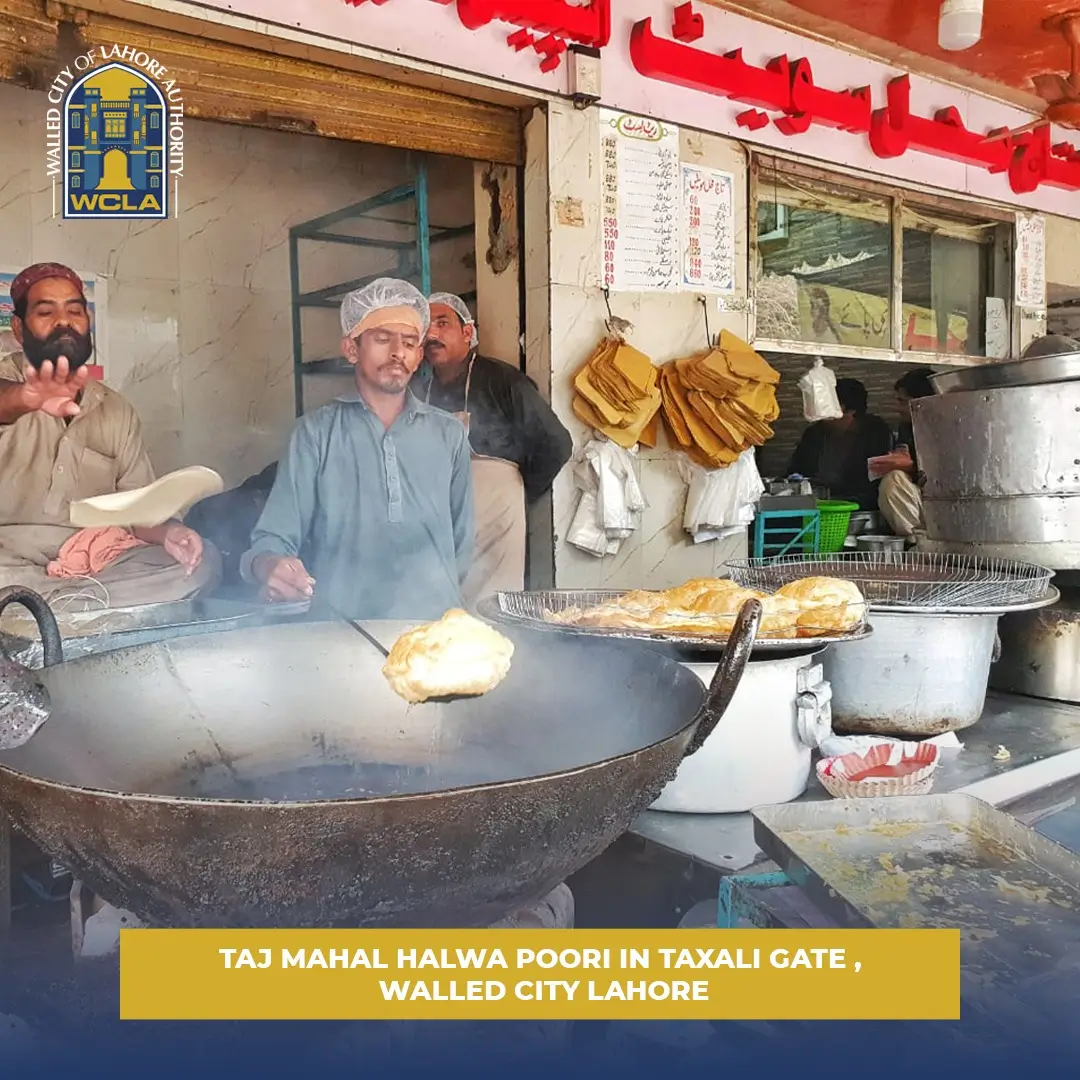
If you ask most tourists why they visit Androon Lahore, the answer often begins with food. The culinary identity of the Walled City is legendary. Near Delhi Gate and Bhati Gate, traditional eateries serve recipes passed down for decades. Iconic food experiences include:
- Halwa Puri breakfasts
- Nihari simmered overnight
- Paye cooked in massive cauldrons
- Tandoori naan fresh from clay ovens
- Lahori fried fish in winter
Food here is not plated. It is served with noise.
The Bazaar Culture
Markets are the arteries of Androon Lahore. Wandering through narrow lanes, you’ll find:
- Spice markets fragrant with cardamom and red chili
- Metal workshops shaping brass utensils
- Khussa makers stitching traditional footwear
- Wedding card printers
- Jewelry lanes glittering under tube lights
These bazaars evolved during Mughal times but remain active today. Commerce never left the Walled City. It simply adapted.
Rooftop Culture – The City Above the City
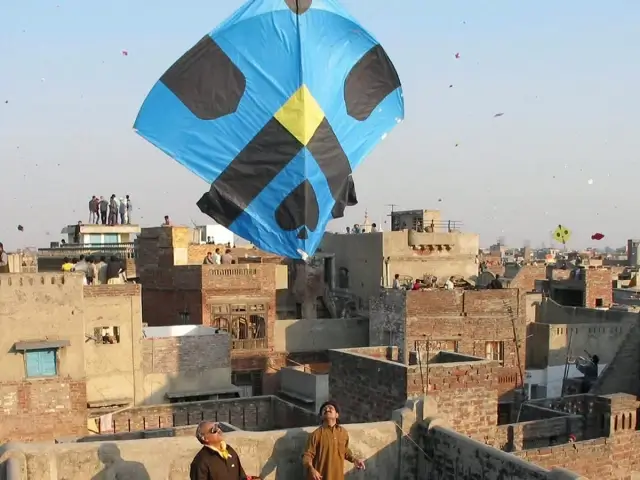
One of Androon Lahore’s most unique features is its interconnected rooftops. Many homes share adjacent roofs, allowing neighbors to visit without touching the street. Historically, rooftops were:
- Social spaces for women
- Cooling zones during summer nights
- Playgrounds for children
- Festival arenas
During Basant (kite-flying festival), the skyline transforms into a battlefield of color. Though officially restricted in recent years, Basant remains emotionally tied to the Walled City.
Religious Life & Spiritual Rhythm
Inside Androon Shehr, faith structures daily life. Among the most significant landmarks is Wazir Khan Mosque, whose call to prayer echoes through surrounding streets. Nearby stands the grand Badshahi Mosque, dominating the skyline. But beyond famous monuments, there are dozens of smaller mosques and shrines embedded in residential clusters. Spiritual gatherings, Milad events, Muharram processions — all pass through these narrow lanes. Faith here is not distant. It is woven into daily routine.
Festivals & Processions
Androon Lahore does not celebrate quietly.
- Eid mornings begin with collective prayers
- Muharram processions move solemnly through historic routes
- Weddings spill into streets with drums and dancing
- Independence Day paints balconies green and white
The density of the Walled City intensifies every celebration. Music echoes louder. Lights glow brighter. The entire neighborhood participates.
Artisan Heritage
Though modernization has impacted traditional crafts, many artisans still operate inside the walls. Generational skills include:
- Calligraphy
- Kashi tile restoration
- Wood carving
- Copper engraving
- Traditional kite making
Restoration projects by the Walled City of Lahore Authority have helped revive some dying crafts. But challenges remain. Mass production threatens handmade artistry. Yet resilience persists.
Gender & Social Dynamics
Life inside the Walled City historically centered around community interdependence. Extended families often share buildings. Privacy is negotiated through architecture — internal courtyards provide secluded space. Women historically interacted through rooftop networks and courtyard gatherings. Today, social roles are evolving, but communal identity remains strong.
Hospitality & Humor
Lahoris are famous for hospitality — and nowhere is that truer than Androon Shehr. Tourists often report:
- Being offered tea by strangers
- Receiving directions through animated storytelling
- Being invited into homes during festivals
Humor defines local culture. Sarcasm is affectionate. Arguments are dramatic — but rarely long-lasting.
Hidden Truth: The Struggles Behind the Charm
Tourists see beauty. Residents experience complexity. Challenges include:
- Overcrowding
- Limited parking
- Infrastructure strain
- Economic pressure
- Youth migration to newer areas
Historic buildings require constant maintenance. Balancing preservation with modernization is ongoing. Yet families remain deeply attached to their ancestral homes. Leaving the Walled City is often described as emotional exile.
Nightfall in Androon Lahore
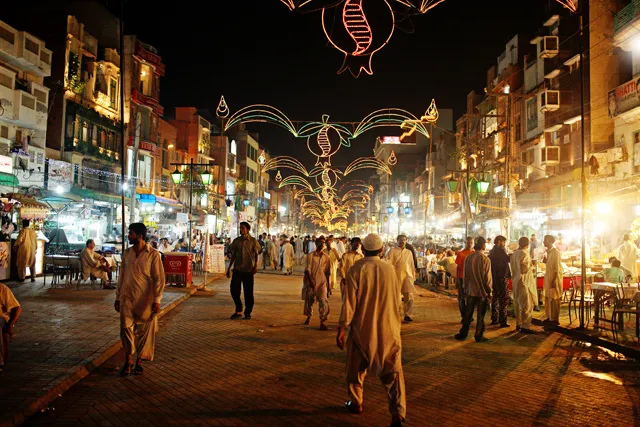
As evening descends, something magical happens. Lantern lights flicker. Food stalls ignite charcoal fires. Calligraphy shops close their shutters. Tea vendors prepare late-night cups. The Walled City transforms into a golden maze. It feels cinematic. But it is entirely real.
Why Life Inside the Walls Makes It Famous
Monuments bring tourists. But life makes them stay. Androon Lahore is famous because it is:
- A living heritage site
- A culinary capital
- A cultural microcosm
- A social organism
Few historic districts in South Asia remain as inhabited and culturally active. The Walled City is not preserved behind barriers. It breathes.
The Emotional Core
Ask a lifelong resident what Androon Lahore means. You won’t get statistics. You’ll get memories:
- First kite won on Basant
- First Eid in new clothes
- Grandfather’s shop
- Rooftop summer nights
This emotional continuity is priceless.
For Tourists Visiting Today
If you plan to explore Androon Lahore:
- Enter through Delhi Gate
- Walk the Royal Trail
- Visit Wazir Khan Mosque courtyard
- Climb a rooftop café at sunset
- Try traditional breakfast before 10 AM
- Talk to shopkeepers — not just guides
You’ll discover that the real treasure isn’t only architecture. It’s conversation.
Hidden Gems, Forgotten Havelis & The Untold Stories of Androon Shehr
Tourists come for the famous landmarks. But the real secrets of the Walled City of Lahore live in places without signboards. Behind faded wooden doors. Above silent courtyards. Inside stories whispered over chai
The Forgotten Havelis
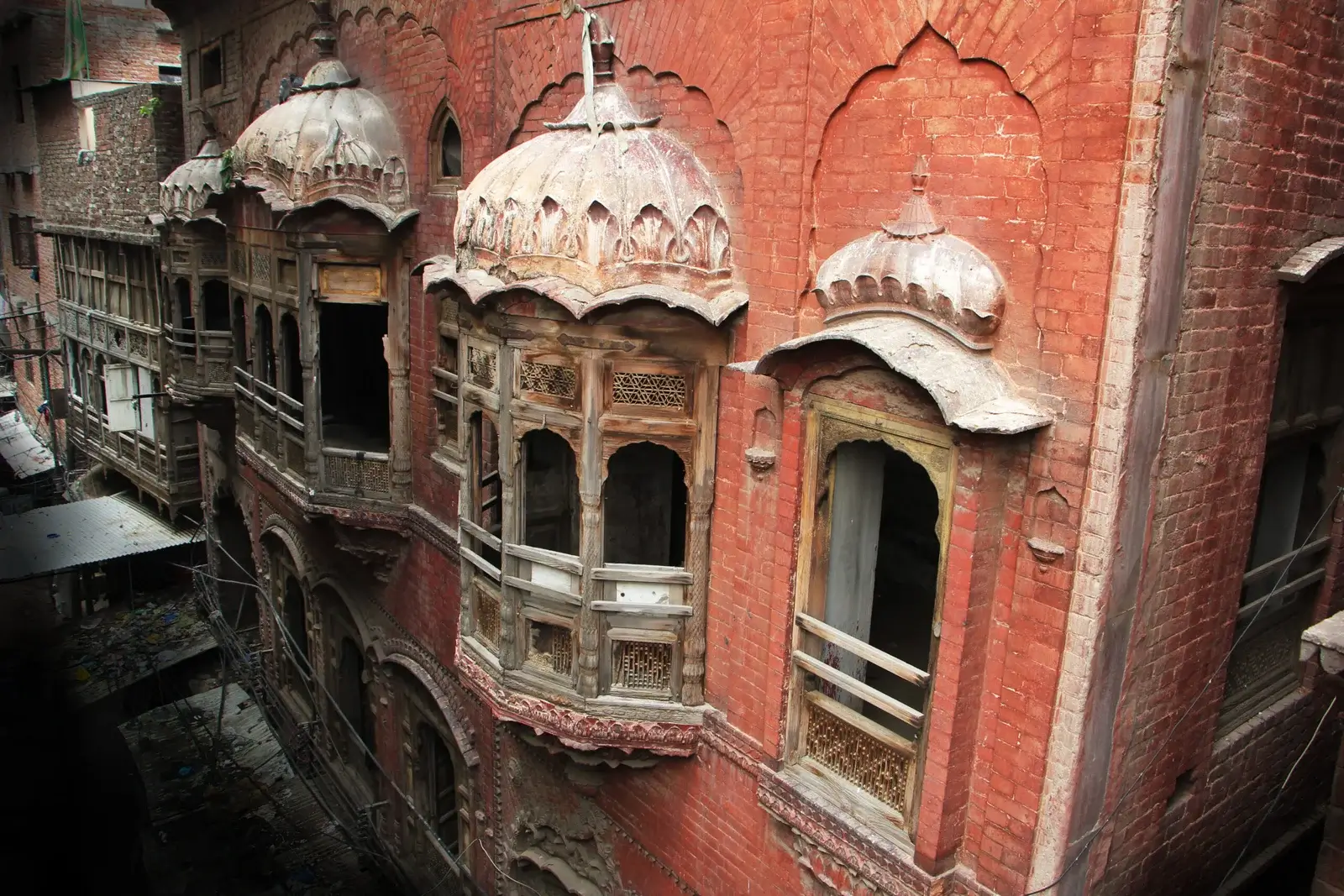
Walk through narrow streets near Delhi Gate or Kashmiri Bazaar and you’ll notice towering wooden façades with carved balconies. Many of these are centuries-old havelis — once homes of wealthy merchants, nobles, or court officials. Some are partially restored. Others lean gently, held together by memory and brick. Among the most significant is Haveli of Nau Nihal Singh — a Sikh-era mansion famous for its elaborate frescoes and rooftop views.
Hidden truth:
Several lesser-known havelis remain undocumented, divided into multiple family residences after Partition. Their original blueprints are lost. Their courtyards altered. Yet if you look up, you’ll still see painted ceilings and wooden beams from another century.
The Royal Hammam Beneath the Streets
One of the most astonishing discoveries in modern restoration was the uncovering of the Shahi Hammam near Delhi Gate. Built in 1635, this Mughal bathhouse had been buried under layers of shops and debris for decades. When conservation began, archaeologists found:
- Intricate fresco ceilings
- Underground heating systems
- Separate bathing chambers
- Persian inscriptions
It was like discovering a time capsule beneath a marketplace.
Hidden truth:
There may be more such buried structures still hidden under commercial layers. Androon Lahore may still have secrets underground.
The Lost Gates
Historically, the Walled City had 13 gates. Today, only a few remain intact. Others were destroyed during colonial road expansions or post-independence development. Shah Alami Gate, for instance, was heavily damaged during 1947 violence. The absence of some gates is itself a historical scar. When you pass modern traffic intersections, you might unknowingly stand where an ancient entrance once guarded the city.
Secret Rooftop Pathways
Residents often speak of rooftop routes connecting multiple houses. In earlier decades, these rooftops were used for:
- Escaping unrest
- Passing messages
- Visiting neighbors discreetly
- Observing processions from above
During Partition, rooftops reportedly became observation posts and escape paths. Few official records document these stories — but oral history preserves them. The city above the city still exists.
Folklore & Urban Legends
Every old city has myths. And Androon Lahore has many.
Stories include:
- Hidden tunnels connecting the Lahore Fort to other sites
- Secret escape routes beneath the Badshahi Mosque
- Haunted havelis abandoned after Partition
- Treasure hidden during Afghan invasions
Historians debate these tales. Archaeological proof is limited. But folklore shapes identity as much as facts. And in Androon Shehr, myth walks beside history.
The Poet’s Corners
Inside Bhati Gate lies an intellectual legacy often overshadowed by architecture. Bhati Gate was once home to literary giants and publishers. Tea houses here hosted debates on:
- Colonial resistance
- Poetry
- Philosophy
- National identity
Even today, small bookshops survive in cramped lanes. Though modern cafés dominate new Lahore, the old literary spirit still flickers inside the walls.
Shrines Hidden in Plain Sight
Beyond famous mosques, Androon Lahore houses numerous small shrines embedded within residential clusters.
These shrines:
- Serve as community anchors
- Host annual Urs gatherings
- Provide social welfare support
Unlike grand monuments, these shrines rarely appear in travel blogs. Yet they are central to everyday spiritual life. The sacred in Androon Lahore is both monumental and intimate.
Partition Houses: Stories in Silence
One of the most sensitive hidden truths involves homes abandoned in 1947. Many properties inside the Walled City changed ownership rapidly during Partition. Old nameplates were removed. Documents disappeared. Generations later, some families still know which home once belonged to whom. These stories are not publicly displayed. But they linger in family memory.
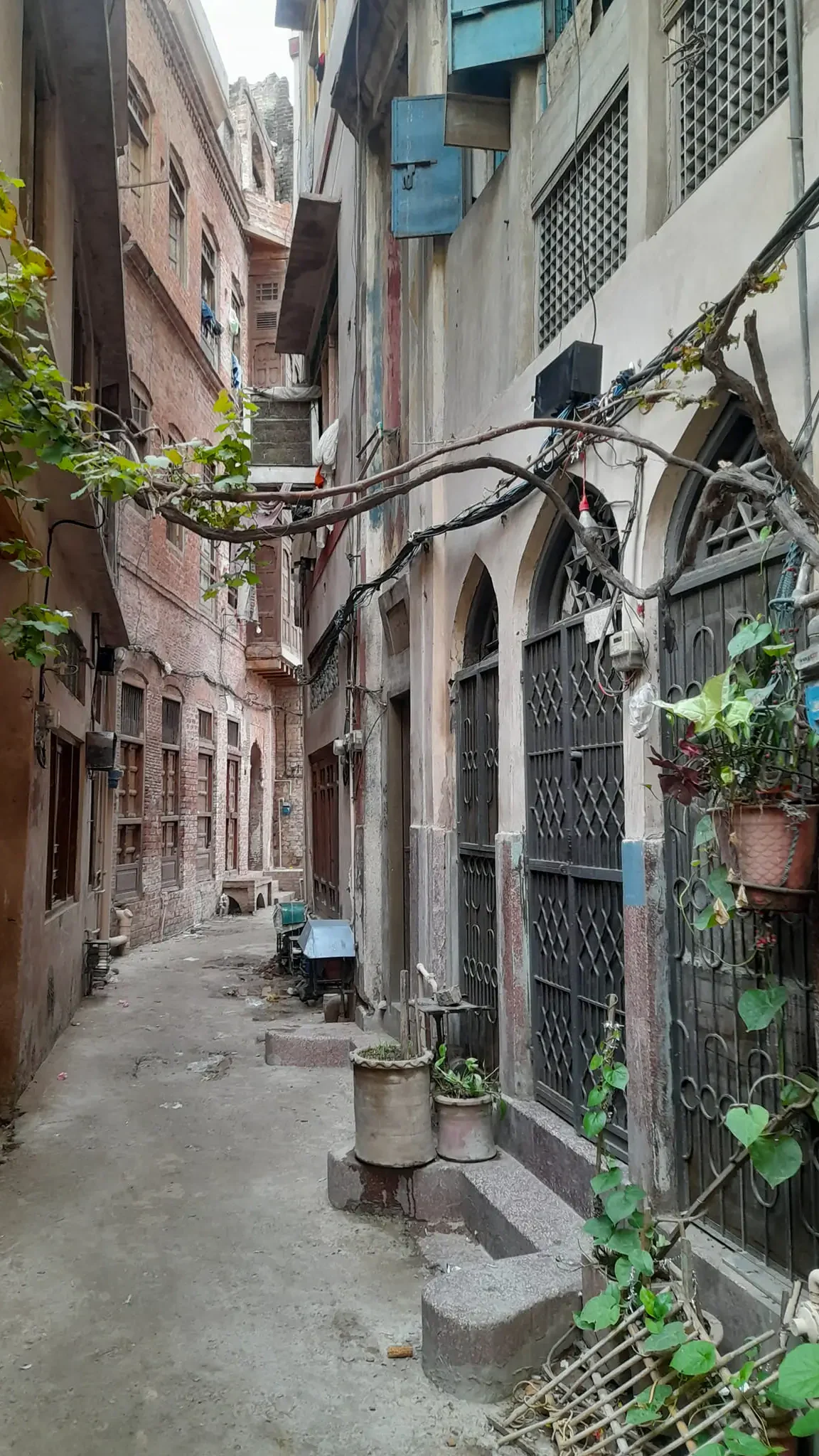
The Narrowest Streets
Some lanes inside Androon Lahore are so narrow that two people must turn sideways to pass. These tight corridors served strategic purposes:
- Defense against invasion
- Climate control
- Community intimacy
But they also create present-day challenges:
- Fire hazards
- Limited emergency access
- Congestion
Preserving heritage while ensuring safety is a delicate balance.
Hidden Culinary Spots
Beyond famous food streets, some of the best meals inside the Walled City come from nameless kitchens. Unmarked doors. Family-run stalls. Generations-old recipes not advertised online. Tour guides often skip these. Locals don’t. Sometimes, the most authentic Lahori meal is served without a signboard.
Restoration Before & After
The Walled City of Lahore Authority has restored parts of the Royal Trail.
Before restoration:
- Blackened walls
- Collapsing structures
- Encroachments
After restoration:
- Revealed frescoes
- Clean brickwork
- Tourist foot traffic
But not all areas receive equal attention. Some alleys remain untouched, holding both authenticity and risk.
The Untold Economic Reality
While tourism grows, many residents depend on:
- Small-scale retail
- Wholesale trade
- Craftsmanship
- Informal economy
Modern malls outside the walls compete with traditional bazaars. Younger generations sometimes prefer relocating to newer neighborhoods. Yet emotional attachment keeps families rooted.
Why These Hidden Stories Matter
Without these untold details, Androon Lahore becomes postcard history. With them, it becomes human. Because what makes the Walled City extraordinary is not just:
- Forts
- Mosques
- Empires
It is continuity. Families living in homes older than modern nations. Children playing under frescoes painted 300 years ago. History not archived — but inhabited.
The Living Secret
Perhaps the biggest hidden truth of Androon Lahore is this: It is fragile. Not because it is weak — but because it is alive. Living heritage requires:
- Care
- Regulation
- Community trust
- Sustainable tourism
Without careful planning, authenticity could be replaced by commercialization. Preservation must include residents — not displace them.
Standing in the Quiet
If you want to experience the hidden side of Androon Lahore: Go early. Before shops open. Before tourists arrive. Stand in a silent lane. Listen. You’ll hear:
- Distant azaan
- Brooms sweeping brick
- Pigeons fluttering above
In that quiet, centuries collapse into a single breath.
Restoraon, Tourism & the Fight to Save a Living Heritage
For centuries, the Walled City of Lahore survived invasions, empire shifts, and Partition. But in the 21st century, its greatest challenge is different. Not war. Not conquest. But neglect, commercialization, population pressure — and time itself.
When the World Noticed the Decay
By the late 20th century, the Walled City faced serious decline:
- Collapsing rooftops
- Illegal construction
- Tangled electric wiring
- Severe overcrowding
- Deteriorating frescoes
Historic havelis were being replaced with concrete boxes. Monuments blackened from pollution. And experts began to worry: Was Androon Lahore slowly disappearing?
The Birth of Organized Restoration
In response, the Government of Punjab established the Walled City of Lahore Authority (WCLA).
Its mission:
- Conserve historic monuments
- Restore the Royal Trail
- Improve infrastructure
- Promote sustainable tourism
This marked a turning point. For the first time, preservation became structured and policy-driven.
The Royal Trail Project
One of the flagship projects focused on Shahi Guzargah — the historic route from Delhi Gate to the Lahore Fort. Restoration efforts included:
- Cleaning and revealing Mughal frescoes
- Removing illegal encroachments
- Restoring brick façades
- Underground wiring to reduce visual clutter
When completed, the transformation was dramatic. Tourists could once again experience the ceremonial Mughal pathway.

Revival of Shahi Hammam
The restoration of Shahi Hammam became an international conservation success story. Layers of cement and shop partitions were removed.Original frescoes were revealed. Climate-control techniques were introduced to preserve artwork. Today, the Hammam functions as a museum — attracting both local and international visitors. This project proved that buried history could be revived.
Infrastructure Upgrades
Beyond monuments, restoration also targeted daily living conditions:
- Improved sewer systems
- Brick pavement repair
- Street lighting upgrades
- Fire safety measures
Because preserving a living city requires supporting its residents — not just its walls.
Tourism Growth
As restoration gained visibility, tourism increased. Visitors now:
- Walk guided heritage tours
- Explore rooftop cafés
- Photograph restored mosques
- Experience traditional cuisine
International travel bloggers began featuring Androon Lahore. The city’s image shifted from “congested old quarter” to “heritage destination.”
The Economic Opportunity
Tourism generates:
- Local employment
- Small business growth
- Craft revival
- Cultural pride
Rooftop restaurants now overlook the illuminated Badshahi Mosque. Souvenir shops sell handcrafted items. Young entrepreneurs invest in boutique guesthouses. Heritage became an asset — not a burden.
The Risk of Over-Commercialization
But growth carries danger. Concerns include:
- Gentrification
- Rising property values
- Displacement of long-time residents
- Conversion of homes into commercial spaces
If tourism becomes dominant, Androon Lahore risks losing its authenticity. The challenge is balance.
Resident Voices
Some residents celebrate restoration:
“It’s cleaner now.”
“Tourists bring income.”
“Our homes are safer.”
Others express concern:
“Property taxes increased.”
“Crowds disrupt daily life.”
“Traditions are changing.”
Heritage conservation must consider both pride and practicality.
Youth & Cultural Identity
One positive trend is youth engagement.
Young Lahoris now:
- Volunteer for heritage walks
- Document old stories on social media
- Organize cultural events
- Advocate for preservation
For a generation raised in modern housing societies, Androon Lahore represents roots. Digital storytelling is helping revive historical interest.
Environmental Challenges
Urban density creates environmental strain:
- Waste management issues
- Air pollution
- Heat retention in narrow lanes
Climate change adds further pressure. Preserving historic brick while adapting to modern climate realities requires innovative planning.
International Recognition Potential
The Lahore Fort and Shalimar Gardens already hold UNESCO World Heritage status. There are discussions about broader recognition for the historic urban fabric of the Walled City. Global recognition could:
- Boost tourism
- Increase funding
- Enhance conservation standards
But it also requires strict regulation.
The Hidden Cost of Preservation
Restoration is expensive. Maintaining centuries-old structures requires:
- Skilled craftsmen
- Continuous monitoring
- Government funding
- Community cooperation
Preservation is not a one-time event. It is ongoing responsibility.
Can Androon Lahore Survive the Modern World?
The answer depends on:
- Urban planning discipline
- Community inclusion
- Sustainable tourism
- Education
- Political will
If managed wisely, Androon Lahore can become a model for South Asian urban heritage conservation. If mismanaged, it risks becoming either abandoned or overly commercialized.
A City at a Crossroads
Stand today at Delhi Gate.
You will see:
- Tourists with cameras
- Residents carrying groceries
- Children running through lanes
- Restoration workers repairing brick
Past, present, and future converge. The Walled City is not frozen in time. It is negotiating survival in real time
Why Androon Lahore Will Always Matter: Identity, Memory & the Future of a Timeless City
There are cities that grow. And there are cities that remember. The Walled City of Lahore does both. After walking through its legends, Mughal glory, Sikh resilience, colonial shifts, Partition trauma, living culture, hidden secrets, and modern restoration — one truth becomes clear: Androon Lahore is not just famous. It is foundational. It is the emotional and historical core of Lahore — and by extension, a cornerstone of Pakistan’s cultural identity.
Why Androon Lahore Is More Than Architecture
Many tourists visit for:
- Lahore Fort
- Badshahi Mosque
- Wazir Khan Mosque
- Shahi Hammam
But the deeper reason the Walled City matters is continuity. Empires changed. Borders shifted. Governments rose and fell. But people kept living here. And that uninterrupted habitation makes Androon Lahore one of the rare urban spaces in South Asia where history never paused.
The Soul of Lahore
Lahore is often described as Pakistan’s cultural capital. But if Lahore is the body, Androon Shehr is its heart. It is where:
- Traditional Lahori humor thrives
- Culinary identity was shaped
- Literary movements took root
- Religious pluralism once coexisted
- Festivals were born
Modern housing societies may be larger. But emotional heritage still traces back inside these walls.
A Living Archive of Civilizations
Few cities in the world compress so many layers into such a small space:
- Ghaznavid settlement
- Mughal imperial capital
- Sikh empire headquarters
- British colonial transition
- Partition epicenter
- Modern Pakistani urban struggle
Stand between the Lahore Fort and the Samadhi of Ranjit Singh, and you stand between empires. Walk through Delhi Gate, and you retrace Mughal ceremonial paths. Look at a haveli balcony, and you see pre-colonial craftsmanship still intact. This density of history is rare.
Emotional Geography
Androon Lahore is not navigated by GPS alone. It is navigated by memory. Residents describe locations as:
“Turn where the old neem tree used to stand.”
“Next to the haveli that burned in 1947.”
“Behind the rooftop where we flew kites.”
This emotional mapping cannot be digitized. It exists in collective consciousness.
Tourism Potential & Responsible Growth
Today, the Walled City has the potential to become one of South Asia’s premier heritage destinations. With guidance from the Walled City of Lahore Authority, restoration projects have revived global interest. But sustainable tourism requires:
- Limiting overcrowding
- Protecting residential life
- Supporting local businesses
- Preserving authenticity
Heritage must not become theme park performance. It must remain lived experience.
The Youth Factor
A powerful new chapter is unfolding. Young Lahoris are rediscovering Androon Shehr through:
- Photography
- Vlogging
- Cultural tours
- Academic research
- Social media storytelling
For a digital generation, the Walled City offers something rare Tangible roots. In a rapidly modernizing Pakistan, it anchors identity.
Lessons for Urban Pakistan
The story of Androon Lahore teaches critical lessons:
- Heritage must be protected before it collapses.
- Urban expansion should not erase historical cores.
- Preservation and modernization must coexist.
- Community voices are central to conservation.
As Pakistani cities expand, the Walled City stands as both warning and inspiration.
Hidden Truth: Fragility Beneath Strength
Yes, Androon Lahore is resilient. But it is not indestructible.
Threats remain:
- Structural decay
- Commercial pressure
- Environmental stress
- Generational disconnect
Without careful stewardship, centuries of history could fade within decades. The responsibility does not belong only to authorities. It belongs to citizens.
Why the Walled City Is Globally Significant
Globally, cities like:
- Fez (Morocco)
- Old Delhi (India)
- Istanbul’s historic peninsula
are celebrated as living heritage districts. Androon Lahore belongs in that conversation. Its architectural scale, cultural continuity, and layered political history make it internationally relevant. Recognition must expand beyond monuments — to include its urban fabric and living culture.
Standing at Sunset
If you climb a rooftop café near Delhi Gate at sunset, you’ll see:
- Domes glowing orange
- Pigeons circling minarets
- Smoke rising from evening kitchens
- Children laughing on terraces
Below you, centuries whisper. Above you, modern Lahore expands. That view explains everything.
The Final Answer: Why Is Androon Lahore Famous?
It is famous because:
- It was once an imperial capital.
- It houses architectural masterpieces.
- It survived violent historical transitions.
- It preserves multi-civilizational layers.
- It remains inhabited and culturally vibrant.
- It defines Lahori identity.
But beyond facts and tourism: It is famous because it feels alive.
A Personal Reflection
When you walk through Androon Lahore, something shifts. You realize history is not distant.
It is textured brick. It is carved wood. It is shared tea. It is human continuity. And that is rare in a world rushing forward.
The Future of Androon Shehr
The future depends on:
- Responsible urban planning
- Inclusive heritage policies
- Youth engagement
- Community-led preservation
- Sustainable tourism
If nurtured carefully, the Walled City can thrive for another thousand years. If neglected, it risks becoming either ruin or replica. The choice belongs to the present generation
The Eternal City Within the City
Lahore will continue to grow. Skyscrapers will rise. Metro lines will expand. But inside the old walls, time moves differently. Not slower. Just deeper.
Final Words
Androon Lahore is not just the historic center of Lahore. It is a living chronicle of South Asian civilization. A testament to resilience. A reminder that cities are not built only with stone — but with memory. And as long as children play cricket in narrow lanes, as long as azaan echoes across rooftops, as long as someone brews tea beneath a centuries-old balcony —
The Walled City will live.
Androon Lahore – Most Asked FAQs
- What is Androon Lahore?
Androon Lahore refers to the historic Walled City of Lahore — the oldest and most cultural part of the city, filled with narrow streets, markets, houses, historical sites, and traditional life. - Why is Androon Lahore called the “beating heart” of the city?
Because it preserves the historic core of Lahore with centuries-old architecture, bustling life, bazaars, heritage gates, mosques, havelis, and daily social activity that reflect old Lahori culture. - Where is Androon Lahore located?
It is in the central part of Lahore, historically enclosed by defensive walls and gates such as Delhi Gate, Lohari Gate, and Kashmiri Gate, forming the classic old city core. - What are the major historical gateways of the Walled City?
Major gates include Delhi Gate, Lahori (Lohari) Gate, and Kashmiri Gate, each serving as historic entrances into the old city. - Is Androon Lahore the same as the Walled City?
Yes — “Androon” essentially means the inner old walled area which is commonly known as the Walled City of Lahore. - What heritage sites can visitors see in Androon Lahore?
Visitors can see historic gates, traditional bazaars, narrow streets, havelis (old mansions), mosques, and heritage structures that reveal Lahore’s multi-era past. - Are there guided tours available for exploring Androon Lahore?
Yes — authorities like the Walled City of Lahore Authority organize guided tours (e.g., “Wekh Androon Lahore”) that take tourists through heritage paths, bazaars, and cultural spots. - What is the role of the Walled City of Lahore Authority (WCLA)?
The WCLA is responsible for conserving, preserving, and restoring the historic buildings, gates, streets, and cultural landmarks of Androon Lahore. - Why is heritage preservation important in Androon Lahore?
Because many historic buildings and heritage structures are old and vulnerable to decay or modernization, making conservation essential to protect cultural history. - Can tourists enjoy local culture and food in Androon Lahore?
Yes — narrow alleys and bazaars offer traditional food, street culture, local markets, artisan crafts, and vibrant everyday life typical of old Lahori culture. - Is Androon Lahore safe for visitors?
Public areas around main heritage sites and guided tour routes are generally safe, though like any dense historic area, visitors are advised to go in groups, follow local guidance, and avoid late nights. (Local traveler tips) - What is the significance of the markets inside Androon Lahore?
Markets such as Akbari Mandi within the Walled City have historic roots as trade hubs and still function as bustling bazaars attracting locals and visitors. - Are there cultural events in the Walled City?
Yes — events, heritage festivals, guided tours with performances, traditional music, and food festivals are regularly organized to highlight Lahore’s culture. - How old is the Walled City of Lahore?
The Walled City dates back centuries, with historic walls and gates originally constructed in the Mughal era as the core of Lahore’s ancient urban settlement. - What unique experience can visitors expect in Androon Lahore?
Visitors can experience authentic heritage streets, traditional lifestyles, age-old architecture, local crafts, spice bazaars, and a living tableau of historic urban life that echoes Lahore’s past