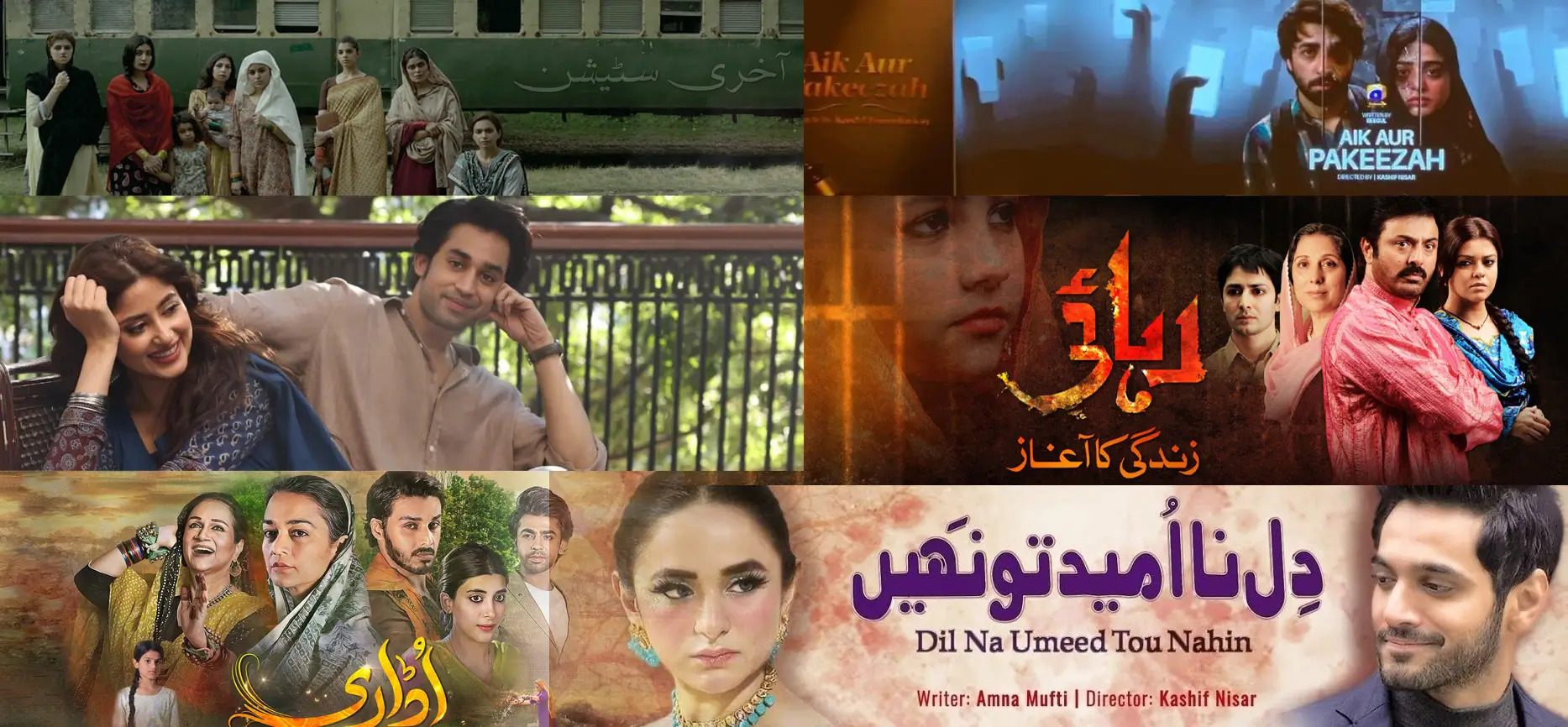
Kashf Foundation is a pioneering microfinance organization in Pakistan that goes beyond financial services by using media as a powerful tool for social change. Through its thoughtfully produced television dramas, the foundation addresses critical social issues such as gender inequality, domestic violence, women’s economic empowerment, and social justice. Kashf Foundation dramas are designed not only to entertain but also to educate and inspire audiences, encouraging dialogue and challenging harmful societal norms. By blending compelling storytelling with meaningful messages, Kashf Foundation has successfully used drama as a medium to promote awareness, empathy, and positive transformation within communities.
Here is the Kashf Foundation Dramas List along with the brief description
Kashf Foundation Dramas : Udaari
Introduction – The Drama That Broke Pakistan’s Silence
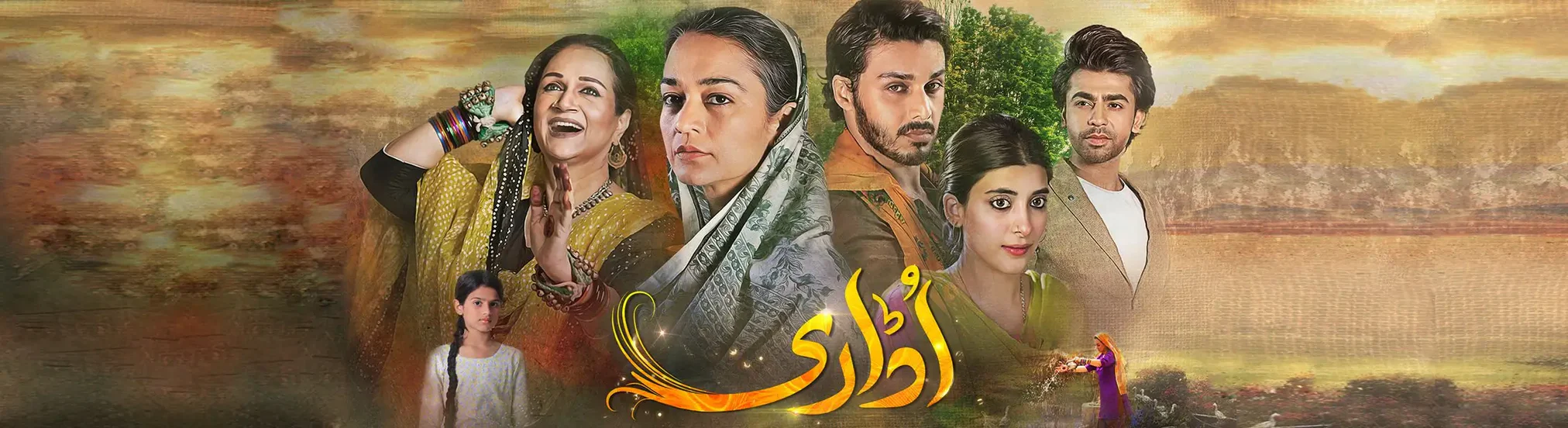
When discussing Kashf Foundation dramas, one name dominates every conversation — Udaari.
Aired in 2016, this groundbreaking series became one of the most influential Pakistani social issue dramas in television history. Produced by Kashf Foundation and conceptualized under the leadership of Roshaneh Zafar, Udaari addressed one of the most taboo subjects in Pakistani society:
Child sexual abuse within families.
At a time when such issues were whispered about — if acknowledged at all — Udaari forced the nation to confront an uncomfortable reality.
This chapter explores:
- Full story summary
- Social aim behind the drama
- Character arcs
- Public controversy
- Media coverage
- Cultural and legal impact
- Why it remains one of the best Kashf Foundation dramas
Story Overview: Two Women, One Painful Truth
At its core, Udaari weaves together the lives of two women from vastly different socio-economic backgrounds.
Meeran – The Rural Singer
Meeran, played by Urwa Hocane, is a vibrant young girl from rural Punjab. She dreams of becoming a singer despite societal restrictions.
Her mother Resham struggles financially and emotionally, trying to protect her daughter from harsh realities.
But danger lurks inside their trusted circle.
Meeran becomes a victim of sexual abuse by a relative — someone respected in the community.
The portrayal is subtle yet powerful. The trauma is shown through:
- Behavioral changes
- Silence
- Emotional withdrawal
- Fear of speaking up
Sheedan – The Voice of Resistance
Sheedan, portrayed by Bushra Ansari, represents resilience. A street performer, she refuses to conform to patriarchal expectations.
Her journey intersects with Meeran’s, creating a support system rooted in courage.
The Villain: Breaking the Myth of the “Stranger Danger”
The abuser in Udaari is not a stranger.
He is:
- Trusted
- Familiar
- Socially respected
This was deliberate.
Kashf Foundation wanted to dismantle the myth that abuse only comes from outsiders.
Statistics globally show most child abuse cases involve someone known to the child. Udaari brought that uncomfortable statistic into living rooms across Pakistan.
The Aim Behind Udaari
Kashf Foundation’s objectives were clear:
1. Break the Silence Around Child Abuse
In Pakistan, conversations around sexual abuse are often buried under:
- Shame
- Honor culture
- Victim blaming
Udaari challenged that silence.
2. Encourage Reporting
By showing legal recourse and consequences, the drama promoted:
- Awareness of child protection laws
- Speaking up against abusers
- Community accountability
3. Shift Public Narrative
Instead of blaming victims, Udaari emphasized:
- Accountability of perpetrators
- Responsibility of adults
- Importance of believing children
The Controversy
No impactful drama comes without resistance.
After airing initial episodes, Udaari faced scrutiny from Pakistan Electronic Media Regulatory Authority (PEMRA), which questioned the depiction of abuse.
Critics argued:
- The topic was too sensitive
- It was unsuitable for family viewing
Supporters responded:
- Silence is more dangerous than discussion
- Awareness saves lives
Eventually, the drama continued airing — and public support grew stronger.
Public Reception
The public response was overwhelming.
Social Media Reaction
Hashtags related to child abuse awareness began trending. Survivors began sharing their experiences anonymously.
For many, Udaari was the first time they:
- Recognized abuse patterns
- Understood grooming behavior
- Realized they weren’t alone
Critical Acclaim
Critics praised:
- Bold storytelling
- Strong performances
- Emotional depth
- Social relevance
It became one of the most discussed Pakistani awareness dramas of the decade.
Character Development Analysis
Meeran’s Transformation
Meeran begins as:
- Cheerful
- Ambitious
- Carefree
After abuse, we see:
- Silence
- Emotional shutdown
- Internalized shame
Her eventual decision to speak up symbolizes reclaiming power.
Sheedan as Symbolism
Sheedan represents:
- Freedom
- Artistic rebellion
- Female solidarity
Her character bridges traditional and modern Pakistan.
Cultural Impact
After Udaari aired:
- NGOs reported increased inquiries about child protection.
- Schools initiated awareness sessions.
- Parents began discussing “good touch and bad touch.”
The drama succeeded where many policy campaigns failed — it started conversations at home.
Why Udaari Remains the Most Important Kashf Foundation Drama
Among all Kashf Foundation drama list productions, Udaari stands apart because:
- It addressed the most taboo subject.
- It survived censorship pressure.
- It changed public discourse.
- It empowered survivors.
It proved that television can be more than entertainment — it can be social reform.
Lessons from Udaari
- Silence protects abusers.
- Children must be educated about boundaries.
- Media can normalize difficult conversations.
- Awareness precedes change.
Conclusion
Udaari was not just a TV drama.
It was:
- A social awakening
- A cultural milestone
- A conversation starter
- A turning point in Pakistani television
In the history of Pakistani social issue dramas, few productions have had the courage or impact of Udaari.
And this was only the beginning of Kashf Foundation’s media revolution.
Kashf Foundation Dramas : Rehaii
Challenging Child Marriage in Rural Pakistan
Introduction: Before Udaari, There Was Rehaii
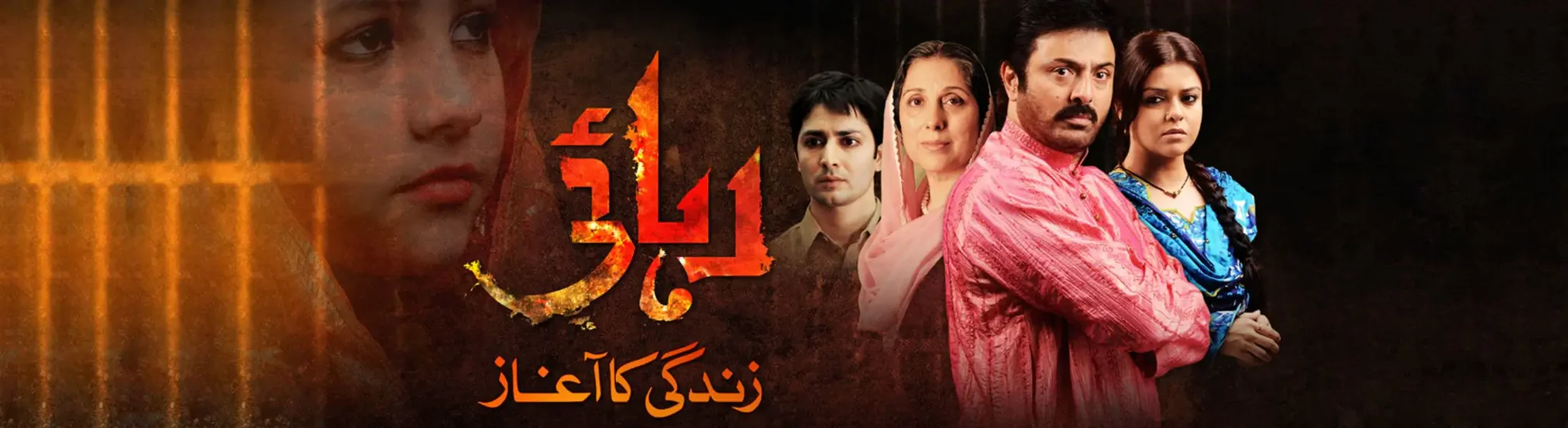
Before Udaari became a nationwide phenomenon, Kashf Foundation had already begun reshaping Pakistani television with issue-based storytelling. One of its earliest and most courageous productions was Rehaii (2013) — a drama that directly confronted child marriage in Pakistan.
At a time when early marriages were often justified under the guise of tradition, honor, or economic necessity, Rehaii dared to ask:
What does marriage mean when the bride is still a child?
In the growing list of Kashf Foundation dramas, Rehaii holds a special place because it set the foundation for socially conscious television narratives that would follow in later years.
Story Overview: A Village Bound by Tradition
Rehaii is set in a rural village where patriarchal customs dominate daily life. The drama centers around a young girl whose life trajectory is altered by forced early marriage.
Unlike glamorous urban dramas, Rehaii immerses viewers in:
- Rural poverty
- Limited educational access
- Generational cycles of tradition
- Female dependency structures
The Young Bride’s Journey
The central character is married off at a young age to an older man — a common practice in some rural communities where girls are considered economic burdens.
The marriage is portrayed not as romance but as:
- A transaction
- A survival strategy
- A cultural obligation
Her childhood is abruptly replaced with:
- Domestic labor
- Reproductive expectations
- Emotional isolation
The emotional weight of the narrative lies in how quietly these practices are normalized.
The Social Issue: Child Marriage in Pakistan
Child marriage remains a critical issue in various parts of South Asia, including Pakistan. In many rural communities, early marriage is justified by:
- Financial hardship
- Fear of dishonor
- Lack of educational infrastructure
- Misinterpretation of cultural or religious norms
Through Rehaii, Kashf Foundation aimed to highlight how child marriage:
- Ends education prematurely
- Increases maternal health risks
- Perpetuates poverty
- Reinforces gender inequality
In the broader discussion of Pakistani social issue dramas, Rehaii was among the first to treat child marriage as a human rights issue rather than a background cultural detail.
The Aim Behind Rehaii
Under the leadership of Roshaneh Zafar, Kashf Foundation’s media strategy has always been aligned with behavioral change.
The objectives behind Rehaii were:
1. Promote Girls’ Education
Education is often the first casualty of early marriage. The drama emphasizes how schooling could have changed the protagonist’s fate.
2. Question Harmful Traditions
Rather than attacking culture, the drama invites viewers to reflect:
- Are all traditions beneficial?
- Who benefits from early marriage?
- Who suffers silently?
3. Encourage Community Dialogue
The story portrays differing viewpoints within the same village:
- Some elders defend tradition.
- Younger characters question it.
- Women express silent resistance.
This layered portrayal encourages conversation instead of confrontation.
Narrative Depth: More Than a Single Story
While the central arc focuses on child marriage, Rehaii also explores:
- Economic vulnerability
- Domestic violence
- Limited legal awareness
- Male authority structures
This complexity is what distinguishes Kashf Foundation social dramas from conventional storytelling. The issue is not isolated; it is shown as part of a broader system.
Character Analysis
The Protagonist: Innocence Interrupted
The young bride represents:
- Lost childhood
- Unfulfilled dreams
- Quiet resilience
Her transformation throughout the series reflects internal conflict:
- Obedience vs. self-worth
- Fear vs. courage
- Tradition vs. autonomy
The Husband: Product of the System
Importantly, the husband is not portrayed as purely villainous. He is also shaped by:
- Cultural conditioning
- Patriarchal entitlement
- Social expectation
This nuance prevents oversimplification and deepens viewer engagement.
The Women of the Village
One of the most powerful aspects of Rehaii is its portrayal of women across generations:
- Mothers who regret their own early marriages
- Mothers-in-law enforcing the same cycle
- Young girls observing and internalizing
The drama subtly asks:
How do systems of oppression sustain themselves?
Visual Realism and Setting
Unlike urban glamour-driven shows, Rehaii emphasizes authenticity:
- Simple village homes
- Minimalistic wardrobe
- Natural landscapes
- Realistic dialogue
This grounded presentation enhanced credibility and emotional impact.
In discussions about the best Pakistani issue-based dramas, authenticity often determines effectiveness — and Rehaii succeeded on that front.
Public Reception
When Rehaii aired, reactions were mixed but meaningful.
Positive Responses
- Educators praised its educational value.
- Women’s rights activists supported its message.
- Viewers from rural backgrounds found it relatable.
Resistance
Some audiences argued:
- The drama exaggerated rural practices.
- It portrayed tradition negatively.
However, this very debate reflected the drama’s success — it had sparked dialogue.
Media & Cultural Impact
Although Rehaii did not receive the same explosive national attention as Udaari, it laid crucial groundwork.
It contributed to:
- NGO awareness campaigns
- Community discussions
- Increased focus on girls’ education
Within the evolving Kashf Foundation drama list, Rehaii represents the beginning of systematic issue-based storytelling.
Comparing Rehaii with Later Kashf Dramas
| Drama | Social Issue | Tone | Cultural Impact |
|---|---|---|---|
| Rehaii | Child marriage | Realistic & rural | Foundation-setting |
| Udaari | Child abuse | Bold & confrontational | National awakening |
| Dil Na Umeed To Nahi | Human trafficking | Dark & investigative | Critical acclaim |
| Aik Aur Pakeezah | Cybercrime | Contemporary & digital | Timely awareness |
Rehaii may not have been the loudest voice — but it was one of the earliest.
Why Rehaii Still Matters in 2026
Despite legislative changes in some provinces, child marriage remains a challenge.
Rehaii remains relevant because it addresses:
- Structural inequality
- Intergenerational trauma
- Education gaps
- Gendered poverty
In the broader scope of Pakistani women empowerment dramas, this series is a cornerstone.
The Psychological Impact on Viewers
Stories influence empathy. By following a child bride’s emotional journey, viewers experience:
- Frustration
- Helplessness
- Anger
- Hope
Such emotional engagement is critical for behavioral change — a strategy Kashf Foundation consistently employs.
Key Lessons from Rehaii
- Poverty and patriarchy reinforce each other.
- Education is a protective shield for girls.
- Tradition should evolve when it harms.
- Silence enables systemic injustice.
Conclusion
In the growing archive of Kashf Foundation social dramas, Rehaii represents courage at a formative stage.
It proved that:
- Rural stories matter.
- Difficult topics deserve screen time.
- Awareness can begin quietly but grow powerfully.
Without Rehaii, the path toward later bold productions may not have been as strong.
And this was only the second chapter in a much larger movement
Kashf Foundation Dramas: Dil Na Umeed To Nahi
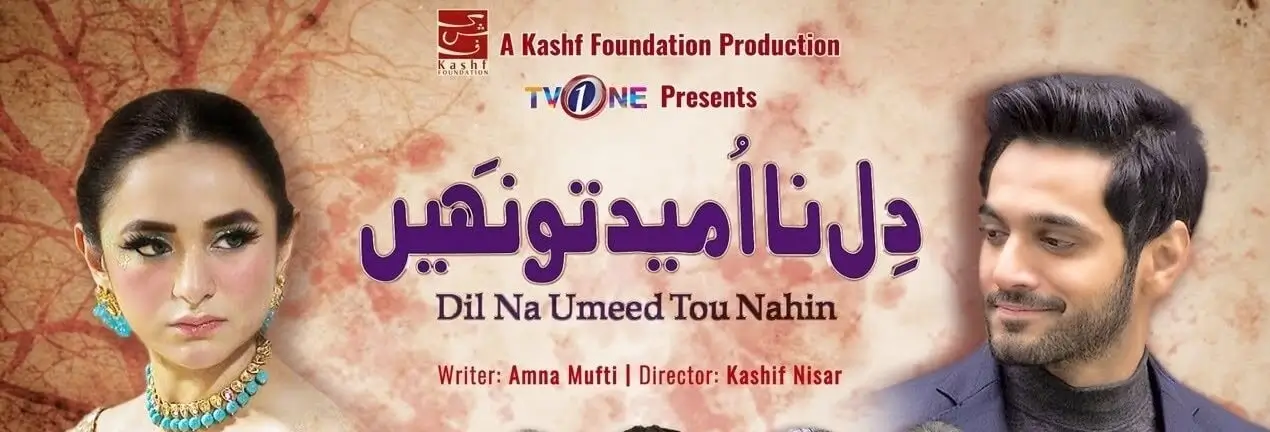
Human Trafficking, Survival, and the Fight for Dignity
Introduction: The Darkest Corners of Society
In 2021, Kashf Foundation delivered one of its most haunting and critically acclaimed productions: Dil Na Umeed To Nahi.
If Udaari shattered silence around child abuse and Rehaii exposed child marriage, this drama ventured into even darker territory:
Human trafficking, forced prostitution, and systemic exploitation.
Within the comprehensive Kashf Foundation dramas list, Dil Na Umeed To Nahi is often regarded as one of the boldest and most artistically powerful entries.Overview: Three Women, Three Realities
Unlike traditional single-protagonist narratives, Dil Na Umeed To Nahi follows the intertwined lives of three women from vastly different socio-economic backgrounds.
1. Allah Rakhi – The Rural Dreamer
Allah Rakhi is a young village girl sold under false promises of marriage and a better life. Instead, she is trafficked into a brothel system.
Her story highlights:
- Poverty-driven vulnerability
- Grooming tactics
- Lack of legal awareness
- Emotional betrayal
Her innocence contrasts sharply with the brutality of her new reality.
2. Naseem Zehra – The Upper-Class Enigma
Naseem Zehra represents privilege — yet she is trapped in her own complex emotional and moral dilemmas.
Through her storyline, the drama explores:
- Class hypocrisy
- Moral duality
- Emotional detachment
3. Jamshaid – The Survivor Within the System
The male perspective is also included through Jamshaid, who is pulled into the exploitative structure. His arc reveals how systems corrupt individuals.
The Core Issue: Human Trafficking in Pakistan
Human trafficking remains a global crisis, and South Asia is particularly vulnerable due to:
- Poverty
- Weak law enforcement
- Gender inequality
- Lack of education
Through its realistic portrayal, Dil Na Umeed To Nahi sheds light on:
- Forced prostitution networks
- Recruitment deception
- Debt bondage
- Psychological manipulation
Among Pakistani dramas about human trafficking, this remains one of the most comprehensive portrayals.
The Aim Behind the Drama
Guided by Roshaneh Zafar, Kashf Foundation designed the series as both storytelling and advocacy.
Objectives Included:
- Humanize victims rather than stigmatize them
- Expose structural exploitation systems
- Raise awareness about trafficking tactics
- Encourage empathy and legal accountability
The title itself — meaning “The Heart Should Not Lose Hope” — suggests resilience amidst despair.
Realism and Grit
One of the defining features of Dil Na Umeed To Nahi is its unfiltered tone.
The drama avoids glamourizing brothel culture. Instead, it depicts:
- Emotional trauma
- Physical danger
- Psychological breakdown
- Survival instincts
This realism distinguishes it from sensationalist portrayals often seen in mainstream media.
Character Development
Allah Rakhi – From Victim to Survivor
Her transformation is heartbreaking yet powerful.
She begins as:
- Naïve
- Trusting
- Hopeful
She evolves into:
- Resilient
- Strategically aware
- Emotionally hardened
Her journey represents thousands of unheard stories.
Naseem Zehra – Moral Complexity
Naseem’s character reflects the uncomfortable truth that exploitation systems often intersect with privilege.
She is neither purely villain nor hero — a complexity that elevates the narrative.
Public Reception and Critical Acclaim
Among all Kashf Foundation social dramas, this series received some of the strongest critical praise.
Critics highlighted:
- Powerful performances
- Dark yet meaningful storytelling
- Bold subject matter
- Realistic screenplay
While it did not achieve mass-commercial ratings typical of romantic dramas, it earned deep respect in media circles.
Emotional Impact on Viewers
Many viewers described the series as:
- Disturbing
- Eye-opening
- Emotionally exhausting
- Necessary
It forced audiences to confront uncomfortable truths about society’s hidden systems. This drama pushed the emotional boundaries further than any previous Kashf production.
Social and Policy Relevance
The series contributed to conversations around:
- Anti-trafficking laws
- Law enforcement accountability
- Victim rehabilitation
- NGO involvement
It reinforced the idea that Pakistani social issue dramas can influence public consciousness beyond entertainment.
Why This Drama Was Risky
Human trafficking is a complex issue tied to:
- Crime networks
- Political structures
- Economic systems
Addressing it on television required courage.
Unlike more accessible topics, trafficking involves confronting organized exploitation — making the narrative heavier and more layered.
Feminist Lens
At its core, Dil Na Umeed To Nahi is about women’s agency in oppressive systems.
It challenges societal stigma by asking:
- Why are victims shamed instead of perpetrators?
- Why are systems tolerated?
- Who benefits from silence?
This aligns with Kashf Foundation’s broader mission of gender equity.
Psychological Dimensions
The drama sensitively portrays trauma symptoms:
- Emotional numbness
- Survival detachment
- Distrust
- PTSD-like behavior
This nuanced portrayal added educational value.
Lessons from Dil Na Umeed To Nahi
- Trafficking thrives on poverty and silence.
- Victims deserve dignity, not judgment.
- Systems must be held accountable.
- Hope can survive even in exploitation.
This drama is essential viewing.
Long-Term Cultural Impact
Years after airing, Dil Na Umeed To Nahi continues to be referenced in discussions about:
- Gender justice
- Anti-trafficking awareness
- Ethical storytelling
It reinforced Kashf Foundation’s identity as a leader in awareness-driven Pakistani dramas.
Conclusion
Within the evolving landscape of Pakistani social issue dramas, Dil Na Umeed To Nahi stands as one of the darkest — yet most powerful — entries.
It is not easy to watch.
But it is impossible to ignore.
By illuminating hidden systems of exploitation, Kashf Foundation once again proved that storytelling can confront injustice head-on.
Kashf Foundation Dramas – Aik Aur Pakeezah
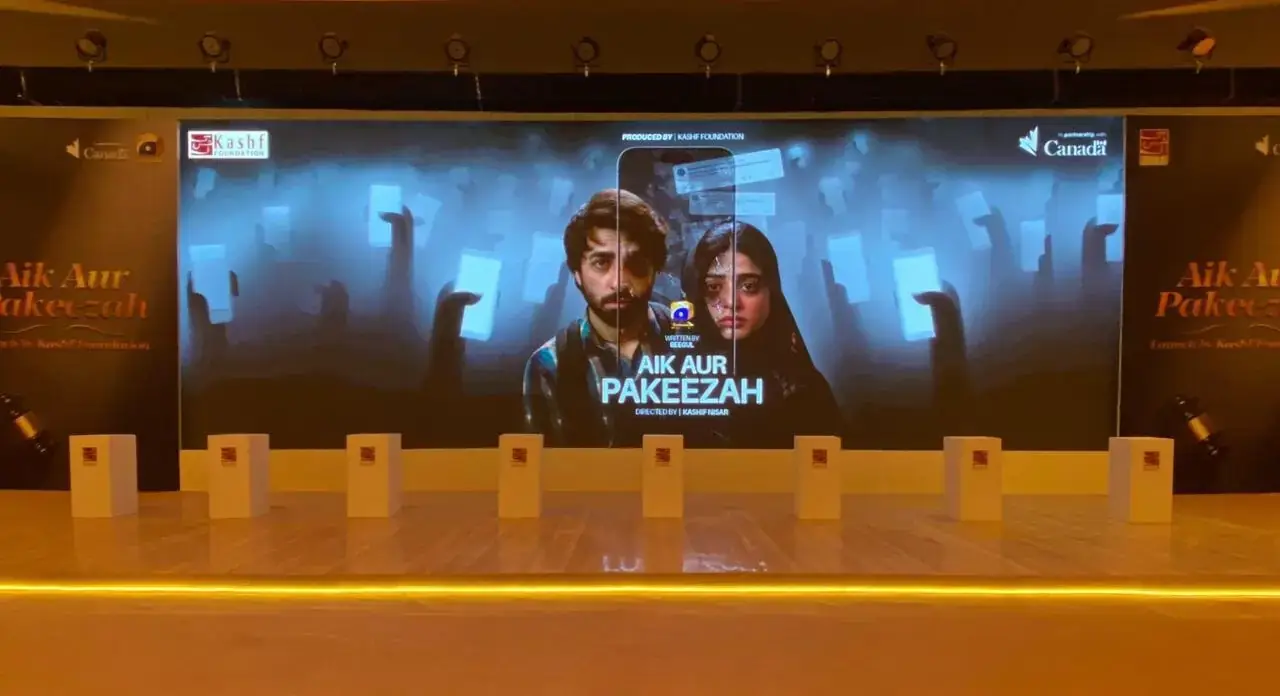
Cybercrime, Digital Shame & The Cost of Online Harm
Introduction: When the Internet Becomes Judge and Jury
In 2025, Kashf Foundation stepped firmly into the digital age with one of its most timely productions: Aik Aur Pakeezah.
If earlier entries in the Kashf Foundation dramas list explored child abuse, emotional trauma, trafficking, and patriarchy, this series confronted a modern battlefield:
Cybercrime, online harassment, digital blackmail, and character assassination in the age of social media.
At a time when smartphones are everywhere and reputations can be destroyed in seconds, Aik Aur Pakeezah captured the psychological devastation caused by digital exploitation.
Story Overview: A Reputation Destroyed Overnight
The drama centers around a young woman whose life spirals out of control after becoming the victim of digital exploitation.
What begins as trust — sharing personal information or images — turns into:
- Online blackmail
- Character assassination
- Public humiliation
- Viral misinformation
Within hours, her private life becomes public spectacle.
The series shows how:
- Social media amplifies shame
- Society judges without evidence
- Victims are blamed
- Digital footprints become permanent
The title itself, Aik Aur Pakeezah (Another Pure Woman), is deeply ironic — questioning how society measures “purity” in the digital age.
The Core Issue: Cybercrime in Pakistan
With increasing internet access, Pakistan has seen rising cases of:
- Revenge porn
- Online blackmail
- Fake profiles
- Deepfake manipulation
- Harassment campaigns
Unlike physical crimes, digital harm spreads rapidly and often anonymously.
Among Pakistani dramas about cybercrime, Aik Aur Pakeezah is one of the first mainstream series to tackle the issue at this scale.
The Aim Behind Aik Aur Pakeezah
Guided by Roshaneh Zafar, Kashf Foundation sought to:
1. Raise Awareness About Digital Safety
The drama highlights:
- The risks of oversharing
- Importance of privacy settings
- Dangers of trusting online acquaintances
2. Promote Legal Literacy
It references cybercrime reporting channels and legal recourse, encouraging victims to seek help rather than remain silent.
3. Shift Victim-Blaming Narratives
One of the most powerful aspects of the series is its confrontation of societal judgment.
Instead of asking:
“Why did she share?”
The drama asks:
“Why did he exploit?”
Psychological Trauma in the Digital Age
Unlike physical violence, cyber harassment attacks reputation and identity.
The protagonist experiences:
- Anxiety
- Panic attacks
- Social withdrawal
- Insomnia
- Depression
The show carefully portrays how digital humiliation can feel inescapable — especially in conservative societies where honor is heavily emphasized.
This psychological depth aligns with previous Kashf productions like Khaas, but applied to a modern technological context.
Media Coverage & Public Attention
The drama received extensive coverage from major publications, including:
- Dawn Images
- The Express Tribune
- The Nation
It was also launched in collaboration with awareness initiatives supported by the Government of Canada, emphasizing international backing for digital rights awareness.
Such coverage elevated the show beyond entertainment into policy-level conversation.
Public Reaction: Timely and Necessary
Viewers described the series as:
- Uncomfortable but realistic
- Painfully relatable
- Socially urgent
- Educational
Young audiences especially resonated with the portrayal of:
- Social media culture
- Cancel culture
- Online rumor spread
- Screenshot-based harassment
In the broader discussion of best Pakistani issue-based dramas, Aik Aur Pakeezah stands out for addressing a problem that affects urban youth directly.
Social Media as Character
Interestingly, in this drama, social media itself functions almost like a character:
- Anonymous accounts act as antagonists
- Viral trends amplify damage
- Comment sections become battlegrounds
This narrative technique modernizes the structure of Pakistani social issue dramas, adapting storytelling to the digital era.
Generational Divide
The drama also explores generational misunderstanding:
- Older family members struggle to comprehend digital risks
- Younger characters navigate online culture intuitively
- Parents often respond with shame instead of support
This dynamic highlights the need for cross-generational digital education. This drama represents Kashf Foundation’s evolution into modern issues.
Gendered Online Harassment
The series highlights how women are disproportionately targeted in digital scandals.
Common patterns include:
- Slut-shaming
- Moral policing
- Screenshot sharing
- Viral rumor campaigns
The narrative emphasizes that digital violence is still violence.
Legal & Educational Impact
After airing, discussions increased about:
- Pakistan’s cybercrime laws
- Reporting mechanisms
- Digital consent
- Online privacy
Educational institutions referenced the show in awareness seminars — reinforcing the educational impact of Kashf Foundation social dramas.
Why This Drama Matters in 2026
As deepfake technology, AI manipulation, and cyberbullying continue to rise, Aik Aur Pakeezah feels increasingly urgent.
It bridges:
- Technology
- Gender
- Law
- Mental health
Few Pakistani dramas about cybercrime manage to combine all these elements effectively.
Lessons from Aik Aur Pakeezah
- Digital consent matters.
- Online actions have real-world consequences.
- Victims deserve support, not shame.
- Awareness is protection.
Cultural Significance
With the digital landscape evolving rapidly, Aik Aur Pakeezah positions Kashf Foundation as a forward-thinking organization.
It proves that:
- Social issues evolve.
- Storytelling must adapt.
- Awareness must move with technology.
Conclusion
Within the comprehensive Kashf Foundation dramas list, Aik Aur Pakeezah represents the organization’s transition into the digital era.
It captures a painful modern truth:
In the age of the internet, reputation can be destroyed in seconds — but healing takes much longer.
By addressing cybercrime and digital shame, Kashf Foundation once again used storytelling as a vehicle for protection and empowerment.
Kashf Foundation Dramas: Aakhri Station
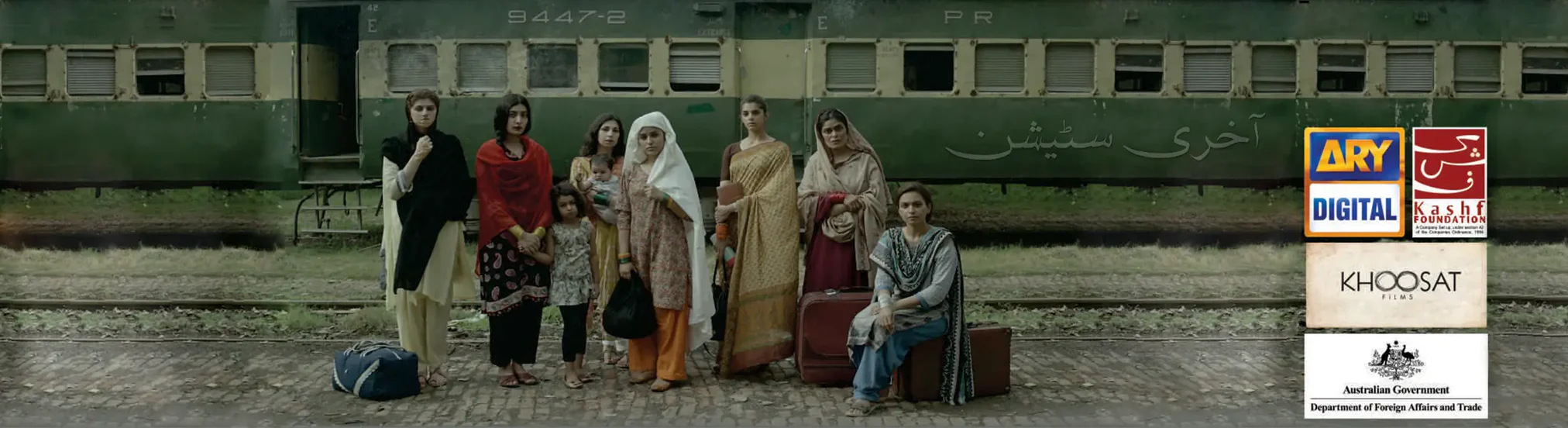
Trauma, Survival, and the Healing of Women
Introduction: A Shelter for the Silenced
Released in 2018, Aakhri Station is one of the most intense entries in the Kashf Foundation dramas list.
It centers on a women’s shelter — a symbolic “last station” for those abandoned, abused, or discarded by society.
Core Issues Explored
- Domestic violence
- Child marriage
- Forced marriage
- Marital rape
- Legal vulnerability of women
Unlike crime-based thrillers, the drama focuses on emotional recovery and solidarity among women.
Thematic Strength
The drama challenges a dangerous myth:
Women are responsible for preserving family honor — even at the cost of their safety.
Instead, it argues:
- Survival is strength.
- Leaving abuse is courage.
- Healing requires community.
Cultural Impact
Aakhri Station was widely discussed in academic circles for portraying multiple female narratives within one framework. It became a reference point in conversations about safe spaces for women in Pakistan.
Kashf Foundation Dramas: Kuch Ankahi
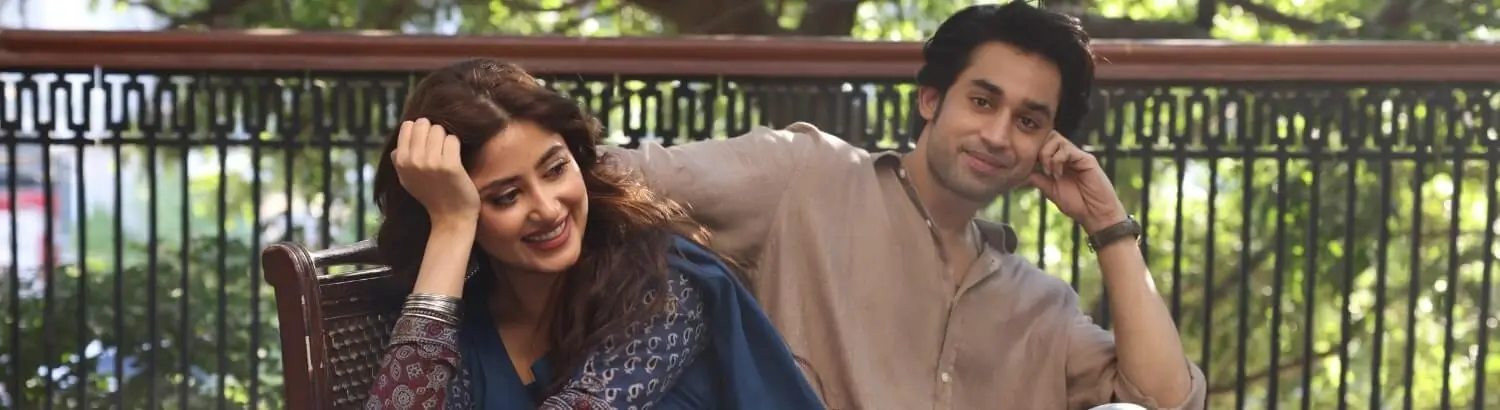
Financial Independence and the Politics of Inheritance
Introduction: The Economics of Empowerment
Unlike the darker tone of Aakhri Station, Kuch Ankahi (2022) uses warmth and humor to explore serious issues — particularly women’s financial rights.
Central Conflict
The story revolves around:
- Property inheritance disputes
- Women’s right to economic ownership
- Family power dynamics
The female protagonist navigates a society where financial control often equals social control.
Key Themes
- Economic empowerment is social empowerment.
- Inheritance laws exist — but are rarely implemented fairly.
- Middle-class women face invisible financial suppression.
Tone and Approach
What makes Kuch Ankahi unique among Kashf Foundation social dramas is its lighter storytelling style.
It proves that:
Social reform narratives do not always require tragedy — they can thrive through relatability and wit.
Broader Significance
The drama brought renewed public attention to Islamic inheritance laws and the gap between religious principles and cultural practices..
Recurring Themes Across All Two
1. Women’s Voice
Silence is portrayed not as virtue — but as suppression.
2. Structural Inequality
The antagonist is rarely a single villain.
The real conflict lies in systems: law, culture, economy.
3. Empowerment Through Awareness
Rather than offering unrealistic happy endings, these dramas offer recognition — and recognition sparks reform.
Cultural and Academic Relevance
University discussions on Pakistani media representation frequently reference these dramas when analyzing:
- Feminist undertones in television
- Social entrepreneurship through media
- Narrative-based advocacy
They demonstrate that television can function as policy dialogue in emotional form.
Within the evolving landscape of Pakistani television, Kashf Foundation dramas stand apart because they prioritize purpose over popularity.
- Aakhri Station gave voice to trauma.
- Kuch Ankahi normalized women’s financial independence.
Together, they show that social reform is not always loud.
Sometimes, it begins quietly — in living rooms, in conversations, and in stories that dare to reflect reality.
Kashf Foundation – The Media Campaign Strategy Behind Its Social Dramas
Introduction: These Dramas Are Not Accidental
When analyzing the Kashf Foundation dramas list, one thing becomes clear:
These productions are not just television projects.
They are carefully designed social interventions.
From Rehaii to Udaari, from Dil Na Umeed To Nahi to Aik Aur Pakeezah, every drama follows a structured impact model rooted in research, behavioral science, and advocacy.
Step 1: Issue Selection – Data Before Drama
Unlike conventional production houses that prioritize ratings, Kashf Foundation begins with research.
Under the leadership of Roshaneh Zafar, the organization identifies:
- High-impact social problems
- Under-discussed taboo topics
- Structural gender inequalities
- Legal awareness gaps
Each topic corresponds to documented societal challenges.
This research-driven approach differentiates Kashf Foundation social dramas from typical entertainment serials.
Step 2: Behavioral Change Framework
Kashf Foundation applies principles of:
- Social norm theory
- Narrative persuasion
- Emotional engagement
- Role-modeling
The idea is simple:
People are more likely to change beliefs through stories than lectures.
Each drama includes:
- A relatable protagonist
- A visible consequence for harmful behavior
- A hopeful alternative outcome
- Community-level reflection
This creates emotional investment, which encourages long-term awareness.
Step 3: Script Development – Balancing Art & Advocacy
A major challenge in Pakistani social issue dramas is avoiding preachiness.
Kashf’s approach includes:
- Hiring experienced writers
- Conducting consultations with legal experts
- Collaborating with psychologists
- Fact-checking real-world accuracy
For example:
- In Udaari, child protection realities were reflected sensitively.
- In Aik Aur Pakeezah, digital harm scenarios mirrored real cases.
- In Dil Na Umeed To Nahi, trafficking systems were researched extensively.
The goal is authenticity without sensationalism.
Step 4: Strategic Media Partnerships
To maximize reach, Kashf collaborates with mainstream television channels and production partners.
This ensures:
- Prime-time slots
- National coverage
- Mass audience exposure
Additionally, media outlets such as:
- Dawn Images
- The Express Tribune
- The Nation
often provide coverage, amplifying discussion.
Step 5: International Collaborations
Some projects, including Aik Aur Pakeezah, have received support from international partners like the Government of Canada.
These collaborations help:
- Expand funding
- Increase credibility
- Connect local issues to global frameworks
- Align with international human rights goals
This model strengthens both financial sustainability and global visibility.
Step 6: Community Engagement Beyond TV
Kashf Foundation does not stop at broadcasting.
Post-airing initiatives often include:
- Community dialogues
- School awareness sessions
- University seminars
- Social media campaigns
- Policy advocacy
For example:
After Udaari aired, discussions around child abuse reporting increased significantly.
After Khaas, conversations around emotional abuse and narcissism trended online.
After Aik Aur Pakeezah, digital literacy workshops gained traction.
This demonstrates how the Kashf Foundation dramas list functions as part of a broader awareness ecosystem.
Step 7: Measuring Impact
Unlike conventional drama producers, Kashf evaluates:
- Viewer feedback surveys
- Media coverage analysis
- Social media sentiment
- Behavioral discussion shifts
Impact is measured not only by ratings but by:
- Increased reporting awareness
- Public dialogue
- Educational references
- Policy conversations
This evaluation framework positions Kashf as both media producer and social change architect.
Why This Strategy Is Unique in Pakistan
Most Pakistani dramas focus on:
- Romance
- Family conflict
- Wealth disparity
- Inheritance disputes
Kashf Foundation’s approach is different because:
- It prioritizes social justice.
- It centers marginalized voices.
- It integrates research into storytelling.
- It seeks measurable awareness outcomes.
This hybrid model of entertainment + advocacy is rare in South Asian television
The Risk Factor
Addressing taboo issues comes with:
- Censorship risk
- Public backlash
- Political sensitivity
- Lower commercial appeal
Yet, Kashf Foundation consistently chooses impact over profit.
This strategic bravery has built its reputation as a leader in issue-based Pakistani dramas.
The Narrative Formula: Pain + Reflection + Hope
Across the entire Kashf Foundation dramas list, a consistent storytelling pattern emerges:
- Identify a social injustice
- Show its emotional consequences
- Present community response
- Offer a hopeful path forward
This structure ensures that viewers are not left in despair but inspired toward awareness.
Challenges in Producing Social Dramas
Even with strong planning, challenges remain:
- Audience fatigue from heavy topics
- Pressure for commercial ratings
- Misinterpretation of religious or cultural themes
- Social media backlash
Despite these obstacles, Kashf continues producing bold narratives.
The Role of Women-Centered Storytelling
A recurring theme across all Kashf dramas is:
Centering women’s lived experiences.
From rural child brides to urban cybercrime victims, the focus remains on:
- Female agency
- Emotional resilience
- Structural inequality
- Empowerment journeys
This consistent feminist lens distinguishes Kashf Foundation within Pakistani television.
Long-Term Media Influence
Over the years, Kashf Foundation’s success has influenced:
- Other production houses experimenting with social themes
- Increased psychological depth in mainstream dramas
- More open discussions about taboo issues
It has shifted expectations of what Pakistani social issue dramas can achieve.
Conclusion
Behind every Kashf drama is:
- Research
- Strategy
- Advocacy
- Courage
These productions are not isolated artistic efforts.
They are structured social change campaigns disguised as television dramas.
By combining behavioral science with storytelling, Kashf Foundation has redefined the purpose of Pakistani television.
Kashf Foundation – Awards, Achievements & National Recognition
Introduction: When Social Storytelling Earns Respect
Producing Pakistani social issue dramas is risky. They are heavier, controversial, and often less commercially glamorous than romantic serials.
Yet over the years, Kashf Foundation’s dramas have not only sparked public dialogue — they have earned critical acclaim, awards, and international recognition.
From Udaari to Dil Na Umeed To Nahi and Aik Aur Pakeezah, these productions have shifted the standards of what meaningful television looks like in Pakistan.
This chapter explores:
- Major awards and nominations
- Industry recognition
- International appreciation
- Media acknowledgment
- Institutional achievements
- Long-term credibility impact
Udaari – A Landmark in Award Circuits
Among the entire Kashf Foundation dramas list, Udaari remains the most decorated and widely recognized.
Industry Recognition
The drama received multiple nominations across major Pakistani award platforms for:
- Best Drama Serial
- Best Actress
- Best Supporting Actress
- Best Writer
- Social Impact Recognition
More importantly, it became a benchmark for socially responsible storytelling.
Cultural Achievement Beyond Trophies
Awards matter — but social impact matters more.
After Udaari aired:
- NGOs reported increased public engagement on child abuse awareness.
- Schools began organizing protective education discussions.
- Media debates shifted toward accountability and reporting laws.
Few Pakistani social issue dramas have achieved this dual recognition — both artistic and societal.
Dil Na Umeed To Nahi – Critical Acclaim Over Commercial Ratings
While darker in tone and less commercially mainstream, Dil Na Umeed To Nahi earned respect for:
- Bold narrative
- Complex characters
- Realistic portrayal of trafficking
- Ethical storytelling
Critics praised its courage in tackling one of the most underrepresented crimes in Pakistani media.
The drama was frequently highlighted in cultural reviews by platforms like:
- Dawn Images
- The Express Tribune
This kind of media acknowledgment strengthens institutional credibility.
Aik Aur Pakeezah – Timely Recognition
With its focus on cybercrime and digital harassment, Aik Aur Pakeezah entered the conversation at a moment when online abuse cases were increasing.
Its launch was recognized in collaboration with the Government of Canada, reflecting international support for digital rights awareness.
Such partnerships elevate Kashf Foundation’s status beyond entertainment into global advocacy spaces.
Institutional Recognition of Kashf Foundation
Beyond individual dramas, Kashf Foundation itself has earned recognition for:
- Women’s financial empowerment initiatives
- Gender equity advocacy
- Social impact through media
- Development sector innovation
Under the leadership of Roshaneh Zafar, the organization has received:
- International development awards
- Social entrepreneurship honors
- Gender justice recognitions
These awards reinforce credibility behind the Kashf Foundation dramas list.
Why Awards Matter for Social Dramas
Unlike purely commercial entertainment, social dramas require:
- Legitimacy
- Trust
- Institutional backing
Awards serve as validation that:
- The storytelling is impactful.
- The research is credible.
- The message is socially valuable.
For NGOs entering media production, recognition ensures sustainability.
Media Reviews as Recognition
In Pakistan’s television ecosystem, reviews from respected outlets often function as unofficial awards.
For example:
- Thoughtful analyses in Dawn and Tribune
- Cultural commentary on issue-based storytelling
- Editorial discussions about taboo topics
When media institutions consistently reference Kashf productions, it signals cultural authority.
Breaking Barriers Through Recognition
Kashf Foundation’s repeated acknowledgment has:
- Encouraged other producers to explore social themes
- Increased funding opportunities for awareness-driven projects
- Expanded audience expectations for meaningful television
It has gradually normalized serious themes in mainstream entertainment. Each project contributes differently to the organization’s reputation.
The Risk of Controversy as Recognition
Not all recognition is celebratory.
Some dramas faced:
- Regulatory scrutiny
- Social media backlash
- Cultural criticism
However, controversy itself often reflects relevance.
In the case of Udaari, regulatory challenges increased public curiosity and strengthened its visibility.
Long-Term Credibility in Pakistani Media
Today, when viewers hear that a drama is produced by Kashf Foundation, expectations shift.
Audiences anticipate:
- Depth
- Research
- Social awareness
- Strong female narratives
That brand identity is itself an achievement.
Awards vs. Awareness – Which Matters More?
While trophies add prestige, Kashf Foundation consistently emphasizes impact.
The real achievements include:
- National conversations about abuse
- Increased digital safety awareness
- Public discussion about emotional manipulation
- Greater empathy toward trafficking victims
In this sense, awareness is the ultimate aware
Public Reception, Cultural Shift & Social Media Impact of Kashf Foundation Dramas
Introduction: When Television Becomes a National Conversation
In Pakistan, dramas are more than entertainment — they shape opinions, influence family discussions, and even redefine cultural norms.
The Kashf Foundation dramas list stands out because these serials do not merely entertain; they provoke, challenge, and educate. Over the years, audiences have reacted strongly — sometimes with admiration, sometimes discomfort — but rarely with indifference.
This chapter explores:
- Public reception of Kashf Foundation dramas
- Social media impact and digital conversations
- Cultural shifts triggered by their storytelling
- Audience criticism and praise
- How perceptions evolved over time
The Turning Point – Udaari and Mass Awareness
When Udaari aired, it didn’t just trend — it sparked a national reckoning.
Public Reaction
- Parents began discussing child protection openly.
- Teachers used scenes to explain safe/unsafe touch.
- Survivors shared their stories publicly.
For many viewers, this was the first time child sexual abuse awareness in Pakistan was presented so directly on mainstream television.
Social Media Explosion
On Twitter and Facebook:
- Hashtags related to Udaari trended weekly.
- Clips highlighting emotional scenes went viral.
- Public debates about censorship intensified.
This marked a shift in how Pakistani social issue dramas were consumed — not passively, but interactively.
Rehaii – A Slow Burn That Built Awareness
Earlier, Rehaii received quieter but deeply meaningful appreciation.
It tackled early marriages and patriarchal oppression, themes that resonated strongly in rural and conservative households.
Audience Perception
While not a commercial blockbuster, it gained:
- Respect among activists
- Recognition from women’s rights groups
- Positive critical reviews
Over time, it became recognized as a foundational entry in the Kashf Foundation dramas list.
Dil Na Umeed To Nahi – A Hard Watch That Earned Respect
Dil Na Umeed To Nahi was intense, layered, and emotionally heavy.
Public Reaction
- Critics praised its realism.
- Some viewers found it “too dark.”
- Activists applauded its courage.
Despite not being universally “liked,” it was widely respected.
This distinction matters in the context of Pakistani social reform dramas — respect often outweighs mass appeal.
Aik Aur Pakeezah – The Digital Age Drama
With cybercrime as its central theme, Aik Aur Pakeezah entered a hyper-connected media environment.
Social Media Engagement
- Viewers shared personal experiences of online harassment.
- Legal awareness threads circulated widely.
- Influencers discussed digital consent and privacy rights.
This drama blurred the line between fiction and real-life digital vulnerability
Media Coverage & Editorial Influence
Major Pakistani publications amplified audience reactions, including:
- Dawn Images
- The Express Tribune
- The Nation
Editorial reviews often emphasized:
- Social courage
- Responsible storytelling
- Need for continued dialogue
Media amplification strengthened public discourse
Breaking Taboos Through Repetition
One drama can start a conversation.
Multiple dramas can normalize it.
Across the Kashf Foundation dramas list, repeated themes include:
- Women’s autonomy
- Child protection
- Digital safety
- Mental health
- Trafficking awareness
This consistency gradually shifts public tolerance for difficult discussions
Criticism & Resistance
Not all reception was positive.
Common criticisms included:
- “Too bold” storytelling
- “Exaggeration” of social problems
- “Western influence” accusations
However, controversy often expanded reach.
In Pakistan’s cultural landscape, debate itself signals relevance.
The Evolution of Audience Maturity
Over the years, public response has evolved.
Early Years
- Shock and discomfort
- Hesitation to discuss openly
Later Years
- Analytical discussions
- Mental health terminology adoption
- Increased empathy for victims
This progression reflects broader societal change
Social Media as a Catalyst
Unlike early 2010s television, today’s dramas exist in a digital ecosystem.
Platforms like Twitter, Facebook, and Instagram amplify:
- Scene breakdowns
- Character analysis
- Awareness campaigns
- Legal resources
This makes modern Kashf dramas part of a multi-platform awareness movement
Influence on Other Pakistani Dramas
After the success of socially conscious storytelling:
- More writers explored serious topics.
- Channels became open to issue-based scripts.
- Female-centered narratives gained traction.
Kashf’s success indirectly reshaped the industry standard
Measuring Cultural Shift
While difficult to quantify, observable changes include:
- Increased NGO collaborations with media
- Growing comfort discussing mental health
- Public knowledge of digital harassment laws
- Stronger empathy narratives in storytelling
Television became a social education tool.
The Future of Kashf Foundation Dramas – Expanding Social Impact
Introduction: From Awareness to Transformation
Over more than a decade, the Kashf Foundation dramas list has moved Pakistani television beyond conventional entertainment. From Rehaii to Aik Aur Pakeezah, each drama has tackled pressing social issues:
- Child marriage
- Child abuse
- Emotional abuse
- Human trafficking
- Cybercrime
The organization’s approach—research-driven, socially responsible, and impact-oriented—has redefined what issue-based Pakistani dramas can achieve.
Emerging Themes for Future Dramas
As Pakistan evolves socially and technologically, new issues are becoming prominent:
- Mental health awareness and destigmatization
- Climate change and its impact on rural communities
- Gender identity and LGBTQ+ challenges
- Workplace harassment and gender pay gaps
- Online misinformation, AI deepfakes, and evolving cybercrime
Kashf Foundation is uniquely positioned to address these topics while maintaining its research-driven approach.
Digital Expansion & Multi-Platform Storytelling
Future dramas will increasingly leverage digital platforms:
- Streaming platforms for national and international reach
- Social media tie-ins for interactive audience engagement
- Short-form digital content (webisodes, awareness clips)
- Podcasts and online discussions as supplements
This multi-platform strategy ensures that awareness extends beyond television screens.
Enhanced Community Engagement
Kashf Foundation will likely deepen community-level interventions:
- School and university workshops
- Local NGO partnerships for real-life impact
- Feedback loops from viewers to guide narrative authenticity
- Community screenings followed by moderated discussions
This ensures that dramas are not just viewed passively but act as catalysts for behavioral change.
Strengthening International Collaborations
Past collaborations with entities like the Government of Canada demonstrate potential for global partnerships. Future collaborations may include:
- UN Women and international anti-trafficking organizations
- Mental health advocacy groups
- Digital rights organizations
- Cross-border co-productions highlighting South Asian social issues
International collaboration provides funding, credibility, and wider social impact.
Integrating Advanced Research & Data Analytics
Future projects may leverage:
- Data-driven research to identify emerging social issues
- Audience analytics to measure engagement
- Surveys and AI sentiment analysis to evaluate societal impact
- Evidence-based storytelling to maximize awareness and change
This will enhance the scientific credibility of each drama.
Fostering Youth-Centric Storytelling
Younger audiences are increasingly active on social media and digital platforms. Future dramas will:
- Focus on youth-led narratives
- Include social media dynamics as plot points
- Highlight digital literacy and online safety
- Empower young women and marginalized voices
Youth engagement ensures long-term societal change.
Sustainability & Ethical Storytelling
Kashf Foundation prioritizes:
- Ethical portrayal of trauma
- Avoiding sensationalism
- Maintaining dignity of vulnerable populations
- Producing content that educates without exploiting
Future projects will continue balancing artistic freedom with social responsibility.
Expected Social Outcomes
Through ongoing impact measurement, Kashf aims to:
- Increase public awareness on taboo topics
- Shift social norms on women’s rights, child protection, and mental health
- Encourage reporting of crimes and harassment
- Influence policy conversations
- Normalize discussions about mental and emotional well-being
This aligns with the organization’s vision of using television as a tool for social transformation.
Cultural Legacy
By producing issue-based dramas over more than a decade, Kashf Foundation has:
- Established a unique niche in Pakistani media
- Encouraged other producers to address social issues
- Built a recognizable brand of credibility, research, and impact
- Positioned media as a tool for advocacy and education
Future projects will build on this cultural legacy.
The Road Ahead
The next decade promises:
- More intersectional dramas addressing complex societal issues
- Greater integration of technology and social media into storytelling
- Increased global partnerships
- Expanded community engagement for measurable change
- Continued evolution of Pakistani television into a socially responsible platform
Kashf Foundation is not just creating dramas; it is shaping societal consciousness.
Conclusion
From rural stories of child marriage to urban cybercrime crises, the Kashf Foundation dramas list has consistently bridged storytelling and social reform.
The foundation’s dramas are:
- Impactful
- Courageous
- Research-based
- Culturally resonant
By continuing this trajectory, Kashf Foundation ensures that Pakistani television can educate, empower, and transform society for years to come.
Frequently Asked Questions (FAQs)
1. What is the Kashf Foundation and why does it produce TV dramas?
The Kashf Foundation is a nonprofit microfinance institution in Pakistan focused on women’s economic empowerment and social change. Beyond financial services, it uses television dramas as advocacy tools to highlight sensitive societal issues and shift public mindsets through storytelling.
2. Which social issues do Kashf Foundation dramas address?
Their dramas have tackled topics including child marriage, sexual abuse, human trafficking, gender bias, mental health, digital harassment, and cultural stigmas. These themes are woven into narratives to educate, inspire dialogue, and influence attitudes.
3. What are some notable dramas produced by Kashf Foundation?
The foundation’s impactful productions include:
- Rehaai – about child marriage and its consequences.
- Udaari – dealing with child abuse and societal taboos.
- Dil Na Umeed To Nahi – exploring child labour, trafficking, and exploitation.
- Kuch Ankahi – focusing on women’s aspirations across social strata.
- Aik Aur Pakeezah – confronting cybercrime, online harassment, and societal pressure.
4. What is Aik Aur Pakeezah about and why is it significant?
Aik Aur Pakeezah is a drama airing on Geo TV that highlights the impact of cyber harassment and digital violence on women in the internet age, including stigma, coerced marriage, and legal/societal barriers. It aims to spark national conversations on safety and justice.
5. How do these dramas create social impact in Pakistan?
Kashf’s dramas combine research-based storytelling with relatable characters to raise awareness, challenge entrenched norms, and encourage public discourse. Their broadcasts have been linked with increased engagement on issues such as child marriage legislation and recognition of abuse.
6. Are Kashf Foundation’s dramas based on real stories?
Yes — many narratives are rooted in real experiences or research insights that reflect the realities of women and marginalized groups in Pakistan, helping audiences connect emotionally and intellectually with the subject matter.
7. Where can I watch these dramas?
Kashf Foundation’s dramas have aired on major Pakistani television networks such as Hum TV, Geo TV, and ARY Digital depending on the production and distribution arrangements.
8. Why does Kashf Foundation use entertainment for advocacy?
The foundation believes that storytelling opens doors to dialogue in ways direct advocacy cannot — by engaging viewers emotionally, it can normalize conversations about difficult issues and stimulate reflection on cultural norms.