
Introduction to Lulusar Lake
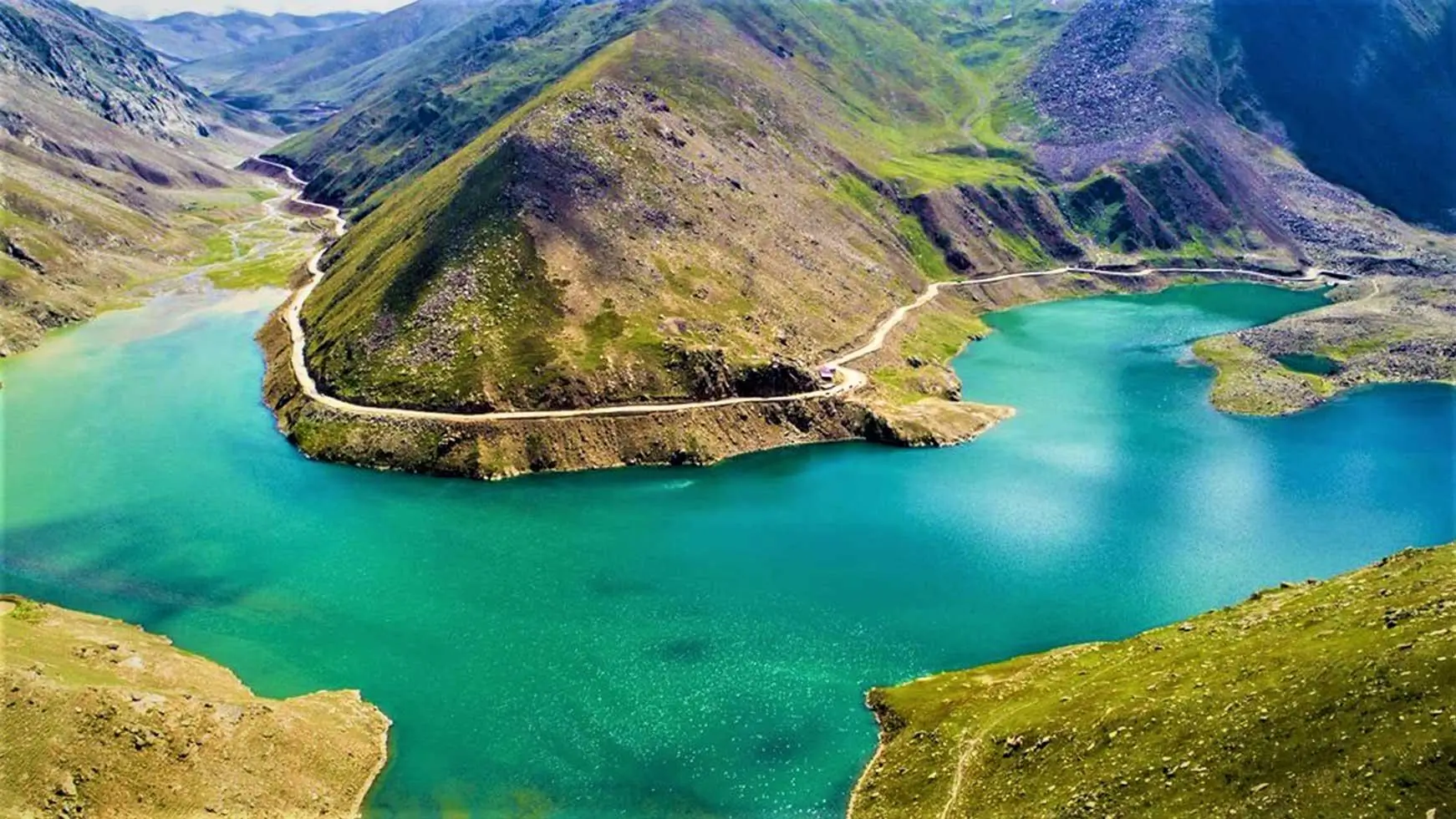
Hidden among the towering mountains of northern Pakistan, Lulusar Lake stands as one of the most captivating natural attractions in the country. Located in the heart of Kaghan Valley, this spectacular alpine lake is renowned for its crystal-clear waters, breathtaking mountain scenery, and ecological importance. While many travellers flock to more famous destinations in northern Pakistan, Lulusar Lake continues to preserve a sense of serenity and untouched beauty that has become increasingly rare in modern tourism.
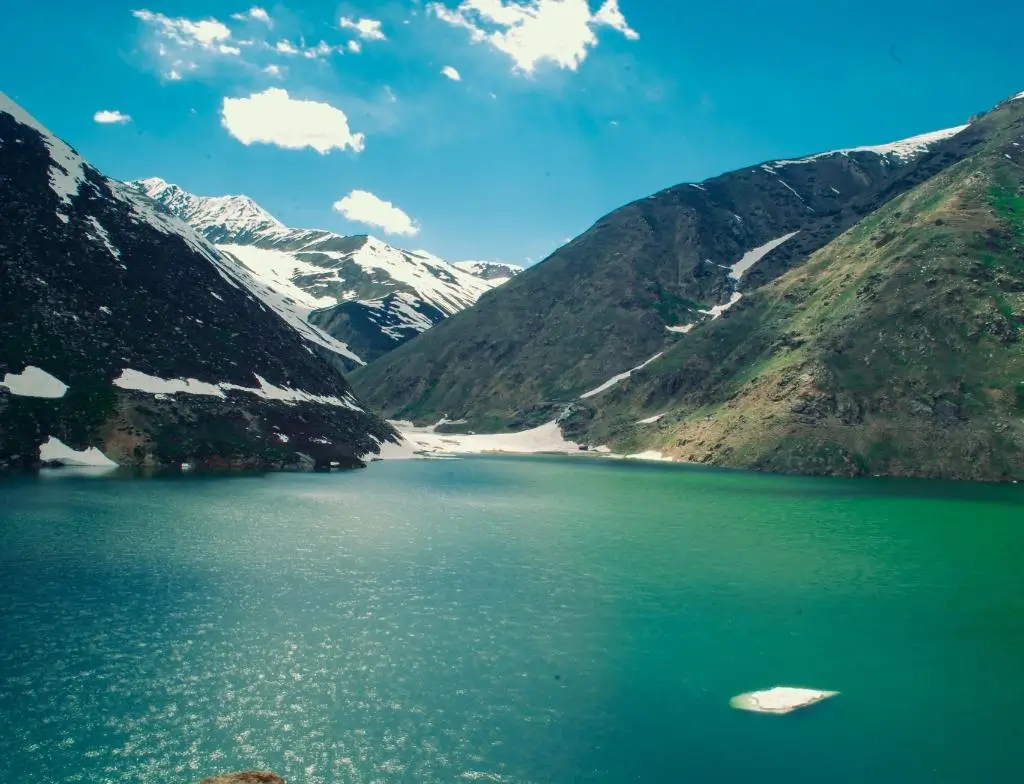
Situated at an elevation of approximately 3,410 metres (11,190 feet) above sea level, the lake occupies a remarkable position amid some of the most dramatic landscapes in the Himalaya-Karakoram region. Its reflective waters mirror surrounding snow-covered peaks, creating views that leave visitors speechless. During summer, lush green meadows and colourful wildflowers transform the area into a paradise for photographers, nature enthusiasts, and adventure seekers.
Beyond its visual appeal, Lulusar Lake plays a vital role in the environmental system of Kaghan Valley. It serves as one of the primary sources of the Kunhar River, a river that sustains communities, agriculture, tourism, and ecosystems throughout the valley.
As travellers continue to explore northern Pakistan, Lulusar Lake has emerged as a destination that combines natural beauty, historical significance, ecological importance, and peaceful surroundings in a single location.
Understanding the Meaning of Lulusar Jheel
The name “Lulusar” carries a fascinating cultural and geographical meaning. The word is generally understood to be composed of two parts.
- Lulu is commonly associated with brilliance, sparkle, or shining beauty.
- ‘Sar’ is a word widely used in the northern mountainous regions of Pakistan and generally means ‘lake’, ‘peak’, ‘summit’, or ‘high place’.
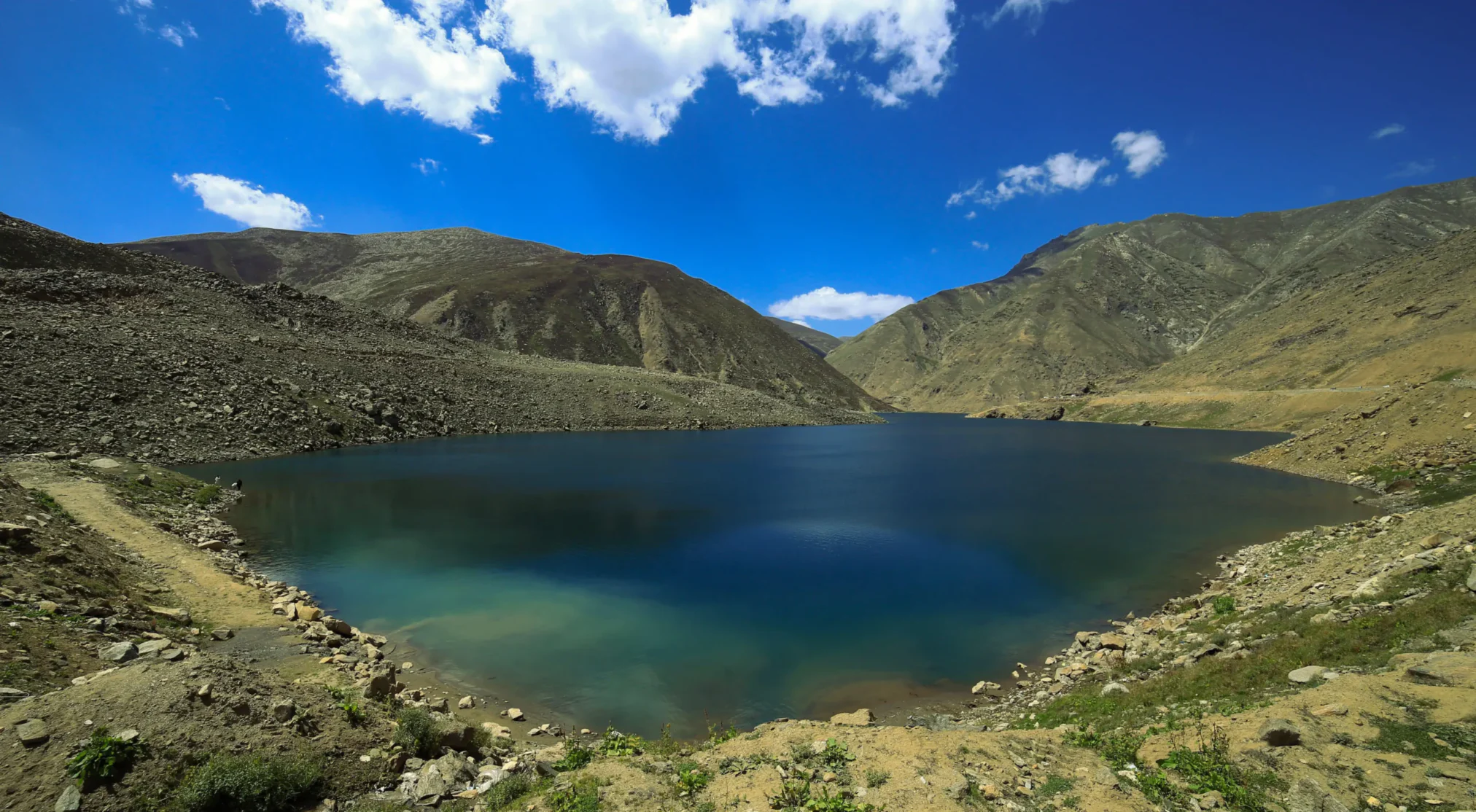
Together, the name evokes the image of a sparkling lake situated among lofty mountain heights. The name is particularly fitting because visitors often describe the lake’s waters as shimmering like a polished mirror beneath the mountain sun. Interestingly, many local traditions suggest that the surrounding mountain range itself was originally called Lulusar, and the lake eventually inherited the same name. This close connection between mountain and lake reflects the interconnected nature of the region’s geography.
Lulusar Lake Location
Lulusar Lake is located in the upper reaches of Kaghan Valley within Mansehra District of Khyber Pakhtunkhwa Province, Pakistan. The lake is situated along the renowned Naran-Babusar Road, one of the country’s most scenic mountain routes. This strategic location makes it accessible to travellers journeying between Naran and Babusar Pass during the summer months.
Key Geographic Facts
| Feature | Details |
| Province | Khyber Pakhtunkhwa |
| District | Mansehra |
| Valley | Kaghan Valley |
| Elevation | 3,410 meters (11,190 feet) |
| Distance from Naran | Approximately 48 km |
| Distance from Islamabad | Approximately 320–330 km |
| Water Source | Glacial melt and mountain streams |
| River System | Source of Kunhar River |
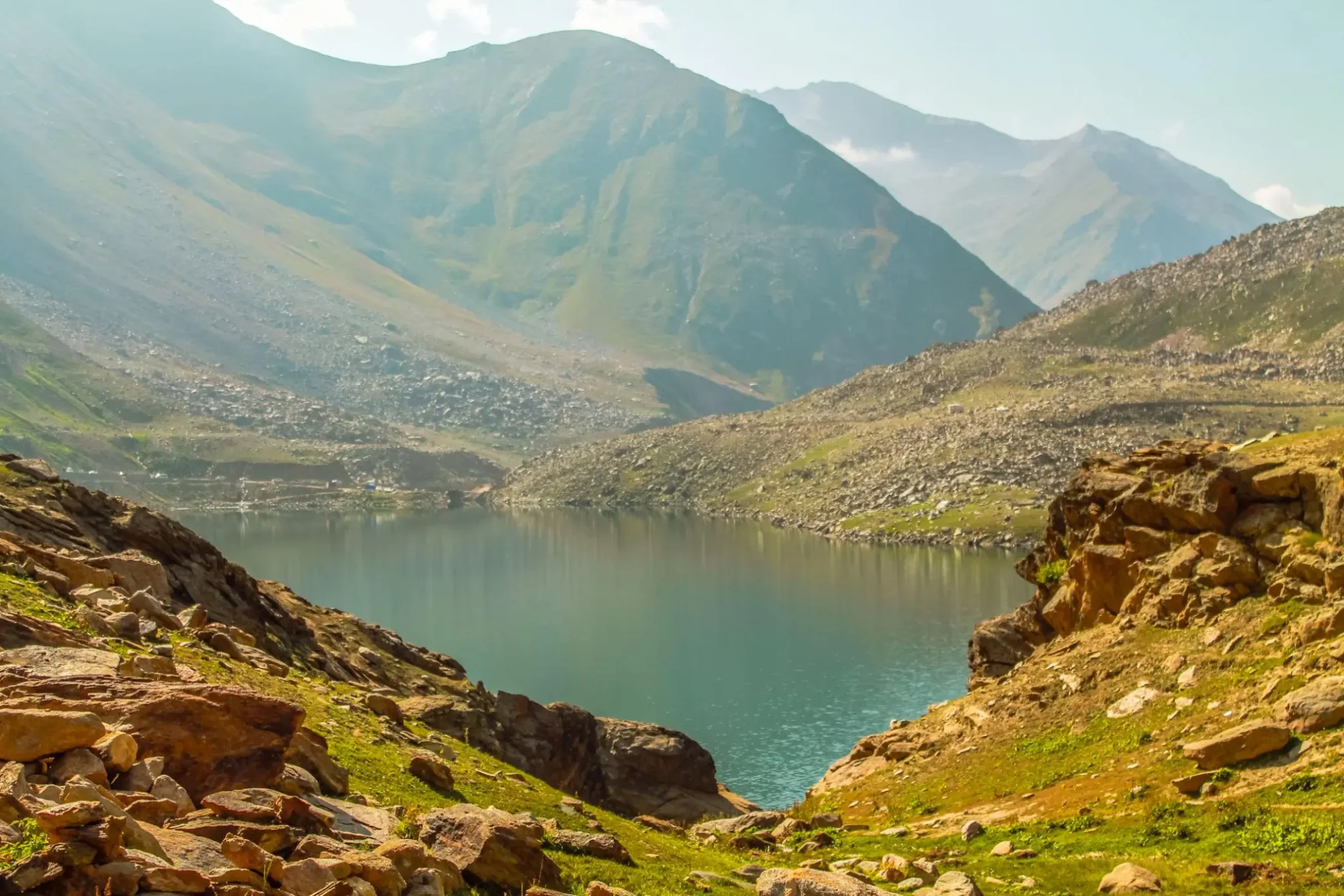
The lake occupies a naturally formed basin surrounded by rugged mountain slopes, alpine meadows, and snow-covered ridges.
The Geological Formation of Lulusar Lake Pakistan
Like many alpine lakes found in northern Pakistan, Lulusar Lake owes its existence to glacial activity that occurred thousands of years ago. During ancient ice ages, massive glaciers slowly moved through the mountains, carving valleys and creating natural depressions in the landscape. As glaciers retreated due to climatic changes, meltwater accumulated within these depressions, gradually forming lakes.
Lulusar Lake represents one of the finest examples of this geological process. The lake continues to receive water from snowfields and glaciers located on surrounding mountains, ensuring a steady supply of fresh, cold water throughout the year.
The geological history of the lake provides valuable insight into the evolution of the Himalayan mountain system and demonstrates the powerful influence glaciers have had on shaping northern Pakistan’s landscapes.
Elevation and High-Altitude Environment
One of the most remarkable features of Lulusar Lake is its elevation. At approximately 3,410 metres above sea level, visitors enter an environment dramatically different from the plains of Pakistan. The high altitude influences every aspect of the region, including:
- Temperature
- Weather patterns
- Plant life
- Wildlife
- Water quality
- Human activity
Even during summer, temperatures remain relatively cool compared to lower elevations. Visitors often experience crisp mountain air and dramatic temperature changes between day and night. The altitude also contributes to the lake’s exceptional clarity. Cold temperatures inhibit excessive biological growth, allowing the water to maintain its pristine appearance.
Because oxygen levels decrease at higher elevations, some visitors may notice mild effects associated with altitude, especially if they arrive directly from lowland areas without gradual acclimatisation.
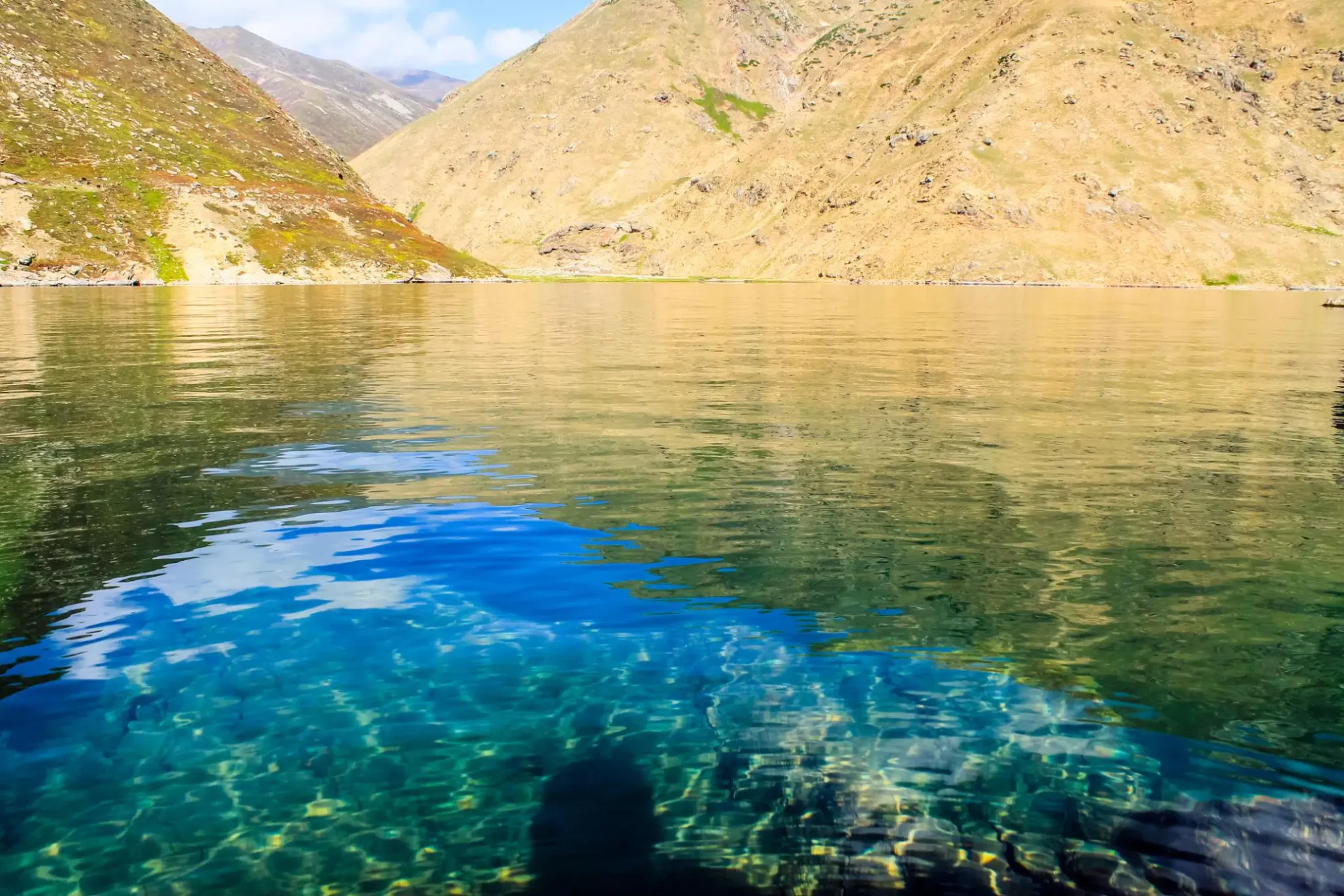
The Crystal-Clear Waters of Lulusar Jheel
The first sight of Lulusar Lake leaves a lasting impression on nearly every visitor. Its water possesses a remarkable clarity that allows sunlight to penetrate deep beneath the surface. Depending on weather conditions, the lake may appear as follows:
- Sapphire blue
- Deep turquoise
- Emerald green
- Silver-gray
- Crystal clear
This changing colouration results from several natural factors.
- Light Reflection: The angle of sunlight significantly influences the lake’s appearance. Early morning light produces gentle blue shades, while midday sunlight intensifies turquoise tones.
- Sky Conditions: Clear skies enhance blue reflections, whereas clouds create dramatic grey and silver hues.
- Water Depth: Different depths absorb and reflect light differently, contributing to variations in colour across the lake’s surface.
- Mineral Content: Natural minerals carried by glacial meltwater can subtly affect the water’s colouration. Together, these factors create an ever-changing visual spectacle that photographers find irresistible.
Why the Lake Appears So Peaceful
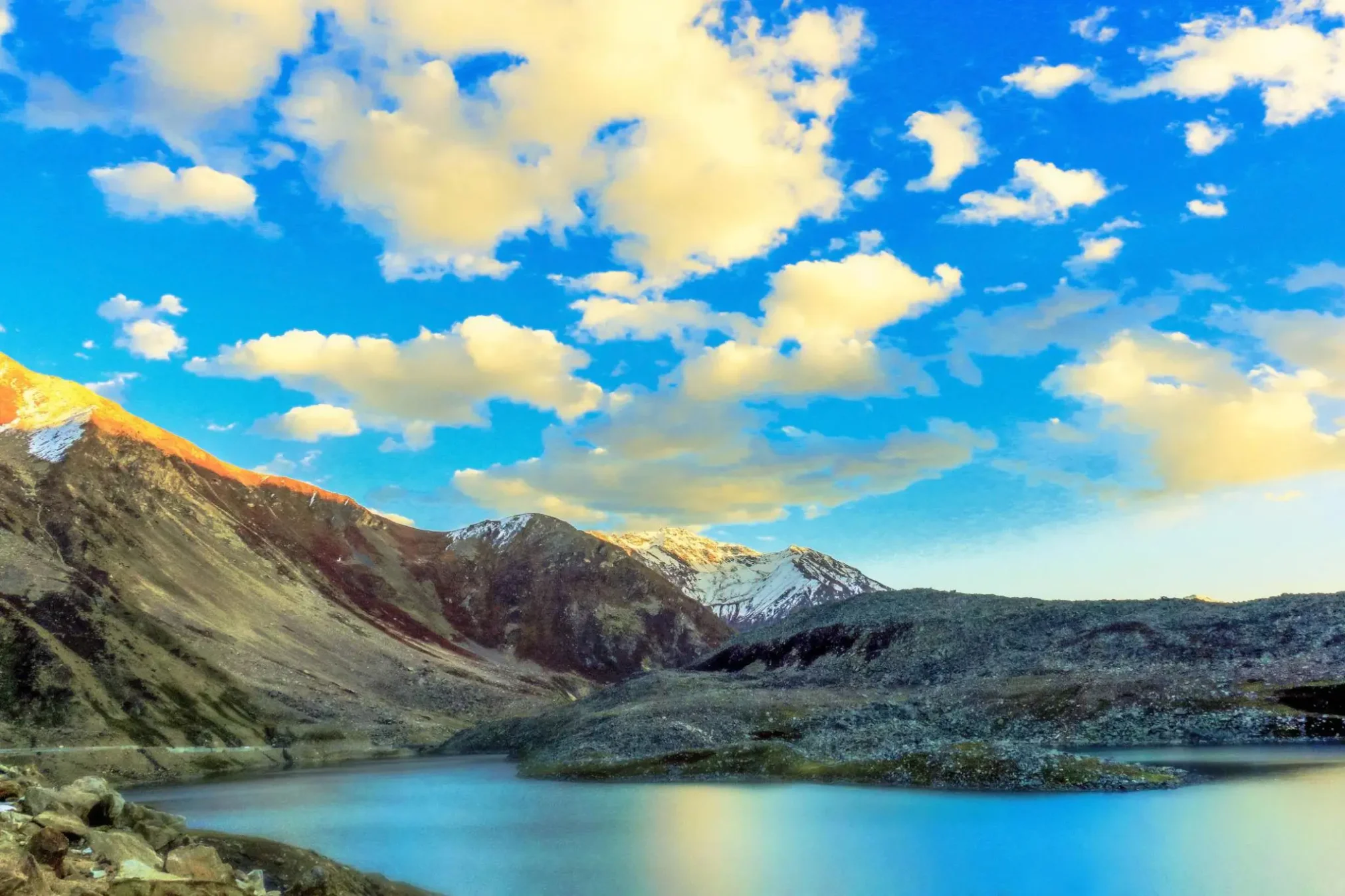
Many travellers describe Lulusar Lake as one of the most peaceful destinations in northern Pakistan. Several factors contribute to this unique atmosphere.
- Distance from Major Urban Centres: The lake is located far from large cities and industrial zones, reducing noise and environmental disturbance.
- Limited Development: Unlike heavily commercialised tourist locations, the area around the lake remains largely undeveloped.
- Natural Soundscape: Visitors hear flowing streams Gentle winds
- Bird calls
- Rustling grasses
These natural sounds create a calming environment. The expansive mountain scenery encourages reflection and relaxation. Without crowded urban surroundings, visitors can fully appreciate the grandeur of nature.
The Source of the Kunhar River
One of the most significant aspects of Lulusar Lake is its role in the hydrological system of Kaghan Valley. The lake serves as one of the principal headwaters of the Kunhar River, a river that flows through much of the valley before eventually joining larger river systems. Water originating from Lulusar Lake travels through:
- Jalkhad
- Naran
- Kaghan
- Jared
- Paras
- Balakot
Before ultimately merging with the Jhelum River system. The Kunhar River supports agriculture, local communities, tourism, fisheries, hydroelectric projects, and wildlife habitats. Without water sources such as Lulusar Lake, the environmental and economic vitality of Kaghan Valley would be significantly diminished.
Lulusar Lake and the Surrounding Mountain Landscape
The mountains surrounding Lulusar Lake are among its most defining features. Towering peaks rise dramatically above the shoreline, creating a spectacular natural amphitheatre. Throughout much of the year, these mountains remain covered in snow, providing a stunning contrast against the blue waters below.
Alpine Meadows Around the Lake
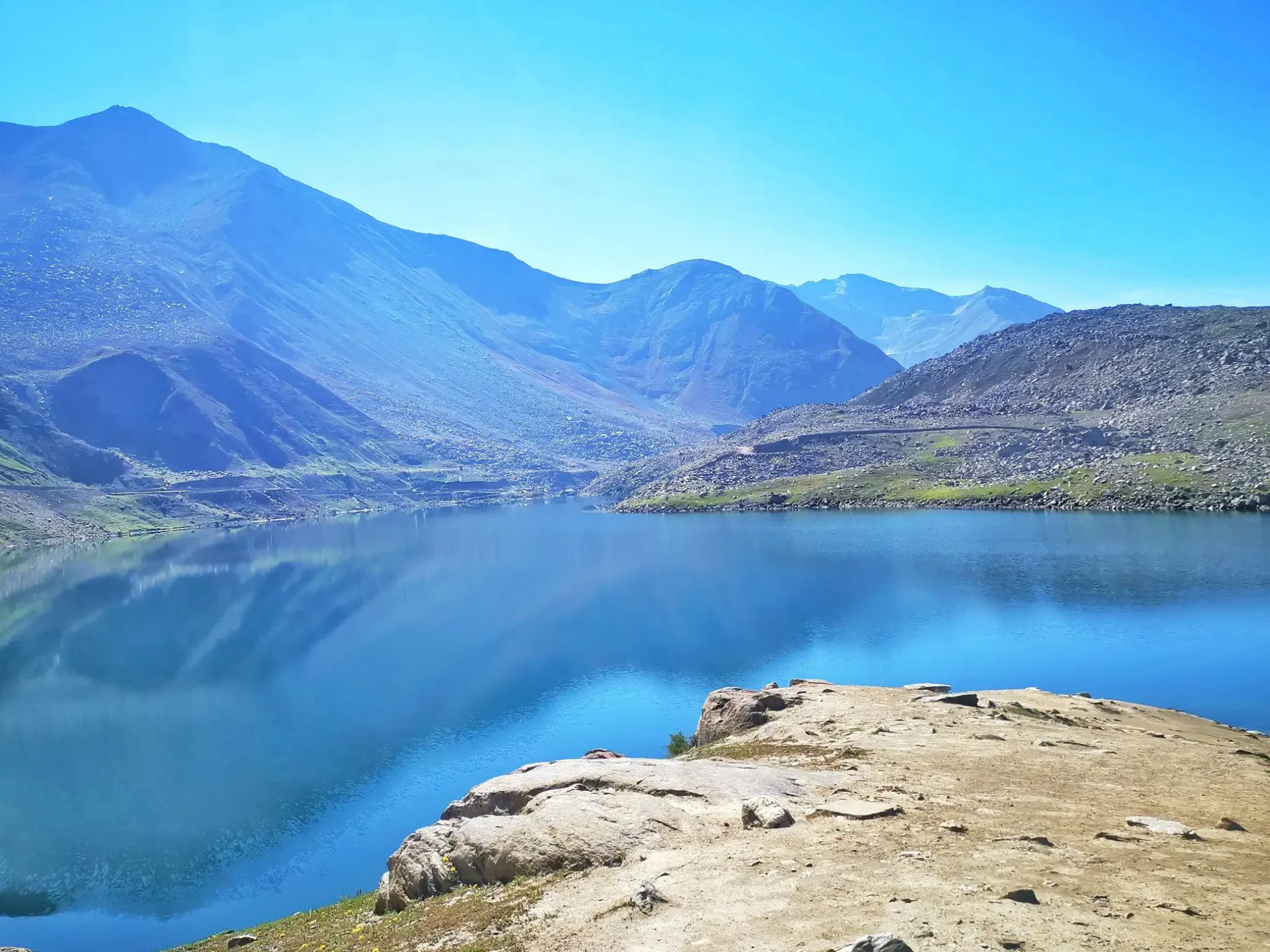
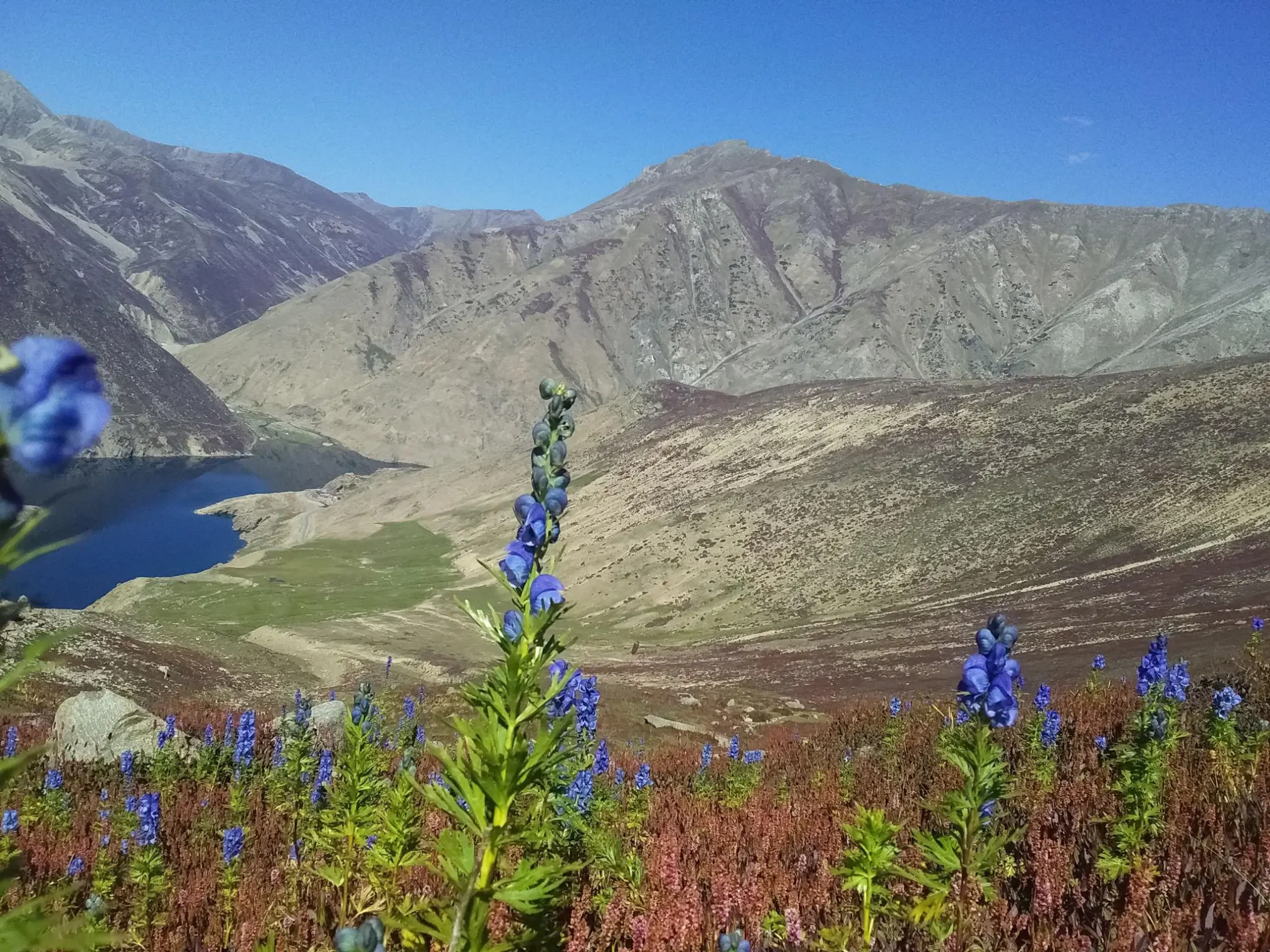
One of the lesser-known treasures surrounding Lulusar Lake is the extensive network of alpine meadows. During summer, these meadows become vibrant ecosystems filled with:
- Wildflowers
- Native grasses
- Medicinal plants
- Pollinating insects
The colourful meadows create striking contrasts against the rocky mountains and blue waters. These grasslands also support local livestock grazing, a traditional practice that has sustained mountain communities for generations. Visitors often encounter herds of sheep, goats, yaks, and cattle. Adding to the area’s picturesque rural charm.
Seasonal Beauty Throughout the Year
Lulusar Lake undergoes remarkable transformations across different seasons. Each season reveals a different aspect of the lake’s personality.
- In spring, as the snow begins melting, streams swell with fresh water. The landscape gradually awakens after winter.
- Summer is the most popular season for tourism. Warm temperatures, open roads, blooming flowers, and clear skies create ideal conditions.
- In autumn, the crowds diminish, and the scenery takes on a more tranquil character. Cooler temperatures and enhanced visibility make autumn attractive for photographers.
- Winter: Heavy snowfall isolates the region. The lake often freezes partially or completely, creating a dramatic but inaccessible landscape.
Why Lulusar Lake Stands Apart from Other Lakes
Pakistan contains numerous beautiful lakes, particularly in its northern regions. Yet Lulusar Lake occupies a special position among them. These qualities make Lulusar Lake an essential destination for anyone exploring northern Pakistan. Several characteristics distinguish it:
- Accessibility – Unlike many alpine lakes requiring strenuous trekking, Lulusar Lake can be reached directly via road during the open season.
- Size – It is among the largest natural lakes in the Hazara region.
- Ecological Importance – Its role as a major source of the Kunhar River enhances its significance beyond tourism.
- Scenic Setting – Few lakes combine such dramatic mountain scenery with easy accessibility.
- Relative Tranquillity – The area remains less crowded than many other famous destinations, preserving a sense of wilderness.
Historical Background of Lulusar Lake
Lulusar Lake is not only a geographical landmark but also a site deeply connected with the historical narrative of northern Pakistan. Its location along ancient mountain routes meant that it naturally became part of seasonal migration paths, trade corridors, and military movements that shaped the history of the broader Kaghan Valley. Long before modern tourism reached the region, local shepherd communities, traders, and travellers used the surrounding passes as passageways between valleys.
Lulusar Lake, positioned near these historic routes, functioned as a natural reference point for navigation in a landscape dominated by towering mountains and unpredictable weather conditions.
During the era of pre-colonial and colonial movements across the Indian subcontinent, the Kaghan Valley served as a strategic passage toward Gilgit and beyond. Lulusar’s proximity to Babusar Pass made it an important geographical marker for travellers crossing between regions.
Connection with the 1857 Historical Narrative
One of the most widely referenced historical associations of Lulusar Lake is its connection to the events of 1857, the year of the Indian War of Independence against British rule.
According to local accounts and historical references passed down through oral tradition, the lake area is believed to be linked with the arrest or movement of individuals connected to the resistance of that period. While historical documentation varies in detail, the association has contributed to the lake’s cultural memory.
It is essential to recognise that in mountainous regions like Kaghan Valley, many historical narratives are preserved through oral storytelling traditions rather than formal written records. As a result, Lulusar Lake’s historical identity is shaped by both documented geography and oral heritage.
Cultural Importance in Local Communities
For the people living in Kaghan Valley and surrounding areas, Lulusar Lake holds cultural and emotional significance beyond tourism. Mountain communities often develop deep relationships with natural landscapes, and Lulusar Lake is no exception. It is seen as:
- A source of life through the Kunhar River
- A symbol of natural purity
- A seasonal landmark for migration and grazing routes
- A spiritual representation of untouched nature
Local communities traditionally depend on seasonal cycles, and the lake’s environment plays a role in shaping agricultural and pastoral activities in downstream valleys. During summer months, herders bring livestock to alpine meadows near the lake, continuing centuries-old pastoral traditions that are closely tied to the rhythms of nature.
Local Legends and Folklore
Like many natural landmarks in northern Pakistan, Lulusar Lake is surrounded by folklore that blends imagination, emotion, and cultural storytelling. One of the most common themes in local narratives is the idea of hidden beauty and spiritual presence within the lake. Elders in nearby communities often describe the lake as a place of quiet power, where nature speaks through silence rather than sound. Another recurring theme in folklore is the concept of transformation.
Stories suggest that the lake’s shifting colours represent changing moods of nature, reflecting harmony between sky, mountains, and water. Although different versions of legends exist, they share a common emphasis on respect for nature and the idea that Lulusar Lake is more than just a physical location—it is a living landscape.
The Myth of the “Sparkling Waters”
One symbolic legend describes Lulusar Lake as the “sparkling mirror of the mountains”. According to local storytelling traditions, the lake was formed when mountain spirits gathered light from the sky and placed it within a basin carved by ancient glaciers.
This poetic explanation reflects how communities interpret natural phenomena through cultural imagination. The shimmering surface of the lake, especially during sunrise and sunset, reinforces this perception of “sparkling waters”, giving rise to its name interpretation. While scientifically the lake’s appearance is due to glacial meltwater and light reflection, the mythological narrative continues to enrich its cultural identity.
Introduction to Lulusar–Dudipatsar National Park
Lulusar Lake is part of the larger Lulusar–Dudipatsar National Park, one of the most important protected ecological zones in northern Pakistan. The park covers a vast mountainous region that includes lakes, glaciers, valleys, and meadows. Lulusar Lake serves as one of its most prominent natural features. This national park was established to preserve the following:
- Alpine ecosystems
- Endangered wildlife species
- Glacial water systems
- High-altitude flora
- Natural landscapes of Kaghan Valley
Ecological Significance of the National Park
The park plays a crucial role in water conservation by protecting the headwaters of the Kunhar River system. Snowmelt and glacier-fed lakes, particularly Lulusar Lake, ensure a continuous flow of water downstream, which supports agriculture in valley towns, contributes to hydroelectric power generation, provides drinking water supplies, and sustains ecosystems throughout the region. The park also helps regulate the local climate through its high-altitude forests and alpine vegetation, which reduce soil erosion, maintain moisture balance, and support natural cloud formation cycles.
In addition, its protected status plays a vital role in biodiversity preservation by providing a relatively undisturbed habitat where diverse wildlife and plant species can thrive and continue their natural
Flora of the Lulusar Region
The vegetation surrounding Lulusar Lake is specially adapted to harsh high-altitude conditions, where cold temperatures, strong winds, and a short growing season shape plant life.
Alpine Grasslands
The dominant vegetation during summer consists of alpine grasslands. These hardy grasses are well adapted to survive extreme temperature fluctuations and nutrient-poor soils, forming the primary ground cover across the slopes and valleys.
Wildflowers
In peak summer, the landscape transforms into a vibrant mosaic of wildflowers, adding striking colour to the otherwise rugged terrain. Common species include:
- Blue poppies
- Buttercups
- Alpine daisies
These flowering plants are vital for the ecosystem, supporting pollinators such as bees and butterflies and helping maintain ecological balance in the region.
Medicinal Plants
The region also hosts a variety of alpine medicinal plants, traditionally used by local communities for healing and natural remedies. Growing in pristine, undisturbed mountain soils, these plants are an important part of indigenous knowledge systems and reflect the close relationship between local people and their environment.
Fauna and Wildlife Around Lulusar Lake
The Lulusar region supports a variety of wildlife species adapted to high-altitude conditions.
Mammals
These animals are generally elusive and avoid human presence, making sightings rare. Some of the mammals found in the surrounding areas include:
- Himalayan ibex
- Brown bears (in higher protected zones)
- Fox species
- Marmots
- Small mountain rodents
Birdlife
Lulusar Lake is also an important habitat for birds, especially migratory and alpine species. Birdwatching is one of the quiet but rewarding activities in the region due to the diversity of species. Common birds include:
- Golden eagles
- Himalayan snowcocks
- Falcons
- Waterfowl species during migration seasons
Biodiversity and Ecological Balance
The ecosystem around Lulusar Lake is delicate and deeply interconnected, where every natural element—from melting glaciers to alpine grasses—plays a role in maintaining environmental stability. A disturbance in any single component can impact the entire system, making conservation efforts essential for long-term ecological health.
The natural systems in the region are closely linked: glaciers feed the lake, the lake supplies water to downstream rivers, and these rivers sustain the valley ecosystems below. At the same time, alpine vegetation helps stabilise soil, prevent erosion, and regulate local climatic conditions, ensuring balance across both land and water environments.
Human presence in the Lulusar region remains relatively limited compared to more heavily visited tourist destinations, which has helped preserve its natural condition. However, seasonal tourism still introduces environmental pressures, including waste management challenges, road construction impacts, habitat disturbance, and potential water pollution risks. In response, authorities and conservation groups emphasise responsible tourism practices to minimise ecological damage.
Ongoing conservation efforts focus on protecting the lake through regulations that restrict hunting, deforestation, and unplanned construction, thereby preserving ecological integrity. Tourism management strategies also encourage controlled visitor flow, proper waste disposal, and limits on commercial development to reduce human impact.
In addition, awareness campaigns led by local organisations and tourism departments aim to educate both visitors and residents about environmental protection, ensuring that Lulusar Lake remains a pristine natural heritage site for future generations.
Journey to Lulusar Lake Pakistan
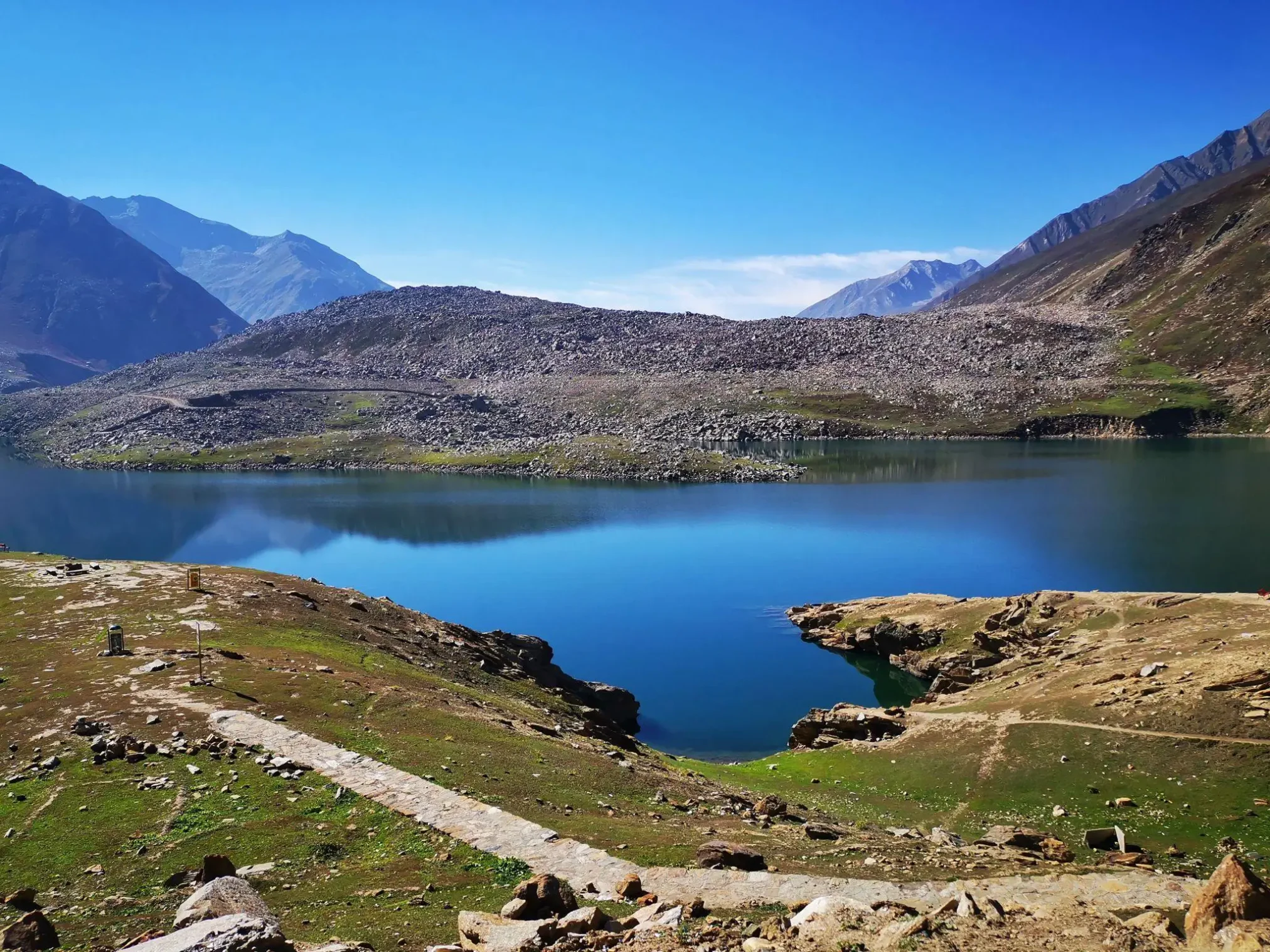
Reaching Lulusar Lake is not just a simple trip—it is a full mountain journey through one of the most scenic routes in Pakistan. The lake lies deep within Kaghan Valley along the famous Naran–Babusar Road, a highway that connects lush green valleys with high-altitude mountain passes.
The journey to Lulusar Lake offers a continuous transformation of landscapes: from urban plains to forested hills, then into rugged mountains, and finally into an alpine environment where snow, wind, and water shape every view.
Unlike many remote alpine lakes that require long trekking expeditions, Lulusar Lake is relatively accessible by road during the summer season, making it one of the most visited high-altitude lakes in northern Pakistan.
Main Access Route to Lulusar Lake
The primary route to Lulusar Lake passes through several key points in northern Pakistan.
Route Breakdown
Islamabad → Abbottabad → Mansehra → Balakot → Kaghan Valley → Naran → Lulusar Lake
Each segment of the journey presents distinct geographical and climatic changes.
Step-by-Step Travel Flow
- Islamabad to Mansehra
- Smooth highways
- Gradual entry into hilly terrain
- Mansehra to Balakot
- Narrower roads
- River valleys begin to appear
- Balakot to Kaghan Valley
- Dense forest landscapes
- Cooler temperatures
- Kaghan to Naran
- Tourism hub begins
- Hotels and shops increase
- Naran to Lulusar Lake
- High-altitude ascent
- Alpine terrain begins
- Final stretch along Babusar Road
Distance and Travel Time Analysis
Understanding distance helps travellers plan efficiently.
| Segment | Distance | Approximate Time |
| Islamabad to Naran | ~270 km | 6–8 hours |
| Naran to Lulusar Lake | ~48 km | 1–1.5 hours |
| Total Journey | ~320 km | 7–9 hours |
Travel time varies depending on:
- Road conditions
- Weather
- Traffic volume during the peak tourist season
- Number of stops along the route
Road Conditions on the Way to Lulusar Lake
The road leading to Lulusar Lake is part of the Naran–Babusar Highway, one of the most scenic yet seasonally challenging roads in Pakistan.
Road Quality
- Asphalted in major sections
- Narrow and winding in mountain areas
- Occasional rough patches due to weather damage
Key Characteristics
- Sharp curves in high-altitude zones
- Steep ascents after Naran
- River crossings and bridges
- Landslide-prone areas during the monsoon season
Seasonal Accessibility
Snow accumulation at Babusar Pass often blocks access completely during the winter months.
| Season | Road Status |
| Summer (June–September) | Fully open |
| Autumn (October) | Partially open |
| Winter (November–May) | Closed due to snow |
Best Vehicles for the Journey
Choosing the right vehicle improves safety and comfort.
Recommended Options
- SUVs (high-clearance vehicles)
- 4×4 jeeps (ideal for rough patches)
- Sedans (only in stable weather conditions)
Why 4×4 Vehicles Are Preferred
- Better grip on steep roads
- Stability on gravel sections
- Safer in unpredictable weather
Although standard cars can reach Lulusar during good weather, experienced drivers strongly prefer SUVs for mountain travel.
Starting Point: Naran as a Base Camp
Naran serves as the main base for travellers heading towards Lulusar Lake, as most visitors prefer to stay at least one night here before continuing their journey into the higher mountainous region. It acts as a key stopping point due to its accessibility and well-developed tourist facilities compared to the more remote areas beyond it.
The importance of Naran lies in its role as the last major town before reaching Lulusar Lake, making it a crucial rest and preparation point for travellers. It offers a wide range of hotels and restaurants, providing accommodation and dining options for different budgets. In addition, jeep rentals and transport services are readily available, allowing visitors to access rugged routes leading towards Lulusar and the surrounding valleys.
Things to Do at Lulusar Lake: Adventure Activities, Photography, Camping, Food, and Visitor Experience
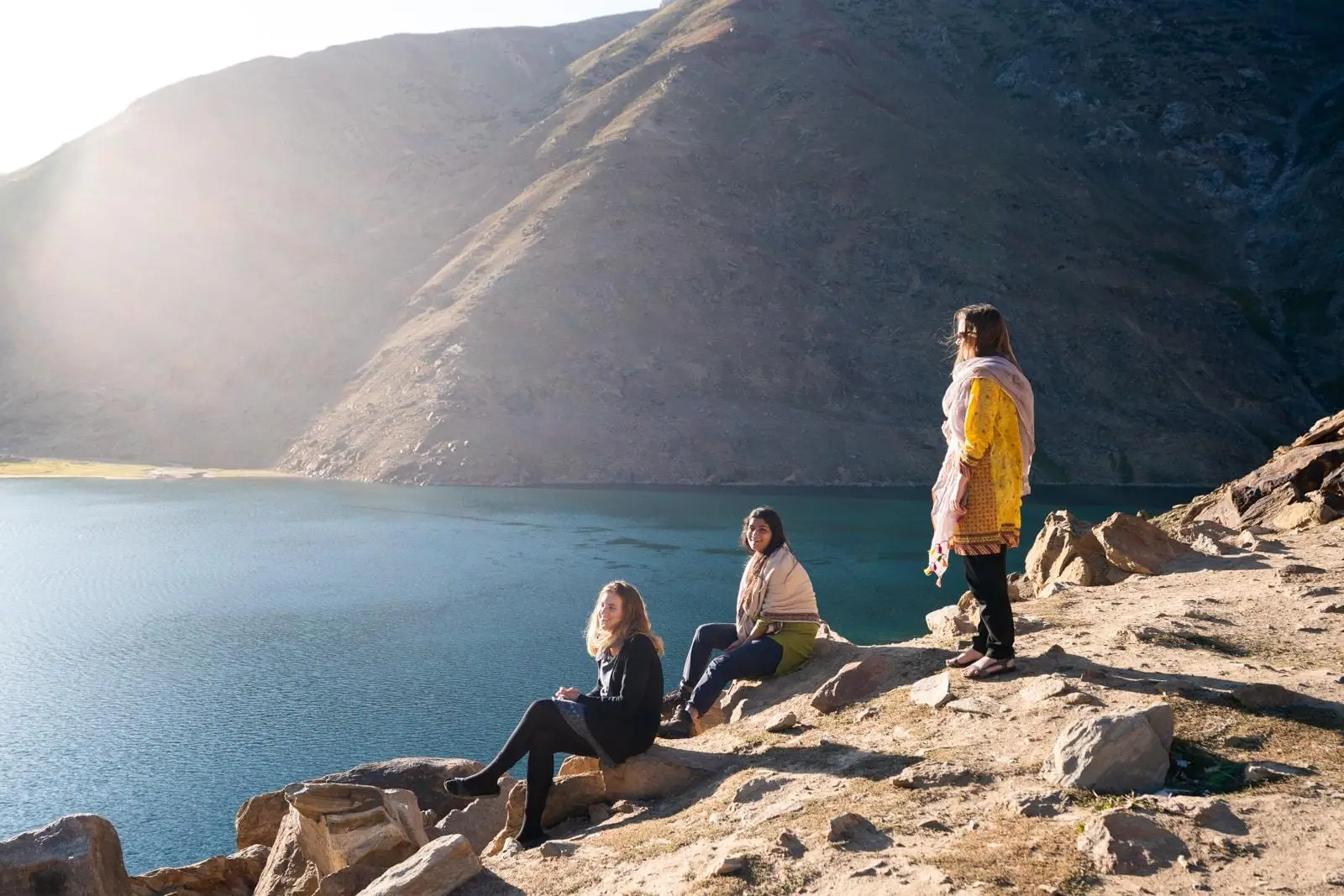
Lulusar Lake is not only a sightseeing destination but also a place where travellers can engage in multiple outdoor experiences. Its high-altitude environment, open landscapes, and peaceful surroundings make it ideal for both adventure seekers and those looking for quiet relaxation. Unlike heavily commercial tourist spots, activities at Lulusar Lake remain closely connected to nature. There are no large amusement setups or artificial attractions—instead, the experience is shaped by natural beauty, weather, and personal exploration.
Trekking and Walking Around the Lake
While Lulusar Lake is accessible by road, the surrounding area offers opportunities for short trekking and walking. Visitors can enjoy lakeside strolls along natural terrain, gentle hikes into nearby meadows, and exploration of small streams and ridges. The trekking routes are generally non-technical, consisting mostly of moderate walking paths that are suitable for beginners and casual hikers. During these walks, trekkers experience fresh mountain air, wide-open wilderness views, and a deep natural silence broken only by wind and flowing water.
Camping Experience at Lulusar Lake
Camping near Lulusar Lake provides one of the most immersive nature experiences in Kaghan Valley. Due to environmental protection measures and harsh weather conditions, camping is usually carried out in designated safe zones rather than directly along the shoreline. Nights are typically cold, with clear skies offering excellent stargazing opportunities thanks to minimal light pollution. The environment remains peaceful and remote, allowing visitors to enjoy sunrise views over the lake. Essential camping requirements include warm sleeping bags, weather-resistant tents, high-altitude clothing, and sufficient food and water supplies.
Picnicking at Lulusar Lake
Picnicking is a popular leisure activity for families and small groups visiting Lulusar Lake. The area offers open grassy spaces, scenic mountain backdrops, and cool weather even during summer, making it ideal for relaxed outdoor gatherings. Visitors typically set up simple mats or portable chairs, bring packed meals from Naran, and enjoy hot tea or snacks while spending time with family and friends. Photography is also a common part of the experience. Tourists are strongly encouraged to carry all waste back to preserve the natural cleanliness of the area.
Bird Watching and Wildlife Observation
Lulusar Lake and its surrounding environment support a variety of bird and wildlife species. Commonly seen birds include mountain eagles, Himalayan snowcocks, seasonal migratory waterfowl, and small alpine birds. While larger wildlife is rarely observed directly near the lake, the broader region may be home to marmots, mountain goats, and foxes in more remote areas. Early morning and late afternoon are considered the best times for bird watching, as wildlife activity is higher and the surroundings are quieter.
Horse Riding and Local Experiences
Horse riding is a traditional tourist activity offered in the nearby areas of Kaghan Valley. Guided rides take visitors through scenic meadow routes and valley landscapes, allowing them to experience the natural beauty of the region at a relaxed pace. Although horse riding is not commonly available directly at Lulusar Lake, it remains an important part of the broader cultural and tourism experience in the valley, often accompanied by interaction with local handlers.
Self-Drive Exploration
Self-driving is a popular choice among tourists visiting Lulusar Lake, offering flexibility and independence throughout the journey. Travellers can stop at viewpoints, adjust their pace, and take extended photography breaks along the route. The driving experience includes sharp mountain turns, gradual altitude gain, river views, and occasional narrow road sections, all of which contribute to a sense of adventure and exploration.
Cuisine and Food Experience
There are no major restaurants directly at Lulusar Lake, so food experiences are primarily centred in nearby towns such as Naran. Visitors usually enjoy traditional Pakistani meals, grilled meat dishes, fresh trout fish, and a variety of tea and snacks. Many travellers prefer to carry packed meals from Naran to enjoy as picnics at the lake. The food culture in the region is simple and hearty, often featuring fresh local ingredients and hot beverages suited to the cold climate.
Shopping and Local Handicrafts
Shopping opportunities near Lulusar Lake are limited, but Naran serves as the main hub for local handicrafts and souvenirs. Common items include woollen clothing, handcrafted souvenirs, traditional caps and shawls, and locally sourced dry fruits. These products reflect the cultural identity of the Kaghan Valley and are popular among tourists looking to take home a memory of their visit.
Environmental Responsibility During Activities
As tourism increases, maintaining environmental balance is essential.
Responsible Practices
- Avoid littering
- Do not pollute water sources
- Respect wildlife habitats
- Avoid damaging plants
- Follow designated paths
Sustainable tourism ensures the lake remains preserved for future generations. Lulusar Lake offers a wide range of nature-based activities, from photography and trekking to camping and sightseeing. While it does not feature commercial entertainment, its strength lies in raw natural beauty and peaceful surroundings. Every activity here is shaped by the environment itself, making the experience authentic, calming, and deeply connected to nature.
Best Time to Visit, Travel Tips, Accommodation, Packing Guide, Safety Advice
Best Time to Visit Lulusar Lake
Choosing the right season is one of the most important factors for planning a successful trip to Lulusar Lake. Because of its high-altitude location, weather conditions change drastically throughout the year, directly affecting accessibility and travel experience.
Ideal Visiting Season
The best time to visit Lulusar Lake is June to September, when:
- Roads are open and safe for travel
- Snow has melted from the main routes
- Temperatures remain relatively mild
- The lake is fully accessible by vehicle
Monthly Breakdown
- June: Early season opening, Snow still visible on surrounding peaks, and Fresh green landscapes begin appearing
- July – August: Peak tourist season, Best weather conditions, Fully accessible roads, and Maximum scenic beauty
- September: Cooler temperatures, Fewer crowds, and Crystal-clear visibility for photography
Closed Season
From October to May, the region remains mostly inaccessible due to the following:
- Heavy snowfall
- Road closures (especially Babusar route)
- Extreme cold conditions
Lulusar Lake Weather
Weather plays a major role in shaping the visitor experience at high-altitude destinations like Lulusar Lake. During the summer peak season, daytime temperatures generally range between 10°C and 20°C, while nighttime temperatures can drop close to freezing. Throughout the day, cool breezes are common, adding to the overall chilly mountain climate.
The high-altitude environment also brings unique weather-related challenges. Conditions can change suddenly, with strong winds often occurring in open areas and temperatures dropping rapidly after sunset. These quick shifts in weather are a typical feature of mountainous regions and significantly influence travel comfort and planning.
Accommodation Options Near Lulusar Lake
There are no hotels or lodges directly at Lulusar Lake due to its protected natural environment.
Where to Stay Instead
Naran (Primary Base Town)
- Hotels of all budget ranges
- Restaurants and food options
- Transport availability
Kaghan Valley
- Guesthouses in smaller villages
- More peaceful and less crowded
- Basic but scenic stays
Types of Accommodation
- Budget guesthouses
- Mid-range hotels
- Family resorts in Naran
- Camping arrangements (seasonal)
Most travellers stay in Naran and visit Lulusar Lake as a day trip.
Packing Guide for Lulusar Lake
Proper packing ensures safety and comfort during the journey.
Essential Items
- Warm jackets (even in summer)
- Comfortable walking shoes
- Gloves and light woolens
- Sunglasses and sunscreen
- Water bottles
- Snacks or packed food
Photography Gear
- Camera or smartphone
- Power bank
- Extra batteries
- Tripod for landscape shots
Health and Safety Items
- Basic first aid kit
- Motion sickness tablets (for winding roads)
- Personal medication
- Hand sanitizer
Travel Tips for Visitors for Lulusar Lake Weather and Journey
A well-planned trip significantly enhances the overall experience, especially in high-altitude destinations like Lulusar Lake, where weather and road conditions can change quickly. Travellers are advised to start early from Naran to take advantage of clear weather, better visibility, and safer driving conditions. Late-evening travel should be avoided due to reduced light and increased risk on mountainous roads.
Before departure, it is important to check road status and local updates, as access can be affected by weather or maintenance work. Fuelling up the vehicle in Naran is also essential, since fuel stations are not available in remote stretches. Carrying extra cash is recommended because ATM access is limited in the mountains.
Photography at Lulusar Lake is especially rewarding when planned well. Morning light offers the best reflections on the lake’s surface, creating clear and vibrant landscape shots. Wide-angle lenses are ideal for capturing the vast mountain scenery and expansive views. Additionally, photographers are encouraged to observe and capture the constantly changing cloud patterns, which add depth and drama to the overall composition of the landscape.
Safety Guidelines at Lulusar Lake
Safety is especially important in high-altitude environments like Lulusar Lake, where weather conditions, terrain, and physical exertion can all pose risks. On the road, drivers are advised to proceed slowly on sharp curves, avoid overtaking in narrow sections, and remain alert for falling rocks, particularly during or after rainfall. Environmental safety is equally important, as visitors should avoid entering deep water due to extremely low temperatures and the risk of hypothermia, while also staying away from unstable edges around the lake and surrounding terrain.
From a health perspective, staying hydrated, avoiding overexertion, and taking regular breaks during the ascent are essential to prevent fatigue and maintain energy levels. Some visitors may also experience mild altitude-related discomfort such as shortness of breath or tiredness, which is common at higher elevations and can be managed by pacing activities and allowing the body to adjust gradually.
Mobile Network and Connectivity
Connectivity near Lulusar Lake is limited.
Network Availability
- Weak or no signals in the lake area
- Better connectivity in Naran
- Mobile data may be unstable
Recommendation
Inform family or contacts before travelling, as communication may be difficult during the visit.
Food and Refreshment Strategy
Since there are no restaurants available at Lulusar Lake, proper meal planning is essential for a comfortable visit. Travellers are advised to have a meal in Naran before setting out, as it serves as the last reliable point for dining options. It is also recommended to carry a packed lunch along with light snacks to sustain energy throughout the trip. Bringing an adequate supply of drinking water is important, especially due to limited facilities in the high-altitude region. Additionally, carrying a thermos filled with hot tea or coffee can enhance comfort during the cold mountain conditions, ensuring a more enjoyable and self-sufficient travel experience without relying on any local food services.
Why Lulusar Lake is a Must-Visit Destination
Lulusar Lake is one of the most remarkable natural destinations in Pakistan’s northern region. Located at an elevation of over 3,400 meters, it offers a rare combination of accessibility, untouched beauty, and ecological importance.
From its glacier-fed waters and dramatic mountain surroundings to its role as the source of the Kunhar River, the lake represents both natural wonder and environmental significance. The journey to reach it through the Kaghan Valley further enhances its appeal, making the experience as memorable as the destination itself.
For travellers seeking peace, photography opportunities, and connection with nature, Lulusar Lake remains an unforgettable destination that captures the essence of northern Pakistan’s alpine beauty.
Frequently Asked Questions (FAQs) About Lulusar Lake
1. Where is Lulusar Lake located?
Lulusar Lake is located in Kaghan Valley, Mansehra District, Khyber Pakhtunkhwa, Pakistan, along the Naran–Babusar Road at an altitude of about 3,410 metres (11,190 feet) above sea level.
2. How far is Lulusar Lake from Naran?
Lulusar Lake is approximately 48 kilometres from Naran, and the drive usually takes around 1 to 1.5 hours, depending on road and weather conditions.
3. What is the best time to visit Lulusar Lake?
The best time to visit Lulusar Lake is June to September, when the road is open, the Lulusar Lake weather is pleasant, and the lake is fully accessible. Winter months are not suitable due to heavy snowfall and road closures.
4. Why is Lulusar Lake famous?
Lulusar Lake is famous for the following:
- Stunning natural beauty
- Crystal-clear blue waters
- High-altitude location
- Role as the source of the Kunhar River
- Peaceful and less crowded environment
5. How can I reach Lulusar Lake from Islamabad?
From Islamabad, travellers drive via Islamabad → Abbottabad → Mansehra → Naran → Lulusar Lake. The total journey takes around 7 to 9 hours by road.
6. Is Lulusar Lake accessible throughout the year?
No, Lulusar Lake is only accessible during the summer season, usually from June to October. It remains closed in winter due to heavy snowfall and blocked roads.
7. Can we stay overnight at Lulusar Lake?
No, there are no hotels or accommodation facilities at Lulusar Lake. Visitors usually stay in Naran or Kaghan Valley and visit the lake as a day trip.
8. What activities can be done at Lulusar Lake?
Popular activities include:
- Sightseeing
- Photography
- Short walks
- Picnics
- Nature observation
- Bird watching
9. Is Lulusar Lake safe for tourists?
Yes, Lulusar Lake is generally safe for tourists. However, visitors should follow safety guidelines such as checking lulusar lake weather conditions, avoiding night travel, and being cautious on mountain roads.
10. Can you swim in Lulusar Lake?
No, swimming is not recommended in Lulusar Lake due to extremely cold water temperatures and high-altitude conditions, which can be dangerous.
11. What is the elevation of Lulusar Lake?
Lulusar Lake is located at an elevation of approximately 3,410 meters (11,190 feet) above sea level.
12. Is Lulusar Lake the source of the Kunhar River?
Yes, Lulusar Lake is one of the main headwaters of the Kunhar River, which flows through Kaghan Valley and eventually joins the Jhelum River.
13. What should I wear when visiting Lulusar Lake?
Visitors should wear:
- Warm jackets
- Comfortable walking shoes
- Light woolens (even in summer)
- Sunglasses and sunscreen
14. Are there restaurants or food facilities at Lulusar Lake?
No, there are no food facilities directly at the lake. Travellers should bring snacks or eat in Naran before or after the visit.
15. Is Lulusar Lake worth visiting?
Yes, Lulusar Lake is highly recommended for travellers who enjoy:
- Natural landscapes
- Mountain scenery
- Photography
- Peaceful environments
It is one of the most beautiful and accessible high-altitude lakes in northern Pakistan.