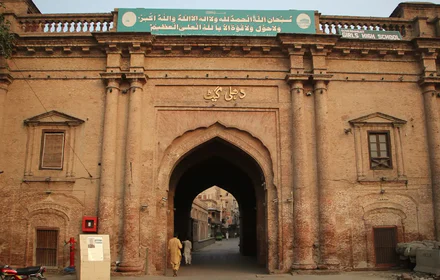
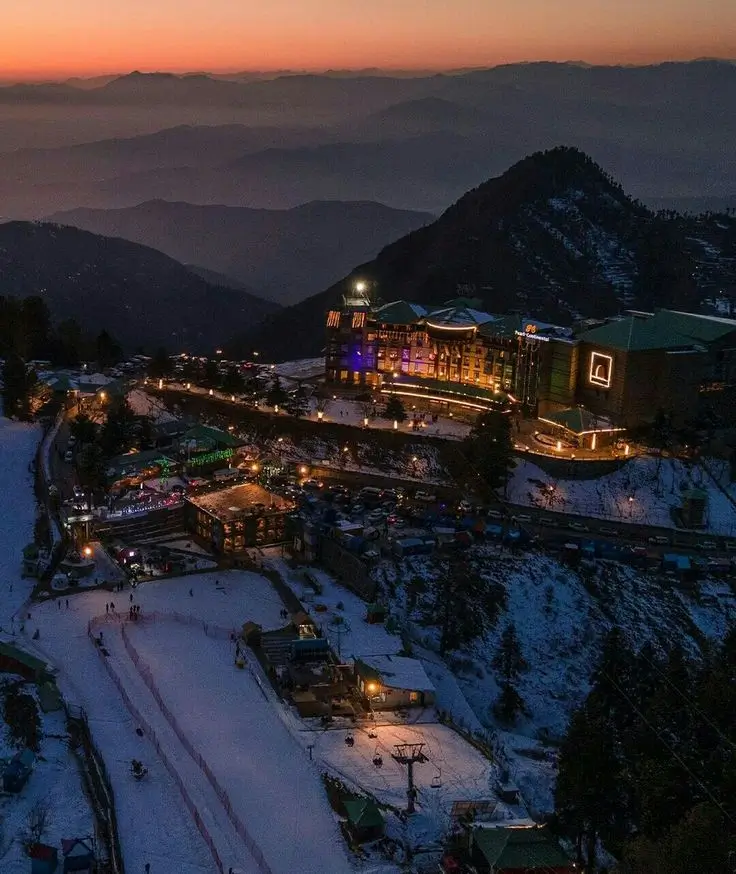
Introduction: Where Swat’s Mountains Touch the Seasons
Malam Jabba is not just a place—it is an experience woven into the geography, culture, and evolving identity of Swat Valley. Perched high in the Hindu Kush mountain range, Malam Jabba represents everything northern Pakistan stands for: raw natural beauty, ancient civilizational depth, resilience after hardship, and a future shaped by sustainable tourism.
Located roughly 51 kilometers from Saidu Sharif and about 314 kilometers from Islamabad, Malam Jabba rises above villages, forests, and valleys like a natural balcony overlooking Swat. To visitors, it is a winter wonderland. To locals, it is a living landscape—one that changes color, rhythm, and purpose with every season.
What makes Malam Jabba extraordinary is not only snow or skiing. It is the rare combination of altitude, accessibility, culture, history, and climate that gives this region year-round relevance. While many destinations fade once winter ends, Malam Jabba transitions seamlessly into spring, summer, and autumn, offering new experiences without losing its core identity.
Geographic Setting: Malam Jabba Within Swat Valley

Swat Valley is often described as the “Switzerland of Pakistan,” yet Malam Jabba gives that phrase real geographic credibility. Sitting at an elevation of approximately 2,800 meters (9,200 feet), the area benefits from:
- High-altitude alpine weather
- Dense pine and deodar forests
- Consistent winter snowfall
- Natural slopes ideal for winter sports
Malam Jabba lies northeast of Saidu Sharif, accessed via Manglor town, where the main road diverges toward the Malam-Jabba Dara (gorge). This route runs through a series of scenic villages including Salanda, Jehanabad, Badar, Kishora, Malam, and Jabba, each adding layers of rural Swat culture to the journey.
The geography here is not just visually striking—it is functional. Natural gradients allow snow to accumulate evenly, forests protect slopes from erosion, and surrounding peaks shield the region from extreme winds, making Malam Jabba naturally suited for safe tourism development.
The Journey to Malam Jabba: More Than a Drive
Reaching Malam Jabba is part of the experience. With the development of the Swat Motorway, travel time from Islamabad and Peshawar has been significantly reduced, transforming Malam Jabba from an “adventurous” destination into a comfortable family getaway.
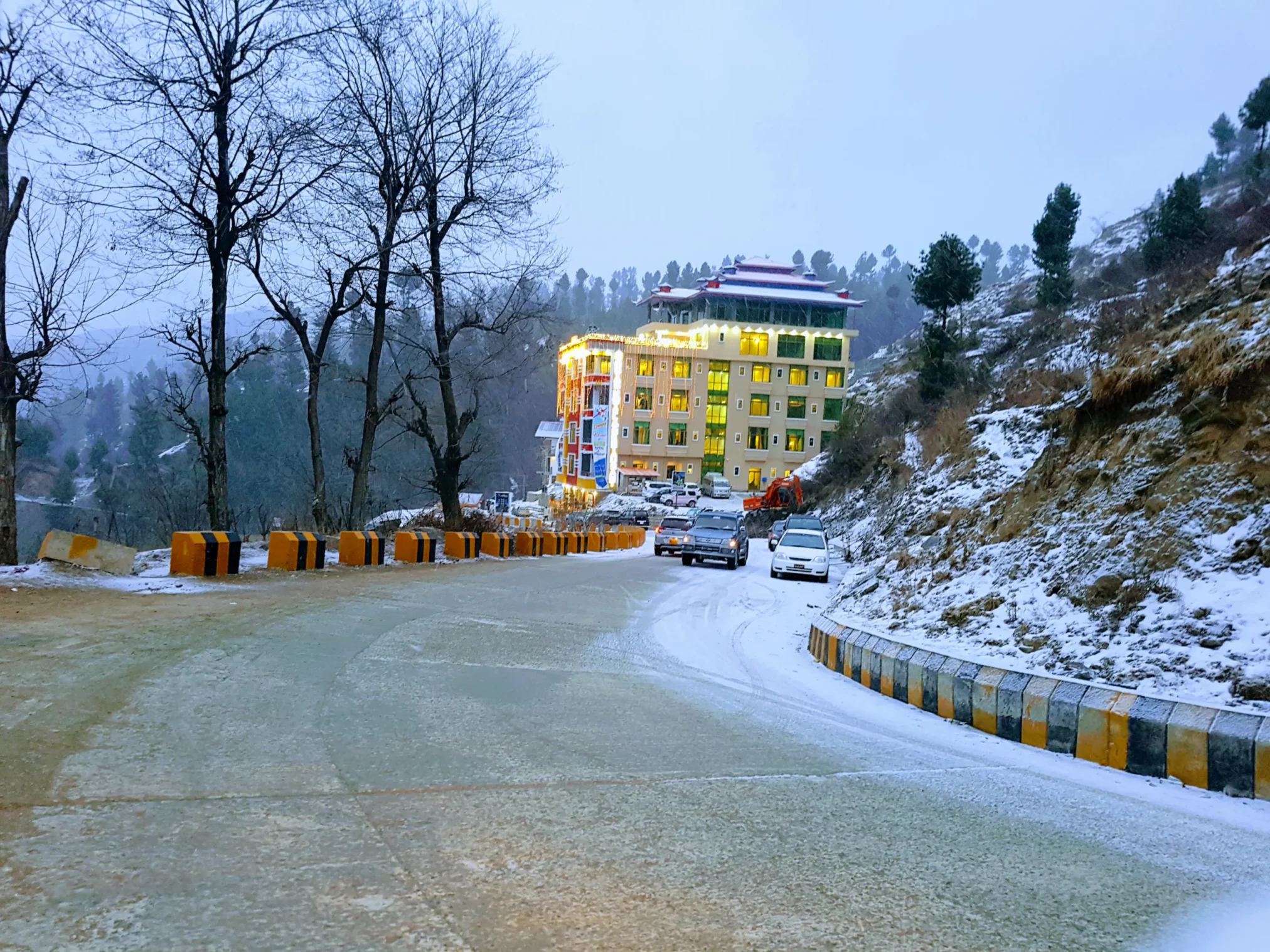
From Saidu Sharif, the road begins to climb steadily. Fields give way to orchards, orchards to forests, and forests to snowy slopes as elevation increases. In winter, this transformation becomes dramatic—green valleys slowly disappear beneath a white blanket, signaling arrival into a different climate zone.
This gradual ascent is one of Malam Jabba’s greatest advantages. Unlike destinations that require long treks or flights, Malam Jabba remains reachable without physical strain, making it ideal for:
- Families with children
- Elderly travelers
- Group tours
- Educational visits
Accessibility has played a major role in Malam Jabba’s rise as Swat’s flagship mountain destination.
Climate & Natural Rhythm of Malam Jabba

Malam Jabba experiences a distinct four-season cycle, each offering a different personality:
Winter (December – March)
- Heavy snowfall (6–8 feet during peak season)
- Sub-zero temperatures
- Skiing and snow-based activities
- Frozen forests and white mountain peaks
Spring (April – May)
- Snow begins to melt
- Wildflowers emerge
- Valleys regain green tones
- Crisp, calm weather
Summer (June – August)
- Cool temperatures despite national heatwaves
- Ideal for trekking and family tourism
- Lush forests and clear mountain air
Autumn (September – November)
- Golden and reddish foliage
- Clear skies for photography
- Calm tourism season with fewer crowds
This seasonal balance makes Malam Jabba future-proof as a destination. Unlike locations dependent on one season, Malam Jabba evolves—always offering something new.

First Impressions: What Visitors Feel Before They Think
Many travelers describe a strange stillness when they first arrive in Malam Jabba. It is quiet—but not empty. The sounds are natural: wind brushing pine needles, distant birds, boots crunching snow.
There are no towering concrete structures dominating the skyline. Instead, buildings seem embedded into the landscape, respecting elevation and views. The air feels lighter. Breathing becomes slower. Time stretches.
This emotional response matters. Tourism studies consistently show that people return to destinations that change how they feel, not just what they see. Malam Jabba does exactly that.
Malam Jabba’s Identity Beyond “A Ski Spot”
Calling Malam Jabba only a ski destination limits its story.
Yes, it is home to Pakistan’s most developed ski slopes.
Yes, snowfall defines its popularity.
But Malam Jabba is also:
- A cultural extension of Swat
- A symbol of regional recovery
- A testing ground for sustainable tourism
- A bridge between local communities and global visitors
The region supports villages, artisans, farmers, guides, drivers, and hotel workers. Tourism here is not abstract—it is deeply personal.
This connection between land and livelihood is what gives Malam Jabba authenticity. Visitors are not entering a theme park; they are stepping into a living valley.
Why Malam Jabba Matters in Pakistan’s Tourism Story
Pakistan’s northern tourism narrative has long focused on extreme mountaineering. Malam Jabba introduces something equally important but far more inclusive: mass-accessible mountain tourism.
It shows that:
- Winter tourism can be safe and organized
- Mountain regions can host families and beginners
- Local economies can grow without losing identity
As Swat continues to rebuild and redefine itself, Malam Jabba stands as its strongest ambassador—quietly changing global perceptions of Pakistan, one visitor at a time.
History of Malam Jabba & Swat: From Ancient Civilizations to Modern Revival
Swat Valley Before Time: Geography That Shaped Civilization

Long before Malam Jabba became associated with snowfall, ski slopes, or winter tourism, Swat Valley was one of South Asia’s most important cradles of civilization. The valley’s fertile land, flowing rivers, mountain protection, and strategic location made it a natural settlement zone thousands of years ago.
Swat sits at the crossroads of Central Asia, South Asia, and the Silk Route, making it a historical bridge for traders, pilgrims, invaders, scholars, and artists. What today feels like a peaceful mountain escape was once a thriving intellectual and spiritual corridor.
The mountains surrounding Malam Jabba were not barriers—they were natural guardians, allowing civilizations to grow while remaining relatively protected.
Gandhara Civilization: The Sacred Roots Beneath the Snow

Between the 1st millennium BCE and the 5th century CE, Swat Valley became a central region of the Gandhara civilization, one of the most influential Buddhist cultures in history.
This era transformed Swat into:
- A global Buddhist learning center
- A destination for monks from China, Korea, and Central Asia
- A hub for sculpture, architecture, and philosophy
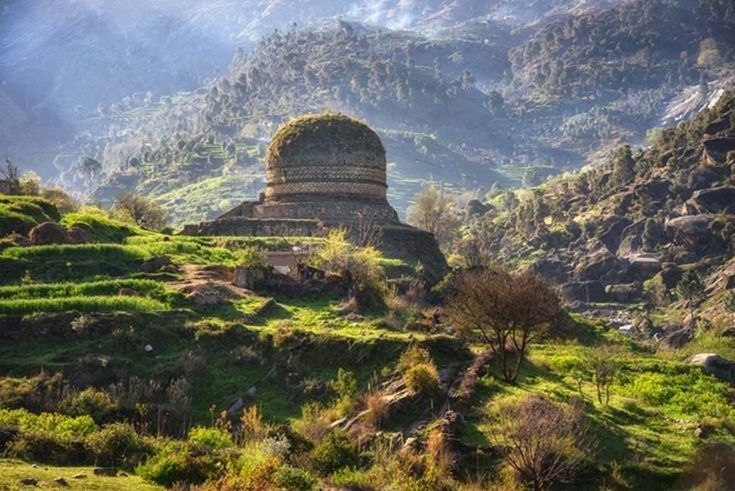
Today, sites such as Butkara Stupa, Saidu Sharif Museum, and countless unexcavated ruins remind us that beneath Malam Jabba’s snow-covered ground lies a profound spiritual past.
Malam Jabba itself may not host visible stupas, but it exists within a sacred cultural landscape, one deeply tied to Swat’s Buddhist golden age.
Swat in the Eyes of Ancient Travelers
Chinese monks like Faxian and Xuanzang documented Swat Valley in detail during their pilgrimages. They described it as a land of monasteries, peaceful people, and flourishing scholarship.
Their writings portray Swat not merely as a scenic valley but as a spiritual capital of the ancient world—a reputation that modern tourism efforts are only beginning to rediscover.
This legacy gives Malam Jabba something rare among ski destinations: historical depth.
Islamic Era & Pashtun Culture
As Buddhism declined and Islam spread across the region, Swat underwent a cultural transformation. Pashtun tribes settled the valley, establishing traditions that still shape daily life today.
Key features of Swat’s Pashtun culture include:
- Deep respect for guests
- Community-based decision-making
- Oral storytelling traditions
- Strong connection to land and honor
Malam Jabba’s surrounding villages reflect this heritage. Tourism here operates not in isolation, but within long-standing cultural frameworks — something that helps preserve authenticity while welcoming outsiders.
Swat State & Early Modern Development
In the early 20th century, Swat became a princely state, ruled by the Miangul family. Under their leadership:
- Roads were built
- Education improved
- Healthcare expanded
- Governance remained stable
This period laid the groundwork for modern tourism. The rulers recognized Swat’s natural beauty and actively encouraged visitors, scholars, and explorers.
It was during this broader vision of development that areas like Malam Jabba began attracting attention as potential high-altitude resorts.
Birth of Malam Jabba as a Tourism Destination

During the 1960s and 70s, the concept of winter tourism gained momentum globally. Recognizing Malam Jabba’s altitude, slope angles, and snowfall consistency, Pakistani planners—with Austrian collaboration—began developing a ski resort under Pakistan Tourism Development Corporation (PTDC).
This early development included:
- Ski tracks
- Chairlift systems
- Basic accommodation
- Training programs
For a time, Malam Jabba symbolized a confident, outward-looking Pakistan exploring non-traditional tourism models.
Years of Silence: Conflict, Decline & Lost Momentum
The late 1990s and early 2000s brought turmoil. Due to militancy and conflict in Swat Valley:
- Tourism collapsed
- Infrastructure was destroyed
- Resorts shut down
- International attention disappeared
Malam Jabba became a ghost of its former promise. Chairlifts stopped moving. Slopes went unused. Hotels shut their doors.
This period remains one of the most painful chapters in Swat’s modern history.
Restoration of Peace & Tourism Revival
Following decisive security operations, peace slowly returned to Swat. This change did not happen overnight—but its impact was transformative.
Gradually:
- Roads reopened
- Investors returned
- Locals regained livelihoods
- Confidence rebuilt
Malam Jabba once again became a symbol—this time of recovery and resilience.
The revival marked a crucial turning point: tourism was no longer just about leisure; it became a tool for economic healing and social stability.
Role of Government & Private Sector
The reopening of Malam Jabba was supported by:
- KP government initiatives
- Infrastructure investment
- Public-private partnerships
- International development programs
The arrival of luxury hospitality brands alongside community guesthouses created a balanced tourism ecosystem—one capable of serving elite travelers without pushing locals aside.
Malam Jabba Today: History Alive Beneath Modern Tourism

Today’s Malam Jabba blends:
- Ancient heritage
- Tribal culture
- Modern hospitality
- Adventure tourism
Few destinations in Pakistan offer this layered identity.
Visitors skiing down slopes may not always realize it, but beneath their feet lies a valley that once taught monks, hosted kings, survived conflict, and reinvented itself—with dignity intact.

Why History Gives Malam Jabba an Advantage
Globally, destinations thrive when they offer story + scenery. Malam Jabba has both.
It is not just cold weather and snow.
It is continuity.
A place where history did not disappear—it adapted.
Skiing, Chairlifts & Adventure Sports in Malam Jabba, Swat

Why Malam Jabba Is Pakistan’s Heart of Skiing
Skiing in Pakistan is still a developing sport—but if Pakistan has a capital of skiing, Malam Jabba sits firmly at its center. What distinguishes Malam Jabba from other high-altitude regions is not just snowfall, but purpose-built skiing infrastructure combined with accessibility.
Unlike remote mountain areas where snow exists but facilities do not, Malam Jabba offers:

- Designed ski tracks
- Lift-supported access
- Training-friendly slopes
- Safety monitoring
This makes it the most beginner-accessible skiing location in the country, while still providing enough challenge for skilled skiers.
The Ski Slopes: Layout, Gradient & Design

Malam Jabba features two main ski tracks extending over approximately 800 meters, making it Pakistan’s longest developed ski slope.
Lower Slope
- Gentle gradient
- Ideal for beginners
- Used for training and family skiing
- Primary learning zone
Upper Slope
- Steeper incline
- Suitable for intermediate and advanced skiers
- Better snow retention
- Less crowded
The slope orientation minimizes direct sun exposure in winter, allowing snow to remain firm and usable throughout the day—an essential feature for quality skiing.
Ski Training & Learning Culture
One of Malam Jabba’s biggest contributions to Pakistani sports culture is its role in introducing skiing to first-time learners.
Training programs typically include:
- Basic balance and posture
- Fall control and safety
- Turning techniques
- Ski discipline awareness
These programs are often run in collaboration with:
- Local ski instructors
- Sports federations
- Tourism authorities
Increasingly, schools and universities are selecting Malam Jabba for student skiing camps, laying the foundation for future winter athletes.
Women, Families & Inclusive Winter Sports
Unlike many extreme winter destinations, Malam Jabba has successfully positioned itself as a family-oriented ski destination.
Key factors enabling this include:
- Safe beginner slopes
- Controlled access areas
- Clear visibility
- Medical and rescue support
Women participation in skiing has also grown steadily, supported by:
- Dedicated training times
- Female-friendly facilities
- A social environment that encourages participation
This inclusivity strengthens Malam Jabba’s national appeal and differentiates it from more exclusive adventure sites.
Snowboarding & Alternative Winter Sports
Although skiing dominates the slopes, snowboarding is gaining momentum among younger visitors. The terrain of Malam Jabba—wide slopes with consistent powder—supports this shift naturally.
Other winter activities include:
- Ice skating
- Snow play zones for children
- Informal ice hockey games
- Snow photography walks
Rather than over-commercializing snow activities, Malam Jabba allows organic development, keeping experiences authentic and adaptable.
The Chairlift Experience: More Than Transport
The chairlift at Malam Jabba is one of its most defining attractions. Designed to transport visitors to heights exceeding 10,000 feet, it is not reserved solely for skiers.
For many visitors, the chairlift is:
- Their first alpine experience
- A photographic highlight
- A family-friendly adventure
As the lift ascends:
- Tree lines thin
- Valleys widen
- Snow coverage intensifies
The slow pace encourages observation, turning transportation into contemplation.
Safety Systems & Winter Management
Skiing safety in Malam Jabba is treated as a priority, not an afterthought. Facilities include:
- Slope monitoring
- Controlled entry points
- Emergency response teams
- Snow clearance machinery
Chairlifts are routinely inspected, and skiing zones are closed during high-risk weather conditions.
This structured approach to safety is crucial for building credibility among:
- International visitors
- Family travelers
- Institutional tour groups
Beyond Winter: Summer Adventure Sports
Adventure tourism in Malam Jabba does not disappear when snow melts—it transforms.
Summer activities include:
- Hiking and trekking
- Mountain biking
- Forest exploration
- Nature-based photography
The same slopes that host skiers in winter become scenic hiking routes during warmer months, proving the versatility of the terrain
Trekking Trails & Nature Walks
Surrounding Malam Jabba are several informal trekking paths, often guided by locals. These trails lead to:
- Hidden viewpoints
- Dense forest interiors
- Seasonal streams
- High-altitude meadows
Such trails support slow tourism—encouraging longer stays and deeper engagement rather than rushed sightseeing.
Adventure Tourism as Economic Opportunity
Adventure sports create layered economic benefits:
- Equipment rentals
- Instructor employment
- Guide services
- Transportation demand
For local youth, skiing and adventure tourism provide alternative career paths, helping curb migration to urban centers.
Malam Jabba’s success shows that adventure tourism can be both economically viable and socially responsible when planned carefully.
Challenges Facing Adventure Development
Despite progress, challenges remain:
- Limited professional instructors
- Seasonal dependence
- Climate unpredictability
- Need for international certification standards
Addressing these challenges will determine whether Malam Jabba transitions from a national success to a regional competitor.
Why Adventure Defines Malam Jabba’s Global Potential
Globally, mountain destinations thrive when adventure is balanced with accessibility. Malam Jabba has achieved this balance better than any other destination in Pakistan.
It offers:
- Thrill without exclusion
- Nature without isolation
- Adventure without elitism
That combination positions Malam Jabba as a future hub for South Asian winter sports tourism.
Exploring Malam Jabba and Nearby Attractions in Swat Valley
Malam Jabba is more than a ski resort; it is a gateway to the wonders of Swat Valley. From ancient Buddhist sites to stunning natural landscapes, tourists can extend their journey beyond the resort for day trips, sightseeing, and eco-tourism adventures.
Kalam Valley: Nature’s Paradise

- Distance from Malam Jabba: 105 km (Approx. 3-hour drive)
- Highlights:
- Rivers, waterfalls, and pine forests
- Mahodand Lake and Kundol Lake for boating and trout fishing
- Trekking trails through lush meadows and forested hills
- Activities:
- Hiking and camping in the summer
- Fishing and boating in clear mountain lakes
- Photography of untouched landscapes
Kalam Valley is a perfect extension for tourists seeking a peaceful nature retreat after skiing and adventure activities at Malam Jabba.
Mahodand Lake: Crystal-Clear Beauty
- Distance: 40 km from Kalam
- Altitude: 2,865 meters above sea level
- Features:
- Turquoise waters surrounded by snow-capped peaks
- Ideal for trout fishing and boating
- Surrounded by dense pine forests and alpine meadows
- Tips for Visitors:
- Carry warm clothing even in summer, as temperatures are low
- Camping is possible at designated spots near the lake
Mahodand Lake is one of Swat Valley’s most photographed destinations, offering serene experiences and adventure opportunities.
Utror and Gabral Valleys: Off the Beaten Path
- Utror Valley: Known for green hills, peaceful villages, and untouched nature
- Gabral Valley: Famous for alpine meadows, trout-filled rivers, and hiking trails
- Both valleys are ideal for eco-tourism, photography, and cultural immersion with local Pashtun communities.
- Travel Tips: 4×4 vehicles recommended for rough roads
These valleys are ideal for adventurers seeking serenity and authenticity beyond crowded tourist spots.
Historical and Archaeological Sites in Swat
Malam Jabba’s location makes it convenient to explore Swat’s rich historical heritage:
- Saidu Sharif Museum:
- Showcases Swat’s Buddhist history
- Ancient sculptures, coins, and artifacts from Gandhara civilization
- Buddhist Monasteries and Stupas:
- Buthkara, Butkara, and Udegram Monasteries
- Offers insights into the ancient Gandhara culture
- Famous Archaeological Sites:
- Gandhara remains in Mankyal and Barikot
- Ideal for history enthusiasts and scholars
Digital Promotion Tip: These sites should be highlighted in travel vlogs and social media to attract international tourists.
River Rafting and Water Sports
While skiing dominates Malam Jabba’s winter scene, river rafting and water sports are popular in the summer:
- Swat River: Flows near Mingora and Madyan, ideal for rafting
- Adventure Levels: Moderate to challenging rapids suitable for beginners and professionals
- Season: June to September
Rafting combines adventure with scenic river views, attracting thrill-seekers.
Eco-Tourism Walking Trails
Swat’s Tourism Authority is developing eco-tourism trails around Malam Jabba:
- Sola Tanar, Puchar, and Jargo Valleys: New walking trails with minimal environmental impact
- Green Valley Track: Meadows, wildflowers, and grazing cattle
- Trails encourage sustainable tourism while preserving Swat’s natural beauty
Wildlife and Bird Watching

- Flora: Pine, cedar, and oak forests
- Fauna: Foxes, Himalayan bears, and various bird species
- Birdwatchers can spot eagles, falcons, and pheasants along trekking routes
- Ideal for nature enthusiasts and photographers
Local Villages and Cultural Immersion
- Visiting villages like Malam, Kishora, and Spine Oba offers insight into local life, traditions, and crafts
- Experience Pashtun hospitality, traditional food, and local handicrafts
- Participate in seasonal festivals to understand Swat’s cultural vibrancy
Malam Jabba Swat is not only a winter resort but a launchpad for exploring Swat’s natural and historical treasures. From tranquil lakes and valleys to Buddhist archaeological sites and eco-tourism trails, the region offers a diverse and enriching experience for tourists. Day trips to Kalam, Mahodand, Utror, and Gabral add depth to a Malam Jabba visit, appealing to both adventure lovers and cultural explorers
Culinary Delights and Shopping in Malam Jabba & Swat Valley
No visit to Malam Jabba and Swat Valley is complete without exploring its unique culinary culture and local shopping experiences. From traditional Pashtun dishes to handicrafts and souvenirs.
Traditional Swati Cuisine: A Taste of the Mountains
Swat Valley’s cuisine reflects its mountainous geography, local agriculture, and cultural richness. Visitors can enjoy both home-style cooking and delicacies at hotels, resorts, and roadside eateries.
Popular Dishes
- Chapli Kebab
- Spiced minced meat patties, shallow-fried to perfection
- Served with naan or rice, fresh salad, and yogurt
- Signature dish of Pashtun cuisine
- Swati Pulao
- Aromatic rice cooked with lamb, chicken, or beef
- Flavored with local spices, ghee, and occasionally nuts and raisins
- Often served during festive occasions
- Goshtaba and Karahi Dishes
- Slow-cooked meat dishes prepared with rich spices
- Available in resorts and fine dining options around Malam Jabba
- Dum Aloo and Vegetables
- Potato and seasonal vegetable curries for vegetarian visitors
- Made with fresh herbs from local markets
- Trout Fish
- Freshwater trout, caught in Swat rivers and lakes
- Pan-fried, grilled, or steamed with garlic and lemon
- Highlight of Malam Jabba culinary experience
Local Snacks and Street Food
While exploring the valleys, tourists can enjoy authentic local snacks:
- Bread (Roti) and Butter Tea (Kahwa): Mountain-style tea served with local bread
- Sweets and Desserts:
- Sheer Khurma: Vermicelli milk pudding for festivals
- Ladoo and Halwa: Made from local ingredients and nuts
- Nuts and Dry Fruits:
- Almonds, walnuts, and apricots grown in Swat
Traditional Pashtun Hospitality
Visiting local homes or guesthouses offers tourists a personalized culinary experience:
- Serving Style: Meals often served on large platters for families
- Customs: Guests offered tea, bread, and homemade jams
- Experience: Learn cooking methods for chapli kebabs, pulao, and local breads
Shopping in Malam Jabba and Swat Valley
Tourists can enjoy shopping for handicrafts, souvenirs, and local products. The markets around Malam Jabba and Mingora are ideal for cultural souvenirs.
Popular Shopping Items
- Handmade Shawls and Woolens
- Traditional Swati wool shawls and carpets
- Ideal for winter trips or gifts
- Wooden Handicrafts
- Intricate woodwork from local artisans
- Includes boxes, furniture, and carved decorative items
- Jewelry and Gemstones
- Silver jewelry reflecting Pashtun designs
- Semi-precious stones found in northern Pakistan
- Local Food Products
- Dry fruits, honey, apricots, and walnuts
- Packaged trout fish or smoked trout for gourmet enthusiasts
- Souvenirs
- Keychains, fridge magnets, postcards with Malam Jabba Swat landscapes
- Traditional dolls in Swati attire
Local Markets and Bazaars
- Mingora Bazaar: Largest market in Swat, with a wide variety of goods
- Madyan Market: Famous for trout fish and handicrafts
- Kalam Market: Local handmade woolens, dry fruits, and souvenirs
- Tips: Bargaining is common and appreciated; always check the quality
Dining Options at Malam Jabba
Malam Jabba offers a mix of resort dining and local eateries:
- Hotel Restaurants: Offer continental and local dishes
- Snowview Cafes: Enjoy hot tea, coffee, and snacks with snowy landscapes
- Outdoor Picnics: Ideal near rivers or at trekking spots for trout and barbecue
Culinary Tourism and Cultural Experience
- Combining skiing, trekking, and local cuisine creates a full sensory experience
- Cooking classes and cultural tours can teach visitors to prepare Swati dishes
- Food tours in Mingora, Madyan, and Malam Jabba help promote local economy and cultural exchange
Tips for Tourists
- Try seasonal dishes and local trout fish
- Purchase handmade souvenirs directly from artisans
- Respect local customs when dining in villages
- Capture food experiences for social media promotion, boosting tourism visibility
Malam Jabba and Swat Valley offer a rich tapestry of culinary delights and shopping opportunities, complementing its adventure sports and natural beauty. Sampling traditional Swati cuisine, enjoying trout fish by rivers, and shopping for local handicrafts makes the visit memorable and culturally immersive. This combination of food, culture, and adventure positions Malam Jabba as a comprehensive tourism destination in Pakistan.
Tourism Infrastructure, Accessibility, Future Development, and Sustainable Tourism in Malam Jabba & Swat Valley
Malam Jabba, located in the heart of Swat Valley, has grown from a hidden mountain gem into a prominent tourist destination. Its natural beauty, adventure sports, cultural heritage, and culinary delights make it unique.
Accessibility to Malam Jabba
By Road
Malam Jabba is connected to major cities through the Swat Expressway and local roads:
- From Islamabad: Approximately 314 km via M-1 Motorway → Swat Expressway → Saidu Sharif → Malam Jabba
- From Mingora/Saidu Sharif: Around 51 km through Madyan-Kalam Road → Manglor → Malam-Jabba Dara
- Vehicles: Cars, jeeps, and buses are commonly used; trekking is optional for adventurous visitors
By Air
- Saidu Sharif Airport connects Swat to Islamabad, providing domestic flights
- From the airport, private cars or taxis take tourists to Malam Jabba in under 2 hours
By Public Transport
- Buses and vans operate regularly from Mingora and Saidu Sharif
- Local transport options include shared jeeps for smaller villages along the Malam-Jabba Road
Accommodation Infrastructure
Malam Jabba and nearby valleys provide a wide range of lodging options:
Hotels and Resorts
- Pakistan Tourism Development Corporation (PTDC) Malam Jabba Resort: Offers modern rooms, chair lifts, indoor games, and snow sports facilities
- Private Hotels and Lodges: Provide budget, mid-range, and luxury accommodations
Guesthouses and Homestays
- Local families provide guesthouses for tourists seeking authentic cultural experiences
- Homestays support the local economy and allow visitors to engage in Swati lifestyle and cuisine
Camping and Eco Pods
- New eco-tourism camping pods are being developed in Sola Tanar, Puchar, and Jargo valleys
- Designed to minimize environmental impact while offering scenic views
Adventure Sports and Tourism Infrastructure
Malam Jabba’s infrastructure supports winter and summer adventure sports:
Winter Sports
- Skiing and Snowboarding: Two main slopes spanning 800 meters, chair lifts for 56 passengers
- Ice Skating and Curling: Indoor and outdoor facilities
- Snowfall Adventures: Snowball fights, snow trekking, and family fun
Summer and Year-Round Activities
- Paragliding: Takes off from Malam Jabba peaks
- Trekking Routes: Green Valley, Mahudhand Lake, and Mankyal Swat
- River Rafting: Swat River offers moderate rafting for beginners and experts
- Fishing: Trout fish angling in rivers and lakes
Supporting Infrastructure
- Tourism Police: Ensures safety and smooth experiences at key locations
- Parking and Transport Facilities: Ample parking and access points at ski resorts
- Cafes and Restaurants: For refreshment after adventure sports
Digital Promotion and Tourism Marketing
Experts emphasize digital and social media platforms to promote Malam Jabba globally:
- Short videos and reels showcasing skiing, scenic landscapes, and cultural experiences
- Travel blogs and vlogs promoting Swat Valley as a year-round destination
- Virtual tours and drone footage of Malam Jabba’s peaks, lakes, and valleys
- Campaigns aim to increase foreign tourist arrivals, contributing to Pakistan’s revenue
Future Development Plans
Integrated Tourism Zones
- Mankyal Swat Integrated Tourism Zone: Developed under the World Bank’s Integrated Tourism Project
- Focused on sustainable tourism, local employment, and enhanced visitor experiences
Connectivity Projects
- Linking Malam Jabba, Bahrain, and Kalam with Swat Expressway for easier access
- Road maintenance and expansion to support tourism traffic
New Tourist Attractions
- Eco-trails, nature walking tracks, and camping pods
- Promoting lesser-known valleys like Sola Tanar, Puchar, and Jargo
- Development of heritage trails highlighting Buddhist archaeological sites
Sustainable Tourism Initiatives
Malam Jabba is adopting sustainable tourism practices to preserve natural beauty:
- Eco-friendly accommodations and minimal plastic usage
- Waste management systems in resorts and tourist areas
- Promotion of local products to support community livelihoods
- Responsible tourism campaigns encouraging visitors to respect local culture and environment
Economic Impact and Tourism Revenue
Tourism is a key driver of Swat Valley’s economy:
- Pakistan’s tourism revenue reached US$1.3 billion in 2023, projected to reach US$4.26 billion in 2024
- Malam Jabba contributes through ski resorts, restaurants, accommodations, and adventure sports
- Local employment opportunities in hospitality, guiding services, and handicrafts
Experts believe that strategic promotion of Malam Jabba can significantly boost foreign tourism and local incomes while creating sustainable economic growth
Safety and Visitor Support
Malam Jabba in Swat Valley is more than a winter resort—it is a comprehensive tourism destination combining:
- Adventure sports and winter activities
- Culinary delights and cultural experiences
- Local handicrafts and shopping
- Sustainable and responsible tourism practices
- Accessibility through modern roads, expressways, and domestic flights
With ongoing development projects, eco-tourism initiatives, and digital promotion, Malam Jabba is poised to become Pakistan’s premier winter tourism destination, attracting both local and international tourists. Its unique combination of natural beauty, history, culture, and adventure ensures it remains a must-visit location in South Asia.
Conclusion: Malam Jabba, Swat – A Complete Travel and Adventure Experience
Malam Jabba in Swat Valley is much more than a scenic hill station—it is Pakistan’s premier destination for winter sports, cultural exploration, and nature tourism.
At an elevation of 2,804 meters (9,200 feet) in the Hindu Kush mountains, Malam Jabba offers thrilling ski slopes, snowboarding tracks, ice-skating rinks, and adrenaline-pumping activities such as ziplining, giant swings, and slingshots. The Pearl Continental Hotel and other resorts provide luxury and comfort, making it a perfect destination for families, solo travelers, and adventure enthusiasts alike.
Malam Jabba’s historical and archaeological significance, including Buddhist stupas, monasteries, and nearby cultural sites, adds depth to the experience. Visitors can connect with the ancient Gandhara civilization, explore the Swat Museum, and discover centuries-old relics while enjoying the pristine environment.
The region’s natural beauty is equally captivating. From snow-covered peaks in winter to lush green valleys in summer, Malam Jabba offers year-round attractions. Trekking routes, Green Valley, Malam Jabba waterfalls, and trout-filled streams provide opportunities for rejuvenation, exploration, and photography, making every trip unforgettable.
Accessibility has greatly improved through the Swat Motorway, roads from Saidu Sharif, and nearby airport facilities, allowing both domestic and international tourists to reach the destination with ease. The local community’s hospitality, traditional cuisine, and rich cultural heritage add a personal touch to every visit.
Ongoing tourism development projects, eco-tourism initiatives, and sustainable adventure sports programs are transforming Malam Jabba into one of South Asia’s top winter tourism hubs. Efforts to promote the region digitally ensure that more travelers discover this hidden gem, contributing to the economy and creating opportunities for local communities.
In essence, Malam Jabba is where nature meets adventure, history meets modernity, and relaxation meets exhilaration. From skiing in freshly fallen snow to trekking ancient paths, from savoring local Pashtun cuisine to witnessing breathtaking sunsets over the Hindu Kush, Malam Jabba offers an experience that captivates all the senses.
Whether seeking thrills, tranquility, cultural enrichment, or family fun, Malam Jabba, Swat is a destination that promises memories to last a lifetime. For travelers aiming to explore Pakistan’s natural beauty, adventure sports, and heritage, Malam Jabba is truly unmissable.
Frequently Asked Questions – Malam Jabba Swat: The Ultimate Guide to Pakistan’s Winter Paradise
1. What is Malam Jabba and why is it famous?
Malam Jabba is a scenic hill station and ski resort in Swat Valley, Pakistan, known for its snow-covered slopes, winter sports, and panoramic mountain views, making it a top destination for winter tourism.
2. Where is Malam Jabba located and how far is it from Islamabad?
Malam Jabba is situated in the Hindu Kush mountain range of Khyber Pakhtunkhwa and lies about 314 km from Islamabad, easily accessible by road via the Swat Motorway.
3. What is the best time to visit Malam Jabba?
The best time to visit Malam Jabba for winter activities is from December to February when snowfall is abundant, while summer months (May–September) offer cool weather and outdoor adventures.
4. What winter activities can I do in Malam Jabba?
Visitors can enjoy skiing, snowboarding, chairlift rides, and other adventure sports during winter, with equipment and lessons available on-site for all skill levels.
5. Is there accommodation available in Malam Jabba?
Yes — from luxury stays like Pearl Continental Hotel Malam Jabba to budget-friendly inns and guesthouses, Malam Jabba offers a range of lodging options for travelers.
6. How do I reach Malam Jabba from major cities in Pakistan?
Travelers can reach Malam Jabba by road: from Islamabad (approx. 5 hrs), from Peshawar via the motorway network, or via organized tours linking Swat Valley.
7. Are there guided tours available for Malam Jabba and Swat Valley?
Yes — several tour operators offer winter tour packages that include Malam Jabba skiing, Kalam Valley sightseeing, and Swat cultural experiences.
8. What makes Malam Jabba a family-friendly destination?
Malam Jabba attracts families with snow activities for all ages, scenic chairlift rides, and comfortable stays, making it ideal for both adventure and leisure travel.
9. How popular is Malam Jabba among tourists?
Malam Jabba is one of Pakistan’s most visited winter destinations, drawing snow lovers, adventure seekers, and nature photographers from across the country.
10. What should I pack for a trip to Malam Jabba in winter?
For winter visits, pack warm clothing, waterproof boots, gloves, thermals, and snow gear, plus camera equipment to capture the snow-clad landscapes.
FAQs – Khaliq Dina Hall Karachi – A Cultural Space
1. What is Khaliq Dina Hall in Karachi?
Khaliq Dina Hall is a historic cultural space and public hall with a library located on MA Jinnah Road in Karachi, Pakistan, known for its architectural significance and community events.
2. When was Khaliq Dina Hall built and who financed it?
The building was constructed in 1906, primarily financed by Khoja philanthropist Ghulam Hoosain Khaliqdina to provide a space for literary and cultural activities.
3. Why is Khaliq Dina Hall historically important?
Khaliq Dina Hall has been a venue for significant historical events, including the 1921 sedition trial of Maulana Muhammad Ali Jauhar and Maulana Shaukat Ali during the British colonial period.
4. What architectural style is Khaliq Dina Hall known for?
The hall was designed in a Palladian architectural style featuring Ionic columns and a grand facade that reflects colonial-era design influences.
5. Can visitors attend cultural events at Khaliq Dina Hall?
Yes — Khaliq Dina Hall regularly hosts cultural festivals, literary events, workshops, and performances that celebrate art, literature, and community engagement.
6. Is there a library inside Khaliq Dina Hall?
Yes — the building houses a public library with historic collections, some of which include rare and archival books, making it a valuable space for readers and researchers.
7. How has Khaliq Dina Hall been preserved over time?
The hall has undergone multiple renovations and restorations, including post-collapse repairs and heritage conservation work by the Karachi Metropolitan Corporation to preserve its historic significance.
8. What types of community activities take place at Khaliq Dina Hall?
Activities include theatre, craft workshops, music performances, panel discussions, literary gatherings, and festivals that engage diverse audiences in cultural exploration.
9. Is Khaliq Dina Hall protected as a heritage site?
Yes — Khaliq Dina Hall is protected under cultural heritage regulations and recognized as an important historic building in Sindh.
10. Where is Khaliq Dina Hall located and how can I visit?
Khaliq Dina Hall is located on M.A. Jinnah Road in central Karachi, easily accessible by public transport and within walking distance of other historic sites in the city.