Introduction: Why Masjid Wazir Khan Matters in 2025
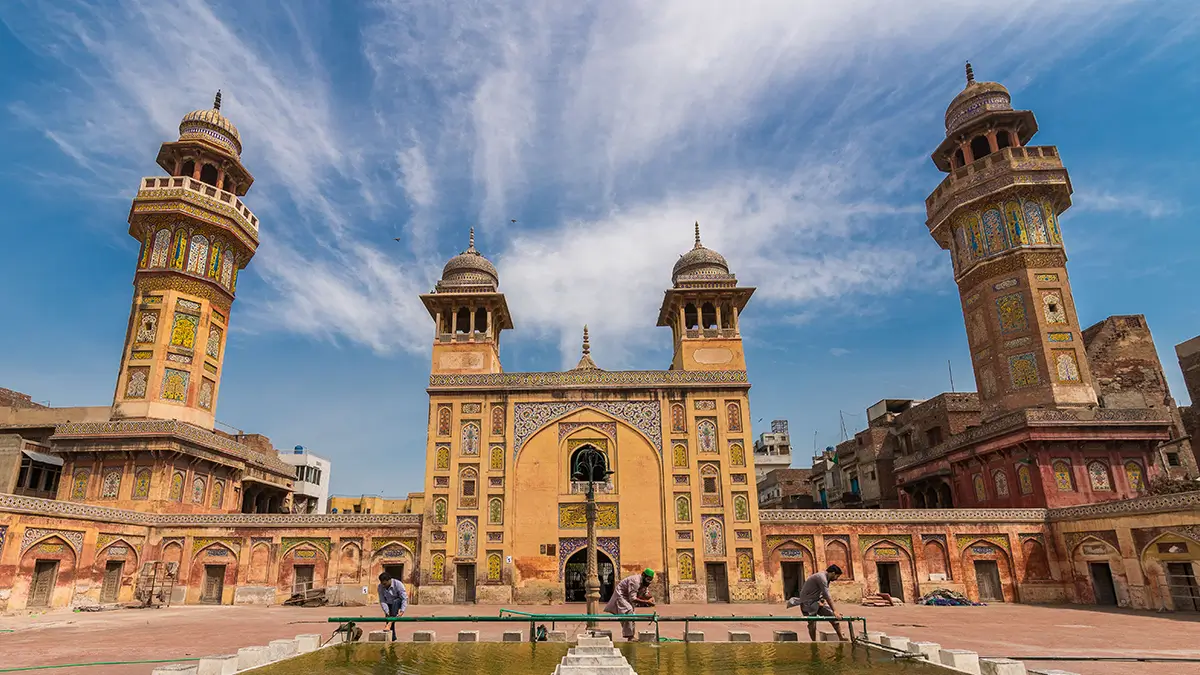
Lahore, often celebrated as the cultural heart of Pakistan, is home to countless historical treasures—but few rival the allure of Masjid Wazir Khan. Masjid wazir khan location is within the old city of Lahore, this 17th-century mosque is not just an architectural marvel but also a spiritual and cultural landmark. Constructed between 1634 and 1641 under the patronage of Shah Jahan’s trusted physician-turned-viceroy, Hakim Ilam-ud-din Ansari (popularly known as Wazir Khan), the mosque reflects the pinnacle of Mughal architectural sophistication.
In 2025, understanding the relevance of Masjid Wazir Khan goes beyond admiring its beauty. Its value lies in how it intertwines history, artistry, urban planning, and spiritual intent into a living, experiential monument. Visitors today engage with the mosque not only as a place of worship but as a window into Mughal-era Lahore, a center of cultural exchange, and a testament to centuries of craftsmanship and religious devotion.
The Evolution of Masjid Wazir Khan Lahore
The story of Masjid Wazir Khan begins with its founder, Hakim Ilam-ud-din Ansari, whose remarkable career in the Mughal court exemplifies the interplay of merit, trust, and patronage. Born in Chiniot in Punjab, Ansari rose from humble origins to become the personal physician to Prince Khurram (later Shah Jahan). Recognizing his talents and loyalty, the prince honored him with the title of Wazir Khan in 1620, granting him extensive land in Lahore—including the site of the mosque that would bear his name.
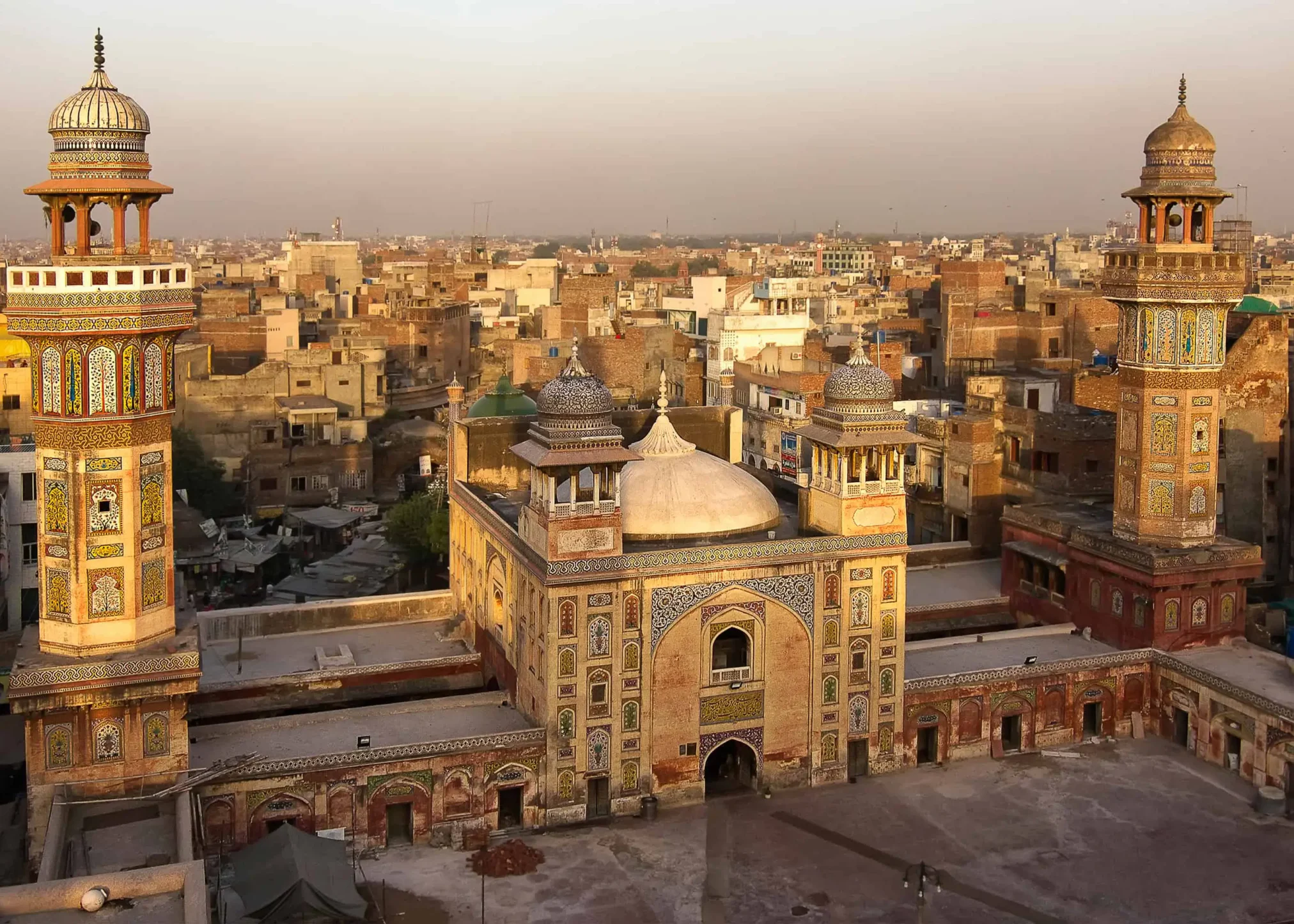
The mosque’s construction, beginning in 1634, was strategically designed to enclose the tomb of Miran Badshah, a revered Sufi saint who had migrated from Iran centuries earlier. This integration of spiritual reverence with architectural innovation exemplifies the Mughal approach to urban design: religious, cultural, and commercial functions coexisting harmoniously. For instance, the mosque was deliberately paired with shops, the Shahi Hammam, and a bazaar (the Calligraphers Bazaar) to generate income for its maintenance—a model of sustainable design that blends aesthetics with practicality.
Over the centuries, the mosque has witnessed multiple phases of wear, restoration, and preservation. Its exterior tiles, interior frescoes, and calligraphy remain largely intact, though conservation efforts, including partial minaret restoration by the Aga Khan Foundation, highlight the challenges of preserving a living monument in an urban environment.
Experience Speaks: Real-World Google Review Insights
Google reviews provide valuable insight into how modern visitors experience Masjid Wazir Khan. Integrating these perspectives ensures a well-rounded, trustworthy guide for potential visitors.
Positive Sentiment:
- A couple visiting in January 2024 noted, “A really beautiful mosque in the middle of the old town of Lahore. Definitely worth a visit and be sure to go inside.” This reflects the enduring appeal of the mosque’s central courtyard and ornate interiors.
- Mr. Wazir Khan wrote in May 2024, “Artistic gem in the walled city of Lahore. As one enters Delhi gate, the passage up to Masjid Wazir Khan is relatively clean. Beyond that, it’s the same old Lahore story.” Visitors appreciate not just the mosque itself but the surrounding urban context and approachability.
- Cisternista, from Italy, observed in November 2023, “The mosque’s intricate tile work, frescoes, and calligraphy are awe-inspiring, showcasing the craftsmanship of that era. Beyond its architectural splendor, it holds historical significance as a place of worship and cultural exchange.”
The Learning Curve:
- While many praise the mosque, some note challenges: Delmocorreia (Jan 2023) highlighted that “The beauty of its decorative elements, despite being in need of restoration, are worth noting.” This reminds visitors to manage expectations regarding preservation.
- SalimM (Oct 2022) adds: “The entrance is special with nicely decorated tiles and verses from the Holy Quran adorning it all round. Again, not maintained. Some restoration work appears to have started.”
The balance of praise and constructive observations is essential: it provides an honest reflection of both the mosque’s grandeur and the realities of heritage conservation.
The Pros and Cons of Masjid Wazir Khan Lahore
| Feature | Pro (Advantage) | Con (Challenge) |
|---|---|---|
| Architectural Beauty | Exceptional Mughal-era frescoes, tile work, and calligraphy | Some frescoes have faded over time; ongoing restoration needed |
| Historical Value | Integral to Lahore’s cultural heritage; site of Sufi saint’s tomb | Limited visitor facilities and guided information can hinder full appreciation |
| Accessibility | Situated within the walled city, walkable from major gateways | Narrow passages can get crowded during peak hours |
| Spiritual Experience | Offers serene space for prayer and reflection; imbued with centuries of dhikr | Female prayer areas historically limited; may feel less accommodating to some |
| Cultural Education | Bazaar and surrounding structures highlight Mughal urban planning | Some areas may not be fully interpreted for modern visitors; |
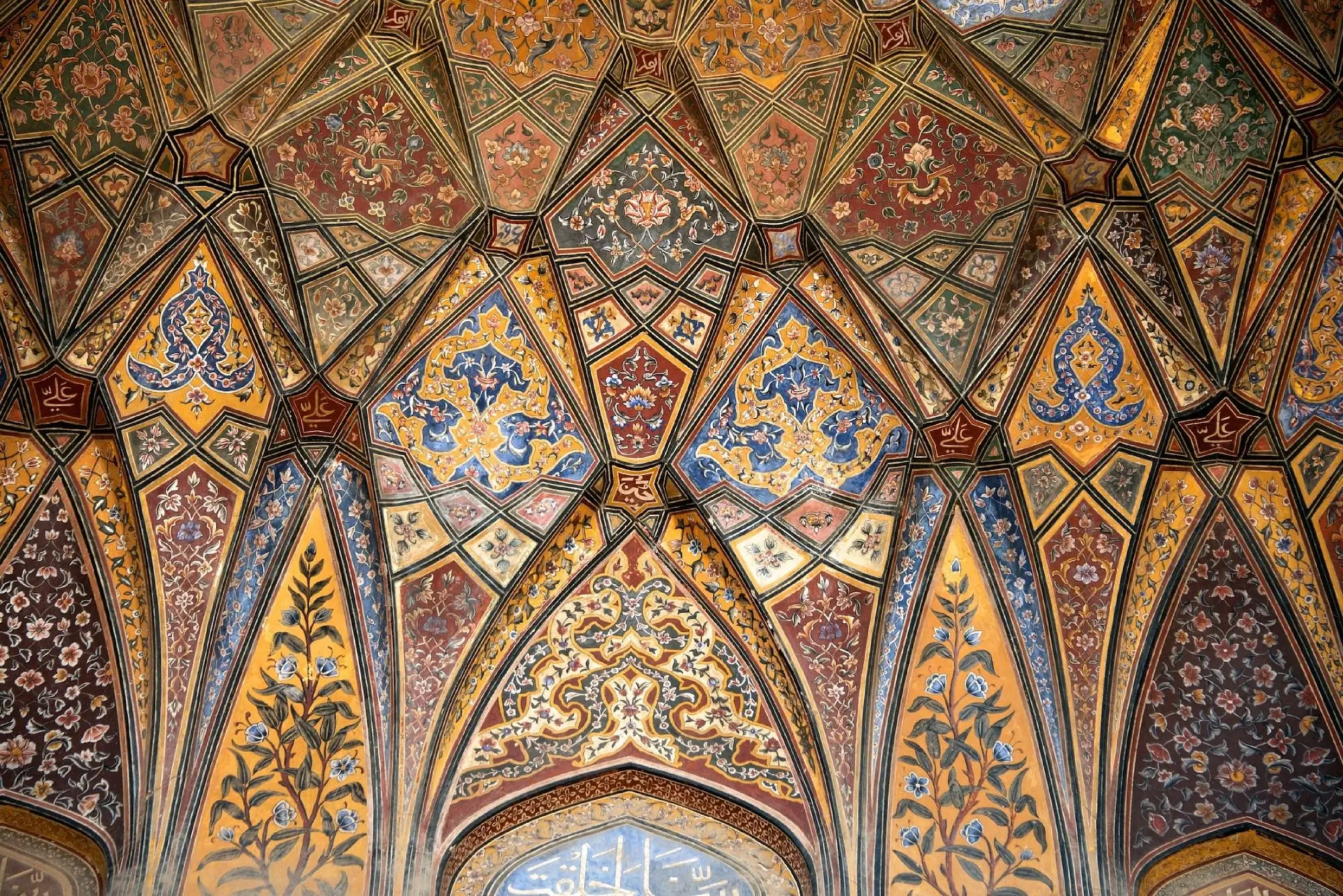
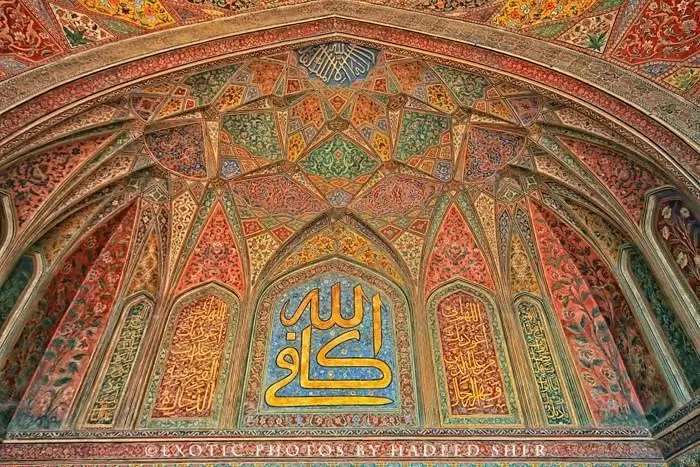
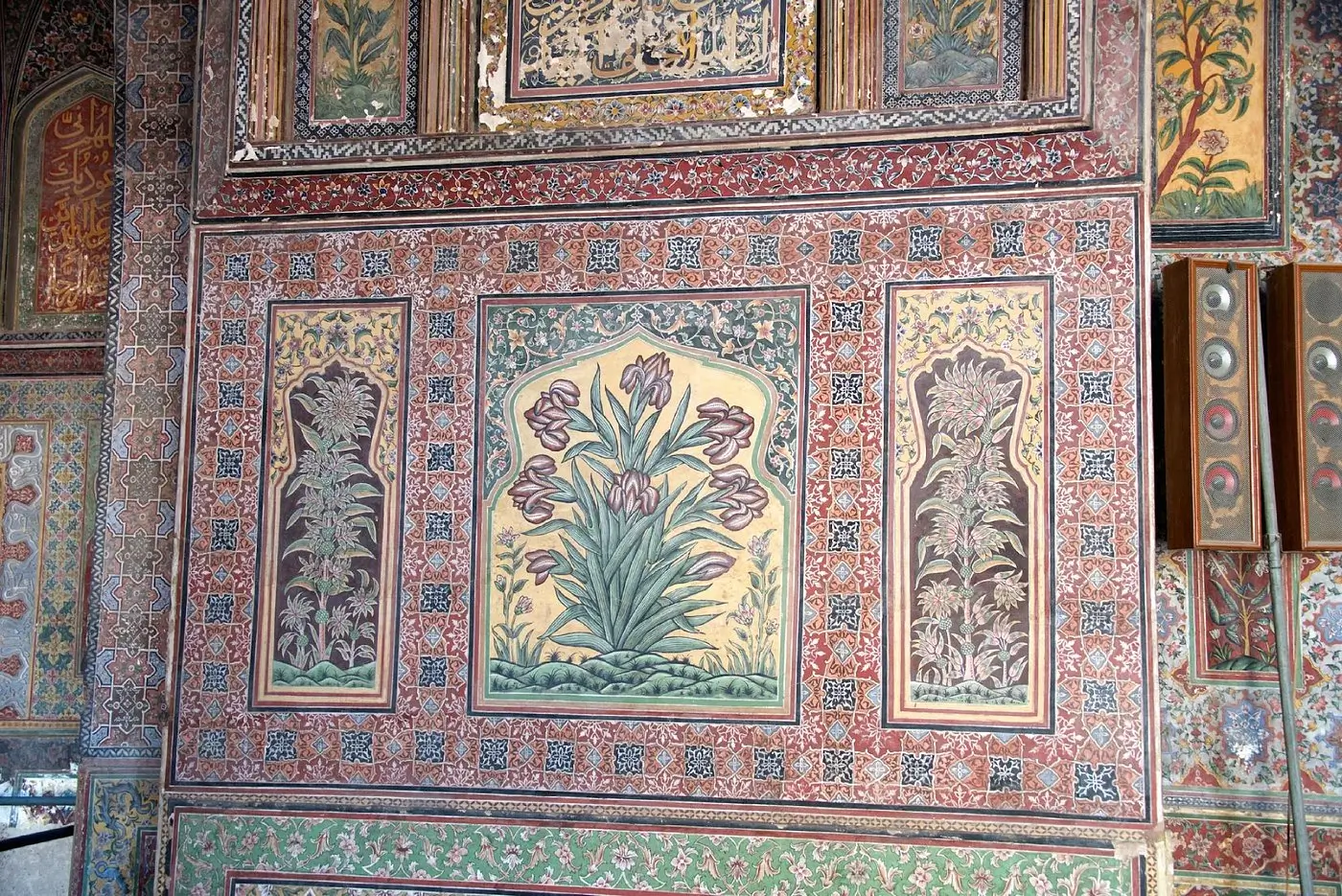
Core Mechanics and Unique Features : Masjid Wazir Khan Lahore
The distinctive charm of Masjid Wazir Khan lies in both its architectural form and its layered urban context.
The Courtyard and Prayer Hall
The mosque’s central courtyard, flanked by 32 hujras (small rooms) and ablution facilities, is raised slightly to demarcate sacred space. The main prayer hall, following the one-aisle five-bay layout, is crowned with five domes. The central dome rises 31 feet above the hall, creating a Chahar Taq (four-arched pavilion) that is a classical Persian architectural form. Visitors frequently remark on the dome’s interior frescoes, which depict paired trees, platters of fruit, and pitchers of wine—a symbolic representation of the Islamic paradise.
Kashi-Kari Tile Work
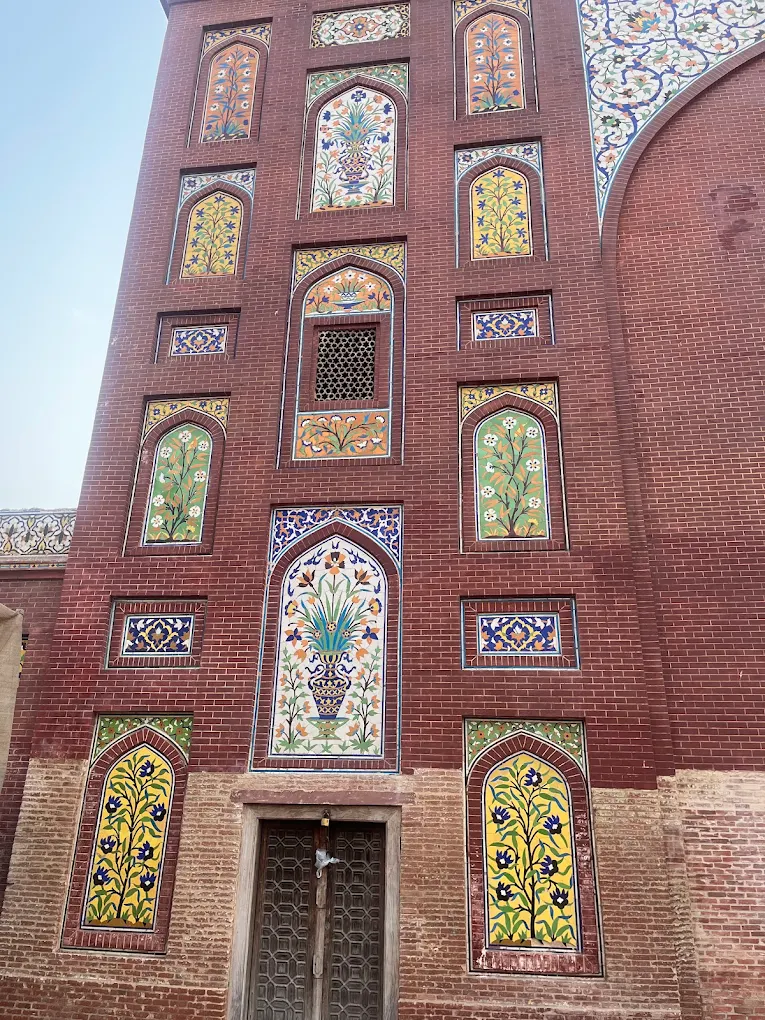
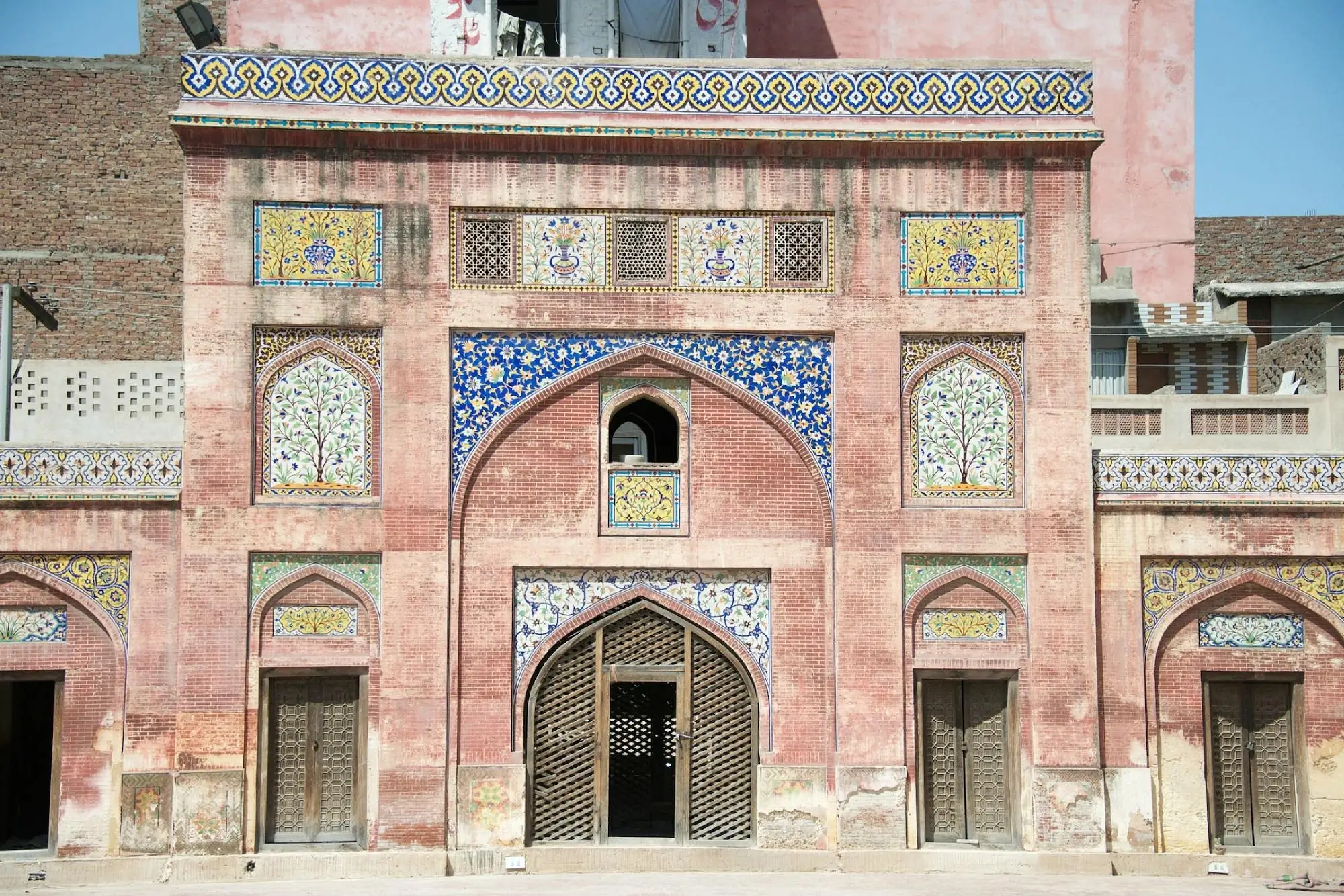
One of the mosque’s most celebrated features is the Kashi-Kari tile work. The vibrant palette—lajvard (cobalt blue), firozi (turquoise), white, orange, and green—adorns exterior facades and arches, making the mosque a living canvas of Persian-influenced Mughal aesthetics.
Calligraphy Bazaar
An innovative feature of Masjid Wazir Khan is the integration of commerce and art. The Calligraphers Bazaar, situated along the mosque’s axis, houses shops of artisans specializing in calligraphy and bookbinding. This dual function highlights the Mughal commitment to sustainable urban design, where income-generating activities support religious and cultural institutions.
Spiritual Symbolism
Architect Kamil Khan Mumtaz emphasizes that the mosque’s design facilitates dhikr, or remembrance of God. The geometric patterns, muqarnas, and floral motifs are not merely decorative—they encourage reflection on divine perfection, love, and beauty. Many visitors, such as SOQ2010 (Mar 2022), have noted the spiritual resonance of the mosque, describing it as “a place where spirituality is palpable, even without designated female prayer areas.”
Restoration and Preservation
Despite its grandeur, the mosque has faced challenges in maintenance. Partial restorations have been undertaken, particularly on minarets, and ongoing efforts aim to safeguard both the structural integrity and visual splendor. Restoration is critical not just for aesthetics, but for preserving centuries of Mughal cultural knowledge and craftsmanship.
Visitor Tips and Insights
- Best Time to Visit: Early mornings or late afternoons for fewer crowds and optimal light for photography.
- Entry: Free of charge; respectful attire is mandatory.
- Nearby Attractions: Shahi Hammam, Delhi Gate, Sunehri Mosque, and Walled City heritage streets.
- Guided Tours: Available near Delhi Gate through the Walled City Authority. Tips are encouraged.
Google review note: Multiple visitors, including Iolanda Guerra e Andrade (Sep 2023), highlight that “there are never too many people. Free entry.” This makes it ideal for reflective exploration or photography.
Masjid Wazir Khan remains an unparalleled jewel in Lahore’s historic landscape. Its enduring relevance in 2025 stems from a blend of historical significance, architectural brilliance, spiritual symbolism, and the continued engagement of visitors who appreciate both its beauty and its challenges.
From the intricate Kashi-Kari tile work to the Chahar Taq dome and the bustling Calligraphers Bazaar, every aspect of the mosque offers insight into Mughal aesthetics, urban planning, and devotional culture. Real visitor feedback underscores that while restoration is ongoing and certain practical limitations exist, the overall experience is transformative. As one Tripadvisor reviewer eloquently stated, “Without the visit of this mosque, the visit of Lahore remains uncompleted.”
Masjid Wazir Khan Architecture: Exploring the 17th-Century Mughal Masterpiece.
When you step into Masjid Wazir Khan, it becomes immediately apparent why this mosque is considered a crown jewel of Mughal architecture. Built between 1634 and 1641 under Shah Jahan’s reign, the mosque represents a perfect synthesis of Persian artistry and local craftsmanship. Every dome, minaret, and fresco tells a story, revealing centuries of skill, spiritual intent, and cultural context.
The Courtyard: Heart of the Mosque
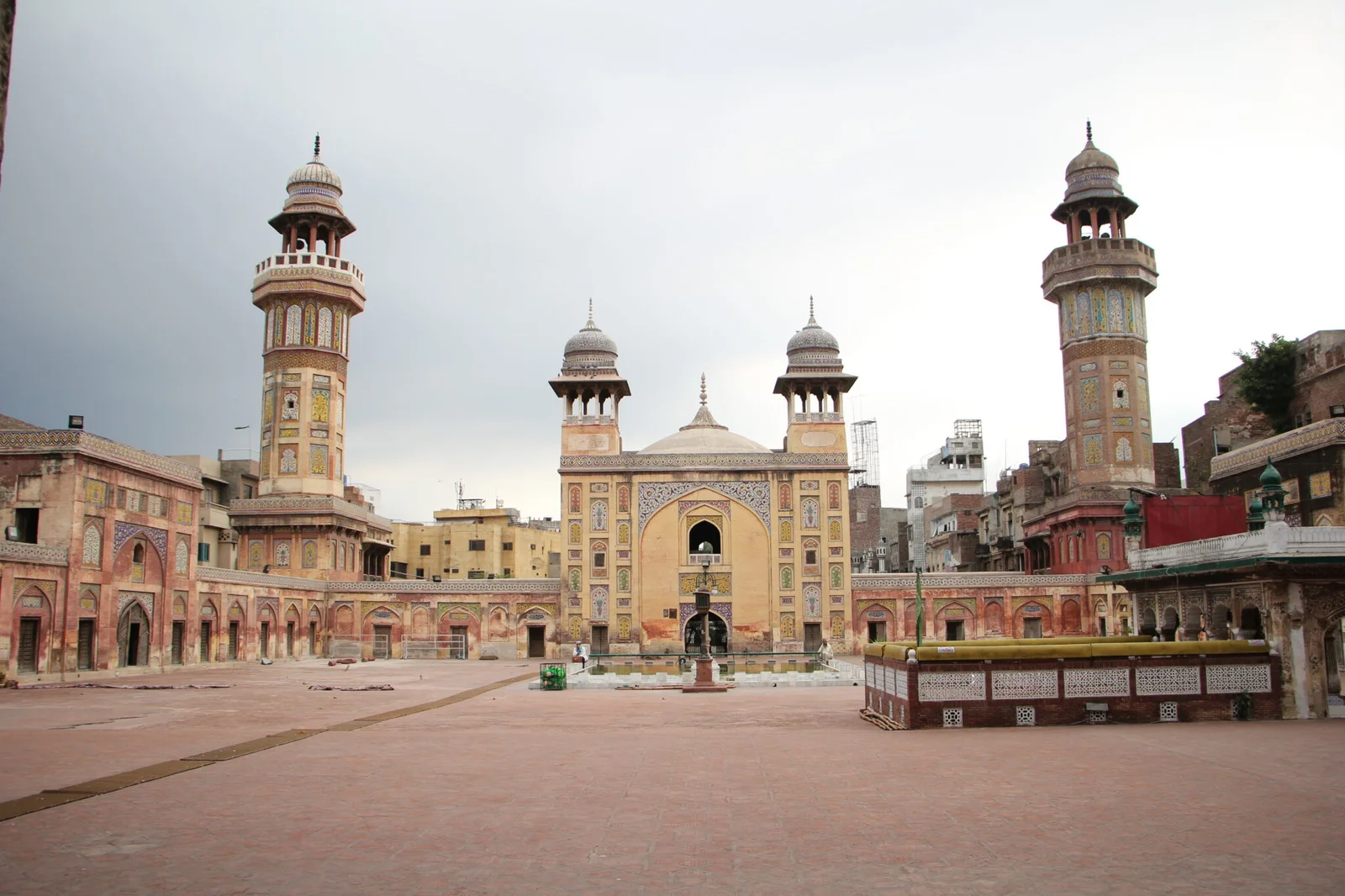
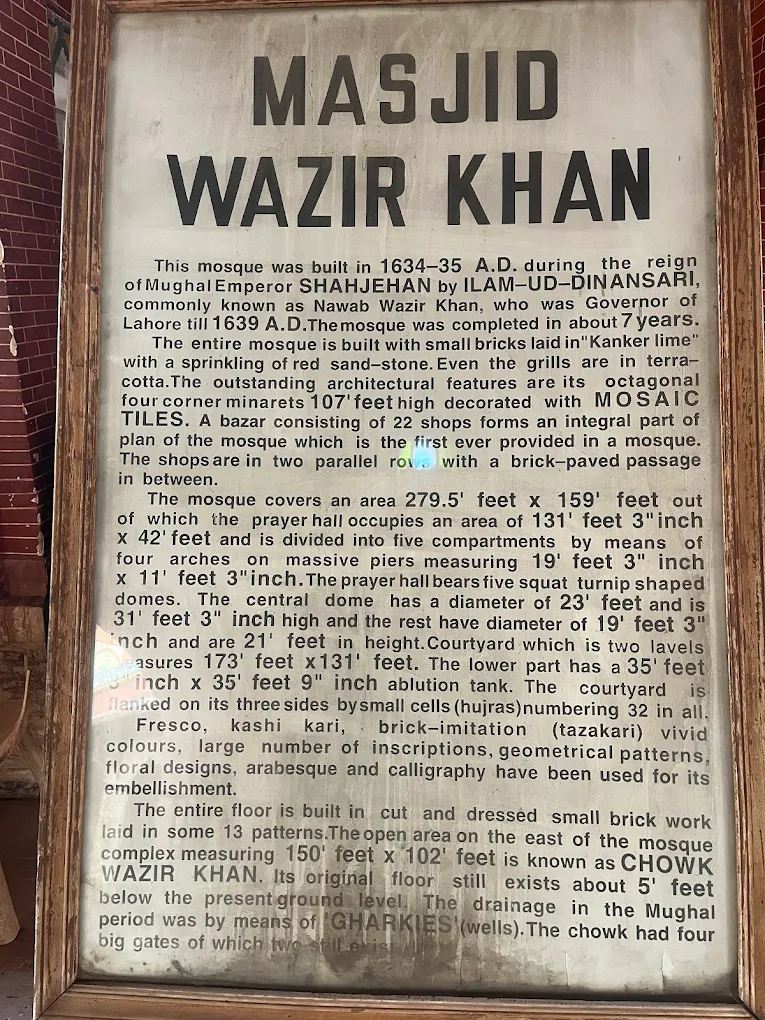
At the core of Masjid Wazir Khan lies the courtyard, a hallmark of Mughal mosques. Measuring approximately 279 ft. by 159 ft., the courtyard is elevated slightly above street level, reinforcing the sacredness of the space.
Ablution Tank and Spatial Planning
Central to the courtyard is the ablution tank, reflecting the Islamic emphasis on cleanliness before prayer. Surrounding this are 32 hujras (small rooms) and galleries that historically housed students, scholars, and visiting clerics. This layout exemplifies the Mughal integration of religious, educational, and communal spaces.
Visitors consistently note the courtyard’s grandeur: Cisternista (Nov 2023) remarked, “The architectural design and layout of the mosque exemplify the Mughal style, characterized by its grand entrance gate, a central courtyard, and a beautiful prayer hall.”
Geometric and Floral Symbolism
The courtyard’s flooring features black geometric star patterns, emphasizing symmetry and divine perfection. Surrounding tilework includes floral motifs—guldasta designs—that guide the eye toward the mosque’s central axis, subtly merging aesthetic beauty with spiritual symbolism.
The Domes: Heaven on Earth
Masjid Wazir Khan is crowned by five domes, each carefully proportioned to create visual and acoustic harmony.
Central Dome: The Chahar Taq
The central dome rises 31 ft. above the prayer hall, with a 23-ft. diameter resting on a Chahar Taq structure—a Persian architectural form consisting of four arches forming a square base. This transition from cube to hemispherical dome represents the connection between earthly existence and the divine.
Inside, the dome is adorned with frescoes depicting paired cypress trees, platters of fruit, and pitchers of wine—symbolic of paradise as described in the Quran. The artistic intent is both decorative and meditative, allowing worshippers and visitors to reflect on divine perfection.
Flanking Domes
The four smaller domes (21 ft. tall with a 19-ft. diameter) complement the central dome, balancing the structure visually and acoustically. These domes are designed in the style reminiscent of Lodhi-era mosques, demonstrating the synthesis of architectural traditions across centuries.
Reviewers often highlight the emotional impact of the domes. PakistanGuidedTours (May 2024) described them as “a visual delight for visitors,” emphasizing how the interplay of height, color, and pattern evokes awe.
Minarets: Four Pillars of Grace
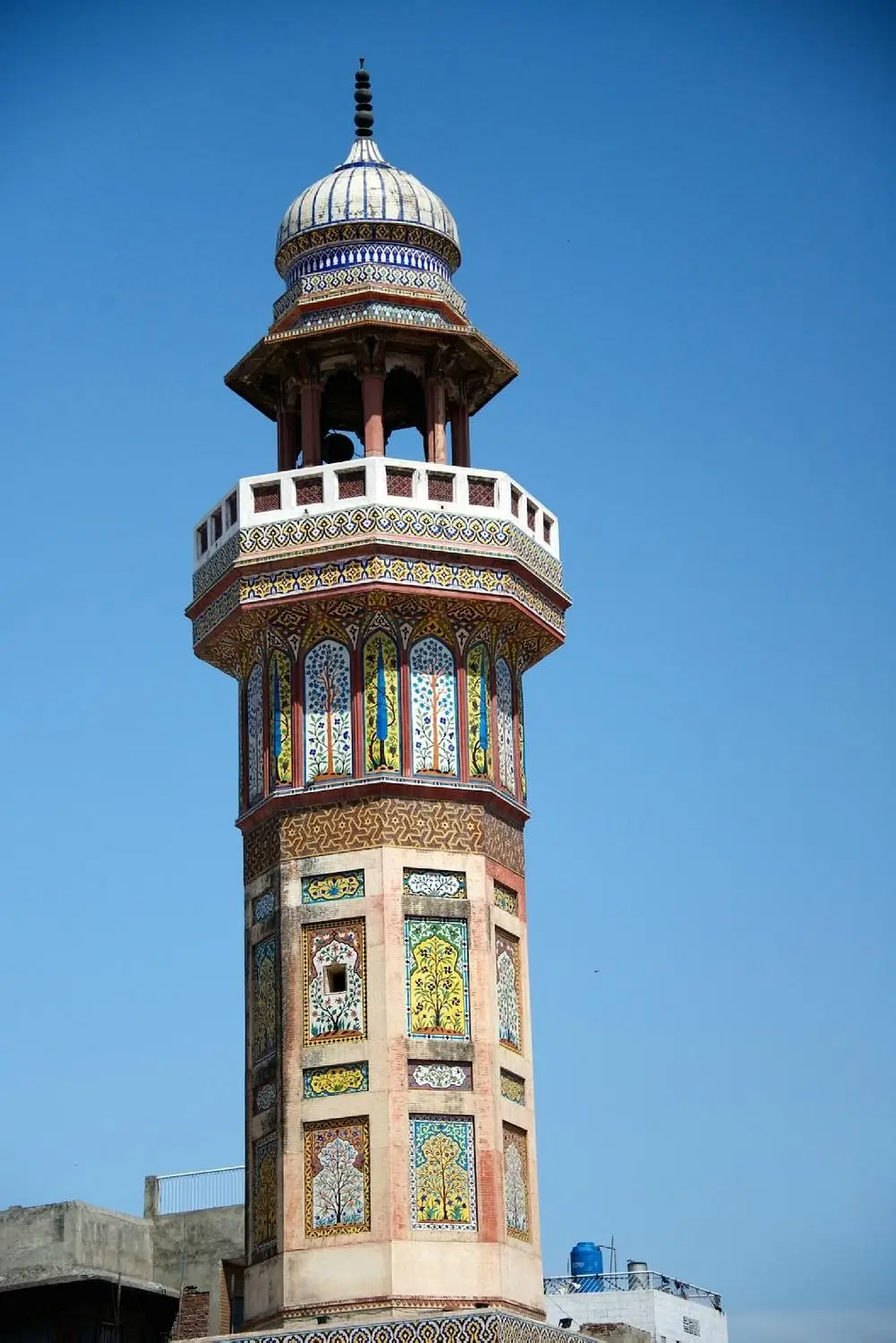
One of the mosque’s defining innovations is the minarets at each of the four corners of the courtyard, a first in Lahore’s mosque architecture.
Structural Design
Each minaret serves multiple purposes:
- Visual Anchoring: Framing the mosque’s central courtyard and domes.
- Call to Prayer: Historically, the muezzin would ascend these minarets to issue the adhan.
- Symbolic Function: Representing the mosque’s spiritual reach and Mughal ambition.
Visitors often photograph these minarets from multiple angles, drawn by the intricate tilework and geometric patterns. Iolanda Guerra e Andrade (Oct 2023) noted, “The details are beautiful, as always. There are never too many people. Free entry.” This emphasizes that the minarets not only serve an architectural function but also enhance visitor experience.
Restoration Efforts
Some minarets have undergone partial restoration, as highlighted by Delmocorreia (Jan 2023): “We were happy to see that one of its minarets was being partly restored. Such an important mosque deserves to be highlighted.” Restoration ensures structural stability while preserving Mughal-era artistry.
Frescoes: The Mughal Masterstroke
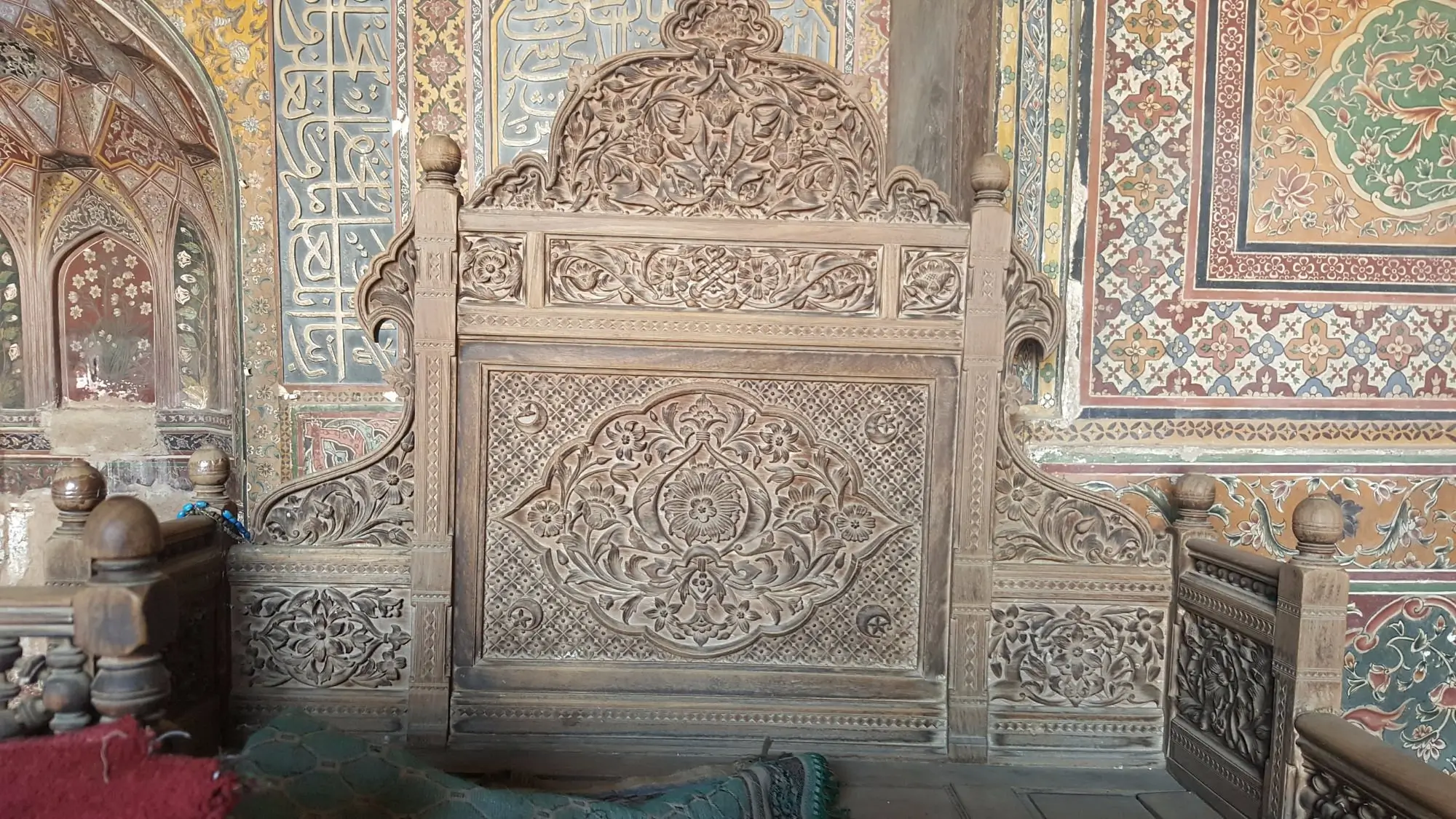
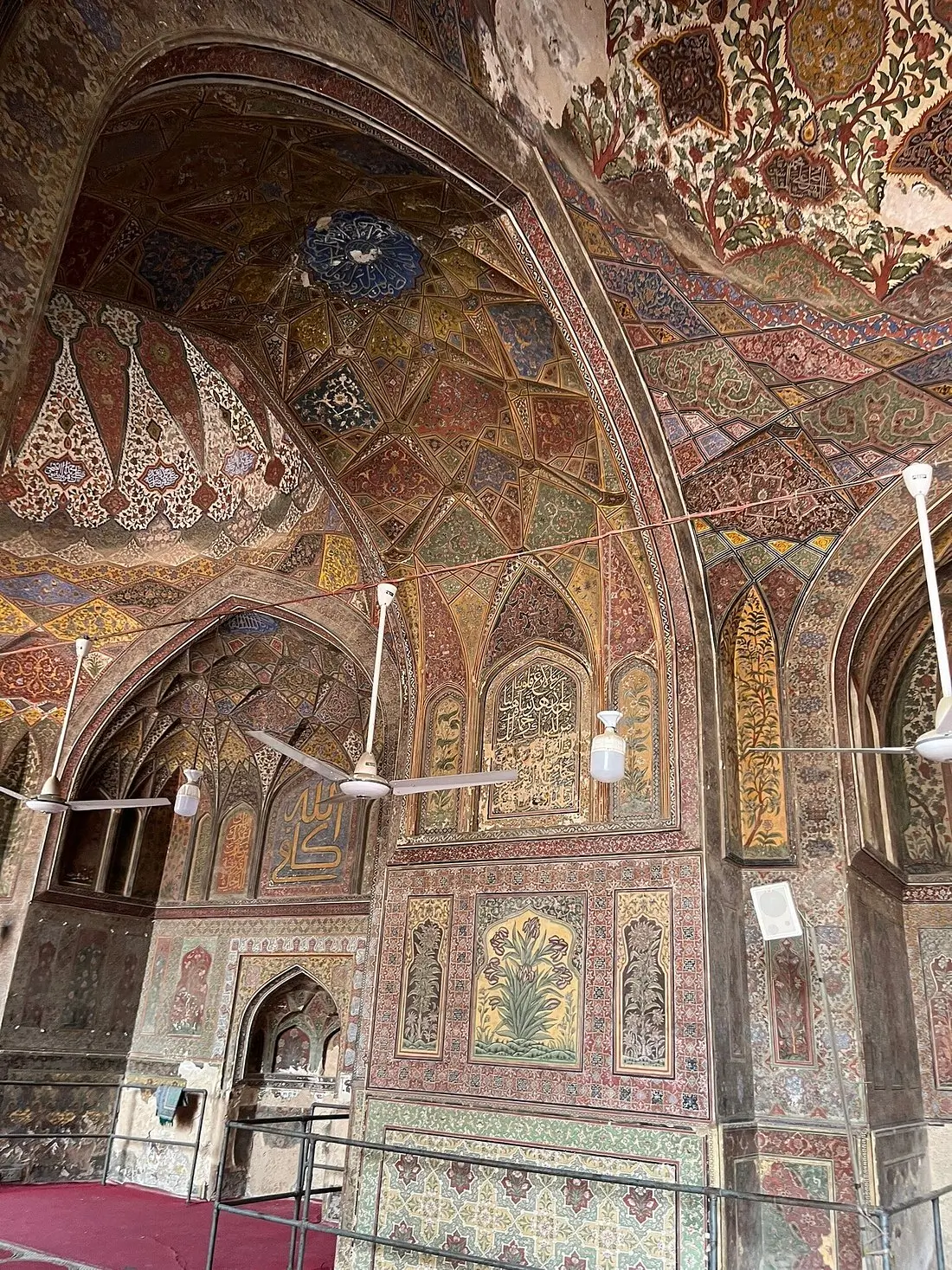
The interior of Masjid Wazir Khan is perhaps best known for its frescoes, a form of buon fresco unique to Mughal art in the region.
Themes and Styles
- Floral and Natural Motifs: Cypress trees, vines, flowers, and fruits dominate wall and dome surfaces.
- Paradise Imagery: Platters of fruit and pitchers of wine symbolically represent the Quranic vision of heaven.
- Calligraphy: Quranic verses are rendered in intricate Persian and Arabic scripts, combining spiritual meaning with visual rhythm.
Preservation Challenges
While many frescoes remain vivid, centuries of exposure have led to fading in certain sections. Some visitors, like SalimM (Oct 2022), note that “The inside of the mosque has intricate design and colors, though mostly faded away now.” Despite these challenges, the overall impact remains breathtaking.
Visitor Experience
SOQ2010 (Mar 2022) described the mosque as “a place where spirituality is palpable, even without designated female prayer areas.” The frescoes, in combination with the mosque’s architecture, create an immersive environment that encourages reflection and contemplation.
Kashi-Kari Tile Work: Persia Meets Punjab
The exterior and select interior facades of Masjid Wazir Khan showcase Kashi-Kari glazed tiles, a Persian-inspired technique featuring vivid colors and intricate patterns.
Color Palette
- Lajvard (Cobalt Blue)
- Firozi (Turquoise)
- White, Orange, Green, and Purple
These colors are not arbitrary—they create visual harmony, guide the eye along structural lines, and evoke emotional responses in visitors.
Symbolic Design
Tile motifs often depict intertwined floral patterns, geometric arrangements, and Quranic inscriptions. These elements reinforce both spiritual contemplation and the Mughal ethos of blending aesthetics with meaning.
The Calligraphers Bazaar: Function Meets Art
A unique feature of Masjid Wazir Khan is the Calligraphers Bazaar, integrated into the mosque’s complex.
Historical Purpose
This bazaar historically housed artisans, bookbinders, and calligraphers, whose work contributed to the mosque’s upkeep. The design demonstrates a sustainable approach to urban planning, merging religious, commercial, and educational functions.
Modern-Day Experience
Today, visitors can still experience this vibrant corridor. Mr. Wazir Khan (May 2024) noted, “Tourist guides are available free of charge. Tipping is allowed. Along with other famous streets, passage up to Masjid Wazir Khan is relatively clean.” This emphasizes the continued vitality of the surrounding urban fabric.
Pros and Cons of Architectural Features
| Feature | Pro (Advantage) | Con (Challenge) |
|---|---|---|
| Domes | Chahar Taq central dome provides visual and acoustic balance | Requires careful preservation due to age |
| Minarets | Iconic four-corner design enhances aesthetics and spiritual symbolism | Partial restoration required; structural vulnerability |
| Frescoes | Immersive spiritual and visual experience | Fading in certain areas; restoration needed |
| Tile Work | Unique Kashi-Kari design; vibrant, historically significant | Fragile and susceptible to weathering |
| Bazaar Integration | Functional and historically authentic; enhances visitor experience | Modern commercialization may affect authenticity |
Masjid Wazir Khan is more than a mosque; it is a living canvas of Mughal ingenuity, spiritual symbolism, and urban design. From its domes and minarets to frescoes and Kashi-Kari tiles, every detail serves both an aesthetic and a spiritual purpose. Visitor feedback consistently highlights its ability to inspire awe, reflection, and cultural appreciation.
As noted by PakistanGuidedTours (Nov 2023), “Wazir Khan Mosque is a treasure trove of history and a jewel in Lahore’s heart.” Whether you are a historian, an art lover, or a casual visitor, the mosque offers layers of discovery, each revealing the depth of Mughal architectural brilliance.
Masjid Wazir Khan: Spiritual Symbolism and Sacred Art in Mughal Architecture
Visitors often remark on the immense spiritual atmosphere even before stepping inside the prayer hall. As Ash J (Feb 2021) wrote, “It was a beautiful place, I learned a lot. The best part is people there were really kind and sweet.” Such experiences reflect the mosque’s enduring role as a space of both architectural and spiritual significance.
Fresco Iconography: Messages Through Art
The frescoes of Masjid Wazir Khan are not merely decorative; they convey profound spiritual and philosophical messages.
Paradise Imagery
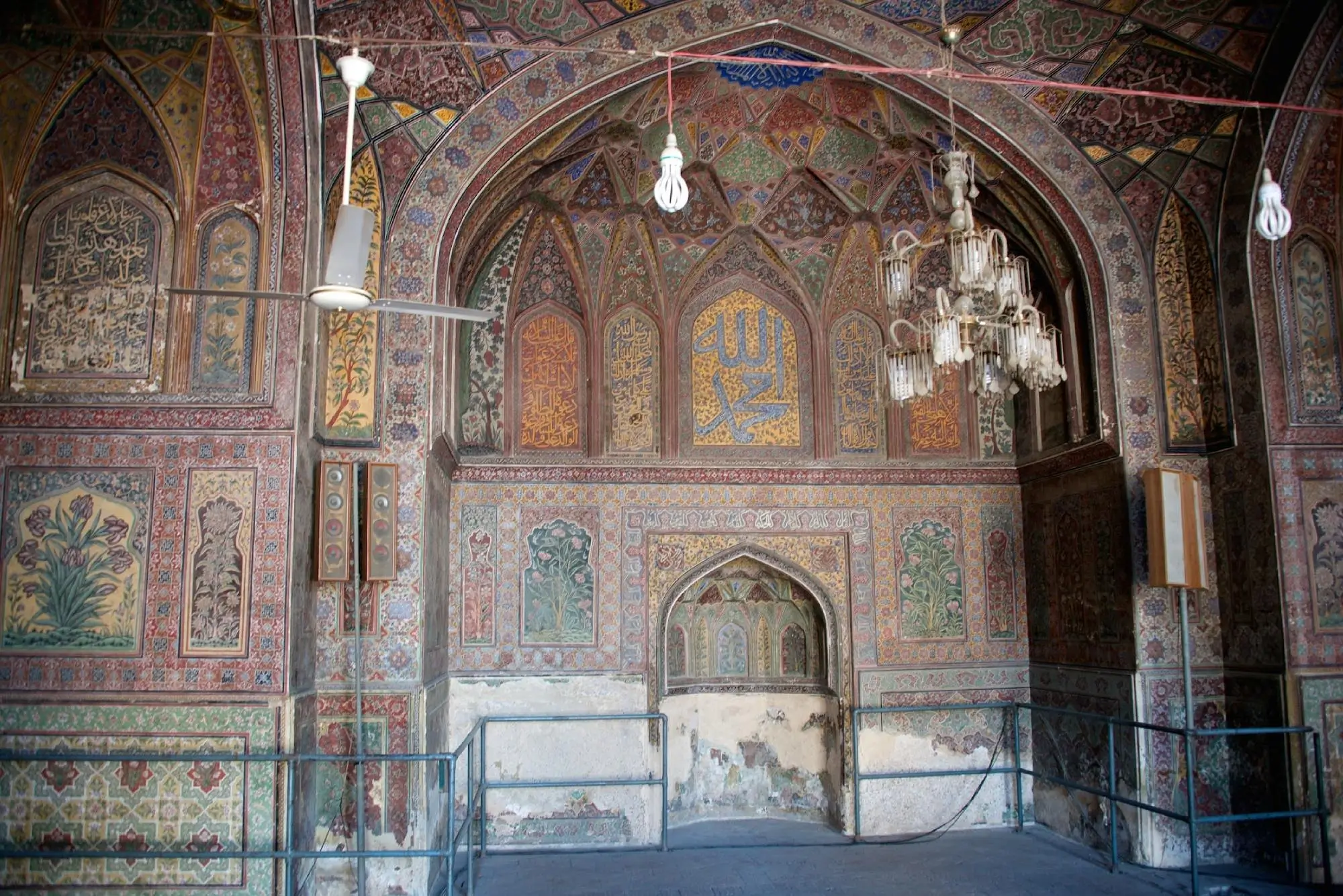
The central dome and prayer hall feature depictions of paired cypress trees, pitchers of wine, and platters of fruit—iconography drawn from Quranic descriptions of Jannah (Paradise).
- Symbolism: Cypress trees represent eternal life, fruit platters signify abundance and divine reward, and pitchers of wine (non-alcoholic in spiritual symbolism) indicate spiritual bliss.
- Visitor Reflection: delmocorreia (Jan 2023) noted, “The beauty of its decorative elements, despite being in need of restoration, are worth noting.” Even partially faded, these frescoes communicate spiritual ideals effectively.
Floral Motifs and Guldasta Patterns
Floral designs dominate the interior walls, ceilings, and entrance niches.
- Design Purpose: Encourage visual meditation, reflect harmony and symmetry in creation, and evoke serenity.
- Spiritual Meaning: According to Kamil Khan Mumtaz, a leading Pakistani architect, these motifs guide the observer toward contemplation of divine perfection.
Quranic Inscriptions: Words as Divine Guidance
Throughout the mosque, Quranic verses are meticulously inscribed in Arabic and Persian calligraphy, blending form and function.
Placement and Function
- Entrance Portal: The grand iwan features inscriptions reminding visitors of moral and spiritual responsibilities.
- Prayer Hall Walls: Verses reinforce reflection and focus during prayer.
- Domes: Circular inscriptions on dome bases create a sense of cosmic infinity, symbolically linking the physical structure to the divine.
Visitor Observations
SalimM (Oct 2022) reflected, “The entrance is special with nicely decorated tiles and verses from the Holy Quran adorning it all round.” The inscriptions are not only aesthetically pleasing but also serve as spiritual prompts, engaging visitors in a continuous dhikr of God.
The Role of Dhikr in Architectural Design
Dhikr, or remembrance of God, is central to Islamic spirituality. Masjid Wazir Khan’s architecture embodies this principle.
Geometry as Spiritual Tool
- Repetition and Symmetry: Geometric patterns in tiles and frescoes symbolize divine perfection and unity.
- Visitor Interaction: By following lines, shapes, and patterns, worshippers and tourists engage subconsciously in reflection.
Color and Emotional Response
- Cobalt Blue (Lajvard) & Turquoise (Firozi): Evoke calm and serenity.
- White and Gold Accents: Symbolize purity and divine light.
- Practical Impact: Cisternista (Nov 2023) mentioned, “During the reign of Emperor Shah Jahan in the 17th century, it stands as a testament to Mughal architectural brilliance and artistic finesse.” Color is not mere decoration—it shapes emotional and spiritual perception.
Spiritual Layout: Courtyard, Prayer Hall, and Minarets
The mosque’s layout reflects spiritual hierarchy and experiential design:
Elevated Courtyard
- Represents transition from earthly concerns to sacred space.
- Ablution tank emphasizes purification before prayer.
Prayer Hall
- Five-bay single-aisle hall encourages communal focus while allowing individual reflection.
- Central dome acts as a metaphysical focal point, drawing the eye upward.
Minarets as Spiritual Beacons
- Four corner minarets symbolize divine guidance, echoing the mosque’s spiritual framework across the cityscape.
Integration of Art and Worship
Masjid Wazir Khan demonstrates the inseparability of art and worship in Mughal mosques:
- Artistic Mastery: Frescoes, tilework, and calligraphy showcase Mughal skill.
- Spiritual Function: These elements guide worshippers toward mindfulness and reflection.
Ash J (Feb 2021) emphasized this integration: “It was a beautiful place, I learned a lot. The best part is people there were really kind and sweet.”
Pros and Cons: Spiritual Experience
| Feature | Pro (Advantage) | Con (Challenge) |
|---|---|---|
| Frescoes & Tilework | Inspire reflection and awe; cultural preservation | Requires careful restoration to retain original colors |
| Quranic Inscriptions | Continuous dhikr for visitors; educational | Weathering and partial fading reduce clarity |
| Courtyard Layout | Transition space reinforces spiritual mindset | Accessibility for some visitors may be limited |
| Central Dome | Metaphysical focal point; symbolic of heaven | Maintenance and preservation challenges |
Visitor Reflections: Spiritual Impact
- SOQ2010 (Mar 2022): “Spirituality is there in this 600-year-old Masjid.”
- Kenkeh (Dec 2022): “The paintings are beautiful and the architecture is unique.”
- Cisternista (Nov 2023): “Awe-inspiring craftsmanship, showcasing centuries of spiritual and artistic dedication.”
These observations reinforce the idea that Masjid Wazir Khan is not just a monument—it is a lived spiritual experience. Masjid Wazir Khan exemplifies the Mughal vision of combining architecture, art, and spirituality. Its frescoes, inscriptions, geometric designs, and layout are carefully crafted to foster dhikr, reflection, and awe. For scholars, tourists, and worshippers alike, the mosque offers a multidimensional experience that transcends time.
Masjid Wazir Khan: Historical and Cultural Significance in Lahore
The mosque is not only a monument; it is a lens through which we can understand the urban, political, and cultural fabric of 17th-century Lahore.
Visitors frequently note the vibrancy of the area surrounding the mosque. Mr.Wazir Khan (May 2024) observed: “Artistic gem in the walled city of Lahore. As one enters Delhi Gate on the left is the office of Walled City Authority from where tourist guides are available free of charge….” This blend of history, urban activity, and culture forms the living context of the mosque.
Mughal Foundations: Lahore in the 17th Century
Masjid Wazir Khan was commissioned in 1634 by Hakim Ilam-ud-din Ansari, a trusted physician of Emperor Shah Jahan who was later titled Wazir Khan. His vision extended beyond a mosque; it encompassed a complex with a bazaar, hammam, and urban integration.
The Walled City Context
- Location: Southern side of the Shahi Guzargah, the traditional route to Lahore Fort.
- Urban Integration: The mosque acted as both a spiritual and social hub, linking commerce, education, and worship.
Visitor insights reinforce this: PakistanGuidedTours (May 2024) commented: “…the passage up to Masjid Wazir Khan is relatively clean. Beyond that up to Sunehri Masjid, it’s the same old Lahore story.” The mosque remains a key node in the historic walled city, bridging old and modern Lahore.
Cultural Significance: Art, Education, and Commerce
A Center for Mughal Artistry
Masjid Wazir Khan is celebrated for its Kashi-Kari tile work, frescoes, and calligraphy, reflecting the apex of Mughal craftsmanship.
- Unique Artistic Features:
- Persian-style tiles with vibrant lajvard (cobalt blue), firozi (turquoise), white, yellow, and green hues.
- Buon frescoes depicting floral motifs, fruits, and cypress trees.
- Historical Recognition: Rudyard Kipling’s father, Lockwood Kipling, remarked that the mosque is “itself a school of design & arts.”
Educational and Cultural Hub
- Historically, the mosque’s complex included hujras (small rooms) and pavilions for study and Sufi gatherings.
- Modern-day visitors still sense an atmosphere of learning and reflection. SOQ2010 (Mar 2022) noted: “Spirituality is there in this 600-year-old Masjid.”
Integration of Commerce: The Bazaar System
- Calligraphers’ Bazaar: Unique in central Asia for purpose-built four-axis design.
- Purpose: Fund mosque maintenance and support local craftsmen.
- Impact: Continues to be a thriving marketplace, preserving traditional crafts.
Historical Layers: The Mosque Through Time
4.1 Mughal Era
- Constructed during Shah Jahan’s reign (1634–1641) to enclose the tomb of the Sufi saint Miran Badshah.
- Served as the main Friday mosque in Lahore, superseding older structures like Maryam Zamani Mosque.
4.2 Colonial Period
- Faced neglect and partial decay under British administration.
- Portions of the mosque and surrounding urban fabric were altered, but the central structure remained intact.
4.3 Modern Preservation Efforts
- Aga Khan Trust for Culture and Walled City Authority have initiated restoration programs.
- Visitors often notice ongoing work: Iolanda Guerra e Andrade (Dec 2022) wrote: “We were happy to see that one of its minarets was being partly restored. Such an important mosque deserves to be highlighted …”
Religious Function
- Continues to serve daily prayers and special events.
- Houses the tomb of Miran Badshah, attracting pilgrims and devotees.
Community and Cultural Events
- The mosque’s courtyard and adjacent bazaars facilitate festivals, cultural programs, and traditional gatherings.
- Provides a space for both locals and tourists to engage with Lahore’s heritage.
Living Heritage
- Visitors consistently highlight the blend of past and present:
- Beautiful art and architecture.
- Vibrant social and commercial life.
- A sense of spiritual continuity across centuries.
Pros and Cons: Historical & Cultural Experience
| Feature | Pro (Advantage) | Con (Challenge) |
|---|---|---|
| Historical Significance | Direct link to Mughal era; Sufi heritage | Some parts require restoration |
| Cultural Hub | Bazaar, study rooms, calligraphy preserve traditional arts | Modern urban pressures risk damaging surroundings |
| Social Role | Active place of worship and community engagement | Limited facilities for female worshippers |
| Preservation Efforts | Ongoing restoration; UNESCO tentative site | Full restoration is gradual; funding constraints |
Visitor Reviews: Historical & Cultural Insights
- A Gem of Lahore (Nov 2023): “…showcasing the craftsmanship of that era. Beyond its architectural splendor, the Wazir Khan Mosque holds historical significance as a place of worship and cultural exchange.”
- Mr.Wazir Khan (May 2024): “…tourist guides are available free of charge … the area up to Masjid Wazir Khan is relatively clean.”
- SOQ2010 (Jan 2024): “A really beautiful mosque in the middle of the old town of Lahore. Definitely worth a visit and be sure to go inside.”
These reviews underline that Masjid Wazir Khan is not only a monument to Mughal architecture but a living center of culture and society.
Masjid Wazir Khan: Architectural and Engineering Marvel
Masjid Wazir Khan is more than a place of worship; it is an architectural statement of Mughal ingenuity and artistic vision. Constructed between 1634 and 1641 under Shah Jahan’s reign, the mosque exemplifies a balance between spiritual symbolism and urban functionality.
Visitors often describe the mosque as a “living museum of Mughal design”, and rightly so. Its innovative domes, minarets, and Kashi-Kari tilework set a benchmark for religious architecture in South Asia.
Spatial Layout: Courtyard, Prayer Hall, and Minarets
Elevated Plinth and Main Courtyard
- The mosque is built on a raised plinth, giving it prominence within the Walled City.
- Dimensions: Outer perimeter approximately 279 ft × 159 ft.
- The central courtyard is divided into two levels, with an ablution tank at the center, flanked by hujras (small rooms) for Sufi study and scholars.
Prayer Hall Design
- Five-bay, one-aisle structure, approximately 130 ft long and 42 ft wide.
- The central bay is topped by a 31-ft tall dome, supported on four arches forming a square pavilion (Char Taq design).
- Other domes: Four smaller domes (21-ft tall) sit over the remaining compartments.
- Northern and southern ends include spiral staircases leading to the rooftop, facilitating maintenance and structural inspections.
Minarets
- Four octagonal minarets at each corner of the courtyard are among the earliest examples in Lahore of purpose-built mosque minarets.
- They not only serve the aesthetic grandeur but historically assisted in the call to prayer and architectural balance.
Visitor SOQ2010 (Jan 2024) described: “A really beautiful mosque in the middle of the old town of Lahore. Definitely worth a visit and be sure to go inside.” This praise often highlights both the spatial layout and the visual harmony of the mosque.
Kashi-Kari Tilework: The Art of Glazed Perfection
Tile Materials and Colors
- Predominantly Persian-style glazed tiles, also called Kashi-Kari.
- Color palette includes lajvard (cobalt blue), firozi (turquoise), white, orange, yellow, and green.
- Tile mosaics adorn facades, mihrabs, and iwans, forming floral, geometric, and calligraphic patterns.
Frescoes and Buon Painting
- Interior frescoes complement tilework with Mughal-era motifs.
- Depictions include paired cypress trees, platters of fruits, pitchers of wine, symbolizing Islamic paradise.
- The combination of tiles and frescoes is unique in Lahore, giving the mosque a multi-dimensional visual depth.
Visitor A Gem of Lahore (Nov 2023) remarked: “…intricate tile work, frescoes, and calligraphy are awe-inspiring, showcasing the craftsmanship of that era.”
Structural Engineering and Innovations
Foundations and Materials
- Constructed with cut and dressed bricks laid in kankar lime, occasionally incorporating red sandstone.
- Raised plinth provides flood protection and structural stability.
- The courtyard design allows even distribution of weight across arches and piers, reducing stress on the foundation.
Dome Mechanics
- Char Taq central dome uses a square-to-circle transition, an innovation in Persian and Mughal architecture.
- Smaller domes mimic Lodhi-era designs but integrate Mughal decorative elements.
- This structural hierarchy ensures the main prayer hall feels expansive without compromising stability.
Minaret Stability
- Minarets are octagonal with tapered construction, ensuring resistance to seismic activity.
- Internal staircases allow for maintenance and contribute to load distribution.
Calligraphy and Symbolism
- Calligraphy is integrated both functionally and spiritually.
- Inscriptions include Quranic verses and Persian poetry, guiding visitors through reflection and worship.
- Each wall panel, dome, and iwan carries a unique mosaic design, emphasizing perfection and divine symmetry.
Visitor Cisternista (Sep 2023) said: “Wazir Khan Mosque 🕌 is just like a beautiful mole on a cheek of Lahore’s history. Worthseeing without the visit of this mosque the visit of Lahore remains uncompleted.” The review highlights how architecture and calligraphy together create a holistic experience.
Conservation and Modern Challenges
Preservation Efforts
- Aga Khan Trust for Culture and Walled City Authority are restoring minarets, tilework, and frescoes.
- UNESCO tentative listing in 1993 emphasizes the global importance of the mosque.
Modern Additions
- Ceiling fans and chandeliers installed for visitor comfort.
- Designed to be non-intrusive, maintaining the integrity of original aesthetics.
Challenges
- Urban pollution and foot traffic threaten frescoes and tiles.
- Balancing tourist access and spiritual function is ongoing.
Pros and Cons: Architecture & Engineering
| Feature | Pro | Con |
|---|---|---|
| Structural Design | Innovative Char Taq dome & octagonal minarets | Requires ongoing restoration for stability |
| Tilework & Frescoes | Unique Mughal artistry with Persian influence | Exposed to environmental damage |
| Spatial Layout | Efficient courtyard & prayer hall for gatherings | Limited accessibility for differently-abled visitors |
| Symbolism & Calligraphy | Guides spiritual reflection and aesthetic experience | Restoration must balance authenticity and modern use |
Masjid Wazir Khan stands as a masterpiece of Mughal architecture, combining engineering precision, artistic innovation, and spiritual symbolism. From the Char Taq central dome to the Kashi-Kari tiles, every element reflects meticulous craftsmanship.
Visitor Iolanda Guerra e Andrade (Oct 2023) summarized: “Just wonderful. In the heart of the walled city. It dates back to the mid-1600s. The details are beautiful, as always.” This captures the essence: the mosque is timeless, immersive, and instructive for historians, architects, and visitors alike.
Masjid Wazir Khan: Visitor Experience, Tourism, and Preservation
Masjid Wazir Khan is not only an architectural marvel but also a living center of cultural heritage in Lahore. From 17th-century Mughal artistry to modern restoration, the mosque offers visitors a unique blend of history, spirituality, and vibrant urban life.
Many travelers describe their experience as both awe-inspiring and educational, often noting the mosque’s intricate tilework, frescoes, and Persian calligraphy. Visitor SOQ2010 (Jan 2024) said: “A really beautiful mosque in the middle of the old town of Lahore. Definitely worth a visit and be sure to go inside.” This highlights the essential nature of experiencing Masjid Wazir Khan firsthand.
Getting There and Accessibility
Location
- Situated inside the Walled City of Lahore, near Delhi Gate.
- Close to major landmarks like Shahi Guzargah, Lahore Fort, and Shahi Hammam.
Access Points
- Enter through Chitta Gate or Delhi Gate, walking through bustling historic streets.
- Tourist guides are available through the Walled City Authority, often free of charge.
Tips for Visitors
- Footwear: Visitors must remove shoes before entering the prayer hall.
- Photography: Allowed in most areas; respect prayer times.
- Timing: Visit early morning or late afternoon to avoid crowds.
Visitor Mr.Wazir Khan (May 2024) noted: “Artistic gem in the walled city of Lahore… the passage up to Masjid Wazir Khan is relatively clean. Beyond that up to Sunehri Masjid it’s the same old Lahore story.”
The Spiritual and Cultural Experience
Masjid Wazir Khan is not just visually stunning; it offers a spiritual journey through Mughal-era design and Sufi heritage.
Courtyard and Prayer Hall
- Central courtyard encourages reflection and social interaction.
- Five-bay prayer hall with central Char Taq dome embodies Mughal spatial harmony.
Symbolism in Design
- Frescoes and tile motifs convey spiritual lessons: cypress trees, paired fruit platters, and pitchers of wine symbolize paradise and divine order.
- Calligraphy panels featuring Quranic verses remind visitors of God’s mercy and omnipresence.
Visitor A Gem of Lahore (Nov 2023) highlighted: “…intricate tile work, frescoes, and calligraphy are awe-inspiring… a treasure trove of history and a jewel & a gem in Lahore’s heritage.”
The Role of Tourism
Importance
- Masjid Wazir Khan is a must-visit cultural landmark in Lahore.
- Draws local and international tourists, art historians, architects, and spiritual seekers.
Guided Tours
- Walled City guides provide contextual history and explain the significance of frescoes, tilework, and Mughal architecture.
- Tourists often gain insight into Sufi traditions and urban planning of 17th-century Lahore.
Visitor Cisternista (Sep 2023) said: “Wazir Khan Mosque 🕌 is just like a beautiful mole on a cheek of Lahore’s history… worth seeing; without the visit, Lahore remains uncompleted.”
Preservation and Restoration Efforts
Restoration Projects
- Aga Khan Trust for Culture and Walled City Authority lead ongoing restoration of tiles, frescoes, and structural elements.
- UNESCO tentative listing (1993) emphasizes global heritage value.
Challenges
- Pollution, weathering, and urban congestion threaten frescoes and tilework.
- Balancing tourist access with religious activities requires careful management.
Visitor Iolanda Guerra e Andrade (Oct 2023) commented: “…despite being in need of restoration, the decorative elements are worth noting… one of its minarets was being partly restored.”
Tips for Maximizing Your Visit
- Plan ahead: Allocate at least 2–3 hours to explore courtyard, prayer hall, and surrounding bazaar.
- Hire a guide: To understand Mughal symbolism and spiritual context.
- Observe prayer times: Respect the sanctity of the mosque, as it remains an active place of worship.
- Explore nearby attractions: Shahi Hammam, Lahore Fort, and other Mughal-era monuments.
Pros and Cons: Visitor Experience
| Feature | Pro | Con |
|---|---|---|
| Spiritual Immersion | Offers a unique blend of architecture and Sufi heritage | Crowds during peak hours can be distracting |
| Historical Insight | Rich Mughal history with frescoes, minarets, and tilework | Restoration areas may limit access |
| Accessibility | Located in the heart of Walled City, guided tours available | Narrow streets can be congested |
| Photography | Free entry, visually captivating | Requires patience to capture shots without crowds |
Real Visitor Experiences
- SOQ2010 (Jan 2024): “A really beautiful mosque… definitely worth a visit.”
- Mr.Wazir Khan (May 2024): “Artistic gem… passage up to Masjid Wazir Khan is relatively clean.”
- A Gem of Lahore (Nov 2023): “Intricate tile work, frescoes, and calligraphy are awe-inspiring… treasure trove of history.”
- Cisternista (Sep 2023): “Without the visit of this mosque, the visit of Lahore remains uncompleted.”
- Iolanda Guerra e Andrade (Oct 2023): “…decorative elements are worth noting; one of its minarets was being partly restored.”
Conclusion: Why Masjid Wazir Khan Remains Timeless
Masjid Wazir Khan continues to captivate visitors with its vibrant colors, exquisite tilework, and Mughal architecture. It is a living testament to Lahore’s cultural heritage, bridging centuries of art, spirituality, and urban history.
From the central courtyard to the Char Taq dome, every feature demonstrates technical mastery and artistic vision. Restoration efforts ensure that future generations can experience this masterpiece, while guided tours and visitor engagement continue to make it a hub of education and inspiration.
Visiting Masjid Wazir Khan is more than sightseeing; it is an immersion into the heart of Mughal Lahore, a chance to witness art, architecture, and spirituality converge in one remarkable monument.
Masjid Wazir Khan Guide: The Ultimate 2025 Authority Resource – FAQ
1. What is Masjid Wazir Khan and why is it significant in 2025?
Masjid Wazir Khan is a 17th-century Mughal mosque located in the old city of Lahore, Pakistan. It is not just an architectural marvel but also a spiritual and cultural landmark. In 2025, its relevance lies in how it intertwines history, artistry, urban planning, and spiritual intent, offering visitors a window into Mughal-era Lahore, a center of cultural exchange, and a testament to centuries of craftsmanship and devotion.
2. When was Masjid Wazir Khan built and by whom?
The mosque was constructed between 1634 and 1641 under the patronage of Hakim Ilam-ud-din Ansari, popularly known as Wazir Khan, who was Shah Jahan’s trusted physician-turned-viceroy.
3. Where is Masjid Wazir Khan located?
Masjid Wazir Khan is located within the old city of Lahore, Pakistan. It is walkable from major gateways like Delhi Gate.
4. What are the key architectural features of Masjid Wazir Khan?
Its distinctive features include a central courtyard with 32 hujras and an ablution tank, a main prayer hall crowned with five domes (including a central Chahar Taq dome), four minarets at each corner, intricate Kashi-Kari tile work on exterior and interior facades, and extensive frescoes depicting paradise imagery and floral motifs.
5. What is the “Calligraphers Bazaar” and its significance?
The Calligraphers Bazaar is an innovative feature integrated into the mosque’s complex. Historically, it housed artisans, bookbinders, and calligraphers, generating income for the mosque’s maintenance. This dual function highlights the Mughal commitment to sustainable urban design, merging religious, commercial, and educational functions.
6. Are there any spiritual or symbolic elements in the mosque’s design?
Yes, the mosque’s design is rich with spiritual symbolism. The geometric patterns, muqarnas, and floral motifs encourage reflection on divine perfection. Frescoes depict paradise imagery like cypress trees, fruit platters, and pitchers of wine. Quranic verses are meticulously inscribed throughout, serving as spiritual prompts and reinforcing dhikr (remembrance of God).
7. What is the current state of preservation and restoration at Masjid Wazir Khan?
While much of its exterior tiles, interior frescoes, and calligraphy remain largely intact, the mosque has witnessed wear over centuries. Partial restorations have been undertaken, including minaret restoration by the Aga Khan Foundation, and ongoing efforts aim to safeguard its structural integrity and visual splendor.
8. What do visitors commonly say about their experience at Masjid Wazir Khan?
Visitors consistently praise its architectural beauty, intricate tile work, frescoes, and historical significance. Many describe it as an “artistic gem” and a “place where spirituality is palpable.” Some reviews also note the need for ongoing restoration work but affirm that its beauty is still worth noting.
9. What are some practical tips for visiting Masjid Wazir Khan in 2025?
- Best Time to Visit: Early mornings or late afternoons for fewer crowds and optimal light for photography.
- Entry: Free of charge.
- Attire: Respectful attire is mandatory.
- Guided Tours: Available near Delhi Gate through the Walled City Authority; tips are encouraged.
- Nearby Attractions: Shahi Hammam, Delhi Gate, Sunehri Mosque, and other Walled City heritage streets.
10. What makes Masjid Wazir Khan unique compared to other historical sites in Lahore?
Masjid Wazir Khan stands out for its perfect synthesis of Persian artistry and local craftsmanship, its pioneering use of four corner minarets in Lahore, and its innovative integration of a commercial bazaar (Calligraphers Bazaar) for sustainable maintenance. Its layered urban context, vibrant Kashi-Kari tile work, and profound spiritual symbolism make it an unparalleled jewel.