
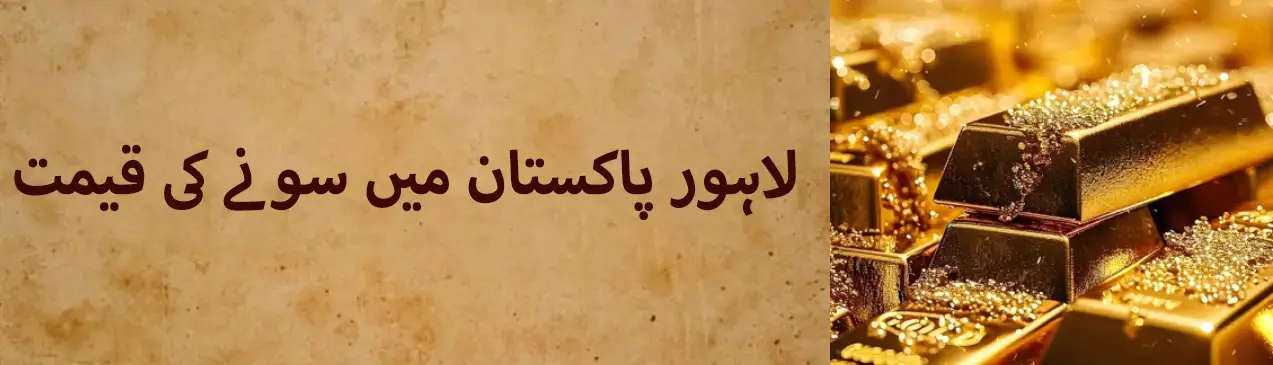
Lahore Gold Rates Today
| Unit | 24K | 22K | 21K | 18K | 12K |
|---|---|---|---|---|---|
| Loading… | |||||
Why We Need to Check Today Gold Rate in Lahore?
Lahore is one of Pakistan’s largest commercial and cultural centers and is home to a thriving bullion and jewelry market. Whether you are an investor, jeweler, trader, or someone planning to purchase gold jewelry, checking today’s Gold rate in Lahore is essential for making informed financial decisions. Since gold prices fluctuate throughout the day in response to both global and local market conditions, staying updated helps buyers and sellers avoid unnecessary losses and identify the best opportunities to buy or sell.
Gold is widely recognized as both a valuable investment asset and a reliable store of wealth. Because it is traded internationally, gold prices are influenced by economic indicators, monetary policies, geopolitical developments, currency fluctuations, and investor sentiment. These international market movements are reflected in Lahore’s bullion market, making daily price monitoring increasingly important.
Key Factors That Influence Today Gold Rate in Lahore
Several domestic and international factors contribute to fluctuations in the Lahore gold market, including:
- Interest rates
- Monetary policy decisions
- Geopolitical tensions
- Investor risk appetite and market sentiment
- Exchange rate movements
- Inflation and deflation
- Investment demand
- Jewelry demand
- Stock market performance
- International gold prices
Impact of the U.S. Dollar – Today Gold Rate in Lahore
Gold is traded globally in U.S. dollars, making the strength of the dollar one of the most significant drivers of Lahore gold prices. When the U.S. dollar appreciates, gold becomes more expensive for buyers using other currencies, often reducing global demand and putting downward pressure on prices. Conversely, a weaker U.S. dollar generally boosts gold demand and supports higher prices.
For Lahore’s bullion market, fluctuations in the exchange rate between the Pakistani Rupee (PKR) and the U.S. Dollar have an additional impact. Even when international gold prices remain stable, depreciation of the Pakistani Rupee can significantly increase local gold prices. As a result, traders, investors, and jewelers in Lahore closely monitor both global gold markets and currency exchange rates.
Jewelry Demand and Its Influence on Today Gold Rate in Lahore
Lahore is one of Pakistan’s leading jewelry trading centers, with numerous gold markets and jewelry businesses serving customers from across Punjab and other regions. Demand for gold jewelry rises significantly during wedding seasons, Eid celebrations, religious festivals, and other cultural occasions.
Higher consumer demand during these periods often supports stronger local prices, while reduced demand during economic slowdowns or periods of exceptionally high prices may soften the market. As a result, seasonal buying patterns play an important role in determining today’s Gold rate in Lahore.
Role of Interest Rates – Today Gold Rate in Lahore
Interest rates significantly influence investment decisions and gold prices. Since gold does not generate interest or dividends, higher interest rates increase the attractiveness of interest-bearing investments such as savings accounts, bonds, and fixed-income securities. This can reduce demand for gold and place downward pressure on prices.
On the other hand, when interest rates remain low, the opportunity cost of holding gold decreases, making gold a more attractive investment. These international monetary policy changes are reflected in Lahore’s bullion market.
Investor Sentiment and Market Conditions – Today Gold Rate in Lahore
Gold has long been considered a safe-haven asset during periods of economic uncertainty, financial instability, and geopolitical conflict. When investors become concerned about inflation, currency depreciation, or stock market volatility, they often increase their investments in gold.
Lahore’s gold market reacts quickly to these global developments. Increased investment demand generally pushes local prices higher, while improving economic confidence may encourage investors to shift funds into equities or other higher-return assets.
1. Gold as a Safe-Haven Investment
Investors in Lahore frequently purchase gold to preserve wealth during uncertain economic conditions. Rising inflation, currency depreciation, banking uncertainty, or global financial crises often increase demand for physical gold.
Similarly, international geopolitical tensions can drive investors toward gold, contributing to higher prices in Lahore’s bullion market. Gold remains one of the preferred assets for protecting purchasing power during volatile periods.
2. Influence of Global Economic Conditions
Global economic trends have a direct impact on Lahore gold prices. International inflation, central bank policies, global interest rates, and economic growth influence worldwide demand for gold.
Although local demand affects short-term pricing, Lahore’s bullion market closely follows international gold prices because Pakistan imports most of its gold based on global market rates.
3. Impact of Stock Market Performance
Performance of domestic and international stock markets also affects investor behavior. During strong equity markets, investors may reduce gold holdings in favor of stocks and other higher-return investments.
Conversely, periods of stock market volatility or declining investor confidence often encourage capital to move into gold, increasing demand and supporting higher gold prices in Lahore.
4. Inflation and Currency Depreciation
Inflation reduces the purchasing power of money, making gold an attractive hedge against rising prices. In Lahore, increases in inflation frequently lead investors toward gold as a long-term store of value.
The exchange rate between the Pakistani Rupee and the U.S. Dollar also plays a critical role. A weaker Rupee raises the local price of imported gold, resulting in higher Lahore gold rates even when international prices remain relatively stable.
5. Cultural and Seasonal Demand
Gold holds significant cultural importance in Lahore and throughout Pakistan. Weddings, engagements, Eid celebrations, family ceremonies, and traditional gifting contribute to strong seasonal demand for gold jewelry.
During peak buying seasons, increased consumer demand can support higher local gold prices, making it important for buyers to monitor daily rate updates before making purchases.
6. Speculation and Market Psychology
Gold prices are also influenced by market expectations and investor psychology. News regarding inflation, interest rate decisions, currency movements, international conflicts, or economic slowdowns can trigger short-term buying or selling activity.
Bullion dealers and jewelry traders in Lahore continuously monitor these developments and may adjust local prices several times during the trading day.
7. Making Better Investment Decisions
MonitoringToday Gold Rate in Lahore enables investors, jewelers, and consumers to make informed financial decisions. Whether purchasing jewelry, investing in physical gold, or managing a bullion business, understanding market trends helps reduce risk and identify favorable buying or selling opportunities.
Following daily gold prices, economic indicators, exchange rates, and international market developments allows individuals to respond effectively to changing market conditions.
Conclusion – Today Gold Rate in Lahore
The Today Gold rate in Lahore is influenced by a combination of international gold prices, exchange rate movements, inflation, interest rates, investor sentiment, and local jewelry demand. As one of Pakistan’s largest commercial and bullion trading centers, Lahore reflects both global market developments and domestic economic conditions.
Whether you are investing in gold, purchasing jewelry, or monitoring the bullion market, checking the latest Lahore gold rates helps you make informed decisions and respond effectively to market fluctuations. Regularly monitoring daily gold prices, exchange rates, and economic developments enables investors and consumers to make smarter financial choices while staying ahead of changing market trends.




%20Why%20We%20Need%20to%20Check%20Today%20Gold%20Rate%20in%20Lahore?%20Lahore%20is%20one%20of%20Pakistan’s%20largest%20commercial%20and%20cultural%20centers%20and%20is%20home%20to%20a%20thriving%20bullion%20and%20jewelry%20market.%20%5B…%5D&media=https://nigarcraft.com.pk/wp-content/uploads/2026/07/Today-Gold-Rate-in-lahore-Pakistan-2026.webp)