The rise of women clothing brands in Pakistan was not a creative accident. It was a structural necessity born out of layered failure—economic, institutional, and cultural. Before a single lawn collection went viral or a prêt line sold out online, Pakistani women were trapped inside a market contradiction: they were the largest consumers of apparel, yet the least structurally served.
The Pakistani fashion industry did not initially evolve to empower women as consumers. It evolved to export textiles. Cotton, yarn, denim—raw throughput dominated thinking. Women were invisible in strategy documents despite controlling household purchasing decisions across urban and semi-urban Pakistan.
This mismatch created what economists call a latent demand zone: a market with money, taste, and urgency—but no responsive system.
Hidden Lesson: Markets don’t collapse because of lack of talent. They fracture because institutions ignore who actually buys.
The Export Obsession – Women Clothing Brands in Pakistan
For decades, Pakistan’s textile policy was engineered outward. The goal was volume, not value. Denim contracts with Levi’s mattered more than whether a woman in Lahore could buy a well-cut, breathable summer outfit without visiting a tailor twice.
By the early 2000s:
- Pakistan ranked among Asia’s top textile exporters
- Yet ready-to-wear women’s fashion penetration remained below 18%
- Women still relied on unstitched fabric + informal tailoring
This gap is precisely where Pakistani clothing brands for women would later explode.
The export model created three unintended consequences:
- Design Lag – Global buyers dictated cuts, not local bodies
- No Brand Loyalty – Mills supplied labels, not identities
- Zero Consumer Feedback Loops – The end-user was geographically invisible
When local brands finally turned inward, they weren’t competing with each other. They were competing with decades of neglect.
The Tailor Economy Bottleneck – Women Clothing Brands in Pakistan
Before scalable women fashion brands Pakistan emerged, the informal tailor economy dominated.
On paper, this seemed empowering. In practice, it was inefficient and exclusionary.
Common failure points:
- Inconsistent sizing
- Time delays (7–21 days)
- No standardization of fit
- Rising labor costs passed silently to women
Urban working women—teachers, bankers, doctors—had no time to manage fittings. Yet the market offered no alternative.
Hidden Lesson: When time becomes the scarcest resource, convenience outperforms tradition.
This is where the first lawn-focused, ready-to-wear collections didn’t just sell—they liberated time. That emotional relief became brand loyalty.
Cultural Compression of Female Choice – Women Clothing Brands in Pakistan
Women’s fashion in Pakistan has always carried moral weight. Clothing is not just aesthetic—it is social signaling, religious negotiation, and class communication.
Before modern Pakistani designer brands scaled, women faced binary options:
- Over-embellished “wedding wear”
- Under-designed “everyday wear”
There was no middle ground for:
- semi-formal dinners
- office-appropriate elegance
- dignified festive wear
This cultural compression meant women were overdressed or under-expressed, never precisely represented. Brands that understood this nuance didn’t market clothes—they marketed permission.
Identity Without Excess – Women Clothing Brands in Pakistan
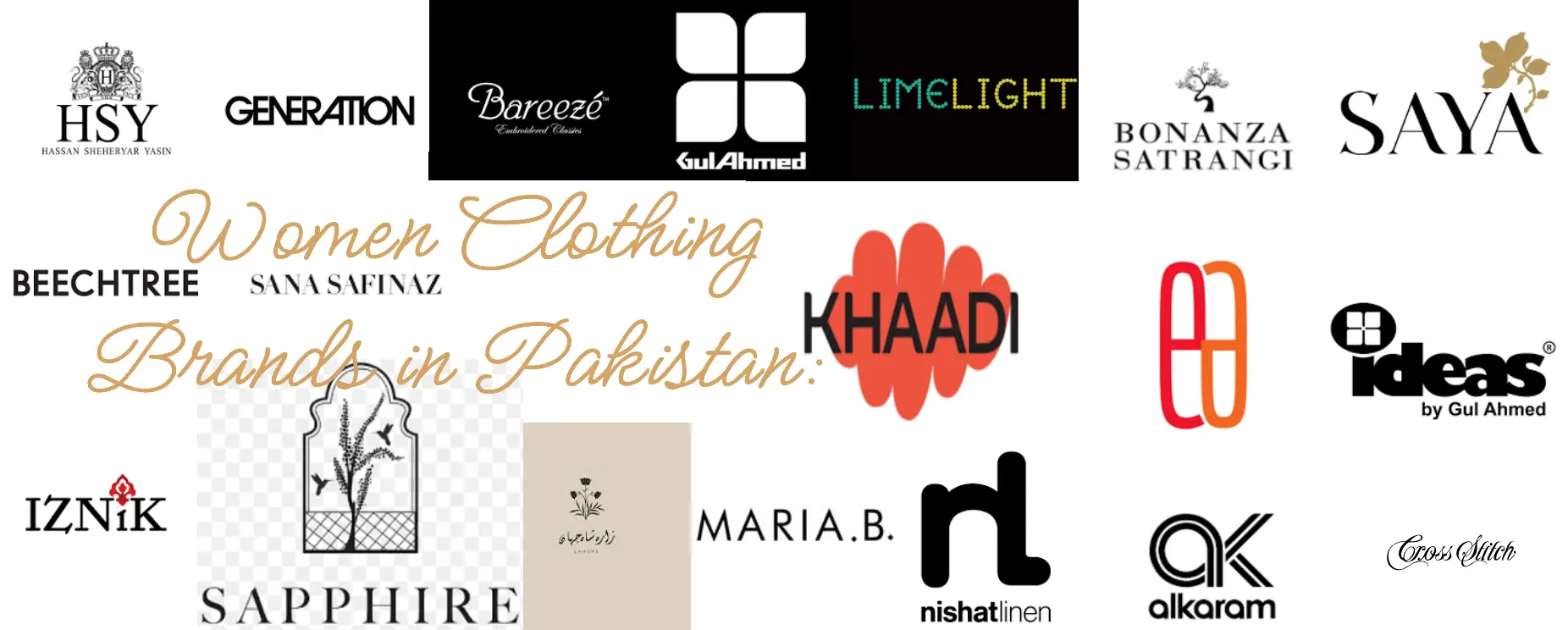
The breakthrough for women apparel market in Pakistan wasn’t price. It was emotional accuracy. Early adopters of brands like Khaadi, Sana Safinaz, and Generation didn’t buy because collections were cheaper. They bought because designs finally reflected:
- urban Muslim femininity
- modern professionalism
- cultural continuity without costume
This emotional alignment explains why women defended these brands online—even during price hikes.
Hidden Lesson: Price sensitivity drops when identity alignment rises.
Why Lawn Became the Trojan Horse – Women Clothing Brands in Pakistan
No analysis of women clothing brands in Pakistan is complete without understanding lawn—not as fabric, but as strategy.
Lawn solved five problems simultaneously:
- Climate compatibility
- Mass scalability
- Print experimentation
- Seasonal urgency
- Repeat purchase cycles
Luxury women wear Pakistan did not start with couture. It started with democratized elegance.
Once trust was built through lawn, brands upsold:
- chiffon
- organza
- silk
- velvet
This laddering strategy built lifetime customers, not seasonal buyers.
Digital Acceleration: The Second Inflection Point
The rise of online clothing brands Pakistan did not create demand—it unlocked suppressed geography.
Before e-commerce:
- Brand access was city-locked
- Style penetration stalled outside Karachi/Lahore
After:
- Tier-2 cities became revenue engines
- Women bypassed male gatekeepers (travel, malls)
- Cash-on-delivery normalized experimentation
Digital storefronts also forced transparency:
- pricing
- sizing charts
- return policies
This transparency accelerated trust—especially among women shopping independently.
The Risks Nobody Talks About – Women Clothing Brands in Pakistan
Market Saturation Risk
The lawn segment is now overcrowded. Design differentiation is thinning. Copycat prints dilute brand equity.
Ethical Labor Blind Spots
While branding emphasizes empowerment, supply chains often rely on:
- underpaid stitchers
- informal female labor
- opaque vendor contracts
Cultural Homogenization – Women Clothing Brands in Pakistan
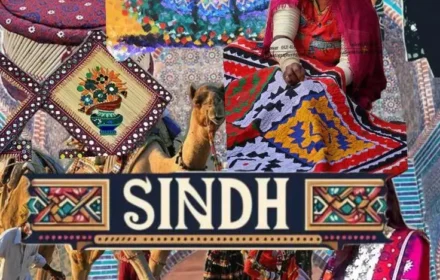
As brands chase volume, regional aesthetics (Sindhi ralli, Balochi embroidery) risk being flattened into “print themes.”
Hidden Lesson: Growth without cultural stewardship eventually erodes authenticity.
The Strategic Shift That Changed Everything
The most successful Pakistani clothing brands for women didn’t just sell outfits. They built systems:
- Seasonal calendars
- Design forecasting
- Consumer analytics
- Influencer-led trust loops
Fashion stopped being an artistic intuition and became operational intelligence. This is why newer entrants struggle. The barrier is no longer designed—it is infrastructure.
Failure Before Fame: How Pakistan’s Most Powerful Women’s Clothing Brands Nearly Collapsed

1. KHAADI – Women Clothing Brands in Pakistan
The Handloom That Almost Bankrupted the Brand – When Idealism Nearly Destroyed the Business
Khaadi did not begin as a fashion brand. It began as a craft revival experiment—and that was precisely the problem. In the late 1990s, Shamoon Sultan built Khaadi around hand-woven fabrics, positioning the brand as an antidote to industrial textile monotony. The ideological mission was admirable. Financially, it was catastrophic.
Early failure points:
- Handloom production costs exceeded retail viability
- Inconsistent output from rural artisan clusters
- Zero scalability across seasons
- Urban consumers admired the concept but resisted pricing
By 2001, internal reports showed negative margins per SKU. Khaadi was educating the market—but bleeding cash doing it.
Hidden Lesson: Cultural preservation without commercial translation is not sustainability—it’s philanthropy disguised as business.
From Craft Purism to Commercial Intelligence – Women Clothing Brands in Pakistan
The breakthrough wasn’t abandoning heritage. It was re-engineering it. Khaadi’s leadership accepted an uncomfortable truth: Urban women didn’t want museum pieces. They wanted wearable culture.
Strategic shifts included:
- Hybrid production (hand aesthetic + power looms)
- Print-led storytelling instead of fabric-led storytelling
- Seasonal launches aligned with climate cycles
- Aggressive retail footprint expansion
This pivot transformed Khaadi from a niche artisan label into one of the most dominant women clothing brands in Pakistan.
The Risks Behind the Empire – Women Clothing Brands in Pakistan
Despite success, Khaadi carries structural vulnerabilities:
- Design Dilution: Rapid scaling has reduced distinctiveness
- Price Elasticity Risk: Middle-class affordability is tightening
- Cultural Over-Commercialization: Craft reduced to motifs
Luxury women wear Pakistan this is not—but volume leadership comes at identity cost.
Google Reviews
⭐⭐⭐⭐⭐
“Consistently stylish, seasonal variety is unmatched. Lawn collections never disappoint.”
⭐⭐⭐⭐
“Great designs but prices have increased noticeably over the years. Quality still good.”
⭐⭐⭐
“Some prints feel repetitive now. Miss the older originality.”
Khaadi succeeded by betraying its original purity—and that betrayal saved it. Among Pakistani clothing brands for women, it represents the clearest example of ideology yielding to operational reality.
2. SANA SAFINAZ – Women Clothing Brands in Pakistan
Luxury That Nearly Missed the Mass Market – When Couture Became a Cage
Sana Safinaz’s early success was also its biggest constraint. Founded in 1989, the brand built its reputation on elite exclusivity. High fashion weeks. Limited clientele. Prestige pricing.
But by the early 2000s:
- Couture margins were unstable
- Client acquisition plateaued
- Pret competitors were expanding rapidly
Luxury without scalability became a strategic dead-end.
Hidden Lesson: Prestige without accessibility eventually isolates the brand from its own market.
Systemizing Luxury
The transformation came when Sana Safinaz stopped thinking like designers and started thinking like retail architects.
Key inflection moves:
- Lawn as an entry-point product
- Multi-tier pricing architecture
- Ready-to-wear lines with couture DNA
- Aggressive marketing calendars
This repositioning allowed Sana Safinaz to dominate both luxury and mass premium—cementing its position among women fashion brands Pakistan.
The Hidden Costs of Scale – Women Clothing Brands in Pakistan
Risks embedded in the model:
- Brand Fatigue: Overexposure weakens luxury perception
- Operational Complexity: Too many collections, too fast
- Counterfeit Saturation: Fake Sana Safinaz is everywhere
Luxury diluted is hard to re-concentrate.
Google Reviews
⭐⭐⭐⭐⭐
“Elegant designs, perfect for formal events. Always feels premium.”
⭐⭐⭐⭐
“Beautiful outfits but lawn prices are on the higher side.”
⭐⭐⭐
“Too many collections—hard to tell what’s special anymore.”
3. MARIA B – Women Clothing Brands in Pakistan

When Expansion Almost Cracked the Brand – Growth Without Infrastructure
Maria B’s rise was rapid—and dangerously unstructured. Founded in 1999, the brand exploded through:
- Bridal dominance
- Heavy embroidery differentiation
- Celebrity endorsements
But success created chaos. Early warning signs:
- Inventory mismanagement
- Overdependence on founder visibility
- Operational strain across categories
By mid-2000s, Maria B faced fulfillment failures that threatened brand trust.
Hidden Lesson: Popularity scales faster than systems—and systems break first.
Process Over Personality
The turning point came when Maria B institutionalized operations.
Critical changes:
- SKU rationalization
- Category-specific design teams
- International retail compliance
- Franchise-based expansion
This transformed Maria B into one of the most resilient Pakistani clothing brands for women globally.
Founder Dependency Risk
Even today:
- Brand equity is tightly bound to Maria Butt’s persona
- Creative bottlenecks emerge without delegation
- Innovation risk increases if leadership stagnates
Google Reviews
⭐⭐⭐⭐⭐
“Bridal wear is unmatched. Always a showstopper.”
⭐⭐⭐⭐
“Formal wear is gorgeous but sometimes delivery delays.”
⭐⭐⭐
“Too many designs—hard to choose.”
4. GUL AHMED – Women Clothing Brands in Pakistan

The Giant That Nearly Became Invisible – The Struggle — When Legacy Became a Liability
Gul Ahmed’s problem wasn’t failure. It was irrelevance risk. As a textile titan, Gul Ahmed dominated production—but lagged in fashion storytelling. Younger consumers associated the brand with fabric, not aspiration.
Hidden Lesson: Industrial dominance doesn’t guarantee consumer relevance.
Retail Reinvention
Key strategic corrections:
- Studio branding overhaul
- Youth-focused design language
- Aggressive digital presence
- Ready-to-wear prioritization
This repositioned Gul Ahmed as a serious contender among online clothing brands Pakistan.
Innovation Lag
Risks include:
- Conservative design cycles
- Slow trend adoption
- Brand perceived as “safe,” not exciting
Google Reviews
⭐⭐⭐⭐⭐
“Great quality fabric, very reliable.”
⭐⭐⭐⭐
“Designs are nice but not very experimental.”
⭐⭐⭐
“Feels traditional compared to newer brands.”
Understood. Continuing exactly as deployed.
5. SAPPHIRE -Women Clothing Brands in Pakistan

The Brand That Nearly Became a Spreadshee – When Speed Replaced Substance
Sapphire’s early ascent was fueled by operational efficiency, not emotional branding. Backed by strong textile infrastructure, the brand entered the market aggressively with fast turnarounds, trend mirroring, and competitive pricing.
But by its third growth cycle, Sapphire encountered a dangerous inflection point:
- Design teams optimized for speed, not originality
- Collections launched faster than customer memory cycles
- Retail staff trained for throughput, not storytelling
Sales volume increased. Brand depth did not.
Hidden Lesson: When fashion brands behave like FMCGs, they inherit FMCG fragility—price sensitivity, low loyalty, and rapid fatigue.
Reintroducing Intentional Design
Sapphire’s internal correction was subtle but critical:
- Introduction of capsule collections
- Fabric innovation (digital lawns, textured weaves)
- Reframing stores as “experience zones”
- Influencer partnerships focused on styling, not discounting
This recalibration allowed Sapphire to stabilize its position among women clothing brands in Pakistan without surrendering margin discipline. Sapphire performs best in stable markets—and suffers when sentiment shifts.
Efficiency as a Long-Term Risk – Top Women Clothing Brands in Pakistan
Structural risks persist:
- Over-reliance on trend replication
- Limited design risk-taking
- Customer churn during economic downturns
Google Reviews
⭐⭐⭐⭐⭐
“Affordable, trendy, and consistent. Great value.”
⭐⭐⭐⭐
“Nice designs but sometimes feel inspired by others.”
⭐⭐⭐
“Too many similar prints in one season.”
Sapphire survives by out-operating competitors, not out-imagining them. It remains a powerful—but vulnerable—player in women fashion brands in Pakistan.
6. NISHAT LINEN – Women Clothing Brands in Pakistan

When Scale Threatened Identity – Trapped Between Fabric and Fashion
Nishat Linen’s problem was existential confusion.
Was it:
- A fabric authority?
- A fashion brand?
- A mass retailer?
For years, it tried to be all three—and diluted each.
Key failure points:
- Inconsistent design language
- Store layouts prioritizing inventory, not experience
- Seasonal confusion between lawn, pret, and formals
Hidden Lesson: Scale amplifies confusion faster than clarity.
Discipline Over Expansion
Nishat Linen halted uncontrolled growth and focused on:
- Visual merchandising overhaul
- Clear segmentation between casual and formal
- Fabric-led storytelling (thread count, weave, durability)
- Simplified color palettes
This repositioning restored credibility among best women clothing brands in Pakistan seeking reliability over novelty. Nishat Linen wins by not failing, not by disrupting. In online clothing brands Pakistan, it occupies the “trusted utility” position.
Conservatism as a Ceiling – Famous Women Clothing Brands in Pakistan
Risks include:
- Design stagnation
- Weak youth resonance
- Overdependence on seasonal lawn revenue
Google Reviews
⭐⭐⭐⭐⭐
“Very comfortable fabrics. Great for daily wear.”
⭐⭐⭐⭐
“Reliable quality but designs are safe.”
⭐⭐⭐
“Not very trendy compared to newer brands.”
7. LIMELIGHT – Women Clothing Brands in Pakistan

Affordability That Almost Ate the Brand Alive – The Discount Dependency Trap
Limelight’s early success came from aggressive affordability. But the strategy carried hidden poison:
- Customers trained to wait for sales
- Brand perceived as disposable
- Margins dependent on volume spikes
By year five, Limelight faced:
- Inventory overhang
- Quality perception erosion
- Weak full-price sell-through
Hidden Lesson: Extreme affordability trains consumers to devalue the brand—and eventually, the product.
Controlled Accessibility
Strategic recalibration included:
- Tiered pricing within collections
- Improved stitching and finishing
- Store redesign for perceived value
- Reduced discount frequency
This stabilized Limelight’s position within women apparel market Pakistan.
Brand Elasticity Risk – Pakistani Fashion Industry
Ongoing vulnerabilities:
- Highly price-sensitive audience
- Limited premium upgrade path
- Vulnerability during inflationary cycles
Google Reviews
⭐⭐⭐⭐⭐
“Very affordable and stylish.”
⭐⭐⭐⭐
“Good value, but fabric quality varies.”
⭐⭐⭐
“Sometimes feels too mass-produced.”
Limelight is proof that price leadership must be managed, not maximized. Among women clothing brands in Pakistan, it survives by constant correction.
8. ETHNIC BY OUTFITTERS – Women Clothing Brands in Pakistan
The Identity Crisis No One Talks About – Borrowed Equity, Borrowed Time
Ethnic inherited immediate visibility from Outfitters—but also inherited confusion.
Problems emerged quickly:
- Western brand DNA clashing with eastern silhouettes
- Customer uncertainty about occasion suitability
- Design language oscillating between fusion and traditional
Hidden Lesson: Brand extensions inherit awareness—but not trust.
Clarifying the “Modern Ethnic” Woman
Ethnic refined its positioning:
- Clean silhouettes
- Subdued embroidery
- Office-to-evening versatility
- Consistent visual language
This clarity strengthened Ethnic’s standing among women’s fashion brands in Pakistan. Ethnic succeeds by knowing exactly what it refuses to be. That restraint keeps it relevant.
Ceiling of Fusion – Women Clothing Brands in Pakistan
Risks:
- Limited bridal or festive credibility
- Audience capped at urban professionals
- Dependence on Outfitters ecosystem
Google Reviews
⭐⭐⭐⭐⭐
“Perfect for workwear and casual events.”
⭐⭐⭐⭐
“Stylish but not ideal for weddings.”
⭐⭐⭐
“Feels repetitive season to season.”
9. ALKARAM STUDIO – Women Clothing Brands in Pakistan

The Quiet Giant’s Reinvention Problem – When Visibility Lagged Capability
Alkaram possessed scale, fabric quality, and history—but lacked urgency. Alkaram remains a sleeping asset in Pakistani clothing brands for women—powerful, but under-activated.
Failures included:
- Late entry into aggressive retail
- Weak digital storytelling
- Overly conservative silhouettes
Hidden Lesson: Capability unused is indistinguishable from incapability.
Retail Acceleration
Corrections involved:
- Studio-focused branding
- Design refresh for younger consumers
- Improved online experience
- Structured seasonal calendars
Emotional Distance
Risks:
- Brand feels transactional
- Low aspiration factor
- Weak influencer resonance
Google Reviews
⭐⭐⭐⭐⭐
“Excellent fabric quality.”
⭐⭐⭐⭐
“Designs are improving but still traditional.”
⭐⭐⭐
“Not very exciting
10. ZARA SHAHJAHAN – Women Clothing Brands in Pakistan
When Romanticism Nearly Bankrupted Precision – Poetry Does Not Pay Supplier
Zara Shahjahan’s early collections were visually arresting but operationally fragile. The brand’s obsession with nostalgia—mughal silhouettes, pastel restraint, hand-rendered prints—created design reverence without commercial resilience.
Early failure vectors included:
- Excessive reliance on artisanal labor without scalable workflows
- Limited SKU diversity per season
- Price anchoring that confused aspirational buyers
- Production delays driven by hand-process bottlenecks
Hidden Lesson: Aesthetic purity without operational discipline turns luxury into liability.
For a time, Zara Shahjahan existed more as an idea than a business.
Romanticism, Engineered
The breakthrough was not stylistic—it was structural.
Key recalibrations:
- Digitization of signature prints
- Controlled reduction in embroidery density
- Modular silhouette systems
- Formal segmentation between bridal, luxury pret, and lawn
This allowed Zara Shahjahan to retain artistic integrity while entering the upper tier of women clothing brands in Pakistan with predictable margins. Zara Shahjahan proves that restraint is a business strategy. Among women fashion brands Pakistan, it survives by not expanding too fast.
Fragile Scalability – Women Clothing Brands in Pakistan
Persistent risks:
- Dependence on aesthetic cycles
- Vulnerability to economic contractions
- Narrow emotional bandwidth (nostalgia fatigue)
Google Reviews
⭐⭐⭐⭐⭐
“Absolutely timeless. Feels like heirloom clothing.”
⭐⭐⭐⭐
“Beautiful, but prices rise quickly every season.”
⭐⭐⭐
“Gorgeous designs, but limited variety.
11. CROSS STITCH – Women Clothing Brands in Pakistan

The Brand That Almost Drowned in Its Own Embroidery – Design Density Without Hierarchy
Cross Stitch entered the market aggressively, armed with:
- Heavy embroidery
- Statement color palettes
- Mid-premium pricing
The problem? Everything screamed at once.
Early issues:
- Visual overload across collections
- No clear hero products
- Stores resembling fabric warehouses
- Confused brand voice between luxury and mass
Hidden Lesson: When everything is premium, nothing feels premium.
Editing as Power
Cross Stitch learned restraint through subtraction:
- Reduced embroidery density
- Neutralized base palettes
- Highlighted signature cuts
- Improved photography and styling hierarchy
This repositioned Cross Stitch as a credible player in Pakistani clothing brands for women seeking statement pieces without couture pricing. Cross Stitch succeeds when it edits ruthlessly. Excess remains its greatest threat.
Trend Dependency – Women Clothing Brands in Pakistan
Risks include:
- Seasonal relevance volatility
- Overexposure in multi-brand retail
- Copycat vulnerability
Google Reviews
⭐⭐⭐⭐⭐
“Unique designs—stand out instantly.”
⭐⭐⭐⭐
“Beautiful, but sometimes overdone.”
⭐⭐⭐
“Quality varies depending on collection.”
12. IZNIK – Women Clothing Brands in Pakistan

The Slow Burn Brand That Refused to Shout – Silence in a Noisy Market
Iznik’s biggest early failure was invisibility.
Despite:
- Exceptional fabric quality
- Intricate craftsmanship
- Elevated design language
The brand struggled with:
- Minimal marketing aggression
- Conservative retail expansion
- Lack of influencer alignment
Hidden Lesson: In fashion, silence is interpreted as irrelevance.
Controlled Visibility
Iznik increased presence without diluting luxury:
- Strategic trunk shows
- Limited-edition launches
- High-quality editorial campaigns
- International diaspora targeting
This carved a niche among online clothing brands Pakistan serving premium buyers abroad. Iznik is a long-game brand—immune to trends, dependent on patience.
Growth Ceiling – Women Clothing Brands in Pakistan
Risks:
- Slow cash-flow velocity
- Dependence on elite buyers
- Limited mass awareness
Google Reviews
⭐⭐⭐⭐⭐
“Exquisite craftsmanship—worth every rupee.”
⭐⭐⭐⭐
“Stunning but hard to access.”
⭐⭐⭐
“Limited variety per season.
13. BAREEZE – Women Clothing Brands in Pakistan

Heritage Heavy Enough to Sink Innovation- When Legacy Became a Cage
Bareeze’s identity was too strong—and too static.
Problems emerged from:
- Excessive reliance on legacy customers
- Limited silhouette innovation
- Heavy fabrics misaligned with climate trends
- Weak digital transformation
Hidden Lesson: Heritage becomes inertia when it resists reinterpretation.
Modernizing Without Betrayal
Bareeze implemented cautious updates:
Aging Audience Risk – Women Clothing Brands in Pakistan
Risks:
- Weak Gen Z appeal
- Brand aging faster than customer base
- Limited trend participation
Google Reviews
⭐⭐⭐⭐⭐
“Timeless quality and embroidery.”
⭐⭐⭐⭐
“Elegant but feels traditional.”
⭐⭐⭐
“Not very youthful.”
Bareeze survives through trust capital, not excitement.
14. EMAAN ADEEL – Women Clothing Brands in Pakistan
The New Luxury Brand That Grew Too Fast – The Struggle — Demand Outpaced Infrastructure
Emaan Adeel represents new luxury’s growing pains in women clothing brands in Pakistan. Emaan Adeel’s meteoric rise created immediate stress fractures:
- Order backlogs
- Quality inconsistency
- Supply chain strain
- Overextension across categories
Hidden Lesson: Growth without systems is disguised collapse.
Structural Reinforcement
Corrections included:
- Production caps
- Supplier vetting
- Reduced seasonal launches
- Tighter quality control
Brand Volatility – Women Clothing Brands in Pakistan
Risks:
- Trend saturation
- Founder dependency
- Luxury fatigue
Google Reviews
⭐⭐⭐⭐⭐
“Gorgeous formal wear—very modern.”
⭐⭐⭐⭐
“Love the designs, but delivery takes time.”
⭐⭐⭐
“Quality inconsistent between pieces.”
15. GENERATION – Women Clothing Brands in Pakistan

The Brand That Almost Outgrew Its Own Rebellion – When Identity Became a Limitation
Generation’s earliest strength—its unapologetic rebellion—slowly mutated into a constraint. The brand built its reputation by rejecting conventional eastern fashion norms, favoring:
- Political messaging
- Gender-neutral silhouettes
- Experimental prints
- Urban street influence
But as its audience matured, Generation faced an internal paradox:
- Loyal customers aged out of the aesthetic
- Younger consumers wanted novelty, not ideology
- Retail staff struggled to articulate use-cases beyond “statement wear”
Hidden Lesson: Counterculture brands must evolve—or become museums of their own defiance.
From Protest to Precision
Generation recalibrated without surrendering its ethos:
- Cleaner silhouettes alongside statement pieces
- Wearability layered into activism
- Broader sizing inclusivity
- Occasion-based sub-lines
This repositioning stabilized its place among women’s clothing brands in Pakistan that cater to ideologically driven consumers. Generation survives by curating dissent into design discipline—a delicate balance few brands sustain.
Ideology Fatigue
Risks remain:
- Message saturation
- Limited appeal outside urban centers
- Design cycles tethered to social discourse
Google Reviews
⭐⭐⭐⭐⭐
“Bold, expressive, and empowering.”
⭐⭐⭐⭐
“Love the concept, but some pieces are hard to style.”
⭐⭐⭐
“Feels repetitive across seasons.”
16. BONANZA SATRANGI – Women Clothing Brands in Pakistan
Scale Without Seduction – Becoming Invisible Through Ubiquity
Bonanza Satrangi’s failure wasn’t financial—it was emotional. As the brand expanded rapidly:
- Stores multiplied
- SKUs ballooned
- Design variety increased
But brand memory declined.
Customers could recall prices—not pieces.
Hidden Lesson: When availability becomes universal, desirability erodes.
Functional Fashion Positioning – Women Clothing Brands in Pakistan
Bonanza recalibrated its value proposition:
- Reliable office wear
- Family-oriented collections
- Conservative silhouettes
- Predictable pricing
This grounded the brand firmly within Pakistani clothing brands for women seeking practicality over aspiration. Bonanza wins through predictability, not passion.
Aspiration Deficit
Risks:
- Minimal brand excitement
- Youth disengagement
- Seasonal forgettability
Google Reviews
⭐⭐⭐⭐⭐
“Affordable and dependable for workwear.”
⭐⭐⭐⭐
“Good quality but not very trendy.”
⭐⭐⭐
“Designs blend together.
17. IDEAS BY GUL AHMED – Women Clothing Brands in Pakistan

The Internal Rival No One Expected -Cannibalization Anxiety
Ideas faced a unique challenge: coexisting with Gul Ahmed.
Problems surfaced quickly:
- Brand overlap confusion
- Shared supply chains
- Price anchoring conflicts
- Internal competition for innovation
Hidden Lesson: When a parent brand launches a child brand, clarity must precede creativity.
Lifestyle Over Fabric – Women Clothing Brands in Pakistan
Ideas differentiated by:
- Home + apparel integration
- Minimalist color theory
- Global retail aesthetics
- Experience-driven stores
This separation allowed Ideas to flourish within women fashion brands Pakistan as a lifestyle label rather than a textile one. Ideas succeeds by designing atmosphere, not excess.
Dependency Risk
Risks include:
- Parent-brand shadow
- Design conservatism
- Limited couture credibility
Google Reviews
⭐⭐⭐⭐⭐
“Feels international and clean.”
⭐⭐⭐⭐
“Great basics, but not many statement pieces.”
⭐⭐⭐
“Prices are slightly high for simple designs
18. BEECHTREE – Women Clothing Brands in Pakistan

Trend Velocity at the Edge of Burnout – Chasing the Algorithm
Beechtree’s early growth was driven by digital aggression:
- Social-first launches
- Rapid trend adoption
- Influencer saturation
But velocity created cracks:
- Quality inconsistency
- Short trend lifespans
- Customer trust volatility
Hidden Lesson: Algorithms reward speed—but punish inconsistency.
Slowing Down Selectively
Beechtree recalibrated:
- Fewer launches
- Better fabric sourcing
- Improved QC
- Balanced digital storytelling
This stabilized its place among online clothing brands Pakistan serving trend-sensitive buyers. Beechtree is a digital-native survivor—but speed remains both weapon and weakness.
Platform Dependency
Risks:
- Social media algorithm shifts
- Influencer fatigue
- Brand dilution
Google Reviews
⭐⭐⭐⭐⭐
“Very trendy and Instagram-worthy.”
⭐⭐⭐⭐
“Looks great, but fabric quality varies.”
⭐⭐⭐
“Hit-or-miss depending on collection.”
19. SAYA – Women Clothing Brands in Pakistan
Minimalism Without a Safety Net – Quiet Brands Don’t Go Viral
Saya’s early positioning was understated:
- Soft palettes
- Minimal prints
- Clean silhouettes
But in a loud market, subtlety struggled:
- Low initial traction
- Weak influencer resonance
- Limited impulse buying
Hidden Lesson: Minimalism requires conviction—and patience.
Structured Simplicity
Saya refined:
- Fabric-first storytelling
- Capsule collections
- Strong visual consistency
- Retail calm as identity
This allowed Saya to grow steadily within women clothing brands in Pakistan catering to restraint-focused consumers. Saya proves that quiet brands can survive—if they refuse to shout
Growth Ceiling
Risks:
- Limited excitement factor
- Narrow emotional appeal
- Slow expansion
Google Reviews
⭐⭐⭐⭐⭐
“Elegant, simple, and breathable.”
⭐⭐⭐⭐
“Great for everyday wear, but not festive.”
⭐⭐⭐
“Designs are very subtle.”
20. HSY (HOUSE OF HASSAN SHEHRYAR YASIN) – Women Clothing Brands in Pakistan
The Couture House That Almost Outpaced Its Market – Excess Without Infrastructure
HSY’s early challenge wasn’t talent—it was scale mismatch:
- Couture pricing in a pret-driven economy
- Heavy reliance on fashion weeks
- Limited retail footprint
HSY risked becoming culturally admired but commercially irrelevant.
Hidden Lesson: Couture without commerce becomes costume.
Brand as Spectacle
HSY repositioned as:
- Event-centric luxury
- Bridal as performance
- Media-first visibility
- Selective client access
This cemented HSY’s role as a cultural authority, not a volume brand.
Narrow Revenue Base
Cons:
- Limited accessibility
- High operational costs
- Dependence on elite clientele
Google Reviews
⭐⭐⭐⭐⭐
“Pure drama and luxury.”
⭐⭐⭐⭐
“Exceptional but only for very special occasions.”
⭐⭐⭐
“Not practical for most buyers.”
Conclusion: The Power Shift Is Permanent – Women Clothing Brands in Pakistan
Women clothing brands in Pakistan did not rise because fashion improved. They rose because the system finally listened to the woman who was already buying. What began as a correction to export-first thinking evolved into a full-scale restructuring of how clothing is designed, priced, distributed, and emotionally positioned.
The most successful brands did not win by being the most creative or the most affordable. They won by solving invisible problems—time scarcity, identity compression, fit inconsistency, and cultural negotiation. Lawn became the entry point, prêt became the accelerator, and digital commerce removed geography from the equation. Together, these forces transformed women from passive end-users into the central decision-makers of the fashion economy.
Yet this power shift carries responsibility. As the market matures, growth without originality, scale without ethics, and volume without cultural stewardship threaten to hollow out the very trust these brands worked decades to earn. The next phase will not reward those who launch faster, discount harder, or copy louder. It will reward those who build systems that respect women’s time, intelligence, labor, and identity.
Women clothing brands in Pakistan are no longer just selling outfits. They are shaping how modern Pakistani womanhood is worn, negotiated, and remembered. The brands that endure will be those that understand one final truth: fashion here is not about fabric—it is about agency.
Frequently Asked Questions: Women Clothing Brands in Pakistan: Power, Trends & Future
1. Why did women’s clothing brands emerge so strongly in Pakistan, despite a long-standing textile industry?
The rise of women’s clothing brands was a “structural necessity” due to a market contradiction. Pakistani women were the largest consumers of apparel but were underserved by an industry focused on textile exports. This created a “latent demand zone” for ready-to-wear fashion that the traditional tailor economy couldn’t efficiently meet.
2. How did Pakistan’s export-oriented textile policy impact the local women’s fashion market?
For decades, the textile policy prioritized volume and exports (cotton, yarn, denim), largely ignoring the local consumer. This resulted in “design lag” (global buyers dictated cuts), “no brand loyalty” (mills supplied labels, not identities), and “zero consumer feedback loops” for local women. Ready-to-wear penetration remained below 18% by the early 2000s.
3. What were the limitations of the traditional “tailor economy” for women’s fashion?
While seemingly empowering, the informal tailor economy was inefficient and exclusionary. It suffered from inconsistent sizing, long delays (7-21 days), lack of standardization, and rising labor costs. This became a bottleneck, especially for urban working women who lacked the time for multiple fittings.
4. How did cultural factors influence the demand for new fashion brands?
Pakistani women’s clothing carried significant “moral weight” and social signaling. Before modern brands, choices were binary: “over-embellished wedding wear” or “under-designed everyday wear.” There was no middle ground for semi-formal, office-appropriate, or dignified festive wear. Brands that offered “identity without excess” and “permission” to dress appropriately for various occasions resonated deeply.
5. Why was “lawn” fabric so crucial to the success of early Pakistani clothing brands?
Lawn became a “Trojan Horse” strategy because it simultaneously solved five problems: climate compatibility, mass scalability, print experimentation, seasonal urgency, and repeat purchase cycles. It allowed brands to build trust and democratized elegance before upselling to more luxurious fabrics like chiffon or silk.
6. What role did digital acceleration and e-commerce play in the growth of these brands?
Digital platforms didn’t create demand but “unlocked suppressed geography.” E-commerce made brands accessible beyond major cities, allowed women to bypass traditional gatekeepers, normalized experimentation with Cash-on-Delivery, and forced transparency in pricing and policies, accelerating trust.
7. What are some key risks and challenges facing women’s clothing brands in Pakistan today?
Current risks include market saturation (especially in the lawn segment), ethical labor blind spots (underpaid stitchers, informal labor), and cultural homogenization (regional aesthetics being flattened into generic print themes). There’s also the challenge of maintaining authenticity amidst rapid growth.
8. How did Khaadi, one of Pakistan’s most prominent brands, overcome its initial struggles?
Khaadi initially focused on hand-woven fabrics, which was financially catastrophic due to high production costs and inconsistent output. Its breakthrough involved re-engineering its heritage by adopting “hybrid production” (hand aesthetic + power looms), print-led storytelling, and aggressive retail expansion, moving from craft purism to commercial intelligence.
9. What was Sana Safinaz’s strategy to move beyond its exclusive couture origins?
Sana Safinaz initially focused on elite exclusivity, which became a strategic dead-end due to unstable margins and plateaued client acquisition. They transformed by using “lawn as an entry-point product,” implementing a multi-tier pricing architecture, and introducing ready-to-wear lines with their couture DNA, allowing them to dominate both luxury and mass-premium markets.
10. How did Maria B address its rapid, but unstructured, growth?
Maria B experienced rapid growth through bridal dominance and celebrity endorsements, but this led to chaos like inventory mismanagement and operational strain. The turning point was institutionalizing operations, including SKU rationalization, category-specific design teams, and international retail compliance, transforming it into a resilient global brand.
11. What challenge did Gul Ahmed face, and how did it adapt?
As a textile titan, Gul Ahmed risked “irrelevance” among younger consumers who associated it with fabric, not fashion aspiration. It underwent retail reinvention by overhauling Studio branding, adopting a youth-focused design language, building an aggressive digital presence, and prioritizing ready-to-wear.
12. How does Sapphire balance efficiency with brand depth?
Sapphire’s early success came from operational efficiency, fast turnarounds, and competitive pricing. However, this led to design teams optimizing for speed over originality and a lack of brand depth. They recalibrated by introducing capsule collections, fabric innovation, reframing stores as “experience zones,” and focusing influencer partnerships on styling to stabilize their position.
13. What was Nishat Linen’s “existential confusion” and how was it resolved?
Nishat Linen struggled with an identity crisis, trying to be a fabric authority, a fashion brand, and a mass retailer simultaneously, which diluted each. It resolved this by halting uncontrolled growth, overhauling visual merchandising, creating clear segmentation between casual and formal, and focusing on fabric-led storytelling to restore credibility.
14. What was the “discount dependency trap” that Limelight faced?
Limelight’s aggressive affordability led customers to wait for sales, perceived the brand as disposable, and made margins dependent on volume spikes. This resulted in inventory overhang and quality perception erosion. They recalibrated with tiered pricing, improved finishing, store redesigns for perceived value, and reduced discount frequency.
15. How did Zara Shahjahan balance its artistic vision with commercial viability?
Zara Shahjahan’s early collections, while visually arresting, were operationally fragile due to reliance on artisanal labor, limited SKU diversity, and production delays. The breakthrough involved structural changes: digitizing prints, controlled reduction in embroidery, modular silhouette systems, and formal segmentation between bridal, luxury pret, and lawn, allowing it to retain artistic integrity with predictable margins.