

Zuhr Time Islamabad – Concept, Importance & Scientific Reasoning
Zuhr Time in Islamabad
Zuhr time in Islamabad begins just after the sun passes its highest point in the sky (solar noon) and starts declining toward the west. It is the second of the five daily prayers in Islam and marks the transition from morning to afternoon.
Islamabad is located in northern Pakistan at approximately 33.7° North latitude, making it one of the more northern major cities in the country. Because Islamic prayer times are determined by the position of the sun, Zuhr time in Islamabad changes slightly every day throughout the year.
Unlike fixed clock schedules, Zuhr timing follows the natural solar cycle. When the sun reaches its highest point and begins to descend, Zuhr begins—ensuring accurate alignment with astronomical movement.
For Muslims in Islamabad, Zuhr offers a meaningful pause during the busiest hours of the day.
What is Solar Noon?
Solar noon is the exact moment when the sun reaches its highest position in the sky for a specific location.
At this moment:
- The sun is at maximum elevation
- Shadows are shortest
- The sun begins descending westward
Zuhr prayer begins immediately after this point.
Why Zuhr Does Not Start Exactly at 12:00 PM
Zuhr does not always begin at 12:00 PM because:
- Standard time is fixed
- Solar time depends on the sun’s actual position
Due to Earth’s tilt and elliptical orbit, solar noon shifts slightly every day.
In Islamabad, Zuhr typically begins between:
- 12:05 PM – 12:40 PM depending on the season
Because Islamabad is further north, it experiences slightly greater variation.
Seasonal Variation in Islamabad
Summer Months
During summer:
- The sun travels a higher arc
- Solar noon occurs slightly earlier
- Zuhr begins earlier
Typical summer Zuhr time:
- 12:05 PM – 12:20 PM
Winter Months
During winter:
- The sun follows a lower arc
- Solar noon occurs later
- Zuhr begins later
Typical winter Zuhr time:
- 12:25 PM – 12:40 PM
Hanafi & Shafi Difference
For Zuhr prayer:
- Both Hanafi and Shafi schools agree on the start time
- Differences mainly affect Asr prayer, not Zuhr
Thus, Zuhr timing remains nearly identical across schools.
Why Do Muslims Pray Zuhr?
Zuhr is performed during the middle of the day when daily activities are at their peak.
Spiritual Meaning
Zuhr symbolizes:
- Remembering Allah during busy hours
- Balancing worldly responsibilities with faith
- Taking a purposeful pause
Psychological & Spiritual Benefits
Mental Reset
Zuhr provides a break that refreshes the mind.
Discipline
Regular prayer builds consistency.
Improved Focus
Short breaks enhance productivity afterward.
Inner Peace
It creates calmness during a hectic day.
Scientific Reasoning Behind Zuhr Timing
Astronomical Definition
Zuhr begins when:
- The sun crosses the local meridian
- It reaches its highest altitude
- It starts declining westward
This moment is known as solar noon.
Why Does Zuhr Time Change Every Day?
1. Earth’s Tilt (23.5°)
The tilt causes seasonal variation in sunlight and solar timing.
2. Equation of Time
Because Earth’s orbit is elliptical:
- Solar time differs from clock time
- Midday shifts slightly
- Zuhr timing adjusts accordingly
3. Geographic Location
Islamabad’s northern position influences its timing.
For comparison:
- Karachi has smaller variation
- Northern regions experience larger seasonal changes
4. Earth’s Rotation
Daily rotation shifts the sun’s apparent position slightly.
5. Earth’s Elliptical Orbit
Orbital variation causes small changes in solar noon timing.
Health & Scientific Benefits of Midday Pause
Reduced Stress
A midday break helps reduce fatigue.
Better Productivity
Short pauses improve efficiency and focus.
Physical Activity
Prayer movements support circulation and posture.
Natural Energy Alignment
Zuhr aligns with the body’s natural midday energy dip.
Spiritual Symbolism of Zuhr
Zuhr represents:
- Balance between dunya (world) and deen (faith)
- Awareness during busy hours
- The peak of the day
- Reflection and gratitude
Just as the sun reaches its highest point and begins to decline, Zuhr reminds believers of life’s temporary nature and the importance of spiritual balance.
Why Zuhr Timing Changes in Islamabad
Zuhr time varies slightly due to:
- Earth’s Rotation → daily change
- Earth’s Tilt → seasonal variation
- Solar Noon Shift → changing midday
- Latitude (33.7°N) → greater seasonal variation
Zuhr Time in Islamabad – Frequently Asked Questions
1. What time is Zuhr in Islamabad today?
Typically between:
- 12:05 PM – 12:40 PM
Check your local mosque or prayer app for exact timing.
2. When does Zuhr end?
Zuhr ends when Asr time begins.
3. Why is Zuhr not exactly at 12 PM?
Because it depends on solar noon, not fixed clock time.
4. Does Zuhr time change daily?
Yes, due to Earth’s tilt, orbit, and rotation.
5. Are calculation methods different?
Minor variations exist, usually only a few minutes.
6. Why do mosque timings differ slightly?
Mosques may follow specific calculation standards or add a short delay for congregational prayer
7. What if I miss Zuhr prayer?
It becomes Qaza and should be offered as soon as possible.
Conclusion
In Islamabad, the federal capital where the rhythm of governance and diplomacy sets a fast-paced tone, Zuhr time is not just a break in the day; it is a profound architectural pause in the very structure of life.
As of late March 2026, Zuhr in Islamabad begins at approximately 12:13 PM. This is the moment of Zawal, when the sun reaches its peak and begins its subtle decline toward the west. In a city meticulously planned with wide avenues and greenery, this astronomical shift is felt as the shadows of the Margalla Hills begin to stretch, signaling the start of the midday prayer window.
Islamabad often feels like a city of the future—busy with policy-making, corporate strategy, and academic rigor. Zuhr serves as the ultimate “pattern interrupt” for this high-pressure environment.
- The Psychological Reset: Scientific studies suggest that a midday pause for prayer functions as a form of active meditation. By shifting the focus from the “sympathetic nervous system” (responsible for the work-day stress response) to the “parasympathetic system,” Zuhr induces a state of deep relaxation. It allows the mind to “offload” the morning’s anxieties before they compound into the afternoon.
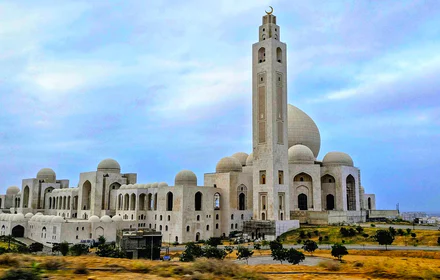
- The Spiritual Leveler: In the grand halls of the Faisal Mosque or the smaller neighborhood masjids in sectors like G-6 or F-10, the distinctions of rank—so prevalent in a capital city—are momentarily dissolved. The high-ranking official, the foreign diplomat, and the local driver stand shoulder-to-shoulder, reaffirming a shared human identity that transcends professional titles.
The true essence of Zuhr in Islamabad lies in its ability to reconcile the horizontal struggle of worldly ambition with the vertical necessity of divine connection. It is the longest prayer of the daylight hours, and its length is intentional. It demands enough time to ensure that the transition from “worker” to “worshiper” is complete and sincere.
Ultimately, Zuhr is a testament to the Islamic principle of Mizan (Balance). It teaches that even at the zenith of our daily productivity, we must be humble enough to bow. In the silence of the prostration (Sajdah), the noise of the capital fades away, and the soul is reminded that while we may plan our days, it is the Divine who sustains them. By the time the prayer concludes, the believer emerges not just rested, but realigned—ready to face the remaining hours of the day with a heart that is anchored and a perspective that is clear.
“Zuhr is the bridge that carries the soul safely from the morning’s rush to the evening’s peace, ensuring that our worldly pursuits never outpace our spiritual purpose.”




%20🕌%20Zuhr%20Time%20—%20Islamabad%20اردو%20Date%20Day%20Zuhr%20(Hanafi)%20Zuhr%20(Shafi)%20Loading…%20Zuhr%20Time%20Islamabad%20–%20Concept,%20Importance%20&%20Scientific%20Reasoning%20Zuhr%20Time%20in%20Islamabad%20Zuhr%20time%20in%20Islamabad%20begins%20just%20after%20the%20sun%20passes%20its%20highest%20point%20in%20the%20sky%20(solar%20noon)%20and%20starts%20declining%20toward%20the%20%5B…%5D&media=https://nigarcraft.com.pk/wp-content/uploads/2026/03/Zuhr-Time-Islamabad.webp)