The Living Soul of Pakistan: A Journey Through Lok Virsa Museum & Lok Mela 2025
A Complete Cultural Experience of Heritage, Humanity, and Harmony
I. Introduction — Where Pakistan’s Heart Still Beats
In an age where cities race toward modernity and digital life replaces physical connection, there are few places left where history breathes in the open air. Few events remain where the beat of a dhol, the flicker of a hand-painted lamp, and the aroma of desi ghee chapli kabab instantly pull you into a world beyond time.
In Pakistan, that world has a name: Lok Virsa — “The Voice of the People.”
And each year, for ten magical days, this voice rises louder than ever through the grand cultural festival known as Lok Mela — a national celebration of music, colors, craftsmanship, and unity. In 2025, Lok Mela returns bigger, more vibrant, and more meaningful than ever before, marking the Golden Jubilee Celebration of Lok Virsa’s heritage-preserving legacy.
Before the drums roll and the pavilions come alive, one must understand the heart of it all — the Lok Virsa Museum itself. Because the Mela is a festival of heritage, but the museum is the house where that heritage lives.
This is coma plete, immersive, emotional, and sensory journey into:
✔ Lok Virsa Museum
✔ Lok Mela 2025
✔ Artisan stories
✔ Cultural pavilions
✔ Food streets
✔ Musical nights
✔ Heritage preservation
✔ Visitor tips and beyond
Let us begin where every journey into culture should begin — the museum.
II. Lok Virsa Museum: A Heritage Home Beyond Time
A. Entering a World of Roots
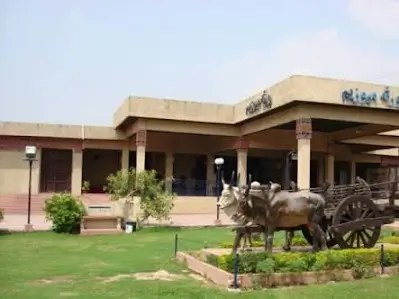
Located near the serene Shakarparian Hills, Lok Virsa Museum is not simply a building — it is an emotional archive of Pakistan’s collective identity. From the outside, the structure appears humble: mud-like walls, wooden beams, traditional archways. But the moment you step inside, the illusion breaks, and the depth of Pakistan’s ethnological and anthropological narrative opens up.
The air feels different — infused with folk tunes, the faint echo of Sindhi Alghoza, and the warm smell of wooden interiors. Every pathway seems to call you deeper into the story of the land.
B. The Heritage Museum — The Beating Heart
The Heritage Museum is a sprawling treasure house divided into thematic galleries representing:
- Punjab
- Sindh
- Balochistan
- Khyber Pakhtunkhwa
- Gilgit-Baltistan
- Azad Jammu & Kashmir
- The Northern Valleys
- Sufi Culture
- The Silk Route
- Lifestyle Exhibits
- Artisan Tools
- Village Dioramas
Each gallery transports you into that region’s soul.
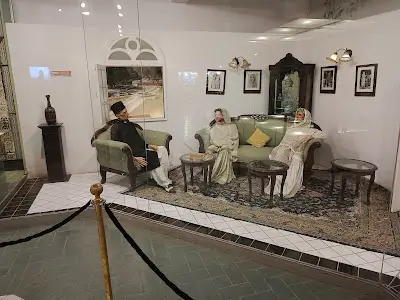
C. Life-Sized Cultural Dioramas
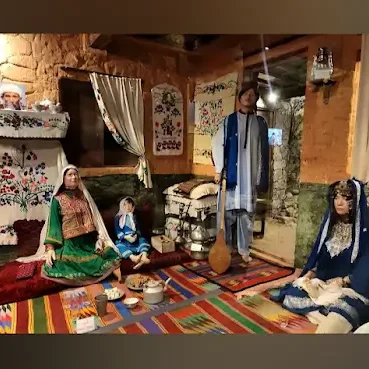
One of the museum’s most powerful experiences is its full-scale village dioramas. These are not basic exhibits with mannequins but stunningly lifelike recreations of:
- A Potohari village wedding
- A Sindhi courtyard
- A Balti mountain family home
- A Balochi nomadic settlement
- A KP hujra
- A Punjabi artisan bazaar
You hear real sounds — spinning wheels turning, children laughing, qawwalis echoing distantly. The lighting, the costumes, the mud-plastered walls — everything is crafted to perfection.
For many visitors, this section is deeply emotional. In just a few steps, you walk through centuries of rural life — a Pakistan untouched by commercial modernity.
D. The Sufi & Shrine Hall: A Place for the Soul
If the rest of the museum is cultural, the Sufi and Shrine Hall is spiritual.
Dim lights, glowing lamps, verses of Shah Latif, Bulleh Shah, and Waris Shah adorning the walls — this hall feels like a sanctuary.
Traditional shrines are recreated with:
- Devotional music (Qawwali & Kafi)
- Visual storytelling of saints
- Ancient manuscripts
- Handcrafted ta’wiz and shrine decor
- The atmosphere of a Mehfil-e-Sama
Visitors often sit here longer than expected, mesmerized by the tranquility.
E. Cultural Performances & Outdoor Exhibits
On weekends, you may catch:
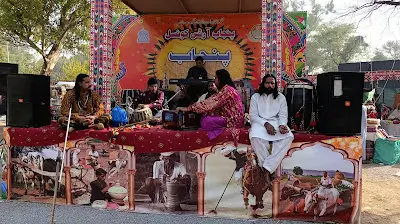
- Live folk musicians
- Dhol performances
- Regional dance groups
- Artisan demonstrations
- Mini storytelling sessions
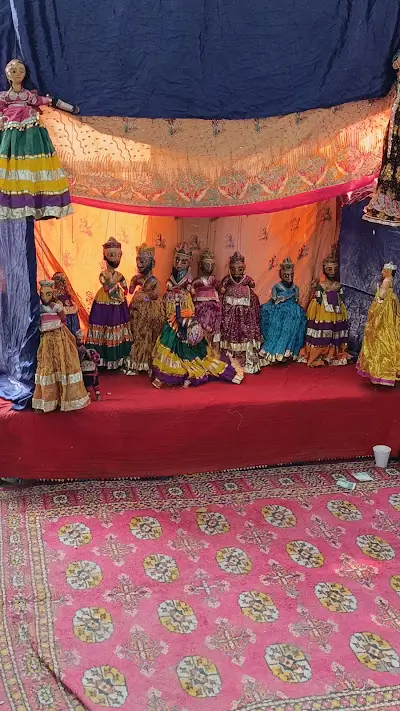
- Puppet theaters
Everything is curated to keep the museum alive, not frozen in time.
F. Souvenir Shops — The Art of the Hand
The museum complex includes shops selling:
- Handmade jewelry
- Embroidery
- Blue pottery
- Camel skin lamps
- Traditional caps (Sindhi topi, Pakol, Chitrali cap)
- Books on culture and heritage
Every item supports local craftsmen.
III. Lok Mela 2025: The Grand Cultural Celebration
A. The Festival Returns — Bigger than Ever
From 7–16 November 2025, Lok Mela returns to Lok Virsa Shakarparian, promising:
- 10 days
- 7 provincial/territorial pavilions
- 1 International Pavilion
- 300+ artisans
- Live music nightly
- Daily folk dance
- Puppet shows
- Regional cuisine
- Family entertainment
- Heritage exhibitions
- Youth and children activities
This year is special — it commemorates 50 years of Lok Virsa’s cultural legacy.
B. Provincial Pavilions: A Journey Across Pakistan
Each pavilion is a mini-world showcasing a region’s identity:
1. Punjab Pavilion
Expect:
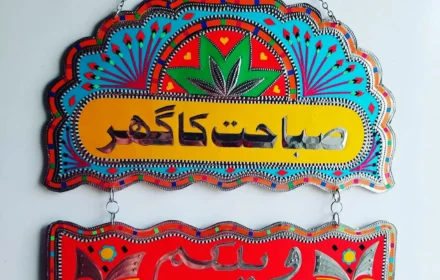
- Truck art
- Dhamaal
- Heer Waris Shah
- Phulkari
- Pottery
- Dhol beats
- Live Bhangra
- Folk storytelling
Colorful, loud, and full of life — just like Punjab.
2. Sindh Pavilion
Home of:
- Ajrak printing
- Sindhi caps
- Alghoza melodies
- Rilli quilts
- Camel skin crafts
- Spiritual dance traditions
Sindh’s deep Sufi roots shine here.
3. Balochistan Pavilion
Raw, minimalist, earthy. Crafts include:
- Heavy silver jewelry
- Embroidered Balochi dresses
- Handwoven rugs
- Nomadic lifestyle displays
The pavilion feels ancient and beautifully austere.
4. Khyber Pakhtunkhwa Pavilion
Energetic and vibrant:
- Rabab music
- Hand-carved walnut wood
- Charsadda chappal
- Khattak dance
- Honey and dry fruits
A feast of strength and elegance.
5. Gilgit-Baltistan Pavilion
Mountain serenity:
- Pashmina weaving
- Felt caps
- Organic herbs
- Chapshoro stalls
- Photo exhibitions of valleys
A cool, calm contrast to the bustling fair.
6. Azad Jammu & Kashmir Pavilion
Featuring:
- Kashmiri shawls
- Wooden crafts
- Saffron products
- Wazwan cultural displays
Spiritual, poetic, and mystical.
7. International Pavilion
With 12 participating countries — a major attraction showcasing global folk traditions.
C. The Artisans: Hands That Preserve History
Lok Mela is the only event in Pakistan where artisans from remote regions meet the urban public directly. This “Artisan-at-Work” concept ensures:
- No middlemen
- Fair earnings
- Heritage transmission
- Real-time demonstration
- Cultural storytelling
Meet the Masters
1. The Ajrak Printer of Sindh
Working with natural dyes, wooden block stamps, and centuries-old patterns.
2. The Pashmina Weaver of Kashmir
A woman weaving a shawl that may take months to complete.
3. The Naqqash of KP
A walnut wood carving specialist whose chisels create floral masterpieces.
4. Multani Camel Skin Lamp Painter
Using delicate brushes to paint radiant motifs.
5. Rilli Quilt Makers
Women stitching bold geometric stories into textiles.
Every artisan has a story — of survival, pride, and passion.
D. Food Streets: A Feast of Pakistan’s Soul
The Lok Mela food street is legendary.
Northern Wonders
- Chapshoro
- Kabuli pulao
- Trout fish
- Apricot soup
- Yak cheese items
Baloch Delights
- Sajji
- Dampukht
- Kaak bread
Punjabi Comforts
- Tawa chicken
- Karahi
- Lassi
- Halwa puri
Sindhi Staples
- Saag
- Bhugal rice
- Kheer kadhi
Street Food Madness
- Golgappay
- Jalebi
- Chai
- Nutella paratha (the modern twist)
The smell alone is worth the visit.
E. Cultural Nights: The Rhythm of Pakistan
Every night, the Mela hosts a themed musical show:
- 7 Nov: Inaugural & Qawwali
- 8 Nov: Balochistan Night
- 9 Nov: Punjab Night
- 10 Nov: Dhol Mela
- 11 Nov: Lok Virsa Night
- 12 Nov: Gilgit-Baltistan Night
- 13 Nov: Kashmir Night
- 14 Nov: Sindh Night
- 15 Nov: KP Night
- 16 Nov: Grand Finale
Featuring:
- Dhol groups
- Folk singers
- Sarangi players
- Alghoza maestros
- Sufi performers
- Youth bands
- Traditional dancers
The energy is unforgettable.
IV. Lok Mela for Peace, Unity & Global Harmony
2025’s theme:
Peace and Harmony Through Cultural Diversity
The festival supports:
- Artisans’ livelihoods
- Inter-provincial harmony
- International cultural exchange
- Heritage preservation
- Fundraising for humanitarian causes (including a dedicated Palestine stall)
V. Visitor Guide & Tips
- Timings: 10am–10pm
- Tickets: Rs 200 adults | Rs 100 students
- Parking: Available
- Best Time to Visit: 4–10 pm
- Wear: Comfortable shoes
- Must-do: International Pavilion, Pashmina section, Dhol show, nighttime concerts
VI. Conclusion — A Festival That Touches the Soul
Lok Virsa Museum preserves history.
Lok Mela brings that history to life.
Together, they form:
- Pakistan’s cultural identity
- Pakistan’s artistic pride
- Pakistan’s emotional memory
- Pakistan’s unity in diversity
If you want to feel Pakistan — not just see it — Lok Virsa is the place, and Lok Mela is the moment.
This November, step into the heart of your heritage. Let Pakistan’s culture speak to you.
FAQs – “Fascinating Lok Virsa Museum & Lok Mela 2025
1. What is Lok Virsa Museum and where is it located?
Lok Virsa Museum, officially the Pakistan National Museum of Ethnology, is a cultural and heritage museum located in Shakarparian, Islamabad, showcasing the living traditions of Pakistan’s diverse communities.
2. When is Lok Mela 2025 held at Lok Virsa Museum?
Lok Mela 2025 was held as a 10-day cultural festival from early November to November 16–17, 2025, attracting visitors from across Pakistan.
3. What can visitors expect at Lok Mela?
Visitors can experience regional handicrafts, live folk music, traditional dance performances, cultural pavilions, culinary stalls, and interactive demonstrations celebrating Pakistan’s heritage.
4. Are artisans present at Lok Mela, and what do they offer?
Yes — hundreds of master artisans from all provinces of Pakistan display and sell their handmade crafts such as embroidery, woodwork, pottery, block printing, and more, providing a living showcase of folk artistry.
5. What is the theme of Lok Mela 2025?
The 2025 edition celebrated unity in diversity with the theme “Yakjehti k Rang, Lok Virsa k Sang,” highlighting regional cultures and national cohesion.
6. Which provinces and regions are represented at Lok Mela?
Lok Mela features pavilions representing Punjab, Sindh, Balochistan, Khyber Pakhtunkhwa, Gilgit-Baltistan, Azad Jammu & Kashmir, and Islamabad, each showcasing unique crafts, music, and traditions.
7. What kinds of cultural performances are held at Lok Mela?
The festival includes live folk music, traditional dances, puppet theatre (Putli Tamasha), fusion nights, and open-mic events that celebrate both local and cross-regional cultural expressions.
8. Can visitors try traditional Pakistani food at Lok Mela?
Yes — food courts offer regional cuisines like Balochi Sajji, chapli kebab, biryani, haleem, and other local favourites, giving visitors a taste of Pakistan’s culinary heritage.
9. Is Lok Mela family-friendly and suitable for all ages?
Absolutely — the festival includes folk theatre, children’s activities, cultural shows, and interactive stalls, making it a vibrant, family-friendly experience for all age groups.
10. What is the significance of Lok Mela and why should people visit?
Lok Mela is the largest cultural festival in Pakistan, celebrating the country’s rich heritage, promoting artisan livelihoods, and offering an immersive cultural experience that fosters national unity and pride.