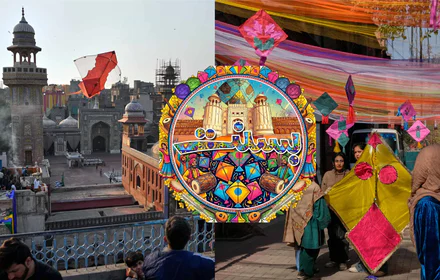
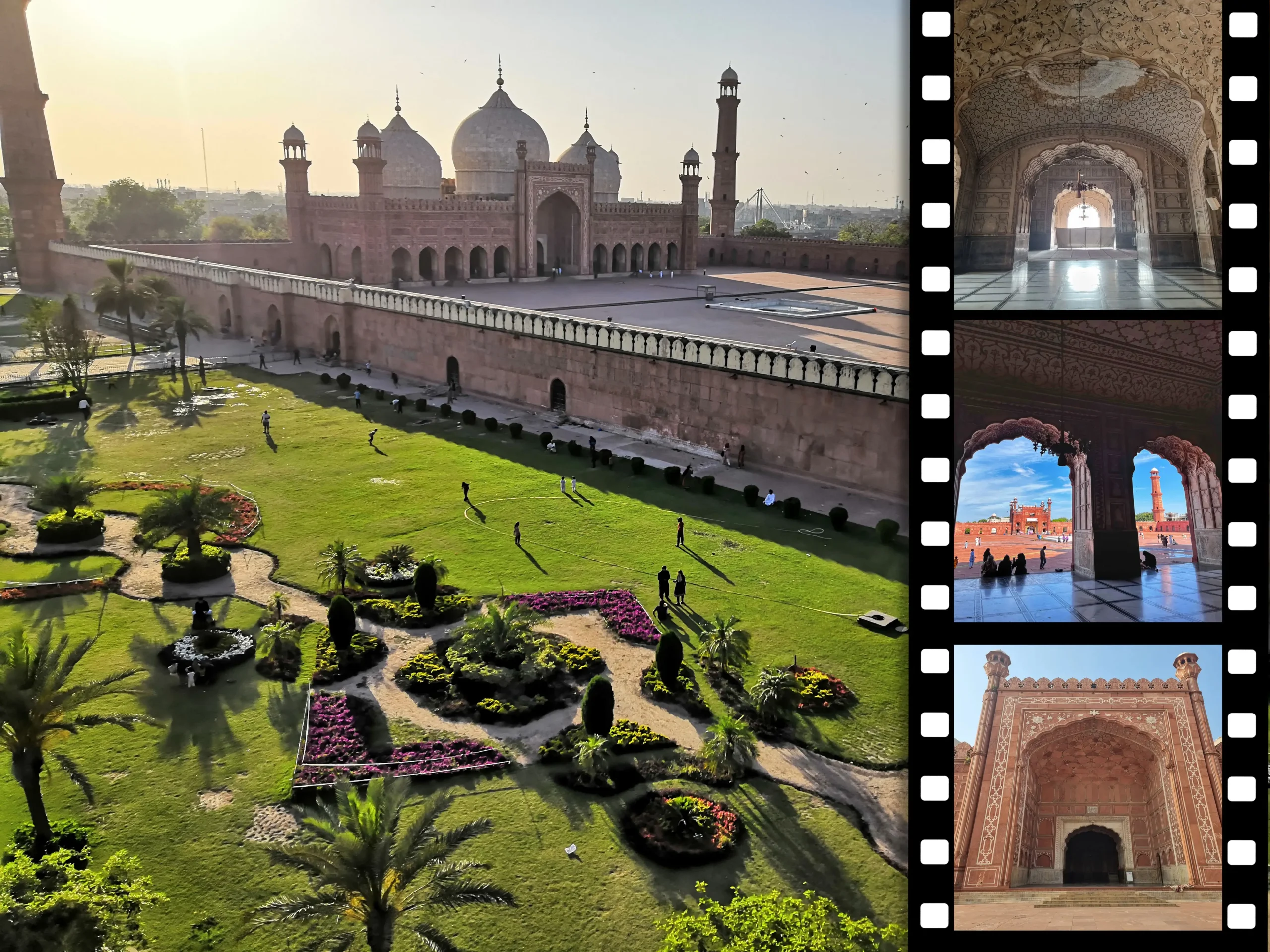
Standing opposite the majestic Lahore Fort, the Badshahi Mosque is not just a place of worship but a living symbol of Islamic faith, Mughal authority, and architectural brilliance. For more than three centuries, it held the title of the world’s largest mosque, a testament to its immense scale and vision. Even today, it remains one of the most visited historical and religious landmarks in Pakistan, drawing worshippers, historians, architects, and tourists from across the globe.
The Badshahi Mosque is more than red sandstone and marble. It reflects an era where architecture was used to express spiritual devotion, imperial power, and cultural identity. Its presence defines the historic skyline of Lahore and continues to shape the city’s religious and tourism landscape.
Historical Background of the Badshahi Mosque
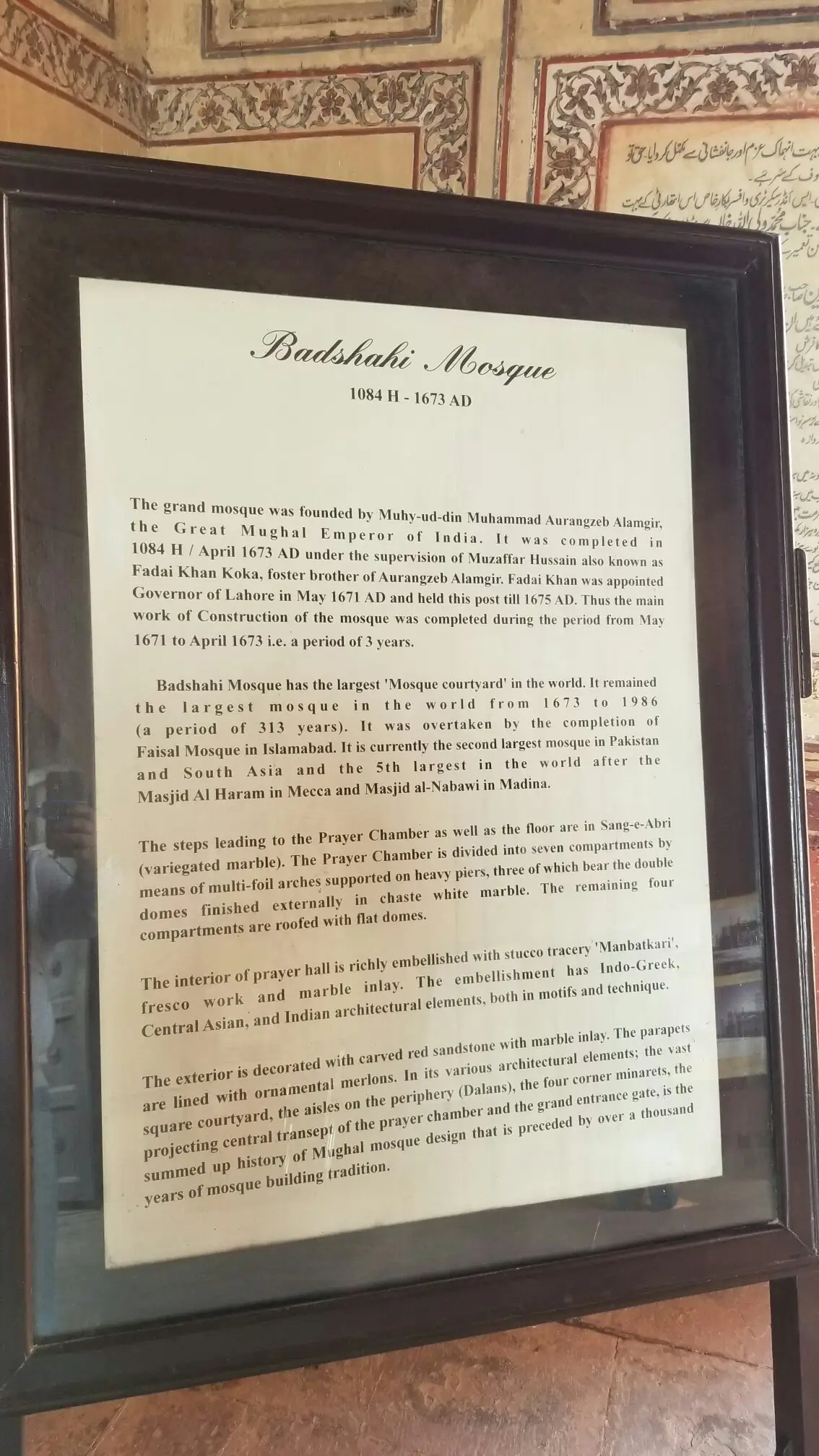
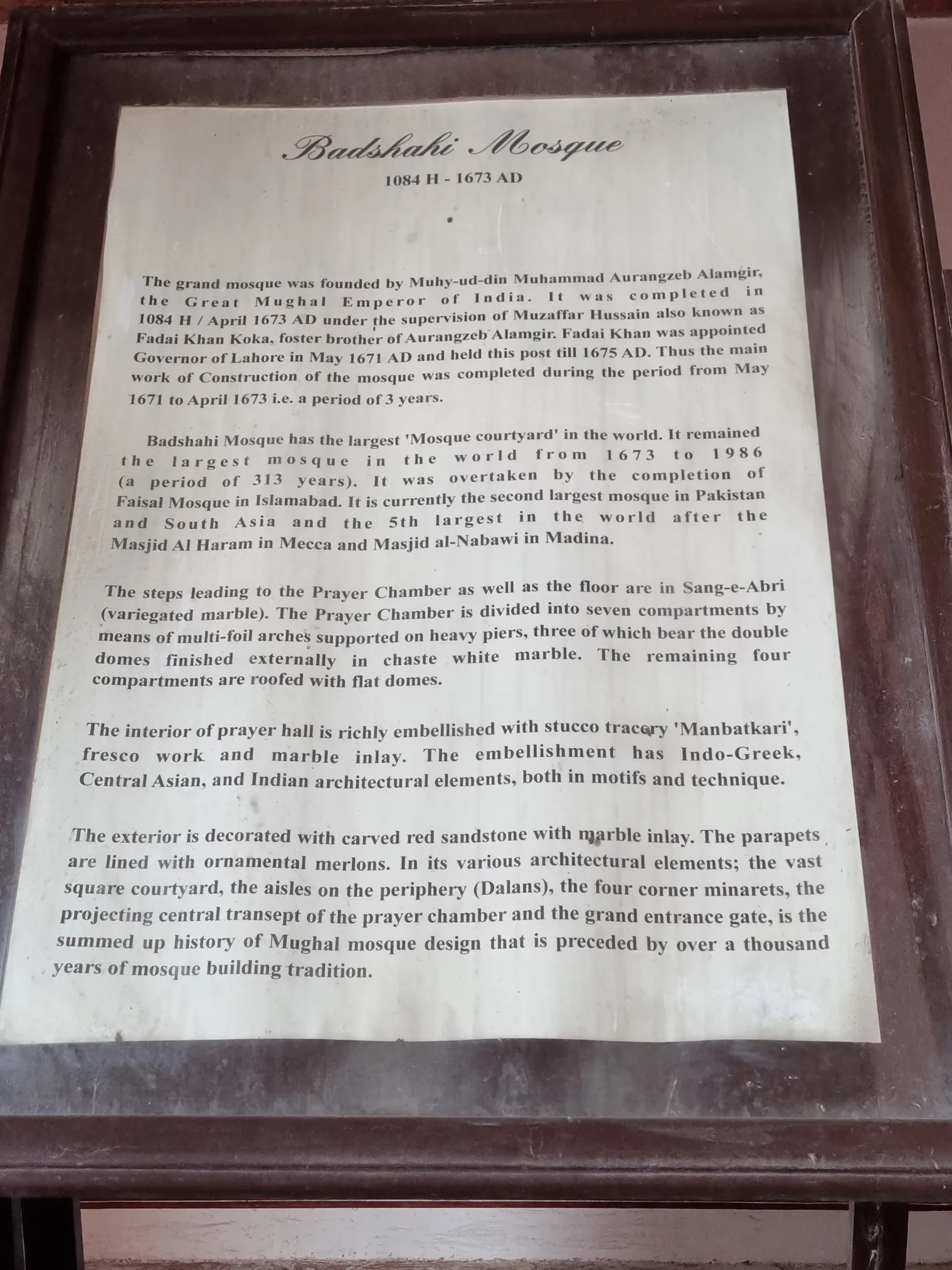
The Badshahi Mosque was constructed during the peak of the Mughal Empire in South Asia. Its foundation was laid in 1671 AD, and construction was completed in 1673 AD, taking only two years—an extraordinary achievement considering its scale.
At the time, Lahore was one of the most important cities of the Mughal Empire. It served as a political, military, cultural, and religious center. The city had already witnessed monumental Mughal architecture under emperors like Akbar and Shah Jahan, but the Badshahi Mosque was intended to surpass all previous religious structures in scale and authority.
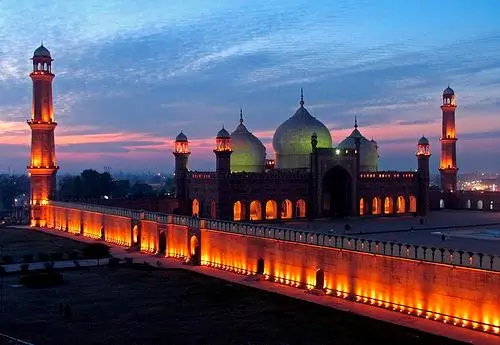
For nearly 313 years, the mosque remained the largest mosque in the world. For the first several decades after its completion, its massive domes and towering minarets were visible from miles away, symbolizing both divine presence and imperial strength.
The Mughal Era and Lahore’s Importance
During the 17th century, the Mughal Empire stretched across vast territories of South Asia. Lahore held special importance due to its strategic location near the empire’s northwestern frontier. It was a gateway city, crucial for defense, trade, and administration.
Mughal emperors invested heavily in Lahore, constructing forts, gardens, mosques, and gateways. The Badshahi Mosque was designed as the spiritual counterpart to the Lahore Fort, representing a balance between religious devotion and military power.
This deliberate placement created a powerful visual narrative: faith standing face-to-face with authority.
Who Built the Badshahi Mosque
The mosque was commissioned by the sixth Mughal Emperor, Muhi-ud-Din Muhammad, widely known as Aurangzeb Alamgir.
Aurangzeb personally ordered the construction and closely oversaw its ideological direction. Unlike some of his predecessors, Aurangzeb emphasized Islamic orthodoxy and religious discipline. The Badshahi Mosque reflects this mindset—grand, commanding, and spiritually focused.
Aurangzeb Alamgir – The Man Behind the Monument
Aurangzeb was born in 1618 and ruled the Mughal Empire for nearly 50 years, making him one of its longest-reigning emperors. He was a skilled military commander and expanded the empire to cover over three million square kilometers, making it one of the largest empires in world history at the time.
Unlike Emperor Shah Jahan, who was known for artistic indulgence and luxury, Aurangzeb lived a relatively austere personal life. He prioritized governance, military expansion, and religious law. His architectural contributions were fewer but purposeful, with the Badshahi Mosque being his most significant religious structure.
The mosque reflects Aurangzeb’s vision of Islam as a unifying force for the empire and a visible symbol of Mughal supremacy.
Supervision and Construction Leadership
Aurangzeb appointed Fida’i Khan Koka, his foster brother and brother-in-law, as the governor of Lahore and supervisor of the mosque’s construction. Fida’i Khan Koka was a trusted administrator and military official, chosen specifically for this monumental task.
Under his supervision, thousands of craftsmen, architects, and laborers worked continuously to complete the mosque within a remarkably short period. The materials—red sandstone and white marble—were sourced with precision, maintaining both durability and visual impact.
Architectural Influence and Design Inspiration
The Badshahi Mosque was heavily inspired by Jama Masjid in Delhi, which had been built earlier by Emperor Shah Jahan. However, the Lahore mosque was constructed on a grander scale, with a stronger emphasis on boldness rather than decorative delicacy.
The architectural style combines:
- Persian influence in symmetry and scale
- Central Asian elements in dome construction
- Indian craftsmanship in stone carving and fresco work
This fusion resulted in a structure that is both visually commanding and spiritually uplifting.
Why the Badshahi Mosque Was Built
Several historical accounts explain the motives behind the construction of the Badshahi Mosque:
- To commemorate Aurangzeb’s military campaigns, particularly against the Maratha forces
- To establish Lahore as a major Islamic religious center
- To create a grand congregational mosque capable of hosting massive gatherings
- To safeguard sacred Islamic relics associated with Prophet Muhammad (PBUH)
The mosque was not merely a religious structure; it was a statement of imperial legitimacy and Islamic authority.
Religious Significance and Sacred Relics
Above the grand entrance gate, the mosque’s full name is inscribed in marble:
Masjid Abul Zafar Muhy-ud-Din Muhammad Alamgir Badshah Ghazi
The entrance chambers contain relics believed to include hairs of Prophet Muhammad (PBUH) and Hazrat Ali, which significantly elevate the mosque’s religious status. These relics are preserved in a museum within the gateway, making the mosque a site of spiritual reverence beyond daily prayer.
Badshahi Mosque Architecture – Design, Materials, and Layout
The Badshahi Mosque is not only one of the largest mosques ever built but also one of the most balanced examples of Mughal religious architecture. Its design reflects strength, discipline, and spiritual authority rather than excessive ornamentation. Every element of the mosque was carefully planned to create visual harmony, durability, and an overwhelming sense of scale.
Unlike many Mughal monuments that emphasize luxury and decorative refinement, the Badshahi Mosque focuses on grandeur, symmetry, and spatial power. This architectural approach directly mirrors the personality and ideology of Emperor Aurangzeb Alamgir.
Overall Layout and Structural Planning
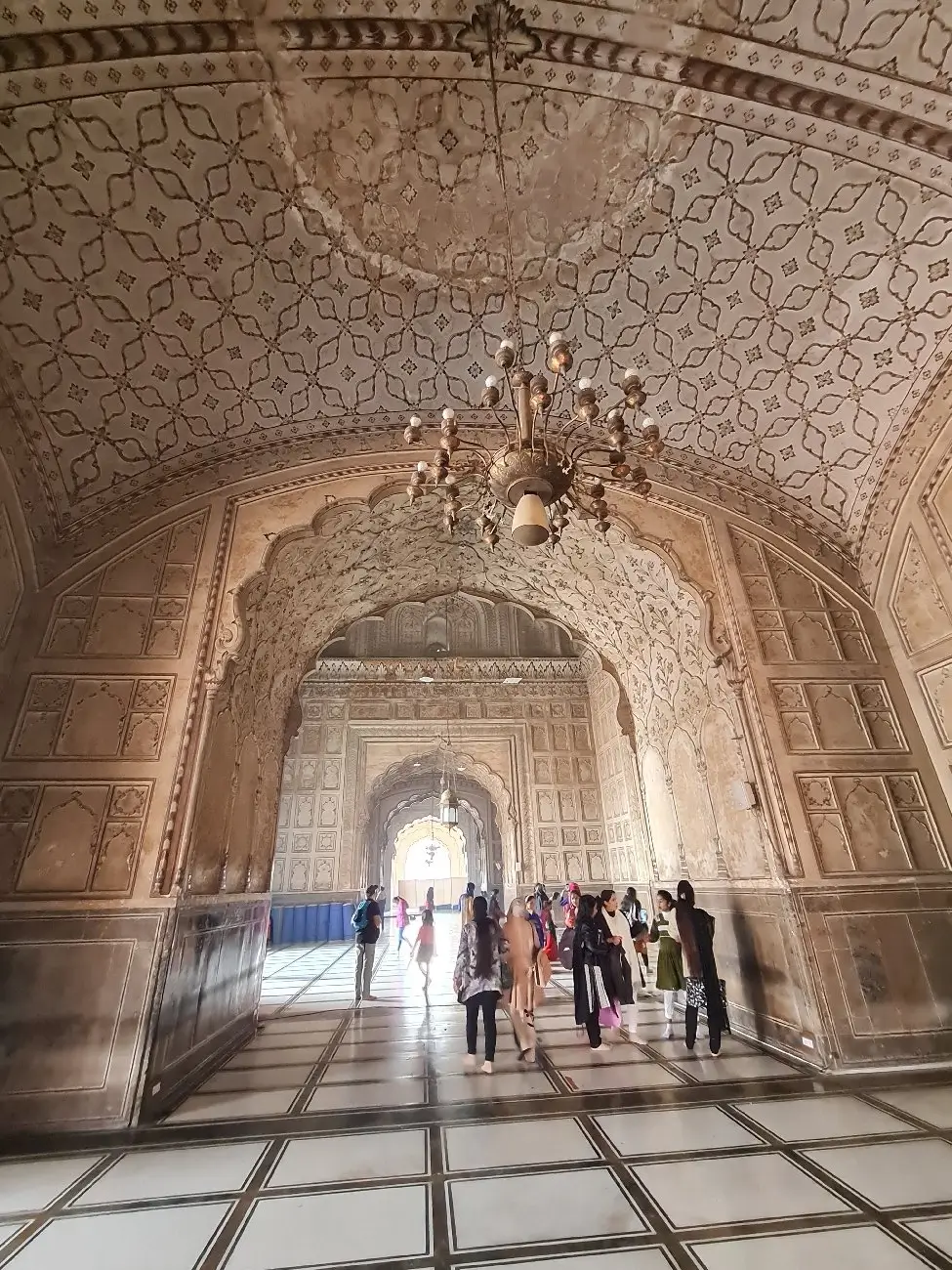
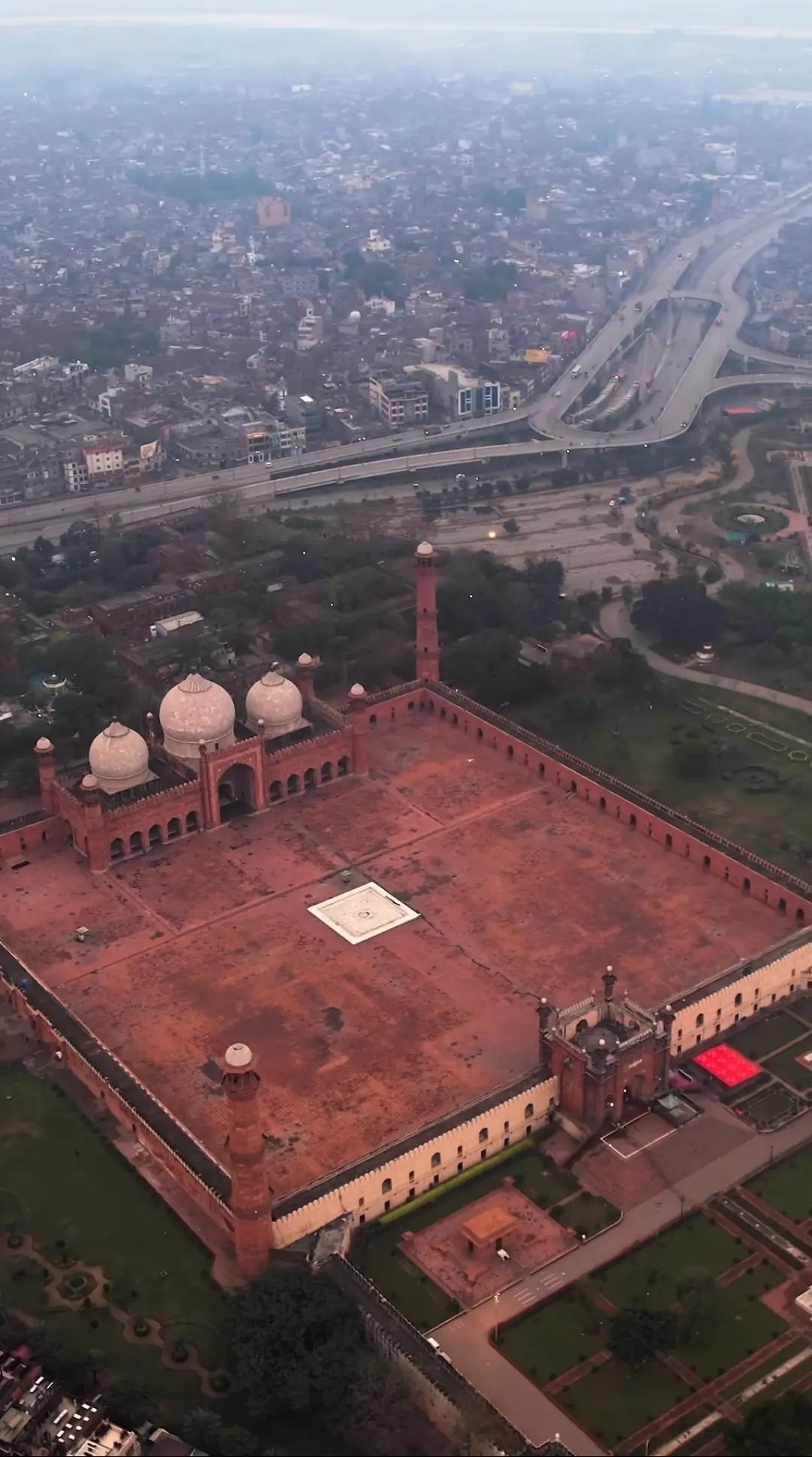
The mosque is built on an elevated platform and follows a rectangular plan. The entire complex is oriented toward the west, facing the Kaaba in Makkah, which is standard for Islamic prayer spaces in South Asia.
The mosque consists of three main architectural components:
- The grand entrance gateway
- The vast open courtyard
- The main prayer hall
This layout allows smooth movement of worshippers while maintaining visual continuity across the entire structure.
The Grand Entrance Gateway
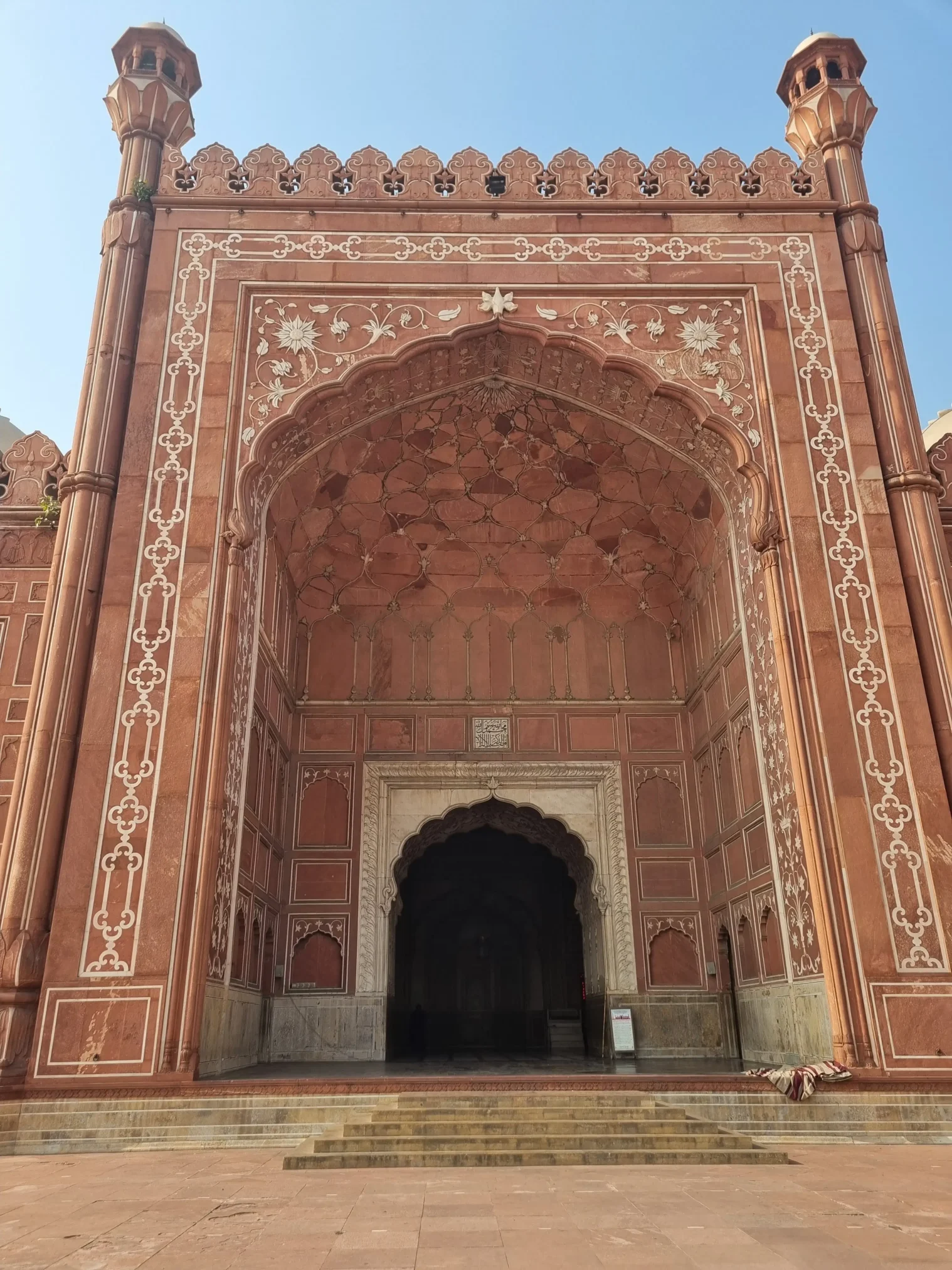
The eastern gateway of the Badshahi Mosque is monumental in itself. Built in classic Mughal style, it serves as a ceremonial transition from the outside world into a sacred space.
Above the entrance, the full official name of the mosque is inscribed in white marble. The gateway contains several chambers that are not open to the general public. These rooms now house Islamic relics and a small museum, adding religious importance to the entrance.
The gateway was designed to prepare visitors psychologically for the scale of the mosque. As one passes through it, the sudden openness of the courtyard creates a powerful visual and spiritual impact.
The Vast Courtyard
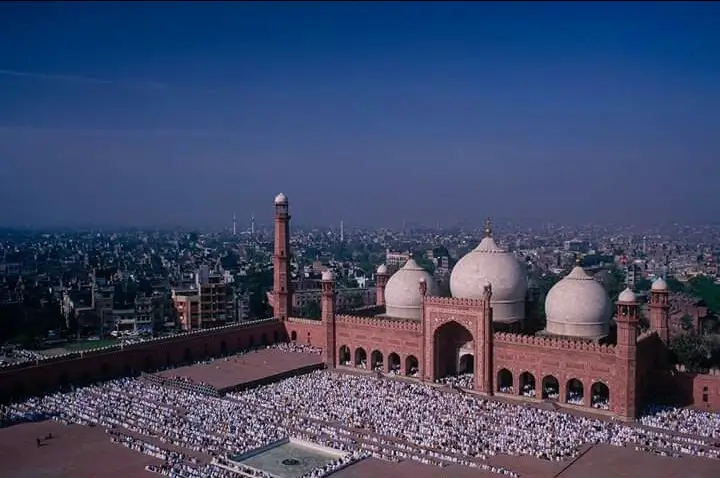
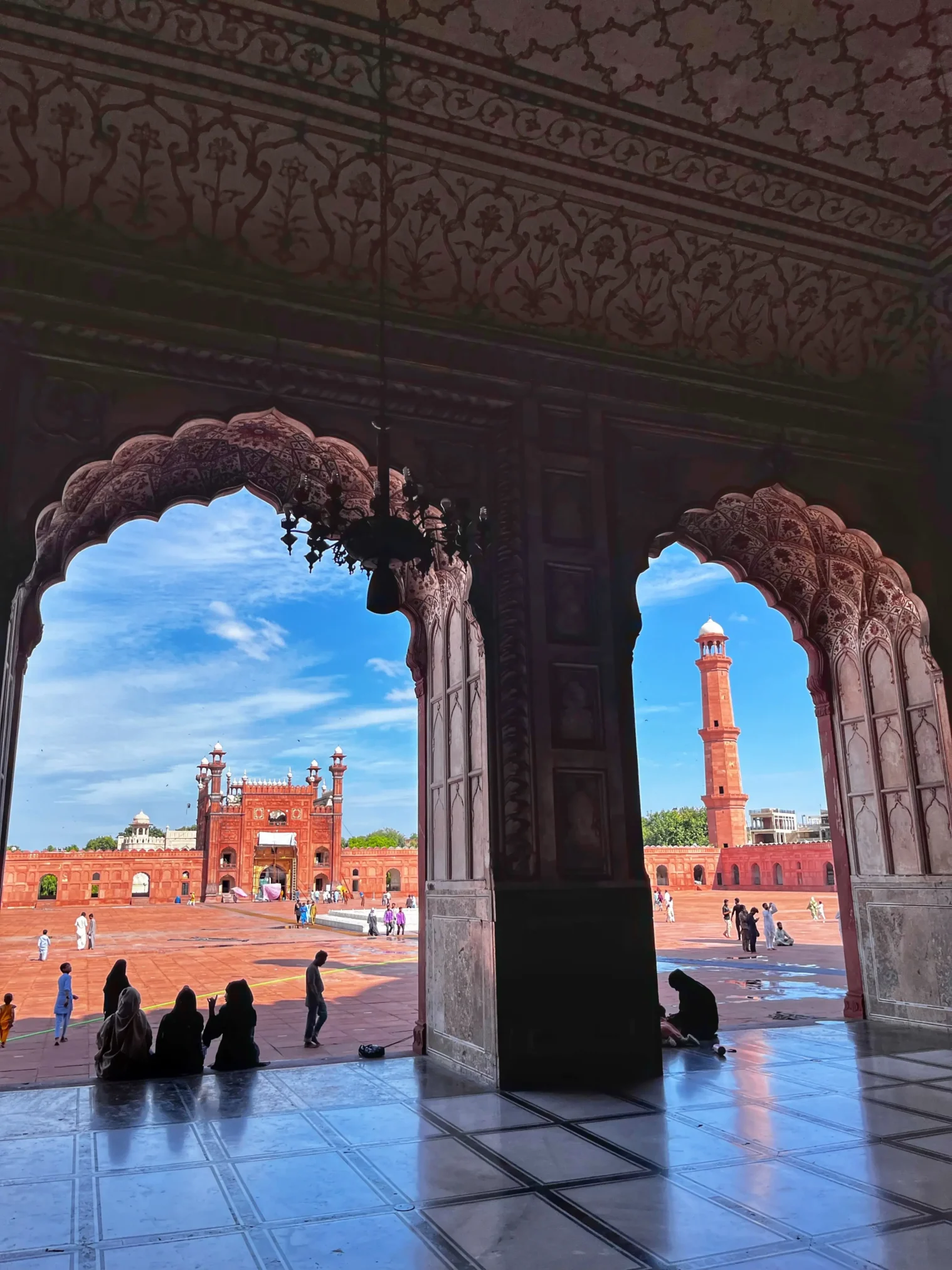
The courtyard of the Badshahi Mosque is one of the largest in the world.
- Total area: approximately 278,000 square feet
- Capacity: up to 100,000 worshippers
The courtyard is paved with red sandstone tiles arranged in a traditional prayer pattern. Originally, the flooring consisted of small kiln-burnt bricks laid in a musalla pattern, which was later replaced during restoration works to preserve durability.
The sheer openness of the courtyard allows the mosque to host massive congregational prayers, especially during Fridays, Ramadan, and Eid.
The Main Prayer Hall
The prayer hall stands on the western side of the courtyard and forms the spiritual heart of the mosque.
Key features include:
- A deep rectangular hall
- Seven prayer compartments
- A central mihrab indicating the direction of prayer
The central prayer niche is larger and more prominent than the others, emphasizing its importance. The hall is elevated slightly above the courtyard, accessed by a series of steps that enhance its visual dominance.
Domes of the Badshahi Mosque
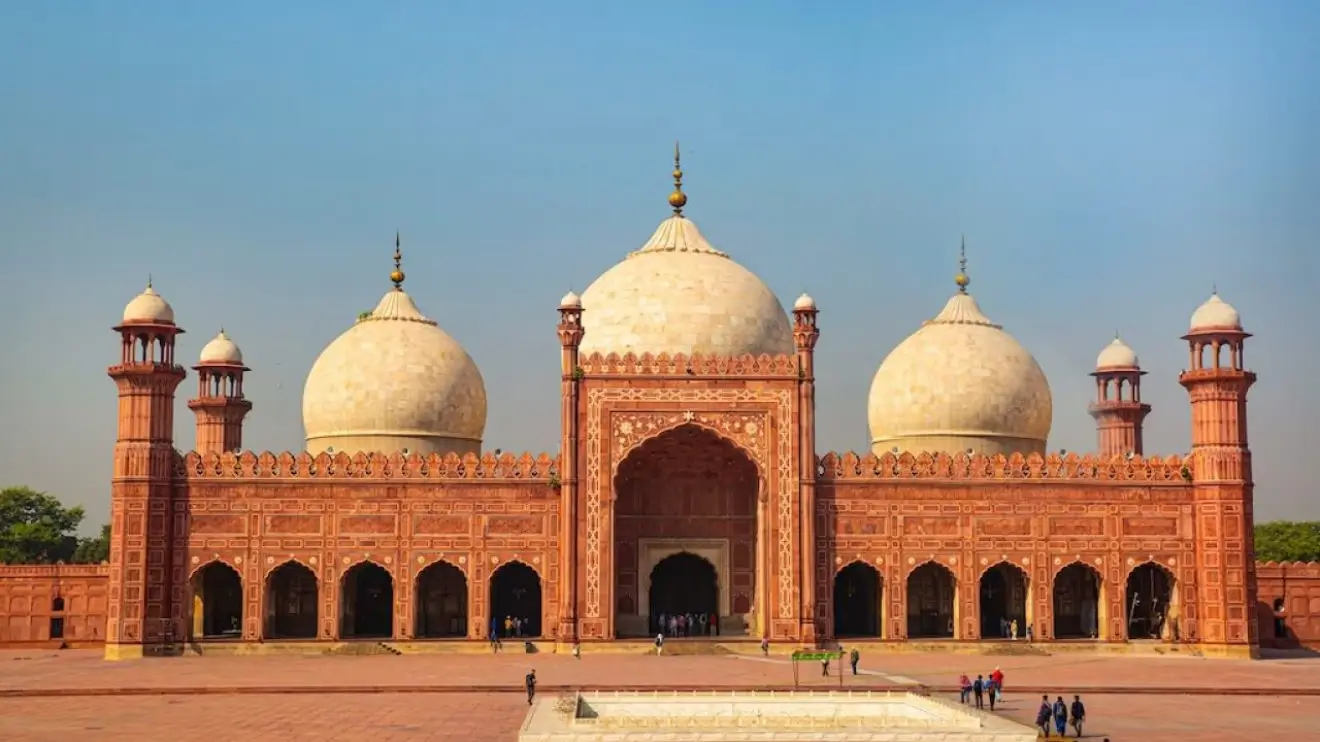
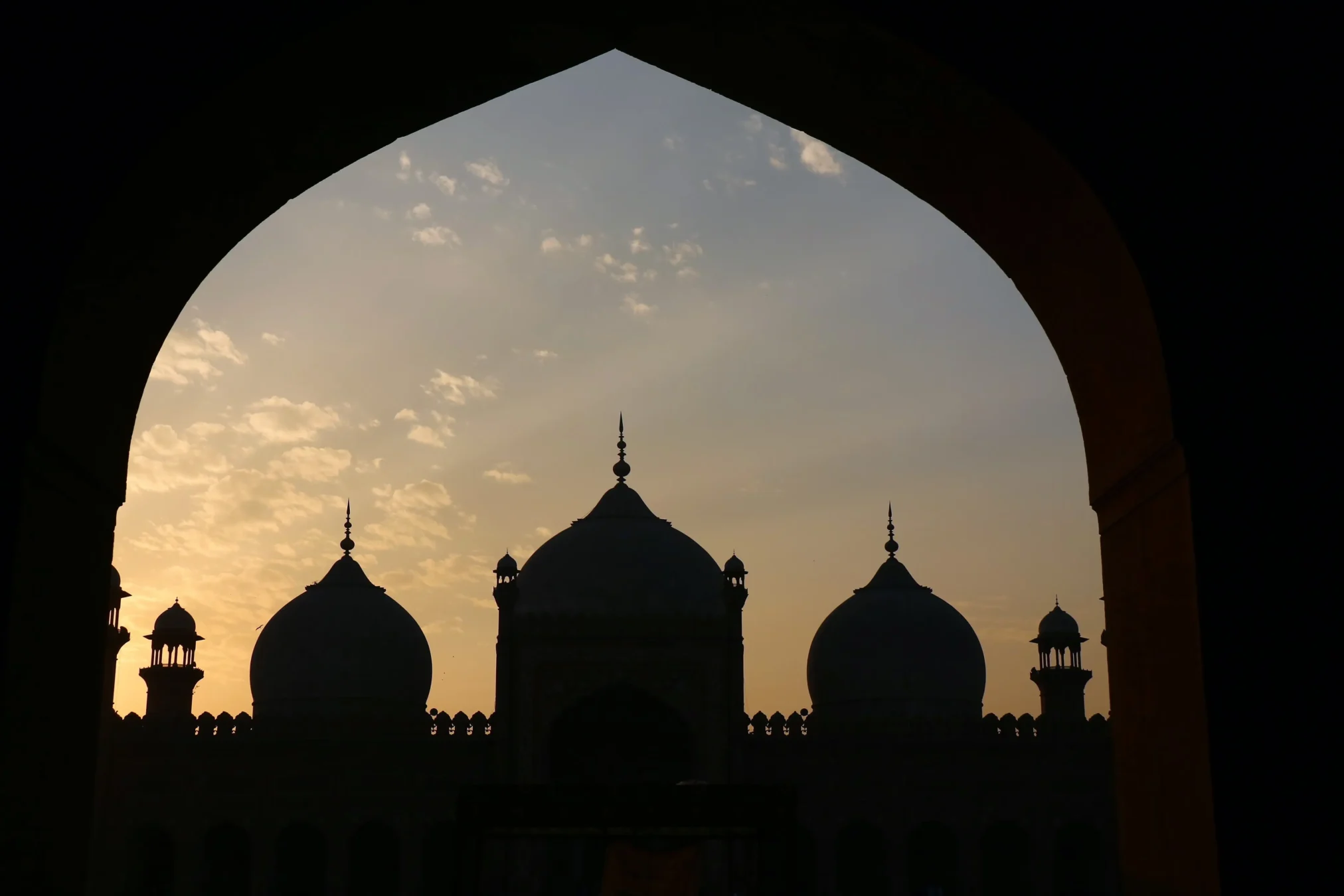
The mosque is crowned with three large marble domes, a signature feature of Mughal mosque architecture.
- The central dome is the largest and tallest
- Two smaller domes flank it symmetrically
The domes are constructed with a double-shell technique, allowing both structural strength and graceful proportions. The use of white marble for the domes contrasts sharply with the red sandstone walls, creating a striking visual balance.
The domes symbolize the heavens and are designed to amplify sound naturally during prayer.
Minarets and Vertical Grandeur
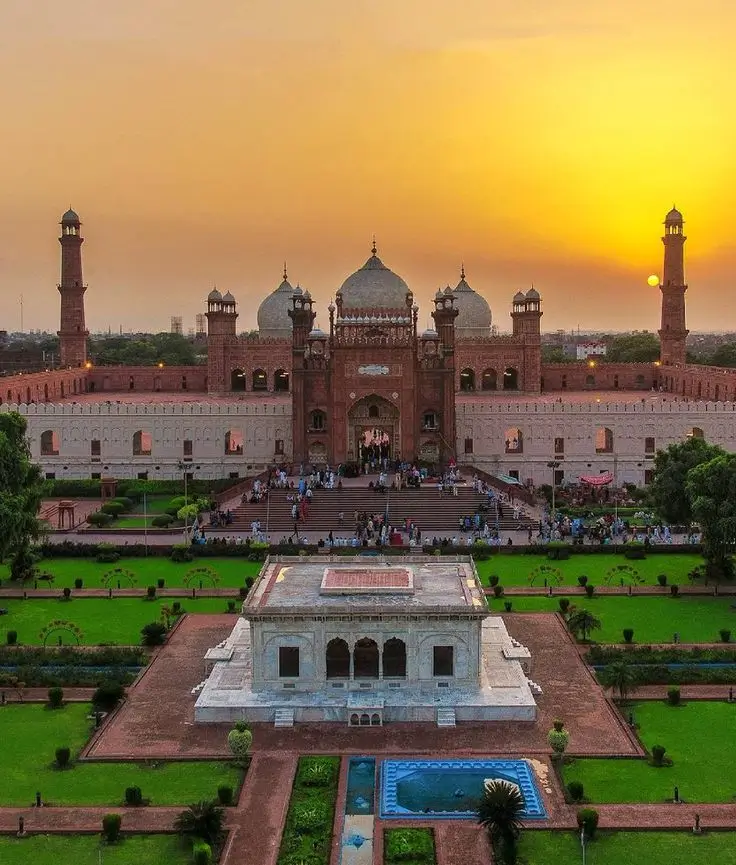
The Badshahi Mosque has four massive corner minarets, one at each corner of the courtyard.
- Height: approximately 176 feet
- Shape: octagonal
- Structure: three-storey design
Each minaret is topped with a marble canopy. Internally, the minarets contain staircases that allow access to the top. These towering structures were designed not only for the call to prayer but also as symbols of Islamic presence and authority visible from great distances.
Additionally, four smaller minarets are built into the main prayer hall structure, bringing the total number of minarets to eight.
Construction Materials Used
The materials chosen for the Badshahi Mosque were selected for both beauty and longevity.
Primary materials include:
- Red sandstone for walls, courtyards, and minarets
- White marble for domes, inlay work, and inscriptions
The sandstone was sourced from regions near present-day Rajasthan, which was also used during the original Mughal construction. The marble was carefully carved and inlaid to create subtle decorative patterns without overwhelming the structure.
Interior Decoration and Craftsmanship
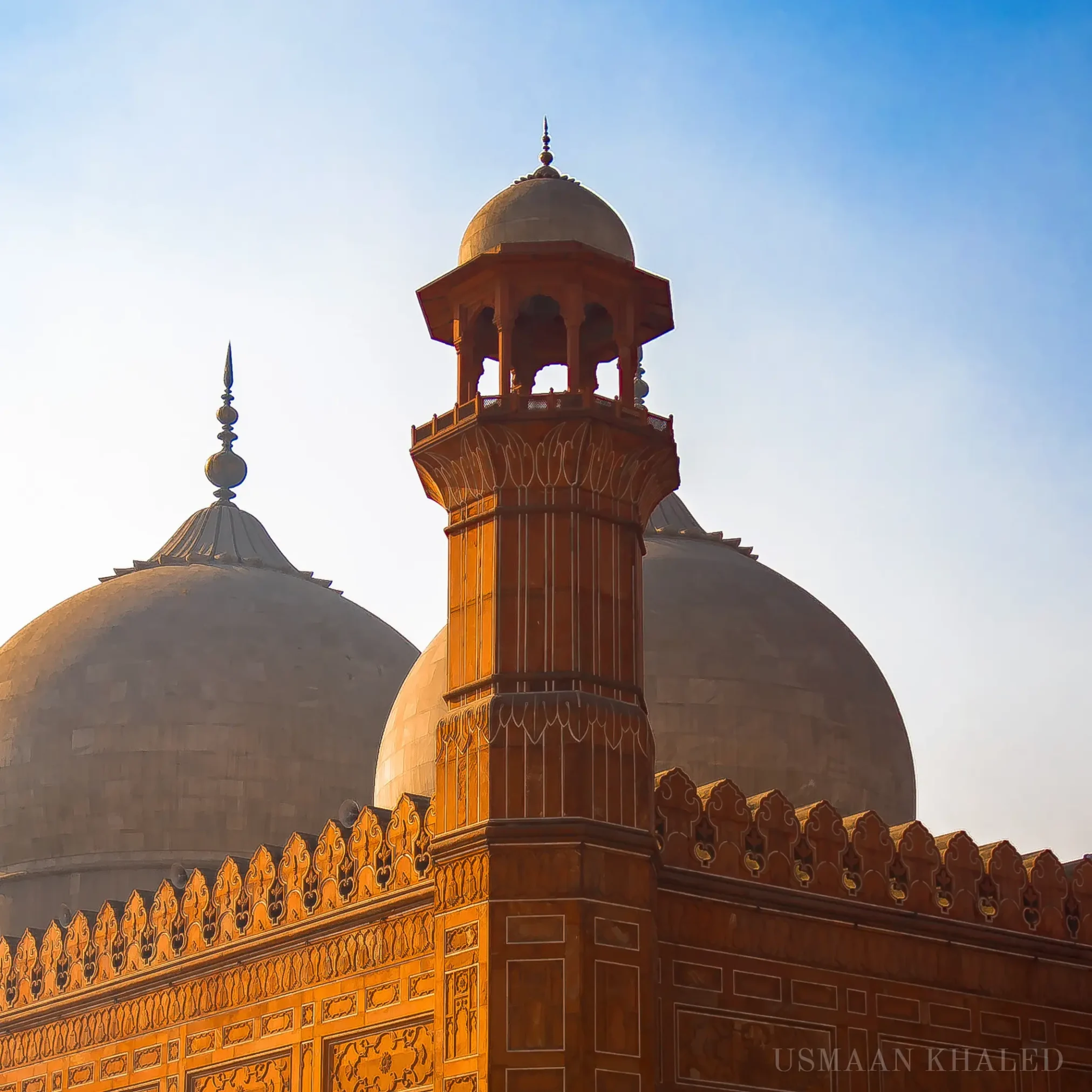
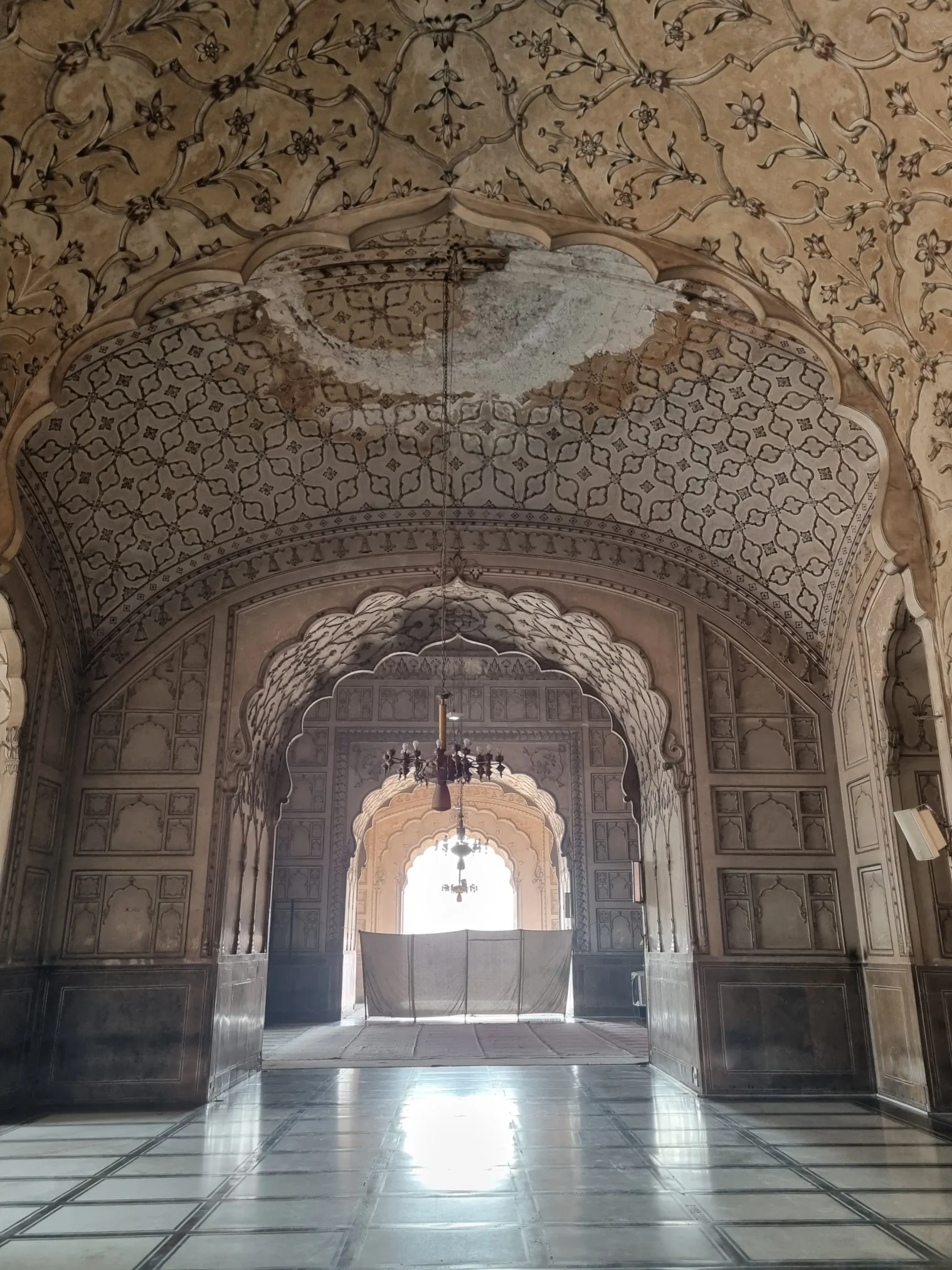
While the exterior emphasizes scale and strength, the interior displays refined Mughal artistry.
Interior features include:
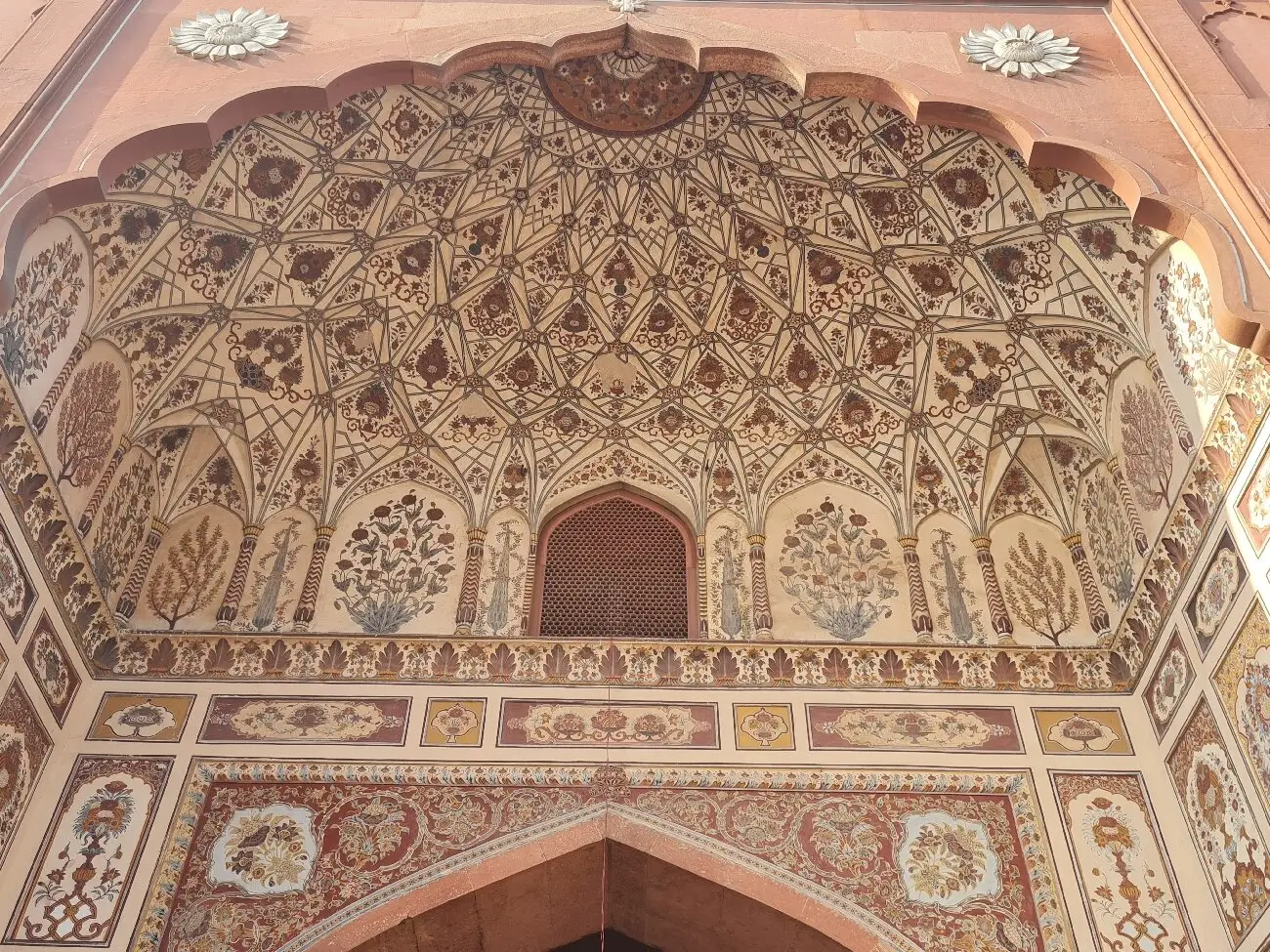
- Stucco tracery known as manbatkari
- Fresco paintings with floral and geometric patterns
- Marble inlay work around prayer niches
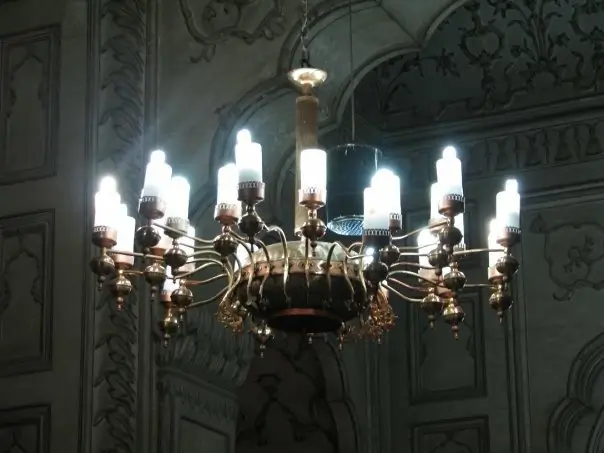
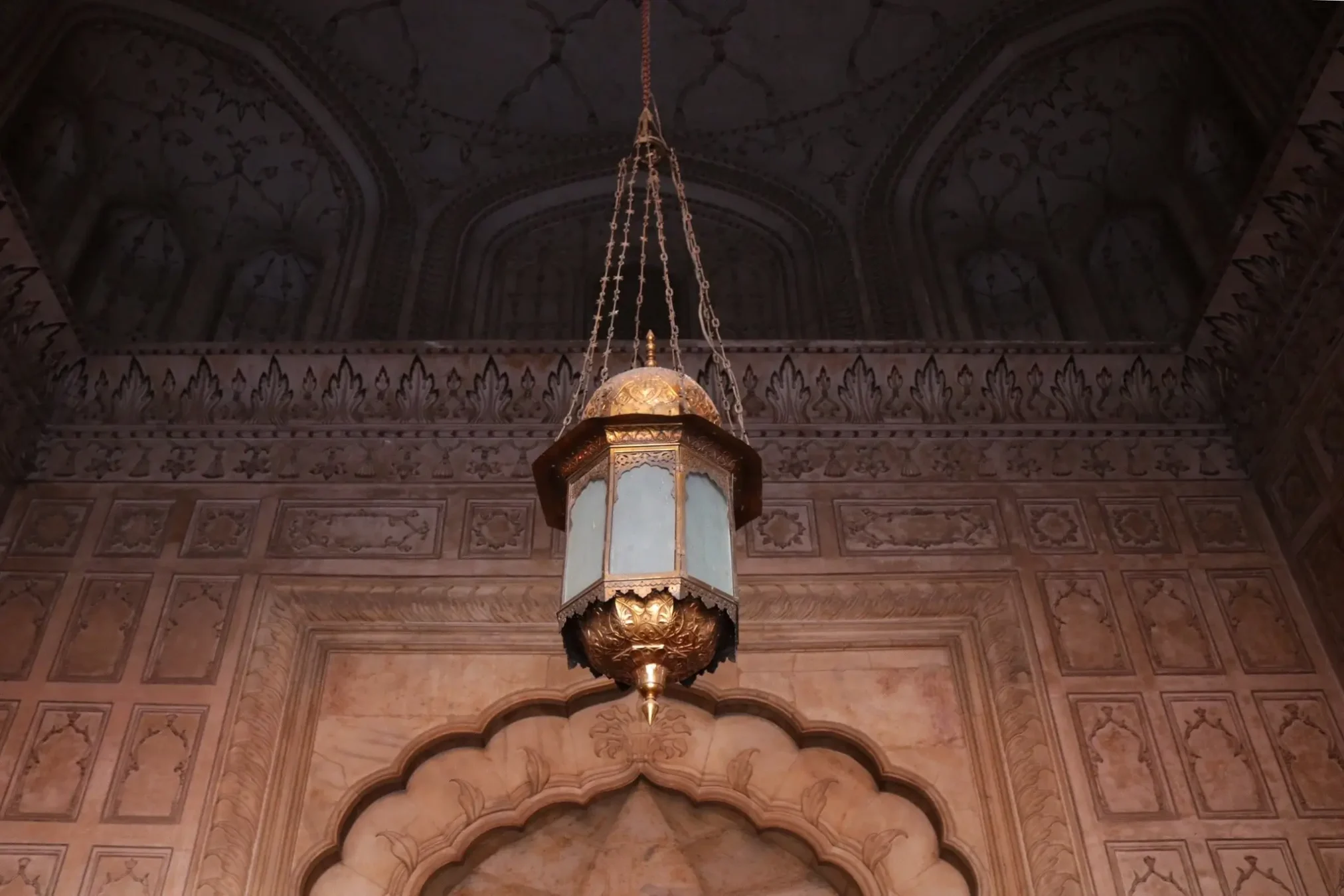
The decorations are elegant yet restrained, reinforcing the mosque’s spiritual seriousness. Unlike more ornate Mughal monuments, the Badshahi Mosque avoids excessive embellishment, focusing instead on harmony and proportion.
Symmetry and Architectural Balance
One of the most remarkable aspects of the Badshahi Mosque is its perfect symmetry. Every architectural element—from gateways to domes to minarets—is precisely aligned.
Due to the proximity of the Ravi River at the time of construction, the mosque could not have a grand gate on the northern side. To preserve symmetry, the architects intentionally avoided adding a similar gate on the southern side.
This careful decision highlights the Mughal commitment to architectural balance
Engineering Strength and Durability
The mosque’s foundation was raised deliberately to protect it from flooding, as the Ravi River once flowed nearby. Aurangzeb reportedly ordered barriers to redirect water away from the mosque, which eventually altered the river’s course over time.
The use of thick walls, lime mortar, and solid brick cores has allowed the structure to survive centuries of political turmoil, misuse, and environmental exposure.
Capacity and Congregational Role of Badshahi Mosque
A Mosque Built for the Masses
From the very beginning, the Badshahi Mosque was designed to serve not just as a royal mosque, but as a public congregational center for the people of Lahore and beyond. Its enormous scale was intentional. Emperor Aurangzeb wanted a mosque that could bring together large gatherings of Muslims for prayer, reflection, and unity.
At the time of its completion in 1673, no other mosque in the world matched its capacity.
Prayer Capacity and Spatial Planning
The Badshahi Mosque can accommodate:
- Around 100,000 worshippers in total
- Approximately 55,000 worshippers inside the courtyard
- Tens of thousands more within the prayer hall and surrounding areas
This massive capacity makes it one of the largest mosques ever built in Islamic history.
The wide-open courtyard allows worshippers to pray in straight, uninterrupted rows, which is essential in Islamic congregational prayer. The prayer hall itself is deep and spacious, ensuring visibility and audibility for worshippers even during large gatherings.
Friday Prayers and Royal Ceremonies
During the Mughal era, Friday prayers at the Badshahi Mosque were major state events. The emperor, nobles, scholars, and citizens would gather here, making it both a religious and political center.
The mosque symbolized:
- Imperial authority
- Religious leadership
- Unity of the Muslim population
Khutbas (Friday sermons) delivered here carried immense importance, often reflecting the political and moral priorities of the empire.
Role During Ramadan
Ramadan transforms the Badshahi Mosque into one of the most spiritually active places in Pakistan.
Key features during Ramadan include:
- Daily Taraweeh prayers with large congregations
- Recitation of the Quran by renowned Qaris
- Extended night prayers during the last ten nights
- Massive gatherings for Laylat-ul-Qadr
The open courtyard allows thousands to pray together under the night sky, creating a deeply spiritual atmosphere that attracts worshippers from across the country.
Eid Prayers at Badshahi Mosque
Eid-ul-Fitr and Eid-ul-Adha prayers at the Badshahi Mosque are among the largest religious gatherings in Lahore.
On Eid mornings:
- The courtyard fills before sunrise
- Worshippers overflow into Hazuri Bagh and nearby streets
- Families, elders, and children attend together
These prayers are not only religious events but also social and cultural moments, reinforcing community bonds.
Use Beyond Daily Prayers
The Badshahi Mosque has always served multiple functions beyond the five daily prayers.
Historically and even today, it has been used for:
- Special Islamic gatherings
- Quran recitation events
- Nikah ceremonies
- Religious lectures and sermons
Many families choose to perform Nikah inside the mosque due to its religious importance and spiritual atmosphere.
Why It Is Open to All
Unlike restricted royal mosques, the Badshahi Mosque was built as a public religious institution. From the Mughal period to modern Pakistan, it has remained open to:
- Local worshippers
- Travelers
- Scholars
- Tourists from around the world
Visitors are allowed to explore the mosque outside prayer times, provided they respect Islamic customs. This openness reflects Islam’s inclusive spirit and the mosque’s role as a shared cultural heritage site.
Sound, Space, and Prayer Experience
The mosque’s design naturally amplifies sound. The domes and prayer hall allow the imam’s voice to carry without modern amplification, an architectural achievement of its time.
This acoustic quality enhances the prayer experience, especially during large congregations.
Community Identity and Collective Memory
For centuries, the Badshahi Mosque has been part of Lahore’s collective identity. Generations have prayed here, celebrated Eids, mourned losses, and marked life events.
It is not just a structure—it is a living space where faith and community intersect.
Why the Badshahi Mosque Was Built: Motive, Vision & Imperial Purpose
Political and Religious Climate of the 17th Century
The Badshahi Mosque was constructed during a time when the Mughal Empire was at the height of its territorial expansion and political power. Aurangzeb Alamgir ruled over one of the largest empires in the world, stretching from present-day Afghanistan to deep into the Indian subcontinent.
Lahore was a strategic city:
- A military gateway to the northwest
- A cultural and administrative center
- A frontier city facing Central Asia and Persia
Aurangzeb recognized Lahore’s importance and wanted a monument that reflected Mughal authority, Islamic strength, and religious discipline.
Aurangzeb’s Religious Outlook
Unlike earlier Mughal emperors who emphasized artistic luxury, Aurangzeb was deeply religious and strictly observant of Islamic law. His reign focused on:
- Strengthening Islamic institutions
- Promoting Sunni orthodoxy
- Reinforcing moral discipline
The construction of a grand mosque, rather than a palace or pleasure garden, reflected his personal beliefs and priorities.
The Badshahi Mosque was meant to symbolize:
- Submission to God
- The central role of Islam in governance
- Moral authority over imperial power
Need for a Grand Congregational Mosque
Before the Badshahi Mosque, Lahore lacked a mosque large enough to host massive congregations.
The needs were clear:
- Friday prayers required a central Jami mosque
- Eid prayers needed vast open space
- Religious unity needed a focal point
The Badshahi Mosque fulfilled all these needs in one monumental structure.
Symbol of Mughal Supremacy
Positioned directly opposite the Lahore Fort, the mosque was designed to create a powerful visual statement.
This placement symbolized:
- Balance between military power and spiritual authority
- The ruler’s submission to divine law
- The unity of state and religion
From the fort, the emperor could see the mosque, reminding him that worldly power was secondary to faith.
Message to the Muslim World
The Badshahi Mosque was not only for Lahore or India. It was a statement to the wider Islamic world.
It conveyed that:
- The Mughal Empire was a leading Islamic power
- Lahore was a center of Islamic culture
- Mughal rulers were guardians of faith
The mosque’s immense size rivaled great mosques of Mecca, Medina, and Istanbul in scale and ambition.
Why It Was Named “Badshahi”
The word Badshahi means “Imperial” or “Royal.”
The name reflected:
- Imperial sponsorship
- State-backed religious authority
- Royal responsibility toward Islamic institutions
It was a mosque built by the state for the people, under royal patronage.
Economic and Social Motives
Large construction projects also served practical purposes.
The mosque:
- Created employment for thousands of artisans
- Stimulated trade in stone, marble, and craftsmanship
- Strengthened Lahore’s economy
Aurangzeb ensured that local and regional craftsmen were involved, reinforcing Lahore’s status as a craft center.
Moral and Educational Vision
Aurangzeb intended the mosque to be:
- A place of worship
- A center for learning
- A moral guide for society
Religious scholars were encouraged to teach and preach within the mosque complex, shaping public ethics.
Contrast with Earlier Mughal Projects
Earlier emperors built monuments focused on beauty and luxury, such as:
- The Taj Mahal
- Shalimar Gardens
Aurangzeb’s mosque was different:
- Less ornamental, more monumental
- Focused on strength and discipline
- Designed for function and scale
This contrast reflects a shift in Mughal ideology.
Long-Term Vision
Aurangzeb built the Badshahi Mosque with permanence in mind.
The use of durable materials and massive foundations ensured:
- Longevity
- Resistance to time and climate
- Continued relevance
More than 350 years later, the mosque still serves its original purpose.
Why the Badshahi Mosque Is Famous & What Makes It a Global Tourist Attraction
An Icon of Lahore’s Identity
The Badshahi Mosque is not just a historical structure; it is the visual identity of Lahore. Along with Minar-e-Pakistan and the Lahore Fort, it forms the most recognized skyline of the city.
For visitors entering Lahore from the north or exploring the Walled City, the mosque immediately commands attention due to its scale, symmetry, and elevated position.
Its image is widely used in:
- Tourism promotions
- History books
- Cultural documentaries
- National representations of Pakistan
This iconic status is one of the main reasons for its global fame.
Architectural Fame
The mosque is famous worldwide for representing the peak of Mughal mosque architecture.
Key architectural reasons for its fame include:
- Massive red sandstone construction
- White marble domes visible from a distance
- Four towering minarets framing the structure
- Perfect symmetry and proportion
Architects, historians, and students from around the world visit to study its design and layout.
Largest Mughal-Era Mosque
The Badshahi Mosque is the largest surviving mosque from the Mughal period.
This distinction attracts:
- Researchers of Islamic history
- Heritage conservationists
- Architecture students
- Cultural tourists
The fact that it held the title of the world’s largest mosque for over 300 years adds to its historical prestige.
Historical Layers That Attract Visitors
Tourists are drawn not only to its beauty but also to its layered history.
The mosque has witnessed:
- Mughal imperial rule
- Sikh occupation
- British military use
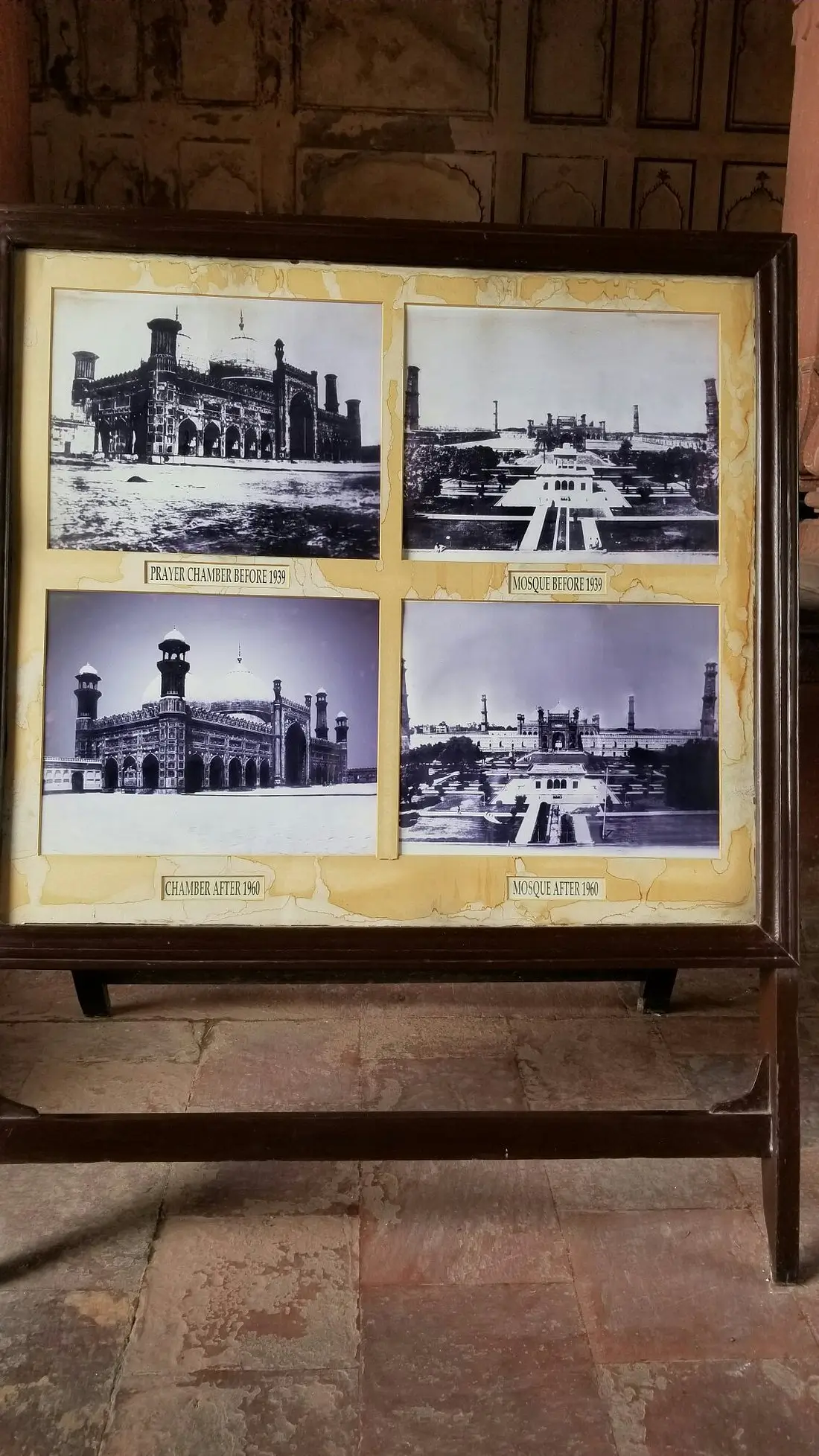
- Restoration after independence
Each phase left an imprint, making the mosque a living historical narrative rather than a frozen monument.
UNESCO World Heritage Association
The Badshahi Mosque forms part of the larger heritage zone that includes:
- Lahore Fort
- Shalimar Gardens
This UNESCO association increases international recognition and encourages cultural tourism.
Spiritual and Cultural Experience
Many visitors come not only as tourists but as seekers of spiritual calm.
The atmosphere inside the mosque offers:
- Silence despite large crowds
- A sense of scale that inspires humility
- Visual harmony that encourages reflection
Non-Muslim visitors often describe the experience as peaceful and welcoming.
Key Areas Tourists Should Visit
Visitors to the Badshahi Mosque are drawn to several specific areas within the complex.
Important areas include:
- The main courtyard, offering panoramic views
- The central prayer hall with its frescoes and calligraphy
- The marble domes viewed from inside
- The minarets, visible from surrounding historic sites
Each area offers a different perspective of Mughal craftsmanship.
Relics Chamber
Above the main entrance gate, a small museum houses Islamic relics attributed to the Holy Prophet Muhammad (PBUH) and his family.
This area attracts:
- Religious visitors
- Historians
- Pilgrims
Photography is prohibited due to religious respect, adding to the sacred nature of the space.
View from Lahore Fort
One of the most photographed views of the mosque is from the Lahore Fort.
From there:
- The full symmetry of the mosque is visible
- The contrast between military and spiritual architecture is clear
- The vastness of the courtyard can be appreciated
This view is especially popular at sunrise and sunset.
Connection to Allama Iqbal
The tomb of Allama Muhammad Iqbal, located near the mosque steps, adds intellectual and emotional significance.
Visitors often combine:
- A visit to the mosque
- Reflection at Iqbal’s mausoleum
- Exploration of Hazuri Bagh
This combination enhances cultural tourism.
Why Tourists Keep Returning
The Badshahi Mosque offers something different on every visit:
- Changing light throughout the day
- Seasonal atmosphere during Ramzan
- Festive energy during Eid
- Quiet reflection on ordinary days
This dynamic experience keeps the mosque relevant for repeat visitors.
Tourism, Religious Life, Ramzan, Eid & Public Access of Badshahi Mosque
Badshahi Mosque as a Living Religious Space
Unlike many historical monuments that function mainly as museums, the Badshahi Mosque remains a fully active place of worship. This living nature is one of the strongest reasons why it continues to attract both religious visitors and tourists.
Daily prayers are held regularly, including:
- Five daily prayers
- Friday congregational prayers
- Special prayers during Islamic months
Visitors are allowed to observe quietly outside prayer areas, making it a place where faith and tourism coexist respectfully.
Why the Mosque Is Open to Everyone
The Badshahi Mosque is open not only for Muslims but for people of all faiths, cultures, and nationalities.
This openness reflects:
- Islamic traditions of hospitality
- Mughal values of cultural inclusivity
- Pakistan’s heritage tourism policy
Non-Muslim visitors are welcome as long as they respect prayer times, dress modestly, and follow mosque guidelines.
This inclusive approach has made the mosque a symbol of peaceful coexistence.
Tourism at Badshahi Mosque
The mosque is one of Pakistan’s most visited tourist attractions.
Tourism here includes:
- Local tourists from across Pakistan
- International travelers
- History researchers
- Architecture students
- Photographers and documentary makers
Guided tours are often available informally, especially around the heritage complex.
Visitor Experience
Tourists experience the mosque differently depending on the time and purpose of their visit.
Common visitor experiences include:
- Walking barefoot across the vast courtyard
- Observing prayers from designated areas
- Exploring the surrounding heritage sites
- Enjoying panoramic city views
The scale of the mosque leaves a lasting impression on first-time visitors.
Ramzan at Badshahi Mosque
Ramzan transforms the mosque into a deeply spiritual and communal space.
During Ramzan:
- Thousands gather for Taraweeh prayers
- The courtyard fills with worshippers every night
- Special arrangements are made for ablution and prayer space
- The atmosphere becomes calm, reflective, and spiritually intense
Many people travel from other cities specifically to pray at the Badshahi Mosque during Ramzan.
Iftar and Community Spirit
Although formal iftar arrangements are limited, the surrounding areas come alive before sunset.
You will find:
- Charity-driven food distribution
- Community sharing of dates and water
- Volunteers assisting worshippers
This reflects the mosque’s role as a center of social unity during Ramzan.
Eid Celebrations at the Mosque
Eid prayers at the Badshahi Mosque are among the largest congregations in Pakistan.
On Eid-ul-Fitr and Eid-ul-Adha:
- Tens of thousands gather before sunrise
- The courtyard and surrounding streets fill with worshippers
- The mosque becomes a focal point of national celebration
The sight of thousands praying together in a historic setting is considered a once-in-a-lifetime experience by many visitors.
Other Special Religious Occasions
The mosque also plays a role during:
- Milad-un-Nabi
- Islamic conferences and lectures
- National prayers during important events
These occasions reinforce its status as a central religious institution.
Tourism During Festivals
During festivals and public holidays:
- Tourist numbers increase significantly
- Cultural walks are organized in the Walled City
- Local vendors offer traditional food nearby
Despite the crowds, the mosque maintains order through strict management and visitor guidelines.
Respectful Tourism Practices
Visitors are expected to:
- Dress modestly
- Remove shoes before entering prayer areas
- Avoid loud behavior
- Refrain from photography during prayers
These practices help preserve the sanctity of the mosque while allowing tourism.
Economic Impact of Tourism
Tourism around the Badshahi Mosque supports:
- Local guides
- Small businesses
- Traditional food vendors
- Heritage conservation efforts
The mosque indirectly contributes to Lahore’s cultural economy.
Why the Experience Is Different from Other Monuments
What sets the Badshahi Mosque apart is that it is not frozen in history.
It is:
- Prayed in daily
- Filled with life during festivals
- Quiet during ordinary afternoons
- Majestic at dawn and dusk
This balance between past and present makes the experience deeply meaningful.
Capacity, Visitor Guide, Surrounding Attractions & Final Reflection
Capacity of Badshahi Mosque
The Badshahi Mosque was designed on an enormous scale to accommodate large congregations.
The main courtyard alone can hold approximately 60,000 worshippers comfortably. During major events such as Eid prayers, the total number of people can exceed 70,000 when surrounding areas are also used.
This vast capacity was intentional. Aurangzeb wanted the mosque to serve as:
- A grand congregational mosque
- An idgah for large religious gatherings
- A public religious space for the imperial capital
The size reflects both spiritual purpose and imperial authority.
Why Such a Large Mosque Was Needed
In the 17th century, Lahore was one of the most important cities of the Mughal Empire. It served as:
- A military center
- A political stronghold
- A cultural and religious hub
The growing population of Lahore and the importance of public congregational prayers created a strong need for a large central mosque.
The Badshahi Mosque fulfilled this need while also reinforcing Mughal religious identity.
Best Time to Visit the Mosque
Visitors can explore the mosque throughout the year, but certain times offer a better experience.
Recommended visiting times:
- Early morning for peace and soft light
- Late afternoon before sunset for photography
- Evening for atmosphere and city views
Fridays and Eid days are spiritually powerful but extremely crowded.
Visitor Information and Guidelines
The mosque is open daily for visitors.
Basic guidelines include:
- Modest dress for men and women
- Shoes removed before entering prayer areas
- Silence during prayers
- Respect for worshippers
Entry is generally free, though small fees may apply for foreign tourists or photography.
Special Areas to Visit Within the Mosque
Visitors should not miss:
- The vast central courtyard
- The main prayer hall beneath the domes
- The mihrab under the central dome
- The massive corner minarets
- The ablution pool at the center
Each area reveals a different aspect of Mughal architectural planning.
Surrounding Attractions Near Badshahi Mosque
The mosque is part of a larger historical zone.
Nearby attractions include:
- Lahore Fort
- Hazuri Bagh
- Alamgiri Gate
- Walled City streets
- Food Street
Together, these sites create a complete cultural and historical experience.
Why Tourists Continue to Visit
Tourists come to the Badshahi Mosque for many reasons:
- Architectural beauty
- Historical importance
- Spiritual atmosphere
- Cultural understanding
- Photography and research
It appeals equally to casual travelers and serious scholars.
Role of the Mosque in Modern Pakistan
Today, the Badshahi Mosque represents:
- National heritage
- Islamic identity
- Mughal architectural excellence
- Cultural continuity
It appears in textbooks, documentaries, travel guides, and national imagery.
Why the Mosque Is Still Relevant
Despite being over 350 years old, the mosque remains relevant because:
- It is still actively used
- It welcomes people from all backgrounds
- It connects history with living faith
- It stands as a reminder of architectural excellence
This combination keeps it meaningful across generations.
Final Reflection: A Monument Beyond Stone
The Badshahi Mosque is not only a structure of red sandstone and marble. It is:
- A place of prayer
- A witness to history
- A symbol of devotion
- A center of community
- A source of national pride
From imperial Mughal ambitions to modern-day worship and tourism, the mosque continues to serve its purpose without losing its soul.