
A Journey Through History, Culture, and Craftsmanship – Antique Jewellery in Pakistan
For centuries, jewellery has served a purpose far greater than personal adornment. Across civilizations, it has symbolized identity, prosperity, faith, and artistic excellence. In Antique Jewellery in Pakistan represents a remarkable blend of history, culture, and craftsmanship passed down through countless generations. Every handcrafted necklace, intricately engraved bangle, traditional jhumka, or gemstone-studded ring carries stories that connect the present with a rich and vibrant past.
Today, as modern fashion increasingly embraces heritage-inspired designs, Antique Jewellery in Pakistan has once again become highly sought after. Brides proudly wear heirloom ornaments inherited from their grandmothers, collectors search for rare handcrafted treasures, and designers reinterpret centuries-old motifs into contemporary collections. This renewed appreciation demonstrates that true craftsmanship never goes out of style.
The enduring appeal of antique jewellery in Pakistan lies not only in its beauty but also in its authenticity. Unlike mass-produced accessories, each traditional piece reflects hours—sometimes days—of meticulous handwork. Skilled artisans employed techniques perfected over generations, using precious metals, natural gemstones, enamel work, and delicate engravings to create ornaments that would become treasured family possessions.
The story of antique jewellery in Pakistan stretches back more than five thousand years. From the sophisticated cities of the Indus Valley Civilization to the grandeur of the Mughal Empire and the diverse cultural traditions of modern Pakistan, jewellery has continuously evolved while preserving its historical roots. This journey explores the remarkable legacy of traditional jewellery, revealing how ancient artistry continues to inspire modern fashion while preserving Pakistan’s extraordinary cultural heritage.
The Ancient Origins of Antique Jewellery in Pakistan
Long before modern nations emerged, the region now known as Pakistan was home to one of humanity’s earliest urban civilizations. Archaeological discoveries at Mohenjo-daro and Harappa have revealed that jewellery-making was already an advanced craft nearly five thousand years ago.
Excavations uncovered beautifully crafted ornaments made from gold, silver, copper, bronze, terracotta, shells, ivory, and semi-precious stones. These discoveries demonstrate that jewellery was deeply integrated into everyday life as well as ceremonial occasions.
Among the most remarkable findings are:
- Carnelian bead necklaces
- Lapis lazuli pendants
- Agate bracelets
- Gold bangles
- Shell ornaments
- Copper rings
- Decorative hair accessories
- Stone beads of exceptional symmetry
These discoveries highlight the remarkable technical knowledge possessed by ancient craftsmen. Even with limited tools, artisans achieved extraordinary precision in bead drilling, polishing, engraving, and metal shaping.
Archaeologists believe many of these materials arrived through extensive trade networks connecting the Indus Valley with Mesopotamia, Central Asia, Persia, and regions of present-day Afghanistan. Lapis lazuli, for example, was transported from Badakhshan, while marine shells arrived from coastal areas of the Arabian Sea. This flourishing exchange of materials enriched local craftsmanship and introduced artistic influences that gradually became part of regional jewellery traditions.
Antique Jewellery in Pakistan as a Reflection of Civilization
In ancient societies, jewellery was far more than decoration.
It represented:
- Social standing
- Family wealth
- Religious beliefs
- Tribal identity
- Marital status
- Community traditions
Both men and women wore ornaments. Statues discovered at Mohenjo-daro depict elaborate necklaces, armlets, waist ornaments, and bangles, suggesting jewellery played an important role in personal appearance.
Children also wore protective amulets believed to guard them against illness and misfortune. These traditions continue in many Pakistani communities today, where newborns often receive silver bracelets, black-bead necklaces, or small protective charms. The continuity of these customs illustrates how deeply jewellery remains embedded within the region’s cultural identity.
The Influence of Gandhara Civilization – Antique Jewellery in Pakistan
Several centuries after the decline of the Indus Valley Civilization, the Gandhara region emerged as another important center of artistic excellence. Located primarily across present-day northern Pakistan and eastern Afghanistan, Gandhara became famous for its fusion of Greek, Persian, Indian, and Central Asian artistic traditions.
Jewellery from this period reflected remarkable cultural diversity. Designs commonly featured:
- Lotus flowers
- Grapevines
- Mythological creatures
- Floral vines
- Geometric borders
- Buddhist symbols
Goldsmiths experimented with increasingly sophisticated stone settings while incorporating pearls, garnets, turquoise, coral, and crystal into elaborate ornaments. Women frequently adorned themselves with layered necklaces, earrings, bracelets, anklets, and decorative hairpieces. Many techniques introduced during this period later influenced jewellery traditions throughout South Asia.
Persian and Central Asian Contributions – Antique Jewellery in Pakistan
Pakistan’s geographical position made it an important crossroads connecting South Asia with Central Asia and the Middle East. Successive Persian empires, traders, and craftsmen introduced new artistic traditions that profoundly influenced local jewellery design. These included:
- Intricate floral engraving
- Symmetrical geometric layouts
- Detailed filigree work
- Precious gemstone inlays
- Elegant calligraphic motifs
Central Asian nomadic tribes also contributed distinctive jewellery styles characterized by bold silver ornaments decorated with turquoise and coral. Many tribal communities in northern Pakistan continue wearing jewellery inspired by these ancient traditions.
The Arrival of Islamic Artistic Traditions – Antique Jewellery in Pakistan
The arrival of Islam during the eighth century introduced new artistic perspectives while respecting existing cultural traditions. Rather than replacing earlier jewellery styles, Islamic craftsmanship enriched them through refined decorative techniques. Jewellery increasingly featured:
- Arabesque floral patterns
- Geometric symmetry
- Calligraphic elements
- Crescent motifs
- Star-inspired designs
Goldsmiths mastered delicate engraving while emphasizing elegance over excessive ornamentation. During this period, jewellery also became closely associated with dowries, inheritance, and family wealth. Many customs established centuries ago continue across Pakistan today.
The Golden Age of Mughal Jewellery – Antique Jewellery in Pakistan
No discussion of Pakistan’s jewellery heritage is complete without examining the extraordinary influence of the Mughal Empire. From the sixteenth to the eighteenth century, Mughal emperors transformed jewellery into one of the highest forms of artistic expression. Royal workshops employed master craftsmen specializing in:
- Goldsmithing
- Gem cutting
- Stone carving
- Enameling
- Engraving
- Pearl stringing
Their creations adorned emperors, queens, nobles, and royal families throughout the empire. The Mughal aesthetic emphasized harmony, symmetry, and luxurious craftsmanship. Popular gemstones included:
- Emeralds
- Rubies
- Spinels
- Diamonds
- Pearls
- Sapphires
Large gemstones were often surrounded by intricate gold settings, creating spectacular visual depth. Many jewellery styles worn by Pakistani brides today trace their origins directly to Mughal courts.
Kundan: A Royal Masterpiece – Antique Jewellery in Pakistan
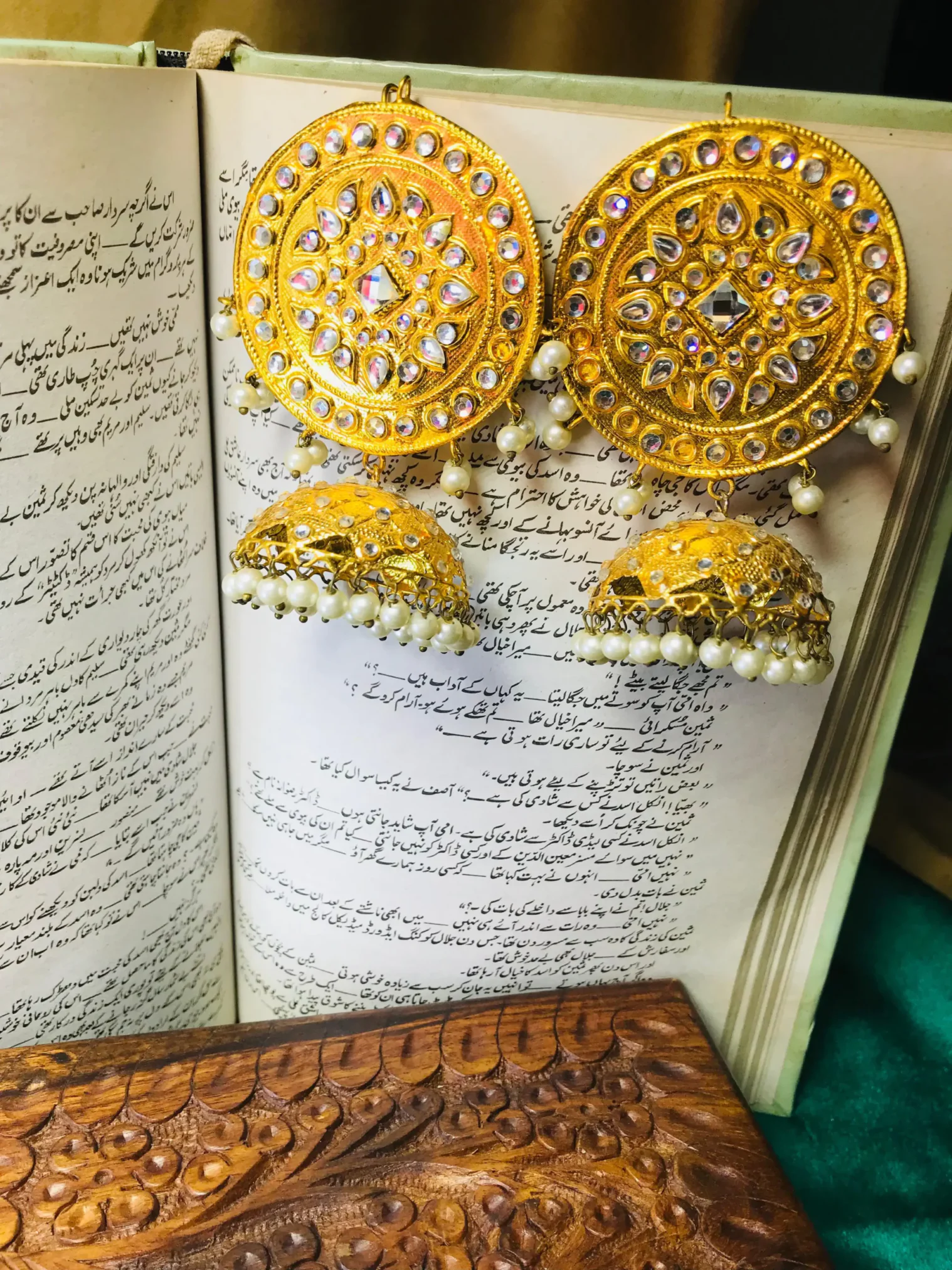
Among the most celebrated Mughal innovations was Kundan jewellery. Rather than using traditional prongs, highly purified gold foil secured gemstones into handcrafted settings. This technique produced remarkably elegant pieces with smooth surfaces and exceptional brilliance. Creating Kundan jewellery required multiple specialists. The process included:
- Designing the framework
- Handcrafting the gold structure
- Setting gemstones
- Applying gold foil
- Polishing every surface
- Completing decorative engravings
The level of precision demanded years of apprenticeship. Today, authentic handcrafted Kundan pieces remain among the most admired forms of traditional jewellery.
Jadau: The Art of Embedding Gemstones – Antique Jewellery in Pakistan
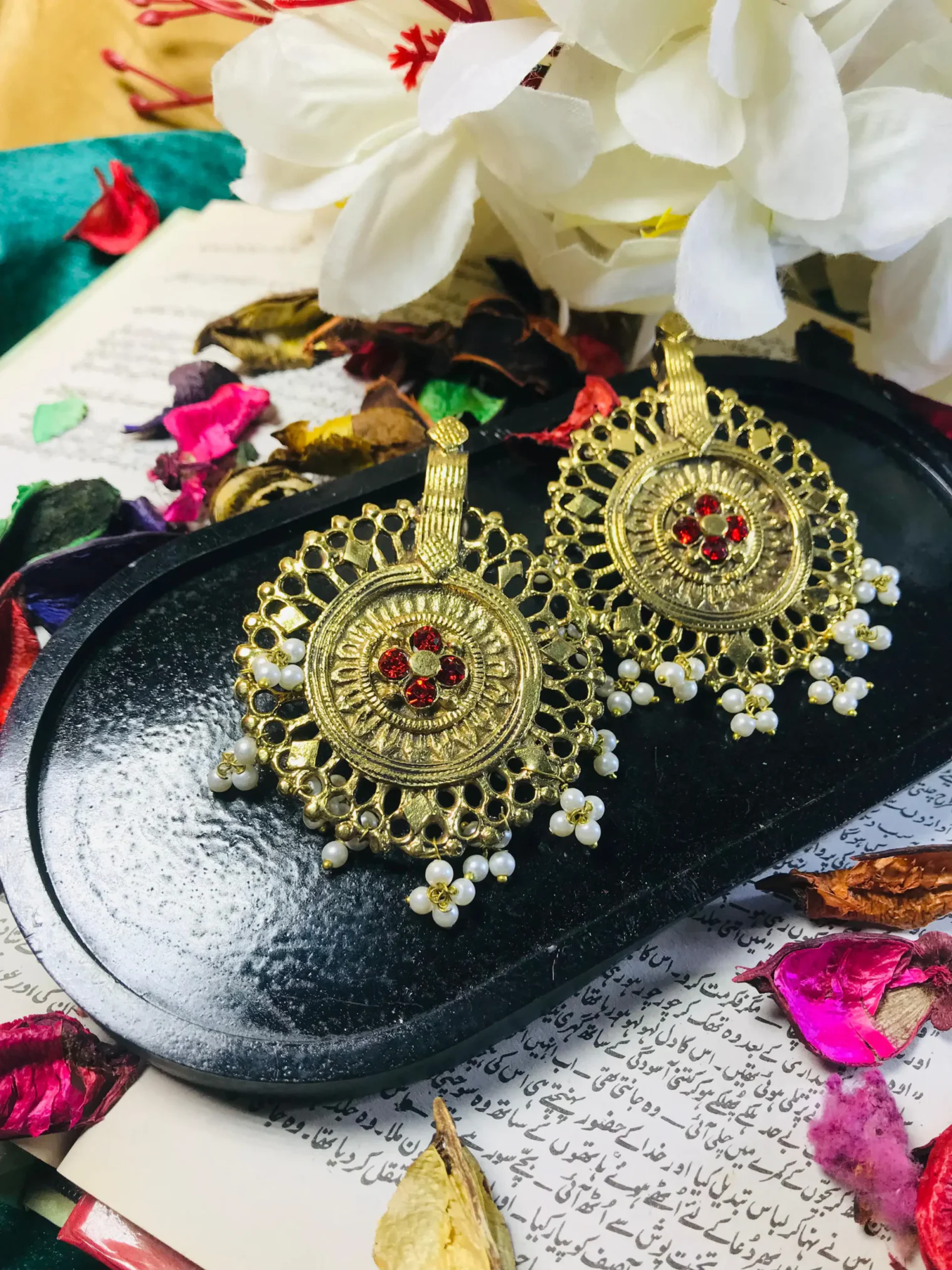
Closely associated with Kundan is the ancient Jadau technique. Unlike modern machine settings, Jadau involves embedding precious stones into soft gold without soldering. Each gemstone is carefully positioned by hand before being secured using layers of refined gold.
The result is jewellery that appears almost sculptural. Traditional bridal necklaces, earrings, tikkas, and bangles frequently incorporate Jadau craftsmanship. These heirloom-quality creations are often preserved across several generations.
Meenakari: Painting with Enamel – Antique Jewellery in Pakistan
Another remarkable Mughal contribution is Meenakari. This decorative art involves applying colorful enamel to engraved metal surfaces before firing them at high temperatures. Artisans use brilliant shades of:
- Red
- Green
- Blue
- White
- Black
- Turquoise
The reverse side of necklaces and pendants often displays equally intricate enamel artwork, making every piece beautiful from every angle. Even today, Meenakari remains one of the most admired decorative techniques in traditional jewellery.
Filigree: Delicate Metal Lace – Antique Jewellery in Pakistan
Filigree represents one of the most technically demanding jewellery-making techniques. Extremely fine wires of gold or silver are twisted, curled, and soldered together to create lace-like patterns. The resulting designs appear light and airy despite their remarkable structural strength. Common motifs include:
- Flowers
- Leaves
- Spirals
- Vines
- Stars
- Paisleys
Filigree work remains especially popular in handcrafted silver jewellery throughout various regions of Pakistan.
Jewellery in Royal Courts – Antique Jewellery in Pakistan
Jewellery during the Mughal era extended beyond fashion. It represented:
- Political authority
- Wealth
- Family alliances
- Royal prestige
- Artistic patronage
Emperors commissioned elaborate ceremonial ornaments for coronations, diplomatic exchanges, weddings, and religious celebrations. Royal women often possessed hundreds of jewellery pieces, many featuring rare gemstones imported from around the world. These magnificent collections inspired generations of artisans whose descendants continue practicing traditional craftsmanship today.
Heirlooms That Transcend Generations – Antique Jewellery in Pakistan
Perhaps the greatest legacy of Antique Jewellery in Pakistan is its ability to preserve memories. Unlike modern accessories that frequently follow seasonal trends, heirloom Antique Jewellery becomes increasingly meaningful with time. A grandmother’s necklace may later become a bride’s wedding ornament.
A mother’s bangles may be gifted to her daughter. An antique ring may celebrate multiple family milestones across generations. Each inherited piece carries emotional value that cannot be replicated by contemporary manufacturing. These treasured possessions become living reminders of family history, cultural identity, and enduring traditions.
As Pakistan continues embracing modern fashion while honoring its rich heritage, antique jewellery remains an enduring symbol of artistry, elegance, and cultural pride. From the earliest civilizations to the magnificent Mughal courts, every era has contributed unique designs, techniques, and meanings that continue to inspire collectors, artisans, and jewellery enthusiasts today.
Regional Traditions, Cultural Symbolism, and the Enduring Craftsmanship of Antique Jewellery in Pakistan
Pakistan’s rich cultural landscape is reflected beautifully in its Antique Jewellery traditions. Every province, valley, and ethnic community has developed distinctive ornamentation inspired by its history, environment, beliefs, and craftsmanship. While ancient civilizations and royal empires shaped the foundation of jewellery making, regional artisans preserved these traditions by creating styles unique to their communities.
Today, these regional designs continue to influence contemporary fashion, bridal collections, museum exhibitions, and private collections. Whether crafted in gold, silver, or adorned with precious stones, every ornament tells a story of identity and heritage. This remarkable diversity has made antique jewellery in Pakistan one of the most fascinating expressions of South Asian artistic culture.
Sindh: A Legacy of Color and Intricate Artistry – Antique Jewellery in Pakistan
Sindh has long been recognized as one of the oldest centers of civilization and craftsmanship in South Asia. Its jewellery reflects centuries of artistic influences, from the Indus Valley Civilization to Persian, Islamic, and local Sindhi traditions.
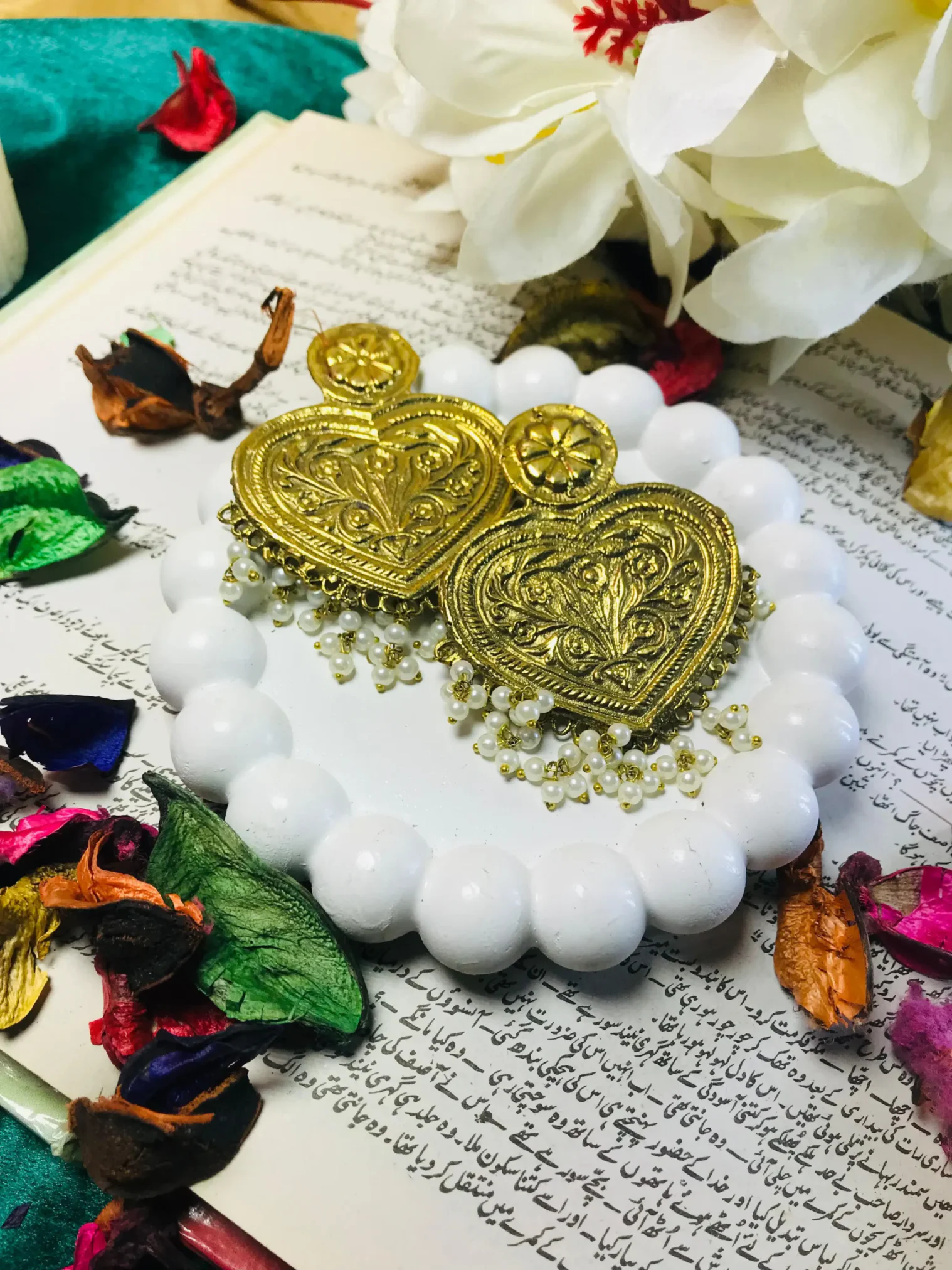
Traditional Sindhi jewellery is admired for its detailed stone setting, enamel work, and floral designs. Gold and silver remain the preferred metals, while gemstones and colored glass add vibrant accents.
Popular Sindhi ornaments include:
- Elaborate haar necklaces
- Kundan chokers
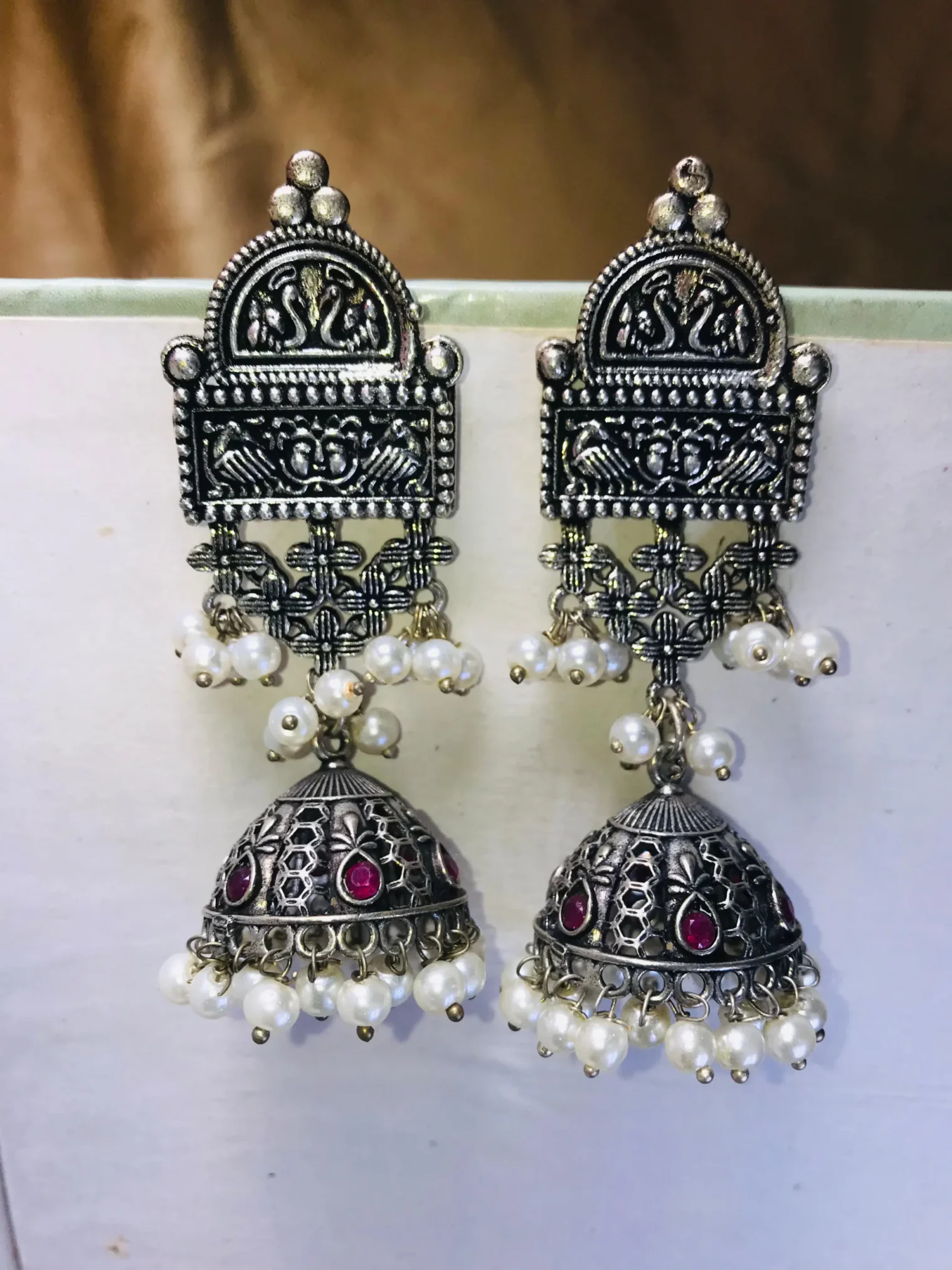
- Statement earrings
- Heavy bangles
- Nose rings
- Hand ornaments
- Waist belts
- Anklets
Many pieces feature motifs inspired by flowers, vines, peacocks, and geometric patterns, symbolizing beauty, prosperity, and harmony. Rural communities in Sindh also preserve remarkable silver jewellery traditions. Large tribal necklaces, engraved cuffs, and coin-adorned ornaments continue to be worn during weddings and cultural celebrations.
The famous Ajrak and traditional Sindhi embroidery often complement these jewellery pieces, creating a harmonious cultural aesthetic that remains instantly recognizable.
Punjab: Gold as a Symbol of Celebration – Antique Jewellery in Pakistan
Punjab has historically celebrated jewellery as an essential part of family life, especially during weddings and festive occasions. Gold occupies a central place in Punjabi traditions, symbolizing prosperity, blessings, and family honor. Jewellery is frequently gifted during engagements, marriages, and religious ceremonies, becoming treasured heirlooms passed from one generation to another. Traditional Punjabi jewellery includes:
- Jhumkas
- Chooriyan (bangles)
- Kara
- Nath
- Passa
- Maang tikka
- Rani haar
- Chokers
Bridal jewellery sets often combine multiple layers of necklaces with elaborate earrings and forehead ornaments to create a regal appearance inspired by Mughal royalty. Antique gold pieces from Punjab are particularly admired for their hand engraving, gemstone settings, and intricate floral patterns.
Many families continue preserving these ornaments not only for their monetary value but also because they represent cherished family memories.
Balochistan: Bold Tribal Elegance 0 Antique Jewellery in Pakistan
The jewellery traditions of Balochistan differ significantly from those of other regions. Here, silver has historically been preferred over gold due to local customs and the availability of materials. Tribal jewellery reflects strength, independence, and resilience while incorporating distinctive Central Asian influences.
Traditional Balochi ornaments often feature:
- Heavy silver necklaces
- Broad cuffs
- Large earrings
- Turquoise settings
- Coral beads
- Coin embellishments
- Decorative chains
Rather than delicate refinement, Balochi jewellery emphasizes bold shapes and striking visual impact. Artisans frequently employ repoussé techniques, engraving, stamping, and hand hammering to produce richly textured surfaces. These ornaments serve as important cultural symbols during weddings, tribal gatherings, and festivals. Many antique Balochi pieces are now highly valued by collectors for their rarity and exceptional craftsmanship.
Khyber Pakhtunkhwa: Layers of Heritage – Antique Jewellery in Pakistan
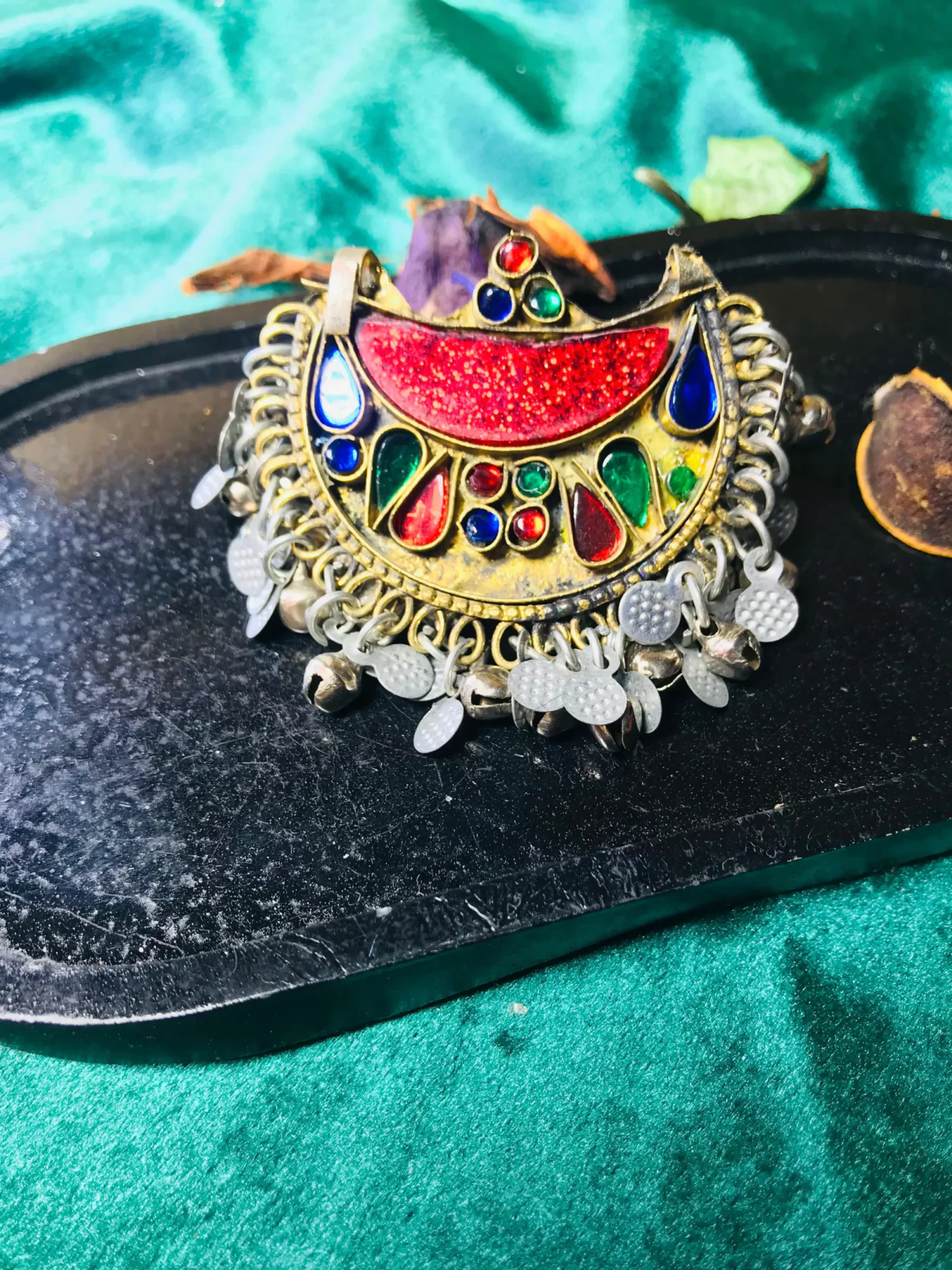
The mountainous landscapes of Khyber Pakhtunkhwa have nurtured jewellery traditions influenced by Central Asia, Persia, and Afghanistan. Pashtun women traditionally wear elaborate silver ornaments characterized by layered chains, engraved discs, and decorative coins. Common ornaments include:
- Multi-layered necklaces
- Coin necklaces
- Crescent pendants
- Large earrings
- Decorative headpieces
- Bracelets
- Finger rings
Turquoise, coral, amber, and colored glass frequently appear in these designs. Many pieces feature geometric patterns representing protection, prosperity, and tribal identity. These bold designs remain popular among collectors interested in authentic tribal craftsmanship.
Kashmir: Delicate Sophistication – Antique Jewellery in Pakistan
The northern valleys of Kashmir have cultivated an artistic tradition celebrated worldwide for its refinement. Kashmiri jewellery often displays graceful elegance through lightweight designs and detailed engraving. Traditional ornaments include:
- Dejhoor earrings
- Silver pendants
- Floral necklaces
- Pearl earrings
- Delicate bangles
Nature serves as a major source of inspiration. Common decorative themes include:
- Chinar leaves
- Blossoming flowers
- Vine patterns
- Birds
- Mountain landscapes
Many antique Kashmiri pieces exhibit exceptional silver filigree work, requiring extraordinary patience and technical expertise. These delicate creations continue inspiring contemporary designers across Pakistan.
Gilgit-Baltistan: Mountain Traditions Preserved – Antique Jewellery in Pakistan
In the northernmost regions, jewellery traditions have remained closely connected to local customs and natural resources. Silver remains widely used, often combined with turquoise, coral, lapis lazuli, and locally available stones. Traditional ornaments include:
- Headbands
- Necklaces
- Tribal pendants
- Coin jewellery
- Decorative belts
- Bracelets
These ornaments frequently accompany traditional embroidered clothing during festivals and wedding ceremonies. Despite increasing modernization, many communities continue preserving ancestral jewellery styles as symbols of cultural identity.
Jewellery as a Symbol of Identity
Across Pakistan, jewellery has historically communicated important aspects of personal identity. Different ornaments often reveal:
- Marital status
- Family heritage
- Tribal affiliation
- Economic position
- Religious celebrations
- Regional traditions
Certain ornaments are worn exclusively during weddings, while others accompany everyday attire or religious festivals. The emotional significance attached to these pieces often exceeds their financial value. Many antique ornaments become treasured family heirlooms precisely because they preserve personal memories alongside cultural traditions.
Why Antique Jewellery Continues to Inspire
Few artistic traditions combine beauty, history, craftsmanship, and emotional significance as completely as antique jewellery. Every ornament reflects the creativity of its maker and the culture from which it emerged. Unlike temporary fashion trends, handcrafted jewellery gains value through time.
Its significance grows as it passes from one generation to another, accumulating memories that become inseparable from the ornament itself.Whether admired in museums, treasured within families, or worn during life’s most meaningful celebrations, these creations remain enduring symbols of artistic excellence.
Conclusion: Antique Jewellery in Pakistan
The story of antique jewellery in Pakistan is, in many ways, the story of the region itself. From the remarkable craftsmanship of the Indus Valley Civilization to the refined elegance of the Mughal courts and the vibrant traditions of Sindh, Punjab, Balochistan, Khyber Pakhtunkhwa, Kashmir, and Gilgit-Baltistan, every era has contributed to an extraordinary legacy of artistry and cultural expression.
These handcrafted ornaments are far more than decorative accessories. They preserve history, celebrate identity, strengthen family traditions, and showcase the remarkable skill of generations of artisans. Whether fashioned from gold, silver, pearls, or precious gemstones, each piece carries a unique narrative that connects the past with the present.
As contemporary fashion increasingly embraces heritage-inspired designs, traditional craftsmanship continues to find new relevance. Brides proudly wear heirloom necklaces, collectors preserve rare treasures, and designers reinterpret centuries-old techniques for modern audiences. This ongoing revival demonstrates that authentic artistry never loses its appeal.
The enduring charm of antique jewellery in Pakistan lies in its ability to transcend changing trends. Every carefully crafted ornament represents patience, creativity, and cultural pride, making it both a timeless fashion statement and a lasting symbol of heritage. By preserving, appreciating, and passing these treasured pieces from one generation to the next, we ensure that Pakistan’s remarkable jewellery traditions continue to inspire future generations while honoring the rich legacy of those who came before.