Gilgit Baltistan Postal Codes in Pakistan are five-digit numbers used by Pakistan Post for efficient sorting, routing, and delivery of mail and parcels across the mountainous northern region of Pakistan.
Region: Gilgit Baltistan, Pakistan
Regional Headquarters: Gilgit City
Main Postal Code: 15100 (Gilgit GPO) – General Post Office for Gilgit city – Gilgit Baltistan Postal Code
Gilgit Baltistan Postal Code includes delivery post offices operating under various General Post Offices (GPOs) and account offices across its districts. These postal codes are essential for accurate mail delivery to and from Islamabad, Rawalpindi, Lahore, Karachi, Peshawar, and other cities of Pakistan.
Gilgit Baltistan Postal Codes List
| NAME OF DELIVERY POST OFFICE | POST CODE | ACCOUNT OFFICE | PROVINCE | BRANCH OFFICES |
|---|---|---|---|---|
| ALIABAD | 15600 | Gilgit GPO | Gilgit Baltistan | 15601 |
| ALTIT | 15710 | Gilgit GPO | Gilgit Baltistan | 15711 |
| ASTORE | 14300 | Gilgit GPO | Gilgit Baltistan | 14301 |
| BUNJI | 14200 | Gilgit GPO | Gilgit Baltistan | 14201 |
| CHALT | 15500 | Gilgit GPO | Gilgit Baltistan | 15501 |
| CHATTAR KHAND | 15210 | Gilgit GPO | Gilgit Baltistan | 15211 |
| CHILAM | 14400 | Gilgit GPO | Gilgit Baltistan | 14401 |
| CHILAS (LSG) | 14100 | Gilgit GPO | Gilgit Baltistan | 14101 |
| DANYORE | 15110 | Gilgit GPO | Gilgit Baltistan | 15111 |
| GAHKOOCH | 15200 | Gilgit GPO | Gilgit Baltistan | 15201 |
| GHORIKOT | 14350 | Gilgit GPO | Gilgit Baltistan | 14351 |
| GILGIT GPO | 15100 | Gilgit GPO | Gilgit Baltistan | 15101 |
| GULMIT | 15750 | Gilgit GPO | Gilgit Baltistan | 15751 |
| GUPIS | 15300 | Gilgit GPO | Gilgit Baltistan | 15301 |
| JABLOT SAI | 15170 | Gilgit GPO | Gilgit Baltistan | 15171 |
| JAGLOT TANGIR | 14150 | Gilgit GPO | Gilgit Baltistan | 14151 |
| JUTIAL | 15150 | Gilgit GPO | Gilgit Baltistan | 15151 |
| KARIMABAD | 15700 | Gilgit GPO | Gilgit Baltistan | 15701 |
| MEENAPIN | 15130 | Gilgit GPO | Gilgit Baltistan | 15131 |
| MISGAR | 15900 | Gilgit GPO | Gilgit Baltistan | 15901 |
| NAGAR | 15650 | Gilgit GPO | Gilgit Baltistan | 15651 |
| NASIRABAD | 15550 | Gilgit GPO | Gilgit Baltistan | 15551 |
| SAMMAYAR | 15120 | Gilgit GPO | Gilgit Baltistan | 15121 |
| SIKANDARABAD | 15400 | Gilgit GPO | Gilgit Baltistan | 15401 |
| SINGAL | 15160 | Gilgit GPO | Gilgit Baltistan | 15161 |
| SUST | 15800 | Gilgit GPO | Gilgit Baltistan | 15801 |
| YASIN | 15310 | Gilgit GPO | Gilgit Baltistan | 15311 |
Gilgit Baltistan Postal Code | Complete Details 2026
Location & Status
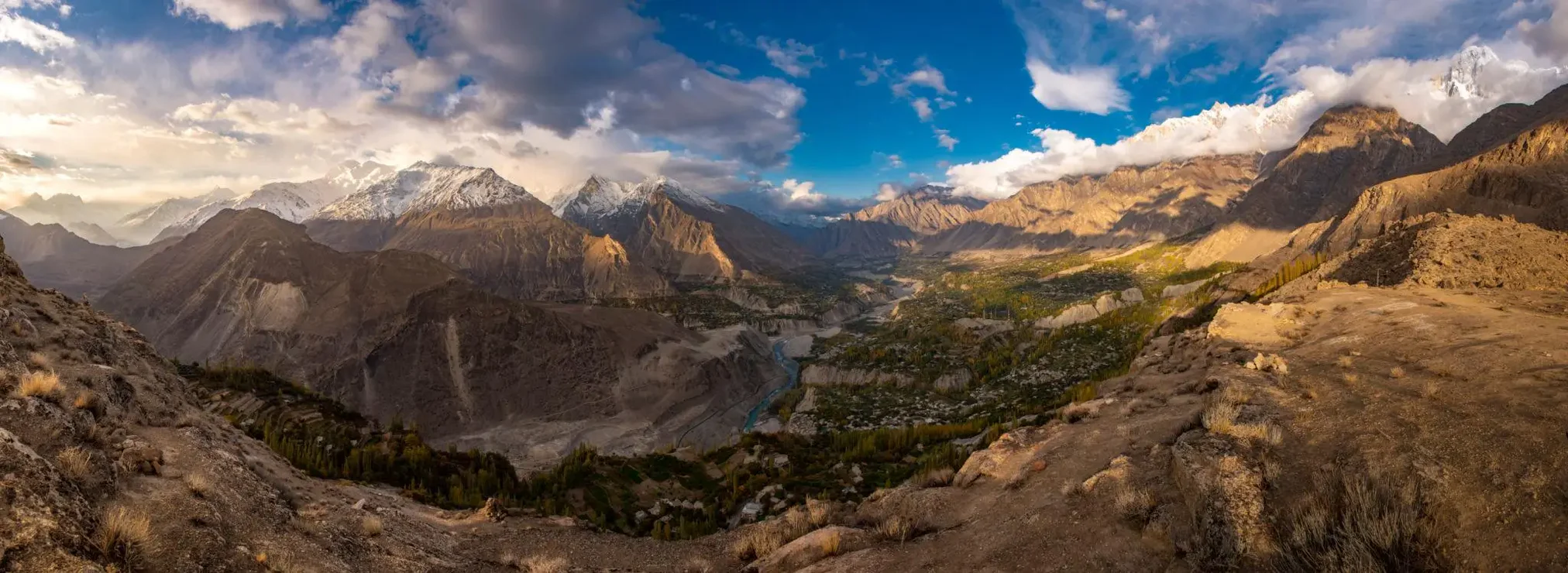
It is Pakistan’s northern administrative region and serves as the gateway to some of the world’s highest mountain ranges. It is located in northern Pakistan and borders:
- Khyber Pakhtunkhwa to the southwest
- Azad Jammu & Kashmir to the south
- China to the northeast
- Afghanistan to the northwest
Approximate distances:
- Islamabad to Gilgit: 540 km
- Karachi to Gilgit: 1,500 km
- Lahore to Gilgit: 700 km
The region is connected to the rest of Pakistan primarily through the Karakoram Highway (N-35).
Population
Gilgit City :Population (2017 Census estimate): Approximately 90,000–100,000 residents
Region :Total Population (2017 Census): Approximately 1.5 million people. The population is distributed among valleys, mountain towns, and rural communities.
Administrative Structure – Gilgit Baltistan Postal Code
Administrative Status
Baltistan is an administrative territory of Pakistan comprising multiple districts.
Major Districts
- Gilgit
- Skardu
- Hunza
- Nagar
- Ghizer
- Diamer
- Astore
- Ghanche
- Shigar
- Kharmang
These districts oversee local administration, municipal services, education, health, and infrastructure.
Geography & Background
Area
Approximately 72,971 square kilometres
Terrain
- High mountain ranges
- Deep valleys
- Rivers
- Glaciers
- Alpine meadows
The region contains parts of:
- Karakoram Range
- Himalayas
- Hindu Kush
It is home to several of the world’s highest peaks, including K2.
Climate
- Cold winters
- Pleasant summers
- Heavy snowfall in higher elevations
- Alpine and high-mountain climate
Climate varies considerably depending on altitude.
Historical Background – Gilgit Baltistan Postal Code
It has historically served as an important crossroads between South Asia, Central Asia, and China. The region was part of ancient Silk Road trade networks and later came under the influence of various local kingdoms, the Dogra administration, and British political arrangements.
Following the events of 1947–48, Baltistan came under Pakistan’s administration. Today, it remains strategically significant due to its location along the China–Pakistan Economic Corridor (CPEC) and the Karakoram Highway.
Languages & Culture
Widely Spoken Languages
- Shina
- Balti
- Burushaski
- Wakhi
- Khowar
- Urdu
Official Language
Urdu
It is known for its diverse cultures, mountain traditions, hospitality, colorful festivals, and unique architectural heritage.
Daily Life & Economy
The regional economy is supported by:
- Tourism
- Agriculture
- Fruit farming
- Livestock
- Government employment
- Trade
- Transport
- Hydropower development
Major fruits include:
- Apricots
- Cherries
- Apples
- Walnuts
- Grapes
Tourism plays a significant role due to attractions such as Hunza Valley, Skardu, Fairy Meadows, Deosai Plains, and K2 Base Camp.
Frequently Asked Questions (FAQs) – Gilgit Baltistan Postal Codes
1. Where is Gilgit Baltistan located?
Gilgit Baltistan is located in northern Pakistan and shares borders with China, Afghanistan, Azad Jammu & Kashmir, and Khyber Pakhtunkhwa.
2. What is the population of Gilgit Baltistan?
The region has a population of approximately 1.5 million people (2017 Census), while Gilgit city has around 90,000–100,000 residents.
3. How many districts are in Gilgit Baltistan?
Gilgit Baltistan consists of 10 districts:
- Gilgit
- Skardu
- Hunza
- Nagar
- Ghizer
- Diamer
- Astore
- Ghanche
- Shigar
- Kharmang
4. What is Gilgit Baltistan famous for?
It is famous for:
- K2
- Karakoram Highway
- Hunza Valley
- Skardu
- Deosai National Park
- Glaciers
- Adventure tourism
5. What languages are spoken in Gilgit Baltistan?
Common languages include Shina, Balti, Burushaski, Wakhi, Khowar, and Urdu.
6. What is the climate like in Gilgit Baltistant?
The region experiences:
- Cold winters
- Mild summers
- Heavy snowfall in mountainous areas
- Alpine climate
7. What are the main sources of income?
Major economic activities include:
- Tourism
- Agriculture
- Fruit cultivation
- Livestock
- Government employment
- Trade
- Transportation
8. Is Gilgit Baltistan an important region in Pakistan?
Yes. Gilgit Baltistan is strategically important due to its location on the Karakoram Highway, its connection with China through CPEC, abundant natural resources, and its role as Pakistan’s premier mountain tourism destination.




%20–%20General%20Post%20Office%20for%20Gilgit%20city%20–%20Gilgit%20Baltistan%20Postal%20Code%20Gilgit%20%5B…%5D&media=https://nigarcraft.com.pk/wp-content/uploads/2026/07/Gilgit-Baltistan-Postal-Code.webp)