Introduction: Bringing Mughal Jewellery to a Qawwali Night
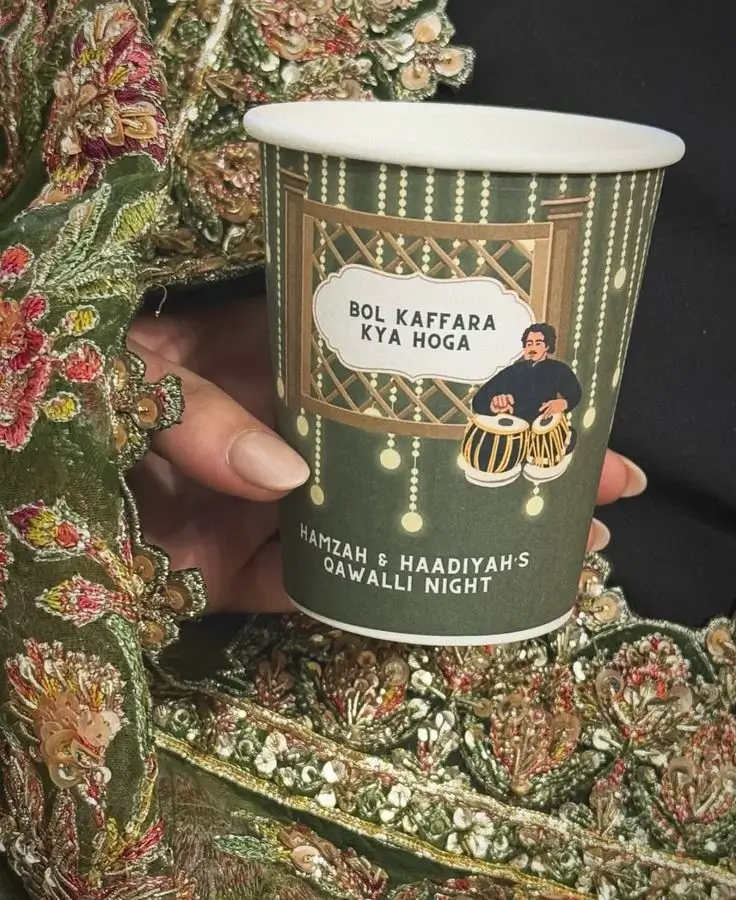
There is something truly magical about a Qawwali night. The soulful rhythm of the harmonium, the powerful voices of the Qawwals, the rhythmic clapping, the traditional poetry and the warm glow of evening lights create an atmosphere that feels deeply connected to South Asian culture and heritage. A Qawwali mehfil is not simply a musical gathering; it is an experience where art, spirituality, tradition and cultural expression come together.
Such an occasion deserves an outfit that reflects the same depth and beauty. Instead of choosing an ordinary party look, a Qawwali night provides the perfect opportunity to explore the elegance of traditional Pakistani fashion, particularly the timeless influence of Mughal-era clothing and jewellery.
Mughal-inspired styling is associated with elaborate craftsmanship, rich fabrics, delicate embroidery, beautiful gemstones and graceful silhouettes. Its appeal lies in the combination of grandeur and sophistication. From intricately designed earrings to traditional head ornaments, every Mughal Jewellery piece has the potential to transform a simple outfit into something regal.
One of the most beautiful ways to achieve this aesthetic is through Mughal jewellery. A pair of traditional gold-toned balis, a statement jhumar, pearl detailing, an antique-finish kada and delicate anklets can create an appearance that feels both vintage and contemporary. For a Qawwali evening, however, the intention should not be to recreate a complete bridal appearance. The objective is to achieve a sophisticated, graceful and slightly royal look that feels appropriate for an evening of music and cultural celebration.
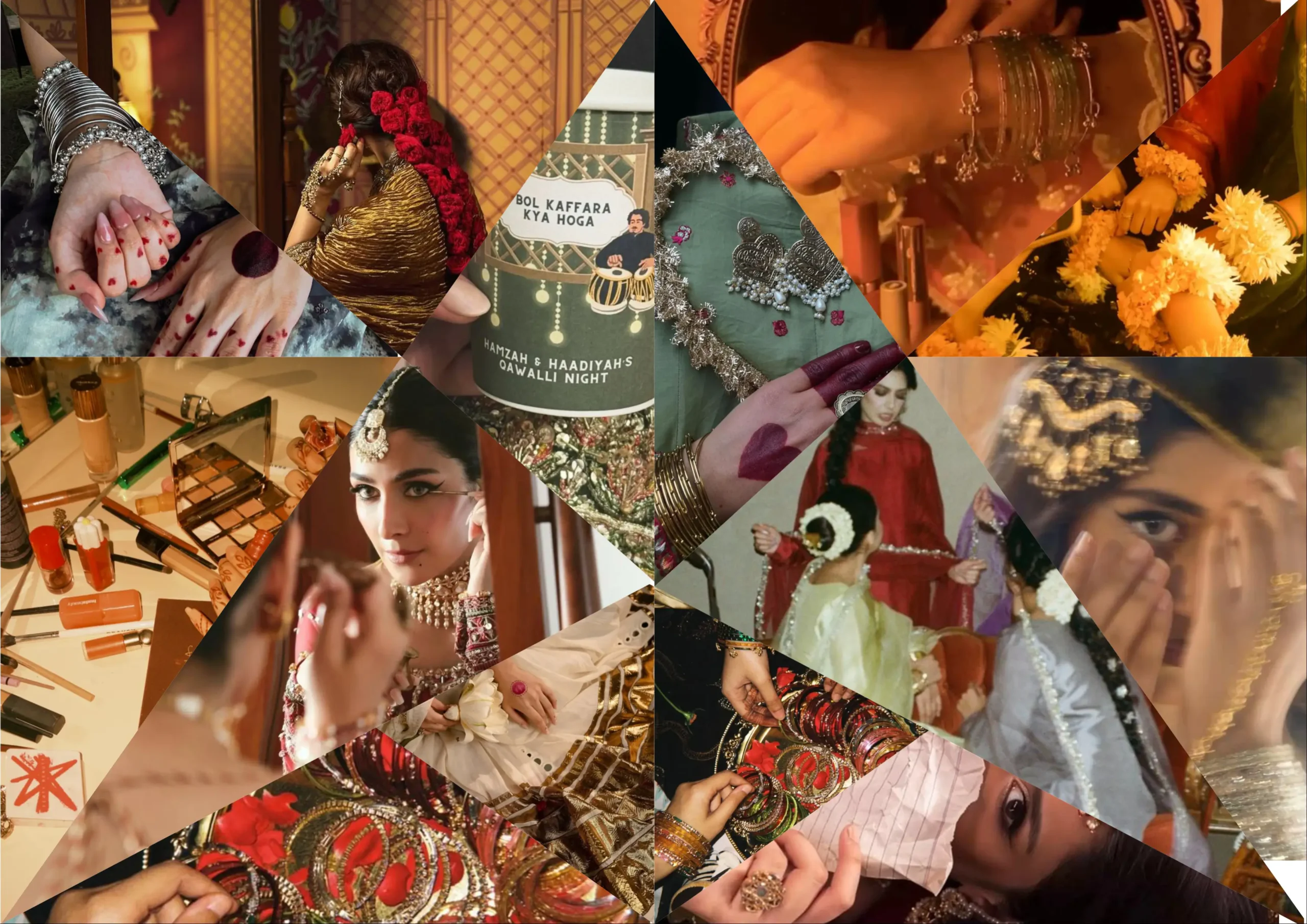
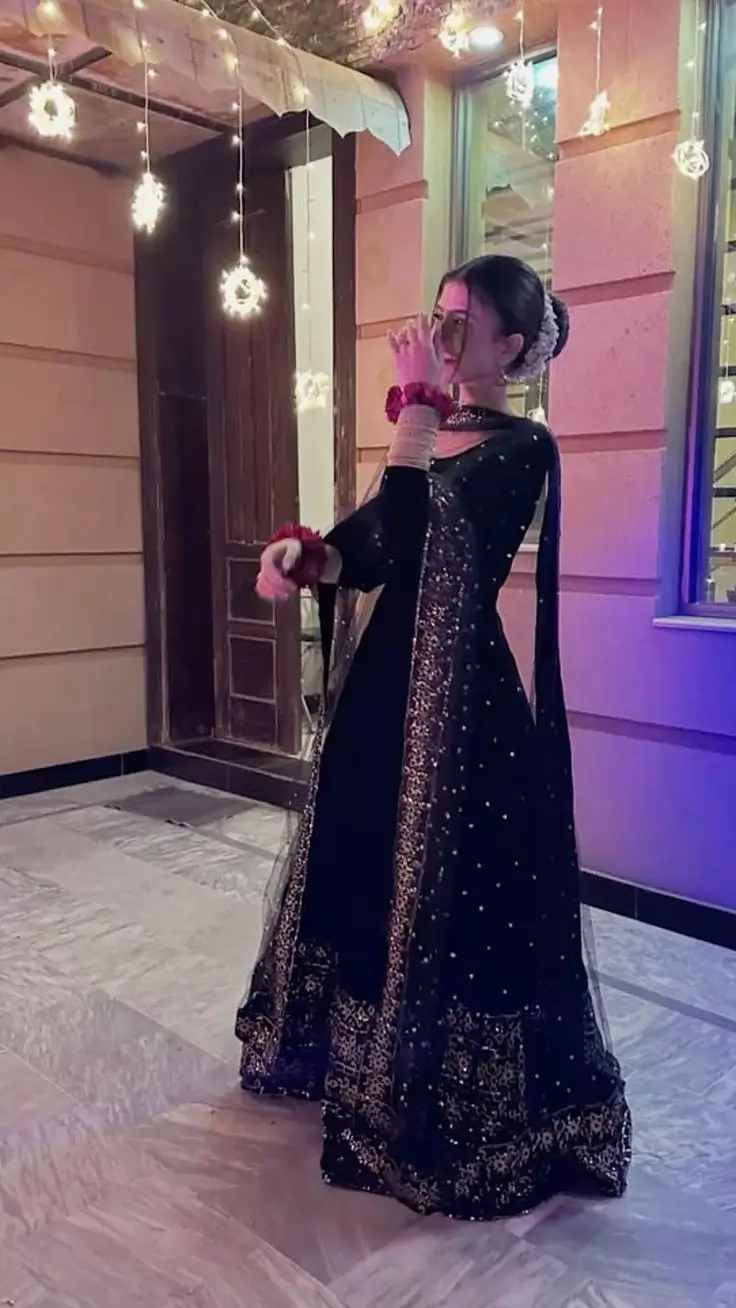
Imagine wearing a beautifully tailored velvet or embroidered traditional outfit, your hair arranged in a polished bun, a delicate gajra placed around it, soft evening makeup, a simple red circular mehndi design on both hands and beautiful Mughal-inspired balis framing your face. Complete the look with traditional bangles or a kada and elegant anklets.
The result is a look that celebrates the beauty of traditional South Asian femininity without appearing excessively formal. In this guide, we explore how to create the perfect Mughal-inspired Qawwali night look, with special attention to traditional jewellery, outfit selection, makeup, hairstyles, mehndi and accessories.
Understanding the Beauty and Heritage of Mughal Jewellery
To appreciate Mughal-inspired jewellery, it is important to understand its historical background. The Mughal period left a remarkable influence on the art, architecture, textiles and jewellery traditions of the Indian subcontinent. Mughal rulers were known for their appreciation of precious gemstones, elaborate ornamentation and highly skilled craftsmanship.
Mughal Jewellery during this period was not merely an accessory. It communicated wealth, social position, artistic taste and royal identity. According to academic research, Mughal jewellery was closely connected to royal patronage, specialist craftsmanship and the circulation of valuable objects. Royal workshops, known as karkhanas, employed skilled artisans who worked with precious metals and gemstones to produce elaborate ornaments.
The royal interest in jewellery also encouraged the development of specialist techniques and artistic traditions. Two particularly important techniques were Kundan and Meenakari. Kundan jewellery involved the use of highly refined gold to secure gemstones within elaborate settings. Meenakari introduced colourful enamel decoration, often featuring floral patterns and intricate detailing. These techniques became important elements of the Mughal jewellery traditions associated with Mughal court culture.
Mughal jewellery is also recognised for its rich visual language. Floral motifs, birds, paisley patterns, symmetrical arrangements and colourful gemstones contribute to its distinctive appearance. Today, these traditional influences remain popular in Pakistani fashion, particularly in wedding collections, festive accessories and heritage-inspired jewellery. For a Qawwali night, this jewellery offers an opportunity to embrace traditional elegance in a way that feels personal, graceful and fashionable.
Why Mughal Jewellery Is Perfect for a Qawwali Night
A Qawwali night has a distinctive atmosphere. Unlike a typical glamorous party, it is often associated with warm lighting, traditional seating, rich fabrics, soulful music and an intimate cultural environment. The styling should complement this atmosphere.
Mughal jewellery works beautifully because its antique finishes, gemstone colours and intricate craftsmanship naturally complement traditional clothing. There are several reasons why this combination is particularly attractive.
A connection with cultural heritage
Mughal jewellery reflects the artistic traditions of the subcontinent. Wearing it creates a connection with historical craftsmanship and the elegance of traditional South Asian dressing.
Beautiful details under evening lighting
Antique gold, pearls, kundan settings and colourful stones create subtle reflections under candlelight and warm evening illumination. Unlike excessively shiny contemporary accessories, antique-inspired jewellery often has a softer and more sophisticated appearance.
A balance between tradition and modern fashion
Mughal jewellery can be styled with a traditional gharara, anarkali, embroidered kurta or even a relatively simple contemporary outfit. The jewellery introduces heritage-inspired character without requiring the entire outfit to be heavily embellished.
A distinctive feminine appearance
Traditional balis, jhumars, bangles and anklets add graceful details to the overall appearance. They also make the outfit feel thoughtfully styled rather than assembled around current fashion trends. The secret is to select Mughal jewellery that creates a cohesive look. Each accessory should complement the others rather than compete for attention.

Essential Mughal Jewellery Pieces for a Royal Qawwali Night Look
Jewellery should be the most important styling element of this particular look. Rather than selecting random traditional accessories, focus on pieces that reflect Mughal craftsmanship and work harmoniously together. The following Mughal jewellery styles can help create an elegant heritage-inspired appearance.
1. Mughal-Style Balis: The Most Elegant Statement for Your Ears
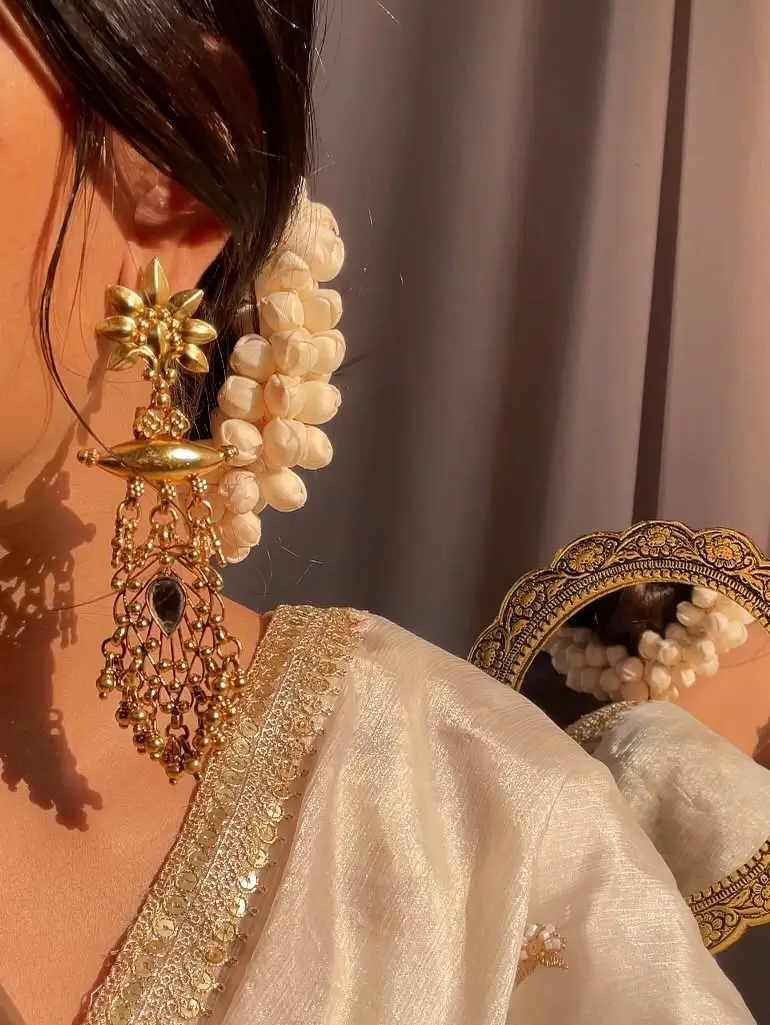
If there is one jewellery piece that deserves special attention for a Qawwali night, it is the traditional Mughal-inspired bali. Balis are circular or hoop-shaped earrings that have been part of South Asian Mughal jewellery traditions for generations. Their designs range from simple gold hoops to elaborate ornaments featuring gemstones, pearls, enamel work and intricate metal detailing. Mughal-inspired balis are particularly attractive because they combine traditional silhouettes with elaborate decorative elements.
For a Qawwali night, consider choosing:
- Antique gold balis with intricate floral patterns.
- Kundan-studded circular earrings.
- Pearl-detailed traditional balis.
- Emerald and ruby-inspired stonework.
- Gold-toned balis with meenakari detailing.
- Oversized traditional hoops with delicate hanging elements.
A beautifully crafted pair of balis can become the defining feature of the entire look.
Why choose balis instead of ordinary earrings?
Contemporary statement earrings often rely on size, shine and exaggerated shapes. Mughal-inspired balis, on the other hand, have a more traditional character. Their circular form frames the face beautifully, while their detailing creates visual interest without necessarily appearing overly decorative. They are particularly suitable when the hairstyle includes a middle-parted bun or a softly arranged low bun. The earrings remain visible and become a beautiful focal point.
Styling tip
If you choose heavily embellished Mughal balis, keep the necklace relatively minimal. You can skip the necklace entirely if the neckline of your outfit already has embroidery or decorative detailing. This allows the earrings to stand out naturally.
2. Jhumar or Passa: Adding a Touch of Nawabi Elegance
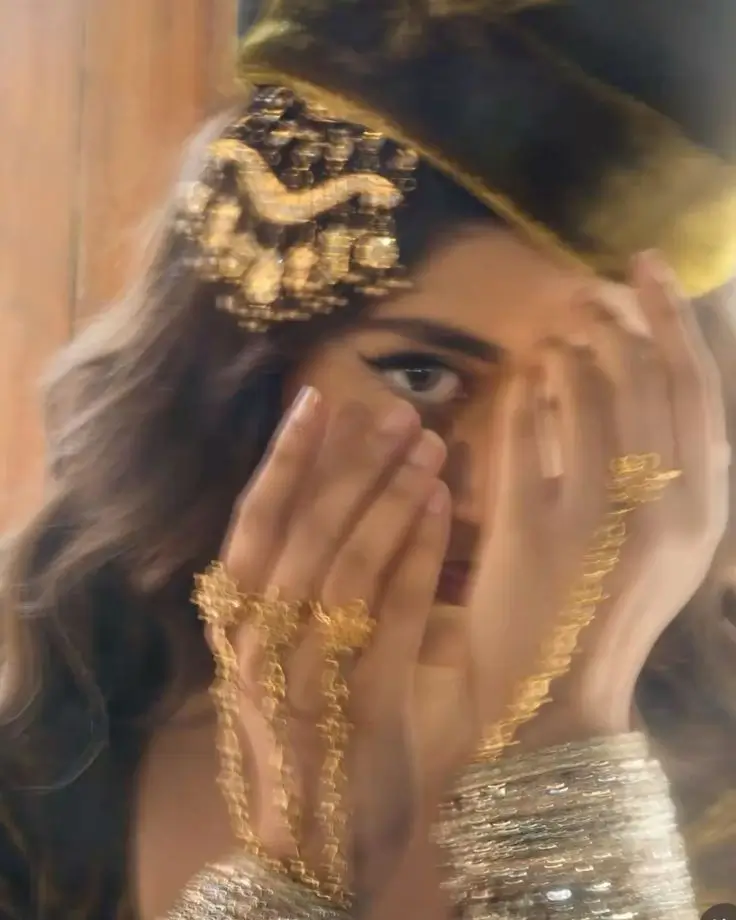
The jhumar, also known as passa in many South Asian styling traditions, is one of the most recognisable traditional head ornaments. It is generally worn on one side of the head, often attached to the hair near the temple. Its distinctive shape creates an elegant side detail that immediately gives an outfit a traditional and regal appearance.
Historically inspired head Mughal jewellery often features intricate metalwork, pearls, gemstones and decorative chains. For a Qawwali evening, a delicate or medium-sized jhumar can be particularly beautiful. Consider the following styles:
Pearl jhumar: A delicate design featuring multiple strands of pearls and an elegant central ornament.
Kundan passa: A traditional headpiece featuring white stones, gold detailing and symmetrical patterns.
Antique gold jhumar: A vintage-inspired piece with an aged gold finish and intricate floral decoration.
Meenakari passa: A colourful option with enamel detailing that adds a traditional artistic element.
How to wear a jhumar with a sophisticated bun
A side-parted or middle-parted low bun provides an excellent base for a jhumar. Place the ornament carefully on the side of the head, ensuring that it is secure and comfortable. The rest of the hairstyle should remain relatively simple. For a more refined appearance, avoid combining an oversized jhumar with excessively large earrings and a heavily decorated necklace. The idea is to introduce a royal detail without making the entire look bridal.
3. Chandbalis: The Beauty of Crescent-Shaped Earrings
Chandbalis are another beautifulMughal jewellery option for a Mughal-inspired Qawwali outfit. Their crescent-shaped design is associated with traditional South Asian jewellery and is particularly attractive when decorated with pearls, gemstones and intricate gold detailing. The crescent silhouette creates a graceful frame around the face. For an evening occasion, choose chandbalis featuring:
- Antique gold finishing.
- Delicate pearl drops.
- Kundan stone settings.
- Emerald-green detailing.
- Ruby-red accents.
- Floral filigree patterns.
Large chandbalis can be worn with a simple bun or soft side-swept hairstyle. They are particularly effective when the outfit has a relatively simple neckline. However, if you have already selected statement balis, you do not need chandbalis as well. Both are beautiful alternatives, and selecting one statement earring style will produce a more sophisticated result.


4. Kundan Jewellery: The Timeless Language of Royal Craftsmanship
Kundan is among the most recognisable techniques associated with traditional Mughal jewellery. Its beauty lies in the way gemstones and decorative stones are secured using highly refined gold settings. Traditional kundan jewellery is appreciated for its intricate construction and detailed finish.
Today, kundan-inspired jewellery is available in a variety of styles, from luxurious precious-metal creations to accessible gold-plated and imitation designs. For a Qawwali night, kundan can be incorporated through:
- Kundan earrings.
- Small statement pendants.
- Delicate chokers.
- Traditional rings.
- Decorative bracelets.
- Head ornaments.
White kundan stones look particularly elegant with deep-coloured clothing. They create a beautiful contrast against maroon, emerald, navy blue and black outfits.
Kundan with pearls
One particularly beautiful combination is kundan with pearls. Pearls soften the appearance of elaborate stonework and add a vintage quality to the jewellery. A pair of kundan earrings with small pearl drops can create an elegant look without requiring a complete Mughal jewellery set. For a Qawwali night, this is an excellent choice.
5. Polki Jewellery: Uncut Diamond-Inspired Vintage Glamour
Polki jewellery is recognised for its use of uncut diamonds, traditionally set in elaborate gold designs. It has a distinctive appearance that differs from the polished brilliance of conventional diamond jewellery. Polki-inspired pieces often have an antique and understated richness.
A traditional Polki necklace, earrings or ring can introduce an heirloom-like quality to an outfit. For a non-bridal Qawwali look, smaller Polki-inspired accessories are preferable. Consider wearing a pair of Polki earrings with a velvet kurta or a traditional gold-toned bracelet. The beauty of this jewellery is that it does not always need excessive embellishment to create an impression.
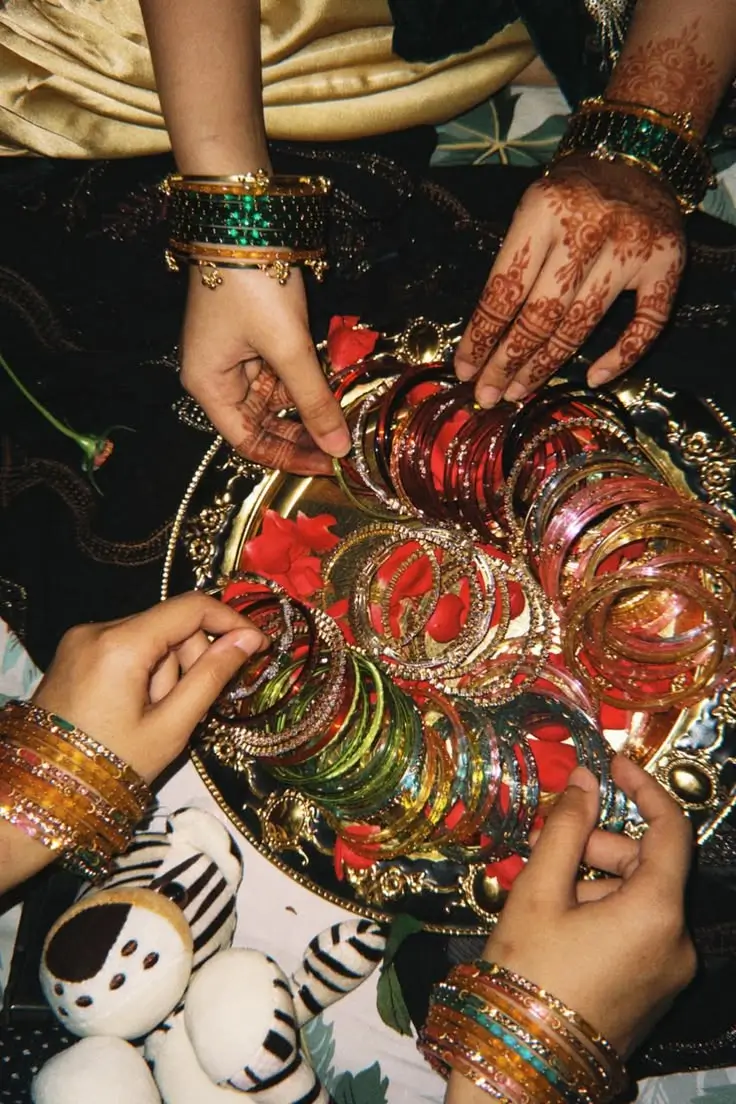
6. Meenakari Bangles: Colourful Heritage on the Wrists
Meenakari is an important element of traditional Mughal jewellery craftsmanship. The technique involves decorating metal surfaces with colourful enamel designs. Floral patterns, birds, leaves and symmetrical decorative motifs are frequently associated with meenakari-inspired jewellery. One of the most attractive ways to incorporate this technique into a Qawwali outfit is through traditional bangles.
Choose bangles featuring:
- Red and green enamel patterns.
- Floral detailing.
- Antique gold borders.
- Delicate pearl accents.
- Traditional bird motifs.
- Multicoloured enamel decoration.
These bangles look beautiful with both embroidered and relatively simple outfits. For the particular aesthetic of a Qawwali night, however, a balanced combination of bangles and one traditional kada can look especially elegant.
7. Traditional Kada: A Statement of Understated Elegance
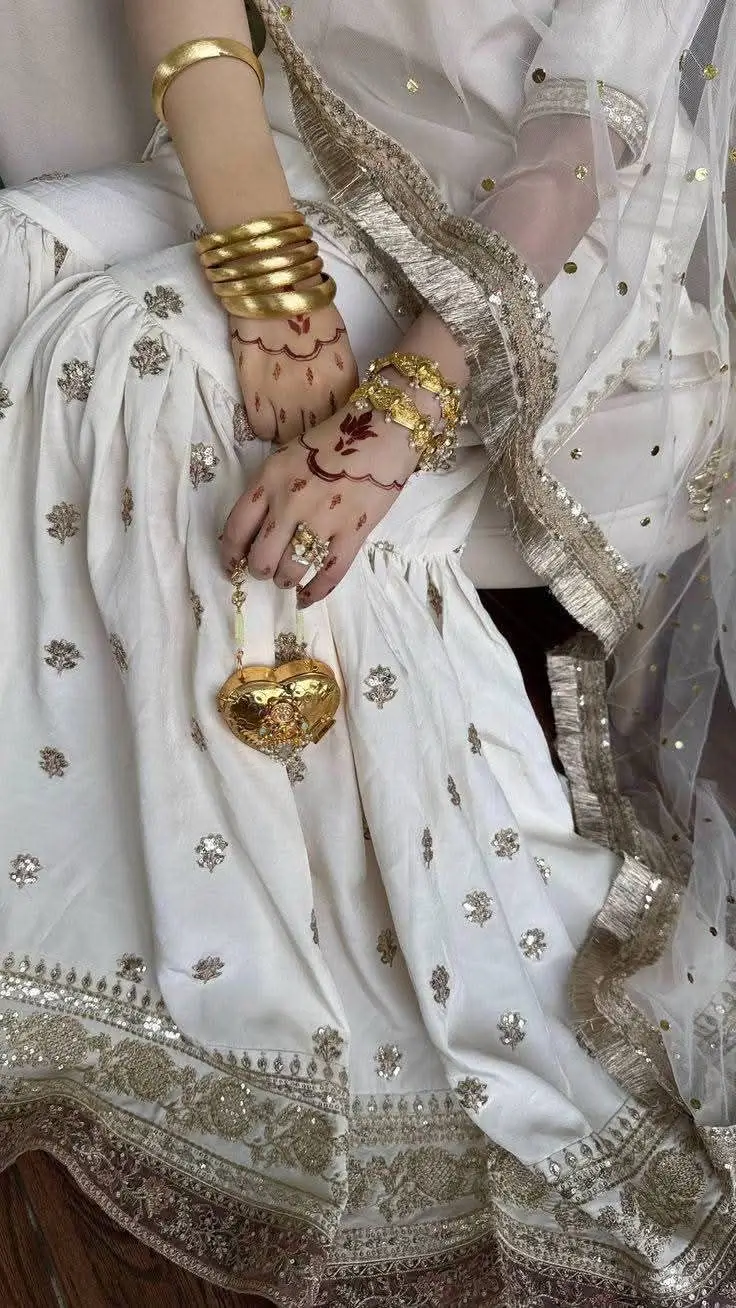
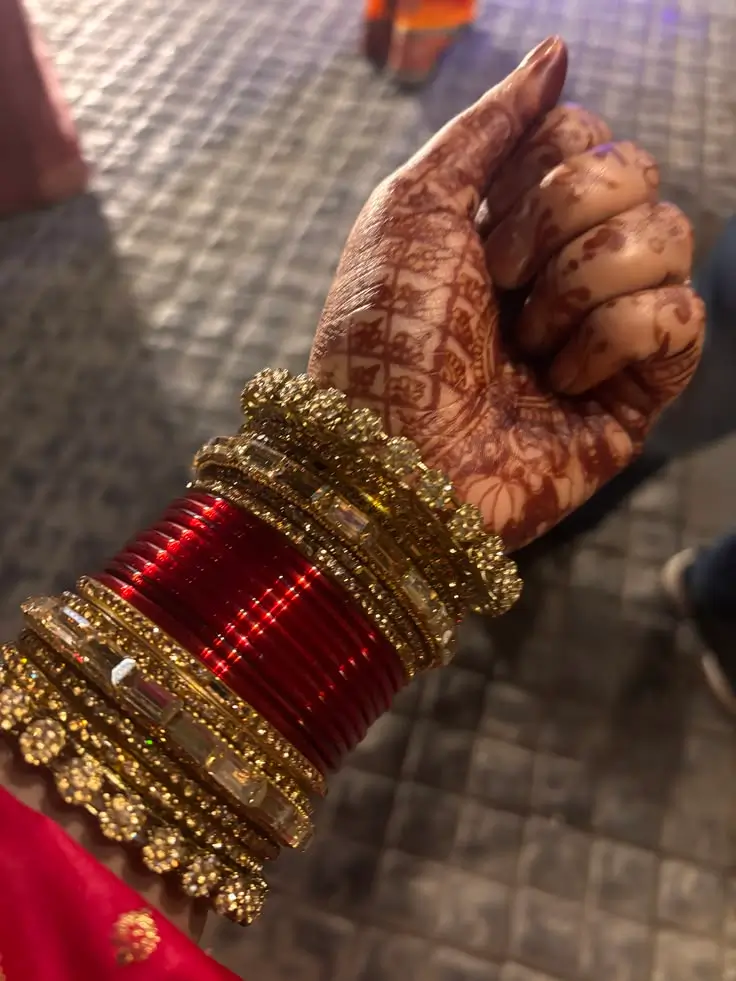
A kada is a traditional circular wrist ornament that can be worn individually or alongside other bangles. For a Mughal-inspired look, select an antique gold kada featuring engraved patterns, floral motifs or subtle gemstone detailing. A traditional kada adds structure to the wrist without requiring multiple heavy accessories.
It can be paired with a small collection of thin bangles. For a more refined appearance, wear one statement kada on one wrist and a coordinated arrangement of bangles on the other. Alternatively, create a symmetrical look with matching traditional bangles on both hands. The choice depends on the weight and detailing of the outfit.
8. Traditional Rings: Small Details That Complete the Look
Rings are often overlooked when styling traditional jewellery, but they can add an important finishing detail. Mughal-inspired rings frequently feature large central stones, floral settings and decorative metalwork. A single statement ring featuring a ruby-red, emerald-green or pearl-inspired centre can complement the rest of the Mughal jewellery. For a Qawwali night, consider wearing one prominent ring rather than several oversized rings.
This is particularly attractive when the hands feature a simple red circular mehndi design.
9. Anklets: Bringing Traditional Beauty to Every Step
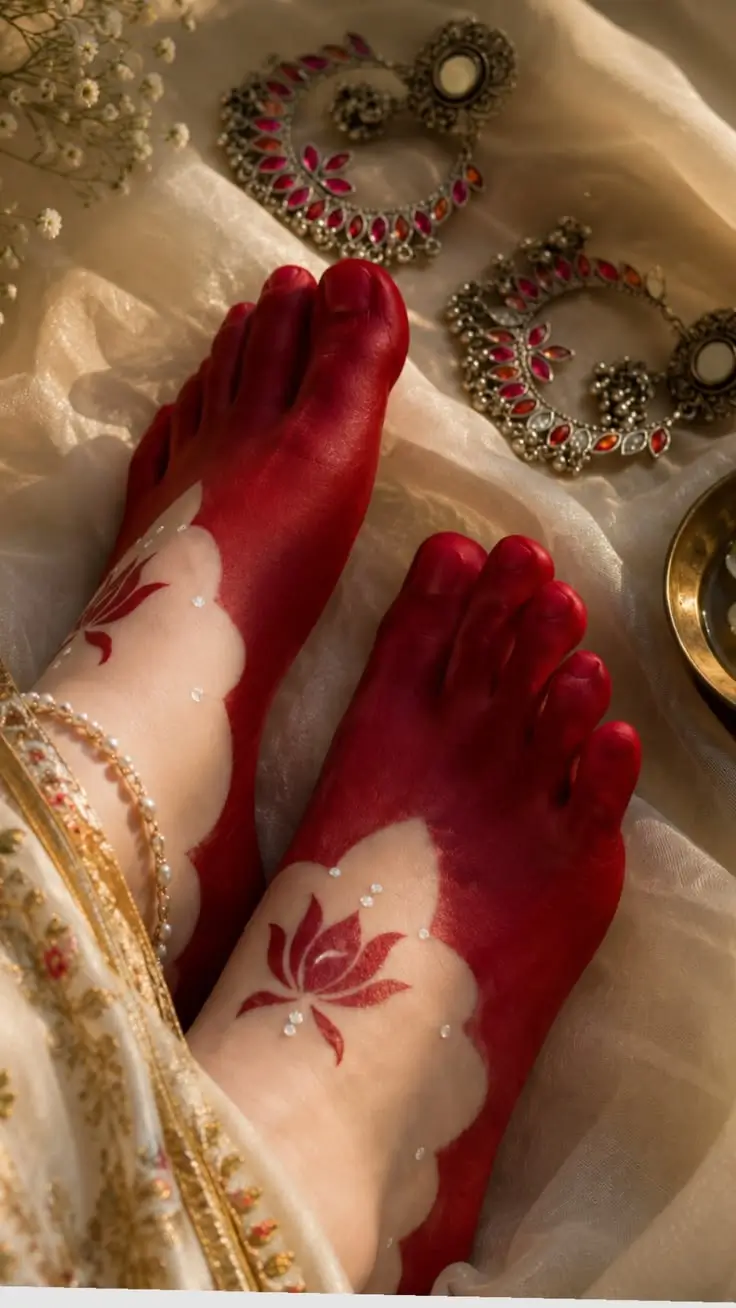
Anklets, also known as payal or pazeb, have a long-standing place in South Asian jewellery traditions. They are particularly beautiful when paired with traditional footwear and flowing ethnic outfits. For a Qawwali night, choose delicate gold-toned or silver-toned anklets.
You can consider:
- Traditional chain anklets.
- Delicate ghungroo anklets.
- Pearl-detailed anklets.
- Antique-finish anklets.
- Minimal decorative anklets.
If your outfit includes a farshi gharara or wide-legged trousers, anklets may only become visible occasionally as you walk or sit. This subtle appearance makes them an attractive finishing detail. Avoid excessively heavy anklets if you will be sitting for extended periods. The most elegant option is one that feels comfortable and complements your outfit naturally.
10. The Beauty of a Traditional Gajra
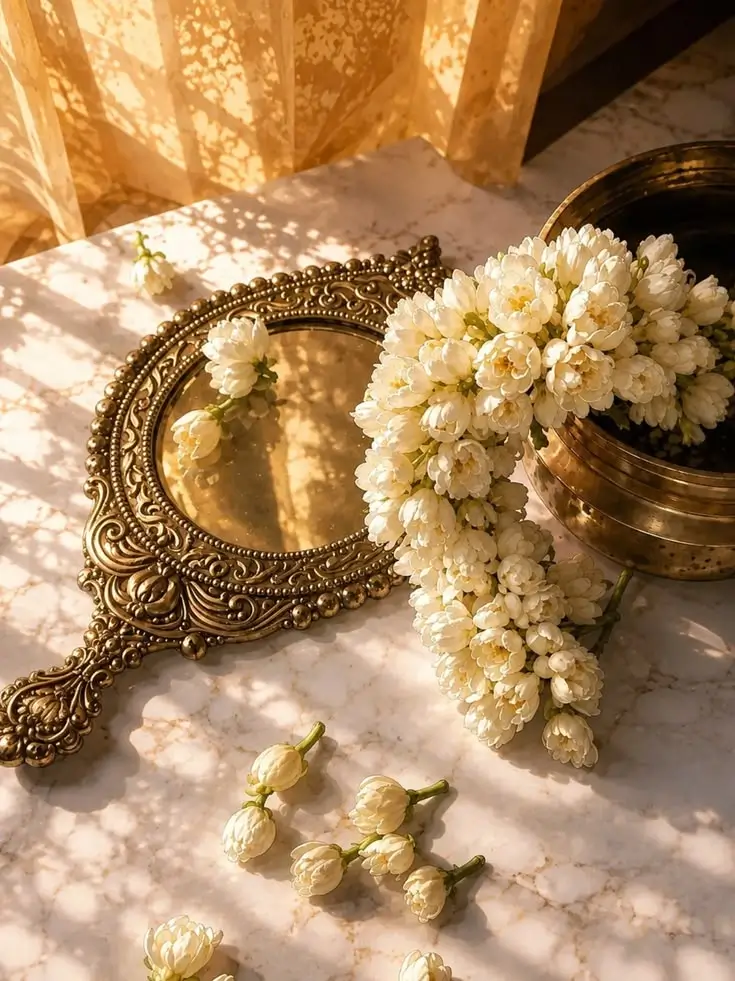
Although a gajra is not a piece of metal Mughal jewellery, it is one of the most beautiful accessories for completing a traditional evening hairstyle. A white floral gajra arranged around a bun creates a soft contrast against dark hair. It also complements antique gold jewellery, pearls and traditional fabrics. For a Mughal-inspired Qawwali appearance, choose a small or medium-sized gajra rather than an excessively large floral arrangement. A delicate gajra can make even a simple hairstyle look special.

The Perfect Jewellery Combination: Creating a Balanced Mughal Look
One of the biggest styling mistakes is wearing every beautiful traditional accessory at the same time. Mughal jewellery is often elaborate, so it is important to create a balance. The best approach is to choose one or two statement pieces and allow the remaining accessories to support them.
Look One: The Traditional Bali Look
- Statement Mughal-style balis.
- One antique gold kada.
- A few delicate bangles.
- Traditional anklets.
- Small floral gajra.
- No heavy necklace.
This is an excellent option for someone who wants a simple yet distinctly traditional appearance.
Look Two: The Nawabi Passa Look
- Medium-sized pearl or kundan jhumar.
- Small traditional earrings.
- Delicate pearl necklace.
- Antique gold bangles.
- A simple kada.
- Fine anklets.
This combination is particularly attractive with a middle-parted or side-parted bun.
Look Three: The Kundan and Pearl Look
- Kundan earrings.
- A delicate pearl necklace.
- Traditional bangles.
- One statement ring.
- Small pearl or floral hair accessory.
This creates a soft, romantic appearance that is suitable for a candlelit evening.
Look Four: The Meenakari Heritage Look
- Colourful meenakari earrings.
- Matching enamel bangles.
- Antique gold kada.
- Delicate anklets.
- Minimal hair ornament.
This option is particularly beautiful when the outfit includes traditional embroidery or subtle colourful accents.
Choosing the Perfect Qawwali Night Outfit
Jewellery may be the main attraction, but the outfit provides the foundation for the entire appearance. For a Qawwali evening, the ideal outfit should combine comfort, elegance and traditional character. It should also allow theMughal jewellery to remain visible. Instead of choosing an excessively embellished bridal outfit, consider traditional silhouettes with beautiful fabric and thoughtful detailing.
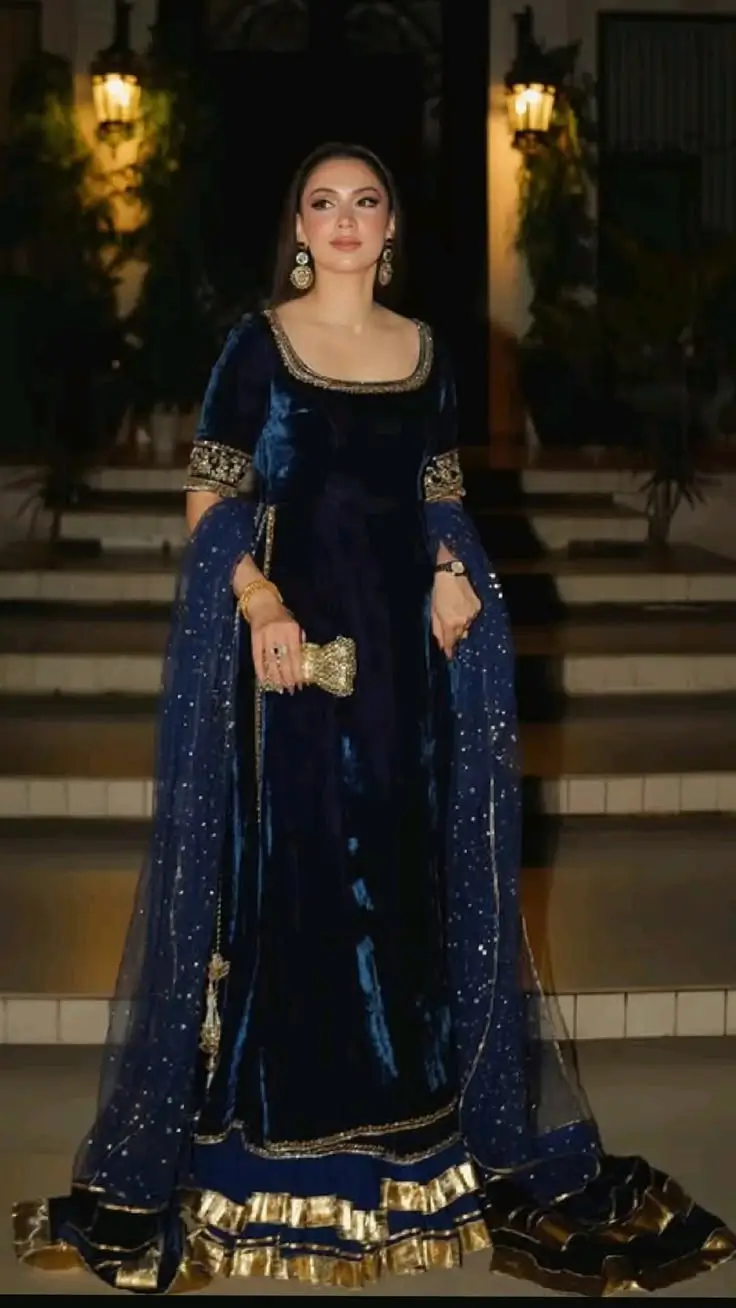
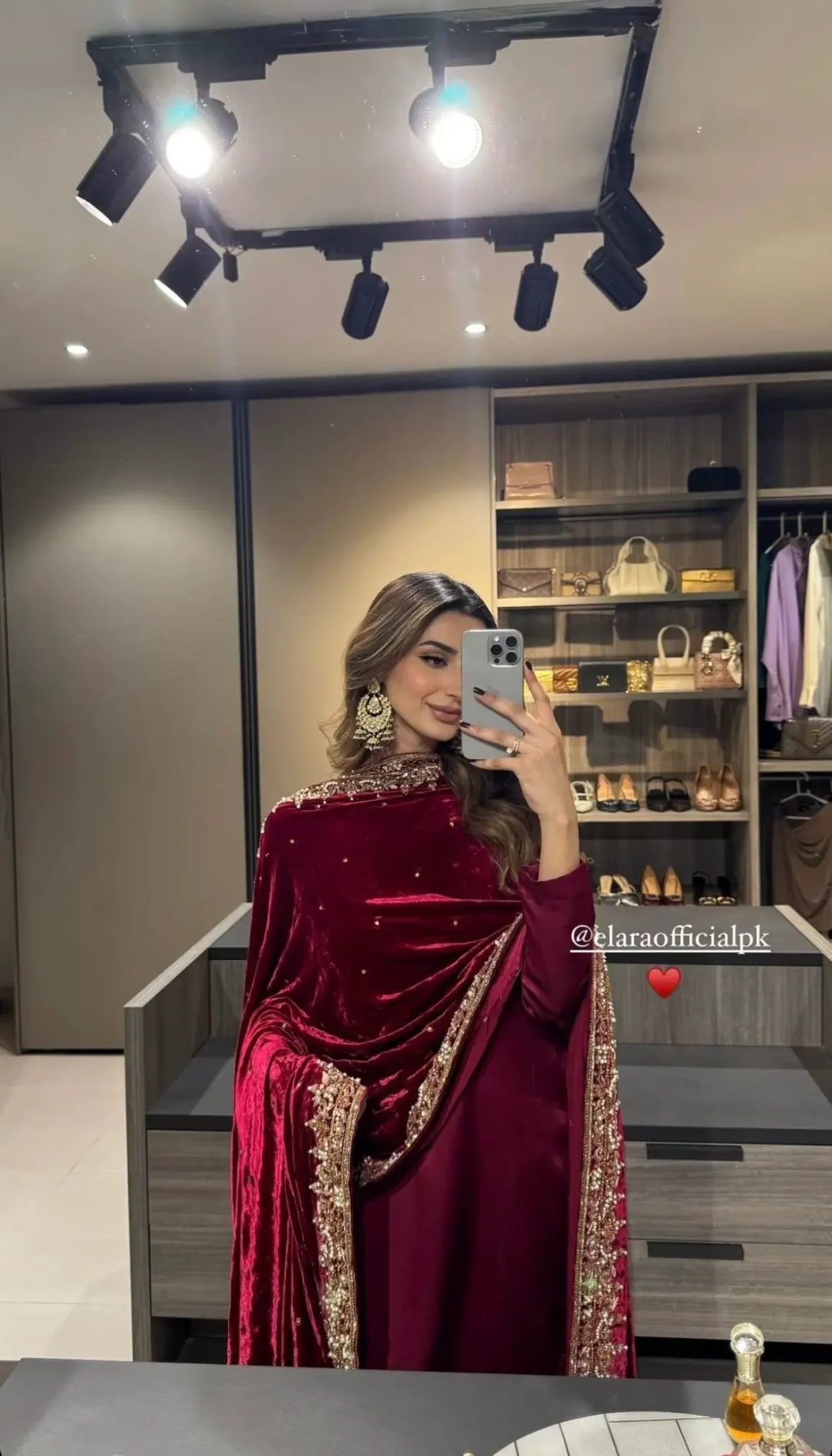
1. Velvet Kurta: The Perfect Evening Choice
Velvet is an excellent fabric for evening occasions because of its rich texture and luxurious appearance. A velvet kurta in a deep jewel tone can create a beautiful background for antique gold jewellery. Consider the following colours:
Deep maroon: A classic colour that complements gold, kundan and ruby-inspired jewellery.
Emerald green: A particularly elegant choice with antique gold and pearl detailing.
Royal blue: Creates a sophisticated contrast with white kundan and gold accessories.
Black: A timeless evening option that allows statement jewellery to become the focal point.
Deep plum: An elegant alternative for someone who prefers something different from traditional maroon.
A velvet kurta can be paired with straight trousers, traditional shalwar or a graceful gharara. Keep the embroidery relatively controlled if the Mughal jewellery is heavily decorated.
2. Farshi Gharara: Traditional Grandeur with a Feminine Silhouette
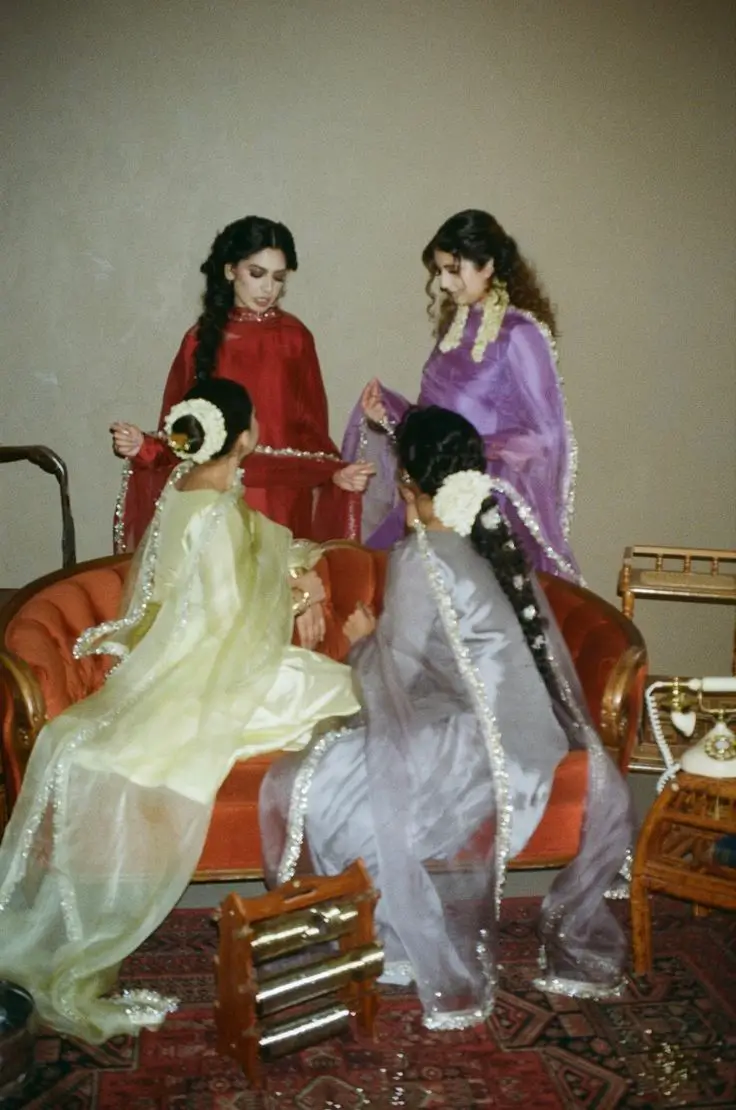
A farshi gharara is a beautiful choice for someone who wants a more traditional appearance. Its flowing silhouette creates an elegant movement, particularly when walking or sitting. For a Qawwali night, consider a gharara in silk, jamawar, velvet or a similarly rich fabric. A short or medium-length kurta with delicate embroidery can complete the look. The outfit can be paired with traditional balis, a kada and anklets. A lightweight dupatta draped gracefully over the shoulders will introduce another traditional detail.
3. Anarkali: Graceful and Timeless
Anarkali outfits remain popular because of their flowing shape and traditional appeal. A deep-coloured anarkali with delicate gold embroidery creates an excellent foundation for Mughal jewellery. Choose an outfit with a flattering neckline so that the jewellery remains visible. A fitted bodice, flowing lower silhouette and delicate dupatta can create a graceful appearance. For accessories, select kundan earrings, a small jhumar and a few antique gold bangles.
4. Simple Traditional Kurta with Statement Jewellery
Sometimes the most sophisticated appearance is created through simplicity. A plain silk, cotton-silk or embroidered kurta can become visually interesting when paired with elaborate traditional accessories. For example, a plain black kurta can look beautiful with antique gold balis, a traditional kada and delicate anklets. Similarly, an emerald green outfit can be paired with pearl and kundan jewellery. The advantage of this styling approach is that the Mughal jewellery receives the attention it deserves.
5. Choosing the Right Dupatta
A dupatta is an important part of traditional South Asian dressing. For a Qawwali night, consider a lightweight organza, chiffon, silk or embroidered dupatta. A subtle gold border can complement antique Mughal jewellery beautifully. You can drape it over one shoulder or arrange it around the arms. If you are wearing a jhumar or passa, make sure the dupatta does not repeatedly disturb the head ornament. Comfort and practicality should always be considered.


Colour Combinations for a Mughal-Inspired Qawwali Outfit
Mughal-inspired styling is particularly attractive when the outfit and Mughal jewellery share a coordinated colour palette The following combinations are especially suitable for an evening occasion.
Maroon and antique gold
Maroon creates a rich and traditional appearance. Pair it with antique gold balis, kundan details and pearl accessories.
Emerald green and pearls
Emerald green creates a beautiful contrast with white pearls and antique gold. This combination looks particularly elegant under warm evening lighting.
Royal blue and kundan
Royal blue provides a sophisticated background for white kundan jewellery and delicate gold accessories.
Black and antique gold
Black allows intricate Mughal jewellery to become the main attraction. A pair of oversized Mughal-inspired balis with an antique gold kada can create a very refined look.
Deep plum and ruby details
Plum outfits with subtle ruby-coloured jewellery create a rich and feminine appearance. The most important principle is to avoid introducing too many competing colours. Two or three coordinated colours are usually enough.
The Perfect Evening Makeup for a Qawwali Night
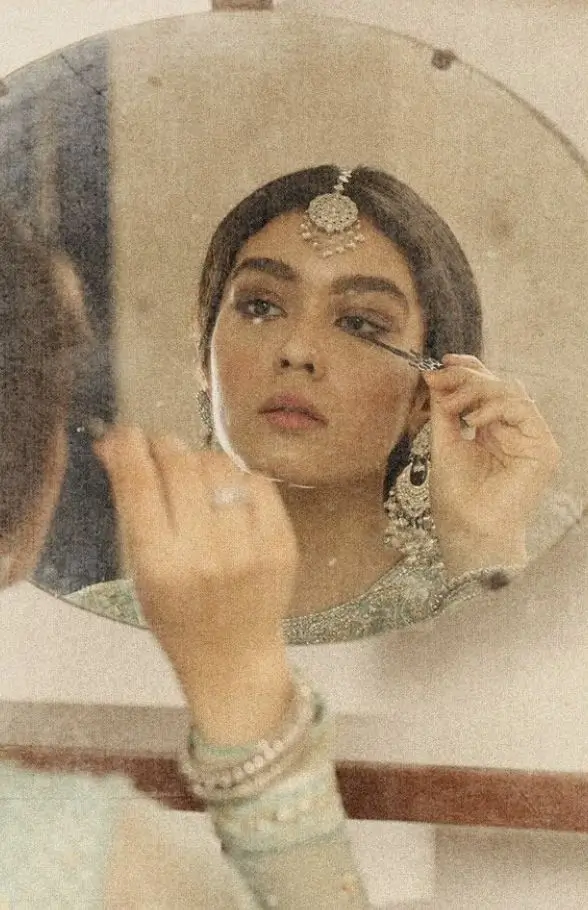
Makeup should complement the traditional outfit and Mughal jewellery without overpowering the overall appearance. For this particular look, the ideal makeup is sophisticated, softly defined and suitable for evening lighting. The objective is to achieve a polished appearance rather than an excessively dramatic bridal finish.
1. Creating a Natural-Looking Base
Begin with a well-prepared skin base. Cleanse the face and apply a suitable moisturiser. Follow with a primer that works with your skin type. Choose a foundation that matches your natural complexion and offers the desired level of coverage.
For a Qawwali evening, a natural satin or softly luminous finish works beautifully. Avoid selecting a foundation that is significantly lighter than your natural skin tone. The aim is to create an even, fresh-looking complexion. Use concealer only where additional coverage is required. Set the areas that tend to become oily with a light application of powder. A little cream or powder blush can add warmth to the cheeks.
2. Softly Defined Eyes
The eyes are particularly important in a traditional evening look. A softly defined eye complements Mughal jewellery beautifully. Consider using:
- Warm brown eyeshadow.
- Antique bronze.
- Soft gold.
- Champagne shimmer.
- Deep brown eyeliner.
- A delicate black kajal.
- Light mascara.
A softly blended brown or bronze eyeshadow can create depth without appearing excessively dramatic. For someone who enjoys a more traditional appearance, kajal along the waterline can introduce a classic South Asian beauty detail.
A thin eyeliner application and softly defined lashes will complete the look. Avoid applying excessive glitter if your Mughal jewellery already includes highly reflective stones.
3. The Beauty of Kajal
Kajal has a long-standing place in South Asian beauty traditions. Its classic appearance complements traditional clothing particularly well. For a Qawwali night, a carefully applied line of black kajal can make the eyes appear beautifully defined.
It works especially well with nude or rose-toned lipstick. However, choose a suitable eye-safe product and avoid applying cosmetics inside the eye if they are not specifically intended for that use.
4. Blush and Subtle Highlighting
A soft rose, peach or warm pink blush can complement the overall makeup. Apply it gently to the cheeks. A subtle highlighter on the cheekbones can add a soft evening glow. Avoid excessive shimmer, particularly when wearing statement earrings. The desired result is a naturally radiant appearance.
5. Lipstick: Choosing the Right Evening Shade
Lipstick should coordinate with both the outfit and the eye makeup. Some particularly beautiful options include:
- Soft rose pink.
- Dusty rose.
- Warm nude.
- Muted berry.
- Classic maroon.
- Deep rose brown.
If the outfit is maroon, a soft rose or muted berry lipstick can look elegant. For a black outfit, nude or deep rose shades can create a sophisticated finish. If the eye makeup is particularly defined, keep the lipstick relatively understated. The overall objective is balance.
6. A Sophisticated Makeup Finish
Complete the makeup with a suitable setting spray. Check the appearance under both natural and indoor lighting. The makeup should remain comfortable throughout the evening, especially if the event involves extended sitting and movement. A polished base, softly defined eyes, delicate blush and coordinated lipstick create the ideal combination.

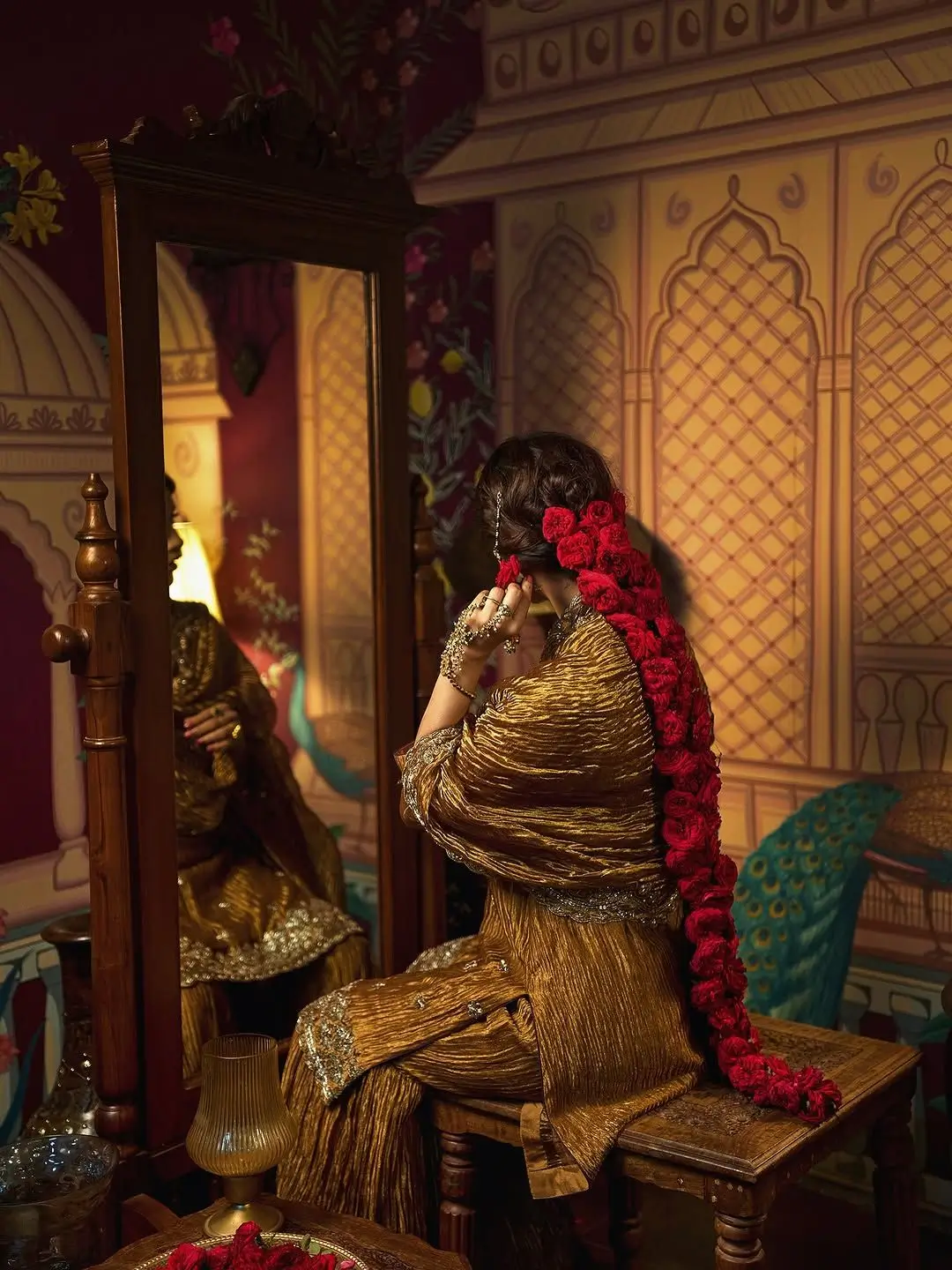

The Sophisticated Hair Bun: A Perfect Match for Mughal Jewellery
Hair styling plays an important role in completing the Qawwali night appearance. A sophisticated bun is one of the most beautiful choices because it allows traditional earrings, jhumars and other hair accessories to remain visible. It also creates a clean and elegant silhouette.
The Classic Middle-Parted Low Bun
A middle-parted low bun is a timeless hairstyle for traditional occasions. Begin by creating a neat middle parting.
Smooth the hair gently towards the back and gather it into a low ponytail. Twist the ponytail into a bun and secure it with pins. The bun should look polished without appearing excessively tight. A little hair serum can help control flyaways. This hairstyle works beautifully with Mughal-inspired balis and chandbalis.
The Soft Side-Parted Bun
A side-parted bun offers a slightly softer appearance. Create a gentle side parting and arrange the hair smoothly. Gather the hair into a low bun at the back. This hairstyle is particularly attractive when wearing a jhumar or passa on one side. The head ornament becomes a natural focal point.
The Traditional Gajra Bun
A gajra can transform a simple bun into a beautiful traditional hairstyle. After creating the bun, arrange a small white floral gajra around it. You can secure it with discreet pins. The flowers create a beautiful contrast with dark hair and complement gold jewellery. For a more sophisticated appearance, choose a smaller arrangement rather than covering the entire bun with flowers.
The Polished Bun with Loose Front Strands
If you prefer a softer appearance, leave two delicate strands around the front of the face. Style them gently so that they frame the cheeks. The rest of the hair can be arranged into a clean low bun. This hairstyle looks particularly beautiful with large traditional balis. The loose strands soften the appearance while the bun maintains an elegant structure.
Pairing the Hairstyle with Mughal Head Jewellery
If wearing a passa or jhumar, position the ornament carefully. Make sure its decorative section is visible and its fastening is secure. Avoid placing too many hair accessories together. A small gajra and one statement head ornament are usually sufficient. Remember that the hairstyle should support the Mughal jewellery rather than compete with it.

The Signature Red Mehndi Circle: A Simple Traditional Detail
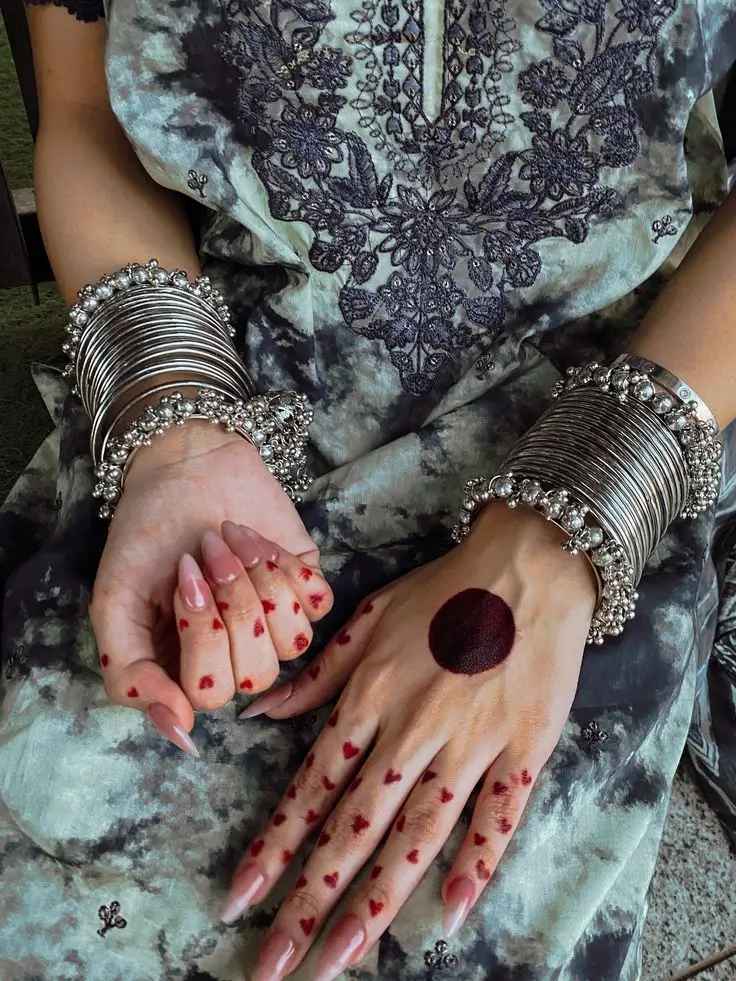
One of the most distinctive details of this Qawwali night look is a simple red circular mehndi-inspired design on both hands. Rather than choosing elaborate bridal mehndi patterns, this look focuses on minimalism. The design should feel traditional, delicate and understated. A simple circle in a rich red tone can create an attractive focal point on the palms. It complements antique gold jewellery particularly well.
The Minimal Circular Design
The design can feature one clean circle in the centre of each palm. You can keep the surrounding area relatively bare. For an even more delicate appearance, add a few tiny dots around the circle. The design should remain symmetrical on both hands. This minimal arrangement works particularly well with traditional bangles and a kada.
Red and Gold: A Beautiful Combination
Red and gold have a long-standing association with traditional South Asian festive styling. A red circular hand design paired with antique gold bangles creates a coordinated appearance. It also provides a subtle contrast against the skin. For accuracy, remember that natural henna generally develops an orange-to-brown stain rather than a bright red colour.
If you want a distinctly red circular design, use a skin-safe cosmetic body-art product specifically intended for that purpose, following its instructions and patch-testing first. Avoid unsafe chemical dyes or products not designed for skin.
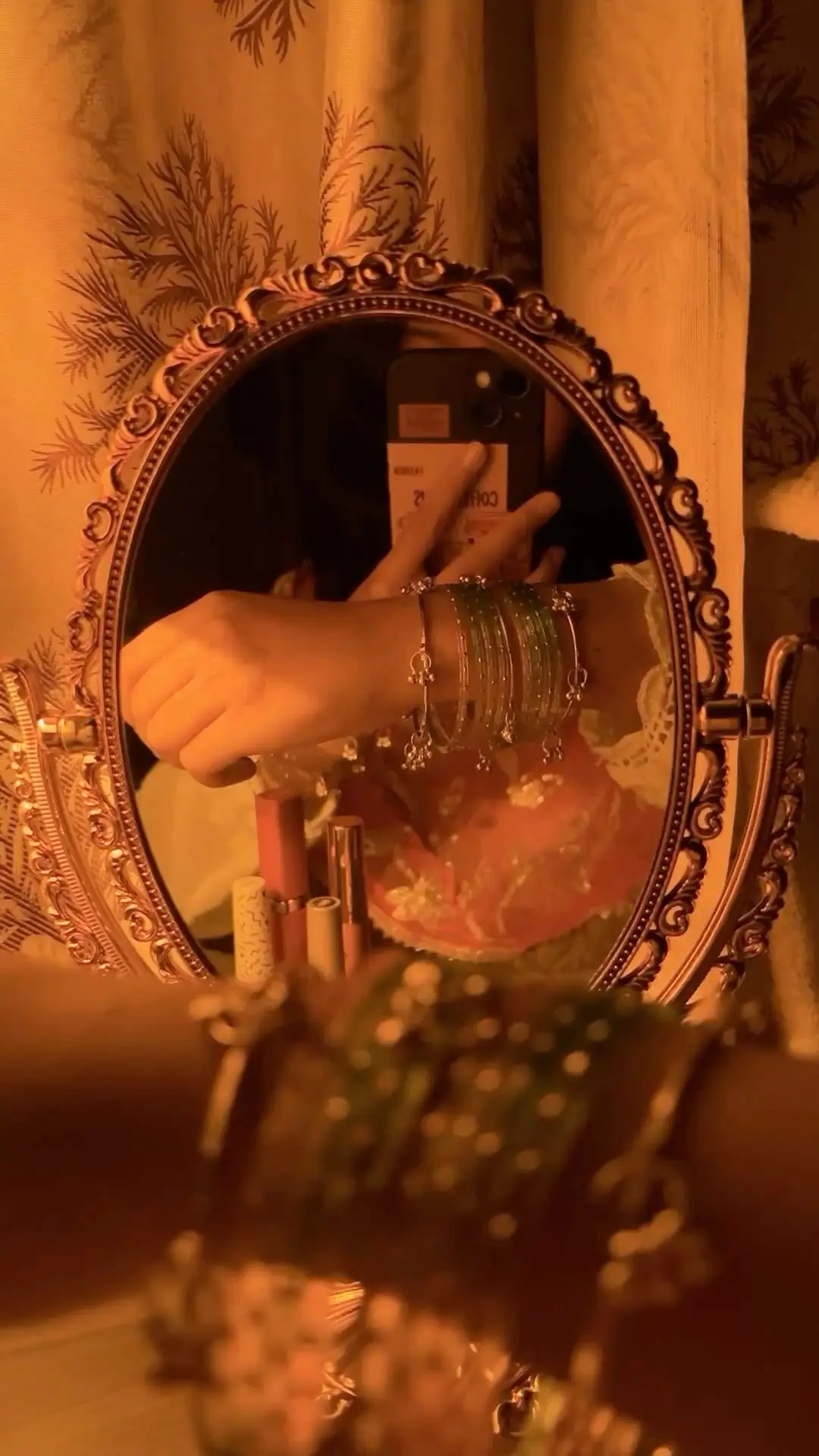
Styling the Hands with Bangles
The beauty of this design becomes even more apparent when paired with traditional wrist accessories. Consider wearing:
- One antique gold kada.
- Two or three delicate bangles.
- A traditional statement ring.
- A coordinated bracelet.
The objective is to keep the hands elegant rather than overcrowded. The red circles should remain visible and should not be completely hidden by accessories.
Footwear and Other Finishing Accessories
Footwear is another important consideration when planning an outfit for an evening mehfil. Traditional footwear works particularly well with Mughal-inspired styling. Consider:
Traditional khussas: Embroidered khussas with antique gold detailing can complement a gharara or anarkali.
Embellished juttis: A pair of comfortable traditional juttis creates a graceful finishing detail.
Low-heeled sandals: If the outfit is more contemporary, delicate gold or neutral sandals can work beautifully.
Traditional mojari: A decorated mojari can add a vintage character to the overall appearance.
Choose footwear that is comfortable enough for the duration of the event.If wearing anklets, ensure that the footwear allows them to remain visible and comfortable. A small traditional clutch can complete the outfit. Choose one featuring antique embroidery, pearl detailing or subtle gold embellishment. Avoid excessive decorative elements if the Mughal jewellery is already elaborate.


How to Create a Complete Mughal-Inspired Qawwali Night Look
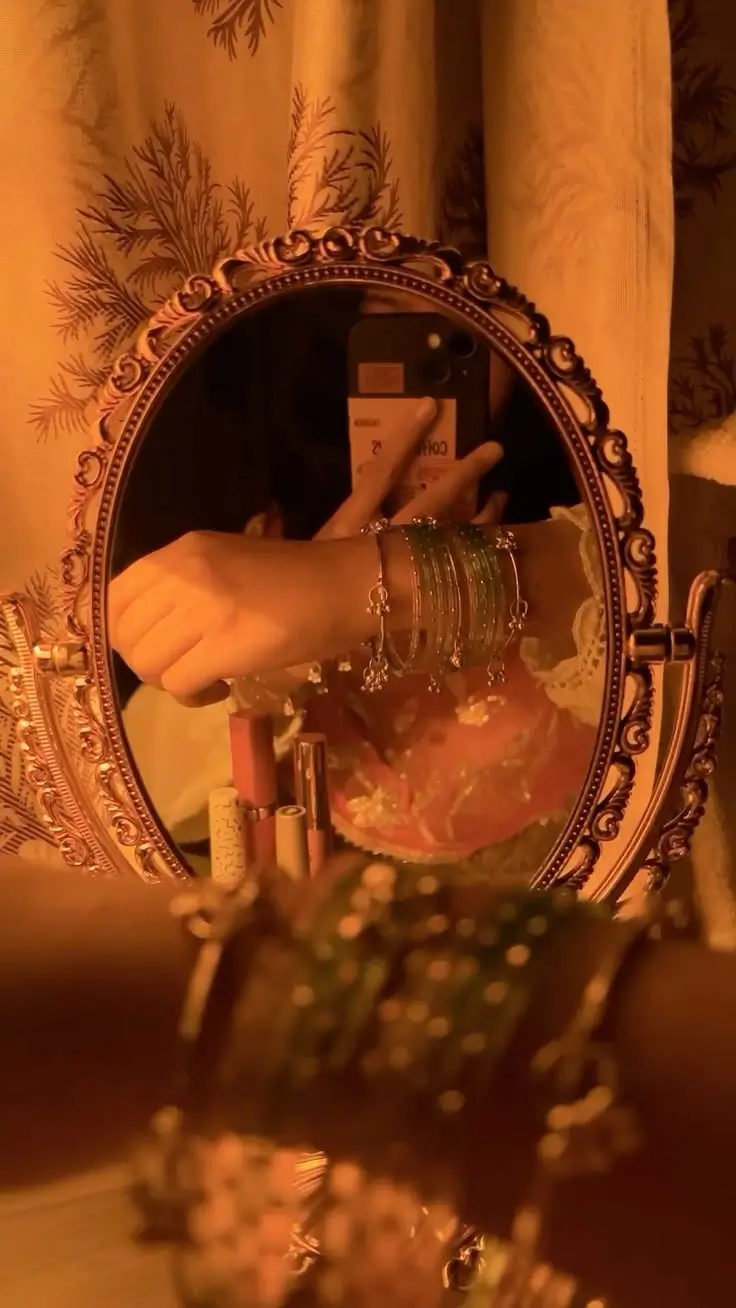
Now that we have explored the individual elements, it is time to bring everything together. The secret to a successful Qawwali night outfit is coordination. The outfit, Mughal jewellery, hairstyle and makeup should look like parts of one carefully planned aesthetic. Here is one complete styling concept.
The Royal Maroon Look
Outfit: A deep maroon velvet kurta paired with a traditional gharara.
Dupatta: A lightweight chiffon dupatta with a subtle antique gold border.
Earrings: Oversized antique gold Mughal-inspired balis featuring pearl and kundan detailing.
Head accessory: A medium-sized pearl jhumar positioned on one side of the head.
Wrist jewellery: A traditional gold kada with a few delicate meenakari bangles.
Anklets: Simple antique gold payal.
Hair: A clean middle-parted low bun decorated with a small white gajra.
Makeup: A satin-finish base, softly defined brown eyes, kajal, rose blush and muted rose lipstick.
Hands: A simple red circular mehndi-inspired design on both palms.
Footwear: Traditional embroidered khussas.
This combination creates a graceful traditional appearance without looking like a complete bridal ensemble.
The Emerald Green Heritage Look
Outfit: An emerald green silk kurta with straight traditional trousers.
Jewellery: Antique gold balis with pearl drops and a delicate matching ring.
Wrist accessories: A statement kada paired with thin gold bangles.
Hair: A softly side-parted low bun with a small gajra.
Makeup: Warm bronze eyeshadow, soft eyeliner, peach blush and nude-rose lipstick.
Hands: Minimal red circular designs.
This is an excellent option for someone who prefers understated elegance.
The Black and Antique Gold Look
Outfit: A black traditional kurta with subtle embroidery and a flowing dupatta.
Jewellery: Large kundan-inspired balis with antique gold detailing.
Wrist accessories: A bold kada and coordinated traditional bangles.
Hair: A polished low bun.
Makeup: Defined kajal, softly blended bronze eyeshadow and muted berry lipstick.
Anklets: Delicate traditional payal.
This combination is particularly suitable for an evening setting where the Mughal jewellery should become the main attraction.

Mughal Jewellery and Its Symbolic Beauty
The beauty of Mughal jewellery is not limited to its appearance. Its designs often draw inspiration from nature, geometry, flowers, birds and gemstones. These visual elements have been discussed in contemporary writing about Mughal jewellery symbolism. For example, the article Symbolism in Mughal Jewellery Designs by Jadeno discusses the continued influence of floral motifs, peacock-inspired details, geometric patterns and gemstone colours in modern Mughal jewellery. Understanding these design influences can make jewellery selection more meaningful.
Floral Motifs
Flowers have an important place in traditional South Asian art. Floral patterns are frequently associated with gardens, beauty and harmony.In Mughal jewellery, floral designs can appear on earrings, bangles, pendants and necklaces. A pair of floral balis can therefore be an excellent choice for a heritage-inspired outfit.
Peacock Motifs
The peacock is a familiar decorative motif in South Asian art. Its colourful feathers and distinctive shape have inspired traditional jewellery designs. Peacock-inspired earrings and pendants can create a particularly artistic appearance. For a Qawwali night, a subtle peacock motif can introduce an interesting detail without making the Mughal jewellery excessively ornate.
Crescent Shapes
Crescent-shaped designs are especially recognisable in traditional chandbalis and head ornaments. Their curved silhouettes add softness and elegance toMughal jewellery. A pair of crescent-shaped earrings can beautifully complement a traditional hairstyle.
Gemstone Colours
Traditional Mughal jewellery frequently uses rich gemstone colours. Emerald green, ruby red, white pearls and other colourful stones create striking combinations. For modern styling, these colours can be coordinated with the outfit. Green stones work beautifully with gold. Ruby-red accents complement maroon. Pearls create a softer appearance with almost any traditional colour.
The Beauty of Symmetry
Symmetry is another important element of traditional decorative design. Matching earrings, coordinated bangles and balanced gemstone arrangements create a sense of visual harmony. This is why a carefully coordinated Mughal jewellery combination often looks more sophisticated than wearing several unrelated statement pieces.
How to Wear Heavy Mughal Jewellery Without Looking Overdressed
Mughal jewellery can be elaborate, but it does not need to make the wearer look like a bride. The most important thing is understanding proportion. For a Qawwali night, the objective is to create a heritage-inspired evening appearance rather than a complete wedding look. Here are some practical styling principles.
Choose one main statement
If you are wearing oversized balis, keep the necklace simple. If you choose an elaborate jhumar, select smaller earrings. If the outfit has heavy embroidery, avoid wearing an excessively decorated necklace.
Balance the upper and lower body
If the earrings are large, keep the wrist accessories relatively delicate. If you are wearing several traditional bangles, choose minimal earrings.
Prefer antique finishes
Antique gold and muted gold tones often create a more vintage appearance than extremely bright yellow finishes.
Avoid excessive sparkle
Traditional jewellery can look beautiful without being covered in highly reflective stones. Pearls, enamel work and engraved metal details introduce sophistication.
Consider comfort
A Qawwali evening may involve several hours of sitting. Heavy earrings, tight bangles and uncomfortable head ornaments can become distracting. Choose pieces that remain comfortable throughout the evening.
Keep the styling cohesive
Select Mughal jewellery that shares similar colours, finishes and design details. A coordinated appearance always looks more intentional.
Affordable Ways to Recreate the Mughal Jewellery Aesthetic
An authentic heritage-inspired look does not necessarily require expensive precious jewellery. There are many modern jewellery options that recreate the appearance of traditional Mughal craftsmanship. Gold-plated silver, metal alloys, imitation kundan, pearl detailing and enamel-inspired designs can all help achieve the aesthetic. The important thing is to look for quality in the detailing. When choosing imitation Mughal jewellery, consider:
- Secure stone settings.
- Comfortable earring backs.
- Smooth metal edges.
- Neatly finished enamel work.
- Well-attached pearl drops.
- A balanced weight.
- A comfortable fit.
A beautifully designed pair of imitation Mughal balis can be more effective than an unnecessarily large collection of poorly coordinated accessories. Similarly, a single traditional kada can become a statement piece when selected carefully. The objective is to invest in the overall appearance rather than the quantity of Mughal jewellery.
Mughal Jewellery as a Modern Expression of Pakistani Fashion
Traditional jewellery continues to hold an important position in Pakistani fashion. It is worn at weddings, Eid gatherings, cultural celebrations and festive occasions. Mughal-inspired designs have also become popular in contemporary jewellery collections because they offer a combination of historical inspiration and modern wearability.
Today, traditional designs are often adapted through lighter materials, smaller silhouettes and more versatile styling. This allows people to wear heritage-inspired Mughal jewellery beyond formal wedding events. A traditional bali can be paired with a simple kurta. A meenakari bangle can be worn with an embroidered outfit.
A small jhumar can introduce a vintage element to an evening hairstyle. An antique-finish kada can complement contemporary ethnic clothing. This flexibility is particularly relevant to Qawwali nights. Rather than dressing exclusively for a formal celebration, one can create a personal interpretation of traditional South Asian elegance. The result is a look that feels connected to heritage while remaining suitable for contemporary occasions.
The Final Styling Checklist for a Qawwali Night
Before leaving for the event, take a moment to check the overall appearance.
Outfit
- Traditional velvet, silk or embroidered kurta.
- Gharara, shalwar or elegant trousers.
- Coordinated dupatta.
- Deep, rich evening colours.
Jewellery
- Mughal-inspired statement balis.
- Optional jhumar or passa.
- Antique gold kada.
- Traditional bangles.
- Delicate anklets.
- One statement ring.
- Small gajra.
Hair
- Clean middle or side parting.
- Sophisticated low bun.
- Securely arranged hair.
- Delicate white gajra.
- Properly positioned head jewellery.
Makeup
- Natural-looking evening base.
- Softly defined eyes.
- Traditional kajal.
- Gentle blush.
- Coordinated lipstick.
- Subtle highlighting.
Hands and accessories
- Simple red circular mehndi-inspired design on both hands.
- Traditional wrist accessories.
- Comfortable footwear.
- Small embroidered clutch.
The final appearance should feel graceful, coordinated and comfortable.
Conclusion: Celebrating the Timeless Beauty of Mughal Jewellery at a Qawwali Night
A Qawwali night offers a beautiful opportunity to reconnect with traditional South Asian fashion and celebrate its artistic heritage. The combination of soulful music, warm evening lighting, traditional clothing and Mughal jewellery creates an atmosphere that feels both nostalgic and contemporary. Among all the elements of this look, Mughal jewellery deserves special attention.
A pair of antique gold Mughal balis can frame the face beautifully. A delicate jhumar can introduce a touch of nawabi elegance. Kundan and Polki-inspired detailing can add a vintage quality, while meenakari bangles and a traditional kada bring colour and craftsmanship to the wrists. Delicate anklets add another traditional detail, and a small white gajra completes the hairstyle with effortless grace.
When these accessories are paired with a sophisticated low bun, soft evening makeup and a simple red circular mehndi-inspired design on both hands, the result is an elegant Qawwali-night appearance. The beauty of this styling approach is that it does not depend on excessive embellishment. Instead, it celebrates carefully selected accessories, beautiful traditional silhouettes and the craftsmanship behind heritage-inspired jewellery.
Whether you choose maroon velvet, emerald green silk, a classic black kurta or a flowing farshi gharara, Mughal jewellery can transform the outfit into something memorable. Ultimately, the perfect Qawwali-night look is about expressing elegance through tradition. It is about wearing jewellery that tells a story, choosing an outfit that reflects cultural beauty and embracing an aesthetic that feels timeless rather than temporary.
Because sometimes, the most beautiful fashion statement is not the newest trend. It is the timeless charm of heritage, expressed through a pair of beautiful traditional earrings, a graceful bun, delicate bangles and the understated elegance of Mughal-inspired jewellery. Let the music create the atmosphere, let the heritage inspire your style, and let Mughal jewellery bring the royal charm to your Qawwali night.