Introduction: The Beauty and Tradition of Pakistani Bridal Jewellery
A Pakistani wedding is more than a celebration of two people coming together; it is a beautiful expression of culture, family traditions, heritage, and timeless elegance. From colourful Mehndi celebrations to the grand Baraat ceremony and the joyful Walima reception, every wedding function has its own charm. Among all the details that make a bride look extraordinary, jewellery holds a particularly special place.
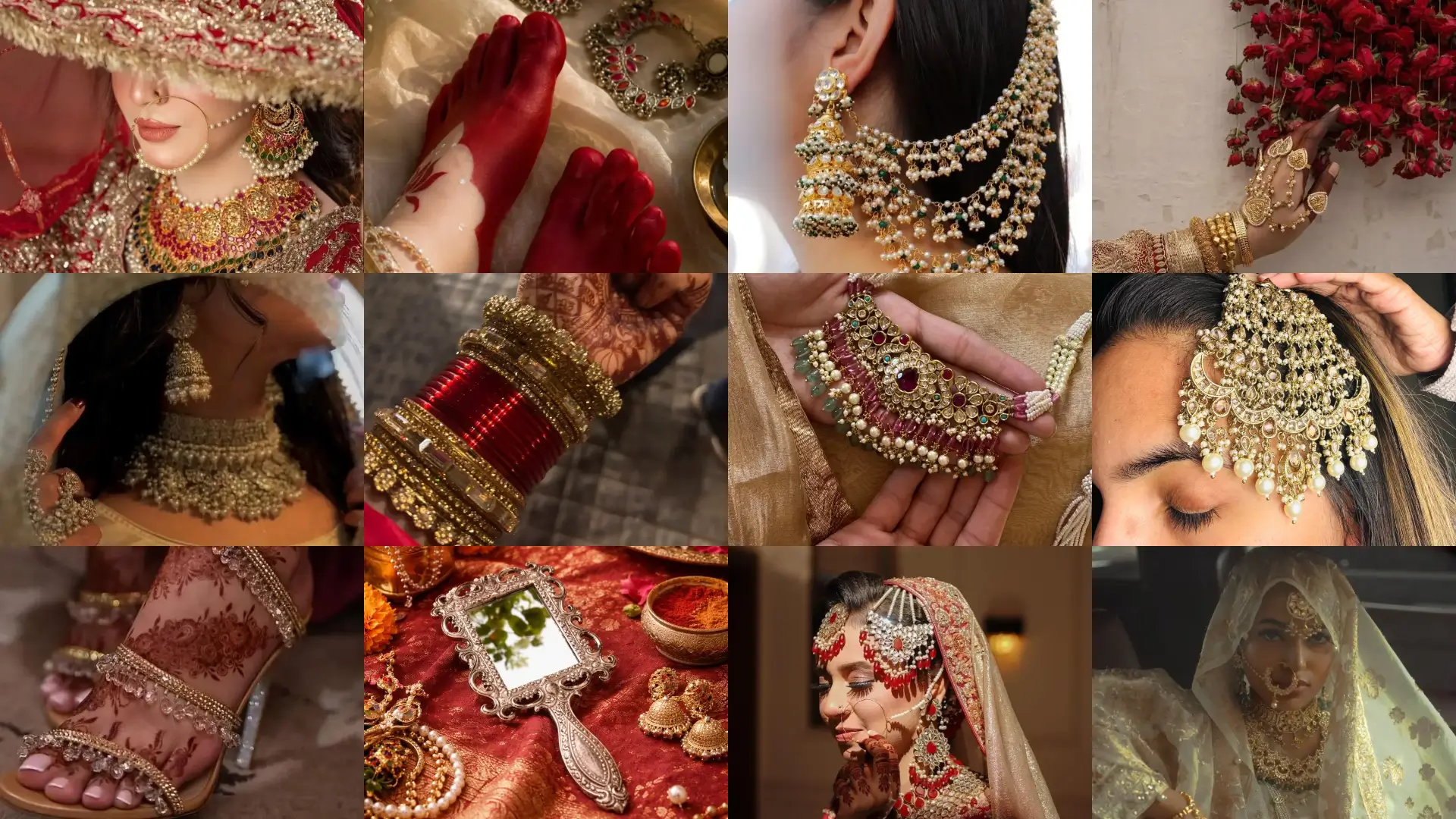
Pakistani bridal jewellery is famous for its luxurious designs, intricate craftsmanship, traditional influences, and beautiful combination of gold, gemstones, pearls, and colourful stones. Whether a bride prefers a royal Mughal-inspired appearance, a traditional red bridal look, or a modern and sophisticated style, the right jewellery can transform her entire wedding ensemble.
Unlike everyday accessories, bridal jewellery is carefully selected to complement the wedding dress, hairstyle, makeup, and cultural traditions. Some brides choose elaborate gold sets featuring traditional Kundan work, while others prefer sparkling Polki necklaces, colourful Navratan designs, or elegant Zircon jewellery. Regional influences also play an important role, with Hyderabadi and Rajwadi jewellery becoming popular choices for brides who love royal and heritage-inspired designs.
A complete Pakistani bridal jewellery collection may include a necklace, earrings, maang tikka, Jhoomar, Nath, bangles, Hath Panja, rings, armlets, and Pazaib. Each piece adds a different element to the bride’s appearance, creating a harmonious look that reflects her personality and wedding style.
This comprehensive guide explores the most popular Pakistani bridal jewellery designs, explains the traditional names of different ornaments, and provides practical styling tips to help brides choose jewellery for their special day.

1. Understanding Pakistani Bridal Jewellery Traditions
Pakistani bridal jewellery has developed through centuries of cultural exchange, regional craftsmanship, and changing fashion trends. Its designs reflect influences from Mughal heritage, South Asian royal courts, Persian-inspired ornamentation, and the traditional jewellery-making communities of the subcontinent.
In Pakistan, bridal jewellery is not simply considered decoration. It is often associated with beauty, celebration, family heritage, prosperity, and the emotional significance of marriage. Traditional bridal jewellery is commonly made using gold, silver, artificial gold plating, pearls, gemstones, uncut stones, and decorative crystals. Depending on the bride’s budget and preferences, she may select authentic gold jewellery, handcrafted traditional pieces, or high-quality artificial jewellery that offers a luxurious appearance.
The Importance of Jewellery in Pakistani Weddings
Different wedding functions call for different jewellery styles.
Mehndi Jewellery: Mehndi jewellery is usually colourful, playful, and lightweight. Floral jewellery, pearl accessories, colourful bangles, and lightweight earrings are popular choices.
Baraat Jewellery: Baraat is traditionally the most elaborate bridal event. Brides often choose heavy necklaces, Kundan sets, Polki jewellery, Jhoomar, Nath, and statement earrings.
Walima Jewellery: Walima jewellery is often more refined and sophisticated. White stones, Zircon, pearls, diamonds, and delicate gold designs are popular options.
Engagement Jewellery: Engagement jewellery can range from delicate necklaces and earrings to statement rings and elegant traditional sets.
Understanding the purpose of each wedding function helps brides select jewellery that looks appropriate, feels comfortable, and complements the occasion.
2. Kundan Jewellery: A Timeless Choice for Pakistani Brides
Kundan jewellery is among the most recognised traditional bridal jewellery styles in South Asia. It is admired for its intricate craftsmanship, elegant stone settings, and royal appearance. The word Kundan traditionally refers to highly refined gold used in a particular gemstone-setting technique. Kundan jewellery is known for its carefully arranged stones, which are traditionally set using refined gold foil and specialised craftsmanship.
In Pakistani bridal fashion, Kundan jewellery is especially popular for Baraat ceremonies, traditional red bridal dresses, and heavily embroidered outfits.
Popular Kundan Bridal Designs
Kundan Necklace Sets
Kundan necklaces are available in several designs, from short chokers to elaborate multi-layered necklaces. They often feature floral arrangements, geometric patterns, and detailed stonework. A traditional Kundan necklace may include white stones, coloured gemstones, pearls, and gold detailing. Brides can wear a statement Kundan necklace with matching earrings for a coordinated bridal look.
Kundan Choker
A Kundan choker sits close to the neck and creates a bold, regal appearance. It looks particularly beautiful with deep-neck blouses, traditional lehengas, and heavily embroidered bridal shirts. Some brides pair a Kundan choker with a long Rani Haar to create a layered royal appearance.
Kundan Earrings
Kundan earrings include Jhumkas, Chandbalis, oversized drops, and traditional hanging designs. They complement elaborate bridal hairstyles and can be worn with or without a necklace.
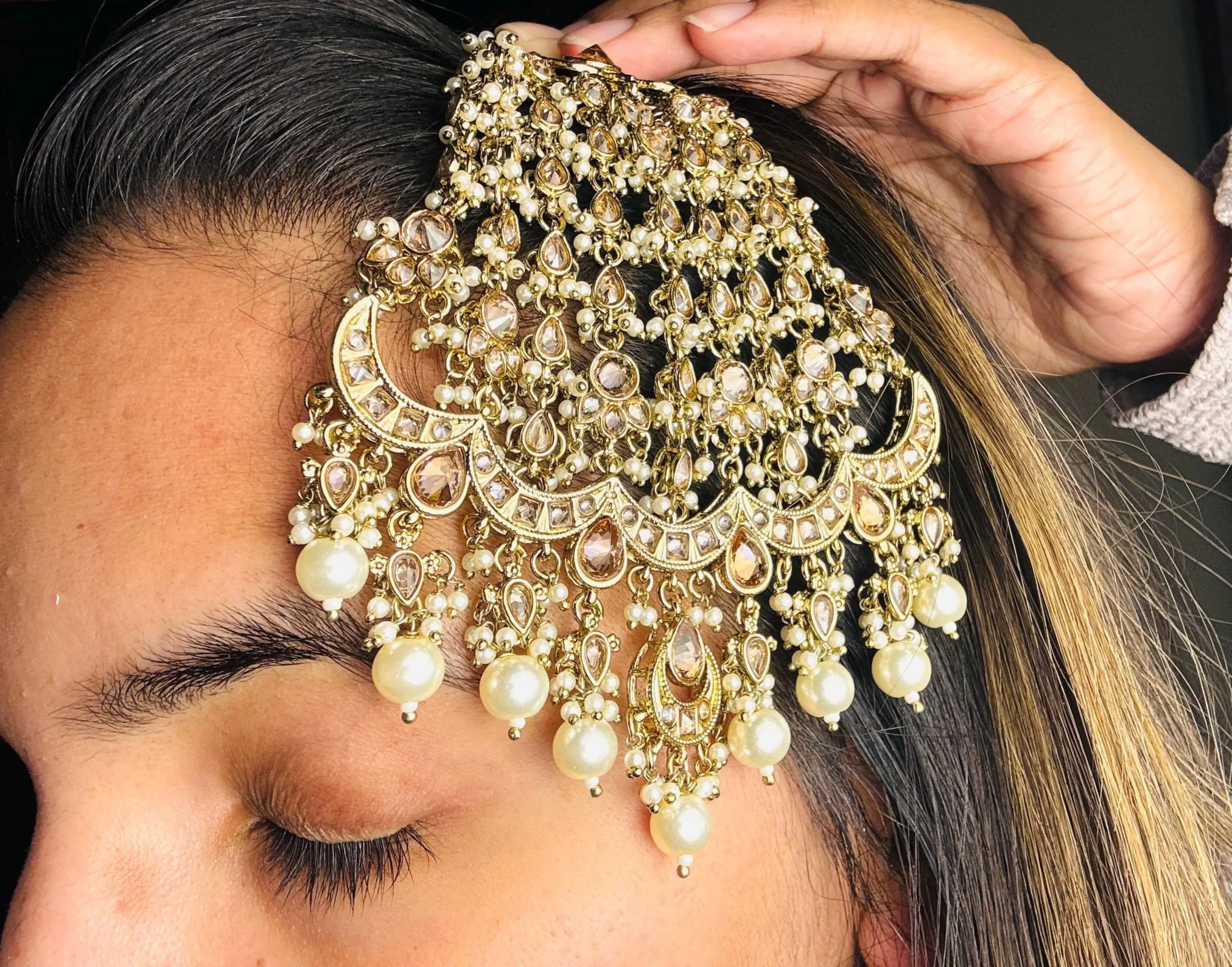
Kundan Maang Tikka
A Kundan Maang Tikka is a forehead ornament that adds traditional elegance. It may feature a central floral motif, pearls, coloured stones, or intricate gold detailing.
Kundan Hath Panja
Kundan Hath Panja designs connect a wrist bracelet to one or more finger rings through decorative chains. They are especially attractive when worn with traditional bridal bangles.
How to Style Kundan Jewellery
Kundan jewellery pairs beautifully with:
- Red and maroon bridal lehengas.
- Gold and champagne wedding dresses.
- Traditional embroidered ghararas.
- Deep green and emerald bridal outfits.
- Ivory and antique-gold ensembles.
For a balanced appearance, brides can combine a Kundan choker with matching earrings and a simple forehead ornament. If the necklace is particularly elaborate, keeping the remaining accessories coordinated rather than equally heavy can create a more elegant result.
3. Polki Jewellery: The Beauty of Uncut Diamonds
Polki jewellery is another luxurious choice for brides who appreciate traditional craftsmanship and understated royal elegance.Polki generally refers to jewellery featuring uncut, natural diamonds. Unlike conventionally faceted diamonds, Polki stones retain a more natural appearance, giving the jewellery an antique and distinctive character.
Polki jewellery is particularly admired for its soft sparkle, irregular stone shapes, and traditional settings. It is often combined with pearls, gold, enamel work, and coloured gemstones.
Popular Polki Bridal Jewellery Designs
Polki Bridal Necklace
A Polki necklace is a statement accessory that can instantly elevate a bridal outfit. It may feature large uncut stones arranged in floral, circular, or symmetrical patterns. Some designs include multiple rows of Polki stones, while others feature a central pendant surrounded by smaller gemstones.
Polki Choker Sets
Polki chokers are popular among brides who want a luxurious neckline. Their traditional appearance works beautifully with both classic and contemporary bridal dresses.
Polki Rani Haar
A long Polki Rani Haar creates a regal appearance and can be paired with a matching choker. This combination is particularly suitable for brides who prefer layered jewellery.
Polki Earrings
Polki earrings are available in traditional Jhumka, Chandbali, chandelier, and drop designs. They can be worn with matching necklaces or as statement accessories.
Polki Maang Tikka and Jhoomar
Polki forehead ornaments create a coordinated royal bridal appearance. A matching Jhoomar adds further elegance, especially when worn on the side of the forehead.
Kundan vs Polki: What Is the Difference?
Although Kundan and Polki jewellery can look similar, they are not exactly the same. Kundan describes a traditional gemstone-setting technique, while Polki refers to jewellery made with uncut diamonds. Their materials, craftsmanship, and overall appearance can differ.
Kundan jewellery may feature coloured glass, gemstones, or other decorative stones, whereas authentic Polki jewellery uses uncut natural diamonds. Both styles can create a beautiful traditional bridal appearance. The best choice depends on the bride’s preferred finish, budget, and overall wedding outfit.


4. Navratan Jewellery: Nine Gemstones with Traditional Significance
Navratan, also written as Navaratna, is a traditional jewellery style featuring nine gemstones. The word Navratan comes from two Sanskrit-derived terms: Nava, meaning nine, and Ratna, meaning gems. Traditionally, Navratan jewellery features nine different gemstones associated in certain South Asian traditions with the nine celestial bodies, or Navagraha.
These stones are commonly represented as:
- Ruby – associated with the Sun.
- Pearl – associated with the Moon.
- Red Coral – associated with Mars.
- Emerald – associated with Mercury.
- Yellow Sapphire – associated with Jupiter.
- Diamond – associated with Venus.
- Blue Sapphire – associated with Saturn.
- Hessonite Garnet – associated with Rahu.
- Cat’s Eye – associated with Ketu.
The traditional associations vary across cultural and astrological traditions. Their inclusion in jewellery is primarily valued for the colourful appearance and historical symbolism.
Popular Navratan Bridal Designs
Navratan Necklace
A Navratan necklace features a combination of nine gemstones arranged in a decorative pattern. It may be designed as a traditional pendant necklace or a more elaborate statement piece.
Navratan Choker
A Navratan choker is suitable for brides who want colourful jewellery that stands out against a relatively simple wedding dress.
Navratan Earrings
Navratan earrings can feature all nine stones or use a colourful gemstone-inspired arrangement. Traditional drop earrings and Jhumkas are particularly attractive options.
Navratan Rings
Navratan rings are popular statement accessories. They can be worn individually or coordinated with a complete necklace set.
Navratan Maang Tikka
A Navratan Maang Tikka introduces multiple gemstone colours into the bridal hairstyle and forehead area.
How to Style Navratan Jewellery
Navratan jewellery works particularly well with traditional Pakistani bridal clothing because of its colourful appearance. It can complement:
- Red and gold bridal dresses.
- Green and maroon lehengas.
- Mustard and antique-gold outfits.
- Multicoloured Mehndi dresses.
- Traditional silk and velvet ensembles.
Because Navratan jewellery already contains several colours, brides should coordinate the outfit carefully to avoid visual competition.
5. Zircon Jewellery: Modern Sparkle for Contemporary Brides
Zircon jewellery is an attractive option for Pakistani brides who want a sparkling appearance without necessarily choosing traditional heavy gold jewellery. Natural zircon is a gemstone, while cubic zirconia is a laboratory-created gemstone simulant commonly used in fashion and bridal jewellery. The terms are sometimes used interchangeably in jewellery marketing, so buyers should confirm exactly which material is being offered.
Zircon and cubic zirconia jewellery are appreciated for their brilliance, reflective appearance, and versatility. In contemporary Pakistani bridal fashion, white-stone jewellery is especially popular for Walima ceremonies, engagement functions, and modern bridal looks.
Popular Zircon Bridal Jewellery Designs
Zircon Necklace Sets
Zircon necklaces can feature delicate chains, elaborate stone arrangements, floral patterns, or large central pendants. They are available in silver, white-gold-coloured, and gold-plated finishes.
Zircon Choker
A Zircon choker is a beautiful choice for brides wearing modern gowns, ivory dresses, pastel lehengas, or elegant Walima outfits.
Zircon Earrings
Popular designs include:
- Zircon stud earrings.
- Long drop earrings.
- Chandbali-inspired designs.
- Floral stone earrings.
- Statement chandelier earrings.
Zircon Maang Tikka
A delicate Zircon Maang Tikka can add sparkle without overpowering the bridal hairstyle.
Zircon Bangles and Rings
Zircon bangles and rings can be coordinated with the necklace and earrings to create a complete bridal set.
When Should Brides Choose Zircon Jewellery?
Zircon jewellery is particularly suitable for:
- Walima receptions.
- Engagement ceremonies.
- Pastel bridal outfits.
- White and silver wedding dresses.
- Contemporary fusion bridal fashion.
- Brides who prefer lighter-looking jewellery.
For a sophisticated appearance, brides can choose a Zircon necklace with matching earrings and a delicate bracelet rather than wearing too many large accessories.


6. Hyderabadi Bridal Jewellery: A Heritage-Inspired Royal Look
Hyderabadi jewellery is admired for its distinctive craftsmanship, rich heritage, and traditional royal appearance. Its historical associations are often linked with the jewellery traditions of the Deccan and the former princely state of Hyderabad. The style is known for elaborate designs, pearls, precious stones, and detailed gold work.
For Pakistani brides who appreciate traditional and vintage-inspired fashion, Hyderabadi jewellery offers a distinctive alternative to more familiar bridal sets.
Popular Hyderabadi Jewellery Designs
Hyderabadi Necklace Sets
Hyderabadi necklaces may feature pearls, gold detailing, coloured stones, and elaborate traditional patterns. Some designs are inspired by historic court jewellery, while contemporary versions adapt these details for modern wedding outfits.
Satlada Necklace
Satlada is a traditional multi-strand necklace associated with Hyderabadi jewellery traditions. It commonly features several strings of pearls, sometimes combined with gemstones or decorative gold elements. Its layered appearance makes it a beautiful statement piece for brides who prefer a traditional royal look.
Hyderabadi Jhumkas
Traditional Hyderabadi Jhumkas feature detailed metalwork and decorative hanging elements. Pearl embellishments are also common in many designs.
Hyderabadi Earrings
Large earrings with pearl drops and intricate motifs can create a beautiful vintage-inspired bridal appearance.
Pearl Jewellery
Pearls are strongly associated with Hyderabad’s historic jewellery identity. Pearl necklaces and earrings can complement ivory, champagne, gold, and pastel bridal dresses.
How to Style Hyderabadi Jewellery
Hyderabadi jewellery looks especially beautiful with:
- Ivory and gold bridal dresses.
- Traditional red and maroon lehengas.
- Antique-gold wedding outfits.
- Pearl-embellished bridal clothing.
- Traditional ghararas and shararas.
A layered pearl necklace paired with statement earrings creates a classic appearance. Brides can also add a Jhoomar or traditional forehead ornament for a more elaborate bridal look.
7. Rajwadi Bridal Jewellery: Traditional Royal Elegance
Rajwadi jewellery is inspired by the royal jewellery traditions associated with Rajasthan and other historic royal courts of the subcontinent. The word Rajwadi is commonly used in fashion to describe jewellery with a regal, traditional, and elaborate appearance.
Rajwadi jewellery is particularly attractive for brides who love antique gold finishes, large necklaces, detailed craftsmanship, and traditional gemstone arrangements.
Popular Rajwadi Jewellery Designs
Rajwadi Necklace Sets
Rajwadi necklaces are often designed with elaborate gold patterns, decorative stones, pearls, and traditional motifs.
They can be worn as individual statement necklaces or combined with a longer necklace for a layered bridal look.
Rajwadi Choker
A Rajwadi choker creates a traditional royal neckline. Its intricate appearance makes it suitable for heavily embroidered wedding dresses.
Rajwadi Jhumkas
Rajwadi Jhumkas are often large and decorative. Their traditional bell-shaped appearance complements classic bridal hairstyles.
Rajwadi Nath
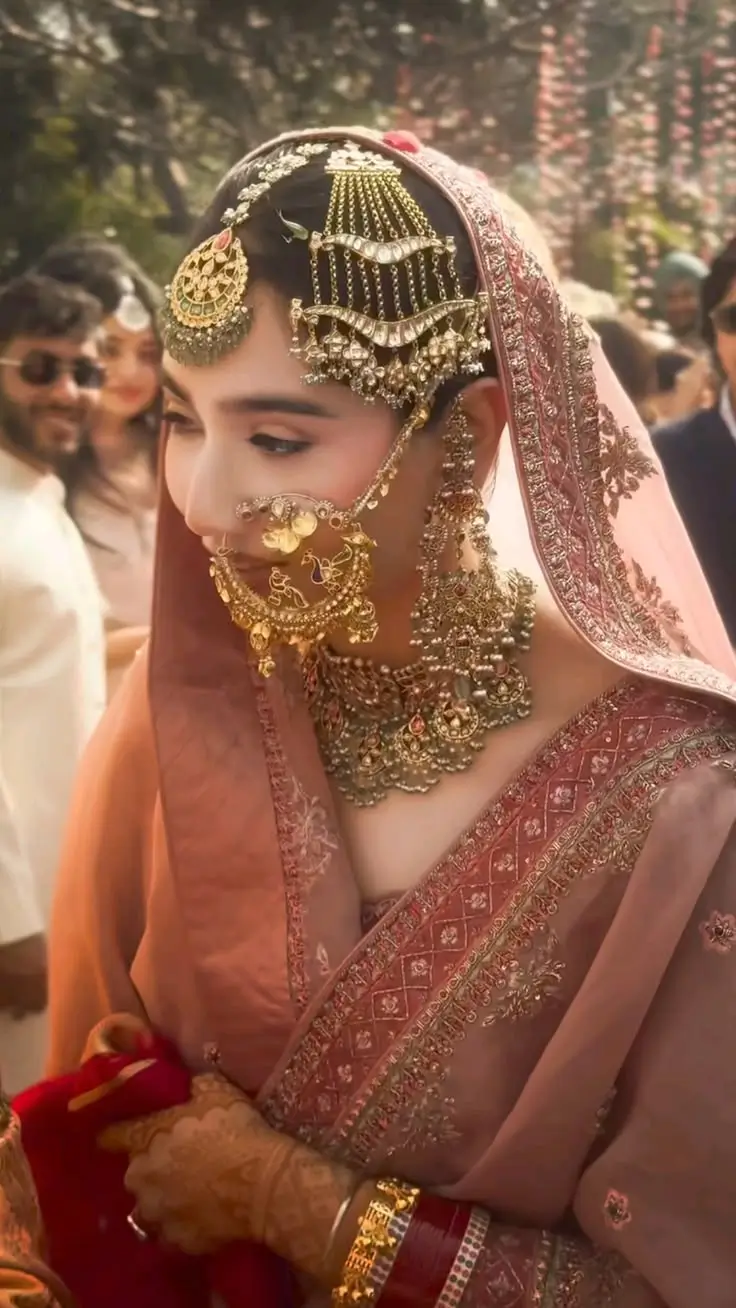
A Rajwadi Nath is a statement nose ornament that may feature pearls, stones, and decorative chains.
Rajwadi Maang Tikka and Jhoomar
These forehead ornaments complete the traditional royal appearance. They are particularly suitable for brides who want a dramatic and heritage-inspired look.
Hyderabadi vs Rajwadi Jewellery
Both Hyderabadi and Rajwadi jewellery are associated with royal-inspired aesthetics, but their visual characteristics can differ. Hyderabadi jewellery is particularly recognised for pearl-rich designs, layered pearl necklaces, and Deccan-inspired craftsmanship.
Rajwadi jewellery is commonly associated with elaborate gold work, traditional gemstone settings, antique finishes, and bold royal motifs. Both styles can be adapted to Pakistani bridal fashion, depending on the wedding dress and the bride’s preferred aesthetic.

8. Jhoomar: The Traditional Bridal Forehead Ornament
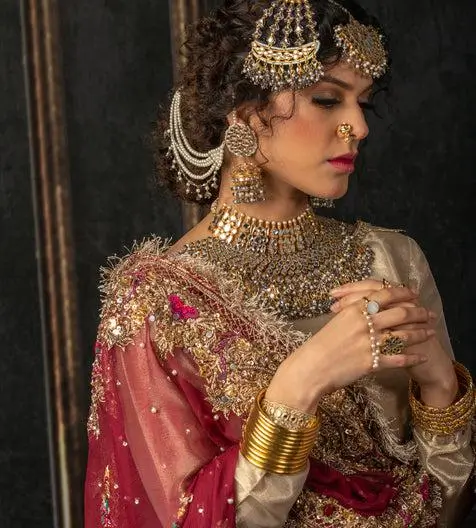
A Jhoomar, also known as a Passa in some regional traditions, is a distinctive forehead ornament worn on the side of the head. It is one of the most recognisable accessories in traditional Pakistani bridal jewellery and is particularly popular among brides who want a regal and culturally inspired appearance.
Unlike a central Maang Tikka, which hangs along the middle parting of the hair, a Jhoomar is generally positioned on one side of the forehead. Jhoomars may feature pearls, Kundan stones, Polki settings, Zircon, gold detailing, and decorative chains.
Different Types of Bridal Jhoomar
Kundan Jhoomar
A Kundan Jhoomar features traditional stone settings and intricate decorative work. It pairs beautifully with Kundan necklaces and earrings.
Polki Jhoomar
Polki Jhoomars use uncut diamond elements to create an antique and luxurious appearance.
Pearl Jhoomar
Pearl Jhoomars offer a softer and more delicate look. They are particularly attractive with traditional gold and ivory bridal outfits.
Hyderabadi Jhoomar
Hyderabadi-inspired Jhoomars may include pearl strings and elaborate traditional detailing.
Zircon Jhoomar
Zircon Jhoomars are suitable for brides who prefer sparkling white-stone accessories.
Jhoomar vs Maang Tikka
A Maang Tikka is traditionally worn in the centre of the forehead, attached along the hair parting.
A Jhoomar is positioned on the side of the forehead, usually near the temple.
Some brides wear both accessories together, creating a traditional and elaborate bridal appearance. However, the hairstyle, face shape, and overall jewellery design should be considered before combining them.
Styling Tips for Jhoomar
A Jhoomar looks beautiful with:
- Traditional red bridal lehengas.
- Heavy Kundan jewellery.
- Polki necklace sets.
- Hyderabadi pearl jewellery.
- Traditional ghararas and shararas.
Brides should ensure that the Jhoomar is securely attached and does not cause discomfort during the wedding ceremony.
9. Rani Haar: The Queen’s Necklace for a Royal Bridal Look
The Rani Haar, literally translated as the Queen’s Necklace, is a long traditional necklace that has become an important part of royal-inspired bridal fashion. It is known for its length, elegant structure, and statement-making appearance.
Unlike a choker, which sits close to the neck, a Rani Haar usually extends further down the chest. This makes it ideal for creating a layered jewellery look. In Pakistani bridal fashion, Rani Haar designs are available in gold, Kundan, Polki, pearl, gemstone, and Zircon variations.
Popular Types of Rani Haar
Traditional Gold Rani Haar
A gold Rani Haar features elaborate metalwork and traditional patterns. It is a beautiful choice for brides who prefer classic gold jewellery.
Kundan Rani Haar
Kundan Rani Haar designs feature decorative stones and intricate traditional settings.
Polki Rani Haar
Polki Rani Haar designs are particularly attractive for brides who want a luxurious antique-inspired appearance.
Pearl Rani Haar
Pearl Rani Haar designs create a sophisticated appearance and can be worn with ivory, gold, and pastel wedding outfits.
Navratan Rani Haar
Navratan-inspired long necklaces feature colourful gemstone arrangements, making them suitable for brides who love vibrant traditional jewellery.
Multi-Layered Rani Haar
Some designs feature multiple necklace strands or layered decorative elements to create a grand royal effect.
How to Wear a Rani Haar
The Rani Haar can be worn alone as a statement piece or paired with a shorter necklace.
One of the most popular combinations is:
- A traditional Kundan or Polki choker.
- A long Rani Haar.
- Matching statement earrings.
- A Maang Tikka or Jhoomar.
This combination creates depth and visual balance around the neckline. Brides should consider the neckline of their wedding dress. A Rani Haar looks particularly beautiful over outfits with open necklines, deep-neck blouses, and traditional embroidered bodices.

10. Hath Panja: The Traditional Bridal Hand Harness
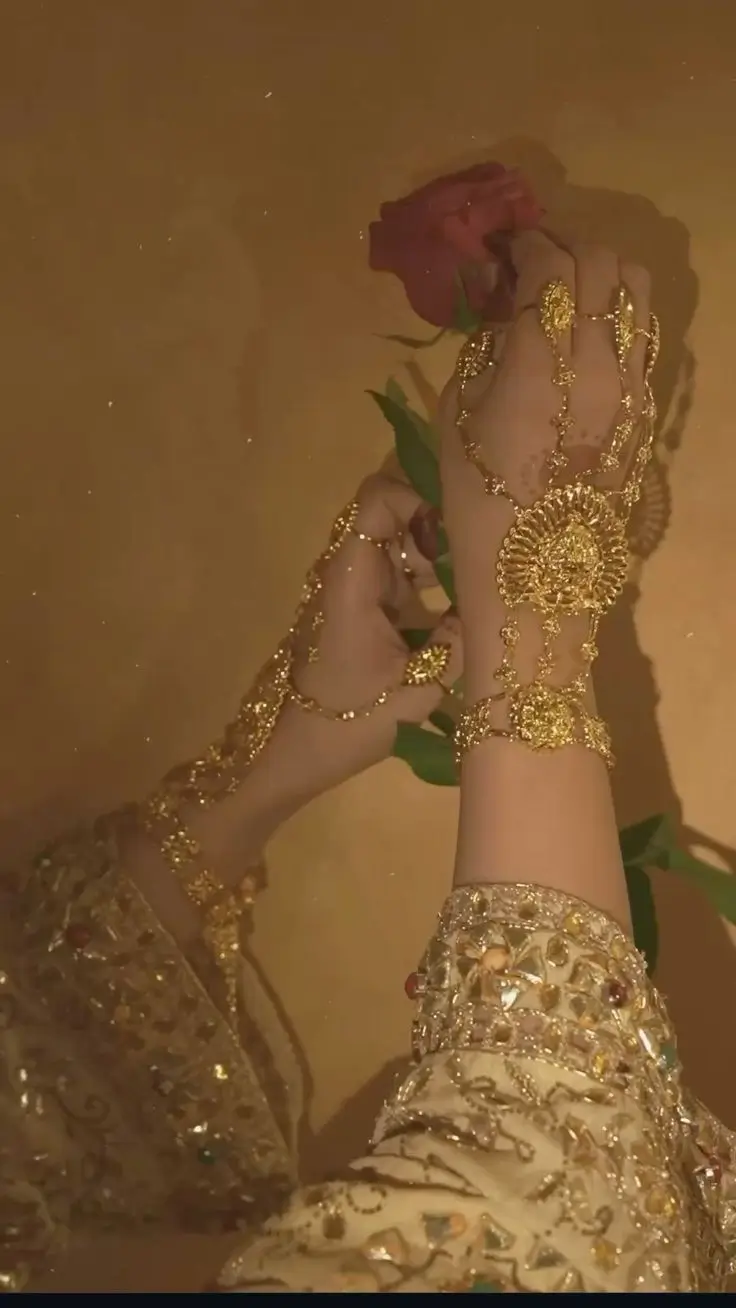
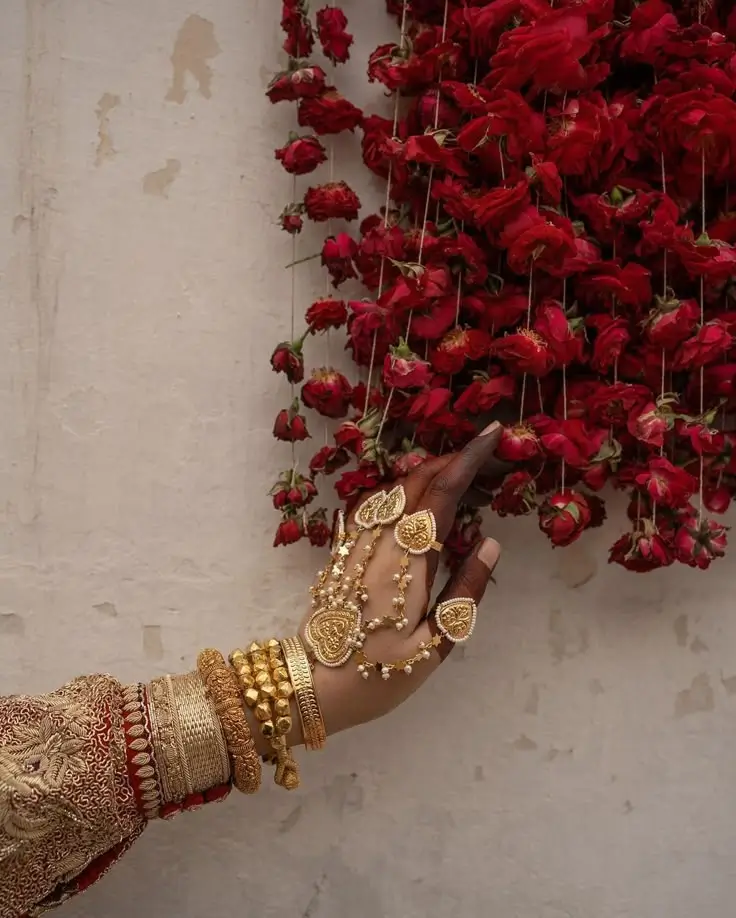
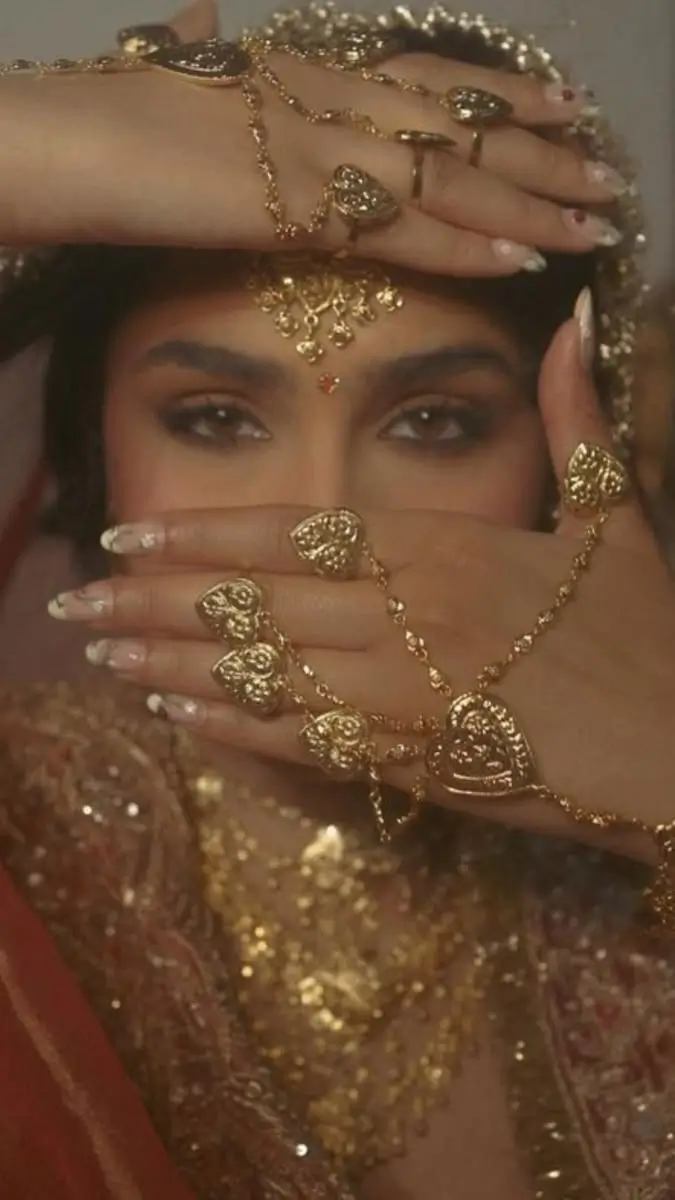
Hath Panja, also written as Haath Panja, is an important traditional hand ornament in South Asian bridal jewellery. It is also known as Haath Phool, meaning hand flower.
In English, this jewellery piece is commonly called a hand harness, hand chain, or hand flower. A Hath Panja generally consists of a decorative wrist ornament connected to one or more finger rings through delicate chains. Depending on the design, it may cover the back of the hand with one central decorative motif or several interconnected chains. Pakistani brides love Hath Panja because it highlights the hands, especially when they are decorated with Mehndi.
Different Types of Hath Panja
Kundan Hath Panja
Kundan Hath Panja designs feature decorative stones and traditional settings. They are ideal for brides wearing Kundan necklace sets.
Polki Hath Panja
Polki-inspired hand harnesses feature uncut diamond elements and antique-style details.
Pearl Hath Panja
Pearl designs offer a delicate appearance and complement traditional gold and ivory bridal outfits.
Zircon Hath Panja
Zircon hand harnesses are suitable for brides who prefer a sparkling contemporary finish.
Traditional Gold Hath Panja
Gold Hath Panja designs are classic options for brides who prefer traditional jewellery.
Multi-Finger Hath Panja
These designs connect the wrist ornament to several finger rings, creating a more elaborate appearance.
Hath Panja vs Haath Phool
The terms Hath Panja and Haath Phool are often used interchangeably in bridal jewellery shopping. Both describe decorative hand jewellery that connects a wrist ornament to one or more finger rings through chains. The exact design and naming can vary by region and jewellery seller.
Styling Hath Panja with Bridal Jewellery
Hath Panja looks particularly attractive with:
- Traditional bridal bangles.
- Kundan or Polki sets.
- Red and gold wedding dresses.
- Elaborate Mehndi designs.
- Traditional rings and bracelets.
Brides should check that the chains allow comfortable finger movement. The hand harness should fit securely without pulling on the fingers or wrist.
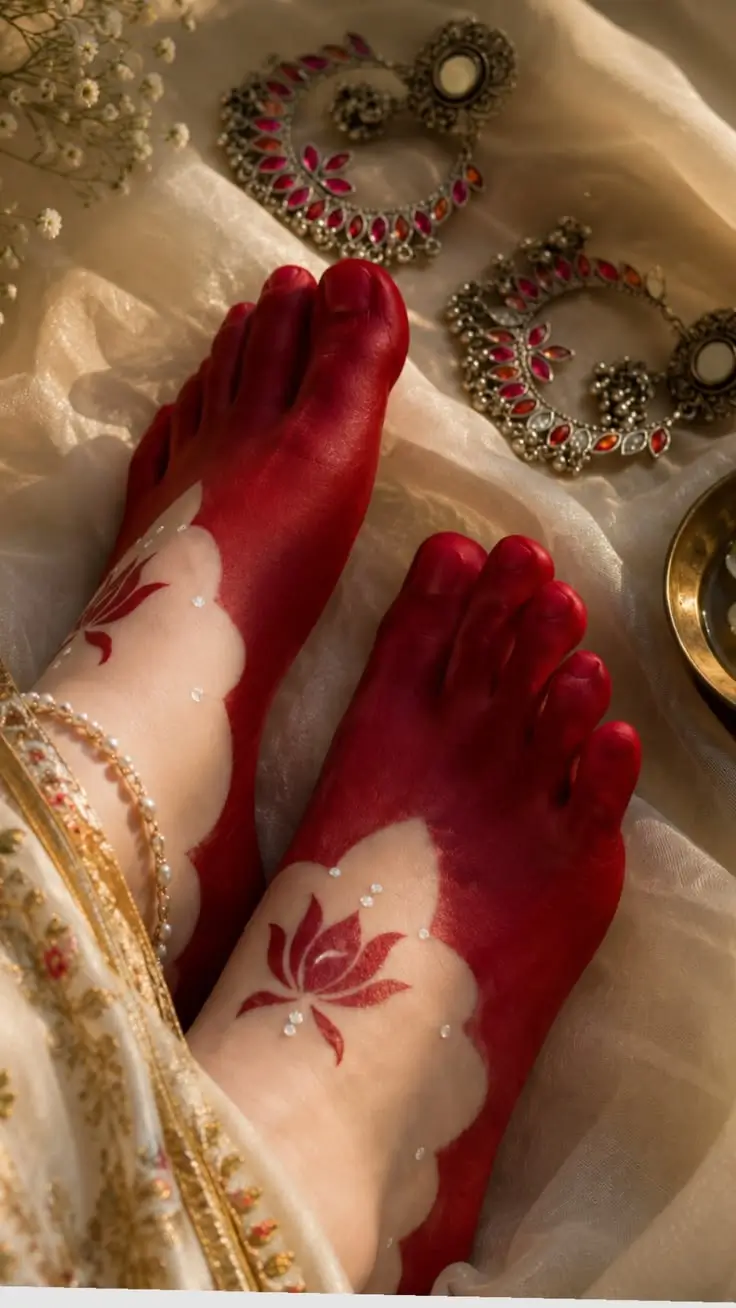
11. Pazaib: Traditional Bridal Anklets
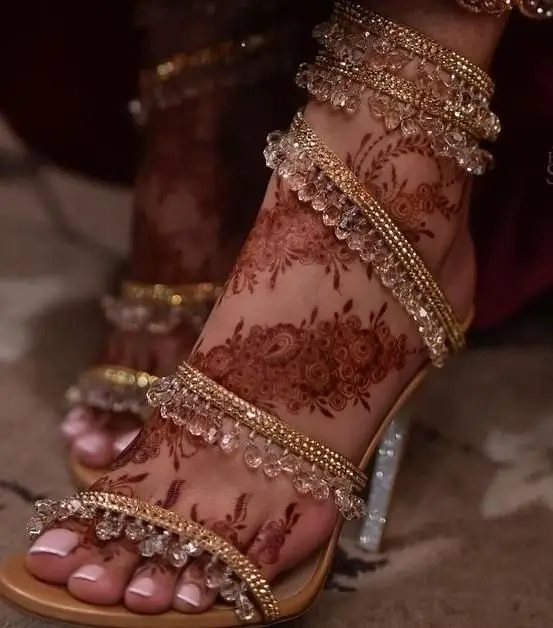
Pazaib, also commonly spelled Payal or Paayal, is a traditional anklet worn around the ankle. It is an important accessory in South Asian bridal jewellery and is particularly popular for traditional wedding outfits. Pazaib designs range from delicate chains to elaborate anklets decorated with bells, pearls, stones, and traditional motifs. In Pakistani bridal fashion, Pazaib is often selected to complement the bride’s footwear, Mehndi, and overall jewellery theme.
Popular Pazaib Designs
Traditional Silver Pazaib
Silver Pazaib is a classic choice and is available in delicate as well as elaborate designs.
Gold-Plated Pazaib
Gold-plated anklets offer a warm metallic appearance that can complement gold bridal jewellery.
Pearl Pazaib
Pearl anklets create a soft and feminine look and are especially attractive with pastel and ivory wedding dresses.
Stone-Studded Pazaib
These anklets feature decorative stones, crystals, or Zircon embellishments.
Traditional Bell Pazaib
Some Pazaib designs include small hanging bells that create a delicate sound while walking.
Minimal Bridal Pazaib
Modern brides may prefer lightweight anklets with simple chains and subtle decorative details.
How to Choose Pazaib for Your Wedding
When choosing Pazaib, brides should consider:
- The type of bridal footwear.
- The length and style of the wedding dress.
- Whether the anklet is comfortable for extended wear.
- The metal finish of the other jewellery.
- Whether the design may catch on the outfit.
For heavily embroidered lehengas, a delicate Pazaib can add elegance without competing with the dress.
12. Other Essential Pakistani Bridal Jewellery Pieces
Although necklaces, Jhoomars, Hath Panja, and Pazaib receive considerable attention, a complete bridal jewellery collection includes several other traditional ornaments.
Maang Tikka
A Maang Tikka is a forehead ornament that hangs from the centre parting of the hair. It usually consists of a decorative pendant connected to a chain that rests along the hair parting. Popular designs include:
- Kundan Maang Tikka.
- Polki Maang Tikka.
- Pearl Maang Tikka.
- Zircon Maang Tikka.
- Traditional gold Maang Tikka.
A Maang Tikka is particularly beautiful with centre-parted bridal hairstyles.
Matha Patti
Matha Patti is a decorative forehead accessory that generally features one or more chains extending along the hairline. It creates a more elaborate appearance than a simple Maang Tikka and is popular among brides who prefer traditional royal styling.
Nath: The Bridal Nose Ring
Nath is a traditional nose ornament worn by many Pakistani brides. It may be a small nose ring or a larger circular ornament, sometimes connected to the ear through a decorative chain.
Nath designs can include:
- Gold Nath.
- Kundan Nath.
- Pearl Nath.
- Polki Nath.
- Stone-studded Nath.
The size and weight should be considered carefully to ensure comfort throughout the wedding ceremony.
Jhumkas
Jhumkas are bell-shaped traditional earrings that are popular in Pakistani bridal fashion. They can feature gold work, Kundan stones, pearls, Zircon, or colourful gemstones. Large Jhumkas pair particularly well with traditional lehengas, ghararas, and shararas.
Chandbali Earrings
Chandbali earrings feature a crescent-shaped design inspired by the moon. They are popular for their decorative appearance and can be worn with traditional and contemporary wedding outfits.
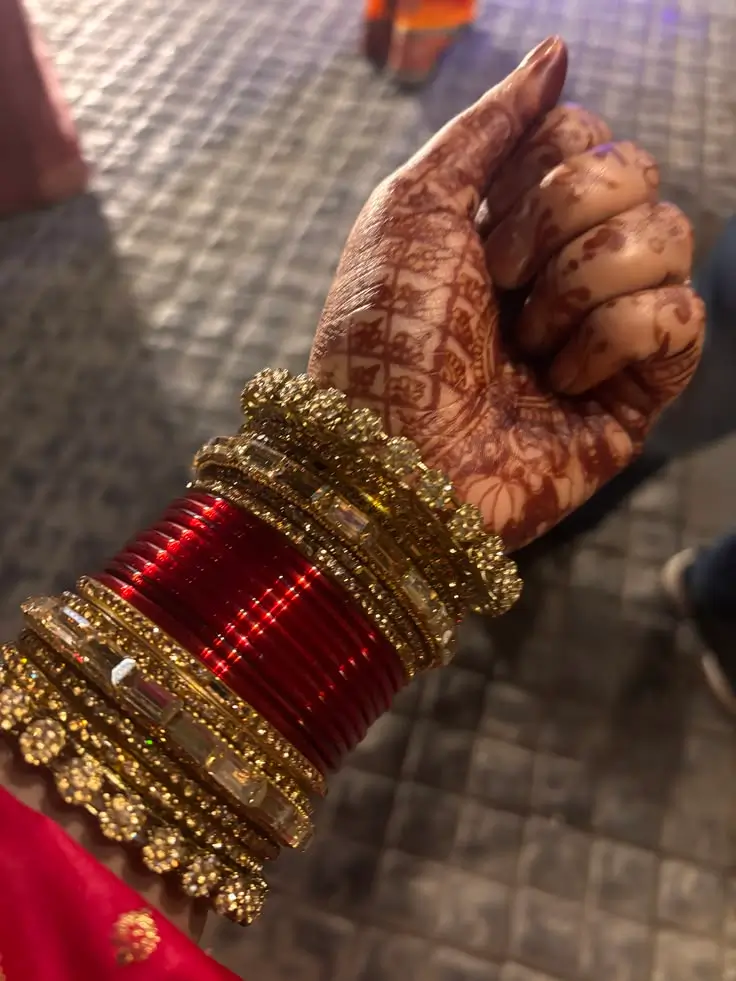
Bangles and Chooriyan
Bangles and Chooriyan are essential accessories for many Pakistani brides. Traditional red, green, gold, and ivory bangles are often selected to complement the wedding dress. Popular options include:
- Gold bangles.
- Kundan bangles.
- Stone-studded bangles.
- Pearl bangles.
- Glass Chooriyan.
- Traditional bridal Kangan.
Bazuband: The Traditional Armlet
A Bazuband is an ornamental accessory worn around the upper arm. It can be decorated with pearls, gold detailing, gemstones, and traditional motifs. Bazuband designs are particularly suitable for sleeveless or short-sleeved bridal outfits.
Rings and Bridal Hand Jewellery
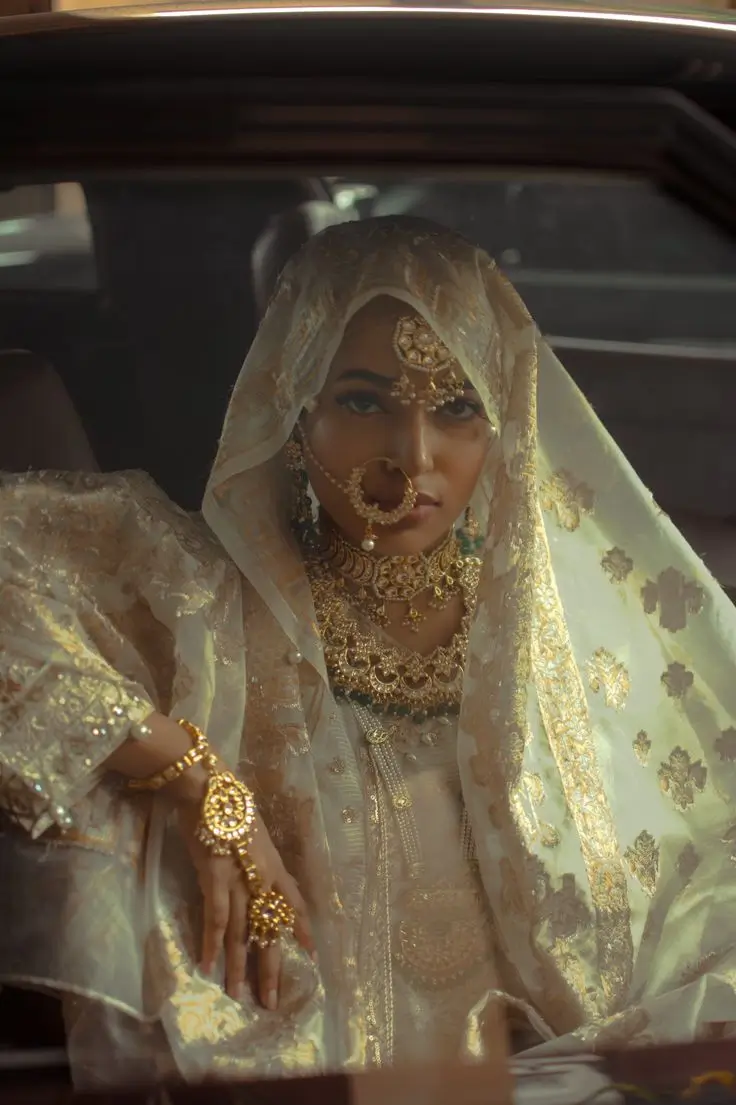
Bridal rings are available in traditional gold, Kundan, Polki, Navratan, and Zircon designs. Some brides prefer a statement ring, while others select matching rings that coordinate with their Hath Panja and bangles.
13. Choosing Bridal Jewellery According to Your Wedding Dress
One of the most important considerations when selecting bridal jewellery is the wedding dress. The jewellery should complement the outfit rather than compete with it.
Red Bridal Dress
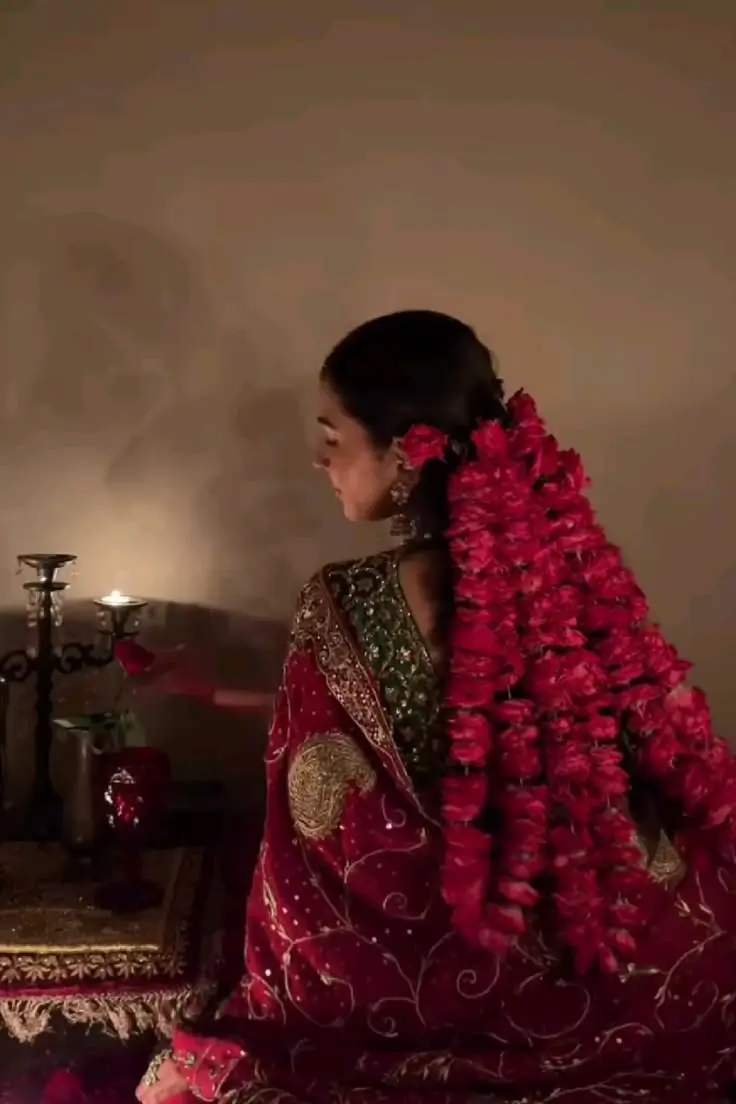
Red remains one of the most recognisable colours in traditional Pakistani bridal fashion. Kundan, Polki, antique gold, and Rajwadi-inspired jewellery look particularly beautiful with red lehengas and ghararas. A classic combination includes a heavy Kundan necklace, matching Jhumkas, a Jhoomar, and a traditional Nath.
Maroon Bridal Dress
Maroon creates a rich and sophisticated bridal appearance. Gold, antique Kundan, Polki, and Navratan jewellery can add depth and elegance to a maroon outfit.
Green Bridal Dress
Green outfits work beautifully with gold, Kundan, Polki, and colourful gemstone jewellery. Emerald-inspired accessories can create a coordinated appearance.
Ivory and Champagne Bridal Dress
Ivory and champagne dresses offer an elegant background for pearl, Hyderabadi, Polki, and Zircon jewellery. Brides who prefer a soft and sophisticated appearance can choose pearl necklaces and delicate earrings.
Pink and Pastel Bridal Dress
Pastel bridal outfits are particularly popular for contemporary weddings. Rose-gold finishes, Zircon jewellery, pearls, and delicate Kundan sets can complement these colours beautifully.
Gold Bridal Dress
Gold outfits can be styled with antique gold jewellery, Polki, Kundan, and pearl accessories. The key is to select jewellery with a finish that complements the embroidery and embellishments.
14. Pakistani Bridal Jewellery for Different Wedding Functions
A Pakistani wedding typically includes several functions, each with its own styling requirements.
Mehndi Jewellery
Mehndi is usually associated with vibrant colours, traditional celebrations, and joyful styling. Popular jewellery choices include:
- Floral jewellery.
- Colourful earrings.
- Lightweight Hath Panja.
- Multicoloured bangles.
- Pearl accessories.
- Lightweight necklaces.
Brides can experiment with playful designs and colourful combinations.
Mayun Jewellery
Mayun is often styled with simple and traditional accessories. Floral ornaments, lightweight earrings, delicate necklaces, and colourful bangles are suitable options.
Baraat Jewellery
Baraat is traditionally the main bridal event, making it the perfect occasion for statement jewellery. Popular choices include:
- Kundan bridal sets.
- Polki necklaces.
- Navratan jewellery.
- Rajwadi-inspired designs.
- Jhoomar.
- Nath.
- Rani Haar.
- Hath Panja.
- Pazaib.
The combination should be coordinated with the bride’s dress and personal style.
Walima Jewellery
Walima styling often features lighter colours and refined accessories. Popular jewellery options include:
- Zircon necklace sets.
- Diamond-inspired earrings.
- Pearl necklaces.
- Delicate chokers.
- Elegant rings.
- Subtle bracelets.
A bride can choose one statement accessory and keep the remaining jewellery simple.
15. How to Create a Complete Pakistani Bridal Jewellery Set
Creating a coordinated bridal jewellery collection requires careful planning. Instead of selecting every jewellery item separately, brides should consider how all the pieces will look together. A complete bridal jewellery set may include the following:
Necklace: Choose a choker, medium-length necklace, or Rani Haar.
Earrings: Select matching Jhumkas, Chandbalis, or statement earrings.
Forehead Ornament: Choose a Maang Tikka, Matha Patti, or Jhoomar.
Nose Jewellery: Add a Nath if it complements the bridal look.
Hand Jewellery: Select bangles, rings, Hath Panja, or a bracelet.
Arm Jewellery: Consider a Bajuband for a traditional appearance.
Anklets: Complete the look with Pazaib.
The overall goal is to create harmony between the jewellery, clothing, makeup, hairstyle, and footwear.
16. Traditional vs Modern Pakistani Bridal Jewellery
Pakistani bridal fashion continues to evolve, combining traditional craftsmanship with modern design preferences.
Traditional Bridal Jewellery
Traditional jewellery is generally associated with elaborate detailing, antique finishes, cultural motifs, and heavier designs. Popular traditional choices include:
- Kundan sets.
- Polki jewellery.
- Traditional gold necklaces.
- Hyderabadi pearl jewellery.
- Rajwadi-inspired ornaments.
- Heavy Jhoomars.
- Traditional Hath Panja.
These pieces are particularly suitable for brides who appreciate heritage-inspired fashion.
Modern Bridal Jewellery
Modern bridal jewellery often features lighter designs, refined finishes, and versatile accessories.
Popular modern choices include:
- Zircon necklaces.
- Minimalist earrings.
- Delicate pearl jewellery.
- Contemporary chokers.
- Lightweight hand harnesses.
- Simple gold-plated accessories.
Modern jewellery is particularly suitable for engagement ceremonies, Walima receptions, and brides who prefer understated elegance.
Fusion Bridal Jewellery
Fusion jewellery combines traditional and contemporary design elements. For example, a bride may wear a traditional Kundan choker with modern Zircon earrings or combine a pearl Rani Haar with a contemporary bridal gown. The beauty of fusion styling is that it allows brides to honour traditional jewellery customs while expressing their individual fashion preferences.
17. How to Choose the Right Bridal Jewellery
Selecting bridal jewellery can be exciting, but the wide variety of designs can also make the process challenging. The following considerations can make the decision easier.
Consider Your Wedding Outfit
Always select jewellery that complements the colour, neckline, embroidery, and overall style of the wedding dress. A heavily embroidered outfit may look better with carefully selected statement pieces, while a simpler dress can accommodate more elaborate jewellery.
Consider Your Face Shape
Different earrings and forehead ornaments can create different visual effects. Round earrings, elongated drops, Chandbalis, and statement Jhumkas can all complement different facial features. The best approach is to try different designs before making a final decision.
Consider Your Hairstyle
Your hairstyle can influence the choice of Jhoomar, Maang Tikka, and earrings. A centre-parted hairstyle can beautifully highlight a Maang Tikka, while a side-parted style may complement a Jhoomar.
Consider Comfort and Weight
Bridal jewellery is often worn for several hours. Heavy necklaces, earrings, Nath, and hand ornaments can become uncomfortable if they are not properly fitted. Always try the complete jewellery set before the wedding.
Consider Your Budget
Bridal jewellery is available at different price points. Authentic gold and Polki pieces generally require a larger investment, while artificial Kundan, Zircon, and gold-plated jewellery can offer attractive alternatives. Buyers should compare materials, craftsmanship, finishing, and durability before purchasing.
Coordinate the Metal Finishes
Gold, antique gold, silver, and rose-gold finishes can create different visual effects. For a coordinated traditional appearance, choose finishes that complement one another. However, modern fusion looks can also combine different metallic tones when the combination is intentional.
18. Bridal Jewellery Buying Guide: What to Check Before Purchasing
Before purchasing bridal jewellery, it is important to understand the materials and quality of the pieces.
Check the Material
Ask whether the jewellery is made from real gold, gold-plated metal, silver, or another base material.For gemstone jewellery, confirm whether the stones are natural, laboratory-created, imitation, or glass.
Understand Kundan and Polki Quality
Kundan and Polki jewellery can vary significantly in craftsmanship and material quality. Buyers should ask about the stone type, setting technique, metal composition, and finishing.
Check Zircon Specifications
Confirm whether the jewellery uses natural zircon, cubic zirconia, or another imitation stone. These materials are different and should not be treated as identical.
Examine the Fastenings
Closures, hooks, chains, and clasps should be secure. This is particularly important for long necklaces, Jhoomars, Nath chains, and Hath Panja.
Try the Complete Set
A necklace may look beautiful individually but feel uncomfortable when combined with earrings and forehead ornaments. Try all the pieces together before the wedding.
Ask About Jewellery Care
Different materials require different cleaning and storage methods. Avoid assuming that every type of bridal jewellery can be cleaned using the same products.
19. Bridal Jewellery Care and Storage Tips
Proper jewellery care helps preserve its appearance and protects delicate decorative elements.
Keep Jewellery Dry: Moisture can damage certain plated finishes and affect some decorative materials.
Avoid Perfume Contact: Apply perfume, hairspray, and cosmetics before putting on jewellery.
Store Pieces Separately: Use individual pouches or jewellery boxes to prevent scratches and tangling.
Handle Delicate Chains Carefully: Jhoomar chains, Nath chains, and Hath Panja links should be stored without excessive tension.
Clean According to Material: Follow the manufacturer’s cleaning instructions, particularly for Polki, pearls, plated jewellery, and delicate stones.
Keep Jewellery Away from Heat and Chemicals: Household cleaners and strong chemicals may damage decorative finishes.
Inspect Before the Wedding: Check clasps, hooks, chains, and stone settings a few days before the ceremony.
20. Popular Pakistani Bridal Jewellery Combinations
The following combinations can help brides create different traditional and contemporary appearances.
The Classic Red Bridal Look
- Kundan choker.
- Kundan Rani Haar.
- Matching Jhumkas.
- Jhoomar.
- Traditional Nath.
- Kundan Hath Panja.
- Gold bangles.
- Pazaib.
This combination is ideal for brides who love a traditional and elaborate Baraat appearance.
The Royal Polki Bridal Look
- Polki necklace.
- Long Polki Rani Haar.
- Polki earrings.
- Matching Maang Tikka.
- Polki Hath Panja.
- Statement rings.
This combination creates a luxurious antique-inspired look.
The Colourful Navratan Bridal Look
- Navratan necklace.
- Matching gemstone earrings.
- Navratan ring.
- Coordinated bangles.
- Delicate forehead ornament.
This style is ideal for brides who appreciate colourful traditional jewellery.
The Hyderabadi Pearl Bridal Look
- Multi-strand pearl necklace.
- Satlada-inspired necklace.
- Pearl Jhumkas.
- Pearl Jhoomar.
- Traditional Hath Panja.
This combination is suitable for brides who love vintage-inspired elegance.
The Rajwadi Royal Look
- Elaborate Rajwadi necklace.
- Matching choker.
- Statement Jhumkas.
- Jhoomar.
- Nath.
- Traditional bangles.
- Decorative hand jewellery.
This combination creates a dramatic royal-inspired appearance.
The Modern Zircon Walima Look
- Zircon choker.
- Matching drop earrings.
- Delicate Maang Tikka.
- Minimal bracelet.
- Elegant ring.
- Lightweight Pazaib.
This combination is suitable for brides who prefer modern and sophisticated jewellery.
21. Frequently Asked Questions About Pakistani Bridal Jewellery
What jewellery is traditionally worn by Pakistani brides?
Pakistani brides commonly wear necklaces, chokers, Jhumkas, Maang Tikka, Jhoomar, Nath, bangles, rings, Hath Panja, and Pazaib. The exact combination depends on regional customs, personal preferences, and the wedding outfit.
What is the difference between Kundan and Polki jewellery?
Kundan refers to a traditional gemstone-setting technique, while Polki jewellery features uncut diamonds. Both are popular for their traditional craftsmanship and royal appearance.
What is Navratan jewellery?
Navratan jewellery traditionally features nine gemstones associated with nine celestial bodies in certain South Asian traditions. It is admired for its colourful appearance and cultural symbolism.
What is Zircon jewellery?
Zircon jewellery features natural zircon gemstones or, in some fashion jewellery collections, cubic zirconia. Buyers should confirm which material is being used.
What is a Jhoomar in bridal jewellery?
A Jhoomar is a traditional side forehead ornament worn near the temple. It is particularly popular in Pakistani bridal styling and can be made with pearls, Kundan, Polki, or decorative stones.
What is Rani Haar called in English?
Rani Haar is commonly translated as Queen’s Necklace. It is a long necklace traditionally worn as a statement accessory or layered with a shorter choker.
What is Hath Panja called in English?
Hath Panja, also called Haath Phool, is commonly known as a hand harness, hand chain, or hand flower. It connects a wrist ornament to one or more finger rings through decorative chains.
What is Pazaib called in English?
Pazaib is called an anklet in English. It is a traditional ornament worn around the ankle and is also known as Payal or Paayal.
Which jewellery is best for a red Pakistani bridal dress?
Kundan, Polki, antique gold, and Rajwadi-inspired jewellery are popular choices for red bridal outfits. A Kundan choker with a Rani Haar and matching Jhoomar creates a particularly traditional appearance.
Is Kundan jewellery suitable for Walima?
Yes. Kundan jewellery can be worn for Walima, especially when the design is lightweight and complements the wedding dress.
Which jewellery is best for a modern Pakistani bride?
Zircon, pearl, minimalist gold, and contemporary fusion jewellery are popular options for modern brides. The best choice depends on the outfit and the bride’s preferred style.
Can a bride wear both a Jhoomar and a Maang Tikka?
Yes. A bride can wear both accessories together to create a traditional royal appearance. However, their size, positioning, and design should be coordinated to avoid an overcrowded forehead look.
Can a Rani Haar be worn with a choker?
Yes. Pairing a long Rani Haar with a shorter choker is one of the most popular traditional bridal jewellery combinations.
Is Hath Panja necessary for a bridal look?
No. Hath Panja is an optional accessory. Brides can wear it for a traditional appearance or choose simpler bracelets and rings instead.
Should bridal Pazaib be heavy or lightweight?
Both options are available. Lightweight Pazaib is generally more comfortable for extended wedding functions, while elaborate designs can be chosen for brides who prefer a more traditional appearance.
Conclusion: Celebrate Your Wedding with Timeless Pakistani Bridal Jewellery
Pakistani bridal jewellery is a beautiful combination of culture, craftsmanship, personal expression, and timeless fashion. From the traditional elegance of Kundan and Polki to the colourful beauty of Navratan and the sparkling appearance of Zircon, every jewellery style offers something unique.
Hyderabadi and Rajwadi designs bring royal heritage into contemporary bridal fashion, while accessories such as Jhoomar, Rani Haar, Hath Panja, and Pazaib complete the traditional bridal ensemble. A beautiful bridal appearance does not necessarily require wearing every jewellery piece available. The secret is to select accessories that complement the wedding dress, hairstyle, makeup, and personal style.
Whether you dream of a traditional red Baraat look, a luxurious Polki ensemble, a pearl-inspired Hyderabadi appearance, or a modern Zircon Walima style, the right jewellery can make your wedding day even more memorable. Choose pieces that reflect your personality, celebrate your traditions, and make you feel confident and beautiful. After all, Pakistani bridal jewellery is not simply about looking glamorous; it is about carrying the beauty of tradition into one of life’s most special celebrations.