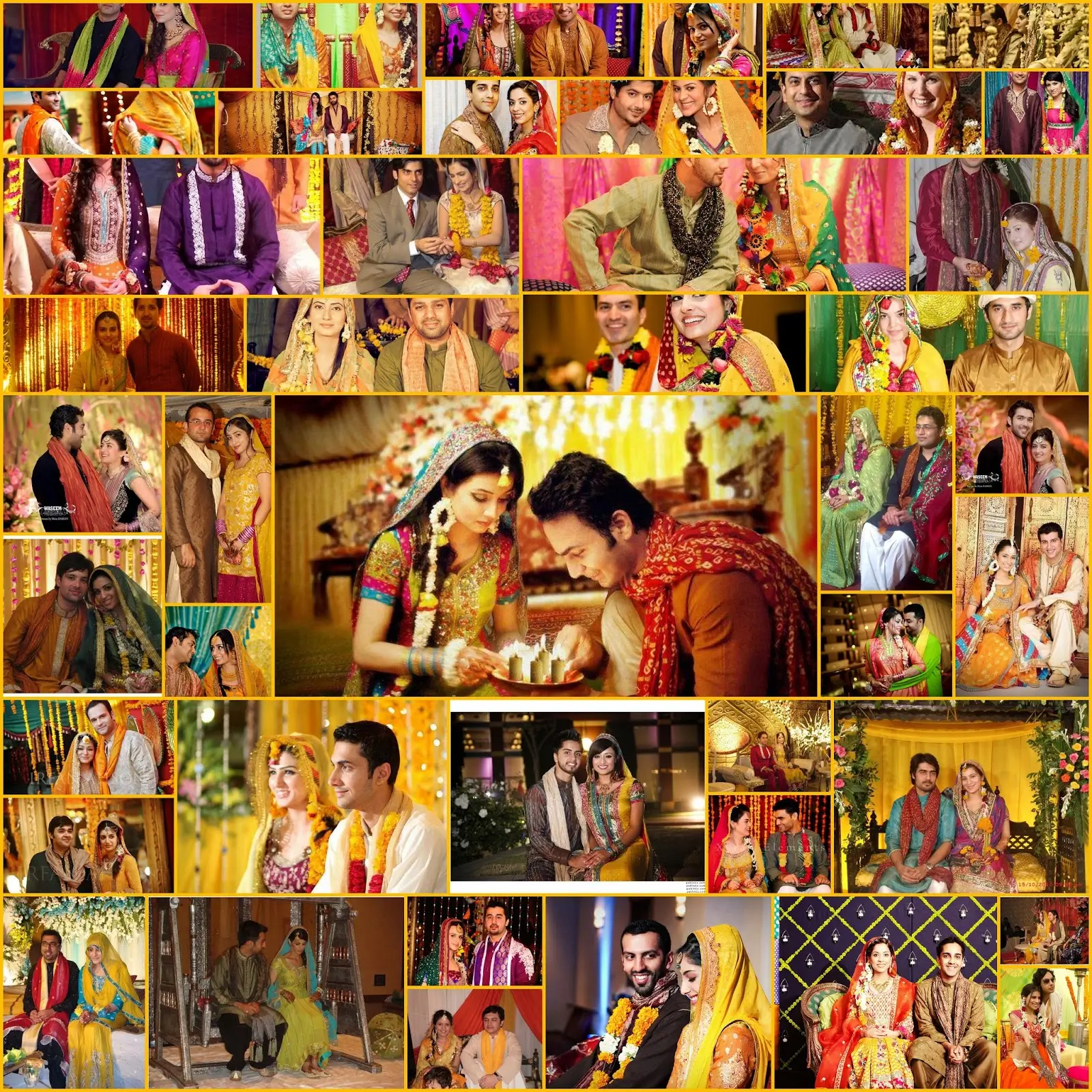
Pakistani weddings are not single-day events; they are emotional journeys stretched across days, sometimes weeks. While the Nikah and Barat are seen as the official milestones, the true cultural heart of a Pakistani wedding lies in its pre-wedding rituals — Mayoon, Ubtan, and Mehndi, pure Pakistani Wedding Traditions.
These ceremonies are not merely decorative or celebratory. They are deeply symbolic practices rooted in ancient South Asian traditions, carried forward through generations, adapting but never disappearing.
Understanding the Pre-Wedding Phase in Pakistani Culture
Before modern marquees, choreographed dances, and designer outfits, weddings happened in courtyards, verandas, and shared family spaces. The focus was not spectacle — it was preparation.
Preparation of:
- The bride’s body
- The bride’s mind
- The family’s emotional transition
This preparation begins with Mayoon.
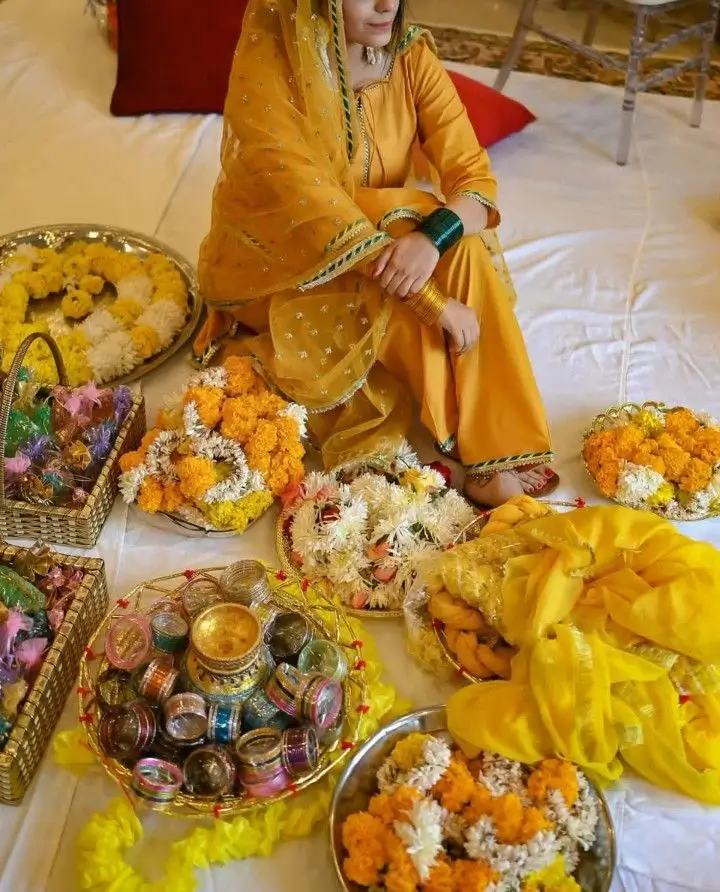
What Is Mayoon? (Also Known As Mayun, Manja, Ubtan or Haldi)
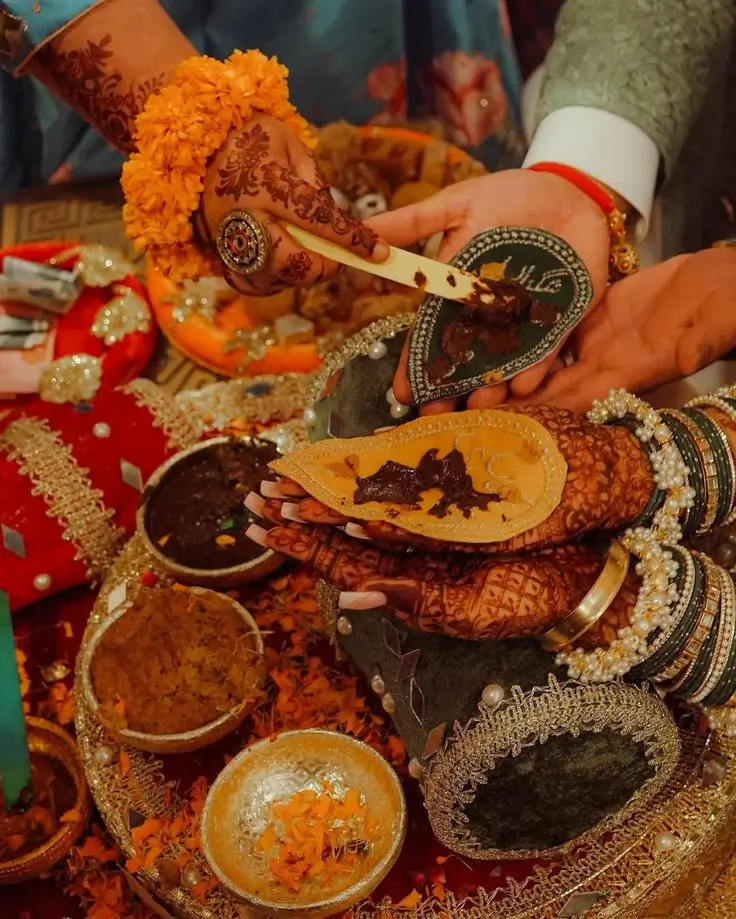
Mayoon is a pre-wedding seclusion ritual that traditionally begins 7 to 15 days before the wedding.
It is known by different names across cultures:
- Mayoon / Mayun – Pakistan
- Manja / Haldi – India
- Gaye Holud – Bangladesh
- Pithi – Aga Khani communities
- Maya – Sikh traditions
Despite the name differences, the purpose remains the same: To pause the bride’s life and prepare her for marriage.
The Concept of Seclusion: “Mayoon Mein Bethna”
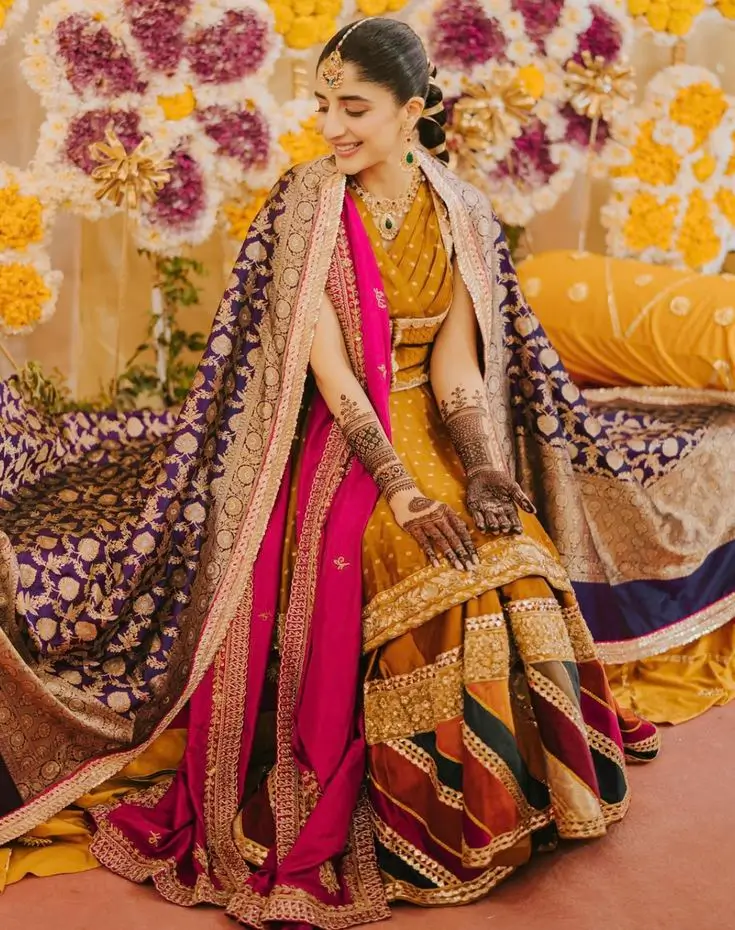
Once Mayoon begins, the bride enters a symbolic state called “Mayoon mein bethna.”
Traditionally:
- She stops household work
- She remains indoors
- She avoids public appearance
- She does not meet the groom
This practice served several purposes:
- Physical rest after years of labor
- Protection from illness or injury
- Emotional withdrawal before a life-changing event
In older times, marriage often meant leaving one’s home forever. Mayoon was the calm before that storm.
Why Yellow? The Psychology of the Mayoon Color
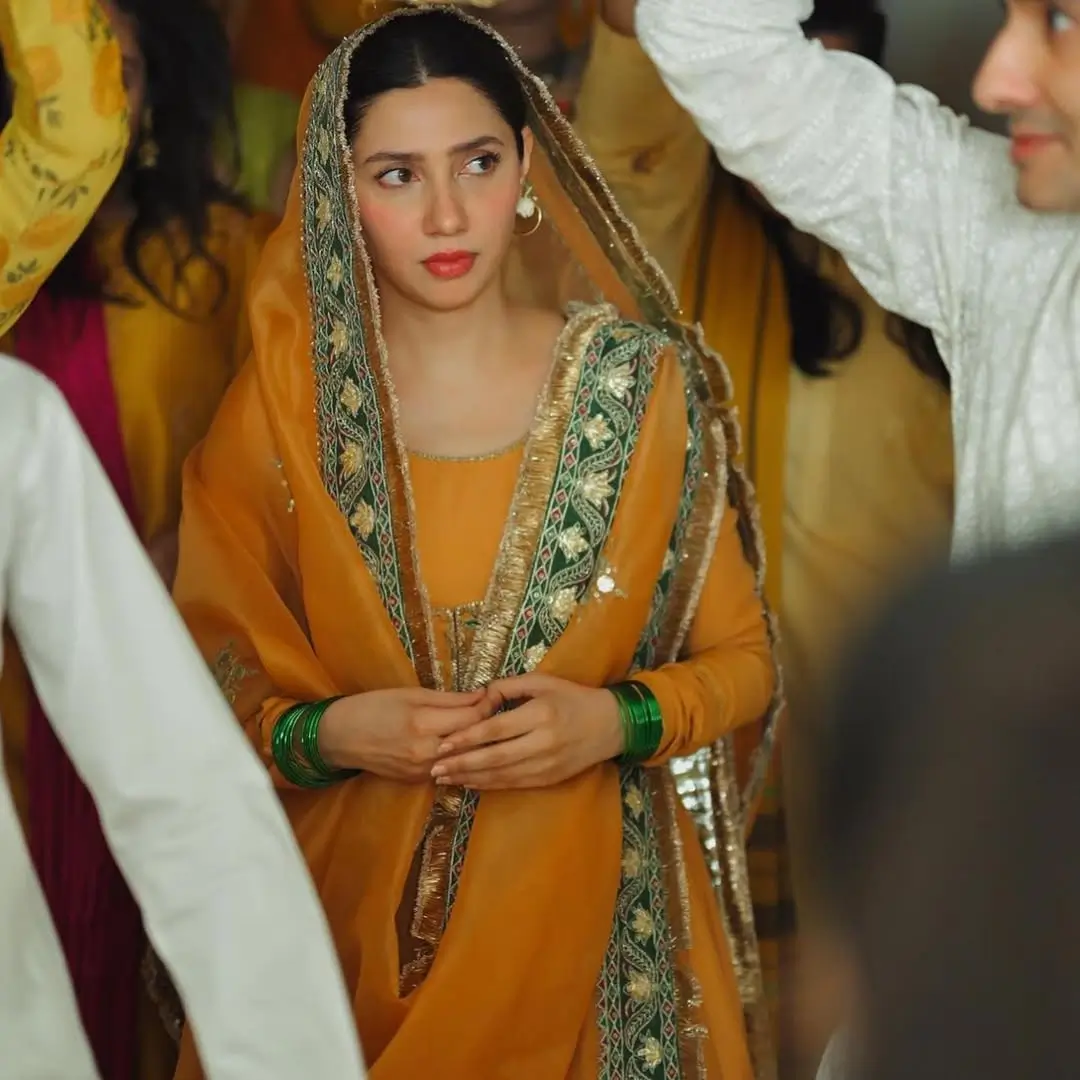
Yellow dominates Mayoon — not by coincidence.
Symbolic Meanings of Yellow
- Protection
- Fertility
- Positivity
- New beginnings
- Spiritual shielding
Practical Reason
Turmeric stains skin and fabric. Yellow:
- Camouflages stains
- Allows repeated ubtan application
- Keeps the bride comfortable
Folklore Belief
In earlier generations, it was believed that once a girl’s wedding date was fixed, evil spirits or jinn might attempt to disrupt the marriage by harming or abducting her.
Yellow was believed to:
- Repel negative forces
- Protect the bride
- Act as a spiritual shield
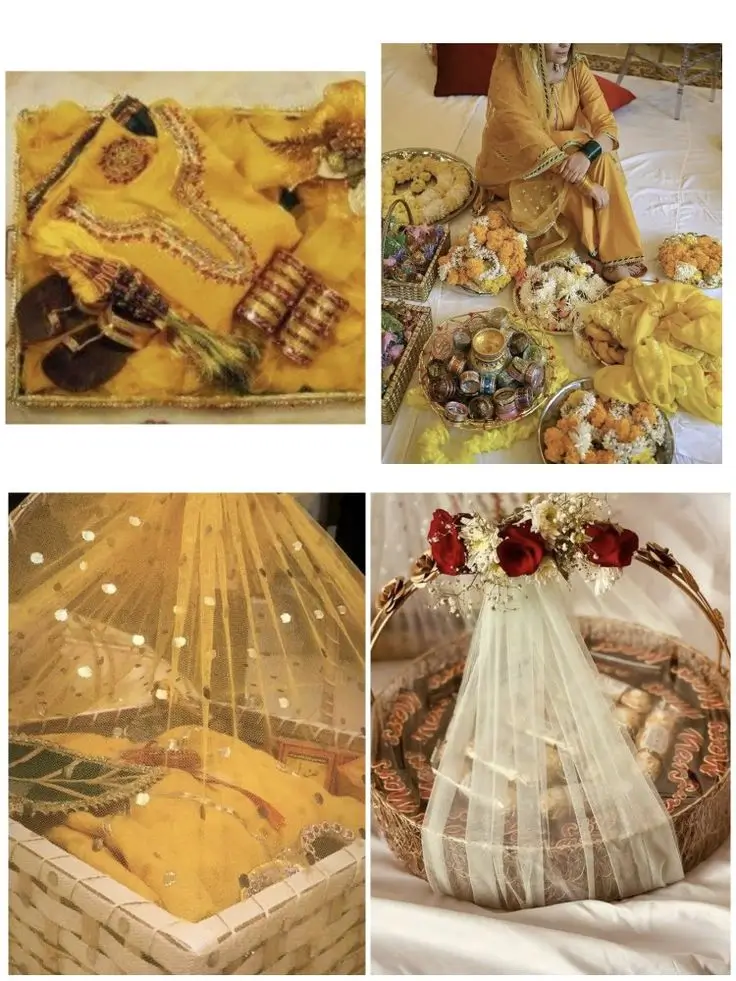
Thus, the groom’s family would send:
- Yellow clothes
- Yellow bangles
- Turmeric paste
Protection disguised as tradition.
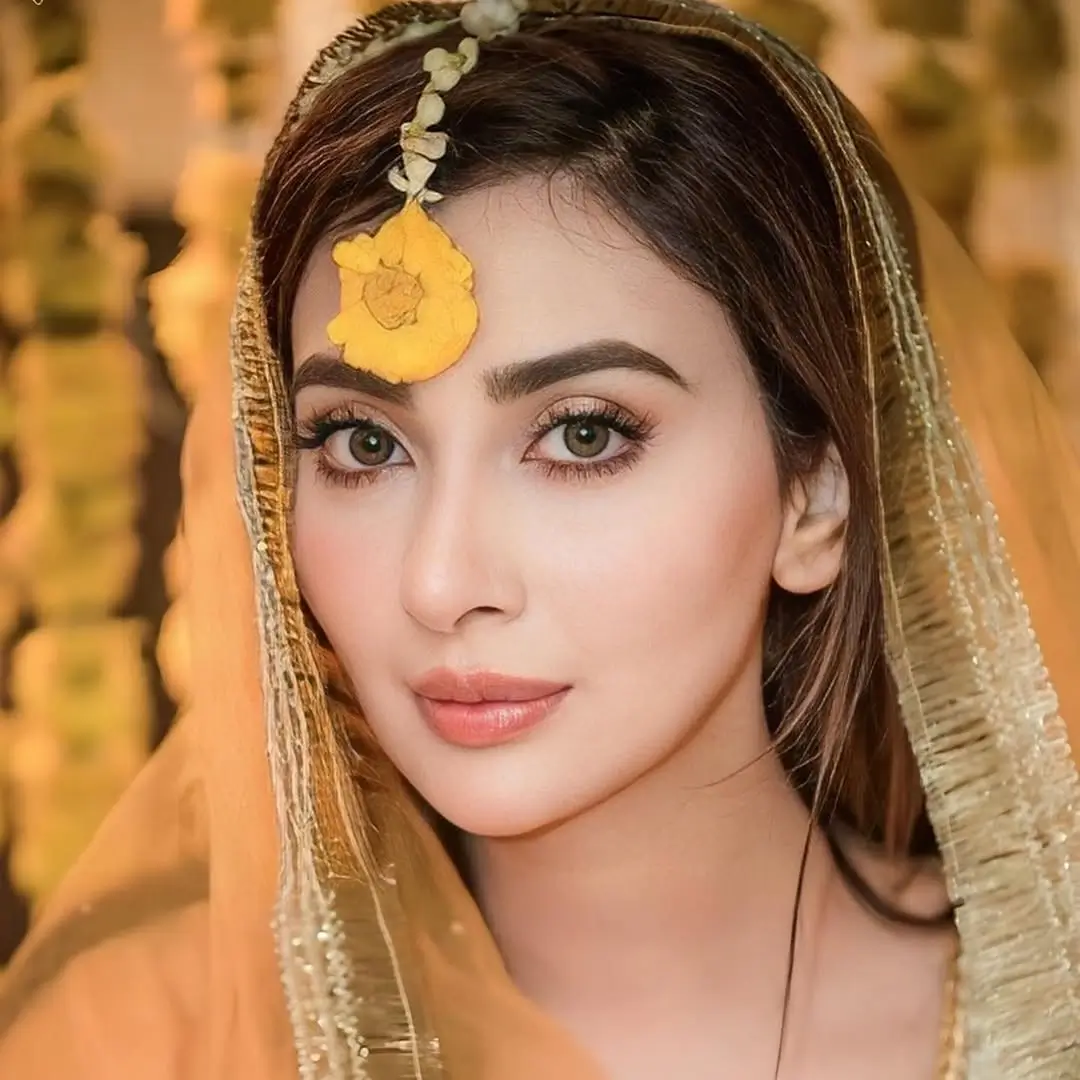
Ubtan: The Ancient Beauty Ritual
Ubtan is the heart of the Mayoon ceremony. It is not makeup — it is medicine, skincare, and ritual combined.
Traditional Ubtan Ingredients
- Gram flour (besan)
- Turmeric (haldi)
- Sandalwood powder
- Rose water or milk
- Mustard or coconut oil
Each ingredient served a purpose:
- Cleansing
- Brightening
- Cooling
- Healing
Long before salons existed, ubtan was the original bridal facial.
The Daily Ubtan Ritual
During the Mayoon period:
- Married women apply ubtan
- Hair oiling is done regularly
- Folk songs are sung
- Advice is shared quietly
This is not rushed.
This is not staged.
This is intimate and emotional.
The repeated application of ubtan results in a natural glow — the kind no highlighter can imitate.
Religious & Spiritual Elements of Mayoon
In many households, a Milad is held before Mayoon officially begins.
- Prayers for a successful marriage
- Blessings for the bride’s future
- Emphasis on faith before celebration
This anchors the ritual in spirituality, reminding families that marriage is not just cultural — it is sacred.
Women-Only Space: Why Men Stay Away
Mayoon gatherings are traditionally female-only.
This creates a rare environment where:
- Women speak freely
- Advice is honest
- Emotions are shared without judgment
Older women pass down:
- Marriage realities
- Emotional coping mechanisms
- Generational wisdom
Young girls silently observe — learning what womanhood may look like.
The Groom’s Mayoon
A parallel, simpler ritual is also held for the groom.
- Bride’s family brings ubtan
- Female relatives apply it
- Groom prepares spiritually and physically
Though less elaborate, it symbolizes balance — marriage is preparation for both.
The Transition
Mayoon is quiet. Mehndi is loud.
Together, they represent:
- Stillness before celebration
- Reflection before joy
- Intimacy before community
In modern weddings, these events are often merged — but traditionally, they served very different emotional purposes.
Why These Rituals Still Exist
In a world of destination weddings and minimalist aesthetics, Pakistani families still cling to Mayoon and Mehndi because:
- They connect generations
- They preserve identity
- They humanize marriage
When a grandmother applies ubtan to her granddaughter, she is passing down centuries of memory — not just turmeric.
Rituals, Folklore, Gender Roles & the Emotional Psychology
The origins and foundations of Mayoon, Ubtan, and Mehndi, what actually happens during these rituals—the spoken and unspoken rules, folklore, gender dynamics, and the emotional journey of the bride.
These rituals are not random traditions. They are social systems, designed to guide a woman through one of the biggest transitions of her life.
The Unwritten Rules
Mayoon is governed more by unspoken customs than formal instructions.
Key Traditional Restrictions
Once the bride enters Mayoon:
- She does not leave the house
- She avoids direct sunlight
- She refrains from physical labor
- She does not meet the groom
- She wears the same or similar yellow clothes daily
- She does not fully wash off the ubtan
These rules may appear restrictive, but historically they served:
- Physical rest
- Skin protection
- Emotional withdrawal
- Symbolic detachment from single life
The bride is no longer treated as a regular household member —
she becomes someone being prepared.
“Mayoon Mein Bethna”: A Psychological Pause
The phrase “Mayoon mein bethna” is powerful.
It literally means:
“To sit in Mayoon.”
But culturally, it implies:
- Stepping away from routine
- Accepting change
- Surrendering control
- Letting others take care of you
For many brides, this is the first time in life they are told:
“You don’t need to do anything. Just exist.”
This pause is crucial. It allows emotions—fear, excitement, grief, hope—to surface naturally.
Folklore, Nazar & the Fear of Disruption
Older generations believed that weddings attracted negative energies.
Common Traditional Beliefs
- Evil eye (nazar) increases around weddings
- Spirits or jinn are attracted to unmarried brides
- Jealousy from others can cause illness or bad luck
Mayoon rituals acted as protective barriers:
- Yellow wards off negativity
- Turmeric purifies energy
- Seclusion limits exposure
- Oil strengthens the body
Even today, many families follow these rituals instinctively —without consciously believing in them.
Why Only Married Women Apply Ubtan
A subtle but important rule: Ubtan is applied only by married women.
This symbolizes:
- Transfer of marital blessings
- Fertility and prosperity
- Protection through lived experience
Widows, unmarried girls, and children may observe but the ritual action belongs to married women.
It is believed that:
“Happy hands bring happy futures.”
The Female Circle: A Vanishing Social Space
Mayoon creates a rare women-only environment.
Inside this space:
- No male gaze
- No performance pressure
- No social hierarchy
Women speak openly about:
- Marriage realities
- In-law dynamics
- Intimacy fears
- Emotional survival
Many truths that are never spoken publicly are gently shared here.
For centuries, this was how women were prepared not with lectures, but with stories.
Mehndi: The Shift from Intimacy to Celebration
If Mayoon is quiet, Mehndi is loud.
Mehndi marks the moment where:
- The private becomes public
- The bride re-enters society
- Celebration replaces preparation
It is usually held:
- 1–3 days before the wedding
- At night
- With music, dance, and guests
Rasm-e-Henna: More Than Decoration
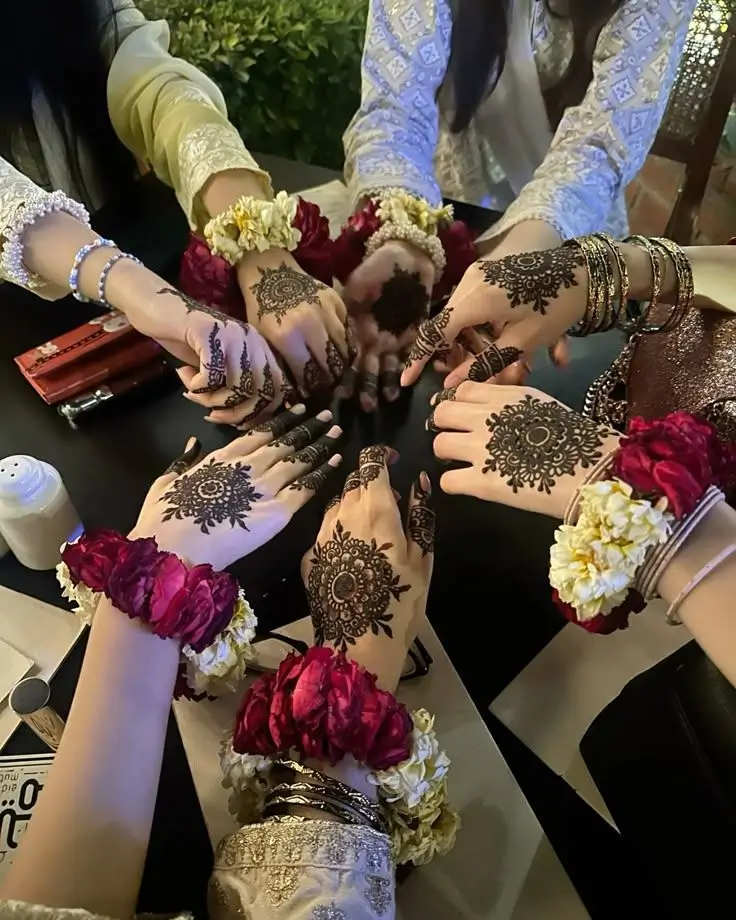
Henna (mehndi) is deeply symbolic.
Cultural Meanings of Mehndi
- Love and attraction
- Fertility
- Protection from evil
- Transition into womanhood
A common saying:
“The darker the mehndi, the stronger the love.”
Whether believed or not, this adds emotional anticipation.
Mehndi as a Social Equalizer
At Mehndi:
- Rich and poor wear color
- Elders clap awkwardly
- Young cousins dance freely
- Guests participate, not spectate
Unlike Barat or Walima, Mehndi:
- Is interactive
- Is playful
- Allows imperfection
This is why it remains the most loved event.
The Rituals Within Mehndi
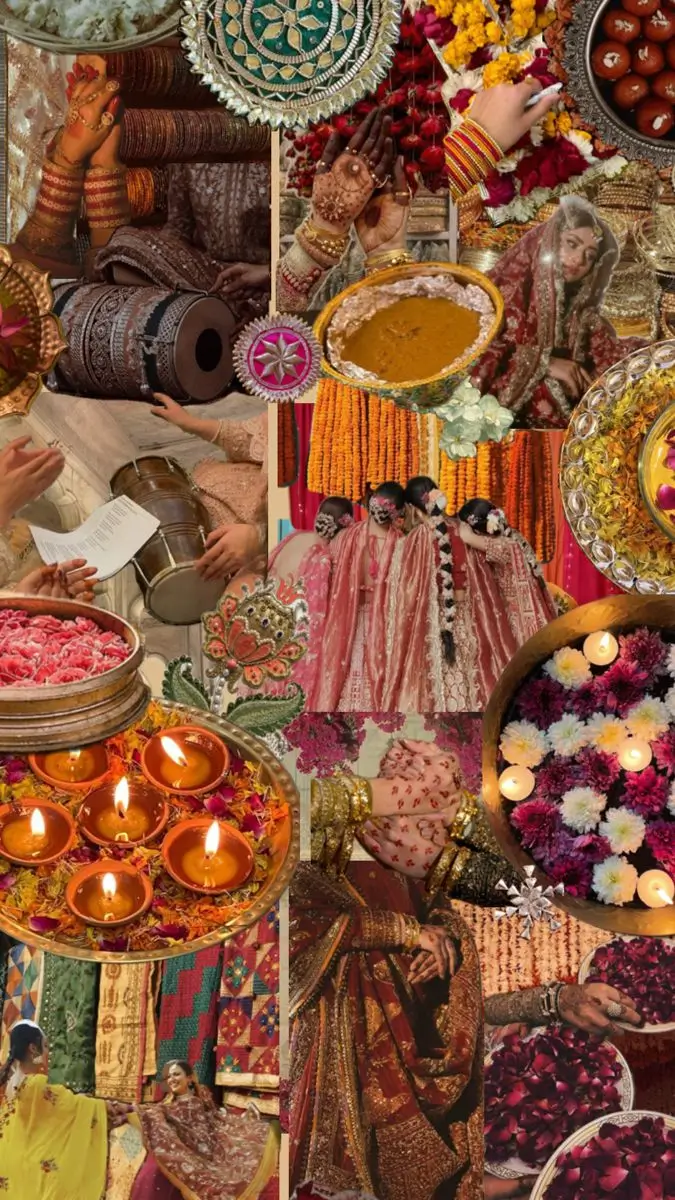
Mehndi Thaal (Decorated Tray)
Contains:
- Henna cones
- Candles or diyas
- Sweets (mithai)
- Flowers
It is passed around as a symbol of shared joy.
Dholki
- Traditional drum
- Keeps rhythm for folk songs
- Encourages group singing
Teasing & Games
- Joota chupai
- Song lyrics mocking the groom
- Friendly competition between families
These rituals:
- Break tension
- Build familiarity
- Humanize marriage
Gender Roles: What These Rituals Teach
Though often criticized as outdated, Mayoon and Mehndi subtly teach:
- Emotional endurance
- Adaptability
- Community dependence
However, modern perspectives also question:
- Excessive restrictions
- Pressure on brides only
- Unequal expectations
This tension between tradition and autonomy defines modern Pakistani weddings.
The Emotional Journey of the Bride
Across Mayoon and Mehndi, the bride experiences:
- Nostalgia for her home
- Fear of the unknown
- Excitement for the future
- Grief for what she is leaving behind
These emotions surface because:
- She is slowing down
- She is being observed
- She is being honored
Rituals make space for emotion something modern life rarely does.
Why These Rituals Still Matter Today
Despite modern criticism, these ceremonies survive because they:
- Provide emotional structure
- Create collective memory
- Allow transition without isolation
Even in elite marquees, families retain:
- A symbolic ubtan
- A brief henna ritual
- A moment of stillness
Because without them, the wedding feels incomplete.
Bridal Attire, Colors, Jewellery & Floral Traditions in Mayoon and Mehndi
In Pakistani weddings, clothing is never just clothing. Every color, fabric, ornament, and accessory worn during Mayoon and Mehndi carries symbolism, memory, and intention. These outfits are designed not to impress outsiders, but to guide the bride through transformation.
Before the heavy reds of the wedding day, the bride lives in yellow, green, and soft florals — colors of earth, fertility, and growth.
The Philosophy Behind Pre-Wedding Bridal Dressing
Unlike the wedding day, where the bride is expected to appear regal and formal, Mayoon and Mehndi attire follows a different philosophy:
- Comfort over structure
- Color over embellishment
- Movement over stiffness
- Symbolism over status
These ceremonies are meant to be lived in, not posed for.
Attire: Simplicity with Meaning
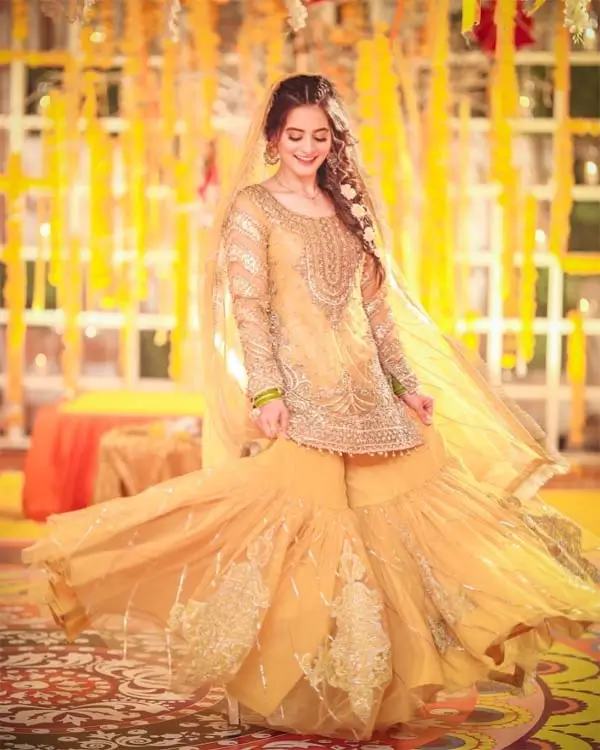
Traditional Mayoon Outfit
The classic Mayoon outfit is intentionally simple:
- Yellow shalwar kameez
- Cotton or lawn fabric
- Minimal embroidery or none at all
- Loose silhouette
This simplicity serves several purposes:
- Allows daily ubtan application
- Keeps the bride comfortable indoors
- Avoids attention and display
- Maintains ritual purity
The bride is being prepared — not showcased.
Why Cotton and Lawn Were Preferred
Historically, synthetic fabrics did not exist. Cotton and lawn were chosen because:
- They are breathable
- They absorb oil and turmeric
- They keep the body cool
- They allow rest
Even today, many families insist on cotton for Mayoon, a tradition rooted in practical wisdom.
Regional Mayoon Variations
Hyderabadi & Deccan Brides
- Yellow khara dupatta
- Elaborate suhaag pura trays
- Heavier ritual symbolism
Punjabi Homes
- Brighter yellows and mustard tones
- Multiple bangles
- Casual singing gatherings
Urban Karachi & Lahore
- Shortened Mayoon period
- Styled yet simple outfits
- Mayoon merged with Mehndi
Despite modernization, yellow remains constant.
Bangles: More Than Decoration
One of the most important Mayoon accessories is bangles.
Cultural Meaning of Bangles
- Femininity
- Marital transition
- Emotional expression
- Celebration of youth
Traditionally:
- Bangles are gifted by the bride’s family
- Sometimes also by the groom’s side
- Glass bangles are preferred
The sound of bangles clinking is considered auspicious.
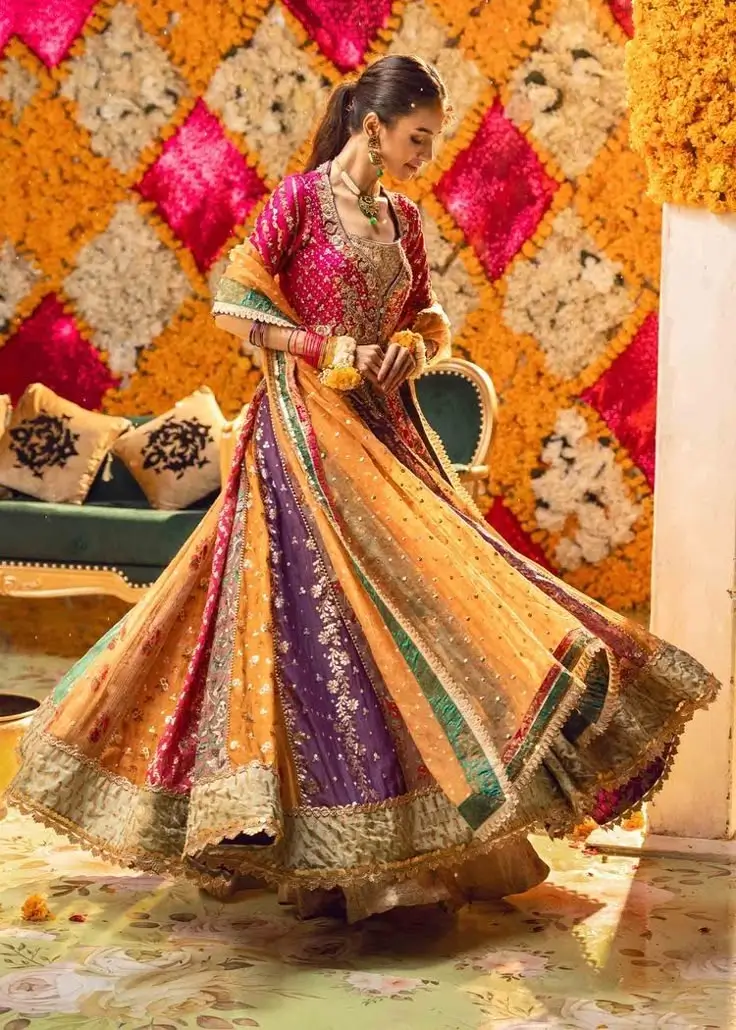
Mehndi Attire: Color, Movement & Celebration
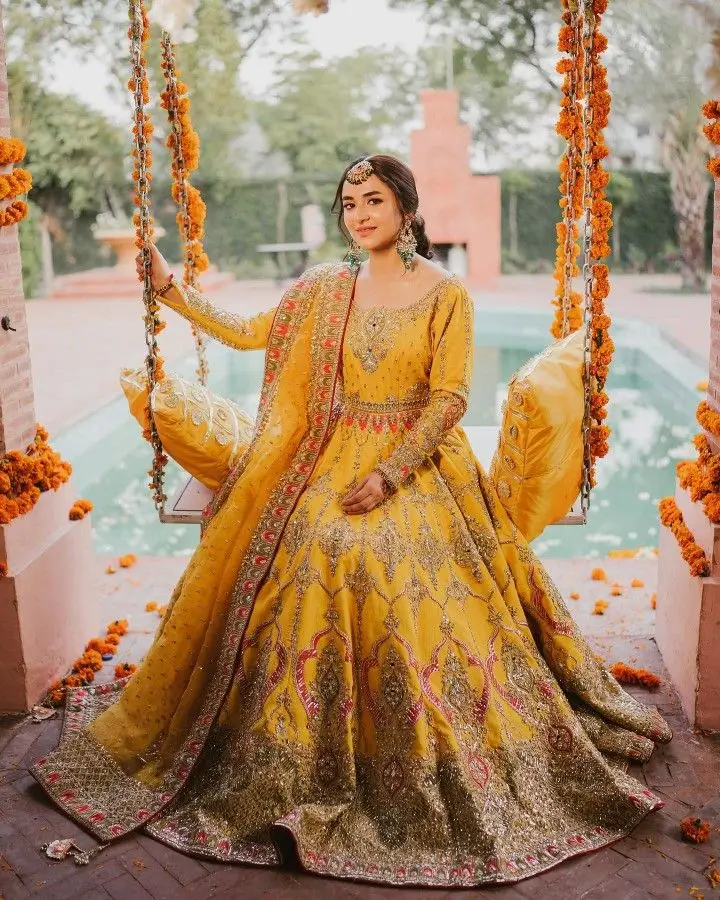
If Mayoon attire is restrained, Mehndi attire is joyfully expressive.
Popular Mehndi Colors
- Mehndi green
- Parrot green
- Orange
- Marigold
- Hot pink
- Multi-colored combinations
These colors symbolize:
- Fertility
- Growth
- Energy
- Happiness
Green, in particular, is associated with life and renewal.
Traditional Mehndi Outfits for Brides
Lehenga Choli
- Most popular Mehndi choice
- Allows movement and dance
- Often paired with short choli
Sharara or Gharara
- Mughal-inspired
- Flowing and elegant
- Comfortable for long events
Anarkali or Frock
- Traditional silhouette
- Regal yet playful
Modern Fusion Looks
- Peplum tops
- Cape dupattas
- Short kurtas with lehengas
The key rule: the bride must be able to move freely.
Fabrics Used in Mehndi Outfits
Mehndi fabrics are chosen for flow and comfort:
- Chiffon
- Net
- Raw silk
- Organza
- Light jamawar
Heavy velvet and thick brocade are avoided they belong to the wedding day.
Embellishment Styles for Mehndi
Unlike Barat outfits, Mehndi attire features:
- Gota work
- Mirror work
- Thread embroidery
- Tassels
- Colorful borders
These embellishments catch light while dancing and enhance movement rather than weigh it down.
Jewellery for Mayoon & Mehndi
Jewellery during these ceremonies follows a natural and symbolic aesthetic.
Floral Jewellery (Most Traditional)
Floral jewellery is closely tied to Mayoon and Mehndi.
Common Floral Pieces
- Gajra (hair garland)
- Floral tikka
- Floral earrings
- Floral bangles
- Haath phool
Symbolism of Floral Jewellery
- Freshness
- Purity
- Femininity
- Temporariness
Just like these rituals, flowers bloom briefly and that impermanence is the message.
Artificial & Light Metal Jewellery
Many brides also choose:
- Polki-style earrings
- Pearl chokers
- Beaded necklaces
- Antique gold-finish sets
These pieces:
- Do not overpower the outfit
- Allow comfort
- Photograph beautifully
Heavy gold is avoided until the wedding day.
The Dupatta: Symbol of Transition
During Mehndi:
- Dupatta is worn loosely
- Often draped casually
- Sometimes used during bridal entry
This contrasts with:
- Heavily pinned wedding dupatta
- Strict draping rules
The Mehndi dupatta reflects freedom before formality.
Groom’s Mehndi Attire
Traditionally, the groom’s Mehndi look is understated.
Common Groom Choices
- Kurta pajama
- Waistcoat
- Light shawl
Colors include:
- White
- Beige
- Pastel green
- Soft yellow
Modern grooms now:
- Match Mehndi themes
- Wear embroidered kurtas
- Coordinate with bride
But traditionally, attention remained on the bride.
Color Psychology Across the Wedding Journey
| Ceremony | Dominant Colors | Meaning |
|---|---|---|
| Mayoon | Yellow | Protection, preparation |
| Mehndi | Green, orange | Growth, joy |
| Barat | Red | Power, commitment |
| Walima | White/pastel | Peace, balance |
This progression mirrors the bride’s emotional transformation.
Modern Influences on Mehndi Fashion
Today’s Mehndi fashion is influenced by:
- Pakistani designers
- Lawn brand campaigns
- Social media aesthetics
- Celebrity weddings
Despite innovation, most designers retain:
- Traditional color palettes
- Folk embroidery references
- Cultural silhouettes
Because removing tradition removes emotional connection.
Why Pre-Wedding Dressing Still Matters
Mayoon and Mehndi outfits are not about luxury — they are about belonging.
They signal:
- This woman is transitioning
- This family is preparing
- This community is participating
Even minimal weddings retain these colors —
because without them, the story feels unfinished.
Mehndi Music, Dholki Songs, Dance Culture & Family Dynamics
If Mayoon prepares the soul and Mehndi decorates the body, then music gives the wedding its heartbeat. No Pakistani Mehndi is complete without rhythm, lyrics, teasing, and collective laughter. Long before sound systems and DJs, Mehndi songs were how families processed emotion, joy, and transition.
The Role of Music in Pakistani Pre-Wedding Rituals
Music in Mehndi is not background entertainment — it is participatory.
Unlike Barat or Walima where guests watch performances, Mehndi music requires:
- Clapping
- Singing
- Call-and-response
- Improvisation
Everyone present becomes part of the ceremony.
Dholki: The Pulse of Mehndi
The dholki is a small hand-played drum and the oldest musical instrument associated with Pakistani weddings.
Why the Dholki Matters
- Sets rhythm for group singing
- Encourages participation
- Keeps tempo during dancing
- Signals celebration
Traditionally, the dholki was played:
- In courtyards
- On charpais
- By elder women or experienced singers
Its beat is simple, repetitive, and grounding — designed to keep people together.
Dholki Nights: A Disappearing Tradition
In older times, dholki nights began weeks before the wedding.
- Every evening after dinner
- Women gathered to sing
- Bride sat quietly among them
- Songs evolved night after night
These gatherings:
- Built anticipation
- Allowed emotional release
- Strengthened family bonds
In modern urban life, extended dholki nights have largely disappeared — replaced by one formal Mehndi event.
Traditional Mehndi Song Themes
Mehndi songs are not random — they follow recurring themes passed down orally.
1. Teasing the Groom
Songs mock:
- His looks
- His habits
- His family’s expectations
This teasing:
- Breaks tension between families
- Humanizes the groom
- Allows women playful authority
2. Praising the Bride
Lyrics often describe:
- Her beauty
- Her upbringing
- Her good fortune
These songs affirm the bride’s value before she leaves her home.
3. Emotional Farewell Songs
Some songs quietly acknowledge:
- Separation from parents
- Leaving childhood home
- Fear of the unknown
These moments often bring tears — even during celebration.
Famous Mehndi & Dholki Song Lines (Themes)
While lyrics vary by region, common phrases include:
- Blessings for fertility
- Wishes for love
- Jokes about in-laws
- Pride in family honor
The power of these songs lies not in perfection —
but in shared memory.
Dance Culture at Mehndi
Dance at Mehndi is traditionally informal and communal.
Traditional Dance Styles
- Simple hand movements
- Shoulder sways
- Circular group dances
- Spontaneous solo moments
No formal training was required just rhythm and willingness.
The Shift to Choreographed Performances
Modern Mehndis often include:
- Professional choreography
- Rehearsed performances
- Stage lighting
- Family dance competitions
Larki Walay vs Larka Walay
A playful rivalry exists between:
- Bride’s family (larki walay)
- Groom’s family (larka walay)
Dance performances often become:
- Friendly competitions
- Displays of unity
- Social icebreakers
This rivalry is symbolic it transforms two separate families into one shared space.
Bridal Entry at Mehndi
The bride’s Mehndi entry is symbolic.
Traditional Entry
- Bride walks in slowly
- Accompanied by sisters or cousins
- Sometimes under a dupatta canopy
- Candles or flower petals involved
This moment:
- Reintroduces the bride to society
- Marks the end of seclusion
- Signals celebration over preparation
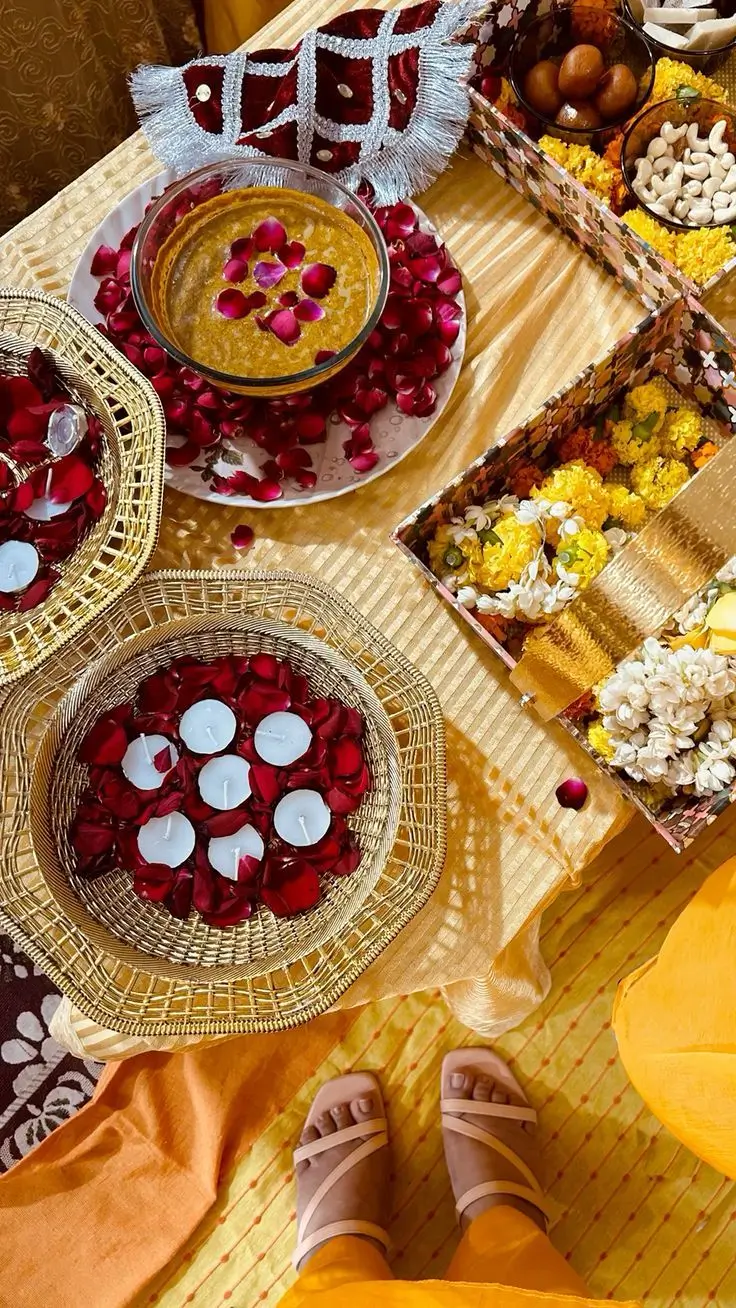
The Mehndi Thaal: A Moving Ritual
The Mehndi thaal (decorated tray) circulates during the event.
It typically contains:
- Henna cones
- Flowers
- Candles or diyas
- Sweets
Passing the thaal symbolizes:
- Shared joy
- Collective blessing
- Inclusion of guests
Everyone is invited to participate.
Games, Pranks & Playfulness
Mehndi allows playful rule-breaking.
Common Mehndi Games
- Shoe stealing (joota chupai)
- Mock negotiations
- Lyric improvisation teasing relatives
These games:
- Reduce formality
- Encourage laughter
- Build familiarity
They remind everyone that marriage is not just duty it is companionship.
Food & Music: A Social Bond
Mehndi food is:
- Casual
- Shared
- Hand-held
Common items include:
- Samosas
- Pakoras
- Chaat
- Lassi
Eating together during singing creates intimacy —
a reminder that weddings are communal, not performative.
Gender Dynamics During Mehndi
Although modern Mehndis include men, traditionally:
- Women controlled the space
- Songs centered female voices
- Women led the rhythm
For many women, Mehndi was the only socially acceptable space to express humor, sarcasm, and critique.
This makes Mehndi historically significant as:
- A female narrative space
- A cultural outlet
- A social equalizer
Emotional Arc of the Night
By the end of Mehndi:
- The bride has rejoined society
- Families feel bonded
- Tension dissolves into joy
Emotionally, Mehndi serves as:
- Release after Mayoon
- Warm-up before wedding formality
- Celebration before responsibility
Why Music Still Defines Mehndi
Even in high-end marquees with DJs and LED screens, families insist on:
- At least one dholki
- Traditional songs
- A symbolic henna moment
Because without music:
It no longer feels like Mehndi
It becomes just another event/
Regional Variations, Modern Transformations & Why it Still Matters
As Pakistani society evolves, so do its weddings. Yet despite changing aesthetics, venues, and lifestyles, Mayoon, Ubtan, and Mehndi have survived centuries of transformation. Their endurance is not accidental. These rituals adapt without losing meaning, absorbing modern elements while preserving emotional and cultural truth.
Regional Variations of Mayoon & Mehndi Across Pakistan
While the core philosophy of Mayoon and Mehndi remains consistent, regional cultures shape how these rituals are practiced.
Punjab
Punjab is known for its expressive, musical, and vibrant wedding culture.
Distinct Features:
- Loud and extended dholki nights
- Playful, flirtatious folk songs
- Bright yellows, oranges, and greens
- Heavy emphasis on dancing and teasing
Punjabi Mehndis often feel like community festivals, with neighbors and extended relatives actively participating.
Sindh
Sindhi weddings maintain a strong connection to ritual purity and symbolism.
Distinct Features:
- Earthy tones mixed with yellow
- Emphasis on turmeric and oil rituals
- Simpler, spiritually focused ceremonies
- Greater use of traditional Sindhi music
Sindhi Mayoon is quieter, more reflective, and deeply symbolic.
Karachi (Urban & Cosmopolitan Influence)
Karachi weddings reflect diversity and modern fusion.
Distinct Features:
- Shortened Mayoon periods
- Combined Mayoon + Mehndi events
- Designer outfits
- Mixed cultural influences
Despite modernization, symbolic ubtan and henna application are almost always retained.
Hyderabad & Deccan Traditions
Hyderabadi weddings preserve some of the oldest South Asian marriage customs.
Distinct Features:
- Yellow khara dupattas
- Elaborate suhaag pura trays
- Strong Mughal-era influences
- Formalized ritual sequences
These weddings emphasize elegance, restraint, and heritage.
Aga Khani & Sikh Parallels
While religious frameworks differ, the pre-wedding turmeric ritual exists across communities.
- Pithi (Aga Khani)
- Maya (Sikh tradition)
This shared ritual heritage proves that:
These traditions predate modern religious boundaries
They belong to the land, not just one faith
The Modern Transformation
Pakistani weddings today exist at the intersection of:
- Tradition
- Social media
- Fashion industry
- Global influence
What Has Changed
- Home courtyards → Marquees & destination venues
- Informal singing → Choreographed performances
- Simple attire → Designer ensembles
- Family photography → Cinematic wedding films
What Has NOT Changed
Despite all transformation, certain elements remain non-negotiable:
- Yellow for Mayoon
- Turmeric or ubtan application
- Henna on bride’s hands
- Music and celebration
- Female bonding
These are the emotional anchors of the wedding.
Social Media & the Performance of Tradition
Platforms like Instagram have reshaped how weddings are perceived.
Positive Impact
- Revival of traditional outfits
- Interest in folk elements
- Cultural pride among younger generations
Challenges
- Pressure to perform rituals for aesthetics
- Loss of intimacy
- Over-commercialization
Yet even performative Mehndis rely on traditional symbolism to feel authentic.
Gender Roles: Reinterpretation in Modern Times
Modern brides are re-evaluating tradition.
Positive Shifts
- Choice-driven participation
- Comfort-focused attire
- Shorter Mayoon periods
- Shared rituals for groom
Ongoing Tensions
- Expectations placed mostly on brides
- Emotional labor imbalance
- Rituals misunderstood as restriction
Many families now adapt rituals to be empowering rather than limiting.
Emotional & Psychological Importance Today
In a fast-paced, digital world, Mayoon and Mehndi offer something rare:
Slowness
They force:
- Pause before commitment
- Reflection before change
- Community involvement
This makes them psychologically grounding — even for modern couples.
Why These Traditions Refuse to Disappear
Mayoon and Mehndi survive because they fulfill needs that modern life does not:
- Collective memory
- Emotional preparation
- Female storytelling
- Community bonding
They allow families to:
- Process separation
- Celebrate union
- Pass down identity
No Western-inspired alternative replaces this.
Cultural Identity & Preservation
For Pakistanis living abroad, these rituals become even more important.
They serve as:
- Cultural anchors
- Identity preservation
- Emotional connection to homeland
A single dholki song in a foreign country can evoke generations of memory.
Mayoon & Mehndi as Living Traditions
These rituals are not museum artifacts.
They are:
- Lived
- Adapted
- Reinterpreted
Each generation reshapes them but never erases them.
Final Conclusion: More Than a Wedding Ritual
Mayoon, Ubtan, and Mehndi are not simply pre-wedding events.
They are:
- Emotional bridges
- Cultural archives
- Acts of love and protection
When turmeric is rubbed onto a bride’s skin, it is not about beauty alone it is about care passed through time.
When henna stains her palms, it is not decoration it is a visible mark of transition.
And when women sing together, laughing and crying in the same breath, they are doing what women have always done, preparing one of their own for change.
That is why these traditions endure.
FAQs :Pakistani Wedding Traditions: Mayoon, Ubtan & Mehndi
1. What is the Pakistani Mayoon ceremony?
Answer:
Mayoon is a traditional pre-wedding ritual in Pakistani weddings where the bride prepares for her big day. It includes applying ubtan (a turmeric-based paste) to the bride’s face and body to enhance her natural glow and mark her transition from single to married life.
2. What does Ubtan mean in Pakistani weddings?
Answer:
Ubtan is a natural skin-brightening paste made from turmeric, sandalwood, herbs, and oils. It’s applied during Mayoon to beautify the bride and bring good fortune in marriage.
3. Why do brides wear yellow during Mayoon?
Answer:
Yellow is traditionally worn during Mayoon because it complements the ubtan paste, symbolizes purity and radiance, and sets the festive tone for the beautification ritual.
4. How long before the wedding is Mayoon celebrated?
Answer:
Mayoon typically takes place a few days to a week before the wedding, marking the onset of pre-wedding celebrations and seclusion rituals for the bride.
5. What is a Mehndi ceremony in a Pakistani wedding?
Answer:
The Mehndi ceremony is a lively pre-wedding event where henna (mehndi) is applied to the bride’s (and sometimes the groom’s) hands and feet in intricate designs. It’s accompanied by music, dancing, and family celebrations.
6. What does Mehndi symbolize in Pakistani culture?
Answer:
Mehndi designs symbolize love, joy, and blessings for the couple’s future and are an essential part of the celebratory atmosphere of Pakistani wedding festivities.
7. Do both families participate in Mehndi?
Answer:
Yes. While the bride’s side typically hosts the main Mehndi event, close relatives and friends from both families often join in the celebrations, dance to music, and enjoy traditional performances.
8. Is the groom involved in the Mehndi or Mayoon?
Answer:
Traditionally, the groom isn’t part of Mayoon’s application of ubtan, but modern weddings sometimes include them. At Mehndi, grooms may have simpler henna designs applied or attend festive dancing.
9. What other rituals follow Mayoon and Mehndi in Pakistani weddings?
Answer:
After these ceremonies, the wedding typically continues with Nikah (marriage contract), Baraat (groom’s procession), and then Walima (reception)—each with its own cultural meaning and celebrations.
10. Why are Mayoon, Ubtan, and Mehndi important in Pakistani weddings?
Answer:
These traditions blend symbolism, beauty rites, and community celebration, helping families bless the couple, build excitement for marriage, and preserve cultural heritage through colorful, meaningful pre-wedding events.