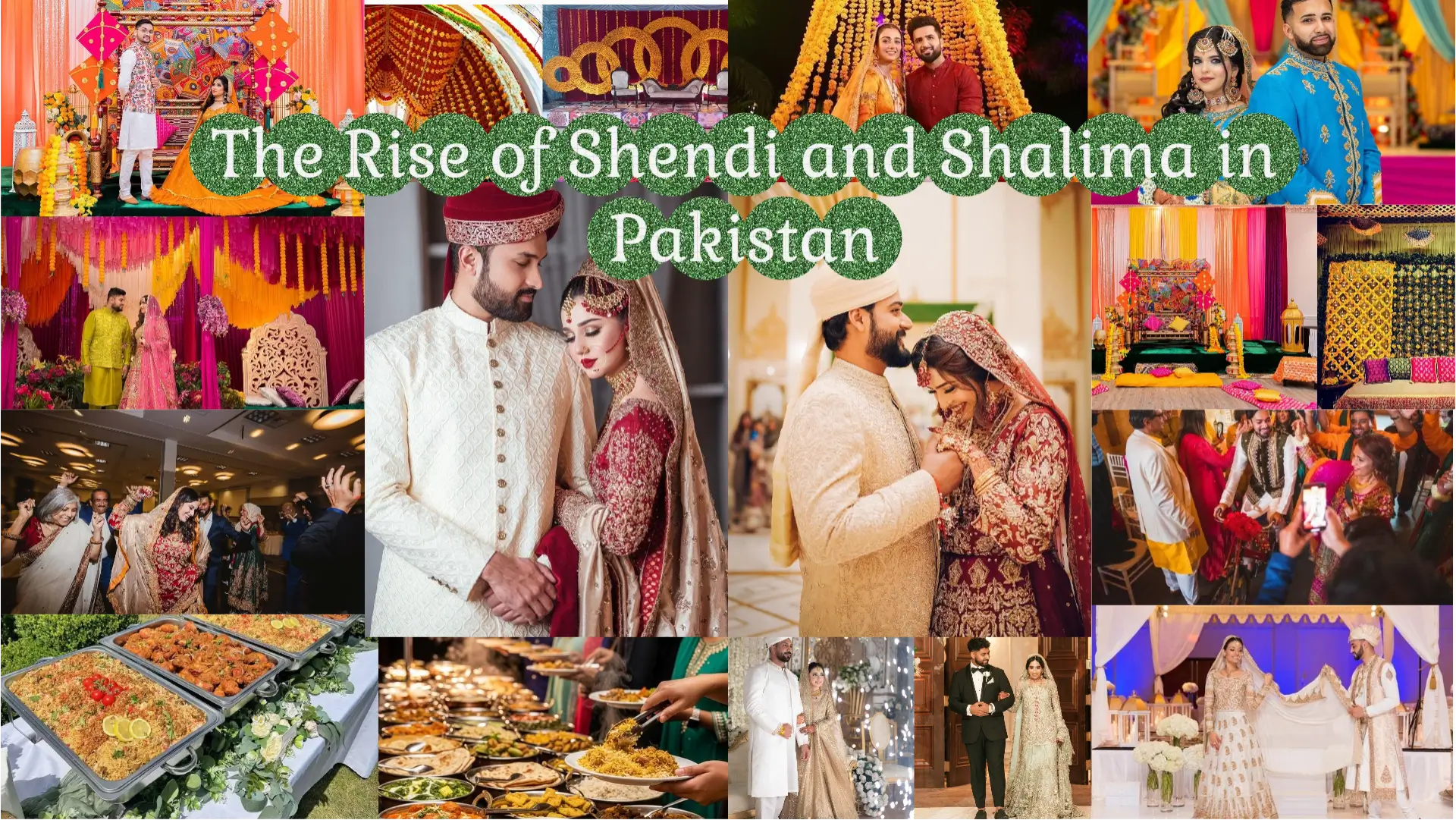
Introduction: A New Chapter in Pakistani Wedding Traditions – Shendi and Shalima in Pakistan
Pakistani weddings have traditionally been celebrated through elaborate festivities, colourful gatherings, emotional family moments, traditional ceremonies, and multiple days of celebrations. From the energetic beats of the dholki to the vibrant colours of mehndi, the grandeur of the baraat, and the elegance of the walima, every wedding function has its own significance and cultural identity. These celebrations bring families together, strengthen relationships, and provide an opportunity to preserve traditions that have been passed down through generations.
However, the traditional Pakistani wedding structure is gradually changing. Increasing wedding expenses, busy lifestyles, demanding work schedules, and growing awareness about unnecessary social pressures have encouraged families to reconsider how they celebrate marriages. Instead of organising separate functions over several days, many couples and their families are exploring simpler and more convenient alternatives.
Two wedding concepts that reflect this transformation are Shendi and Shalima.
Shendi combines the traditional mehndi and shaadi or baraat celebrations into one event, while Shalima combines the shaadi or baraat with the walima reception. Both concepts represent a modern approach to wedding celebrations, allowing families to enjoy important traditions without necessarily organising multiple expensive functions.
These combined wedding events are becoming particularly relevant in urban Pakistan, where families increasingly look for ways to balance cultural expectations with financial realities. They provide opportunities to share expenses, reduce preparation time, minimise logistical difficulties, and create a memorable celebration in a single gathering.
The growing popularity of these concepts also raises interesting questions about the future of Pakistani wedding culture. Are traditional multi-day weddings gradually becoming less practical? Can families preserve their favourite customs while reducing unnecessary expenses? Do combined celebrations offer a better balance between tradition and modern lifestyles? Understanding Shendi and Shalima requires looking beyond their names. They represent a broader cultural shift towards convenience, shared responsibility, financial awareness, and a more practical approach to marriage celebrations.
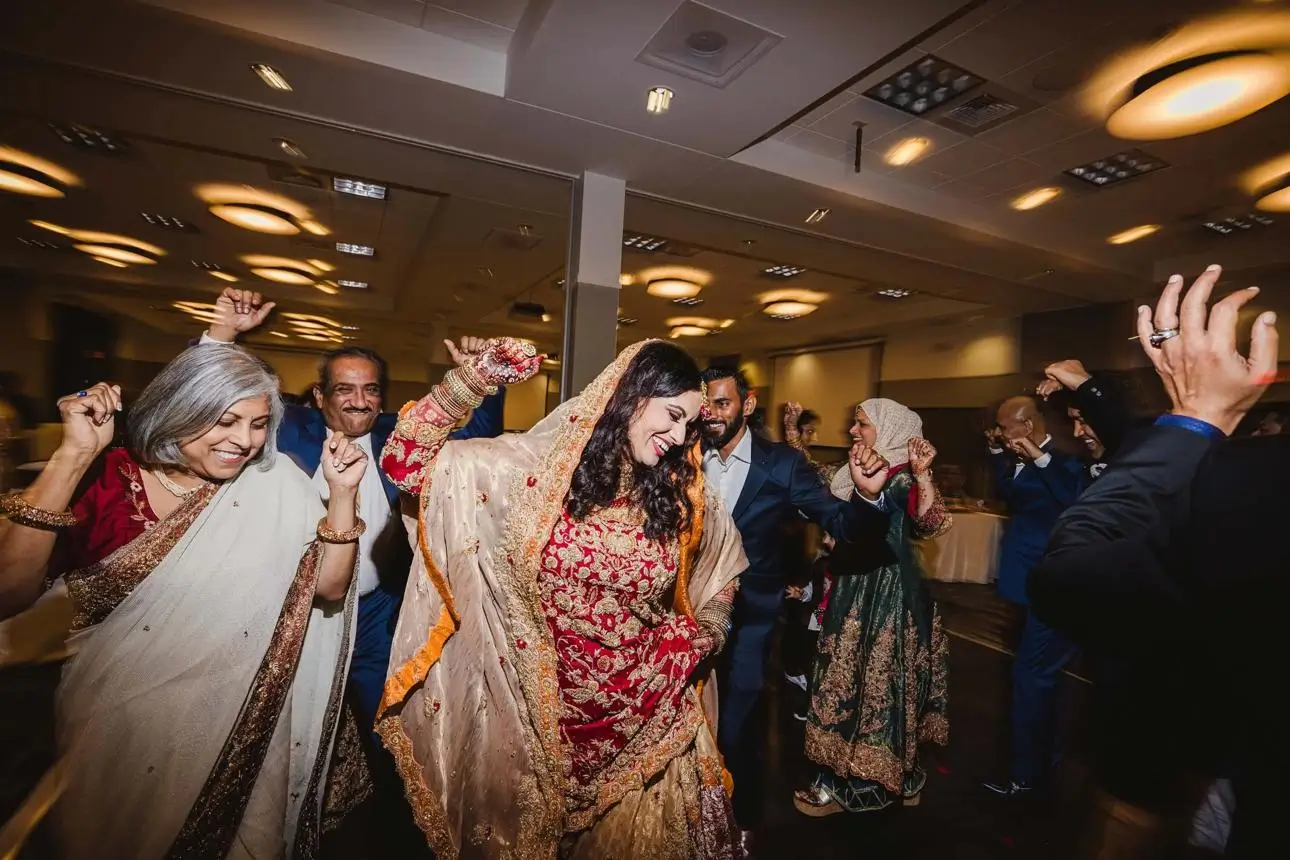
Understanding : What is Shendi ?
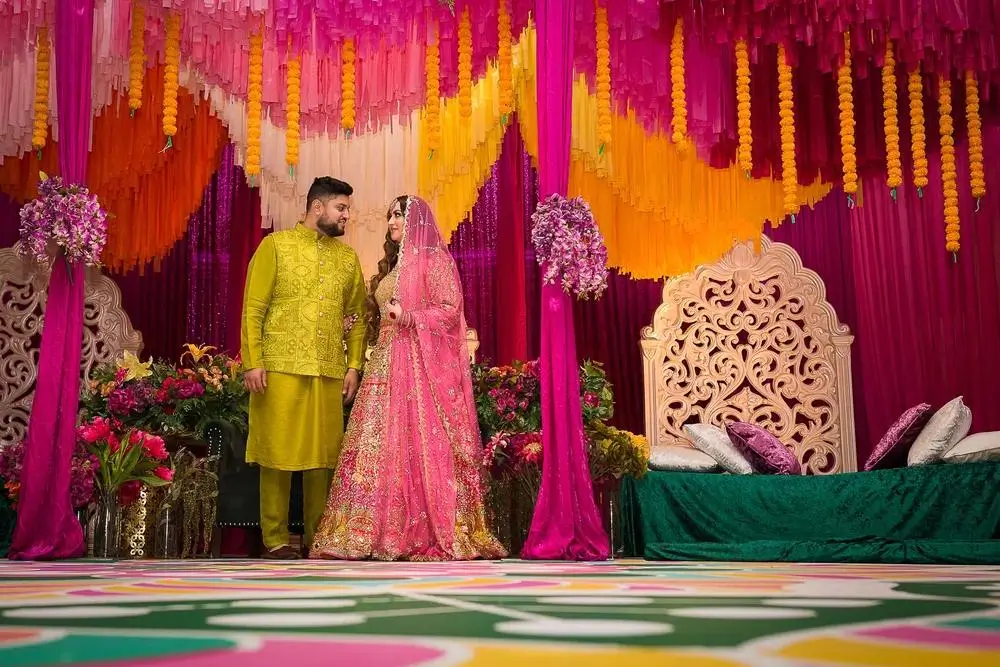
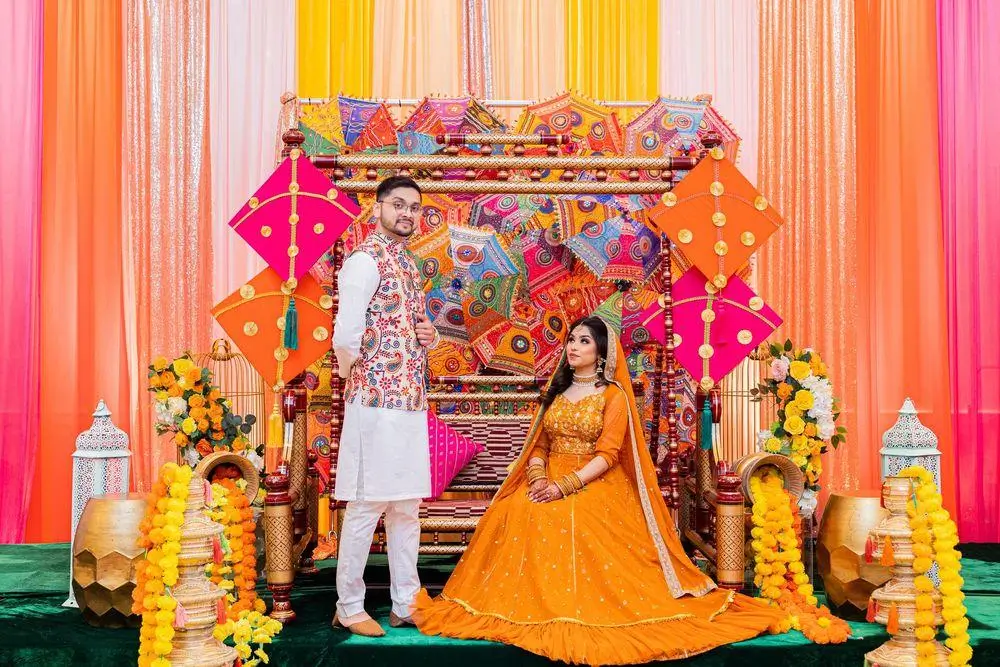
The term Shendi is a combination of two familiar Pakistani wedding celebrations: Shaadi and Mehndi. Traditionally, mehndi and baraat are organised as separate functions. Mehndi is usually associated with colourful decorations, music, dancing, traditional clothing, henna, and joyful family gatherings. Baraat, meanwhile, is the formal wedding celebration associated with the groom’s procession, the arrival of the groom and his family, the main wedding gathering, and often the bride’s rukhsati.
A Shendi brings elements of both celebrations together. Instead of hosting a separate mehndi night and baraat function, the families organise one combined event. The gathering may include colourful mehndi-inspired decorations, musical performances, traditional dances, wedding photography, dinner, and the formal elements associated with the baraat.
The result is a celebration that combines the lively atmosphere of mehndi with the formal importance of the wedding day. One of the defining features of Shendi is its flexibility. Families can decide which traditions they want to retain and which activities they prefer to simplify. Some may include colourful mehndi-style decorations and performances without conducting the complete traditional henna ceremony. Others may include family dances, decorative trays, traditional entrances, and festive clothing.
In many arrangements, the nikah is conducted separately or earlier, while the Shendi gathering becomes the main public celebration before rukhsati. The combined Shendi format became an appealing option for families seeking to reduce wedding expenses and shorten celebrations. Its description highlights the combination of mehndi-inspired entertainment with the formal elements of a baraat.
Understanding : What is Shalima ?
Shalima is another modern wedding concept that combines two major Pakistani wedding functions: Shaadi or Baraat and Walima. Traditionally, the baraat and walima are organised separately. The baraat is the main wedding celebration associated with the groom’s arrival, the bride’s wedding ceremony, and rukhsati. The walima is the reception traditionally hosted by the groom after the marriage.
A Shalima brings these two celebrations together into one shared event. Rather than organising a separate baraat and walima on different days, the bride’s and groom’s families arrange a combined reception. Both families can participate in the preparations and share the expenses according to an arrangement agreed upon beforehand.
The event may include the formal entrance of the bride and groom, family introductions, photography, dinner, speeches, traditional wedding rituals, and the emotional moments associated with rukhsati. Its atmosphere often combines the grandeur of a traditional baraat with the sophisticated presentation associated with a walima. One of the most interesting aspects of Shalima is the involvement of both families. Instead of treating the wedding reception as two entirely separate occasions, the families come together to organise one celebration.
This arrangement can reduce the financial burden on both sides while allowing relatives and friends to participate in a single major gathering. The concept is particularly attractive to couples who want a beautiful wedding celebration but do not want the pressure of arranging multiple large functions. Shalima as a combination of shaadi and walima, involving the baraat, rukhsati, and walima elements in one event. The publication also highlights the possibility of sharing expenses and responsibilities between the two families.
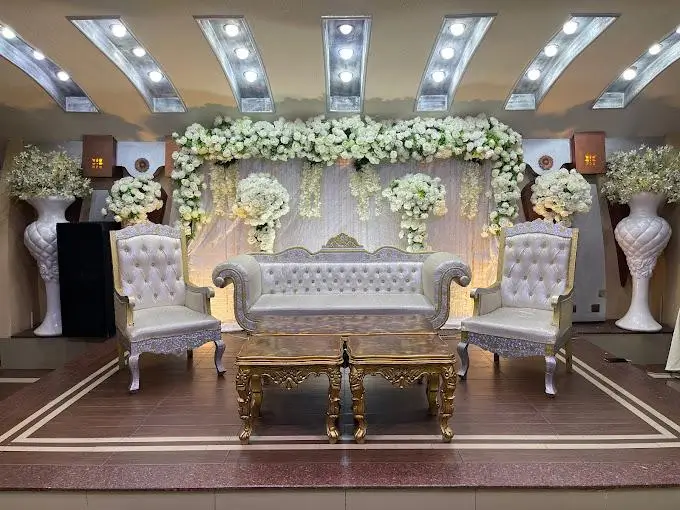
Shendi vs Shalima: Understanding the Difference
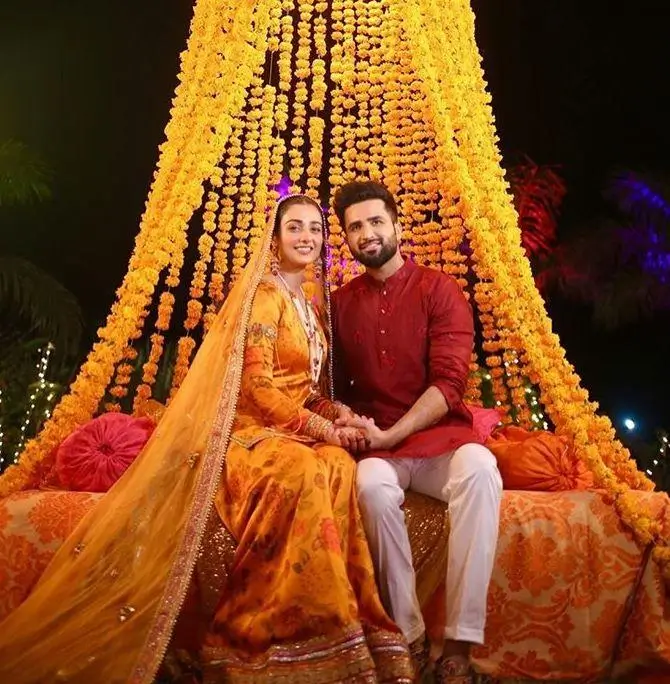
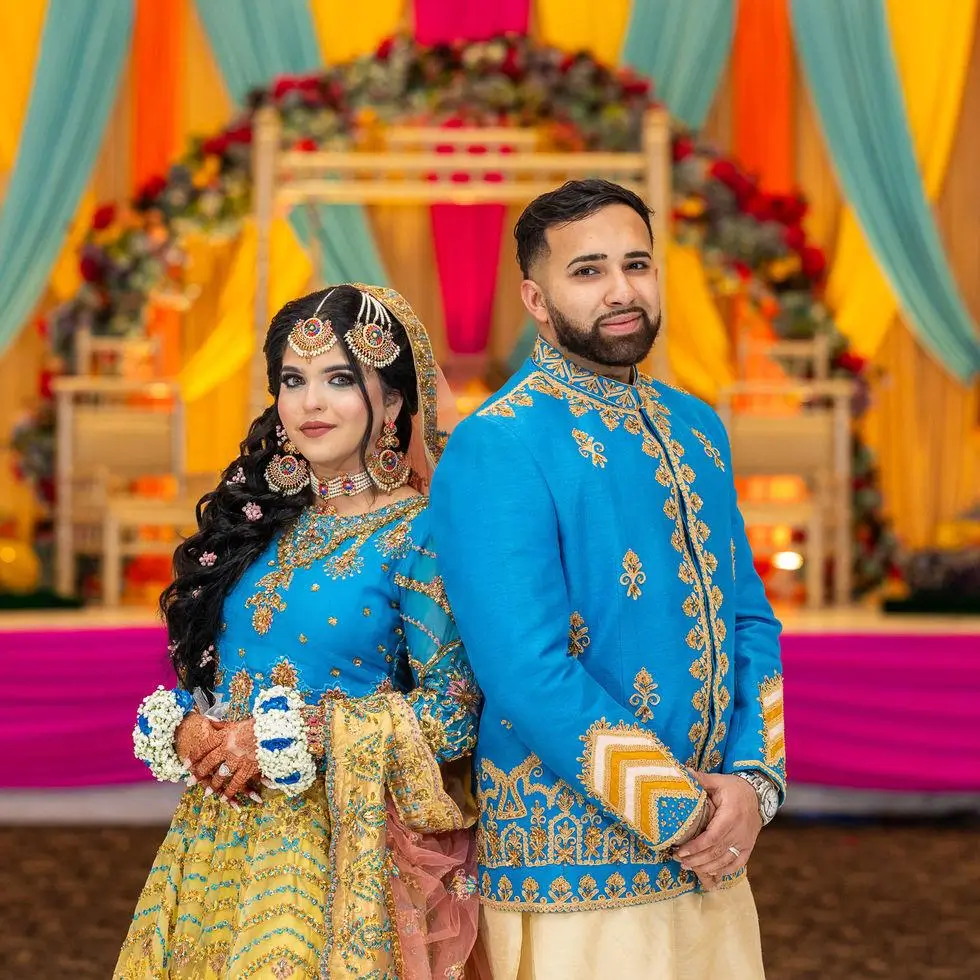
Although Shendi and Shalima share the same philosophy of combining wedding functions, they bring together different celebrations. Shendi focuses on combining mehndi and shaadi or baraat. Its atmosphere generally includes lively entertainment, colourful decorations, traditional dancing, and formal wedding celebrations.
Shalima, on the other hand, combines shaadi or baraat with walima. It generally places greater emphasis on the formal wedding reception, elegant presentation, and participation of both families. The difference can be understood through the following comparison:
| Feature | Shendi | Shalima |
|---|---|---|
| Combined functions | Mehndi + Shaadi | Shaadi + Walima |
| Main atmosphere | Festive and colourful | Formal and elegant |
| Entertainment | Dancing, music and mehndi-inspired activities | Wedding reception and family celebrations |
| Typical attire | Bright bridal colours and festive outfits | Pastels, ivory, silver and formal bridal wear |
| Main advantage | Saves a separate mehndi function | Saves a separate walima function |
| Family participation | Both families can participate | Both families can share reception arrangements |
Both formats are adaptable. There is no universal programme that every family must follow. Some families may organise a Shendi while retaining a small home-based walima. Others may arrange a Shalima while celebrating mehndi privately with close relatives. The objective is not necessarily to eliminate every traditional gathering. Rather, it is to combine the major functions in a way that suits the family’s preferences and circumstances.
How Traditional Pakistani Weddings Evolved
To understand why Shendi and Shalima are attracting attention, it is important to examine the traditional structure of Pakistani weddings. For generations, weddings in Pakistan have involved multiple celebrations. Depending on the family’s cultural background, regional traditions, financial circumstances, and personal preferences, these may include:
1. Dholki
Dholki gatherings are usually informal celebrations held before the wedding. Family members and friends gather to sing traditional wedding songs, play the dholki, enjoy refreshments, and celebrate the upcoming marriage.
2. Mayun
Mayun is a traditional pre-wedding gathering associated with the bride. It may involve yellow clothing, traditional decorations, family customs, and special preparations for the wedding.
3. Mehndi
Mehndi is one of the most colourful wedding functions. It commonly features bright outfits, henna, floral decorations, music, dancing, decorative trays, and family performances.
4. Baraat or Shaadi
The baraat is the main wedding celebration traditionally associated with the groom’s procession and arrival. It includes formal wedding arrangements, the gathering of relatives and guests, photography, dinner, and often the bride’s rukhsati.
5. Walima
The walima is a traditional marriage reception associated with the groom. It provides an opportunity to celebrate the marriage with relatives, friends, and members of the wider community. These functions can create beautiful memories, but organising them separately requires substantial time, money, and effort.
A family arranging five or six gatherings may need to book multiple venues, arrange different menus, purchase several outfits, coordinate photographers, hire makeup artists, organise transportation, and manage guest lists for every occasion. For some families, these celebrations are an enjoyable expression of tradition. For others, the increasing costs and responsibilities have become difficult to manage. This changing reality has contributed to the appeal of combined wedding functions.
Why Are Shendi and Shalima Becoming Popular?
The growing interest in Shendi and Shalima is connected to several changes in Pakistani society.
Rising wedding expenses
Wedding celebrations can involve considerable expenses, including venue bookings, catering, decorations, photography, clothing, jewellery, transportation, and entertainment. When families organise separate functions, these costs can accumulate quickly. Combining events can help reduce duplicated expenses. A single venue booking, one major catering arrangement, and shared decoration costs may make the celebration more manageable.
Changing lifestyles
Modern families often have demanding work schedules, educational commitments, business responsibilities, and relatives living in different cities or countries. Arranging several wedding events over multiple days can become difficult for both hosts and guests. A combined event allows everyone to participate in the main celebrations without committing to an extended programme.
Reducing pressure on guests
Guests also experience the financial and practical demands of traditional weddings. Attending multiple functions may require purchasing different outfits, arranging transportation, taking time off work, and spending several evenings away from home. Shendi and Shalima can reduce these demands by bringing major celebrations together.
A preference for practical celebrations
Many couples are increasingly interested in creating meaningful wedding experiences rather than organising functions simply because they are expected. They may prefer spending on their future home, travelling together, supporting their families, or saving for other long-term priorities. Combined wedding events provide an opportunity to celebrate without allowing the arrangements to become unnecessarily complicated.
The Role of Changing Social Attitudes
Pakistani weddings have traditionally been influenced by social expectations. Families sometimes organise elaborate functions because they feel obligated to maintain a particular standard or avoid criticism from relatives and the wider community. This pressure can affect families with different financial circumstances.
When wealthy families organise expensive multi-day celebrations, other families may feel that they must follow similar arrangements to maintain their social standing. As a result, weddings can become competitions involving venue size, guest numbers, bridal clothing, decoration, and food arrangements.
The emergence of Shendi and Shalima challenges this way of thinking. These concepts suggest that a successful wedding does not necessarily require several separate events. A well-organised gathering can provide entertainment, elegance, family participation, and memorable moments without unnecessary extravagance. This does not mean that traditional weddings are becoming irrelevant. Rather, families are increasingly recognising that wedding celebrations can be adapted to changing circumstances.
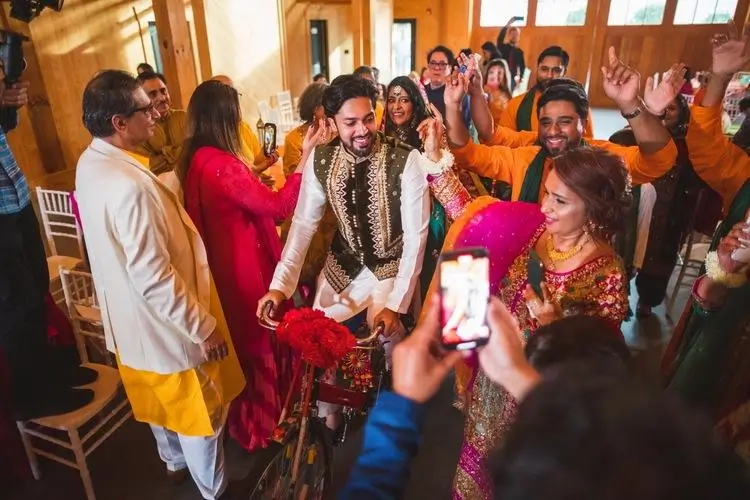
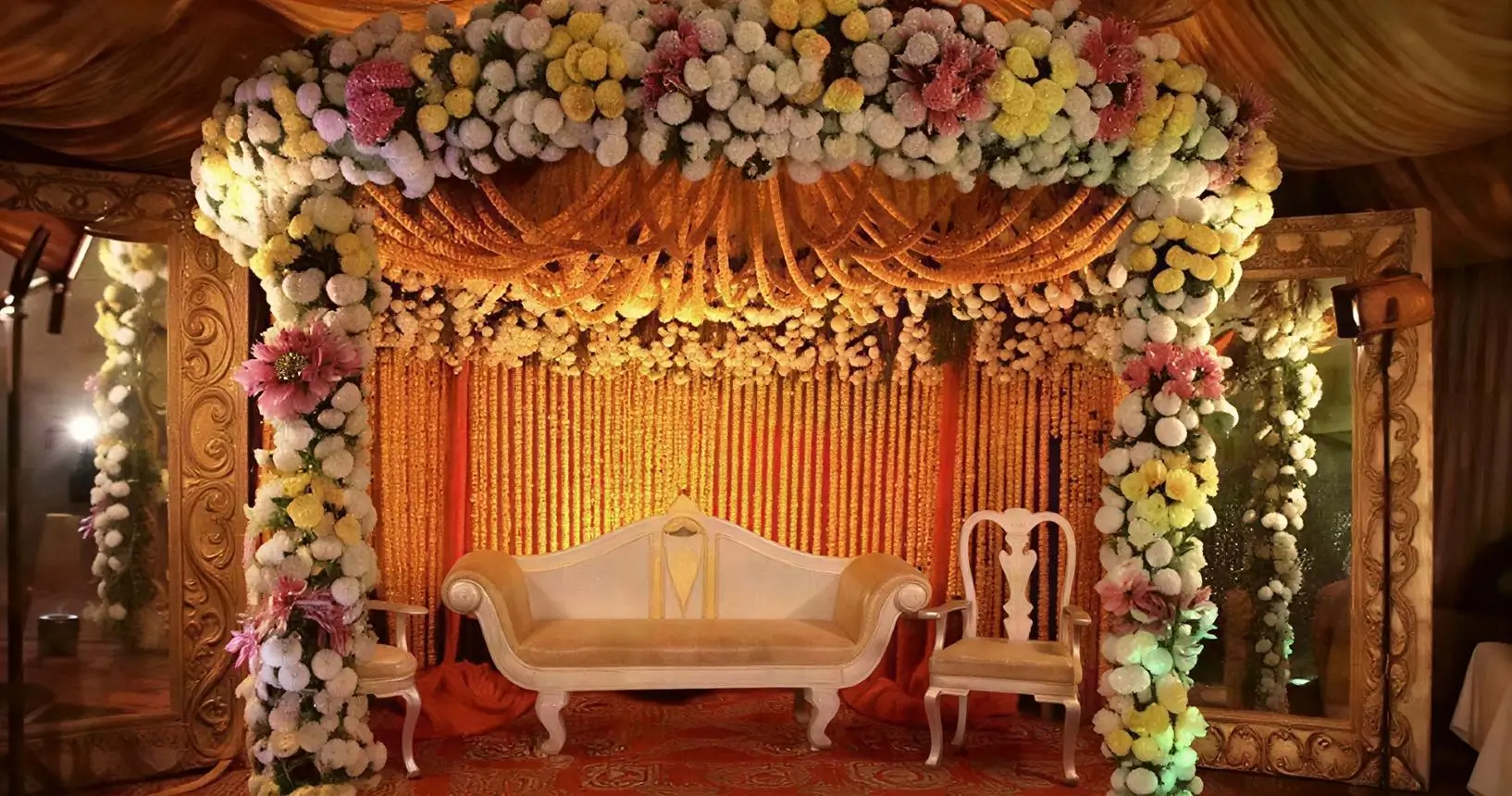
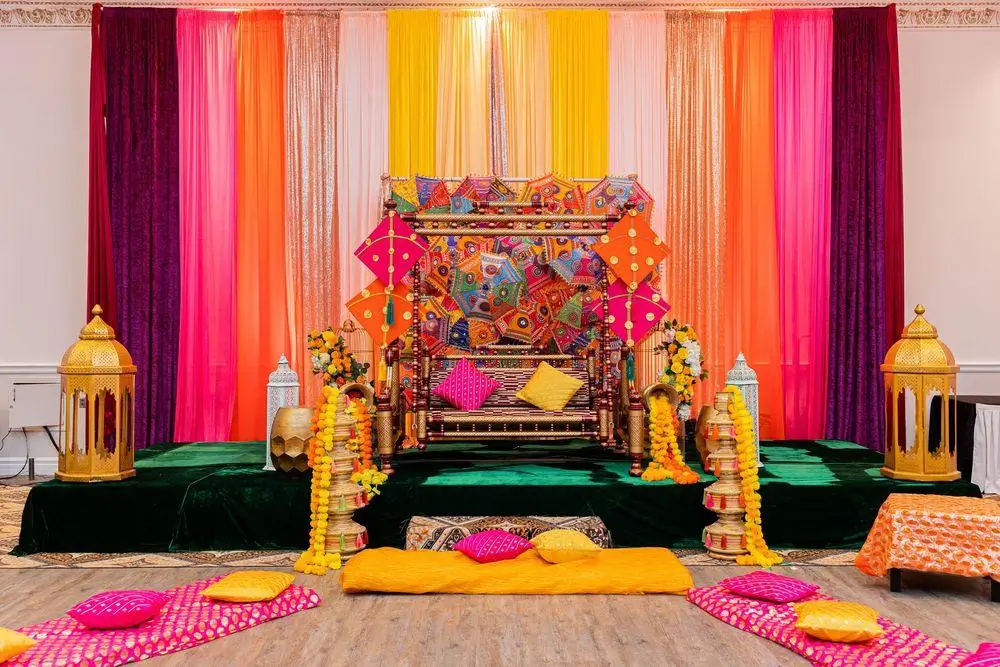
A Modern Approach Without Abandoning Tradition
One common misconception about combined wedding events is that they eliminate cultural traditions. In reality, Shendi and Shalima can preserve many of the most meaningful elements of Pakistani weddings. Families can retain traditional clothing, music, family entrances, photography, religious ceremonies, cultural decorations, and important emotional moments.
The difference is primarily in how these activities are organised. For example, a family choosing Shendi can still include mehndi-inspired décor, traditional songs, dances, and festive clothing while holding the main wedding celebration on the same evening.
Similarly, a family choosing Shalima can organise a formal reception featuring elegant decorations, a coordinated bridal entrance, family photographs, and a celebratory dinner. The objective is to preserve the experience while reducing unnecessary repetition.
Ultimately, the growing interest in Shendi and Shalima reflects a simple idea: weddings should celebrate the beginning of married life rather than become a source of avoidable financial and emotional pressure. As Pakistani society continues to evolve, these combined wedding formats may become an increasingly familiar part of the country’s wedding culture.
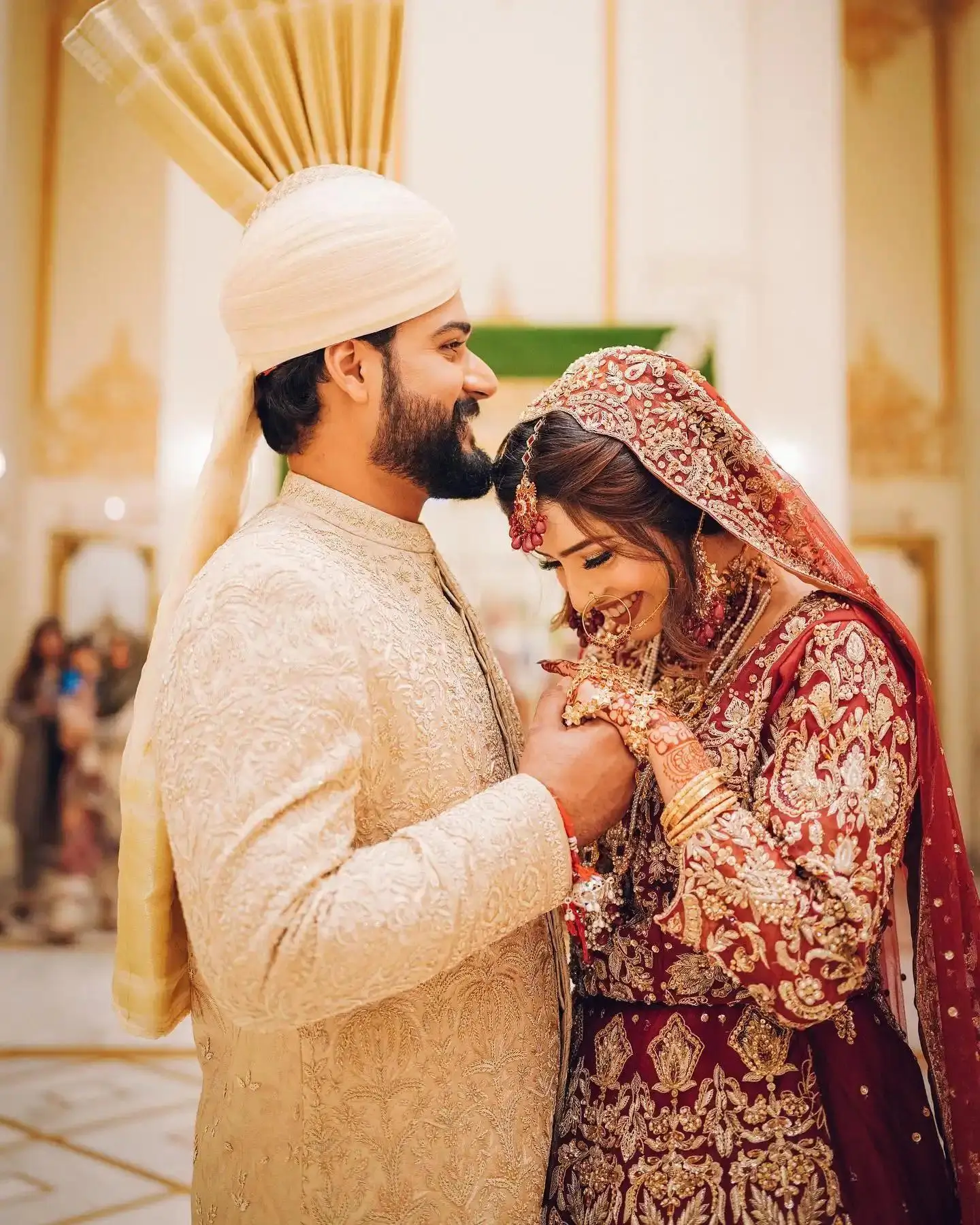
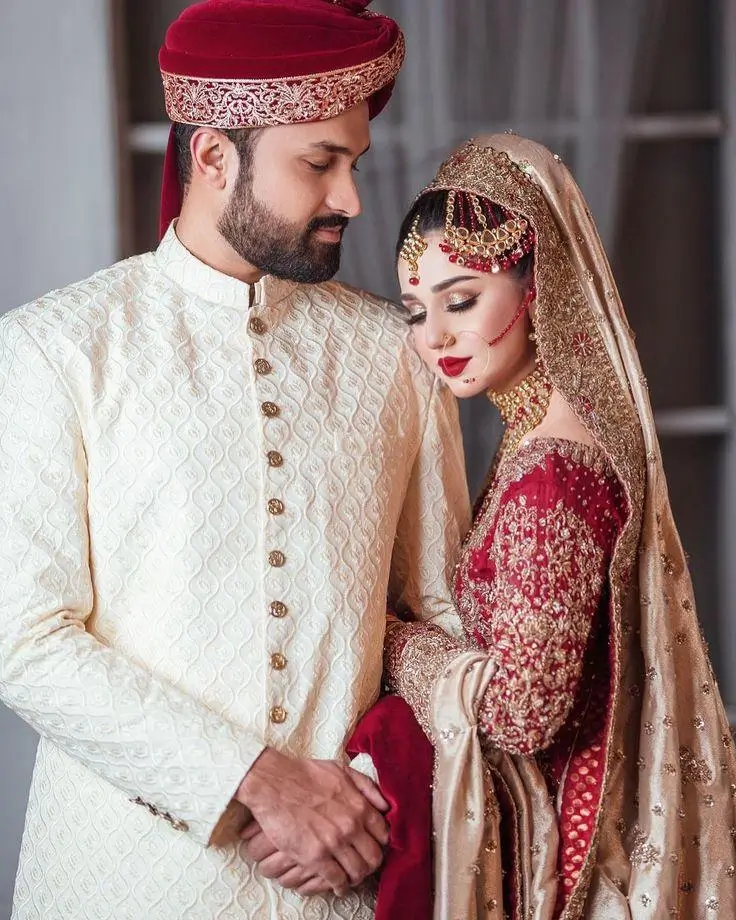
How Shendi and Shalima Celebrations Are Organised in Pakistan
1. Planning a Shendi: Combining Mehndi and Shaadi into One Celebration
A Shendi celebration brings together the colourful atmosphere of a traditional mehndi and the formal arrangements of a shaadi or baraat. Unlike conventional weddings, where both functions are organised on separate days, Shendi allows families to enjoy the major elements of these celebrations in one event.
The planning process requires coordination because the event has to accommodate two different wedding atmospheres. Mehndi is generally associated with music, dancing, bright colours, and informal entertainment, whereas the baraat involves formal wedding arrangements, family introductions, photography, dinner, and rukhsati.
The challenge is to combine these elements without making the event feel rushed or disorganised. Most families begin by deciding which traditions are essential to them. Some prefer a lively celebration with performances and colourful decorations, while others focus on the formal wedding proceedings and include only a few mehndi-inspired elements. A successful Shendi does not necessarily need to replicate two complete wedding functions. Instead, it should create a balanced programme that allows guests to enjoy both traditions.
Choosing the Venue
Venue selection is one of the most important decisions when arranging a Shendi. Since the event combines mehndi and baraat, families generally look for a venue that can accommodate entertainment, dining, photography, and the formal wedding arrangements. Popular venue options include:
- Marriage halls with spacious dining arrangements.
- Banquet halls with decorated stages.
- Wedding marquees with flexible seating arrangements.
- Hotels offering complete wedding packages.
- Outdoor wedding venues with suitable weather arrangements.
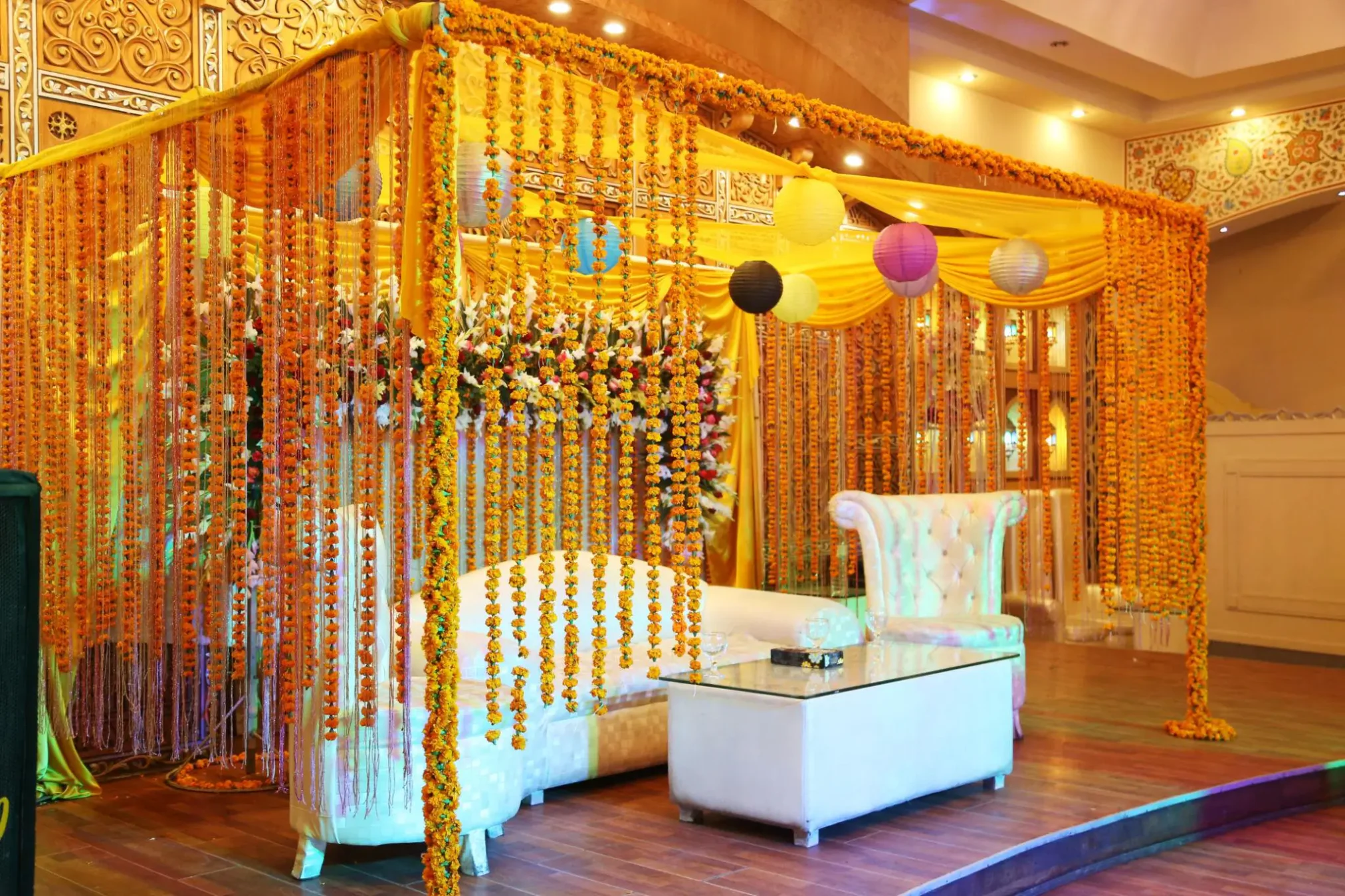
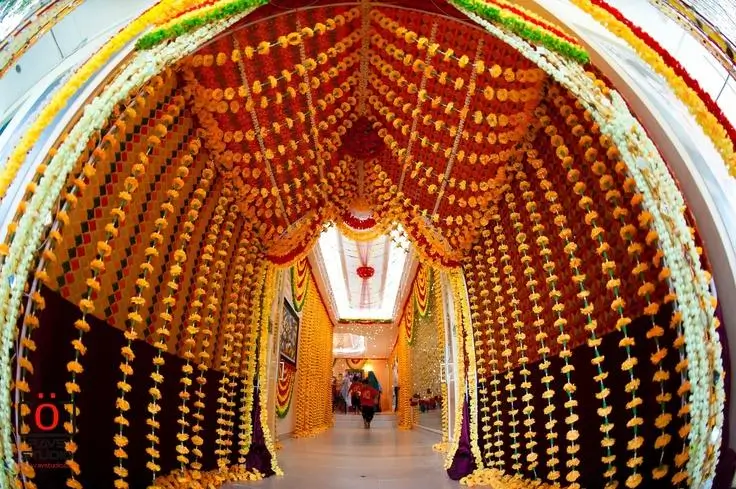
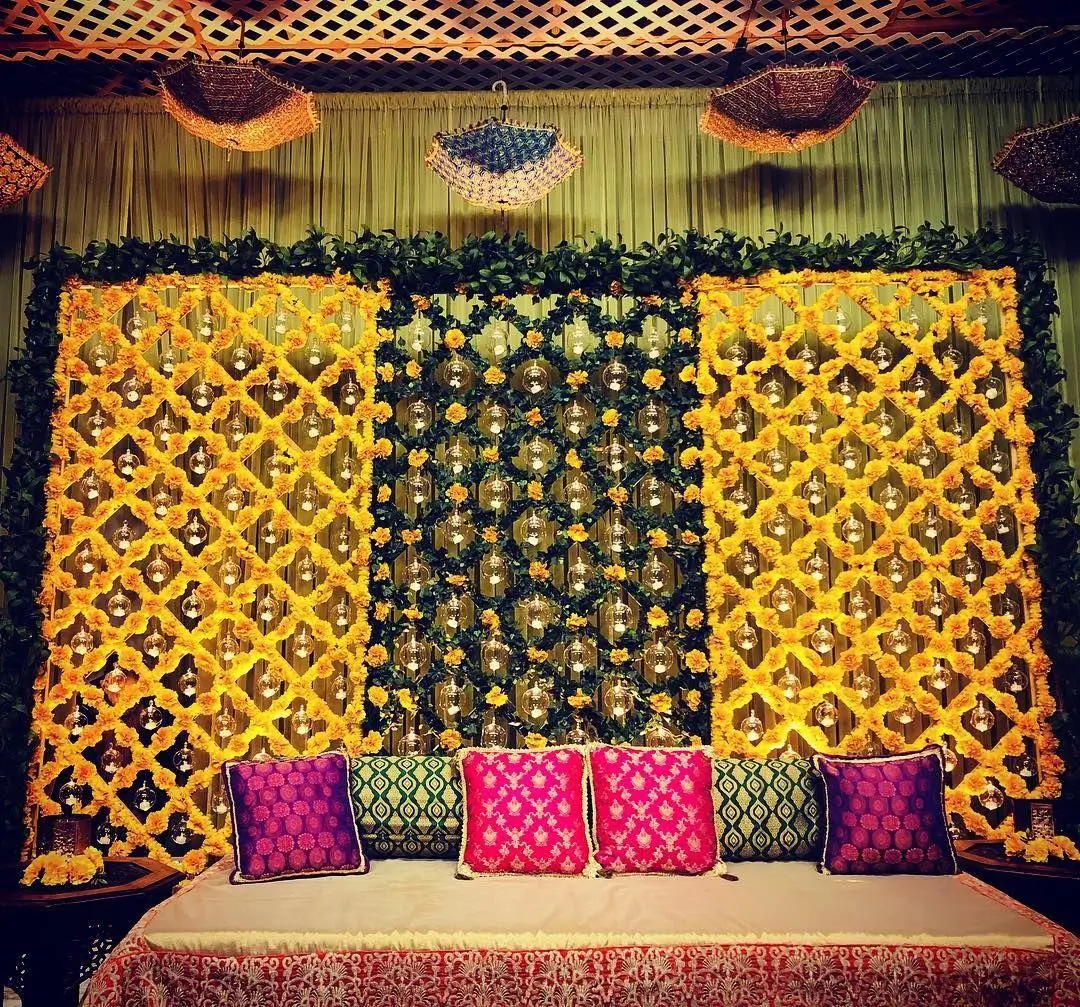
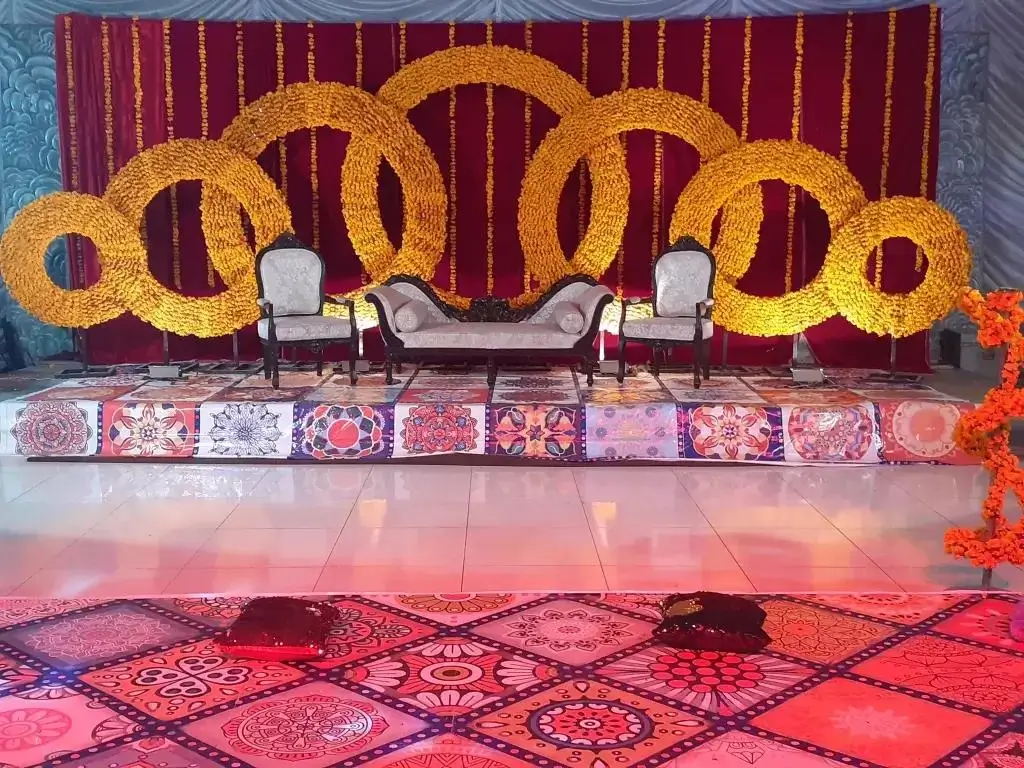
In cities such as Karachi, Lahore, Islamabad, and Faisalabad, wedding halls and banquet venues offer different packages depending on guest capacity, catering requirements, location, and decoration preferences. A suitable venue should have enough space for the stage, guest seating, dance performances, photography, and the bride and groom’s entrance. Families should also confirm the venue’s event timings, parking facilities, electricity arrangements, sound restrictions, and catering policies before making a booking. Decorations play an important role in creating the atmosphere of a Shendi. Because the event combines mehndi and shaadi traditions, families often choose vibrant themes featuring yellow, orange, green, pink, and gold.
Common decorative elements include:
- Marigold flower arrangements.
- Colourful floral entrances.
- Traditional charpais and decorative seating.
- Floral swings and photo corners.
- Patterned cushions and traditional rugs.
- Decorative dholki installations.
- Colourful stage backdrops.
- Fairy lights and hanging floral arrangements.
Some families prefer a traditional village-inspired theme, while others choose a modern combination of floral decorations and contemporary stage designs.The decoration should reflect the festive character of mehndi while maintaining the elegance expected at a wedding. A particularly popular approach is to create a colourful entrance and a more sophisticated main stage. This allows the celebration to transition naturally from the lively mehndi atmosphere to the formal wedding proceedings.
Bride and Groom Entrances
The entrance of the bride and groom is often one of the most memorable moments of a Shendi. Traditional mehndi celebrations may include family members welcoming the couple with flower petals, decorative trays, music, and coordinated performances.
Some families arrange separate entrances, while others prefer the bride and groom to enter together. A joint entrance is particularly suitable for combined functions because it reflects the shared nature of the celebration. The couple may arrive accompanied by close relatives, friends, and members of both families. Background music, traditional dhol beats, and coordinated lighting can make the moment more memorable.
Music, Dance and Entertainment
Entertainment is one of the defining characteristics of Shendi. Traditional mehndi functions are known for their lively atmosphere, and combining them with the baraat allows families to retain this festive character. Popular entertainment options include:
- Family dance performances.
- Traditional dhol players.
- Live musical performances.
- Wedding songs and folk music.
- Bride and groom entry performances.
- Friends’ dance routines.
- Short family tribute performances.
However, event organisers should ensure that the entertainment programme does not interfere with the formal wedding arrangements. A well-planned sequence allows guests to enjoy performances before dinner and leaves sufficient time for photography and rukhsati.
Rasm-e-Hina and Traditional Mehndi Customs
One interesting aspect of Shendi is the way families approach traditional mehndi rituals. In conventional mehndi celebrations, the bride’s hands and feet may be decorated with henna as part of the wedding preparations. Female relatives and friends often participate in the gathering, making it an intimate and festive occasion.
In some Shendi arrangements, the formal rasm-e-hina is shortened or conducted privately before the main event. This happens because the combined function has a limited schedule and must accommodate several activities. However, families who consider the henna ceremony important can still incorporate it through a symbolic ritual, decorative henna trays, or a smaller gathering before the wedding. There is no single mandatory format for Shendi. Each family can decide which customs they wish to retain.
2. Planning a Shalima: Combining Shaadi and Walima
A Shalima is organised around the combination of the traditional shaadi or baraat and walima celebrations. The event generally has a more formal atmosphere than Shendi because it brings together the main wedding celebration and the reception. Both families participate in arranging the gathering, although the exact division of responsibilities depends on their mutual understanding. A Shalima can be particularly useful when families want to reduce the number of wedding events without sacrificing the importance of the main celebration.
Selecting a Suitable Shalima Venue
The venue should be spacious enough to accommodate guests from both families. Since Shalima combines two traditionally separate occasions, the guest list may be larger than that of an ordinary wedding function. Important considerations include:
- Guest capacity and seating arrangements.
- Accessibility for elderly relatives.
- Separate or family-friendly seating preferences.
- Stage size and photography arrangements.
- Catering facilities.
- Parking and transportation.
- Event timing and venue restrictions.
In metropolitan cities, families may prefer banquet halls and hotels because they offer comprehensive event services. A single venue booking can also help reduce repeated setup and logistical expenses.
Shalima Decoration and Wedding Themes
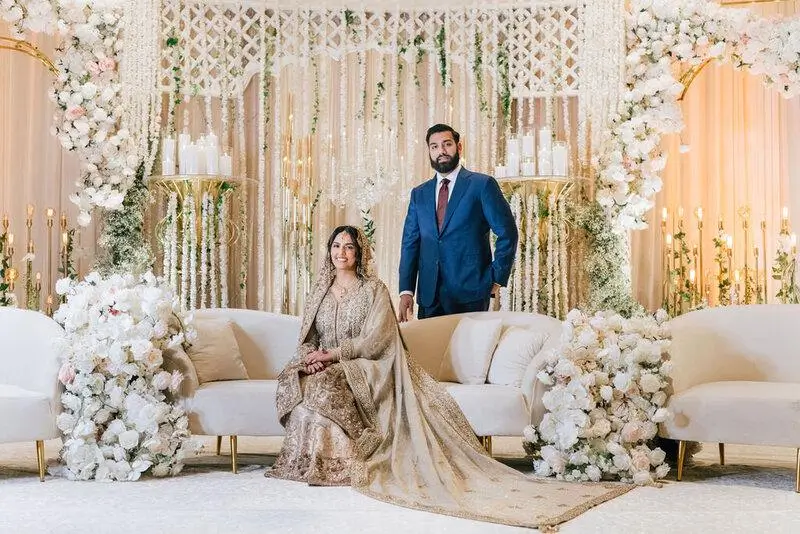
Unlike the bright and colourful themes often associated with mehndi, Shalima decorations frequently lean towards sophisticated and elegant designs. Popular colour combinations include:
- Ivory and gold.
- White and silver.
- Champagne and beige.
- Dusty pink and rose gold.
- Emerald green and gold.
- Soft peach and cream.
Floral arrangements, chandeliers, elegant stage furniture, decorative lighting, and minimalist backdrops can create a refined reception atmosphere. Some couples prefer a traditional Pakistani wedding aesthetic, while others choose contemporary arrangements inspired by luxury hotel receptions. The key is to create an atmosphere that reflects both the celebratory nature of the wedding and the formal presentation of the walima.
Bride and Groom’s Grand Entrance
The couple’s entrance is a central part of Shalima. Some families prefer a traditional entrance accompanied by relatives, while others arrange a coordinated walk towards the stage. The bride and groom may enter together or separately, depending on family preferences and the event programme.
Professional photographers and videographers often coordinate with the event team to capture these moments. A well-designed stage, suitable lighting, and a carefully selected entrance song can make the occasion memorable without requiring an excessively elaborate production.
3. How the Wedding Ceremony and Rukhsati Fit into Combined Events
One of the most important considerations when arranging Shendi or Shalima is deciding how the formal wedding proceedings will take place. The nikah, rukhsati, and walima have different cultural and religious associations. Combining wedding functions does not automatically mean that every ceremony should happen simultaneously.
Many Pakistani couples complete their nikah before the main wedding celebration. This arrangement allows the couple and their families to organise the remaining functions according to their convenience.
For example, the nikah may take place at home, in a mosque, or at a separate venue, while Shendi or Shalima becomes the main celebration attended by relatives and friends. In other cases, the nikah may be performed on the same day as the combined event. The rukhsati is another important consideration.
In a Shendi, rukhsati generally forms part of the formal baraat-related proceedings. In a Shalima, families must decide how to arrange the rukhsati and the reception elements within the same programme. Clear communication between the families is essential to avoid confusion. The couple should also discuss the timing of the religious ceremonies with their families and the relevant religious officiant.
4. Food and Catering: A Major Part of Combined Wedding Celebrations
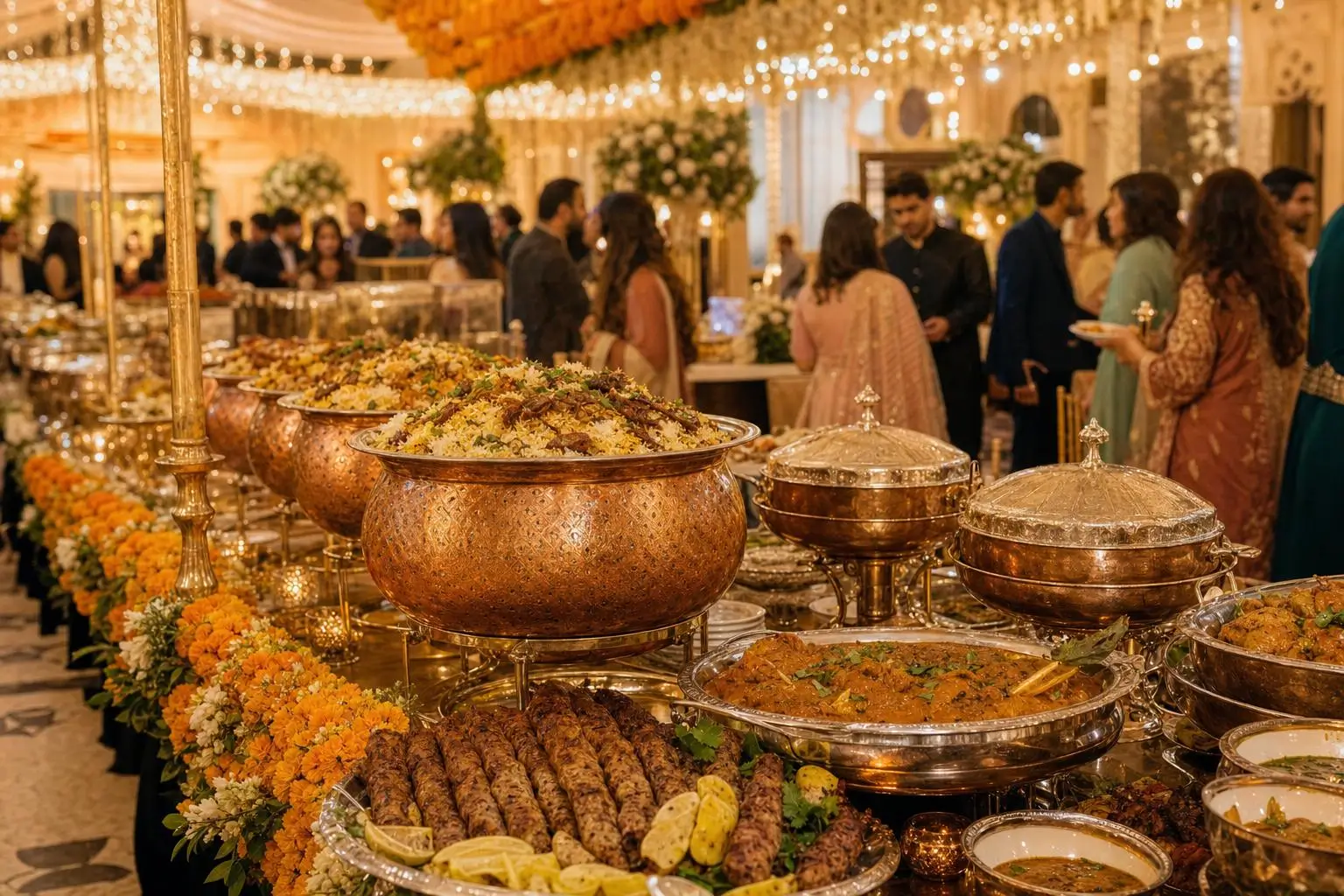
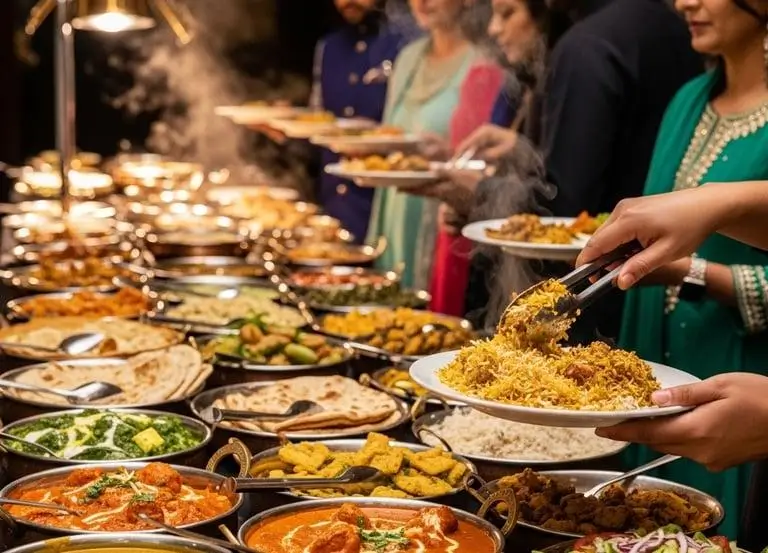
Food is an essential part of Pakistani wedding celebrations.Whether families organise a traditional mehndi, baraat, walima, Shendi, or Shalima, guests generally look forward to enjoying a variety of dishes. Combined wedding events provide an opportunity to organise one comprehensive menu instead of arranging separate catering services for multiple functions. However, the menu should reflect the character and timing of the event.
Traditional Pakistani Wedding Dishes
Common wedding menu options include:
- Chicken biryani.
- Mutton pulao.
- Chicken qorma.
- Beef nihari.
- Chicken karahi.
- Seekh kebabs.
- Malai boti.
- Chicken tikka.
- Fresh naan and roghni naan.
- Mixed salads and raita.
Families can choose dishes according to their budget, regional food preferences, and guest expectations.
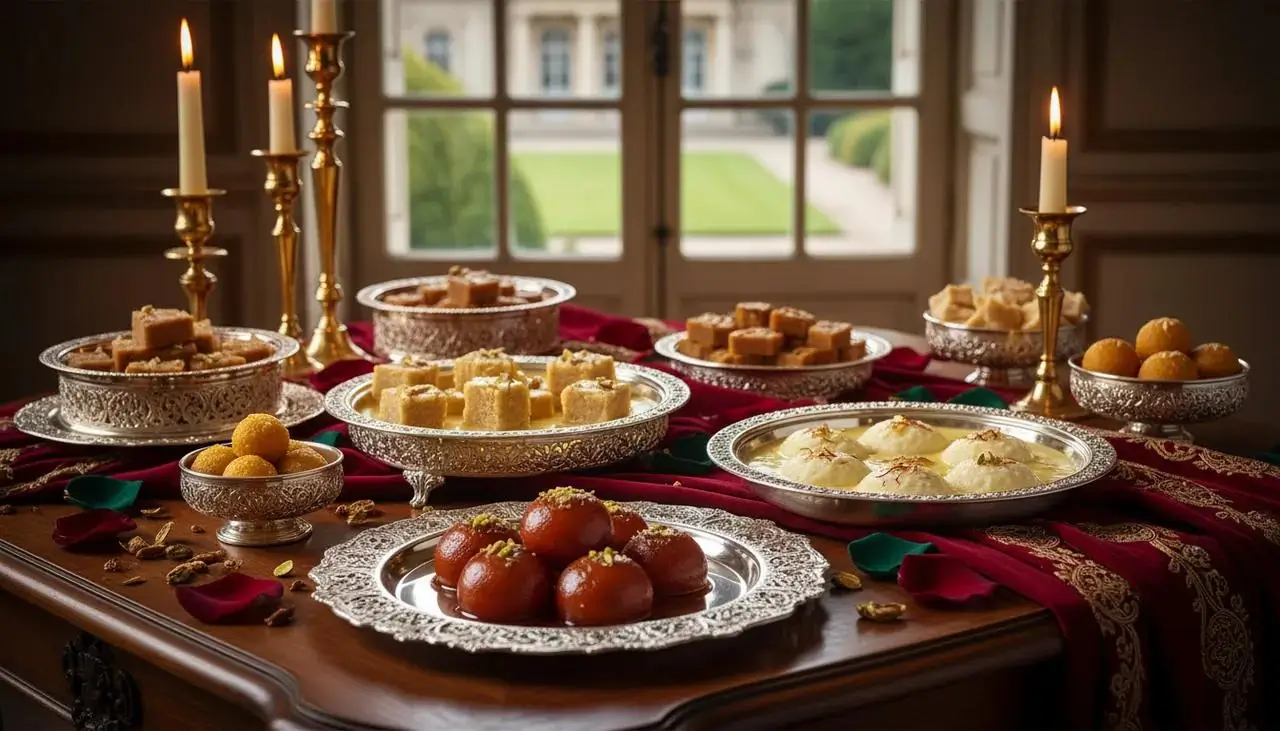
Desserts and Sweet Dishes
Desserts are another important part of Pakistani wedding catering. Popular choices include:
- Gulab jamun.
- Kheer.
- Shahi tukray.
- Gajar ka halwa.
- Ras malai.
- Traditional mithai.
- Cakes and pastries.
- Ice cream.
A dessert counter can add variety without making the main dinner arrangement unnecessarily complicated.
Modern Catering Trends
Some families also prefer contemporary wedding menus that combine Pakistani dishes with international options. These may include pasta stations, live barbecue counters, continental dishes, salads, and customised beverages. The advantage of a combined event is that families can concentrate their catering budget on one well-planned menu. However, they should avoid ordering excessive quantities simply to impress guests.
A balanced menu with good food quality, appropriate portions, and efficient service is generally more important than offering an unnecessarily large selection.
5. Sharing Expenses Between the Two Families
One of the strongest practical arguments in favour of Shendi and Shalima is the opportunity to reduce duplicated wedding expenses. Traditional weddings can involve several independent bookings and purchases. For example, families may separately arrange:
- Mehndi venue and decoration.
- Baraat venue and catering.
- Walima venue and catering.
- Photography and videography.
- Bridal makeup and grooming.
- Guest transportation.
- Stage decoration.
- Entertainment and sound systems.
Combining functions may reduce the number of separate arrangements. In Shendi, families can coordinate the mehndi-inspired entertainment and baraat arrangements within one celebration. In Shalima, the bride’s and groom’s families can discuss sharing the arrangements for the combined wedding and reception.
The exact division of costs is not fixed. Families should agree beforehand on which expenses each side will cover. A transparent budget can prevent misunderstandings and help everyone contribute comfortably. For example, one family might manage venue arrangements while the other handles catering, or both may agree to divide the total cost according to their financial circumstances. The most important principle is mutual agreement rather than rigid expectations.
6. Photography and Videography for Combined Weddings
Photography is an important part of modern Pakistani weddings. Shendi and Shalima offer photographers an opportunity to capture different aspects of the celebration within one event. For Shendi, photographs may include:
- Colourful mehndi decorations.
- Family dance performances.
- Traditional entrances.
- Henna-inspired details.
- Couple portraits.
- Formal wedding photographs.
- Rukhsati moments.
For Shalima, the focus may include:
- Elegant bridal portraits.
- Groom’s formal photographs.
- Couple entrance.
- Family group photographs.
- Reception stage arrangements.
- Dinner and celebration highlights.
Since both formats involve several activities, families should provide photographers with a programme before the event. This helps ensure that important moments are not missed. A single well-organised event can produce a complete collection of wedding memories without requiring multiple photography bookings on different days.
7. Managing Guest Lists and Invitations
Guest management can become complicated when multiple wedding functions are combined. Families should decide whether they want to invite everyone from both sides or keep certain parts of the celebration limited to close relatives. Digital invitations have become increasingly popular because they can be shared through WhatsApp and other communication platforms. A well-designed invitation should clearly mention:
- Names of the bride and groom.
- Names of the hosting families.
- Date and time.
- Venue and complete address.
- RSVP contact details.
- Any relevant dress-code information.
For a combined event, the invitation should clearly identify whether it is a Shendi or Shalima.
This helps guests understand the nature of the celebration and choose suitable attire.
8. Sample Event Timelines
A well-planned programme is essential because combined events involve several activities within a limited time. The following are illustrative schedules. Actual timings should be adjusted according to venue rules, local regulations, religious arrangements, and family preferences.
Sample Shendi programme
| Time | Activity |
|---|---|
| 6:00 PM | Guest arrival and welcome |
| 6:30 PM | Bride and groom entrance |
| 7:00 PM | Family performances and music |
| 7:45 PM | Photography and family portraits |
| 8:15 PM | Dinner service |
| 9:00 PM | Formal wedding proceedings and family traditions |
| 9:45 PM | Rukhsati arrangements, where applicable |
Sample Shalima programme
| Time | Activity |
|---|---|
| 6:30 PM | Guest arrival |
| 7:00 PM | Couple’s entrance |
| 7:30 PM | Family photographs |
| 8:00 PM | Reception and dinner |
| 9:00 PM | Family interactions and celebrations |
| 9:30 PM | Closing arrangements |
These programmes are examples rather than fixed cultural or religious requirements. The timing of rukhsati and walima-related arrangements deserves particular attention, especially when families want to maintain the traditional sequence of events.
9. Shendlima: Combining Three Wedding Functions
An additional development in Pakistan’s changing wedding culture is the concept of Shendlima. Shendlima combines three traditional functions:
- Mehndi.
- Shaadi or Baraat.
- Walima.
It represents an even more condensed approach to wedding celebrations. Instead of organising three major events, families arrange one comprehensive gathering that includes elements of all three. The concept can appeal to couples who want to minimise expenses and reduce the number of formal functions. However, organising Shendlima requires careful planning because it combines more activities than either Shendi or Shalima.
Families must decide how to balance mehndi entertainment, formal wedding proceedings, and reception arrangements. The timing of the walima also requires special consideration because its traditional religious significance is distinct from the cultural practice of organising a reception. Consequently, families should not assume that combining all three functions automatically makes every arrangement religiously equivalent to a traditional walima. The appropriate religious arrangements can be discussed with a knowledgeable scholar.
Why Simplified Weddings Are Becoming an Important Conversation in Pakistan
Wedding celebrations have always occupied an important place in Pakistani society. They represent the union of two individuals, the joining of families, and the continuation of cultural and religious traditions. For many families, weddings are among the most anticipated occasions in their lives.
However, the way weddings are organised has changed considerably over time. Rising living costs, increasing venue charges, expensive bridal clothing, catering expenses, and changing lifestyles have encouraged families to reconsider traditional wedding arrangements. In the past, organising separate mehndi, baraat, and walima functions was considered a familiar part of many Pakistani weddings. Today, some families are questioning whether every function needs to be organised independently.
This changing attitude has helped bring combined celebrations such as Shendi and Shalima into the conversation. Shendi combines mehndi and shaadi or baraat, while Shalima brings together shaadi or baraat and walima. Both arrangements offer families an opportunity to celebrate important wedding traditions while reducing the number of separate events.
The appeal is not limited to financial savings. These formats can also reduce planning responsibilities, simplify guest management, save time, and provide greater flexibility for couples and their families. The trend also raises an important question: Can Pakistani weddings become more affordable without losing their cultural identity? The growing interest in combined wedding events suggests that many families believe the answer is yes.
Financial Benefits of Shendi and Shalima
One of the biggest reasons families consider Shendi and Shalima is the opportunity to manage wedding expenses more effectively. Traditional weddings can involve multiple venue bookings, catering contracts, decoration arrangements, photography services, and transportation requirements. When families organise separate functions, many expenses are repeated. Combined wedding arrangements can help reduce this duplication.
Savings on Venue Bookings
Venue charges are often among the largest expenses associated with Pakistani weddings. Booking separate venues for mehndi, baraat, and walima means paying for multiple event dates. Depending on the venue, families may also have to pay separately for:
- Hall rental.
- Stage arrangements.
- Lighting.
- Seating.
- Sound systems.
- Decoration.
- Cleaning and management.
- Additional setup time.
By combining functions, families may be able to reduce the number of bookings. For example, a family planning Shendi can use one venue for both mehndi-inspired celebrations and the main wedding event. Similarly, Shalima can reduce the need to book separate venues for the baraat and reception. The actual savings depend on the venue’s pricing structure, guest capacity, booking duration, and the services included in the package.
Savings on Catering
Food is another major wedding expense. Separate functions usually require separate catering arrangements, which can increase the total cost considerably. A combined event allows families to concentrate their catering budget on one main gathering. Instead of arranging several independent dinners, families can plan a single menu that offers sufficient variety for guests. This can also make it easier to estimate the number of meals required and minimise food wastage.
Savings on Decorations
Wedding decoration packages can include floral arrangements, stage backdrops, lighting, entrance installations, centrepieces, and decorative seating. Organising separate functions often means repeating many of these arrangements. Shendi and Shalima allow families to invest in one coordinated decoration theme. For example, Shendi can use colourful floral decorations that incorporate mehndi-inspired elements alongside a formal wedding stage. Shalima can feature elegant reception decorations suitable for both the wedding celebration and the reception atmosphere.
Savings on Photography and Videography
Professional photography and videography can be expensive, especially when multiple functions require separate bookings. A combined event can reduce the number of photography sessions and simplify scheduling. Families may choose one comprehensive photography package that covers the major moments of the celebration. These can include:
- Couple entrances.
- Family photographs.
- Wedding rituals.
- Stage portraits.
- Performances.
- Dinner arrangements.
- Rukhsati moments, where applicable.
However, couples should ensure that the photography package covers the entire event rather than assuming that one booking automatically includes every service.
Savings on Clothing and Styling
Traditional weddings often involve different outfits for each function. A bride may purchase separate dresses for mehndi, baraat, and walima, while the groom may also need multiple formal outfits. Guests can face similar expenses when attending several functions. Combined events can reduce the number of outfits required.
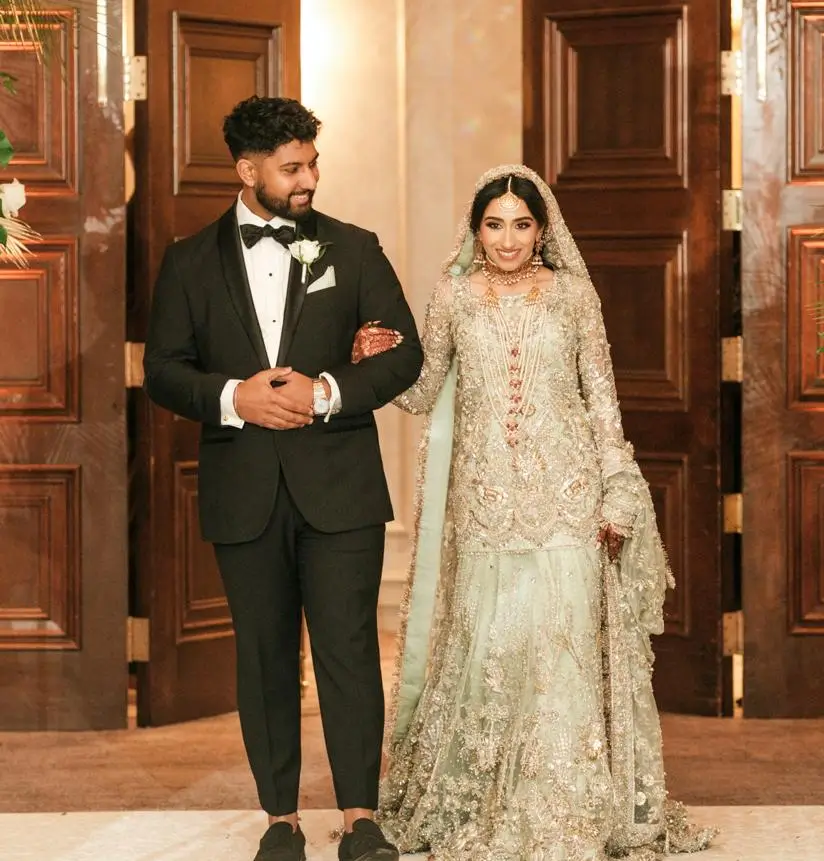
For example, a Shendi bride can choose one elaborate outfit combining mehndi colours with traditional bridal embroidery. A Shalima bride may select a single outfit that blends the elegance of walima fashion with the grandeur of the main wedding celebration. This can be particularly useful for families who want beautiful clothing without unnecessary wardrobe expenses.
Understanding the Financial Difference: Traditional Weddings vs Combined Weddings
The following example illustrates how combining functions can affect wedding budgets. These figures are hypothetical and are provided only to demonstrate the budgeting process. They are not market quotations or guaranteed savings.
ILLUSTRATIVE WEDDING BUDGET · PAKISTAN
| Expense | Separate functions | Combined event |
|---|---|---|
| Venue | Rs. 500,000 | Rs. 300,000 |
| Catering | Rs. 800,000 | Rs. 500,000 |
| Decoration | Rs. 250,000 | Rs. 180,000 |
| Photography | Rs. 150,000 | Rs. 100,000 |
| Entertainment | Rs. 100,000 | Rs. 80,000 |
| Miscellaneous | Rs. 100,000 | Rs. 70,000 |
| Total | Rs. 1,900,000 | Rs. 1,230,000 |
ILLUSTRATIVE POTENTIAL SAVING
Approximately 35.3% less than the hypothetical separate-function budget.
Illustrative comparison in Pakistani rupees. These are hypothetical figures, not verified market averages.
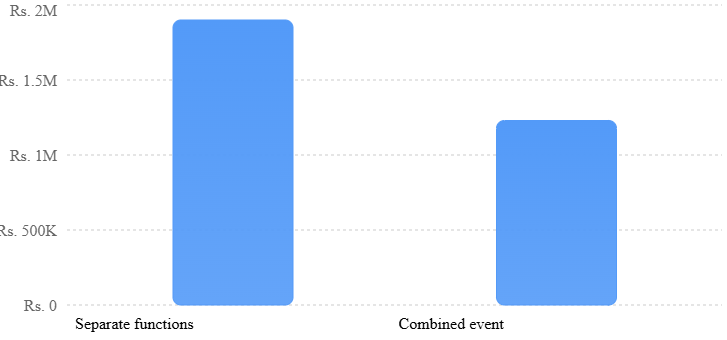
The example demonstrates how combining functions can potentially reduce repeated expenses.
However, actual savings depend on several factors, including the number of guests, venue rates, menu selection, decoration requirements, and the services included in the event package.
Families should compare quotations carefully rather than assuming that a combined event will automatically be cheaper.
The Impact of Shendi and Shalima on Wedding Venues and Banquet Halls
The popularity of combined wedding functions also has implications for Pakistan’s wedding venue industry. Marriage halls, banquet venues, hotels, and marquees traditionally receive bookings for multiple wedding functions. A family organising three separate events may book three different dates, depending on its arrangements. If more families choose combined celebrations, the number of individual bookings required per wedding could decrease. This creates both challenges and opportunities for venue operators.
Potential Challenges for Venue Owners
One concern is that combining functions may reduce the number of bookings generated by each wedding. For example, a venue that previously hosted separate mehndi and baraat events for the same family may now receive only one booking. This could affect revenue if the venue depends heavily on multiple bookings from the same customers.
The effect may be particularly relevant for businesses that have built their operations around traditional multi-day wedding packages. However, it is important not to assume that combined weddings will necessarily reduce overall demand for wedding venues. The number of weddings, available venues, seasonal demand, and customer preferences also influence business performance.
New Opportunities for Wedding Venues
Combined wedding events can encourage venues to develop new services. For example, banquet halls can introduce specialised packages for:
- Shendi celebrations.
- Shalima receptions.
- Shendlima events.
- Combined family wedding functions.
- Customised wedding themes.
- Flexible decoration arrangements.
- Complete event-management services.
Venues can also offer different packages according to guest capacity and budget. Instead of focusing exclusively on selling multiple function bookings, they can attract customers by offering value, convenience, and efficient event management. This could help venues remain competitive as wedding preferences change.
How Wedding Planners Can Adapt to the Growing Trend
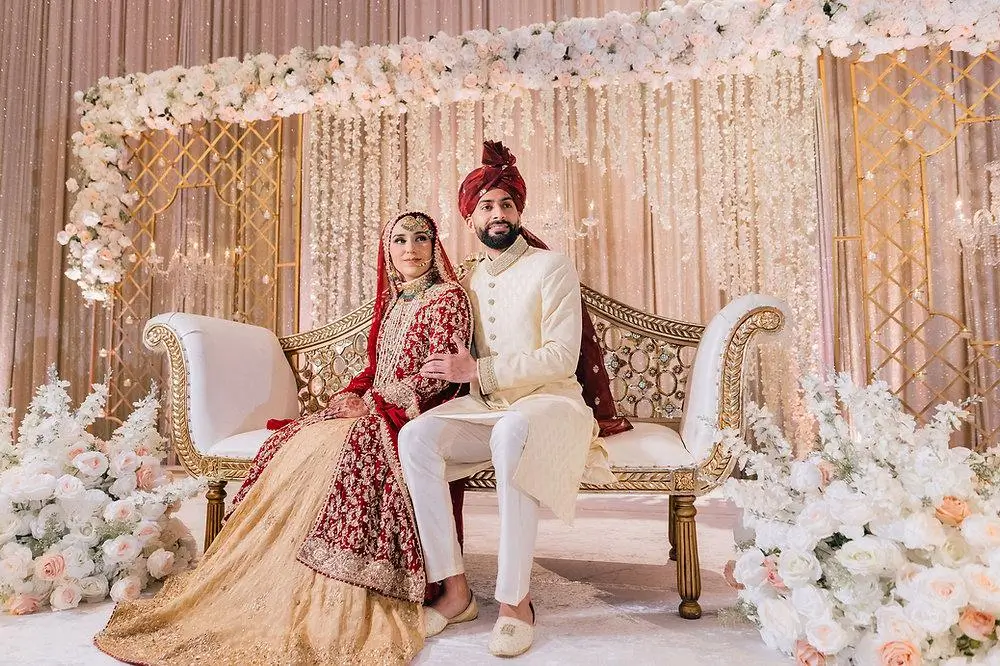
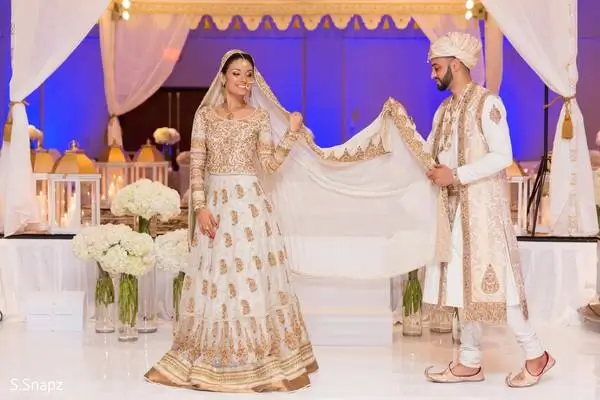
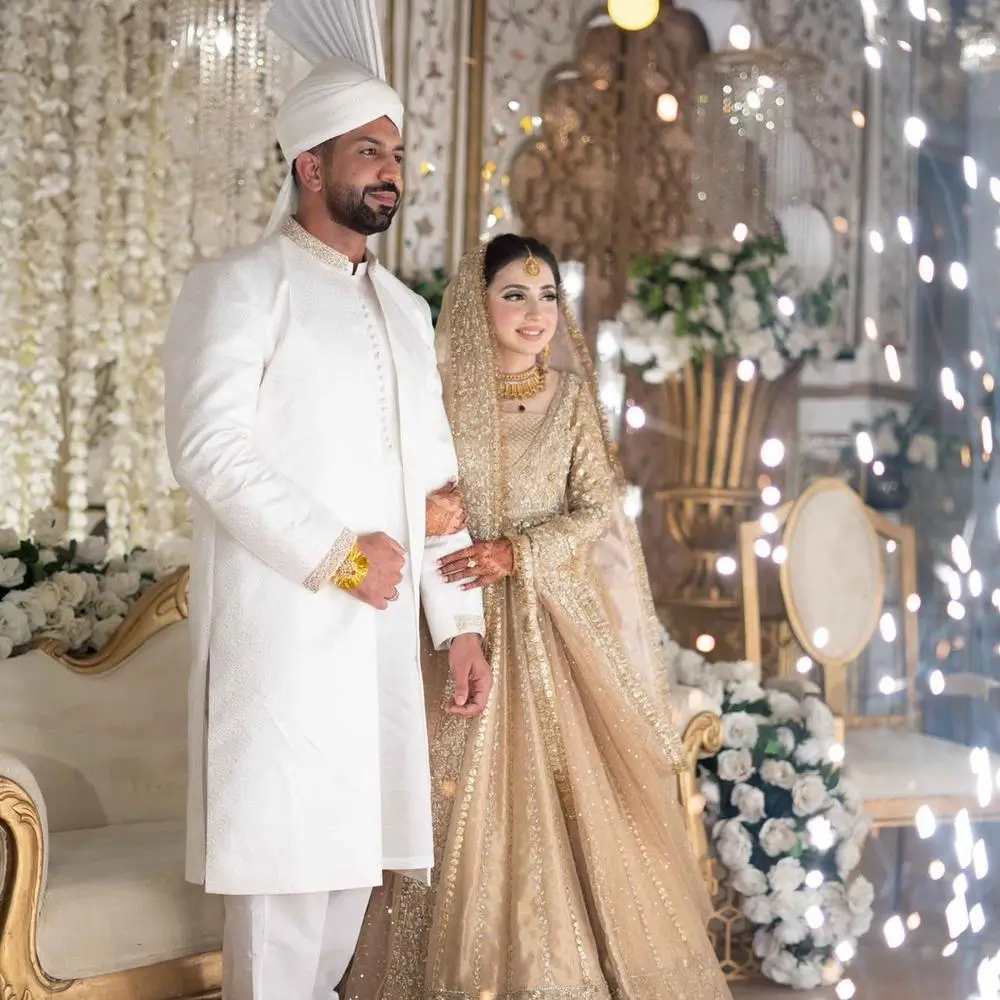
Wedding planners have an important role in making combined celebrations successful. Shendi and Shalima require careful coordination because they bring together activities that traditionally take place during separate events. Wedding planners can help families manage these arrangements without creating unnecessary complications. Their responsibilities may include:
Event scheduling
A planner can create a programme that balances entertainment, entrances, photography, dinner, and formal proceedings.
Vendor coordination
Instead of dealing with multiple separate arrangements, families can work with one event-management team to coordinate decoration, lighting, sound, catering, and photography.
Budget management
Wedding planners can prepare a detailed expense breakdown and help families identify areas where costs can be reduced.
Theme development
They can create a unified visual identity that combines traditional and contemporary wedding aesthetics.
Guest management
They can coordinate invitations, seating, guest arrivals, parking, and hospitality. The growing interest in combined wedding events provides planners with an opportunity to develop specialised packages for modern Pakistani couples.
The Role of Catering Companies and Food Businesses
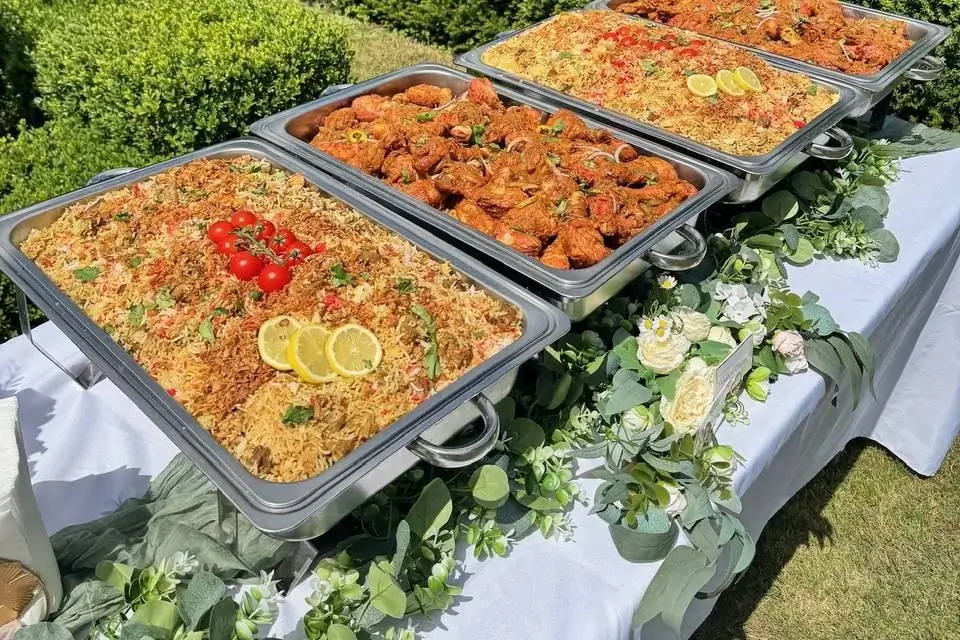
Food businesses are another important part of the Pakistani wedding industry. Catering companies traditionally provide separate menus and services for mehndi, baraat, and walima functions. Combined events may change how these services are purchased.
Rather than preparing multiple smaller menus for separate occasions, caterers may be asked to provide one comprehensive menu for a larger gathering. This can create opportunities for more flexible catering packages. For example, catering businesses can offer:
- Traditional Pakistani wedding menus.
- Premium reception menus.
- Budget-friendly combined packages.
- Live cooking stations.
- Customised dessert counters.
- Regional food selections.
- Special dietary arrangements.
Caterers may also benefit from more predictable planning when guest numbers and menu requirements are finalised in advance. However, they need to ensure that food quality and service standards remain consistent even when the event combines several wedding activities.
How Shendi and Shalima Affect Bridal Boutiques and Fashion Designers
The growing interest in combined weddings can also influence Pakistan’s bridal fashion industry. Traditionally, brides may purchase different outfits for different functions. A Shendi bride, however, may prefer one outfit that combines the colours and decorative features of mehndi and baraat fashion.
Similarly, a Shalima bride may want an outfit that can serve as both a formal bridal ensemble and an elegant reception look. This creates demand for more versatile designs. Fashion businesses can respond by offering:
- Multi-purpose bridal dresses.
- Customised wedding ensembles.
- Lightweight bridal lehengas.
- Convertible dupattas.
- Detachable sleeves.
- Coordinated jewellery packages.
- Matching bride and groom collections.
- Affordable formal wedding wear.
Bridal boutiques can also provide consultation services to help couples select clothing suitable for combined events. This approach may be particularly appealing to customers who want premium-looking outfits without purchasing several expensive ensembles.
The Importance of Affordable Wedding Packages in Karachi and Other Pakistani Cities
Karachi is one of Pakistan’s largest urban wedding markets, with a wide range of marriage halls, hotels, banquet venues, caterers, decorators, and photography businesses. Families in the city have different budgets and preferences. Some choose luxury hotel receptions, while others prefer traditional banquet halls or smaller family gatherings. The same variety exists in Lahore, Islamabad, Rawalpindi, Faisalabad, Hyderabad, Multan, and other cities. Combined wedding events can provide an opportunity for venues and service providers to offer more flexible packages. For example, a Shendi package could include:
- One venue booking.
- Mehndi-inspired decorations.
- Wedding stage setup.
- Basic sound and lighting.
- Catering.
- Photography.
A Shalima package could include:
- Reception-style venue decoration.
- Couple entrance arrangements.
- Formal stage setup.
- Catering.
- Family photography.
- Event coordination.
These packages can make wedding planning easier because families can understand the services and costs involved before booking. However, customers should always confirm what is included. A low-priced package may exclude important services such as taxes, additional decoration, generator charges, overtime, or extra catering requirements.
Practical Guide: How to Organise an Affordable Shendi or Shalima
Families considering a combined wedding event should begin planning early. A well-organised event can reduce unnecessary expenses while ensuring that the important traditions are not overlooked. The following steps provide a practical planning framework.
Step 1: Decide Which Functions to Combine
The first decision is whether the family prefers Shendi or Shalima.
Choose Shendi if the objective is to combine mehndi and shaadi.
Choose Shalima if the objective is to combine shaadi and walima.
Families who want to combine all three functions may consider Shendlima, provided the programme and religious arrangements are discussed carefully.
Step 2: Establish a Realistic Budget
Before booking a venue, both families should agree on a realistic spending limit. The budget should include:
- Venue rental.
- Catering.
- Decoration.
- Bridal and groom outfits.
- Photography.
- Entertainment.
- Transportation.
- Invitations.
- Miscellaneous expenses.
It is also advisable to keep some money aside for unexpected costs.
Step 3: Finalise the Guest List
Guest numbers influence almost every major wedding expense. A larger guest list requires more seating, food, space, and event-management resources. Families should prepare a guest list based on genuine invitations and available budgets.
Step 4: Compare Multiple Venues
Families should not select a venue solely because it looks attractive in photographs. They should compare:
- Location.
- Capacity.
- Rental price.
- Parking.
- Catering policies.
- Decoration options.
- Event timings.
- Electricity backup.
- Additional charges.
Visiting the venue before booking is highly recommended.
Step 5: Select a Suitable Theme
A Shendi theme can incorporate bright colours, traditional floral elements, and festive lighting. A Shalima theme may feature elegant stage decoration, pastel colours, metallic accents, and sophisticated floral arrangements. The theme should be consistent across invitations, clothing, decoration, and photography.
Step 6: Plan the Programme
A written event schedule can prevent confusion. The families should agree on the timing of:
- Guest arrival.
- Couple entrance.
- Family performances.
- Formal ceremonies.
- Photography.
- Dinner.
- Rukhsati, where applicable.
The schedule should allow enough time for each important activity.
Step 7: Confirm Vendor Arrangements
All major service providers should receive written confirmation of their responsibilities. This includes the venue, caterer, photographer, decorator, makeup artist, and event coordinator. Families should confirm payment terms, cancellation policies, delivery timings, and any additional charges.
Step 8: Maintain Communication Between Both Families
Communication is especially important when two families are sharing one event. They should agree on the budget, guest list, rituals, clothing expectations, and event responsibilities before making final arrangements. This reduces misunderstandings and makes the celebration more enjoyable.
Common Mistakes to Avoid When Planning Shendi and Shalima
Although combined wedding events can simplify arrangements, poor planning can create unnecessary problems. Some common mistakes include:
Trying to include too many activities
Combining functions does not mean every activity from every traditional celebration must be included. A crowded programme can make the event tiring for guests and stressful for the couple.
Ignoring the venue’s time restrictions
Many wedding venues operate under specific timing rules. Families should confirm the event schedule before planning entrances, performances, and dinner.
Underestimating guest numbers
An event with insufficient seating or catering can create a negative experience. The guest list should be finalised before confirming the venue capacity.
Choosing decoration without considering the venue
A theme that looks beautiful in inspiration photographs may not suit the actual hall or stage. Families should discuss decoration possibilities with the venue and decorator.
Not clarifying cost-sharing arrangements
Both families should agree on the division of expenses beforehand. This avoids confusion when payments become due.
Forgetting the couple’s comfort
The bride and groom should have enough time to rest, eat, change outfits if necessary, and enjoy the celebration. The event should not become so complicated that the couple cannot appreciate their own wedding.
Shendi vs Shalima vs Shendlima: Which Wedding Format Is More Suitable?
These three formats represent different approaches to simplifying Pakistani wedding celebrations.
| Feature | Shendi | Shalima | Shendlima |
|---|---|---|---|
| Functions combined | Mehndi + Shaadi | Shaadi + Walima | Mehndi + Shaadi + Walima |
| Event atmosphere | Festive | Formal and elegant | Mixed festive and formal |
| Main focus | Mehndi and wedding | Wedding and reception | All major celebrations |
| Planning complexity | Moderate | Moderate | Relatively high |
| Potential cost savings | Yes | Yes | Potentially greater |
| Suitable for | Families combining pre-wedding festivities with baraat | Families combining wedding and reception | Families seeking one comprehensive celebration |
There is no universal answer regarding which format is best. A family that considers mehndi an essential tradition may prefer Shendi. A family that wants to bring both sides together for the main wedding and reception may prefer Shalima. Couples seeking a single comprehensive event may explore Shendlima. The choice should depend on cultural preferences, financial circumstances, religious considerations, and mutual family agreement.
Will Shendi and Shalima Become the New Normal in Pakistan?
The future of Pakistani wedding celebrations is likely to involve greater flexibility.Traditional multi-day weddings will continue to remain important for many families, particularly those who value separate mehndi, baraat, and walima celebrations. At the same time, changing lifestyles and financial pressures may encourage more couples to consider combined functions. Several developments could influence the future of Shendi and Shalima.
Growing Financial Awareness
As families become more conscious of household expenses and long-term financial priorities, they may become more selective about wedding spending. Couples may prefer to allocate money towards housing, education, savings, travel, or other important goals. This could increase interest in combined wedding arrangements.
Changing Expectations Among Younger Couples
Younger couples may place greater importance on personal preferences and convenience. They may want wedding celebrations that reflect their identities rather than follow every traditional expectation.Combined events provide an opportunity to personalise wedding arrangements.
Influence of Urban Lifestyles
In major cities, work commitments, traffic, travel distances, and busy schedules can make multi-day celebrations difficult. A single combined event may be more convenient for families and guests.
More Flexible Wedding Businesses
Venues, decorators, photographers, and caterers may increasingly develop specialised packages for combined celebrations. This could make Shendi and Shalima easier to organise and more widely accessible.
Social Media and Changing Wedding Aesthetics
Social media will likely continue influencing wedding fashion, decoration, photography, and event planning. Couples can discover new ideas and customise their celebrations without necessarily following traditional formats. However, popularity should not be confused with universal acceptance. The future of combined weddings will depend on how different families respond to these arrangements.
Are Combined Weddings a Sign of Changing Pakistani Values?
Shendi and Shalima also reflect a broader discussion about social expectations and the meaning of marriage. For many families, weddings have become increasingly associated with elaborate arrangements and public displays of celebration. While these activities can create beautiful memories, they may also place pressure on families to spend beyond their means.Combined wedding formats challenge the assumption that a successful marriage celebration requires multiple expensive events.
They encourage a different way of thinking about weddings. Instead of measuring a celebration through the number of functions, guests, decorations, or dishes, families can focus on the happiness of the couple and the relationships being celebrated. This does not mean abandoning cultural traditions or discouraging families who enjoy elaborate weddings. Rather, it means recognising that families should have the freedom to celebrate according to their circumstances. A small wedding can be meaningful. A large wedding can also be meaningful. The important consideration is that the arrangements are made willingly and responsibly rather than through unnecessary social pressure.
The Future of Pakistani Wedding Industry: Adapting to a New Generation
The wedding industry will need to respond to changing customer preferences.Businesses that offer flexible services may be better positioned to attract customers who want combined events.
This includes:
- Banquet halls offering Shendi and Shalima packages.
- Caterers providing flexible menus.
- Designers creating versatile bridal clothing.
- Photographers offering combined-event coverage.
- Decorators developing adaptable themes.
- Wedding planners specialising in simplified celebrations.
Wedding vendors may also need to rethink how they communicate value. Instead of focusing only on elaborate packages, businesses can highlight convenience, transparent pricing, service quality, and customised arrangements.
For customers, this creates more choices. For vendors, it provides opportunities to develop new services and reach different market segments. The overall impact will depend on market demand, booking patterns, customer budgets, and the ability of businesses to adapt.
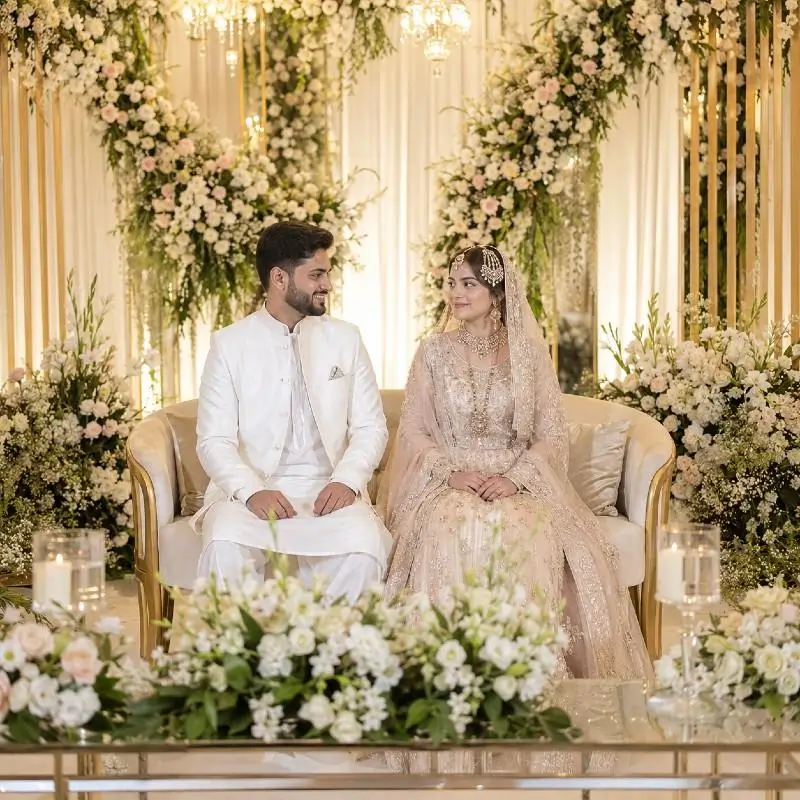
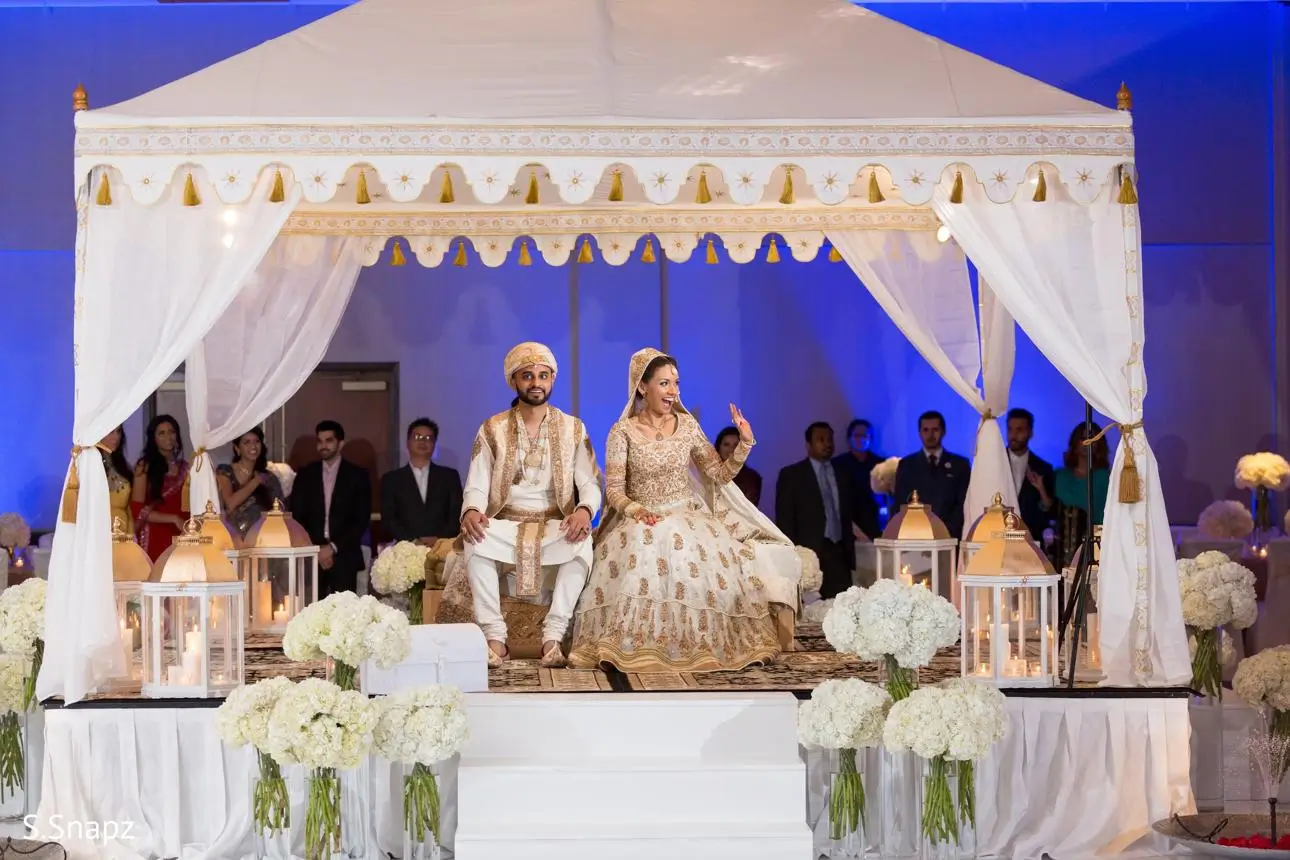
Shendi and Shalima Represent a New Way of Celebrating Pakistani Weddings
Shendi and Shalima are more than modern wedding trends. They represent changing attitudes towards family celebrations, financial responsibility, cultural traditions, and contemporary lifestyles in Pakistan. Shendi combines the colourful celebrations of mehndi with the formal importance of shaadi or baraat. Shalima combines the main wedding celebration with the walima reception.
Both formats provide families with an opportunity to reduce the number of separate functions while preserving many of the traditions that make Pakistani weddings special. Their appeal lies in flexibility. Families can select their favourite decorations, outfits, music, food, and ceremonies without necessarily organising several large gatherings. They can also share expenses, simplify planning, reduce guest fatigue, and avoid unnecessary repetition.
However, combined weddings are not without challenges. Families need to consider religious traditions, event scheduling, guest capacity, cost-sharing arrangements, and the expectations of both sides. Wedding venues and service providers must also adapt to changing customer preferences by offering practical and affordable packages. Ultimately, the popularity of Shendi and Shalima highlights an important change in how people think about marriage celebrations. A wedding should be a joyful beginning rather than a financial burden.
Whether a family chooses a traditional multi-day celebration, Shendi, Shalima, or Shendlima, the most important thing is that the occasion reflects the couple’s wishes, respects family traditions, and remains within a comfortable budget. As Pakistani wedding culture continues to evolve, combined celebrations may become an increasingly familiar option for couples seeking a balance between tradition and modern convenience. The future of weddings does not necessarily depend on having more functions. It may depend on making every celebration more meaningful.
Frequently Asked Questions (FAQs) About Shendi and Shalima in Pakistan
Q1. What is Shendi in Pakistani weddings?
Shendi is a modern Pakistani wedding arrangement that combines mehndi and shaadi or baraat into one celebration. It brings together colourful mehndi decorations, music, dancing, family entertainment, and formal wedding activities, helping families reduce the number of separate functions.
Q2. What does Shalima mean in Pakistani wedding culture?
Shalima refers to a combined wedding event that brings together shaadi or baraat and walima. Instead of arranging separate celebrations on different days, families organise one shared event featuring wedding festivities and reception arrangements.
Q3. What is the difference between Shendi and Shalima?
Shendi combines mehndi and shaadi, whereas Shalima combines shaadi and walima. Shendi generally has a more colourful and festive atmosphere, while Shalima tends to feature a formal wedding and reception style.
Q4. What is Shendlima?
Shendlima is a combined wedding format that brings together three functions: mehndi, shaadi or baraat, and walima. It is intended for families who want to organise one comprehensive wedding celebration instead of three separate events.
Q5. Why are Shendi and Shalima becoming popular in Pakistan?
These formats are attracting attention because of increasing wedding expenses, busy lifestyles, and the desire to simplify wedding arrangements. They allow families to combine celebrations, share expenses, reduce preparation time, and make wedding planning more manageable.
Q6. Can both families share the expenses of a Shalima?
Yes. One of the practical features of Shalima is that both families can mutually agree to share venue, catering, decoration, and other event expenses. There is no universal cost-sharing formula, so arrangements should be discussed beforehand.
Q7. What should a bride wear to a Shendi?
A Shendi bride can wear a colourful lehenga, gharara, sharara, or heavily embroidered traditional bridal suit. Yellow, orange, green, red, pink, and gold are popular choices. Floral jewellery and traditional accessories can complement the festive atmosphere.
Q8. What should a bride wear to a Shalima?
Shalima brides can choose ivory, champagne, silver, pastel pink, peach, gold, or traditional red bridal outfits. Lehenga cholis, ghararas, sarees, and heavily embellished formal dresses are suitable options.
Q9. What should guests wear to Shendi and Shalima?
For Shendi, guests can choose colourful shalwar kameez, kurtas, Anarkalis, ghararas, sarees, and festive formal clothing. For Shalima, more sophisticated outfits such as formal suits, sherwanis, sarees, pastel dresses, and embroidered ensembles are suitable.
Q10. Is Shendi more affordable than organising separate mehndi and baraat functions?
It can be. Families may save money by reducing repeated venue bookings, catering arrangements, decoration costs, and photography expenses. Actual savings depend on guest numbers, venue pricing, and the services selected.
Q11. Is Shalima religiously acceptable in Islam?
Shalima is a modern social arrangement rather than a separate Islamic religious ceremony. Combining social wedding celebrations does not itself determine whether the traditional requirements and timing of walima have been observed. Families should consult a qualified scholar about their specific circumstances, particularly regarding nikah, rukhsati, and walima.
Q12. Can walima and baraat take place on the same day?
Families may arrange their wedding celebrations on the same day, but the traditional timing and religious considerations surrounding walima should be understood. A qualified scholar can advise on the appropriate arrangement based on the circumstances.
Q13. Is Shendi suitable for small weddings?
Yes. Shendi can work particularly well for smaller weddings because families can combine mehndi-inspired entertainment and the main wedding celebration without arranging multiple large gatherings.
Q14. Do Shendi and Shalima require separate wedding invitations?
No. Families can issue one invitation for the combined celebration. The invitation should clearly mention whether the event is Shendi or Shalima, along with the date, time, venue, and hosting families.
Q15. Are Shendi and Shalima popular in Karachi?
These concepts are part of the discussion around changing urban wedding trends in Pakistan, including Karachi. Their adoption varies between families, communities, and social groups. Karachi’s marriage halls, banquet venues, and event planners can accommodate combined wedding arrangements according to customer requirements.
Q16. Can traditional wedding rituals be included in Shendi?
Yes. Families can retain traditional music, dances, floral decorations, henna-inspired customs, and other cultural activities. Some rituals may be shortened or arranged privately depending on the event schedule.
Q17. What are the main advantages of combined wedding events?
The main advantages include:
- Reduced venue and catering expenses.
- Less preparation and planning.
- Fewer travel commitments for guests.
- Reduced pressure on families.
- Greater flexibility in wedding arrangements.
- Opportunities for both families to celebrate together.
Q18. Are traditional multi-day weddings disappearing in Pakistan?
No. Traditional multi-day weddings remain important to many Pakistani families. Shendi and Shalima simply provide additional options for those who prefer shorter, more convenient celebrations.
Q19. What is the best venue for Shendi or Shalima?
The best venue depends on guest capacity, location, budget, decoration requirements, catering facilities, parking, and event timings. Banquet halls, marriage halls, marquees, and hotels can all be suitable options.
Q20. What is the future of Shendi and Shalima in Pakistan?
Their future will depend on changing family preferences, wedding expenses, urban lifestyles, and the ability of wedding businesses to offer flexible packages. They may become increasingly familiar alternatives for couples who want to balance traditional celebrations with modern convenience.
Final Editorial Summary
Shendi and Shalima highlight an important transformation in Pakistani wedding culture. They demonstrate how families can preserve cultural celebrations while adapting to financial pressures and modern lifestyles. Whether couples choose Shendi, Shalima, Shendlima, or traditional separate functions, the central purpose remains the same: celebrating marriage, bringing families together, and creating lasting memories.
The increasing interest in combined celebrations also creates opportunities for Pakistan’s wedding industry, including marriage halls, banquet venues, caterers, bridal boutiques, photographers, decorators, and event planners. By offering affordable, flexible, and customised packages, wedding businesses can respond to the changing expectations of modern couples. The most successful wedding celebrations will ultimately be those that balance tradition, convenience, personal preferences, and responsible spending.